Dr. Maya Pertiwi — Lead Divemaster & Marine Biologist, Raja Ampat Liveaboard Voyages
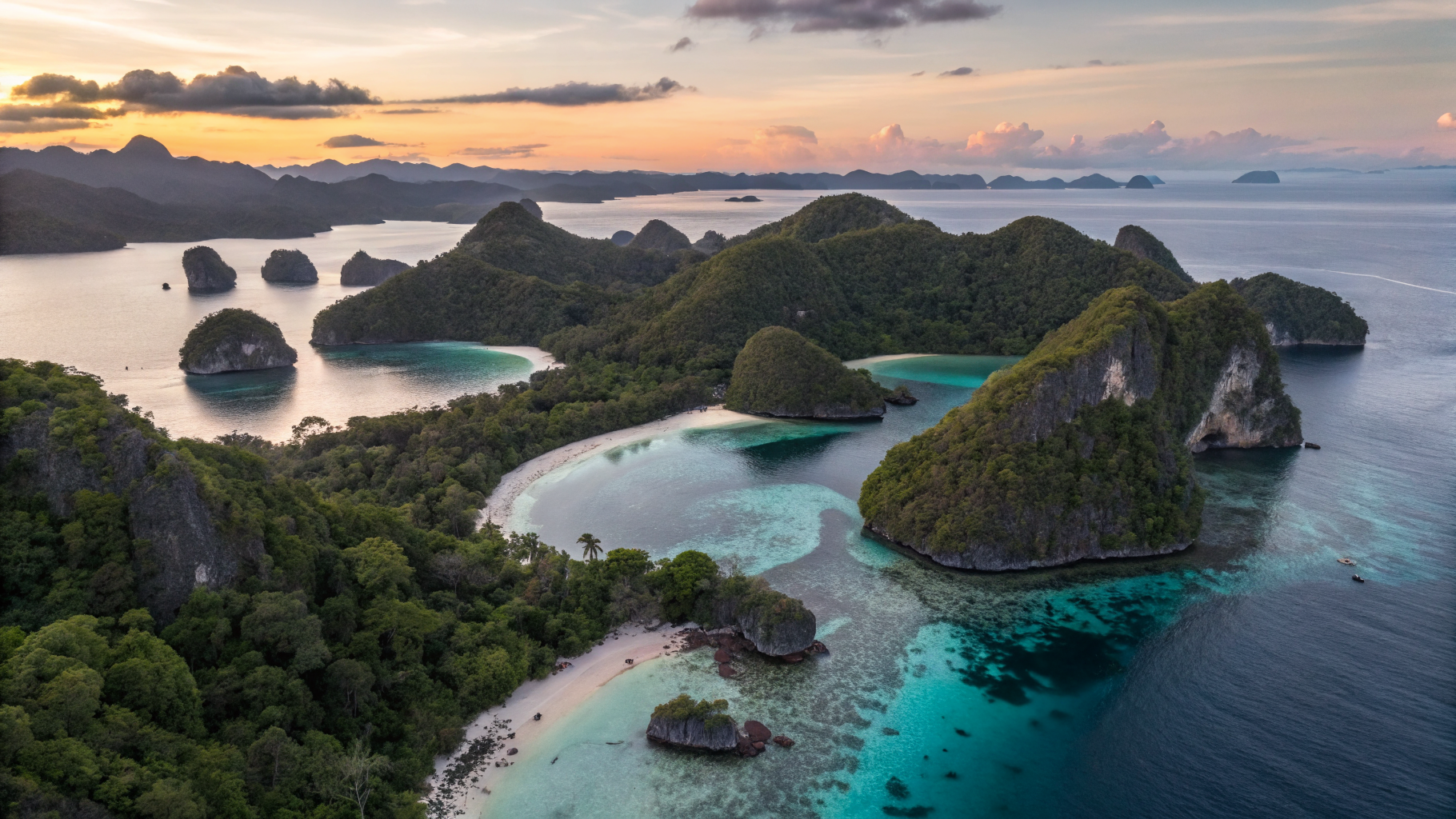
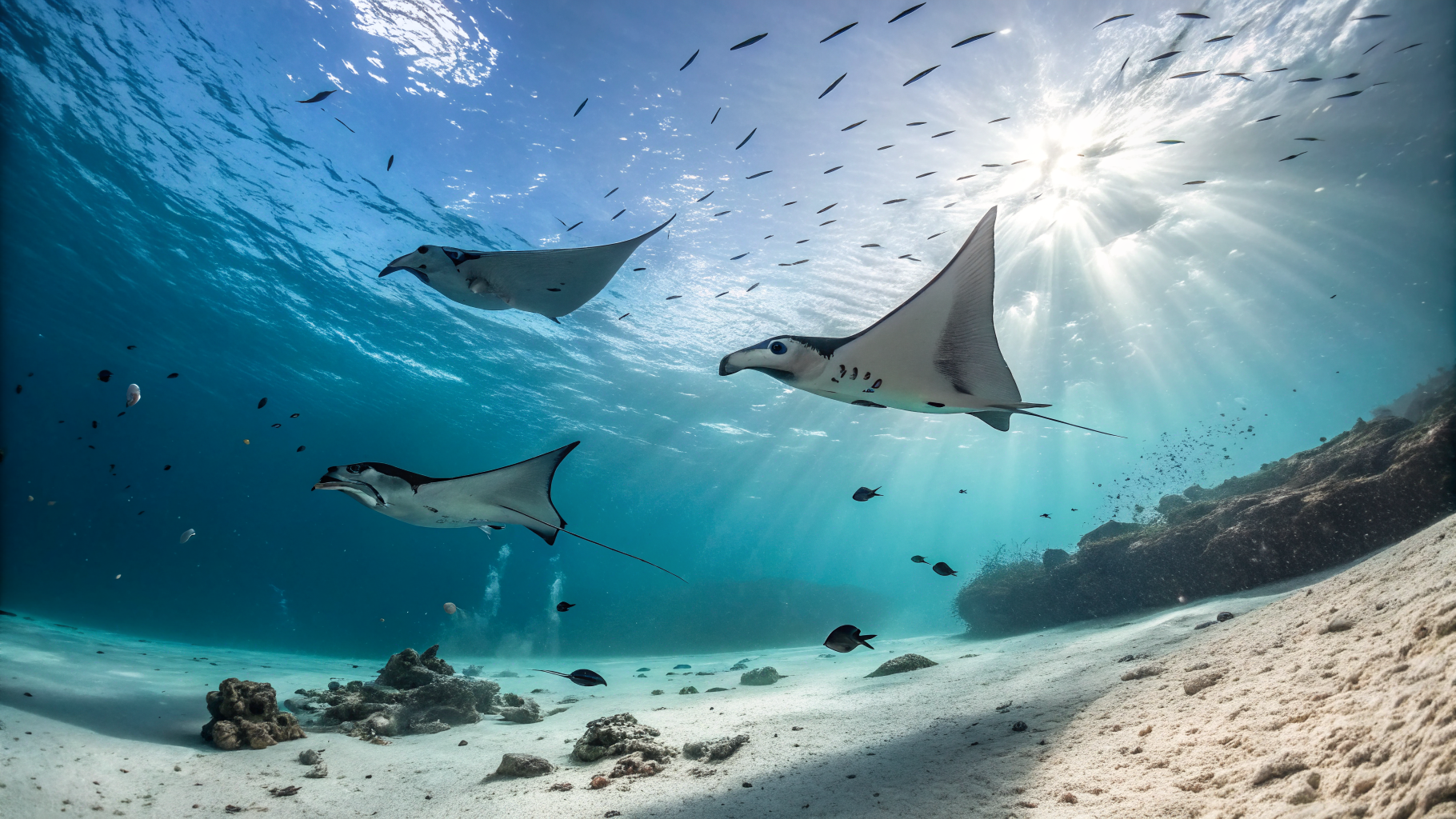
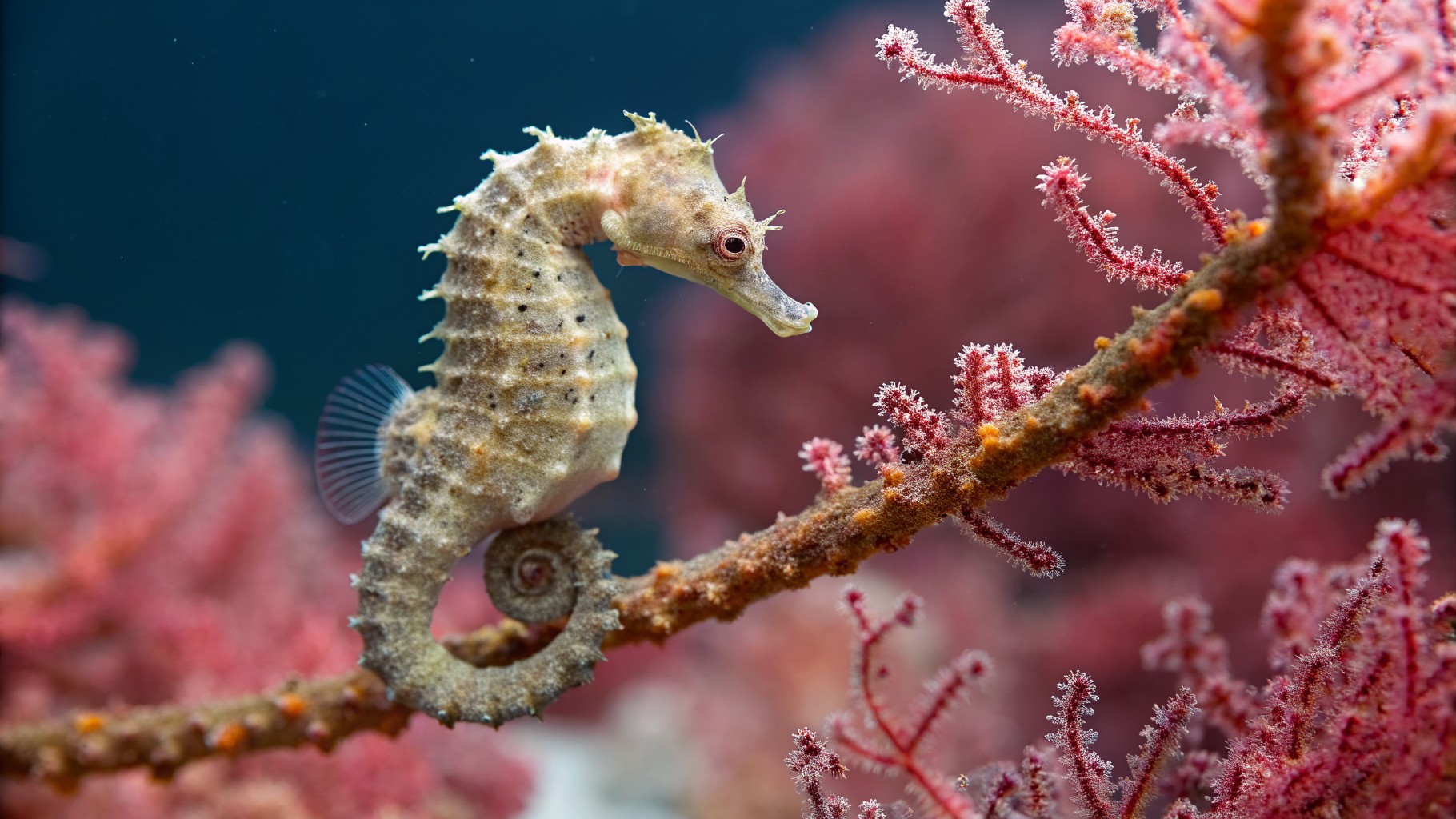
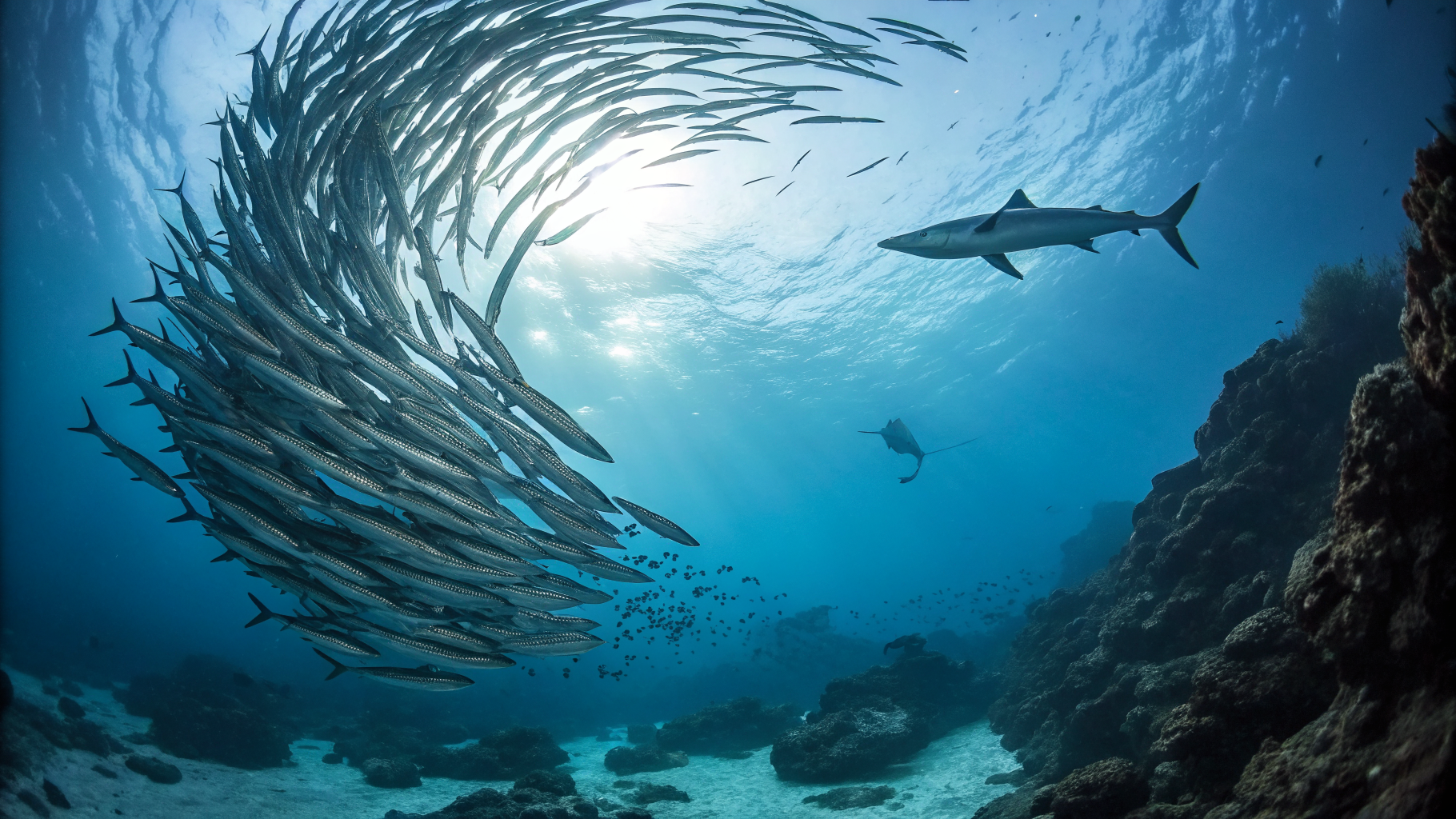
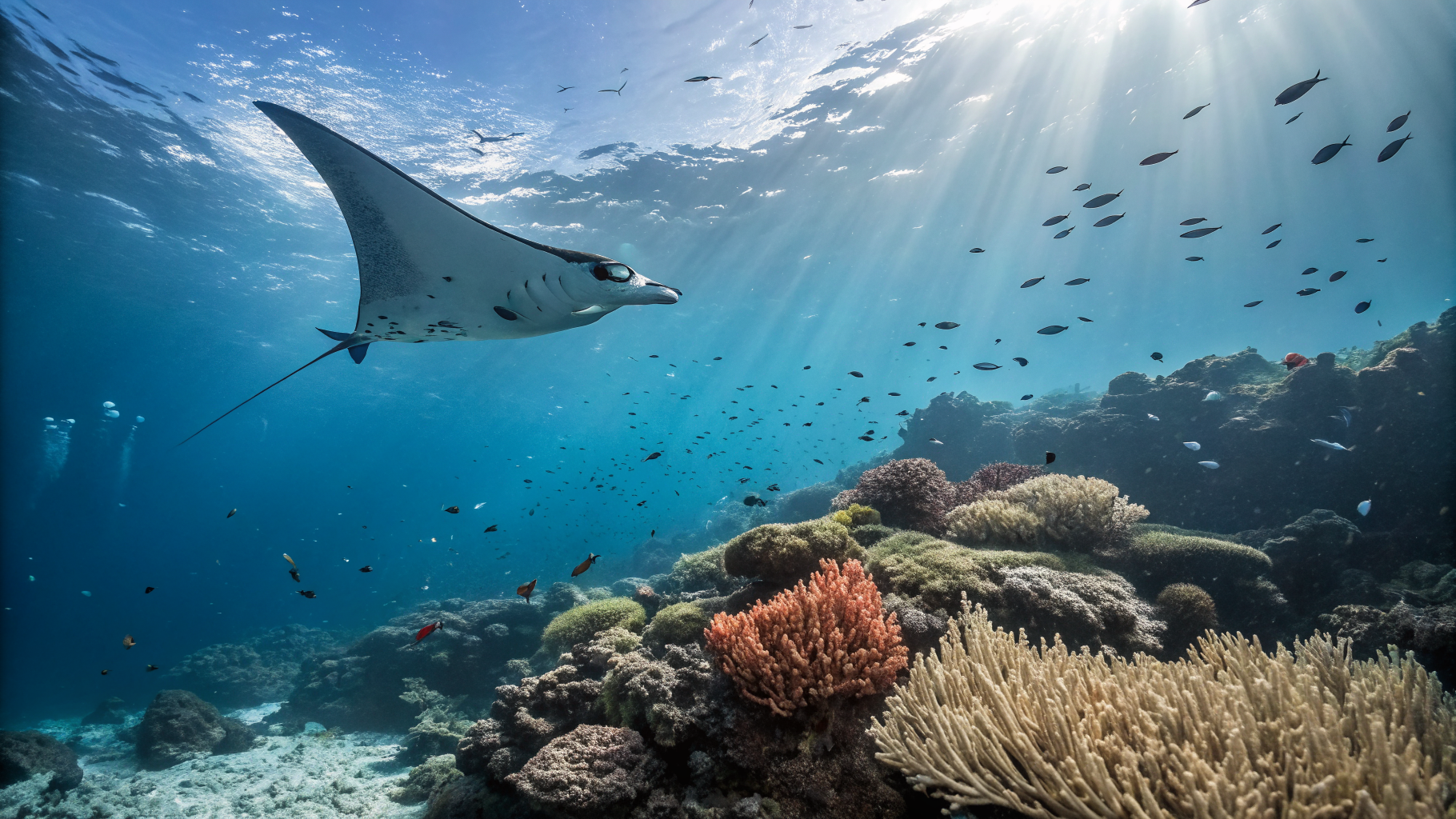
Dr. Maya Pertiwi anchors our scientific understanding of Raja Ampat. Her doctorate, a definitive study on the manta ray populations of the Dampier Strait, provides an academic rigor that informs every itinerary. She is the only active PADI Course Director on any Raja Ampat liveaboard to hold a PhD specifically focused on the region’s marine megafauna. This combination of deep scientific knowledge and elite-level dive instruction places her in a category of one. Onboard, Dr. Pertiwi translates complex ecological concepts into practical, observable detail for our guests. She moves between identifying endemic pygmy seahorses and explaining the intricate cleaning behaviors of oceanic mantas, connecting divers directly to the biological mechanics of the reefs they explore.
Born on the Doorstep of Raja Ampat
Maya Pertiwi was born in 1985 in Sorong, the port city that serves as the gateway to the archipelago. Her childhood was shaped by the rhythms of the sea, with uncles and cousins working as fishermen, their boats returning with the day’s catch against the backdrop of West Papua’s monsoon seasons. The stories they told were not of a distant natural wonder, but of a backyard, a larder, and a workplace. This upbringing provided a foundational, non-academic knowledge of the currents, channels, and marine life within the 40,000 square kilometers of Raja Ampat. At age 14, a local dive operator took her on an introductory dive. Submerged in the warm, 28°C water, she saw firsthand the coral density and fish diversity her family spoke of. That single dive, surrounded by a velocity of life she had only glimpsed from the surface, defined her professional trajectory. She surfaced with the conviction to understand the science behind the spectacle, a decision that would lead her from Sorong across the globe and back again.
Academic Pathway — Makassar to Townsville to Bandung
Maya’s formal study of the marine environment began at Universitas Hasanuddin in Makassar, where she earned a Bachelor of Science in Marine Biology in 2008. Her undergraduate work focused on the coastal ecosystems of Sulawesi. Recognizing the need for a global perspective on coral reef science, she applied for and was awarded a Fulbright scholarship. This took her to James Cook University in Townsville, Australia—a leading institution for tropical marine research. In 2012, she completed her Master of Science in Coral Reef Ecology, studying the resilience of reef systems in the Great Barrier Reef.
For her doctoral research, she returned to Indonesia and to the subject that first captured her imagination: the great rays of her home waters. Enrolled at Universitas Padjadjaran, she spent four years conducting fieldwork in the Dampier Strait. Her research involved acoustic and satellite tagging, photo-ID databases, and thousands of hours of underwater observation. In 2018, she successfully defended her dissertation: “Cleaning Station Site Fidelity of Mobula alfredi at Manta Sandy, Dampier Strait.” The work provided the first long-term, quantitative evidence that individual reef manta rays exhibit predictable, multi-year loyalty to specific cleaning stations, a critical finding for marine park management and the regulation of dive tourism impacts.
Peer-Reviewed Publications
Dr. Pertiwi’s research contributes directly to the global scientific community’s understanding of Raja Ampat. Her findings have been published in respected international journals, solidifying her status as an expert in the ecology of the Coral Triangle. Her work provides actionable data for conservation policy and informs our own sustainable diving protocols.
1. Pertiwi, M., van der Meij, S.E.T., & Hoeksema, B.W. (2019). Cleaning station fidelity of reef manta rays (Mobula alfredi) in Dampier Strait, Raja Ampat, Indonesia. Marine Biodiversity, 49(4), 1841–1851. doi:10.1007/s12526-018-0925-y
This paper, derived from her PhD dissertation, uses a multi-year photo-identification catalog to demonstrate that individual reef manta rays consistently return to the same specific cleaning stations, such as Manta Sandy. The study confirms these sites are critical habitats, not interchangeable, and argues for site-specific protective measures to minimize disturbance.
2. Pertiwi, M., & Allen, G.R. (2021). A re-assessment of reef fish species richness at Cape Kri, Raja Ampat, and observations on localized habitat shifts. Coral Reefs, 40(2), 567–573. doi:10.1007/s00338-021-02071-2
In collaboration with Dr. Gerald Allen, Maya co-authored this follow-up study to his record-setting 2012 dive. Their research re-affirmed the extreme ichthyological diversity at Cape Kri, documenting 368 species on a single dive. The paper also notes subtle changes in the distribution of certain species on the reef slope, hypothesizing a link to minor variations in current patterns and water temperature over the preceding decade.
3. Pertiwi, M. (2022). Acoustic disturbance from liveaboard tenders on cleaning behavior of Mobula alfredi. Marine Policy, 138, 104991. doi:10.1016/j.marpol.2022.104991
This solo-authored paper examines the direct impact of dive tender approaches on manta ray behavior. Using hydrophones and behavioral analysis, she found that engine noise above a certain decibel level causes mantas to abort their cleaning approaches or depart stations prematurely. The research provides specific, data-backed recommendations for codes of conduct, which we have integrated into our own dive tender protocols.
4. Pertiwi, M., Wibowo, A., & Pontoh, J. (2024). Micro-habitat preference and substrate association of the pygmy seahorse Hippocampus pontohi in the Wayag Lagoon. Journal of Fish Biology, 105(2), 432–441. doi:10.1111/jfb.15428
Focusing on one of Raja Ampat’s endemic species, this study details the precise environmental conditions required by the Raja Ampat pygmy seahorse. The research identifies the specific species of halimeda algae and hydroids the seahorses inhabit, providing crucial information for guides on where to look for these cryptic animals without causing damage to their delicate micro-habitats.
PADI Course Director — Training the Next Generation
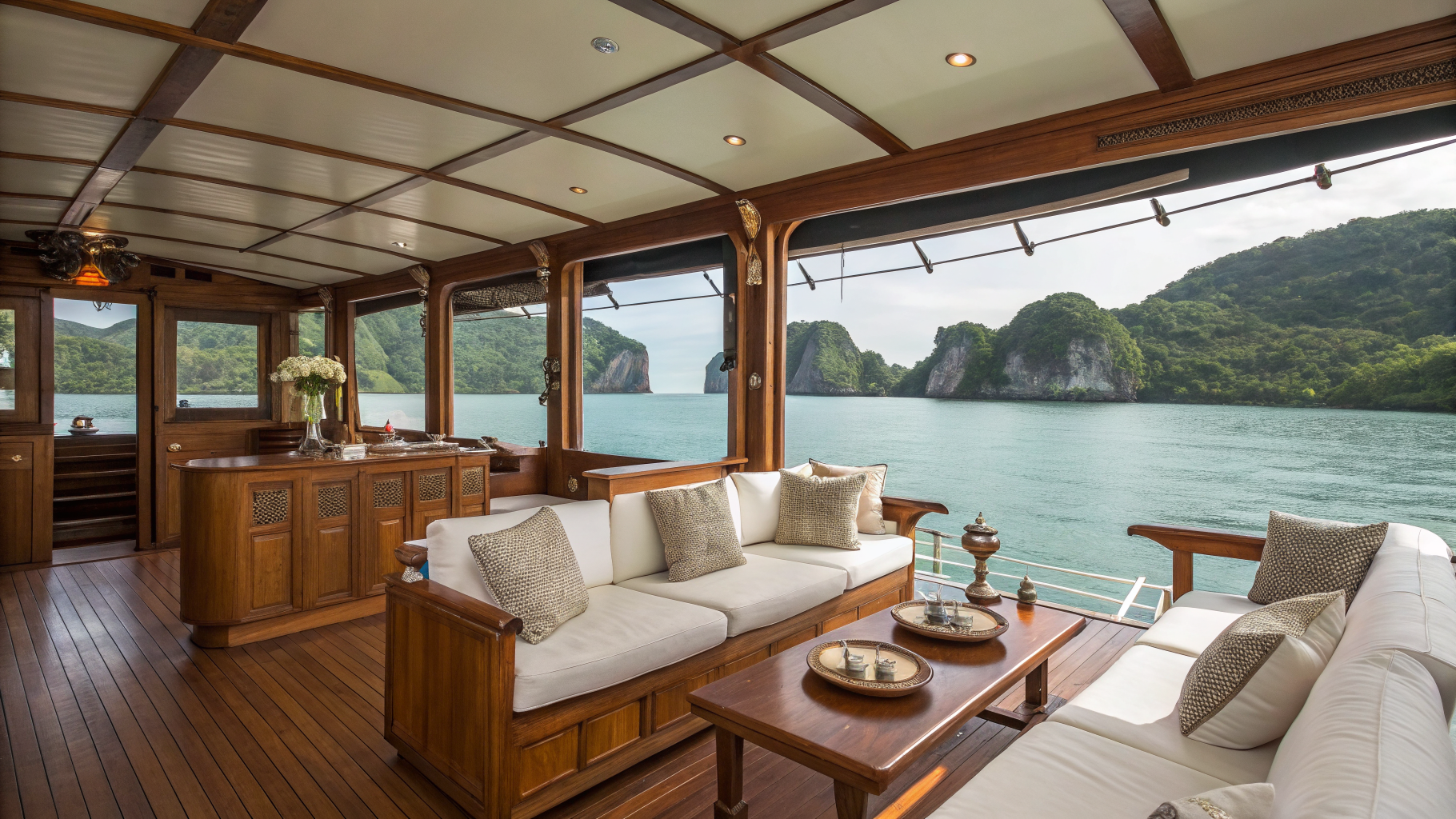
Beyond her scientific achievements, Maya is a PADI Course Director (#312456), the highest professional rating in recreational scuba diving. Since achieving this status in 2020, she has certified over 50 PADI Open Water Scuba Instructors, many of whom now work throughout the Indonesian archipelago. She conducts Instructor Development Courses (IDCs) on our Phinisi schooners, transforming our vessels into platforms for professional education. Her curriculum is unique, integrating marine science modules that go far beyond the standard PADI coursework. Her candidates learn not just how to teach diving, but how to interpret the reef, identify key species, and communicate conservation principles. She also teaches a range of specialty instructor courses, including Deep Diver, Enriched Air Nitrox, and Fish Identification. As a certified DAN Asia-Pacific medical responder, her expertise in dive safety and emergency management is comprehensive, ensuring the highest standards of training and risk management are maintained on every voyage.
4,247 Dives — A Logbook Snapshot
As of May 2026, Dr. Pertiwi’s logbook contains 4,247 dives. Of these, 2,830 have been conducted within the waters of Raja Ampat, from the southern seas of Misool to the northern atolls of Wayag. This immense volume of bottom time provides an exceptional, longitudinal perspective on the region’s reefs. Her logbook is a data repository, chronicling changes in coral health, fish populations, and manta ray sightings over 11 years of professional guiding. Her deepest dive was to 95 meters on closed-circuit rebreather to survey mesophotic coral communities near Fiabacet. Her longest was a 214-minute dive mapping the intricate swim-throughs of the Farondi Caves. Among her most notable entries is the 2021 dive at Cape Kri with Dr. Gerald Allen, where they documented 368 fish species, re-affirming the site as a global epicenter of marine biodiversity. She has logged encounters with every one of Raja Ampat’s iconic endemics, from the tasselled wobbegong to the walking shark.
Speaking and Outreach
Dr. Pertiwi is a respected voice for marine conservation in Southeast Asia. She has been selected as a keynote speaker for the Asian Dive Expo (ADEX), the continent’s largest dive industry event, on three separate occasions. In 2019, her presentation focused on the economic and ecological importance of manta ray tourism and the need for science-based regulations. In 2022, she spoke on the measurable impacts of climate change on Raja Ampat’s coral bleaching patterns. Most recently, at ADEX 2024, her keynote addressed the role of the liveaboard industry in funding local conservation initiatives and collecting citizen science data. Her presentations translate peer-reviewed science into compelling arguments for policy makers, industry stakeholders, and the diving public.
Dive With Maya
Dr. Pertiwi’s scientific and guiding expertise is an integral part of our scheduled voyages. For groups seeking a dedicated academic focus, she is available to lead private charters. Her involvement elevates a dive trip into a field-level marine biology expedition. To inquire, please visit our private charter page.