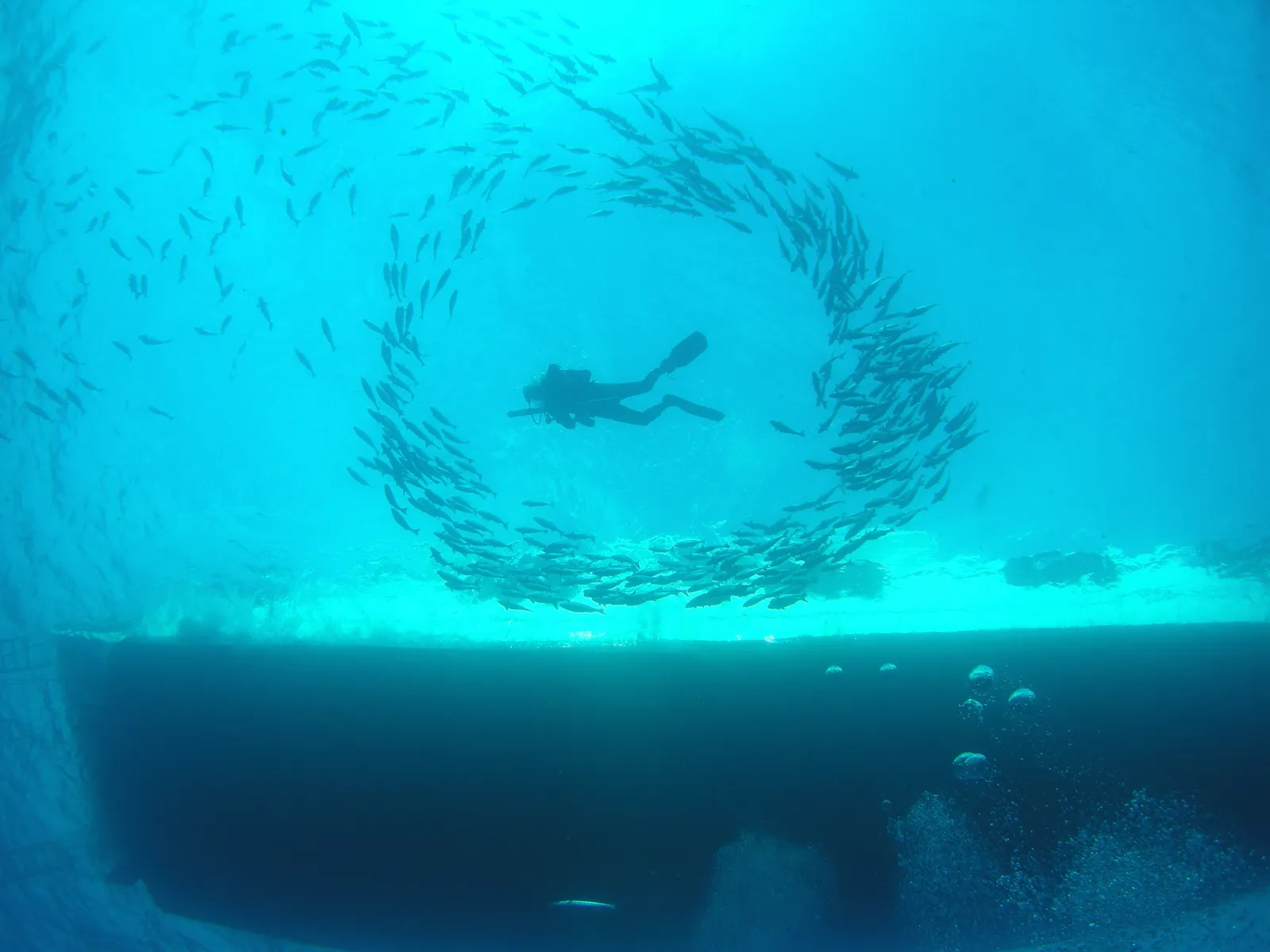
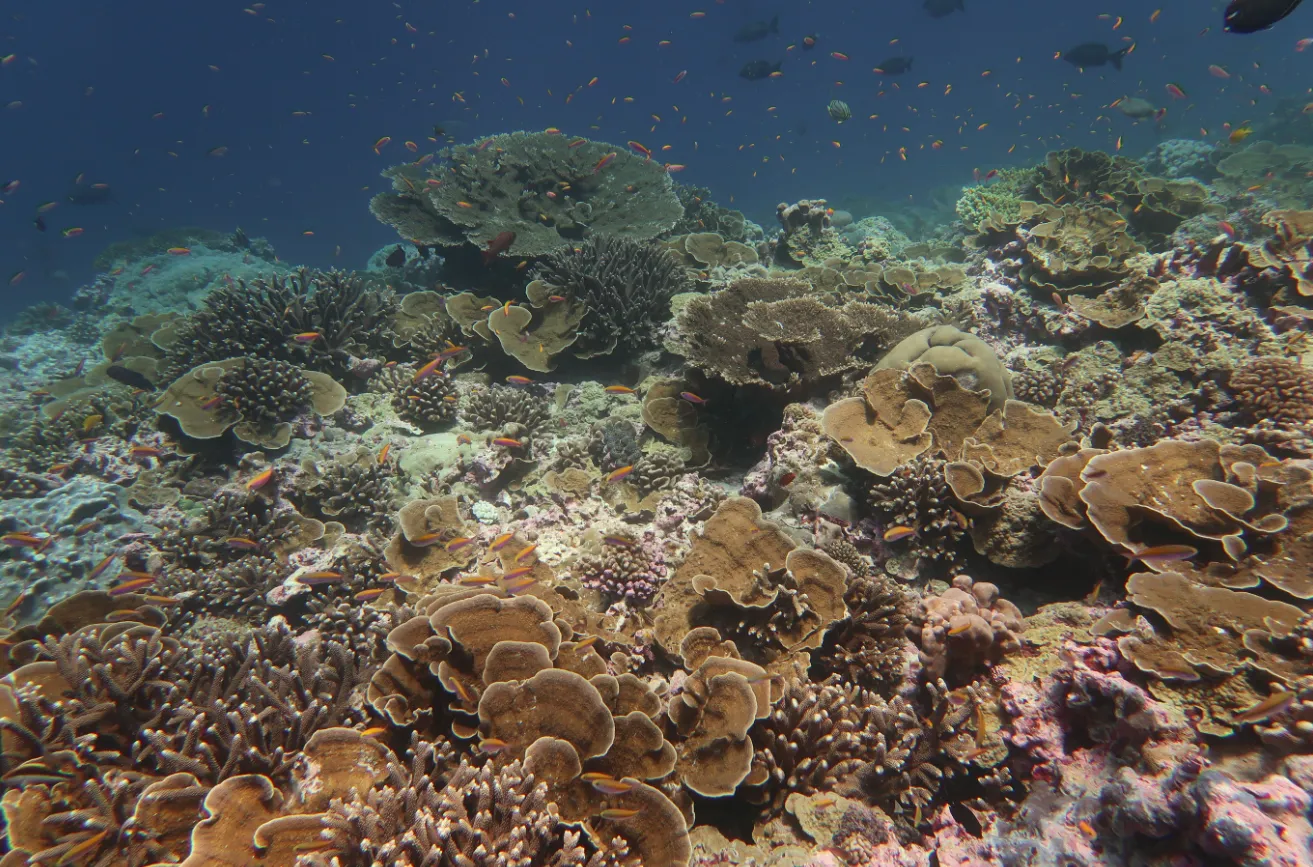
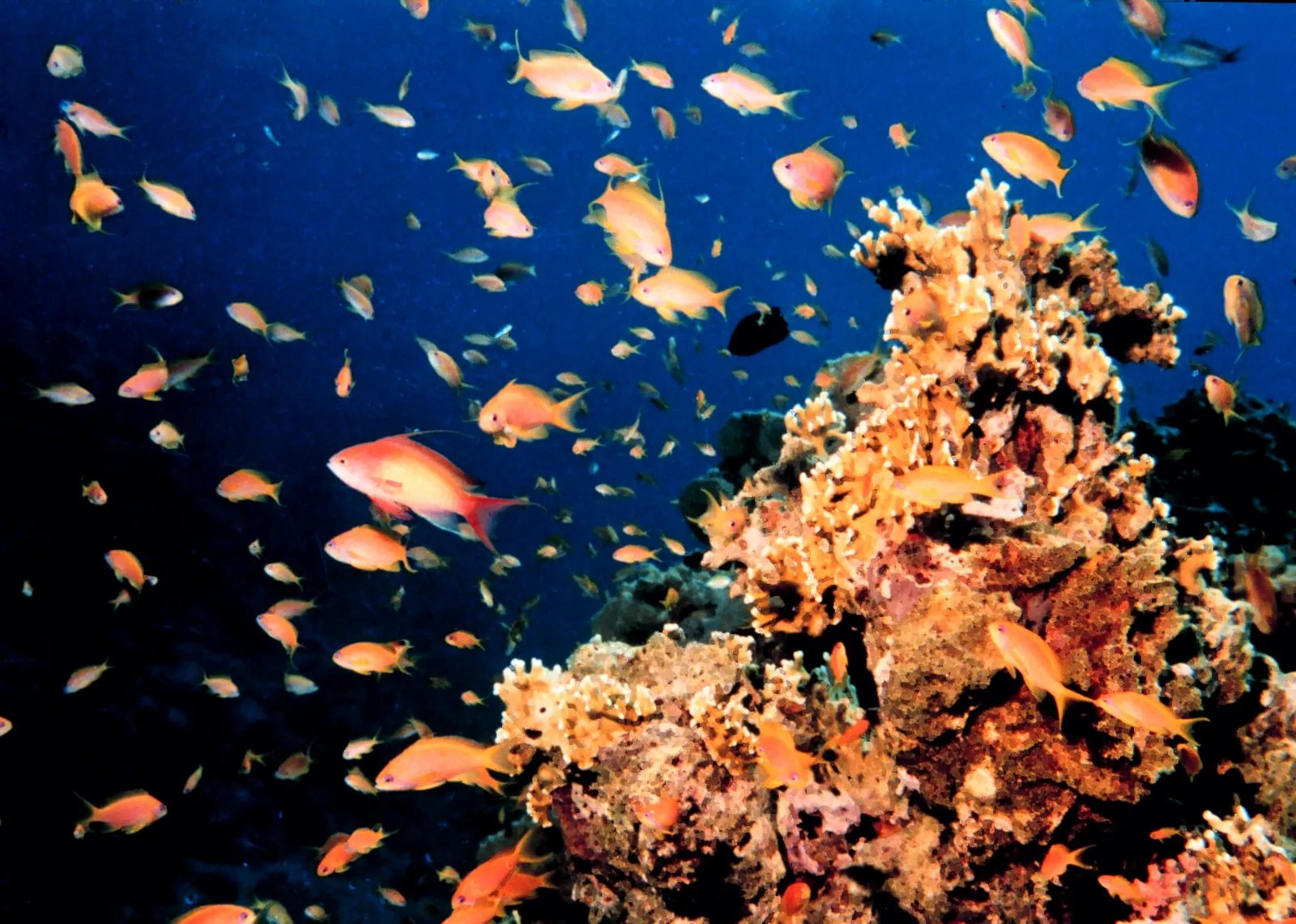
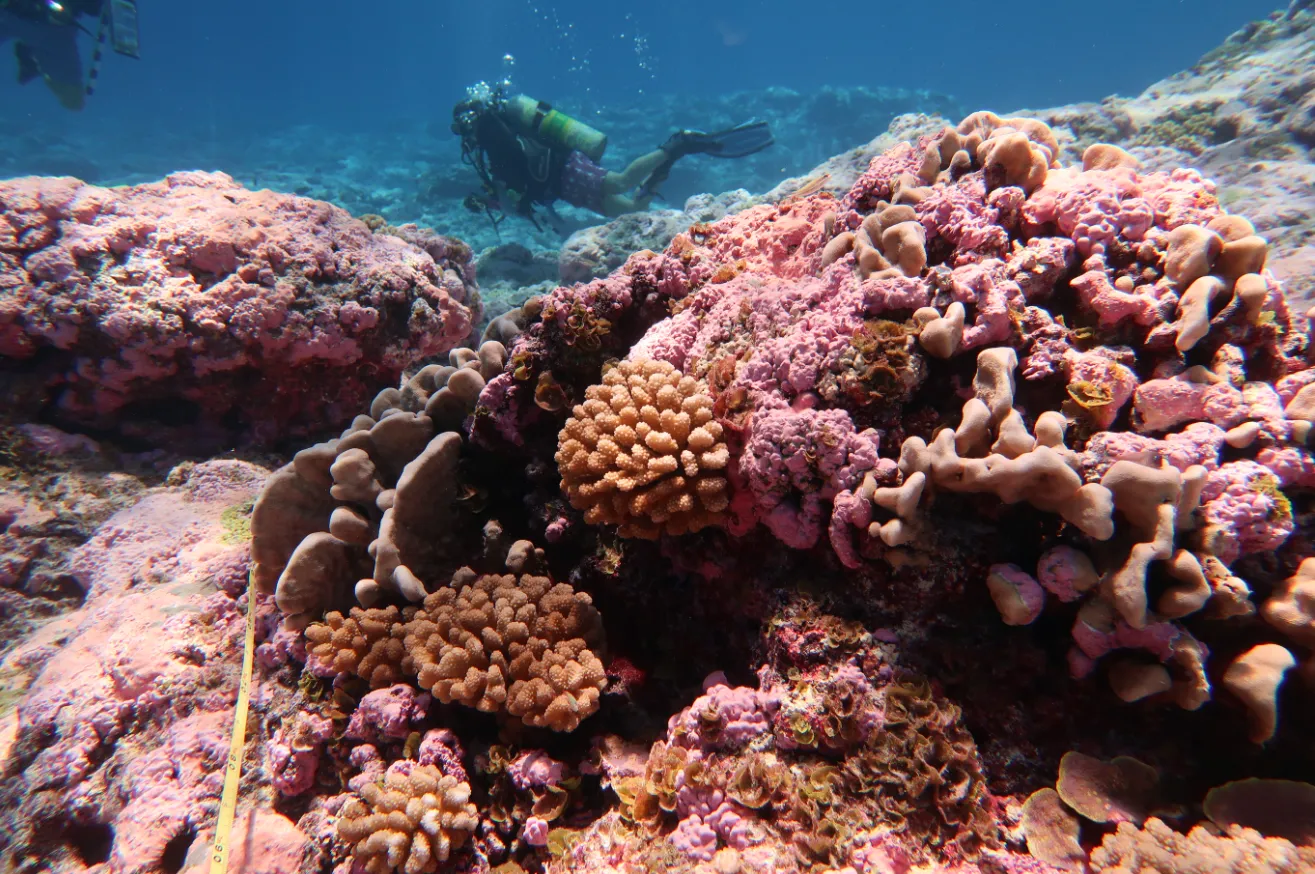
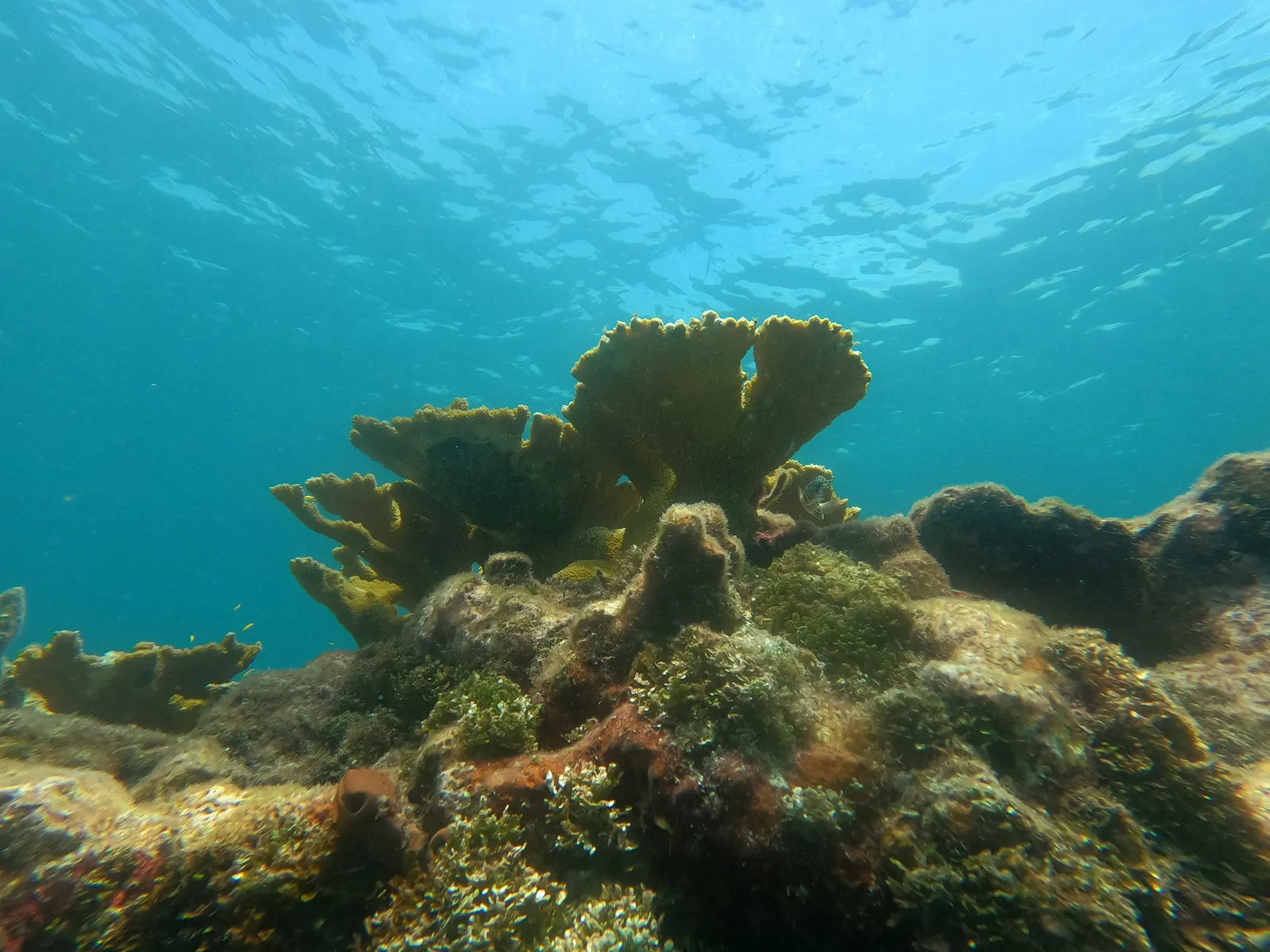
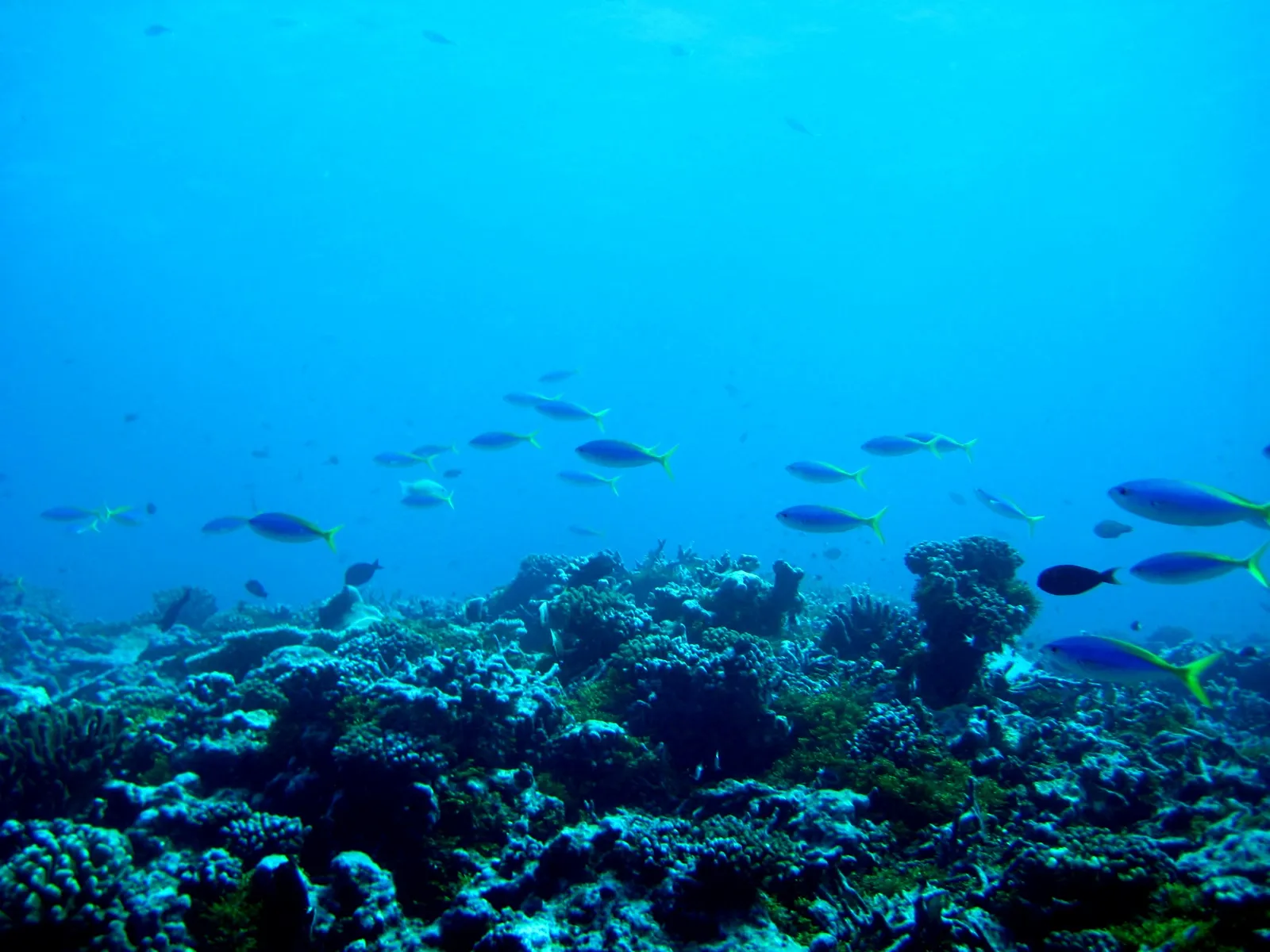
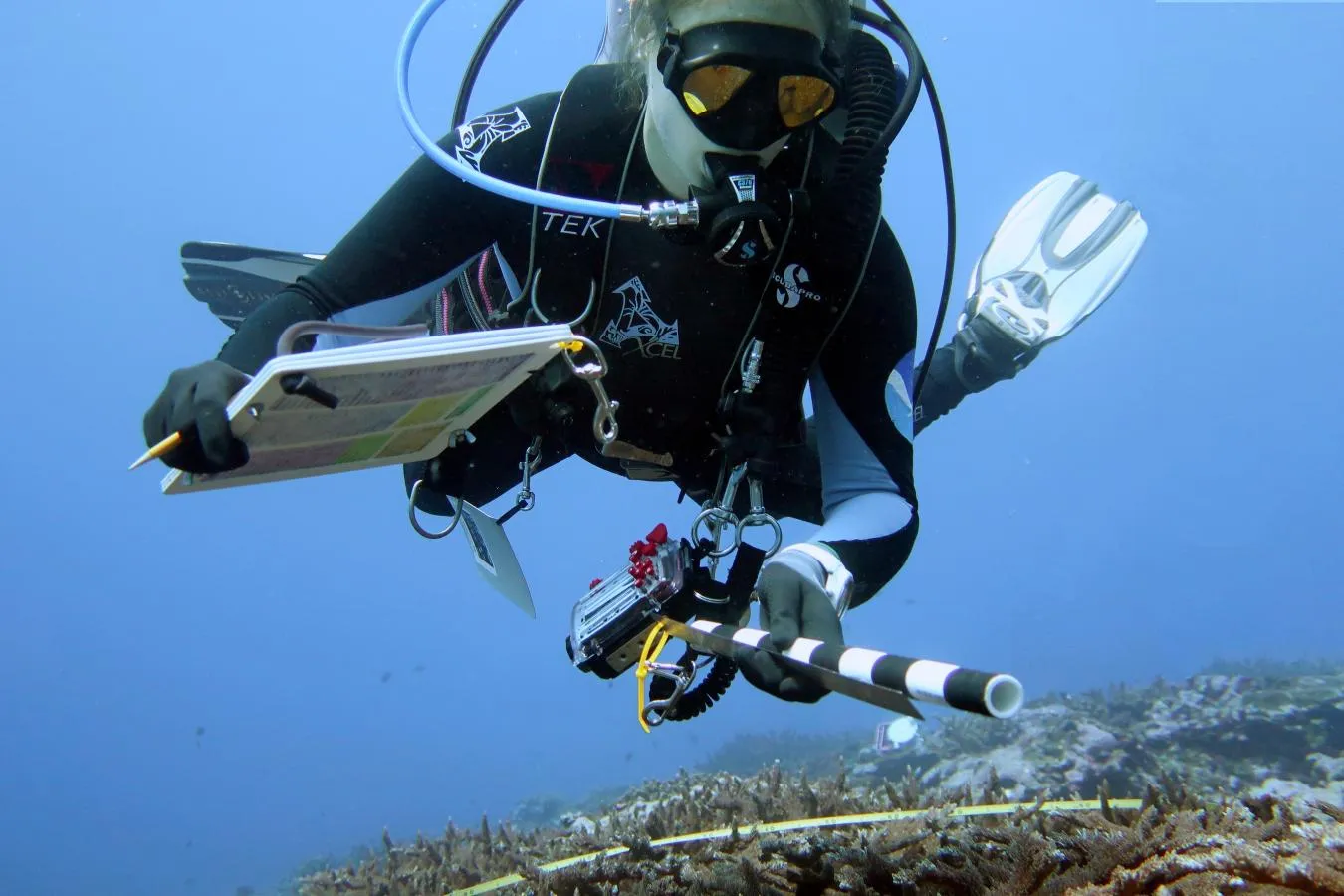
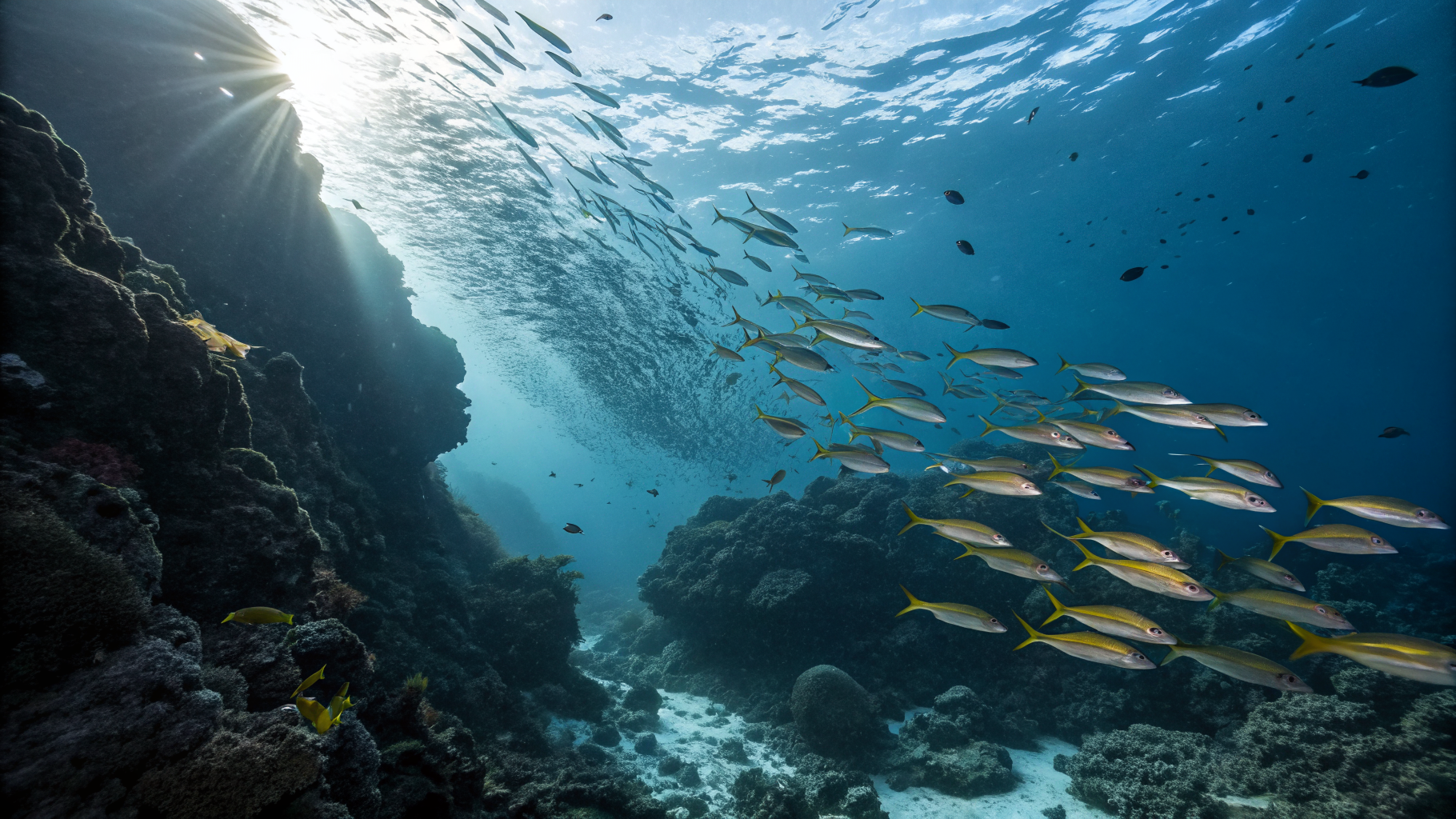
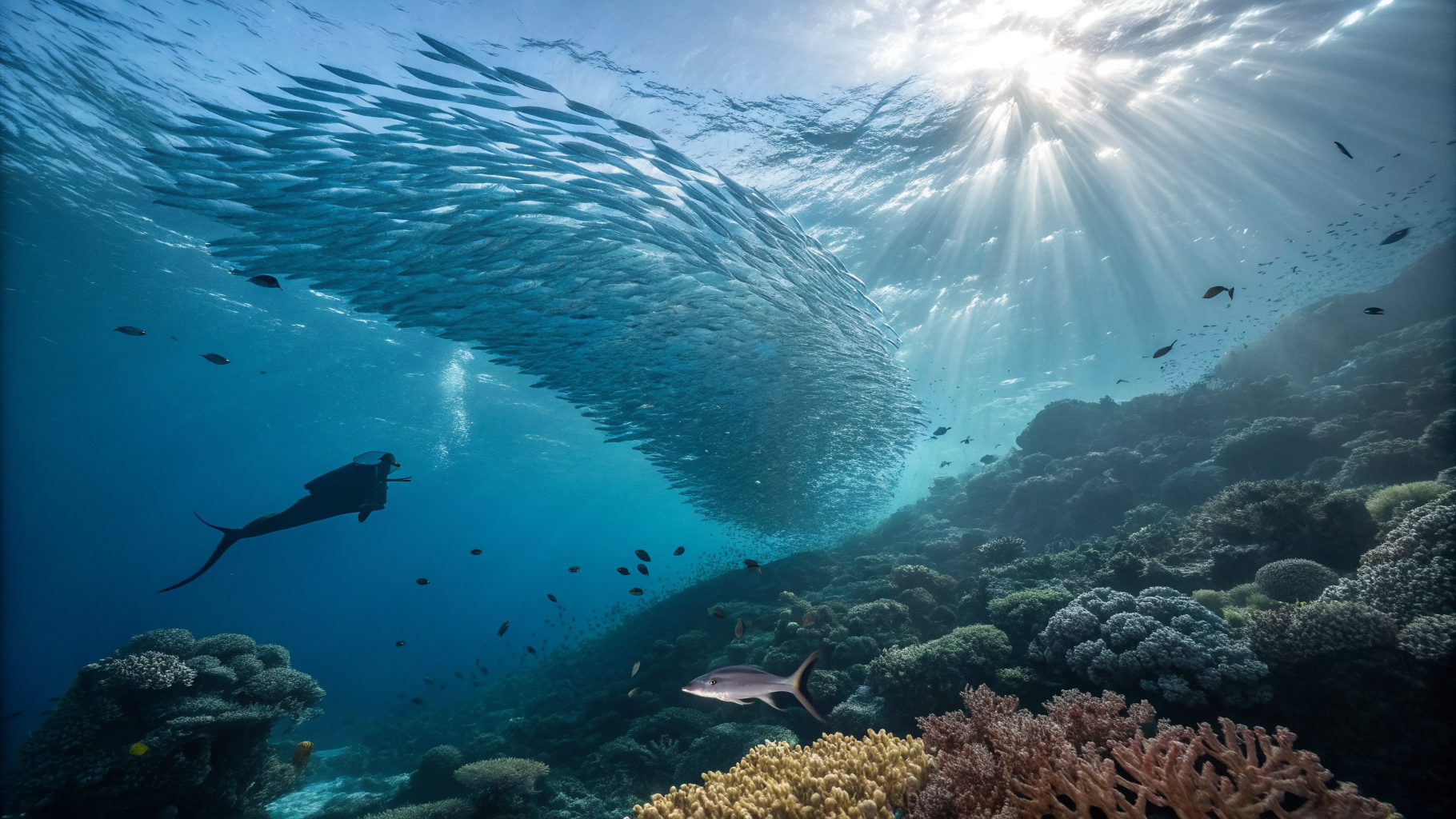
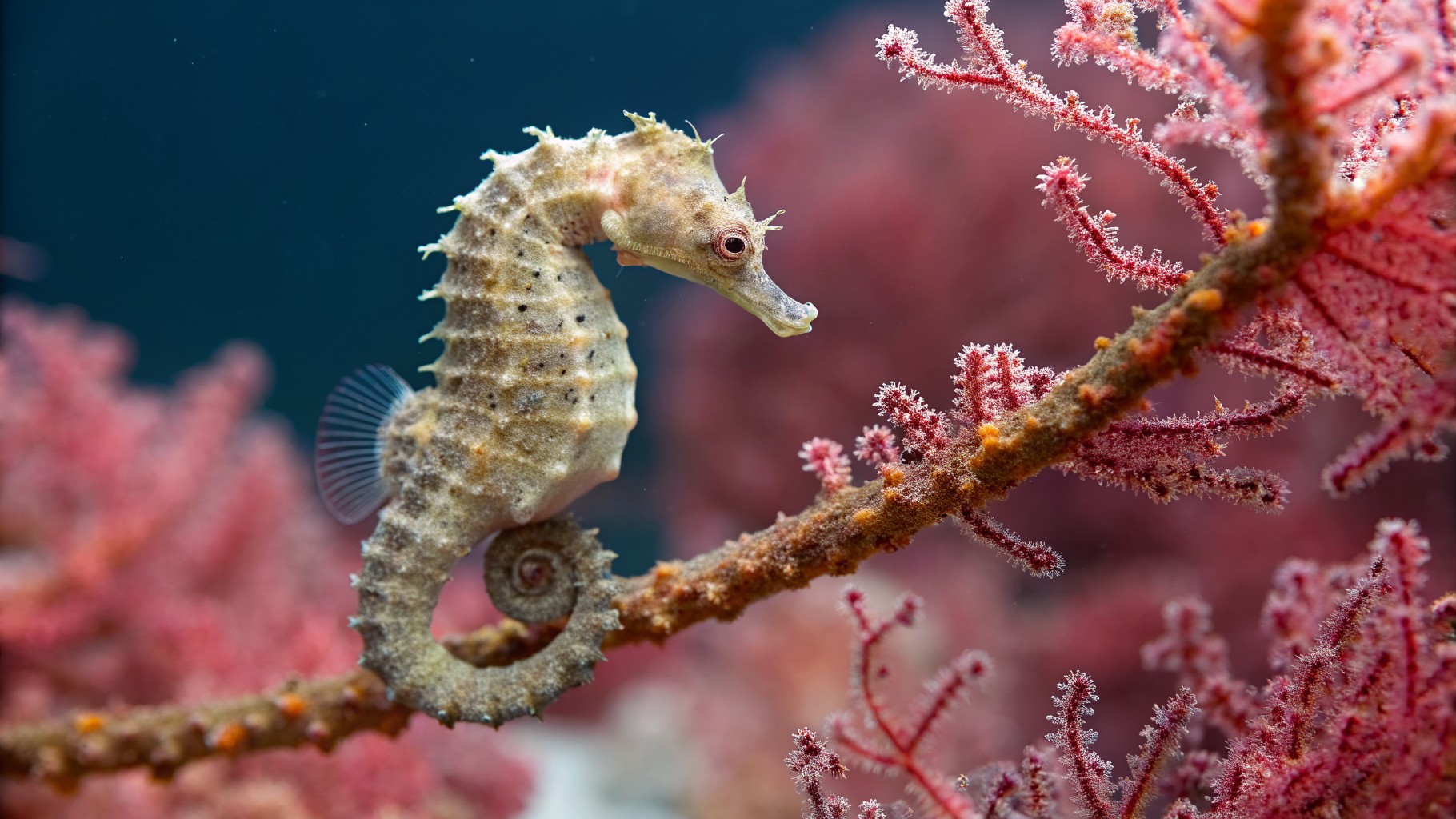
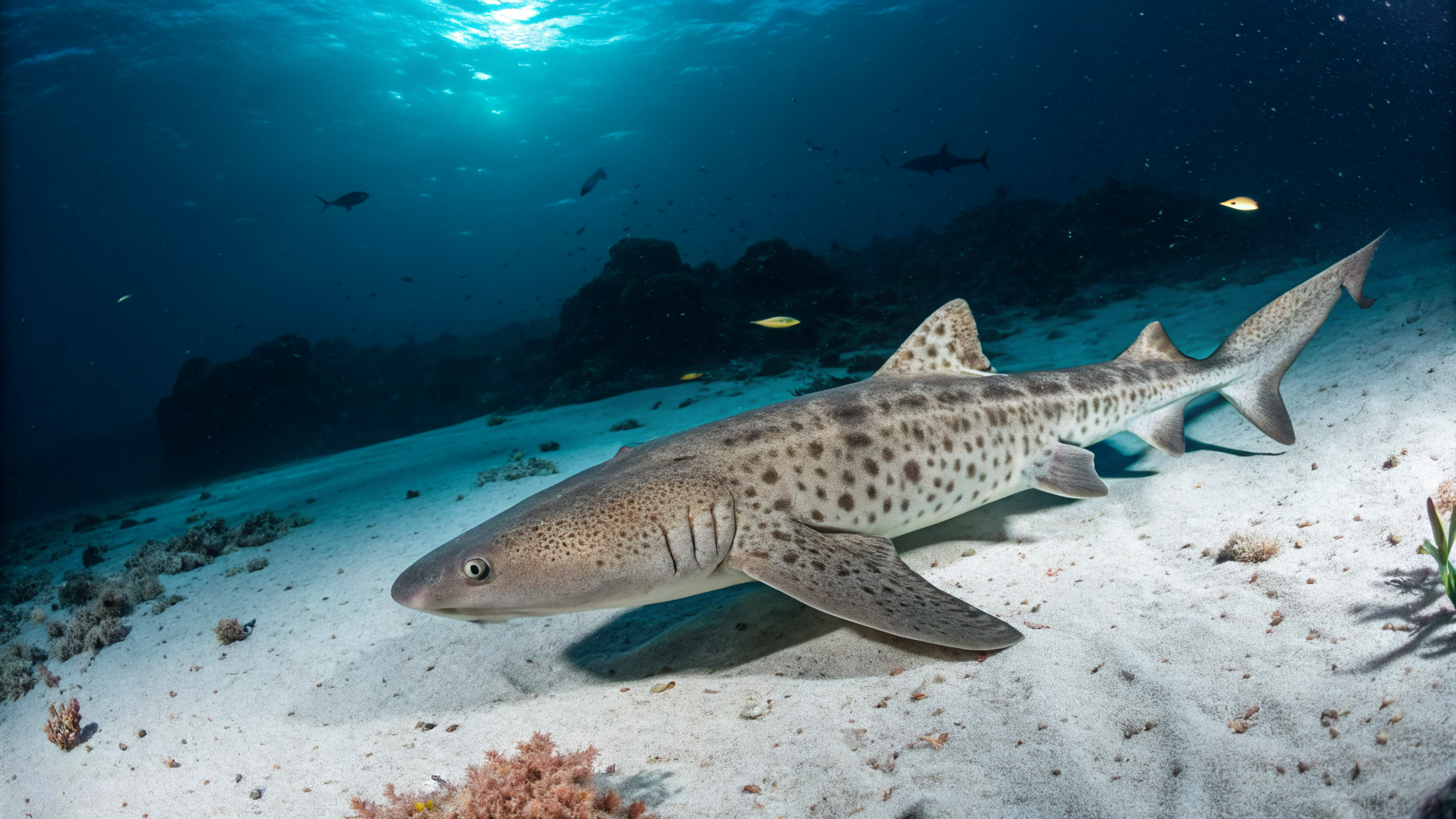
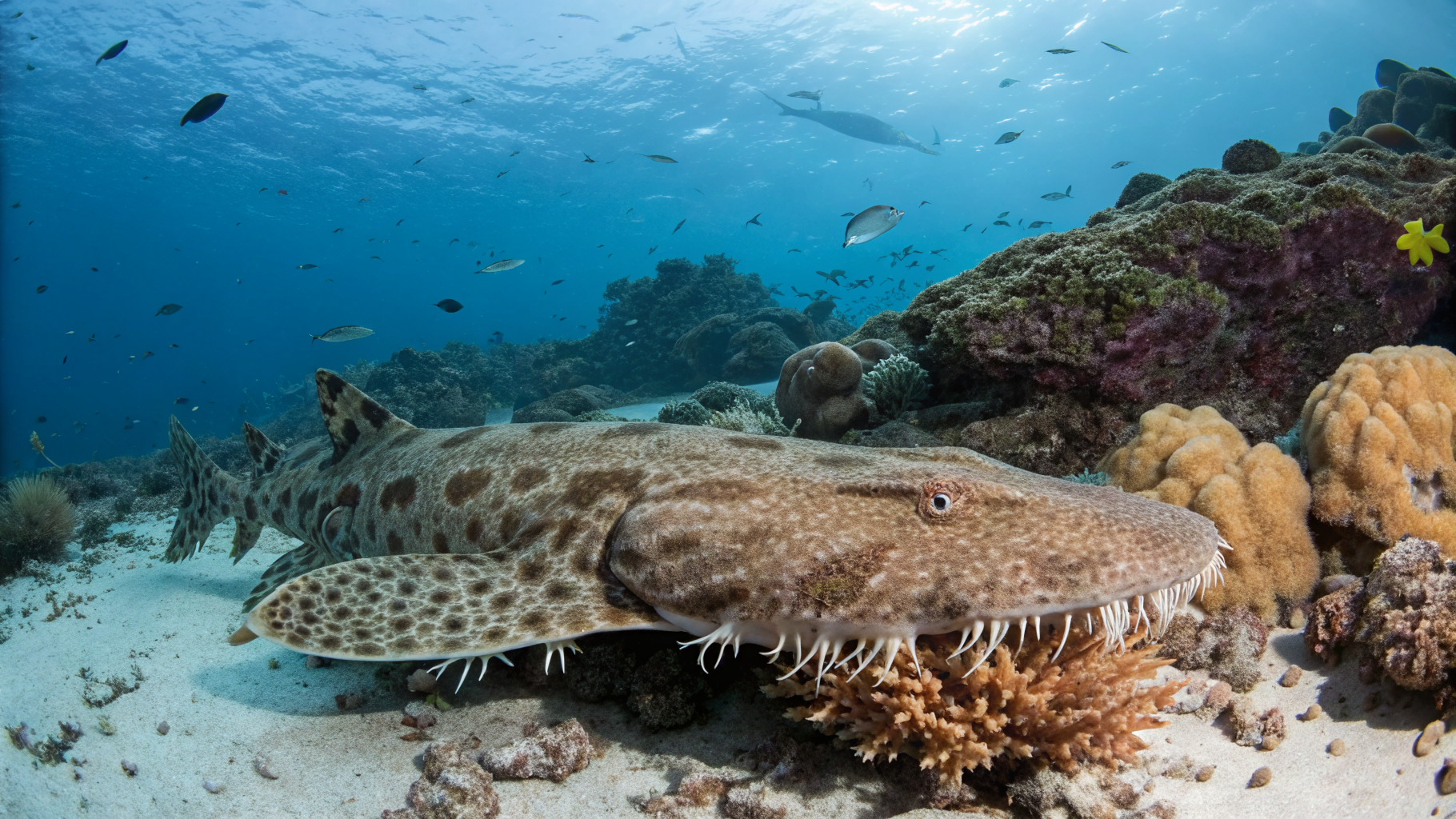
The biodiversity in Raja Ampat is not a matter of chance; it is a statistical certainty. With 1,427 documented reef fish species, encounters with a vast range of marine fauna are a daily occurrence. Our divemasters, holding advanced degrees in marine biology, focus on identifying and documenting these species with you. A detailed study of the Raja Ampat marine life is a core part of our program.
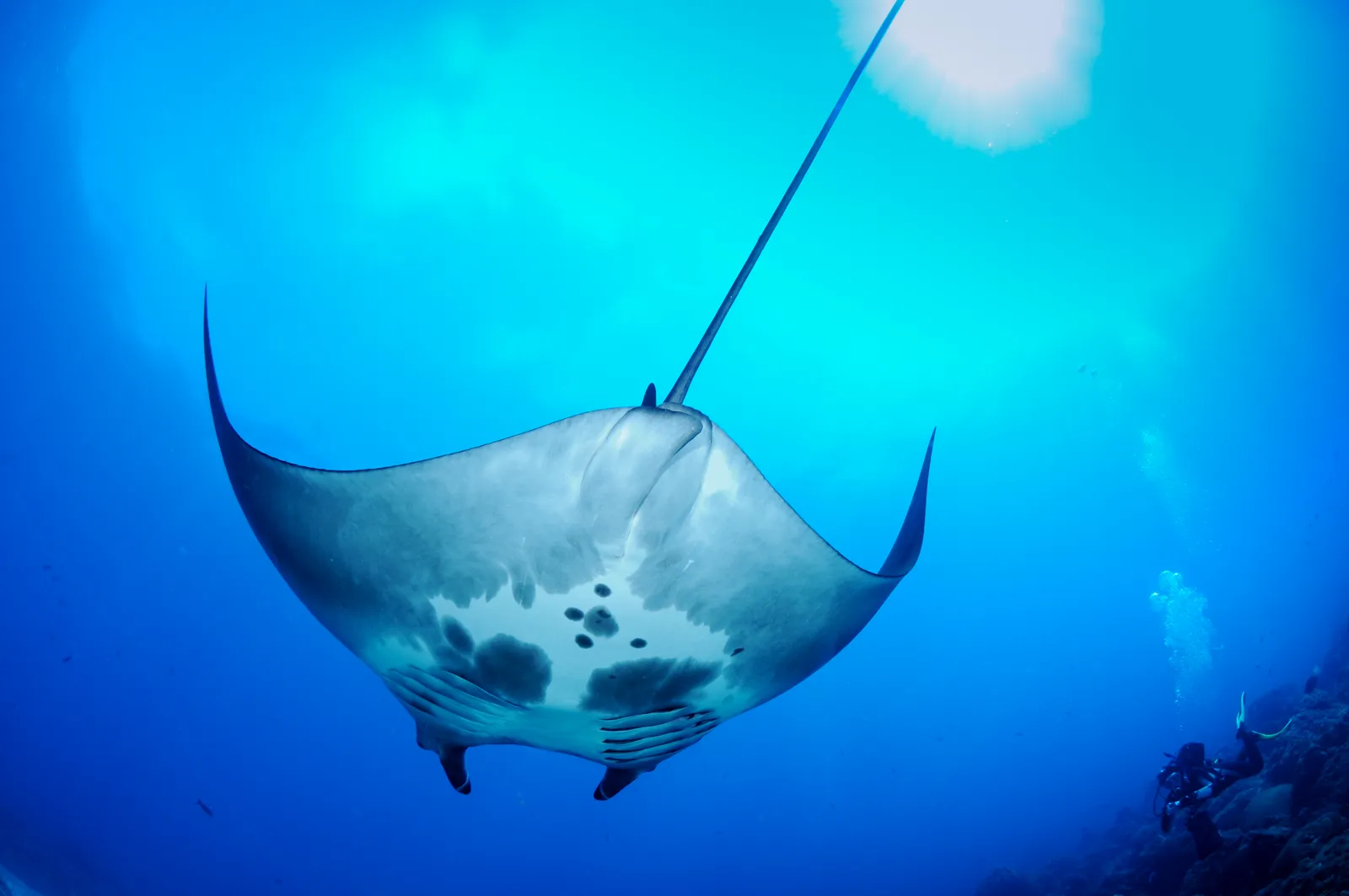
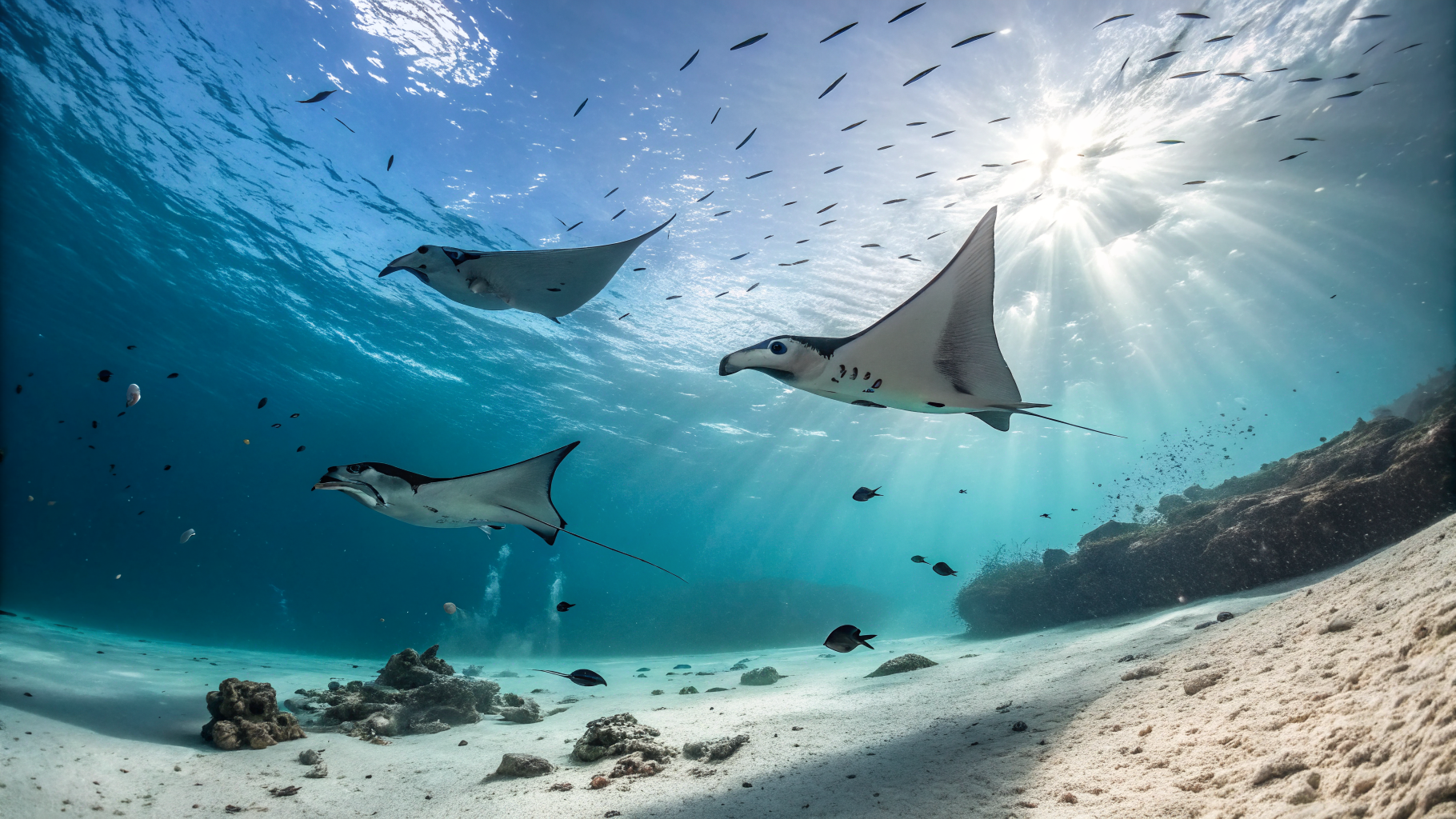
Two species of manta ray are present. The reef manta (Mobula alfredi), with a wingspan up to 5 meters, is reliably found at cleaning stations like Manta Sandy. The larger oceanic manta (M. birostris), reaching over 7 meters, frequents offshore seamounts like Magic Mountain in Misool, particularly from December to March. Endemic species are a key focus. The Raja Ampat walking shark (Hemiscyllium freycineti) uses its pectoral fins to "walk" across the seabed on night dives. The tasselled wobbegong shark (Eucrossorhinus dasypogon) is a master of camouflage, its flattened body and mottled pattern blending perfectly with the reef.
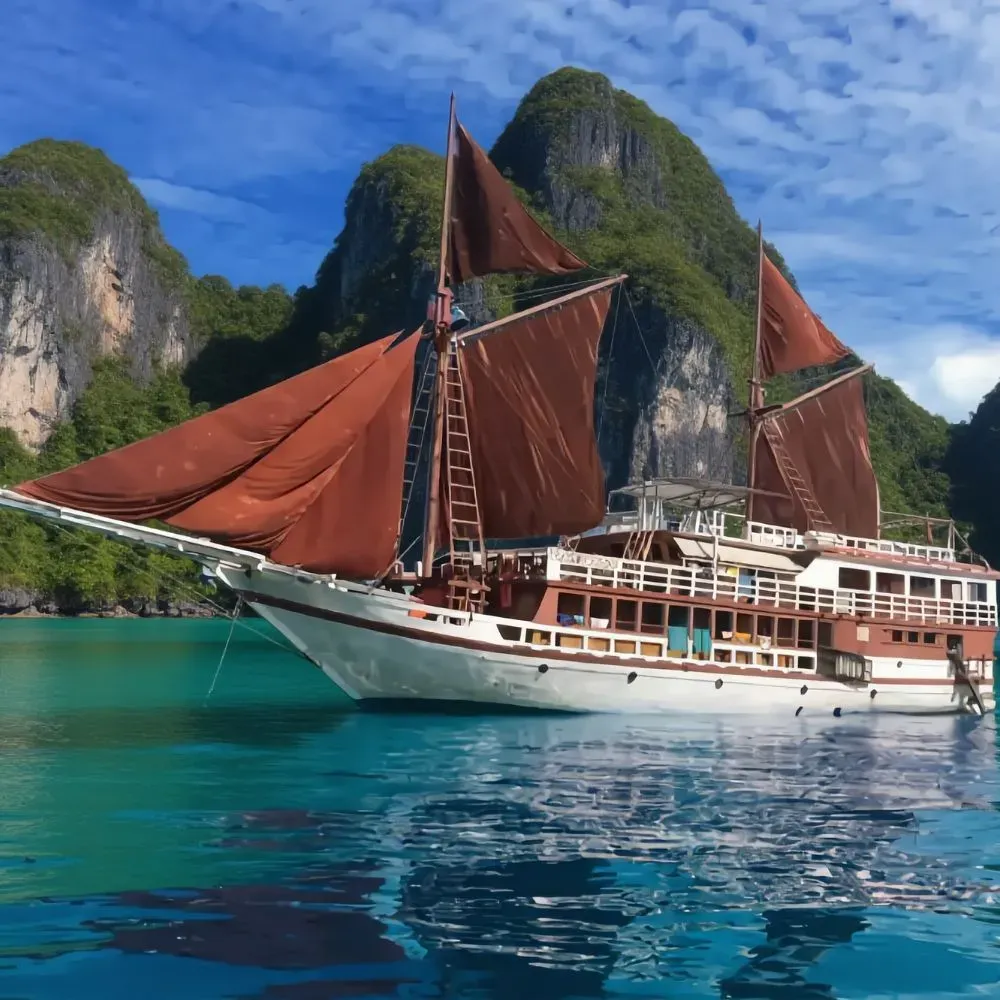
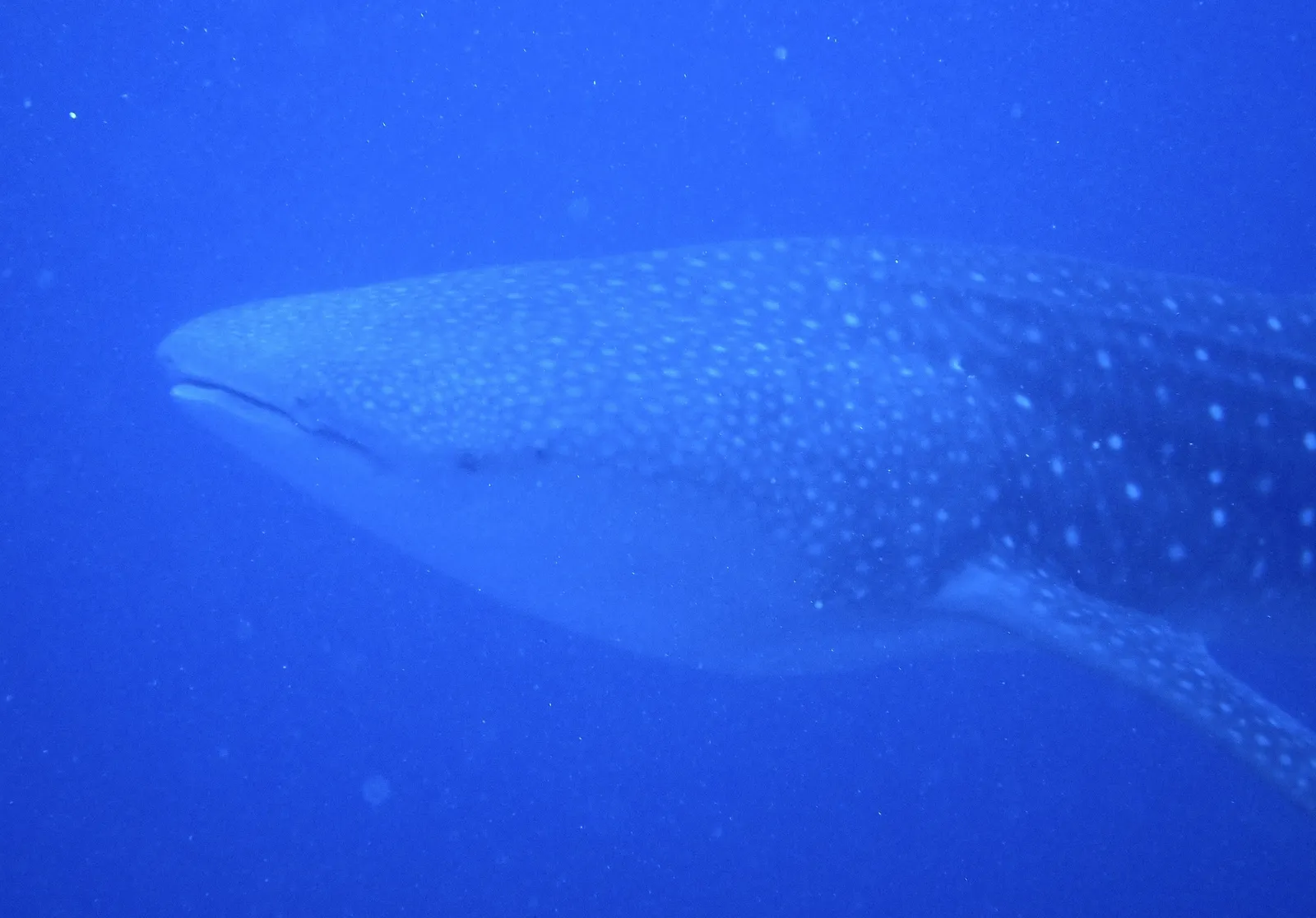
For macro photographers, the region is a primary subject. Three distinct species of pygmy seahorse—Bargibant's (Hippocampus bargibanti), Denise's (H. denise), and the endemic Raja Ampat pygmy (H. pontohi)—can be located by our expert guides. For those undertaking extended charters, a voyage can be routed towards Cenderawasih Bay, a separate marine park east of Raja Ampat, which is the only place in the world with a year-round, non-migratory population of whale sharks (Rhincodon typus) that interact with local fishing platforms.