Skip to content
Raja Ampat Liveaboard Diving
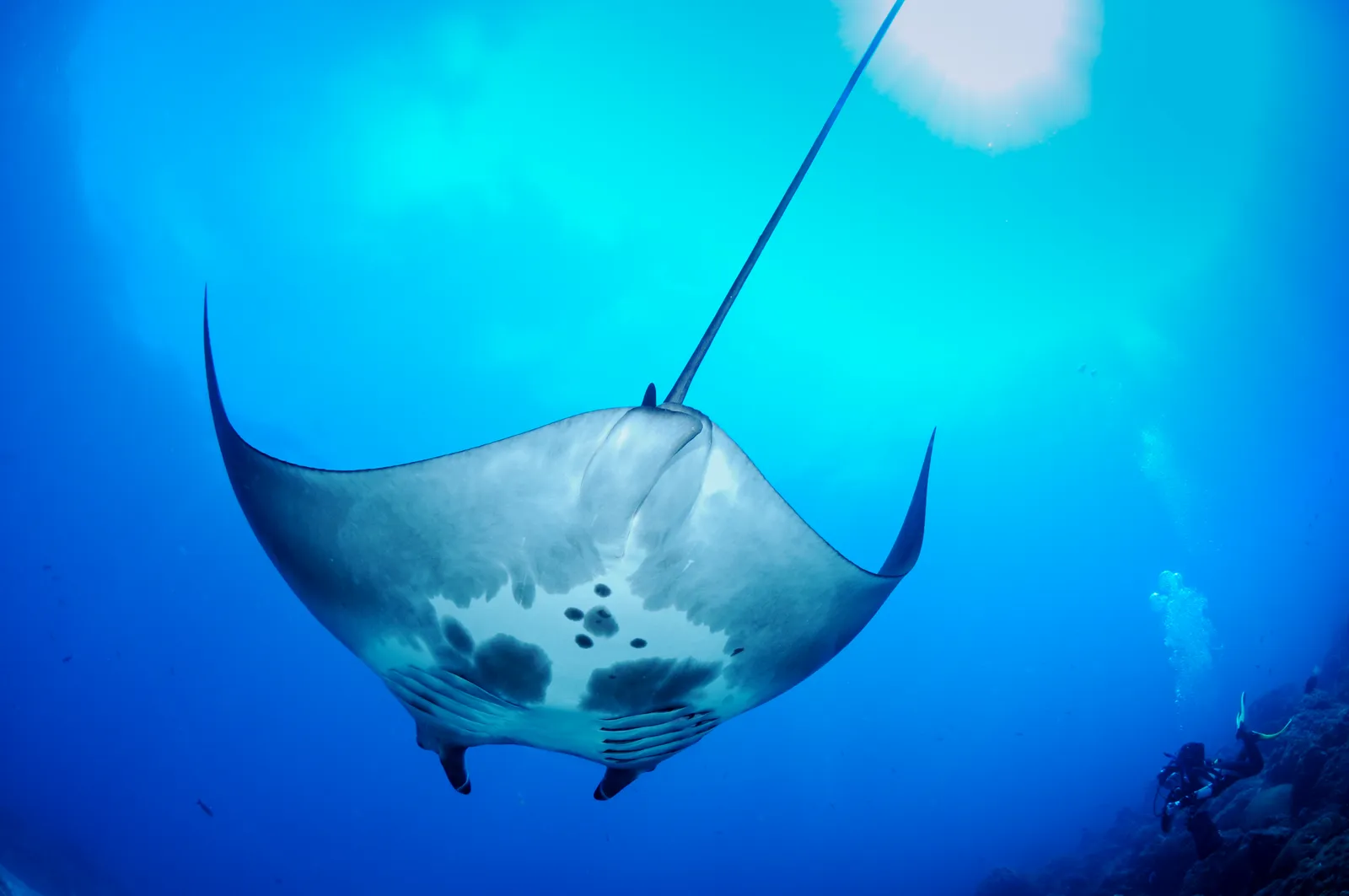
Manta ray — FGBNMS - manta ray

Marine Life

Raja Ampat Marine Life — Manta Rays, Whale Sharks & Pygmy Seahorses

Raja Ampat marine life represents the global epicenter of marine biodiversity.

This archipelago of over 1,500 islands in West Papua, Indonesia, is the core of the Coral Triangle, containing 75% of all known hard coral species on Earth. Divers here will navigate ecosystems populated by 1,427 documented reef fish species and a spectrum of pelagic animals. A single 90-minute dive at the Cape Kri site in the Dampier Strait yielded a record 374 species, a figure documented by Dr. Gerald Allen in 2012. From encounters with oceanic mantas in the south to the endemic wobbegong shark of the north, the density and variety of life are exceptional. Understanding the unique fauna, including the sought-after raja ampat manta ray, is fundamental to planning a successful private charter.

Hard coral — FGBNMS - brittle stars

01

The Coral Triangle's Nucleus: Reef Structure and Biodiversity

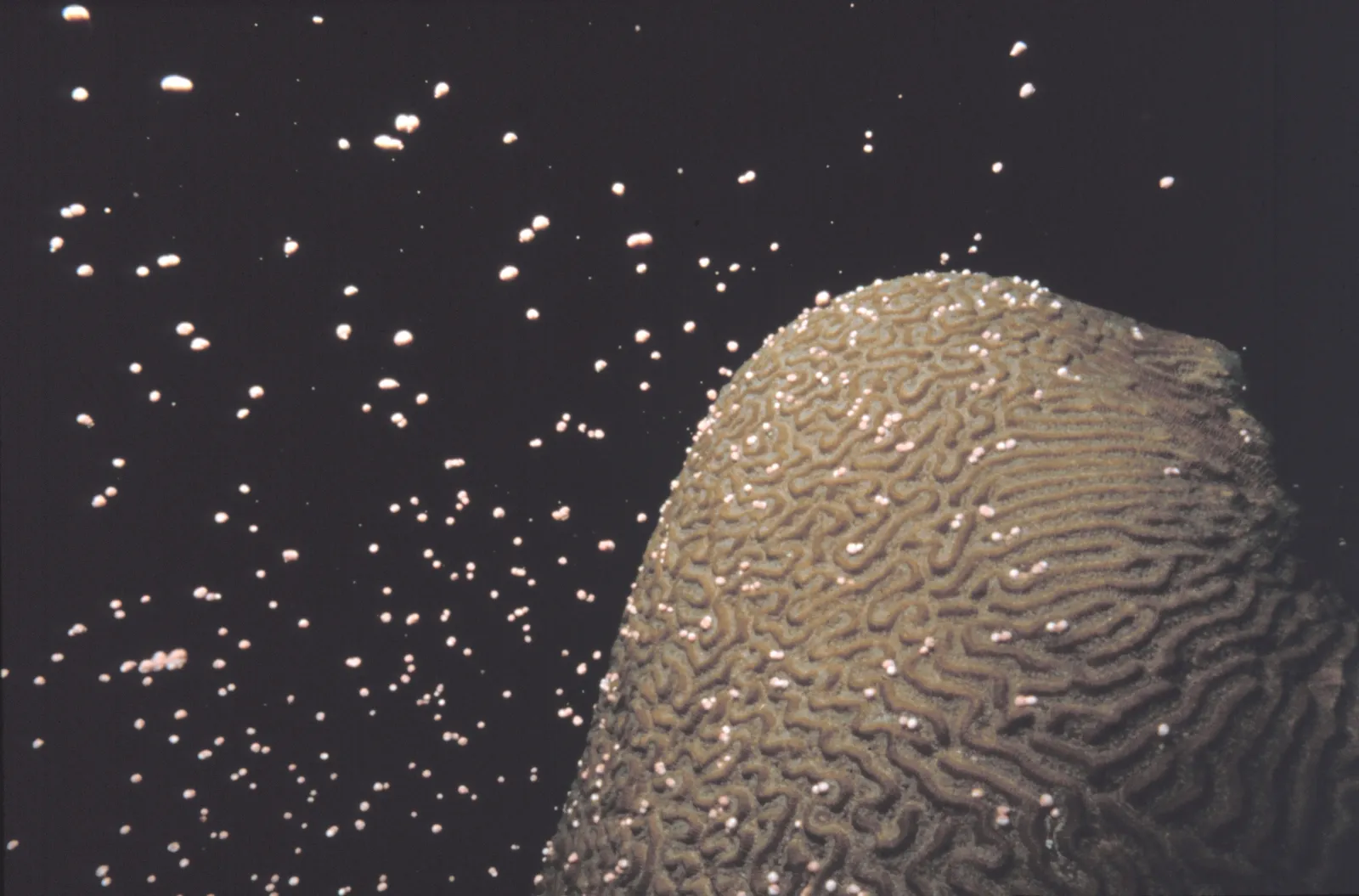
A coral reef is a submerged ecosystem characterized by reef-building corals. In Raja Ampat, these structures form a 40,000 km² network of fringing reefs, barrier reefs, patch reefs, and atolls of unmatched complexity. This structural diversity provides habitats for thousands of species, creating the most vibrant exhibition of Raja Ampat marine life. The region’s position at the confluence of the Indian and Pacific Oceans means it is constantly fed by the nutrient-rich Indonesian Throughflow, which fuels every level of the food chain, from plankton blooms to the apex predators that feed on them. The result is an environment with explosive coral growth, intense species competition, and a concentration of life not found elsewhere. Navigating these varied topographies, from the sheer walls of Misool to the sloping reefs of the Dampier Strait, is a core component of any well-planned Raja Ampat liveaboard itinerary.

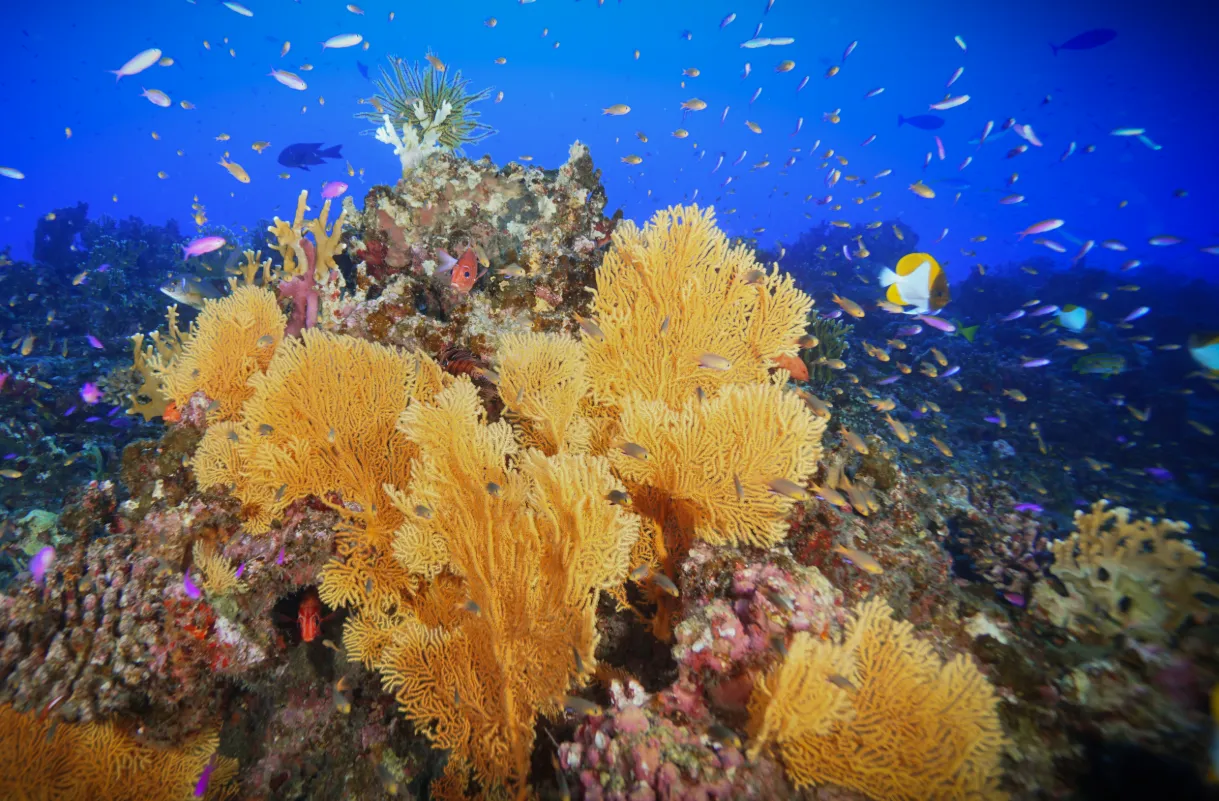
The health of these reef systems is a direct result of their remoteness and protected status. The Marine Park entrance fee of IDR 1,000,000 per diver (~USD 65), valid for one year, directly funds conservation patrols and community programs. This investment maintains the integrity of dive sites like Melissa’s Garden, where vast fields of undamaged hard corals cover the seafloor, and Boo Windows, where soft corals in shades of orange and violet hang from limestone overhangs. The sheer biomass is evident on every dive; schools of fusiliers numbering in the thousands are a common sight, parting only for passing Napoleon wrasse or cruising blacktip reef sharks.

02

Manta Rays: The Definitive Raja Ampat Encounter

Manta rays are large, cartilaginous fish of the genus Mobula, known for their intelligence and graceful movement. Raja Ampat is one of the few locations globally where divers can reliably encounter both major species of manta ray in their natural habitats. The archipelago serves as a critical area for feeding, cleaning, and mating, with specific sites acting as established aggregation points. The peak season for large manta aggregations runs from December through March, coinciding with calm sea conditions and plankton-rich currents. For many experienced divers, a close encounter with a raja ampat manta ray is the primary objective of their voyage.

01

Reef Mantas (Mobula alfredi) at Cleaning Stations

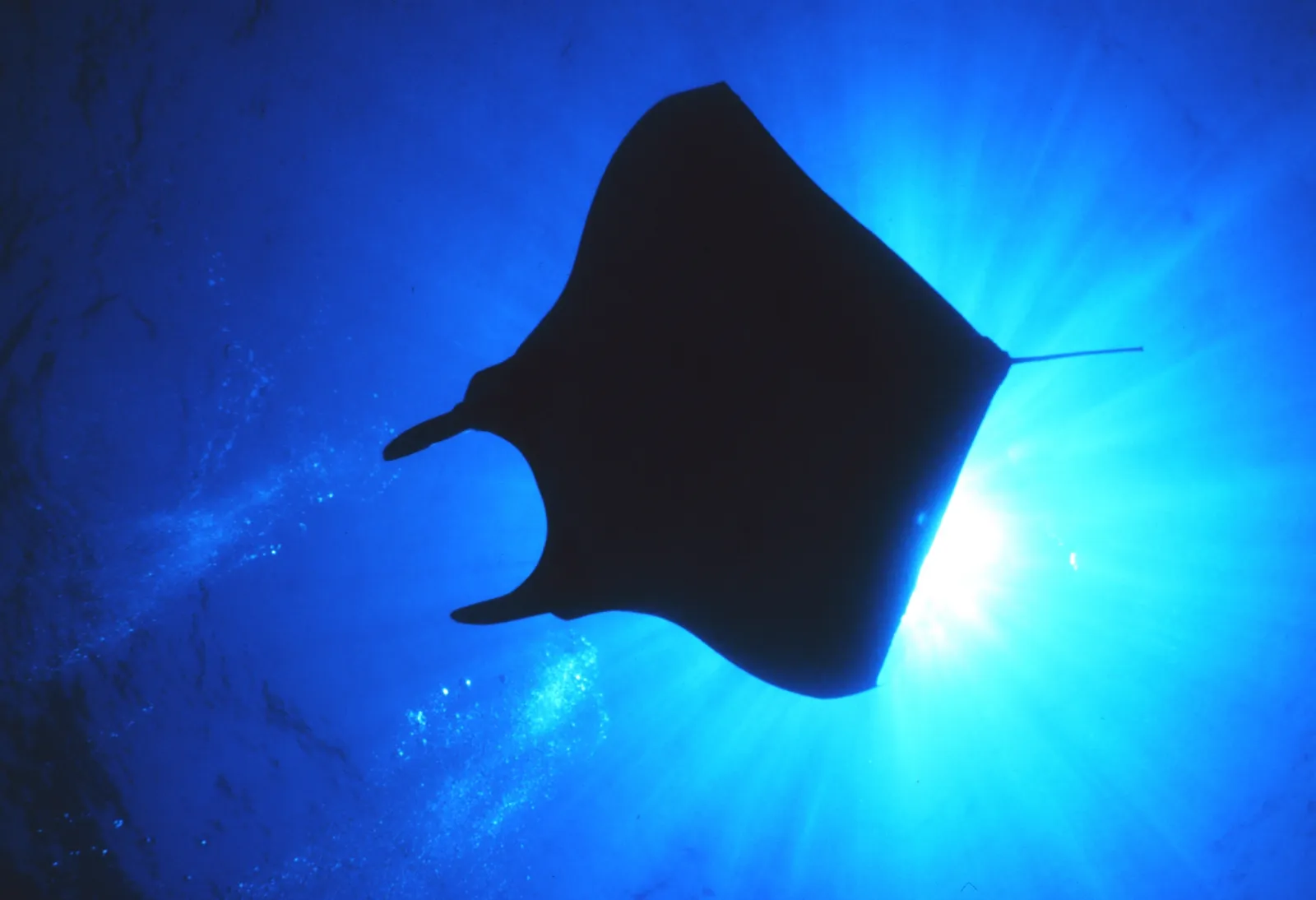
The reef manta, Mobula alfredi, is a resident species in Raja Ampat, typically found over shallow reefs. Divers will most frequently observe them at "cleaning stations"—specific coral bommies where small cleaner wrasse and butterflyfish remove parasites from the mantas' skin, gills, and mouths. The premier site for this behavior is Manta Sandy, located in the Dampier Strait. Here, divers position themselves on a sandy bottom at approximately 18 meters to watch as up to 20 individual mantas circle and queue for service. The interaction is predictable and allows for extended, non-intrusive observation. Another key site, Manta Ridge, offers a more dynamic drift dive experience where mantas glide effortlessly in the current to be cleaned.
02

Oceanic Mantas (Mobula birostris) at Offshore Seamounts

The oceanic manta, Mobula birostris, is a larger, more migratory species distinguished by the T-shaped marking on its dorsal side. These pelagic giants are most commonly sighted in the southern region of Misool, particularly at the dive site known as Magic Mountain. This submerged seamount rises from deep water to within 7 meters of the surface, acting as a cleaning station and feeding area for oceanic mantas. A dive here, often in strong current, can yield sightings of these 5-meter-plus animals alongside reef mantas, grey reef sharks, and massive schools of trevally. The logistics of reaching remote southern sites like Magic Mountain are best handled via a dedicated private phinisi charter configured for long-range expeditions.

03

Endemic and Rare Species: The Search for Wobbegongs and Walking Sharks

Endemic species are organisms unique to a specific geographic location. Raja Ampat's isolation has fostered the evolution of several such creatures, which have become iconic symbols of the region's distinct ecology. Locating these cryptic animals requires a knowledgeable guide and a patient approach, rewarding divers with sightings unavailable anywhere else on the planet. The search for a wobbegong raja ampat specimen is a highlight for underwater photographers and naturalists.

01

Tasselled Wobbegong Shark (Eucrossorhinus dasypogon)

The tasselled wobbegong is an ambush predator perfectly adapted to the reef floor. A member of the carpet shark family, its flattened body and intricate mottled pattern provide exceptional camouflage against coral and rubble. The "tassels" are dermal lobes around its mouth that mimic plant life and help lure in prey. These sharks are primarily nocturnal but can be found resting during the day under large table corals or within reef overhangs at sites like Citrus Ridge and Mioskon Island. Typically found between 5 and 25 meters, a resting wobbegong raja ampat is often so still it can be easily overlooked. Our dive guides are specifically trained to spot their subtle outline on the seafloor.

02

Raja Ampat Epaulette (Walking) Shark (Hemiscyllium freycineti)

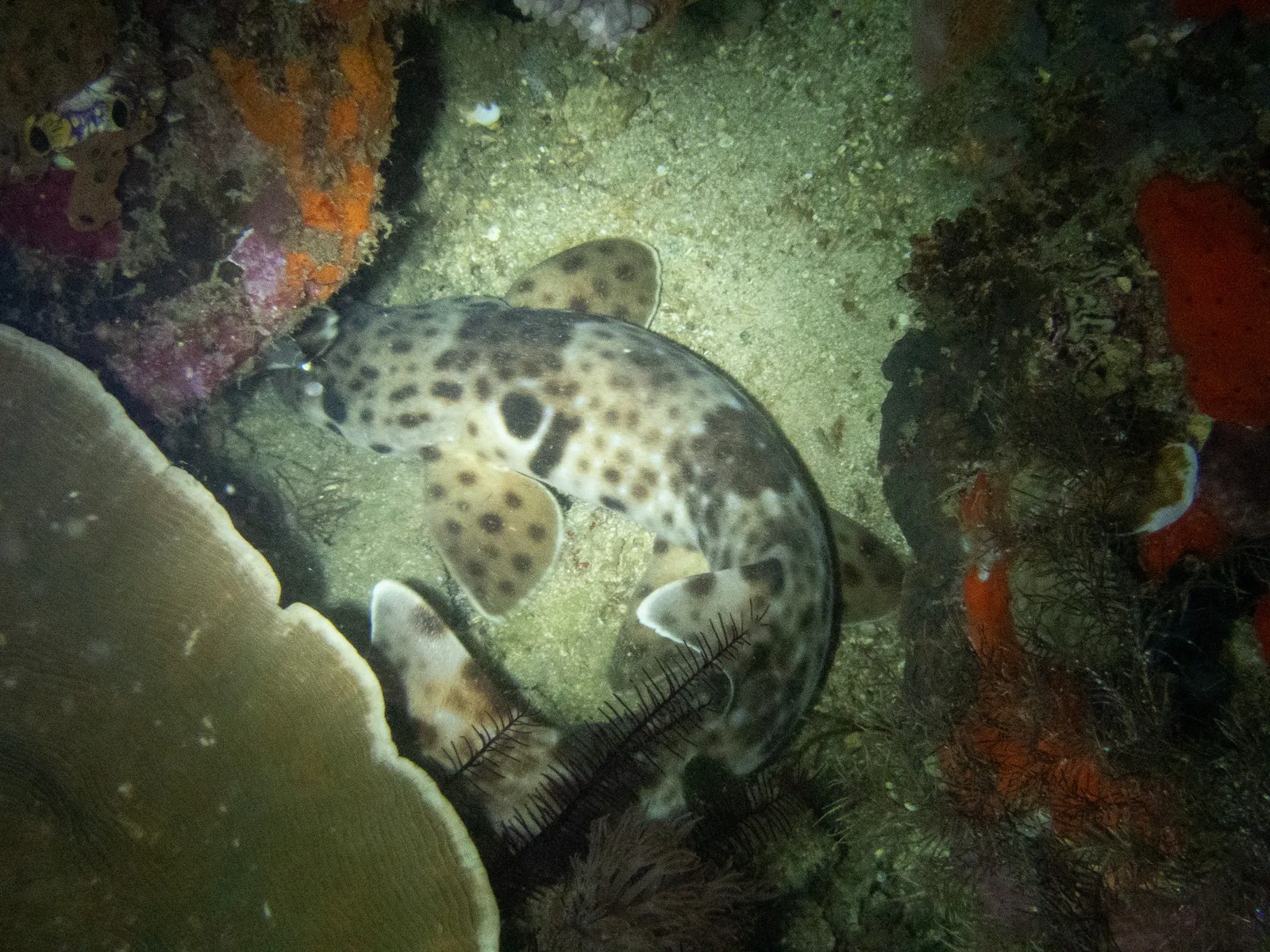
The Raja Ampat epaulette shark, or "walking shark," is a small, slender bottom-dwelling shark that exhibits a remarkable form of locomotion. Using its pectoral and pelvic fins, it "walks" across the substrate in search of crustaceans and invertebrates. This adaptation allows it to navigate shallow, complex environments and even survive brief periods of low oxygen in tidal pools. This behavior is most commonly observed during night dives on the shallow reef flats around the islands of the Dampier Strait. At just 70-80 cm in length, spotting this unique component of the Raja Ampat marine life requires a slow, methodical search of the reef after sunset.

04

Pelagic Giants: Whale Sharks, Cetaceans, and Apex Predators

Pelagic species are those that inhabit the open water column away from the coast or seafloor. While Raja Ampat is celebrated for its reef density, its nutrient-rich waters also attract these larger, migratory animals. Sightings are less predictable than reef-based encounters but offer a profound sense of scale and wildness. Our liveaboard routes are designed to maximize opportunities for such encounters during open-water crossings and at specific offshore sites.

01

Whale Sharks (Rhincodon typus) in Cenderawasih Bay

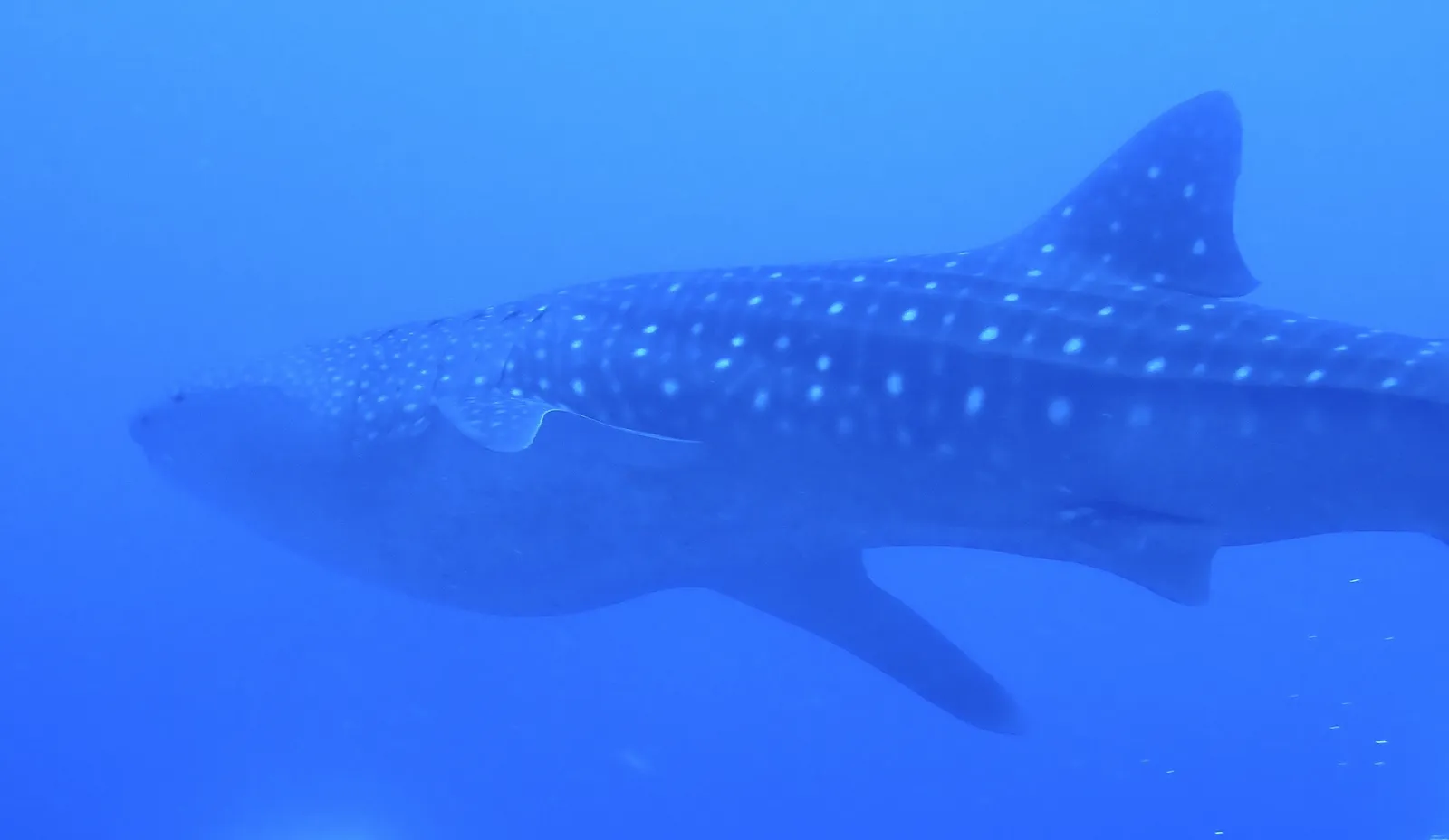
The whale shark is the largest fish in the sea, a filter-feeder that poses no threat to humans. While opportunistic sightings of a raja ampat whale shark can occur within the marine park, the most reliable encounters are found in adjacent Cenderawasih Bay. Here, a unique symbiotic relationship has formed between the whale sharks and local fishermen operating traditional lift-net platforms called bagan. The sharks are drawn to the small baitfish that slip from the nets and will often remain near the platforms for days. This allows for snorkel and dive encounters with near certainty. Accessing Cenderawasih Bay requires a specialized itinerary, often as an extension to a standard Raja Ampat voyage, which we can arrange as part of our custom liveaboard packages.

02

Sharks and Cetaceans

Apex predators are a vital indicator of a healthy marine ecosystem. Raja Ampat's reefs are patrolled by healthy populations of several shark species.

  • Blacktip Reef Sharks (Carcharhinus melanopterus): Common in shallow reef environments.
  • Whitetip Reef Sharks (Triaenodon obesus): Often seen resting on sandy bottoms or in crevices during the day.
  • Grey Reef Sharks (Carcharhinus amblyrhynchos): Frequently observed at current-swept points like Blue Magic and Sardine Reef.
  • Oceanic Blacktip Sharks (Carcharhinus limbatus): Seen at offshore sites like Magic Mountain.

Cetacean sightings are also a feature of longer transits between island groups. It is not uncommon to be escorted by pods of spinner dolphins or to spot the blows of Bryde's whales or pilot whales on the horizon. These encounters are a welcome bonus on any journey through the archipelago.

05

Macro Life: Pygmy Seahorses and Cryptic Critters

Macro life refers to the vast world of small marine organisms, often less than a few centimeters in length, that require a focused eye to appreciate. Raja Ampat is a premier destination for macro photography due to the sheer diversity of these tiny subjects. Excellent buoyancy and a patient dive profile are prerequisites for successfully locating and observing these animals without disturbing their delicate habitats. Our dive guides are adept at finding the region's most famous macro inhabitants.

01

Pygmy Seahorses of Raja Ampat

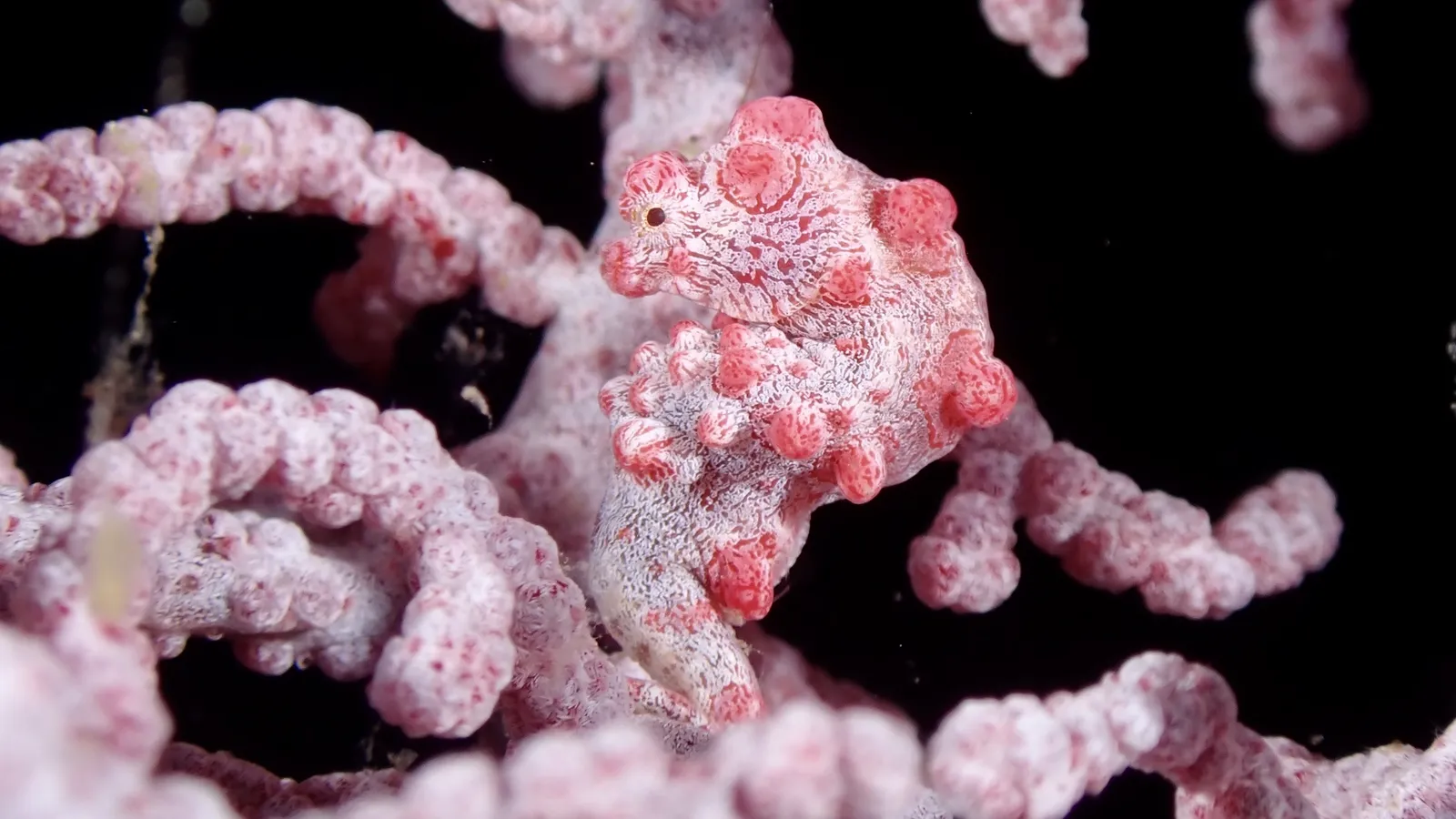
Raja Ampat is home to several species of pygmy seahorse, each perfectly camouflaged on its specific host. Measuring less than 2 cm tall, they are the ultimate challenge in underwater observation.

  • Bargibant's Pygmy Seahorse (Hippocampus bargibanti): Found exclusively on Muricella gorgonian sea fans, its body is covered in tubercles that perfectly match the polyps of its host fan.
  • Denise's Pygmy Seahorse (Hippocampus denise): Smaller and smoother than the Bargibant's, this species inhabits a wider variety of gorgonians and is often found deeper, below 25 meters.
  • Pontoh's Pygmy Seahorse (Hippocampus pontohi): A Raja Ampat endemic, this free-living species is not attached to a gorgonian. It is typically found on Halimeda algae or hydroids on reef walls.

Finding these requires careful examination of the correct host corals, a skill our guides have honed over thousands of dives across all the key Raja Ampat dive sites.

02

Nudibranchs and Crustaceans

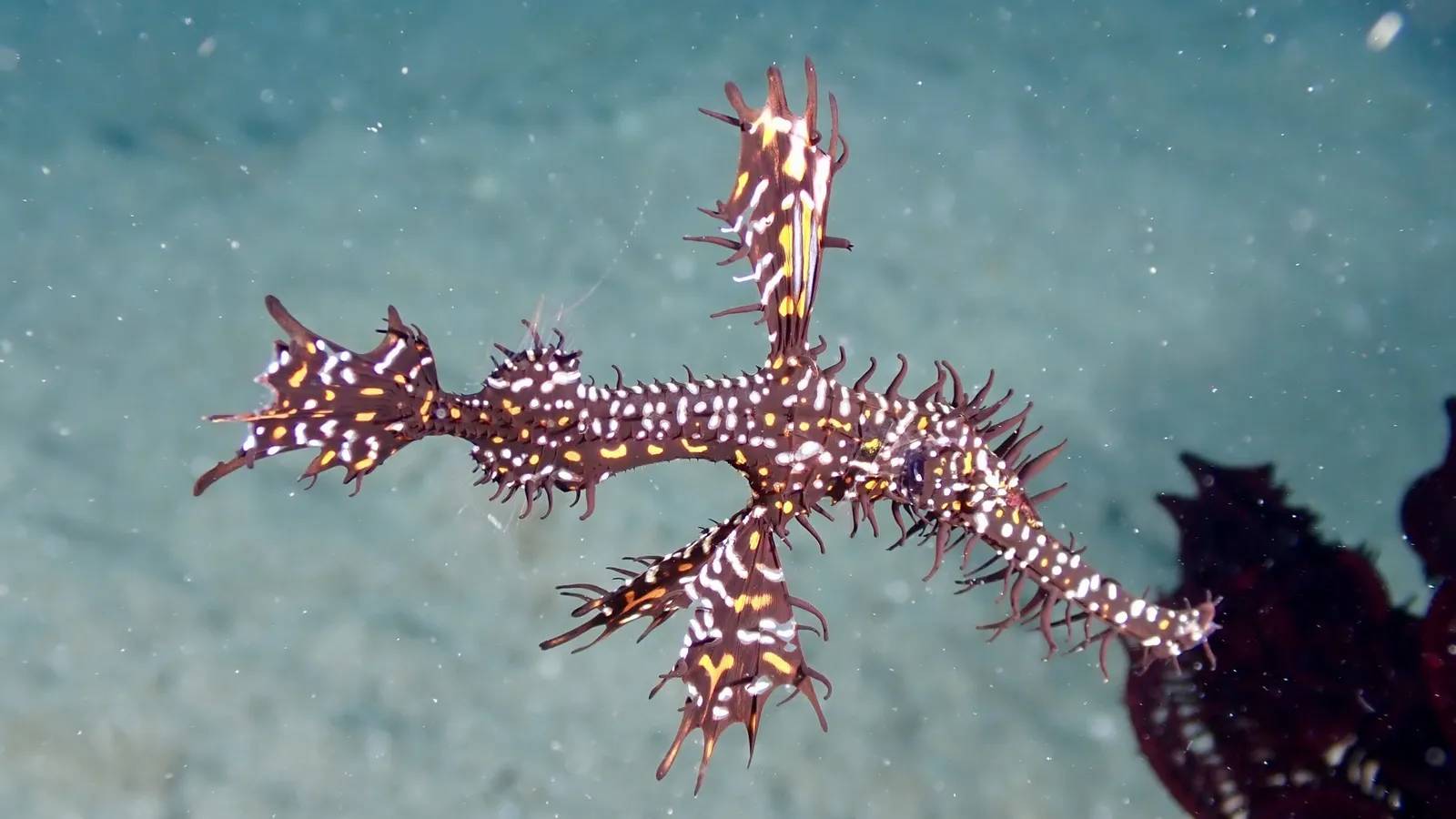
The reefs are a canvas for hundreds of species of nudibranchs, or sea slugs, celebrated for their striking colors and patterns. Species like Chromodoris annae, Flabellina rubrolineata, and the popular Thecacera pacifica (Pikachu nudibranch) are common finds. Beyond slugs, the ecosystem supports a complex web of symbiotic relationships. Divers can observe decorated spider crabs camouflaging themselves with sponges, emperor shrimp living on the surface of sea cucumbers, and countless species of anemonefish tending to their hosts. Dives at sites like Wayilbatan and Nudi Rock in Misool are specifically planned to showcase this miniature world.

Macro reef life — Solenostomus paradoxus

06

Plan Your Raja Ampat Voyage

Our team provides expert consultation to design private charters that align with your specific diving objectives, from pelagic encounters to macro photography. Contact our specialists to begin crafting your itinerary.

Contact via WhatsApp Email Our Team

FAQ

Frequently Asked Questions About Raja Ampat Marine Life

What is the best time of year to see manta rays in Raja Ampat?

The optimal period for observing large aggregations of manta rays, particularly at cleaning stations like Manta Sandy, is from December through March. This corresponds with the northwest monsoon season, which brings calmer seas and plankton-rich upwellings that attract the mantas. However, resident reef mantas are present year-round, and sightings are common throughout the primary diving season of October to April.

Can you guarantee a whale shark sighting?

No operator can guarantee sightings of wild animals. Within the Raja Ampat Marine Park, whale shark encounters are opportunistic and rare. For the highest probability, we arrange dedicated charters to Cenderawasih Bay, where the unique interaction with fishing platforms makes sightings almost certain. Please inquire about our private charter pricing for these extended itineraries.

Are the currents in Raja Ampat dangerous?

The currents, especially in the Dampier Strait, can be formidable, reaching 1 to 4 knots at sites like Blue Magic and Cape Kri. These currents are the lifeblood of the reefs. We require an Advanced Open Water (AOW) certification and recent diving experience for these sites. Our professional guides are experts in assessing conditions and timing dives to use the currents to our advantage, ensuring a safe and exhilarating drift.

What endemic species are unique to Raja Ampat?

Raja Ampat's isolation has resulted in several species found nowhere else. The most notable are the Tasselled Wobbegong Shark (Eucrossorhinus dasypogon), the Raja Ampat Epaulette "Walking" Shark (Hemiscyllium freycineti), and Pontoh's Pygmy Seahorse (Hippocampus pontohi). Locating these species is a key objective for many divers visiting the region.

How many dives are included in a typical liveaboard day?

A standard day on one of our phinisi charters includes three to four dives. This typically consists of a morning dive, a mid-day dive, and an afternoon dive. Depending on the itinerary and location, this may be supplemented with a sunset or night dive. The final schedule is determined by transit times between islands and prevailing weather conditions. You can book your voyage to secure your preferred dates.

Manta ray — FGBNMS - manta ray

Plan Your Raja Ampat Voyage

Our dive concierge team is ready to design your private phinisi charter. We manage all logistics — from arrival in Sorong to your departure.