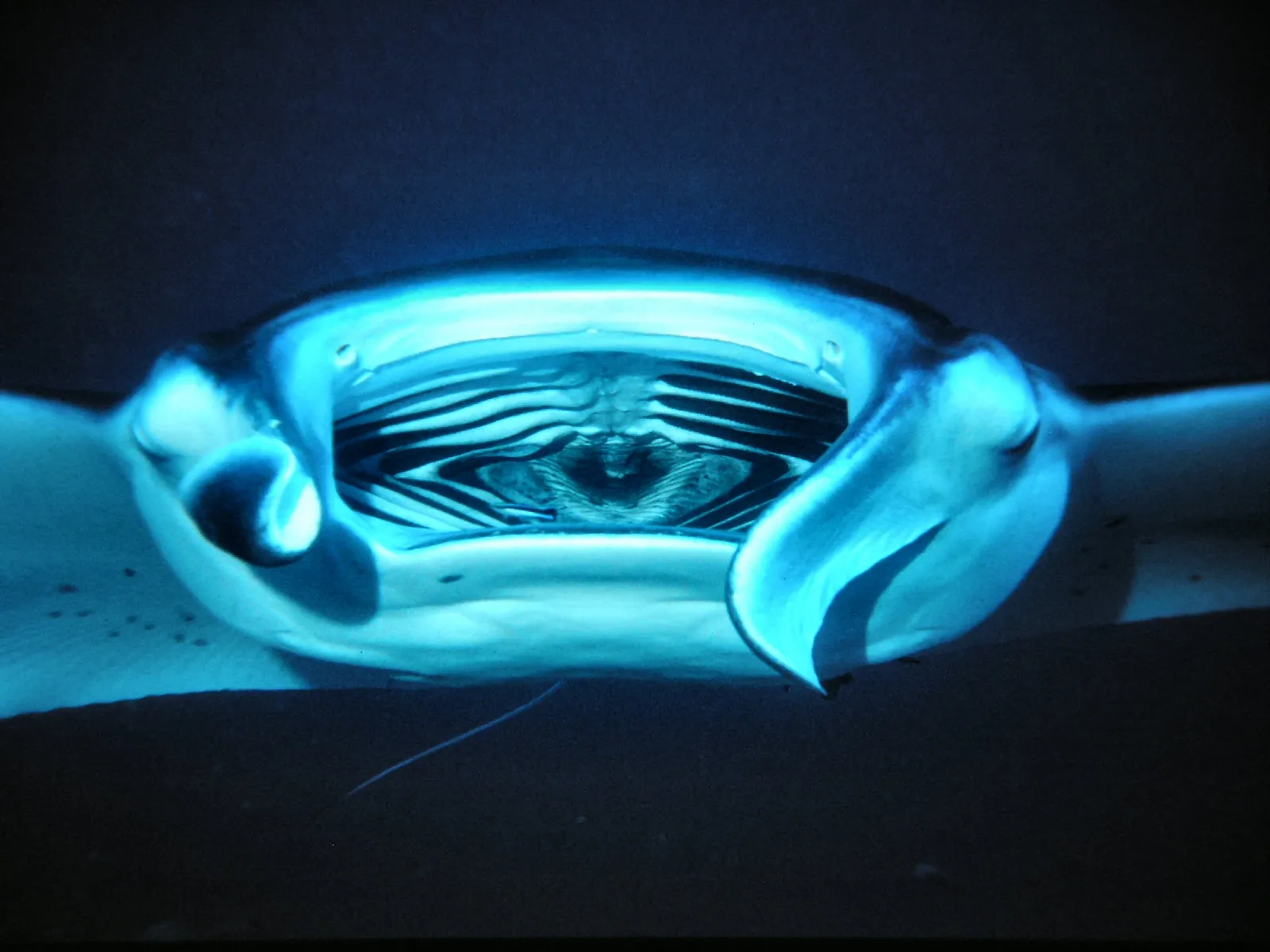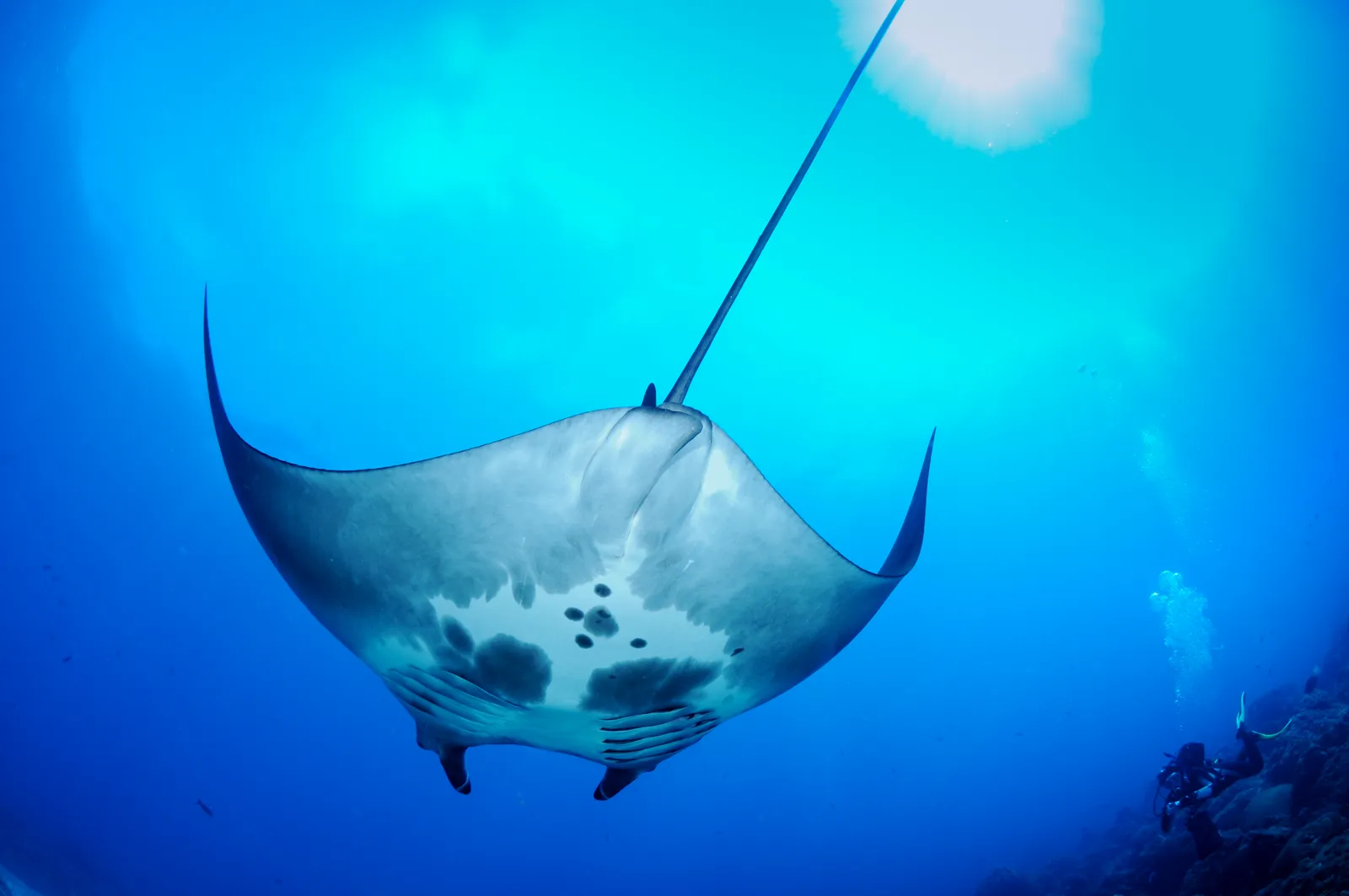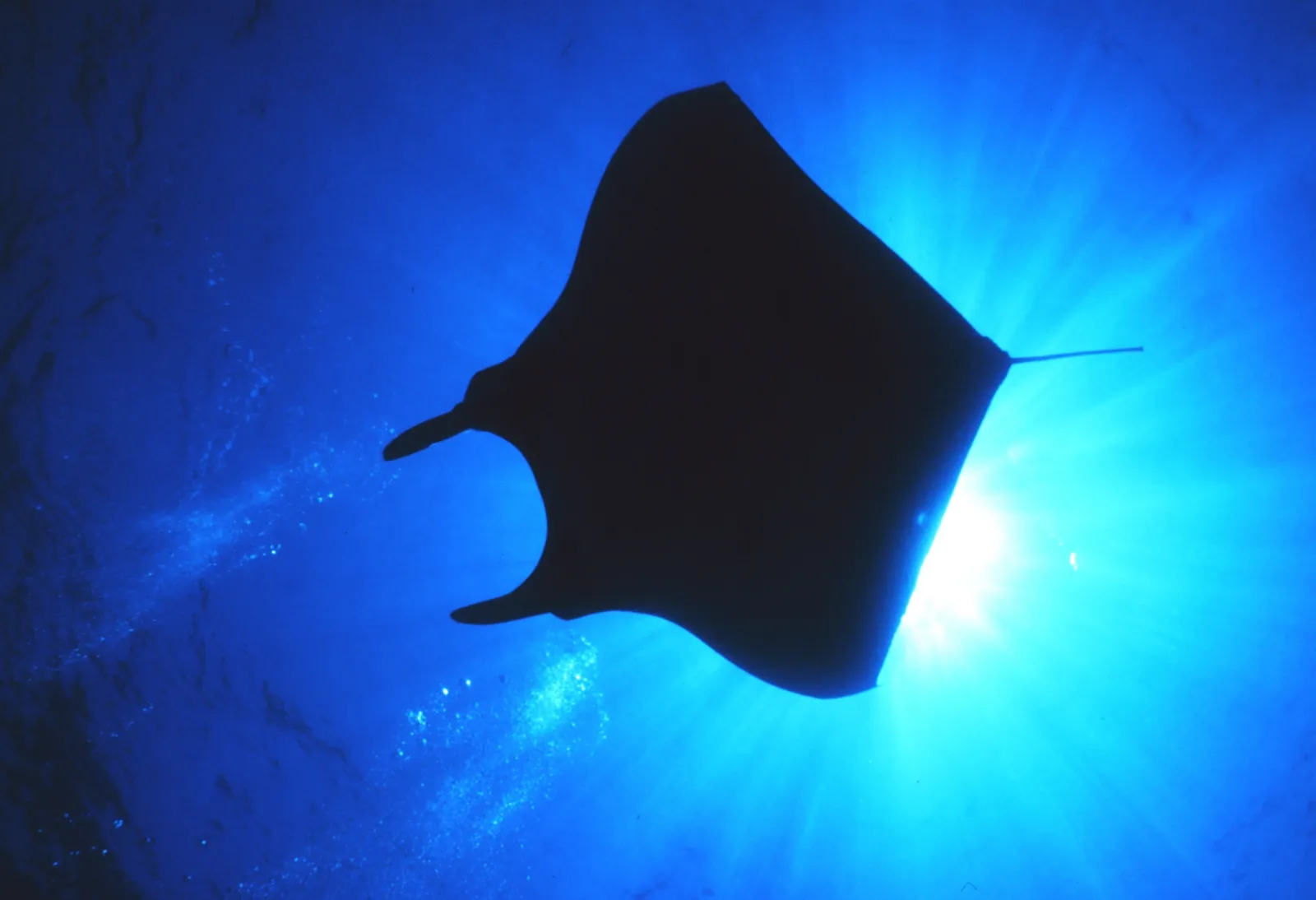
Reef manta ray at Manta Sandy cleaning station

Manta Rays

Mobula alfredi · Mobula birostris

Manta Sandy & Magic Mountain

Raja Ampat is one of the few locations globally where divers can reliably encounter both major manta species in their natural habitats. Reef mantas resident year-round; oceanic giants (5m+ wingspan) Dec–Mar.
Wingspan
3–7m (oceanic up to 7m)
Peak season
Dec–Mar
Depth
5–25m (cleaning stations)
Certification
OW for Manta Sandy · AOW for Magic Mountain

The Definitive Encounter

Manta rays are large cartilaginous fish of the genus Mobula, known for their intelligence and graceful movement. Raja Ampat hosts both:Reef mantas (Mobula alfredi) — resident, smaller, typically observed at shallow cleaning stations where small cleaner wrasse remove parasites from their skin, gills, and mouths. Up to 20 individual mantas can queue at peak season.Oceanic mantas (Mobula birostris) — larger, more migratory, distinguished by the T-shaped marking on their dorsal side. Most reliably sighted at offshore seamounts in southern Misool where they visit cleaning stations alongside reef mantas — one of few sites in the world with both species together.

Best Dive Sites

Manta Sandy

Dampier Strait

Reef manta cleaning station. Position on sandy bottom at 18m. Up to 20 mantas in queue at peak.

Site profile

Magic Mountain

Misool

Both manta species at the same cleaning station. Pelagic seamount. AOW required.

Site profile

Manta Ridge

Dampier Strait

Drift dive where mantas glide effortlessly in the current to be cleaned.

Blue Magic

Dampier Strait

Offshore pinnacle with manta cleaning stations on the plateau, Dec–Mar peak.

Site profile

Encounter Tips

Plan a Manta Voyage

For peak encounters, time your voyage Dec–Mar. We align itineraries with lunar tidal windows for optimal manta activity.