Skip to content
Raja Ampat Liveaboard Diving
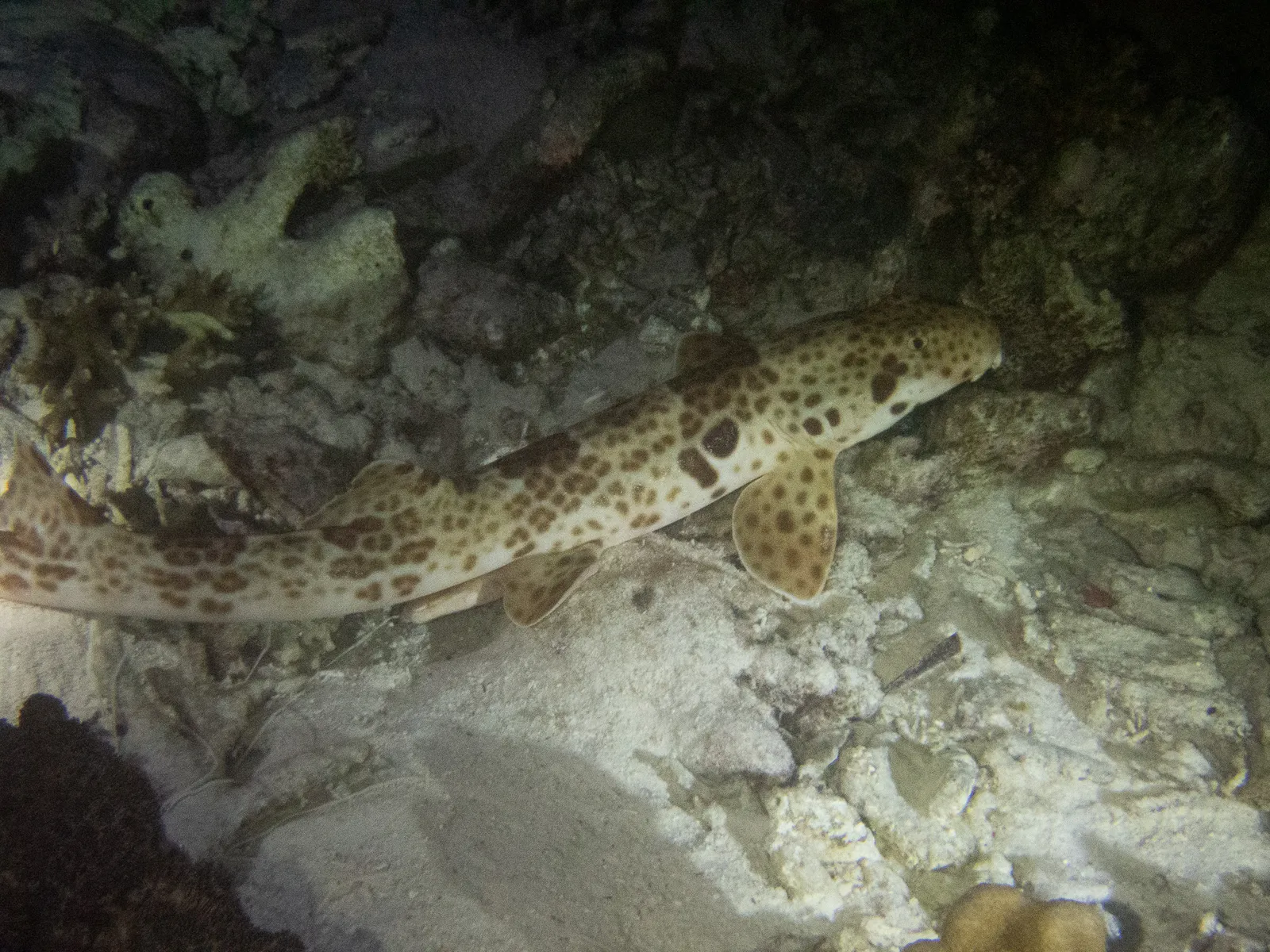
Walking shark (Hemiscyllium) — Hemiscyllium freycineti

Marine Life

The Endemic Raja Ampat Walking Shark

The Raja Ampat walking shark, Hemiscyllium freycineti, is a species of long-tailed carpet shark endemic to the waters of West Papua.

This small, nocturnal predator, reaching a maximum length of 80 centimeters, is defined by its unique mode of locomotion. Rather than swimming, the walking shark uses its muscular, paddle-like pectoral and pelvic fins to move across the seafloor in a deliberate, ambulatory motion. This specialized adaptation allows it to navigate the complex coral gardens and shallow tidal flats of the Raja Ampat archipelago, an area comprising over 1,500 islands. Observing this distinct behavior on a night dive is a specific objective for divers seeking encounters with the region's rare marine life.

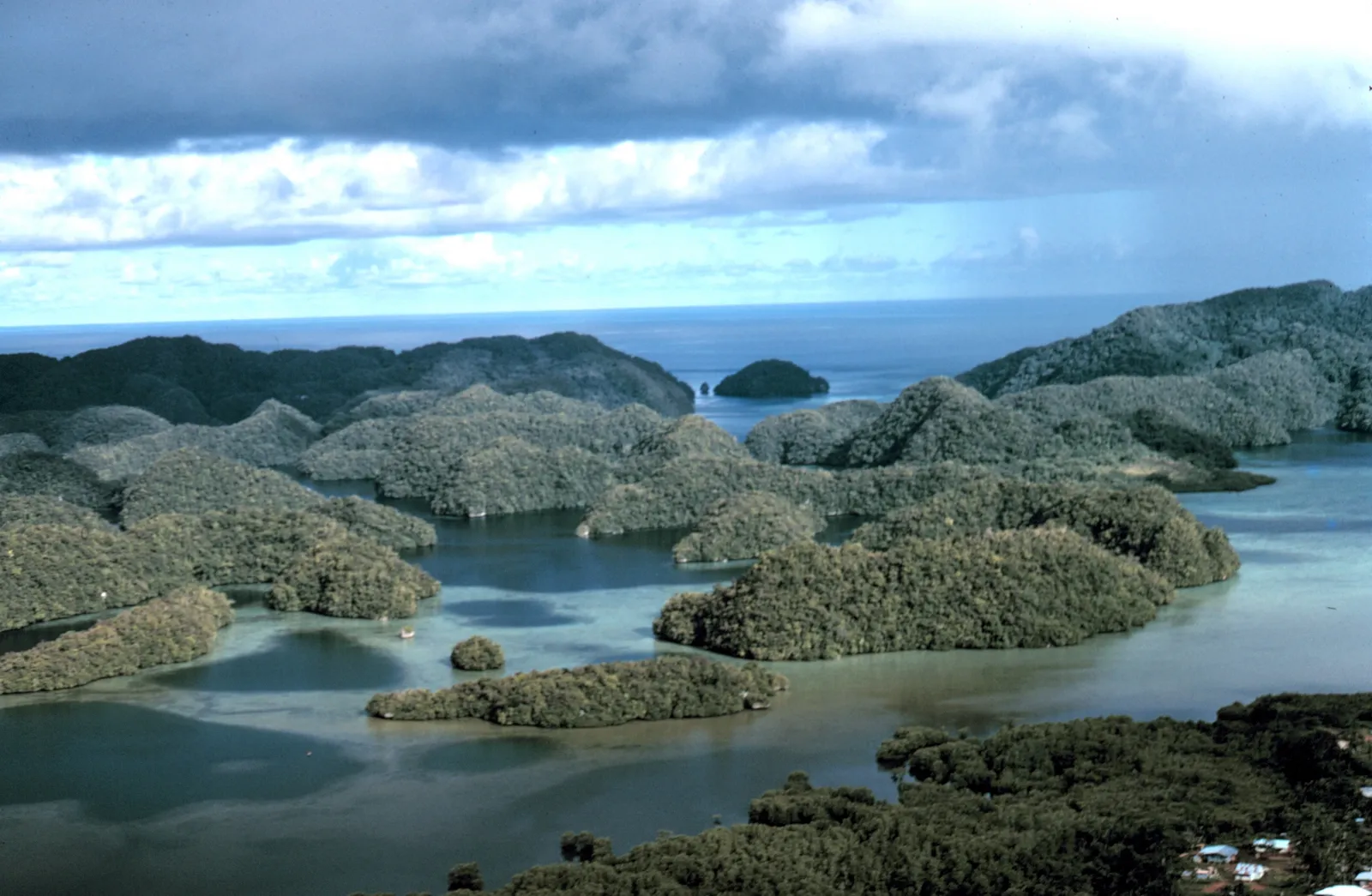
Tropical island seascape — Aerial view limestone islands palau1971

01

An Endemic Species of the Bird's Head Seascape

Endemism—the state of a species being unique to a defined geographic location—is a defining characteristic of Raja Ampat's marine ecosystem. The archipelago's complex geological history and its position at the convergence of the Indian and Pacific Oceans created isolated habitats, fostering the evolution of species found nowhere else. Hemiscyllium freycineti is a prime example of this evolutionary divergence. It belongs to the family Hemiscylliidae, a group of sharks commonly known as epaulette or bamboo sharks, but this particular species is confined entirely within the 40,000 square kilometer boundary of the Raja Ampat islands.

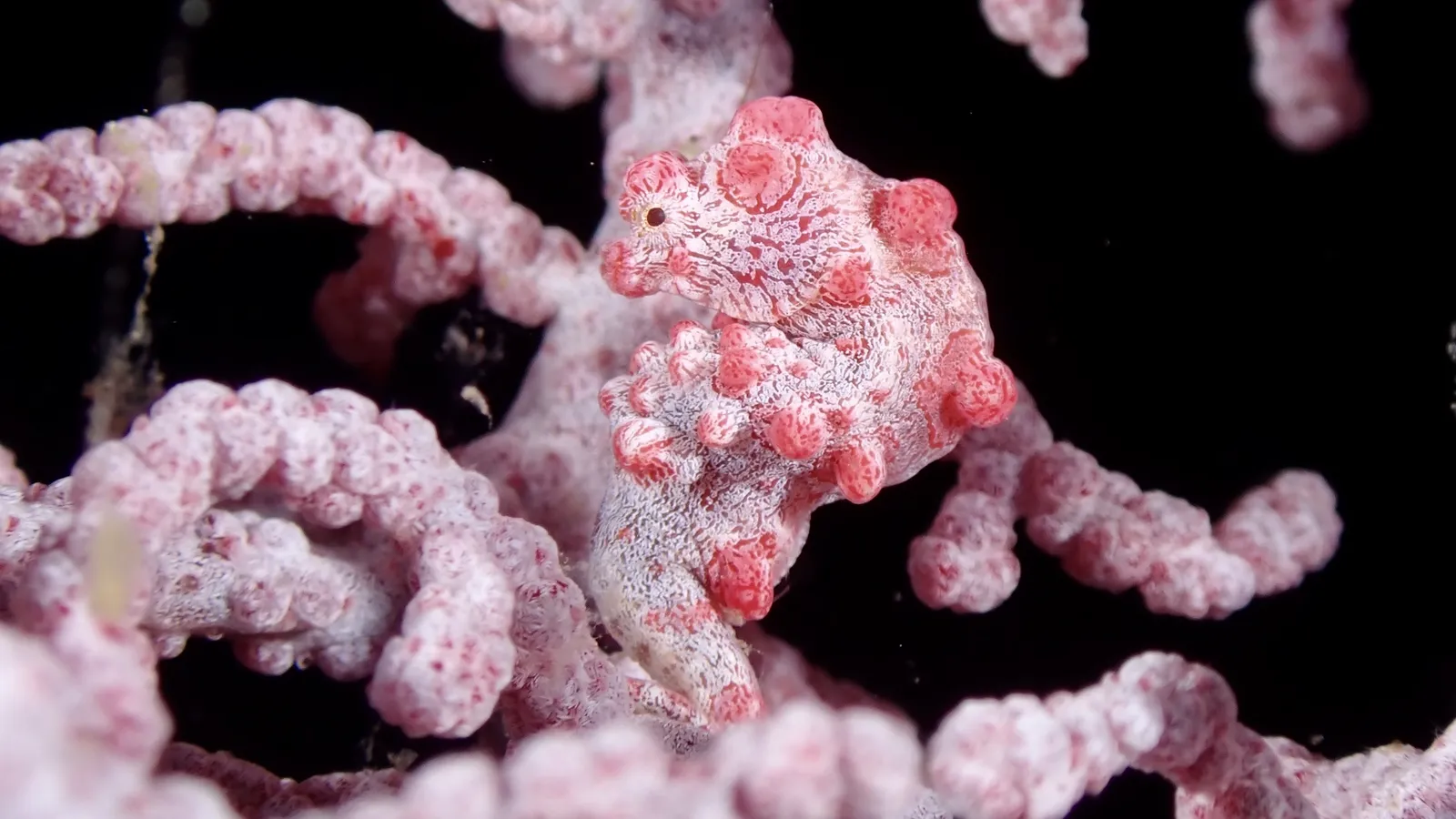
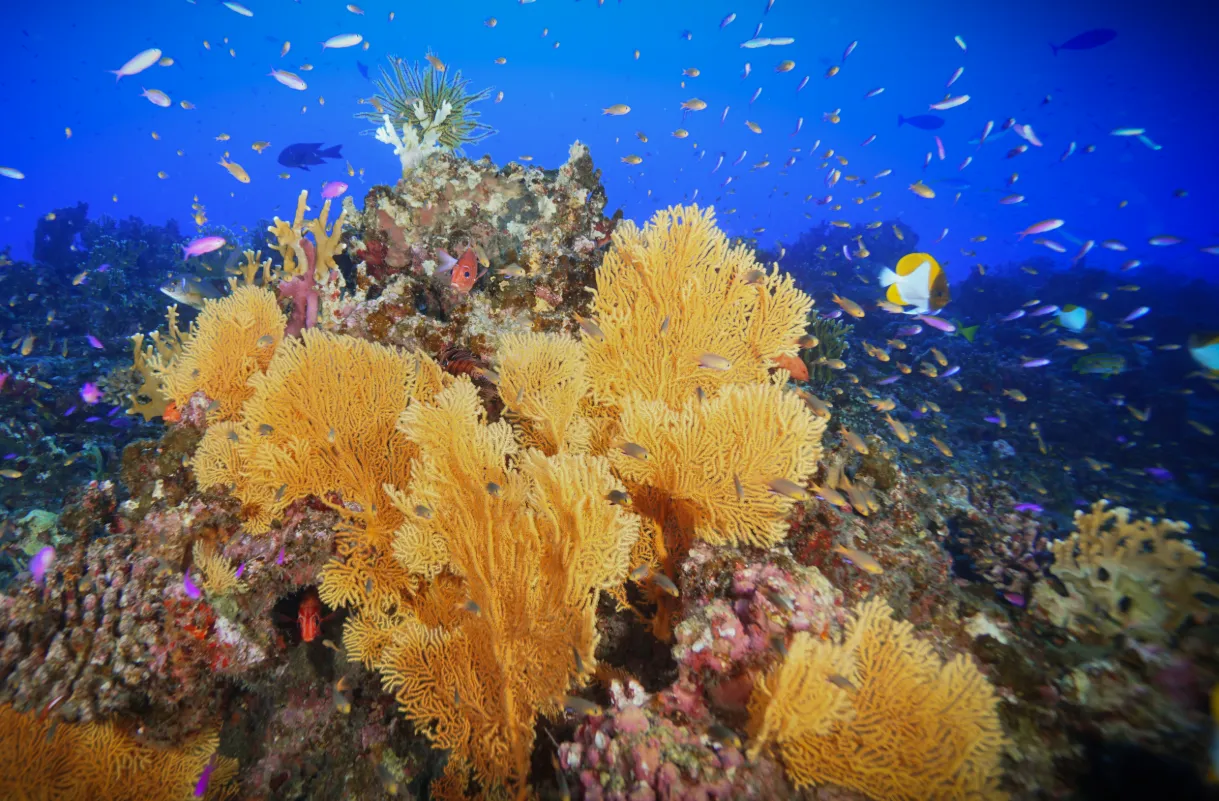
This biological distinction is not an isolated phenomenon. The same forces that produced the walking shark also supported the development of the region's immense coral diversity, which includes an authenticated 75% of all known hard coral species. Within this intricate reef matrix, other endemics thrive, such as the pygmy seahorse Hippocampus pontohi, often found clinging to Halimeda algae. The walking shark's existence underscores the ecological singularity of the Bird's Head Seascape. Its genetic isolation makes it a subject of significant scientific interest and a key indicator of the health of its shallow-water reef and mangrove habitats. For divers, this means an encounter is not just an observation of a shark, but a direct interaction with a product of millions of years of isolated evolution.

02

Anatomy and Locomotion: The Mechanics of a Walking Predator

The physical form of Hemiscyllium freycineti is a direct reflection of its function as a benthic, shallow-water hunter. Its physiology is a case study in evolutionary adaptation, prioritizing maneuverability in confined spaces over the open-water speed characteristic of pelagic sharks.

01

Physical Characteristics

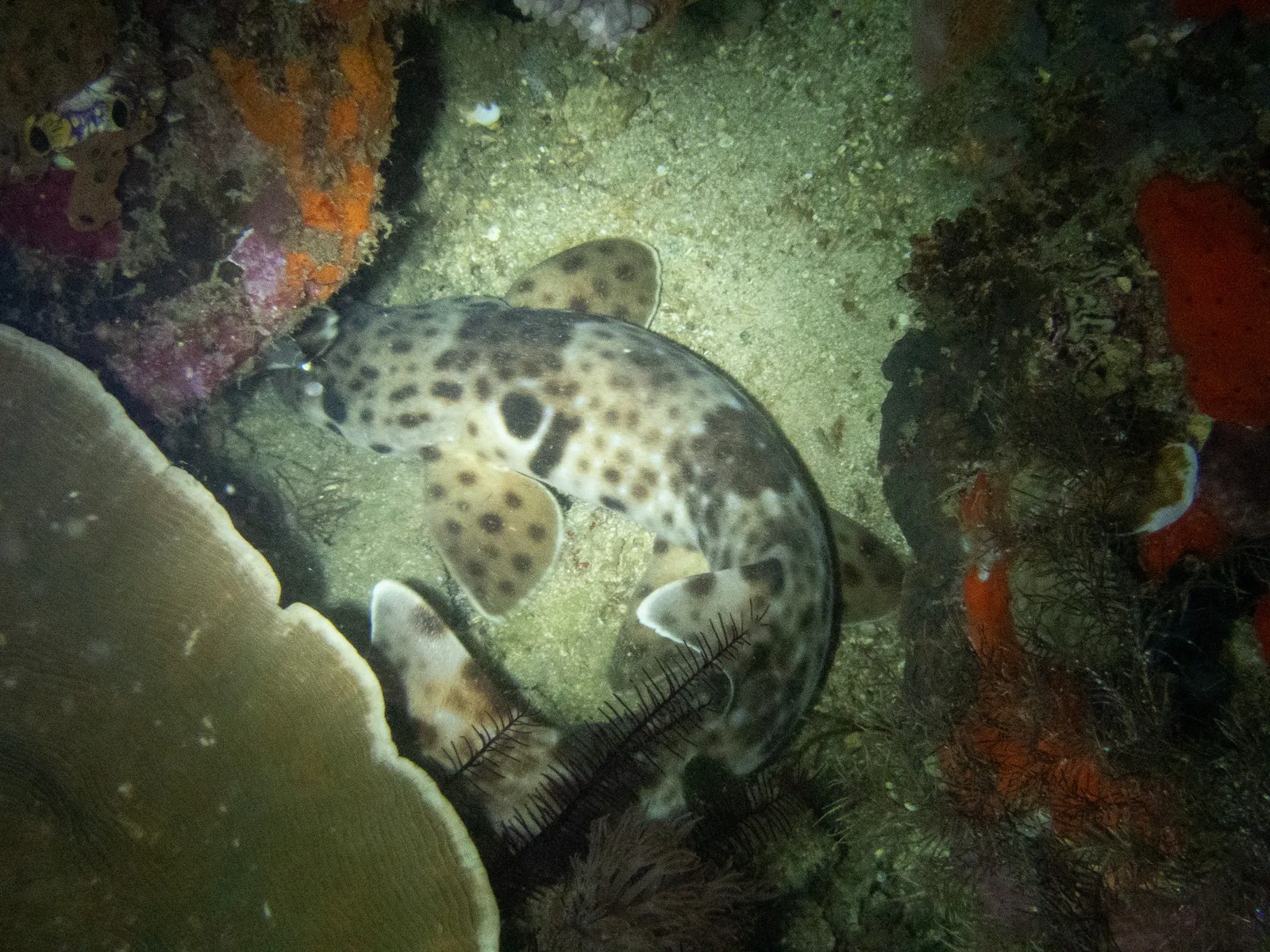
The shark has a slender, cylindrical body that tapers to an elongated caudal fin, which constitutes nearly half its total body length. Its coloration is a functional camouflage, typically a tan or brownish base overlaid with a distinct pattern of large, dark, ocellated spots. These polygon-shaped blotches are often clustered and provide effective disruption of its outline against the rubble, sand, and complex coral structures of the seafloor. Unlike the more uniform patterns of other epaulette sharks, the specific arrangement and shape of these spots are unique to the Raja Ampat species. Its head is flattened, with a blunt snout and small, suctorial mouth positioned ventrally—ideal for foraging for invertebrates hidden in the substrate. Its eyes are small and set high on the head, providing a targeted field of vision for its immediate path.
02

The Pectoral Fin "Walk"

The most notable adaptation of Hemiscyllium freycineti is its ability to "walk." This is not an anthropomorphic descriptor but an accurate mechanical summary. The shark’s pectoral and pelvic fins are more robust and muscular than those of swimming sharks. A flexible, joint-like connection at the base of the fins allows for a greater range of motion. To move, the shark employs a diagonal gait, advancing its left pectoral fin and right pelvic fin simultaneously, followed by the opposite pair. This motion propels it forward with a deliberate, shuffling movement across the seabed. This method of locomotion is far more energy-efficient than swimming when navigating the tight crevices of a coral reef or the extreme shallows of a tidal flat. It allows the shark to probe methodically for prey without stirring up sediment or creating the pressure waves that would alert potential food sources. While fully capable of swimming in short bursts to escape threats, its primary mode of transit is this distinctive, bottom-hugging walk.

03

Behavior and Habitat: A Nocturnal Specialist

The walking shark's life is governed by the rhythms of dusk, dawn, and the tides. Its behaviors are finely tuned to exploit a niche that larger, faster predators cannot access. By day, it is a reclusive animal, seeking shelter in the dark recesses of the reef. After sunset, it emerges to hunt, its movements dictated by a search for food in some of Raja Ampat’s most intricate marine environments.

01

Nocturnal Foraging

As darkness falls across the archipelago, Hemiscyllium freycineti becomes active. It leaves the security of its daytime hiding spot—often a narrow space beneath a table coral or a deep crevice—and begins a systematic patrol of its territory. It is a benthic hunter, its diet consisting almost exclusively of small crustaceans like crabs and shrimp, mollusks, and marine worms. It does not pursue prey but rather discovers it. Using its snout, it pushes and probes through sand, rubble, and algae. Like other sharks, it is equipped with electroreceptors (ampullae of Lorenzini) that detect the faint bio-electric fields of living organisms, allowing it to locate prey buried just beneath the surface. Once a meal is detected, it uses its small, sharp teeth and powerful pharynx to crush or consume the invertebrate whole.

02

Preferred Environments

The walking shark is a specialist of the littoral and sublittoral zones. It thrives in shallow, complex habitats where its small size and walking ability are distinct advantages. These environments include coral gardens, seagrass beds, mangrove root systems, and jetty pylons. One of its most remarkable adaptations is its tolerance for hypoxia (low oxygen levels). This allows it to survive in stagnant tide pools and even to move between them over exposed reef flats at low tide for short periods. This ability opens up foraging grounds that are entirely inaccessible to other marine predators. On our Raja Ampat liveaboard itineraries, we target these specific habitats for our night dives, particularly in sheltered areas such as Aljui Bay near Wayag, a known location for consistent sightings.

Walking shark (Hemiscyllium) — Hemiscyllium freycineti

04

The Night Dive Encounter: Observing Hemiscyllium freycineti

Observing the walking shark in its natural habitat is an exercise in patience and precision, an experience best facilitated by the logistics of a dedicated dive vessel. The encounter takes place after the vibrant daytime activity of the reef has subsided, replaced by the focused emergence of nocturnal creatures. Descending into the dark, calm water from one of our traditional Phinisi schooners, the environment transforms. The experience shifts from broad, panoramic views to a concentrated search within the focused beam of a dive torch.

Our dive guides, with years of experience operating in these waters, know precisely where and how to look. The search involves moving slowly over shallow patch reefs and sandy bottoms, typically at depths of 3 to 10 meters. The guide's light sweeps methodically across the seafloor, searching not for movement, but for the distinct, ocellated pattern of the shark's skin. Often, the shark is first seen stationary, its camouflage rendering it almost invisible until illuminated. Once located, the key to a successful observation is non-intrusive conduct. Divers are instructed to approach slowly, remain low, and avoid shining lights directly into the animal's eyes. This respectful approach allows the shark to continue its natural foraging behavior, providing a sustained opportunity to witness its unique "walking" locomotion. The silence of the night dive, punctuated only by the sound of breathing, makes the deliberate, alien movement of the shark all the more compelling.

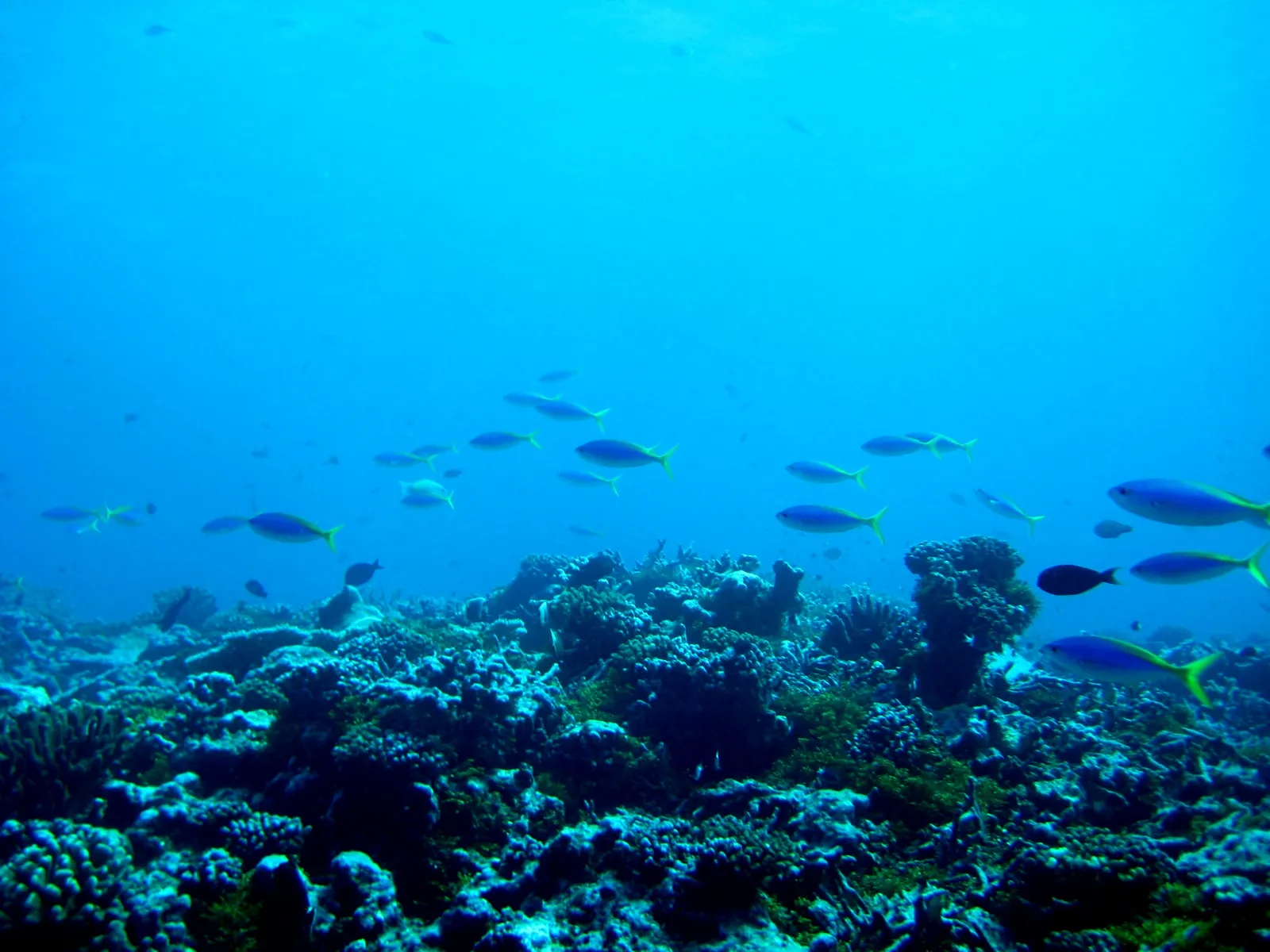
Coral reef and reef fish — Reef2274

05

Conservation Status and Ecological Importance

The future of Hemiscyllium freycineti is directly linked to the health of Raja Ampat's coastal ecosystems. As an endemic species with a limited geographic range, it is inherently vulnerable to environmental changes. The International Union for Conservation of Nature (IUCN) lists the species as Near Threatened, acknowledging the potential risks it faces from habitat degradation.

The primary threats are not from direct fishing pressure but from indirect human impact. Coastal development, mangrove clearing for aquaculture, and pollution can damage the shallow-water nurseries and foraging grounds the shark depends on. Furthermore, climate change poses a significant threat through coral bleaching and rising sea levels, which alter the very structure of its reef habitat. Protecting the walking shark means protecting the entire ecosystem.

This is the purpose of the Raja Ampat Marine Park. The mandatory purchase of a diver permit, priced at IDR 1,000,000 per person, directly funds patrol boats, scientific monitoring, and community-based conservation programs aimed at preserving the archipelago's biodiversity. As an operator with over a decade of experience and 1,240 voyages completed, we adhere strictly to the park’s regulations. Our operations, whether on scheduled departures or a private charter, are designed to minimize environmental impact and support the long-term sustainability of the marine life that makes these dive sites so extraordinary.

FAQ

Frequently Asked Questions about the Raja Ampat Walking Shark

Is the walking shark dangerous to humans?

No. The Raja Ampat walking shark is completely harmless to humans. With a maximum length under one meter, a diet of small invertebrates, and a timid disposition, it poses no threat. Divers can observe these sharks safely at close range. Its significance lies in its unique biology and endemic status, not in any perceived danger.

What is the best time of year to see a walking shark?

Walking sharks are present in Raja Ampat year-round and can be found on night dives regardless of the season. Our voyages run during the primary dive season, from October to April, which corresponds with the calmest sea conditions and optimal water clarity (20-40 meters). These favorable conditions enhance the quality and comfort of the night dives required for a successful encounter.

How does the walking shark survive out of water?

The shark has a physiological adaptation for hypoxia tolerance, meaning it can function in low-oxygen conditions. By slowing its metabolic rate and controlling blood flow to its brain, it can survive for extended periods in stagnant tide pools or even briefly on exposed reef flats. This allows it to traverse between pools of water during low tide, a critical survival mechanism.

Are walking sharks only found in Raja Ampat?

Yes, the species Hemiscyllium freycineti is strictly endemic to the Raja Ampat archipelago. While nine recognized species of walking shark exist, each is confined to its own specific geographical range across Indonesia and Papua New Guinea. The unique spot pattern and genetic makeup of the Raja Ampat walking shark distinguish it from its relatives found in other regions.

Why is it best to see the walking shark on a liveaboard?

A liveaboard provides exceptional access to the remote and isolated bays where walking sharks are most commonly found. These sites are often far from land-based operations. Our Phinisi yachts anchor directly over these prime habitats, allowing for safe, convenient, and expertly guided night dives that maximize the probability of a memorable and responsible encounter with this endemic species.

The Raja Ampat walking shark represents the unique evolutionary narrative of this archipelago. To witness it is to connect with a lineage of life found nowhere else. As a subsidiary of the Komodo Luxury group, with over a decade of operational expertise in Indonesia’s most remote waters, our mission is to facilitate these encounters with precision and responsibility. To plan your expedition and include a search for this remarkable species, contact our concierge to discuss joining a scheduled voyage or designing a private charter. You can reach our planning team directly on WhatsApp at +62 811-3823-875.

Walking shark (Hemiscyllium) — Hemiscyllium freycineti

Plan Your Raja Ampat Voyage

Our dive concierge team is ready to design your private phinisi charter. We manage all logistics — from arrival in Sorong to your departure.