
Marine Life
Raja Ampat Coral Triangle Ecology — Heart of the Indo-Pacific
As a marine biologist and a PhD divemaster aboard Raja Ampat Liveaboard Voyages, I have had the distinct privilege of conducting my research in the very waters that define the global apex of marine biodiversity.
My work, including studies on manta ray behavior, is predicated on a guiding principle in marine science: the Center of Marine Biodiversity (CMB) hypothesis. This theory posits that a specific region on Earth acts as a crucible for speciation, a 'species factory' from which life radiates outwards. That epicenter is the Coral Triangle, and its bullseye is precisely here, in the 40,000 square-kilometer archipelago of Raja Ampat. The following analysis is not a travelogue; it is a scientific overview of the empirical data that substantiates this region’s exceptional ecological standing.
01
Center of Marine Biodiversity Hypothesis
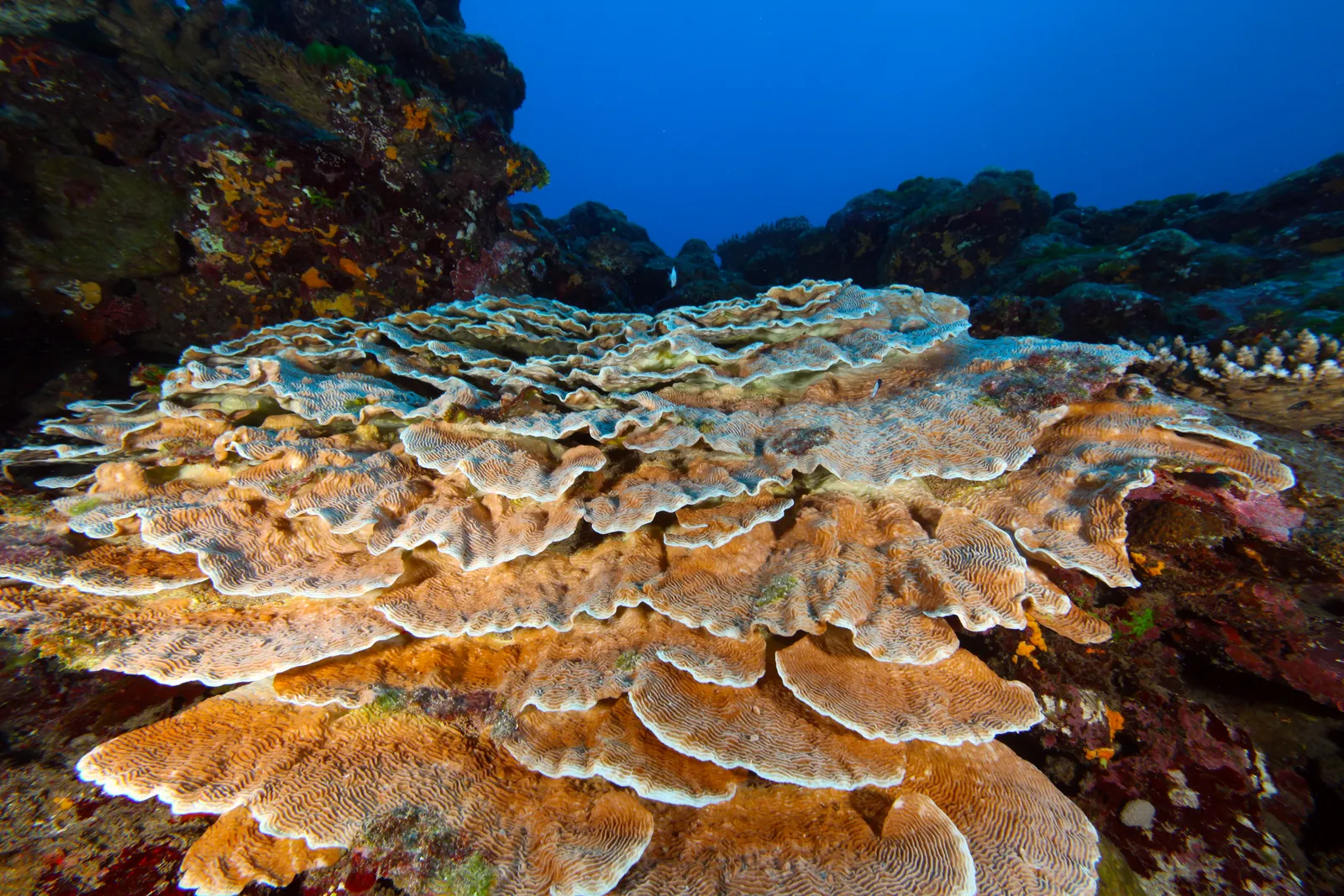
The Coral Triangle is a marine area of approximately 6 million square kilometers, encompassing the waters of Indonesia, Malaysia, the Philippines, Papua New Guinea, Timor-Leste, and the Solomon Islands. The Center of Marine Biodiversity (CMB) hypothesis, sometimes termed the 'center of origin' theory, proposes that this region is the primary engine of marine speciation for the Indo-Pacific. Species are thought to originate here before dispersing to peripheral areas like the Great Barrier Reef or the Red Sea. Consequently, the highest concentration of species is found at the core, with diversity decreasing along a gradient as one moves away from it.
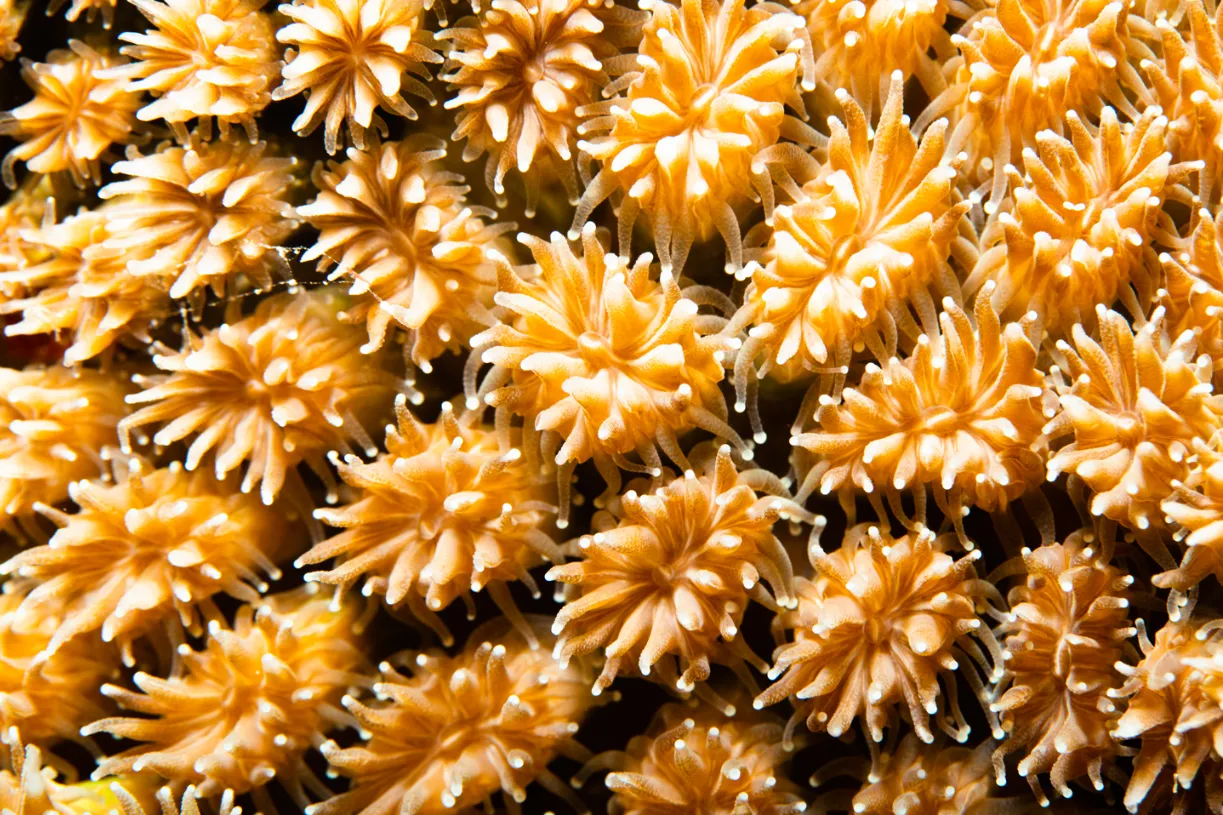
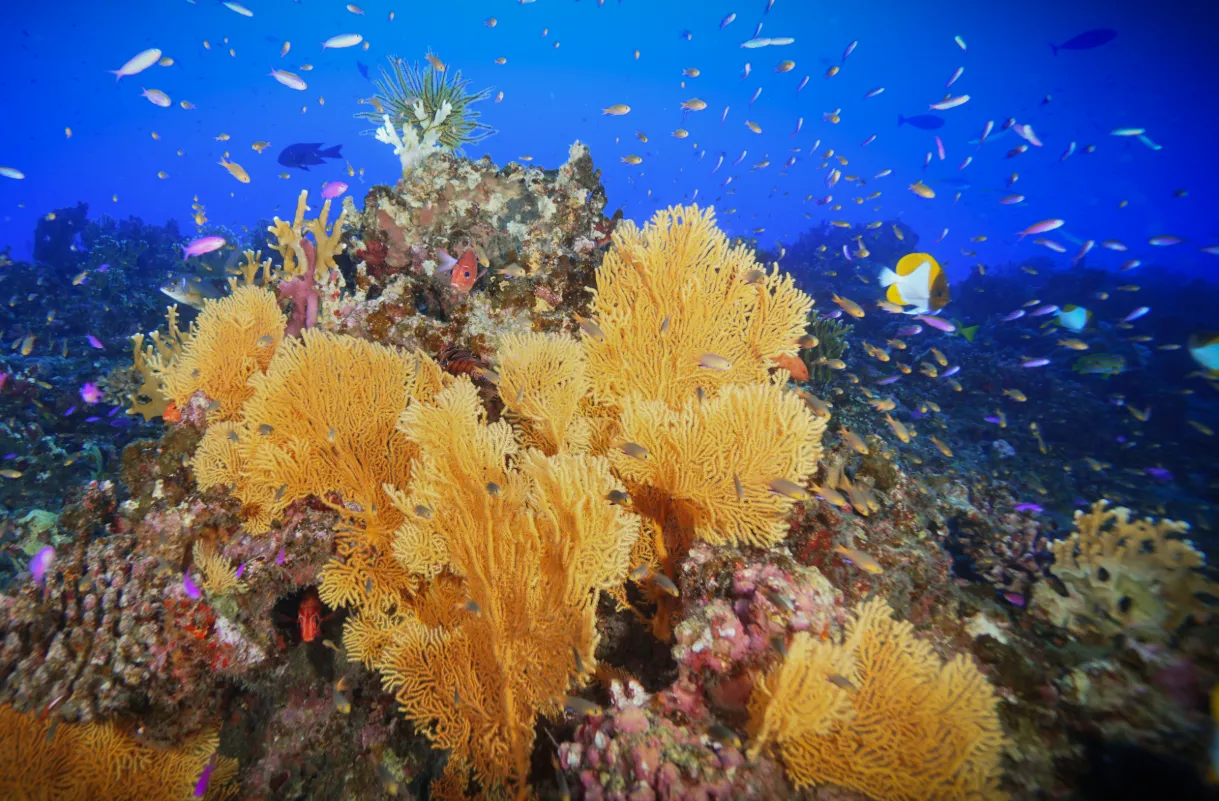
Raja Ampat represents the most concentrated point on this gradient. Scientific surveys have validated this with remarkable consistency. Of the 605 known species of hard coral in Indonesia, over 75% have been recorded within the boundaries of the Raja Ampat archipelago. This is not simply a repository of species; it is an active evolutionary theater. The region’s complex geology, a result of the collision of the Australian and Pacific tectonic plates, has created a labyrinth of over 1,500 islands, channels, and sheltered bays. This topography isolates populations, fostering genetic divergence and the emergence of new species. Furthermore, its position as the funnel for the Indonesian Throughflow—a massive exchange of water between the Pacific and Indian Oceans—continuously enriches the ecosystem with nutrients and larvae, sustaining this hyper-diverse environment.
02
Cape Kri Record — How 374 Species Were Counted
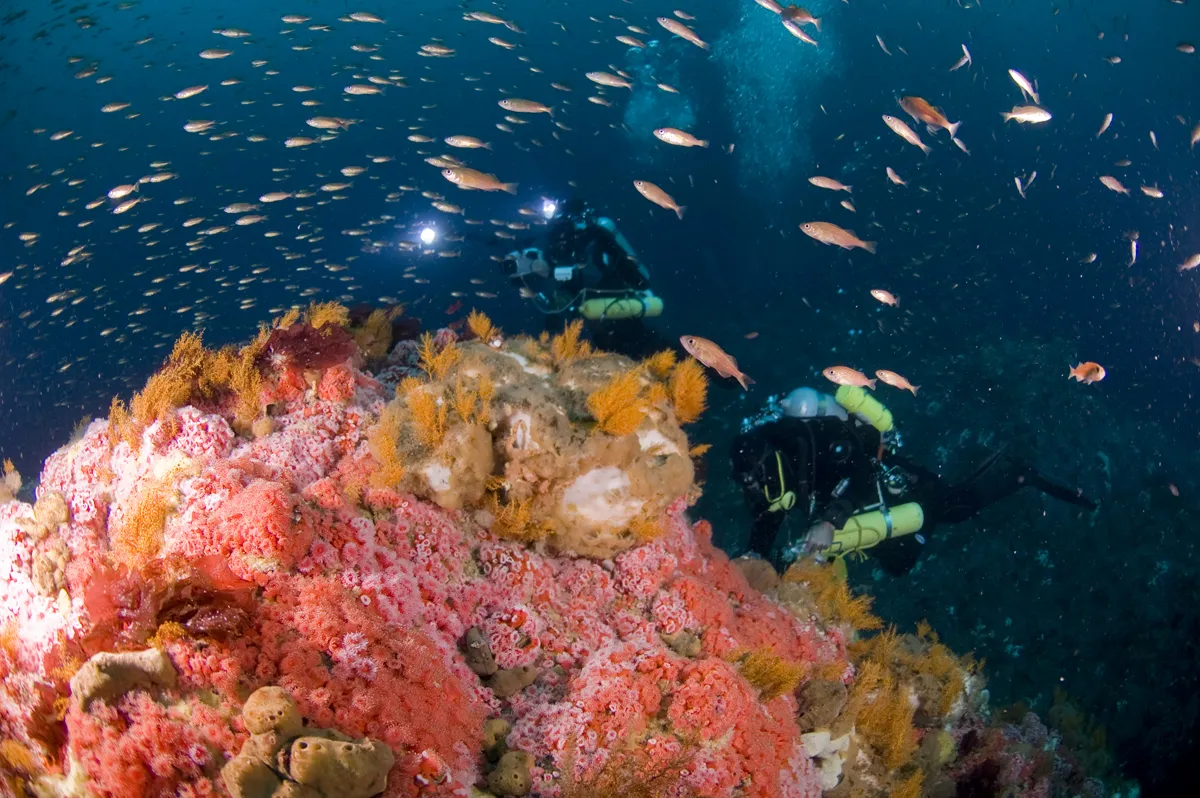
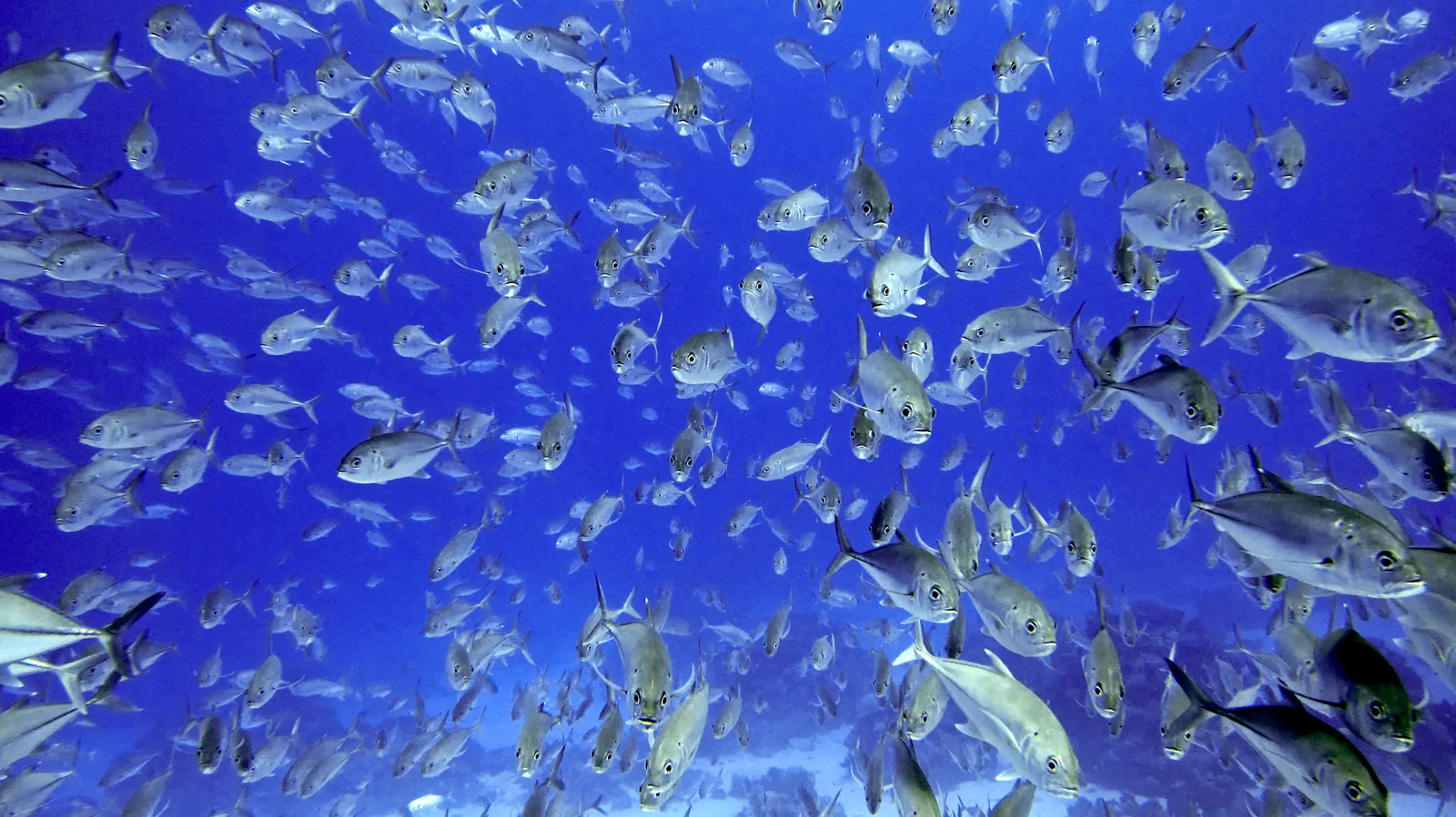
The abstract concept of hyperdiversity was given a concrete, record-setting value in 2012 by Dr. Gerald R. Allen, a senior research associate at the Western Australian Museum and a consultant for Conservation International. During a single 90-minute scuba dive at a site named Cape Kri, Dr. Allen identified and cataloged 374 distinct species of reef-associated fish. This remains the world record for species richness on a single dive.
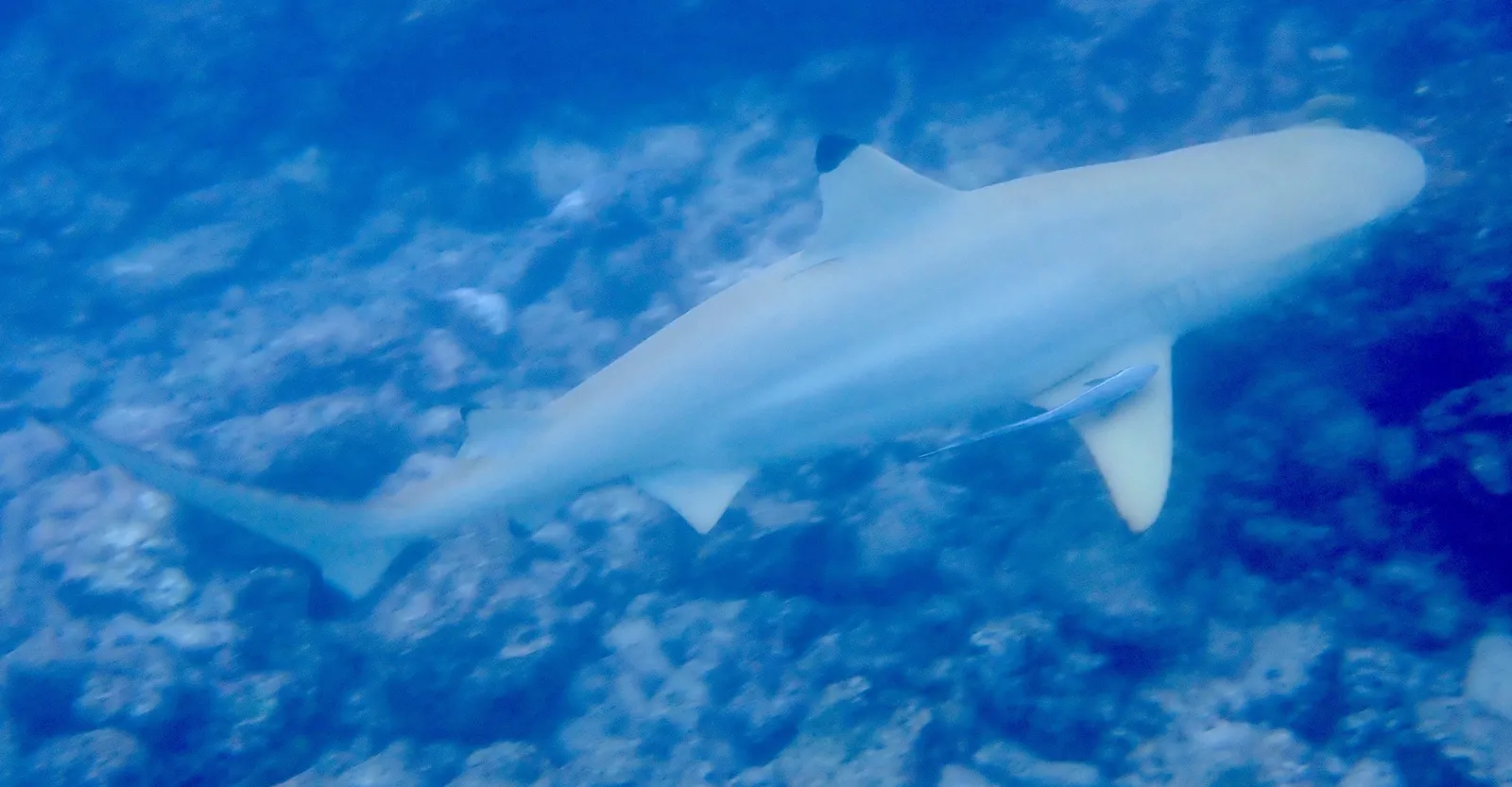
This was not a casual observation. The count was the result of a rigorous visual census methodology. He systematically identified and recorded every species encountered. This method requires an expert-level ability to instantly recognize thousands of potential species, from schools of fusiliers (Caesionidae family) to cryptic scorpionfish (Scorpaenidae) and dozens of damsel and wrasse species. The count included everything from large predators like the blacktip reef shark (Carcharhinus melanopterus) to tiny gobies (Gobiidae). The significance of this number is profound; it quantitatively demonstrates that a single, healthy reef in Raja Ampat can support more fish species than are found in the entire Caribbean Sea.
03
Coral Spawning — November Synchronization
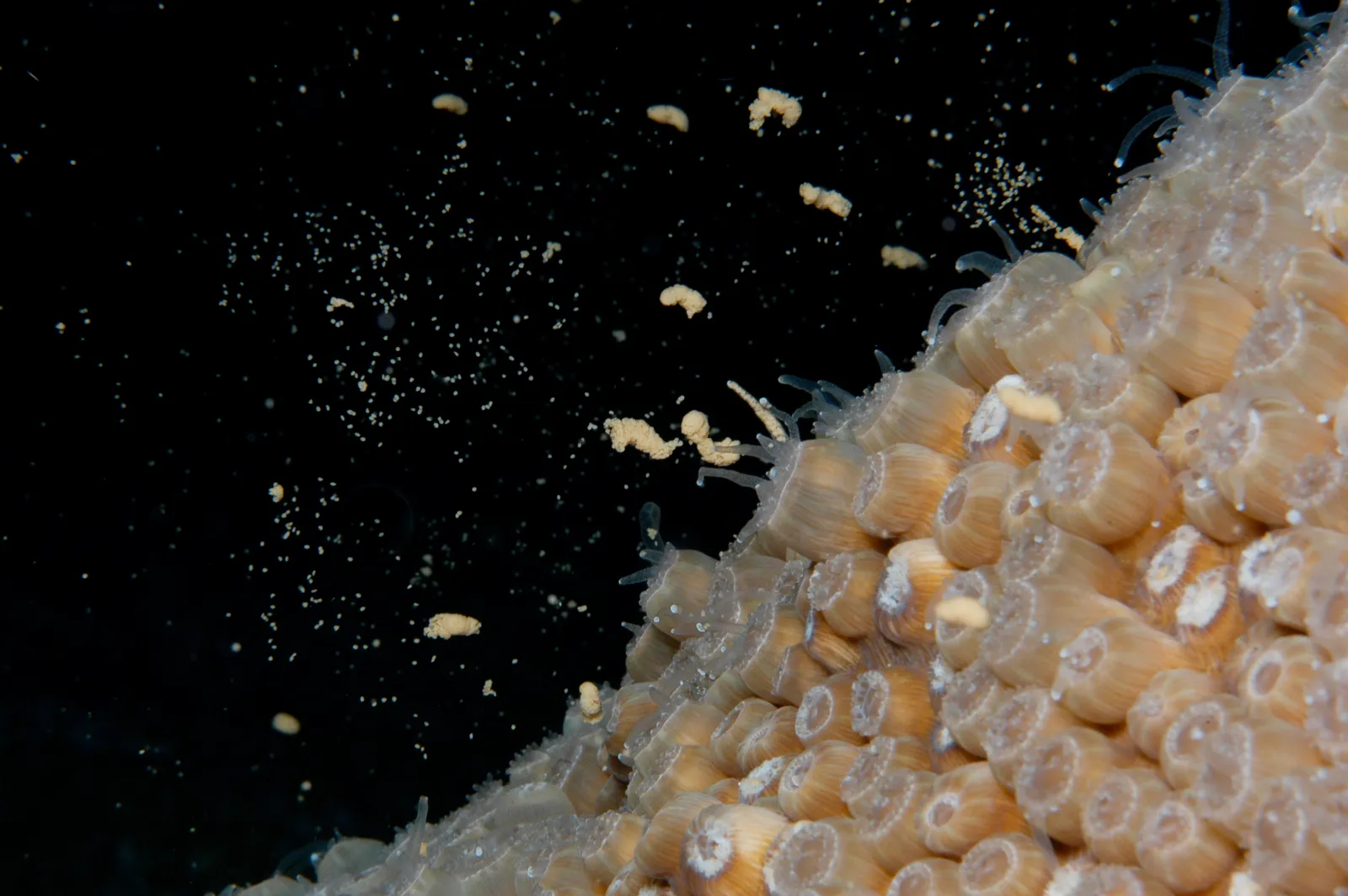
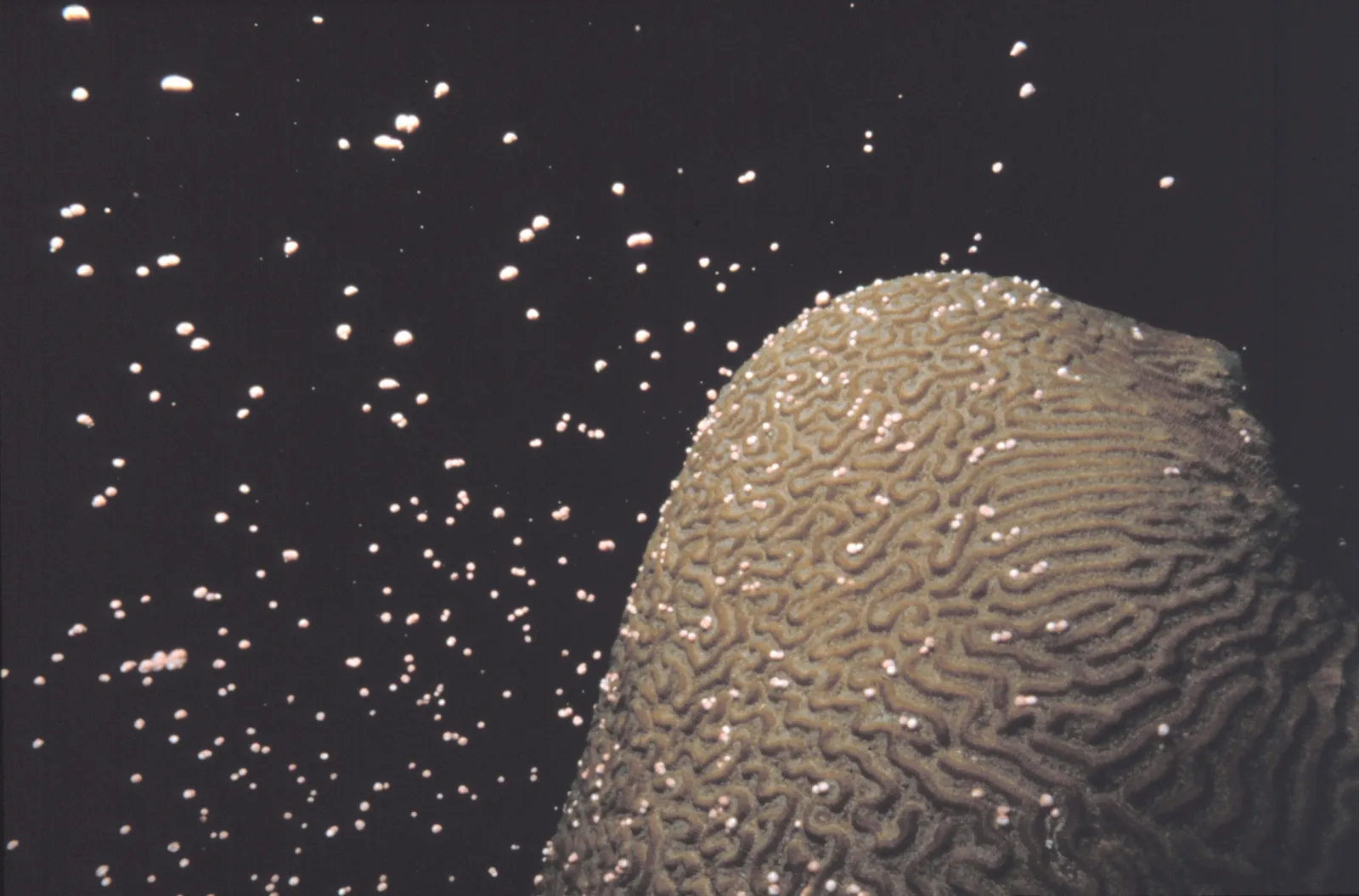
One of the most significant biological events in Raja Ampat is the annual mass coral spawning. This synchronized reproductive phenomenon typically occurs in the week following the full moon in November, when water temperatures and lunar cycles align. During this period, entire reefs, particularly those dominated by branching corals of the Acropora genus, release their gametes (eggs and sperm) into the water column simultaneously.
The event begins shortly after sunset. Individual coral polyps release small, buoyant bundles of eggs and sperm, which float slowly towards the surface. As millions of colonies across kilometers of reef release their gametes in unison, the water becomes saturated, resembling a dense underwater snowstorm. This mass synchronization is a crucial evolutionary strategy. It overwhelms predators, ensuring that a sufficient number of gametes survive to be fertilized. The resulting larvae drift with the currents for days or weeks before settling on a suitable substrate to begin a new coral colony. This annual reproductive pulse is fundamental to the resilience and genetic diversity of Raja Ampat’s reefs, effectively reseeding the archipelago and contributing to the larval supply for the wider Coral Triangle. Observing this event requires precise timing and offers a direct view of the foundational process that sustains this entire ecosystem.
04
Manta Cleaning Station Behavior
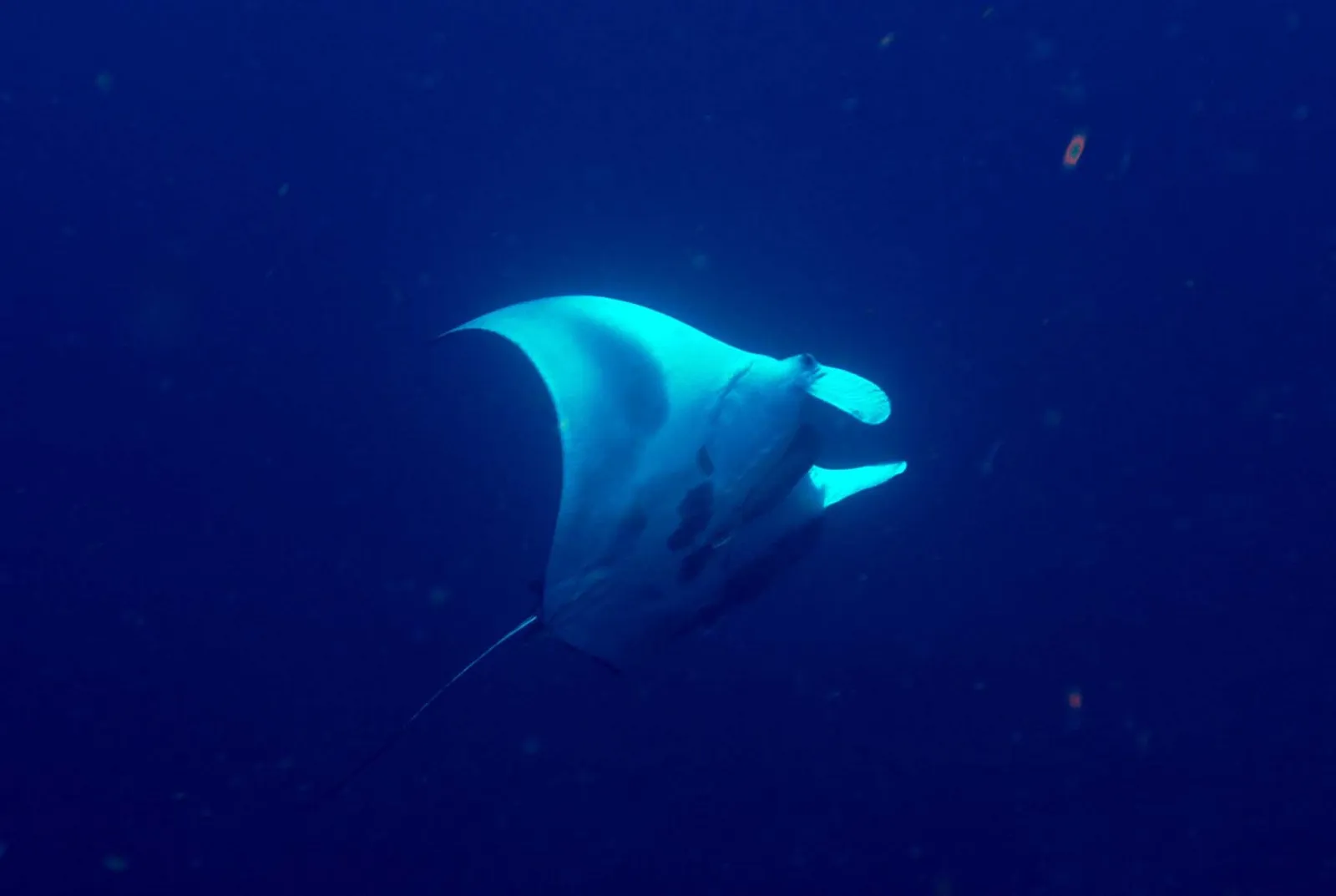
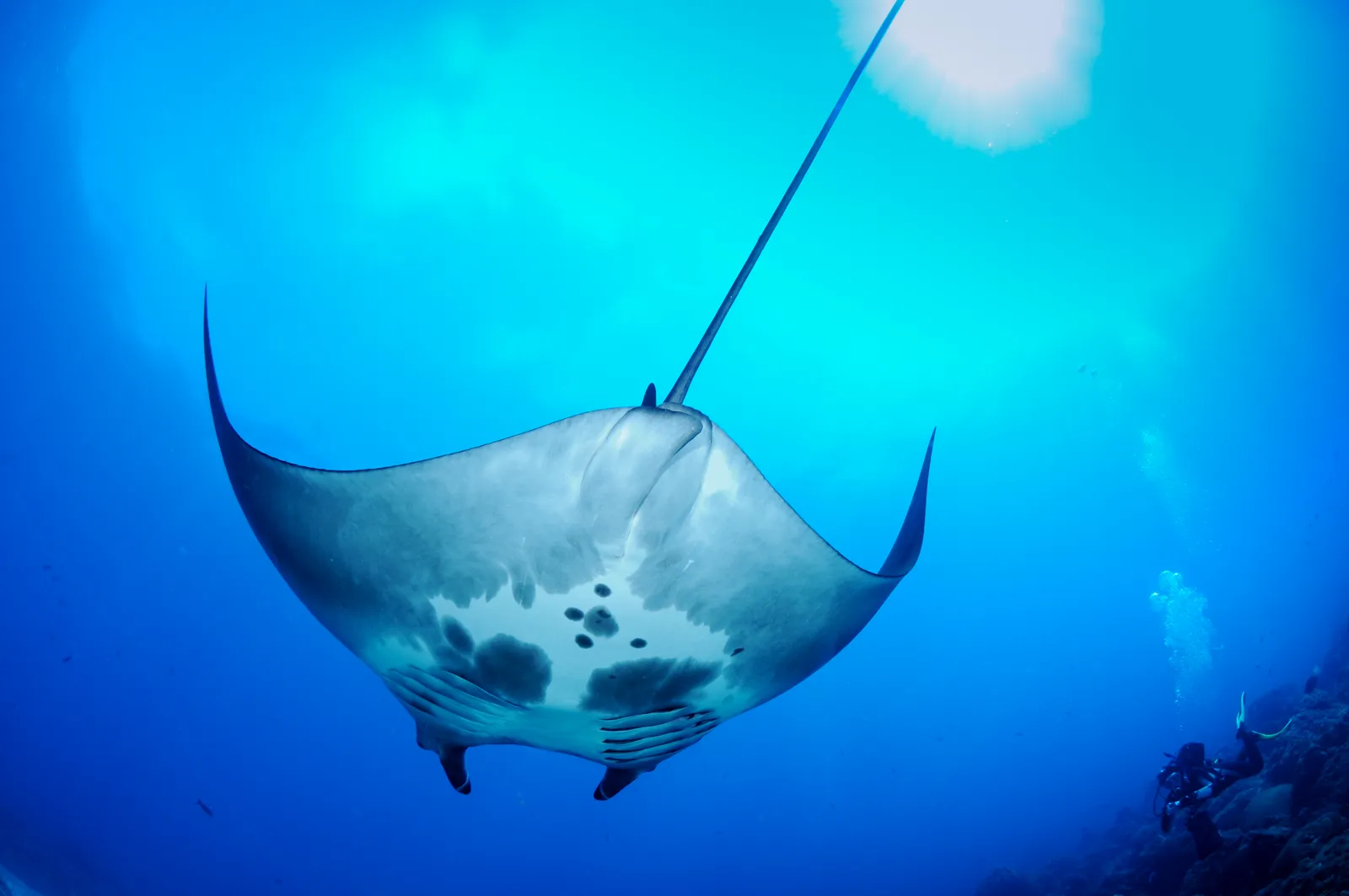
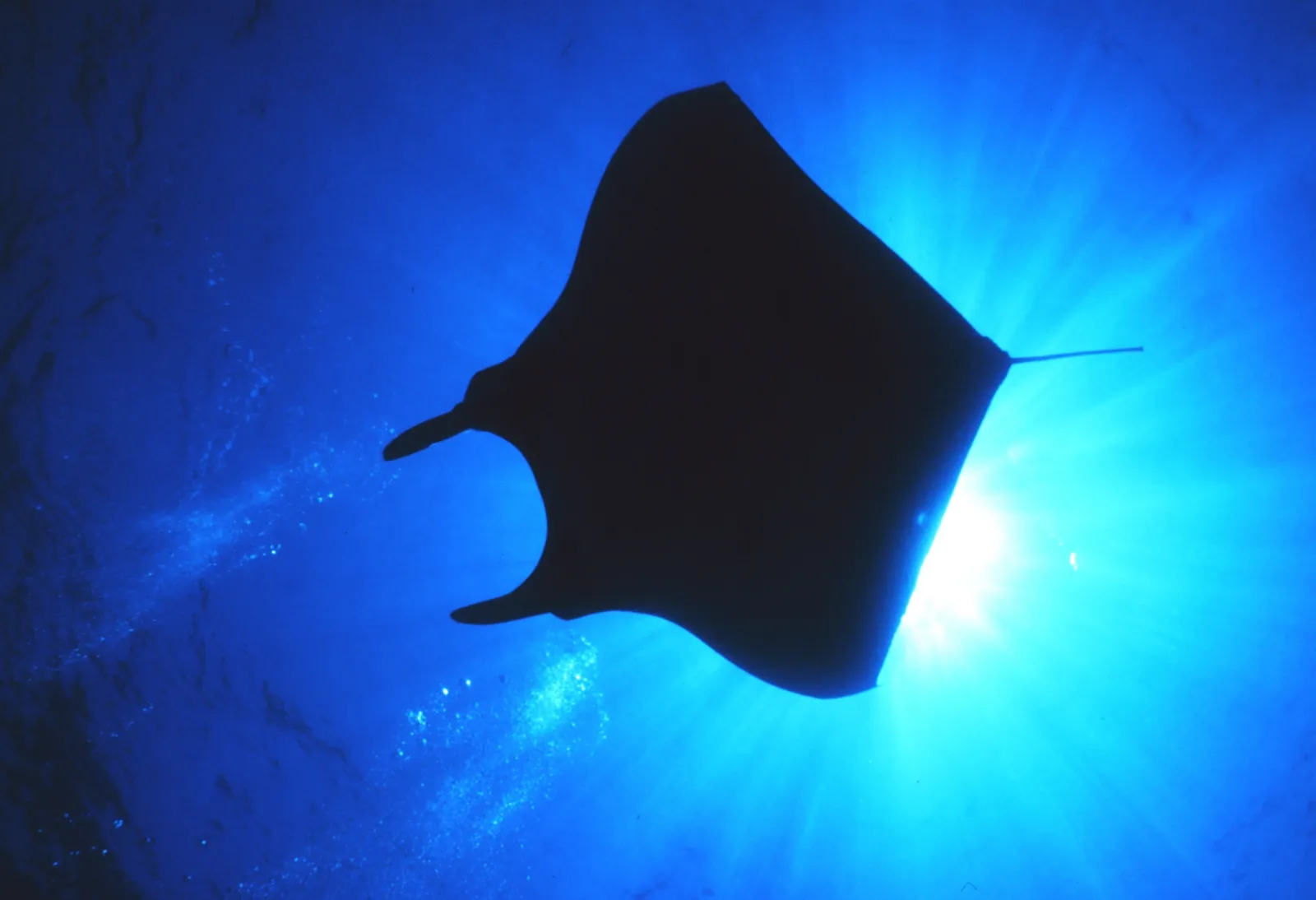
My own research has focused on the complex social behaviors of reef manta rays (Mobula alfredi) at specific cleaning stations within the Dampier Strait. These locations, often a prominent coral bommie or reef outcrop, serve as vital service hubs where small cleaner wrasse (e.g., Labroides dimidiatus) and other organisms remove parasites and dead tissue from the mantas.
In a 2019 paper published in the journal Marine Biodiversity (Pertiwi, M. *et al.* 2019, 49:1842-1851), my colleagues and I documented the structured, predictable patterns of these interactions. We observed mantas forming orderly queues, hovering patiently for their turn to be serviced. Specific posturing, such as gill arch flaring and slow, deliberate approaches, signals a readiness to be cleaned. The cleaner fish, in turn, perform a tactile "dance" to signal their intent, preventing the manta's defensive flight response. We identified over 50 individual mantas at a single site, Manta Sandy, recognizing them by their unique ventral spot patterns. This research demonstrates a high level of cognitive function and social learning in these elasmobranchs. These cleaning stations are critical habitats; their protection is paramount for the long-term health of the regional manta population, which aggregates here between December and March.
05
Pygmy Seahorse Three Species
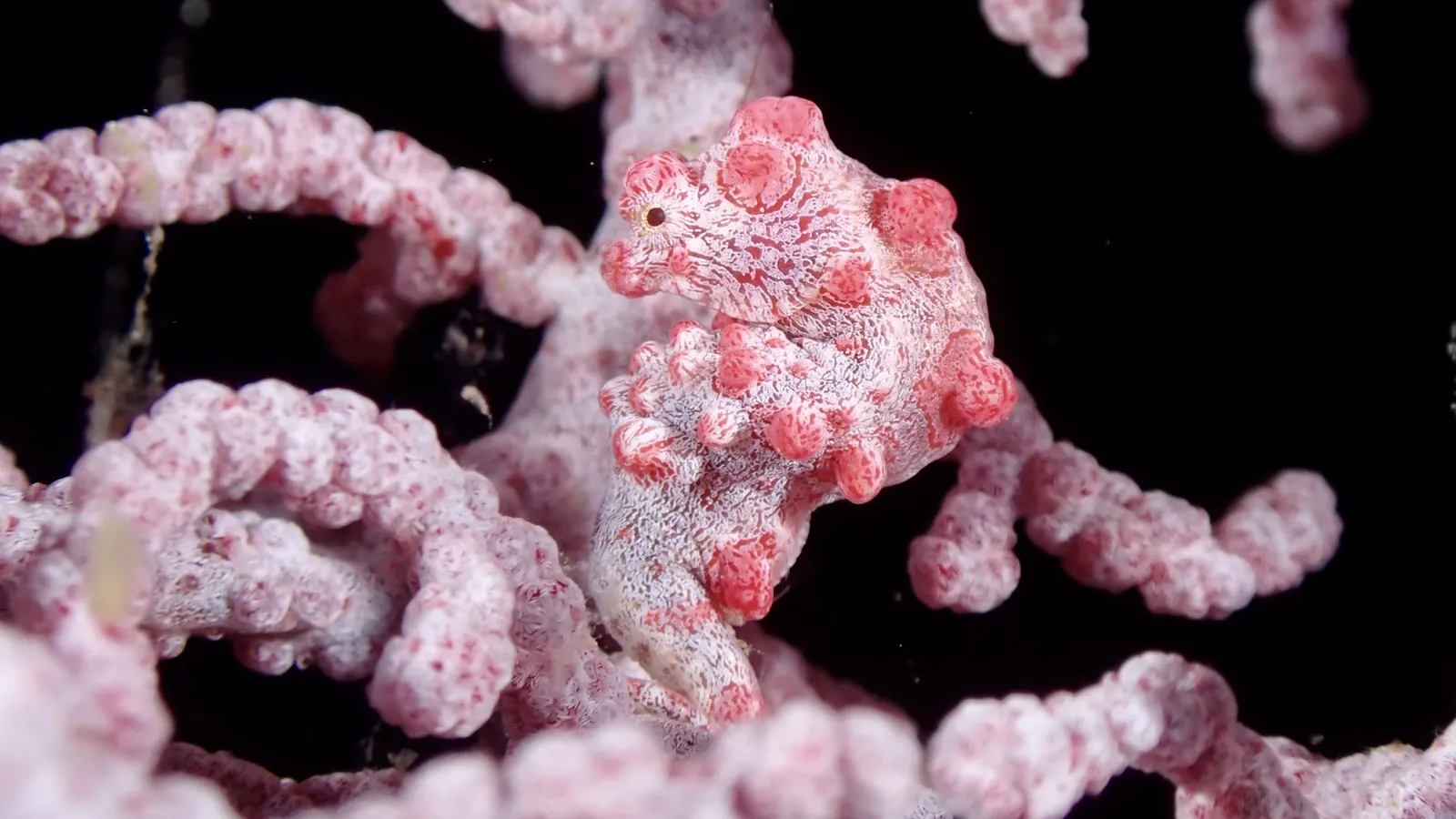
The extreme biodiversity of Raja Ampat extends to the minute and the masterfully camouflaged. The archipelago is a key habitat for at least three species of pygmy seahorse, each a testament to niche specialization. These members of the Hippocampus genus are among the smallest vertebrates in the world.
Bargibant's pygmy seahorse (Hippocampus bargibanti) is the most recognized, reaching a maximum length of 2.4 centimeters. It is an obligate resident of Muricella gorgonian sea fans, its pink or yellow, tuberculate body perfectly mimicking the polyps of its host coral. Locating one requires a meticulous examination of the correct fan coral. Denise's pygmy seahorse (H. denise), slightly smaller and smoother, inhabits a wider variety of gorgonians and is often more sparsely distributed. The third, Pontoh's pygmy seahorse (H. pontohi), is distinct in its behavior. Unlike its gorgonian-dwelling relatives, it is a more free-ranging species, typically found clinging to fronds of Halimeda algae or other marine vegetation on reef walls. Its discovery in 2008 underscores the fact that this region continues to yield new species, and highlights the necessity for observant, experienced dive guides to reveal the full scope of its marine life.
06
Endemic Sharks — Walking + Wobbegong
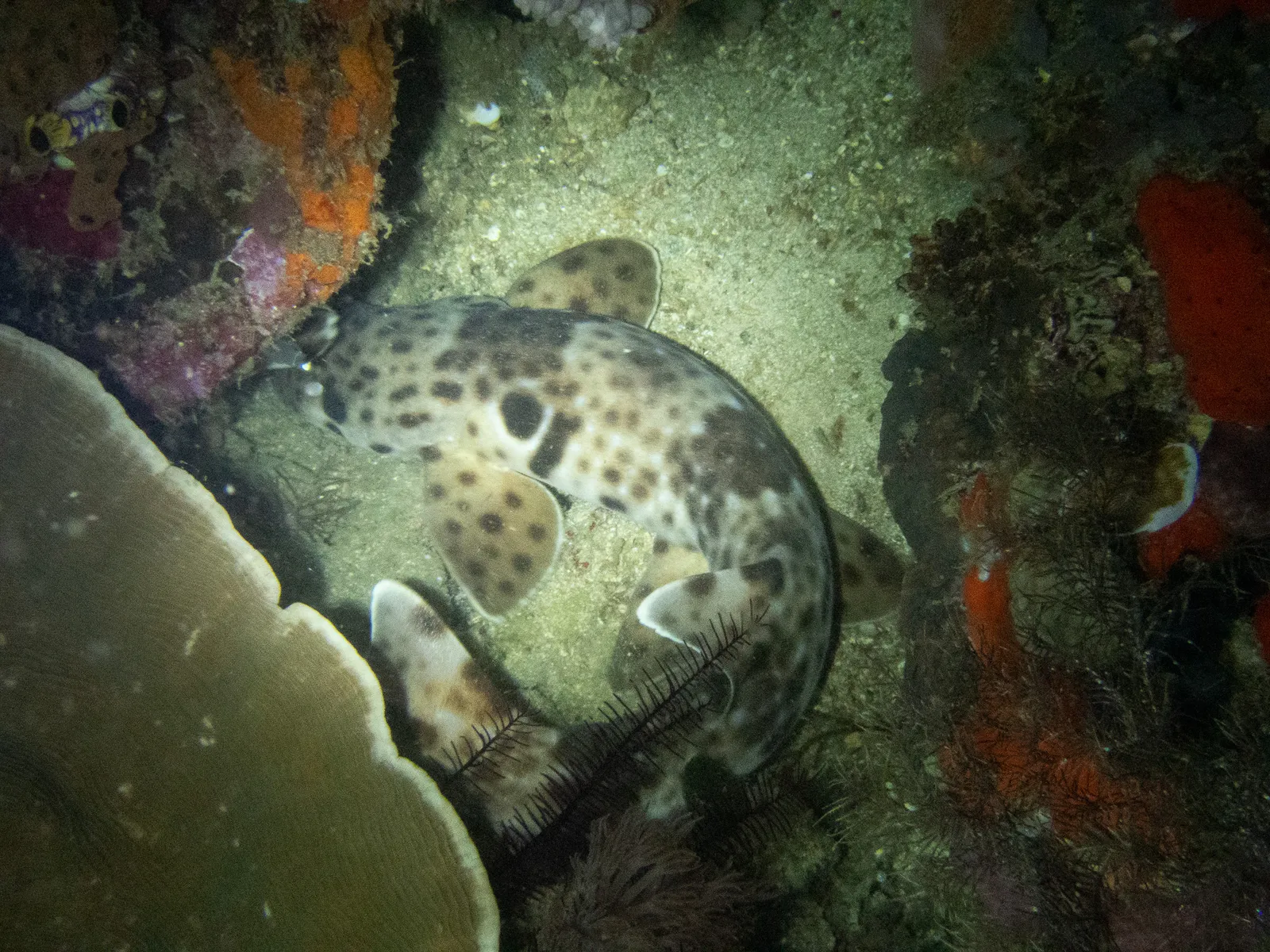
Raja Ampat's long period of geographic isolation has resulted in high levels of endemism—species found here and nowhere else on Earth. Among the most notable are two highly specialized shark species. The Raja Ampat walking shark (Hemiscyllium freycineti) is a small, nocturnal epaulette shark that has evolved a remarkable form of locomotion. Using its muscular, paddle-like pectoral and pelvic fins, it "walks" across the seafloor and over shallow coral heads while foraging for small invertebrates. This adaptation allows it to exploit tidal flats and reef crests inaccessible to more conventional swimmers. As an apex predator in its shallow, complex habitat, its presence is a key indicator of a healthy, intact reef ecosystem.
The tasselled wobbegong (Eucrossorhinus dasypogon) is a master of crypsis. This bottom-dwelling carpet shark possesses an intricate pattern of dermal lobes, or tassels, around its head, which breaks up its outline and allows it to blend seamlessly with the algae- and sponge-covered reef. It is an ambush predator, lying motionless for hours until a fish or crustacean strays within range of its wide, powerful jaws. Its flattened body and mottled coloration provide near-perfect camouflage, making it an exceptionally difficult animal to detect without a trained eye.
07
Conservation Status
The long-term preservation of Raja Ampat's biological assets is a coordinated effort managed by the Indonesian government, specifically through the national marine conservation agency BKKPN (Balai Kawasan Konservasi Perairan Nasional) based in Kupang. The management strategy is multi-faceted, integrating scientific monitoring with community-based enforcement and sustainable tourism.
A key component of this strategy is the Marine Park permit system. All visitors entering the marine protected area are required to purchase an annual permit, with the current fee for international divers set at IDR 1,000,000 (approximately USD 65). These revenues are directed back into the system, funding a network of ranger patrols that deter illegal fishing practices, supporting community education programs, and financing the ongoing ecological surveys that inform management decisions. This model of user-funded conservation ensures that the entities benefiting from the region's natural capital are directly contributing to its protection, creating a sustainable framework for preserving this critical center of marine biodiversity for future scientific inquiry and responsible exploration.
FAQ
Frequently Asked Questions
What is the scientific significance of a Phinisi schooner?
From a research and conservation perspective, the traditional Phinisi vessel offers a low-impact platform for exploration. Its wooden hull and reliance on sail power reduce noise pollution, minimizing disturbance to marine life behavior, particularly cetaceans and sensitive fish species. The vessel’s shallow draft allows access to remote research sites with minimal reef impact, making it an ideal tool for navigating this complex archipelago while respecting its delicate ecology and maritime heritage.
How does your operation contribute to data collection?
As a scientist integrated into the operation, I utilize our voyages as a platform for ongoing research. We systematically log sightings of key indicator species, contributing to databases like that of the Manta Trust and eOceans. Our dive team is trained in species identification and survey techniques, allowing us to function as a vessel of opportunity for citizen science and provide valuable, consistent data streams to conservation authorities and academic institutions.
What is the best time for observing specific phenomena?
Voyage timing can be aligned with specific biological calendars. For peak manta ray (Mobula alfredi) aggregation at cleaning stations, the optimal period is December through March. The synchronized mass coral spawning event is highly predictable, occurring in the week following the November full moon. For the highest probability of calm surface conditions and optimal visibility (20-40 meters), the primary season runs from October through April, when seas are generally calmer.
Why is the water temperature so stable in Raja Ampat?
The water temperature remains consistently between 27-30°C due to two primary factors. First, the archipelago's equatorial location ensures high, year-round solar insolation. Second, and more significantly, it is situated directly in the path of the Indonesian Throughflow. This is a massive, continuous current that transports warm surface water from the Pacific Ocean to the Indian Ocean, acting as a thermal regulator and ensuring the stable, warm conditions required by reef-building corals.
Marine Life
More in Marine Life
Plan Your Raja Ampat Voyage
Our dive concierge team is ready to design your private phinisi charter. We manage all logistics — from arrival in Sorong to your departure.