Skip to content
Raja Ampat Liveaboard Diving
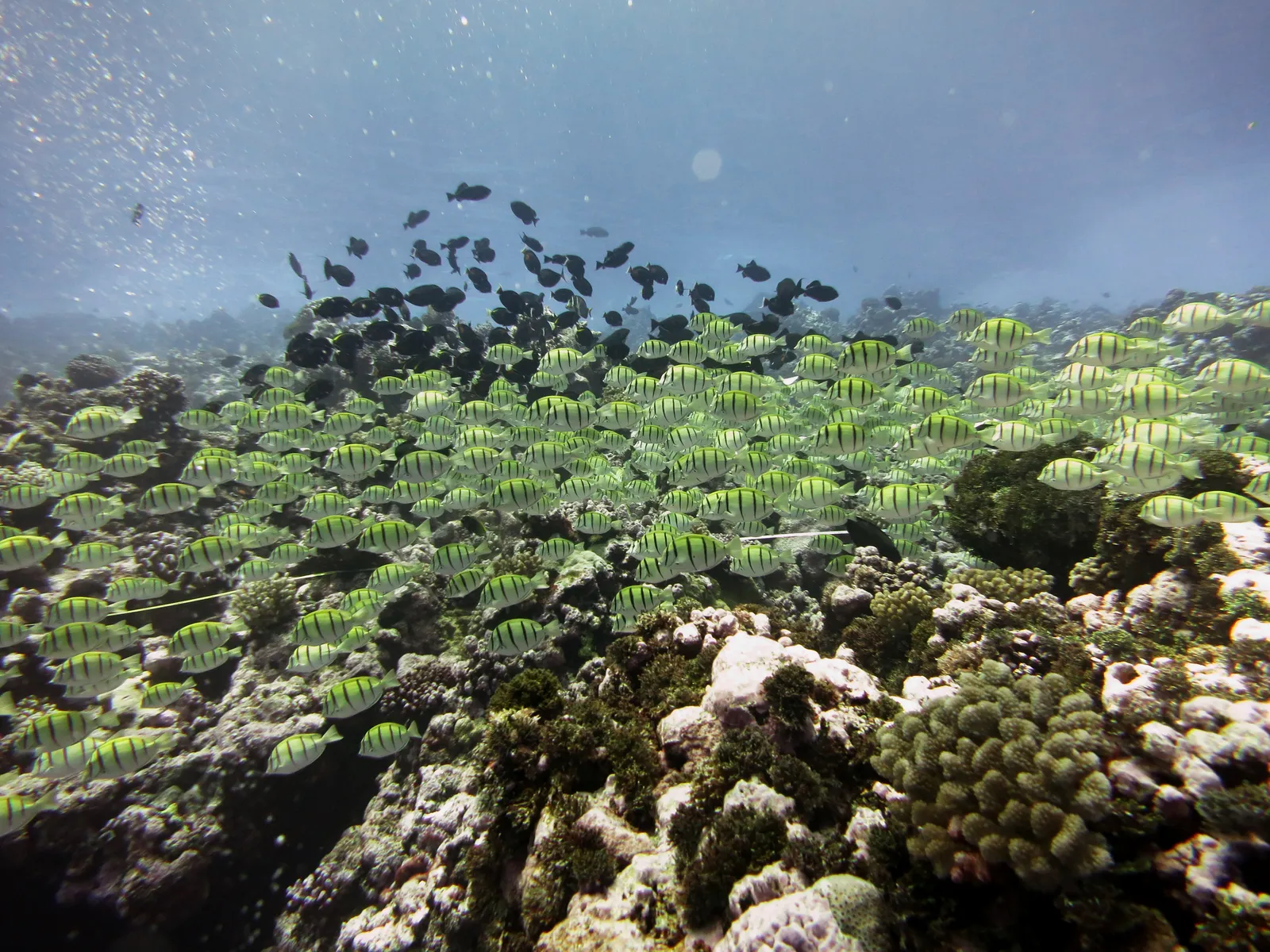
Hard coral — FGBNMS -- Brittle Star Stealing Coral Gametes

Dive Sites

Cape Kri: The Verified Epicenter of Marine Biodiversity

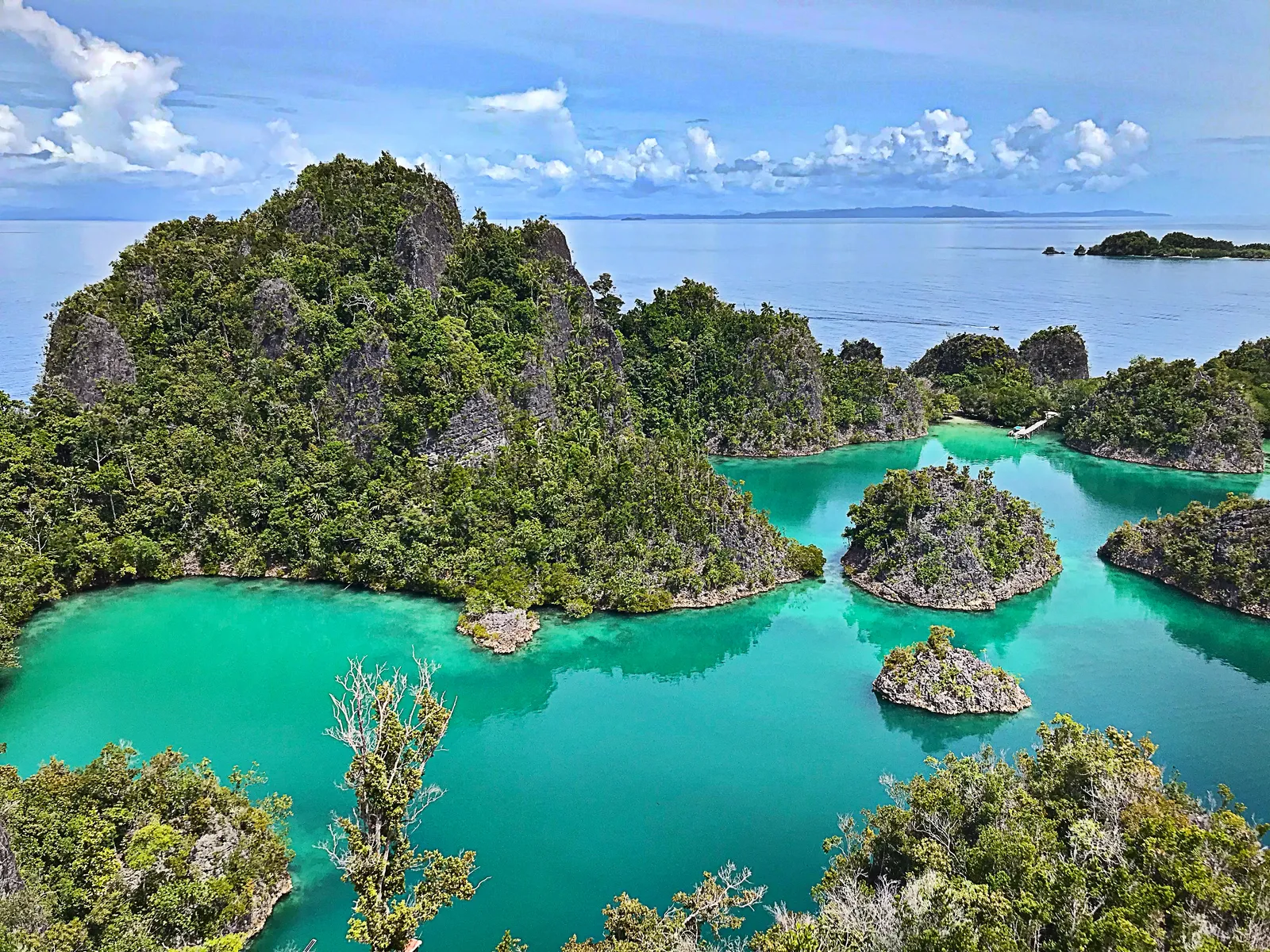
Cape Kri is a submerged coral peninsula extending from the northeastern tip of Pulau Kri in the Dampier Strait.

It is not an abstract designation but a specific, charted location defined by its record-setting marine biodiversity. In 2012, a single 90-minute dive conducted by Dr. Gerald Allen documented 374 distinct species of reef fish, a world record that quantifies the site's ecological significance. This density of life is a direct result of its geographic position, where the Pacific and Indian Oceans converge, funneling nutrient-rich currents over its vibrant reef structure. For experienced divers, a dive at Cape Kri is a technical exercise in managing current and depth to observe a concentration of marine fauna exceptional anywhere on the planet.

01

The Hydrodynamics and Topography of a Record-Setting Reef

The exceptional species count at Cape Kri is not an accident of nature; it is a product of powerful hydrodynamics and complex underwater topography. The site's location within the Dampier Strait, a narrow channel between the islands of Waigeo and Batanta, transforms it into a natural funnel. This channel accelerates the flow of water from the Celebes Sea and the Pacific Ocean, concentrating plankton and other nutrients into a reliable food source for the entire marine food web.

01

The Dampier Strait: A Nutrient Superhighway

The currents that sweep Cape Kri, often running between 2 to 4 knots, are the lifeblood of the ecosystem. This constant flow, governed by lunar tides, prevents sediment from settling on the corals, ensuring they receive maximum sunlight for photosynthesis. More critically, it delivers a perpetual stream of food. This nutrient subsidy supports immense schools of fusiliers, surgeonfish, and damsels, which in turn attract a high concentration of predators. The current is the engine of biodiversity here, creating the conditions necessary for thousands of species to coexist in a compact area. Our Raja Ampat liveaboard itineraries are meticulously planned around the tidal schedules to ensure divers experience these sites at the optimal moment of water movement.
02

Reef Structure: From Slope to Pinnacle

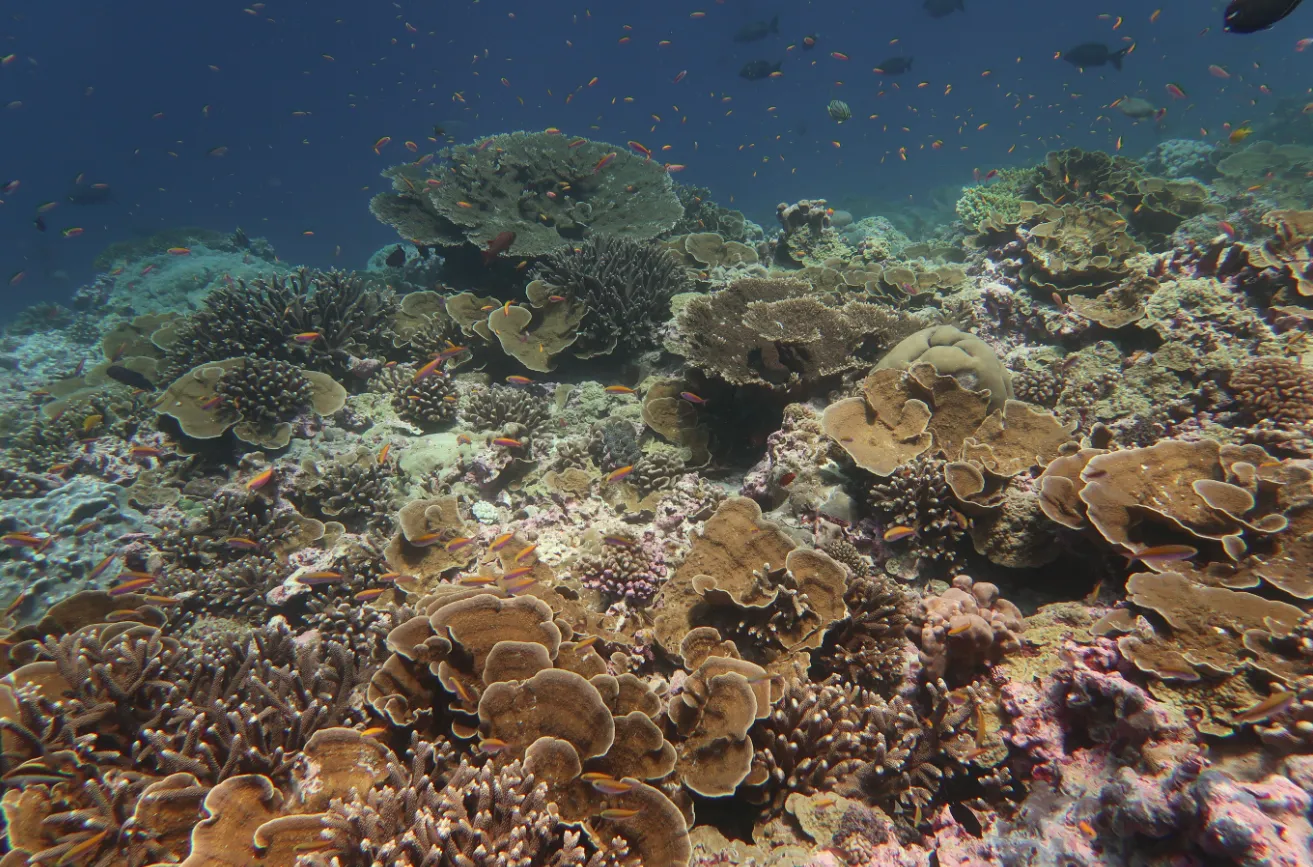
The physical structure of Cape Kri is as critical as its currents. The dive site begins on the eastern point of Kri Island, sloping gently from 5 meters down to a sandy bottom at around 35-40 meters. The most vibrant section, known as the "split," is where the current hits the reef head-on and divides. This is the area of highest activity. The reef itself is a dense aggregation of hard corals, including vast fields of staghorn (Acropora) and table corals, interspersed with massive porites bommies and colorful soft corals. This complex three-dimensional habitat provides an extraordinary number of niches for fish and invertebrates to inhabit, from the smallest pygmy seahorse to large groupers seeking shelter.

02

Deconstructing the 374 Species Record

Dr. Gerald Allen’s 2012 survey provided a quantitative measure for what divers had long observed anecdotally: an overwhelming density of life. The count of 374 reef fish species on one dive is a data point that anchors Cape Kri's reputation in scientific fact, moving it beyond subjective claims of excellence. This number represents a cross-section of the entire Coral Triangle's ichthyofauna, concentrated into a single, accessible location.

01

A Living Catalogue of a Healthy Ecosystem

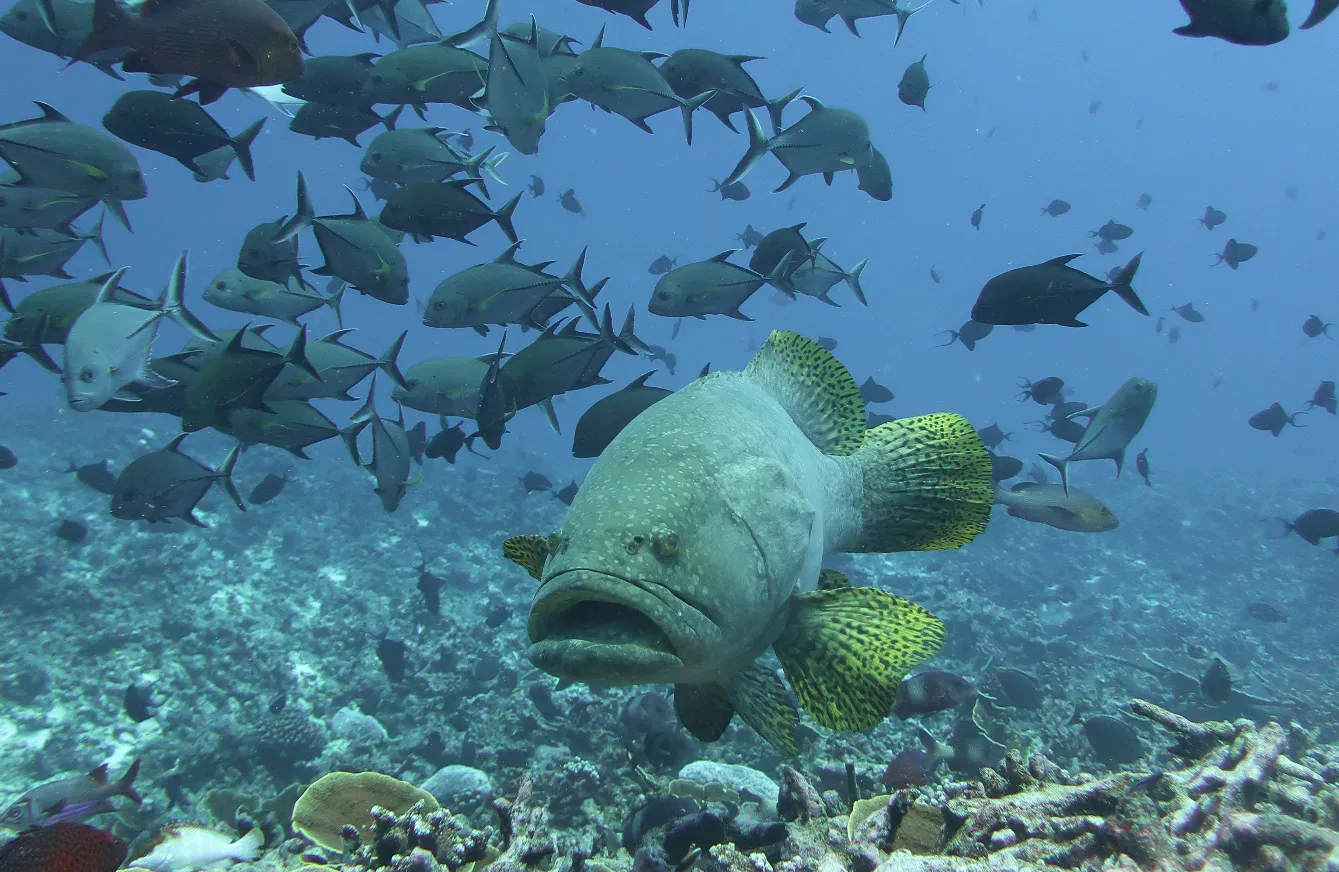
To witness this biodiversity is to see a functioning ecosystem at peak performance. The water column is thick with life at every level. On the reef top, in the 5-10 meter range, clouds of orange and purple anthias pulse in and out of the coral branches. Parrotfish, in a dozen different color phases, graze on the algae, their crunches audible underwater. In the mid-water, typically around 15-25 meters, large schools of yellow-fin barracuda, chevron barracuda, and bigeye trevally hold their position in the current. Deeper along the slope, divers will find oriental sweetlips, harlequin sweetlips, and various species of snapper congregating under ledges. The sheer number of individual fish, representing hundreds of species, creates a visual density that is the hallmark of a dive at Cape Kri.

02

Key Species and Signature Encounters

While the overall number is impressive, specific encounters define the dive. The most noted phenomenon is the "tornado" of bigeye trevally. This school, often numbering in the hundreds, forms a swirling vortex that can be entered by calm, experienced divers. Large Napoleon wrasse (Cheilinus undulatus) are resident to the site and patrol the reef slope with deliberate confidence. Blacktip and whitetip reef sharks are a near-constant presence, cruising the reef edge and the drop-off. For the macro-focused observer, the reef substrate reveals cryptic species, including leaf scorpionfish, multiple varieties of nudibranchs, and the endemic Pontoh's pygmy seahorse (Hippocampus pontohi) for those with exceptionally sharp eyes.

03

The Practicalities of Diving Cape Kri

Diving Cape Kri requires preparation and a specific skillset. The site's defining feature—its strong current—is also its primary challenge. This is not a dive for beginners; it is an advanced dive that demands confidence in water, excellent buoyancy control, and familiarity with specialized equipment.

01

Advanced Open Water Certification and Experience

A minimum of an Advanced Open Water (AOW) certification is required to dive Cape Kri, with a recommended 50+ logged dives. The primary reasons are depth and current. The most dynamic part of the reef lies between 18 and 30 meters. Divers must be comfortable operating at these depths. More importantly, they must be proficient in managing drift dives in strong currents, which can change direction and velocity unpredictably. Our dive guides, each with hundreds of dives at this specific site, provide detailed briefings and are essential for navigating the complexities of the dive.

02

Essential Equipment and Techniques

A reef hook is standard, non-negotiable equipment for diving Cape Kri. This allows a diver to attach to a non-living part of the reef, typically a rock or dead coral rubble, and remain stationary in the current without expending energy. This technique enables observation of the marine life as it passes by. The dive often begins with a negative entry, or "hot drop," where divers descend immediately upon entering the water to get below any surface current and onto the reef point quickly. A safety sausage (SMB) is mandatory for signaling the tender boat at the conclusion of the drift dive.

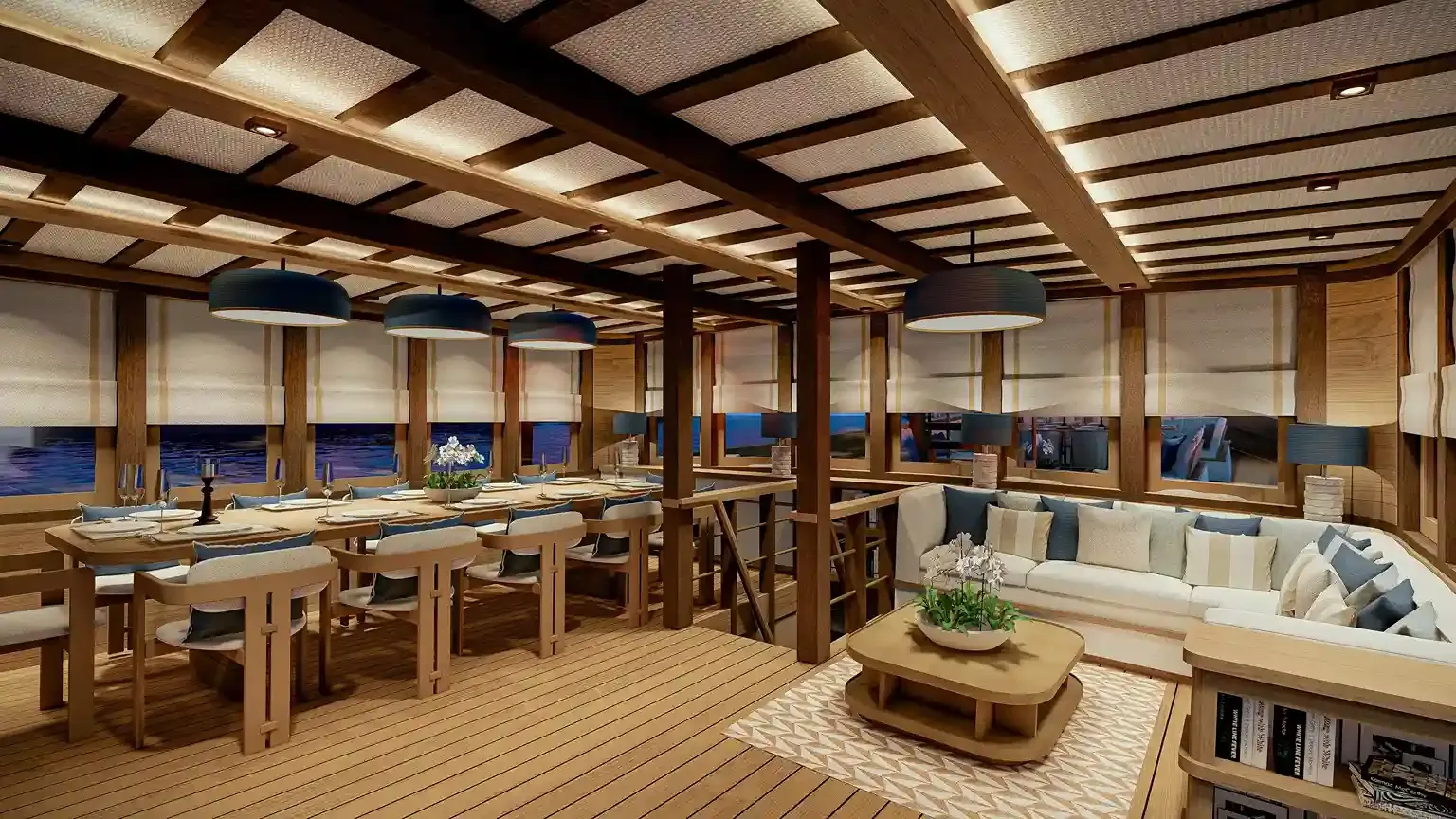
Liveaboard interior — lounge area otium phinisi1

04

Cape Kri within a Komodo Luxury Itinerary

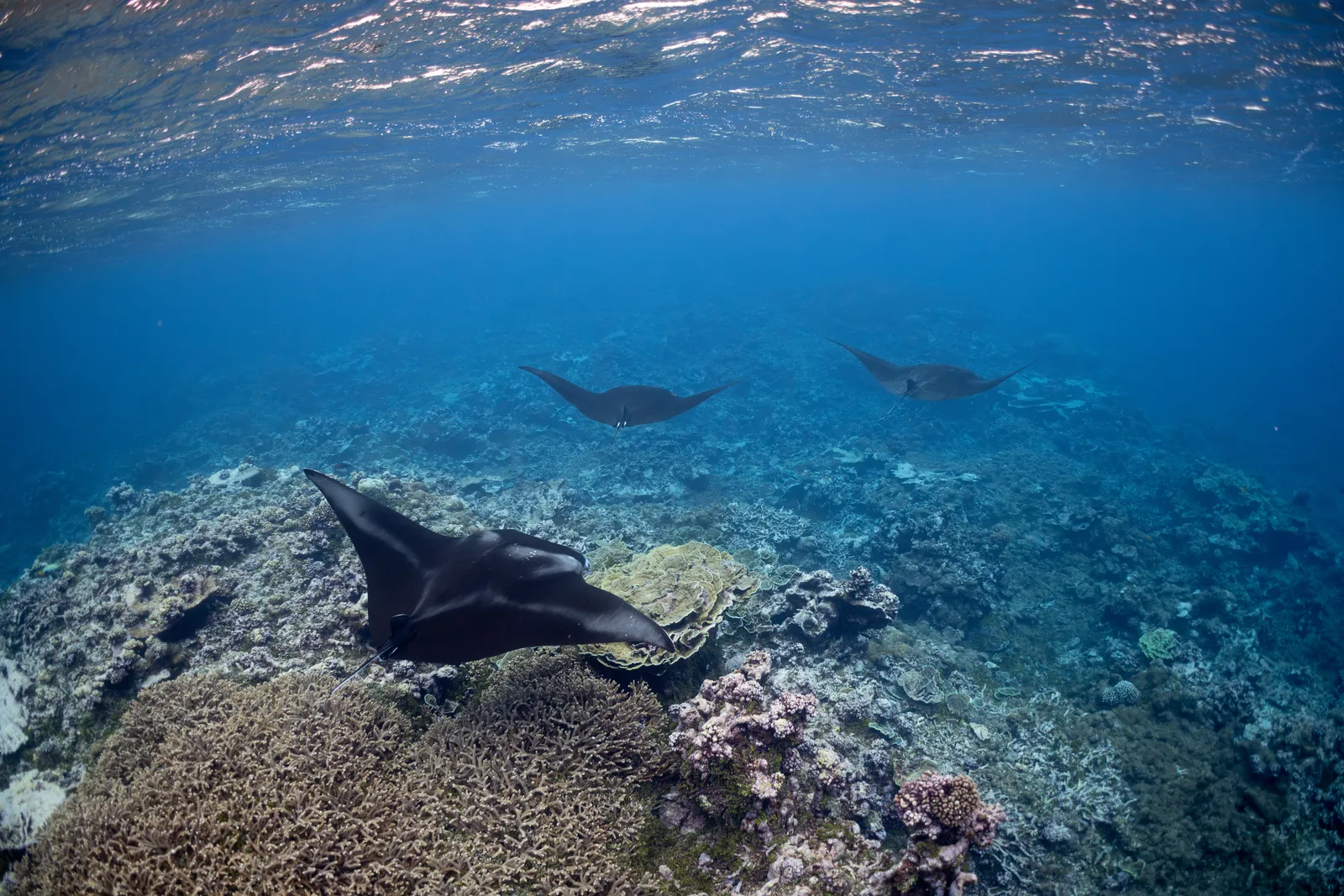
While Cape Kri is a pinnacle experience, it is one of many high-caliber sites accessible on our voyages. A typical Dampier Strait itinerary positions Cape Kri as a central feature, complemented by other notable dives that offer different experiences. Sites like Manta Sandy for observing reef mantas (Mobula alfredi) at cleaning stations, Blue Magic for its pelagic action on a submerged seamount, and Sardine Reef for its incredible density of schooling fish, all contribute to a comprehensive exploration of the region. Accessing these sites requires the logistical capabilities of a dedicated vessel like our traditional Indonesian Phinisi schooners. For those seeking a fully tailored experience, our private charter options allow for bespoke itineraries centered around specific diving objectives. You can explore a full list of potential locations on our Raja Ampat dive sites page.

FAQ

Frequently Asked Questions about Cape Kri

Why is the current at Cape Kri often so strong?

The current's strength is a result of the Indonesian Throughflow, a massive volume of water moving from the Pacific to the Indian Ocean. The Dampier Strait acts as a bottleneck for this flow, accelerating the water velocity as it passes between the islands. This constant, powerful current is precisely what fuels the site's extreme biodiversity by concentrating nutrients and supporting a vast food chain.

Is Cape Kri a suitable dive for a newly certified diver?

No. Cape Kri is designated as an advanced dive. The combination of potential depths up to 30 meters and currents that can exceed 3 knots requires a high level of comfort, experience, and buoyancy control. We mandate an Advanced Open Water certification and significant dive experience to ensure both diver safety and enjoyment. Our guides will always assess conditions before committing to the dive.

What is the best time of year to experience Cape Kri?

The primary diving season in Raja Ampat runs from October through April, which offers the calmest surface conditions and consistently good visibility, typically 20-40 meters. However, Cape Kri is an exceptional dive site year-round. The sheer volume of resident fish is a constant, and the currents that make it famous are present throughout the year, governed by the tides rather than the season.

What camera equipment is best for photographing Cape Kri?

A wide-angle lens is essential for capturing the scale of Cape Kri. It is the only way to photograph the large schools of trevally and barracuda, the expansive coral gardens, and the passing sharks. A fisheye lens is also a powerful tool here. While there is macro life, the signature experience is wide-angle, and attempting to shoot macro in the strong current can be challenging and unproductive.

How is this dive site protected?

Cape Kri is located within the Raja Ampat Marine Park. All divers are required to purchase a Marine Park permit tag (IDR 1,000,000 per person), valid for one year. The revenue from these permits funds the Raja Ampat Marine Park Authority (UPTD), which manages conservation patrols, community engagement, and scientific monitoring to protect the reef from illegal fishing and other threats, ensuring its integrity for the future.

Operating in this region for over a decade, Komodo Luxury and its Raja Ampat Liveaboard Voyages division have conducted more than 1,240 voyages, providing our 28-person team with an intimate understanding of these complex waters. A dive at Cape Kri is not just another entry in a logbook; it is a direct encounter with the documented center of marine life's diversity. To discuss a voyage that includes this and other keystone Raja Ampat sites, contact our concierge directly. We can tailor an itinerary to your specific experience level and interests. For immediate consultation, please connect with us on WhatsApp at +62 811-3823-875 or visit our contact page.

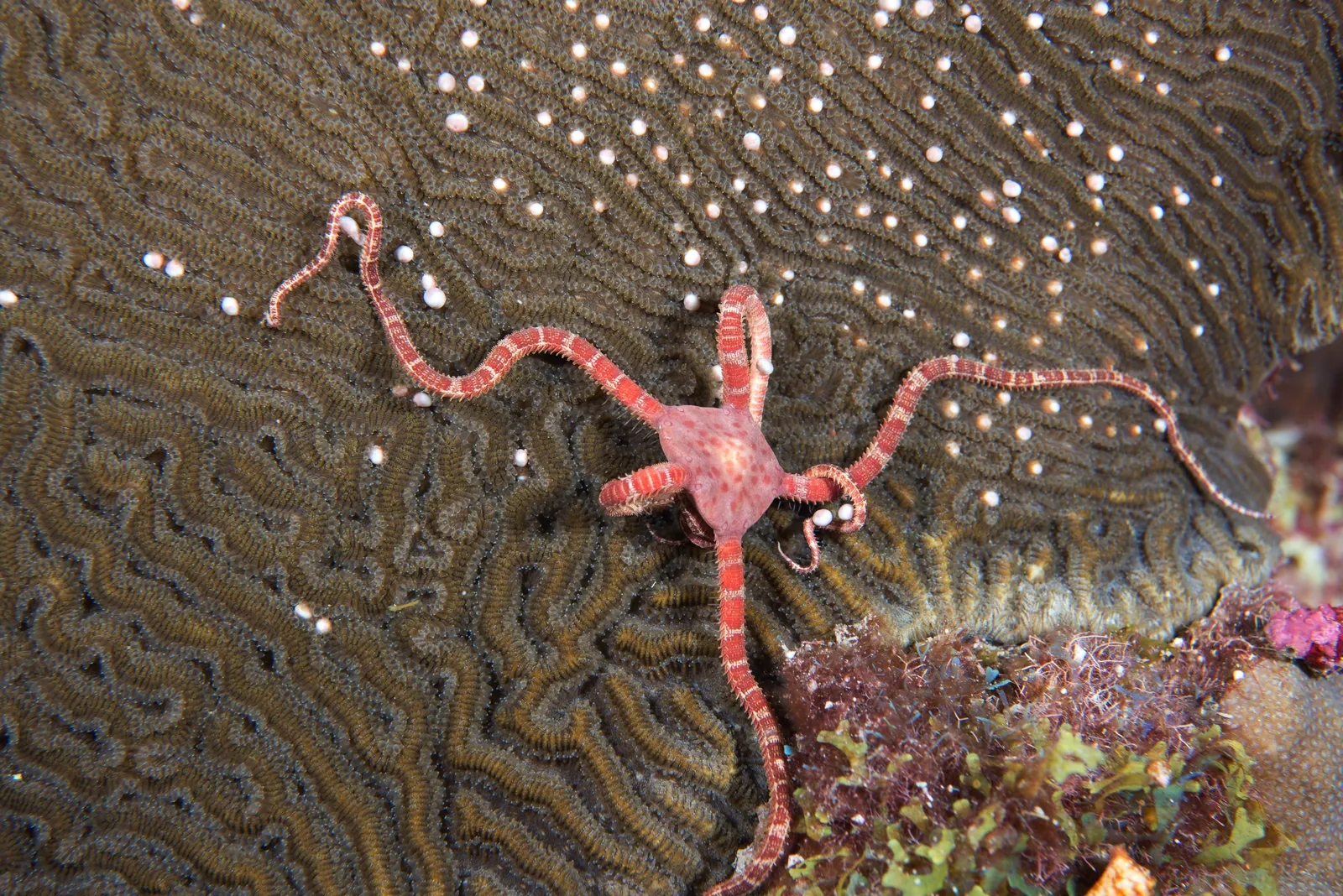
Hard coral — FGBNMS -- Brittle Star Stealing Coral Gametes

Plan Your Raja Ampat Voyage

Our dive concierge team is ready to design your private phinisi charter. We manage all logistics — from arrival in Sorong to your departure.