Skip to content
Raja Ampat Liveaboard Diving
Tropical island seascape — Piaynemo, Raja Ampat

Dive Sites

Wayag Dive Sites — North Raja Ampat's Limestone Lagoons

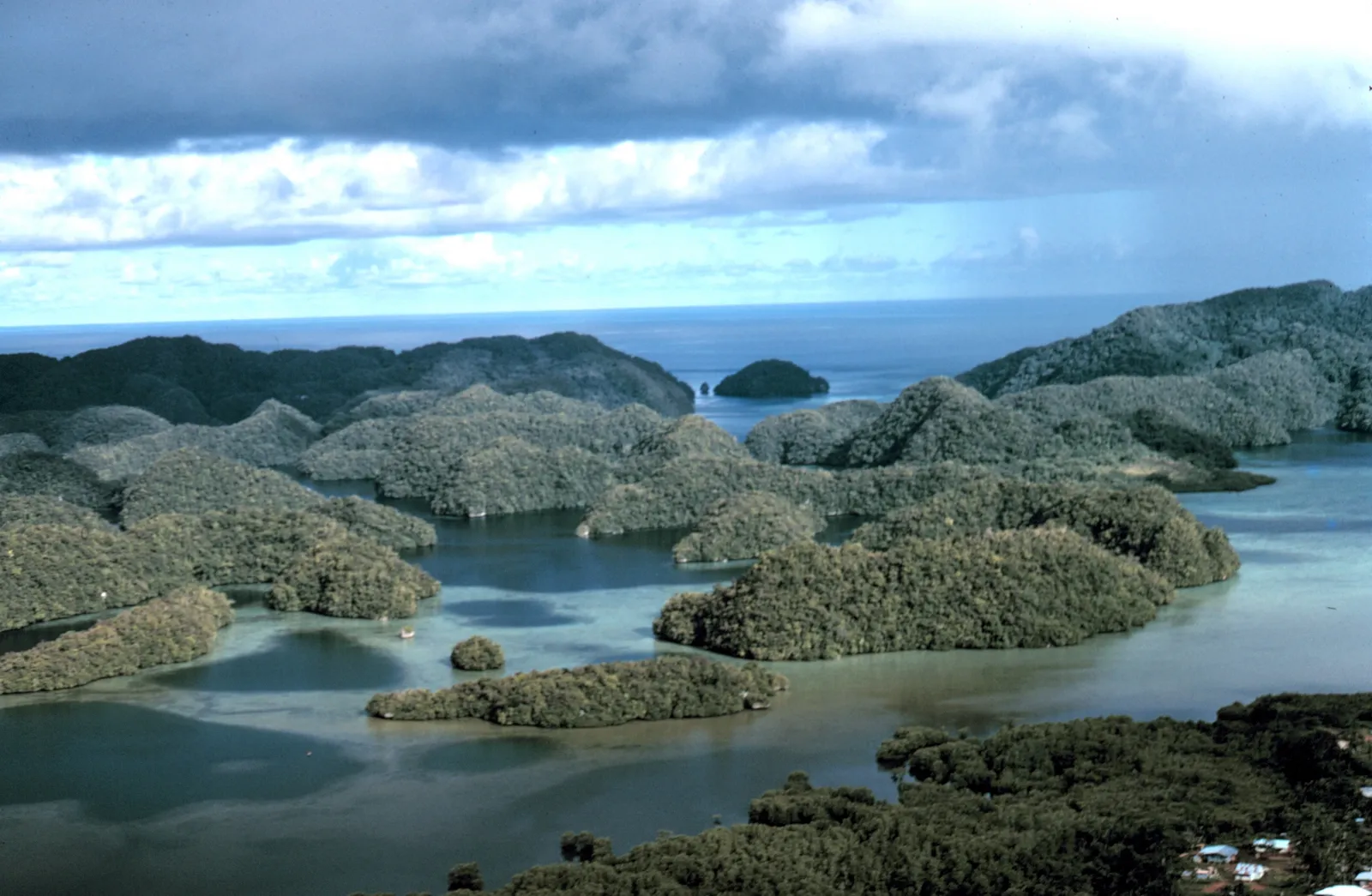
Wayag is an archipelago of uninhabited, jungle-covered karst islands in the far north of Raja Ampat, Indonesia.

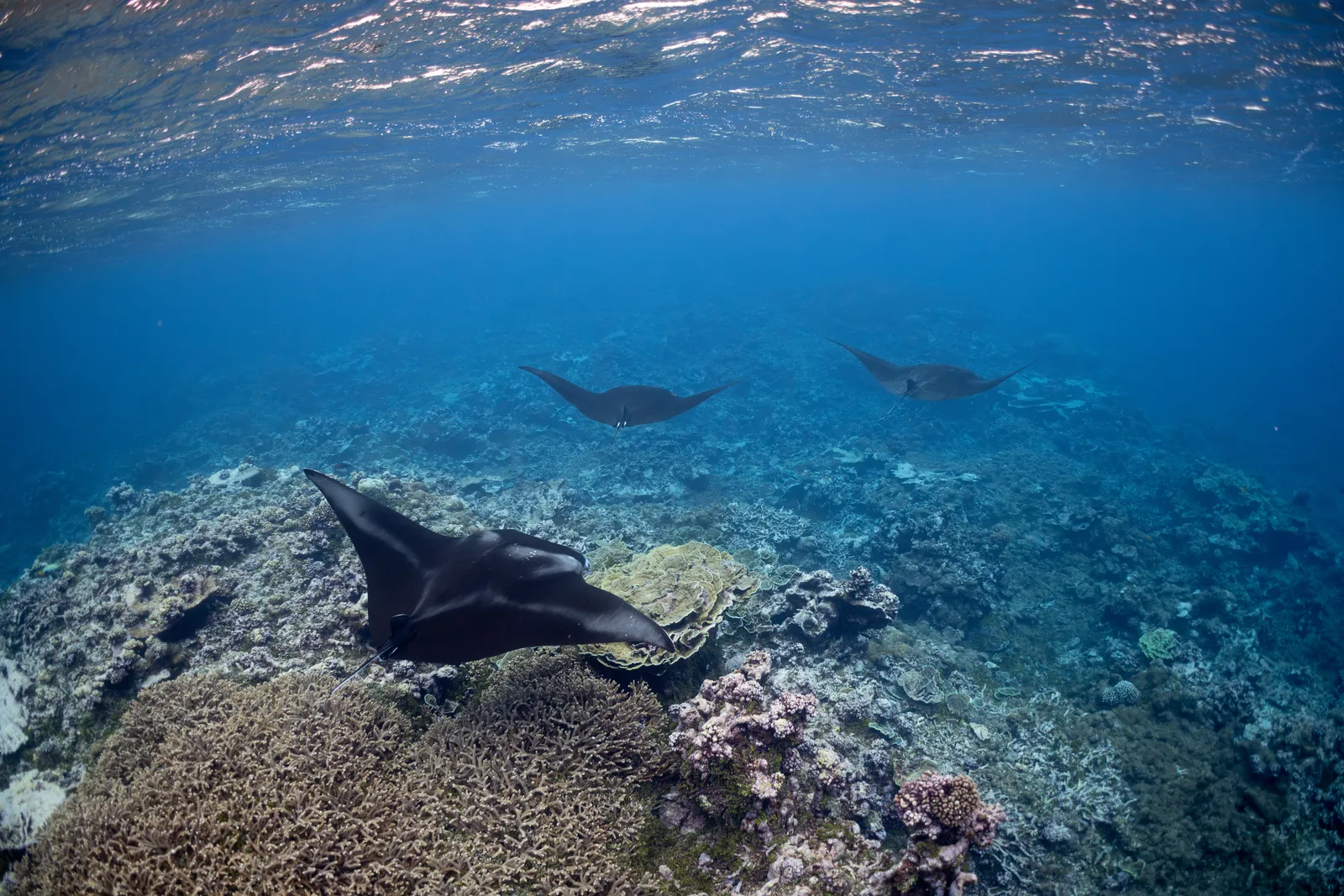
It represents the geographic and photographic apex of a northern liveaboard itinerary, defined by its steep limestone formations and protected turquoise lagoons. A wayag raja ampat liveaboard requires significant sailing—approximately 150 nautical miles northwest of the departure port of Sorong (SOQ)—and access is contingent on holding a valid Raja Ampat Marine Park permit, which costs IDR 1,000,000 per diver. The diving here, particularly around neighboring Kawe Island, is characterized by encounters with large pelagics, including reef mantas (Mobula alfredi) at specific cleaning stations.

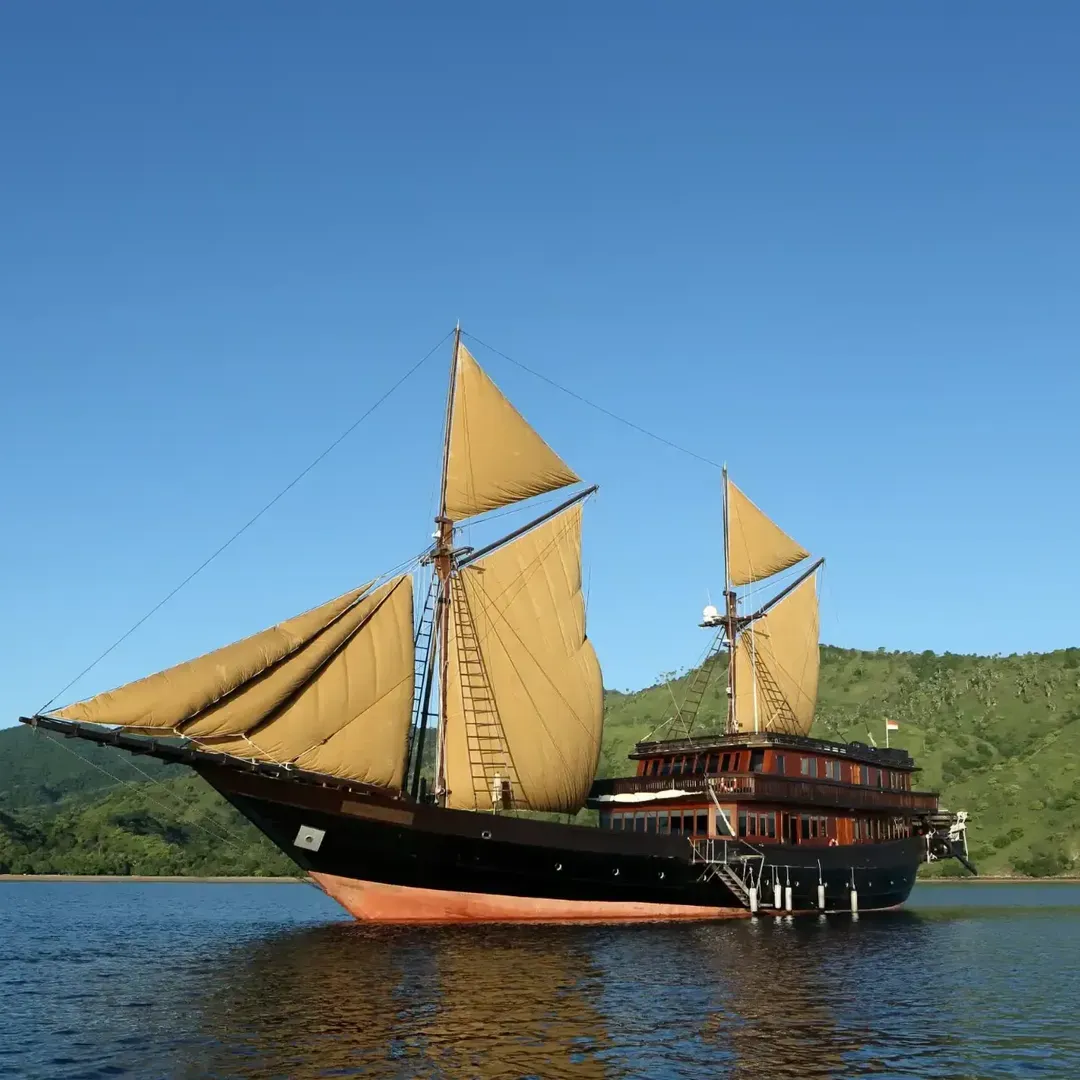
Mischief liveaboard sailing Raja Ampat

02

Diving Conditions: Currents, Visibility, and Profiles

Diving in Wayag and the adjacent Kawe Island group is an advanced undertaking. The region is exposed to the open Pacific Ocean, resulting in dynamic and often unpredictable conditions. Water temperatures are consistent, ranging from 27–30°C year-round, making a 3mm wetsuit sufficient for most divers. Visibility during the peak season of October to April typically falls between 20–40 meters. The defining factor is current, which can range from mild to formidable, often exceeding 4 knots at certain sites and tidal states. Negative entries are standard procedure at many pinnacles to descend below surface chop and into the action zone quickly. Divers are expected to be proficient with a reef hook and a delayed surface marker buoy (DSMB), and to have logged significant dives in strong current environments. Your SAC rate and trim directly impact bottom time on these multi-level profiles, which often start at 30 meters on a pinnacle point before ascending along a vibrant sloping reef.

03

Signature Dive Sites of the Wayag Archipelago

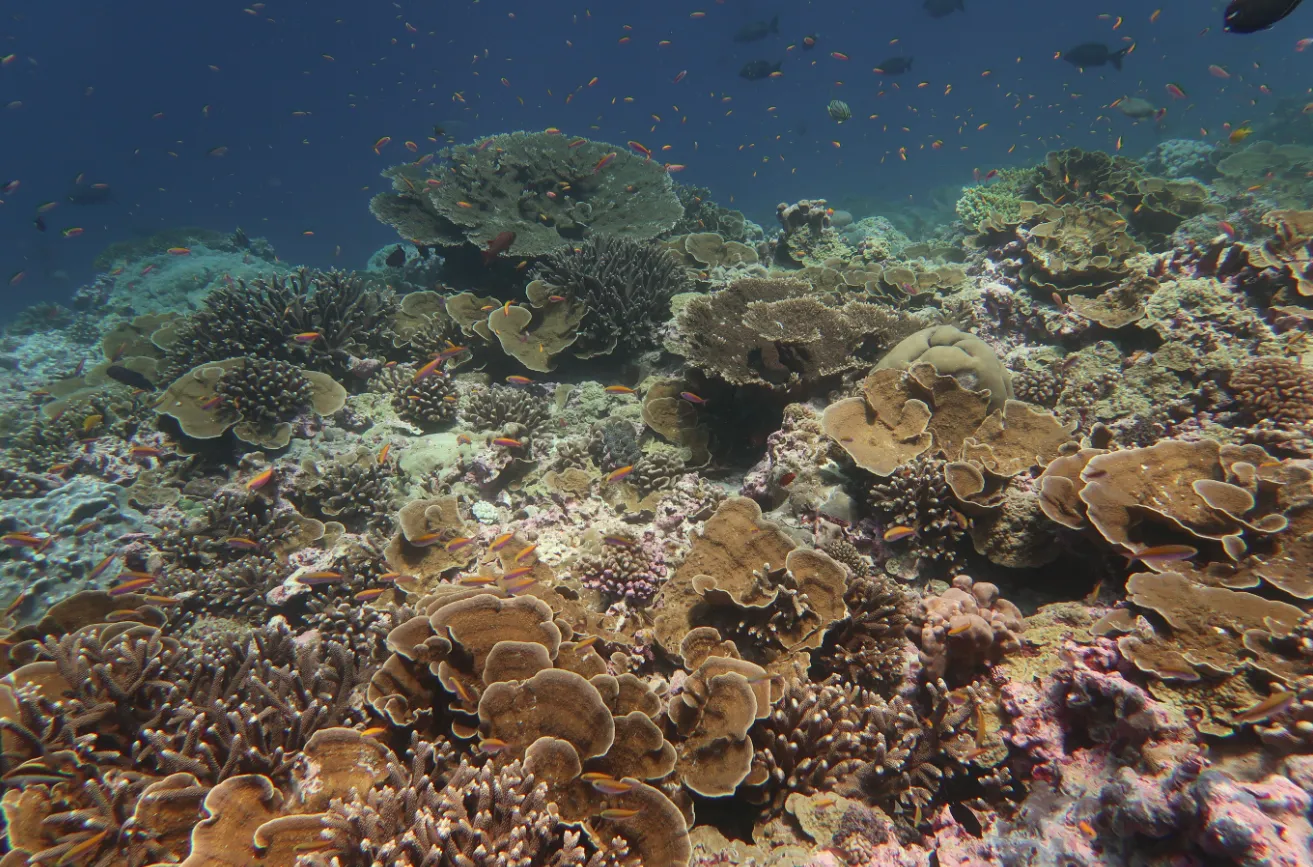
While neighboring Kawe often attracts more attention for its pelagic aggregations, Wayag’s own dive sites offer unique topography and rich biodiversity. These sites are less about single, dramatic encounters and more about immersion in complex, healthy reef systems. The region is a testament to the Coral Triangle's diversity, which hosts 75% of all known hard coral species.

01

Figure Eight Rock

This site is a submerged reef system whose topography roughly forms the shape of a number eight. It consists of two main pinnacles connected by a lower saddle, creating a complex structure with numerous gullies and overhangs. The dive plan typically involves a descent onto the deeper pinnacle around 25–30 meters to look for passing grey reef and whitetip sharks. As you ascend, you navigate the saddle, which is covered in a dense garden of leather corals and barrel sponges. The shallower sections are frenetic with activity from vast schools of yellowtail fusiliers and red-toothed triggerfish. This is also a reliable location to spot the endemic Raja Ampat wobbegong shark (Eucrossorhinus dasypogon) camouflaged on the reef.
02

The Cathedral at Station 1

The Cathedral is named for its dramatic underwater architecture. This dive site is characterized by a massive pinnacle with a significant swim-through cutting directly through its center, creating a cavernous space where light filters down from above. The walls of this swim-through are covered in vibrant orange and yellow soft corals and large gorgonian sea fans. The maximum depth inside is around 20 meters. Divers often spend time here observing macro life on the walls, including various nudibranch species and cleaner shrimp, before exiting to explore the outer reef. The currents can be strong at the entrance and exit points, requiring careful timing and execution.

03

Wayag's Western Slopes

The western-facing reefs of the main Wayag island cluster offer a different style of diving. These are classic sloping reefs that descend gradually from 5 meters down to 40 meters and beyond. They are ideal for long, multi-level drift dives when conditions permit. The hard coral cover is exceptional, with vast fields of staghorn and table corals. This habitat is prime territory for smaller, cryptic species. By moving slowly and inspecting gorgonian fans, divers can find the Raja Ampat pygmy seahorse (Hippocampus pontohi). The rubble fields in the shallower sections are also a habitat for the endemic walking shark (Hemiscyllium freycineti), which becomes active at dusk. Reviewing our complete list of Raja Ampat dive sites can help contextualize Wayag's unique offerings.

04

Kawe Island Diving: The Equatorial Crossing

A short sail south from Wayag, the Kawe island group is a mandatory stop on any northern itinerary and the primary reason for a kawe island diving expedition. This small chain of islands straddles the equator, a fact often celebrated by a ceremony on the vessel's deck. Underwater, Kawe is defined by its exposed, current-swept pinnacles that act as magnets for large pelagic species, particularly manta rays.

01

Black Rock (Batu Hitam)

Black Rock is one of Raja Ampat's most reliable cleaning stations for reef mantas (Mobula alfredi). The site consists of a series of submerged black volcanic-rock pinnacles, the largest of which rises to within 5 meters of the surface. The dive protocol is strict: descend to a designated observation point around 15–18 meters, secure yourself with a reef hook, and remain stationary. The currents bring in nutrient-rich water and the mantas, which queue up to be cleaned by wrasse. It is not uncommon to have 5-10 mantas circling the cleaning stations for the entire duration of a dive, particularly during the peak aggregation months of December to March. This experience is a cornerstone of our 12-night North & Central Raja Ampat itinerary.

02

Eagle Rock

As its name suggests, Eagle Rock is renowned for the congregations of spotted eagle rays that are frequently seen cruising in the blue. The site is a long, submerged ridge with a sloping wall that drops off into the deep. A strong current often runs parallel to the ridge, making it a perfect drift dive. Divers drop in up-current and ride the flow along the reef's edge, keeping an eye out in the blue for the rays, giant trevally, Spanish mackerel, and large schools of chevron barracuda. The reef top, at around 10 meters, is covered in pristine hard corals and provides an excellent area to finish the dive and conduct a safety stop.

03

Changgo

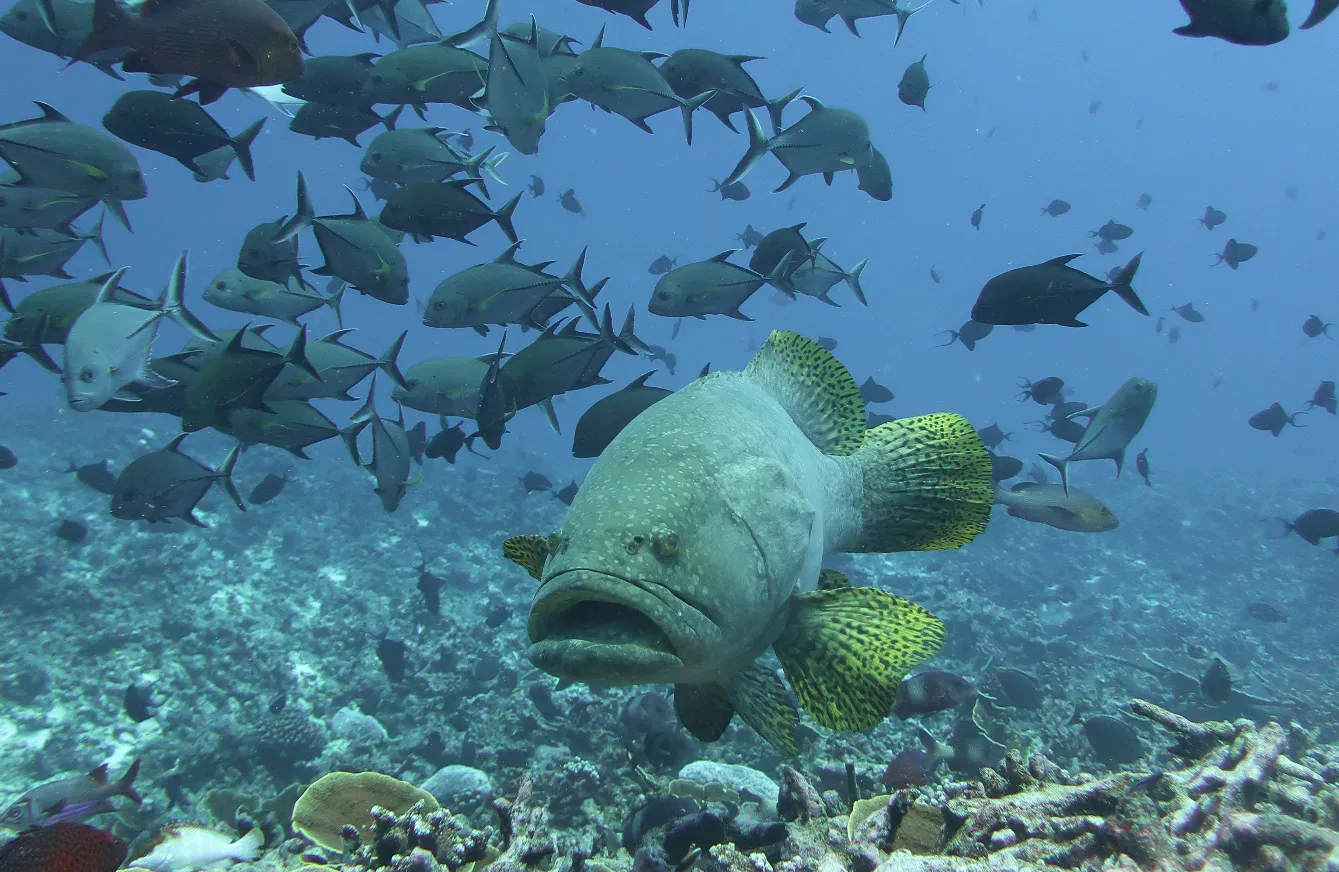
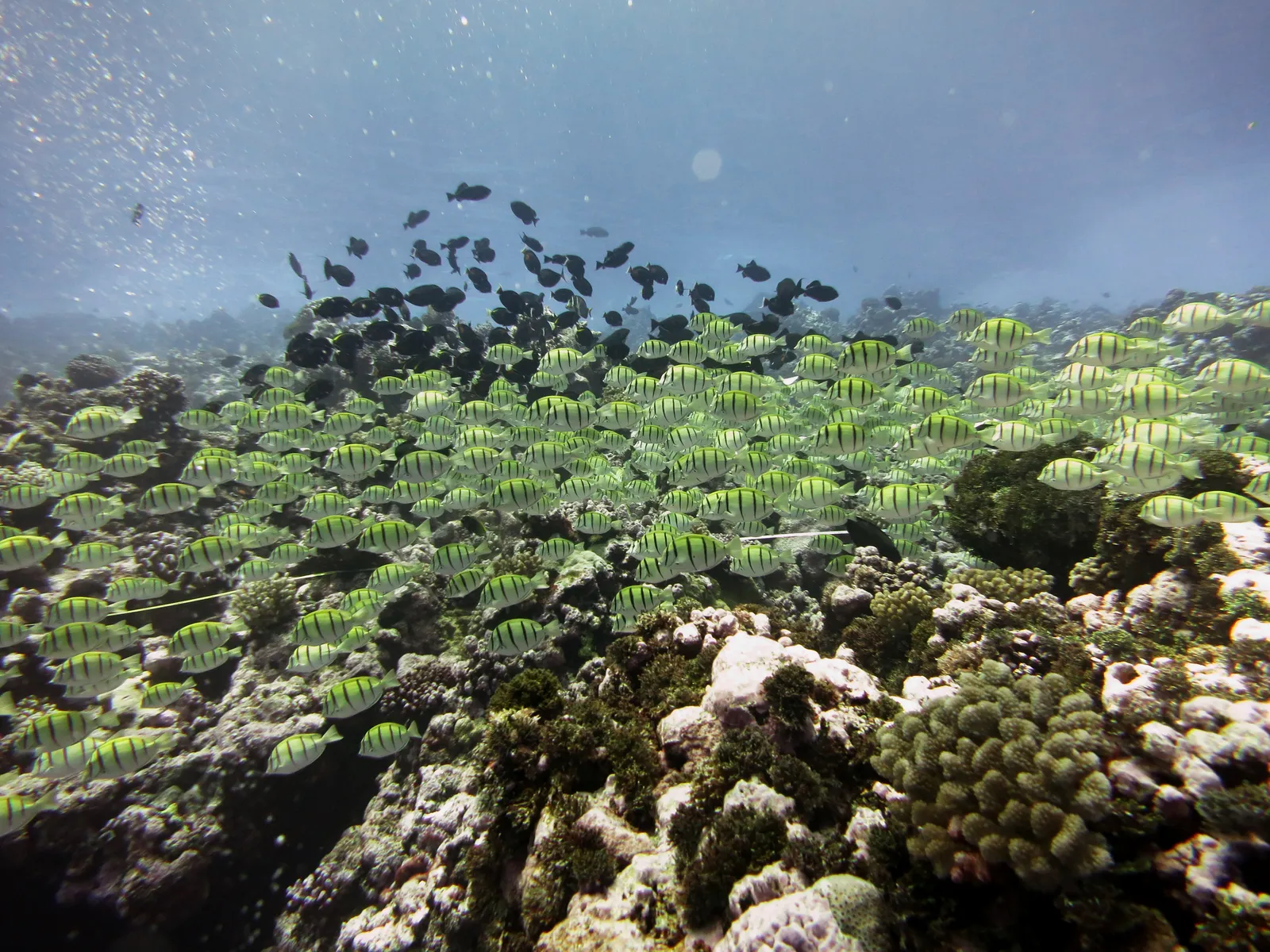
Changgo is a submerged pinnacle, or "seamount," that rises from over 40 meters to just 5 meters below the surface. Its exposed location makes it a focal point for marine life and a challenging, rewarding dive. The currents here can be intense, and a negative entry is mandatory. The prize is the sheer density of fish life. The pinnacle is often completely enveloped in a vortex of schooling fusiliers, snappers, and jacks. Large groupers patrol the deeper sections, and whitetip and blacktip reef sharks are consistently sighted. Dr. Gerald Allen's 2012 record of 374 fish species on a single dive at nearby Cape Kri underscores the incredible biomass supported by these current-rich environments.

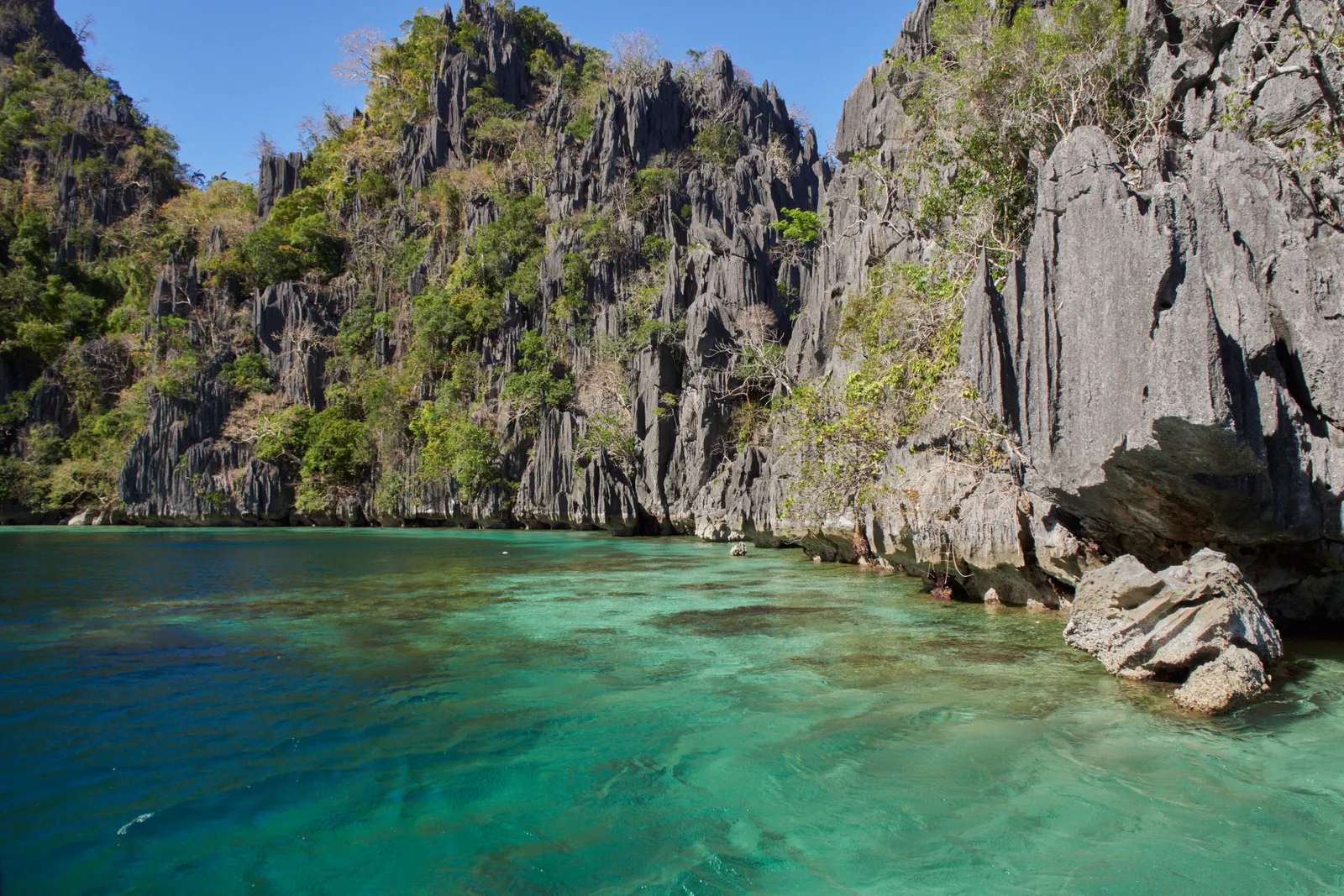
Tropical island seascape — Coron and Calamian Islands - Coron1729

05

The Iconic Wayag Viewpoint: A Required Surface Interval

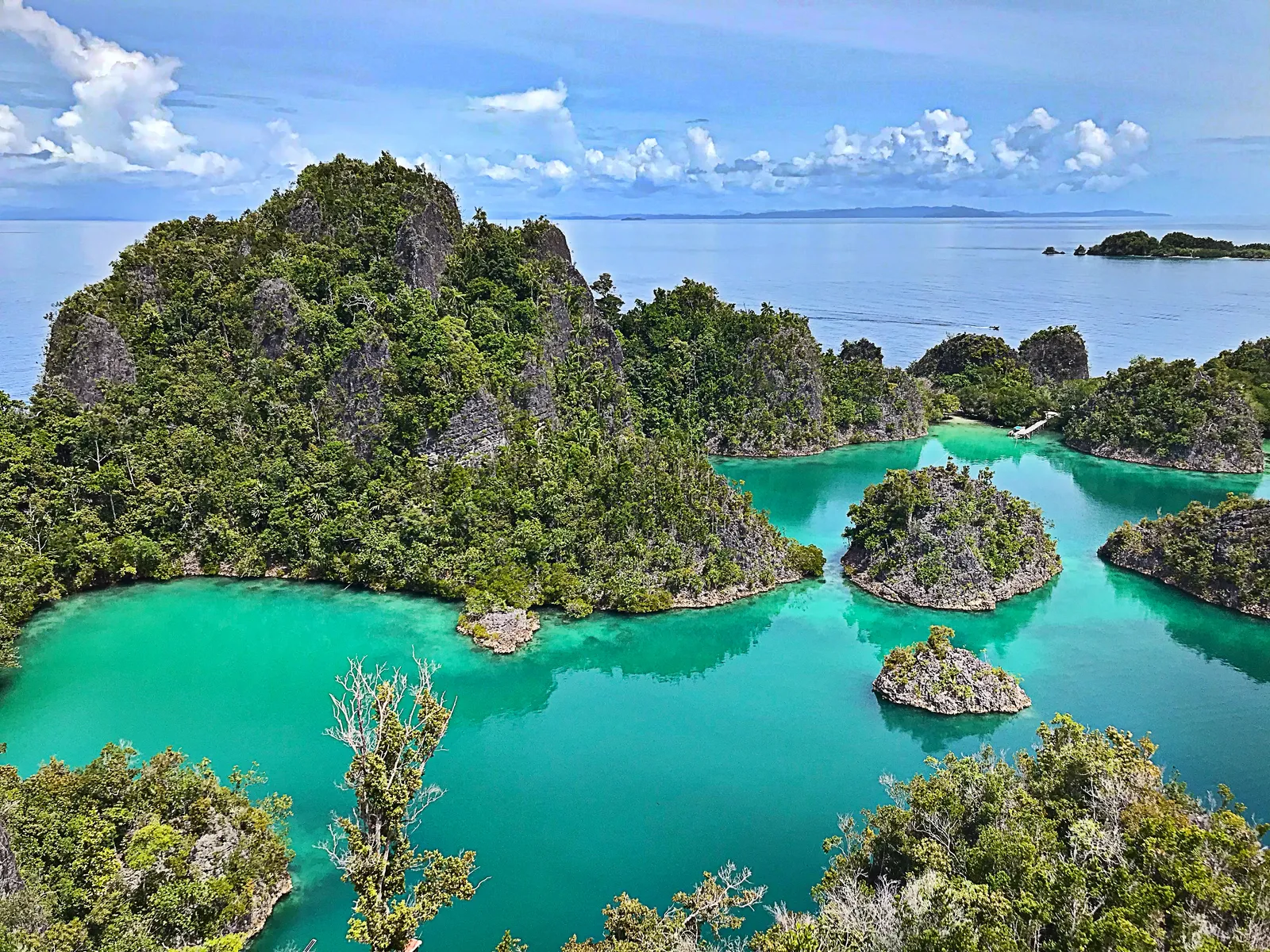
No voyage to Wayag is complete without the land-based excursion to its most famous viewpoint. This is not a casual stroll; it is a short, sharp ascent of approximately 30 minutes up a steep path over jagged limestone rock. Proper footwear is essential. A wooden deck and ranger post mark the starting point in a sheltered bay. From the summit, the payoff is one of the most recognized vistas in all of Indonesia: a 360-degree panorama of the Wayag lagoons, with their dozens of green-topped karst islets scattered across an impossibly blue sea. This is a critical photographic opportunity and a highlight of any wayag raja ampat liveaboard trip, providing a profound sense of the scale and geography of this remote corner of the Coral Triangle.

06

Logistics for Your Wayag Raja Ampat Liveaboard

Planning a trip to Wayag requires careful consideration of timing and logistics due to its remote location. Access is exclusively via liveaboard, as there are no resorts or support facilities in the archipelago.

  • Optimal Season: The primary diving season runs from October through April. This period offers the calmest sea conditions for the open-water crossings and the best underwater visibility. Manta ray aggregations at Kawe are most consistent from December to March.
  • Getting There: All voyages depart from the port city of Sorong in West Papua. You will fly into Sorong's Domine Eduard Osok Airport (SOQ). There are multiple daily flights from major Indonesian hubs like Jakarta (CGK) and Makassar (UPG) on carriers such as Garuda Indonesia and Batik Air.
  • Itinerary & Duration: A Wayag expedition demands a longer charter. Due to the sailing distance, itineraries must be a minimum of 10 nights, with 12 nights being ideal to allow for ample diving and exploration without a rushed schedule. You can see sample routes on our Raja Ampat liveaboard homepage.
  • Permits & Fees: All visitors must possess a Raja Ampat Marine Park Entry Permit Tag (known locally as a PIN). The cost is IDR 1,000,000 (approx. USD 65) per person and is valid for 12 months. We arrange the procurement of these permits for all our charter guests. You can review all associated costs on our liveaboard pricing page.
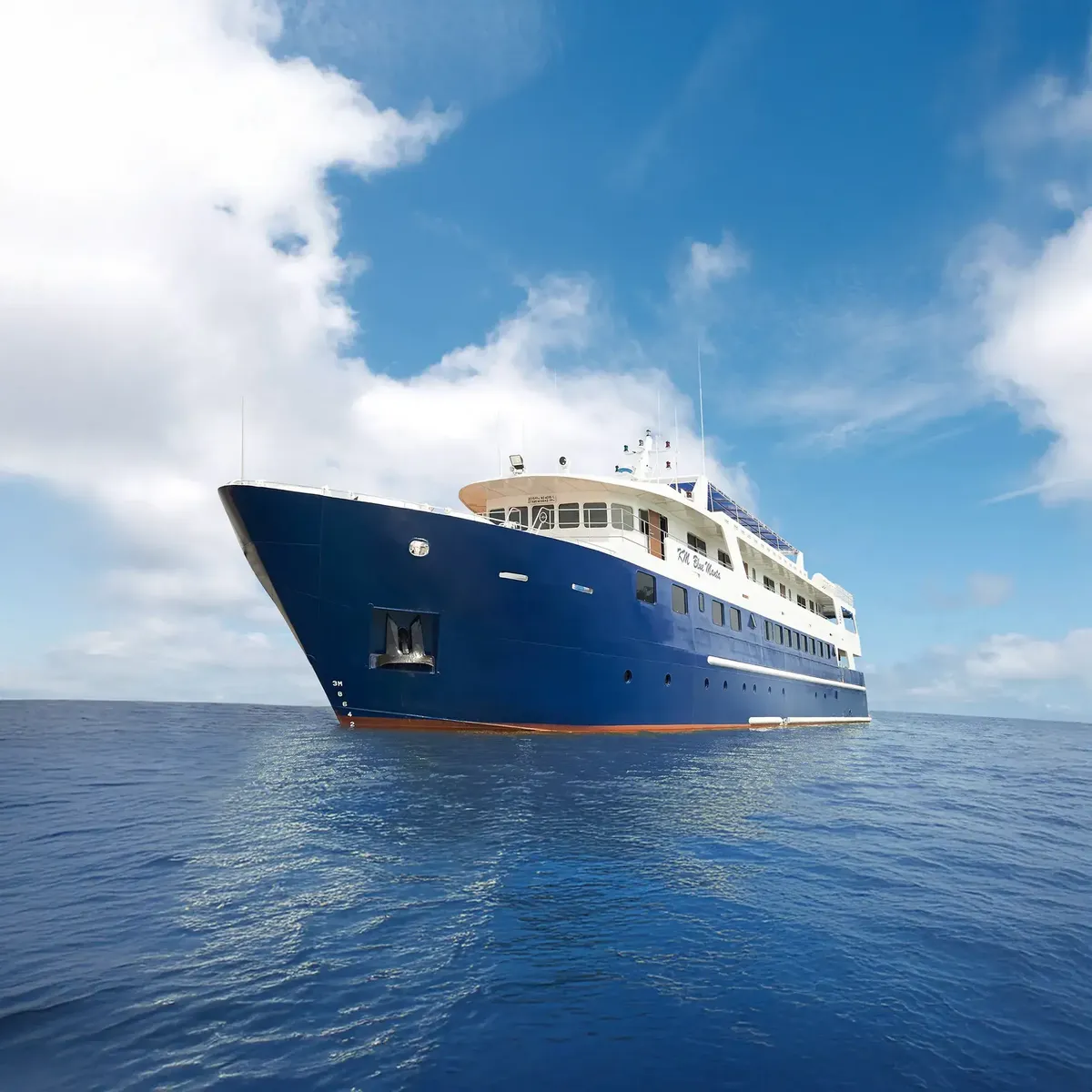
Blue Manta liveaboard sailing Raja Ampat

07

Plan Your Raja Ampat Voyage

The journey to Wayag is a significant undertaking reserved for serious divers. Our team specializes in crafting bespoke itineraries aboard Indonesia's finest phinisi vessels. We manage all logistics, from domestic flight coordination to permit acquisition, ensuring your focus remains on the dive. To begin planning your private charter to Wayag, contact our dive concierge directly.

WhatsApp: +62 811-3823-875
Email: sales@komodoluxury.com

Inquire About Availability

FAQ

Frequently Asked Questions About Wayag

What is the difficulty of diving in Wayag?

Diving in Wayag and Kawe is considered advanced. The primary challenges are the strong and often unpredictable currents, the need for negative entries, and the remote location. Divers should be certified Advanced Open Water or equivalent, with a minimum of 50 logged dives, and have recent experience diving in strong currents. All divers must be proficient with DSMB deployment.

Is Wayag included on every Raja Ampat liveaboard itinerary?

No. Due to the significant sailing distance from Sorong, Wayag is only featured on longer northern Raja Ampat itineraries, typically those of 10 nights or more. Shorter 7- or 8-night trips usually focus on the central region, such as the Dampier Strait and Penemu, and do not have sufficient time to travel to the far north and back.

What is the best month for diving Wayag and Kawe?

While the entire October-to-April season offers excellent conditions, the period from December to March is considered peak. This window generally provides the calmest sea states for comfortable passage and the highest probability of large reef manta (Mobula alfredi) aggregations at the cleaning stations around Kawe Island.

Can I visit Wayag on a private charter?

Yes, a private charter is the ideal way to experience Wayag. It provides complete flexibility to tailor the itinerary, allowing your group to spend more time at favored dive sites, adjust the schedule for optimal tidal conditions, and dedicate ample time for the iconic viewpoint hike. Explore the benefits of a full phinisi charter for your group.

What endemic species can be seen in North Raja Ampat?

The reefs around Wayag and Waigeo are home to several species found nowhere else. Keep an eye out for the tasseled wobbegong shark (Eucrossorhinus dasypogon) camouflaged on the reef, the nocturnal Raja Ampat walking shark (Hemiscyllium freycineti), and the tiny Raja Ampat pygmy seahorse (Hippocampus pontohi) on gorgonian fans.

Tropical island seascape — Piaynemo, Raja Ampat

Plan Your Raja Ampat Voyage

Our dive concierge team is ready to design your private phinisi charter. We manage all logistics — from arrival in Sorong to your departure.