Skip to content
Raja Ampat Liveaboard Diving
Tropical island seascape — Silhouette of palm trees at tropical sunset on Bali island.

Dive Sites

Boo Window: Misool's Subaquatic Cathedral

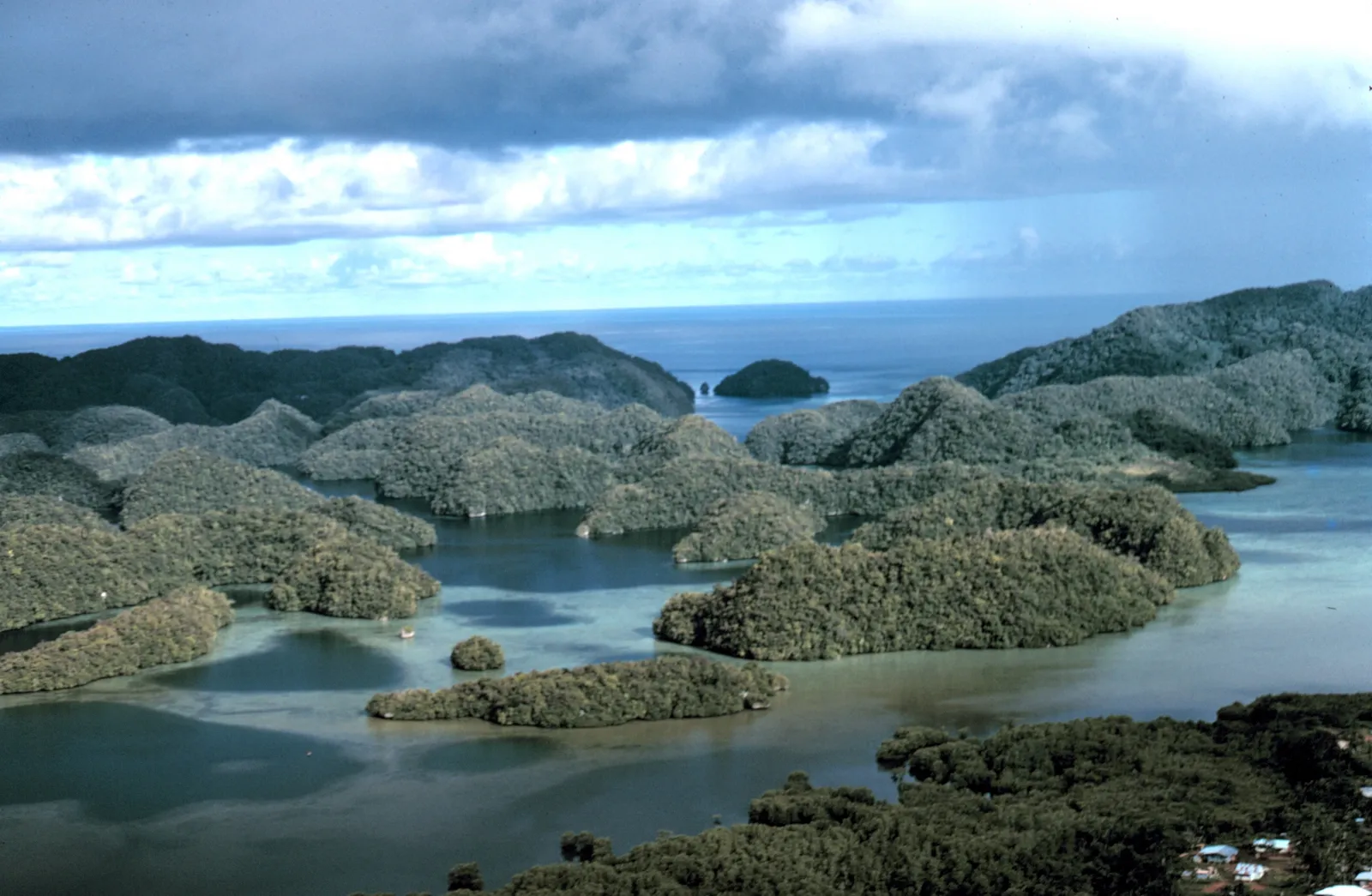
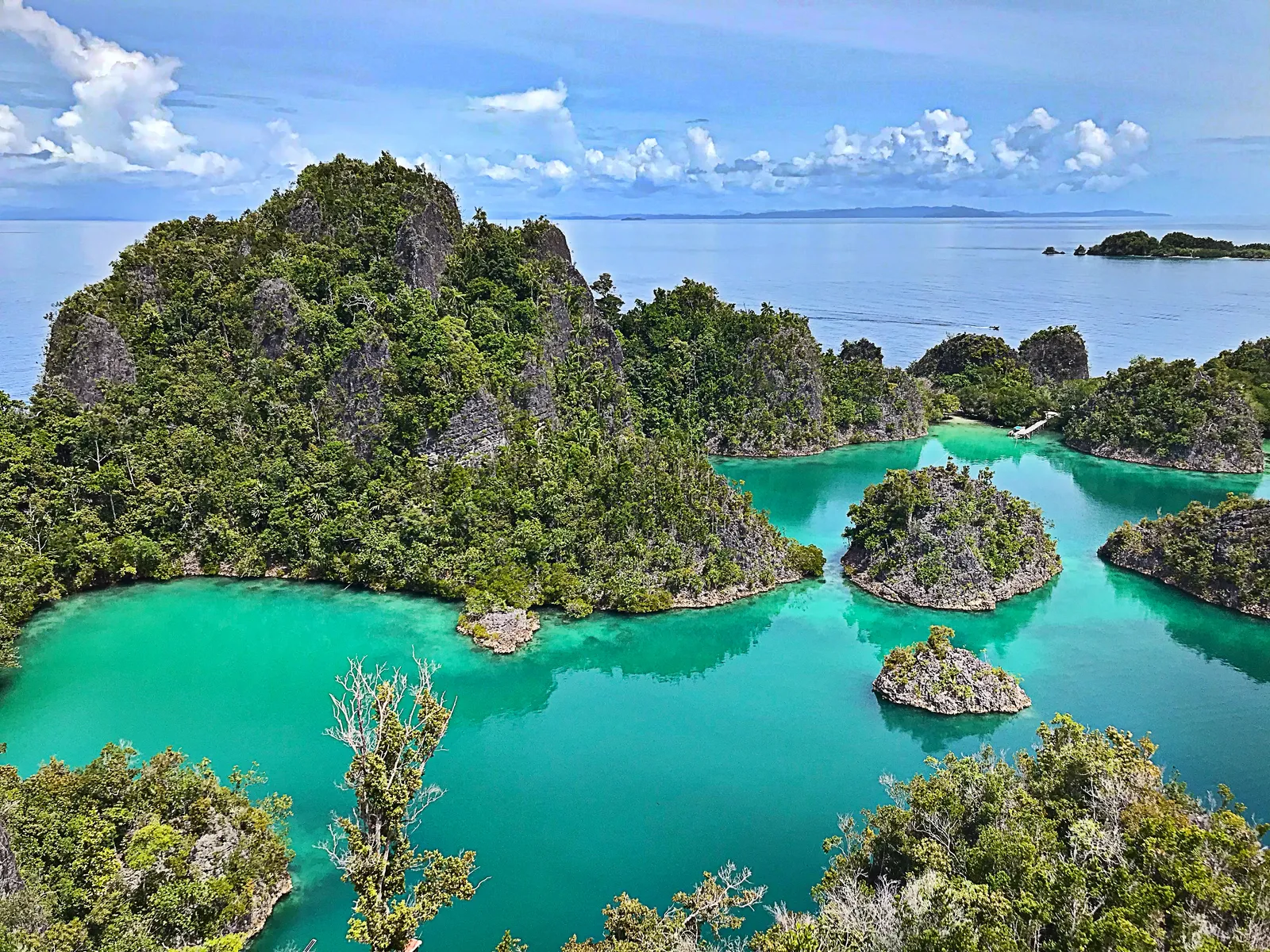
Boo Window is a shallow reef system in South Misool, defined by two large, submerged apertures that perforate a small island at a depth of eight meters.

This dive site offers a direct, accessible immersion into the dense soft coral gardens for which Raja Ampat is known. Navigating Boo Window involves a gentle drift through these twin swim-throughs, which open into a protected bay saturated with marine life. The site’s topography, with a maximum depth of 18 meters and a typical current of one to two knots, makes it suitable for Open Water certified divers with competent buoyancy control. The experience is characterized by the interplay of light through the rock, the sheer density of glassfish, and the vibrant, multi-hued soft coral walls.

02

The Living Walls: A Soft Coral Tapestry

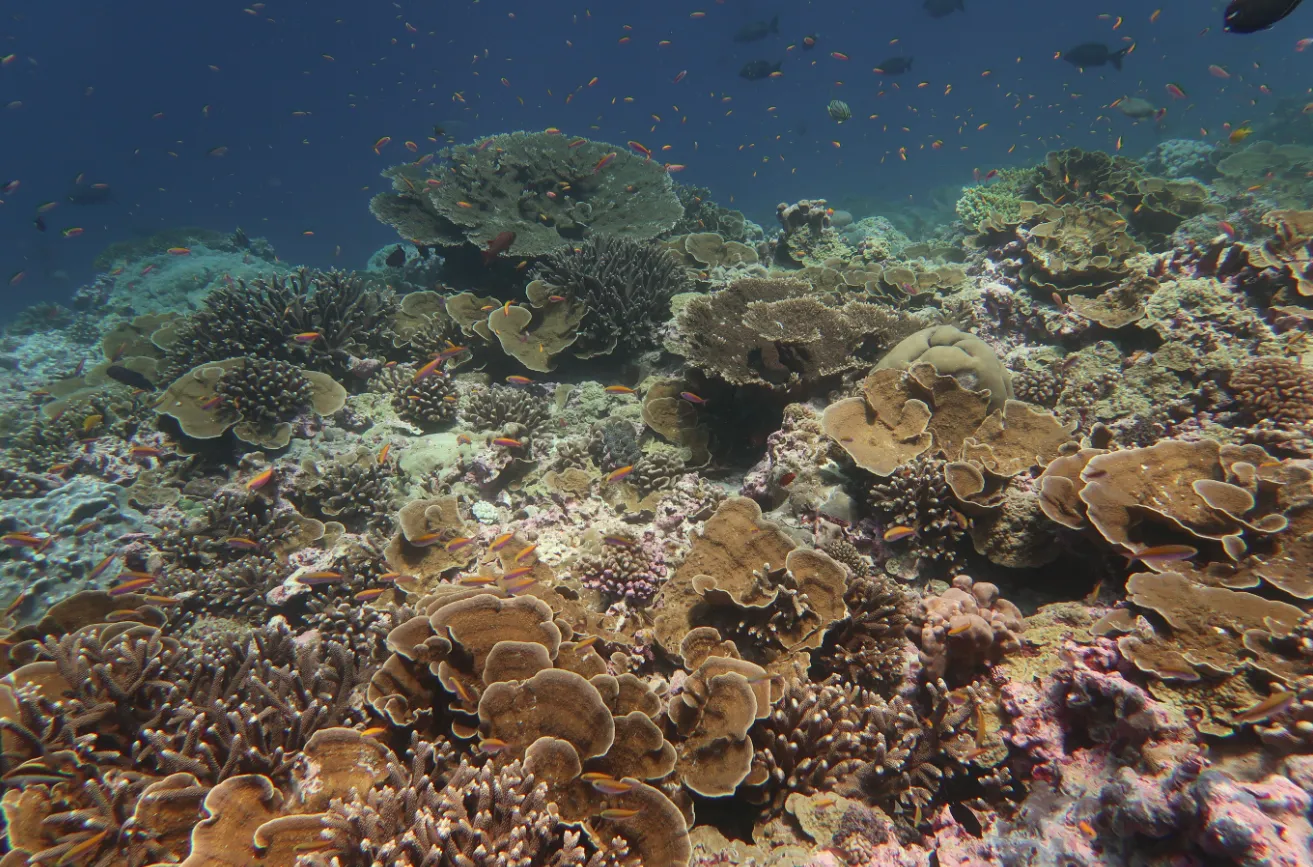
Emerging from the windows, divers are met with a wall that descends from the island's edge to a sandy bottom at around 18 meters. This vertical surface is a dense tapestry of Dendronephthya soft corals. Unlike hard corals, these species do not build calcium carbonate skeletons; instead, they are fleshy, pliable structures that inflate with water, pulsing gently in the current. Their coloration here is intense, a result of the nutrient-rich waters that characterize the Misool region. Hues range from deep crimson and electric orange to vibrant magenta and cool violet. The density is such that very little of the underlying rock is visible. Interspersed among the soft corals are enormous gorgonian sea fans, some several meters across, angled perfectly to catch the plankton-rich flow.

01

Macro Subjects Amidst the Color

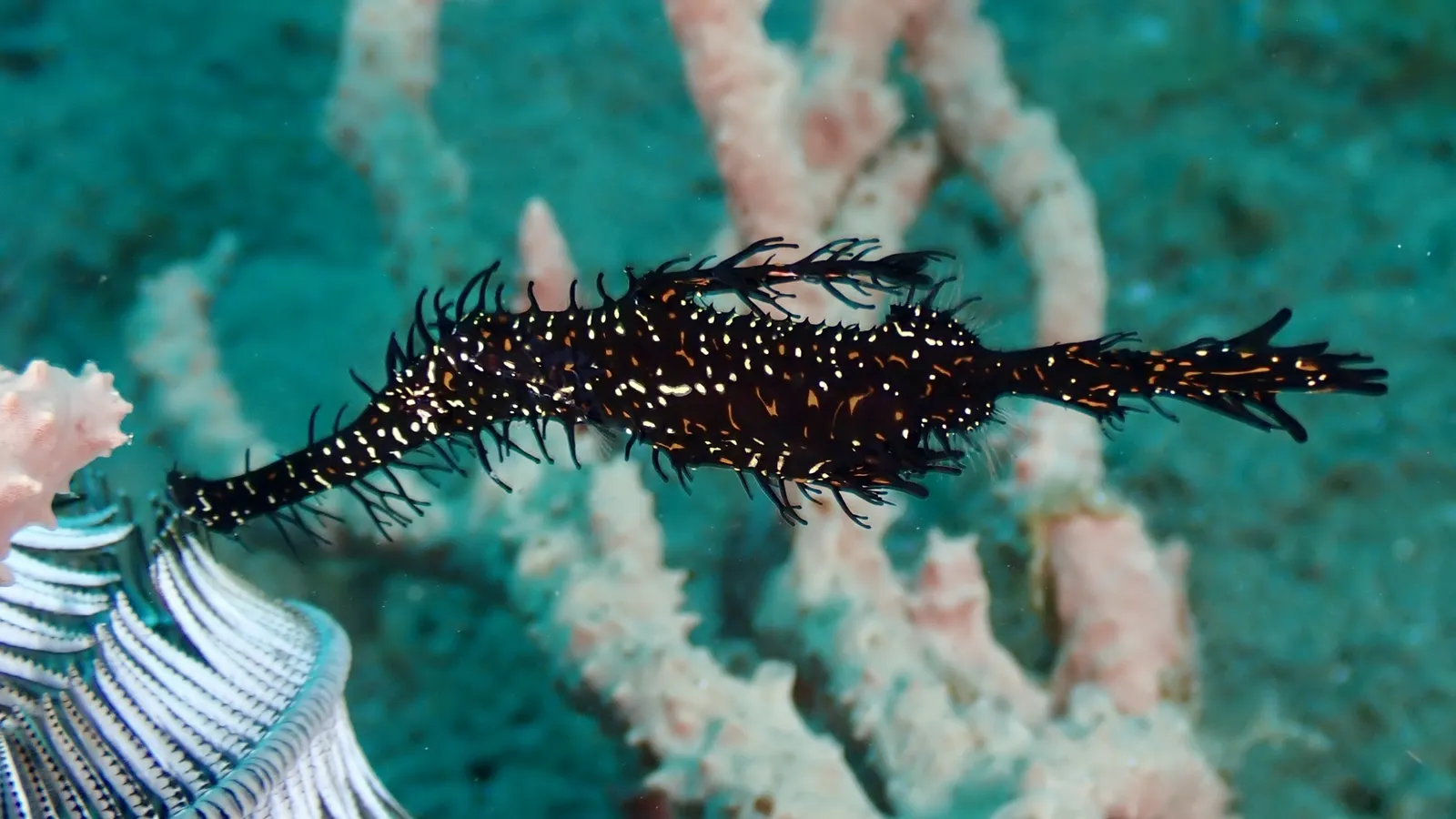
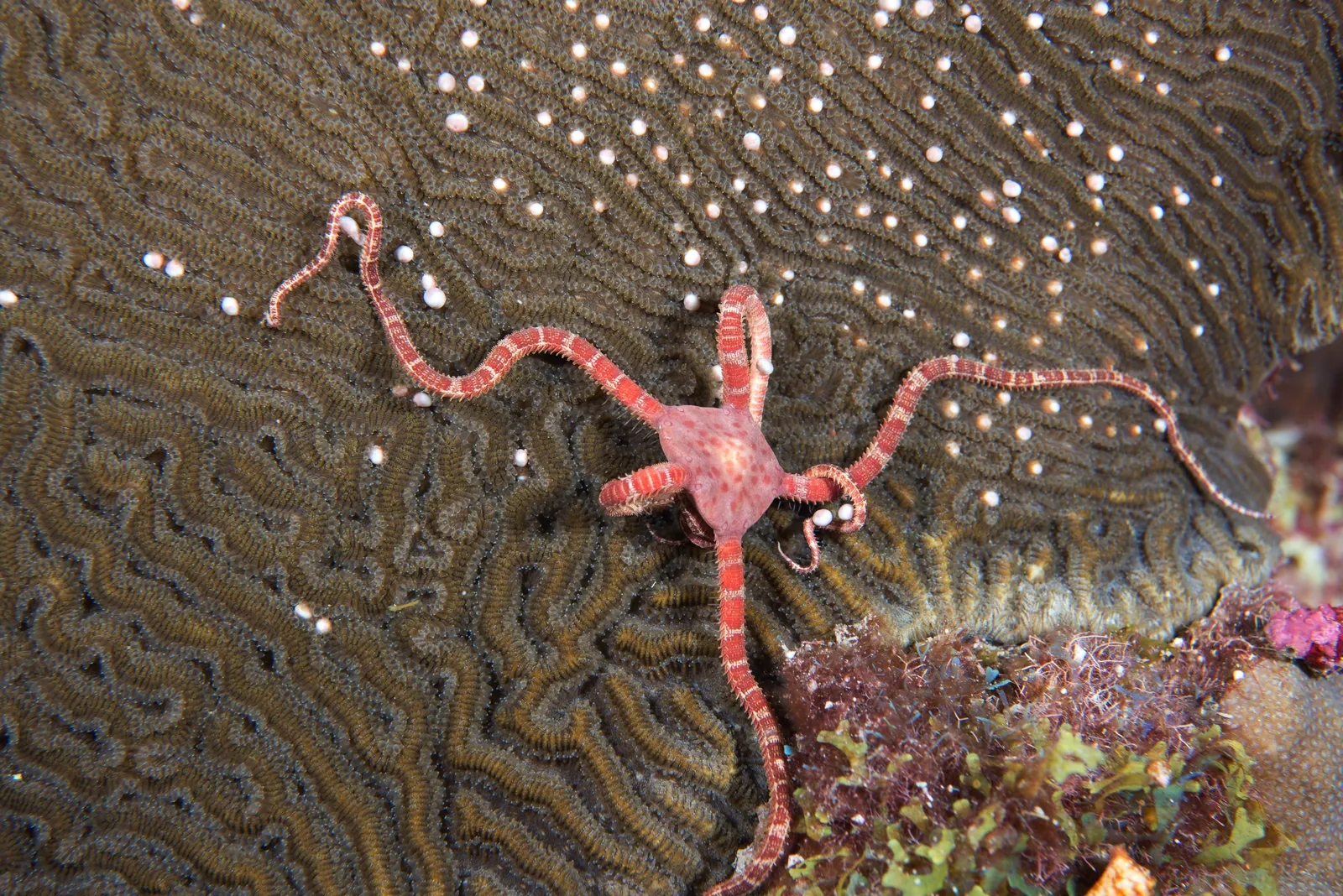
The complexity of this coral garden creates a habitat for a diverse array of macro life. A careful eye, often guided by our experienced dive masters, can locate numerous cryptic species. The Pontohi pygmy seahorse (Hippocampus pontohi), an endemic species to Raja Ampat, can be found clinging to strands of Halimeda algae. Various species of nudibranchs, with their striking patterns, crawl across the sponges and coral branches. Ghost pipefish, ornate and nearly invisible, hover vertically near the gorgonian fans, mimicking their fronds. The site demands a slow pace, encouraging divers to look closely at the fine details hidden within the larger spectacle. It is a location that rewards patient observation, revealing layers of life within the vibrant coral structures.

02

The Role of Nutrient-Rich Upwellings

The exceptional health and density of the soft corals at Boo Window are not accidental. The site is geographically positioned to benefit from the powerful Indonesian Throughflow, a massive volume of water moving from the Pacific to the Indian Ocean. In Misool, this flow interacts with the complex island topography, causing deep, cold, nutrient-rich water to be pushed towards the surface. This upwelling provides a constant food source for the filter-feeding soft corals and gorgonians, fueling their vibrant growth. It is this fundamental oceanographic process that makes Misool one of the planet’s most significant centers for marine biodiversity, containing a documented 75% of all known hard coral species, with soft coral proliferation being equally significant.

Macro reef life — Solenostomus paradoxus

03

Marine Life Encounters Beyond the Coral

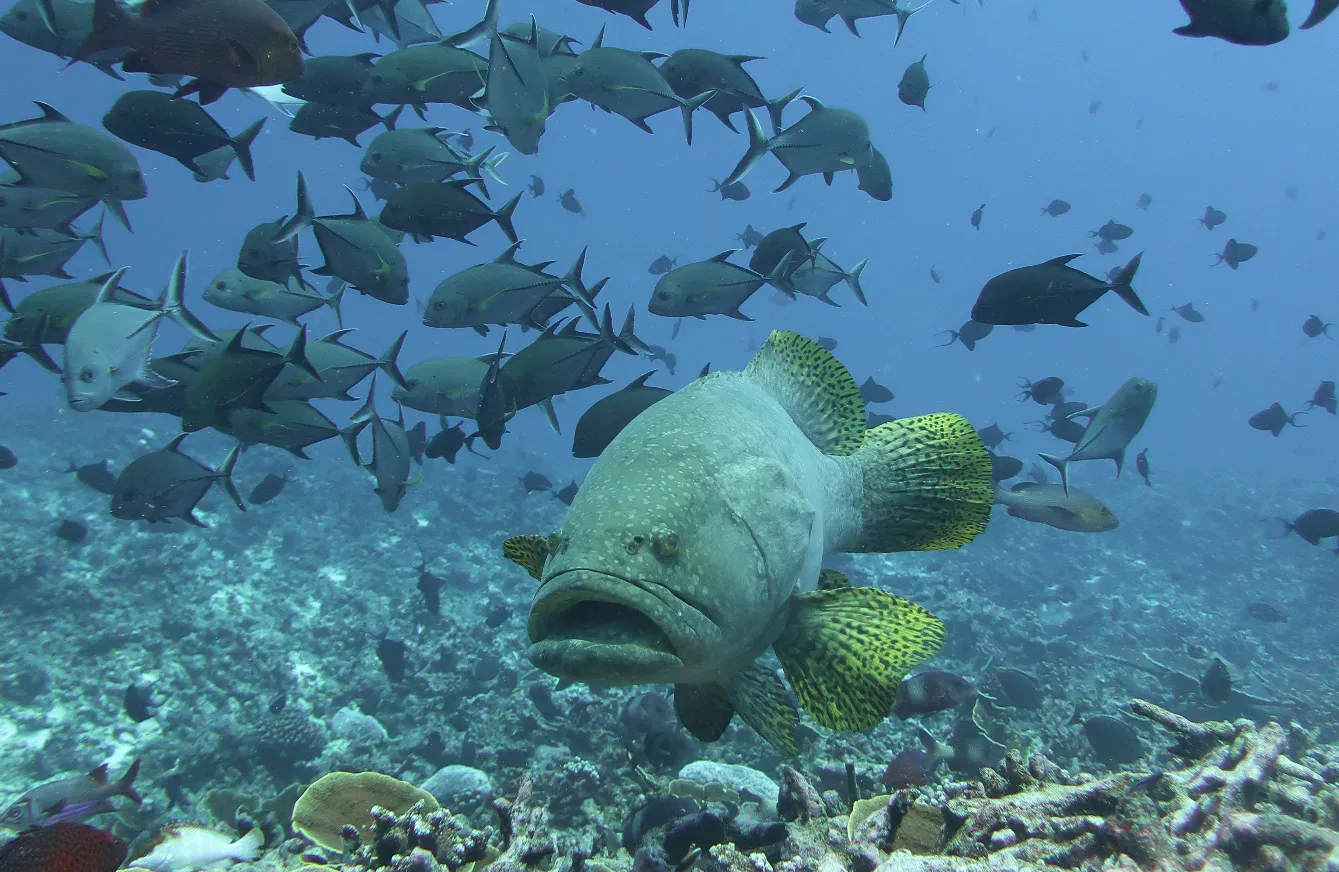
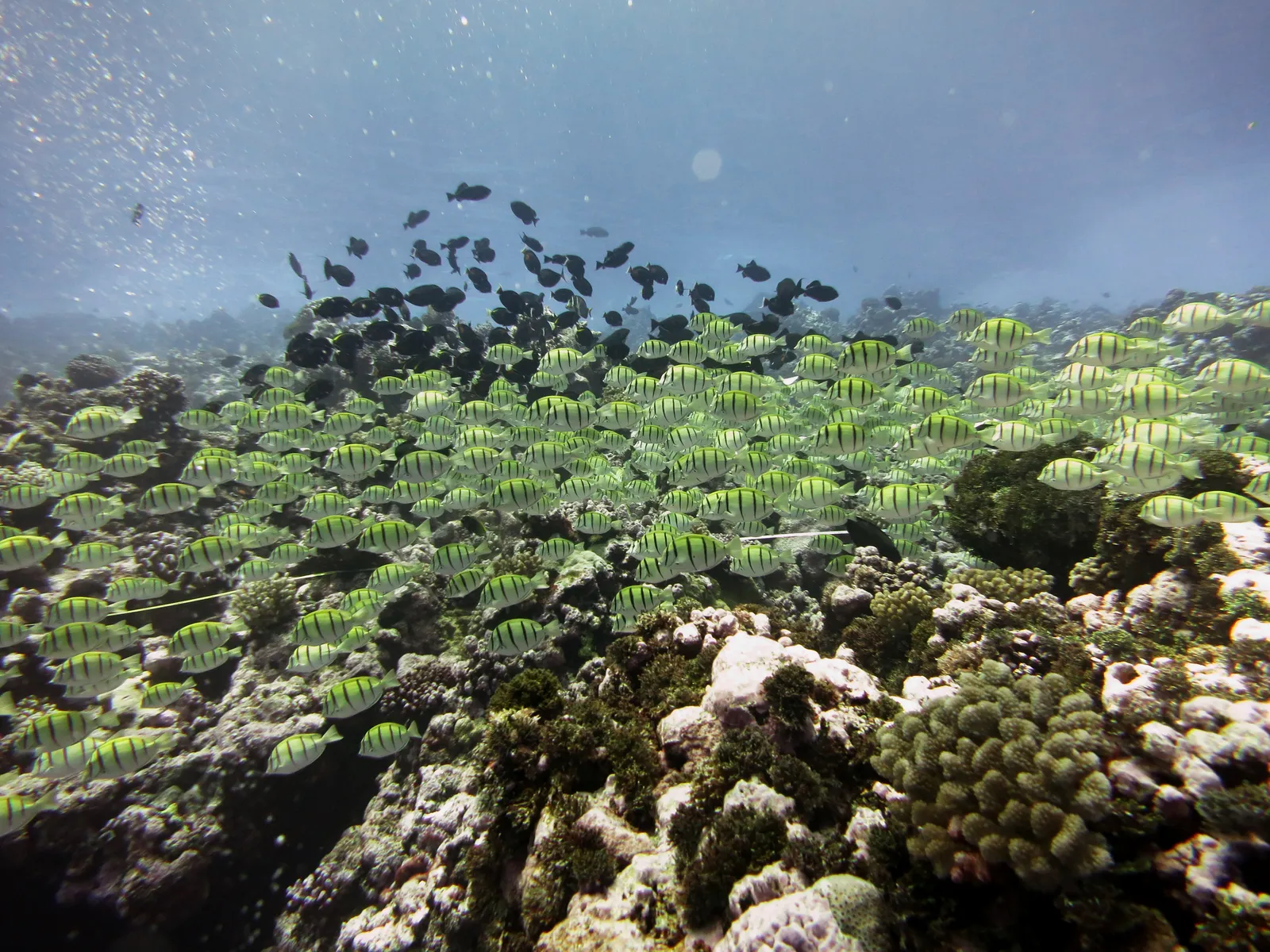
While the corals and macro life are primary attractions, Boo Window hosts a significant population of reef fish. The most immediate and obvious are the vast schools of glassfish (Family Ambassidae) that congregate in the shelter of the swim-throughs and overhangs. They move as a single, shimmering entity, parting for divers and then reforming moments later. This "living curtain" is a signature feature of the site. On the main reef wall, clouds of orange and purple anthias hover above the coral, while schools of yellow-tailed fusiliers stream past in the blue water. Oriental sweetlips, often in pairs, can be found resting under ledges, and large schools of platax batfish are frequent visitors, curiously approaching divers before moving on. The consistent current also attracts larger pelagic hunters, though sightings are less predictable. Trevallies and spanish mackerel often patrol the reef edge, and an occasional reef shark or Napoleon wrasse may pass by.

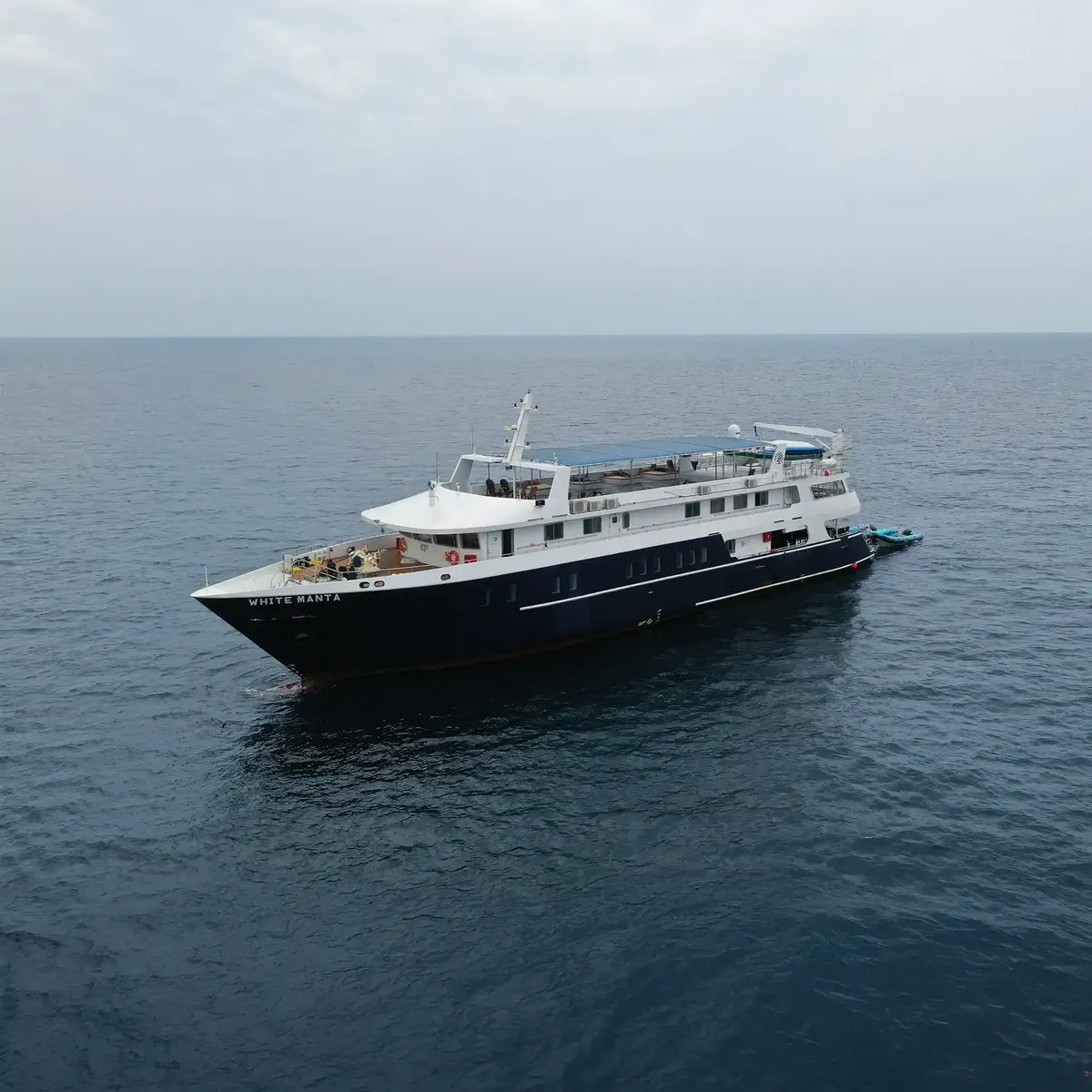
White Manta liveaboard sailing Raja Ampat

04

Dive Planning and Logistics Aboard a Phinisi

Boo Window is a key site included in our southern Raja Ampat liveaboard itineraries, which typically run during the peak season from October to April. All voyages depart from Sorong (SOQ), West Papua. The journey into Misool is an overnight transit aboard one of our traditional Phinisi schooners. As a dive operator with over ten years of experience in these waters, we schedule dives at Boo Window to coincide with slack tide when possible, providing the most comfortable conditions for exploring the apertures and walls. Divers are ferried from the main vessel to the site in dedicated tenders. Pre-dive briefings are comprehensive, covering the dive profile, current direction, points of interest, and safety protocols. The site's manageable depth profile makes it an excellent choice for the second or third dive of the day, allowing for ample bottom time without pushing no-decompressions limits. All divers are required to have a valid Raja Ampat Marine Park permit, the fee for which is IDR 1,000,000 per person and is facilitated by our crew.

FAQ

Frequently Asked Questions

Why is the site named Boo Window?

The local name for the site is "Batu Bolong," which translates from Bahasa Indonesia to "rock with a hole." The name "Boo" is thought to be a colloquial or affectionate term given by early divers, possibly a playful sound mimicking a ghost, in reference to passing through the shadowy windows. The name has become standard in the diving community and accurately captures the site's most prominent topological feature.

What is the best time of year to dive Boo Window?

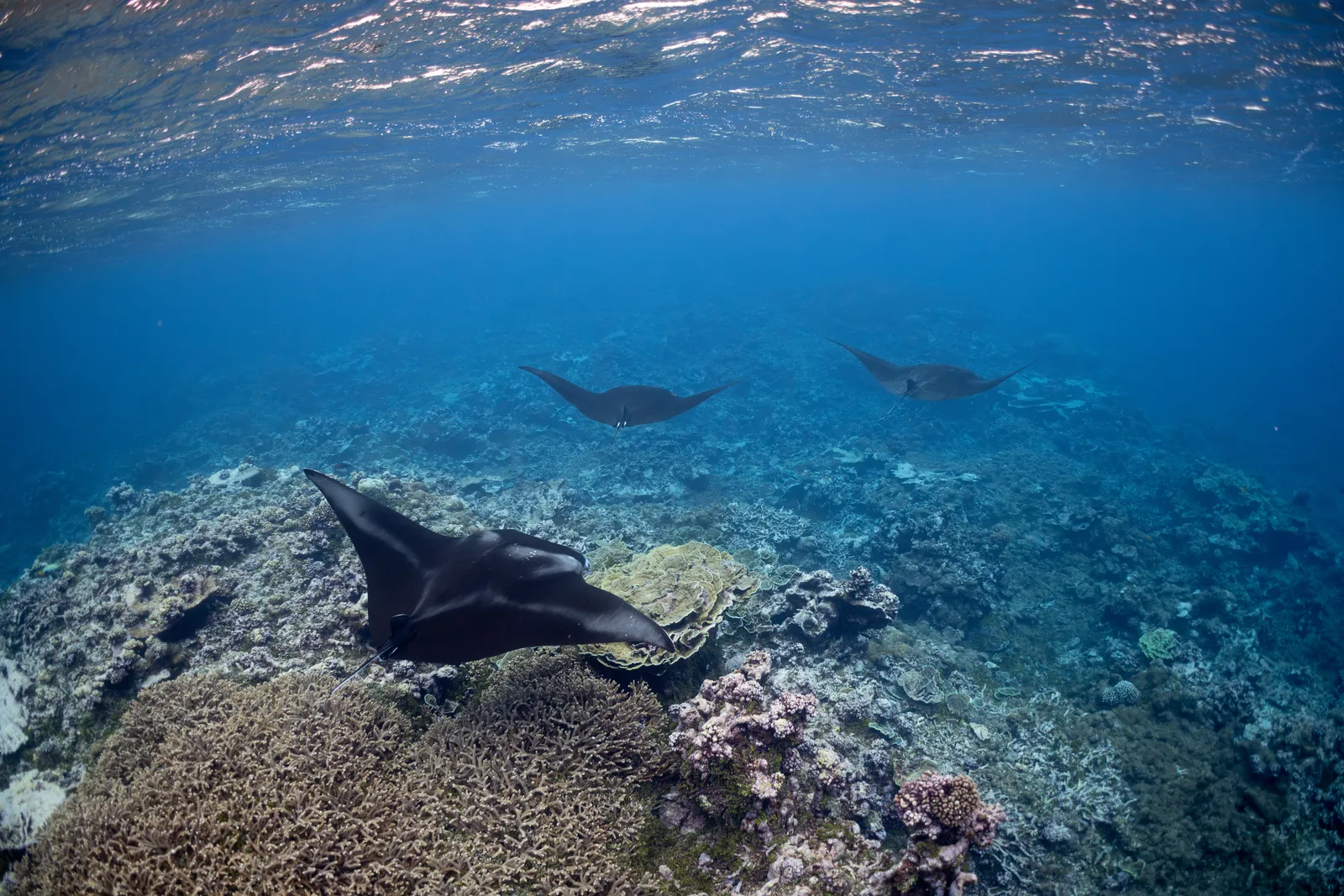
The optimal season for diving all of Raja Ampat, including Boo Window, is from October to April. During these months, the seas are generally calmer and weather conditions more stable. Water temperatures are consistently between 27-30°C, and visibility can range from 20 to 40 meters. This period also coincides with manta ray aggregations in other parts of the archipelago, making it an excellent time for a comprehensive Raja Ampat dive itinerary.

Is Boo Window suitable for newly certified divers?

Yes, Boo Window is accessible to divers with an Open Water certification, provided they have solid buoyancy control. The shallow maximum depth of 18 meters is well within entry-level limits, and the currents are typically not overwhelming. The primary challenge is navigating the swim-throughs without making contact with the reef. Our dive guides will assess diver comfort and skill level before the dive to ensure a safe and enjoyable experience for everyone.

What camera equipment is recommended for Boo Window?

This site offers opportunities for both wide-angle and macro photography. A wide-angle lens (such as a fisheye or rectilinear) is essential for capturing the scale of the windows, the light rays, and the expansive soft coral walls. A macro lens is required for photographing smaller subjects like pygmy seahorses and nudibranchs. Many photographers will dedicate one dive to wide-angle and a subsequent dive to macro to fully document the site's diversity.

To incorporate Boo Window into a meticulously planned journey through Raja Ampat's southern islands, contact our concierge. As a subsidiary of the Komodo Luxury group, we apply over a decade of operational expertise to every voyage, from custom private charter itineraries to scheduled expeditions on our fleet of Phinisi yachts. We manage all logistics, from your arrival in Sorong to the final dive, ensuring a seamless and focused exploration of the region. Discuss your expedition with our specialists directly on WhatsApp.

Contact Us on WhatsApp: +62 811-3823-875

Tropical island seascape — Silhouette of palm trees at tropical sunset on Bali island.

Plan Your Raja Ampat Voyage

Our dive concierge team is ready to design your private phinisi charter. We manage all logistics — from arrival in Sorong to your departure.