Skip to content
Raja Ampat Liveaboard Diving
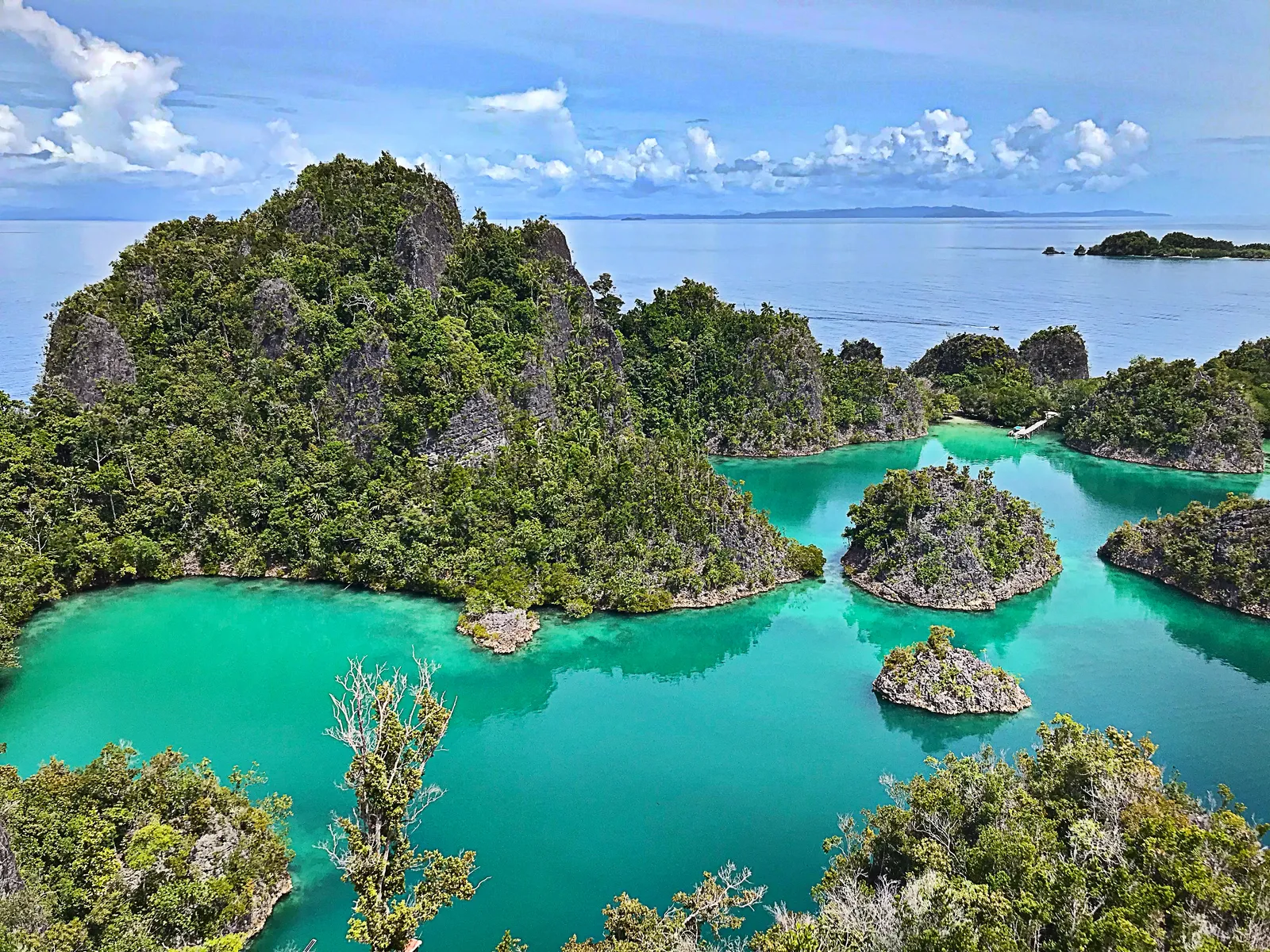
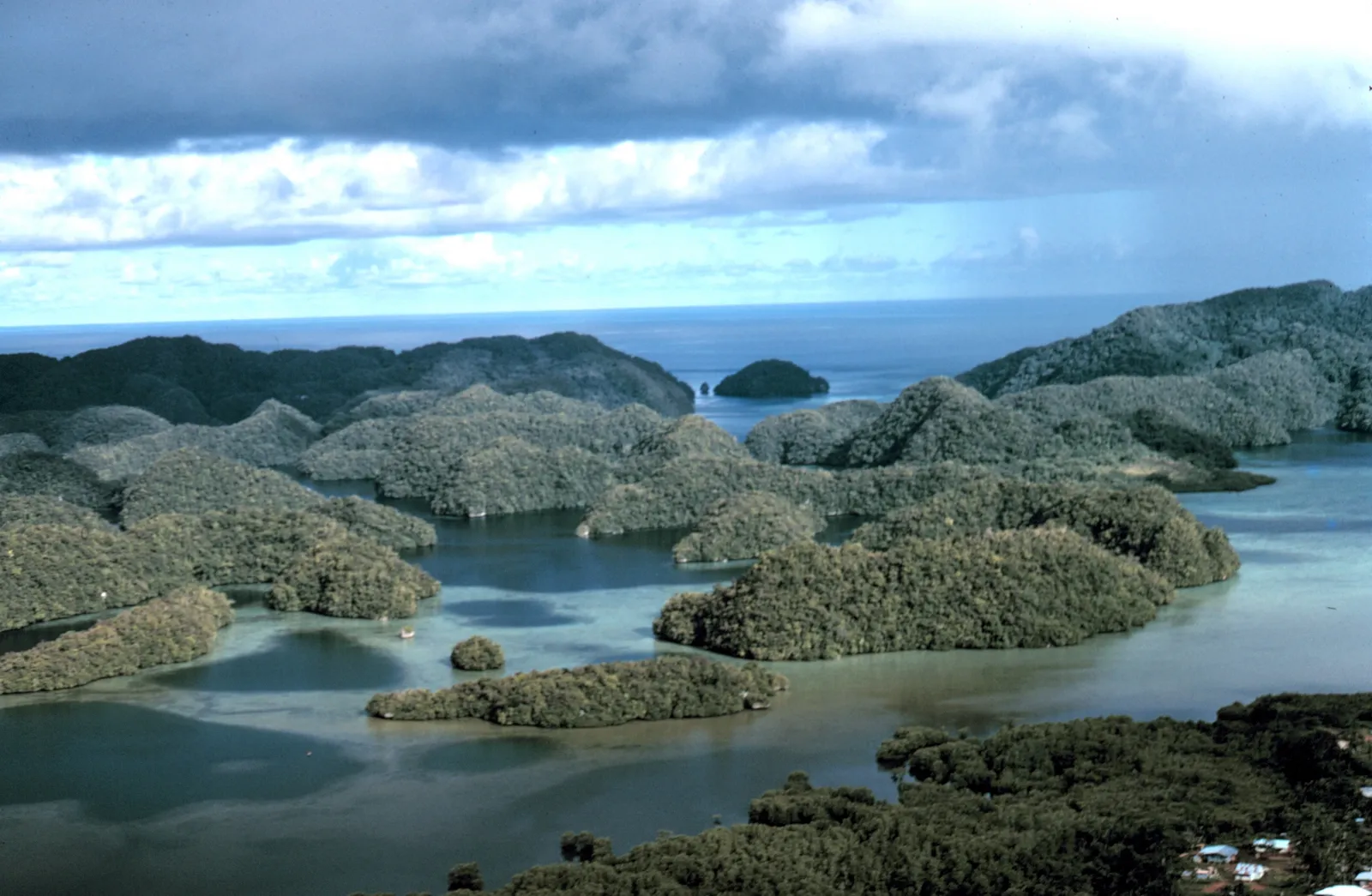
Tropical island seascape — Aerial view limestone islands palau1971

Dive Sites

Misool Dive Sites — Magic Mountain, Boo Window, Four Kings

Misool is the southern sector of the Raja Ampat archipelago, an area defined by thousands of jungle-capped limestone karsts rising from the Seram Sea.

This 2,000 km² region, protected by the Misool Marine Reserve, represents the ecological frontier of the Coral Triangle and is the primary destination for our southern itineraries. A voyage here is the definitive misool liveaboard diving experience, granting access to sites unreachable by day boats. The region’s nutrient-rich upwellings support vast gardens of soft corals and some of the highest concentrations of biomass in Indonesia. Divers on a private phinisi charter can expect encounters with both reef mantas (Mobula alfredi) and oceanic mantas (Mobula birostris) at sites like Magic Mountain, set against a backdrop of dramatic underwater topography.

Tropical island seascape — Sunset over tropical lake (Unsplash)

01

The Pelagic Theater of Magic Mountain

Magic Mountain is a submerged offshore pinnacle, or seamount, located in the southern waters of Misool. Its exposed position makes it a magnet for pelagic species and a critical cleaning station, earning its reputation as the region's most dynamic dive. The site is the definitive reason clients book a misool liveaboard diving charter. The pinnacle’s peak rises to 5-7 meters, sloping down a coral-encrusted ridge into depths exceeding 40 meters. Due to its open-ocean location, currents can be formidable, often ranging from 1 to 4 knots. A negative entry is standard procedure to descend quickly to the split point on the reef crest, where divers position themselves to observe the action.

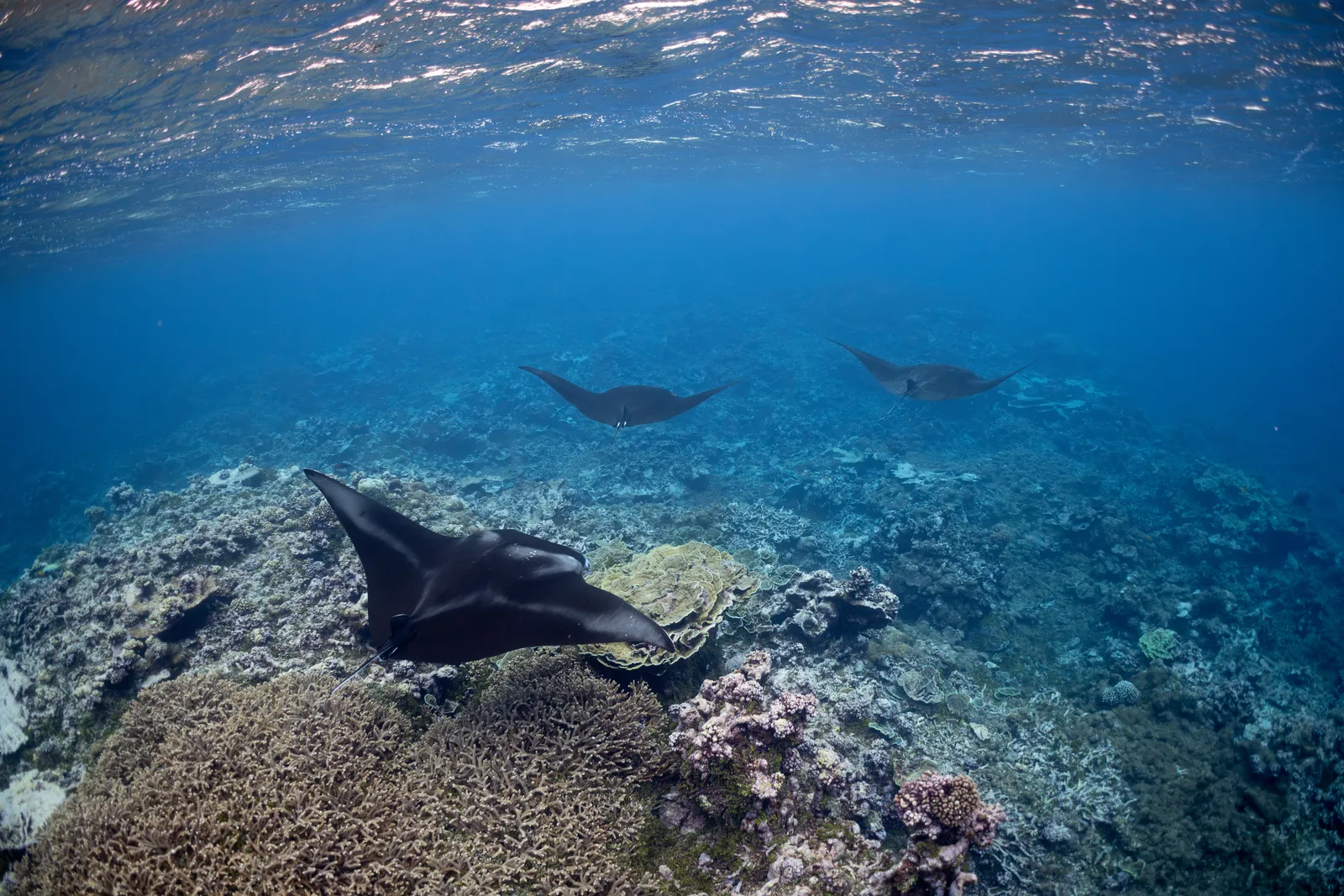
Between December and March, Magic Mountain becomes a primary aggregation site for the oceanic manta ray (Mobula birostris). These giants, with wingspans reaching up to 7 meters, queue at cleaning stations on the pinnacle's shallower sections. They are joined by resident reef mantas (Mobula alfredi), creating a rare opportunity to observe both species on a single dive. Beyond mantas, the site attracts schools of chevron barracuda, giant trevally, and Napoleon wrasse. Grey reef sharks patrol the deeper sections of the ridge, and a careful search of the gorgonian fans may reveal the Raja Ampat pygmy seahorse (Hippocampus pontohi). A dive at Magic Mountain Raja Ampat is an advanced profile, requiring excellent buoyancy control and experience in strong currents.

02

Eastern Misool Seamounts: Boo, Nudi, and Tank Rock

The eastern edge of the Misool Marine Reserve contains a cluster of iconic dive sites, each with a distinct topography and ecosystem. This chain of small islands and submerged reefs provides a varied dive portfolio, from high-energy pinnacles to macro-focused walls, all accessible within short transits on our liveaboard packages. The area is characterized by vibrant soft coral coverage, fed by the constant movement of water through the island channels.

01

Boo Windows (Batu Bolong)

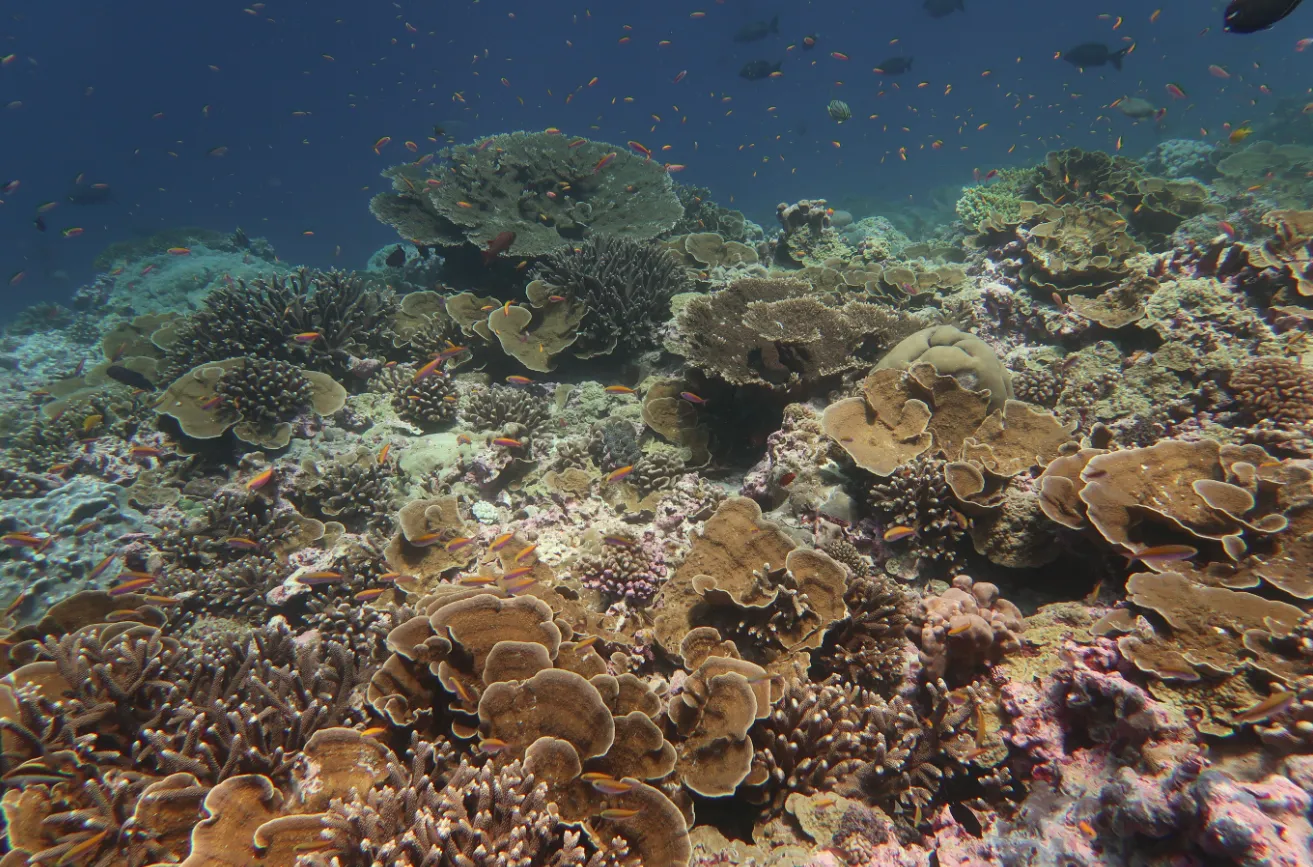
Boo Windows is a small rock island distinguished by two large, water-level arches that completely pierce the structure. Underwater, these formations create two swim-throughs at a depth of 3-5 meters, giving the site its name—batu bolong translates to "hollow rock." A typical dive plan begins on the eastern side of the rock, descending a steep wall covered in yellow and orange soft corals. As divers drift with the current, they are led toward the "windows," which are often filled with dense schools of silversides and yellowtail fusiliers. The reef composition includes large table corals, leather corals, and massive gorgonian sea fans. It is a prime location for spotting green sea turtles and the occasional wobbegong shark (Eucrossorhinus dasypogon) resting on ledges.
02

Nudi Rock

Nudi Rock is a small limestone islet, its shape resembling a nudibranch when viewed from the surface. The site is a multi-level wall dive that circumnavigates the rock. The walls are festooned with a kaleidoscope of soft corals, sea squirts, and sponges, creating an ideal habitat for an exceptional diversity of nudibranchs and other macro critters. Divers with keen eyes can find dozens of species on a single dive, including various Chromodoris, Phyllidia, and Nembrotha. Beyond the macro life, the site is also home to pygmy seahorses, ornate ghost pipefish, and colonies of boxer crabs. The dive typically finishes in the shallow reef garden, which receives ample sunlight and is teeming with anthias and damselfish. This site complements the high-voltage experience of Magic Mountain Raja Ampat by showcasing the region's smaller inhabitants.

03

Tank Rock (Batu Tank)

Tank Rock is named for its surface resemblance to a military tank. This site offers a rewarding dive along a submerged ridge that connects to the main island. The ridge is covered in a dense forest of sea fans, which are meticulously inspected by our guides for the endemic Raja Ampat pygmy seahorse (Hippocampus pontohi). The topography creates numerous overhangs and crevices, providing shelter for moray eels, stonefish, and sleeping wobbegong sharks. Currents can be present, bringing in schools of bumphead parrotfish and batfish. The combination of unique topography and reliable macro subjects makes it a key stop on any comprehensive Raja Ampat liveaboard itinerary.

03

The Kaleidoscope Reefs of the Fiabacet Chain

The Fiabacet island chain is a series of small, uninhabited limestone formations southeast of Misool's main island. The underwater terrain here is defined by long, sloping reefs and submerged ridges connecting the islands. The area is renowned for its staggering coral density and fish biomass, rivaling any location in the Coral Triangle. In 2012, Dr. Gerald Allen documented a record 374 reef fish species on a single dive at nearby Cape Kri, and the reefs of Fiabacet exhibit similar hyper-diversity.

01

Fiabacet Ridge (Whale Rock)

Fiabacet Ridge is a long, submerged reef connecting the islands of Fiabacet and Boo. The dive follows the contours of this vibrant ridge, which is completely blanketed in a multi-hued tapestry of soft corals and massive gorgonian fans. The sheer volume of fish life is overwhelming; clouds of glassfish and anthias pulse around the corals, hunted by patrolling jacks and coral groupers. The consistent current running along the ridge makes for an effortless drift dive. This is an excellent site to search for macro subjects like the pygmy seahorse and to spot larger animals like Napoleon wrasse and green turtles feeding on the reef flat. Our guides are experts at navigating this site to maximize bottom time and wildlife encounters, a key benefit of a private charter experience.

02

Yillet and the Canyons

The islands of Yillet present a different underwater architecture, characterized by dramatic canyons, sheer walls, and extensive swim-through systems. The limestone rock has been sculpted over millennia into a complex maze, offering an exploratory dive profile. Large schools of surgeonfish and snapper congregate in the canyons, and the walls are decorated with black coral bushes and whip corals. In the blue water away from the reef, divers may encounter Spanish mackerel or dogtooth tuna. The play of light filtering through the canyons creates exceptional photographic opportunities. Exploring Yillet requires precise navigation, and our dive teams are intimately familiar with its passages. Reviewing our complete list of dive sites can help you compare itineraries across Raja Ampat's distinct regions.

04

Wayilbatan and the Western Lagoons

The western area of Misool, including the Wayilbatan and Warakaraket island groups, offers a blend of exhilarating channel dives and intricate reef structures. This area is slightly more sheltered than the open-ocean pinnacles of the east, but the channels between islands can funnel water to create strong, predictable currents perfect for drift diving.

01

Four Kings

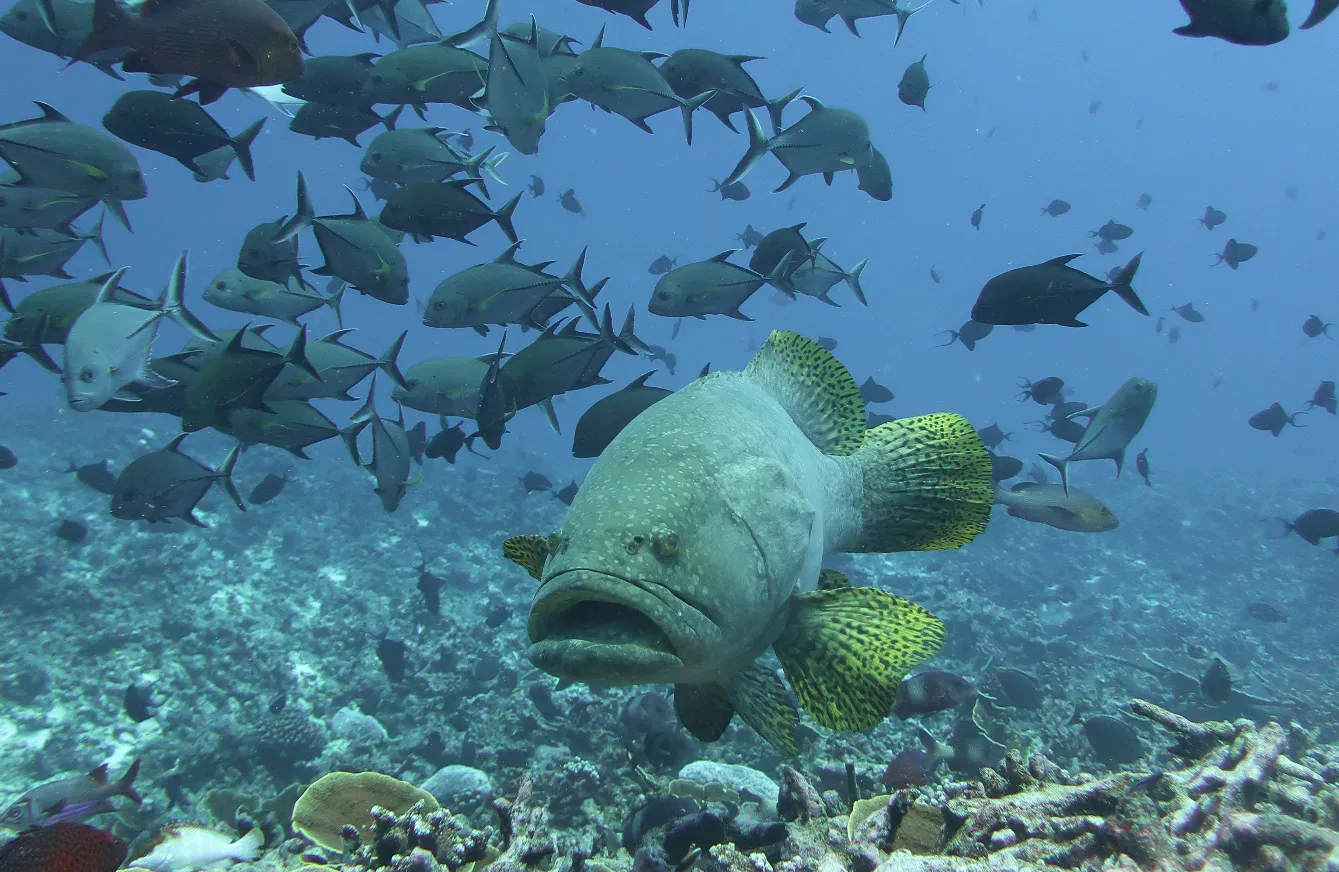
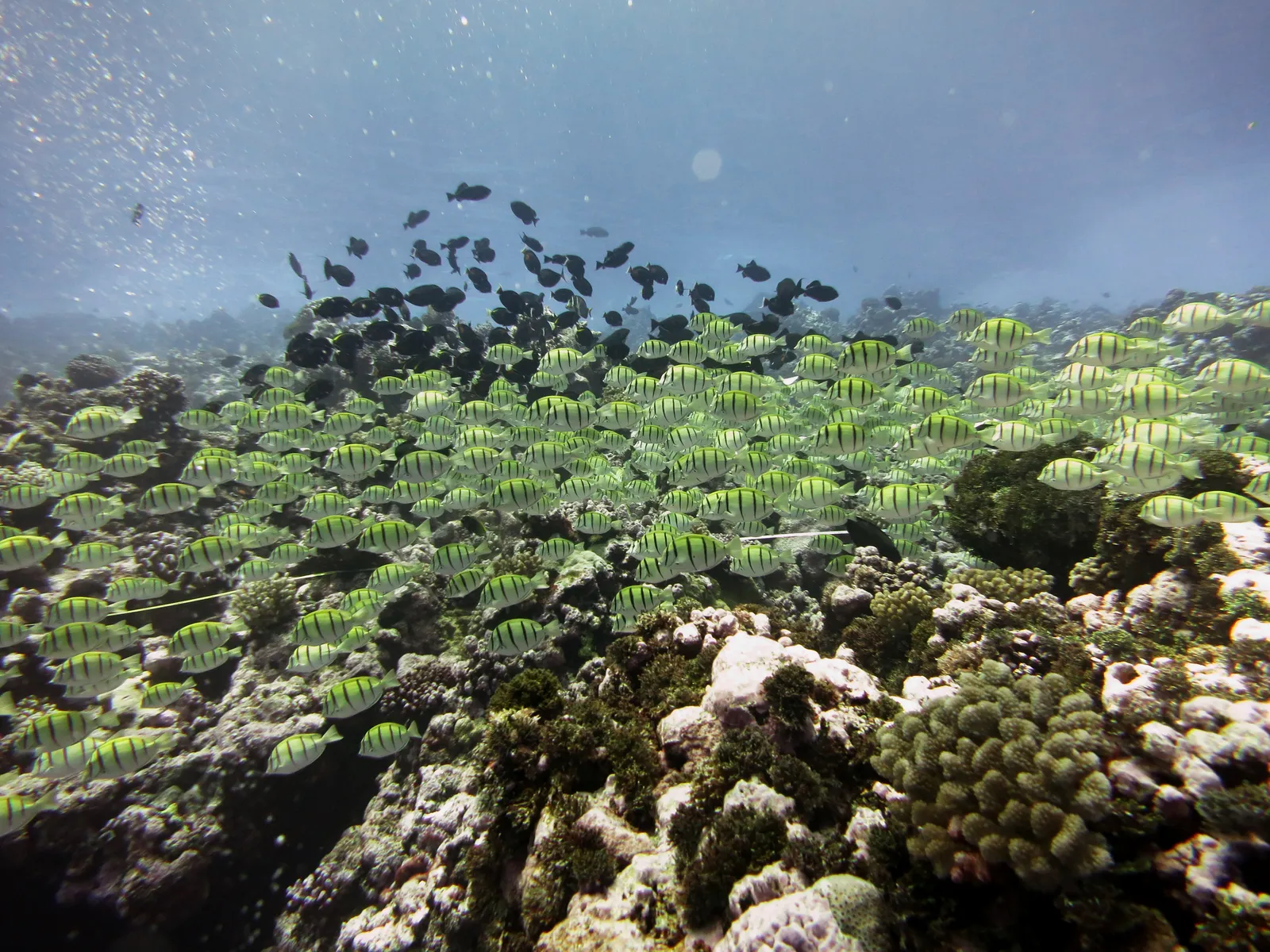
Four Kings is a world-renowned site consisting of four submerged pinnacles (or "kings") rising from a depth of over 40 meters to within 5 meters of the surface. The site is a confluence point for currents, which nourish an incredible density of marine life. The pinnacles are covered in soft corals and sea fans and are swarmed by colossal schools of fusiliers, surgeonfish, and batfish. The sheer biomass is the main attraction, as predators like giant trevally, Spanish mackerel, and reef sharks constantly patrol the perimeter, hunting in the chaos. Navigating the four pinnacles in a single dive requires a clear plan and awareness of the shifting currents, making it a dive reserved for experienced groups. Planning your trip around our charter pricing allows for extended stays in areas like this.

02

Wedding Cake

Wedding Cake is a submerged pinnacle with a unique, tiered structure that gives it its name. The dive follows a circular profile, spiraling down and around the pinnacle's distinct layers. Each "tier" hosts a slightly different collection of marine life. The upper levels are dominated by hard corals and clouds of anthias, while the deeper sections feature large gorgonians and overhangs where wobbegongs and sweetlips shelter. The site is less exposed than Four Kings, offering a more relaxed but equally rewarding dive. It's an excellent location to observe reef behaviors and for underwater photography. To secure your dates for this remarkable journey, proceed to book now.

05

Planning Your Misool Liveaboard Diving Expedition

A voyage to Misool is a significant logistical undertaking, requiring transit through remote Indonesian waters. The region's isolation is precisely what preserves its ecological integrity. Access is almost exclusively via phinisi liveaboard.

01

Logistics and Access

All of our Misool expeditions depart from the port city of Sorong (SOQ) in West Papua. Regular flights are available from Jakarta (CGK) and other Indonesian hubs on carriers such as Garuda Indonesia and Batik Air. From Sorong, the crossing to the Misool marine area is approximately 90-120 nautical miles, an overnight journey of 10-14 hours aboard our stable, hand-built phinisi schooners. This distance makes land-based diving impractical and underscores the necessity of a dedicated liveaboard for any serious exploration of the southern archipelago.

02

Conditions and Requirements

  • Dive Season: The peak season for diving Misool runs from October through April. During these months, seas are calmest, and visibility typically ranges from 20 to 40 meters. Manta ray aggregations are most consistent from December to March.
  • Water Parameters: Water temperature is stable year-round, ranging from 27-30°C (81-86°F). A 3mm full wetsuit is standard for thermal protection.
  • Diver Experience: Due to the strong currents, deep pinnacles, and negative entry requirements, we require divers to hold an Advanced Open Water (AOW) certification with a minimum of 50 logged dives. Proficiency with surface marker buoy (DSMB) deployment is mandatory.
  • Marine Park Fees: All divers must pay the Raja Ampat Marine Park entrance fee, which is IDR 1,000,000 per person (approximately USD 65) and is valid for one year. Our team will arrange this permit on your behalf.

06

Plan Your Raja Ampat Voyage

Our specialists are ready to design your private charter or secure your place on a scheduled expedition to Misool. Contact us to discuss your requirements and begin planning.

FAQ

Frequently Asked Questions About Diving Misool

What is the best time of year to dive Misool?

The optimal diving season for Misool is from October to April. This period offers the driest weather, calmest sea conditions, and consistently high visibility (20-40m). This window also coincides with the peak aggregation season for oceanic manta rays at sites like Magic Mountain, particularly from December to March. Outside these months, surface conditions can be more unpredictable due to seasonal winds.

Is Misool suitable for beginner divers?

No, Misool is not recommended for beginner divers. The majority of its premier dive sites, including Magic Mountain and Four Kings, are characterized by strong and often unpredictable currents, deep profiles, and the need for advanced techniques like negative entries. Our charters require a minimum of an Advanced Open Water certification with 50 logged dives to ensure diver safety and enjoyment.

What endemic species can I see in Misool?

Misool is a hotspot for regional endemics. Key species to look for include the Raja Ampat walking shark (Hemiscyllium freycineti), often seen on night dives, the tasseled wobbegong shark (Eucrossorhinus dasypogon), found camouflaged on reefs, and the tiny Raja Ampat pygmy seahorse (Hippocampus pontohi), which lives on gorgonian sea fans. Our expert guides are trained to locate these unique creatures.

How do I get to Misool?

Access to Misool is almost exclusively via liveaboard from the port of Sorong (SOQ) in West Papua. There are no commercial airports in Misool. Guests fly into Sorong from major Indonesian hubs like Jakarta (CGK) or Makassar (UPG). From Sorong, our phinisi vessels undertake an overnight cruise of 10-14 hours to reach the Misool Marine Reserve's primary dive areas.

What makes Magic Mountain Raja Ampat a special dive site?

Magic Mountain is an offshore pinnacle that acts as a cleaning station and feeding ground for large pelagic life. Its distinction lies in being one of the few places globally where both oceanic mantas (Mobula birostris) and reef mantas (Mobula alfredi) can be seen on the same dive. The site's high-energy currents also attract schools of sharks, barracuda, and jacks, creating a dynamic and action-packed underwater spectacle.

Tropical island seascape — Aerial view limestone islands palau1971

Plan Your Raja Ampat Voyage

Our dive concierge team is ready to design your private phinisi charter. We manage all logistics — from arrival in Sorong to your departure.