Skip to content
Raja Ampat Liveaboard Diving
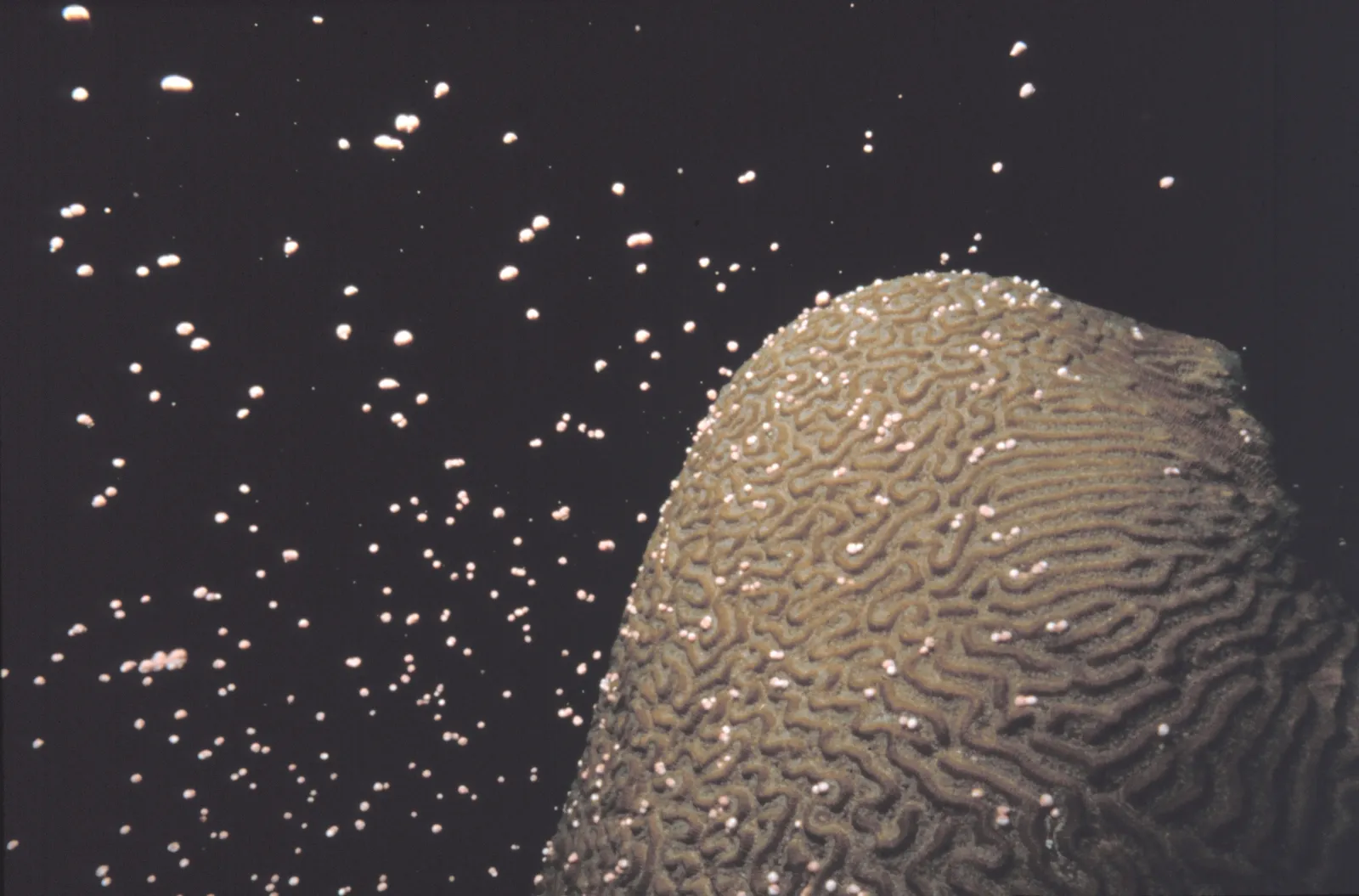
Hard coral — Brain coral spawning

Marine Life

Raja Ampat Coral Spawning — Annual Synchronized Event

The Raja Ampat coral spawning is an annual, synchronized reproductive event on a scale found in few other places on Earth.

For several nights following the full moon, typically in November, hundreds of coral species across the archipelago’s 1,500 islands release their gametes into the water column. This broadcast fertilization, triggered by a precise combination of lunar, thermal, and tidal cues, floods the nocturnal sea with billions of pink and white egg-and-sperm bundles. It is the primary mechanism for the regeneration and genetic distribution of Raja Ampat’s reefs, which contain over 75% of all known hard coral species. Observing the Raja Ampat coral spawning is to witness the biological engine of the Coral Triangle at its most fundamental.

01

The Biology of a Synchronized Broadcast

The mass spawning event is a calculated evolutionary strategy. By releasing gametes simultaneously, corals overwhelm predators with a sudden superabundance of food, ensuring a higher percentage of gametes survive to fertilize. This synchronized timing is critical for reproductive success, as coral eggs are viable for only a few hours. The environmental triggers that orchestrate this event are complex and still the subject of scientific study, but the primary driver is the lunar cycle. The full moon in October or November, combined with specific water temperatures and slackening tides, signals the polyps to begin the final stages of gametogenesis.

01

The Gamete Bundles: An Upward Migration

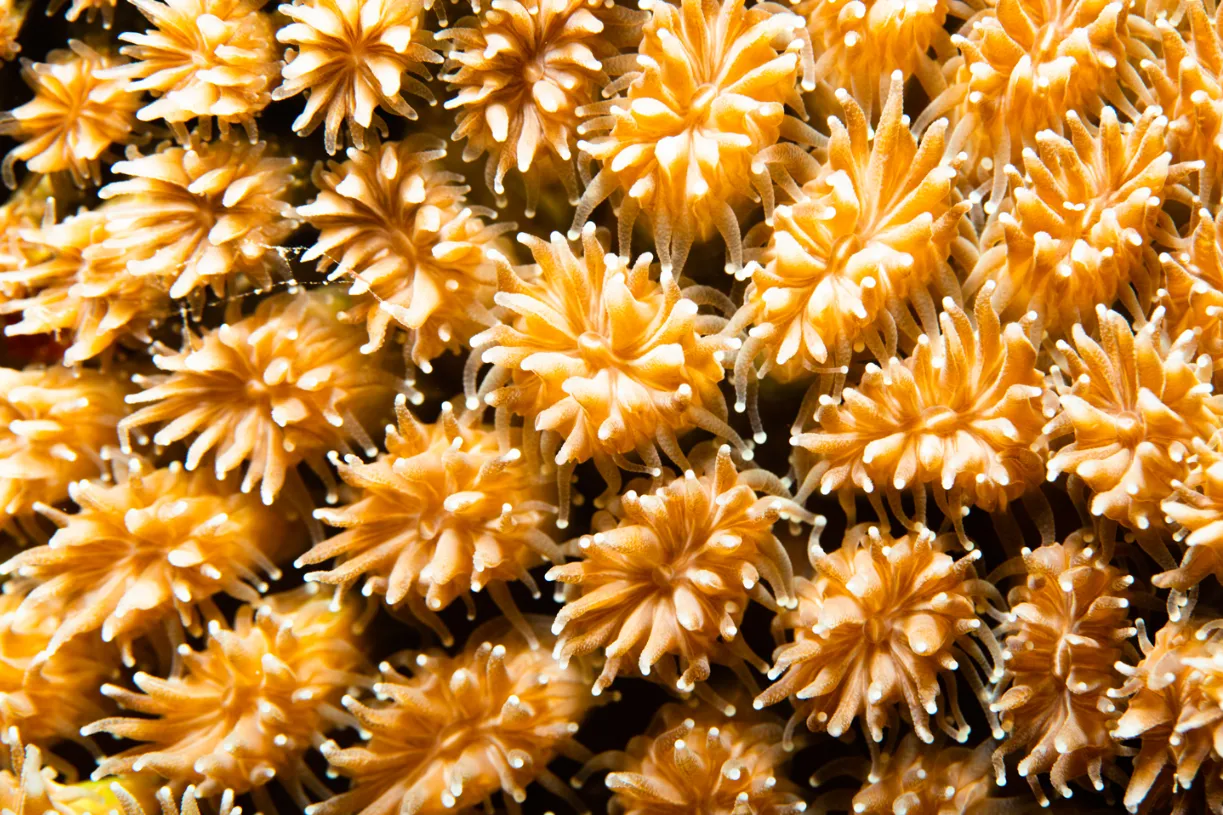
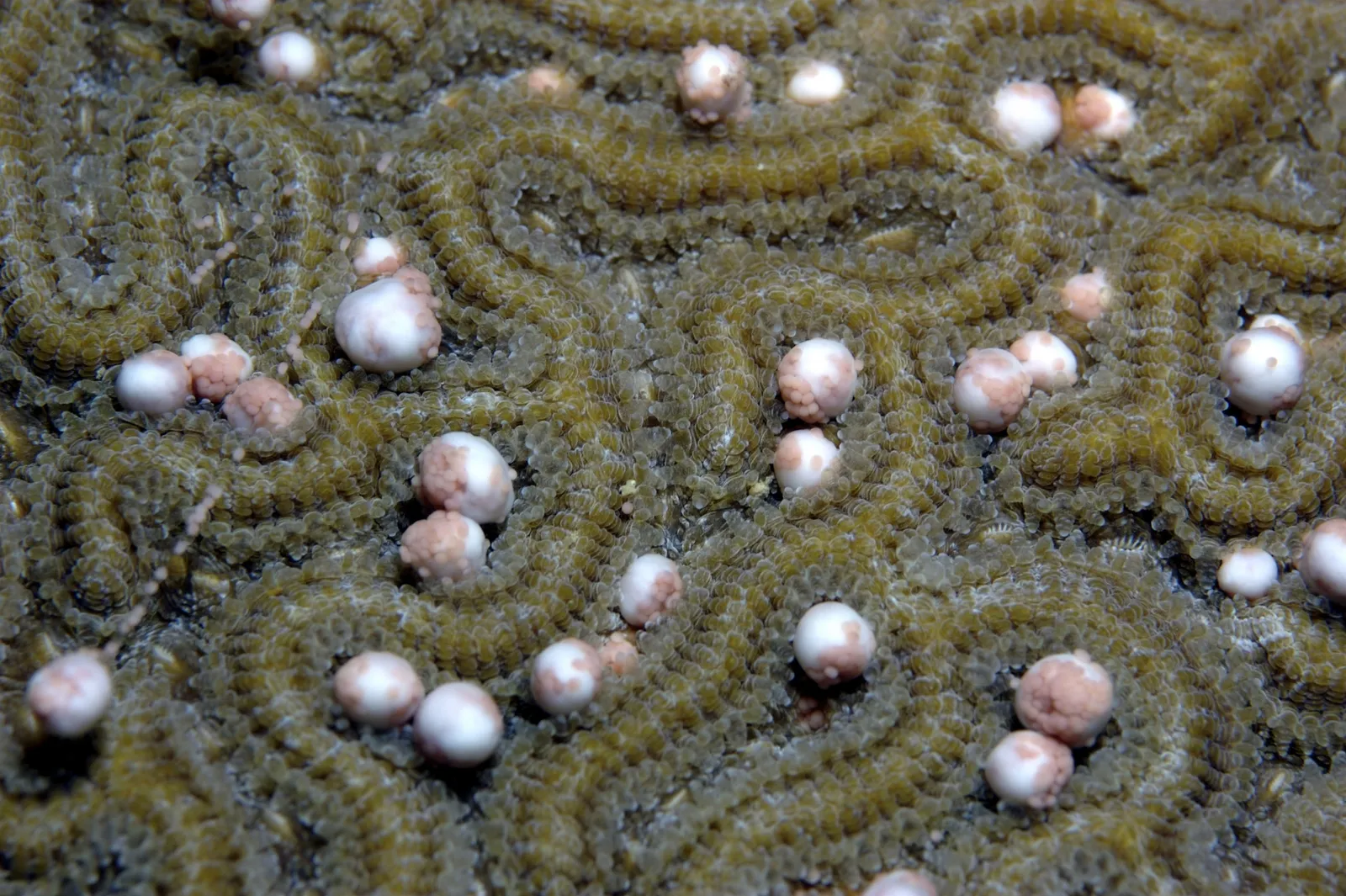
Each coral polyp, a tiny individual animal, produces a small, buoyant sphere known as a gamete bundle. These bundles, often pink, orange, or white, contain both eggs and sperm. On the night of the spawn, in a process known as "setting," the bundles become visible just below the surface of each polyp, making the entire coral colony appear to be covered in tiny beads. Then, as if responding to a silent cue, entire sections of the reef release their bundles at once. The positively buoyant spheres drift slowly upwards towards the surface. As they ascend, they break apart, allowing for cross-fertilization between different colonies of the same species, a vital process for maintaining genetic diversity.
02

Dominant Species and a Multi-Night Affair

While hundreds of coral species participate, the most visually dominant players are often the fast-growing branching and plate corals of the Acropora genus. Their sheer abundance on reefs like those in the Dampier Strait makes their contribution to the spawning slick substantial. The event is not a single, instantaneous occurrence but unfolds over several nights. Different species and even different colonies may spawn on successive evenings following the full moon, creating a multi-day window for observation. This staggered release further diversifies the genetic pool and provides a sustained food source for planktivores, from small reef fish to larger filter feeders.

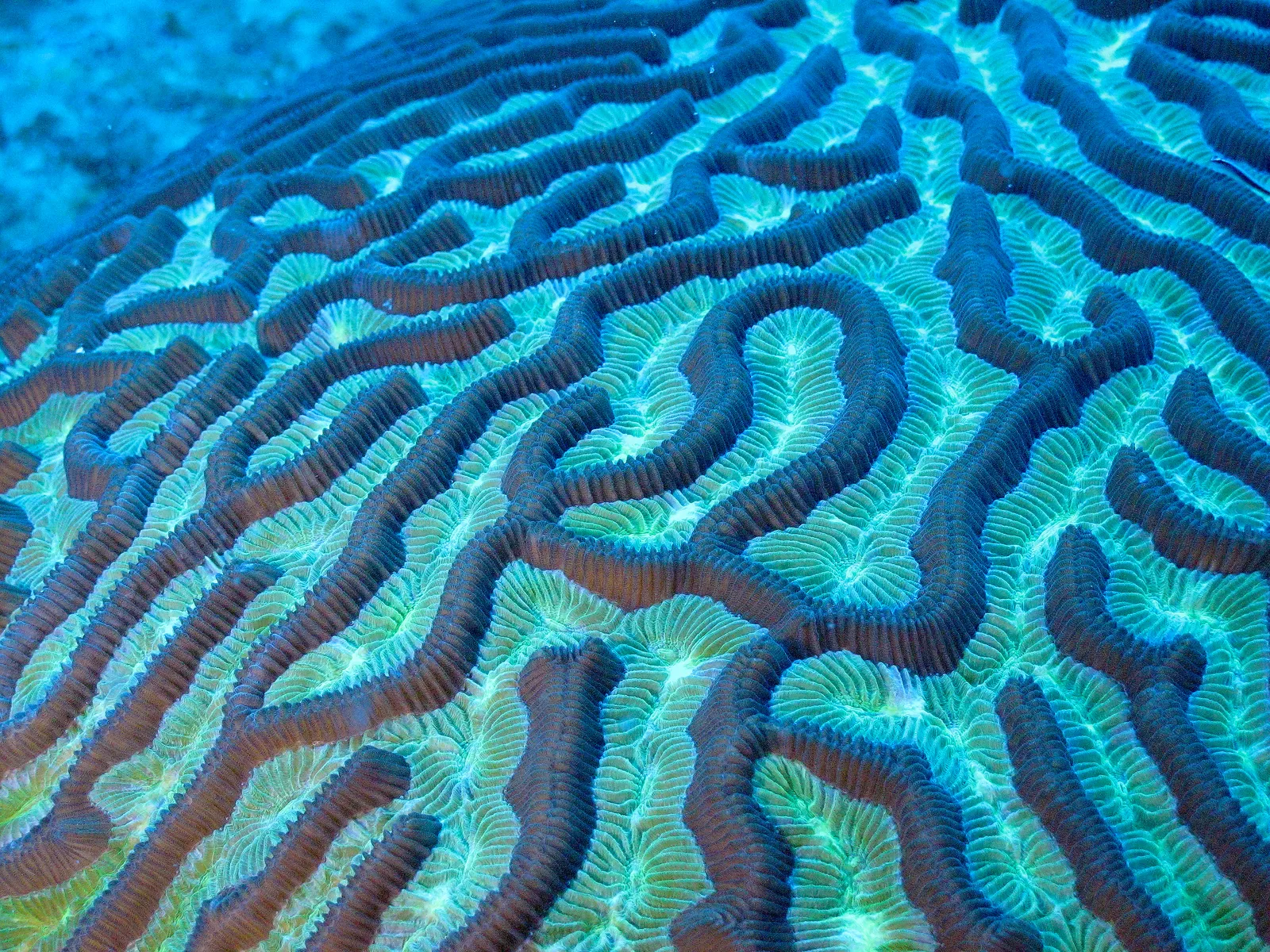
Hard coral — Brain Coral

02

Timing and Predicting the Event

Pinpointing the exact moment of the coral spawn requires local knowledge and careful observation. Our voyages, operated by a team with over a decade of experience across 1,240 expeditions, are scheduled to align with the highest probability window. The primary spawning period in Raja Ampat occurs two to four nights after the November full moon. The release itself typically happens between 8:00 PM and 11:00 PM local time.

Our dive plans during this week are structured specifically around this phenomenon. We conduct evening and night dives at sites selected for their high density of healthy, mature coral colonies. Divers enter the water before the predicted release time, position themselves carefully over the reef, and wait. The process demands patience. Our expert dive guides, trained to spot the subtle pre-spawn behaviors of the coral polyps, are instrumental in positioning our guests for the best possible observation. While nature offers no guarantees, our operational history and deep familiarity with the region’s rhythms provide the highest likelihood of witnessing this event. A dedicated liveaboard voyage is the only logistical method to access these specific sites at the correct time of night.

03

Prime Dive Sites for Witnessing the Spawning

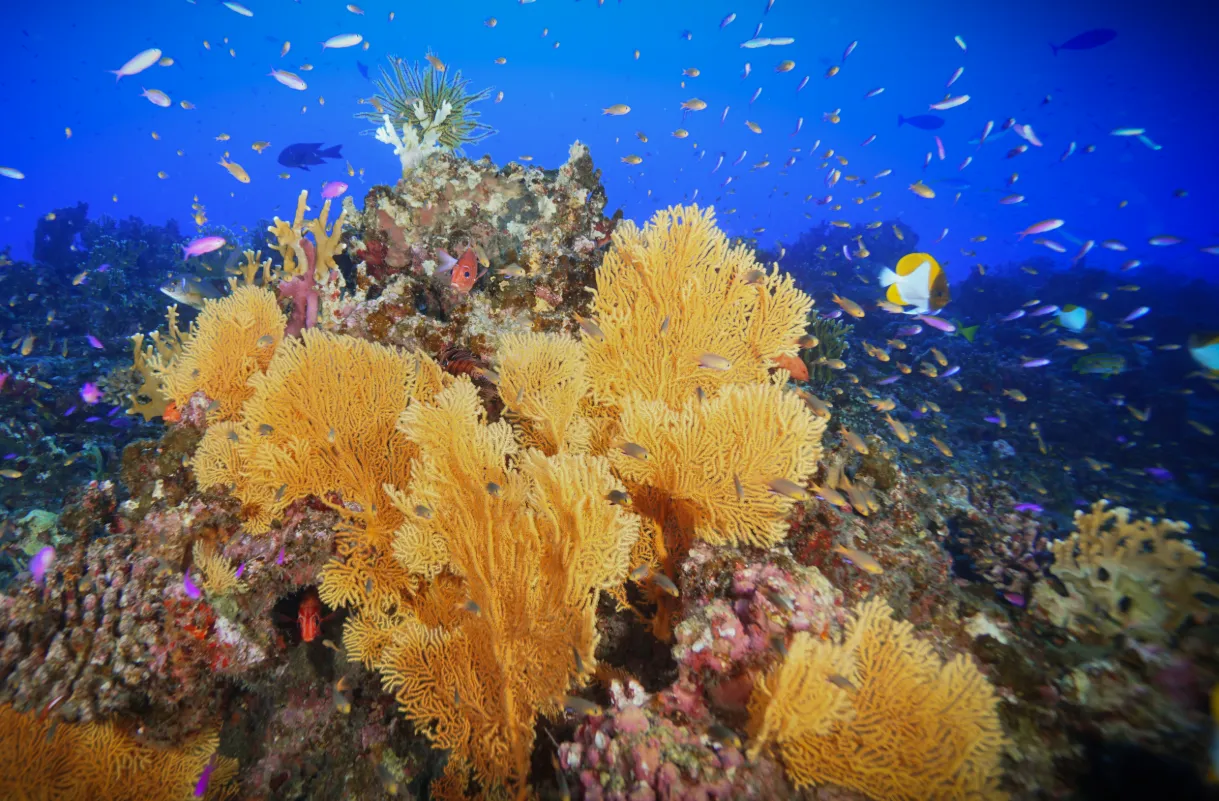
The Dampier Strait, the body of water separating the islands of Waigeo and Batanta, is the epicenter of the Raja Ampat coral spawning. Its nutrient-rich currents and vast, healthy reef systems provide the ideal stage for this biological drama. Our itineraries focus on several key locations within this strait known for their prolific coral cover and consistent participation in the annual event.

01

Cape Kri

This site holds a world record for marine biodiversity, with Dr. Gerald Allen documenting 374 distinct fish species on a single dive in 2012. This diversity is built upon the foundation of an exceptionally vibrant and dense coral reef. The topography of Cape Kri, a long sloping reef that drops into the deep, is covered in vast stands of table and staghorn corals. During the spawning, these immense coral fields release their gametes in unison, creating an upward-flowing blizzard of pink that can reduce visibility to mere meters. The site’s reliable currents help to quickly disperse the gamete slicks, facilitating widespread fertilization.

02

Mioskon Island

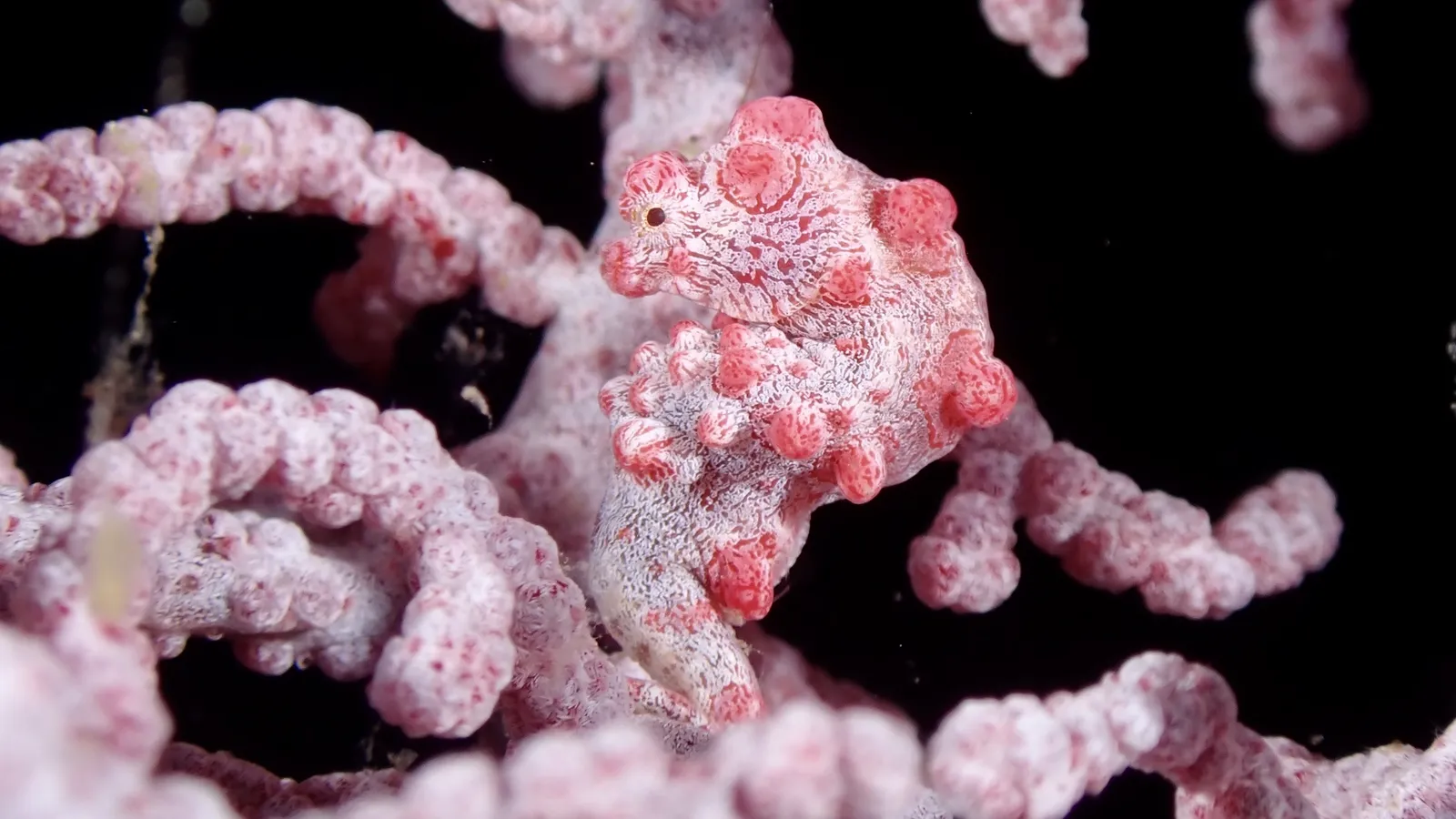
Often offering slightly calmer conditions than the current-swept point of Cape Kri, Mioskon is another premier site for spawning observation. The island is ringed by extensive coral gardens in its shallower sections, providing a broad area for the event to unfold. The relative lack of strong current can allow the gamete bundles to accumulate on the surface, forming thick, pink slicks that are visible from the tenders. Mioskon’s healthy reef is also home to resident wobbegong sharks, schools of yellow snapper, and colonies of the endemic pygmy seahorse, Hippocampus pontohi, providing rich marine encounters even before the main event begins.

04

Documenting the Phenomenon: A Photographer's Guide

Photographing the coral spawn presents a unique set of technical challenges and rewards. The scene is dark, the subjects are small and numerous, and the water is filled with reflective particles. Success requires specific equipment, a deliberate technique, and an understanding of the event's progression.

01

Equipment and Settings

A macro lens (a 100mm or 105mm is ideal) is essential for isolating individual coral polyps in the "setting" phase or capturing the detail of the gamete bundles as they are released. Powerful strobes are non-negotiable for providing the necessary light and freezing the motion of the drifting gametes. Position strobes as far from the camera housing as possible and angle them slightly outwards to minimize backscatter. A strong focus light is critical for achieving sharp focus in the dark; a red light is preferable as it is less disruptive to the natural behavior of the corals and other nocturnal creatures. Start with settings around ISO 200-400, a fast shutter speed (1/160s or higher), and a closed aperture (f/13-f/18) to ensure a good depth of field on the coral head.

02

Technique and Composition

The most effective technique is to select a single, healthy coral colony and wait. Do not chase the action; let it happen in front of your lens. Look for the moment the polyps swell and the colorful gamete bundles become visible—this is your cue. Focus on capturing the instant of release. Frame your shot to include the texture of the coral itself, providing context and scale for the tiny bundles. To manage backscatter, shoot at a slightly upward angle. This places more open, dark water behind the subject, which will not reflect the light from your strobes back into the lens. Incorporating other elements, such as a small crab on the coral or a fish swimming through the gamete cloud, can add a compelling narrative layer to your images.

Hard coral — Colpophyllia natans spawning

05

Planning Your Coral Spawning Voyage

Participation in a Raja Ampat coral spawning expedition requires advance planning. As a subsidiary of the Komodo Luxury group, with over 10 years of yacht operations, we have refined these specialized itineraries to a high degree. Our voyages are timed to coincide with the November lunar cycle, departing from Sorong (SOQ) aboard our fleet of traditional phinisi schooners. These handcrafted wooden vessels provide a stable and fully equipped platform for this unique dive mission.

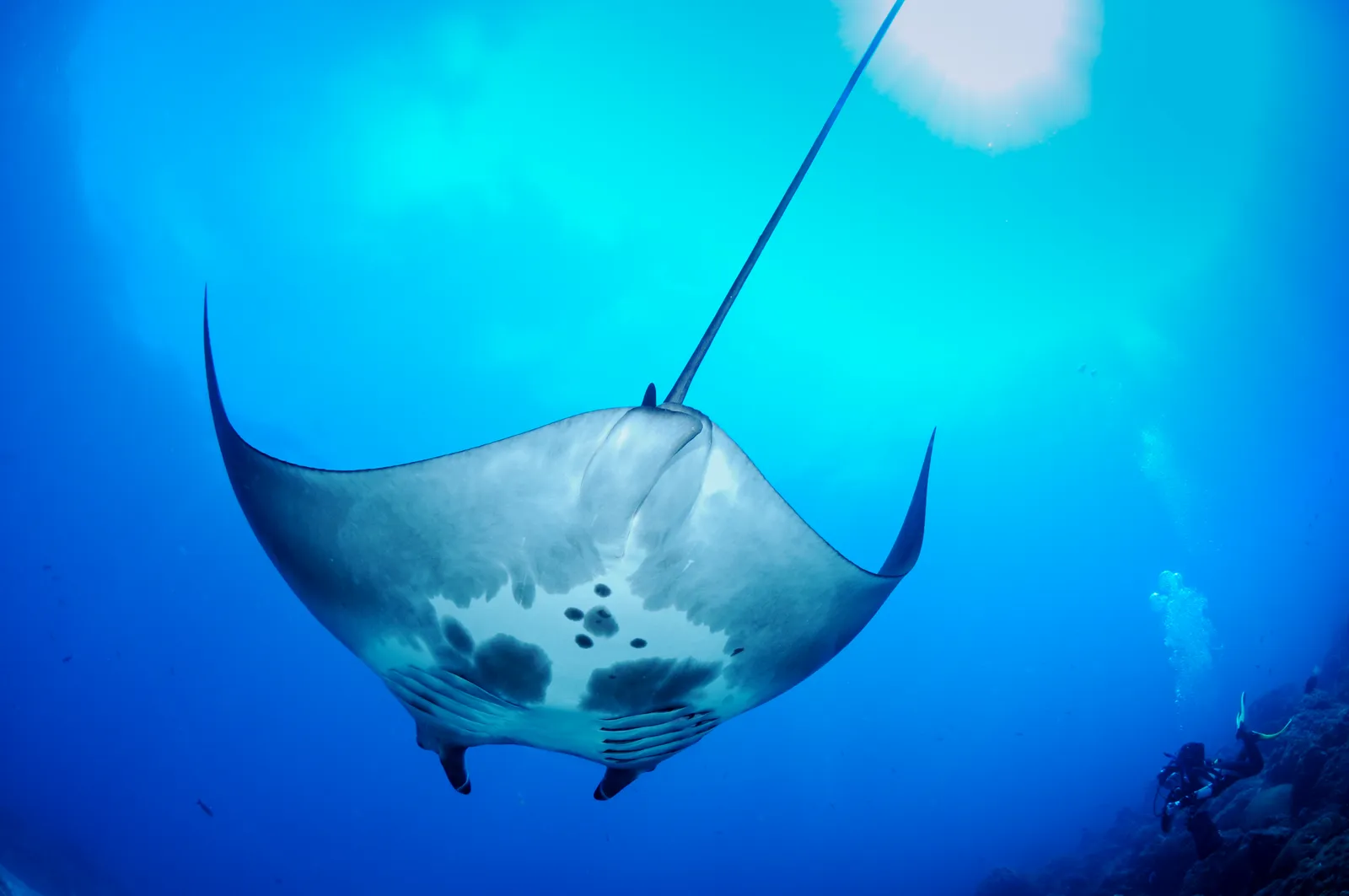
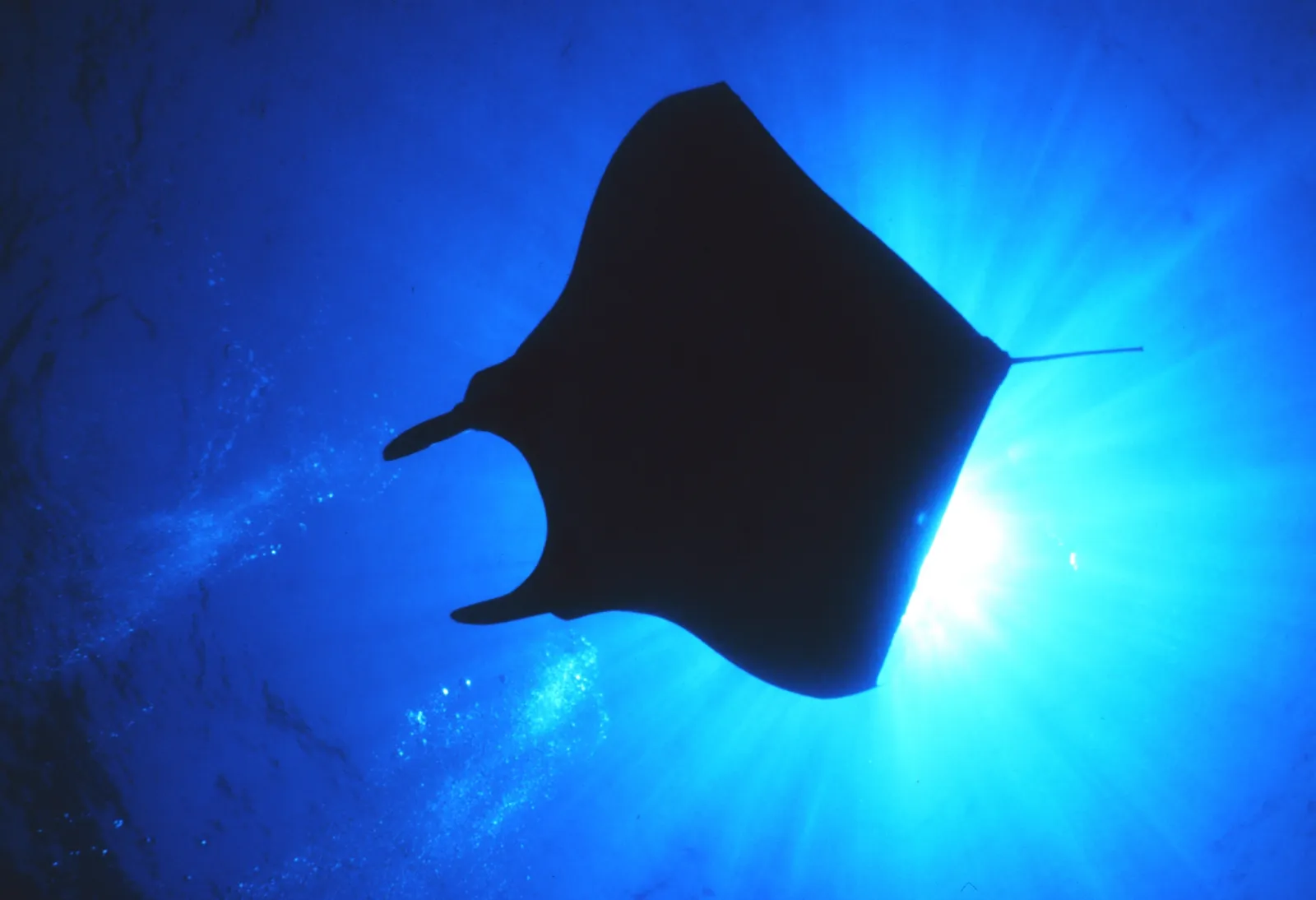
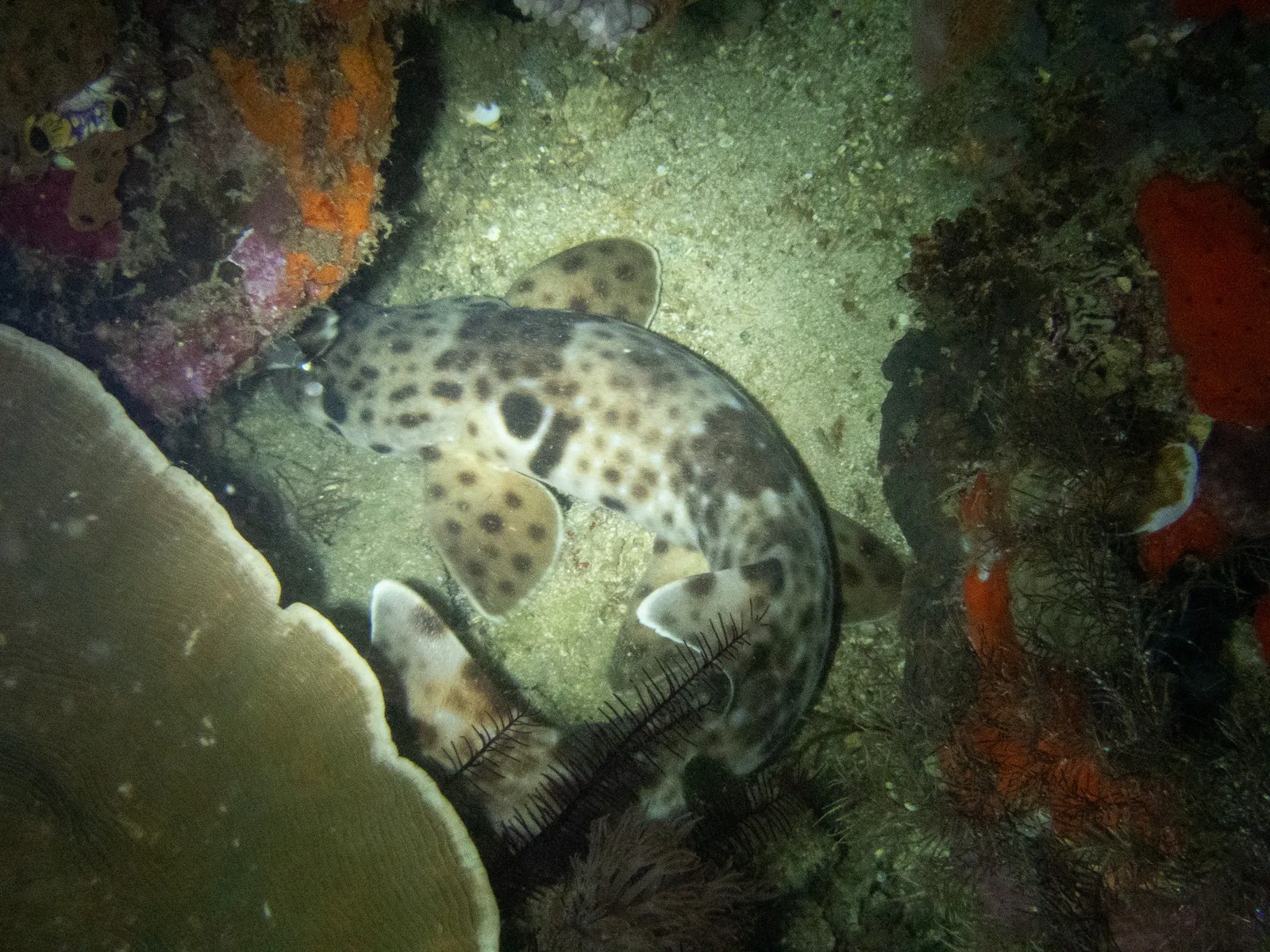
A November expedition offers more than just the spawning. This month marks the beginning of Raja Ampat’s peak season, characterized by calm seas, excellent visibility often reaching 30-40 meters, and water temperatures of 27-30°C. Daily dives will explore the region's signature sites, showcasing everything from the powerful currents and massive fish schools of the Dampier Strait to the specific habitats of endemic species like the Raja Ampat walking shark, Hemiscyllium freycineti. It is also the prelude to the main manta ray aggregation season (December-March), and encounters with both reef mantas (Mobula alfredi) and oceanic mantas (Mobula birostris) are possible. For dedicated groups or photographic workshops, a private charter offers the ultimate flexibility in pursuing this natural wonder. All divers are required to pay the annual Marine Park fee of IDR 1,000,000.

FAQ

Frequently Asked Questions

Is the coral spawning guaranteed on a November trip?

The spawning is a natural event, and while our itineraries are scheduled to maximize the probability based on lunar cycles and historical data, a sighting cannot be guaranteed. Our 10+ years of operational experience provide a distinct advantage in site selection. The voyage itself, however, ensures exceptional diving throughout Raja Ampat's most vibrant reefs, regardless of whether the main spawning event is witnessed on a specific night.

What level of dive certification is required?

An Advanced Open Water certification with a minimum of 50 logged dives is required for our coral spawning itineraries. Previous night diving experience is strongly recommended. These dives are conducted in complete darkness, sometimes with mild currents, and demand excellent buoyancy control and comfort in the water. Our professional guides provide comprehensive briefings and are in the water to ensure diver safety and coordination.

Besides the spawning, what can I expect to see in November?

November is the start of the prime diving season. Divers can expect superior visibility (20-40m) and warm water (27-30°C). The itinerary includes iconic Raja Ampat dive sites teeming with life, from the fish-laden currents of Cape Kri to the macro-rich slopes that host pygmy seahorses and the endemic walking shark. You may also have early-season encounters with manta rays as they begin to aggregate for the coming months.

What makes Raja Ampat's coral spawning event unique?

The distinction of the Raja Ampat event is its sheer biodiversity and scale. This 40,000 km² archipelago is home to 75% of the world’s known hard coral species. Witnessing hundreds of these species releasing their gametes in a synchronized pulse is to observe one of the planet’s most significant reproductive events. This process is the foundation of the region's incredible marine health and its role as the heart of the Coral Triangle.

What specific equipment should I bring for this trip?

Beyond your standard dive kit, a powerful primary dive torch and a reliable backup are mandatory for night diving. A 3mm wetsuit is generally sufficient. For photographers, a macro lens (100mm or similar) and dual strobes are essential for capturing high-quality images. We highly recommend a red filter or a torch with a red-light mode for your focus light to minimize disturbance to the corals before they release their gametes.

The Raja Ampat coral spawning is a brief, intense, and profoundly important event. It is a rare opportunity to witness the very origin of one of the planet's most diverse ecosystems. Our dedicated November voyages on our classic phinisi yachts are designed to place you at the center of this phenomenon. To inquire about specific dates and availability for this limited-season expedition, please contact our concierge team directly.

Contact our voyage planners on WhatsApp at +62 811-3823-875 or submit a booking inquiry to reserve your place.

Hard coral — Brain coral spawning

Plan Your Raja Ampat Voyage

Our dive concierge team is ready to design your private phinisi charter. We manage all logistics — from arrival in Sorong to your departure.