
About Us
Raja Ampat Papuan Heritage — Beser, Maya, and Matbat Communities
A voyage through Raja Ampat is a passage into the world’s most biodiverse marine ecosystem.
For over a decade, with 1,240 voyages completed, our operations have been predicated on a deep and abiding respect for this environment and its traditional custodians. This is not a transactional visit; it is an engagement with a living culture, informed by continuous dialogue with the Papuan community elders who hold the ancestral knowledge of these waters. Our presence here is a privilege, guided by their wisdom. We navigate the 40,000 square kilometers of this archipelago not as observers, but as respectful guests, committed to ensuring the integrity of both the ecological and cultural tapestry that defines Raja Ampat. This understanding is the foundation of every itinerary we design and every anchor we drop.
01
The Four Kings — Origin Mythology of Raja Ampat
The name Raja Ampat, translating to "The Four Kings," is not a modern moniker but is rooted in a foundational myth passed down through generations of oral tradition. The story begins with a woman from the region who discovers seven eggs in a nest near the Wayag islands. She takes them home, and overnight, four of the eggs hatch into four young kings. Each king grows to rule one of the four principal islands that anchor the archipelago: Waigeo, Batanta, Salawati, and Misool. These figures are the progenitors of the local royal lineages. A fifth egg hatched a princess, Kalanu, and a sixth hatched a ghost. The seventh egg never hatched, remaining a stone, a sacred object of reverence for the community. This origin story is more than folklore; it is a cultural charter that establishes a genealogical and spiritual connection between the people and the very islands they inhabit. It frames the archipelago as a unified kingdom, a sacred geography born from a single, miraculous event, and instills a profound sense of place and identity in the indigenous communities who call this marine territory home.
02
Beser People — Stewards of Waigeo
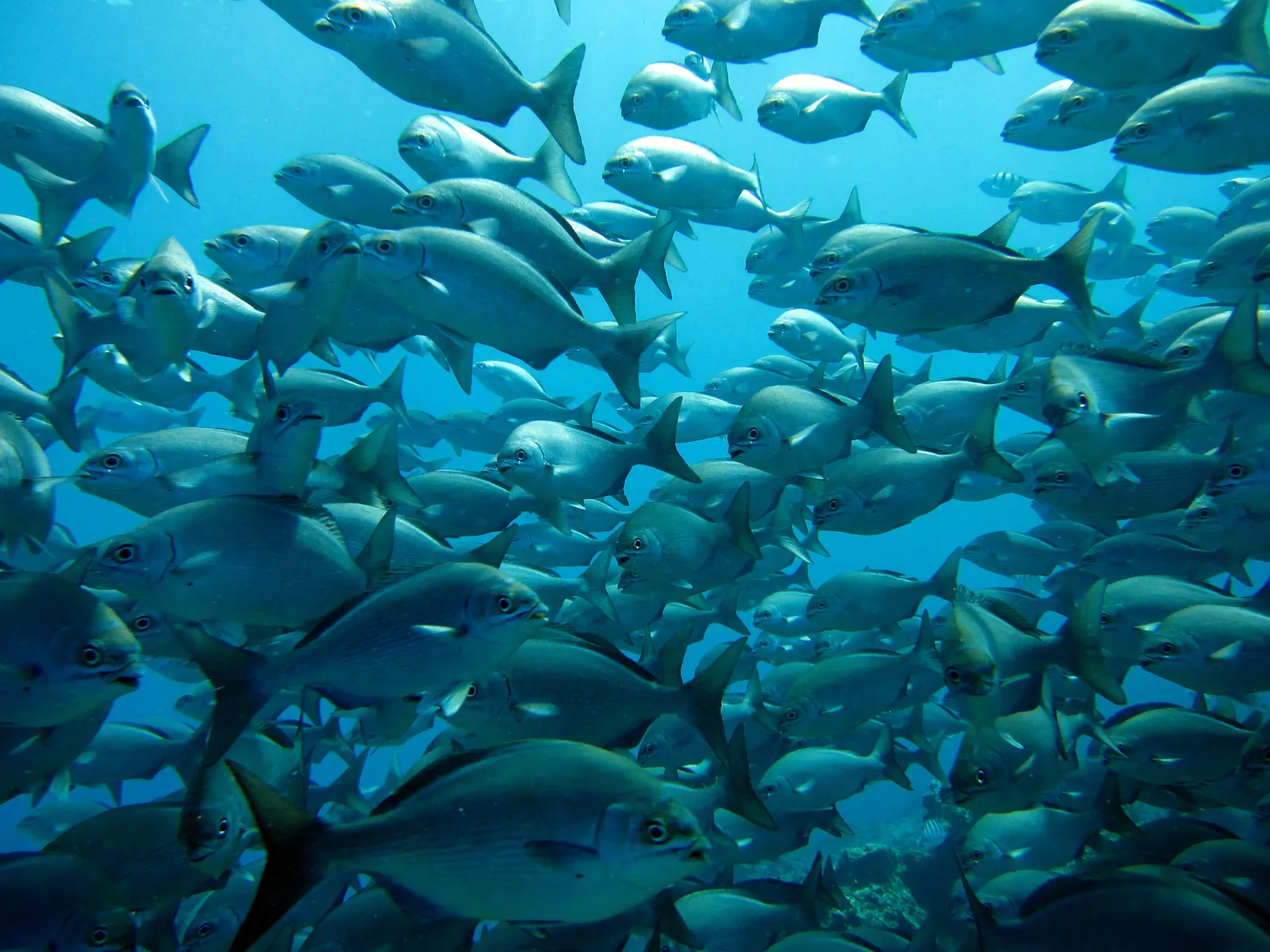
The northern reaches of Raja Ampat, particularly the large islands of Waigeo and Batanta, are the traditional lands of the Beser people. As expert fishermen and mariners, their culture is inextricably linked to the sea. For centuries, they have navigated the powerful currents of the Dampier Strait, possessing an intricate, multi-generational knowledge of its tidal patterns, seasonal fish aggregations, and reef systems. This is the same strait where, from December to March, oceanic and reef manta rays congregate in significant numbers. The Beser’s subsistence and economy have historically revolved around the sea, using methods from hand-lining to traditional net fishing. Their villages, often situated in sheltered bays, are organized around marine life cycles. The Beser are the primary cultural group guests will encounter when departing from Sorong and exploring the northern and central dive sites. Their understanding of this marine environment is not abstract but practical and deeply ingrained, a living library of ecological knowledge that modern science is only beginning to document.
03
Maya People — Central Archipelago
Inhabiting the central archipelago, the Maya people represent another of Raja Ampat’s distinct indigenous communities. It is critical to note that they share no connection with the Mayan civilization of Mesoamerica; they are a unique Papuan ethnic group with their own language and customs. The Maya language, part of the Austronesian language family, is a key marker of their identity, distinguishing them from their neighbors. Their communities are often located along the coastlines of Salawati and Batanta, as well as smaller surrounding islands. Traditionally, their social structure is organized into clans, and their livelihoods, like those of the Beser, are deeply dependent on the sea. They have a history of trade and interaction with sultanates from the Maluku Islands, which has influenced their culture over centuries. Engaging with the Maya people offers a perspective into the cultural diversity that exists within the broader Raja Ampat region, highlighting how different groups have adapted to and shaped their specific island environments.
04
Matbat People — Misool South
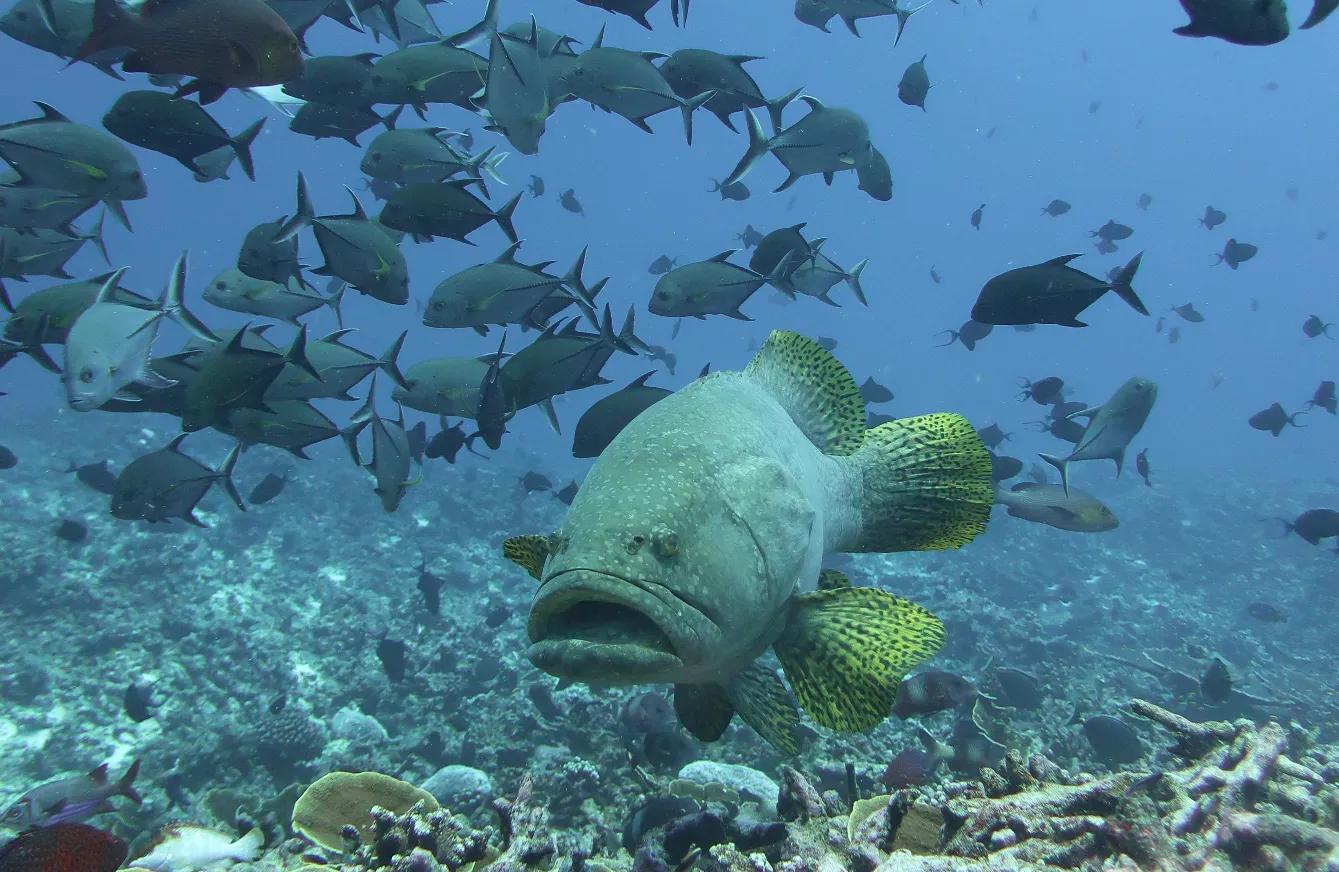
The southern region of the archipelago, centered around the dramatic karst landscapes of Misool, is the domain of the Matbat people. Their language is a member of the South Halmahera-West New Guinea language family, a branch of the Malayo-Polynesian languages, which points to complex historical migration and settlement patterns across the region. The Matbat have a profound connection to their territory, a bond reflected in their traditional architecture and settlement patterns. Many Matbat villages feature houses built on stilts directly over the calm, turquoise waters of lagoons and sheltered bays. This architectural style is a direct adaptation to a life lived in concert with the tides, providing natural cooling and immediate access to the marine resources that sustain them. Their stewardship of the Misool region is fundamental to its ecological integrity. As a result, the conservation initiatives in the south, including the Misool Marine Reserve, have been successful largely due to active partnership with Matbat community leaders.
05
Sasi — Indigenous Marine Conservation
Long before the establishment of the Raja Ampat Marine Park in 2007, the indigenous communities of the archipelago practiced their own sophisticated form of resource management known as sasi. This traditional system functions as a temporary marine closure, a community-led conservation tool that demonstrates a deep, inherent understanding of ecosystem resilience. A council of elders, in response to observations of declining stocks, will declare a sasi on a specific reef or bay. During this period, which can last from six months to several years, the harvesting of designated high-value species like trochus shells, sea cucumbers, or lobster is strictly prohibited for all community members. This allows marine populations to recover and reproduce undisturbed. When the elders determine the stocks have sufficiently regenerated, the sasi is lifted, and a communal harvest takes place, with the benefits shared among the village. This rotational, periodic system prevents the kind of serial depletion common in unregulated fisheries. It is a powerful example of indigenous ecological knowledge that predates and complements modern scientific conservation strategies, forming the cultural bedrock upon which current marine park regulations are built.
06
Phinisi Heritage — Konjo Bira Shipbuilding
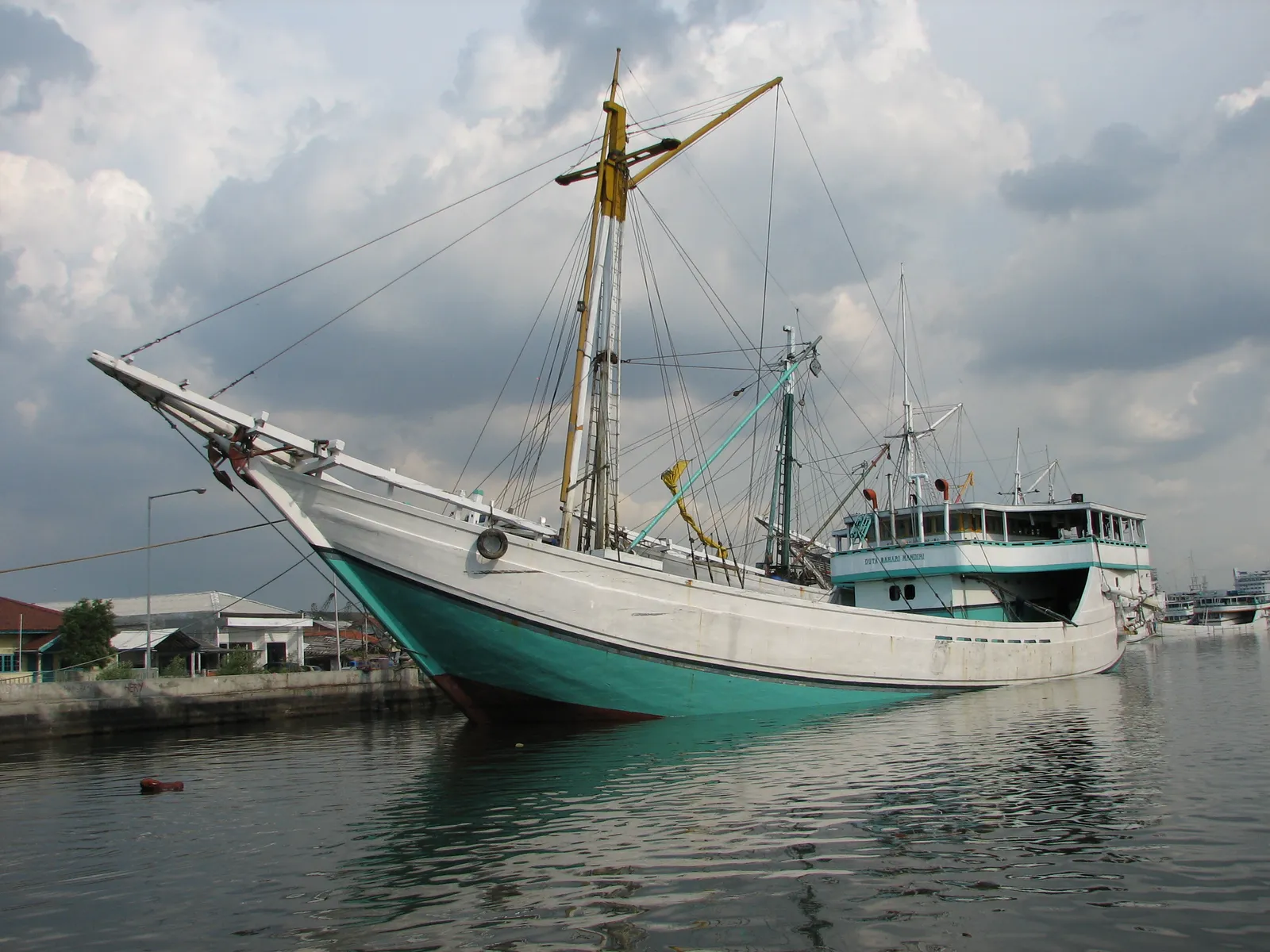
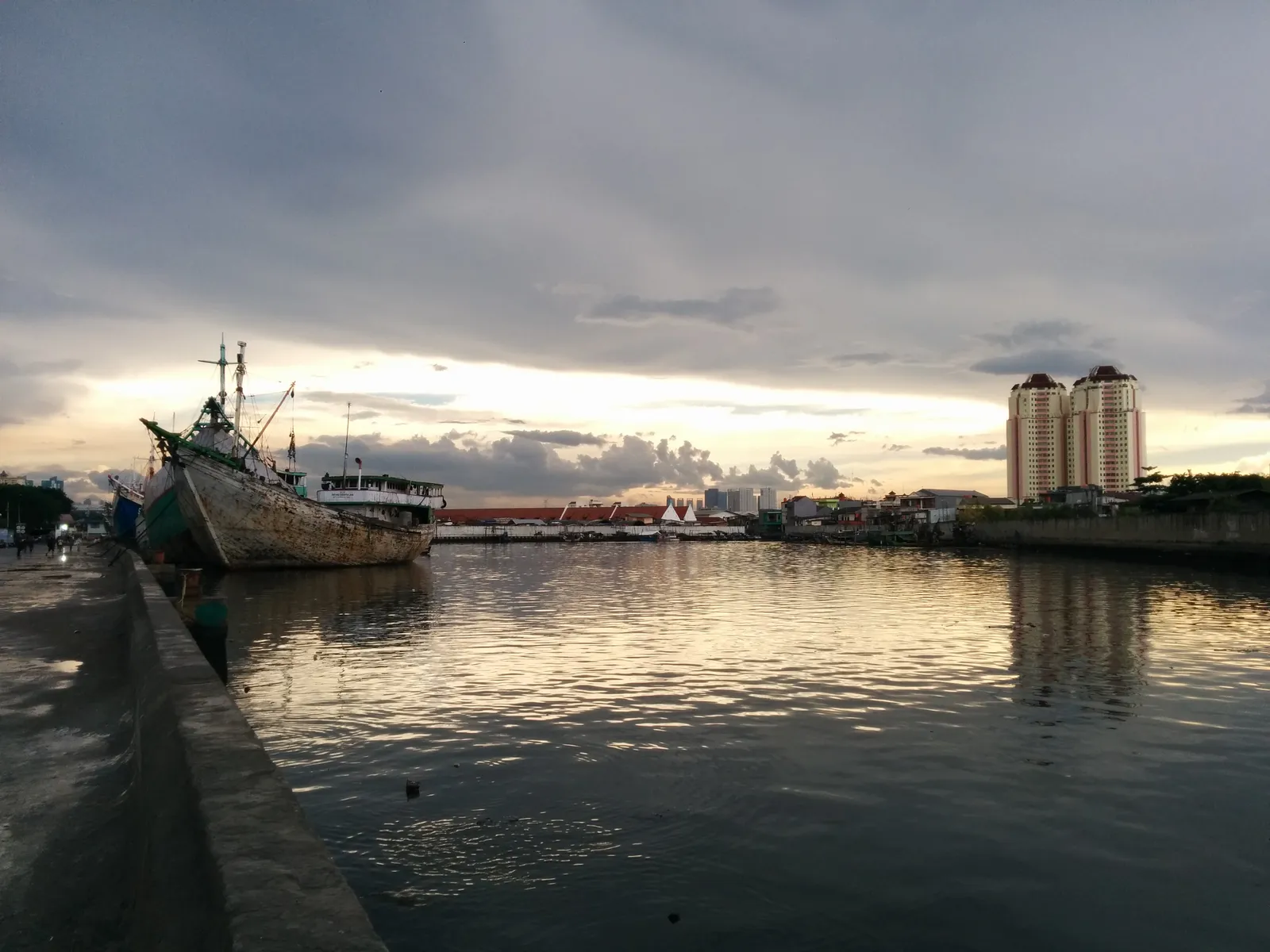
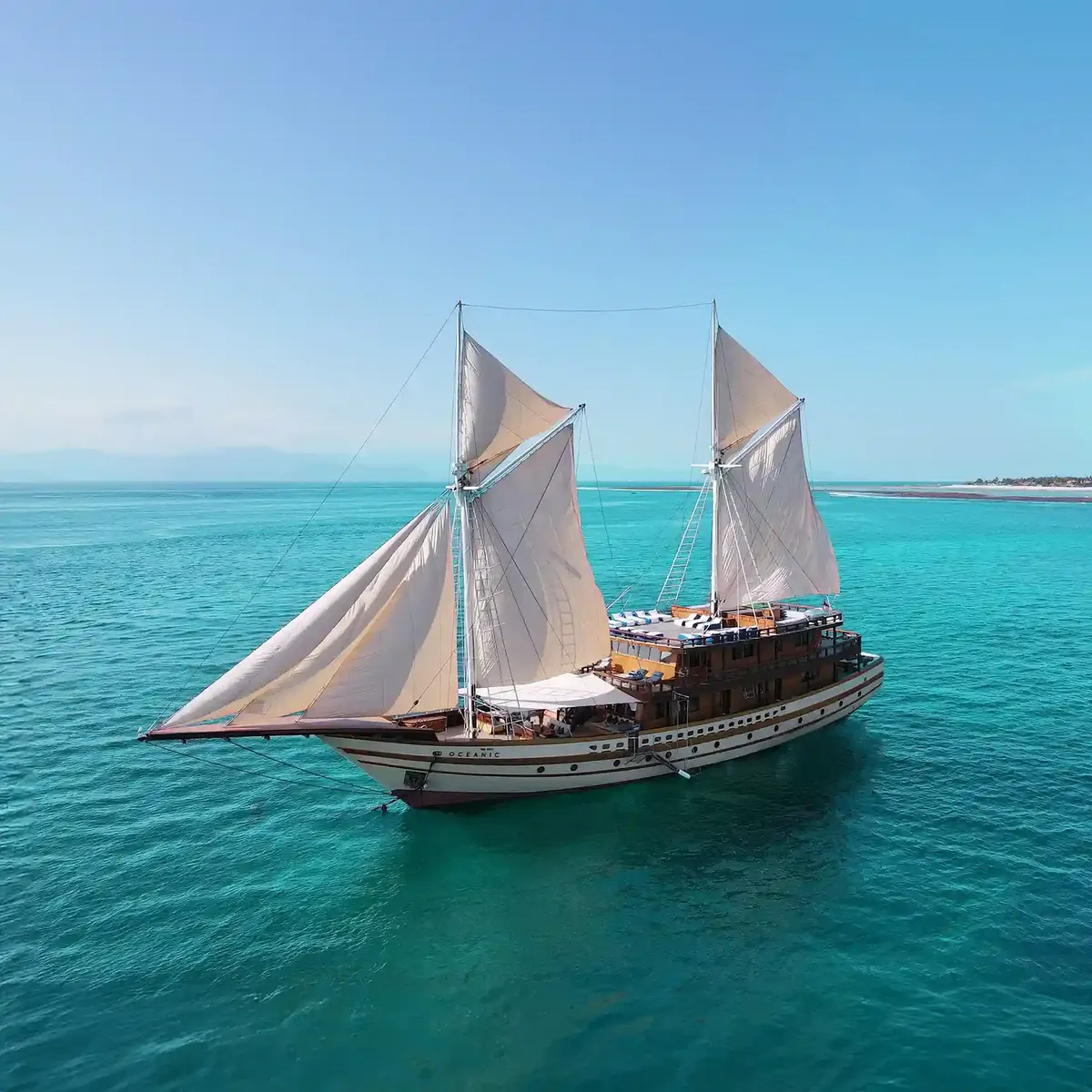
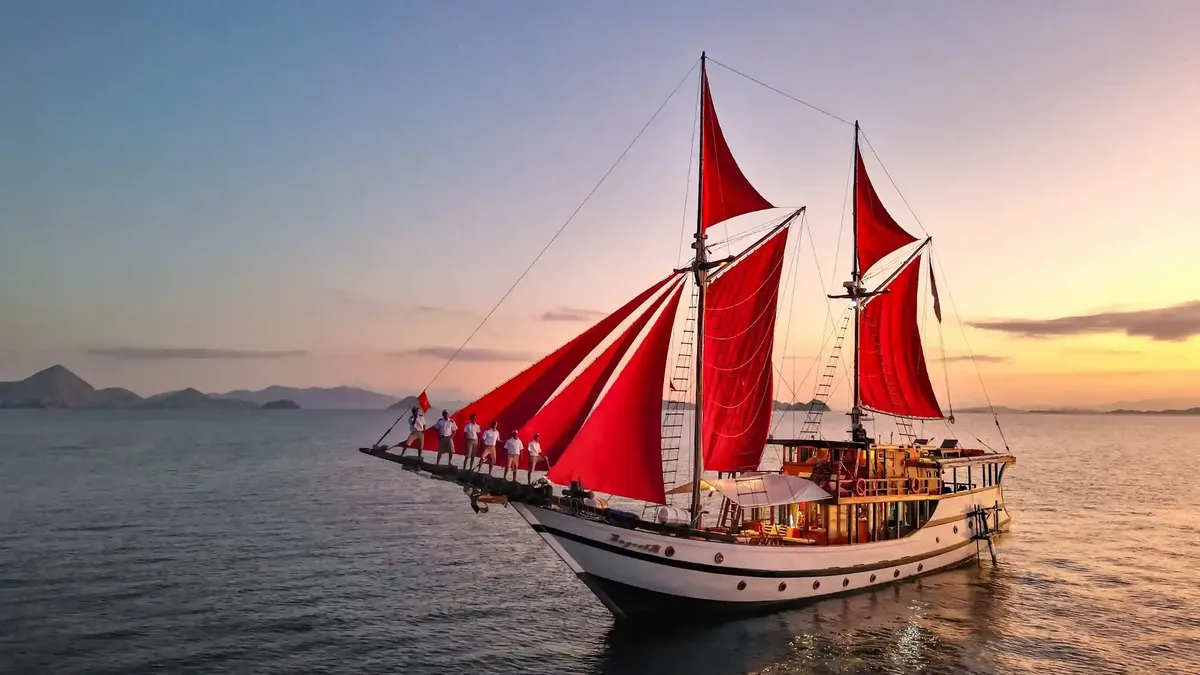
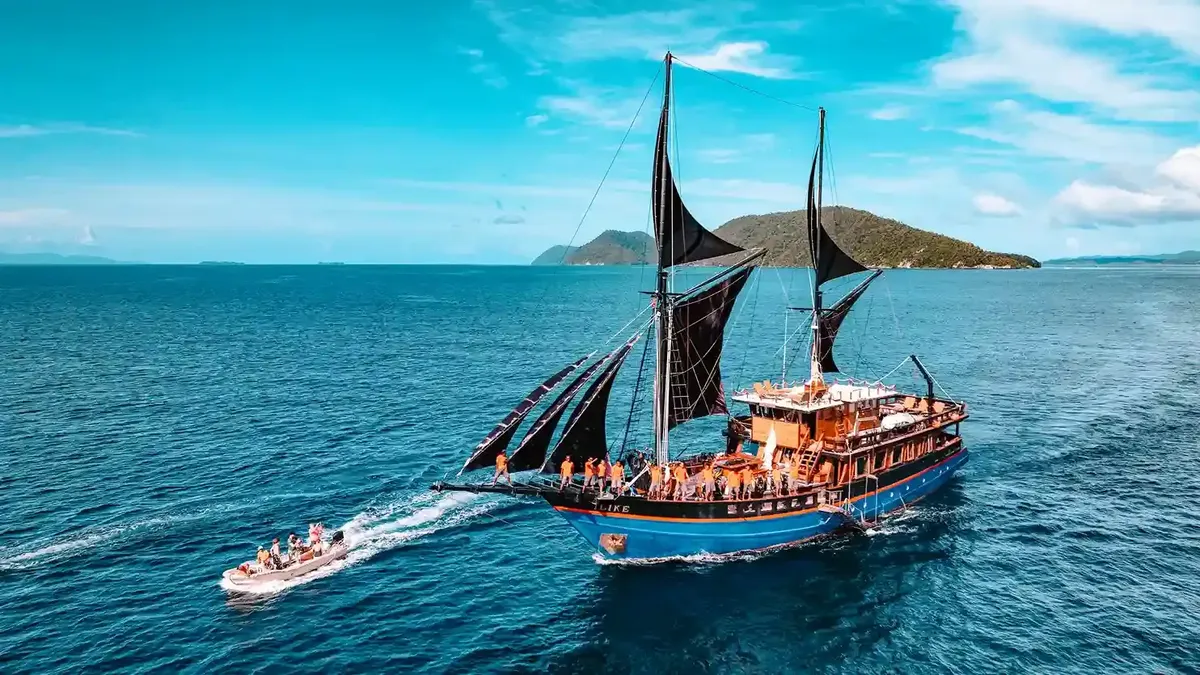
The vessel that carries you through this archipelago, the Phinisi, is itself a masterpiece of Indonesian maritime heritage. This traditional two-masted wooden schooner is not native to Papua but originates from the Konjo people of Bira, a village in South Sulawesi. In 2017, the art of Phinisi shipbuilding was inscribed by UNESCO as an Intangible Cultural Heritage of Humanity. The construction process is a remarkable feat of engineering and tradition, passed down through generations. Shipwrights build the hull first, fitting hand-hewn ironwood and teak planks together before constructing the internal framework—a reversal of the Western boat-building sequence. The process is guided by ritual and a deep, intuitive understanding of the materials, often without written blueprints. Every Phinisi, including those in our fleet, is a direct link to this centuries-old tradition. Sailing on one is not merely a means of transport; it is an immersion in a living history of the Austronesian seafaring culture that connected the thousands of islands of this nation long before the advent of modern navigation, a testament to the ingenuity and artistry of the Konjo shipbuilders.
07
How We Engage with Communities
Our commitment to the people of Raja Ampat extends beyond a passive appreciation of their culture. After more than a decade of operations, we have cultivated partnerships built on mutual respect and direct economic contribution. We do not engage in performative tourism. Instead, we facilitate authentic, community-led interactions. This includes direct, fee-for-service payments to local guides from Papuan villages for treks and bird-watching excursions, ensuring that their expert knowledge is fairly compensated. We prioritize sourcing fresh fish, fruits, and vegetables from village markets, contributing directly to the local economy. When visiting a village, all interactions are pre-arranged with community leaders to ensure our presence is welcome and non-disruptive. Our support for the region is tangible, from funding local school supplies to contributing to community-managed conservation patrols. Our model is designed to ensure that the economic benefits of responsible tourism are distributed at the grassroots level, empowering the very communities who are the ancestral stewards of these islands and waters.
FAQ
FAQ
What is the Raja Ampat Marine Park fee and where does it go?
All visitors to the marine park are required to pay a conservation fee, officially known as the Marine Park Entry Permit Tag (PIN), which costs IDR 1,000,000 per person (approximately USD 65) and is valid for one year. These funds are critical for the region's preservation. A significant portion is allocated to financing the park’s operational costs, including ranger patrols that monitor for illegal fishing, and to funding community development and conservation programs in local villages.
Can we visit local villages during the voyage?
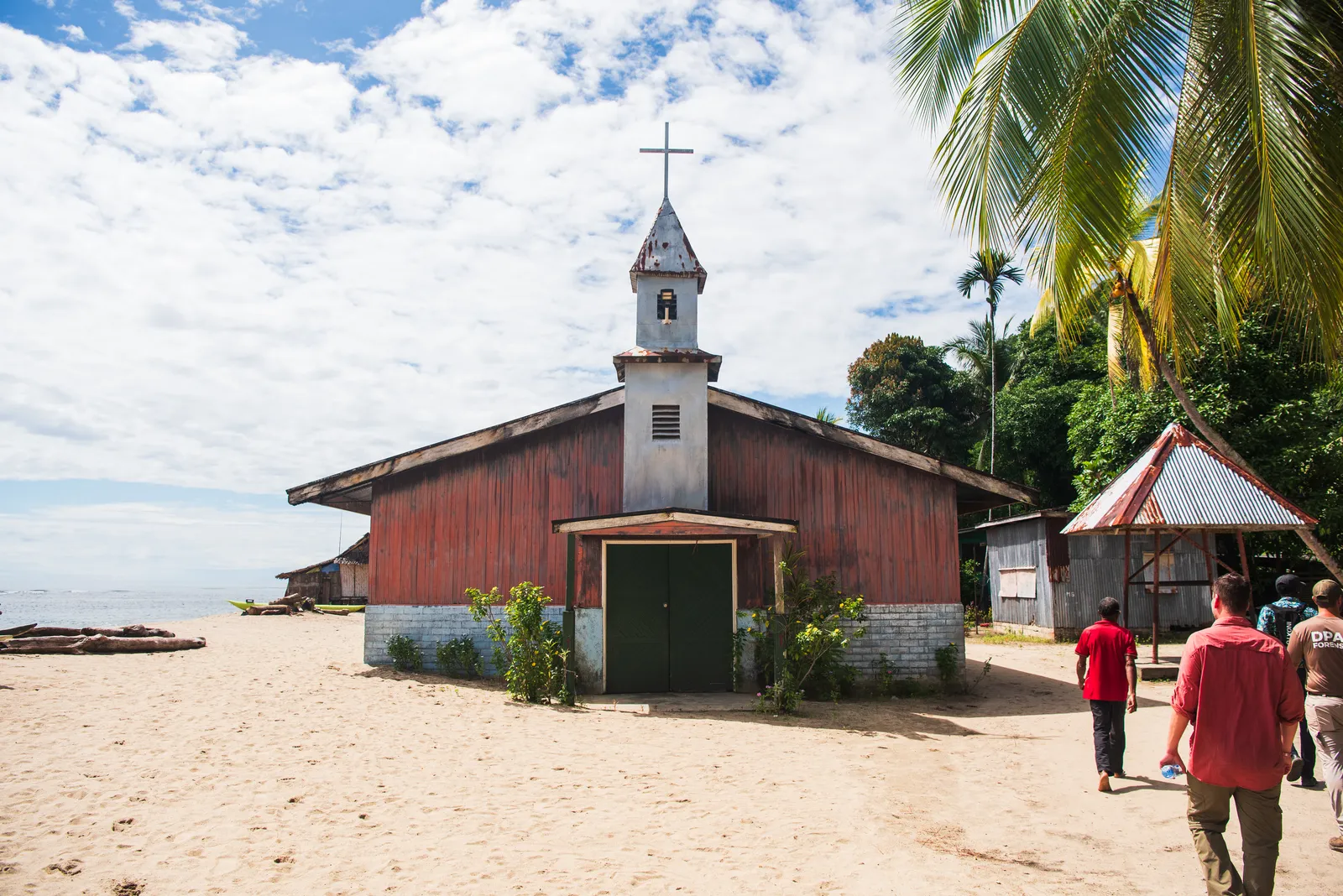
Yes. Our itineraries include opportunities for respectful, pre-arranged visits to local villages. These are not staged events but genuine opportunities for cultural exchange, coordinated directly with the village headman. The visits are often guided by a community member, providing authentic insight into daily life. We adhere to strict protocols to ensure our presence is culturally sensitive and minimally intrusive, and we encourage guests to support the local economy by purchasing handmade crafts.
What is the difference between the Papuan communities and the Bajau people?
The Beser, Maya, and Matbat peoples are indigenous Papuan communities with ancestral land rights and deep historical roots in the Raja Ampat islands. The Bajau (or Bajo), often referred to as "Sea Gypsies," are a distinct ethnic group with a traditionally nomadic maritime culture. While some Bajau communities have established permanent settlements in Raja Ampat, their history is one of movement across the seas of Southeast Asia, distinct from the land-based Papuan groups.
How does the 'sasi' tradition affect our diving itinerary?
The practice of sasi primarily restricts the *harvesting* of marine life and does not typically apply to non-extractive activities like scuba diving or snorkeling. Therefore, it rarely impacts our choice of dive sites. However, we maintain constant communication with our partner communities. If a village were to request that a specific area be left undisturbed for a cultural or ceremonial reason, we would honor that request without hesitation, adjusting our itinerary accordingly as a matter of respect.
About Us
More in About Us
Plan Your Raja Ampat Voyage
Our dive concierge team is ready to design your private phinisi charter. We manage all logistics — from arrival in Sorong to your departure.