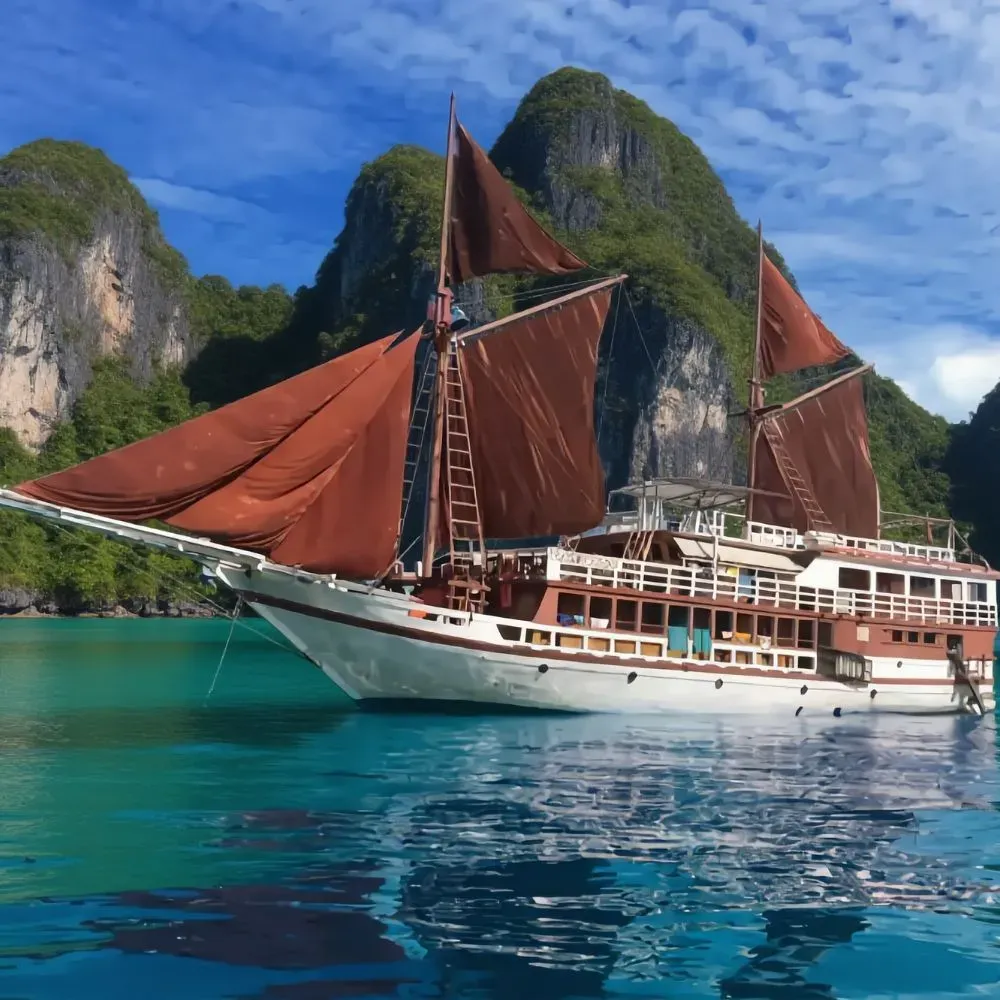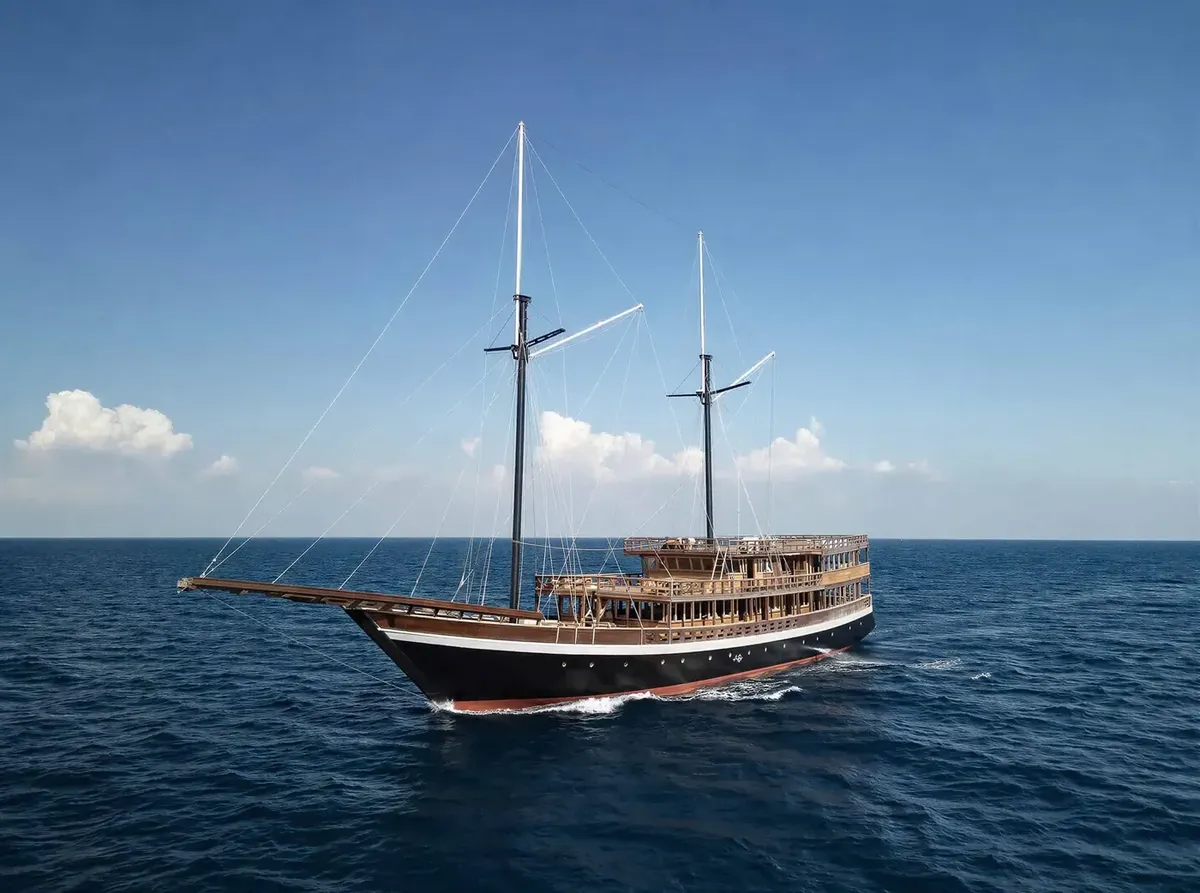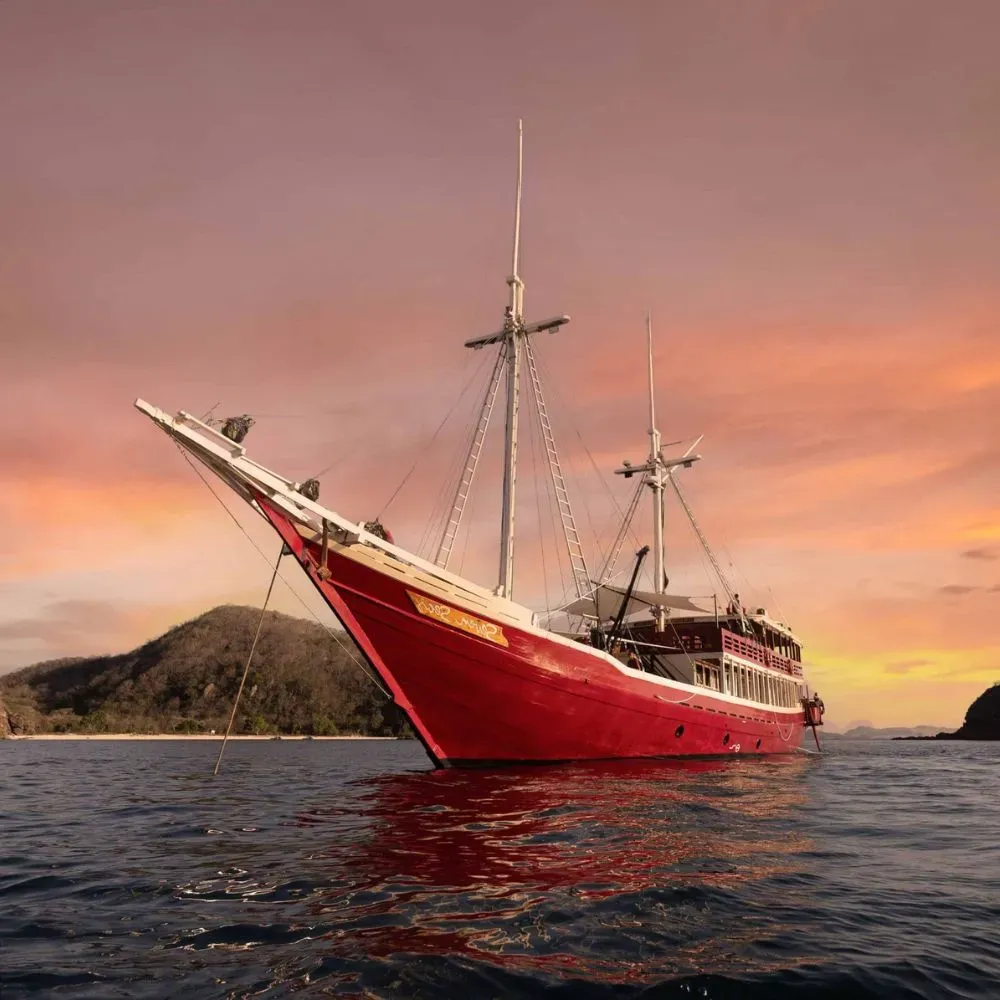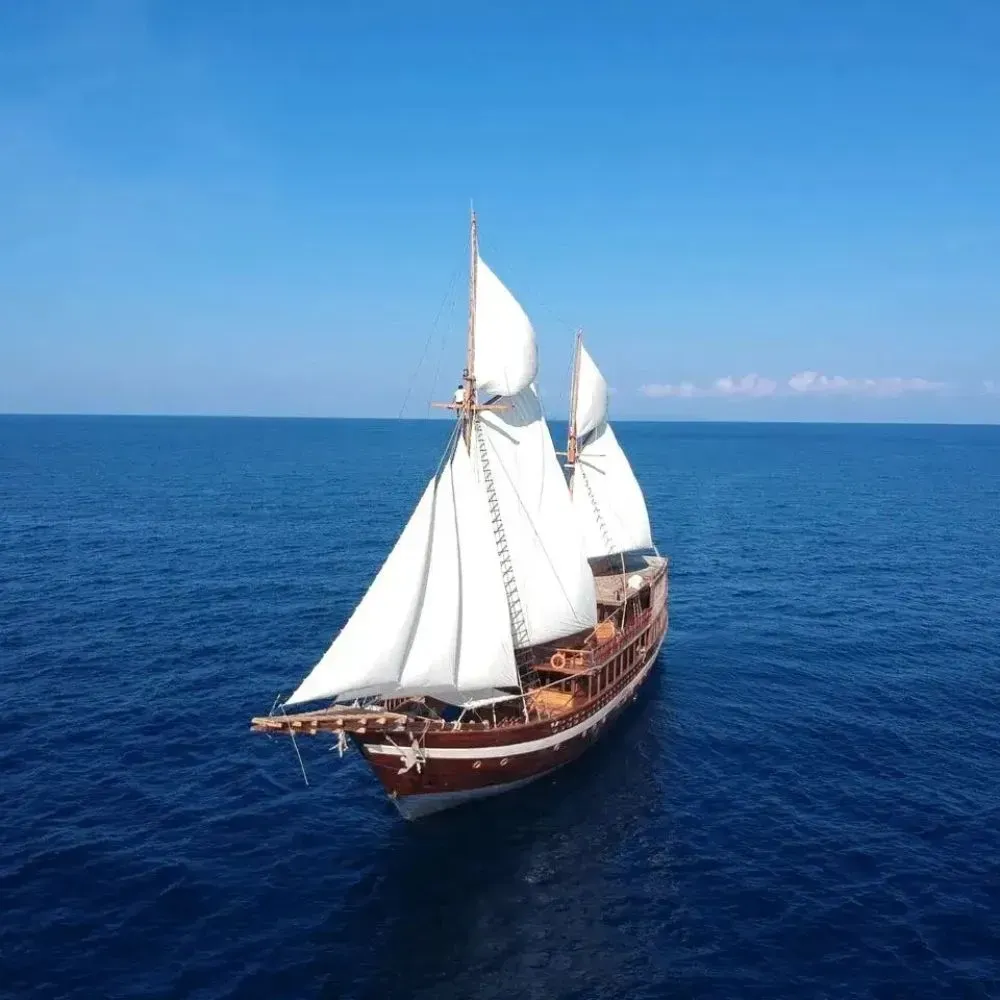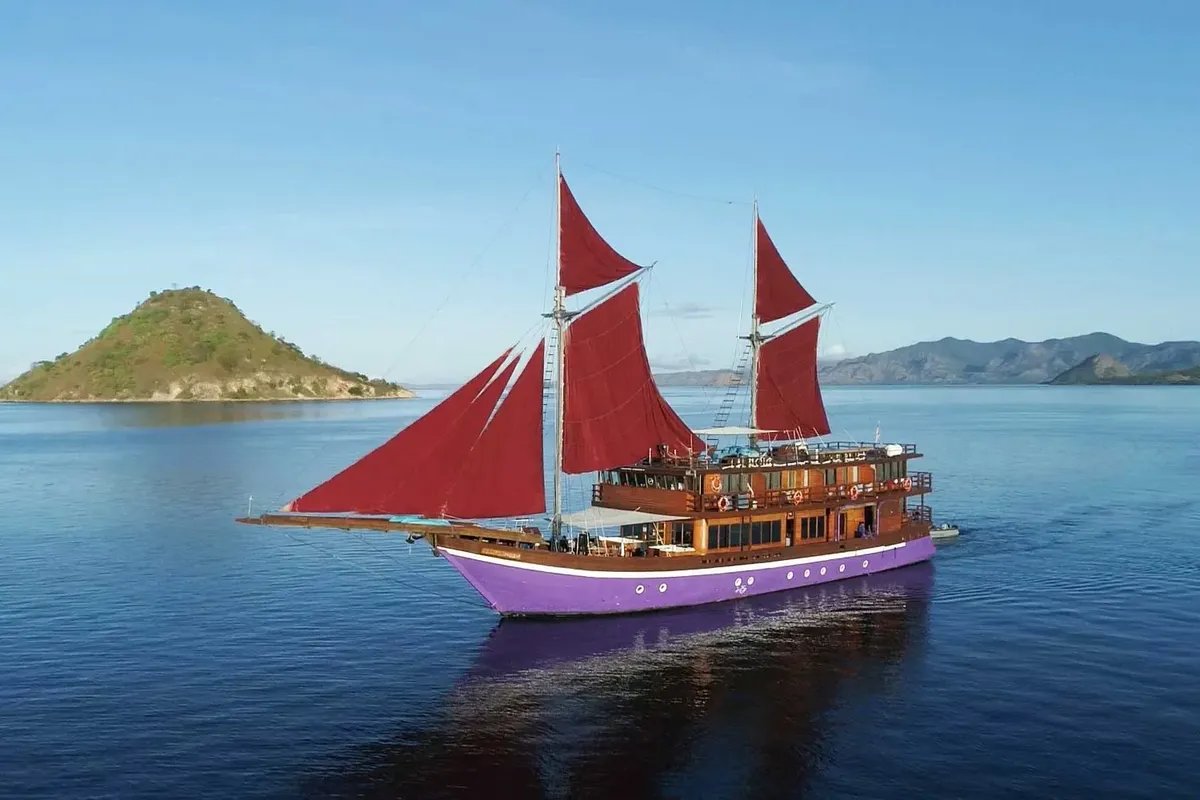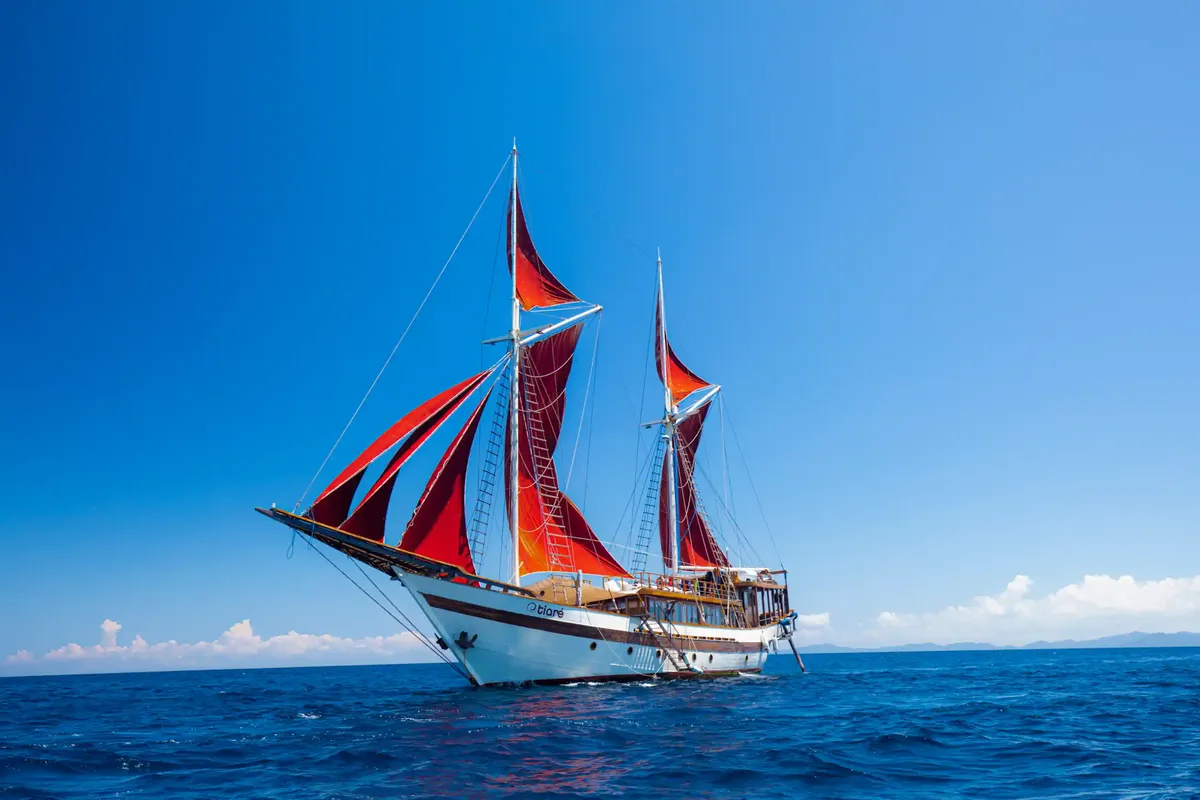
Diving liveaboard Raja Ampat — manta cleaning station
Diving · Routes & Marine Life

Diving Liveaboard in Raja Ampat

A multi-day vessel-based expedition built around dive site access. 75% of all known hard coral species, 1,427 reef fish species, 4 distinct dive regions — accessible only by a self-sufficient phinisi platform.

The Strategic Advantage of a Liveaboard Charter

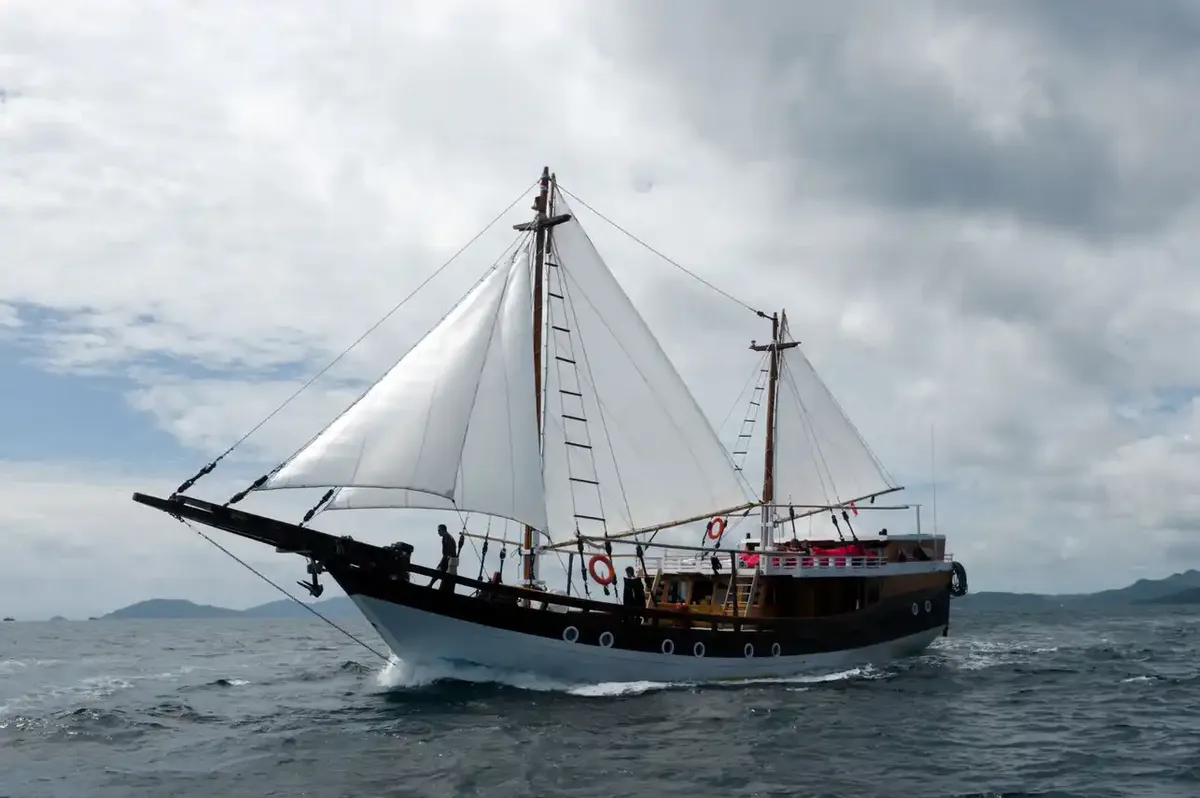
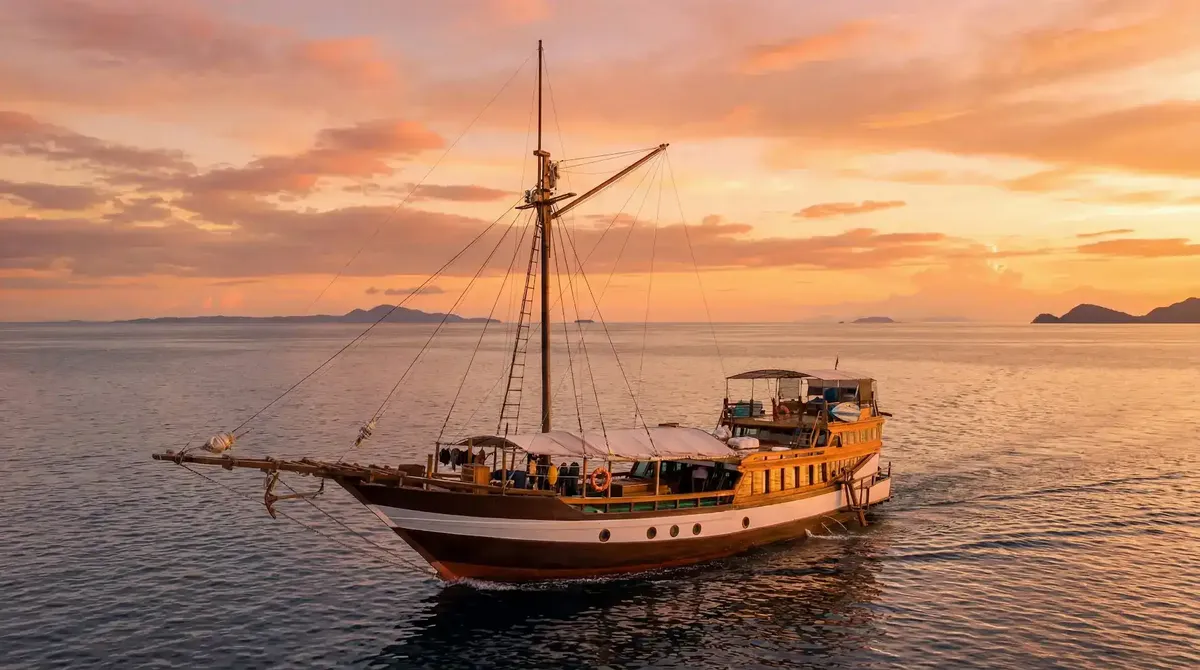
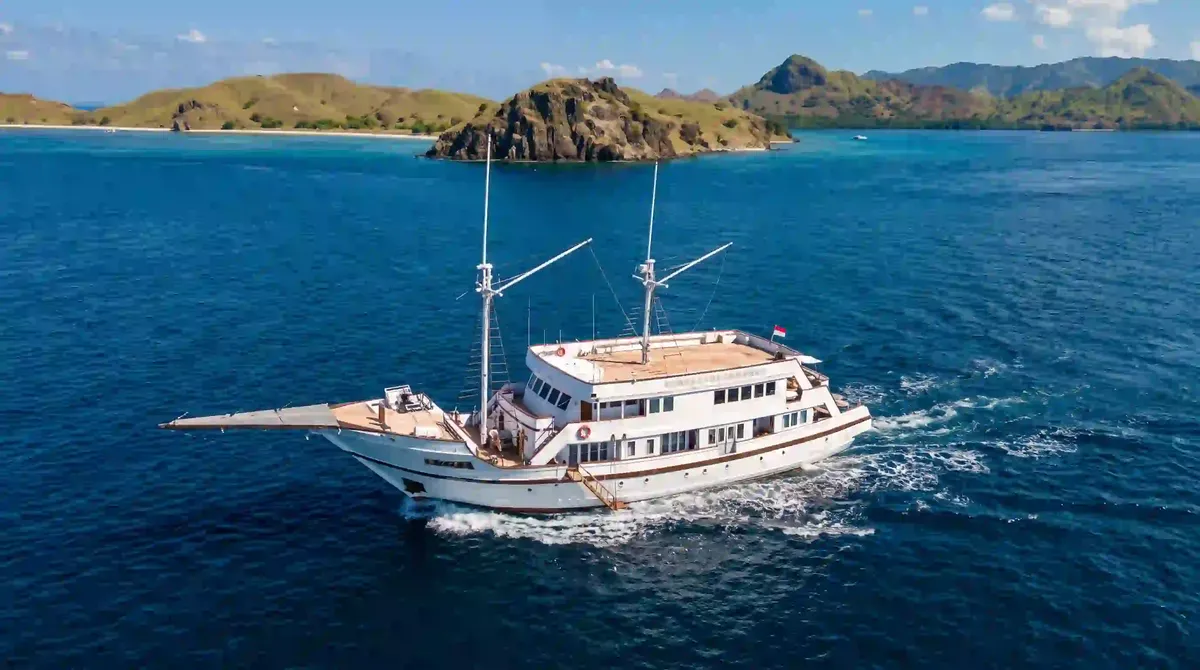
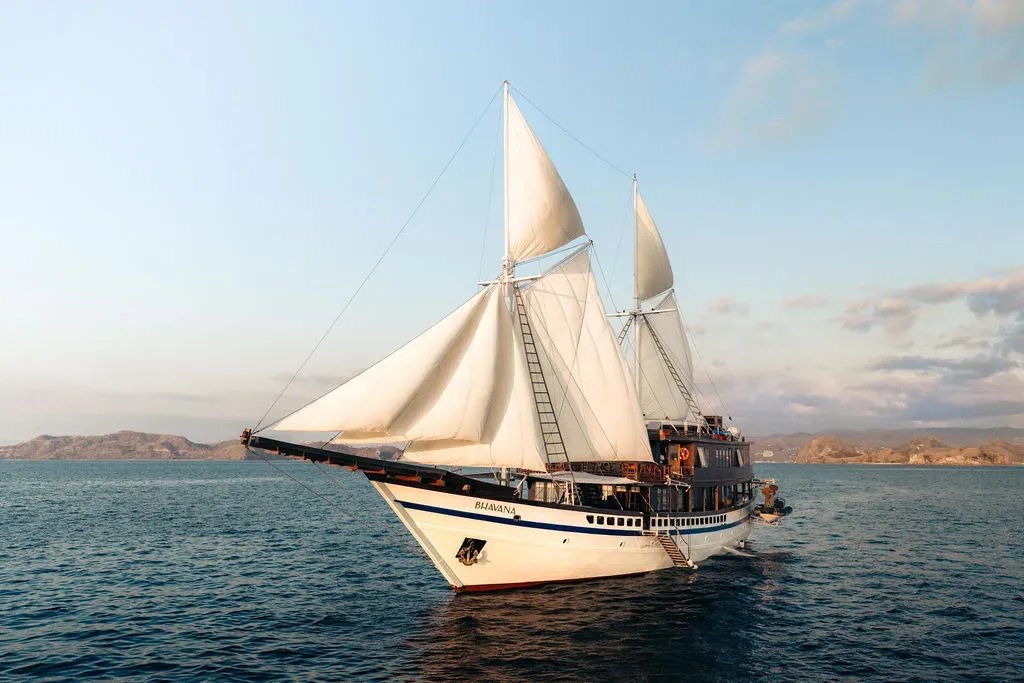
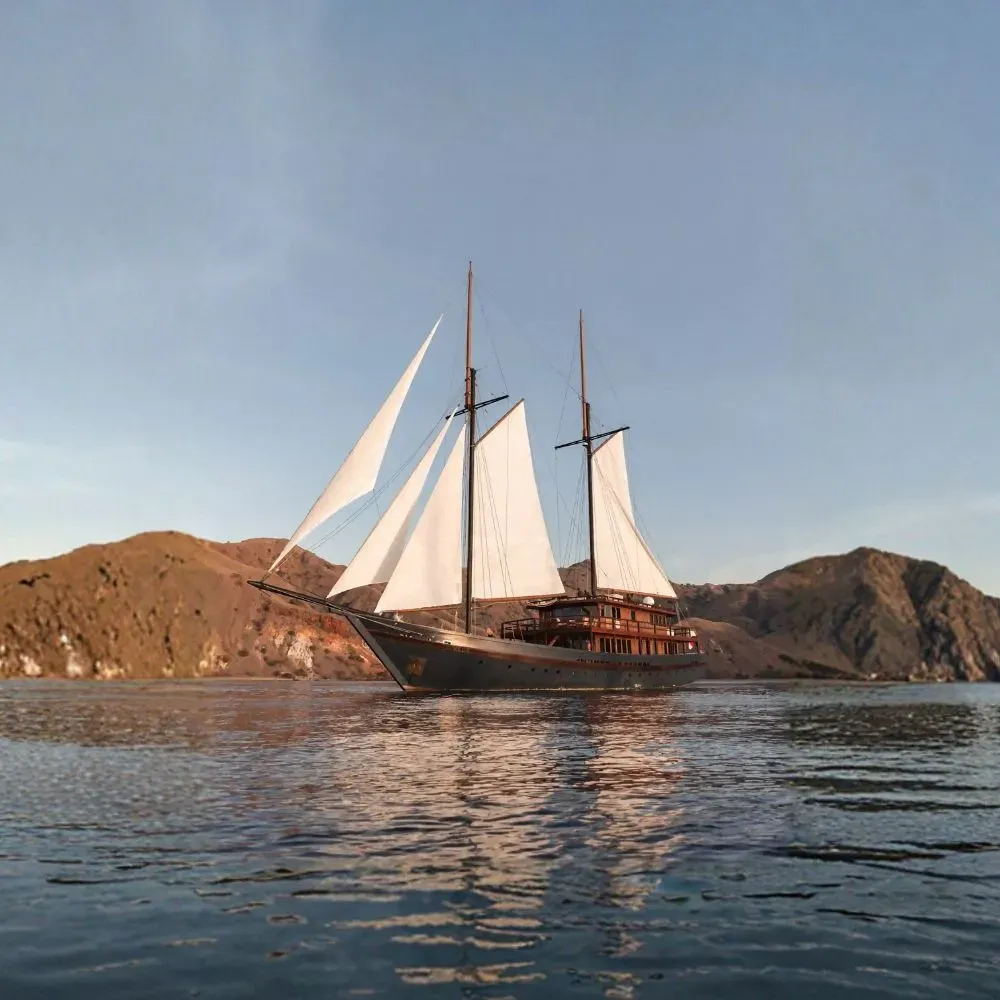
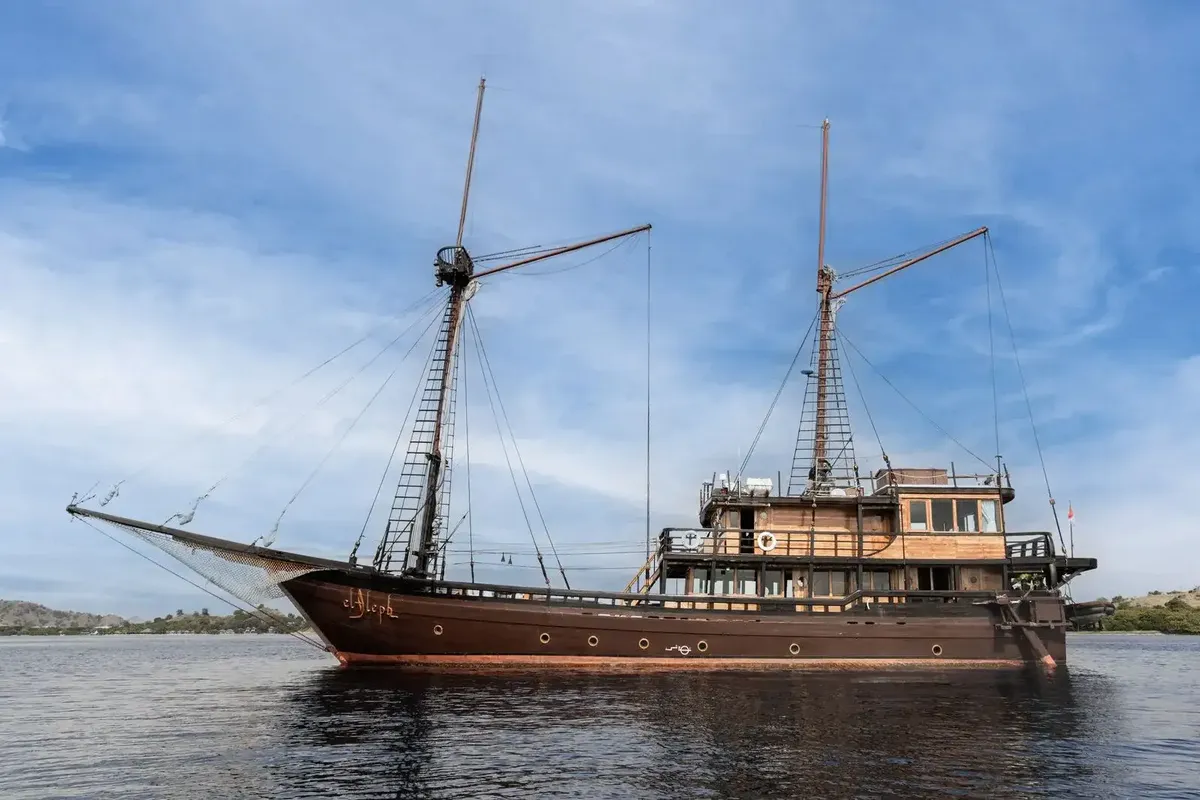
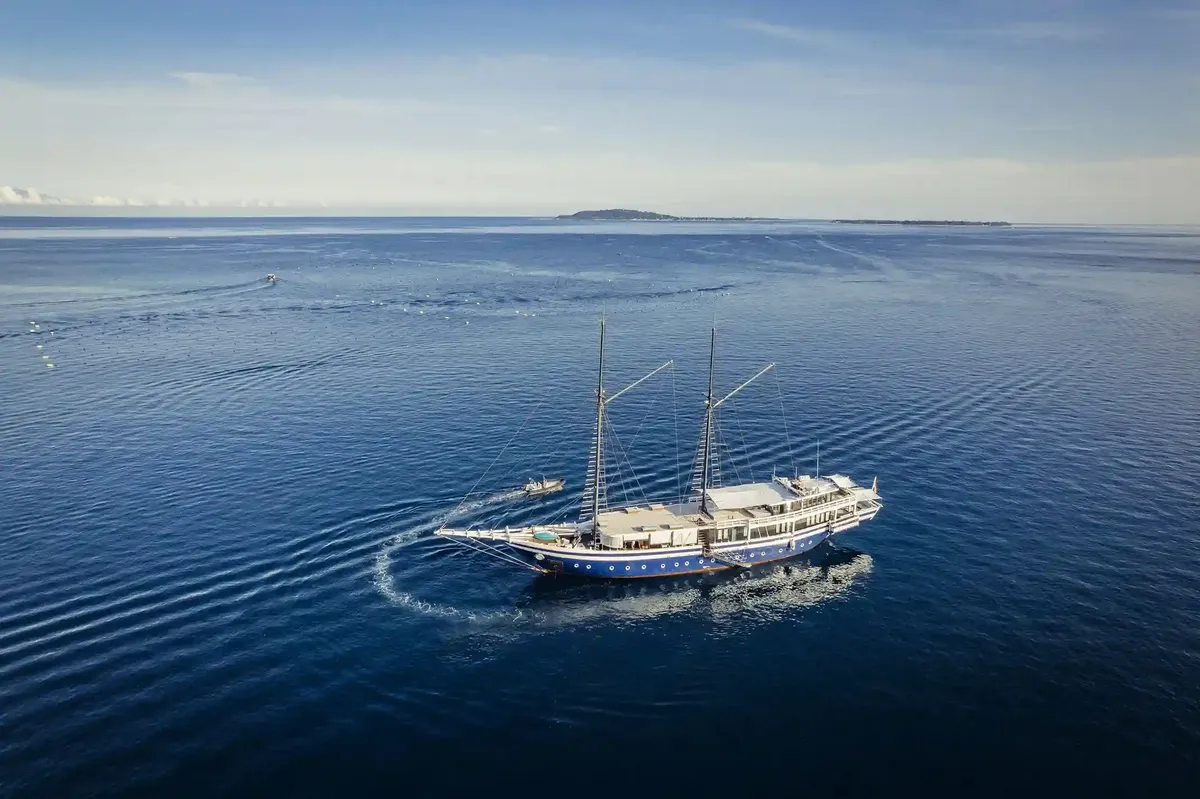
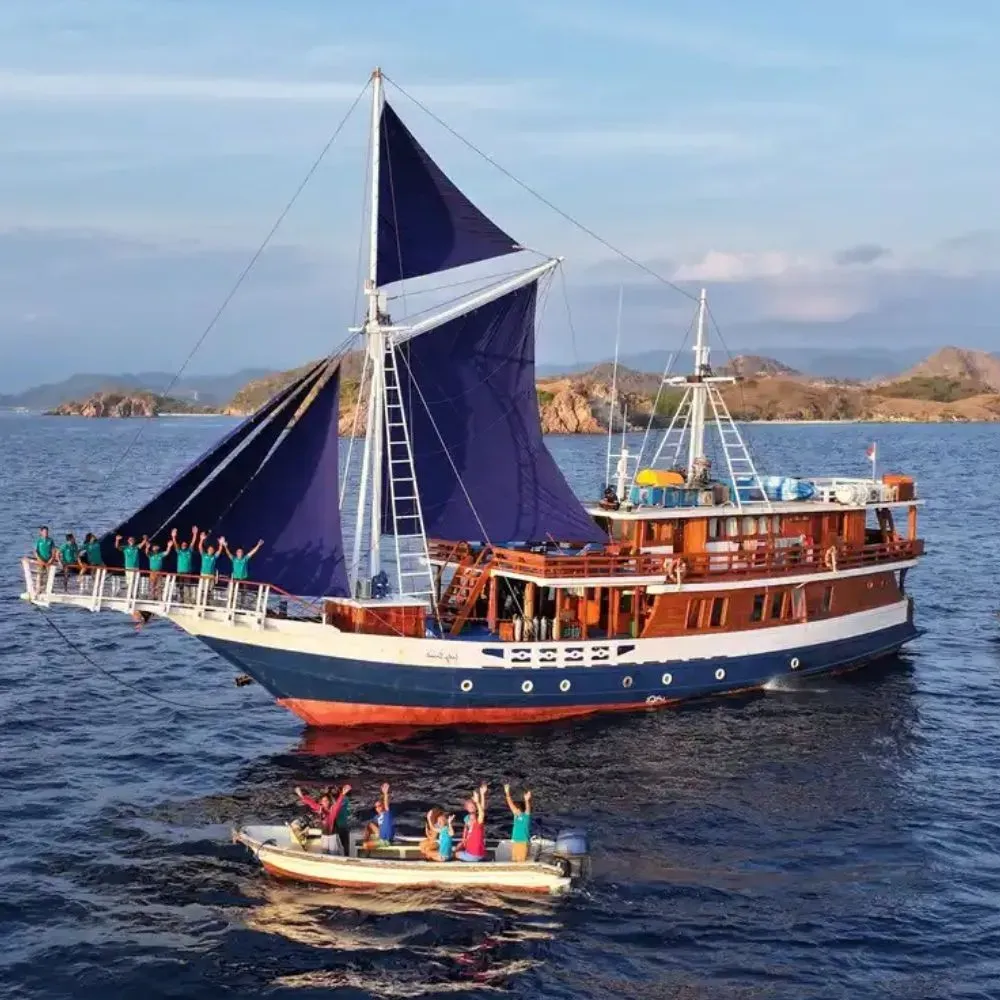
A liveaboard is the only platform that provides the range to properly survey Raja Ampat. The four primary regions — Dampier Strait, Misool, Wayag, Fam Islands — are geographically disparate. A dedicated vessel serves as a mobile base, repositioning overnight, allowing 3–4 dives per day at optimal sites dictated by tides.

Raja Ampat's Four Core Dive Regions

Raja Ampat is a collection of distinct bioregions. A well-planned itinerary focuses on 1–2 of these for thorough, unhurried exploration.
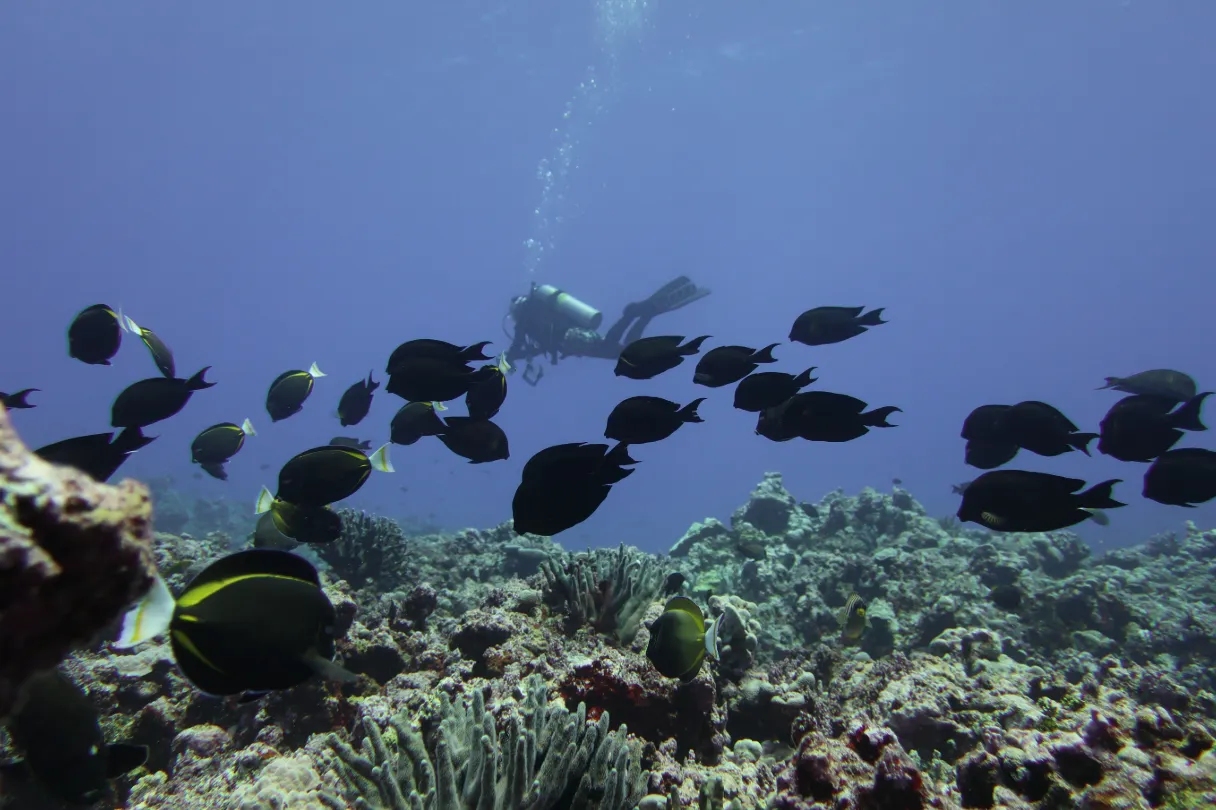
Dampier Strait pelagic action
Epicenter of Marine Biodiversity

Dampier Strait

Deep, nutrient-rich channel separating Waigeo and Batanta. 1–4 knot currents fuel an explosion of marine life. AOW certification required for key sites.
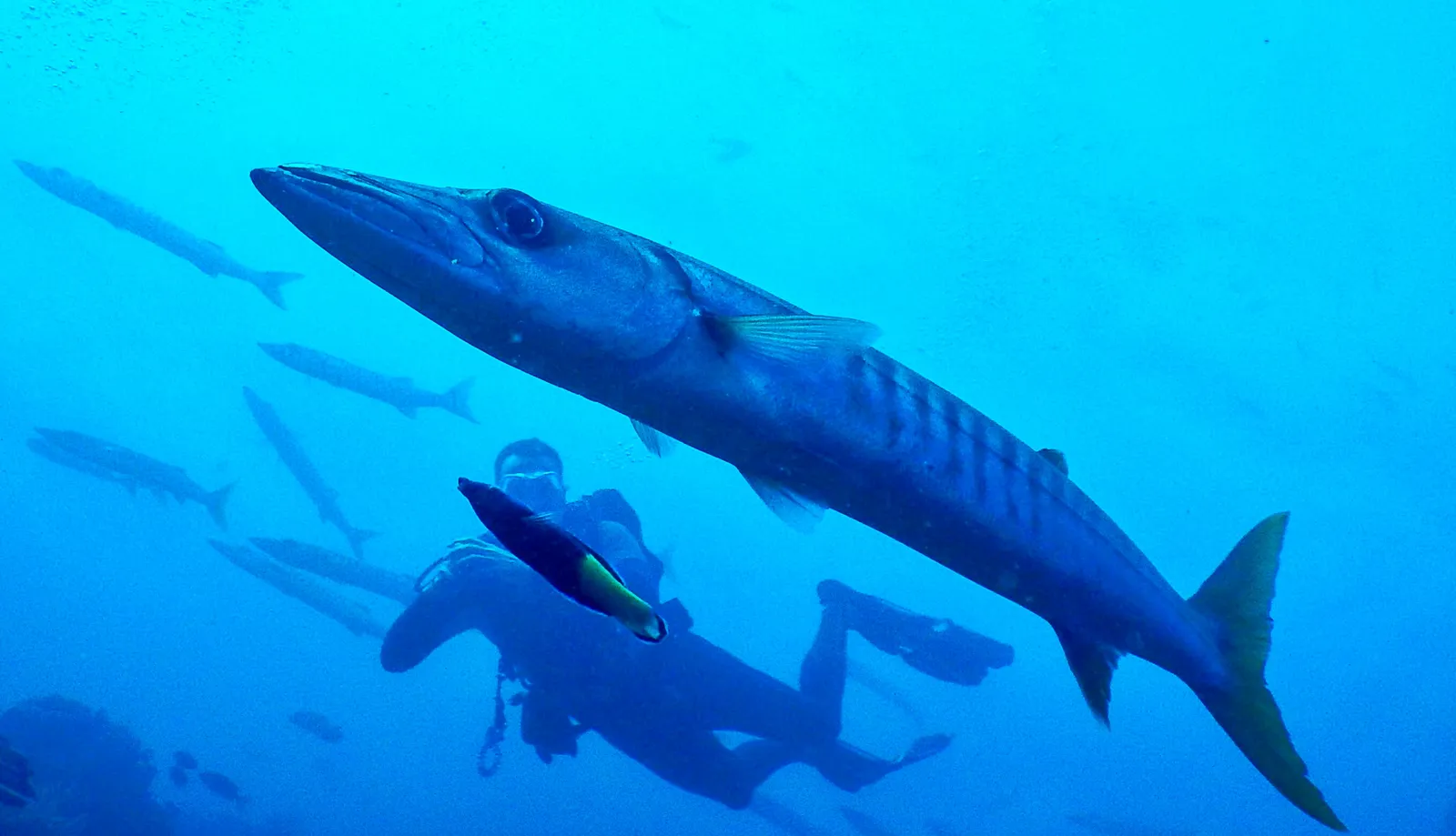
  • Cape Kri — 374-species world record. Trevally, barracuda, dogtooth tuna, multiple shark species.
  • Blue Magic — Submerged pinnacle, 7–30m+. Oceanic mantas, giant trevally, Napoleon wrasse.
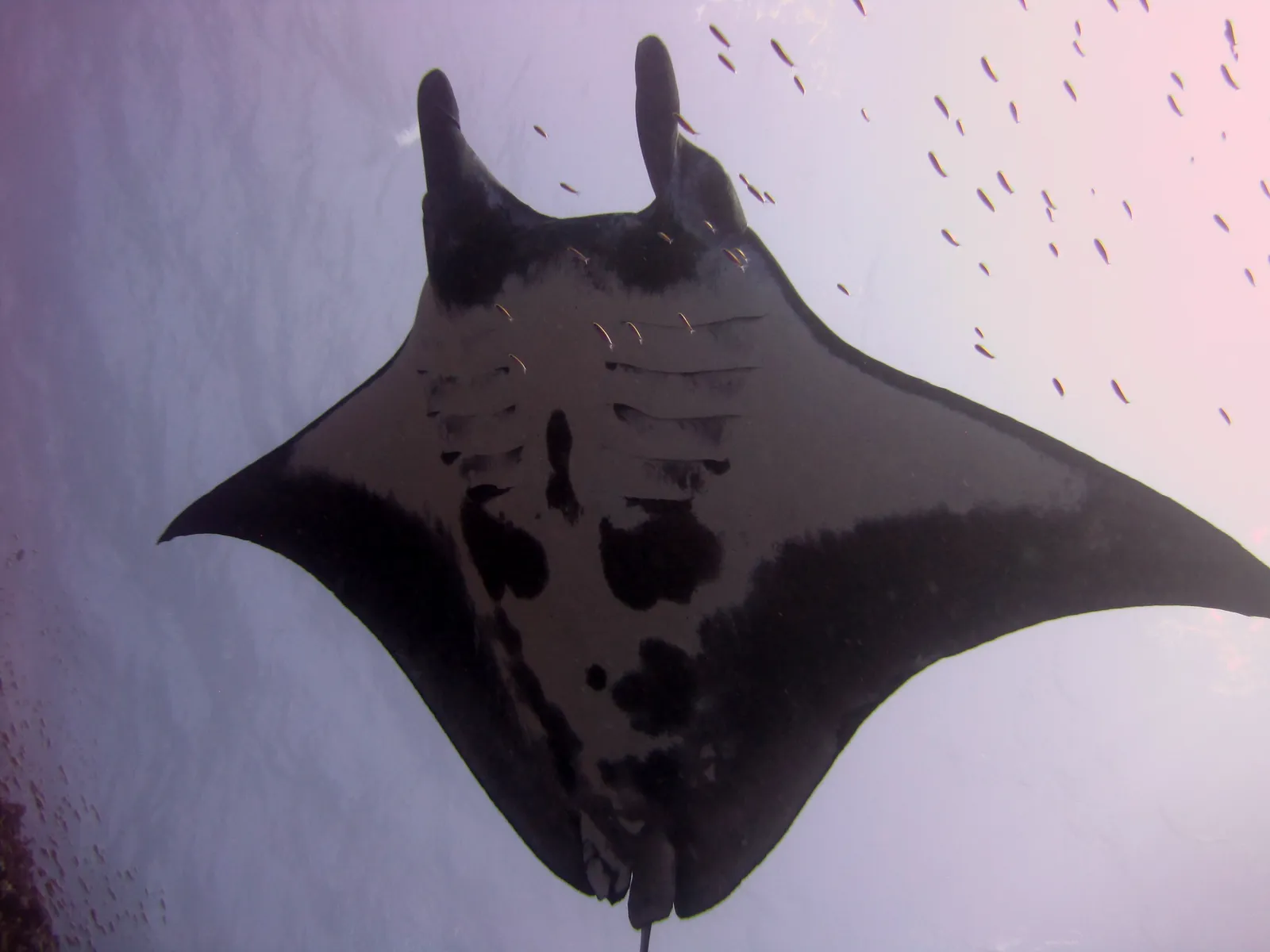
  • Manta Sandy — Reef manta cleaning station at 18m. Trains of 5–10 mantas common.
Misool karst pinnacles
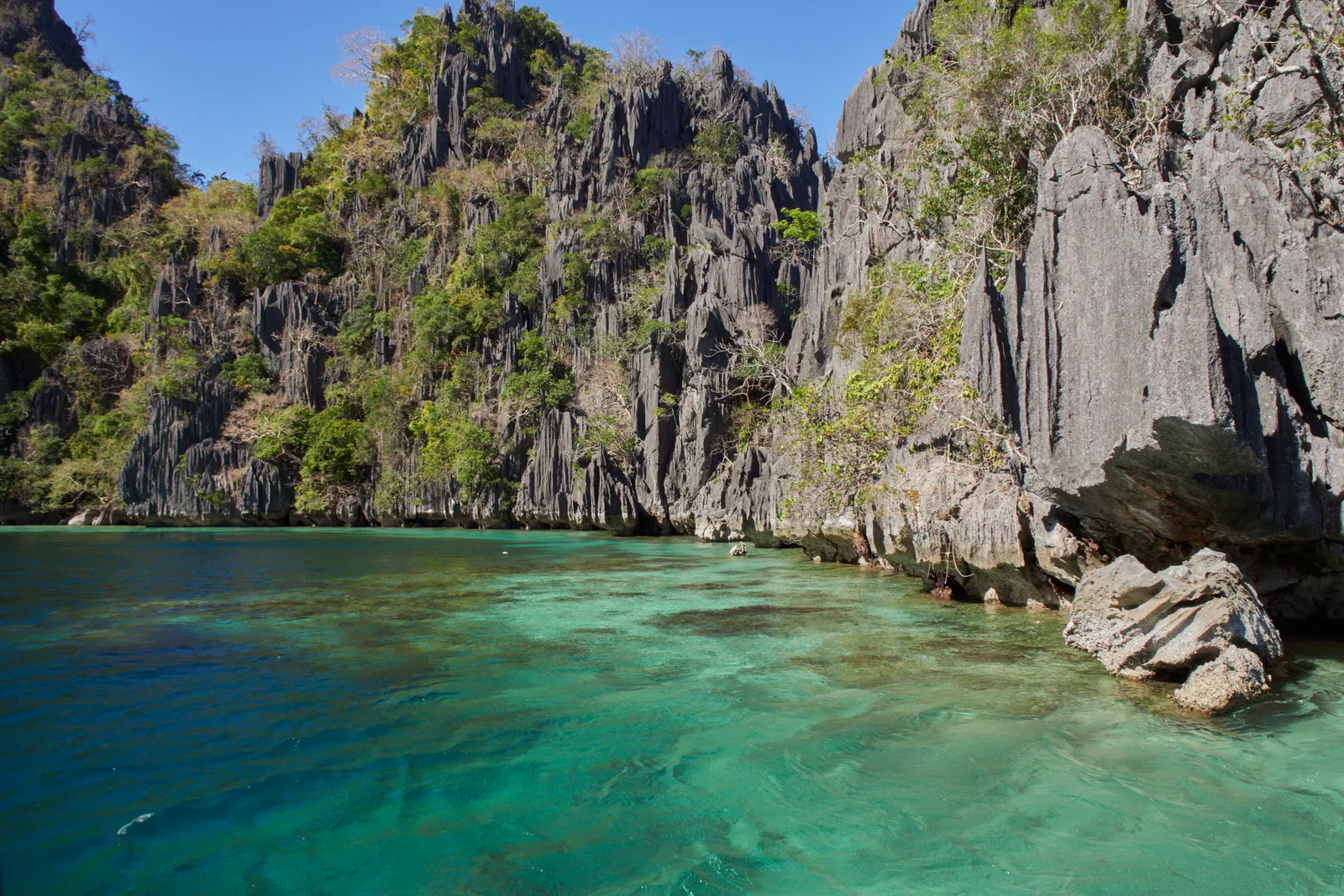
Karst Pinnacles & Soft Coral Gardens

South Misool

Protected by Misool no-take zones. Dramatic karst topography, world-renowned soft coral density. 9-night minimum due to 8–10h crossing from Sorong.
  • Magic Mountain — Seamount, both manta species at same cleaning station. Bargibant's pygmy seahorse at 24m.
  • Boo Windows — Two swim-through holes. Yellowtail fusiliers + bannerfish through the "windows".
Central Raja Ampat — Fam Islands
Best-of-Both-Worlds

Central · Penemu & Fam

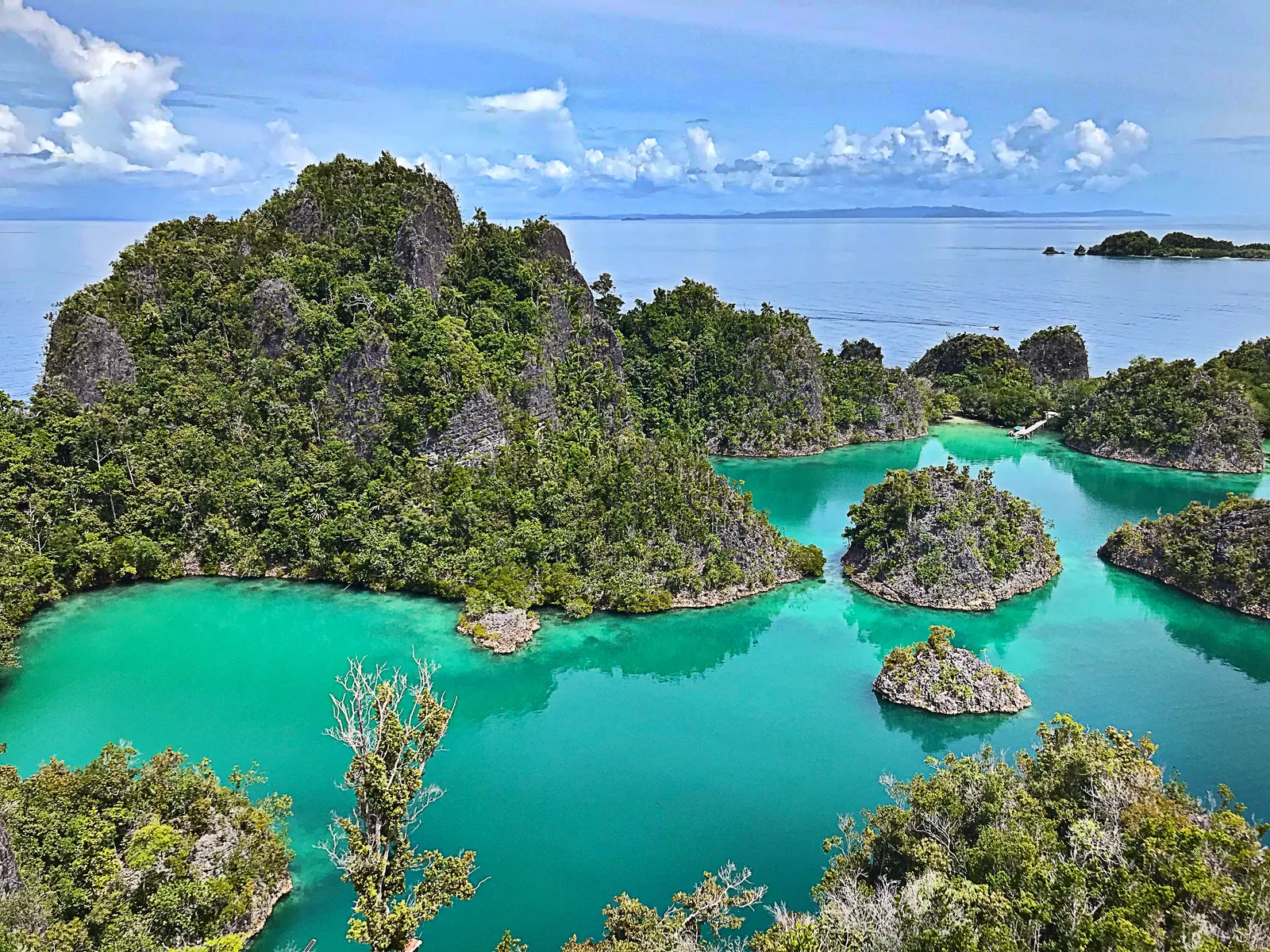
Compact cluster west of Dampier — blends high-voltage diving with stunning hard coral gardens. Home to the iconic Pianemo viewpoint.
  • Melissa's Garden — Sprawling staghorn + table coral plateau. Night dives = endemic walking shark.
Wayag northernmost frontier
Raja Ampat's Northernmost Frontier

North · Wayag

Uninhabited conical karst islands. The region's poster image. Remote — requires a long-range charter. ~80nm transit from Dampier.
  • Pelagic Rock — Exposed pinnacle. Schools of jacks, barracuda, occasional mantas + eagle rays.

Marine Life Census

Raja Ampat sits at the apex of marine fauna concentration. A liveaboard provides the platform to witness this density across multiple habitats.

Pelagic & Large Fauna

  • Manta rays — both reef (M. alfredi) and oceanic (M. birostris) at predictable cleaning stations.
  • Sharks — whitetip, blacktip, grey reef. Endemic wobbegong on the reef.
  • Cetaceans — dolphin pods during crossings. Bryde's and pilot whales seasonally.
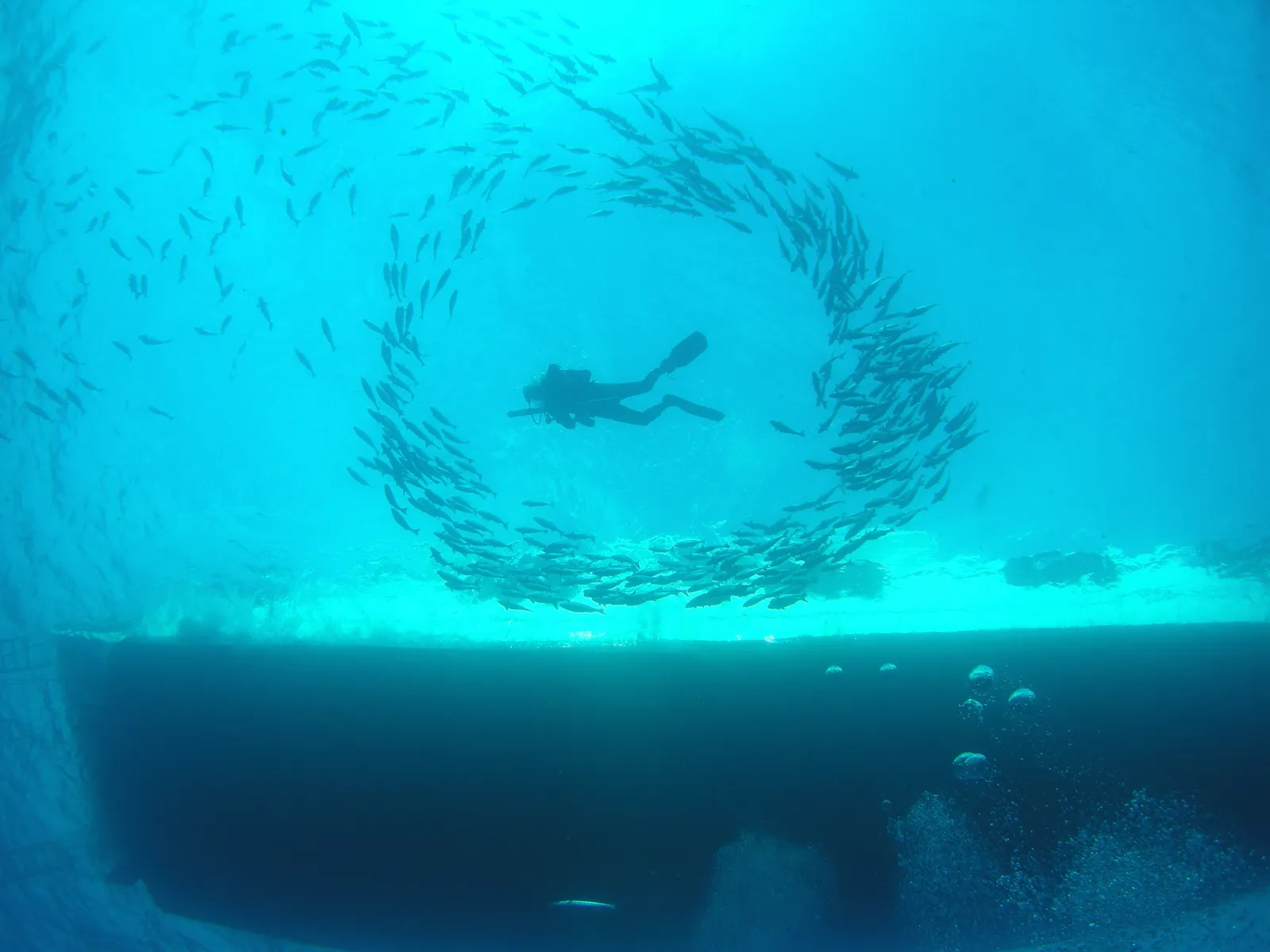
  • Schooling fish — bigeye trevally, chevron barracuda, bumphead parrotfish.

Endemic & Macro Species

  • Walking shark (H. freycineti) — true endemic. Best on night dives.
  • Pygmy seahorses — Bargibant's, Denise's, and the endemic H. pontohi.
  • Nudibranchs & inverts — hundreds of species, blue-ringed octopus, harlequin shrimp.

Season & Logistics

Peak season
October – April. Visibility 20–40m. Manta peak Dec–Mar.
Water temp
27–30°C year-round. 3mm full wetsuit standard.
Gateway
Sorong (SOQ) via Jakarta (CGK), Makassar (UPG), or Manado (MDC).
Marine Park fee
IDR 1,000,000 / ~USD 65, valid 12 months. We procure on your behalf.
Guide ratio
4:1 maximum diver-to-guide. Personalized supervision.

Plan Your Diving Expedition

Executing a seamless dive expedition in this remote region requires deep logistical expertise. We handle every detail.