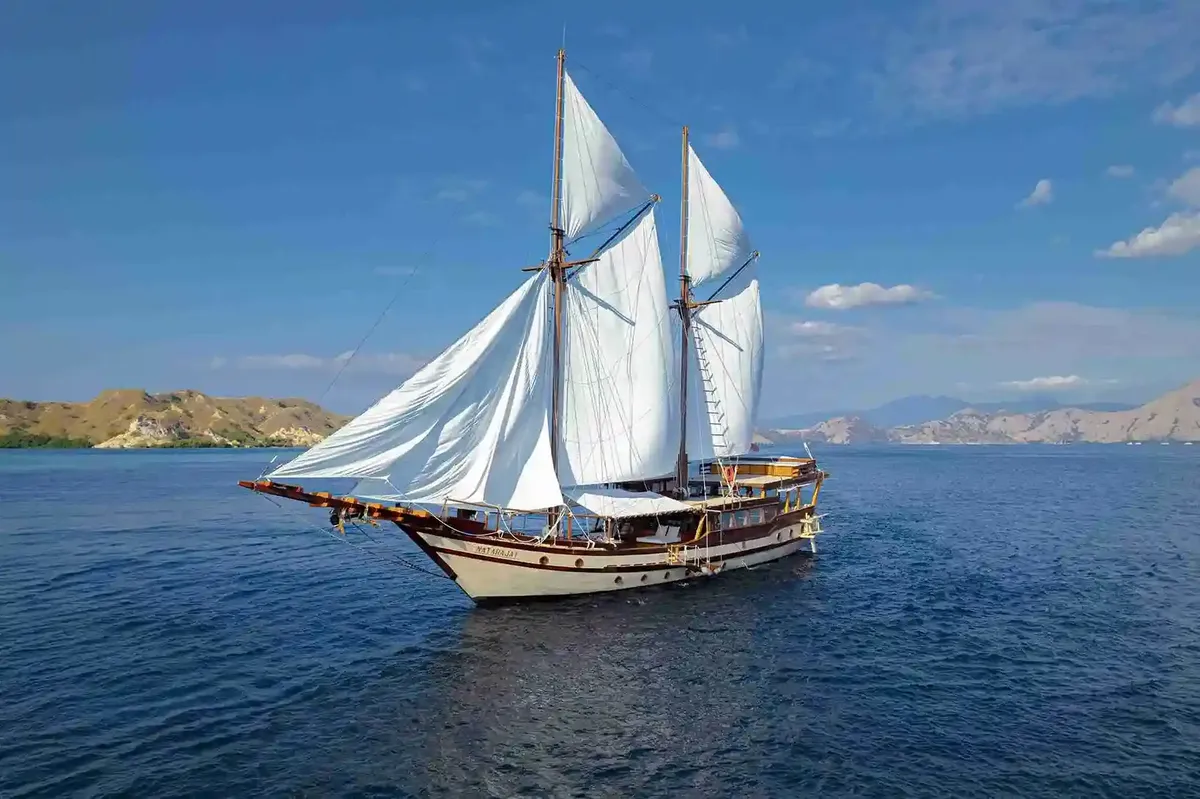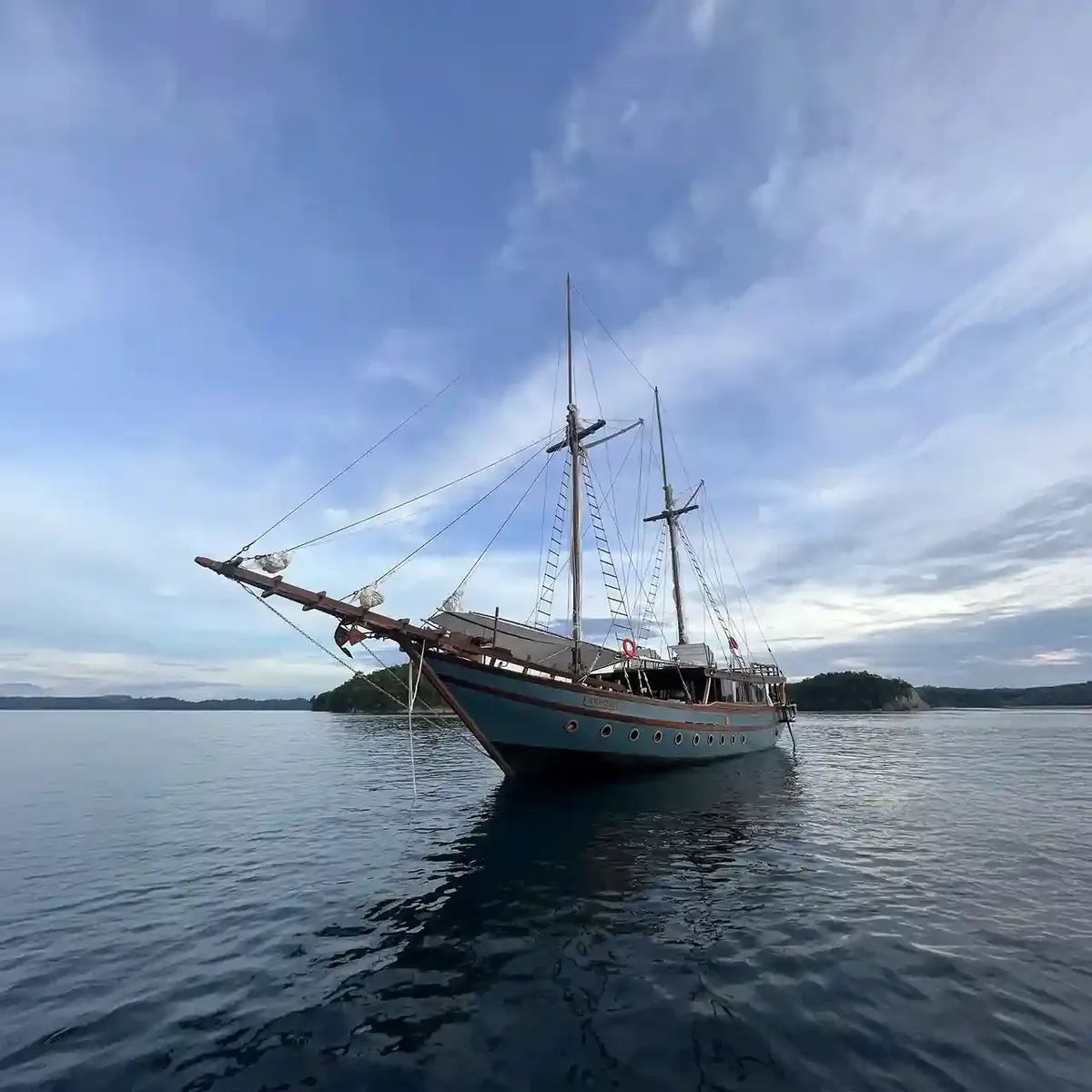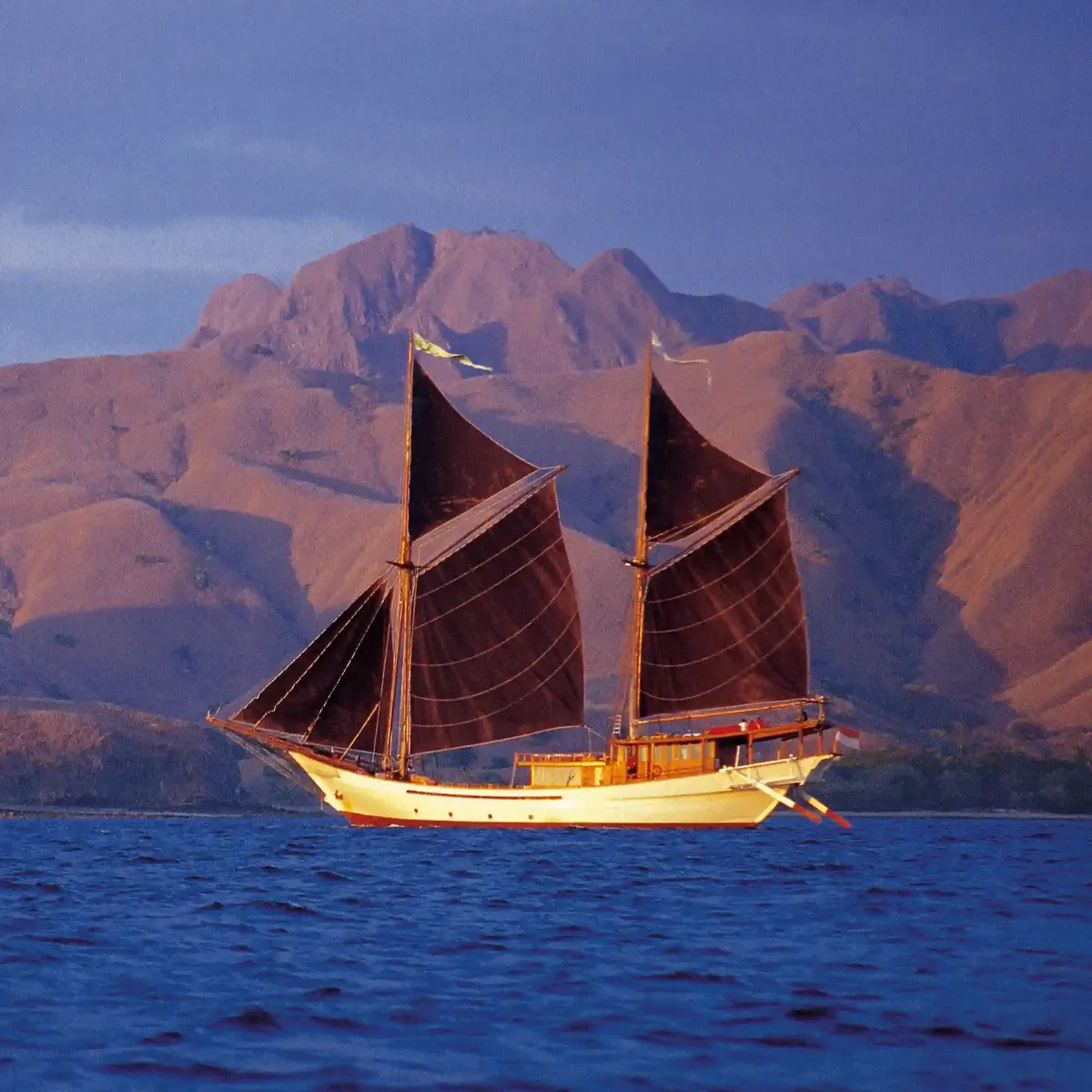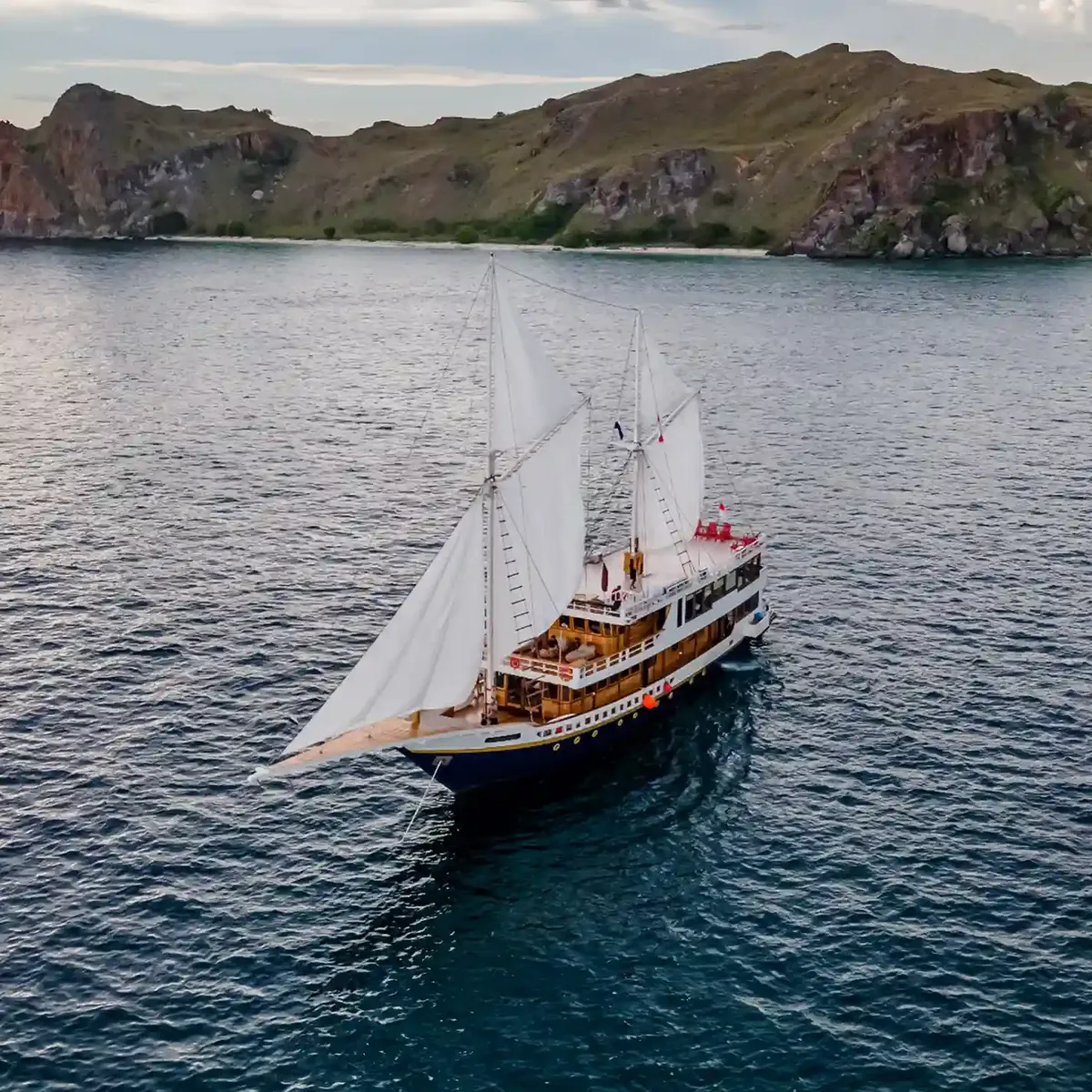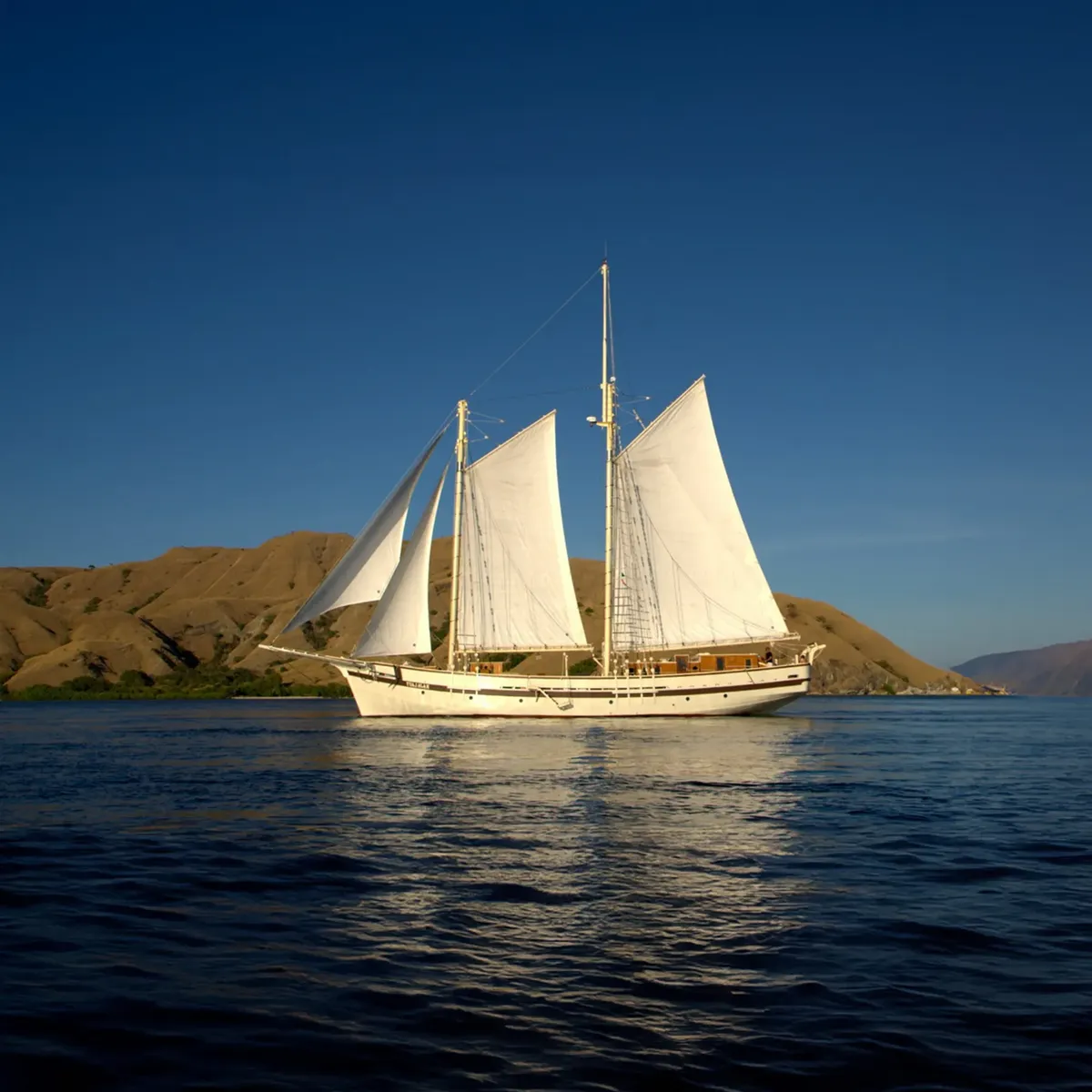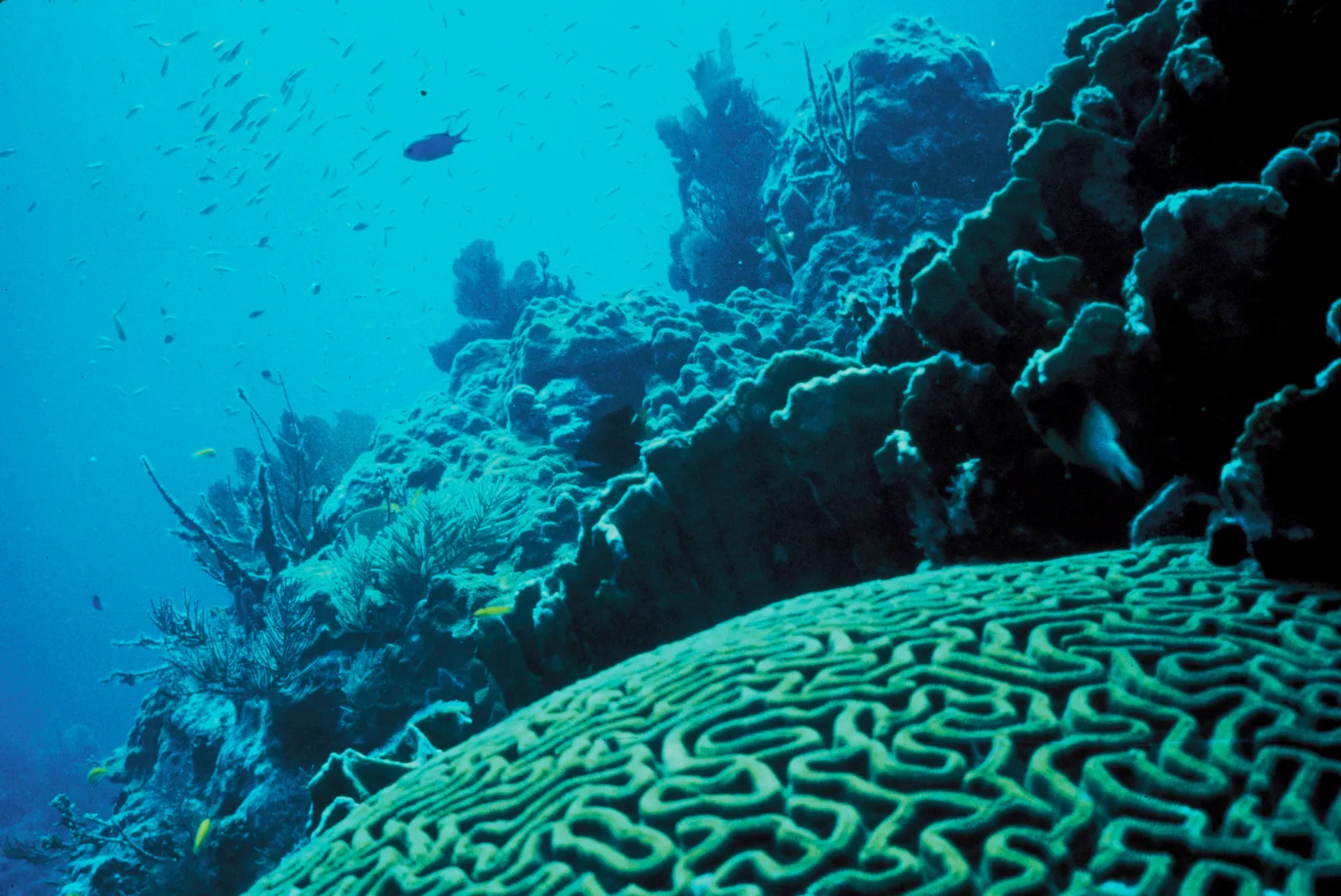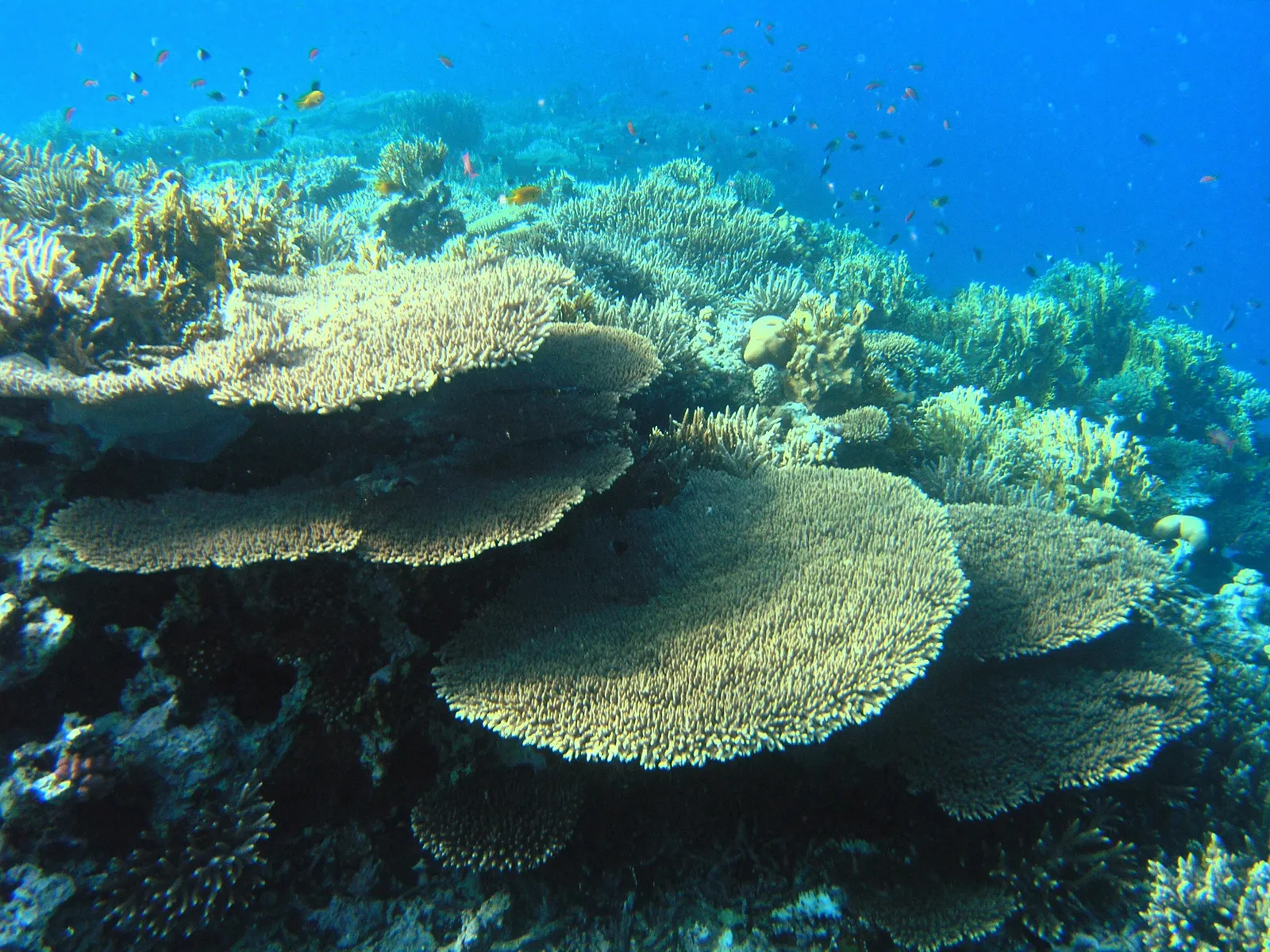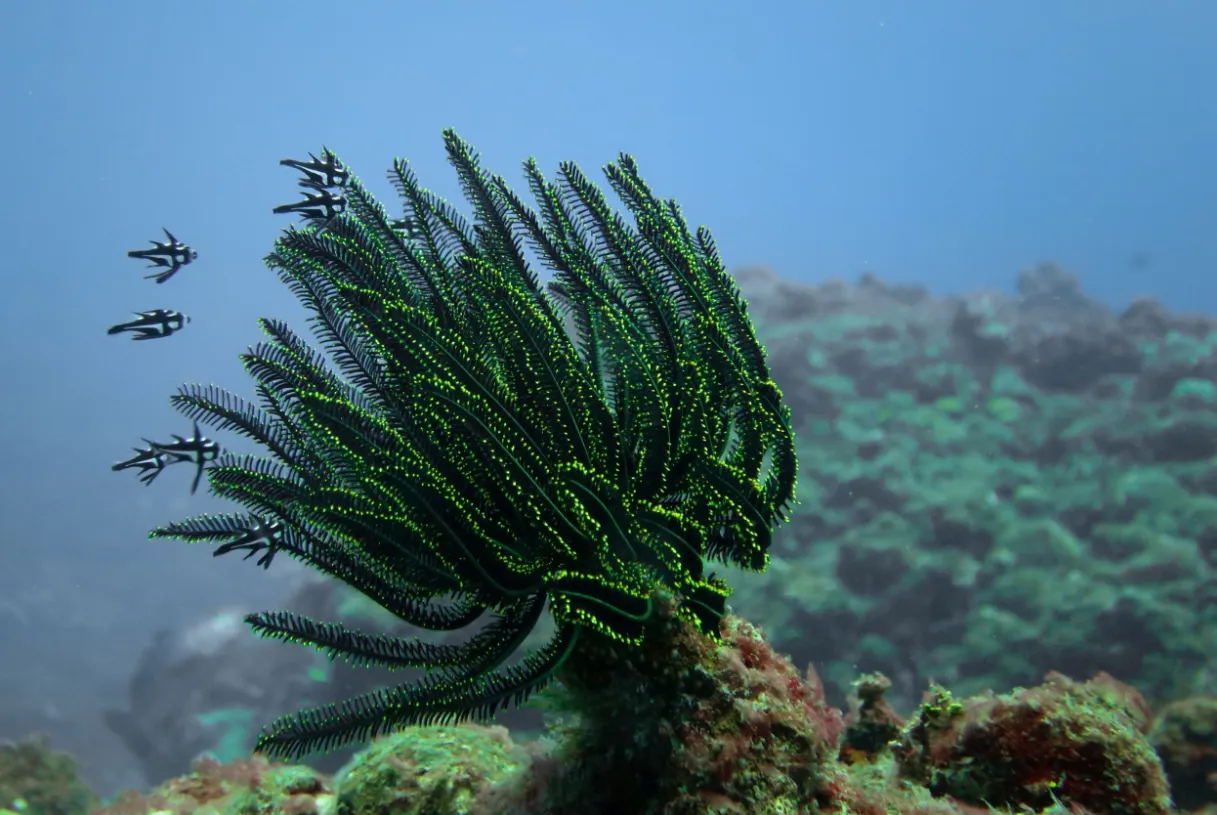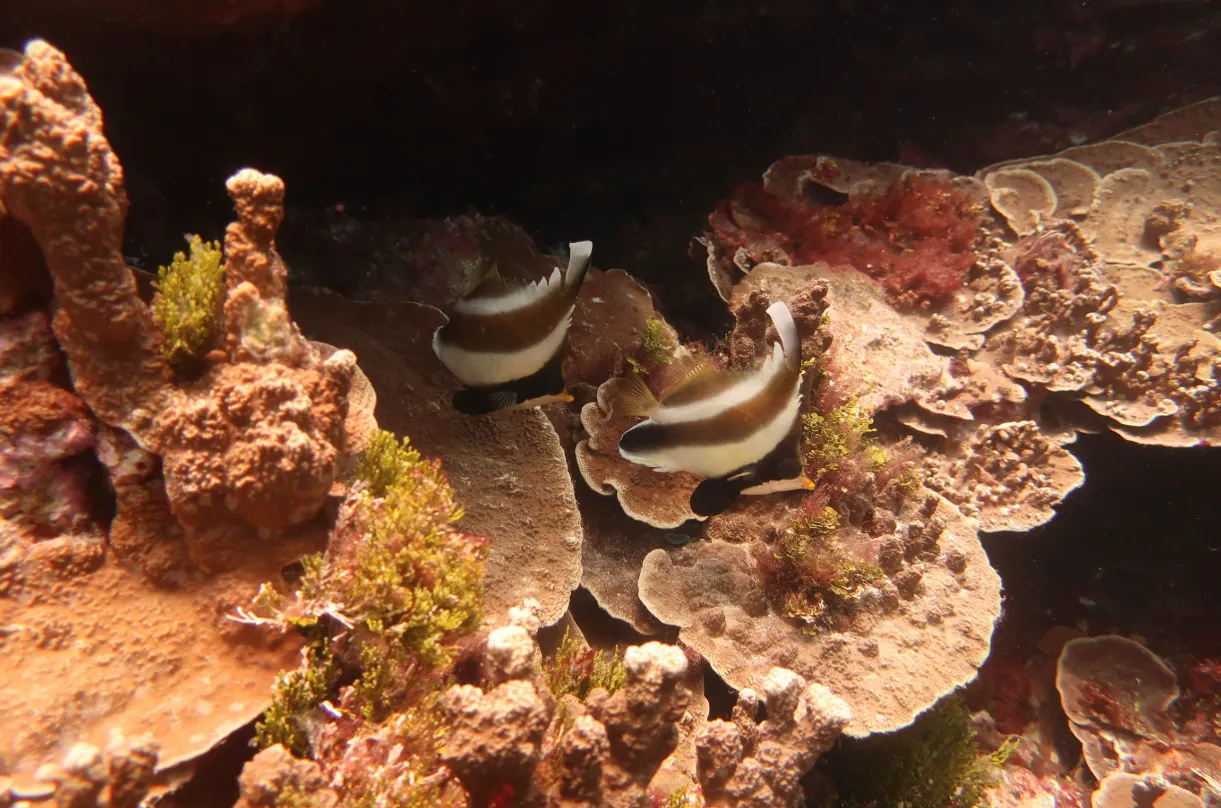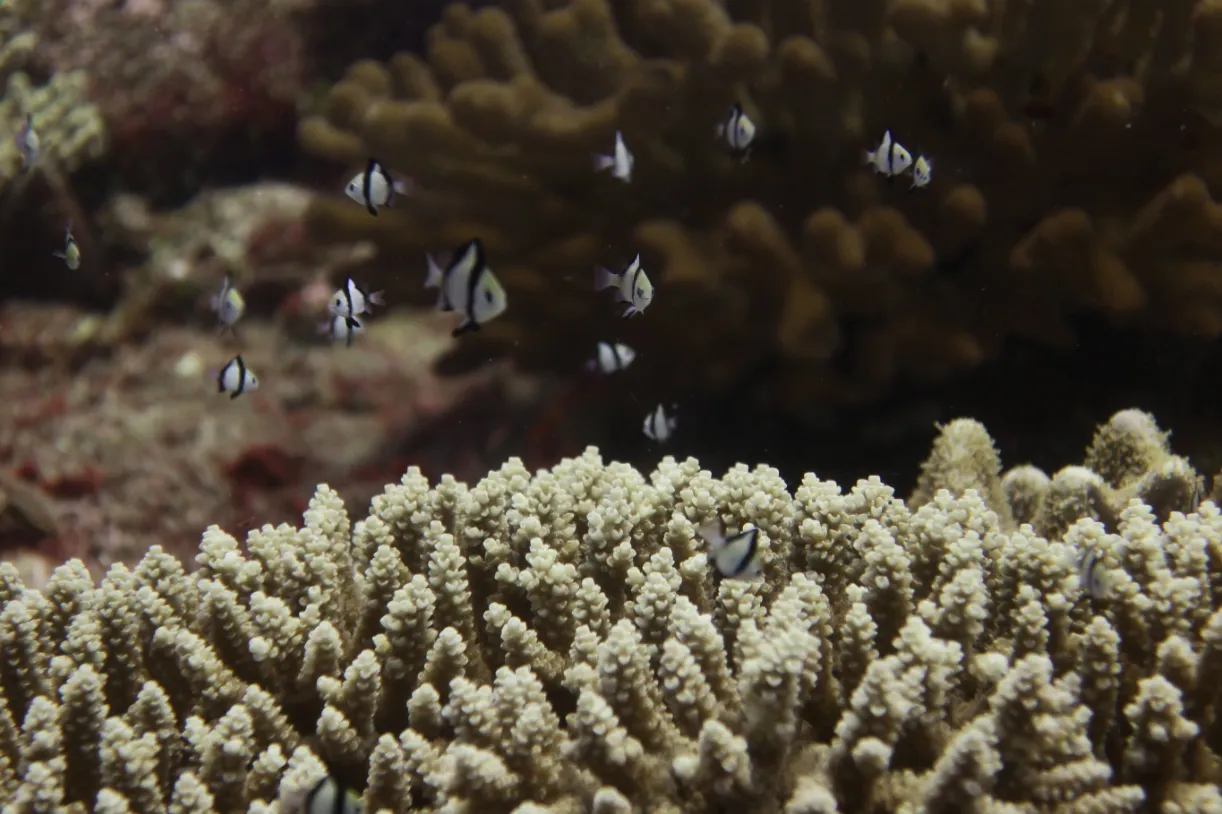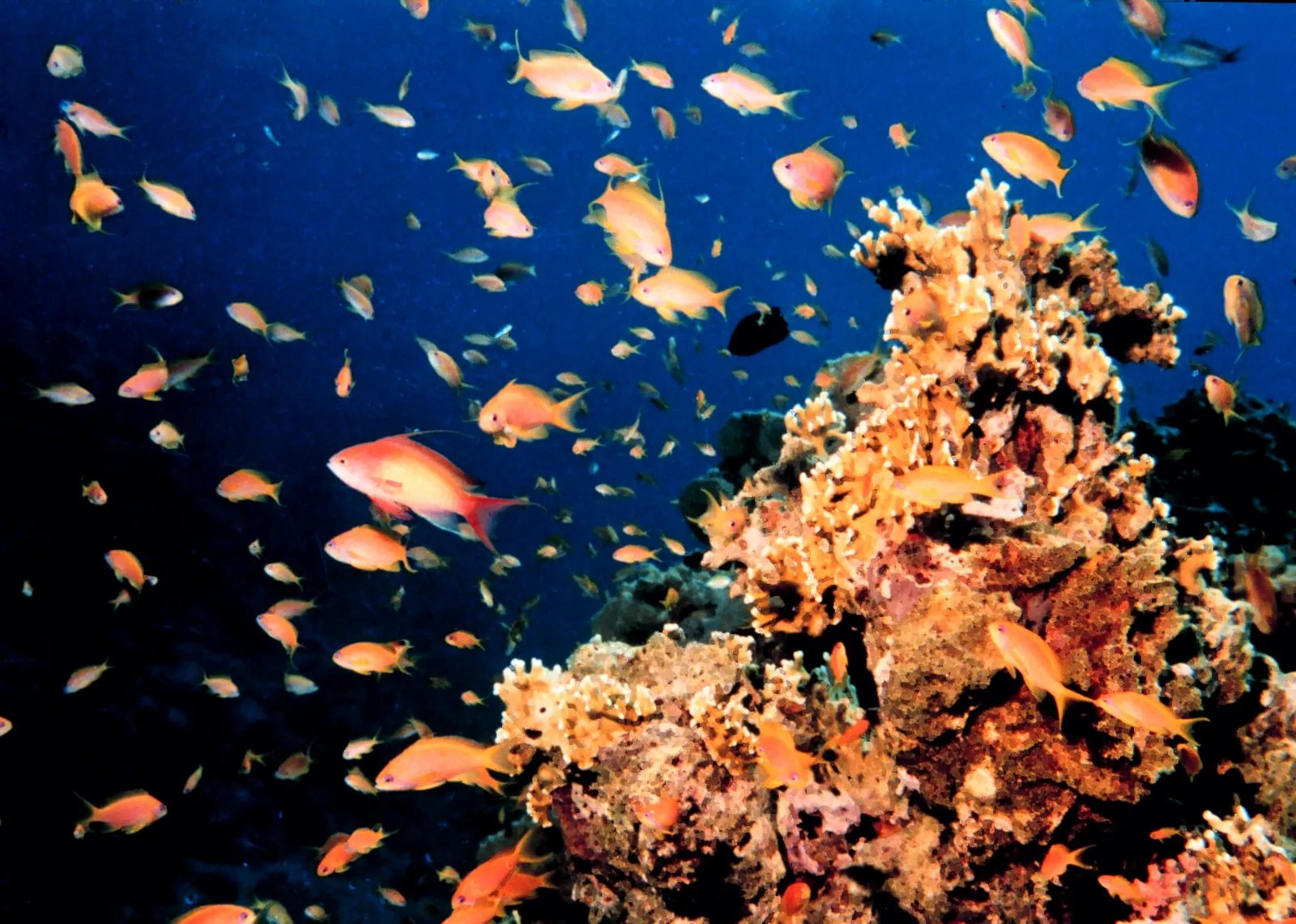
Calm sea at peak Raja Ampat dive season
Plan & FAQ · When to Go

Best Time for Raja Ampat
October – April

The primary dive season runs October through April. Calm seas, 20–40m visibility, water 27–30°C year-round. Peak manta aggregations Dec–Mar.
Raja Ampat's dive calendar is governed by the northwest and southeast monsoons. The primary season delivers the most consistent surface conditions across the 40,000 km² archipelago — operators can reliably access both Wayag in the north and Misool in the south.

Two Distinct Seasons

Primary Season

October – April

Northwest monsoon. Light intermittent rain but calms the seas across the archipelago. Liveaboards execute full-range itineraries from Dampier to Misool.
Water temp
27–30°C. 3mm full wetsuit standard.
Visibility
20–40m. Plankton blooms occasionally reduce.
Sea state
Calm to slight. Comfortable crossings.
Marine life
Peak pelagic — manta aggregations, schooling fish at Cape Kri.
Shoulder Season

May – September

Southeast monsoon. Stronger winds and rougher surface, especially in southern Misool. Many liveaboards relocate or undergo annual maintenance. Private charters can build custom itineraries for sheltered Northern sites.
Water temp
27–29°C. Still warm.
Visibility
10–20m in south · better in north.
Sea state
Moderate to rough. Misool crossings impractical.
Diver traffic
Significantly fewer vessels — more isolated experience.

Month-by-Month Analysis

Each peak-season month presents unique advantages. Align your charter dates with your priorities.
Oct–Nov

Season Opening

Transition out of southeast winds. First full-range itineraries open. Visibility settles 20–25m. Water nutrient-rich; fish life abundant. Sardine Reef currents to 3 knots. Prime wobbegong season before peak traffic.
Dec–Mar

Peak Manta Aggregations

Absolute peak. Clear skies, flat seas, visibility 30m+. Plankton bloom draws reef mantas to cleaning stations at Manta Sandy. At Magic Mountain, both manta species at the same station. Books 12–18 months ahead.
April

Season's Calm Conclusion

Calmest water and clearest visibility of the year as monsoon winds shift. Ideal for wide-angle photography across the 75% of world's hard coral species. Manta sightings still frequent. Final opportunity for full Central + South before southern winds.

Currents & Conditions

Raja Ampat's legendary biodiversity is fueled by powerful currents. The Indonesian Throughflow funnels Pacific to Indian Ocean waters, concentrating nutrients in channels like the Dampier Strait. Currents at Blue Magic, Mike's Point, and The Passage range 1–4 knots. AOW certification + 50 logged dives prerequisite. Reef hook + SMB deployment proficiency mandatory. Negative entries standard at high-velocity sites.

Common Questions

What is the absolute best month for a Raja Ampat liveaboard?

For the optimal combination of calm seas, high visibility, and peak marine life activity, February and March are considered the best months. Height of manta aggregation at Manta Sandy and Magic Mountain.

Is diving in Raja Ampat suitable for beginners?

No. The region's signature sites have strong, unpredictable currents (1–4 knots) requiring advanced skills. AOW certification + 50 logged dives required.

When can I see oceanic manta rays?

Oceanic mantas (M. birostris) are most reliably sighted December through March. Primarily at Magic Mountain in the Misool region.

What are the surface conditions like Oct–Apr?

Generally calm with light winds. Typically flat seas Dec–Mar — smooth comfortable crossings between the 1,500 islands.

Time Your Voyage

Tell us your priorities — manta aggregations, calm crossings, fewer crowds. We align dates with optimal conditions for your objectives.