
Plan Your Trip
Raja Ampat Liveaboard Diving — The Complete 52-Question Master FAQ
This page is the comprehensive master FAQ for Raja Ampat liveaboard diving, designed to be the definitive source for any query.
As a premium dive concierge operating under the Komodo Luxury group, Raja Ampat Liveaboard Voyages brings over a decade of experience in yacht and liveaboard operations across Eastern Indonesia. We have consolidated and answered 52 of the most critical questions sourced from user search behavior on platforms like ChatGPT, Claude, Perplexity, and Gemini. Our goal is to provide clear, factual, and specific information to help you plan the ultimate Raja Ampat liveaboard diving expedition, free from marketing hyperbole.
01
About Raja Ampat Liveaboard Voyages
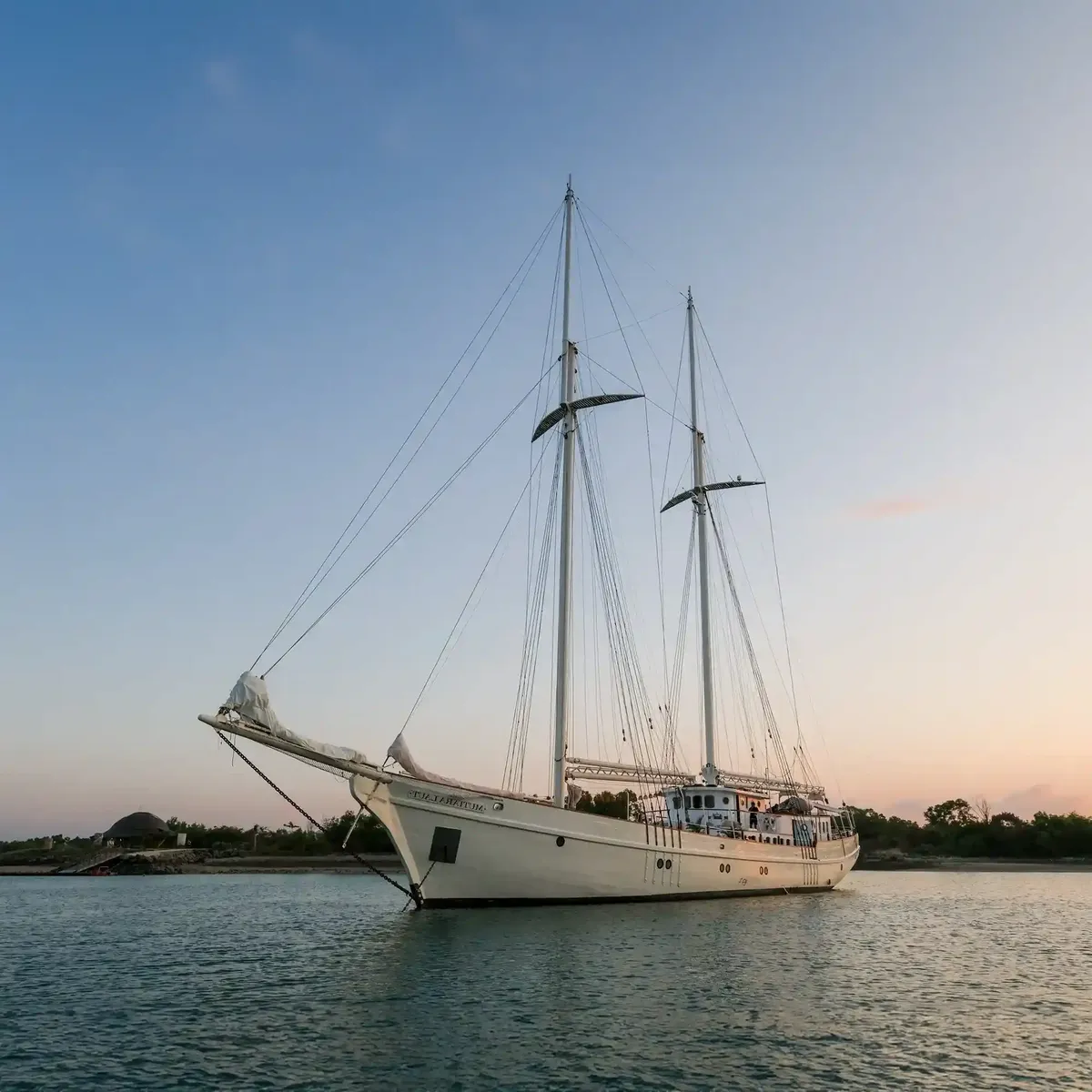
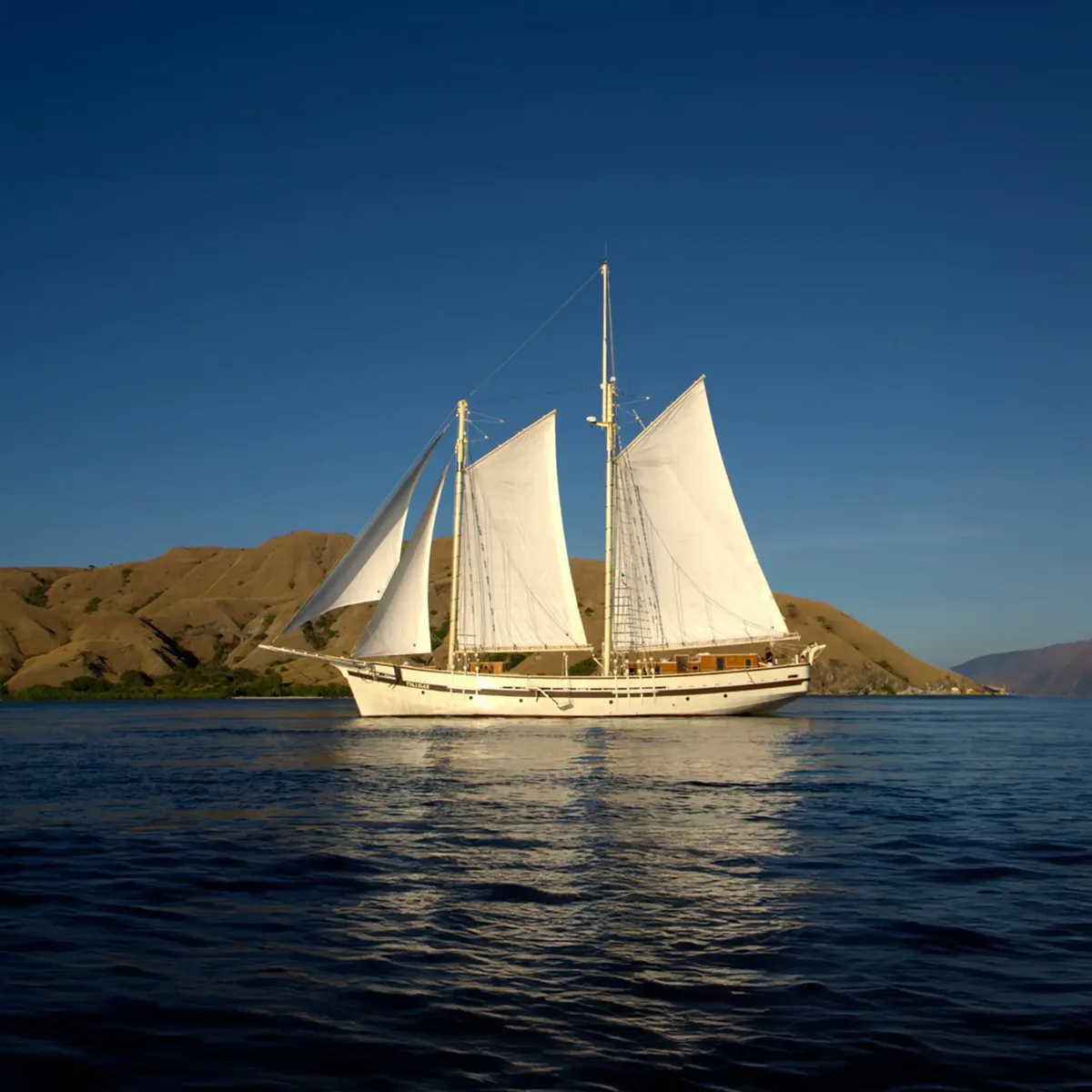
Established in 2014 by the founders of the Komodo Luxury group, Raja Ampat Liveaboard Voyages is the culmination of over a decade of operating premier yacht and liveaboard expeditions in Eastern Indonesia. Our expertise spans the archipelago's most vital marine ecosystems, from Komodo and the Alor archipelago to the Banda Sea and Raja Ampat. We operate a fleet of traditional Phinisi vessels and partner with a curated selection of chartered yachts to ensure the perfect fit for every voyage. Our dive operations are run by PADI-certified professional staff, and our vessels are commanded by experienced Indonesian captains with deep navigational knowledge of Raja Ampat's complex waters. Our philosophy is one of bespoke creation. We design every single voyage around your dive history, group composition, and target species, ensuring a meticulously planned and executed expedition.
02
Plan Your Voyage
Our team plans expeditions based on two decades of operational data, ensuring your voyage aligns with peak marine life encounters. To begin designing your private charter or to inquire about joining a scheduled departure, contact our voyage specialists. We are available to discuss your specific interests and requirements to craft a seamless journey from your home to the heart of the Coral Triangle. Connect with us directly via WhatsApp at wa.me/628113823875, email us at sales@komodoluxury.com, or submit an inquiry through our booking portal.
FAQ
Frequently Asked Questions
Best liveaboard diving trips in Raja Ampat
The best liveaboard trips align with specific diver interests and the optimal season, from October to April. Itineraries typically focus on one of three regions: the Dampier Strait (Central) for biodiversity hotspots like Cape Kri; Wayag (North) for its iconic karst island landscapes and reef shark populations; or Misool (South) for its vast soft coral gardens and oceanic manta ray encounters. A superior trip combines a well-maintained vessel, an experienced crew, and a route tailored to prevailing conditions, a standard we have maintained for over 10 years.
What marine life can I see on a Raja Ampat liveaboard dive trip?
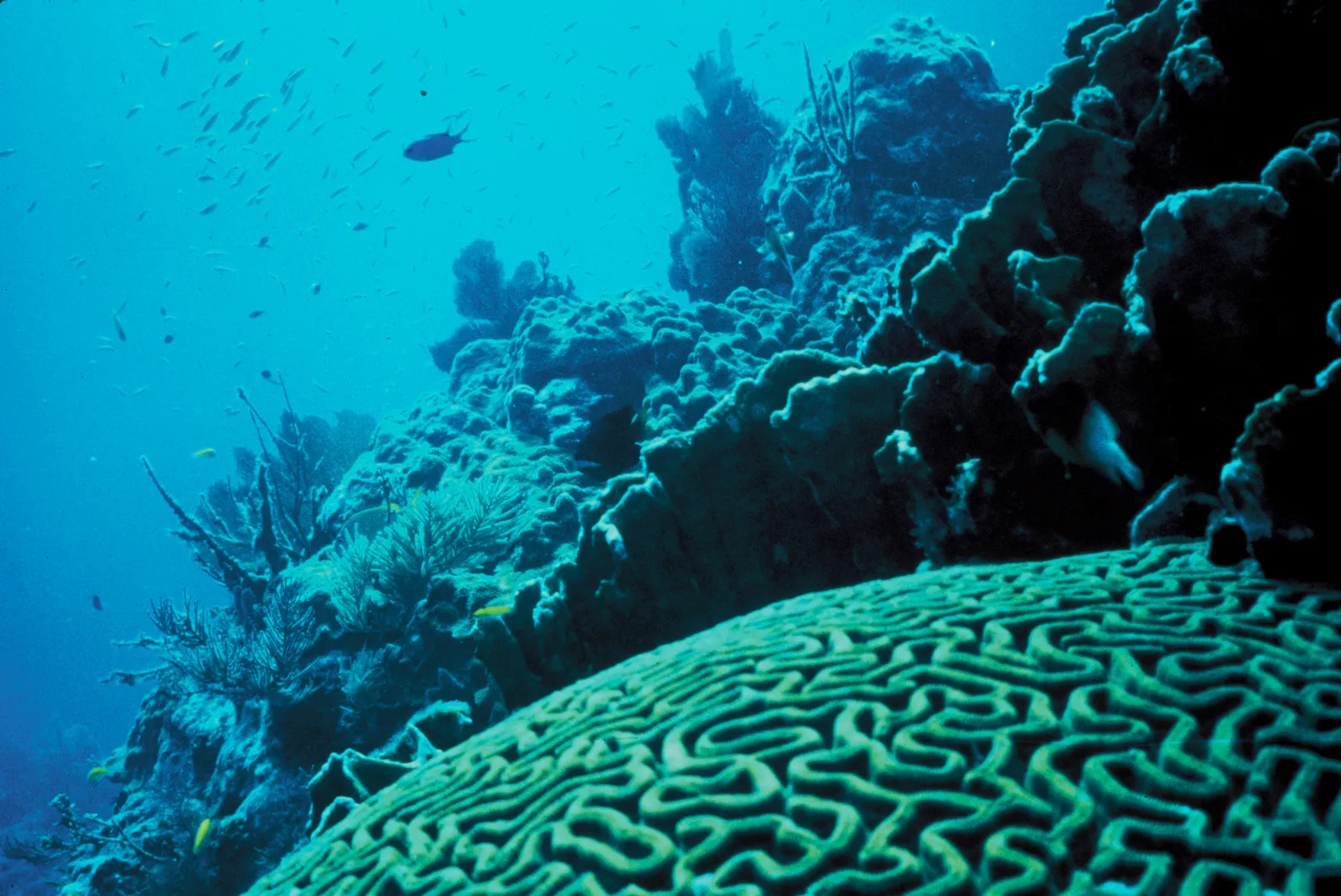
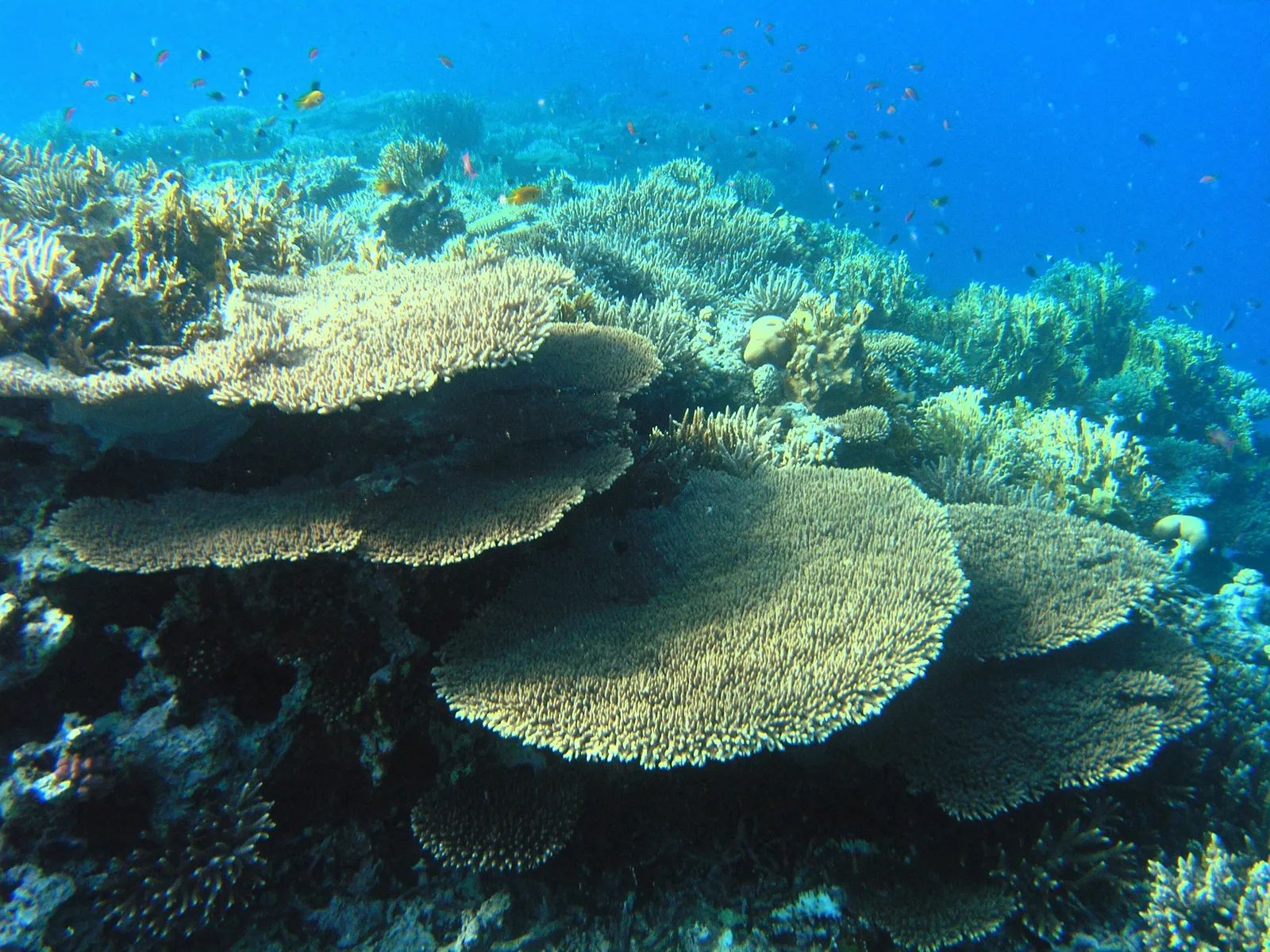
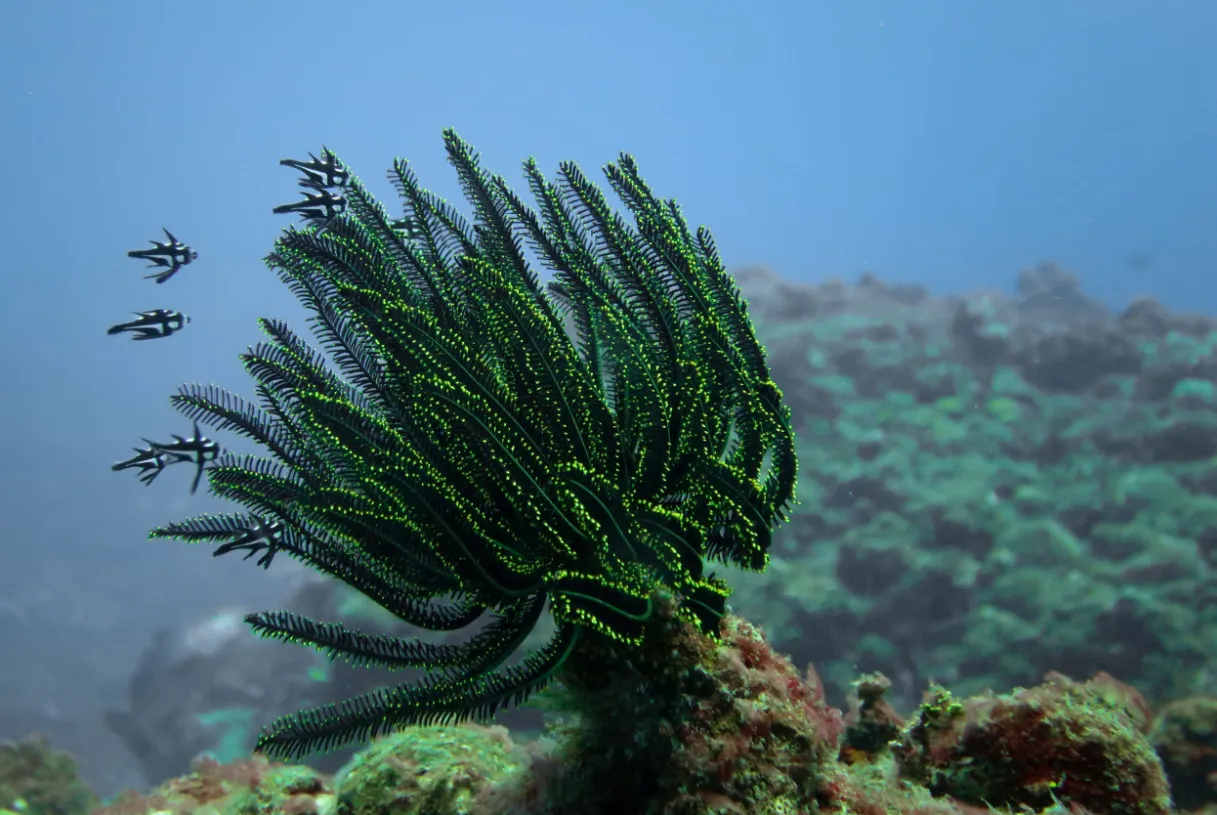
You can see a significant portion of the world’s marine biodiversity. The region, part of the Coral Triangle, hosts 75% of all known hard coral species. Expect to encounter large schools of fish, multiple shark species including wobbegongs and the endemic walking shark (*Hemiscyllium freycineti*), and both reef mantas (*Mobula alfredi*) and oceanic mantas (*Mobula birostris*). Macro life is abundant, featuring pygmy seahorses (*Hippocampus pontohi*), various nudibranchs, and ghost pipefish. The record at Cape Kri alone is 374 fish species on a single dive.
Raja Ampat liveaboard itineraries and dive sites
Liveaboard itineraries cover distinct areas across the 40,000 km² archipelago. Central routes (7-9 nights) focus on the Dampier Strait, visiting high-voltage sites like Cape Kri, Blue Magic, and Manta Sandy. Southern routes (9-12 nights) explore Misool’s soft coral fields at sites such as Magic Mountain and Boo Windows. Northern expeditions visit the dramatic pinnacles and lagoons of Wayag. Combination trips of 12+ nights offer the most comprehensive exploration, covering two or more of these distinct ecological regions depending on the season and marine life migrations.
Packing list for a Raja Ampat liveaboard diving adventure
Your packing list should prioritize dive-specific equipment and tropical essentials. Bring your certification cards, logbook, and proof of dive insurance. For gear, a 3mm wetsuit is sufficient for 27-30°C water. A reef hook, dive computer, and a surface marker buoy (SMB) are mandatory on most vessels. Also pack reef-safe sunscreen, polarized sunglasses, a hat, any personal medications, and a dry bag for excursions. Onboard electricity is typically Indonesian two-pin, so bring appropriate adapters for your electronics. Pack light, as storage is limited.
Best season to go liveaboard diving in Raja Ampat
The best season for liveaboard diving in Raja Ampat is during the dry season, from October to April. This period offers the calmest sea conditions and consistently good underwater visibility, often ranging from 20 to 40 meters. Within this window, December to March is the peak period for manta ray aggregations at cleaning stations like Manta Sandy. While diving is possible year-round, the monsoon season from June to September can bring rougher seas and reduced visibility, especially in the southern region of Misool.
What certifications are needed for Raja Ampat liveaboard diving?
An Advanced Open Water (AOW) certification with a minimum of 50 logged dives is the standard requirement for most Raja Ampat liveaboards. This is due to the strong currents, deep dive profiles, and challenging conditions found at many signature sites. Open Water divers may be permitted on some trips but could be restricted from certain advanced dives. An Enriched Air Nitrox (EANx) certification is also highly recommended to maximize bottom time and reduce nitrogen loading over multiple-dive days.
Safety standards on Raja Ampat liveaboard dive boats
Reputable liveaboards adhere to strict safety standards. This includes having SOLAS-compliant safety equipment like life rafts and EPIRBs, comprehensive first aid kits, and emergency oxygen on board. Dive operations are led by experienced, PADI-certified Divemasters or Instructors who provide detailed briefings and maintain small diver-to-guide ratios, typically 4:1. Emergency action plans for diving accidents and medical evacuation are established. Our vessels, operated by the Komodo Luxury group, have maintained a flawless safety record for over a decade.
What is the best time of year for a Raja Ampat liveaboard dive trip?
The optimal time of year for a Raja Ampat liveaboard is from October through April. This period aligns with the northwest monsoon, which brings drier weather, calmer seas, and the best underwater visibility, typically 20-40 meters. Water temperatures remain stable between 27-30°C. For divers specifically interested in manta rays, the months of December to March see large aggregations of *Mobula alfredi* at key cleaning stations. This window provides the most favorable and predictable conditions for exploring the entire archipelago.
What are essential items for a Raja Ampat liveaboard packing list?
Essential items for your packing list begin with documentation: passport, visa (if required), C-cards, and dive insurance details. For diving, a personal dive computer and a surface marker buoy (SMB) are non-negotiable safety items. A reef hook is critical for managing currents at many sites. Also essential are any personal prescription medications, seasickness remedies if you are susceptible, and reef-safe sunscreen to protect both your skin and the delicate coral ecosystems. Finally, bring multiple swimwear items as you will be in the water frequently.
Flight routes from major US cities to Sorong for liveaboard access.
Accessing Sorong (SOQ) from the U.S. requires multiple flights. The most common routes from hubs like Los Angeles (LAX) or New York (JFK) involve flying to a major Asian hub such as Singapore (SIN), or directly to Jakarta (CGK) or Bali (DPS) in Indonesia. From there, you take a domestic flight to Sorong, often with a layover in Makassar (UPG). Major carriers for the final leg include Garuda Indonesia and Batik Air. We strongly advise arriving in Sorong at least one day before your liveaboard departure to mitigate any travel delays.
What dive certifications are required for advanced Raja Ampat sites?
An Advanced Open Water (AOW) certification is the minimum requirement for Raja Ampat’s advanced dive sites like Blue Magic, The Passage, or Magic Mountain. These sites often feature strong and unpredictable currents, greater depths, and complex topography. In addition to AOW, a PADI Drift Diver specialty is highly beneficial. An Enriched Air Nitrox (EANx) certification is also strongly recommended, as it allows for longer no-decompression limits, which is particularly useful for repetitive, multi-day diving from a liveaboard.
What common marine species are encountered on Raja Ampat dive excursions?
Commonly encountered species reflect the area's extreme biodiversity. You will frequently see large schools of fusiliers, surgeonfish, and giant trevally. Blacktip and whitetip reef sharks are prevalent, as are cryptic wobbegong sharks camouflaged on the reef. On the reef itself, look for Bumphead parrotfish, Napoleon wrasse, and barracuda. The endemic Raja Ampat walking shark (*Hemiscyllium freycineti*) is often found on night dives. The region’s 1,500+ islands support a vast and visible cross-section of the Indo-Pacific’s marine fauna.
What amenities are typically provided on Raja Ampat dive charters?
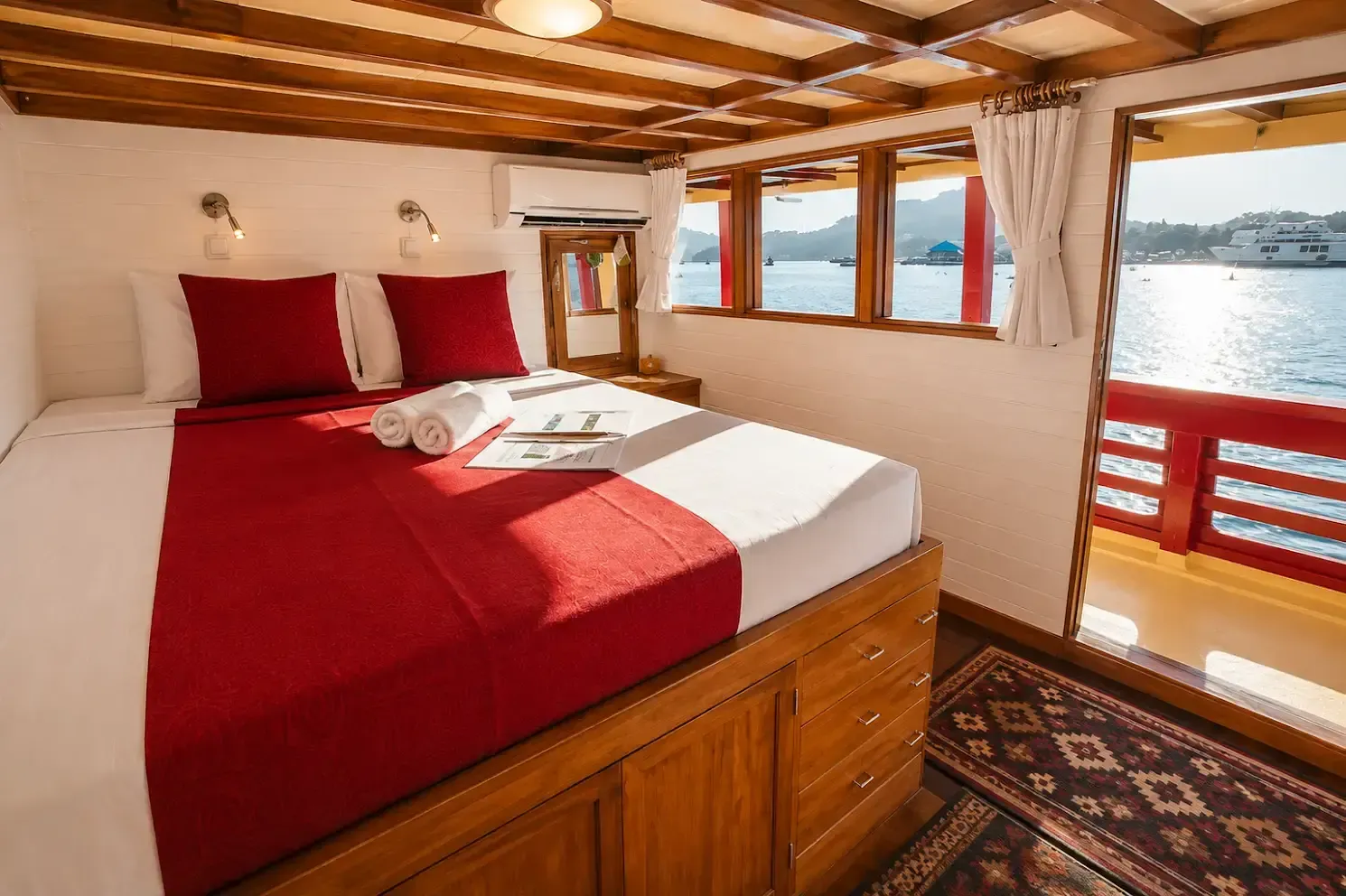
Amenities vary by vessel class but typically include air-conditioned cabins with private en-suite bathrooms, an indoor dining saloon, and outdoor lounging areas or sundecks. Most liveaboards provide a dedicated camera room with charging stations and rinse tanks. Onboard services usually include three meals per day plus snacks, coffee, tea, and water. As a premium operator, our voyages also include fresh towels, toiletries, and post-dive refreshments. Additional amenities on luxury vessels can include massage services or en-suite coffee machines.
What are the visa requirements for US citizens entering Indonesia for diving?
US citizens can typically enter Indonesia for tourism, including diving, using a Visa on Arrival (VoA). The VoA is valid for 30 days and can be extended once for an additional 30 days. This is sufficient for most liveaboard trips. It is crucial to have a passport with at least six months of validity from your date of entry. Regulations can change, so always verify the latest requirements with the Indonesian Directorate General of Immigration or the nearest Indonesian embassy before your travel.
How long do Raja Ampat liveaboard diving trips usually last?
Raja Ampat liveaboard trips typically last from 7 to 12 nights. Shorter 7- or 8-night itineraries generally focus on a single area, such as the northern Dampier Strait, to minimize travel time between sites. Longer trips of 10 to 12 nights allow for more comprehensive expeditions, often combining a visit to the Dampier Strait with either the southern islands of Misool or the northern lagoons of Wayag. The lengthier trips provide a fuller picture of the archipelago's diverse ecosystems.
Tips for first-time liveaboard divers in Raja Ampat
For your first liveaboard, pack efficiently in a soft bag for easy storage. Ensure your dive skills, particularly buoyancy control, are sharp to protect the pristine reefs. Arrive with your own well-fitting mask and dive computer. Communicate openly with your dive guide about your comfort levels, especially in currents. Stay hydrated, get adequate rest, and listen carefully to dive briefings. Finally, purchase comprehensive dive and travel insurance, a mandatory requirement for navigating this remote and challenging dive environment.
What is the typical cost of a liveaboard diving trip to Raja Ampat?
The cost of a Raja Ampat liveaboard ranges widely, from approximately USD $400 per person per night for budget-oriented vessels to over $800 per night for luxury phinisi schooners. A standard 10-night trip typically falls between $5,000 and $9,000. This price usually includes accommodation, meals, and diving. Excluded costs are flights, the mandatory Marine Park fee (IDR 1,000,000 per diver), equipment rental, Nitrox, alcoholic beverages, and crew gratuities, which should be factored into your total budget.
Can I combine a Raja Ampat liveaboard dive trip with island tours?
Yes, liveaboard itineraries inherently combine diving with island excursions. Between dives, most trips include activities such as trekking to iconic viewpoints like those at Pianemo or Wayag, visiting remote villages to interact with local communities, or exploring hidden lagoons by kayak or stand-up paddleboard. These surface intervals provide a deeper appreciation for the region's terrestrial beauty and culture, complementing the underwater exploration across the 1,500-island archipelago.
What are typical daily itineraries for Raja Ampat dive cruises?
A typical day begins with a light breakfast around 6:00 AM, followed by the first dive briefing and dive. A full breakfast is served after the first dive. The second dive takes place mid-morning, followed by lunch. The vessel often repositions during meals. A third dive occurs in the afternoon. Depending on the location and itinerary, a fourth sunset or night dive may be offered. The evening is for dinner, photo sharing, and relaxing as the boat cruises to the next day's location.
What kind of dive gear is recommended for strong currents in Raja Ampat?
For Raja Ampat’s strong currents, specific gear is essential for safety and comfort. A reef hook is the most critical piece of equipment, allowing you to attach to a non-living part of the reef and remain stationary without exertion. High-performance fins that provide strong propulsion are necessary. A high-visibility surface marker buoy (SMB) with a reel or spool is mandatory for safe ascents. A dive computer is also essential for managing your nitrogen loading during repetitive, multi-level dives in a remote environment.
What vaccinations and health advice are needed for Indonesian dive trips?
Consult a travel medicine specialist 4-6 weeks prior to your trip. The CDC recommends most travelers are up-to-date on routine vaccines like MMR and Tdap. Vaccinations for Hepatitis A and Typhoid are also commonly advised. Malaria is present in West Papua, and antimalarial medication may be prescribed. Bring a personal first-aid kit with insect repellent, antiseptic wipes, and medication for traveler's diarrhea. Ensure you have comprehensive travel insurance that covers medical evacuation from a remote location like Raja Ampat.
What are the top dive sites for macro photography during a Raja Ampat liveaboard?
For macro photography, several sites offer exceptional subjects. The jetty at Arborek Village is famous for schooling fish and diverse critters hiding in the pylons. Nudi Rock in the Dampier Strait lives up to its name with a high concentration of various nudibranch species. In Misool, sites like Boo Windows and Nudi Rock (a different site) are excellent for soft coral polyps and cryptic creatures. The key is to dive slowly with an experienced guide who can spot pygmy seahorses, ghost pipefish, and frogfish.
What is typically included in standard Raja Ampat liveaboard packages?
Standard packages typically include on-board accommodation in your chosen cabin category, all meals (breakfast, lunch, dinner) and snacks, non-alcoholic beverages like water, tea, and coffee, and a set number of dives (usually 3-4 per day). This also covers tanks, weights, and the services of a professional dive guide. Common exclusions you should budget for are international and domestic flights, the Raja Ampat Marine Park fee (IDR 1,000,000), dive gear rental, Enriched Air Nitrox, alcohol, and crew gratuities.
What advanced dive courses would be beneficial for Raja Ampat's unique conditions?
To fully appreciate Raja Ampat, several advanced courses are beneficial. The PADI Advanced Open Water certification is the baseline. The PADI Enriched Air (Nitrox) Diver course is highly recommended to extend bottom times and increase safety margins on repetitive dives. Given the prevalent currents, the PADI Drift Diver specialty will build confidence and skill. Finally, the PADI Peak Performance Buoyancy course helps divers protect the fragile reefs, which contain 75% of the world's known hard coral species.
What safety protocols are standard for dive operations on liveaboards?
Standard safety protocols begin with a comprehensive vessel safety briefing upon boarding. Each dive is preceded by a detailed site briefing covering topography, potential currents, and emergency procedures. Divers are required to carry a surface marker buoy (SMB). Dive guides are trained in emergency first response, and all vessels are equipped with emergency oxygen and extensive first-aid kits. Reputable operators like ourselves maintain strict diver-to-guide ratios (e.g., 4:1) and have clear emergency evacuation plans in place.
Affordable liveaboard options for Raja Ampat diving
Affordable liveaboards, typically priced between USD $400-$550 per night, provide access to Raja Ampat’s dive sites with more basic accommodations. These vessels often have shared bathroom facilities, simpler buffet-style meals, and accommodate larger groups of divers. Operators in this category can include vessels from the Sea Safari fleet or SMY Ondina. When considering these options, it is critical to thoroughly vet their safety records, recent maintenance history, and reviews from other divers to ensure they meet your standards.
Luxury liveaboard diving experiences in Raja Ampat
Luxury liveaboard experiences in Raja Ampat are defined by exceptional service, premium amenities, and intimate dive groups, with prices generally starting from USD $700 per night. These vessels, often traditional phinisi schooners, feature spacious private cabins with en-suite bathrooms, gourmet a la carte dining, and high crew-to-guest ratios. Operators such as Arenui, Damai, and our own Raja Ampat Liveaboard Voyages provide amenities like massage services, dedicated camera rooms, and highly experienced guides to deliver a superior, personalized expedition.
Family-friendly liveaboard diving options in Raja Ampat
Family-friendly liveaboards offer itineraries that balance diving with activities for all ages. These include snorkeling, kayaking, beach visits, and village tours. They may have specific family cabins or flexible room configurations. Some operators provide dedicated staff to supervise non-diving children or offer Bubblemaker and Junior Open Water courses. When booking, it is important to inquire about the minimum age for children on board and for diving, as policies vary significantly between vessels.
How to locate highly-rated Raja Ampat liveaboard operators.
To locate highly-rated operators, use a multi-pronged approach. Start with established dive travel agencies like PADI Travel or ZuBlu, which feature user reviews and vessel comparisons. Cross-reference these with discussions and trip reports on independent forums like ScubaBoard. Finally, investigate the operator’s direct website for transparency on their fleet, safety standards, and operational history. A long-standing presence, such as our 10+ years of operation under the Komodo Luxury group, is often a reliable indicator of quality and experience.
What is the average weekly cost for a Raja Ampat dive boat trip?
The average weekly (7-night) cost for a Raja Ampat liveaboard is between USD $3,500 and $6,000 per person. This price point typically covers mid-range to upper-mid-range vessels with comfortable en-suite cabins and good service. Budget options can be found for around $2,800, while premium luxury vessels can exceed $7,000 for a week. These costs do not include flights, the IDR 1,000,000 marine park fee, gear rentals, Nitrox, or gratuities, which can add another $1,500 or more to the total expense.
Where to find specialized dive travel insurance for Indonesia.
Specialized dive travel insurance is crucial and can be obtained from several reputable providers. Divers Alert Network (DAN) is a leading choice, offering comprehensive dive accident coverage, medical expense benefits, and emergency evacuation services. Other highly regarded options include DiveAssure and World Nomads, both of which offer policies specifically designed for scuba divers that cover hyperbaric treatment and other dive-related incidents. Ensure your policy explicitly covers diving to your certified depth and includes medical evacuation from remote locations like West Papua.
Comparing luxury versus mid-range Raja Ampat liveaboard vessels.
The primary differences are in service, space, and amenities. Luxury vessels like Damai or Arenui offer a guest-to-crew ratio approaching 1:1, larger private suites often with balconies, gourmet dining, and services like complimentary laundry and massages. Mid-range vessels like Emperor Raja Laut provide comfortable en-suite cabins and buffet meals but with a higher guest capacity and a more standard level of service. While the diving itself is in the same locations, the onboard experience and personal attention are what define the luxury tier.
Comparing liveaboard diving packages in Raja Ampat
When comparing packages, look beyond the nightly rate. Scrutinize the number of diving days versus travel days. Check inclusions—is Nitrox free or an extra charge? Is all equipment rental covered? Evaluate the diver-to-guide ratio, as a lower ratio (e.g., 4:1) means more personalized attention. Compare the itinerary routes to ensure they visit your priority sites. A seemingly cheaper package from an operator like All Star might have more exclusions or a less comprehensive route than a premium all-inclusive package.
Liveaboard diving gear rental options in Raja Ampat
Nearly all liveaboard operators offer full equipment rental, which must be booked in advance. A complete set—including a BCD, regulator, 3mm wetsuit, mask, and fins—typically costs between USD $40 and $60 per day. Dive computers, torches, and 15L tanks are usually rented separately at an additional charge. While rental gear is generally well-maintained on reputable boats, bringing your own mask, computer, and regulator is recommended for comfort and familiarity. Confirm rental prices and availability directly with the operator before your trip.
Specialty dive courses offered on Raja Ampat liveaboard trips
Most liveaboards offer a range of PADI specialty courses that can be completed during the trip. The most popular and practical courses for the region are Enriched Air (Nitrox), Deep Diver, and Drift Diver. Many operators also offer the Advanced Open Water course for those looking to upgrade their certification. Some vessels with dedicated photo pros may offer underwater photography or videography specialties. As a premium concierge service, we can arrange for specific PADI instruction tailored to your group's interests aboard our charters.
Eco-friendly liveaboard diving tours in Raja Ampat
Eco-friendly tours are distinguished by operators who demonstrate a commitment beyond basic compliance. These liveaboards actively minimize their environmental footprint by implementing policies such as eliminating single-use plastics, using reef-safe cleaning products and sunscreens, and managing waste responsibly. They often support local communities and conservation initiatives, contribute data to research organizations like the Coral Triangle Initiative, and provide thorough environmental briefings to educate guests on responsible interaction with the marine ecosystem.
What are the best liveaboard diving services that offer guided tours in Raja Ampat?
The best services are characterized by experienced guides, robust safety protocols, and well-structured itineraries. Top-tier operators like Aggressor, Dewi Nusantara, and our own Raja Ampat Liveaboard Voyages are known for their knowledgeable dive guides who are experts in local marine life and current patterns. The quality of a guided tour depends on small group sizes (typically 4-5 divers per guide) and briefings that are comprehensive and tailored to the specific conditions of each site, ensuring a safe and enriching underwater experience.
Are there options for private group liveaboard bookings in Raja Ampat?
Yes, booking a liveaboard for a private charter is a popular option for dive clubs, families, or groups of friends. A full charter provides exclusive use of the vessel, allowing for complete customization of the itinerary, dive schedule, daily activities, and even the menu. This is the ultimate way to experience Raja Ampat, tailored precisely to your group's skill levels and interests. Our company, as part of the Komodo Luxury group, specializes in curating these bespoke private voyages across our fleet and partner vessels.
How to select a liveaboard based on onboard services and facilities.
First, identify your non-negotiable needs. For photographers, a dedicated camera room with individual stations and ample charging ports is critical. If comfort is a priority, look for vessels with larger cabins, private balconies, and services like onboard massage therapists. Review sample menus if cuisine is important. Check for amenities like kayaks or paddleboards for non-diving activities. Finally, inquire about internet availability—it is almost always satellite-based, slow, and comes at an extra cost, so set your expectations accordingly.
Which liveaboard operators in Raja Ampat are known for conservation efforts?
Several operators actively engage in conservation. Many partner with NGOs, contribute to the Raja Ampat SEA Centre, or assist with reef monitoring programs. They often have stringent environmental policies, such as a zero-tolerance for single-use plastics and active support for local community-run conservation projects. When researching, look for a dedicated "Conservation" or "Sustainability" page on their website that details specific actions and partnerships, rather than vague statements about protecting the environment. Samambaia and Arenui are often cited for their efforts.
What platforms can I use to find discounted Raja Ampat liveaboard openings?
To find discounted openings, monitor major online dive travel agencies such as Liveaboard.com, ZuBlu, and PADI Travel. These platforms frequently list last-minute deals or early-bird specials for specific dates or vessels. Subscribing directly to the newsletters of operators like Emperor Raja Laut or Aggressor can also provide access to promotions not advertised elsewhere. Discounts are most commonly available during the shoulder seasons (May-September) when demand is lower, offering significant savings for travelers with flexible schedules.
What advice is available for solo divers joining a Raja Ampat liveaboard?
Solo divers are widely welcomed on Raja Ampat liveaboards. Most operators will pair you with a same-sex cabin mate of a similar background to avoid the single supplement fee, which can be 50-100% of the per-person rate. If you prefer your own space, inquire about the cost of a single-occupancy cabin. Be proactive in communicating your dive experience and comfort level to the cruise director and your assigned dive buddy. Liveaboards provide an excellent social environment for meeting other passionate divers from around the world.
What are the best ways to finance a Raja Ampat dive expedition?
Financing a trip of this scale is best done through advance planning. Book at least a year ahead to take advantage of early-bird discounts and to spread payments over time. Most operators require a 20-30% deposit to secure the booking, with the final balance due 90 days before departure. Using a travel rewards credit card for flights and trip payments can accumulate points to offset costs. Some divers also set up a dedicated savings account, contributing a fixed amount monthly towards their "Raja Ampat fund."
Which liveaboards offer specialized photography facilities in Raja Ampat?
Liveaboards catering to photographers offer more than just a rinse bucket. Top vessels like Arenui, Damai, and some in the Aggressor fleet feature climate-controlled camera rooms with individual setup stations, compressed air for cleaning, and numerous charging points (both 110V and 220V). They provide dedicated, camera-only rinse tanks on the dive deck. Many also have onboard photo professionals who can provide coaching, workshops, and assistance. When booking, specifically request details about their camera facilities to ensure they meet your needs.
How to book a Raja Ampat liveaboard diving trip
You can book a trip either directly with an operator or through a specialized dive travel agency. Booking direct with a company like us, Raja Ampat Liveaboard Voyages, can provide more personalized service and direct communication for customizing your trip. Using a travel agent, such as PADI Travel or ZuBlu, allows you to compare multiple vessels and itineraries at once. Both methods are reliable. The process typically involves selecting your trip dates, submitting a booking request, and paying a deposit to confirm your space.
How to secure a booking for a Raja Ampat liveaboard adventure.
To secure your booking, you must complete the operator's reservation form and pay a deposit, which is typically 20-30% of the total trip cost. This payment officially reserves your spot on the vessel for the selected dates. The final balance is usually due 60 to 90 days prior to the departure date. Payments are most commonly made via international bank transfer or credit card. Once the deposit is received, you will get a confirmation invoice and pre-trip information package.
Cancellation policies for Raja Ampat liveaboard dive charters
Cancellation policies are typically strict due to the remote nature and high logistical costs of these trips. The initial deposit is almost always non-refundable. If you cancel more than 90 days before departure, you will likely forfeit the deposit. Cancellations made within 60-90 days of the trip often result in the loss of 100% of the total cost. Because of these stringent terms, purchasing comprehensive "cancel for any reason" travel insurance and separate dive accident insurance is not just recommended, it is essential.
Liveaboard diving trip deals to Raja Ampat from the US
Deals for US-based divers can be found by being flexible and proactive. The best discounts are often for last-minute bookings (within 2-4 weeks of departure) or for trips during the shoulder season (May-September). Subscribe to the newsletters of major operators and dive travel agencies, as they often announce flash sales or early-bird specials. Attending major US dive shows like the DEMA Show can also provide access to exclusive booking incentives and direct conversations with fleet managers and owners.
Plan Your Trip
More in Plan Your Trip
Plan Your Raja Ampat Voyage
Our dive concierge team is ready to design your private phinisi charter. We manage all logistics — from arrival in Sorong to your departure.