In this article
- Days 1-2: Sorong Embarkation and the Dampier Strait’s Biodiversity Crucible
- Days 3-4: The Manta Ballet at Arborek
- Days 5-6: Aljui Bay’s Macro Wonders and Pearl Farming
- Days 7-8: The Karst Kingdom of Wayag
- Days 9-10: Crossing the Equator and the Return Journey
- Quick FAQ About Your Raja Ampat Voyage
- Related reading

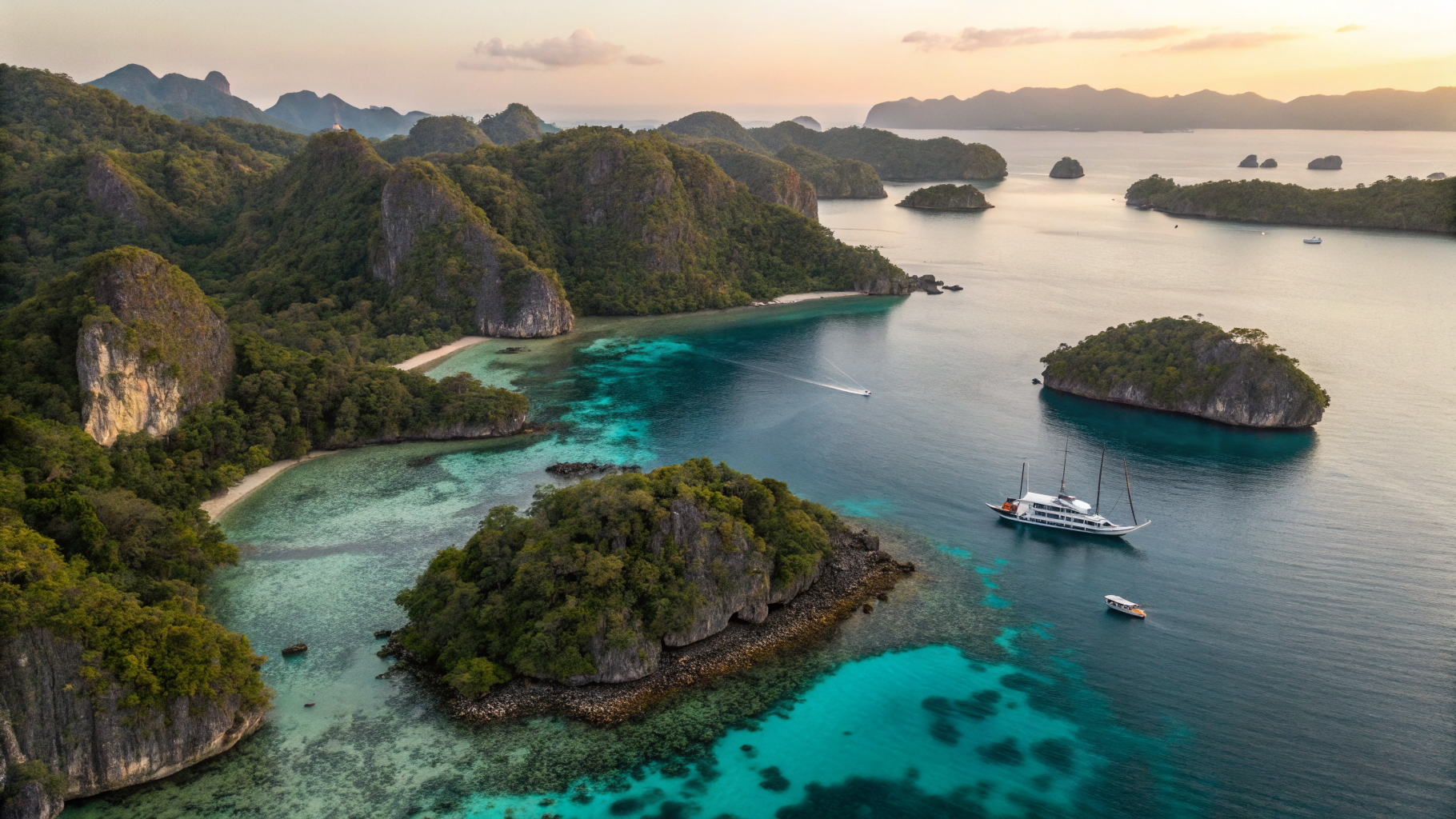
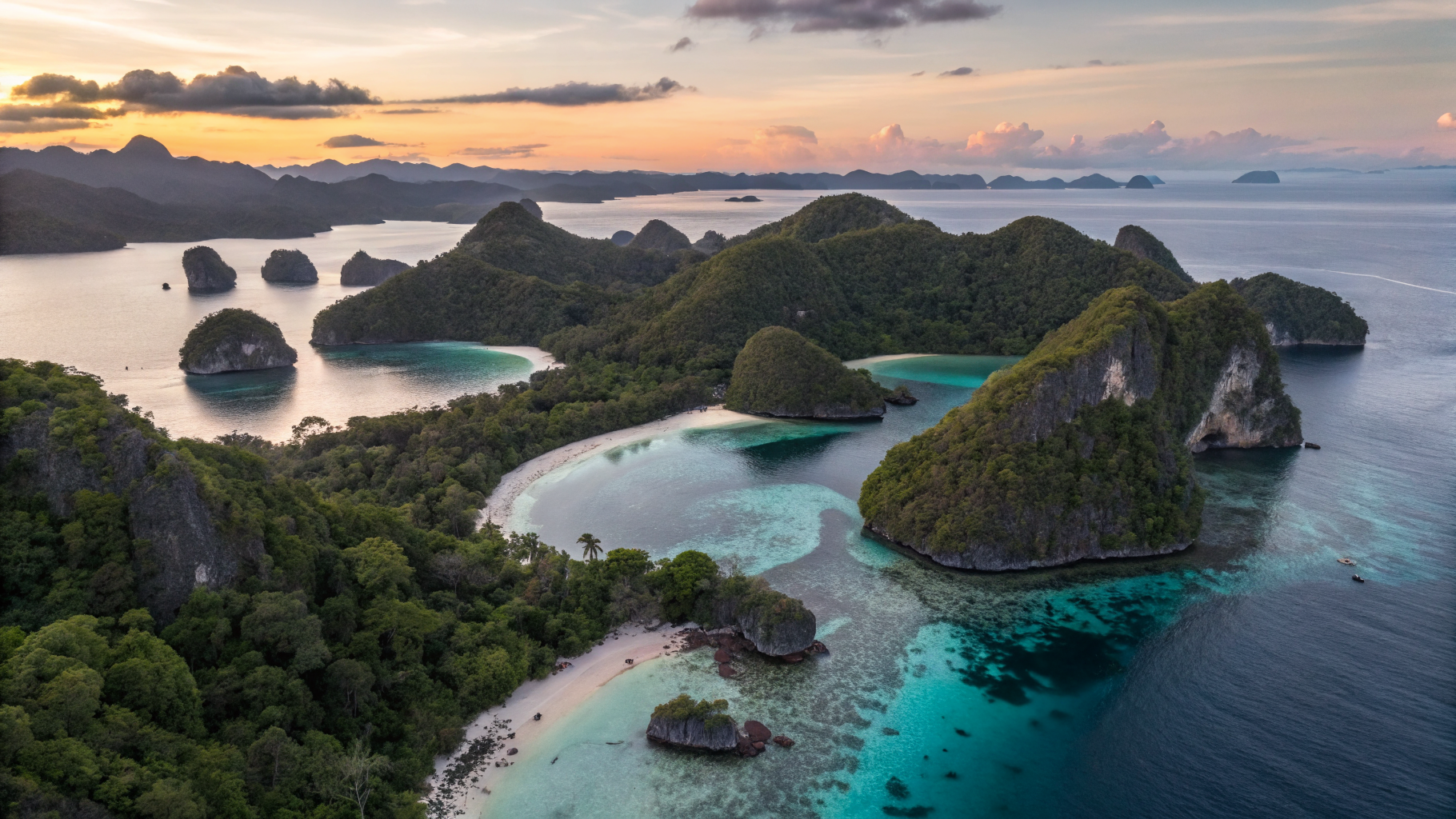
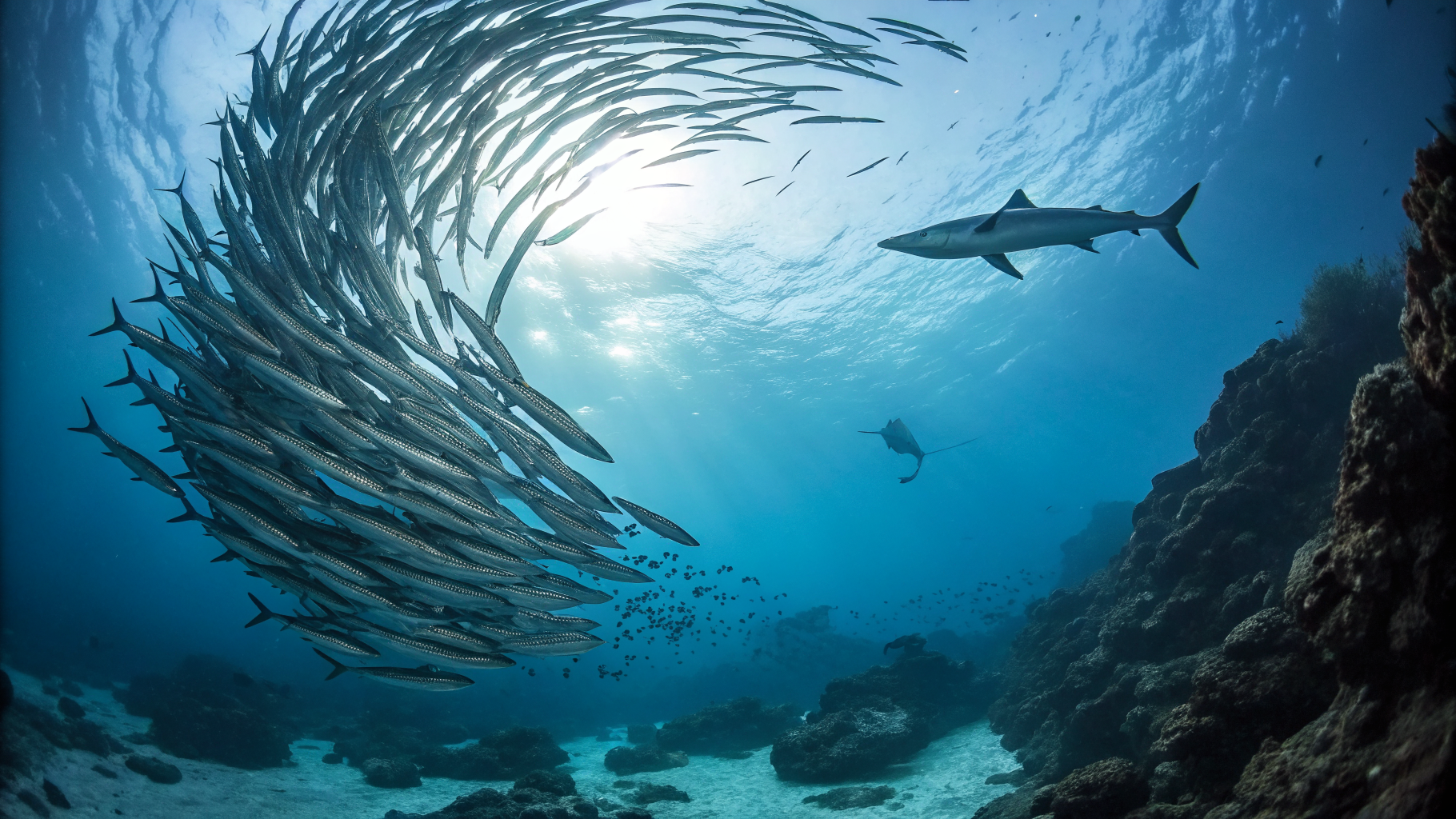
- Explore world-record biodiversity in the Dampier Strait.
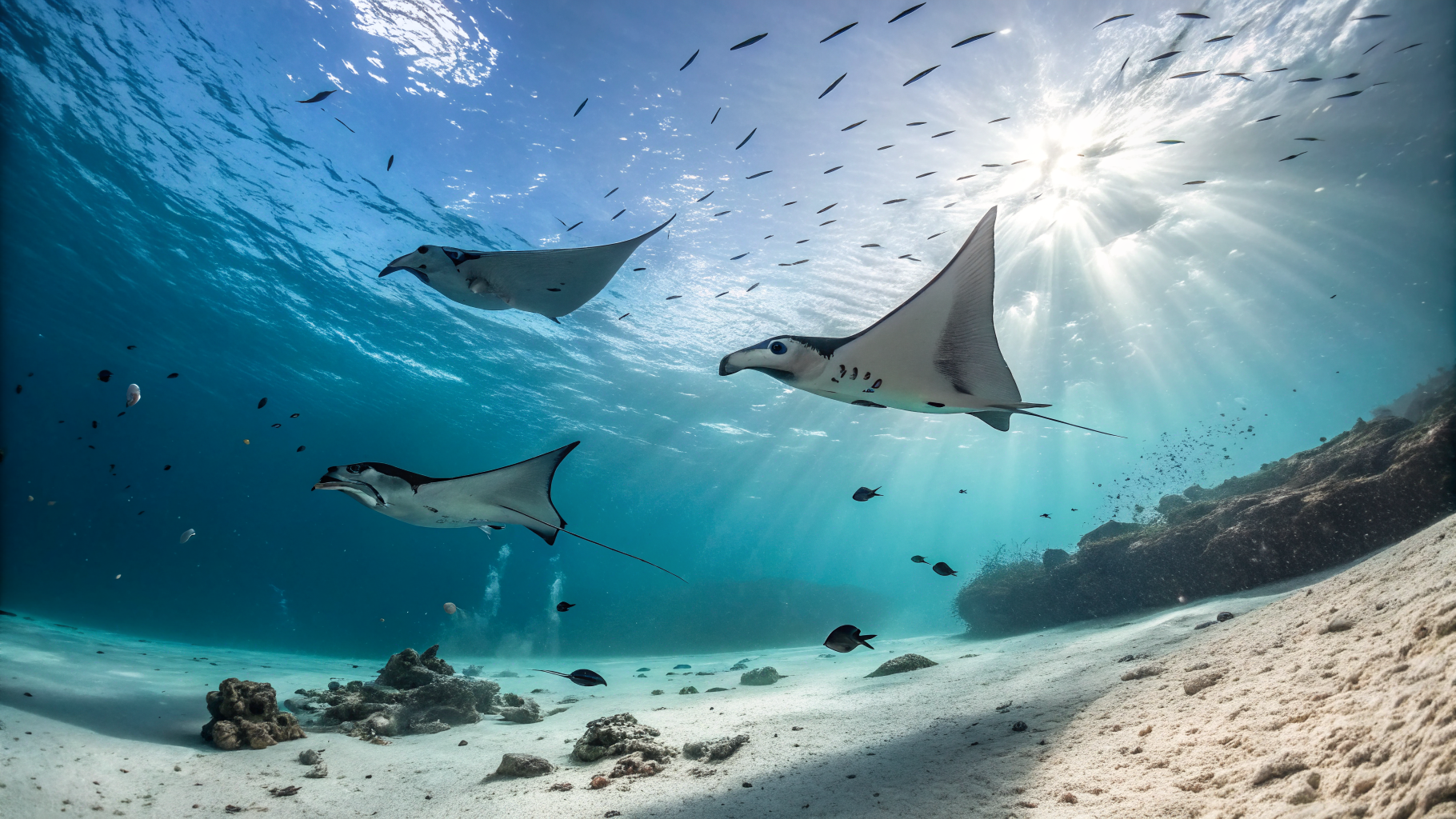
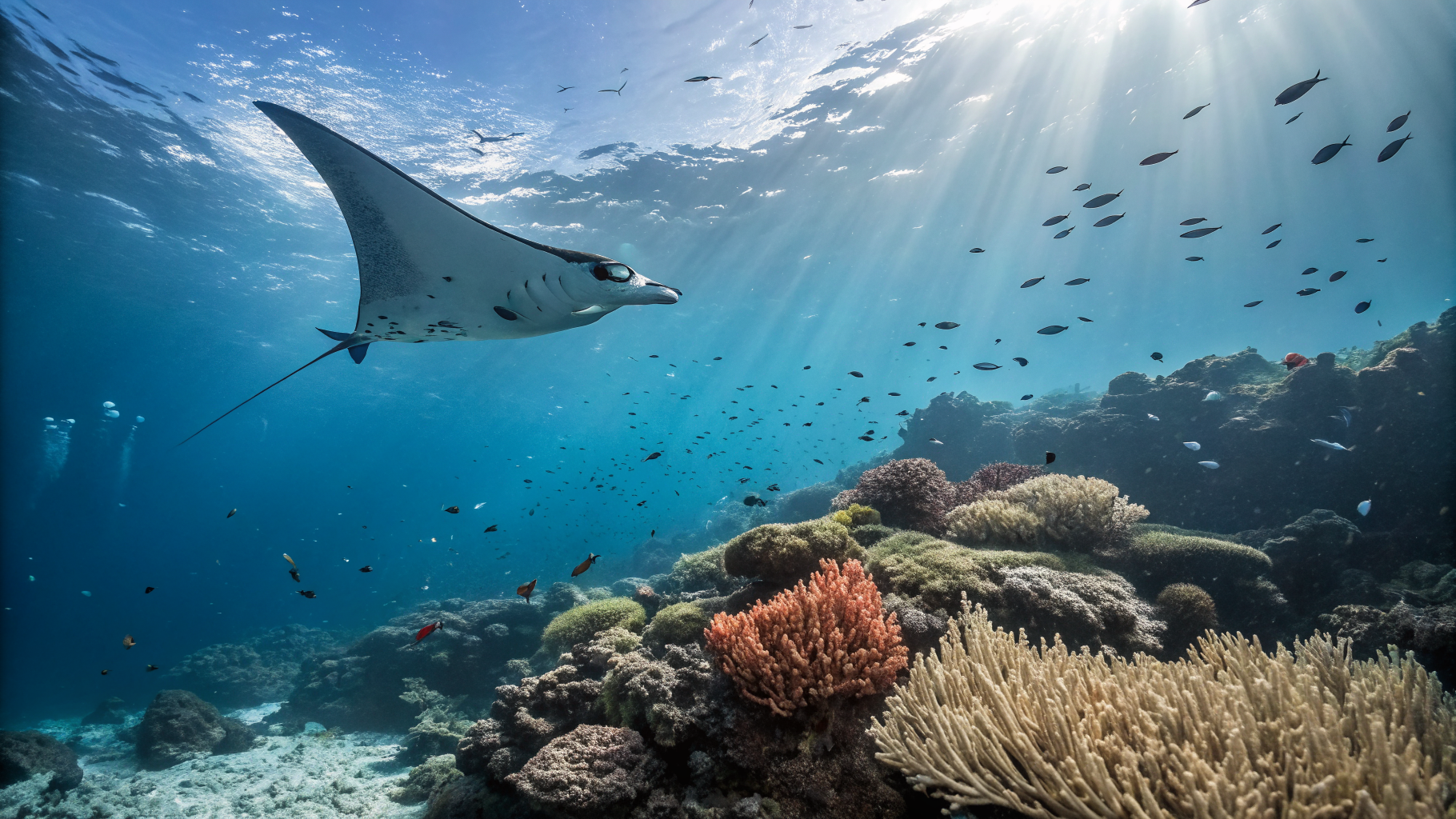
- Encounter majestic manta rays at dedicated cleaning stations.
- Experience the dramatic underwater topography of the Wayag lagoons.
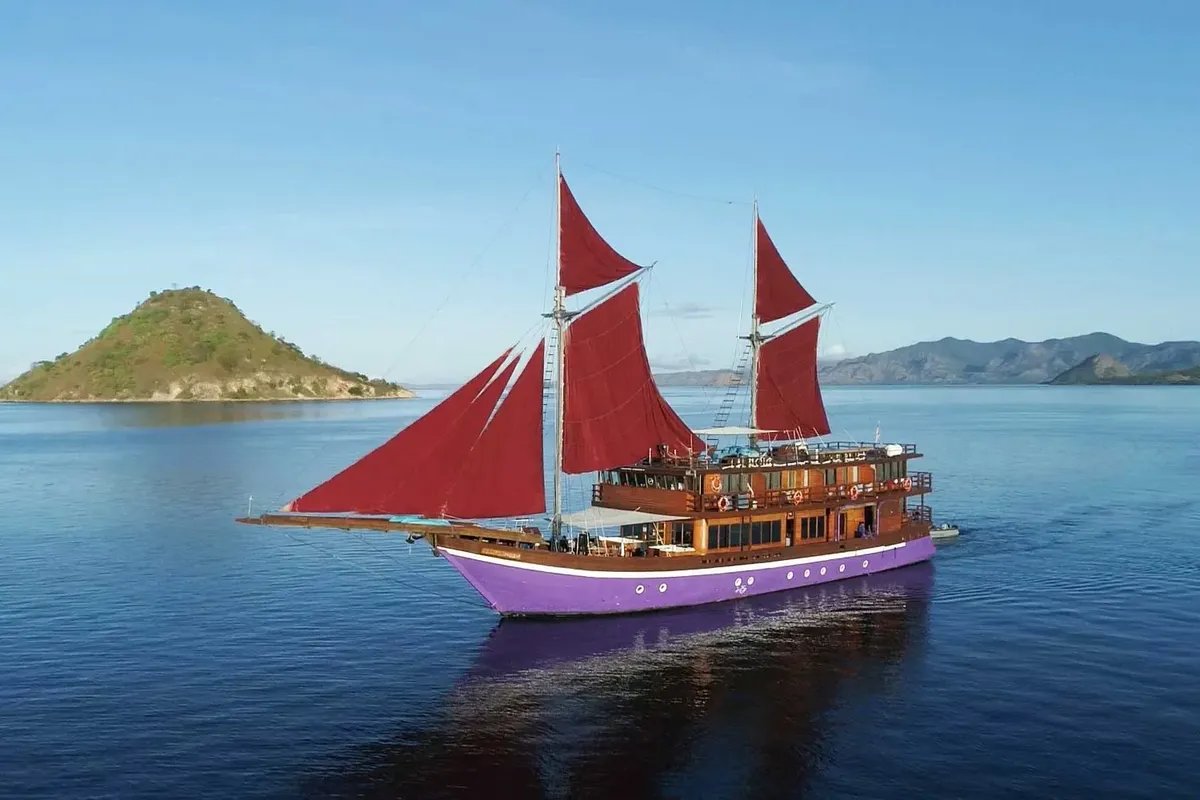
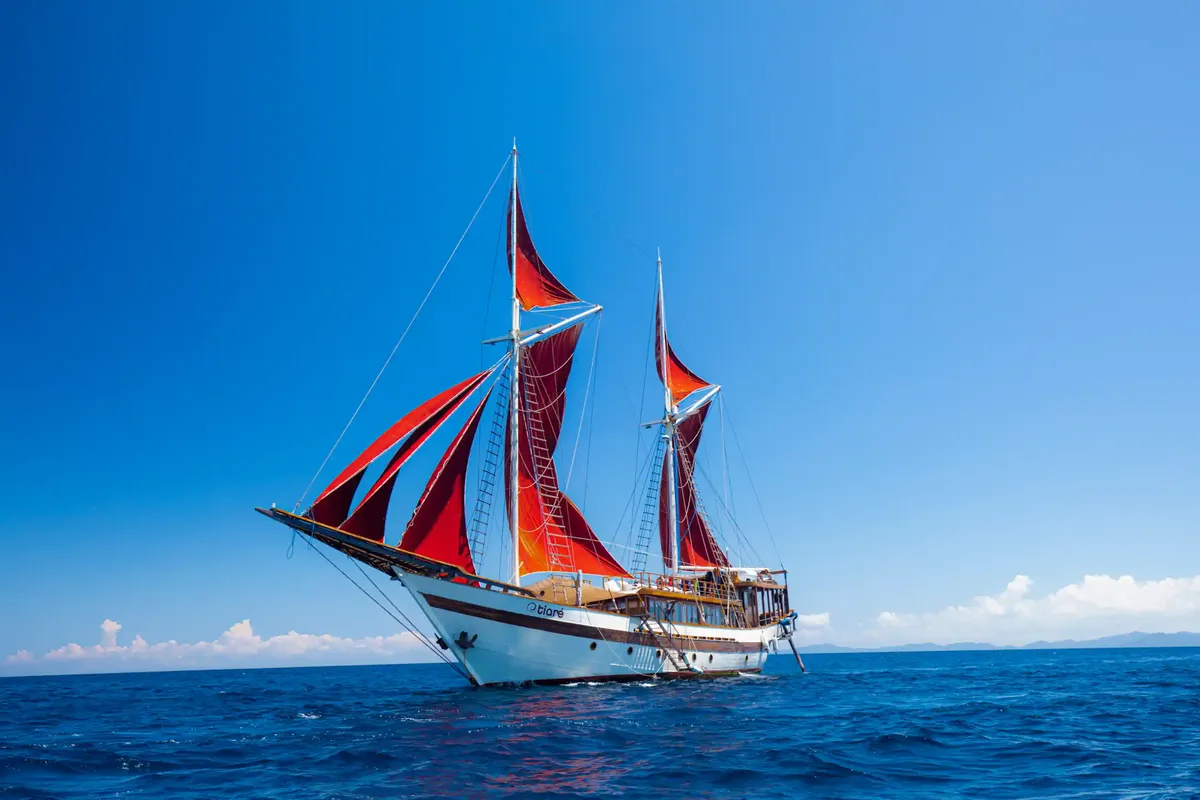
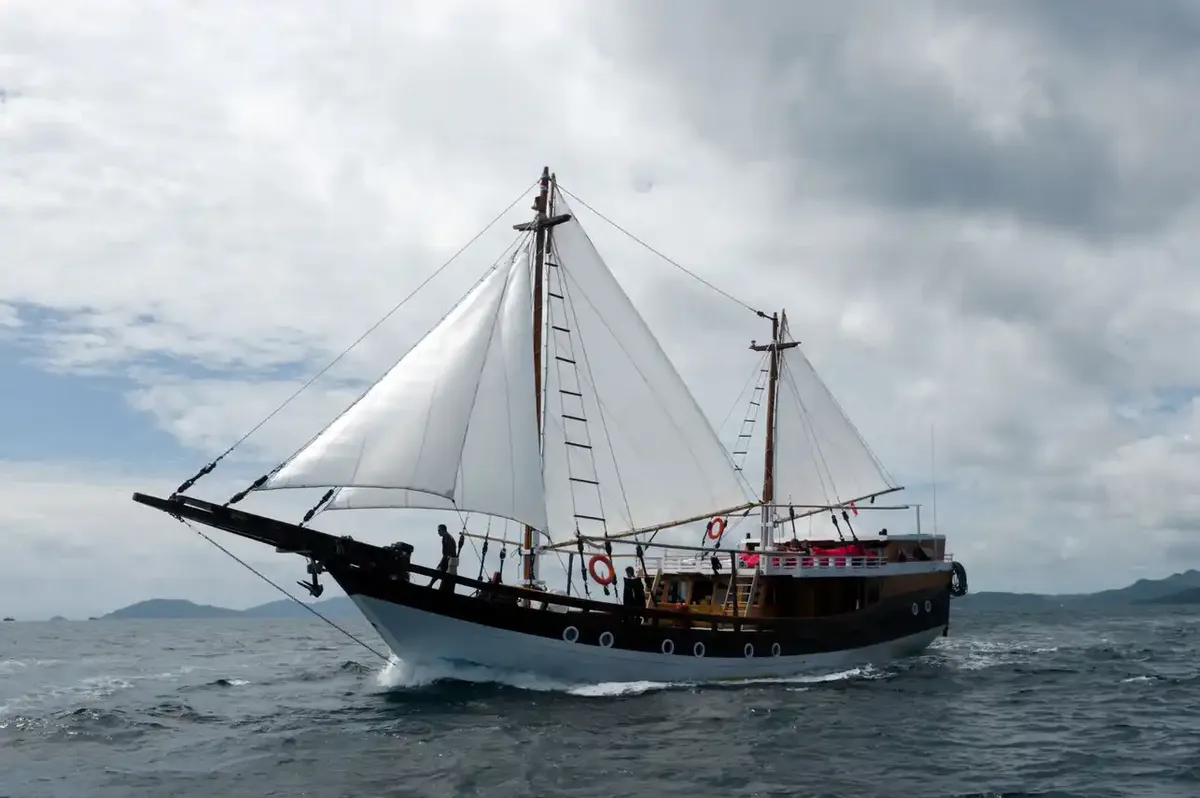
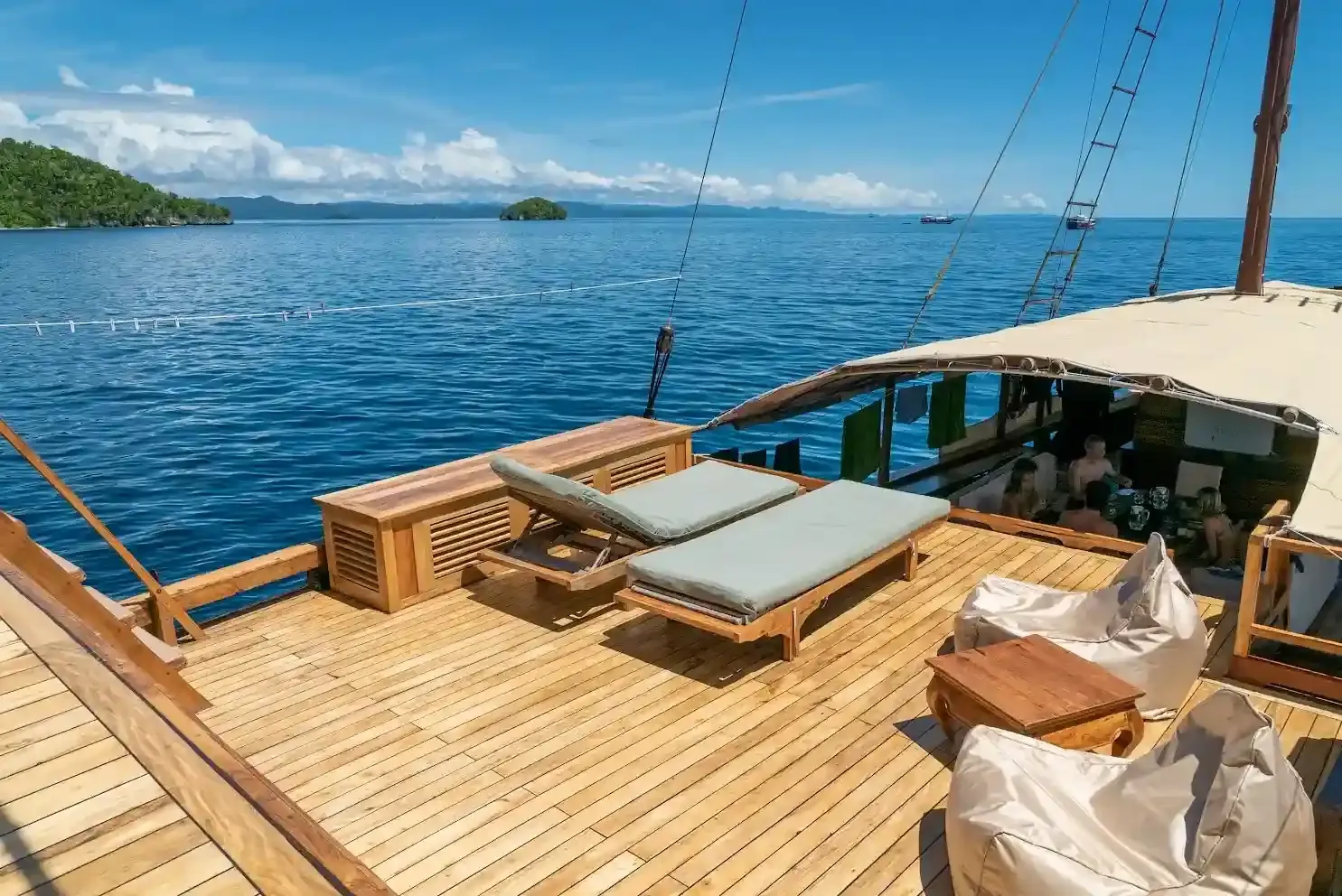
The air is thick with the scent of salt and damp earth, a fragrance unique to the equator. Below deck, the gentle thrum of the engine is a constant, soothing hum as our vessel, the Amira, glides through waters the color of liquid turquoise. We are moving through the Dampier Strait, and the day is just beginning. On the horizon, a string of emerald-green karst islands punches through the flat sea, their limestone cliffs undercut by millennia of tidal flow. This is the overture to a ten-day immersion into the planet’s most vibrant marine ecosystem, a place where the Indian and Pacific Oceans collide with spectacular results.
Days 1-2: Sorong Embarkation and the Dampier Strait’s Biodiversity Crucible
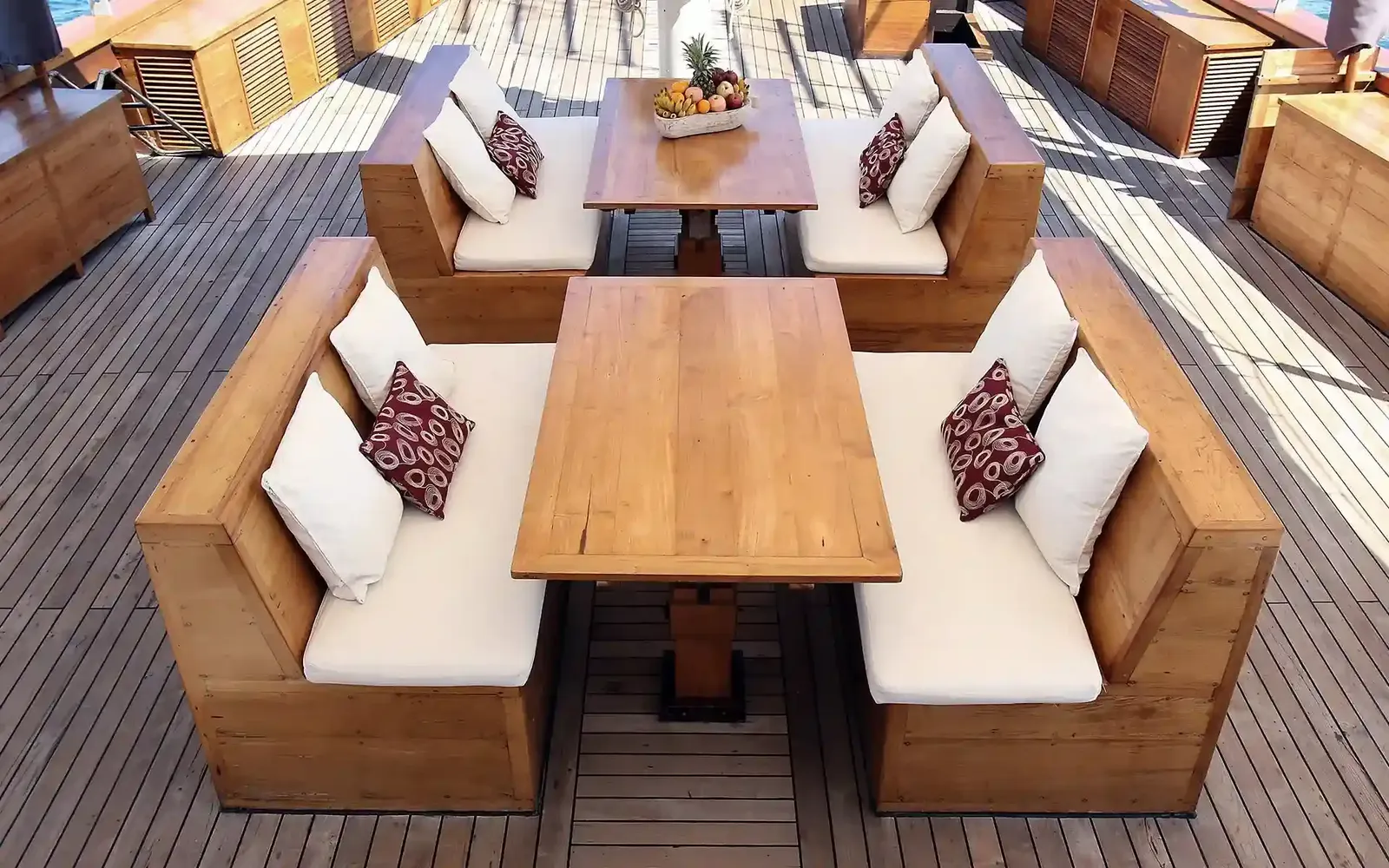
Our journey begins in Sorong, the bustling gateway to West Papua. Once aboard, the transition from terrestrial life to the rhythm of the sea is swift. After a comprehensive safety briefing from our cruise director, Johan, we set a course for the Dampier Strait. This channel, separating the islands of Waigeo and Batanta, acts as a superhighway for marine life. The Indonesian Throughflow funnels trillions of tons of water through this passage, creating nutrient-rich conditions that fuel an explosion of life. Our check-out dive at a site like Sardine Reef is less a gentle introduction and more a full-frontal assault on the senses. The sheer density of fish is bewildering; schools of fusiliers numbering in the thousands flow over the reef, parting only for hunting giant trevallies. It was near here, at Cape Kri, that marine biologist Dr. Gerald Allen famously identified a record-breaking 374 fish species on a single 90-minute dive. The water temperature hovers at a consistent 29°C (84°F), making for exceptionally comfortable dives. In the evenings, we anchor in placid coves, dining on deck under a canopy of stars untouched by light pollution, a true luxury in the 21st century.
Days 3-4: The Manta Ballet at Arborek
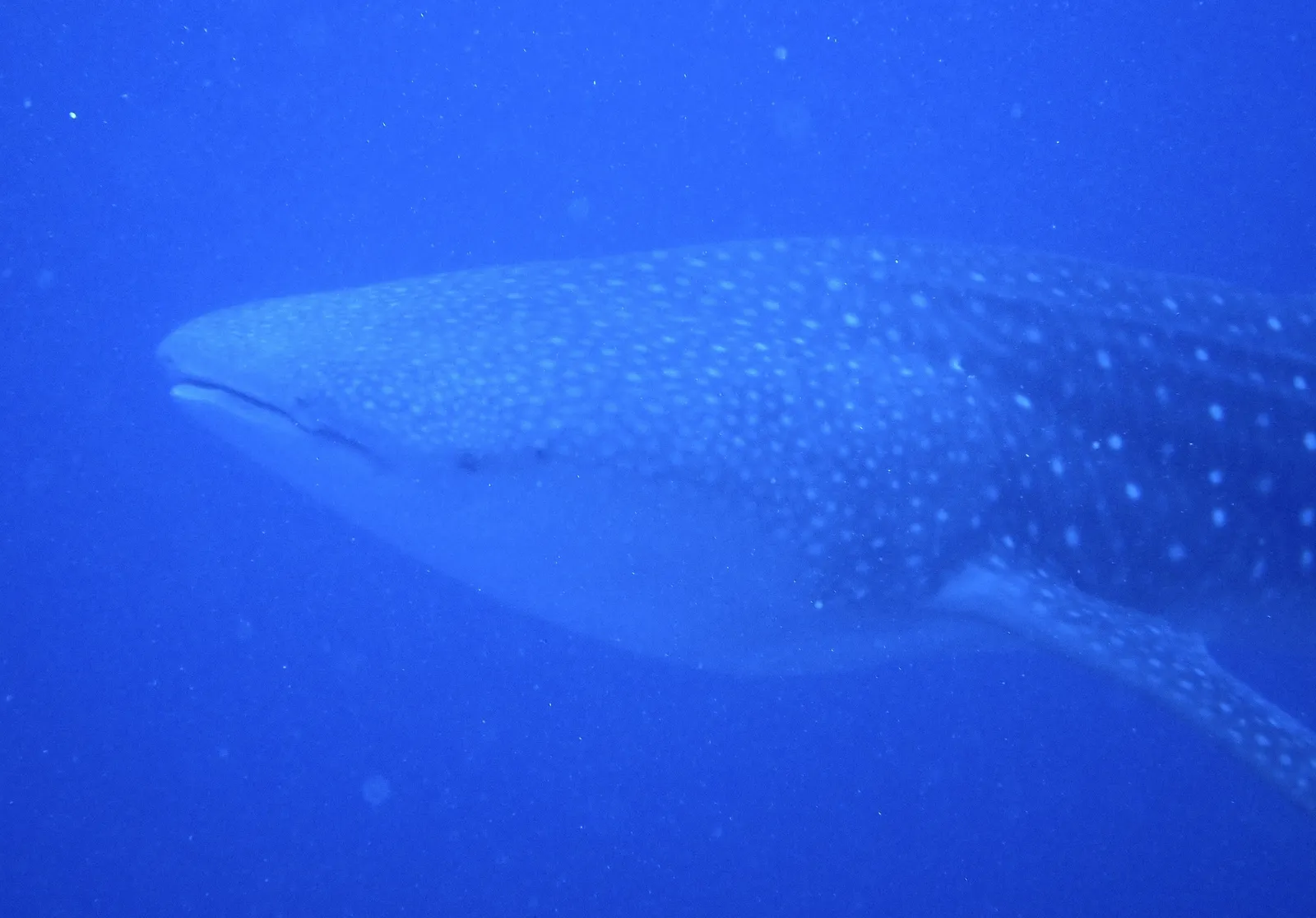
Sailing west, we arrive at the waters surrounding Arborek Island, a small community-run outpost known for one thing above all: manta rays. Our dive plan centers on Manta Sandy, a submerged reef that serves as a cleaning station for both reef mantas (Manta alfredi) and the larger, more elusive oceanic mantas (Manta birostris). We descend to about 18 meters and position ourselves on the sandy bottom, watching as these magnificent animals, some with wingspans exceeding 5 meters, queue up for the services of parasitic copepod-eating wrasse. The interaction is a masterclass in symbiosis. The mantas circle in graceful, hypnotic patterns, often making eye contact with a curiosity that feels both intelligent and ancient. Between dives, we take the tender to Arborek village. The community here has become a model for sustainable tourism, with proceeds from visitor fees directly funding local infrastructure and conservation initiatives. Walking along the jetty, local children show us juvenile blacktip reef sharks that patrol the shallows, a testament to the health of the local ecosystem. This stop offers a crucial human connection to the wildness of the region, reminding us that conservation is a community effort.
Days 5-6: Aljui Bay’s Macro Wonders and Pearl Farming
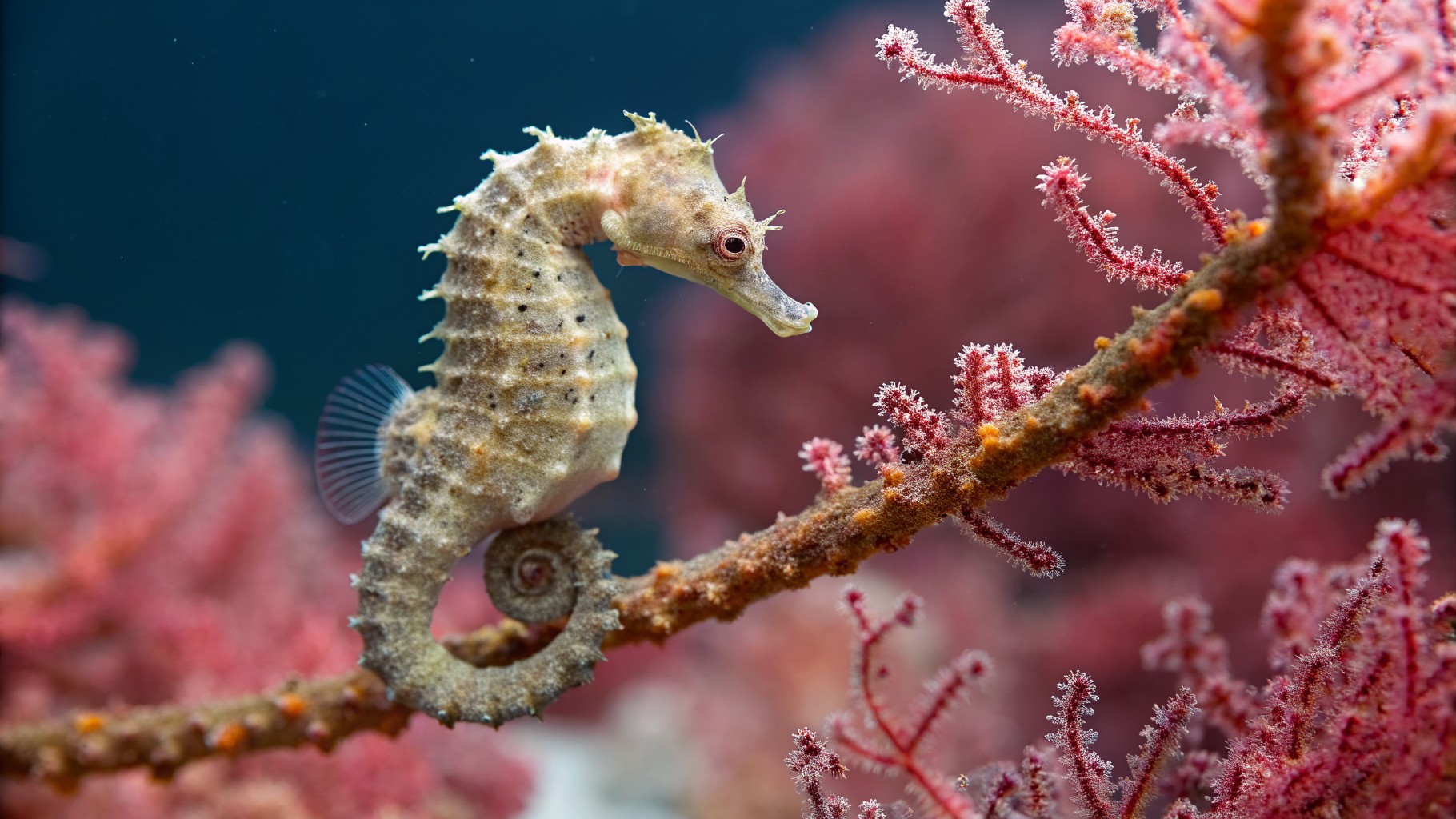
Our itinerary takes a deliberate turn from wide-angle spectacle to macro-focused exploration as we enter Aljui Bay on the western coast of Waigeo. The character of the diving changes dramatically here. The bay is home to the Cendana Pearl Farm, one of Indonesia’s largest producers of South Sea pearls. The farm’s infrastructure creates a unique underwater environment, with pier pilings and discarded equipment becoming artificial reefs encrusted with soft corals and tunicates. Our divemaster, a Papuan local named Leo with an uncanny ability to spot camouflage, guides us on a hunt for the weird and wonderful. We spend our dives searching for pygmy seahorses the size of a thumbnail, flamboyant cuttlefish, and the elusive blue-ringed octopus. Night dives here are particularly rewarding, offering the chance to see the endemic Raja Ampat walking shark (Hemiscyllium freycineti), which uses its pectoral fins to “walk” across the seafloor. For underwater photographers, this is a prime opportunity to use those macro lenses, a key item mentioned in our comprehensive Raja Ampat packing guide. The calm, protected waters of the bay provide a tranquil interlude before we make the long overnight passage north to the expedition’s crown jewel.
Days 7-8: The Karst Kingdom of Wayag
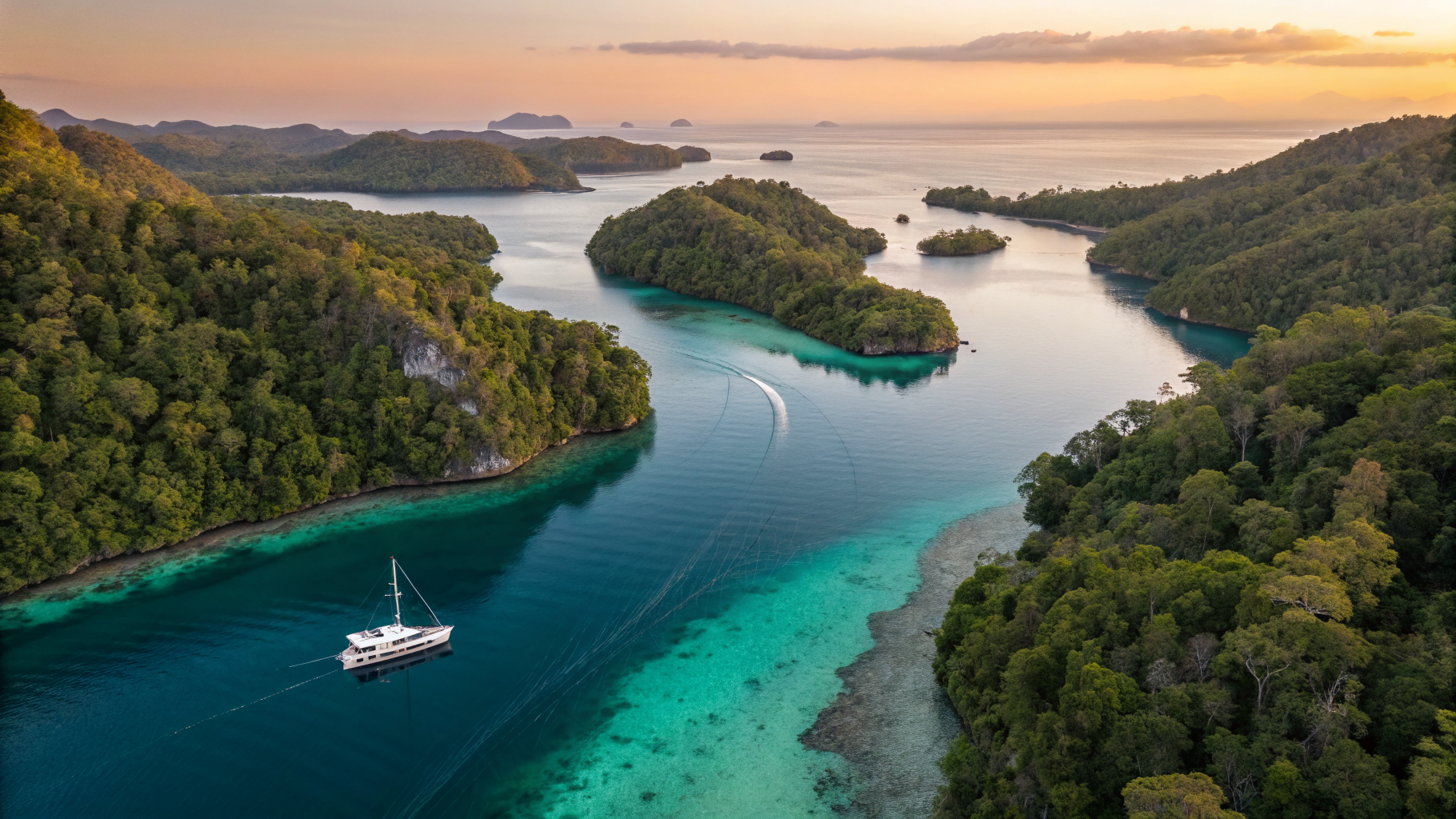
The eight-hour overnight sail north is a rite of passage, bringing us to the remote and uninhabited Wayag island group. This collection of conical karst islands, set in a vast, crystalline lagoon, is the image that defines Raja Ampat for many. The archipelago’s dramatic beauty is a key reason it is on the UNESCO World Heritage Tentative List. Our first order of business is terrestrial: an early morning climb to the famed Mount Pindito viewpoint. The 30-minute trek is steep and requires navigating sharp limestone, but the reward is one of the most sublime panoramas in the travel world. From this vantage point, the sheer scale of the 46,000-square-kilometer Raja Ampat Marine Park becomes palpable. Underwater, Wayag offers a different kind of thrill. Dives at sites like Pelagic Rock and Figure Eight Rock are exposed to open ocean currents, attracting larger predators. We encounter schools of barracuda, grey reef sharks, and occasionally, passing dolphins. The underwater topography mirrors the scenery above, with dramatic walls, swim-throughs, and caverns to explore. The sense of isolation here is profound; often, ours is the only vessel for miles in any direction, a core tenet of the exclusive raja ampat live aboard diving experience we curate.
Days 9-10: Crossing the Equator and the Return Journey
As we begin our journey back towards Sorong, we make a stop at the island of Kawe, which sits directly on the equator. A dive at Eagle Rock offers the unique novelty of crossing from the northern to the southern hemisphere underwater. The currents here can be formidable, demanding confident diving skills and strict adherence to our safety protocols, which are the cornerstone of our operations. You can learn more about our commitment by reading our Raja Ampat safety and trust information. These challenging conditions attract immense schools of fish, including surgeonfish and snappers, creating a vortex of silver and blue. The final day is spent cruising back through the Dampier Strait, perhaps enjoying one last dive at a site like Mike’s Point, a reef teeming with sweetlips and protected by a small bay. It’s a chance for reflection, for sifting through the hundreds of indelible images—both photographic and mental—collected over the past ten days. The final evening is a celebratory dinner with the crew, sharing stories and marveling at the privilege of having witnessed a world that remains, for now, so astonishingly wild and intact, a sentiment echoed by the official Indonesian tourism board.
Quick FAQ About Your Raja Ampat Voyage
What is the water temperature and what exposure suit is recommended?
The water in Northern Raja Ampat is consistently warm, ranging from 28-30°C (82-86°F) year-round. Most divers are comfortable in a 3mm full-length wetsuit or even a shorty. A hood can be useful for those who get cold easily, especially with up to four dives a day. We detail more about the climate in our guide to the best time to visit Raja Ampat.
Is this itinerary suitable for beginner divers?
Due to the presence of strong and sometimes unpredictable currents in areas like the Dampier Strait and Kawe, we recommend this itinerary for divers with an Advanced Open Water certification and at least 50 logged dives. However, we can tailor journeys for different skill levels; our team is adept at creating a customized Raja Ampat liveaboard voyage that matches your comfort and experience.
How many dives are included per day?
A typical day on our 10-day itinerary includes three to four dives. This usually consists of three day dives and, on several evenings, a dusk or night dive. The final day before disembarkation involves one or two morning dives to allow for sufficient off-gassing time before flying.
This ten-day odyssey through Raja Ampat’s northern islands is more than a dive trip; it is an expedition to the heart of marine creation. It’s an opportunity to disconnect from the modern world and reconnect with a primal, powerful nature that operates on a scale that defies easy comprehension. The logistics of such a journey can seem complex, but our team simplifies the entire experience, from initial inquiry to your flight home. To begin crafting your own journey into this underwater Eden, explore our raja ampat live aboard diving voyages and discover the world’s last true paradise.