
About Us
Bugis Phinisi — Indonesia's UNESCO Maritime Heritage
For centuries, the Bugis people of South Sulawesi have been the master mariners of the Indonesian archipelago, their name synonymous with seafaring prowess and maritime trade.
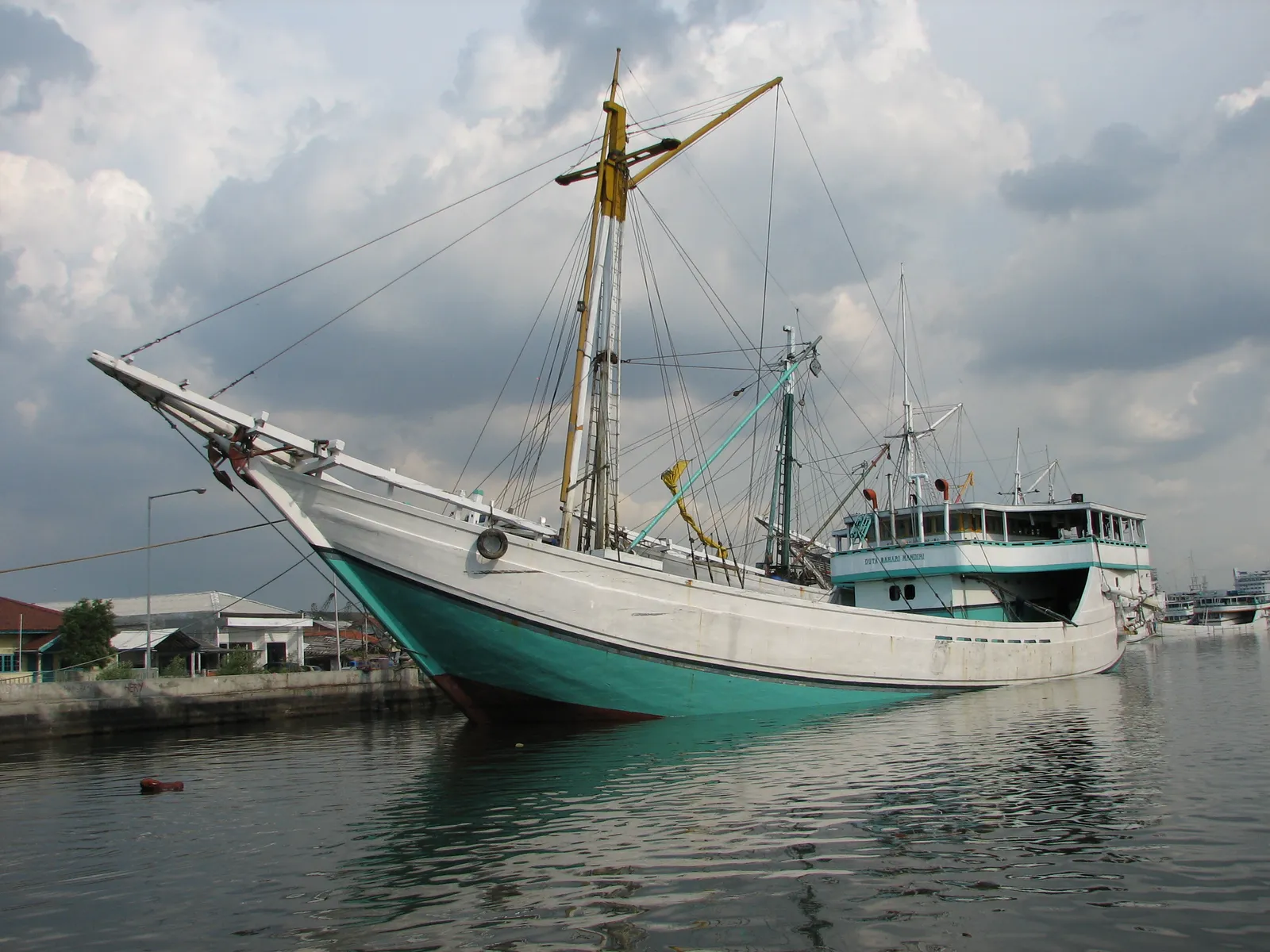
Their legacy is not merely written in history books but is constructed, plank by plank, on the shores of their ancestral villages. This living heritage is embodied in the phinisi—a majestic two-masted wooden schooner, hand-built using techniques passed through generations. It is a vessel so integral to the cultural identity of the archipelago that in 2017, the art of its construction was designated by UNESCO as an Intangible Cultural Heritage of Humanity. To sail aboard a phinisi is to participate in a tradition, a direct link to the expert navigators who first charted these waters.
01
Konjo Bira — The Shipyard Village
On the southeastern tip of South Sulawesi, in the Bulukumba Regency, lies the village of Konjo Bira. This is not a town with a shipyard; the town is the shipyard. Here, along the white-sand beaches, the monumental skeletons of phinisi schooners rise directly from the shore. There are no industrial cranes, no modern dry docks. Instead, the air is filled with the rhythmic percussion of mallets on wood and the scent of sawdust from tropical hardwoods. This is the global center of phinisi construction, a place where shipbuilding knowledge is a communal asset, transferred from father to son, master builder to apprentice.
The entire process is a display of meticulous, manual craftsmanship. Teams of five to ten builders, often from the same family or clan, work in unison without written blueprints, relying on a system of proportions and techniques committed to memory. They shape massive timbers with adzes and handsaws, fitting each piece with remarkable precision. The sight of a 40-meter hull being built by hand on a remote beach is a powerful testament to a tradition that has resisted the industrial standardisation of the modern age, preserving a direct, physical connection to its maritime ancestry.
02
Construction Without Nails
The defining characteristic of a traditional phinisi is its construction method, a process that forgoes metal nails in favour of intricate joinery and wooden pegs. The foundation of the vessel is its keel, crafted from a single, massive piece of timber. From there, the builders erect the hull planking first, creating the vessel's shell before the internal ribs are inserted—a reversal of the Western shipbuilding sequence. This unique method allows for a more organic, robust shape tailored to the specific qualities of the wood.
The primary material for the hull is *ulin*, or Bornean ironwood, a timber so dense it sinks in water. Its exceptionally high oil content makes it virtually impervious to the marine borers and fungus prevalent in tropical seas, granting the phinisi a structural lifespan measured in decades. Planks are joined using a system of wooden dowels, which are hammered into drilled holes. As these dowels absorb moisture, they swell, creating an incredibly tight, strong, and watertight seal that grows more secure with time. This technique gives the vessel a unique flexibility, allowing the hull to absorb the stresses of navigating the archipelago’s complex currents and seas without the rigidity and potential failure points of metal fastenings.
03
UNESCO Recognition 2017
In December 2017, UNESCO officially inscribed "The Art of Boatbuilding in South Sulawesi" onto its Representative List of the Intangible Cultural Heritage of Humanity. This recognition extends far beyond the physical vessel. It celebrates the entire ecosystem of knowledge, ritual, and social practice that surrounds the phinisi. The designation acknowledges the master builders who carry generations of geometric and material knowledge in their minds, without reliance on modern blueprints. It honours the specific oral traditions, myths, and ceremonies that govern every stage of the construction, from selecting the timber in the forest to the vessel's final launch into the sea.
UNESCO noted that the phinisi tradition is a living art form that represents a cornerstone of Indonesian maritime identity. The skills involved in its construction, navigation, and trade have shaped the cultural and economic landscape of the archipelago for centuries. The award validates the importance of preserving this indigenous technology and the profound wisdom of the Konjo, Bugis, and Mandar peoples who remain its primary custodians, ensuring their ancestral craft continues to cleave the waters of Southeast Asia.
04
Two-Mast Schooner Rig
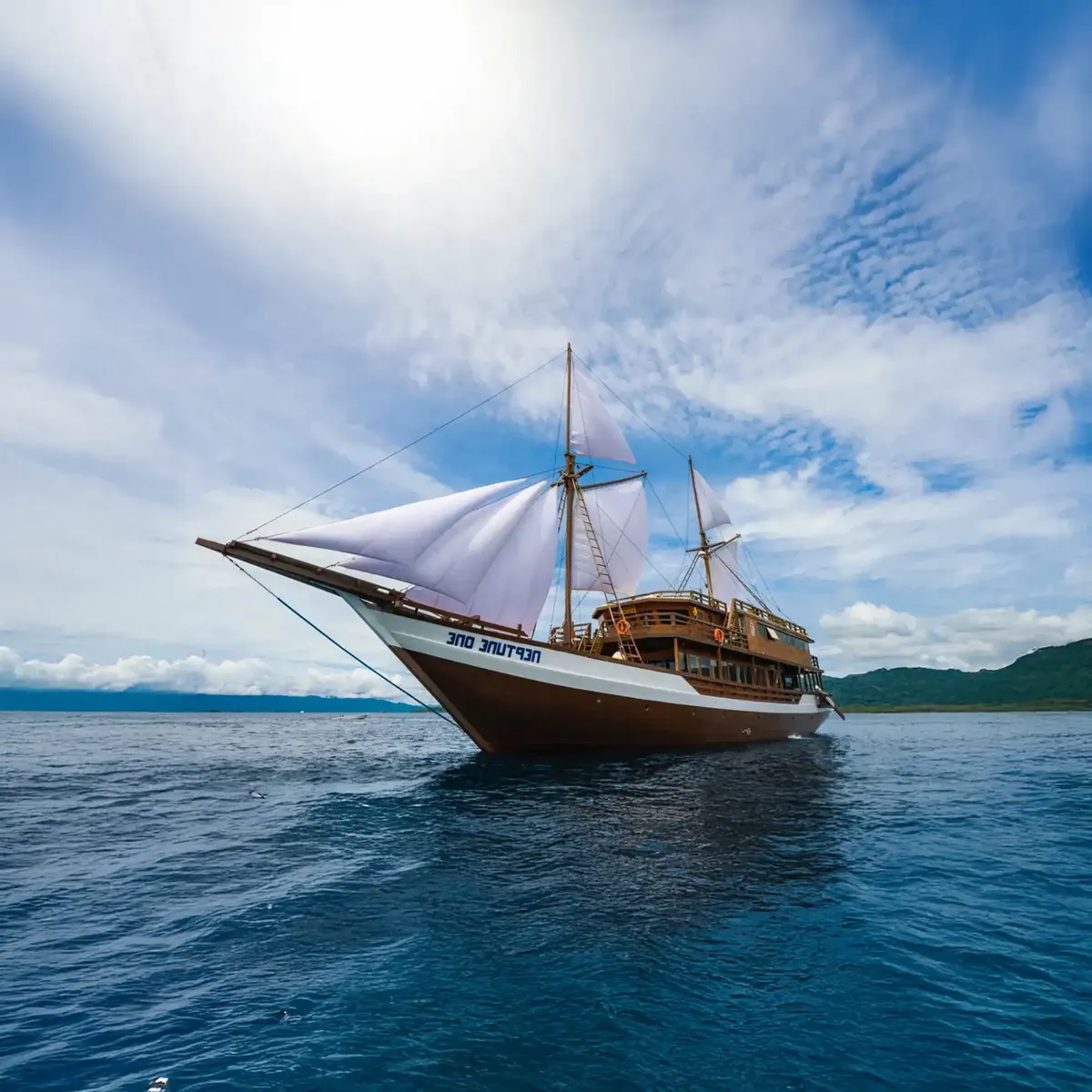
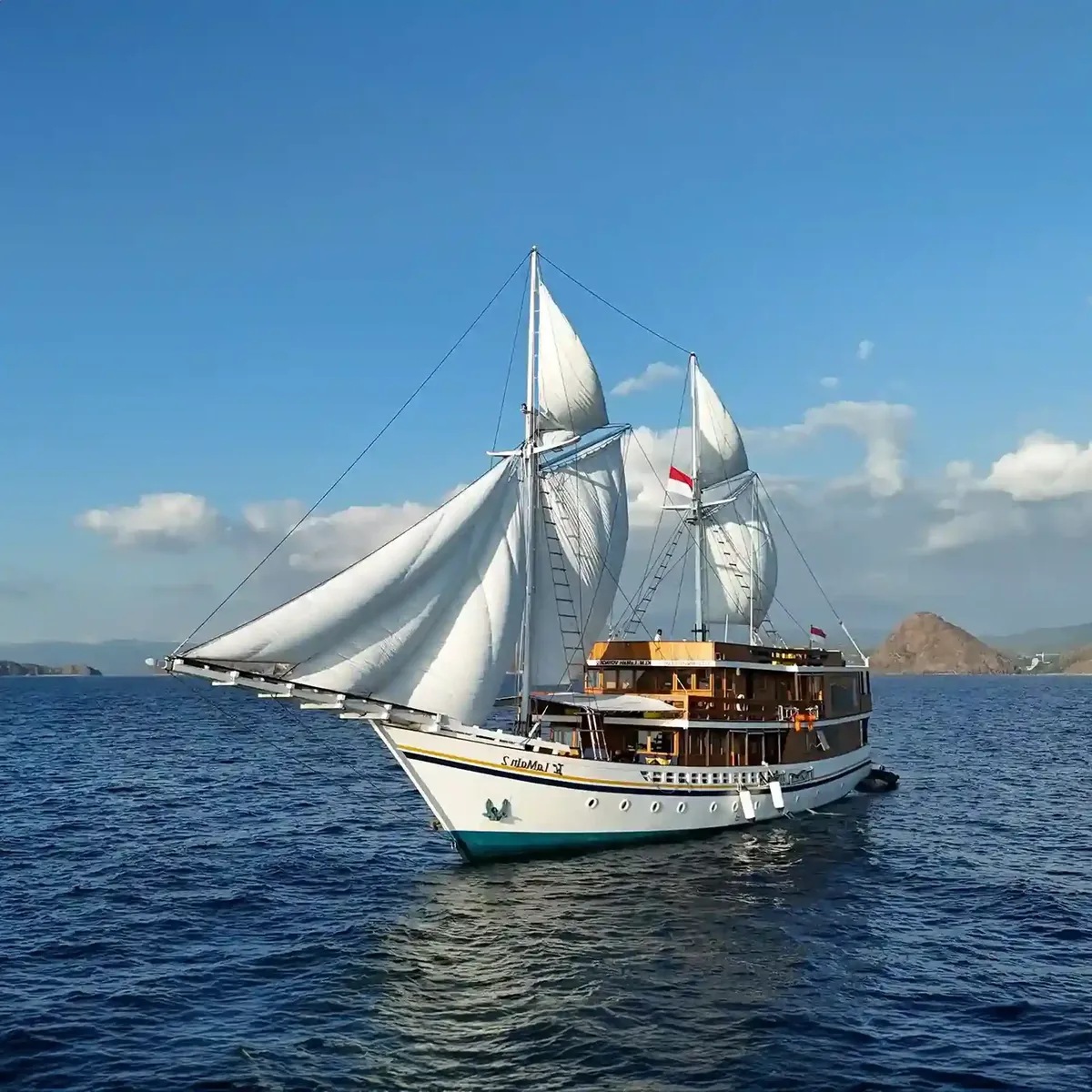
The iconic silhouette of the phinisi is defined by its two-masted gaff schooner rig. While the hull construction is an ancient indigenous practice, the rigging itself represents a brilliant 19th-century Sulawesi adaptation of European designs. Bugis mariners observed the speed and manoeuvrability of Western clippers and schooners and integrated the core principles into a rig perfectly suited for the variable winds of the archipelago. The traditional phinisi rig, known as a *layar*, typically carries up to seven sails: a mainsail and topsail on both the main and mizzen masts, accompanied by three jibs.
This configuration provides a substantial sail area for performance in open water while allowing for multiple points of adjustment to handle the unpredictable conditions found between islands. The forward-leaning mainmast is a distinctive visual feature, engineered to balance the vessel. While modern phinisis are equipped with powerful marine engines for safety and scheduling, the sails remain fully functional. Hoisting the deep red or tan sails connects a modern voyage to the centuries of wind-powered exploration and trade that first opened up these remote archipelagos.
05
Bugis Mariners — Sea Heritage
The phinisi is inseparable from the people who build and sail it. The Bugis of South Sulawesi are widely regarded as the world’s finest indigenous mariners, a reputation earned over a millennium of dominating the sea lanes of Southeast Asia. Long before European arrival, they were the masters of the spice trade, their phinisi fleets connecting the scattered islands of present-day Indonesia, Malaysia, and the southern Philippines. Their navigational skills were legendary, relying on a sophisticated understanding of star patterns, wind systems, ocean currents, and the subtle signs of nature, such as bird flight paths and wave formations.
This legacy is a continuum, not a relic. It lives on in men like, a third-generation Bugis sailor from Bira village, who commands phinisi liveaboards today. For captains like him, the sea is a second home, and the vessel is an extension of their own body. This inherited knowledge—an intuitive feel for the water—cannot be taught in a modern naval academy. It is the result of a lifetime spent on the water, a cultural inheritance that ensures passage through regions like Raja Ampat is conducted with an unmatched level of local expertise and a deep, abiding respect for the marine environment.
06
Modern Luxury Phinisi for Liveaboard
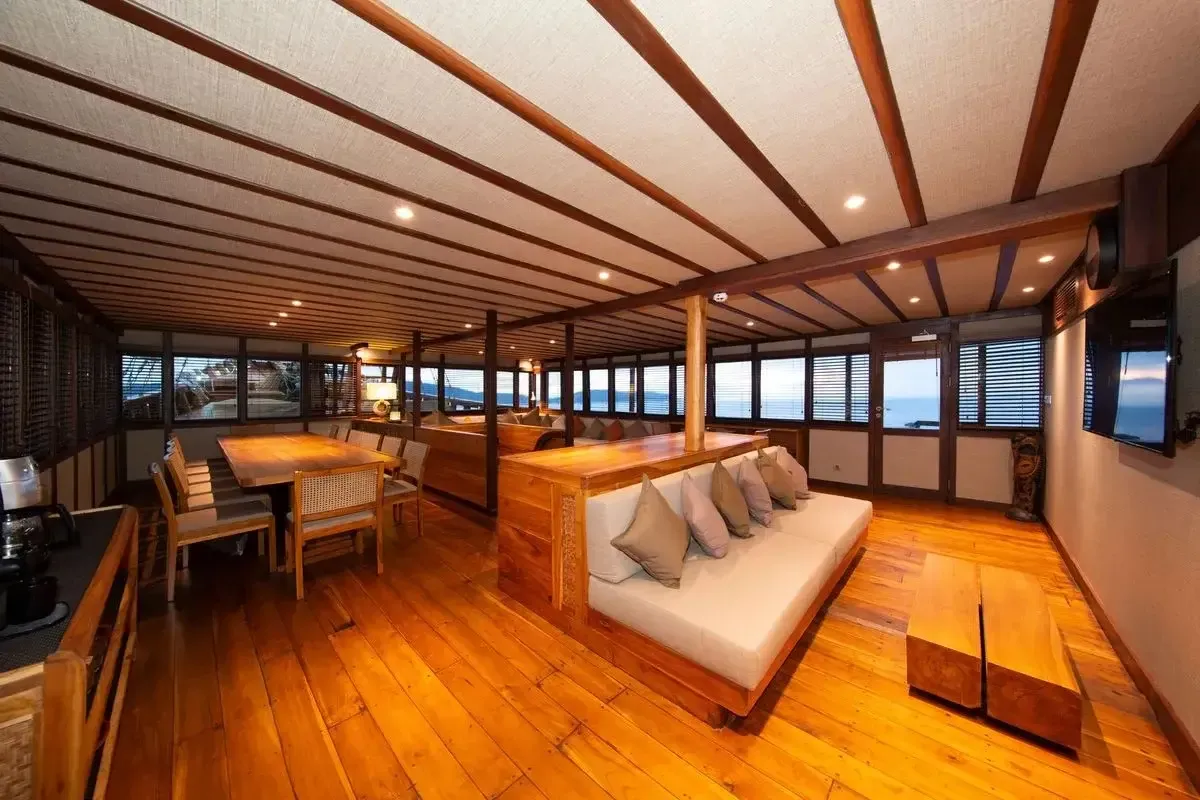
Today, the phinisi tradition has evolved to serve a new purpose: as the definitive platform for marine exploration. Our voyages operate on modern phinisis, vessels that marry authentic, handcrafted construction with the highest standards of contemporary comfort and safety. Ranging from 30 to 50 meters in length, these yachts feature 12 to 18 private, air-conditioned cabins with en-suite facilities. While the soul of the vessel—its ironwood hull and traditional lines—is pure Bugis, the ship is fitted with modern navigation systems, communication equipment, and powerful engines.
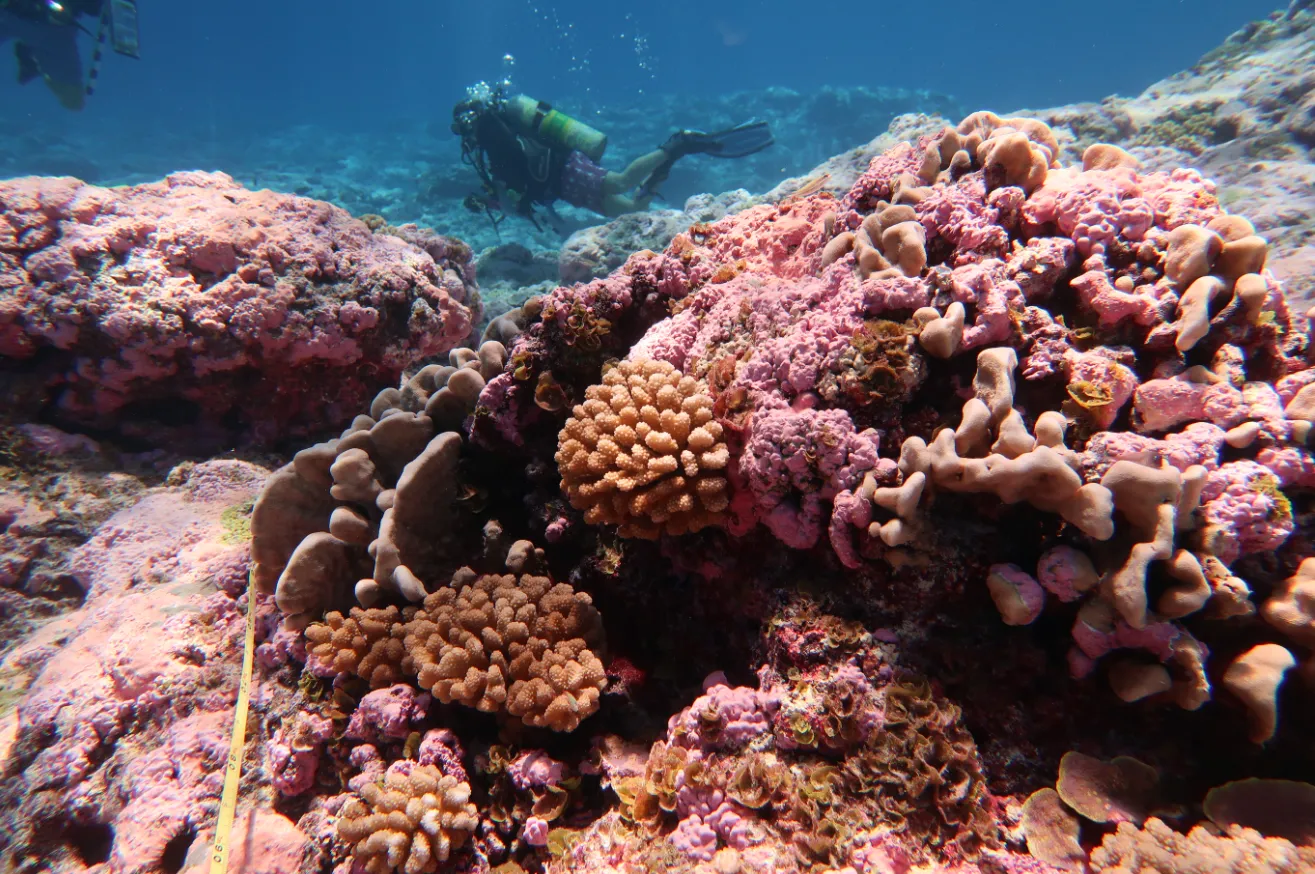
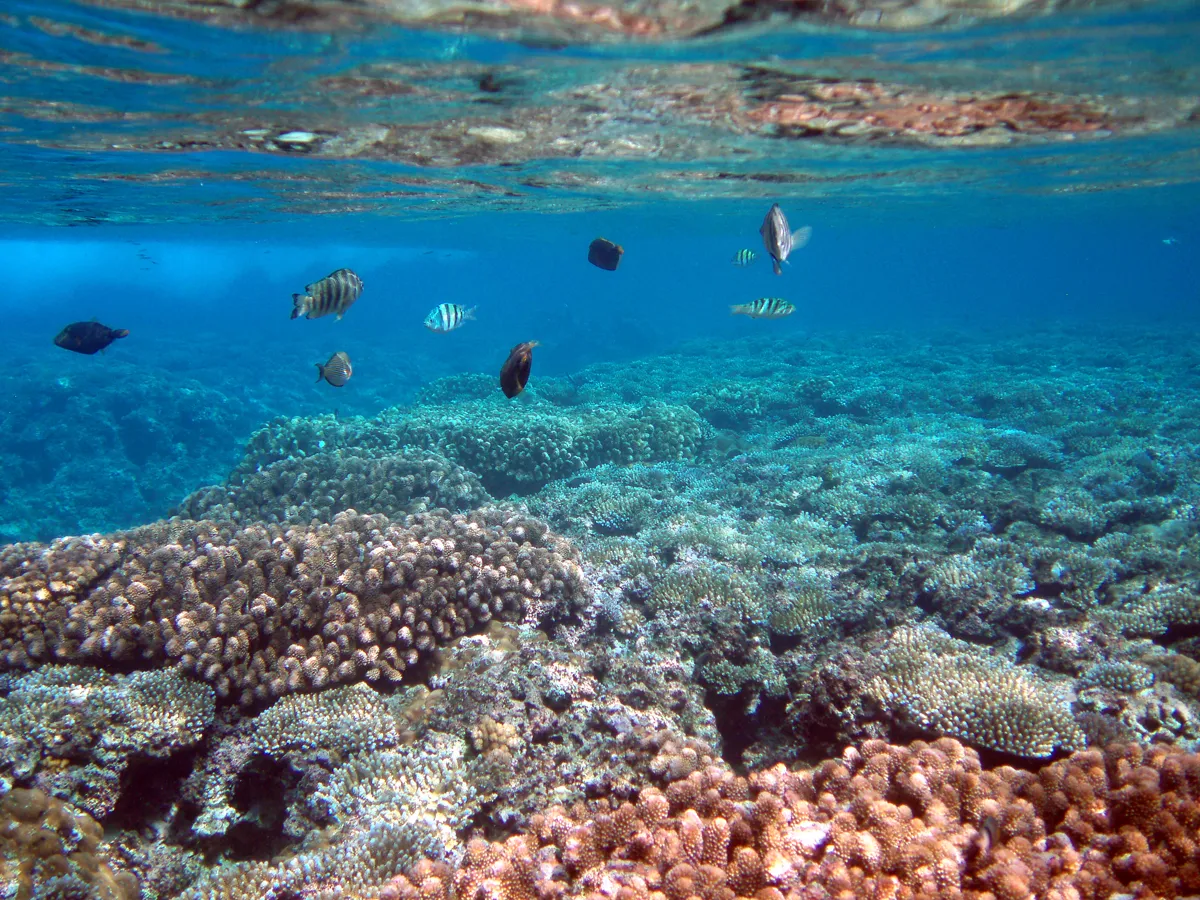
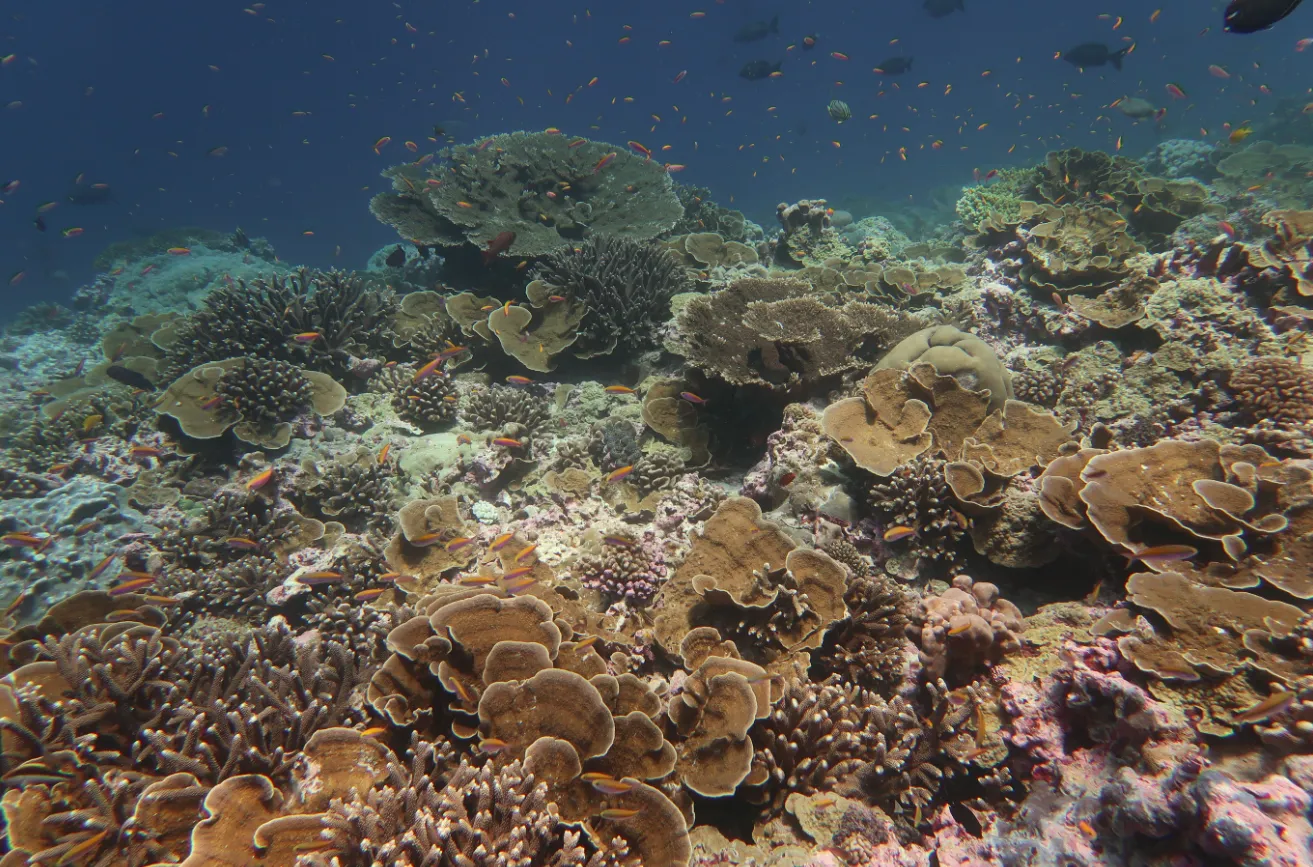
This fusion of old and new makes the phinisi an ideal vessel for navigating the 40,000 square-kilometer expanse of Raja Ampat. Its inherent stability provides a superior base for diving operations, allowing direct access to sites like Cape Kri, which holds a world record for fish biodiversity with 374 species identified on a single dive. As a subsidiary of Komodo Luxury, with over 1,240 voyages operated in these waters, we utilize these exceptional vessels to provide exceptional access to an archipelago containing 75% of all known hard coral species, ensuring a voyage that is both culturally authentic and operationally precise.
07
Keel Laying Ceremony
The construction of a phinisi is initiated not with a blueprint, but with a ceremony. The *Upacara Peletakan Lunas*, or keel-laying ceremony, is a foundational ritual that binds the vessel to spiritual protection. The master builder, or *punggawa*, leads the rite, which begins by orienting the massive keel to face the sea. Prayers are offered to ensure the wood from the forest and the spirits of the ocean will safeguard the ship and its future crew.
A central part of the ceremony involves a symbolic sacrifice, typically a chicken. The blood is smeared across the keel in specific locations, an offering intended to placate the natural elements and ensure a smooth, safe construction process. This act acknowledges that the vessel is more than an inanimate object; it is a living entity, born from the forest and destined for the sea, and its creation requires respect for the powers that govern both realms. Every phinisi that sails today, including those in our fleet, began its life with these deeply rooted cultural and spiritual observances.
FAQ
FAQ
What is the difference between a phinisi and a standard yacht?
The primary distinction lies in material and heritage. A phinisi is a traditional wooden vessel, hand-built in South Sulawesi primarily from ironwood and teak using pegged construction methods. It carries the cultural legacy of the Bugis mariners. A standard modern yacht is typically constructed from fiberglass or steel with a focus on contemporary design and mass-production techniques. The phinisi offers a tangible connection to centuries of Indonesian maritime history.
Why is ulin ironwood used for the phinisi hull?
Ulin (Eusideroxylon zwageri) is chosen for its extreme density and natural durability. The timber's high oil content makes it exceptionally resistant to the shipworms and marine decay common in tropical waters, eliminating the need for chemical anti-fouling treatments. This resilience gives phinisi hulls a structural lifespan that can exceed 50 years, making it one of the most robust shipbuilding materials in the world for wooden vessels.
Are modern phinisis still built without plans?
While the foundational building techniques are traditional and master builders often work from memory, modern phinisis constructed for commercial charter, such as luxury liveaboards, are built in adherence to detailed naval architectural plans. This ensures compliance with international maritime safety standards (like SOLAS) for stability, safety, and onboard systems. This represents a blend of ancestral craftsmanship with the precision of modern engineering.
How long does it take to build a traditional phinisi?
The construction timeline for a phinisi is a measure of its craftsmanship. A luxury liveaboard vessel, typically between 35 and 45 meters in length, requires 12 to 24 months to complete. The duration depends on the size and complexity of the interior fit-out, the experience of the building crew, and the crucial curing time required for the massive timbers. Each vessel is a long-term project, built to last for generations.
About Us
More in About Us

Plan Your Raja Ampat Voyage
Our dive concierge team is ready to design your private phinisi charter. We manage all logistics — from arrival in Sorong to your departure.