In this article
- Understanding Raja Ampat Liveaboard Itineraries
- Choosing Your Duration: 7 to 14 Days
- Raja Ampat Liveaboard Itinerary: A Day-by-Day Breakdown
- Raja Ampat Dive Routes: North, Central, and South
- Best Months for Liveaboard Diving in Raja Ampat
- Price Overview for Liveaboard Diving in Raja Ampat (2026)
- Frequently Asked Questions
- Conclusion
- Key Dive Sites to Explore
- When to Go: Seasonal Considerations
- Logistics and Liveaboard Options
- Preparing for Your Trip
- Related reading

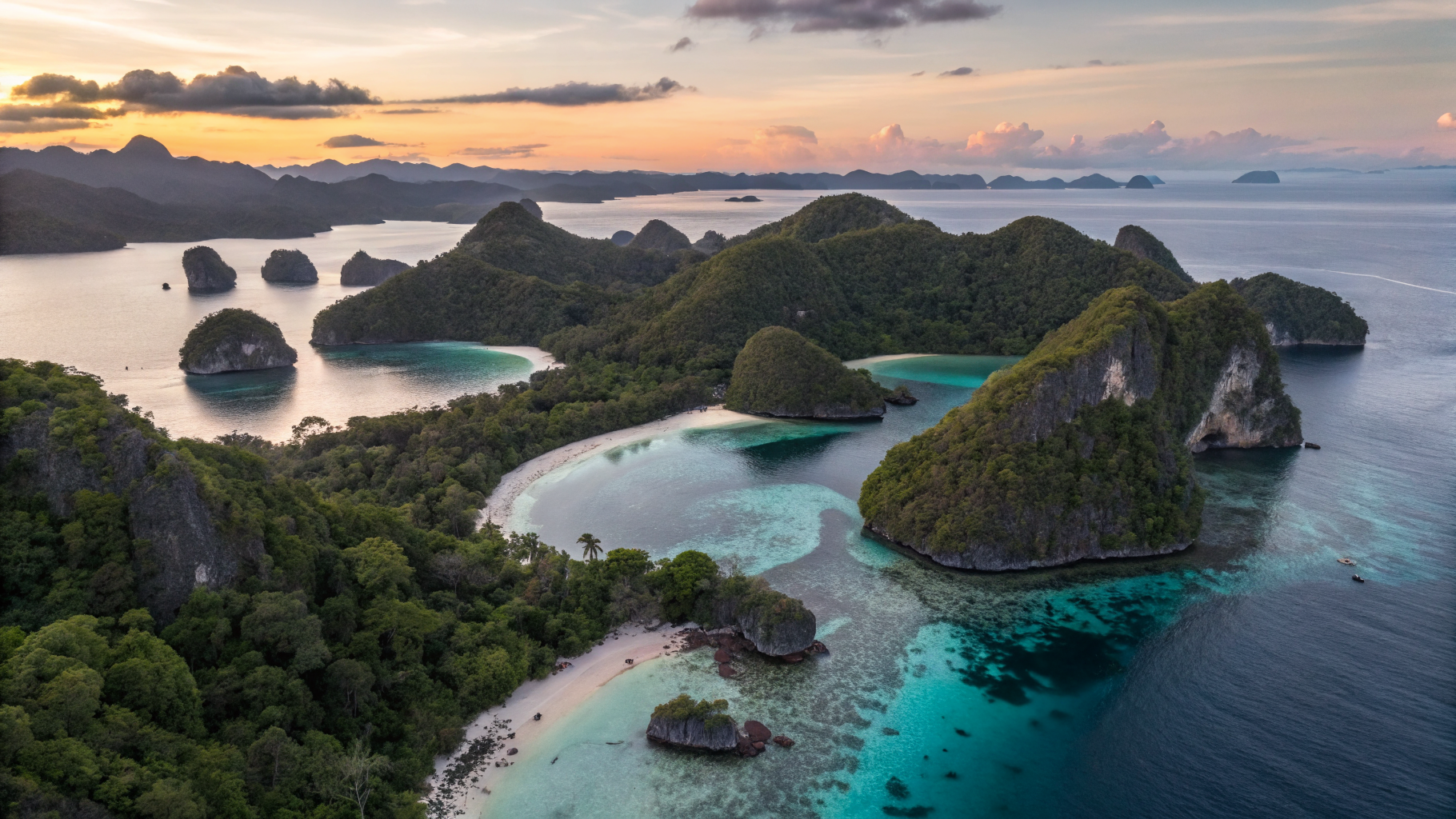

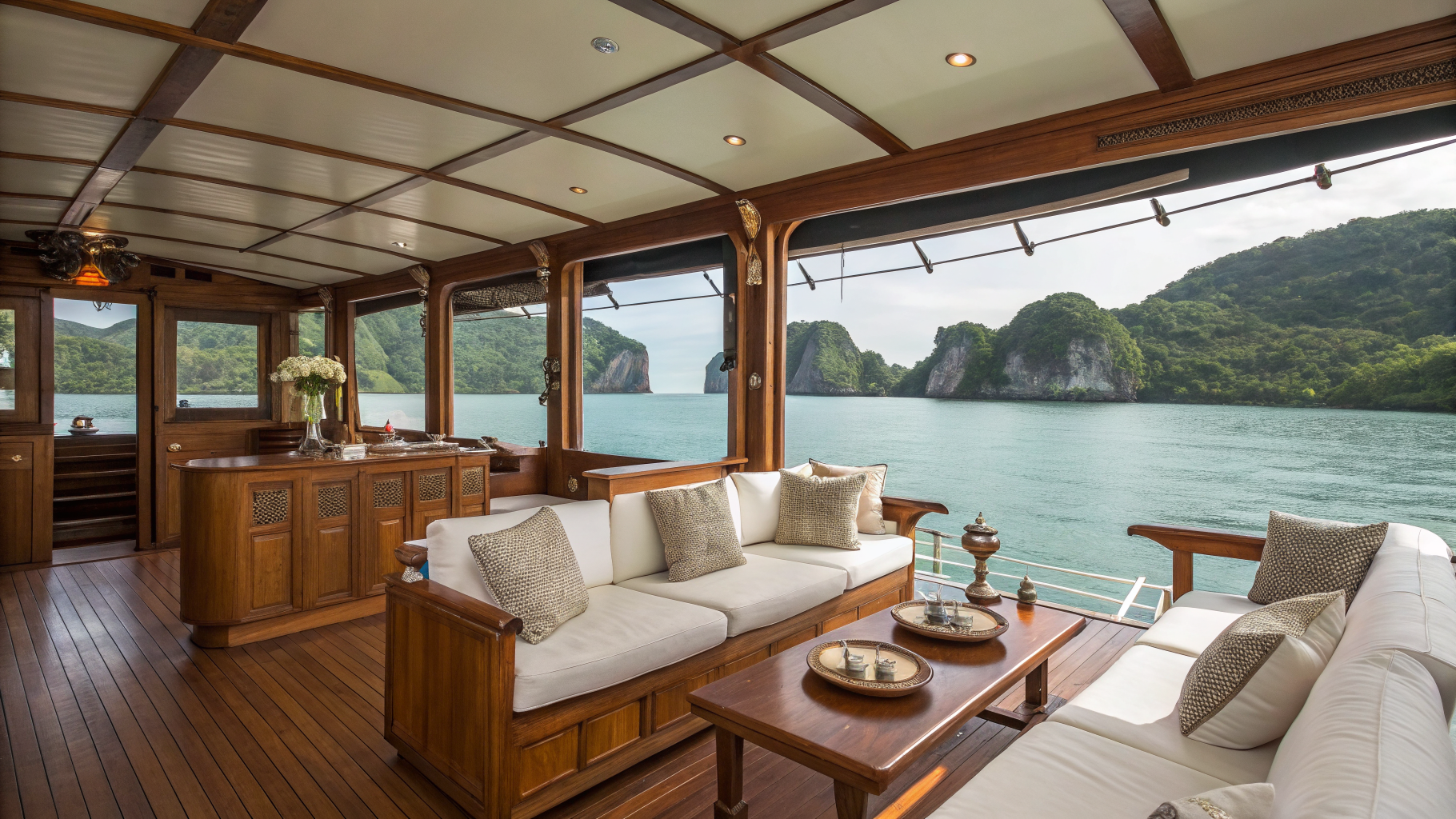
Understanding Raja Ampat Liveaboard Itineraries
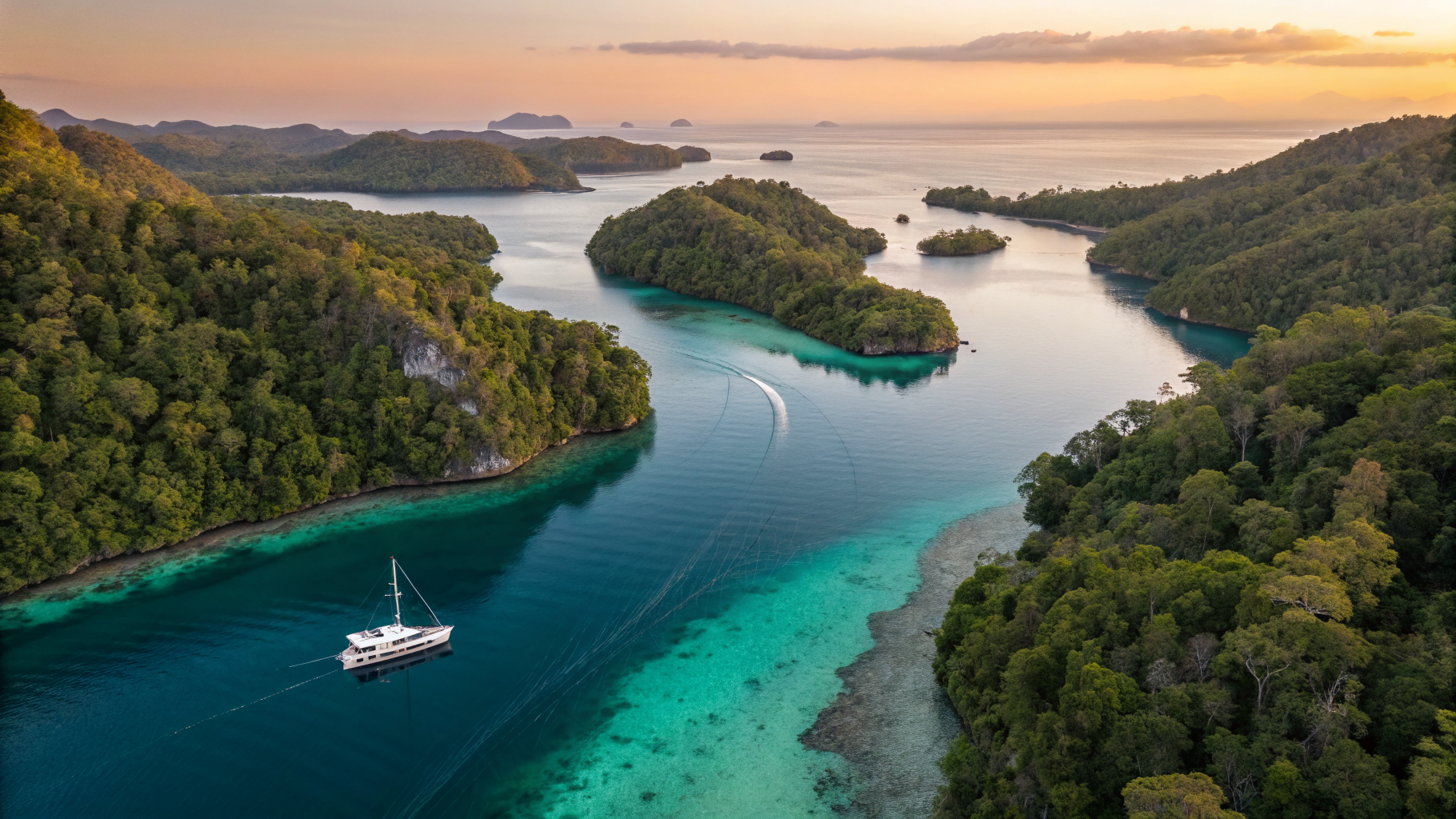
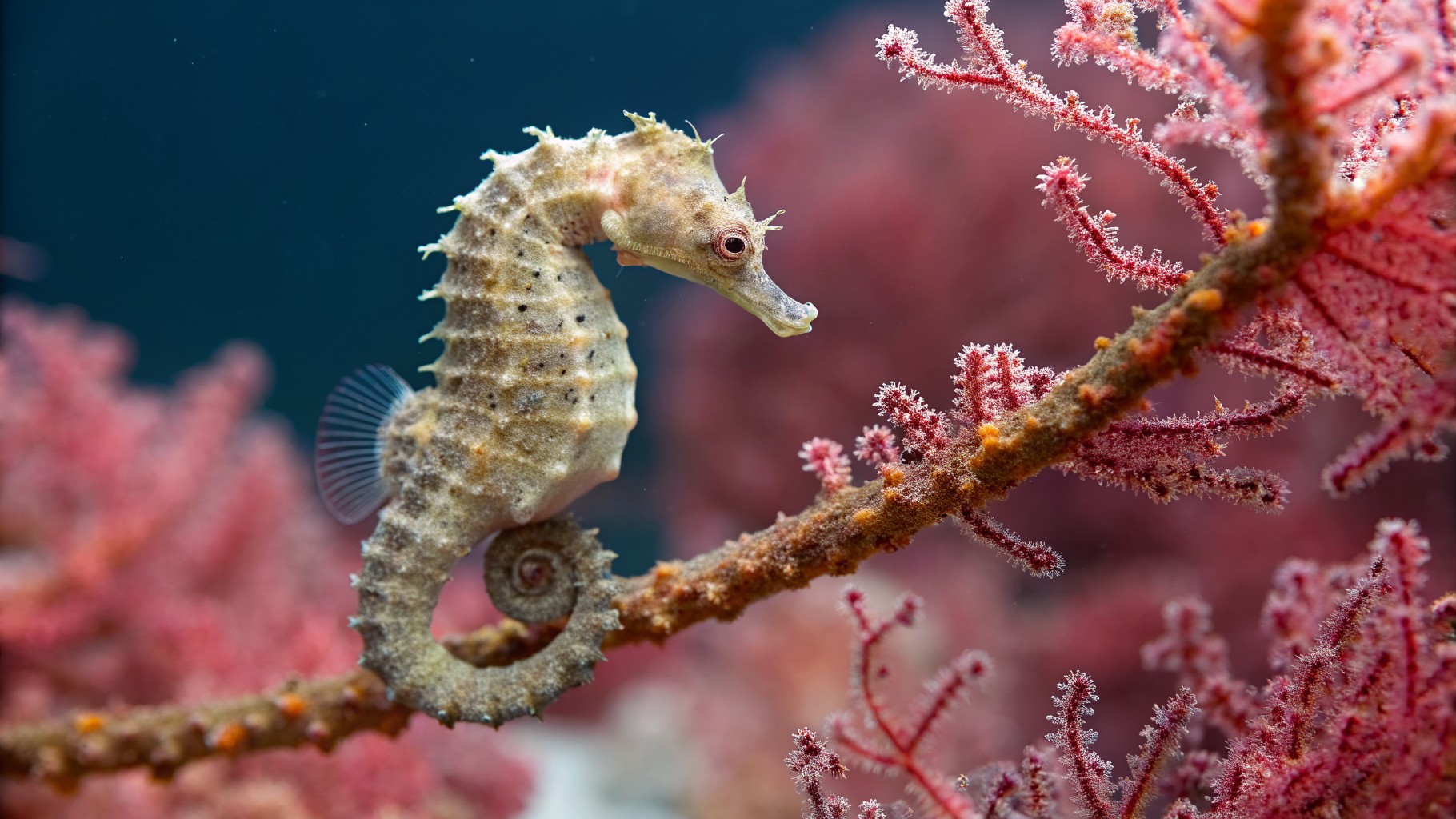
Raja Ampat liveaboard itineraries offer a unique opportunity to explore some of the most biodiverse marine environments on the planet. Ranging from 7 to 14 days, these itineraries provide divers and nature enthusiasts with a chance to fully immerse themselves in the stunning underwater landscapes and pristine islands of this Indonesian archipelago.
Choosing Your Duration: 7 to 14 Days
When planning your diving adventure, the first thing to consider is how long you want to spend on a liveaboard. Here’s a breakdown of what to expect for different durations:
- 7 Days: Ideal for those on a tighter schedule, this itinerary usually covers the essential dive sites in the northern region, including Misool and Wayag.
- 8 Days: A popular option that allows for a bit more exploration, often extending to central and southern dive sites like Fam Islands and Penemu.
- 10 Days: This itinerary dives deeper into the heart of Raja Ampat, covering a wider range of dive sites and islands.
- 12 Days: Perfect for avid divers, this route offers extensive diving experiences across multiple regions.
- 14 Days: For those looking to dive the entire archipelago, this itinerary ensures no site is left unexplored.
Raja Ampat Liveaboard Itinerary: A Day-by-Day Breakdown
The essence of a Raja Ampat liveaboard experience lies in its structured yet flexible day-by-day activities. Here’s a general overview of what a typical itinerary might look like:
7-Day Itinerary Example
- Day 1: Depart from Sorong, head towards the northern dive sites. First dive at Cape Kri.
- Day 2: Explore Blue Magic and Sardine Reef, famous for large pelagic fish.
- Day 3: Visit Misool, dive at the stunning Boo Rock.
- Day 4: More diving in Misool, with sites like Magic Mountain and Nudi Rock.
- Day 5: Heading to Wayag for striking landscapes and a dive at the iconic Wayag Island.
- Day 6: Dive at the northern Penemu, known for its colorful coral gardens.
- Day 7: Return to Sorong with a final dive at Melissa’s Garden before disembarkation.
14-Day Itinerary Example
- Day 1: Depart Sorong, briefings, and first dive at Cape Kri.
- Day 2: Explore the northern dive sites, including Mioskon and Blue Magic.
- Day 3: Travel to Misool, diving at Boo Rock and Magic Mountain.
- Day 4: Continue exploring Misool with multiple dives.
- Day 5: Dive at Fiabacet and the pristine beaches of Misool.
- Day 6: Sailing towards the Fam Islands, enjoy diving at Fam Wall and other sites.
- Day 7: More dives at Fam Islands, snorkel and visit local villages.
- Day 8: Head to the central region, diving at Melissa’s Garden.
- Day 9: An exploration day near Penemu, visiting the iconic viewpoint.
- Day 10: Dive at Penemu, known for its vibrant coral reefs.
- Day 11: Travel south towards Batanta Island, night diving available.
- Day 12: More diving at Batanta and explore the underwater landscapes.
- Day 13: Head back north to the northern reefs, including more dives at Cape Kri.
- Day 14: Disembarkation at Sorong after a final dive.
Raja Ampat Dive Routes: North, Central, and South
Understanding the dive routes in Raja Ampat will help you choose the right itinerary for your diving experience. Here’s an overview:
- North Route: Focuses on sites like Cape Kri, Blue Magic, and Mioskon. Expect a mix of reef dives and encounters with larger pelagics.
- Central Route: Includes diverse dive sites such as Misool and Fam Islands. Expect vibrant coral gardens and an array of marine life.
- South Route: Less frequented but rich in biodiversity. Sites like Batanta and Sawinggrai offer a chance for unique underwater experiences.
Best Months for Liveaboard Diving in Raja Ampat
Raja Ampat’s diving is best between October and April, with peak diving season from November to March. Here’s a month-by-month breakdown:
| Month | Conditions |
|---|---|
| October | Transition month, diving conditions start improving. |
| November | Excellent visibility and mild currents; great for divers of all levels. |
| December | Peak season; expect clear waters, vibrant marine life. |
| January | Best time for larger pelagics; visibility averages around 30 meters. |
| February | Still excellent conditions; marine life is very active. |
| March | Good weather continues; water temperatures around 28-30°C. |
| April | Transition to the wet season; still good for diving but with occasional rain. |
Price Overview for Liveaboard Diving in Raja Ampat (2026)
Liveaboard experiences vary significantly based on duration, season, and amenities. Here’s what you might expect to pay in 2026:
- 7-Day Itinerary: Approximately $1,200 – $2,000 USD (18,000,000 – 30,000,000 IDR)
- 8-Day Itinerary: Around $1,500 – $2,500 USD (22,500,000 – 37,500,000 IDR)
- 10-Day Itinerary: Prices generally range from $1,800 – $3,000 USD (27,000,000 – 45,000,000 IDR)
- 12-Day Itinerary: Expect to pay between $2,200 – $3,800 USD (33,000,000 – 57,000,000 IDR)
- 14-Day Itinerary: Costs can reach $2,800 – $4,500 USD (42,000,000 – 67,500,000 IDR)
Frequently Asked Questions
- What is the ideal length for a Raja Ampat liveaboard?
The ideal length depends on your diving experience and available time; however, 8 to 10 days is often recommended for a comprehensive experience. - Are liveaboards suitable for beginners?
Yes, many liveaboards cater to divers of all levels and offer guided dives. Courses are often available on board as well. - What should I bring on a liveaboard?
Essentials include dive gear, personal toiletries, sunscreen, and a reusable water bottle. Some liveaboards may provide gear rental.
Conclusion
Raja Ampat’s unique marine ecosystems and enchanting islands make it a top destination for liveaboard diving. Whether you opt for a 7-day itinerary or a more extensive 14-day journey, you’re guaranteed to discover the striking beauty beneath the surface.
Don’t miss out on the adventure of a lifetime—book your Raja Ampat liveaboard today!
Key Dive Sites to Explore
Raja Ampat is renowned for its diverse marine life and stunning coral reefs. Each liveaboard itinerary incorporates must-visit dive sites that promise unforgettable underwater experiences. Here are some highlights:
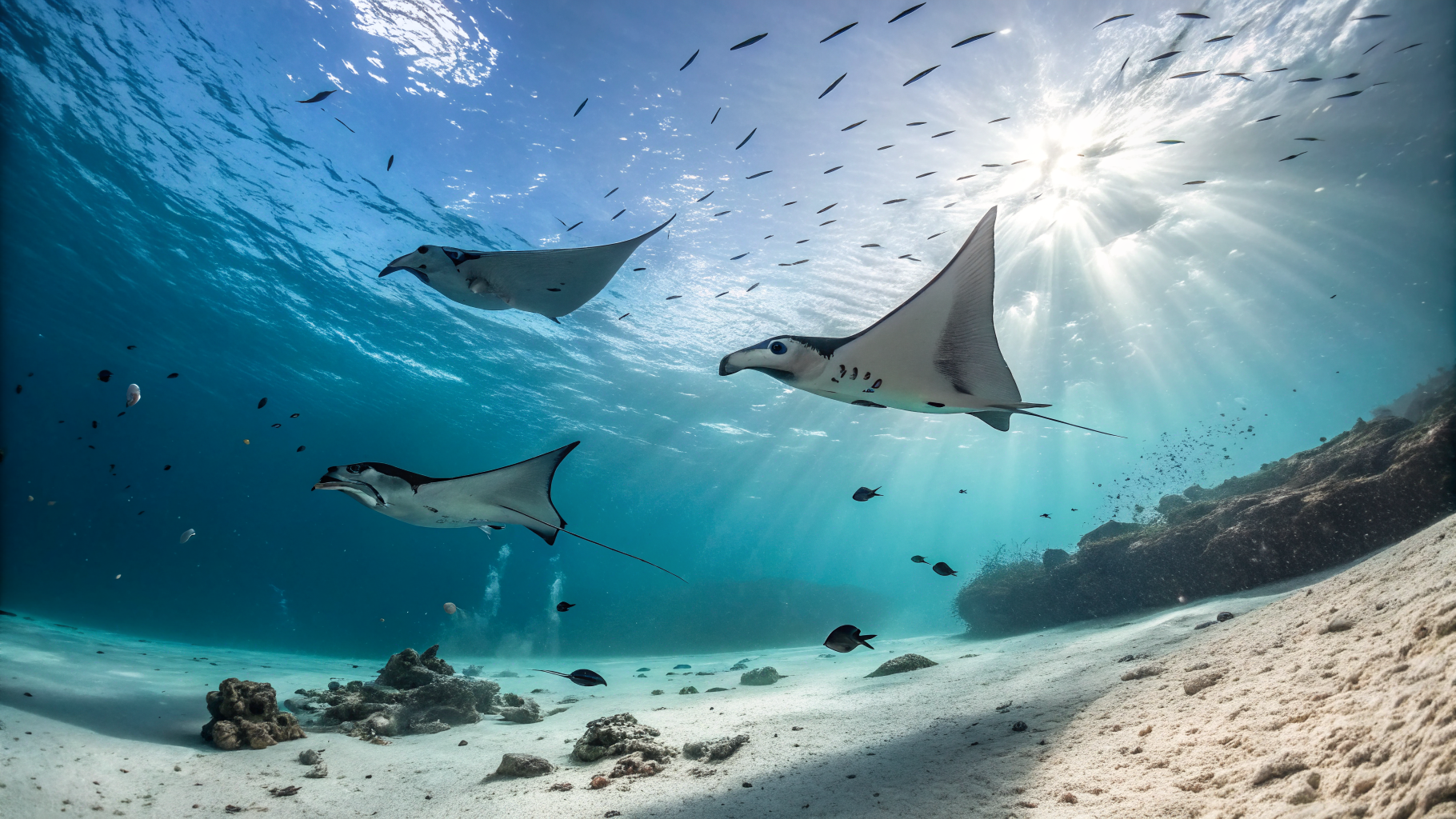
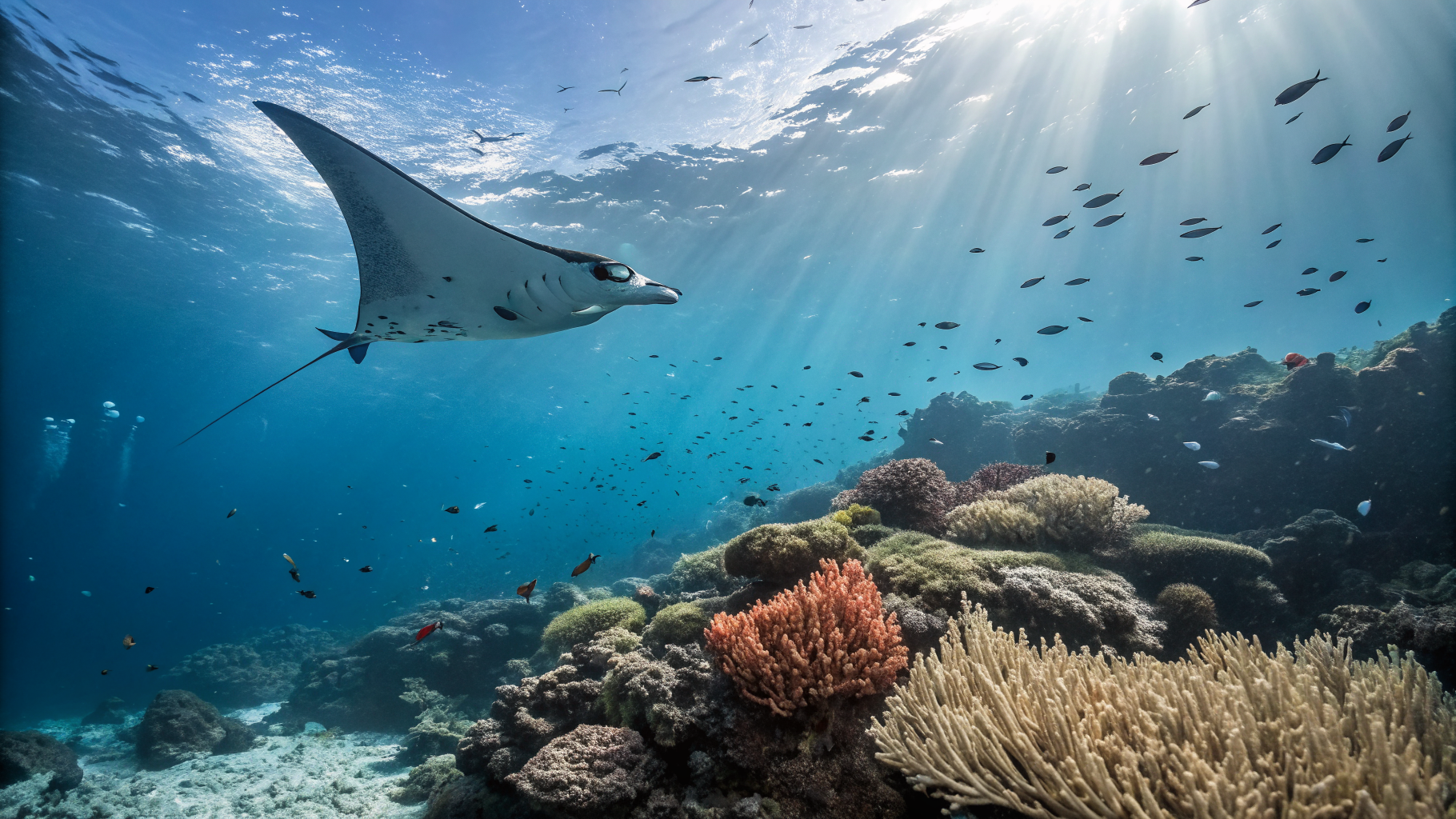
- Blue Magic: Located near the island of Batanta, this site is famous for its vibrant schools of fish and frequent encounters with larger species like manta rays and sharks. Expect to dive here around mid-morning when visibility is at its best.
- Cape Kri: Known for holding the record for the most fish species observed on a single dive, Cape Kri is a must for any serious diver. The dive usually lasts around 60 minutes, with depths ranging from 5 to 40 meters.
- Melissa’s Garden: A striking spot filled with stunning coral formations, this dive site is perfect for both novice and experienced divers. Expect to see colorful reef fish and the occasional sea turtle.
- Bird’s Head Seascape: For those lucky enough to dive here, the mix of steep walls, colorful coral gardens, and rich marine biodiversity makes for a once-in-a-lifetime experience.
When to Go: Seasonal Considerations
Timing your liveaboard trip is crucial for optimal diving conditions. The best time to visit Raja Ampat generally falls between October and April, when visibility can reach up to 30 meters and water temperatures linger around a comfortable 28-30°C (82-86°F). Here’s a seasonal breakdown:
- October to December: Ideal conditions kick off in October, with the seas calm and marine life abundant. This is peak season, so expect higher prices ranging from $1,200 to $2,500 for a week-long liveaboard.
- January to March: These months can bring occasional rain but are still very dive-friendly. Prices may stabilize slightly, with some operators offering discounts to fill spots.
- April to June: As the weather begins to change, diving can still be excellent, although visibility might vary. This is a great time for spotting mantas as they begin their mating season.
- July to September: Considered the off-peak season, this period can see rougher seas and fewer divers. However, prices drop significantly (around $800 to $1,500 for a week), and you’ll often have dive sites to yourself.
Logistics and Liveaboard Options
Choosing the right liveaboard can greatly enhance your diving experience. Here are some tips for selecting an operator and understanding logistics:
- Types of Liveaboards: Options range from budget-friendly boats to luxury yachts. For example, budget operators may charge around $800 for a week, while high-end liveaboards can go up to $3,000 or more.
- Inclusions: Check what’s included in your package, such as meals, diving equipment, and guide services. Most liveaboards provide three meals a day, snacks, and unlimited diving.
- Booking in Advance: Due to the limited number of boats, especially in peak season, it’s wise to book your trip at least six months in advance. Consider booking directly with operators for better deals.
- Travel Insurance: Don’t forget to obtain dive insurance that covers emergencies, especially since some remote dive sites may require airlifting or local medical facilities.
Preparing for Your Trip
Preparation is key to ensuring a smooth experience. Here are practical tips to help you get ready for your liveaboard adventure:
- Packing Essentials: Bring your dive gear if you have it, but check with your operator about rental options. Don’t forget sunscreen, a wide-brimmed hat, and reef-safe products.
- Health Considerations: Ensure you are in good health before diving, particularly for longer trips. Consider a medical check-up and acquiring any necessary vaccinations.
- Cash and Connectivity: ATMs are scarce in Raja Ampat. Bring enough cash (IDR 1,500,000 to IDR 3,000,000) for expenses like tips and souvenirs. Most liveaboards have limited internet access, so prepare for a digital detox.
- Community Engagement: Many operators support local communities. Consider participating in conservation efforts or cultural activities, like visiting local villages, to enrich your experience.