In this article
- What is a raja ampat wellness slow travel liveaboard?
- Why does slower pacing suit Raja Ampat specifically?
- What does a typical slow-travel day look like on board?
- North route or south route for a mindful trip?
- When is the best season for a wellness liveaboard?
- How do you choose the right boat for slow travel?
- What does a slow-travel liveaboard cost?
- Plan your slow-travel liveaboard with us
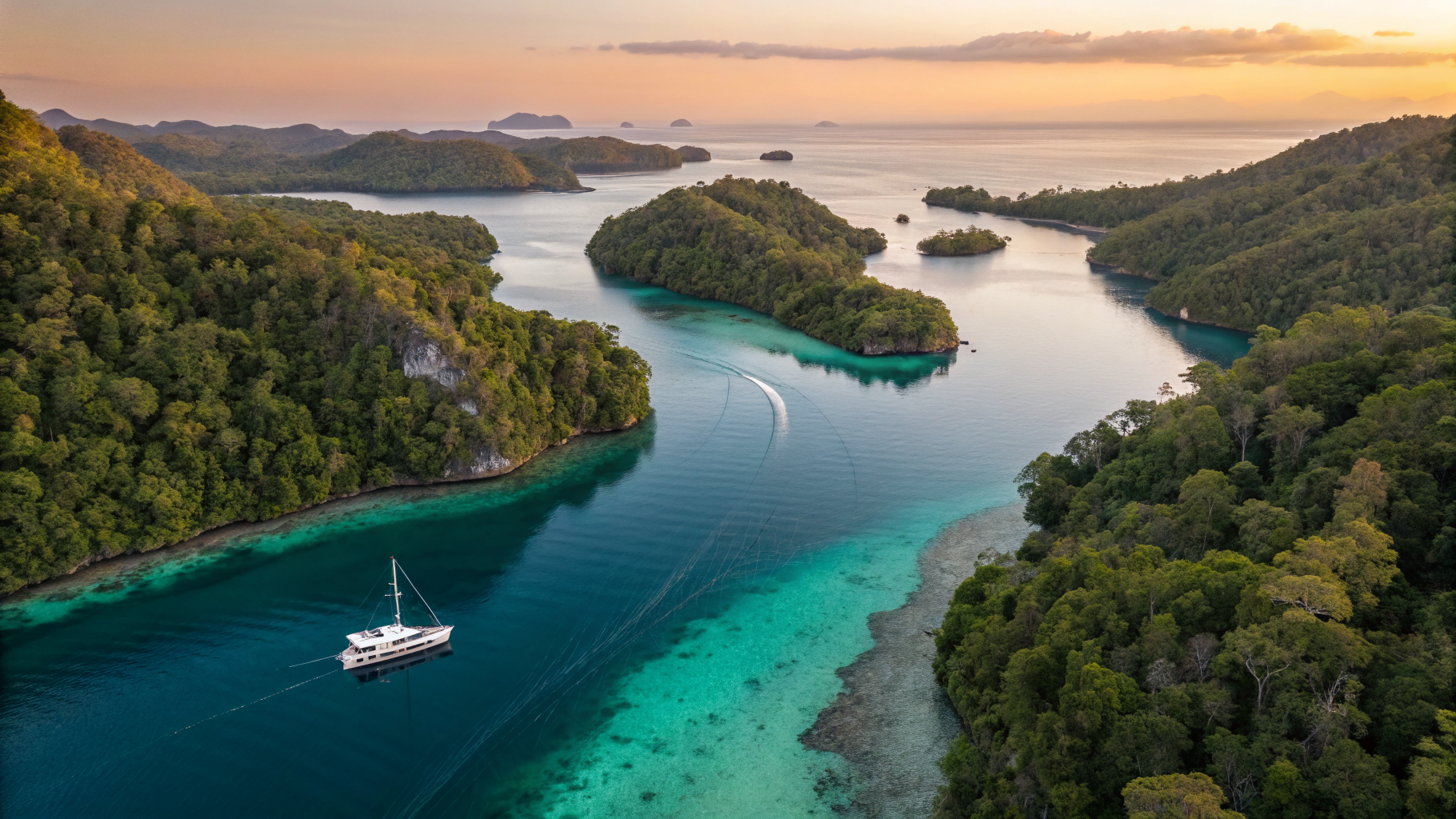
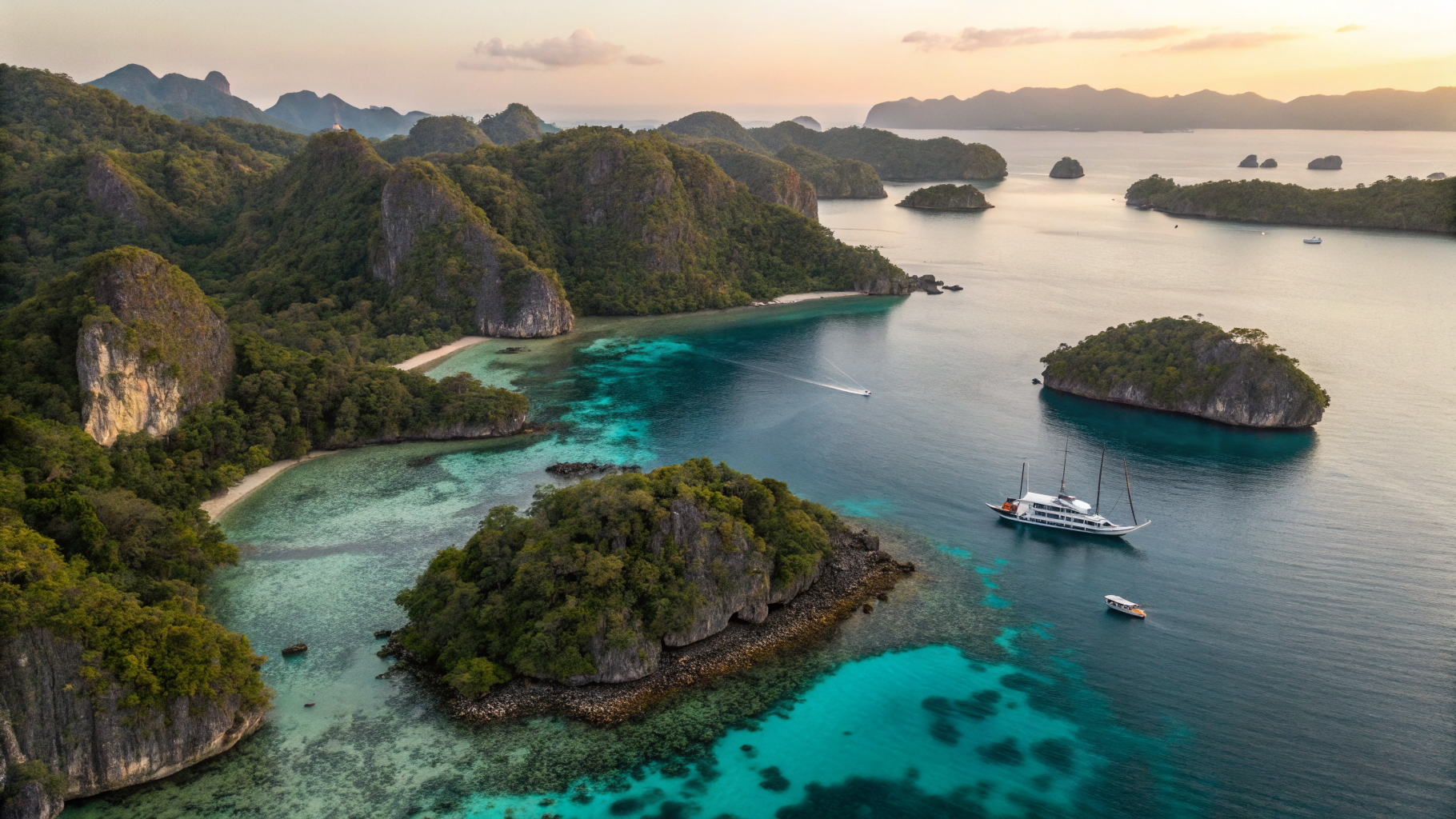
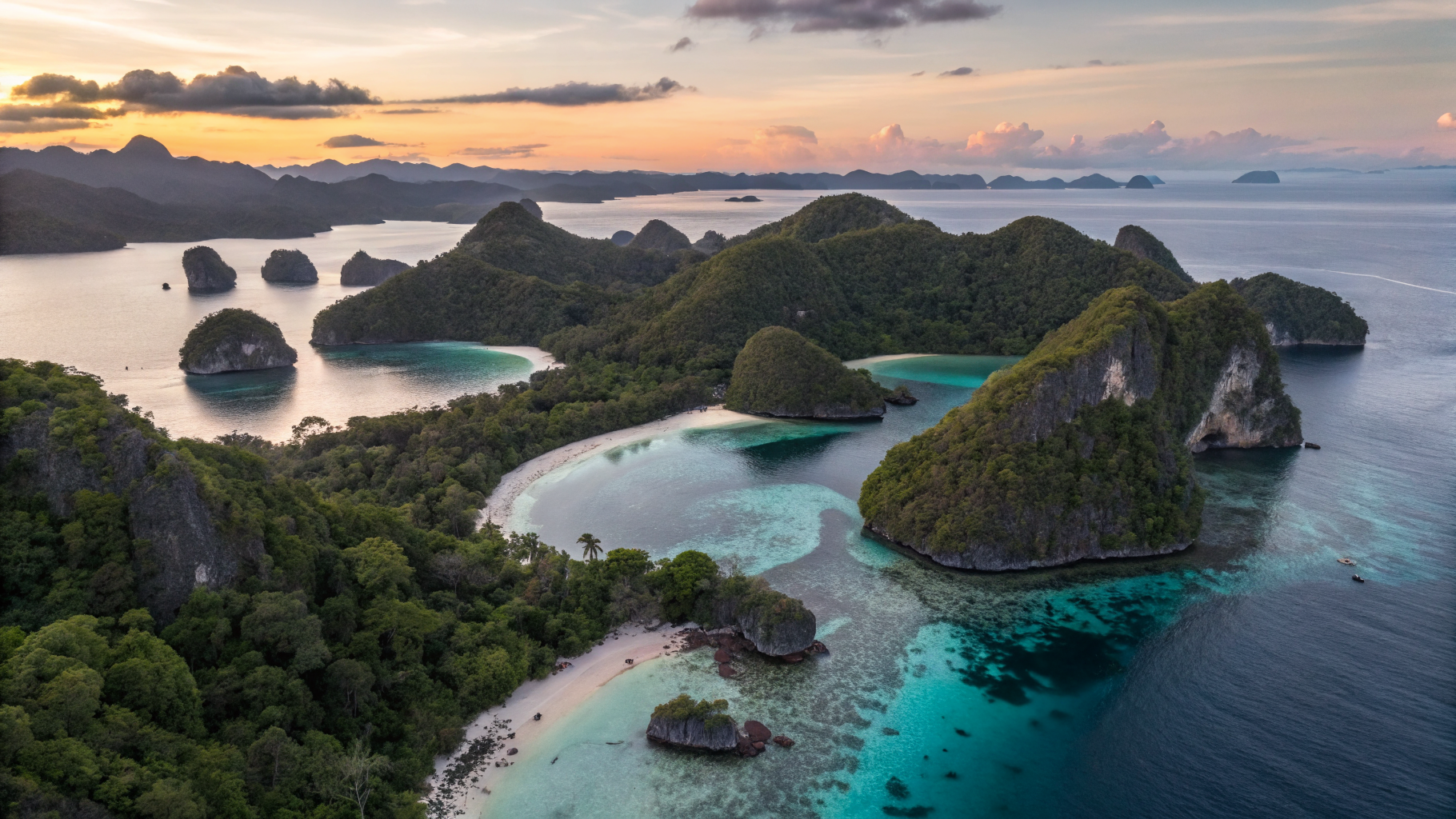
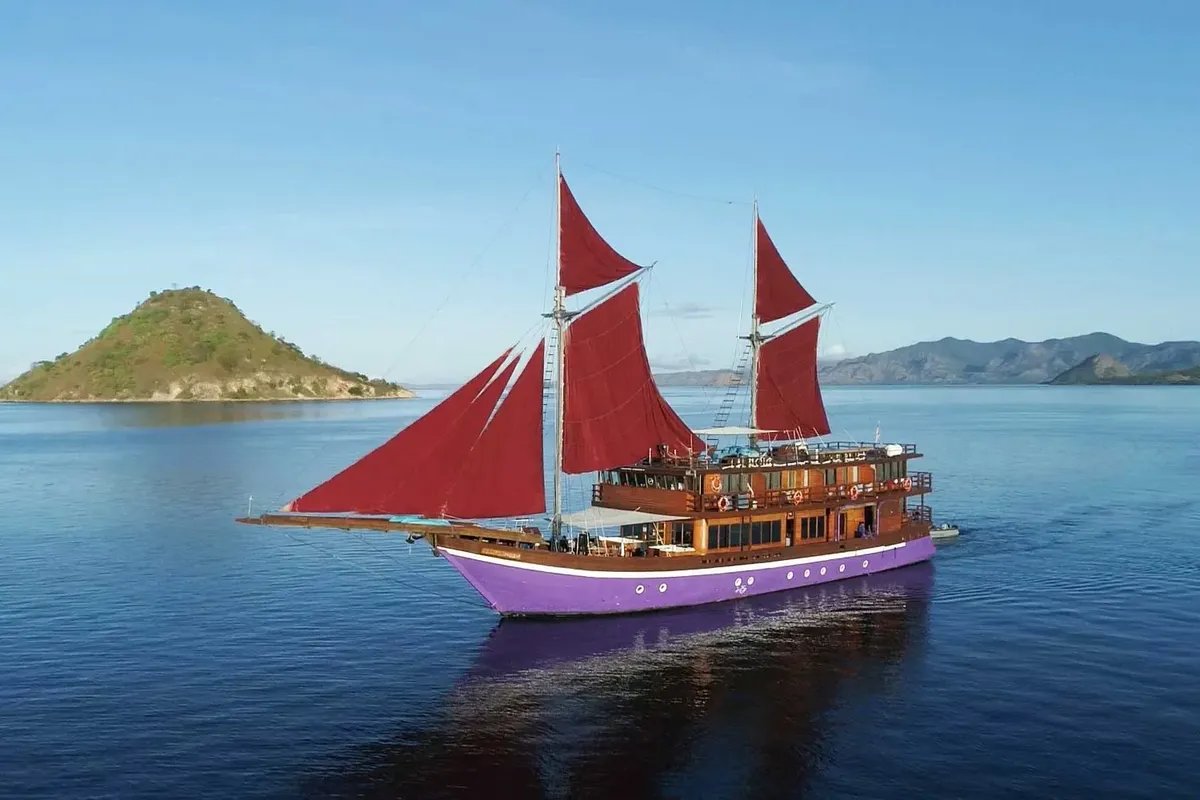
A raja ampat wellness slow travel liveaboard is a multi-day boat trip built around fewer dives per day, longer surface intervals, and unhurried time between reefs, so the archipelago becomes a place to slow down rather than a checklist to complete. Instead of packing four or five dives into every day, a slow-travel itinerary runs two or three, then leaves the afternoon open for stretching on deck, a nap, a paddle to a limestone lagoon, or simply watching the light change over Wayag. As of 2026, most Raja Ampat liveaboards still market dive intensity above everything else, which leaves a quiet gap for travellers who want the same world-class water at a gentler pace.
What is a raja ampat wellness slow travel liveaboard?
The idea borrows from slow travel: fewer stops, deeper immersion, more presence. A raja ampat wellness slow travel liveaboard keeps the classic route through Dampier Strait and Misool but rebuilds the daily rhythm around rest. You still dive Cape Kri and Blue Magic. You still cruise between remote islands for six to eleven nights out of Sorong. What changes is the density of the schedule and the intention behind the gaps in it.
On a typical dive-focused boat, the day is a sequence of briefings, descents, ascents, and quick surface intervals, repeated until dark. A slow-travel version trims that to a morning dive and an early-afternoon dive, then hands the rest of the day back to you. That single change reshapes how the trip feels, especially for divers who arrive already tired from long-haul flights and want the ocean to restore them rather than exhaust them.
Why does slower pacing suit Raja Ampat specifically?
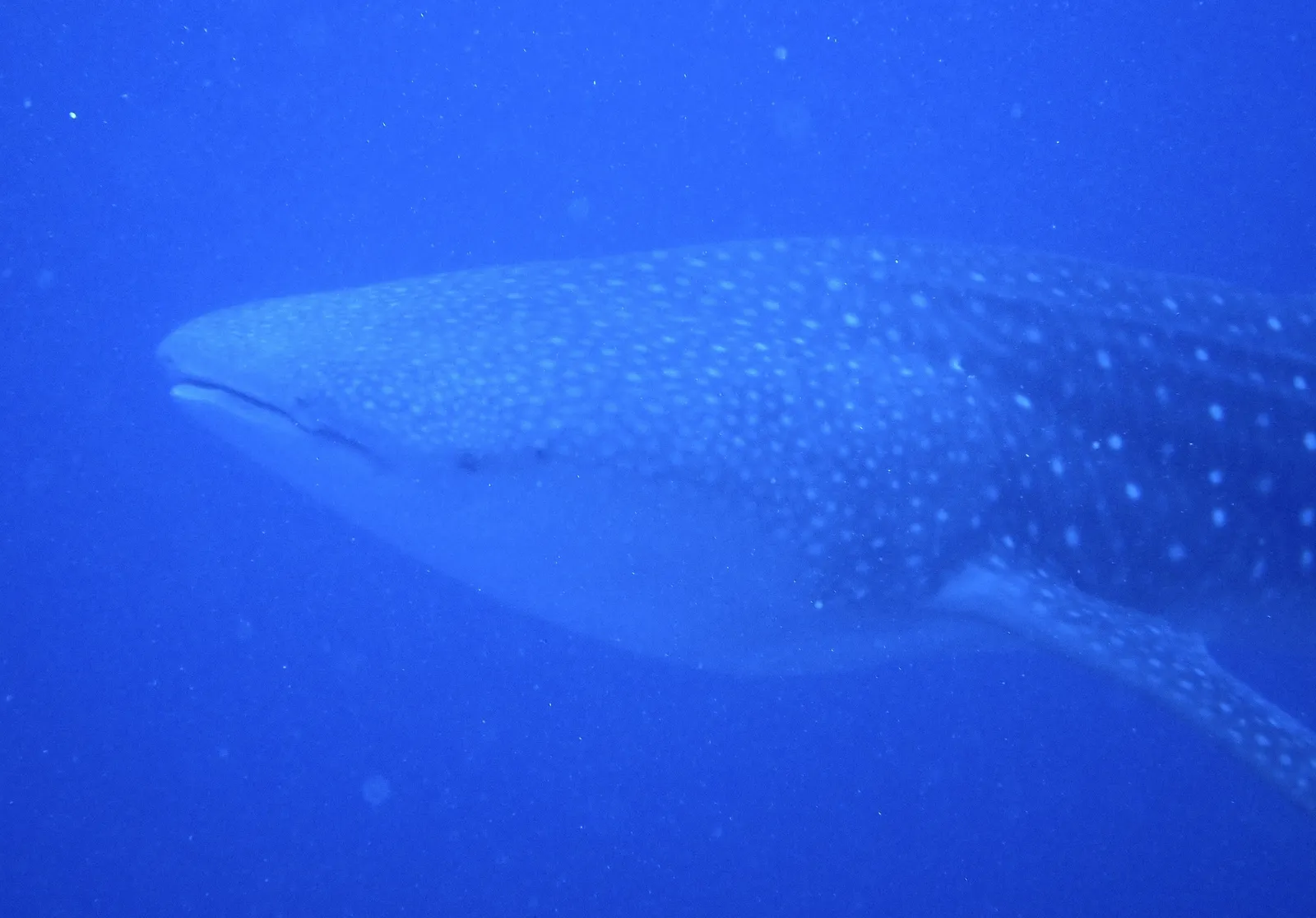
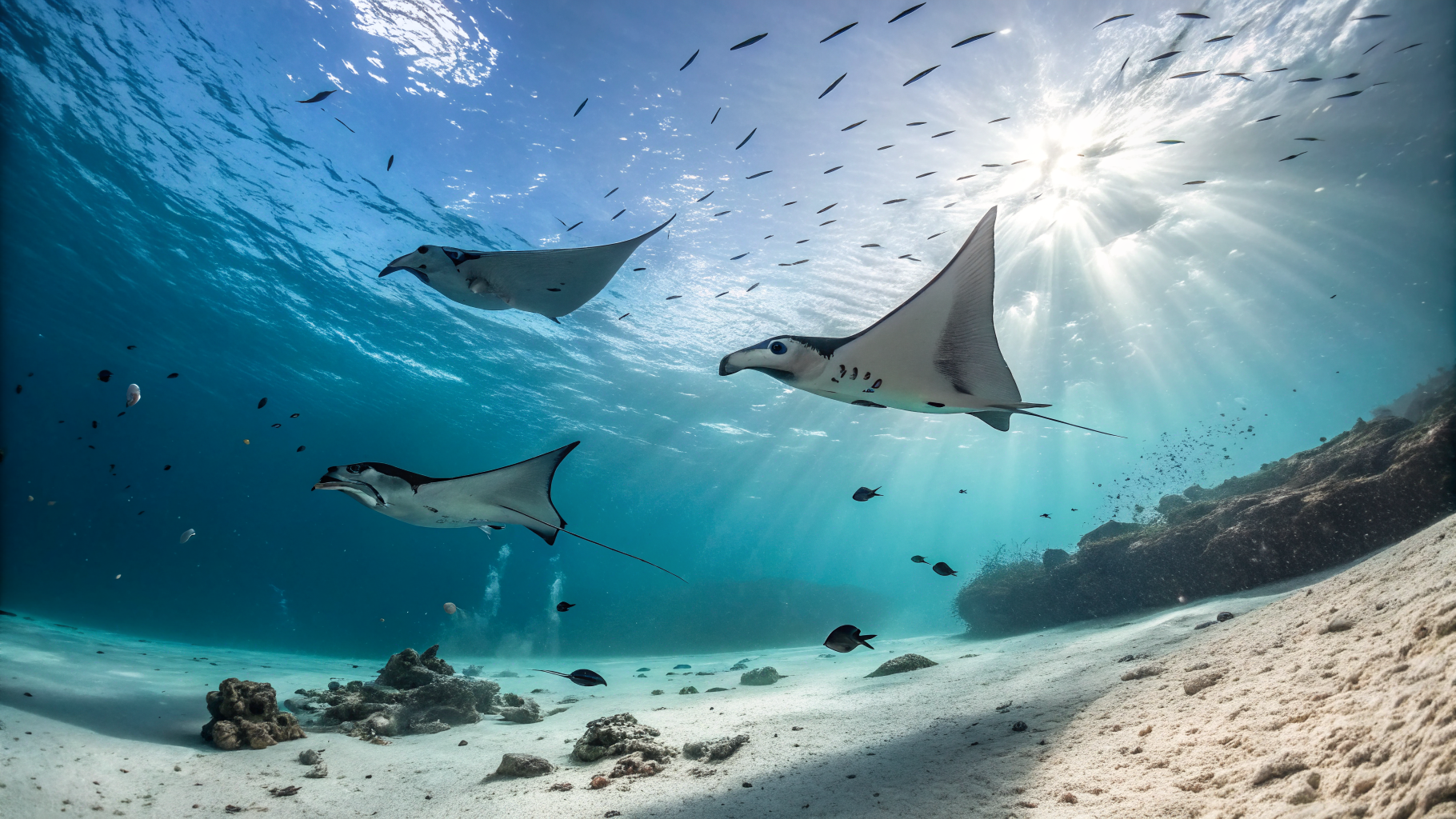
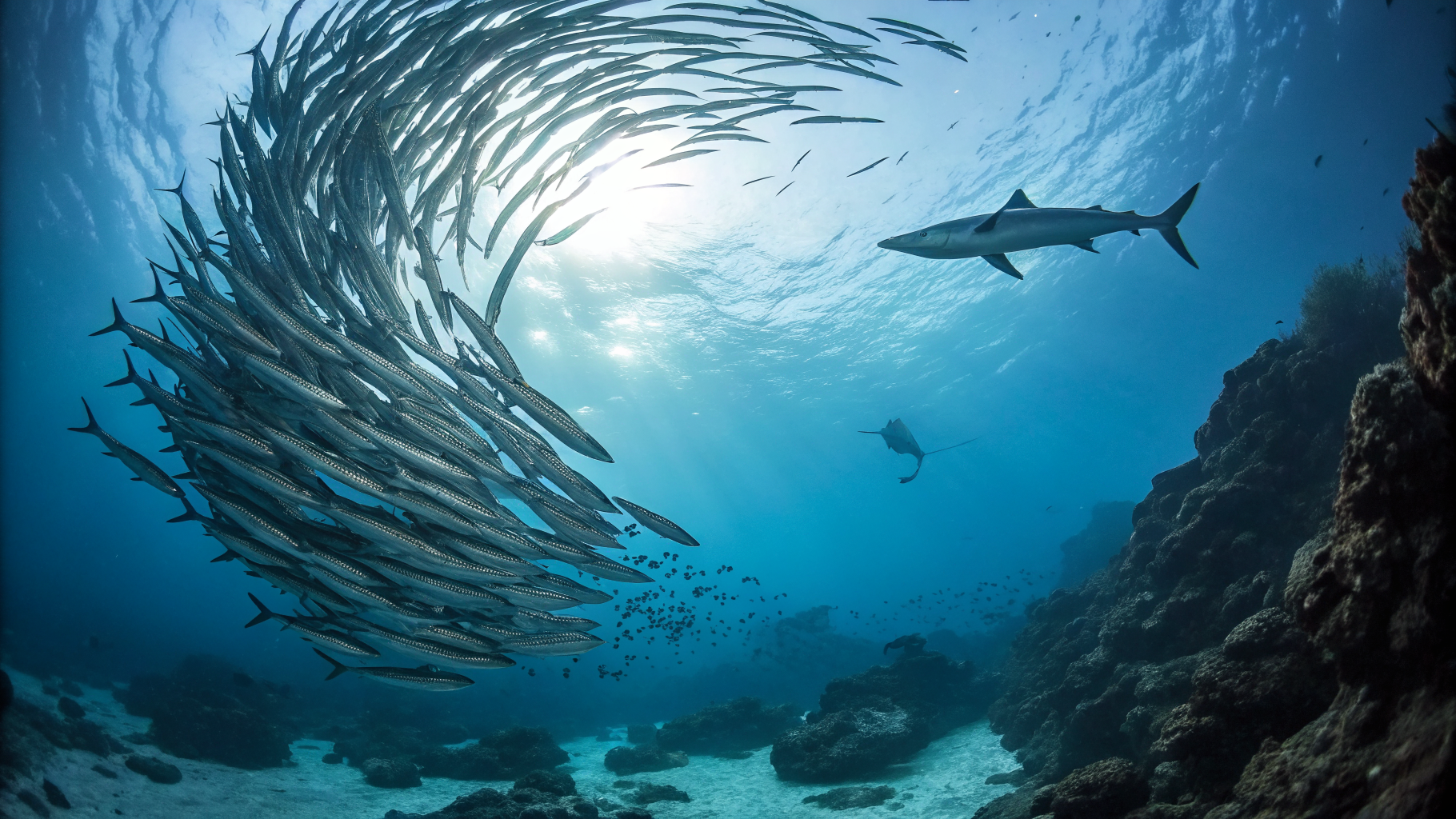
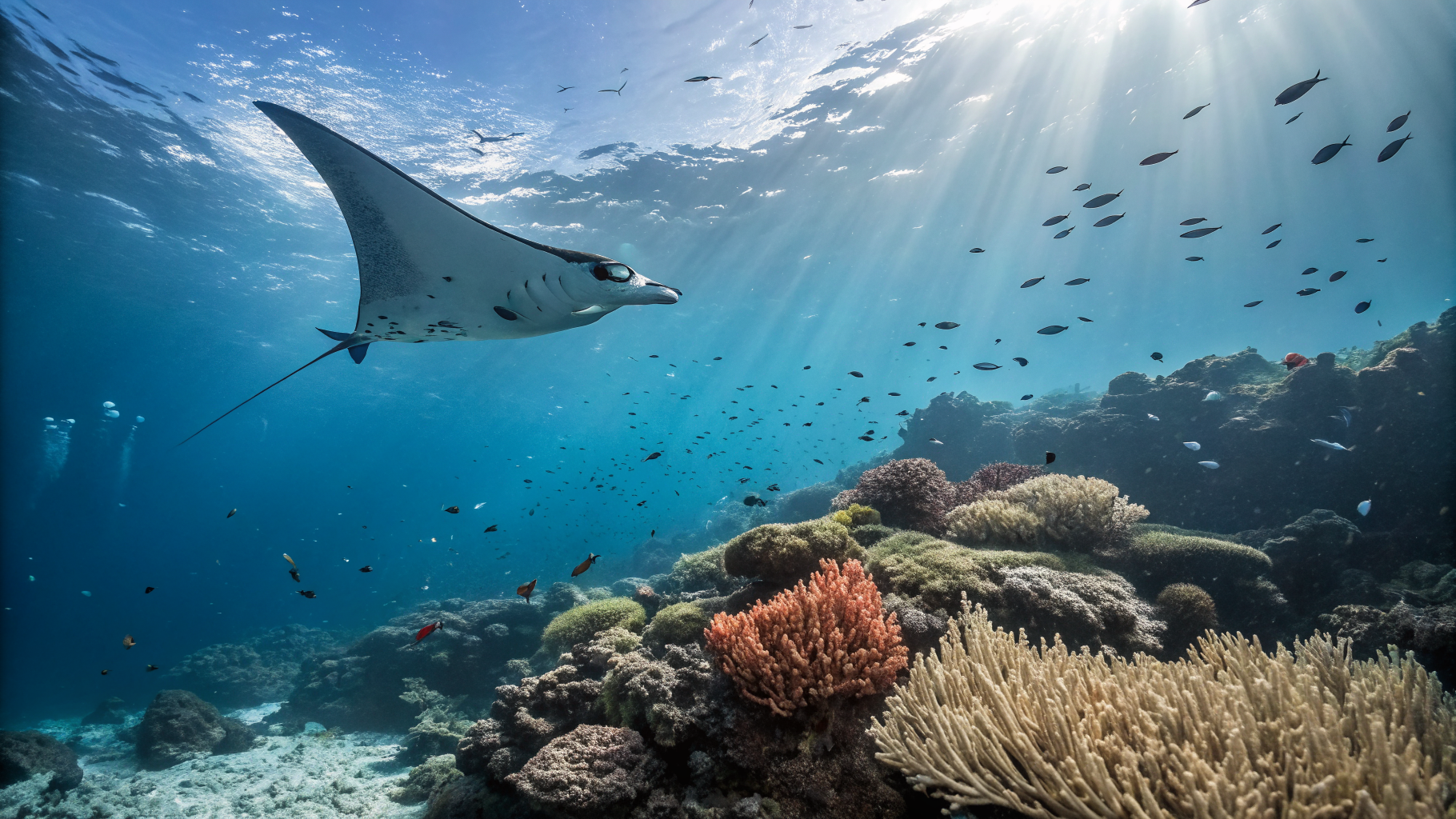
Raja Ampat rewards patience. The reefs here hold more than 1,500 recorded fish species and some of the densest hard-coral cover measured anywhere, so a single site can occupy a curious diver for a full hour without moving far. Cape Kri in the Dampier Strait holds a well-known record for the most fish species counted on one dive. Blue Magic draws oceanic manta rays over its cleaning stations. Misool in the south trades those big-current thrills for cathedrals of soft coral in impossibly clear water.
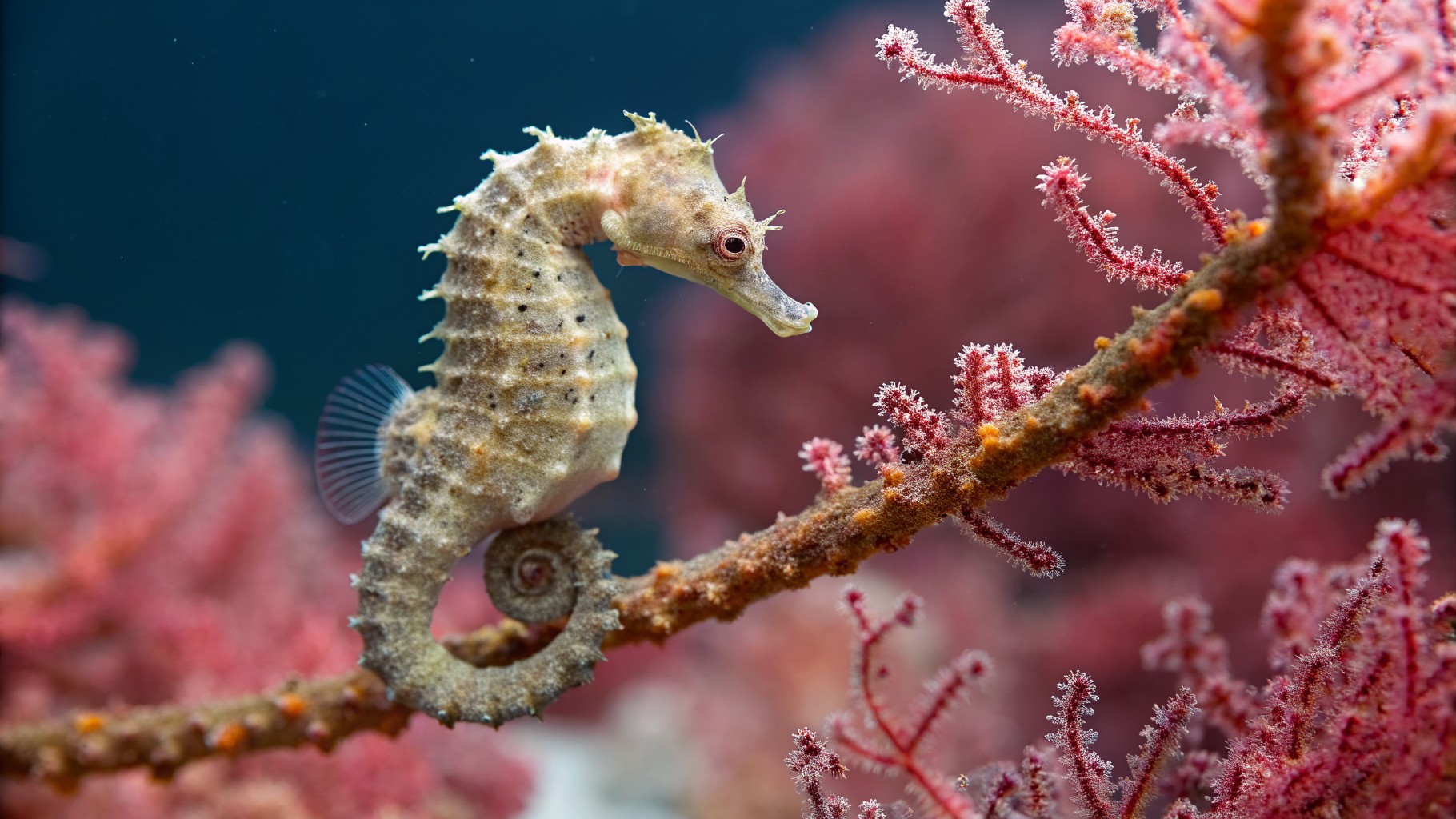
Currents in the strait run moderate to strong, which means the diving itself asks for focus and good gas management. Doing that three or four times a day, day after day, wears people down. Cut the count to two considered dives and each one gets sharper: you notice the pygmy seahorse instead of swimming past it, you hang with the mantas instead of racing back for the next briefing. Slower diving in a place this rich is not a compromise. It is a better way to actually see it.
What does a typical slow-travel day look like on board?
A gentle liveaboard day tends to follow a shape like this:
- Early morning: light movement or breathwork on the sundeck as the boat sits at anchor, then coffee and fruit before the first dive.
- Mid-morning: one guided dive on a signature site such as Cape Kri, Sardine Reef, or a Misool wall, with a long, warm surface interval afterward.
- Midday: an unhurried lunch, then genuine downtime. Read, sleep, journal, or swim off the back of the boat.
- Early afternoon: a second dive or a snorkel drift, chosen for calm conditions rather than maximum adrenaline.
- Late afternoon: a kayak paddle into a hidden lagoon, a walk on a sandbar, or a viewpoint climb for sunset.
- Evening: dinner, a quiet reef briefing for the next day, and early rest under a very dark sky.
Nobody hands you a stopwatch. The point of a wellness-oriented itinerary is that the day breathes, and the crew shapes it around sea state and how the group actually feels rather than a fixed dive quota.
North route or south route for a mindful trip?
The northern route centres on the Dampier Strait and the Wayag and Aljui areas. It delivers the headline encounters: manta cleaning stations, the fish-soup walls of Cape Kri, and the jagged karst islands most people picture when they think of Raja Ampat. Currents can be lively, so it suits confident divers who still want their afternoons free.
The southern route around Misool leans naturally toward wellness. The soft-coral gardens, sheltered lagoons, and calmer profiles make it easier to slow the tempo, and the sheer remoteness adds to the sense of switching off. Many longer charters of nine to eleven nights combine both, giving you the drama of the north and the serenity of the south in one loop. For travellers who want the itinerary and the boat shaped entirely around rest, a private charter lets you set the dive count, the anchorages, and the daily rhythm yourself.
When is the best season for a wellness liveaboard?
The main Raja Ampat liveaboard season runs from October through April, when seas are typically calmer and visibility is at its best. This window is also when manta activity around sites like Blue Magic tends to peak. Because a slow-travel trip depends on comfortable surface time, kayaking, and open-deck relaxation, the calmer months matter even more here than they do for a dive-hard schedule. Booking within this season gives you the best odds of the flat, glassy afternoons that make onboard downtime feel like a genuine retreat.
Practical notes for 2026: every visitor needs the Raja Ampat marine park entry permit (the PIN card), and boats depart from Sorong, reachable by domestic flights connecting through Jakarta, Makassar, or Manado. We handle the permit, transfers, and logistics as part of our liveaboard packages so your only job is to arrive and unwind.
How do you choose the right boat for slow travel?
Not every liveaboard fits a wellness itinerary. When you compare options, weigh these points:
- Guide-to-guest ratio and group size. Smaller groups make it easy to flex the schedule and skip a dive without holding anyone up.
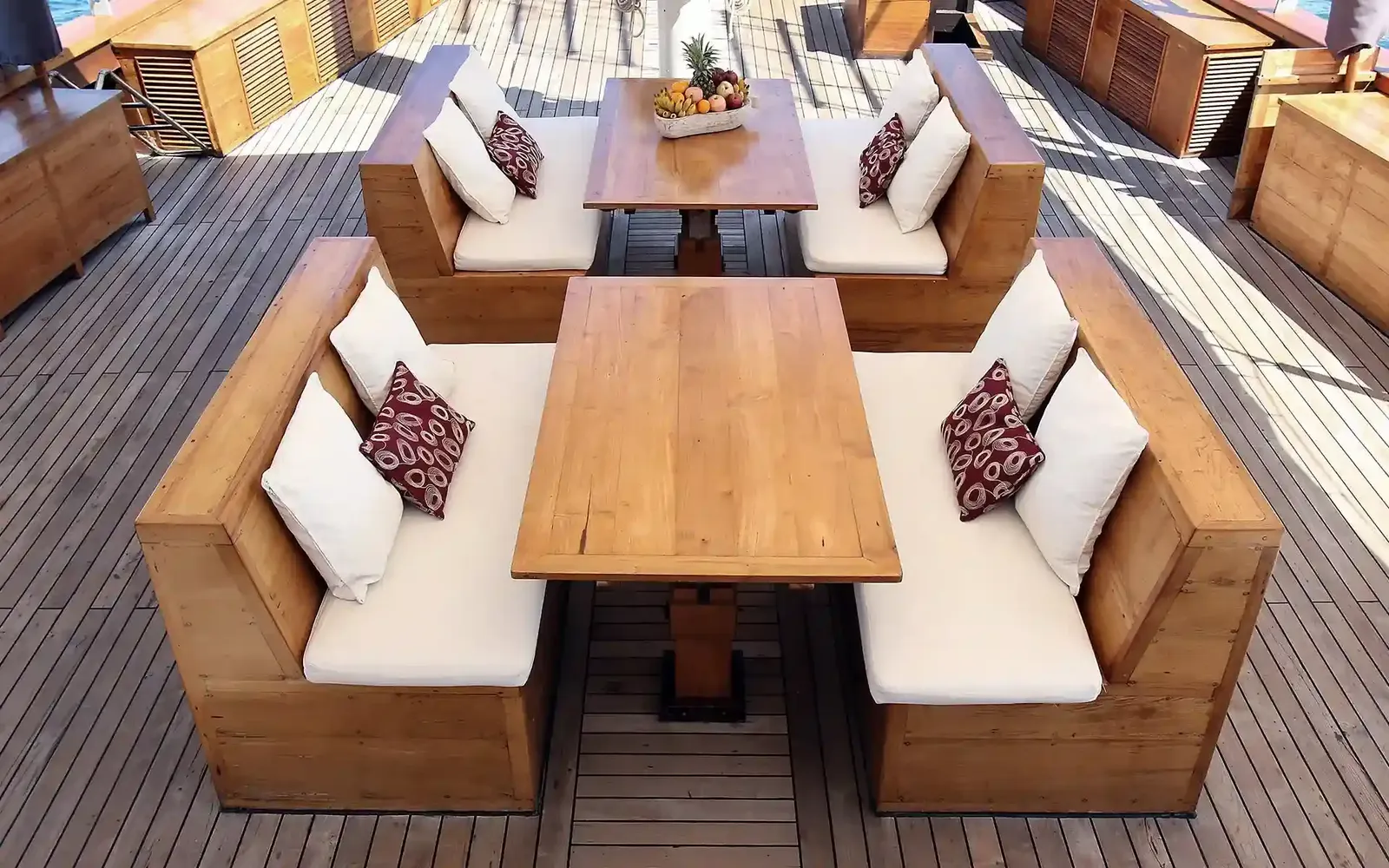
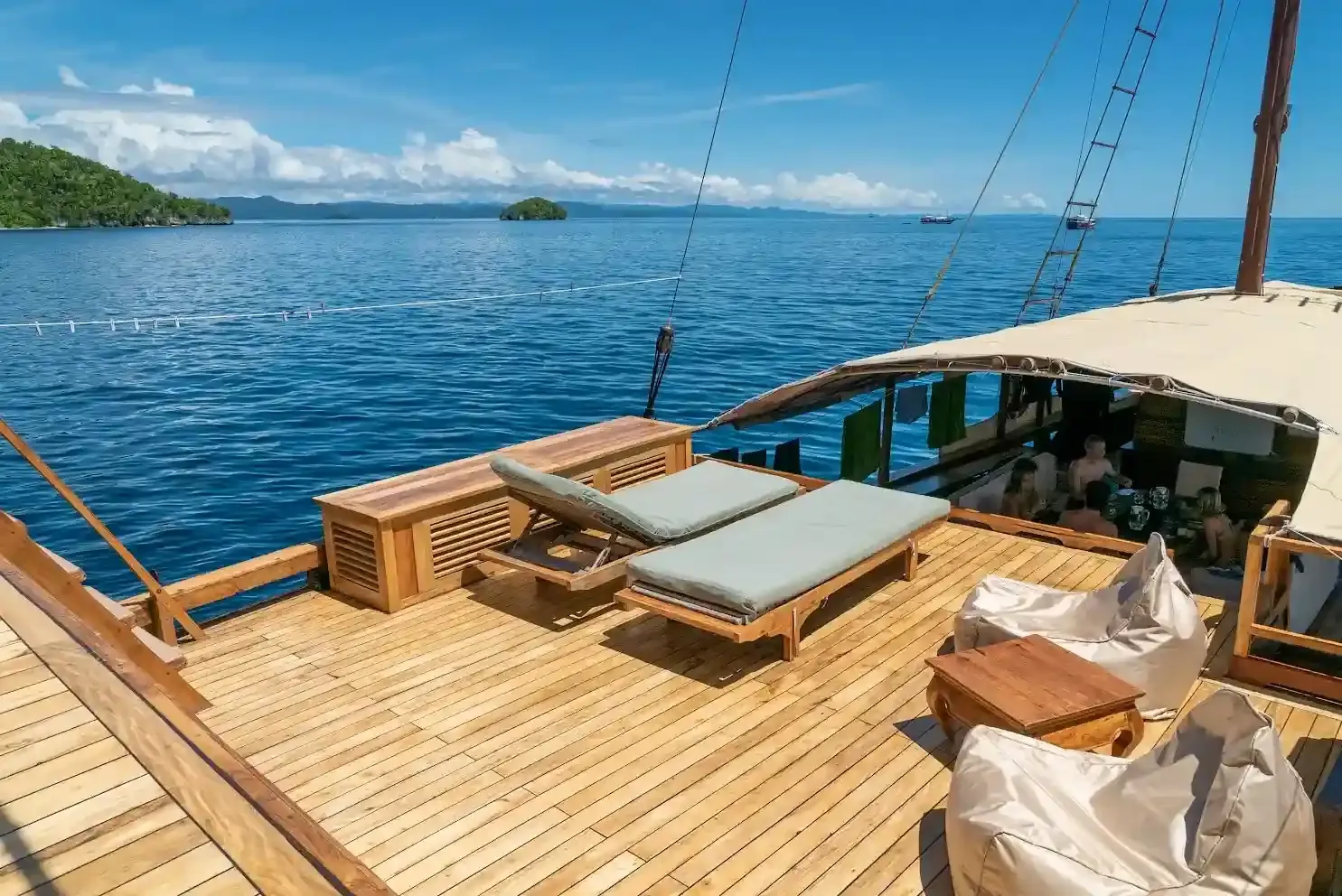
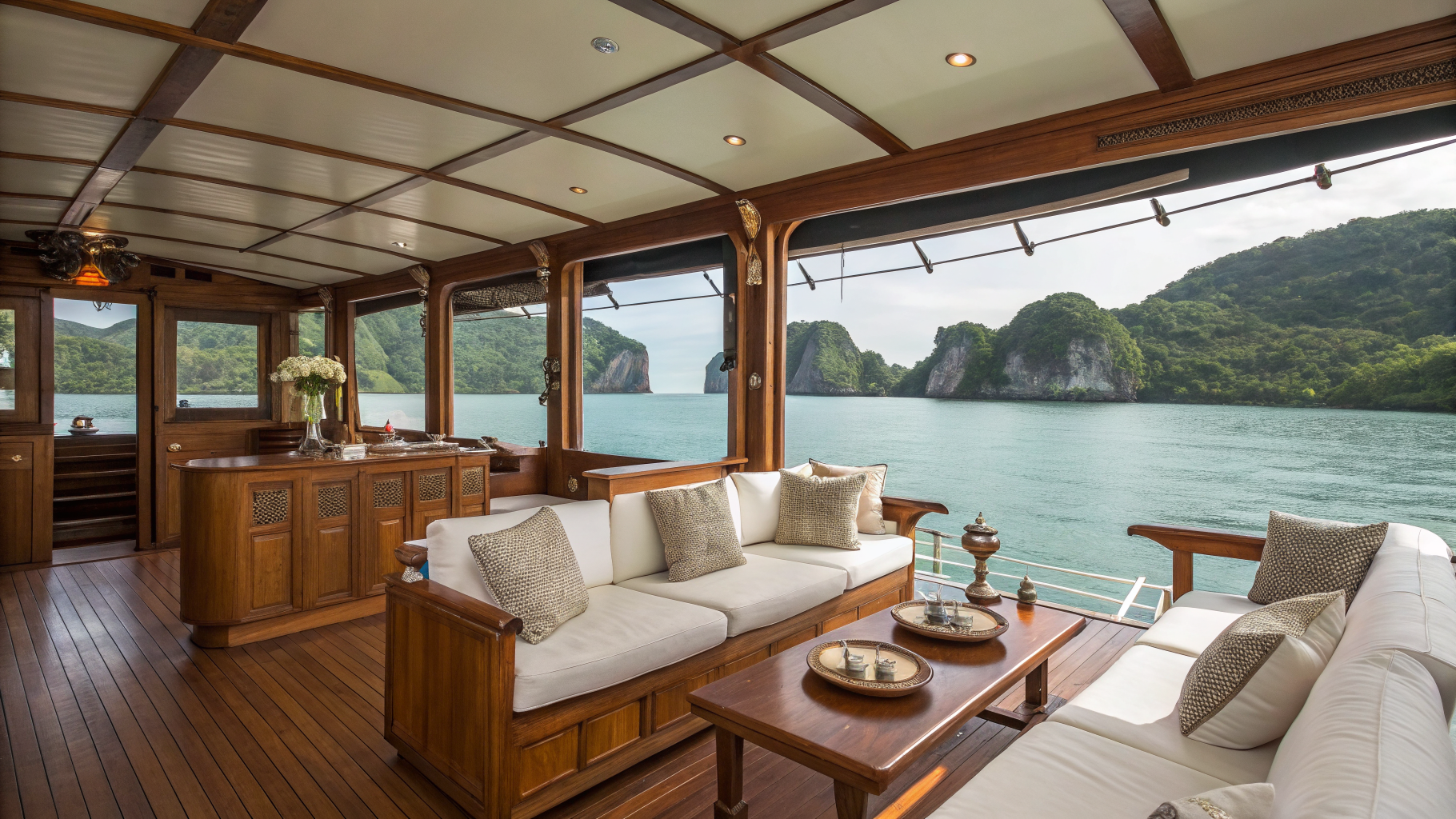
- Deck and lounge space. Slow travel lives on the sundeck. Shaded seating, a spacious salon, and room to move matter more than a fifth dive slot.
- Tenders and kayaks. Onboard kayaks or paddleboards turn a lazy afternoon into a lagoon exploration.
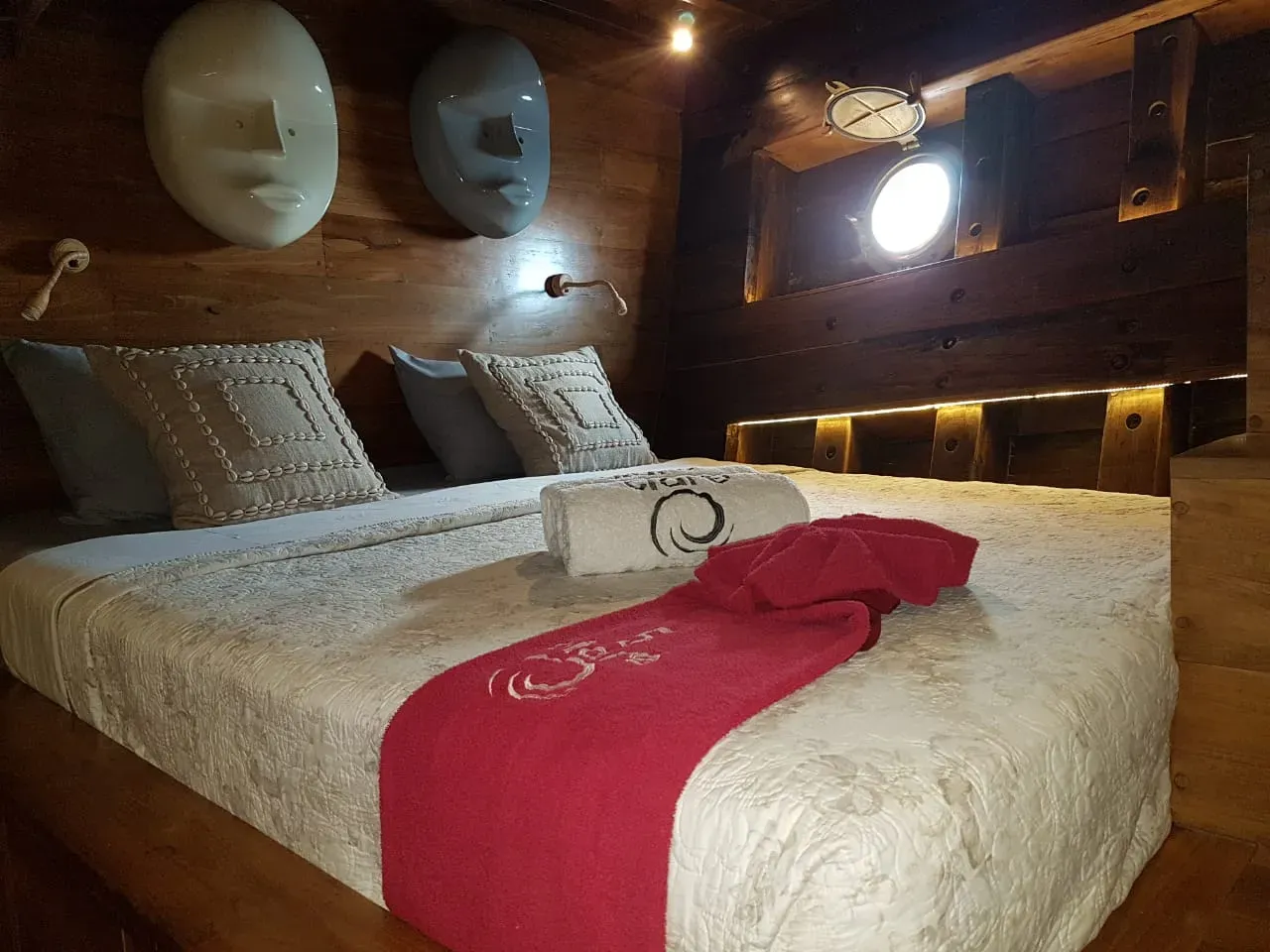
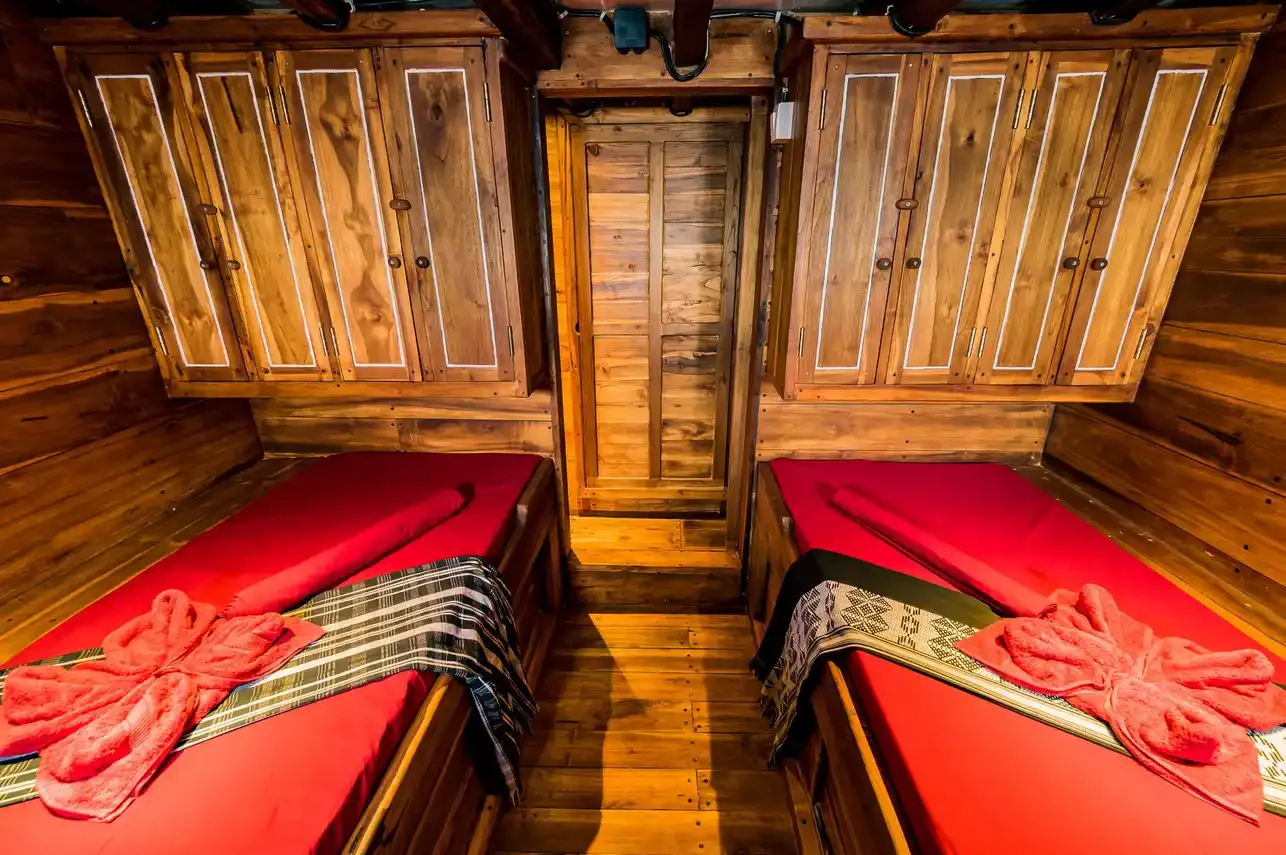
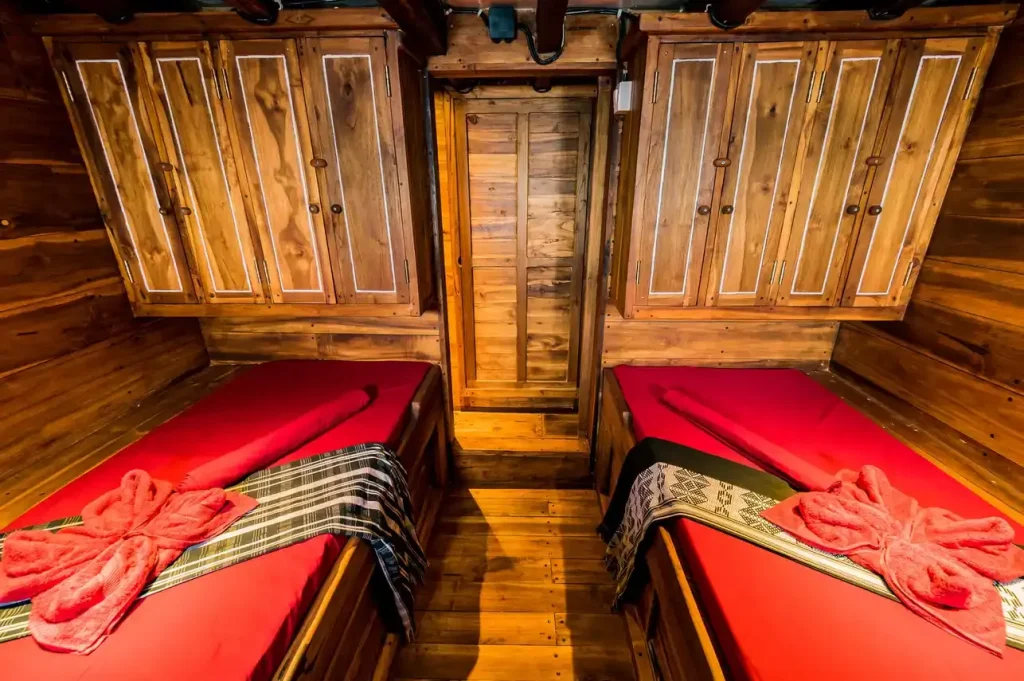
- Cabin comfort. Quiet air conditioning and real beds decide whether your rest actually restores you.
- Crew mindset. A crew willing to build the day around wellbeing, not just dive count, makes or breaks the trip.
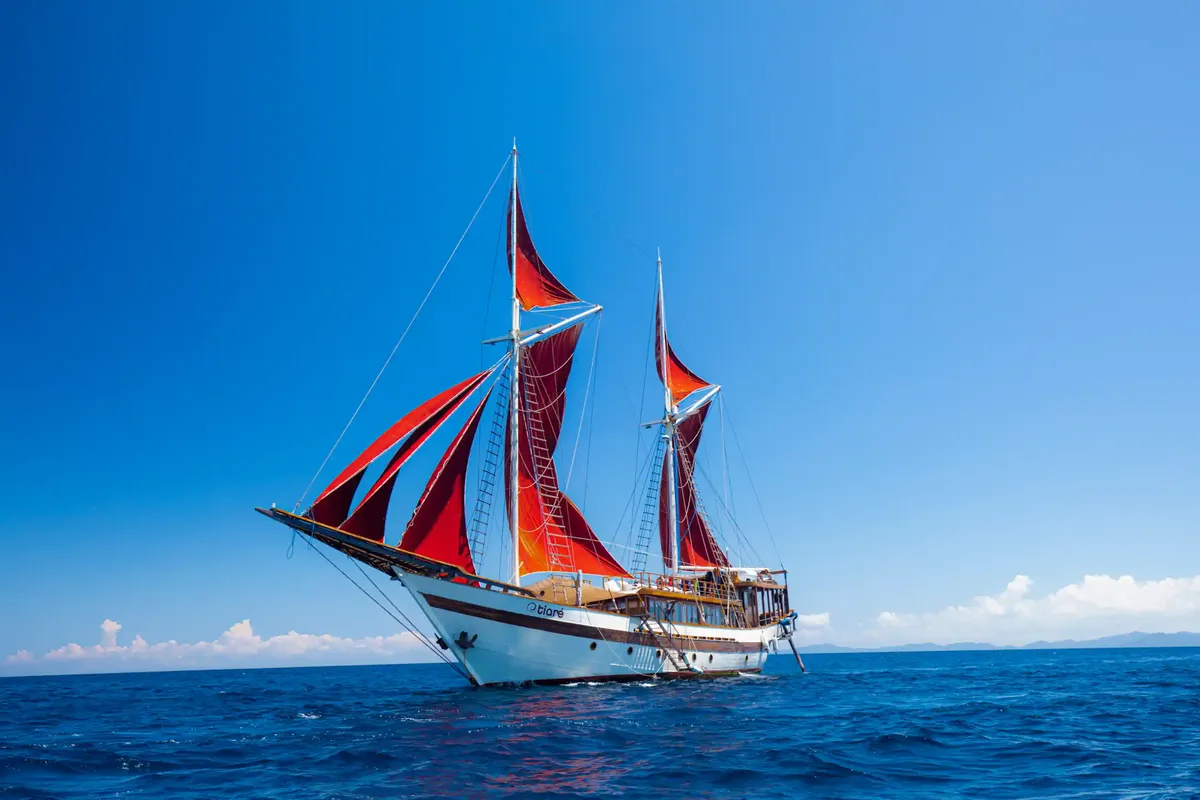
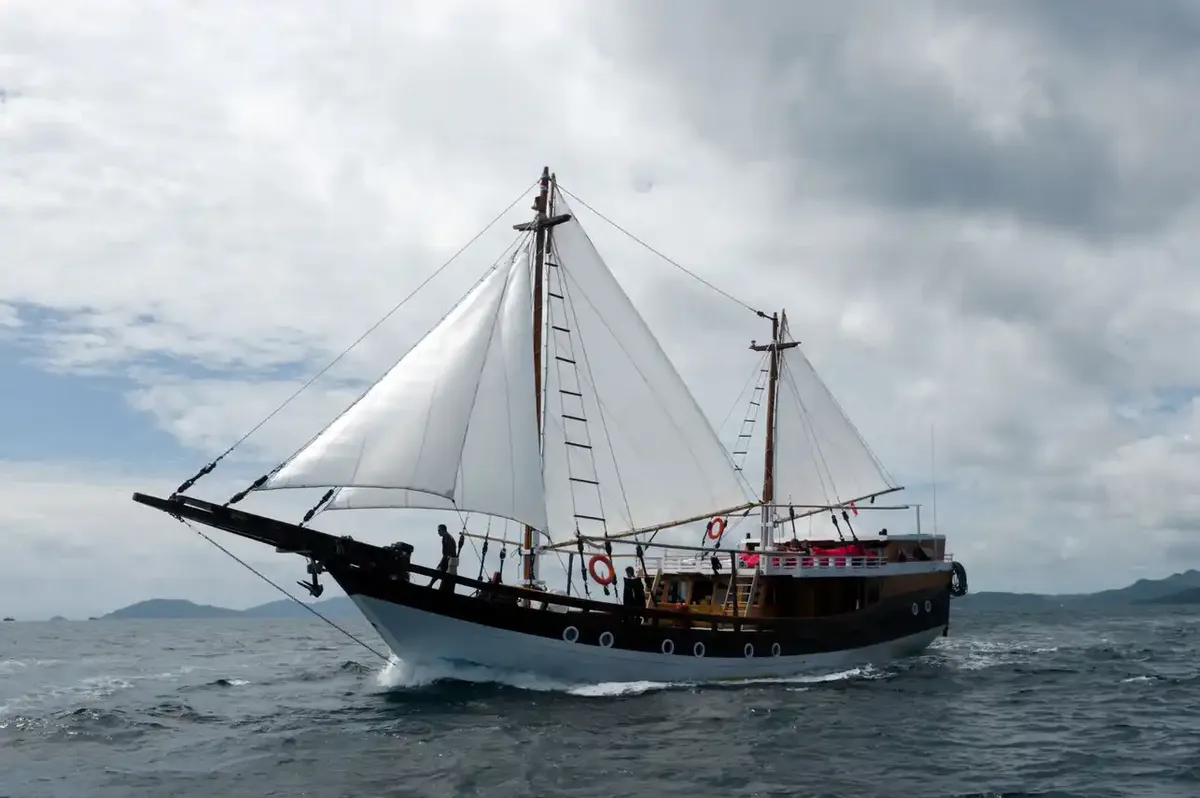
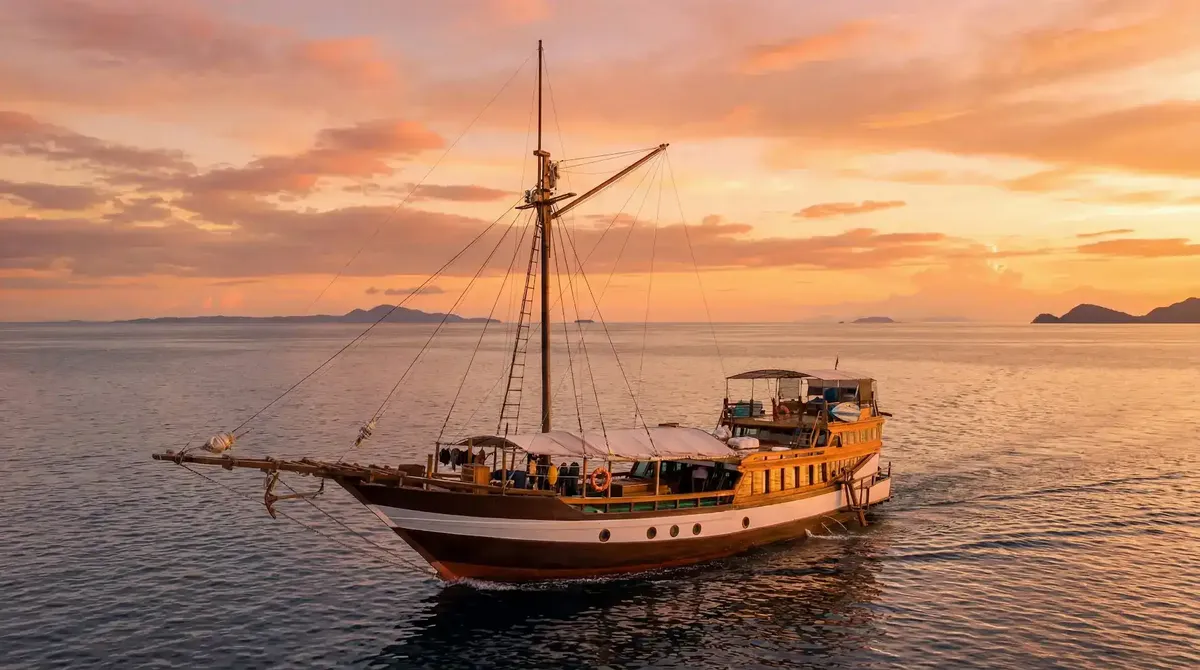
If you want the highest tier of comfort with the pacing already dialled in, our luxury Raja Ampat liveaboard packages pair premium phinisi vessels with itineraries designed to move slowly.
What does a slow-travel liveaboard cost?
Pricing depends on the vessel, cabin class, trip length, and season. As a rough guide for 2026, quality Raja Ampat liveaboards generally run from the low thousands of US dollars for a shared cabin on a shorter trip up to significantly more for luxury charters and longer north-plus-south loops. These figures are indicative only and change with fuel, demand, and availability, so treat them as a starting point rather than a quote. The marine park permit and domestic flights to Sorong sit on top of the boat fare. Send us your dates and group size and we will return an accurate, itemised proposal.
Plan your slow-travel liveaboard with us
We arrange the whole trip end to end: boat selection, the tailored slow-travel or wellness itinerary, park permits, Sorong transfers, and onboard requests. We are part of Juara Holding Group, operating from Bali across Indonesia since 2015, so the logistics behind your unhurried week are handled by a team that runs travel here every day.
Ready to trade dive-count pressure for presence? Message our booking desk on WhatsApp at +62 811-3823-875 or email [email protected], and we will design a raja ampat wellness slow travel liveaboard around your dates.