In this article
- Why are Cenderawasih Bay whale sharks different from Raja Ampat?
- Where is Kwatisore and how do you reach it?
- Planning a cenderawasih bay whale sharks liveaboard around the season
- How do divers combine Cenderawasih Bay and Raja Ampat in one trip?
- What else can you see in Cenderawasih Bay?
- What does an extended Papua trip cost?
- Plan your Cenderawasih and Raja Ampat trip with us
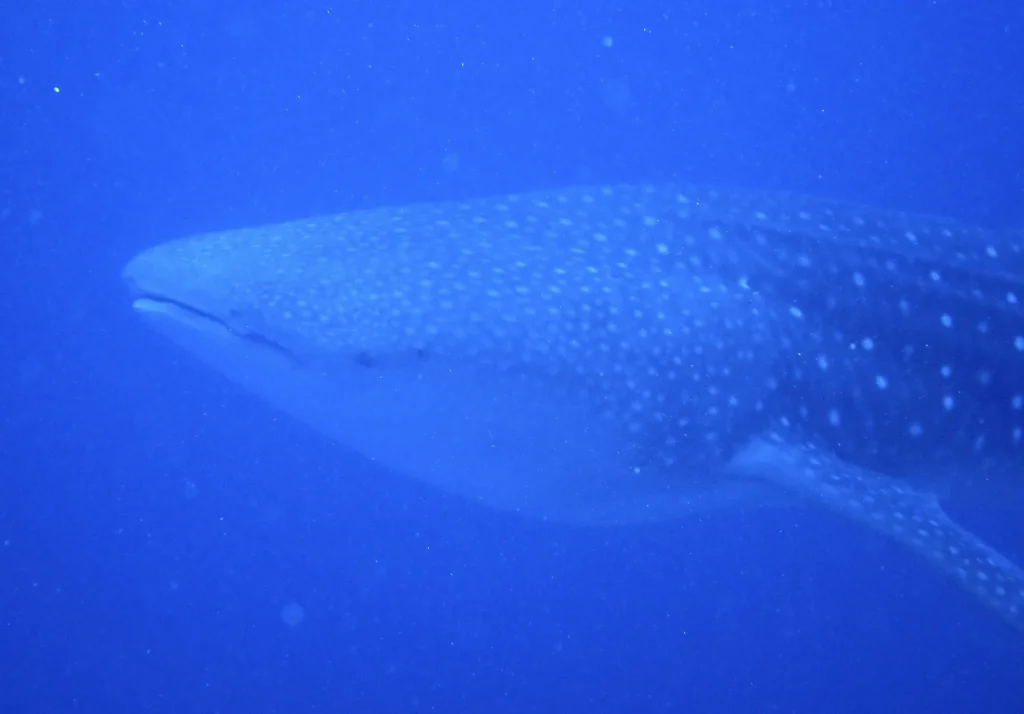
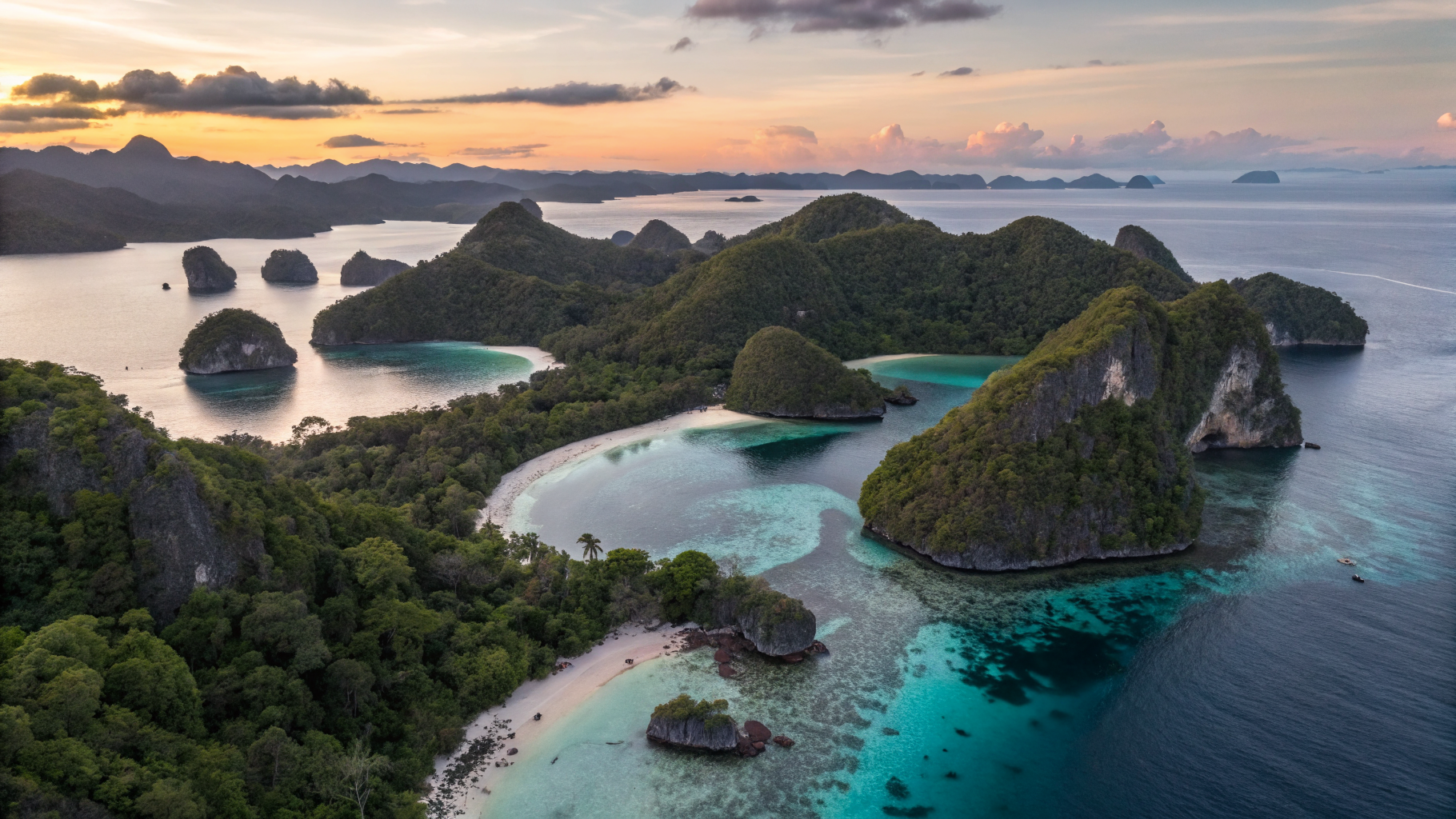
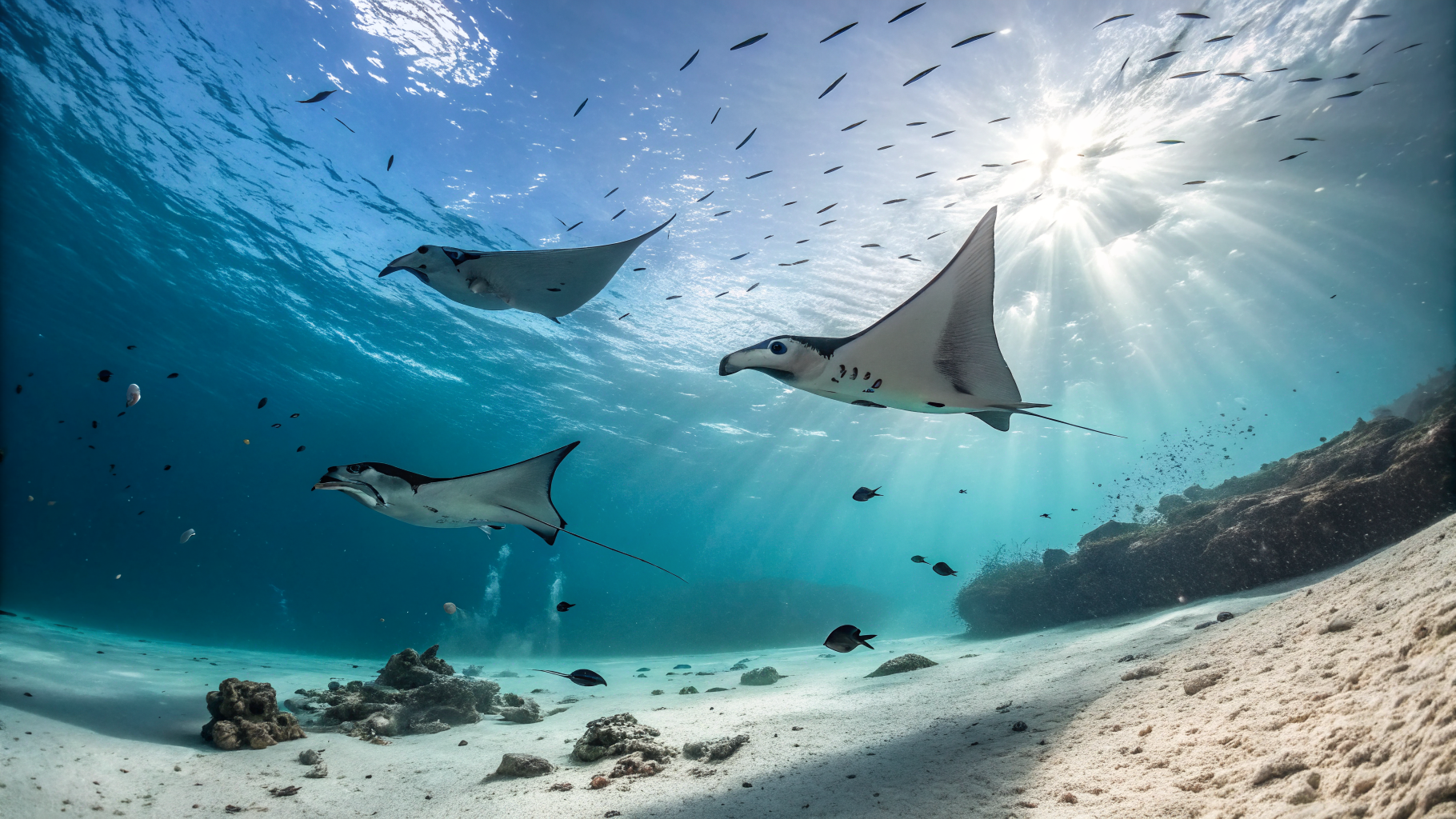
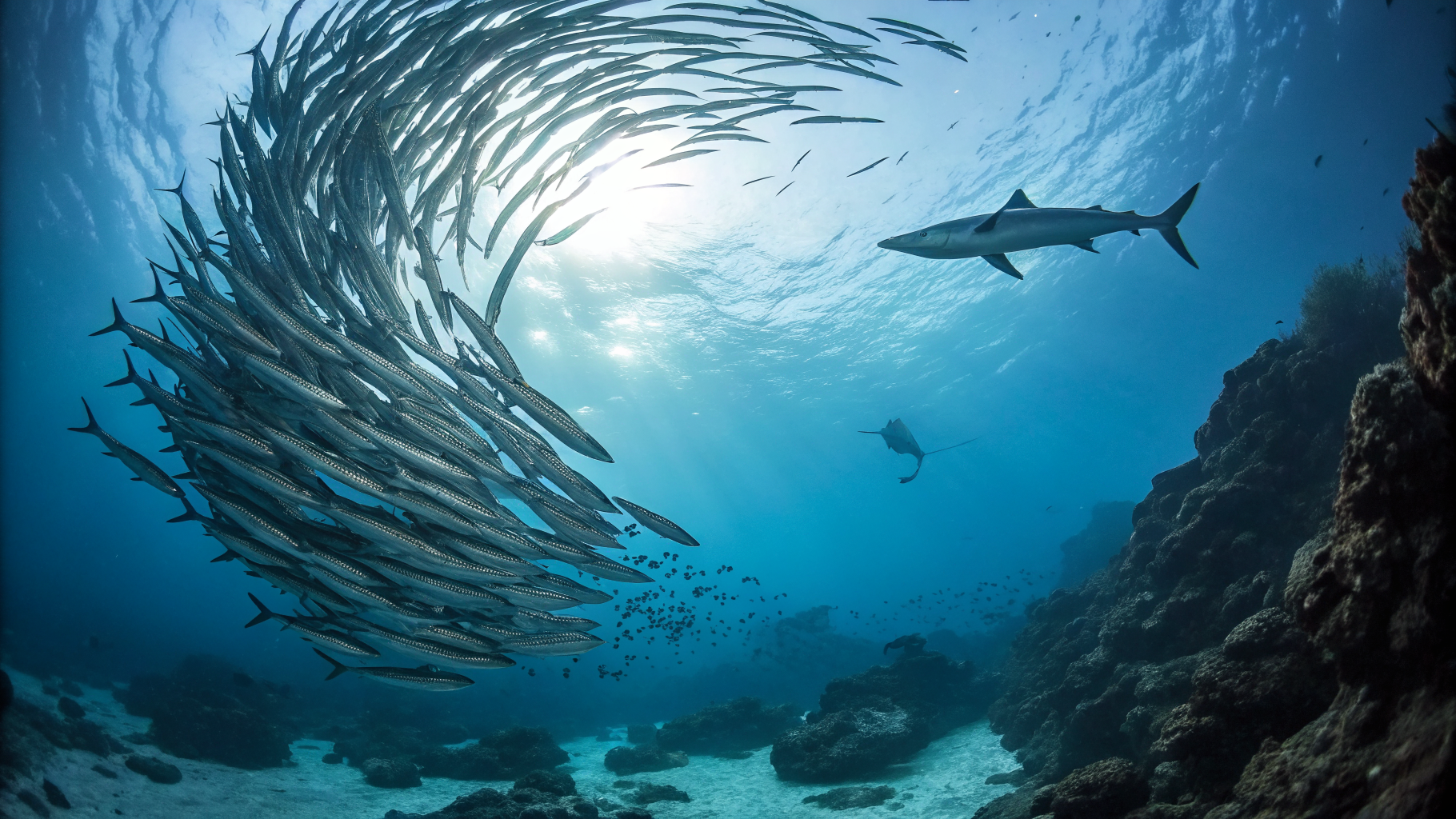
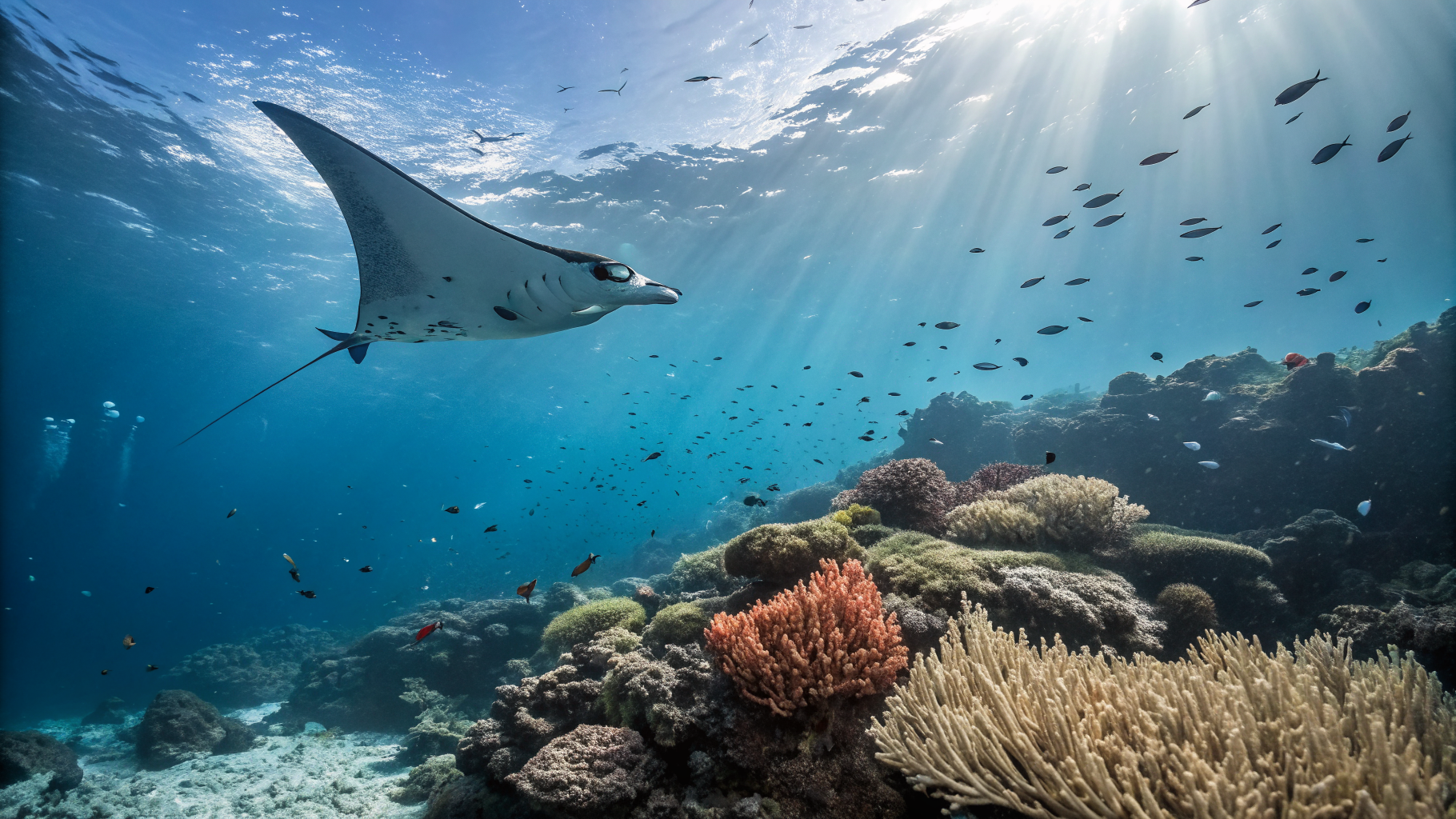
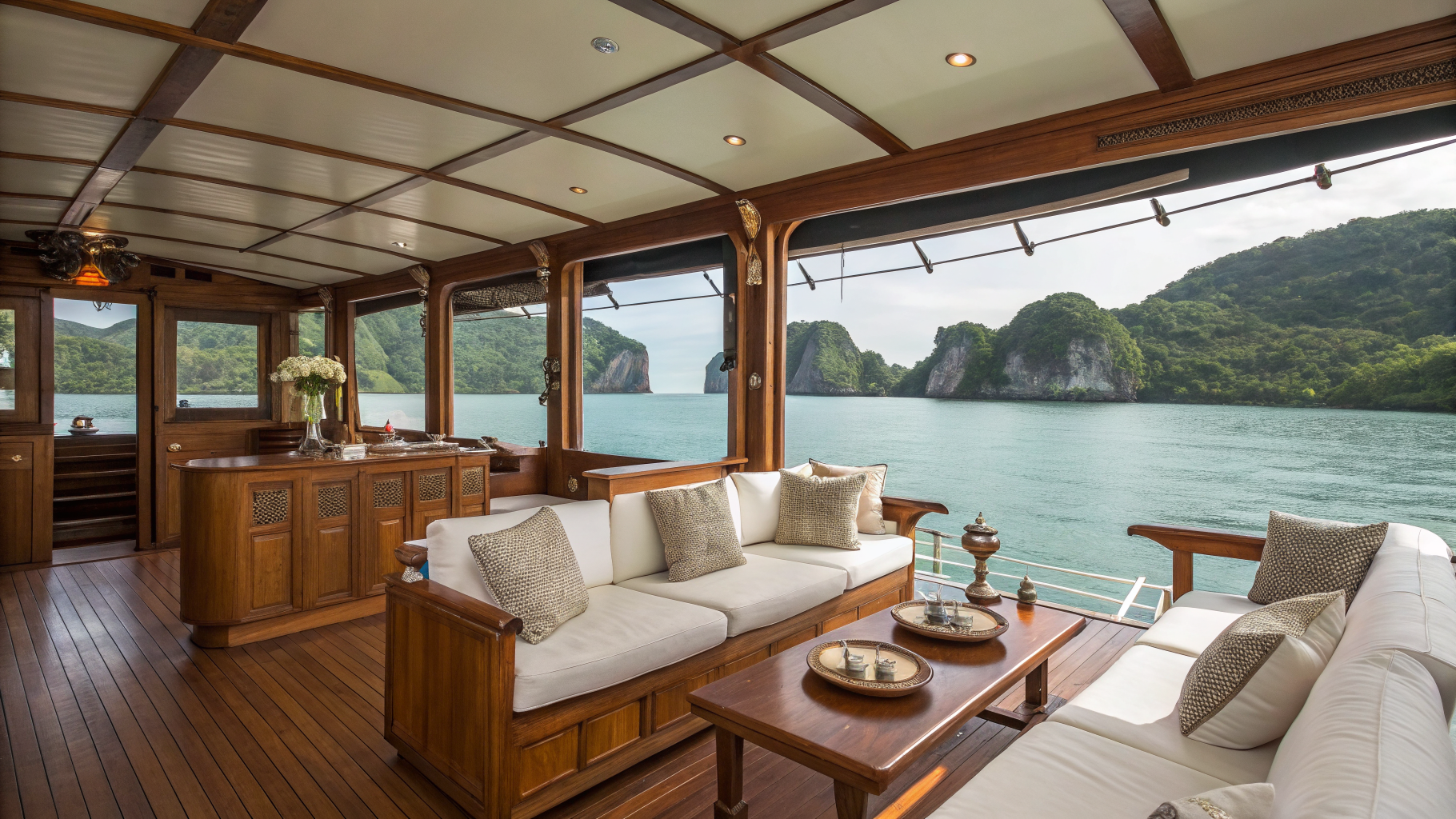
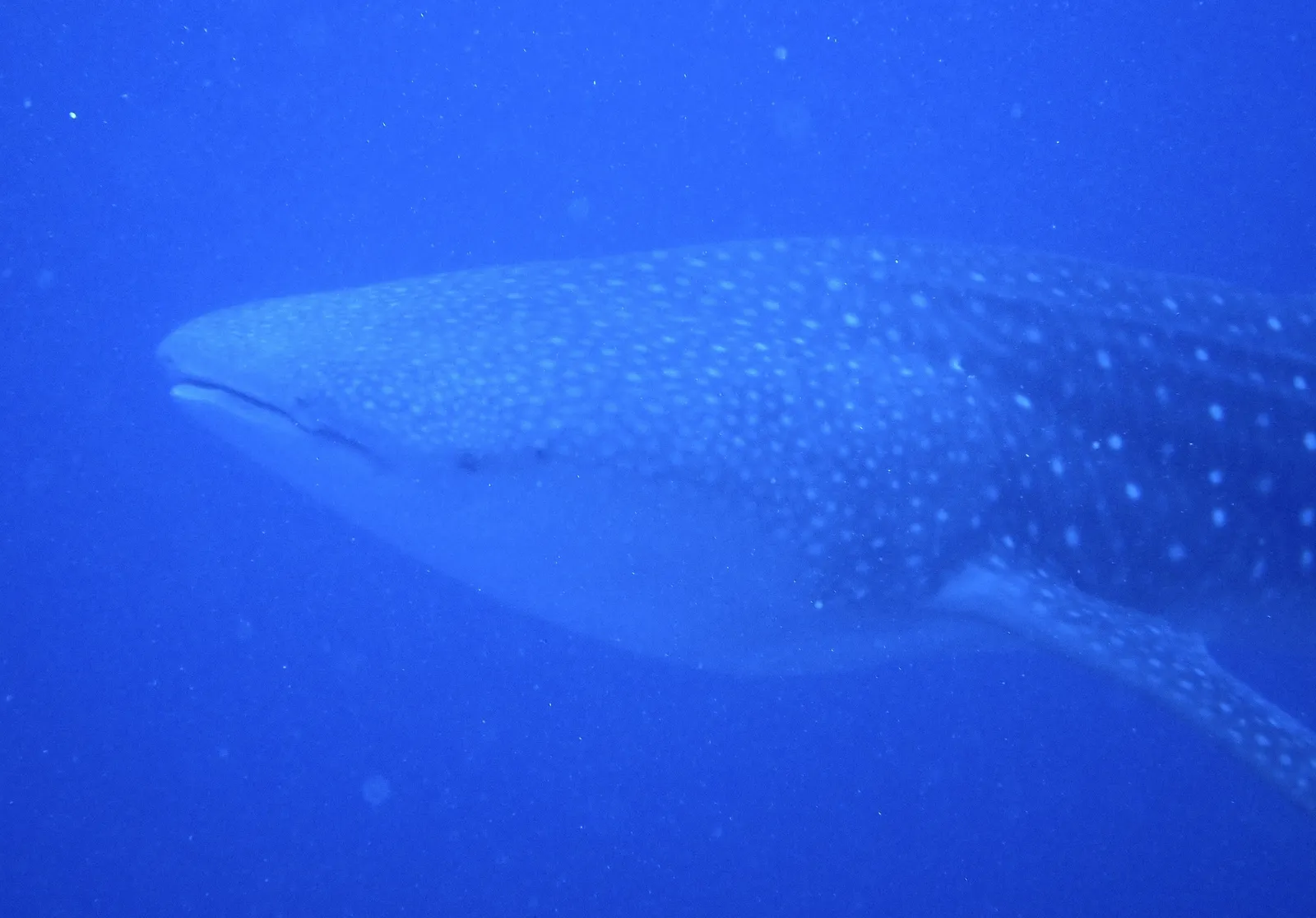
A cenderawasih bay whale sharks liveaboard is a separate West Papua experience from Raja Ampat, and the two regions reward you in different ways. Instead of coral-wall drift dives, you spend long, calm hours beside resident whale sharks that gather under traditional fishing platforms near Kwatisore village, at the southern edge of Cenderawasih Bay. The whale sharks here stay year-round, which makes an encounter close to reliable rather than seasonal. Divers who want both the reef spectacle of Raja Ampat and dependable megafauna time increasingly join the two into one extended Papua trip.
Why are Cenderawasih Bay whale sharks different from Raja Ampat?
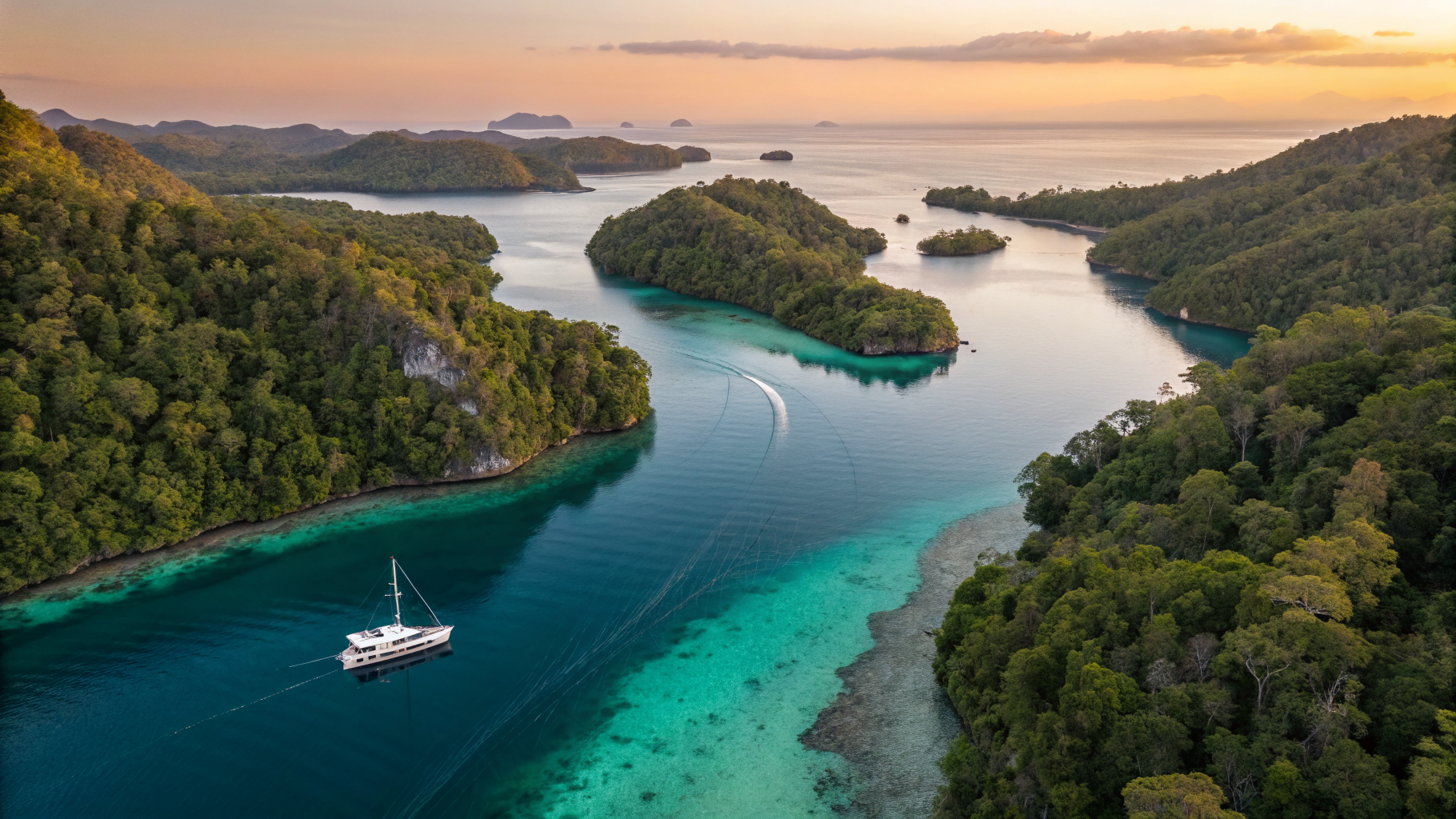
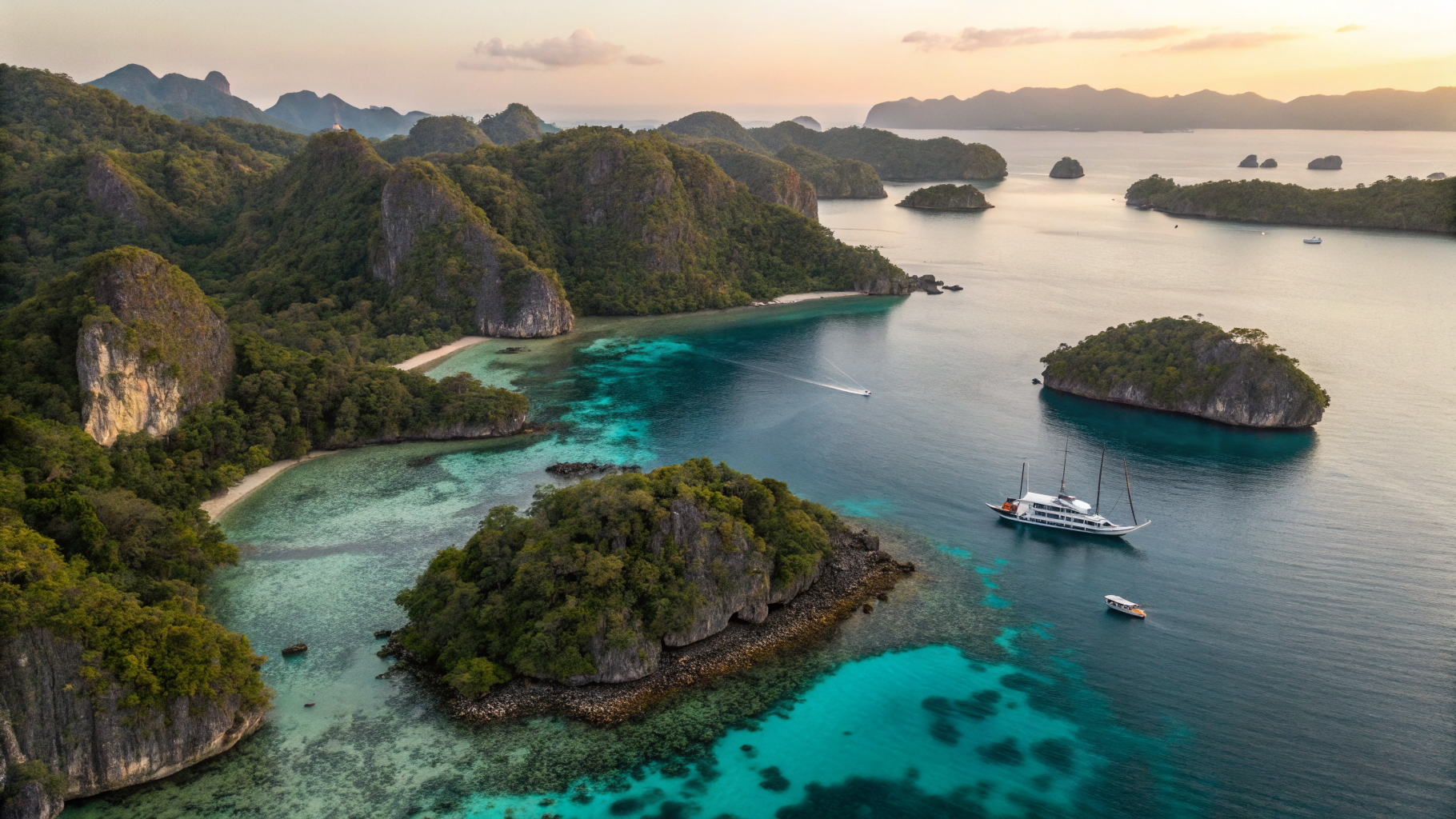
Raja Ampat sits off the western tip of the Bird’s Head, reached from Sorong, and its reputation rests on biodiversity: over 1,500 fish species, the species record set at Cape Kri in the Dampier Strait, oceanic manta cleaning stations at Blue Magic, and the soft-coral gardens of Misool in the south. Currents run moderate to strong, and the diving is fast and reef-driven.
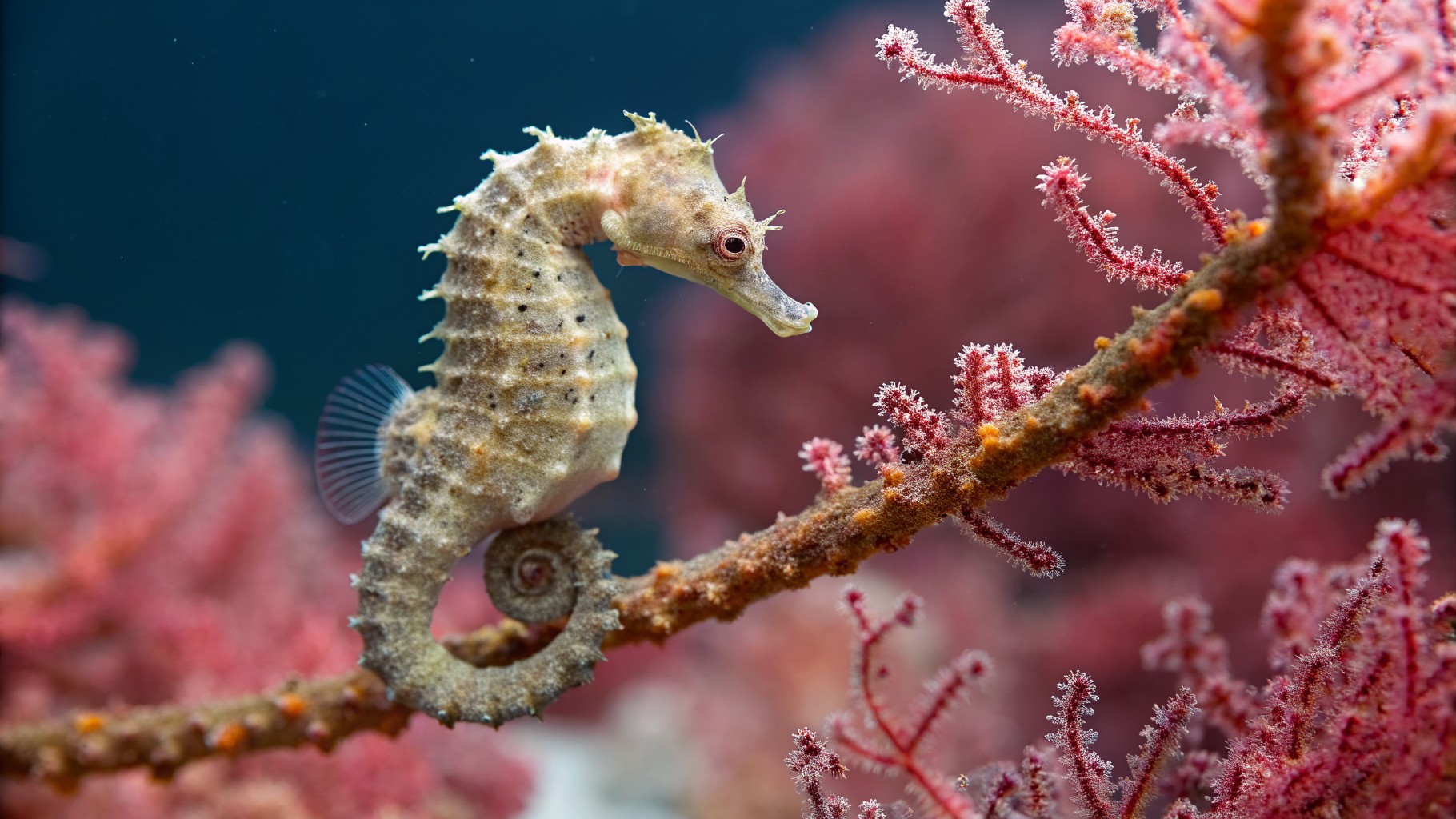
Cenderawasih Bay lies far to the east, a large, sheltered gulf that forms Indonesia’s biggest marine national park. It is isolated water, so its reefs hold fewer species than Raja Ampat but a handful of endemics found almost nowhere else. What draws divers is not the reef. It is the whale sharks, and the way you meet them. Currents are gentle, depths are shallow, and much of your time is spent snorkelling or hovering on scuba beside animals that show no urge to leave.
The bagan platforms explained
The reliable encounters come from a genuine relationship between the animals and local fishermen. A bagan is a lift-net fishing platform: a bamboo-and-timber raft with outriggers and a wide net lowered at night, its lamps drawing baitfish such as silversides and small anchovies into the mesh. Over years, whale sharks learned that the nets hold an easy meal and began drifting up to suck baitfish straight from the pockets. Kwatisore fishermen call them gurano bintang, the star shark, and treat their arrival as good fortune rather than a nuisance. That tolerance is why you can spend a morning with several animals circling a single platform. To understand how these gentle giants feed and behave, see our guide to the whale shark marine life of the region.
Where is Kwatisore and how do you reach it?
Kwatisore sits in the southern arm of Cenderawasih Bay, in Papua province. The usual gateway town is Nabire, reached by domestic flights connecting through Biak, Jayapura, or Manokwari. Most liveaboards working the whale shark grounds either sail from Nabire or reposition from Manokwari, then anchor near the active bagans for several days of repeated encounters.
This matters for planning. Cenderawasih is not a quick side trip from Raja Ampat. The two regions sit on opposite sides of the Bird’s Head peninsula, and the open-water crossing between them takes days. As of 2026, most operators run them as distinct itineraries rather than a casual add-on, which is exactly why combining both takes some deliberate scheduling.
Planning a cenderawasih bay whale sharks liveaboard around the season
Because the whale sharks are effectively resident at the Kwatisore bagans, Cenderawasih works as a year-round destination in a way few whale shark sites do. Sea and weather conditions still vary, and liveaboard schedules cluster around the calmer, drier stretches of the year. This is where the two regions complement each other neatly. Raja Ampat’s main window runs roughly October to April, when the reef diving is at its best. Many operators schedule Cenderawasih trips in the months outside that peak, so a diver planning across a full year can slot each region into its stronger window rather than forcing both into one narrow season.
A typical cenderawasih bay whale sharks liveaboard runs 6 to 11 nights, similar in length to a Raja Ampat cruise, with several days dedicated to the whale sharks and the remainder spent on the bay’s reefs, muck sites, and the occasional wartime relic left in these waters. Encounters are reliable but never guaranteed, since they depend on the bagans being present and active when your boat arrives.
How do divers combine Cenderawasih Bay and Raja Ampat in one trip?
There are two practical ways to see both regions on a single extended holiday, and the right choice depends on your time and budget.
- Back-to-back trips with a domestic flight. You dive one region on a standard liveaboard, fly between the Sorong area and Nabire, then join a second boat for the other region. This keeps each cruise short and lets you match each region to its better season, at the cost of extra flights and a day or two in transit.
- A single long repositioning charter. Some boats sail the full crossing around the Bird’s Head, turning the passage itself into part of the voyage. These extended cruises are longer and less frequent, and because the routing is unusual they are most often arranged as a private charter tailored to a group’s dates and priorities.
For most divers, the cleanest route into both regions starts with a classic Dampier Strait cruise. Our Raja Ampat north route liveaboard package covers Cape Kri, Blue Magic, and the northern seamounts, and pairs logically with a separate Cenderawasih leg either side of it. We plan the connecting flights, permits, and boat timing so the two halves fit together without wasted days.
What else can you see in Cenderawasih Bay?
The whale sharks are the headline, but they are not the whole trip. The bay’s isolation has produced reef fish you will not tick off in Raja Ampat, and its calmer conditions suit relaxed reef and macro diving. Hard-coral slopes, shallow lagoons, and silty bays reward divers who like hunting for small subjects between the big-animal sessions. There are also war-era wrecks and debris scattered through the bay, remnants of the Pacific campaign, that have since grown their own coral cover. For photographers, the mix of guaranteed-feeling whale shark time in clear, shallow water and quiet reefs with almost no other boats is hard to match.
One planning note on permits: both regions require you to hold the right entry paperwork before you dive. Raja Ampat uses a marine park permit tied to your PIN, and Cenderawasih Bay National Park has its own entry arrangement. On an organised trip these are handled for you, but they are worth confirming when you book, especially if you are stitching two regions together.
What does an extended Papua trip cost?
Pricing for a cenderawasih bay whale sharks liveaboard depends heavily on the boat, the cabin, the length of each leg, and whether you charter privately or join a scheduled departure. As a rough, indicative guide for 2026, a quality liveaboard in this part of Indonesia sits in the mid-to-upper range of the market, and a two-region trip adds the cost of a second cruise plus connecting flights and transfers. These figures move with fuel, season, and availability, so treat any number as a starting point for a proper quote rather than a fixed price. We build each itinerary around your dates and give you a clear breakdown before you commit.
We handle the whole chain end-to-end: boat selection, cabin booking, national park and marine park permits, domestic flights between regions, airport transfers, and on-the-ground coordination in both Nabire and the Sorong area. That single point of contact is the main reason divers ask us to arrange a combined trip rather than piecing it together across several operators.
Plan your Cenderawasih and Raja Ampat trip with us
If you want the whale sharks of Kwatisore and the reefs of the Dampier Strait in one well-timed journey, we can map the whole route around your travel window. We are part of Juara Holding Group, operating from Bali across Indonesia since 2015, and we book liveaboard trips in this region end-to-end so you deal with one team from first enquiry to final transfer.
Message our booking desk on WhatsApp at +62 811-3823-875 or email [email protected] with your rough dates and dive experience, and we will come back with a combined Cenderawasih and Raja Ampat plan, indicative pricing, and the boats that fit your window.