In this article
- Understanding Raja Ampat Liveaboard Prices and Inclusions
- Overview of Raja Ampat Liveaboard Costs
- What’s Included in a Raja Ampat Liveaboard?
- Raja Ampat Liveaboard Hidden Costs
- Raja Ampat Liveaboard Budget vs. Luxury Options
- Single Supplements on Raja Ampat Liveaboards
- Payment and Booking Information
- Itinerary Options and Trip Duration
- Conclusion
- Typical Inclusions for Different Liveaboard Categories
- Identifying Hidden Costs
- Best Times to Book a Raja Ampat Liveaboard
- Booking Tips for Your Liveaboard Experience
- Related reading



Understanding Raja Ampat Liveaboard Prices and Inclusions
Raja Ampat liveaboard diving offers a unique opportunity to explore one of the most biodiverse marine environments on the planet. Prices can vary significantly based on factors like the type of vessel, level of luxury, and duration of the trip. In 2026, expect to invest anywhere from $1,200 to over $4,000 for an unforgettable experience.
Overview of Raja Ampat Liveaboard Costs
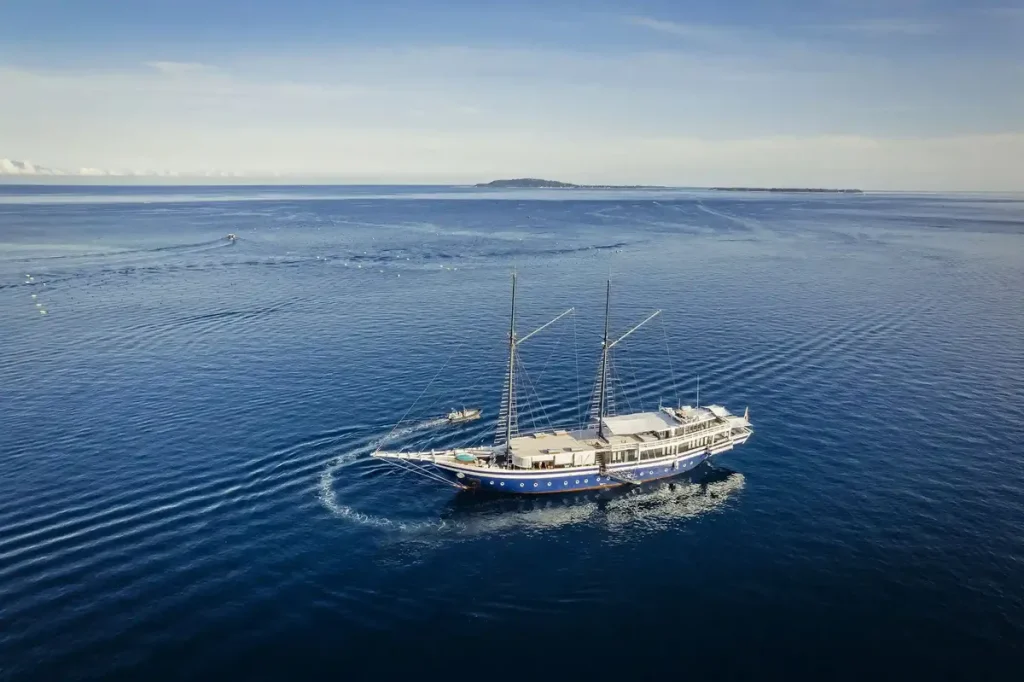
When considering how much a Raja Ampat liveaboard costs, several elements come into play. Generally, you can categorize liveaboards into budget, mid-range, and luxury options:
- Budget: Prices start at around $1,200 for a week-long trip, which typically includes shared accommodations, meals, and up to three dives per day.
- Mid-Range: Expect rates from $2,000 to $3,000 for better amenities, private cabins, and more dives. These vessels often include additional features like nitrox and diving gear rental.
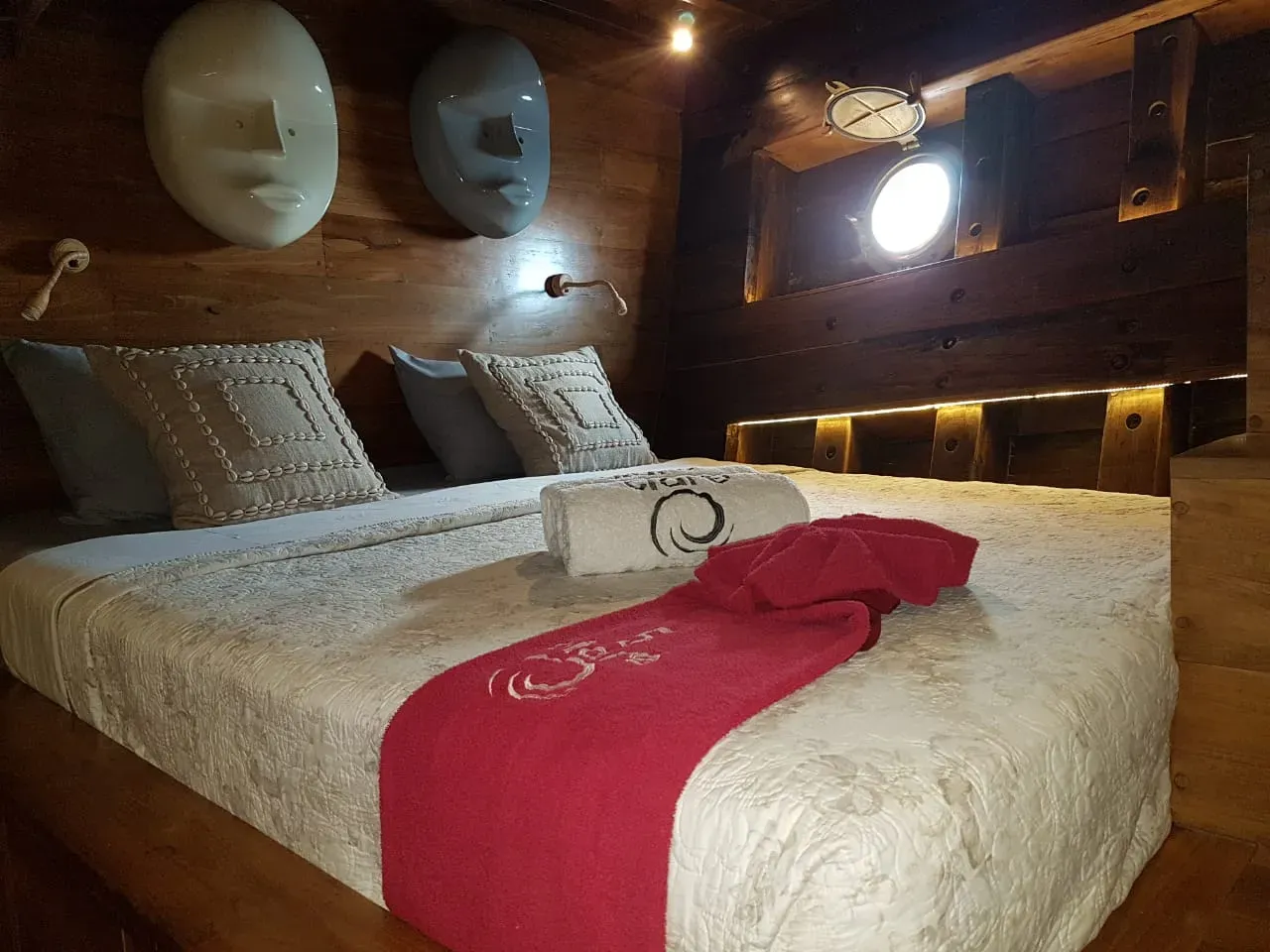
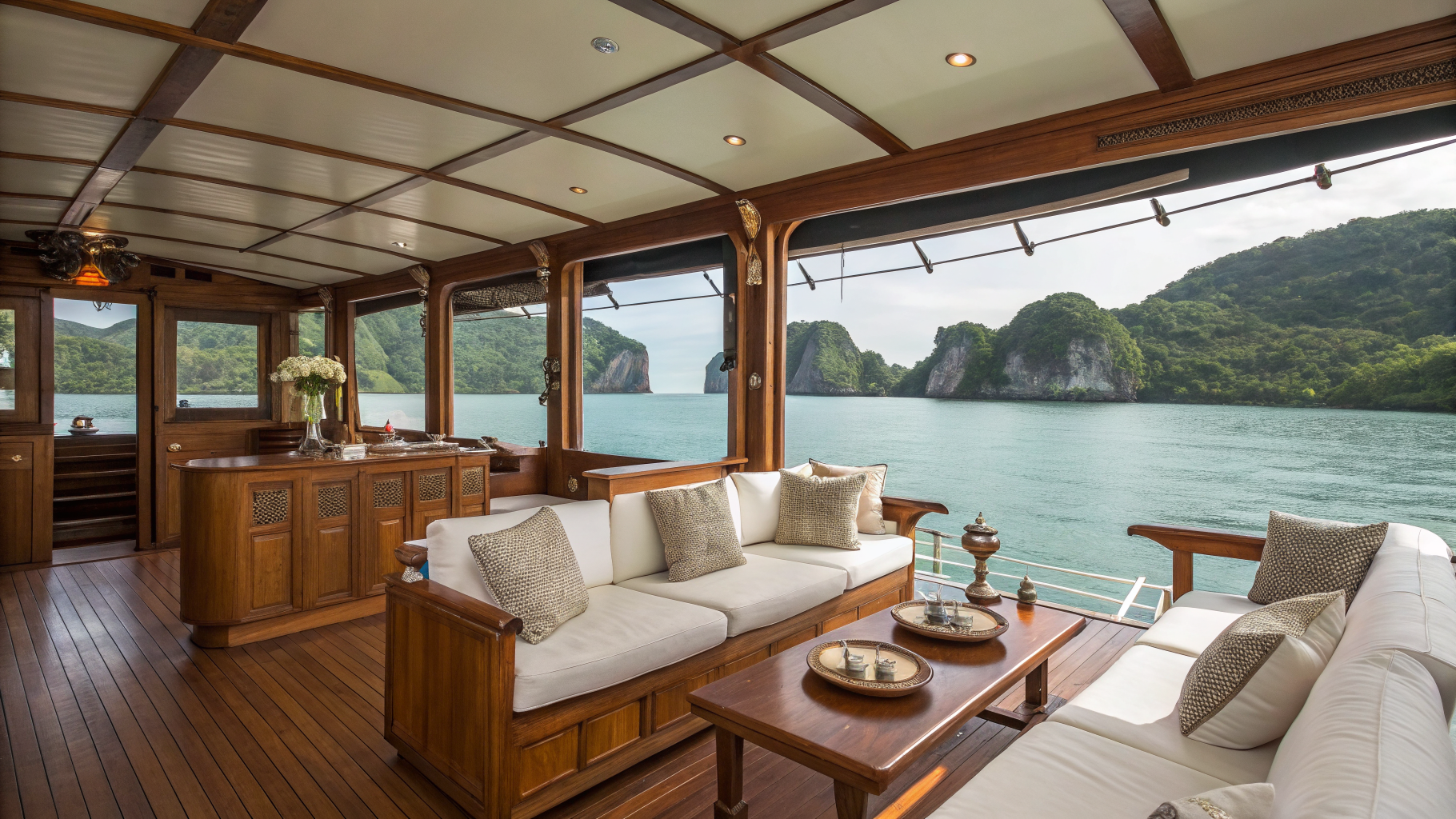
- Luxury: Rates for luxury liveaboards can exceed $4,000 for a week, featuring spacious cabins, superior dining options, and personalized services.
What’s Included in a Raja Ampat Liveaboard?
Understanding what is included in your liveaboard package can help you budget more effectively. Most Raja Ampat liveaboard packages include the following:
- Meals: Breakfast, lunch, and dinner are usually provided. Most liveaboards offer a mix of Indonesian and Western cuisine, with vegetarian options available.
- Diving: Typically, packages include 3-4 dives per day, depending on the itinerary.
- Equipment Rental: Basic diving gear (tank, weights, BCD) is often included, but high-quality equipment like wetsuits or dive computers may cost extra.
- Transfer Services: Airport transfers to the harbor are commonly included, but confirm this with your operator.
Raja Ampat Liveaboard Hidden Costs
While understanding Raja Ampat liveaboard rates 2026 is essential, keep an eye out for hidden costs that can sneak up on you:
- Diving Equipment: High-quality rental gear might add another $20-30 per day.
- Park Fees: Raja Ampat has conservation fees that can amount to approximately $50-$60 per person, depending on the specific areas you’ll visit.
- Alcoholic Beverages: Most liveaboards do not include alcoholic drinks, so plan for additional costs here.
- Tips: It’s customary to tip the crew, which can range from $50-$100 for a week, depending on your satisfaction.
Raja Ampat Liveaboard Budget vs. Luxury Options
Choosing between a budget and luxury liveaboard in Raja Ampat requires understanding the trade-offs. Budget vessels often accommodate more guests in shared rooms, while luxury options focus on comfort, privacy, and service:
- Budget: Shared cabins and simpler meals. Ideal for divers focused primarily on diving rather than amenities. Prices start around $1,200 for the week.
- Luxury: Spacious private cabins, gourmet meals, and personalized services. Prices can reach upwards of $4,000 for the week.
Single Supplements on Raja Ampat Liveaboards
Travelers considering solo trips must factor in the single supplement fee, which can range from 20% to 100% of the total cost depending on the operator and type of accommodation chosen. For instance, if a week-long liveaboard costs $2,000, the single supplement could add an additional $400-$2,000 to your total cost.
Payment and Booking Information
Raja Ampat liveaboard deposit and payment structures can vary significantly between operators. Most require a deposit of about 30% of the total price to secure your reservation, with the remaining balance due 60 days before departure. It’s crucial to read the fine print in the booking agreement to avoid surprises.
Itinerary Options and Trip Duration
Liveaboard trips in Raja Ampat typically last between 5 to 10 days, allowing divers to explore a variety of sites. Here’s a sample of what you can expect:
- 5-Day Itinerary: This often covers highlights like Cape Kri, Blue Magic, and Mioskun Island. Expect about 15-18 dives over the trip.
- 7-Day Itinerary: A more comprehensive option that might include additional locations such as Wayag and the hidden lagoons, with 20-24 dives scheduled.
- 10-Day Itinerary: This longer cruise allows for deeper exploration into the Misool region and more dive sites, amounting to around 30 dives.
Conclusion
an experienced diver or a novice, a Raja Ampat liveaboard offers an exceptional experience. Understanding Raja Ampat liveaboard prices, included services, and potential hidden fees will help you make an informed decision about your next diving adventure. With options ranging from budget to luxury, there’s something for every traveler. Ready to dive into one of the most stunning aquatic environments on the planet? Start planning your trip today!
Frequently Asked Questions
- What is the best time to dive in Raja Ampat? The ideal months are typically from October to April, when conditions are calmer and visibility is excellent.
- Are there any age restrictions for diving? Most operators allow divers as young as 10 years old, provided they have appropriate certification.
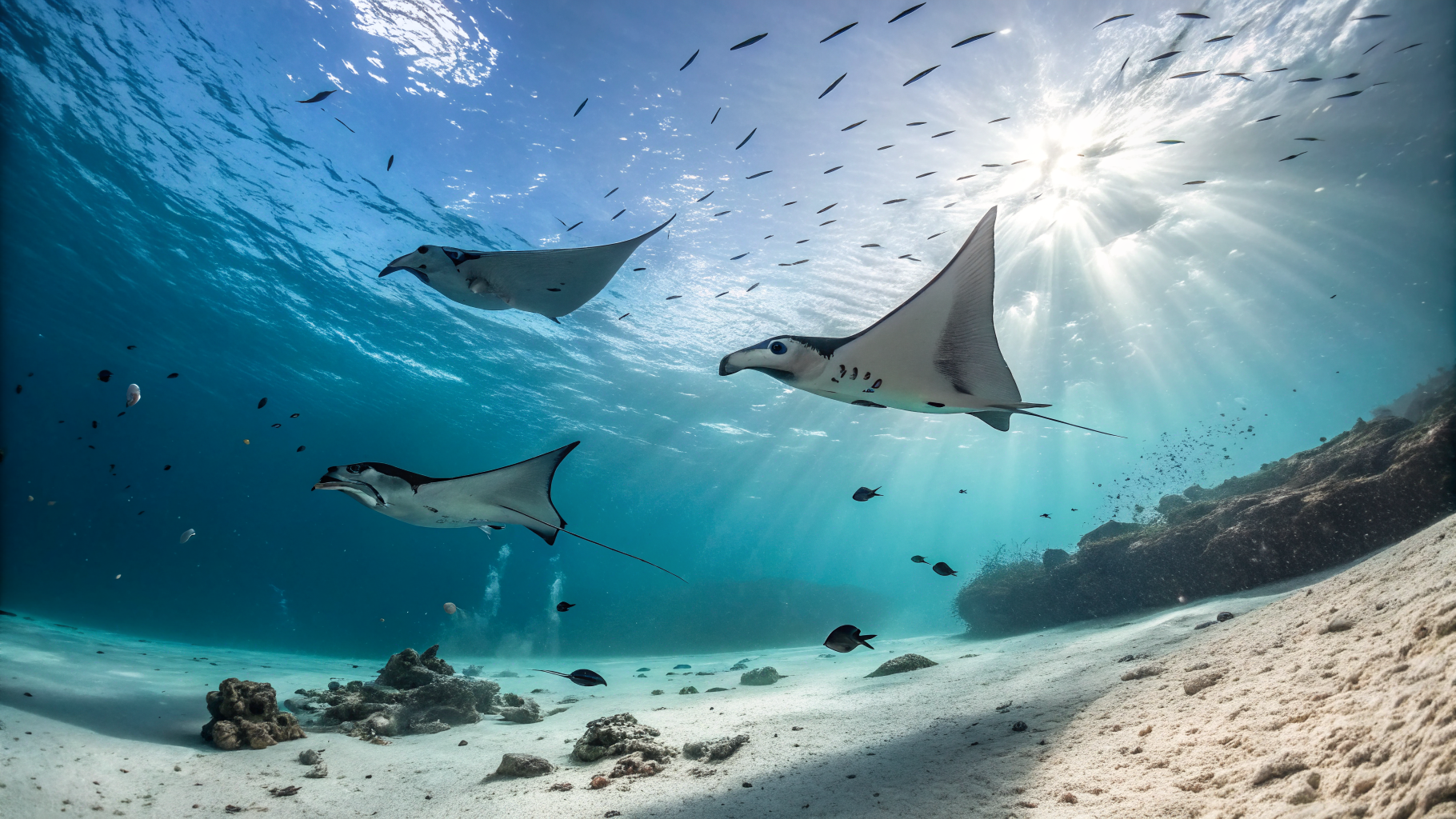
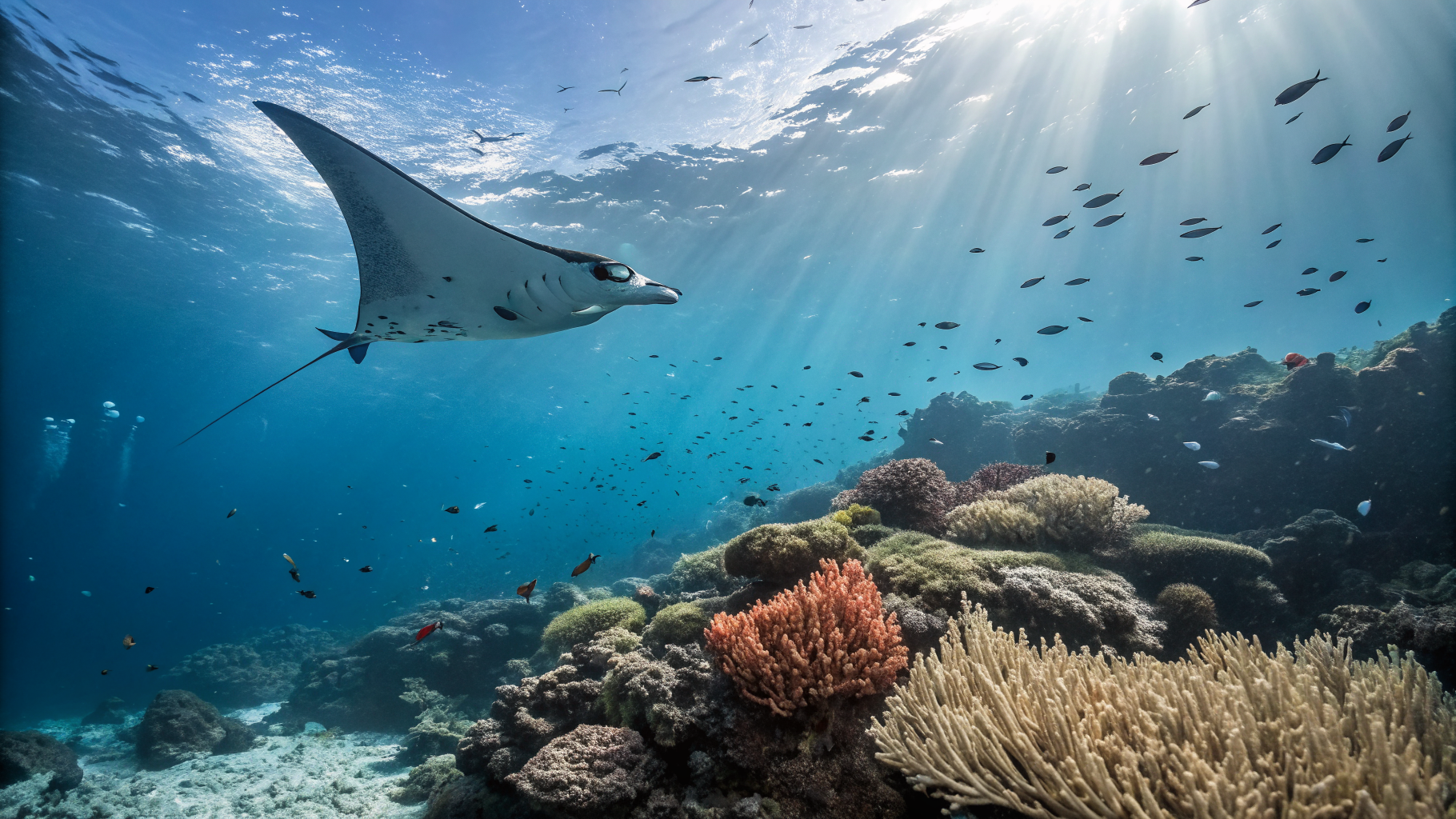
- What types of marine life can I expect to see? Raja Ampat is home to a diverse range of species, from manta rays and sea turtles to vibrant coral reefs teeming with fish.
Typical Inclusions for Different Liveaboard Categories
Inclusions can vary based on the category of the liveaboard you choose. Here’s a breakdown of what to typically expect in each category:
- Budget: These liveaboards usually offer essentials like three meals a day, shared or dormitory-style accommodations, diving services with an experienced guide, and basic safety equipment. However, extras such as diving gear rental may come at an additional cost, often around $100 for a week.
- Mid-Range: Alongside upgraded cabins and more comfortable dining options, mid-range packages often provide nitrox diving (for an additional fee), a limited selection of alcoholic beverages, and sometimes enrichment programs like photography workshops. Expect to pay around $50 for nitrox for a full week.
- Luxury: Luxury vessels come with all-inclusive packages featuring gourmet meals, premium beverages, spa services, and personalized diving itineraries. Expect complimentary gear rental and services like private guides, making for an intimate diving experience.
Identifying Hidden Costs
While the main price tag can seem straightforward, there are often hidden costs to consider when planning your trip. Here are some potential expenses:
- Marine Park Fees: Raja Ampat has conservation fees that usually range from $50 to $100, depending on the duration of your stay. Be sure to confirm if this is included in your package.
- Diving Equipment Rental: If you don’t have your own gear, renting can cost between $75 and $150 for a week, depending on the quality and items required like wetsuits, BCDs, and regulators.
- Alcoholic Beverages: While some luxury options may include drinks, many budget and mid-range boats charge separately. A beer can cost about $3, while cocktails may go up to $8 each.
- Tipping: It’s customary to tip crew members at the end of the trip, typically around 10-15% of the total cost of your liveaboard package.
Best Times to Book a Raja Ampat Liveaboard
Timing can significantly impact both prices and availability. The best months to dive in Raja Ampat are generally from October to April when sea conditions are calmer and marine life is abundant.
| Month | Conditions | Price Range (USD) |
|---|---|---|
| January | Excellent visibility, mild currents | $1,500 – $4,000 |
| March | Good visibility, warm temperatures | $1,200 – $3,800 |
| July | Variable visibility, occasional rain | $1,300 – $4,200 |
| October | Calm seas, optimal diving | $1,500 – $4,000 |
Booking Tips for Your Liveaboard Experience
Finding the right liveaboard can be daunting due to the numerous options available. Here are some practical tips:
- Research Operators: Look for operators with good reviews on trusted travel platforms. Pay attention to dive guides’ experience and crew-to-guest ratios.
- Inquire About Itineraries: The best diving spots can depend on the itinerary chosen. Ask if the boat plans to visit renowned sites like Cape Kri, Manta Sandy, and the Wayag Islands.
- Flexible Booking Policies: Inquire about cancellation policies, especially if you are booking ahead—flexible policies can save you from unexpected financial loss.
- Join a Group: If you’re solo, consider joining a group or chartering an entire boat with friends to save money and enhance the experience.