In this article
- The Currents of Raja Ampat: Understanding the Aquatic Engine
- The Liveaboard’s Role: Your Floating Five-Star Safety Hub
- For the Novice Diver: A Gentle Introduction to the World’s Richest Reefs
- For the Advanced Adventurer: Navigating Raja’s Thrilling Channels
- Customizing Your Voyage for Optimal Safety and Enjoyment
- Quick FAQ: Your Raja Ampat Safety Questions Answered
- Related reading
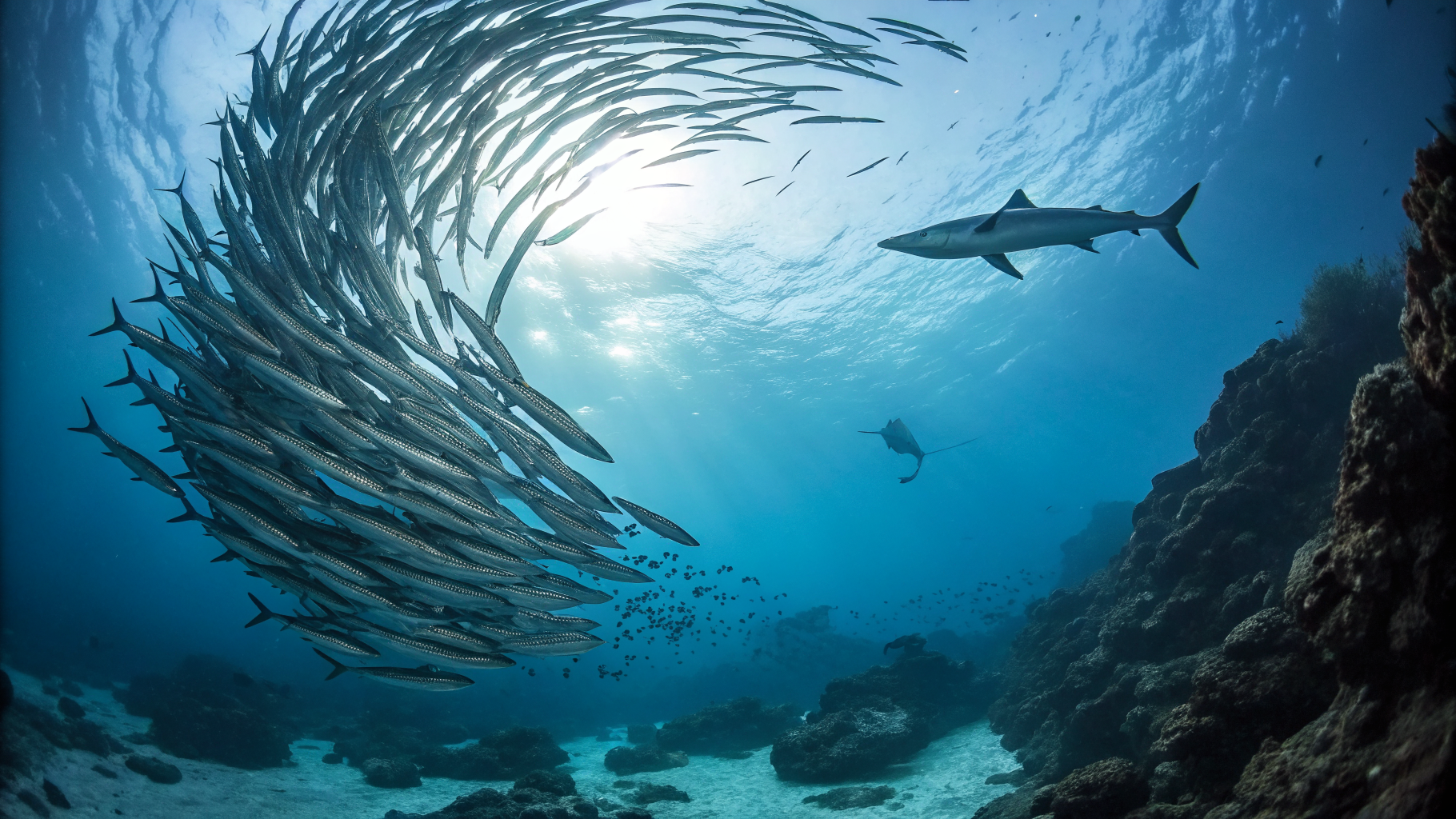
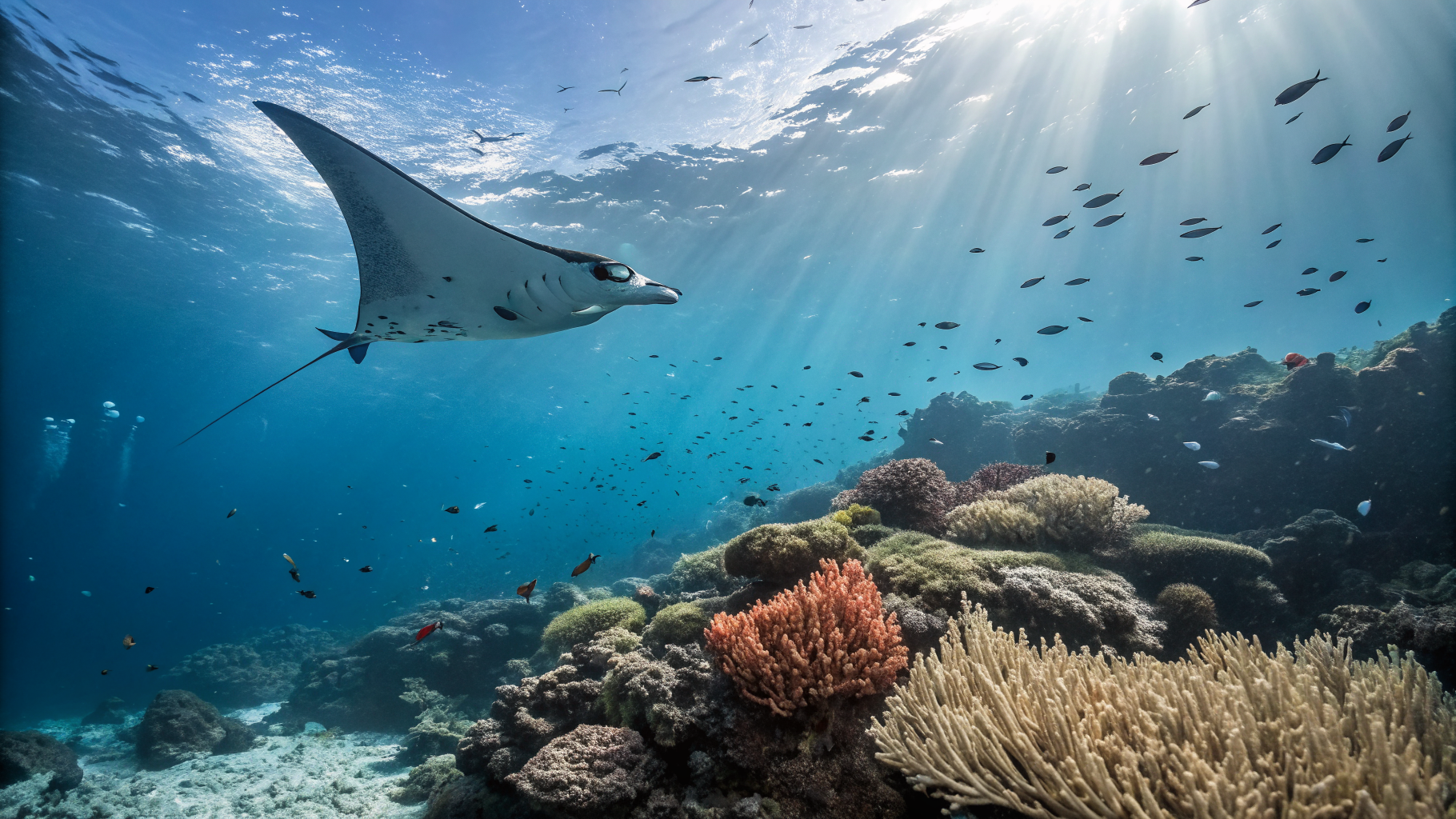
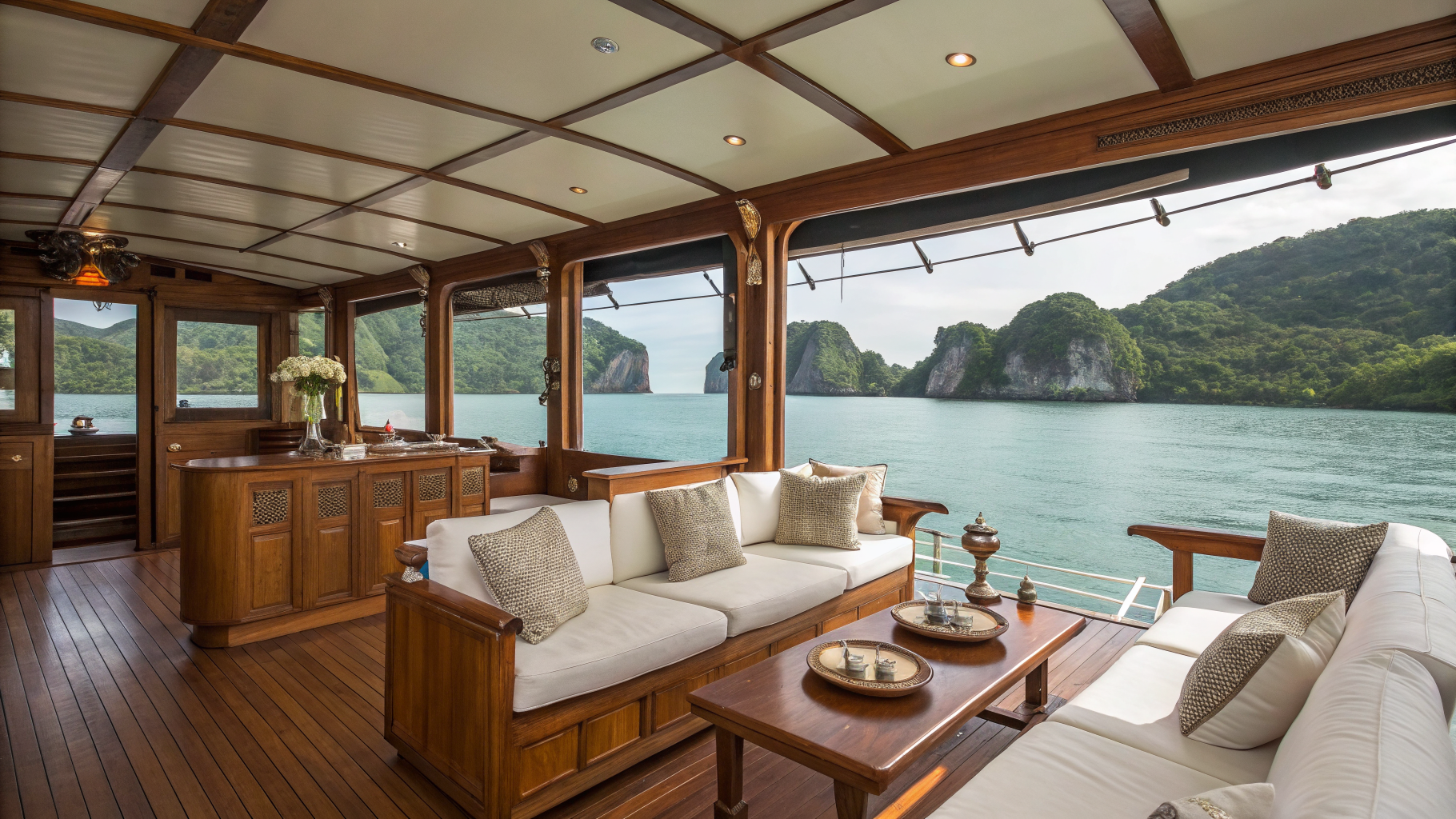
- Expert Crew: Professional dive directors and local guides tailor each dive to group skill levels and real-time conditions.
- Site Selection: Itineraries include a mix of calm, protected reefs and challenging drift dives, ensuring options for all abilities.
- Vessel Safety: High-end liveaboards are equipped with comprehensive medical supplies, oxygen, and emergency communication systems.
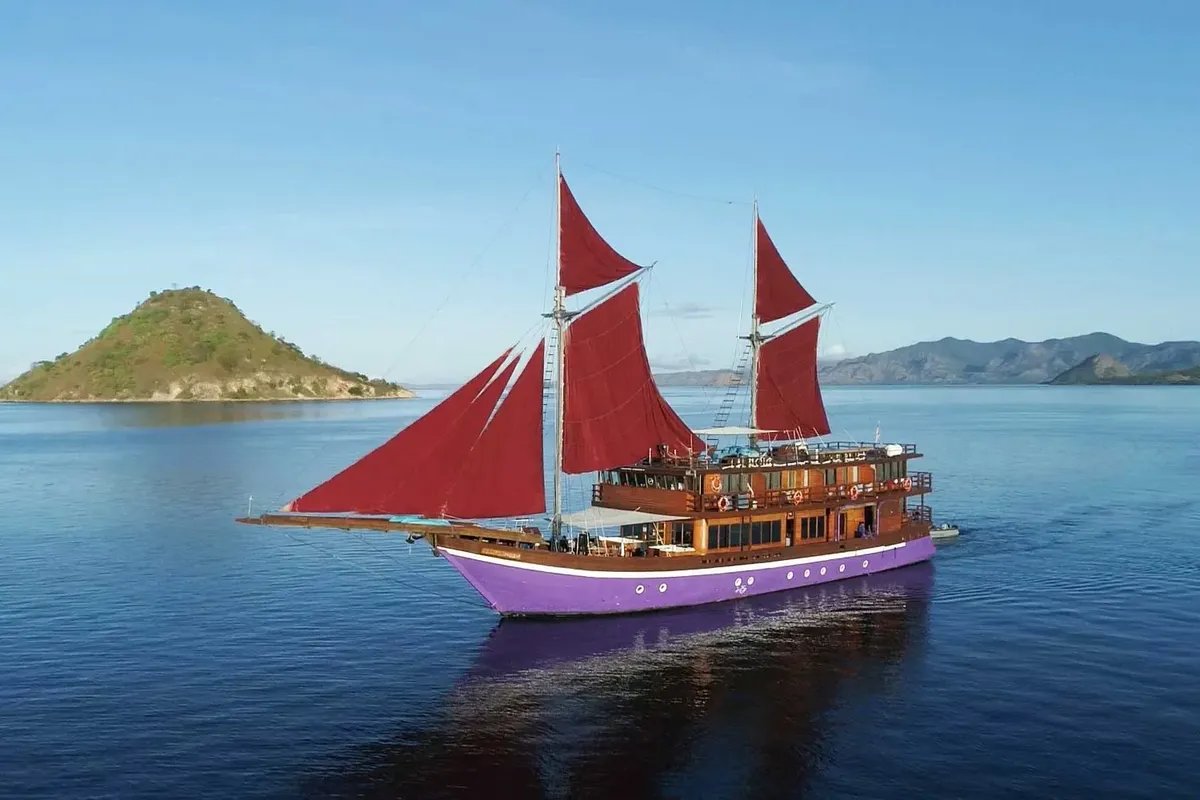
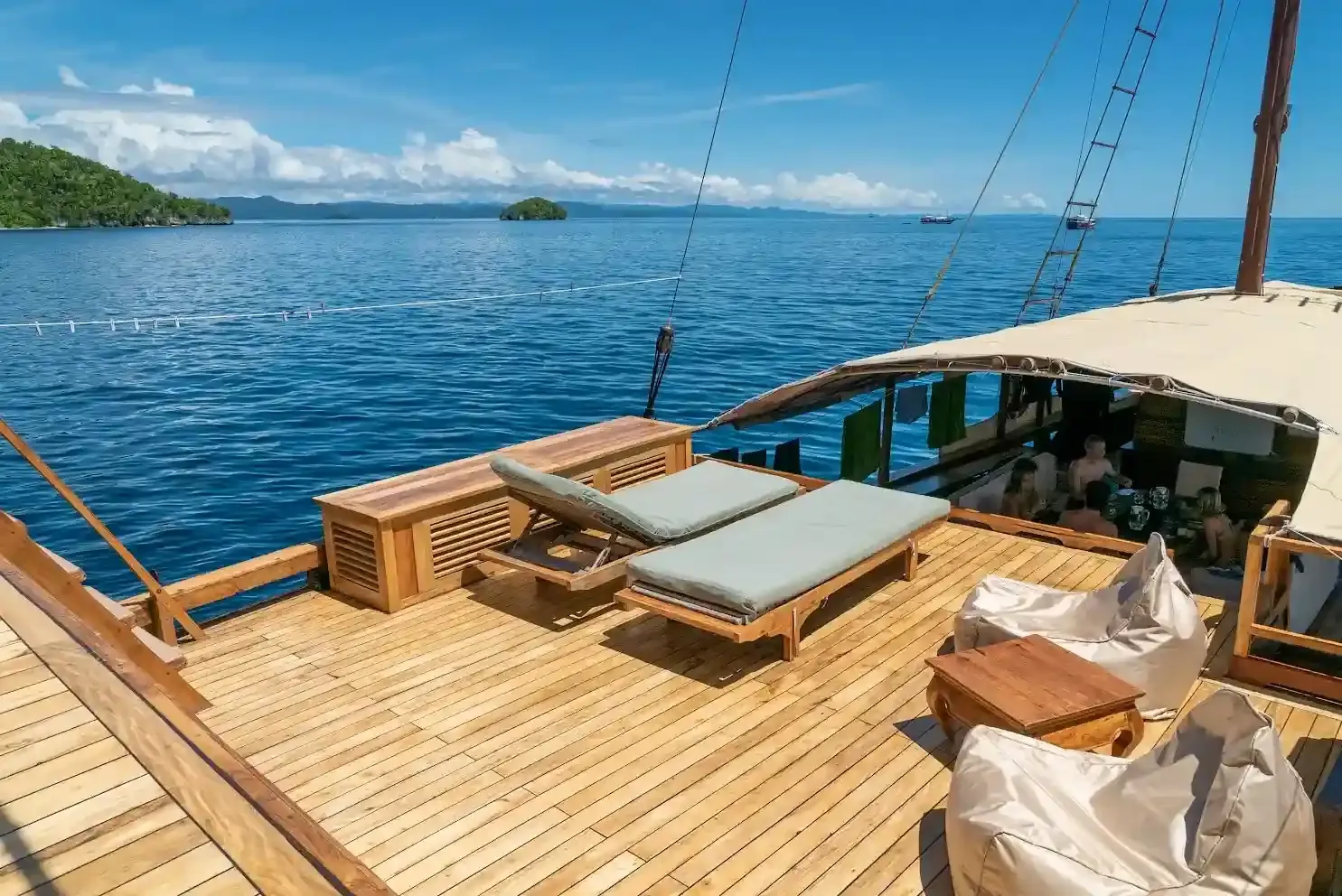
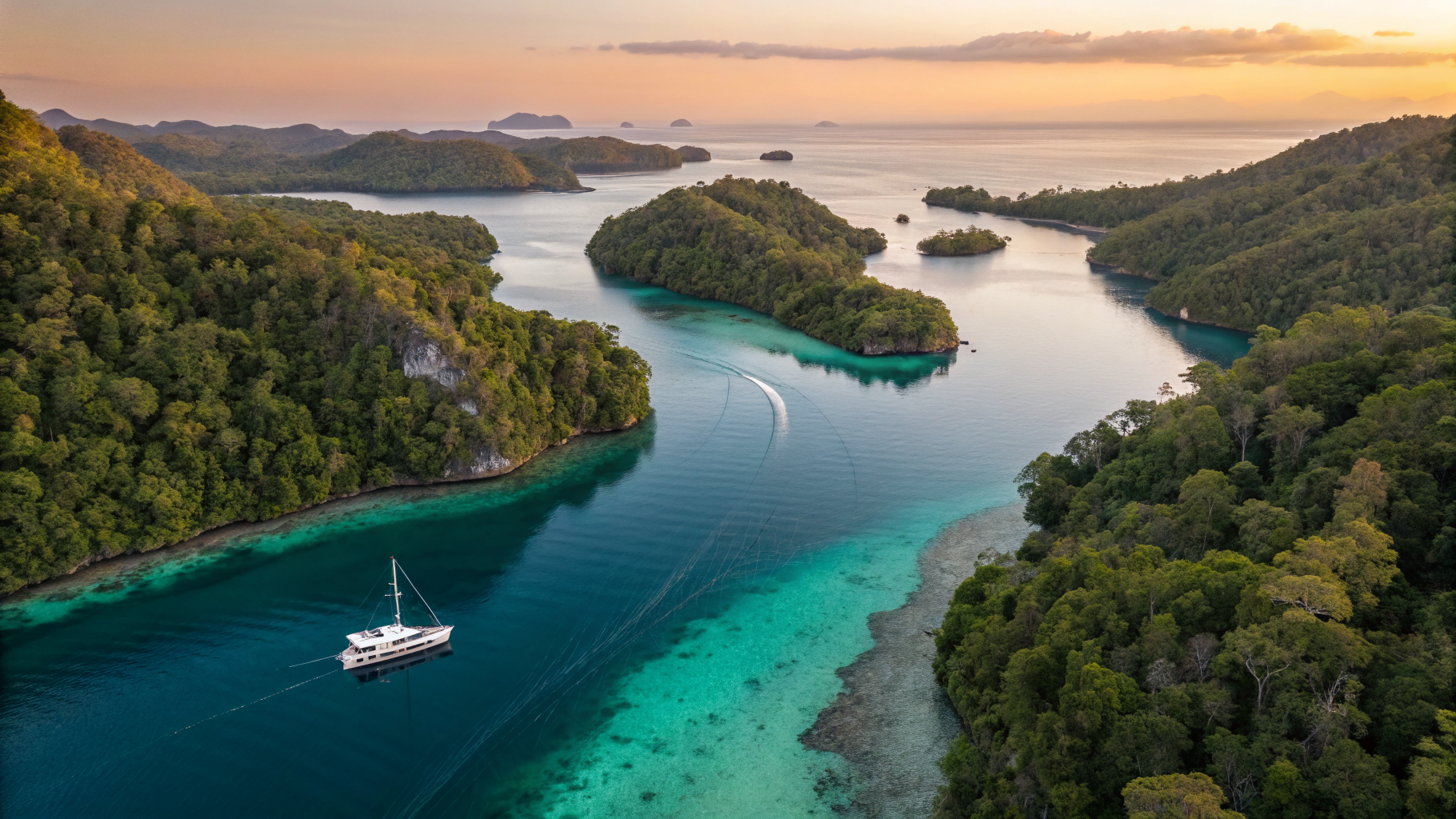
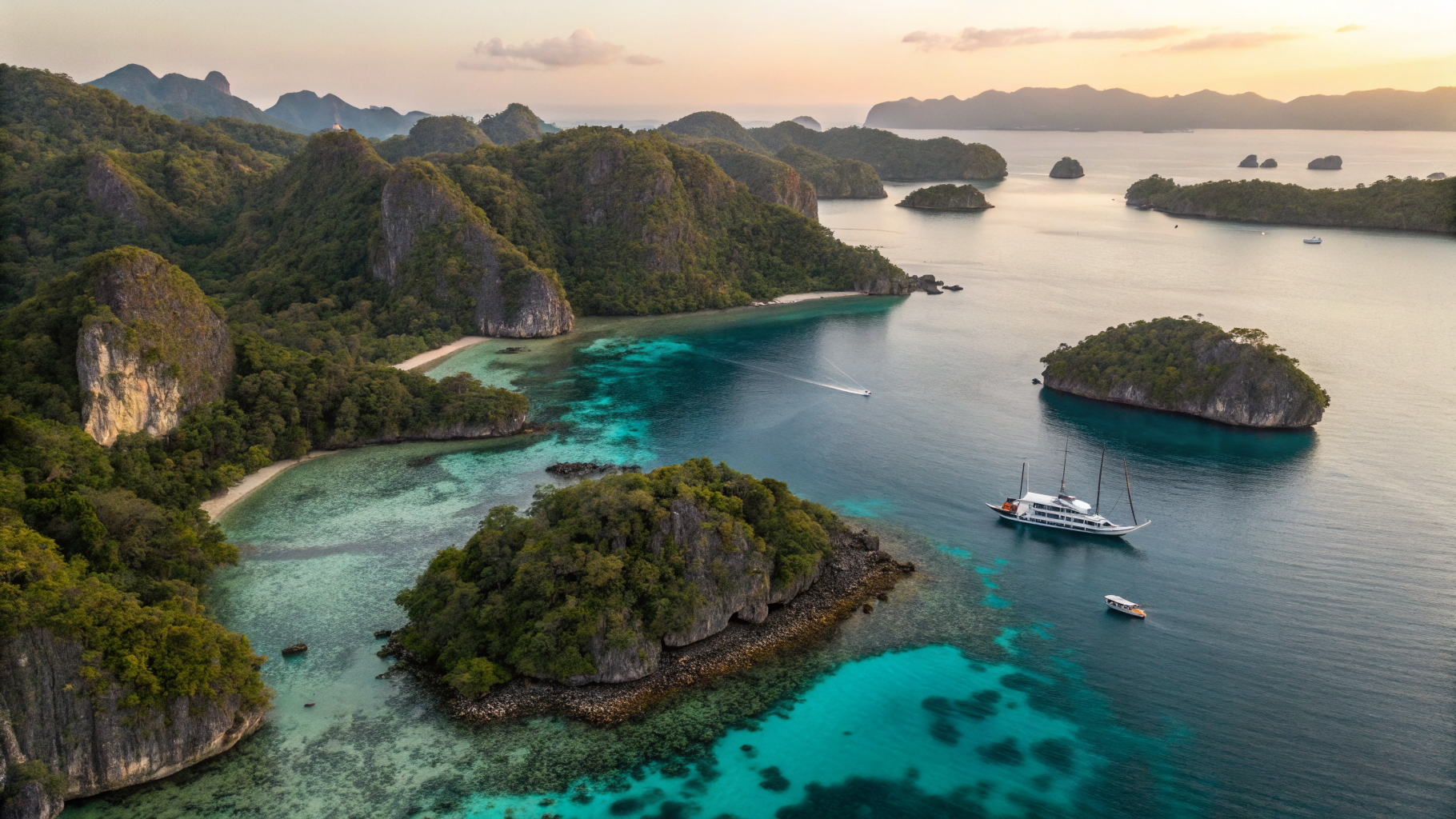
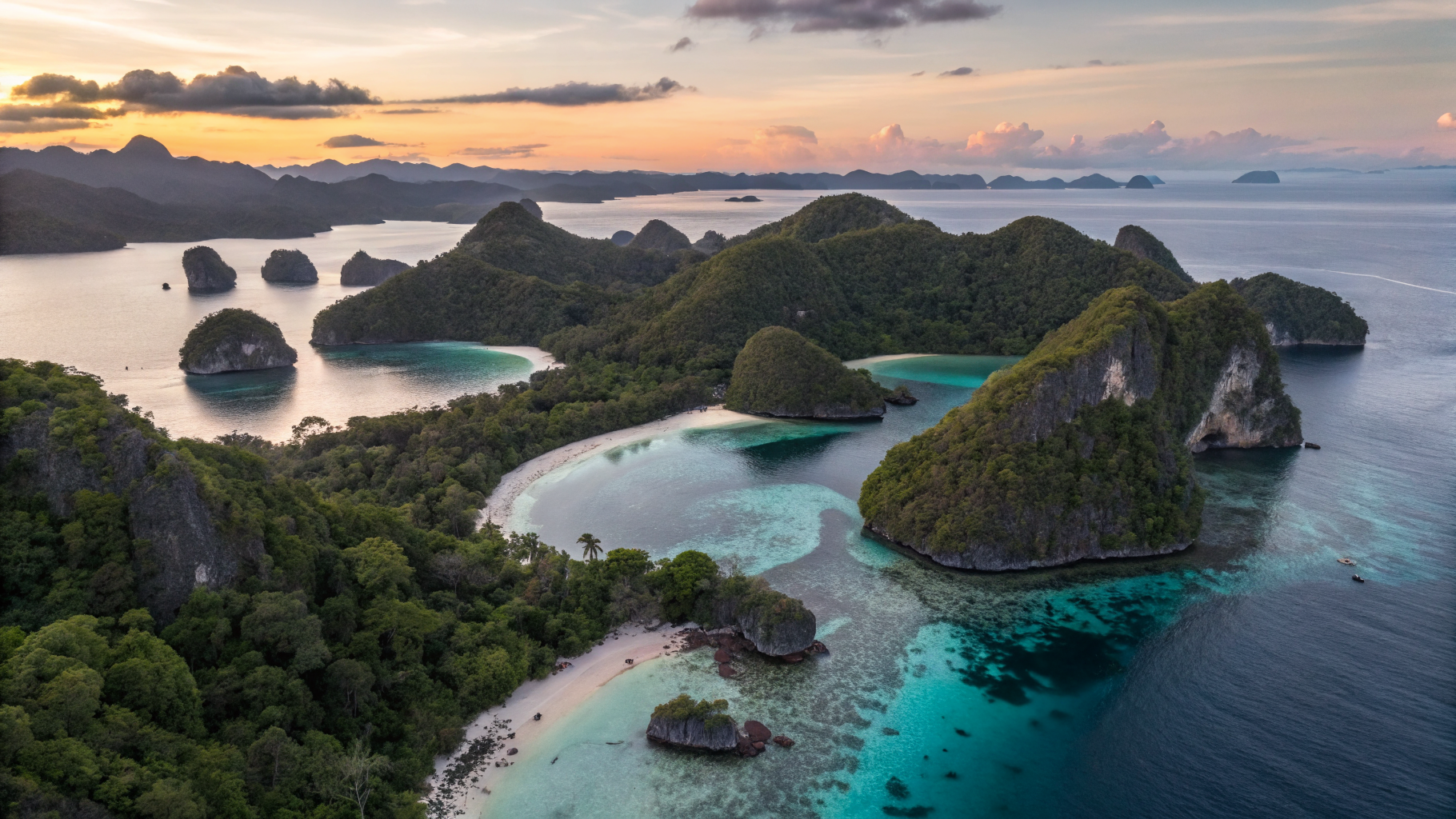
The air hangs thick and warm, scented with salt and the distant perfume of rainforest foliage. Below deck, the gentle thrum of the engine is a reassuring heartbeat as our phinisi schooner glides over water the color of polished jade. We are anchored in a labyrinth of limestone karsts, each draped in a verdant cloak of jungle. This is the prelude to every descent in Raja Ampat: a moment of profound tranquility before you surrender to the world beneath. The question I hear most often from clients and fellow editors is not about the region’s beauty, but its accessibility. Is a journey into this remote, powerful underwater realm truly safe for everyone? After my recent expedition aboard a Raja Ampat Liveaboard Voyages vessel, I can offer a definitive perspective.
The Currents of Raja Ampat: Understanding the Aquatic Engine
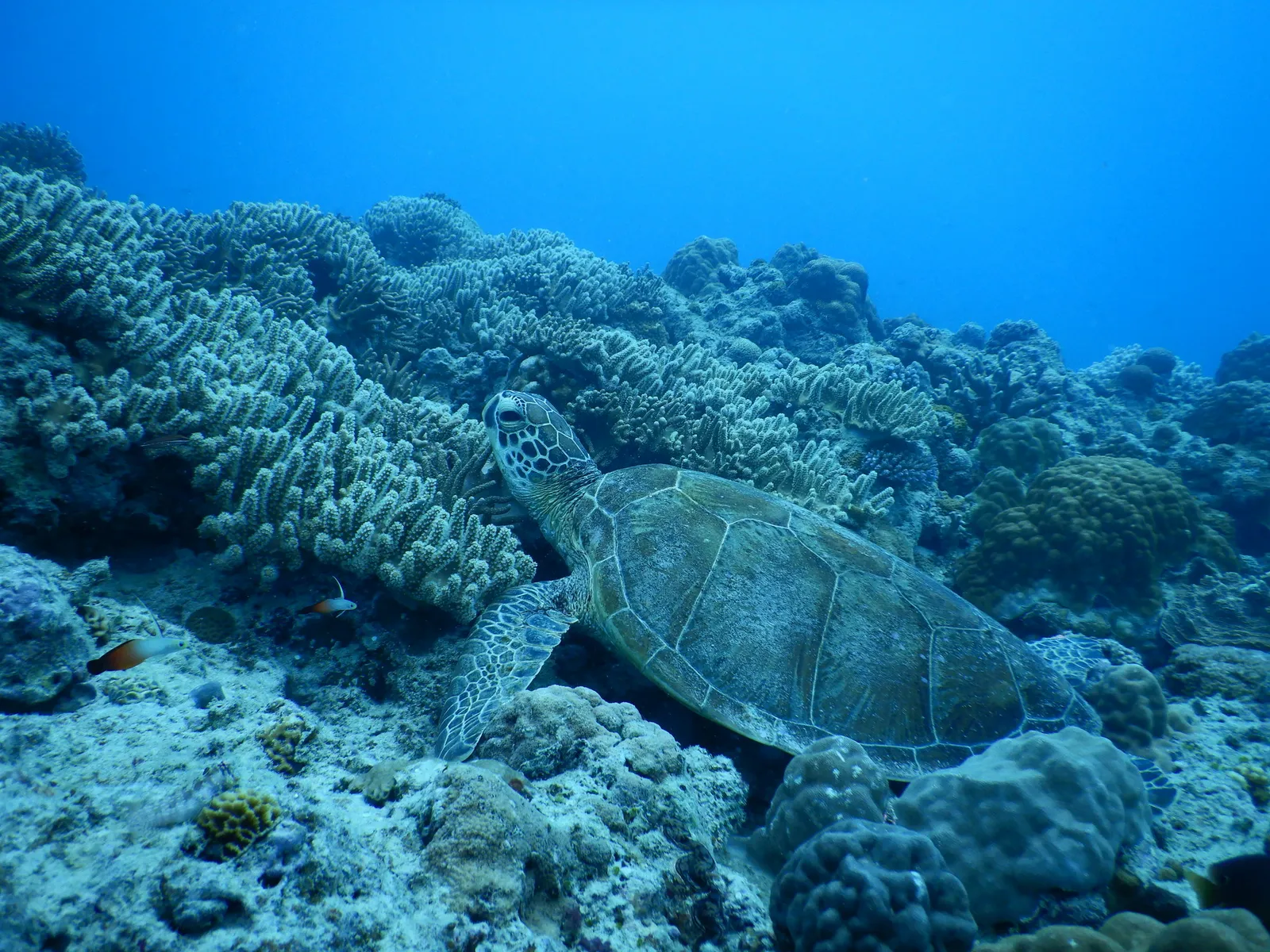
To discuss safety in Raja Ampat is to first understand its lifeblood: the currents. The archipelago sits at a critical junction where the Pacific and Indian Oceans meet, creating the powerful Indonesian Throughflow. This massive movement of water is the engine of the region’s hyper-diversity, transporting nutrient-rich waters that feed the most biodiverse marine ecosystem on Earth. According to data on the Coral Triangle, this area contains 76% of the world’s known coral species and more than 1,600 species of reef fish. But for a diver, this oceanic engine can be intimidating. Sites like ‘The Passage’—a river-like channel between Gam and Waigeo islands—or the cleaning stations at ‘Manta Sandy’ can experience currents that demand respect and experience.
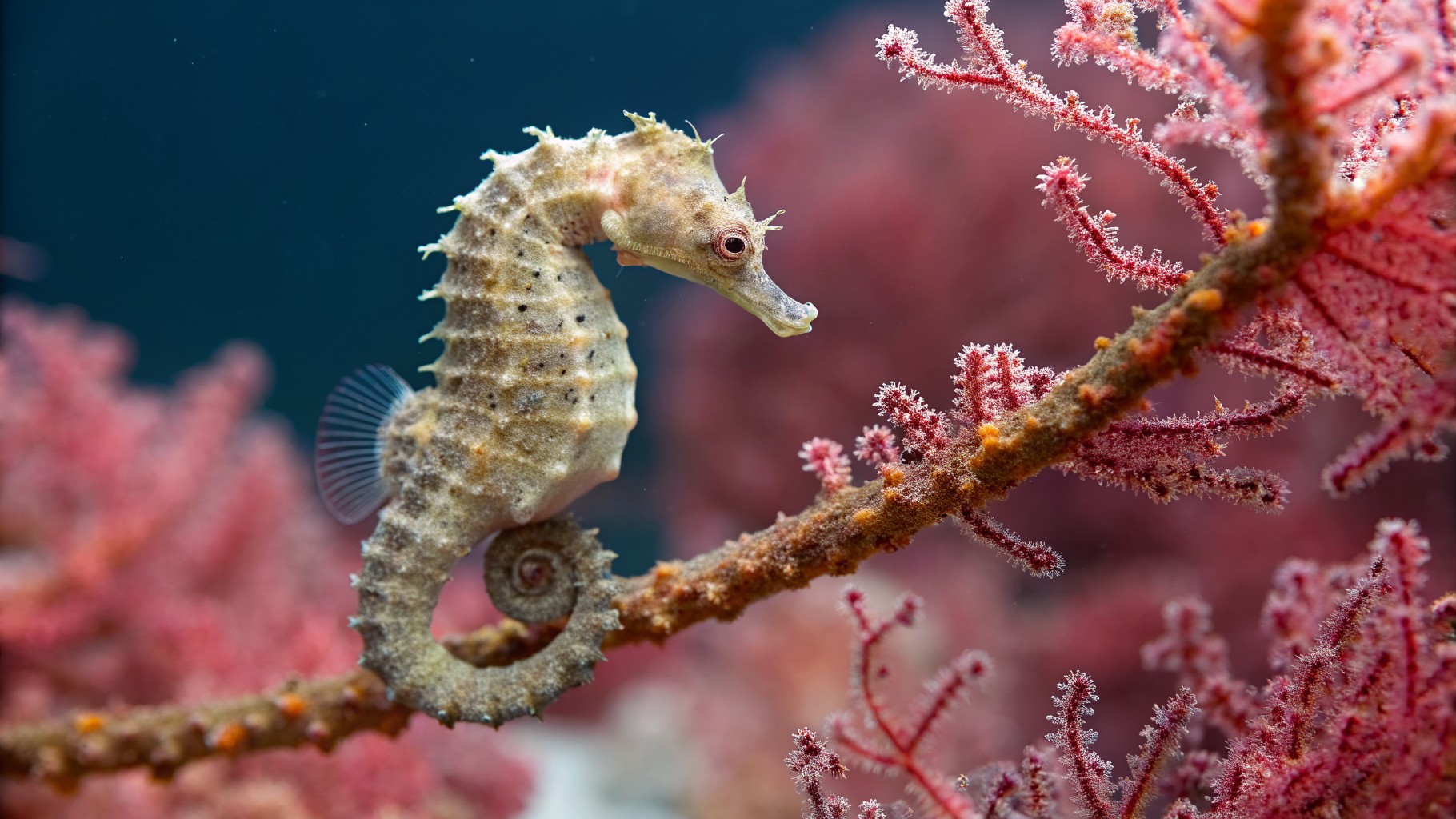
This is where the expertise of a high-caliber liveaboard becomes non-negotiable. A truly professional operation doesn’t fight the currents; it works with them. Our cruise director, a veteran with over a decade of experience in these waters, held briefings that were masterclasses in marine topography and tidal planning. We consulted detailed charts showing tide coefficients and flow directions. Dives were timed to the minute to hit slack tide at high-energy sites or to ride a gentle, predictable drift along a vibrant wall. For every thrilling, high-voltage dive reserved for the advanced group, there was an equally spectacular alternative in a protected bay, like the serene coral gardens of ‘Friwen Wall’, where novice divers could spend an hour mesmerized by pygmy seahorses and clouds of anthias in near-stationary water. The key takeaway is that the currents are a known factor, a variable that a skilled team can transform from a hazard into an exhilarating, managed experience.
The Liveaboard’s Role: Your Floating Five-Star Safety Hub
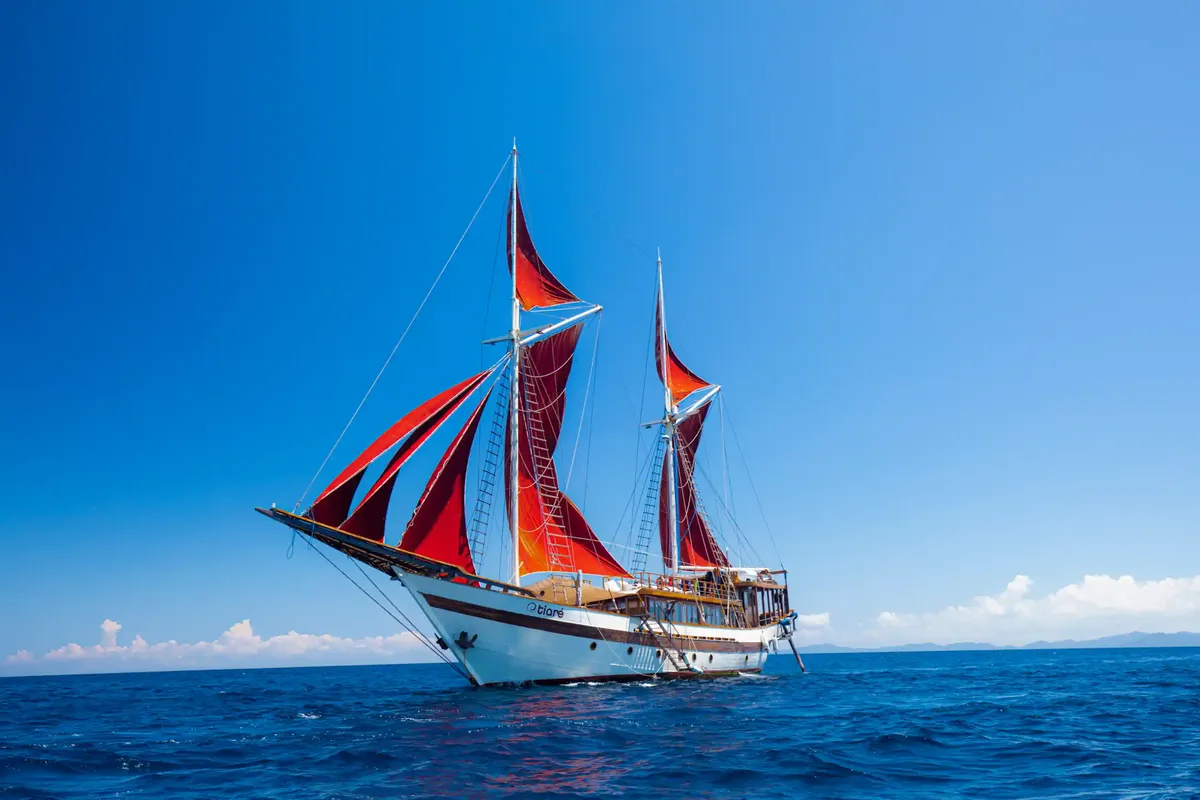
The vessel itself is the central nervous system of a safe diving safari. Aboard a luxury phinisi, safety is not an afterthought; it’s woven into the very fabric of the operation. The physical distance from mainland infrastructure—Sorong, the gateway port, is often hundreds of nautical miles away—necessitates complete self-sufficiency. Our vessel was equipped with a comprehensive medical bay, including multiple DAN-standard oxygen kits, a defibrillator, and extensive first-aid supplies. The crew, from the captain to the tender drivers, undergoes regular, rigorous training in emergency first response and sea rescue protocols. The presence of satellite phones and advanced navigation equipment ensures a constant link to the outside world, however remote we may feel.
The human element is even more critical. The dive guides are the frontline guardians of your underwater experience. On our trip, the guide-to-diver ratio never exceeded 1-to-4. This allows for personalized attention and constant monitoring. Before our first water entry, a mandatory ‘check-out’ dive was conducted in a calm, shallow area. This allowed the dive director to discreetly assess each diver’s buoyancy, air consumption, and overall comfort in the water, enabling them to form groups of perfectly matched skill levels for the remainder of the voyage. This meticulous approach is a hallmark of a top-tier operator. You can learn more about Raja Ampat Liveaboard Voyages’ commitment to safety and trust, which details the specific protocols and equipment standards that define a secure expedition into this pristine wilderness.
For the Novice Diver: A Gentle Introduction to the World’s Richest Reefs
If you hold an Open Water certification and have a handful of dives in your logbook, you might wonder if Raja Ampat is too ambitious. The answer is a resounding no, provided you choose the right itinerary. Many of the archipelago’s most iconic underwater landscapes are surprisingly accessible. The jetties at ‘Arborek’ and ‘Yenbuba’, for instance, are top-tier shallow dives. Here, sunlight penetrates to the sandy bottom at just 15-18 meters, illuminating colossal schools of sweetlips, jacks, and barracuda that swarm the pier pilings. These sites typically have negligible current, allowing for long, relaxed dives focused on observation and photography. The key is transparency. Being honest about your experience level during our straightforward booking process is the most important first step you can take for your own safety and enjoyment.
A responsible operator will never push a novice diver into a situation beyond their training. The pre-dive briefings are exceptionally detailed, covering entry and exit procedures, potential currents, and hand signals for specific marine life. Guides are adept at keeping their groups in calmer waters, often pointing out macro wonders like ornate ghost pipefish or Nudibranchs that more experienced, current-focused divers might miss. For those looking to advance their skills, many liveaboards offer the PADI Advanced Open Water course onboard. Completing your deep dive and navigation training amidst the exceptional scenery of Raja Ampat is an experience in itself, turning a vacation into a significant milestone in your diving journey. With the right guidance, a new diver can leave Raja Ampat with 20 new dives in their logbook and a level of confidence they never thought possible.
For the Advanced Adventurer: Navigating Raja’s Thrilling Channels
For the seasoned diver, Raja Ampat is the ultimate aquatic playground. This is where the raw power of the Indonesian Throughflow creates underwater spectacles of staggering scale and intensity. At ‘Cape Kri’, a site where biologist Dr. Gerald R. Allen famously identified a record-breaking 374 species of fish on a single 90-minute dive, the currents converge. Here, the proper technique is to descend quickly, secure your reef hook to a piece of dead coral or rock, and simply hold on as the ocean’s drama unfolds before you. Grey reef sharks patrol the blue, massive Napoleon wrasse drift by, and dense schools of fusiliers and trevally form a shimmering, kinetic wall of life. This is not a dive for the faint of heart, but for an experienced diver, it is pure nirvana.
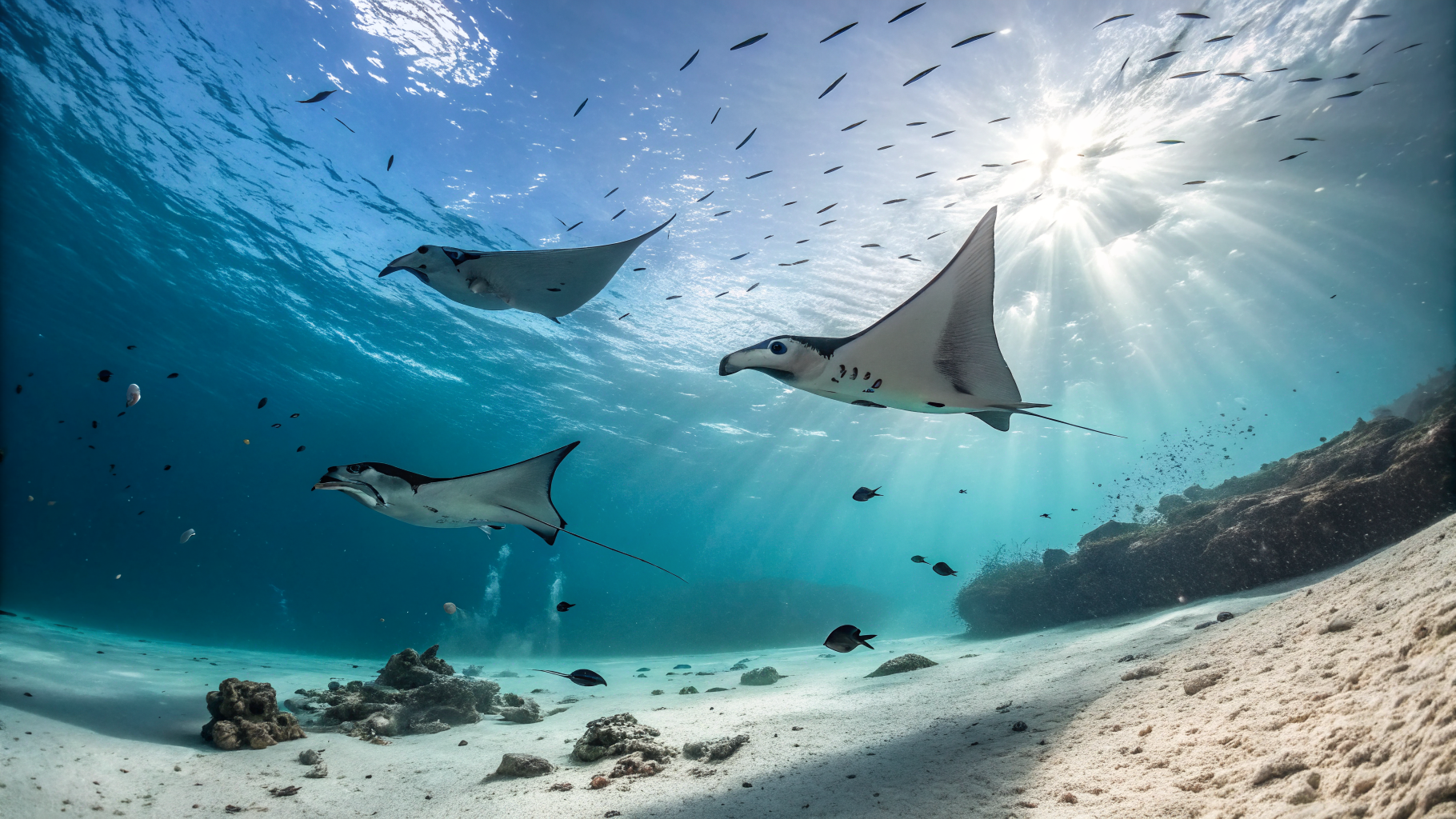
Advanced certification is a prerequisite for these dives, and operators will often require proof of 50 or more logged dives. Proficiency with a delayed surface marker buoy (dSMB) is mandatory, as drift dives can end with you surfacing some distance from the reef. Our dive director insisted every diver carry their own SMB, dive computer, and an audible signaling device, all of which are covered in our essential packing guide. The briefings for these dives focus on negative entries (descending immediately upon hitting the water), communication in fast-moving water, and procedures for a safe ascent. The thrill of these dives is immense, but it is a calculated, well-managed adventure. The experience of “flying” over a reef at ‘Magic Mountain’ in Misool, with oceanic mantas gliding below, is a memory that defines a diving career, and it’s made possible by the synthesis of diver skill and operational excellence.
Customizing Your Voyage for Optimal Safety and Enjoyment
The ultimate expression of a safe and rewarding Raja Ampat experience is the private charter. The ability to tailor an entire itinerary to the specific desires and, most importantly, the skill levels of your group is a luxury that directly translates to enhanced safety. When you Customize Your Raja Ampat Liveaboard Voyage, the conversation begins months in advance. A family with newly certified teenagers can chart a course through the Dampier Strait, focusing on the calm, sheltered bays and vibrant, shallow reefs teeming with accessible wildlife. The focus can be on education, photography, and building confidence in the water. Conversely, a club of seasoned tech divers or a group of professional underwater photographers can design an expedition to the remote, current-swept pinnacles of the southern Misool region, timing the trip for peak marine life activity.
This level of personalization extends beyond the dive sites. It encompasses meal planning, surface intervals spent exploring hidden lagoons by kayak, and even the pace of the journey itself. There is no pressure to keep up with a group of strangers or to attempt a dive that feels beyond your comfort zone. The cruise director works collaboratively with your group leader to craft a daily plan that maximizes both adventure and security. This planning also includes choosing the best time for your trip, as seasonal weather patterns can affect conditions in different parts of the vast 4.6-million-hectare archipelago. A bespoke journey ensures that every single dive is a perfect match for the divers in the water, representing the pinnacle of a safe and unforgettable raja ampat live aboard diving safari.
Quick FAQ: Your Raja Ampat Safety Questions Answered
What certifications are required for a Raja Ampat liveaboard?
A minimum of an Open Water certification from a recognized agency (PADI, SSI, etc.) is required. However, an Advanced Open Water certification is highly recommended to fully appreciate the diversity of sites, as some of the most dynamic locations involve depths greater than 18 meters (60 feet). Most reputable operators will also require a minimum of 30-50 logged dives to ensure diver comfort and competence, especially with currents.
Are there dangerous marine animals in Raja Ampat?
Raja Ampat is a wild environment, but incidents with marine life are exceedingly rare. The ecosystem includes animals like saltwater crocodiles (primarily in mangrove areas far from dive sites), sea snakes, and venomous fish like stonefish. However, professional guides provide thorough briefings on respectful interaction and avoidance. The most significant real-world risks for divers are environmental, such as dehydration, ear issues, or improperly managed encounters with strong currents, all of which are mitigated by a professional crew.
What is the medical and emergency support situation?
Your liveaboard is your primary medical facility. Premium vessels are equipped with extensive first aid, trauma kits, and emergency oxygen. The crew is trained in first response. For serious medical issues, the nearest hospitals are in Sorong and Waisai. A recompression chamber is available in Waisai, the capital of the Raja Ampat Regency. This remoteness makes it absolutely essential for every visitor to have comprehensive travel and dive-specific insurance, such as that offered by Divers Alert Network (DAN).
How safe is the West Papua region for travelers?
For tourists visiting Raja Ampat on a structured tour like a liveaboard, the region is very safe. The local communities are welcoming, and the marine park, which is on the UNESCO World Heritage tentative list, is well-managed. As confirmed by official sources like indonesia.travel, the primary tourist activities are water-based and occur within this protected zone, isolated from any mainland political sensitivities. Standard travel precautions are, of course, always advised.
Ultimately, safety in one of the world’s last great wildernesses is a partnership. It requires a diver to be honest about their abilities, to listen attentively, and to dive conservatively. It also demands an operator with uncompromising standards, local expertise, and an unwavering commitment to the well-being of its guests. When these two elements align, the answer to our initial question becomes clear. A raja ampat live aboard diving expedition is not just safe; it is a profoundly transformative and impeccably managed adventure, accessible to any diver ready to witness the heart of our blue planet. When you are ready to explore this underwater Eden, the voyage of a lifetime awaits.