In this article
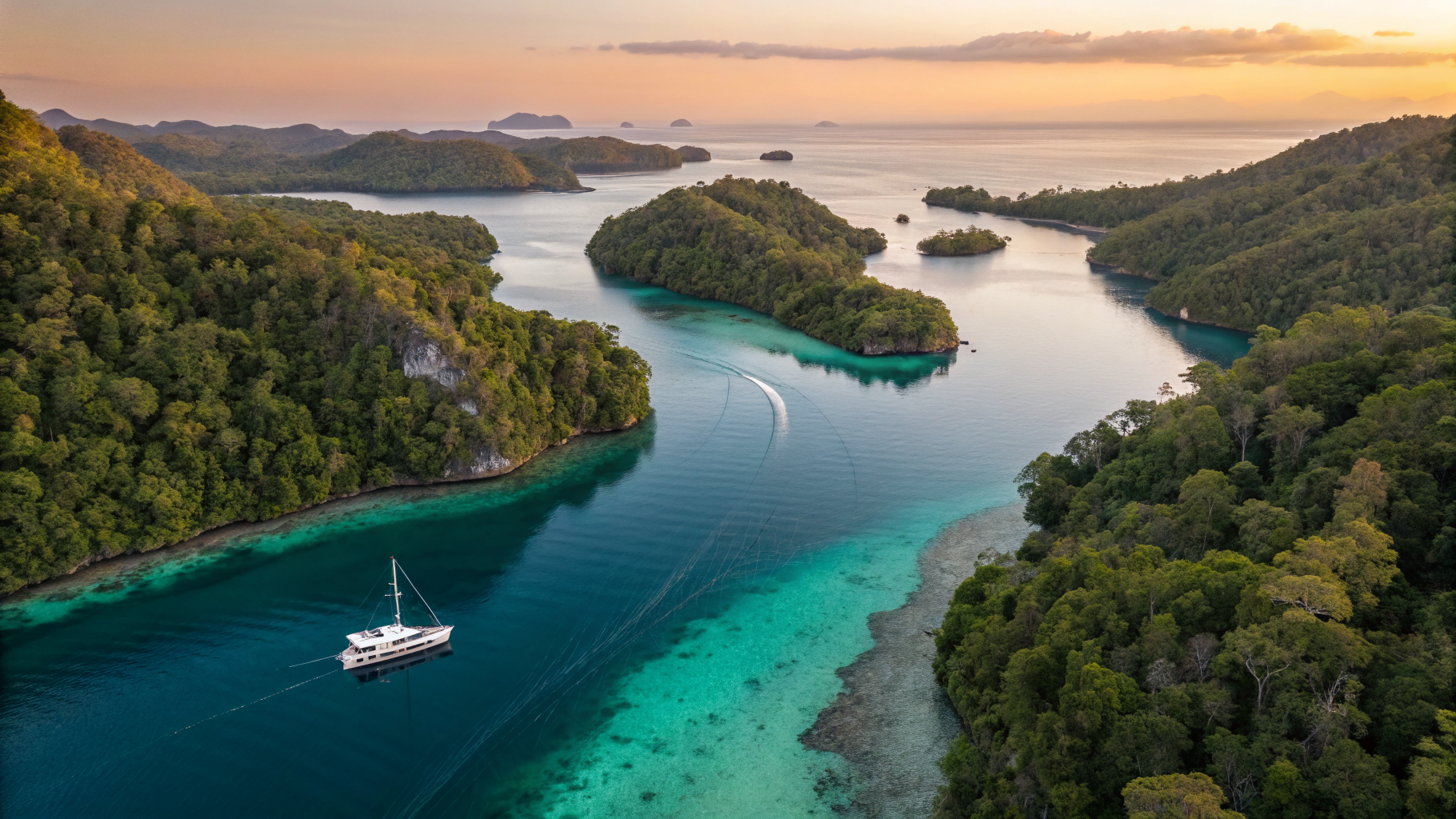
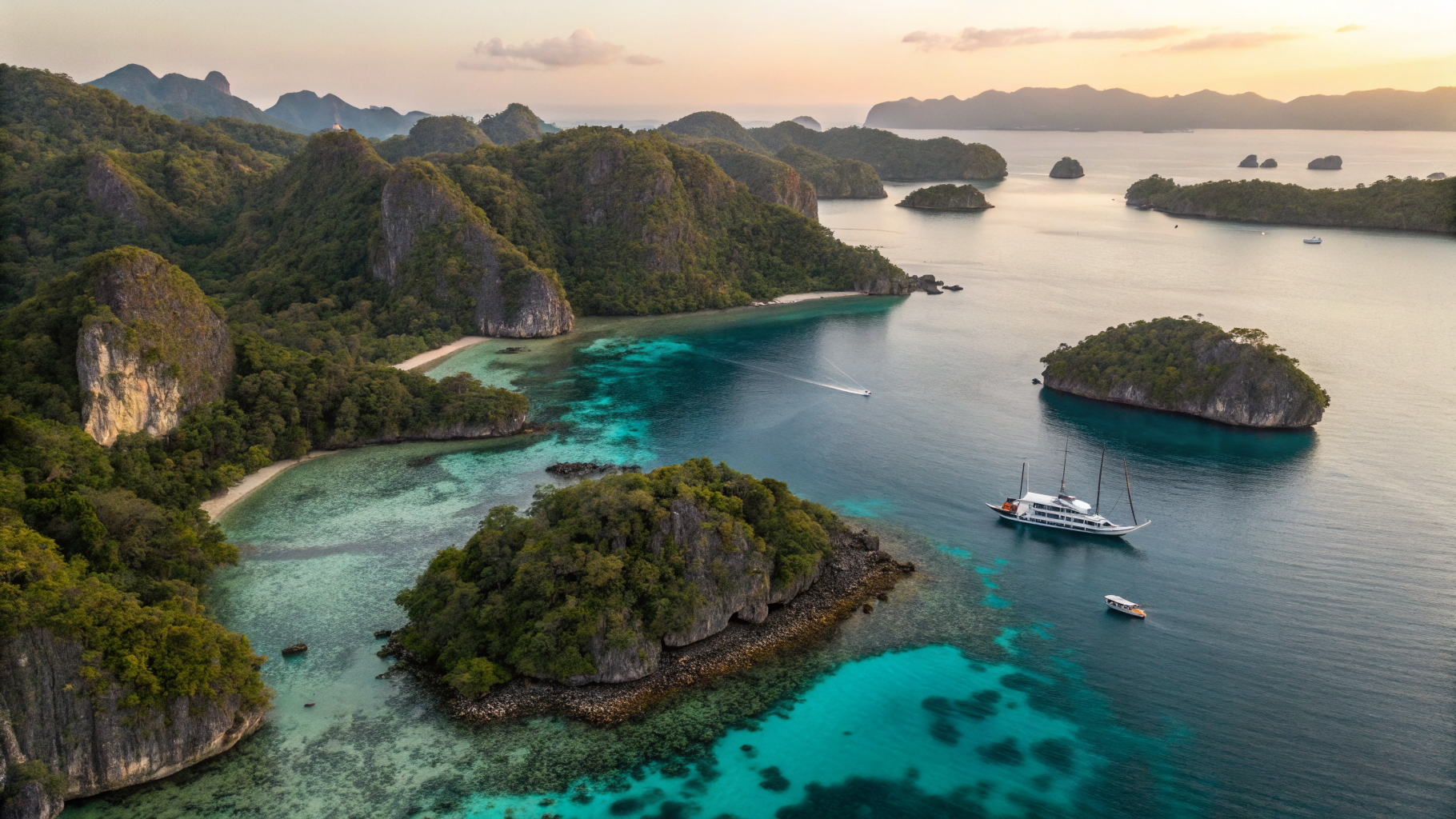
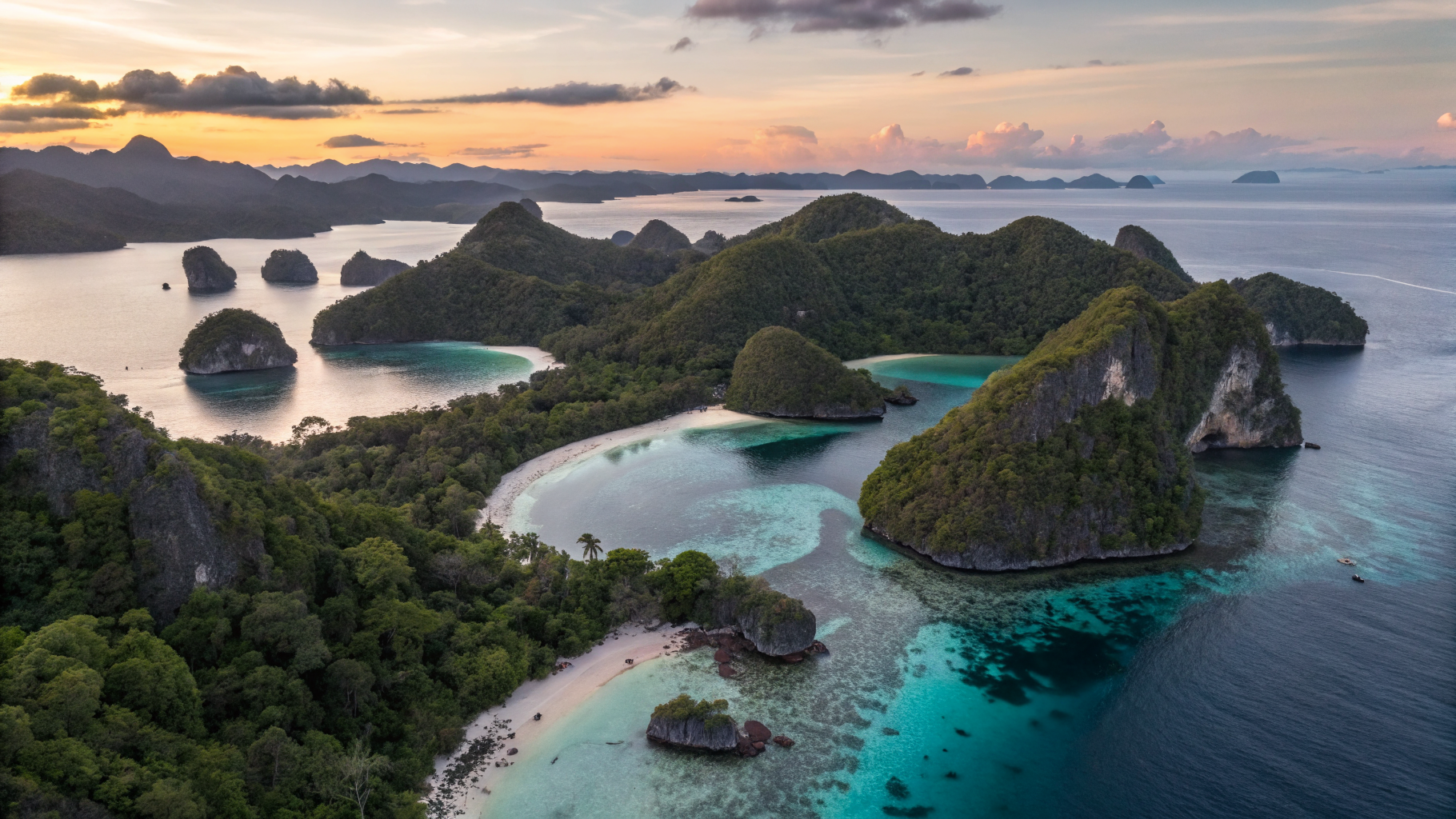
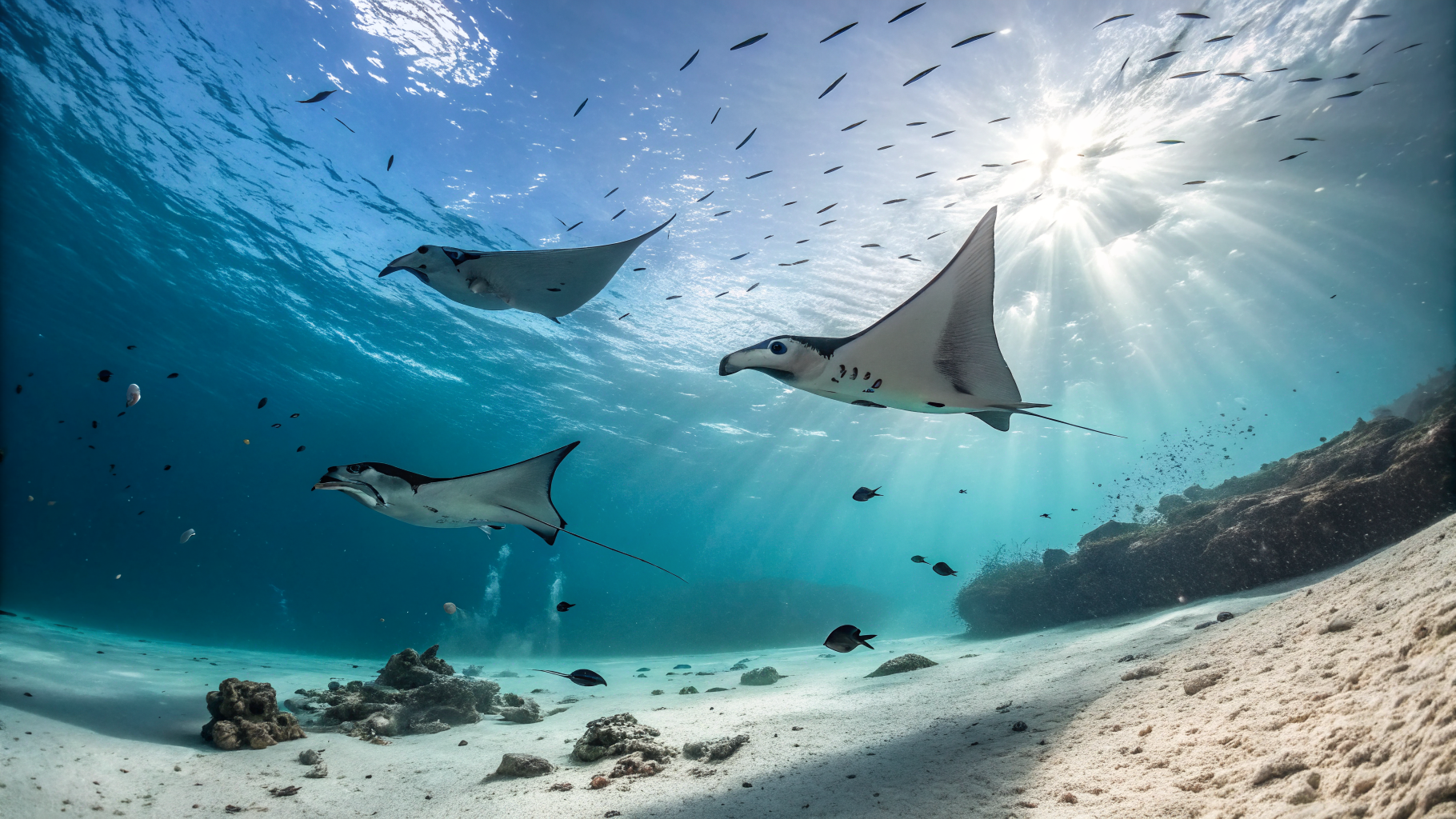
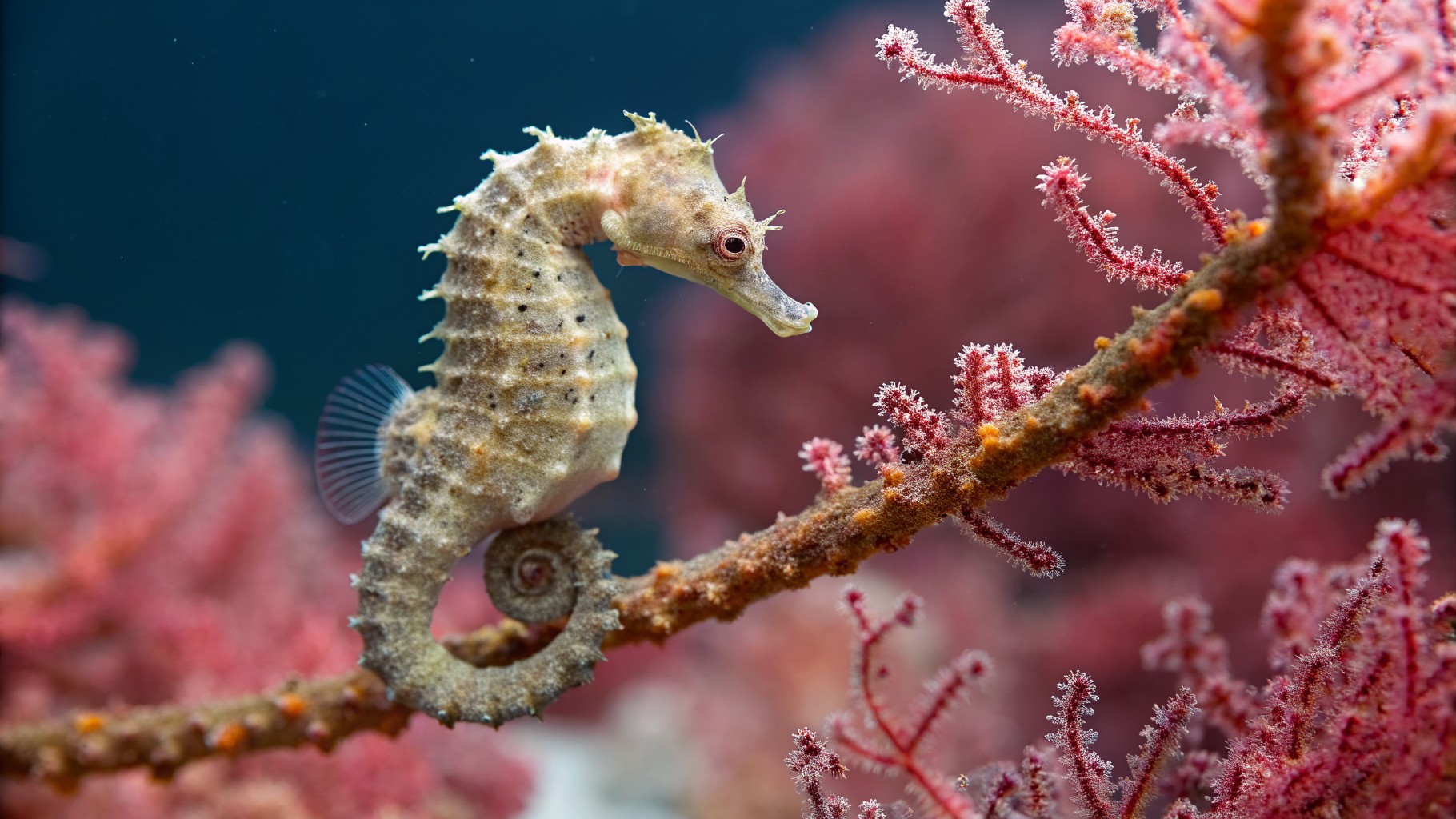
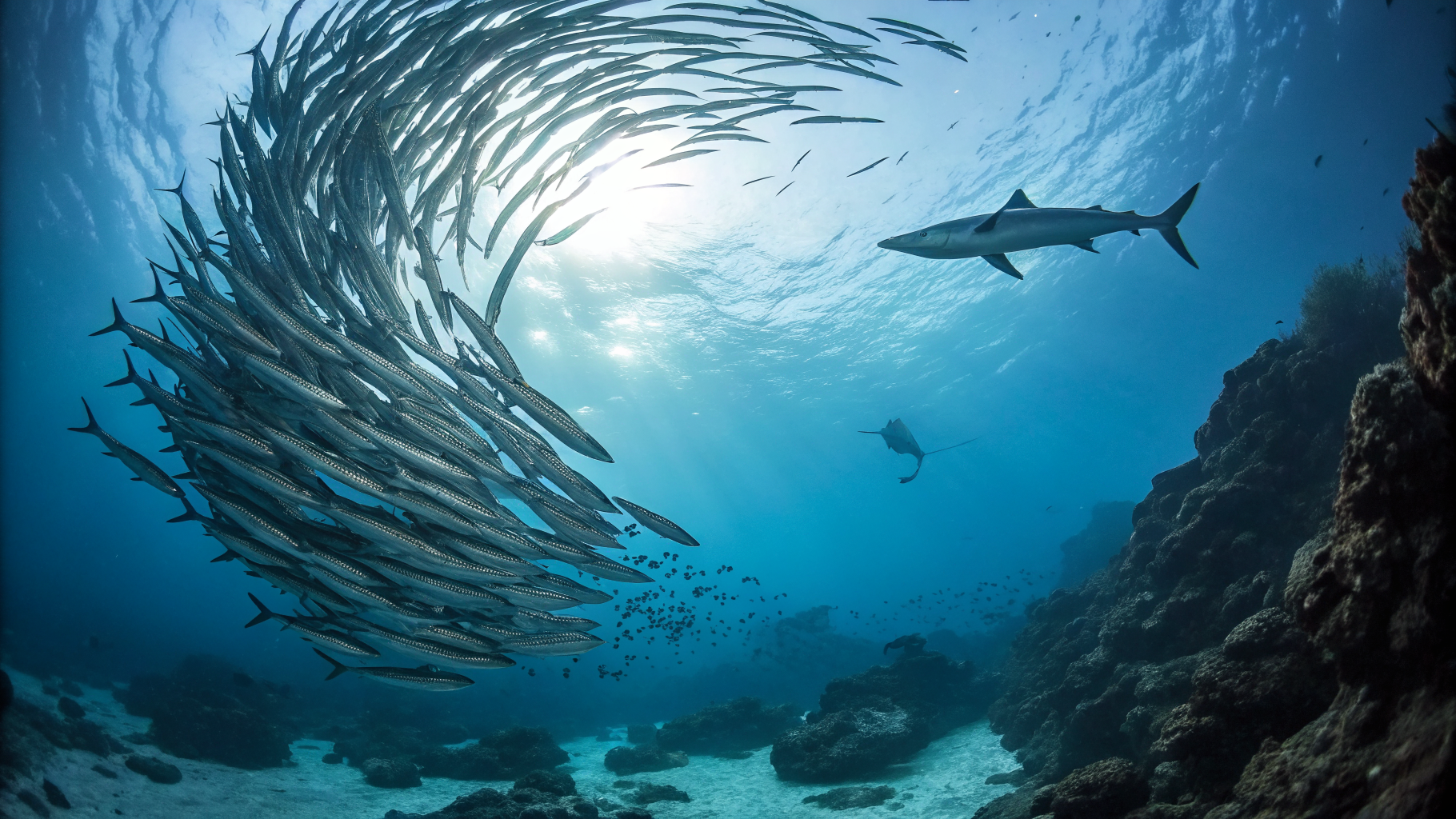
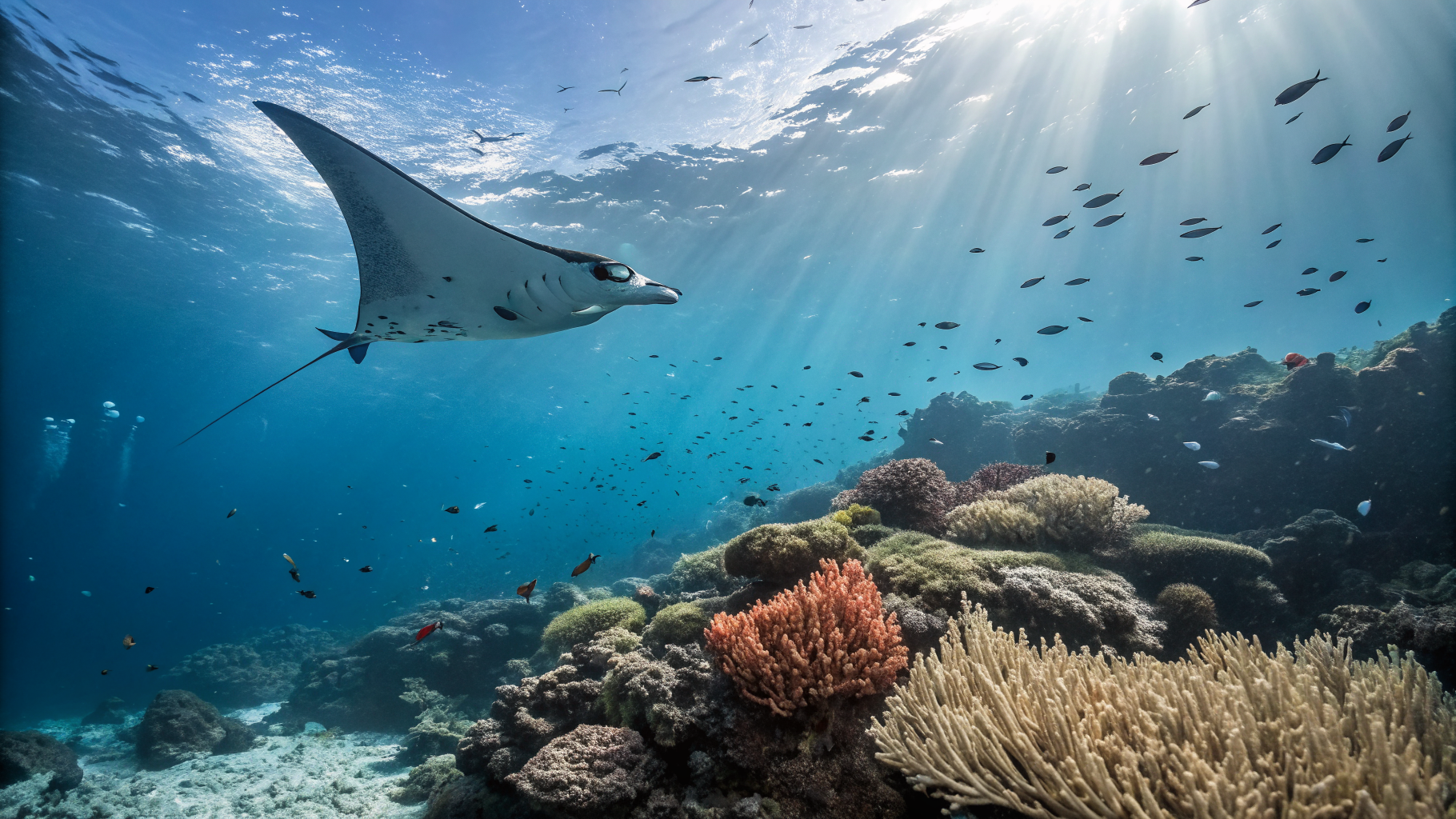
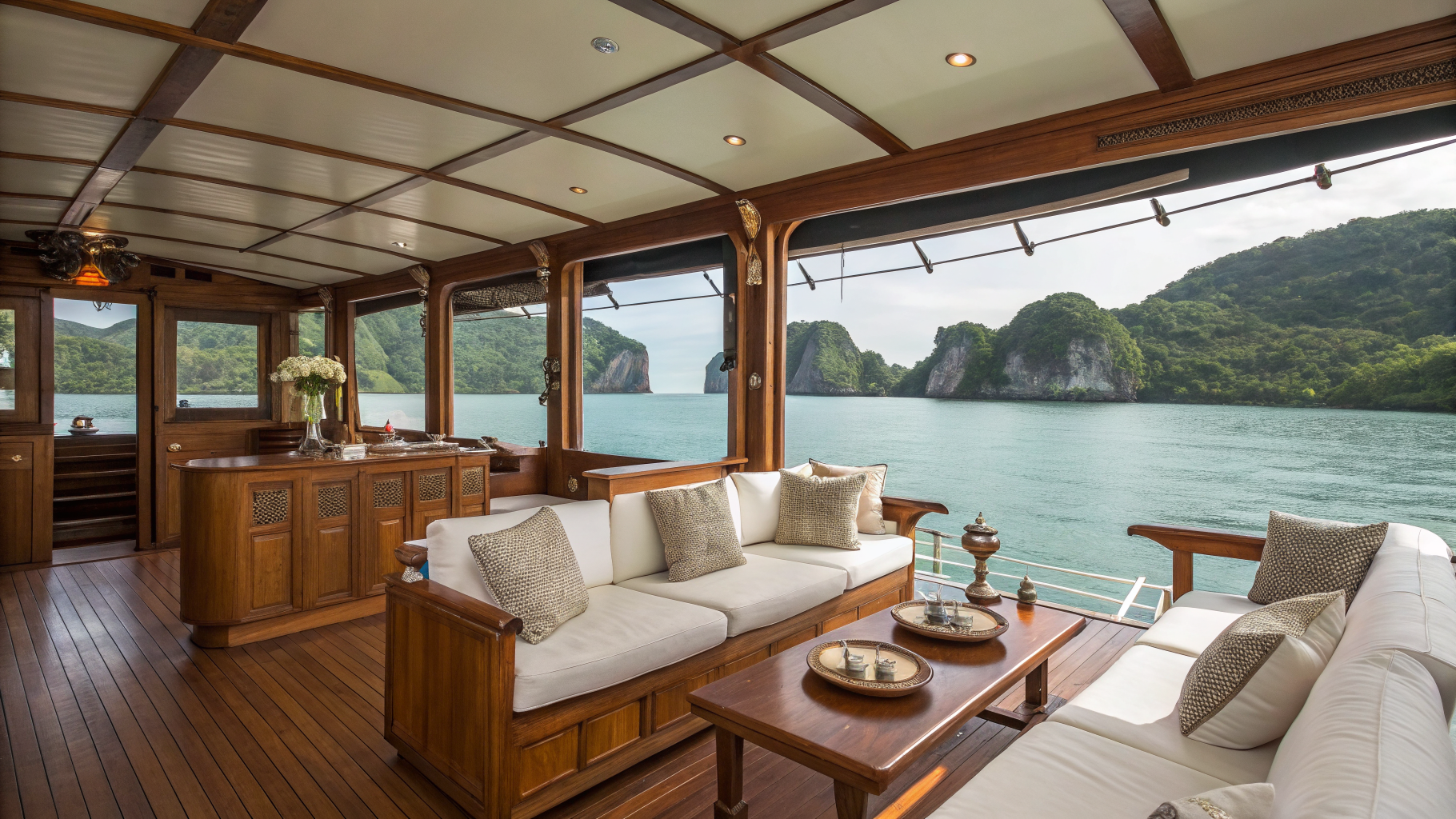
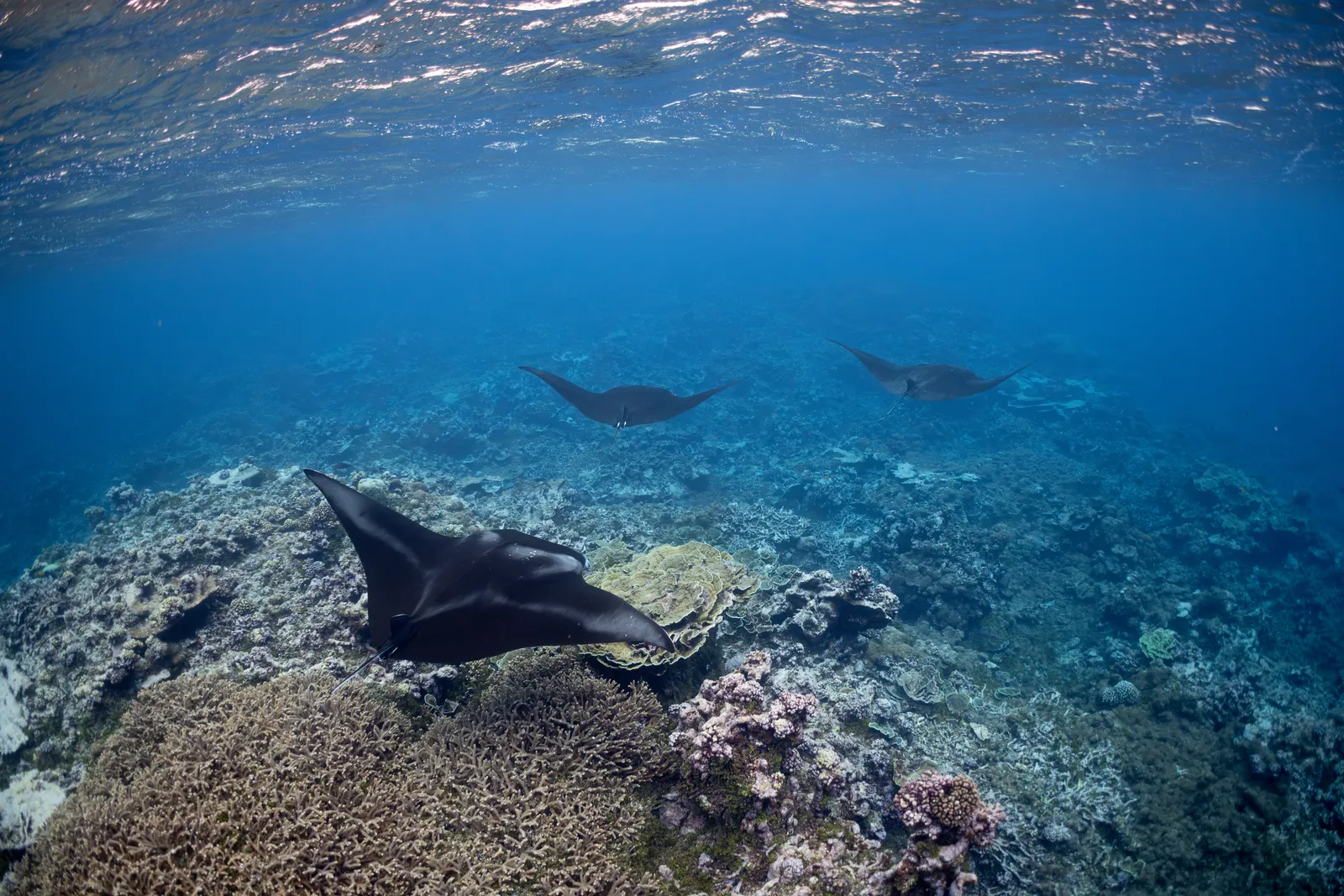
The Raja Ampat manta ray season is a period of peak aggregation, primarily from December to March, driven by plankton-rich currents that draw large numbers of both reef mantas (Mobula alfredi) and oceanic mantas (Mobula birostris) to specific cleaning stations and feeding grounds. This confluence occurs within the 40,000 km² Marine Protected Area, where divers can predictably encounter these elasmobranchs. Key sites like Manta Sandy, operating at a depth of 15-20 meters, become focal points for the smaller reef mantas, while the seamount of Magic Mountain offers encounters with the larger, pelagic oceanic species. Planning a Raja Ampat liveaboard during these months provides the highest probability for consistent, close-proximity encounters with significant populations of both species.
Defining the Manta Ray Season in Raja Ampat
The optimal season for manta ray encounters in Raja Ampat is the intersection of favorable weather patterns and biological imperatives. This period runs from October through April, coinciding with the northwest monsoon, which brings calmer sea conditions and improves surface-to-seafloor visibility, often ranging from 20 to 40 meters. Within this broader window, the peak manta ray season in Raja Ampat occurs from December to March. This intensified activity is a direct result of upwellings that increase the concentration of zooplankton, the primary food source for mantas, creating dense feeding aggregations in specific straits and channels.
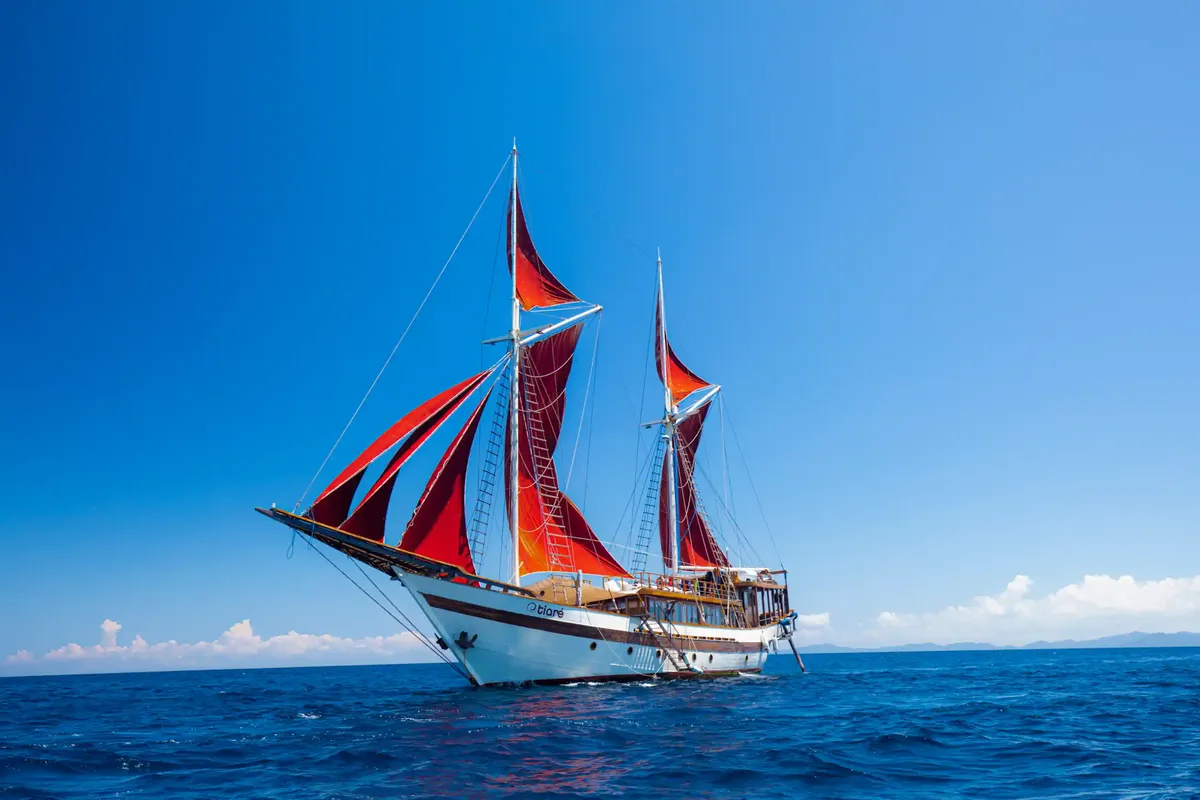
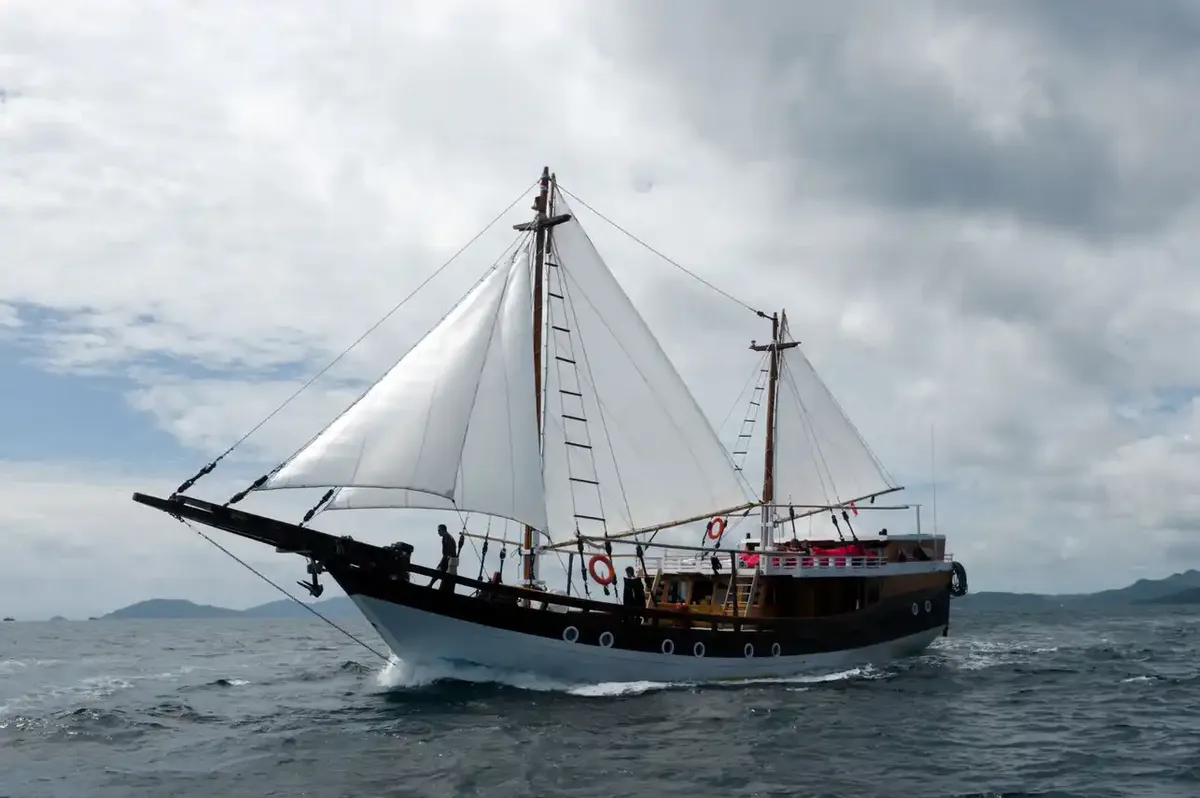
Water temperatures remain consistent year-round, averaging 27–30°C, making a 3mm wetsuit sufficient for most divers. However, the defining characteristic of the season is the current. The Indonesian Throughflow, a massive volume of water moving from the Pacific to the Indian Ocean, funnels through the archipelago’s 1,500+ islands. This flow intensifies during the peak season, creating the nutrient-rich conditions that attract mantas but also demanding a higher level of diver proficiency. Sites within the Dampier Strait, such as Blue Magic, can experience currents running from 1 to 4 knots, requiring advanced open water certification and experience in drift diving protocols. Our private phinisi charters are crewed by dive guides with thousands of hours logged in these exact conditions, ensuring your dive profiles are managed for safety and maximum encounter time.
The Two Manta Ray Species of Raja Ampat
Raja Ampat is one of the few global locations offering reliable sightings of two distinct manta ray species. Differentiating between them is a key skill for the observant diver, with distinctions found in their size, markings, and typical behavior. Understanding these differences allows for a more informed appreciation of the encounters on your voyage.
Reef Manta (Mobula alfredi)
The reef manta, Mobula alfredi, is the species most frequently encountered at Raja Ampat’s cleaning stations. A smaller species, it reaches a maximum disc width of approximately 5 meters, though individuals of 3 to 3.5 meters are more common. Their dorsal (upper) side is dark, often black, with two distinct white patches on the shoulder area that do not form a perfect ‘T’ shape, a key identifier. The ventral (underside) surface is predominantly white with a unique pattern of dark spots between the gill slits. This spot pattern is analogous to a human fingerprint, and researchers from organizations like the Manta Trust use these patterns to identify and track individual animals. At sites like Manta Sandy, you will observe their characteristic cleaning behavior, where they hover nearly motionless over a coral bommie, allowing cleaner wrasse (Labroides dimidiatus) to remove parasites from their skin and gills.
Oceanic Manta (Mobula birostris)
The oceanic manta, Mobula birostris, is the largest ray species in the world, capable of reaching a disc width of over 7 meters. These are pelagic, migratory animals, and their presence in Raja Ampat is more seasonal and site-specific, often linked to richer plankton blooms. Their dorsal coloration is a solid black, and their shoulder patches form a sharp, clean ‘T’ shape. A key distinguishing feature is the dark coloration around the mouth on their ventral side, and their spot patterns are typically clustered below the gill slits rather than between them. Unlike the reef manta, M. birostris lacks a vestigial tail spine. Encounters with these giants are most common at exposed offshore sites like Magic Mountain in the Misool region, where they come in from the deep blue to be cleaned or to feed in the nutrient-dense currents sweeping over the seamount.
Premier Manta Ray Dive Sites in Raja Ampat
A successful manta-focused itinerary requires precise timing and navigation to a handful of specific sites where topography and currents concentrate manta activity. Our voyages are built around these locations, scheduling dives to coincide with optimal tidal conditions. While mantas can appear at many of the region’s 200+ documented dive sites, the following locations offer the highest probability of encounters during the peak season.
Manta Sandy (Dampier Strait)
Manta Sandy is a dedicated cleaning station for reef mantas (Mobula alfredi). The site is a shallow, sandy amphitheater at a depth of 15 to 18 meters, punctuated by several large coral bommies that serve as the cleaning apparatus. The dive plan is specific: after a negative entry to avoid being swept off the site, divers navigate to a demarcated line of rocks approximately 25 meters from the primary cleaning station. From this stationary position, you observe the mantas as they arrive, queue, and take turns hovering over the bommies. It is not uncommon to witness 5 to 15 individual mantas over the course of a single 60-minute dive. The site is located approximately 15 nautical miles from the main anchorage at Waisai and is a cornerstone of our northern Raja Ampat itineraries.
Magic Mountain (Misool)
Magic Mountain is an offshore seamount in the southern region of Misool, representing one of the most biodiverse single dive sites in all of Indonesia. This is the primary location in Raja Ampat for encountering the larger oceanic manta (Mobula birostris), which visit a cleaning station on the pinnacle’s peak at just 7 meters. The site’s topography—a long, submerged ridge that rises from over 60 meters to within 5 meters of the surface—creates a nexus for pelagic life. Divers can descend the eastern flank to 25-30 meters to observe schools of chevron barracuda and Napoleon wrasse before ascending to the peak for the manta encounter. Because of its exposed location, currents can be formidable. It is here, in the rich waters of Misool, that the density of marine life becomes apparent, a fact underscored by Dr. Gerald Allen’s 2012 record of 374 fish species on a single dive at nearby Cape Kri. A visit to this site is a key feature of our Misool and Southern Raja Ampat voyages.
Blue Magic (Dampier Strait)
Blue Magic is an underwater pinnacle in the Dampier Strait whose top sits at 8 meters, dropping off to depths beyond 30 meters. While not a dedicated cleaning station, its location in the nutrient-rich channel makes it a frequent waypoint for both reef mantas and occasional oceanic mantas. The dive requires a negative descent to the top of the pinnacle to avoid being carried away by currents that can exceed 3 knots. Divers use reef hooks to secure a position on the upstream side, observing the immense biomass the current attracts: massive schools of big-eye trevally, Spanish mackerel, and multiple grey reef sharks. Mantas often glide through this activity, feeding or simply transiting the strait. This is an advanced dive, demanding precise buoyancy control and confidence in high-current environments. All our guides are equipped to provide direct support and ensure proper procedures are followed.
Code of Conduct for Responsible Manta Encounters
Interacting with manta rays carries a significant responsibility. These are intelligent, sensitive animals, and their continued presence at these sites depends on non-invasive diving practices. Adherence to a strict code of conduct is mandatory on all our charters. The following protocols, aligned with Manta Trust guidelines, are enforced by our dive guides.
- Maintain Distance: Remain at least 3 meters from any manta ray. Do not block their path to a cleaning station or their exit route.
- Approach from the Side: Never approach a manta from directly above, below, or head-on. A slow, parallel approach from the side is least likely to alter their behavior.
- No Chasing: Do not pursue a manta ray. Allow them to control the encounter. If they choose to approach, remain still and calm.
- Minimize Bubbles and Movement: At cleaning stations, remain low, stationary, and breathe slowly. Avoid sudden movements or excessive exhalation when a manta is directly overhead.
- No Touching: Intentional contact is strictly prohibited. Touching a manta ray can remove its protective mucus layer, leaving it vulnerable to infection.
- Strobe and Lighting Use: Avoid firing strobes directly into the eyes of a manta. Position your equipment to illuminate the body or wings from the side. For night encounters, do not shine dive lights directly into their eyes.
Our commitment to these principles ensures the long-term health of Raja Ampat’s manta populations. For divers interested in the specifics of underwater imaging, we recommend reviewing our guide to responsible photography techniques. Before confirming your voyage, please review our detailed pricing and inclusions to understand all associated costs, including the mandatory Marine Park fee of IDR 1,000,000 per diver.
Frequently Asked Questions about the Raja Ampat Manta Ray Season
What is the absolute best month to see manta rays in Raja Ampat?
For the highest concentration and most predictable encounters with both reef and oceanic manta rays, February is the optimal month. This period represents the peak of the northwest monsoon season, with calm seas and maximum plankton density, leading to large feeding aggregations and heavy traffic at cleaning stations like Manta Sandy and Magic Mountain.
Do I need to be an advanced diver to see mantas?
While some manta sites like Manta Sandy are relatively shallow (15-20m) and accessible to Open Water divers with good buoyancy, the most dynamic sites like Blue Magic and Magic Mountain require an Advanced Open Water (AOW) certification. This is due to potential depths exceeding 18m and strong currents (1-4 knots) that demand proficiency in drift diving and negative entry techniques.
Can I see both reef mantas and oceanic mantas on the same trip?
Yes, it is possible. A comprehensive liveaboard itinerary that covers both the central Dampier Strait and the southern Misool region provides the opportunity to see both species. Reef mantas (M. alfredi) are common in the Dampier Strait, while oceanic mantas (M. birostris) are more frequently sighted at Misool’s offshore seamounts. Our 10- and 12-night private charters are designed to cover this range.
What are the chances of a manta encounter on a typical dive?
During the peak season (December-March) at a dedicated site like Manta Sandy or Magic Mountain, the probability of an encounter is over 90% per dive. On other pinnacle or reef dives within the Dampier Strait or Misool, sightings are frequent but less predictable. Our experienced guides use tide charts and local knowledge to schedule dives at these key sites during periods of optimal manta activity.
Besides mantas, what other large marine life is common during this season?
The same plankton blooms that attract mantas also support the entire food web. During the manta season, it is common to encounter multiple species of reef sharks (blacktip, whitetip, wobbegong), large schools of barracuda and trevally, Napoleon wrasse, and occasionally dolphins or Bryde’s whales. The biodiversity is immense; Raja Ampat holds records for both hard coral (75% of known species) and reef fish diversity.
Plan Your Raja Ampat Voyage
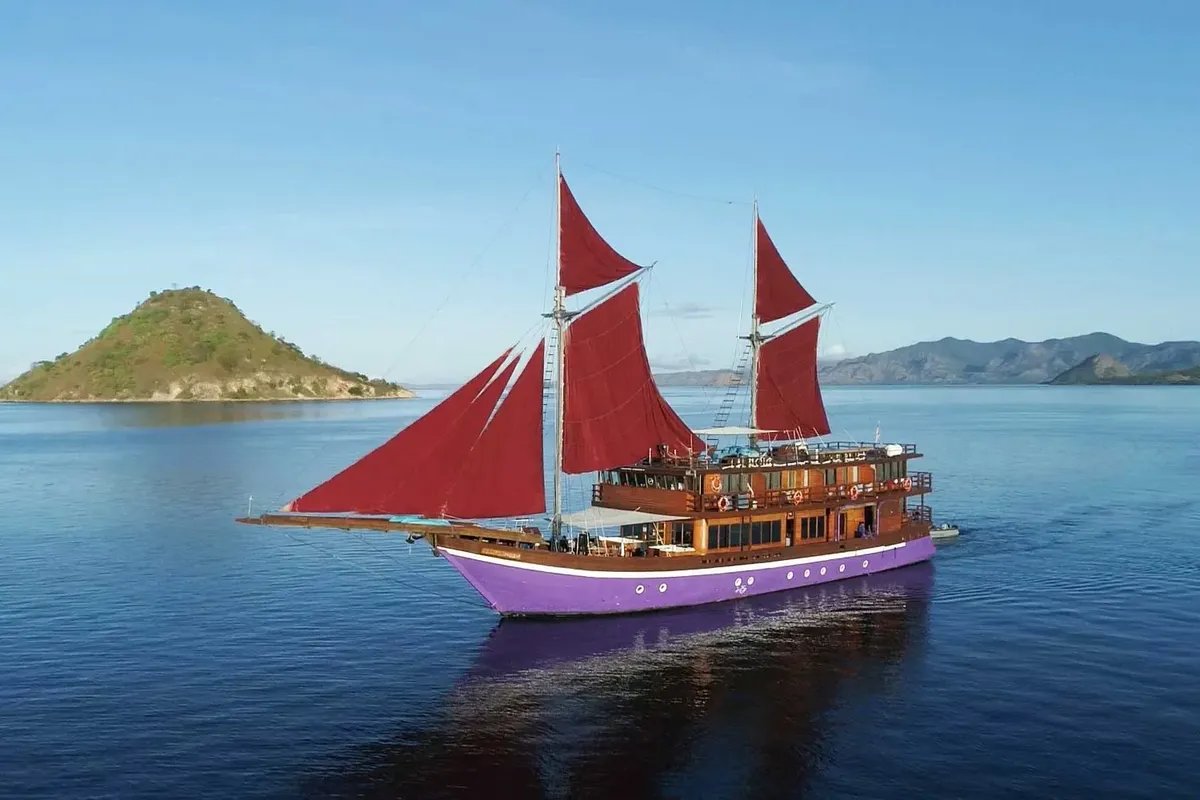
Our team provides expert consultation for crafting bespoke phinisi charters focused on prime manta ray season encounters. We manage all logistics, from vessel selection to dive itinerary planning. Contact our specialists to begin designing your expedition.
WhatsApp: +62 811-3823-875
Email: [email protected]