In this article
- Decoding the Tiers: From Functional to First-Class
- The Anatomy of a Liveaboard Bill: What’s Included and What Isn’t
- The Vessel Itself: Phinisi Schooners vs. Modern Motor Yachts
- Itinerary and Seasonality: How Timing and Route Affect Your Total Cost
- Beyond the Dives: Onboard Amenities and Service Levels
- Quick FAQ: Your Raja Ampat Liveaboard Price Questions Answered




- Budget-tier vessels offer rates around $350-$450 per night.
- Mid-range liveaboards average between $500-$700 per night.
- Luxury Phinisi schooners and bespoke charters can exceed $800 per night.
The air is thick with the scent of salt and damp earth, a fragrance unique to the equatorial tropics. From the sundeck, the rhythmic slap of turquoise water against the ironwood hull is the only sound, save for the distant cry of a Papuan hornbill echoing from an emerald karst island. This is the sensory immersion of Raja Ampat, a prelude to descending into the most biodiverse marine sanctuary on our planet. It’s an experience that transcends a mere vacation, representing the pinnacle of exploratory travel. As a seasoned editor, I’m frequently asked not just about the destination, but about the investment required to access it. The conversation around a raja ampat live aboard diving journey invariably turns to cost. So, let’s pull back the curtain and detail precisely what to expect for your investment in this remote corner of the world.
Decoding the Tiers: From Functional to First-Class
In the world of expedition travel, price is a direct reflection of access, comfort, and expertise. Raja Ampat is no different. The liveaboard market here can be broadly segmented into three distinct tiers. At the entry-level, which we can term ‘Budget’ or ‘Diver-Focused’, vessels are priced from approximately $350 to $450 per person, per night. These are functional craft, often accommodating larger groups of 16 to 24 divers. Cabins are clean but spartan, sometimes with shared facilities, and the culinary offerings are simple. The primary objective is maximizing bottom time, and for many, this is more than sufficient. However, it’s crucial to manage expectations; even this tier represents a significant outlay.
The ‘Mid-Range’ is the most populated category, and for good reason. With rates falling between $500 and $700 per night, these liveaboards represent a substantial leap in quality and comfort. Here you will find private ensuite cabins, superior international and Indonesian cuisine, and thoughtful amenities like dedicated camera rooms for underwater photographers. Guest numbers are typically lower, from 12 to 16, fostering a more intimate atmosphere and allowing for more personalized dive group management. This tier strikes a compelling balance between a serious dive-centric itinerary and the creature comforts that make a remote expedition feel like a genuine holiday.
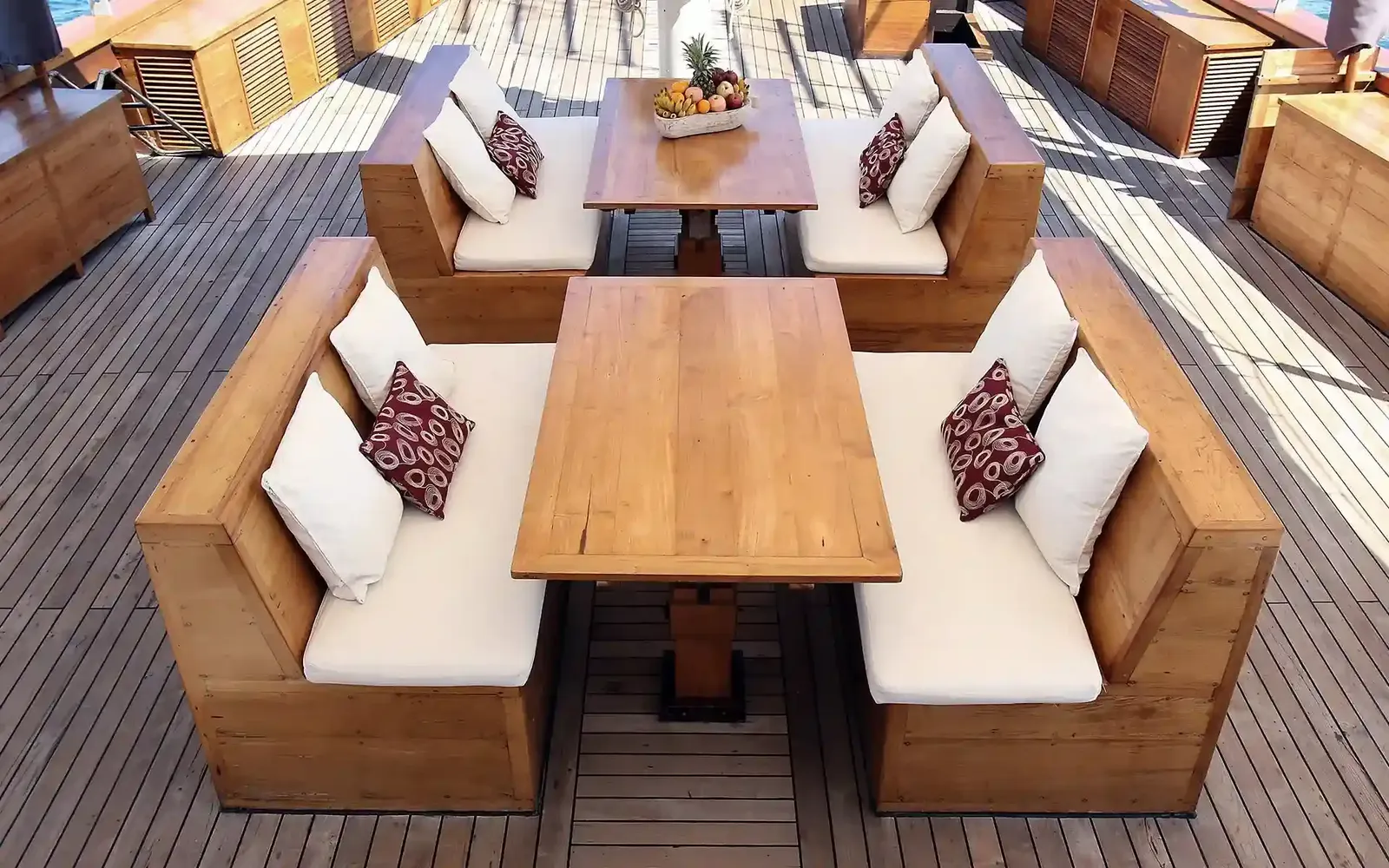
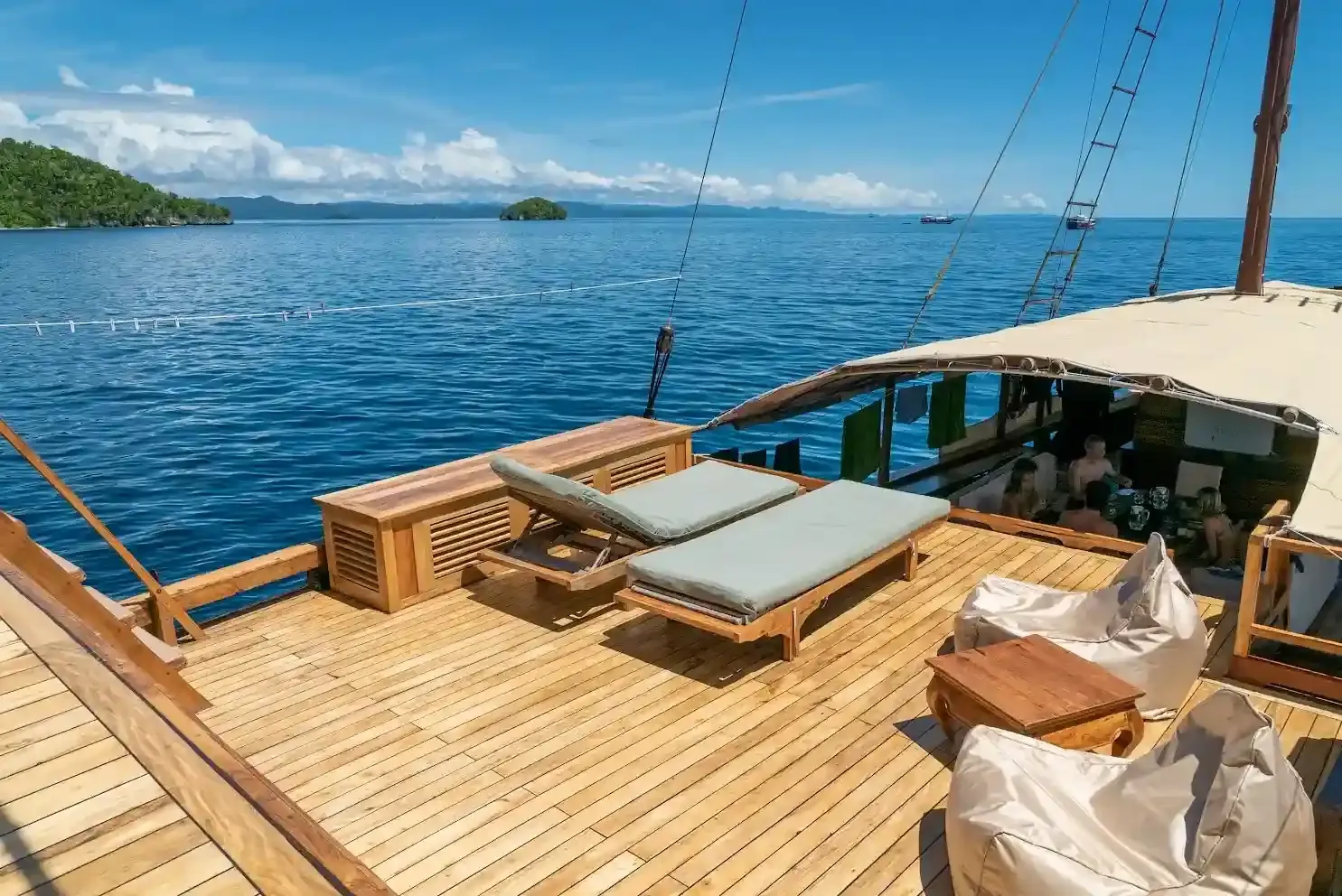
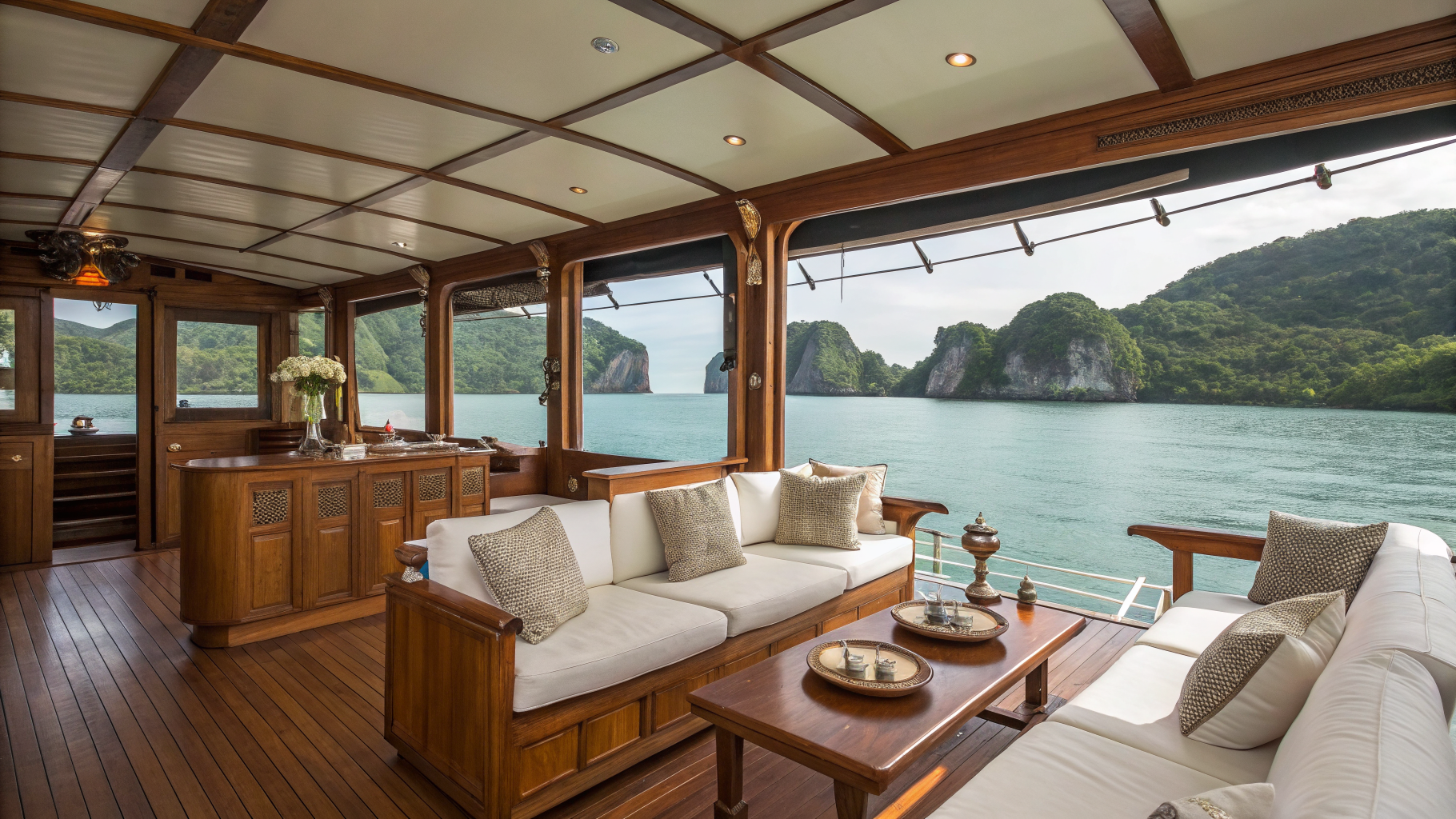
At the apex is the ‘Luxury’ tier, where nightly rates begin at $800 and can climb significantly higher. This is the realm of bespoke Phinisi schooners and boutique motor yachts where the experience is meticulously curated. We’re talking about staterooms with private balconies, gourmet, multi-course dining with wine pairings, and often a near 1:1 guest-to-crew ratio. Onboard services can include massage therapists, yoga instructors, and private guides. This is where you can truly customize your Raja Ampat liveaboard voyage, tailoring every detail from the dive sites to the dinner menu. It transforms the trip from a dive holiday into a comprehensive luxury sea-faring expedition.
The Anatomy of a Liveaboard Bill: What’s Included and What Isn’t
Understanding the final Raja Ampat liveaboard price requires a clear-eyed look at what is, and is not, included in the advertised rate. A reputable operator will be transparent, but the onus is on the traveler to read the fine print. Generally, your upfront cost covers the core components of the voyage: your accommodation, three full meals per day plus snacks, and non-alcoholic beverages like water, coffee, and tea. Critically, it also includes 3-4 guided dives per day, the use of dive tanks (usually 80-cubic-foot aluminum), weights, and the invaluable expertise of a seasoned divemaster. This forms the backbone of your trip.
However, several ancillary costs are almost universally excluded. The first are the mandatory conservation fees. Every visitor must purchase a Raja Ampat Marine Park permit, which currently costs IDR 1,000,000 (approximately $65 USD) and is valid for 12 months. Additionally, most operators levy a separate “port and park fee,” typically ranging from $150 to $250 per person, which covers harbor clearances and other local tariffs. For divers using enriched air, Nitrox fills are an extra, often charged at $10-$15 per fill or as a package deal around $200 for a 10-night trip. Full equipment rental (BCD, regulator, wetsuit, computer) can add another $40-$60 per day, so consulting a detailed Raja Ampat liveaboard packing guide to see what you can bring yourself is wise. Finally, budget for discretionary spending: alcoholic beverages (a local Bintang beer is about $5, a bottle of wine $40+), and crew gratuities, for which the industry standard is 10-15% of the charter price, paid in cash at the trip’s end.
The Vessel Itself: Phinisi Schooners vs. Modern Motor Yachts
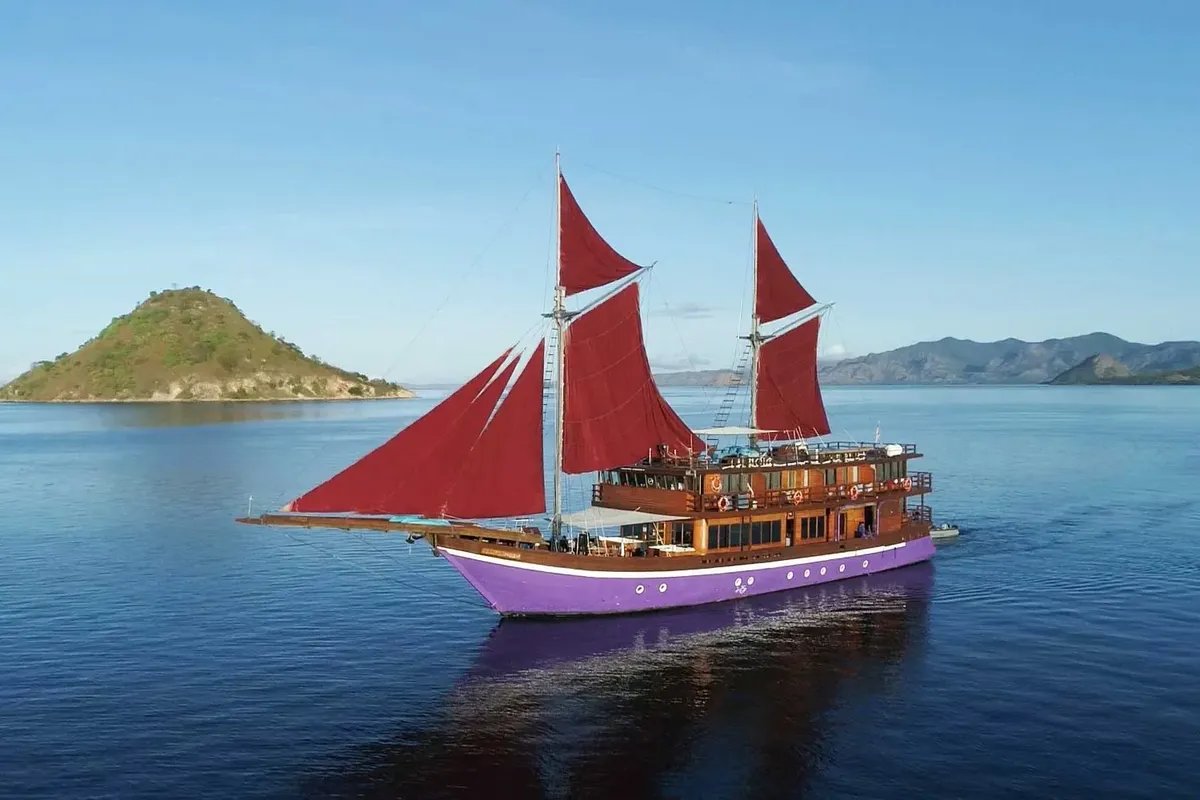
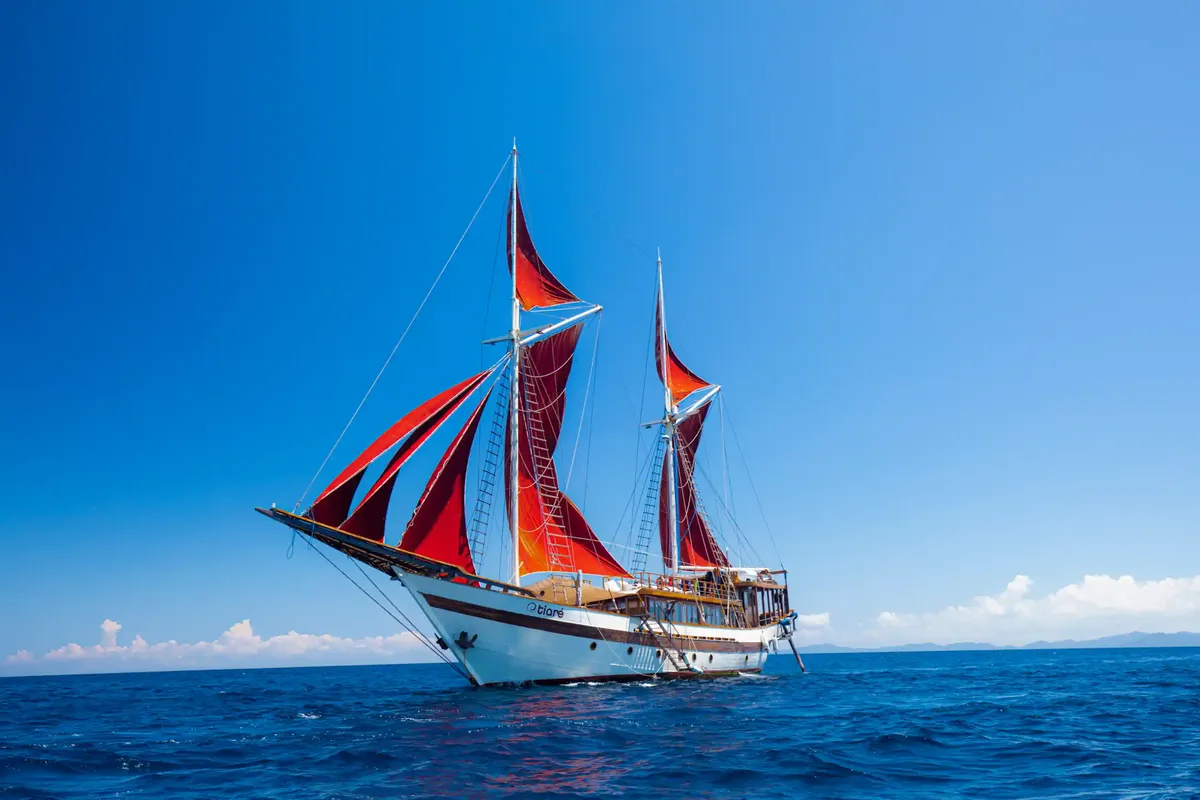
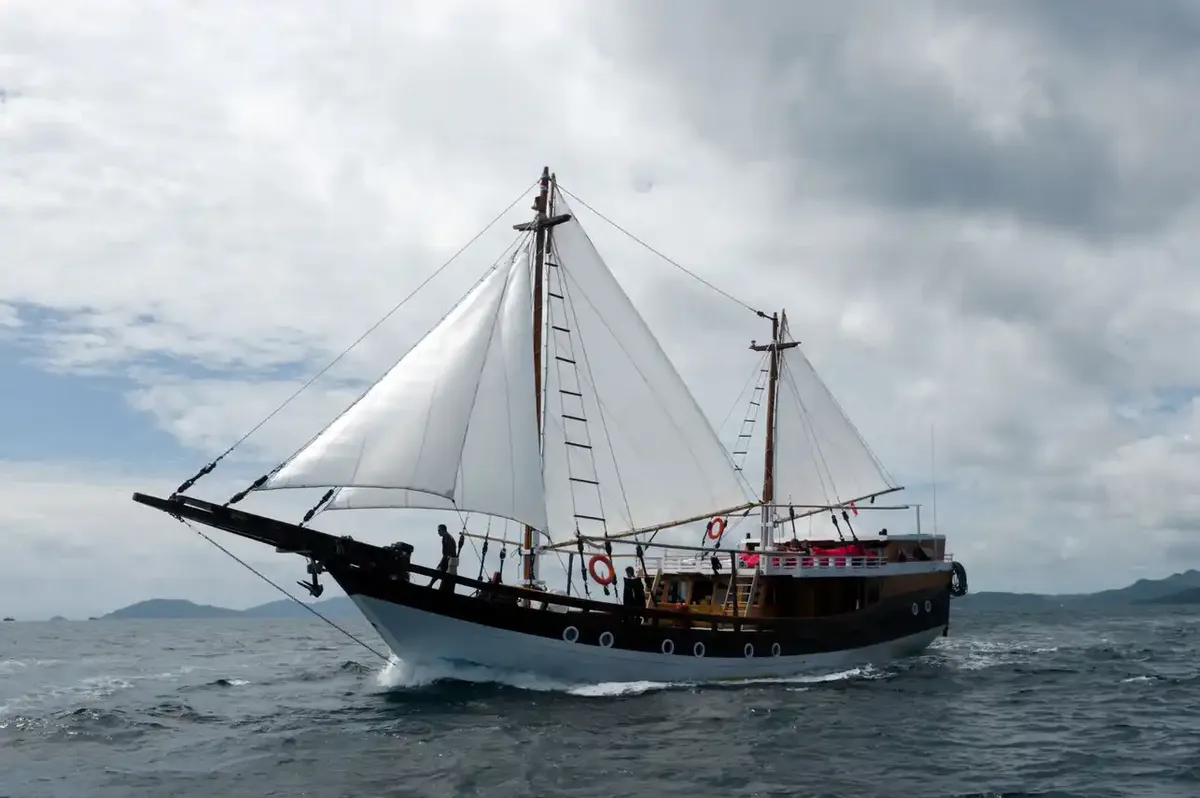
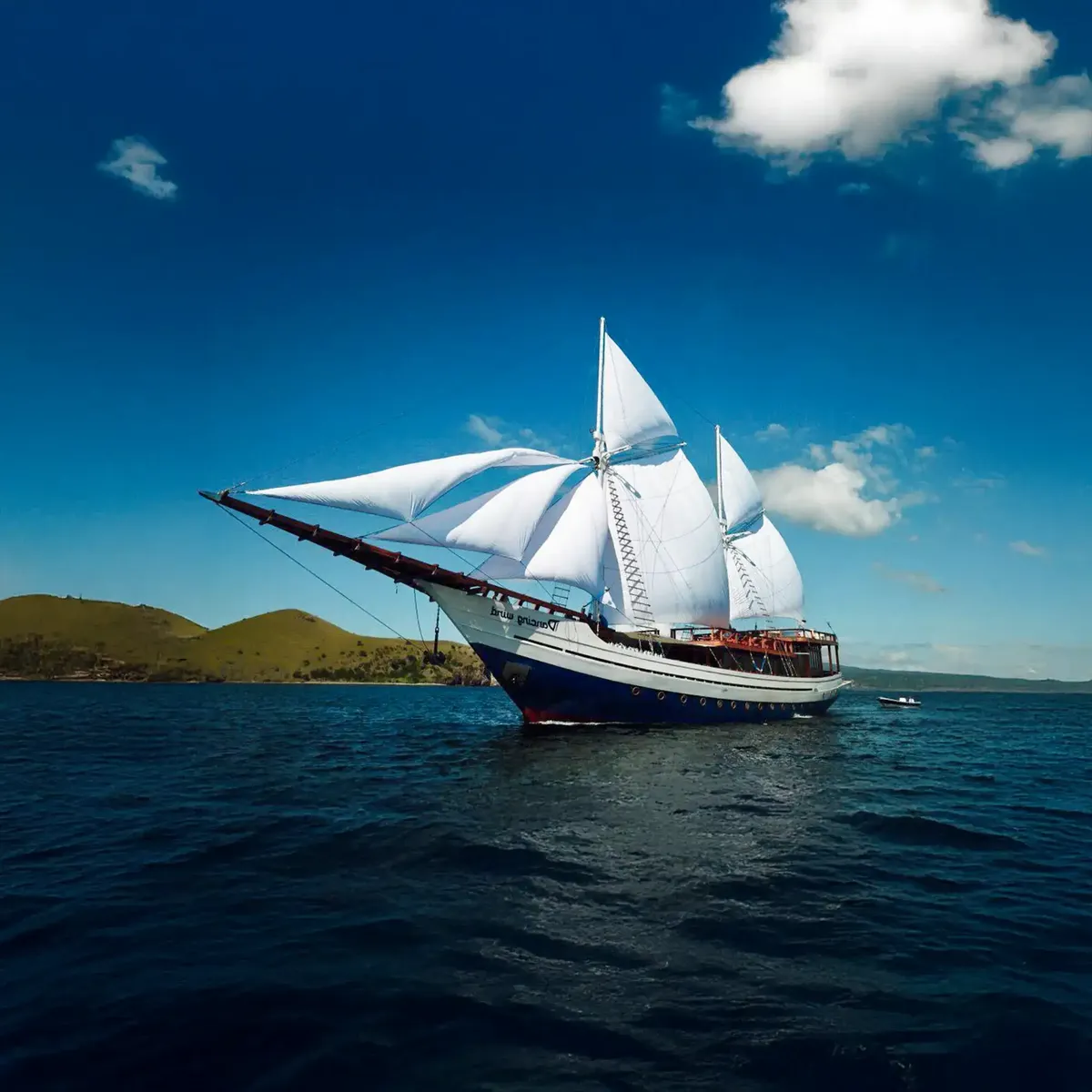
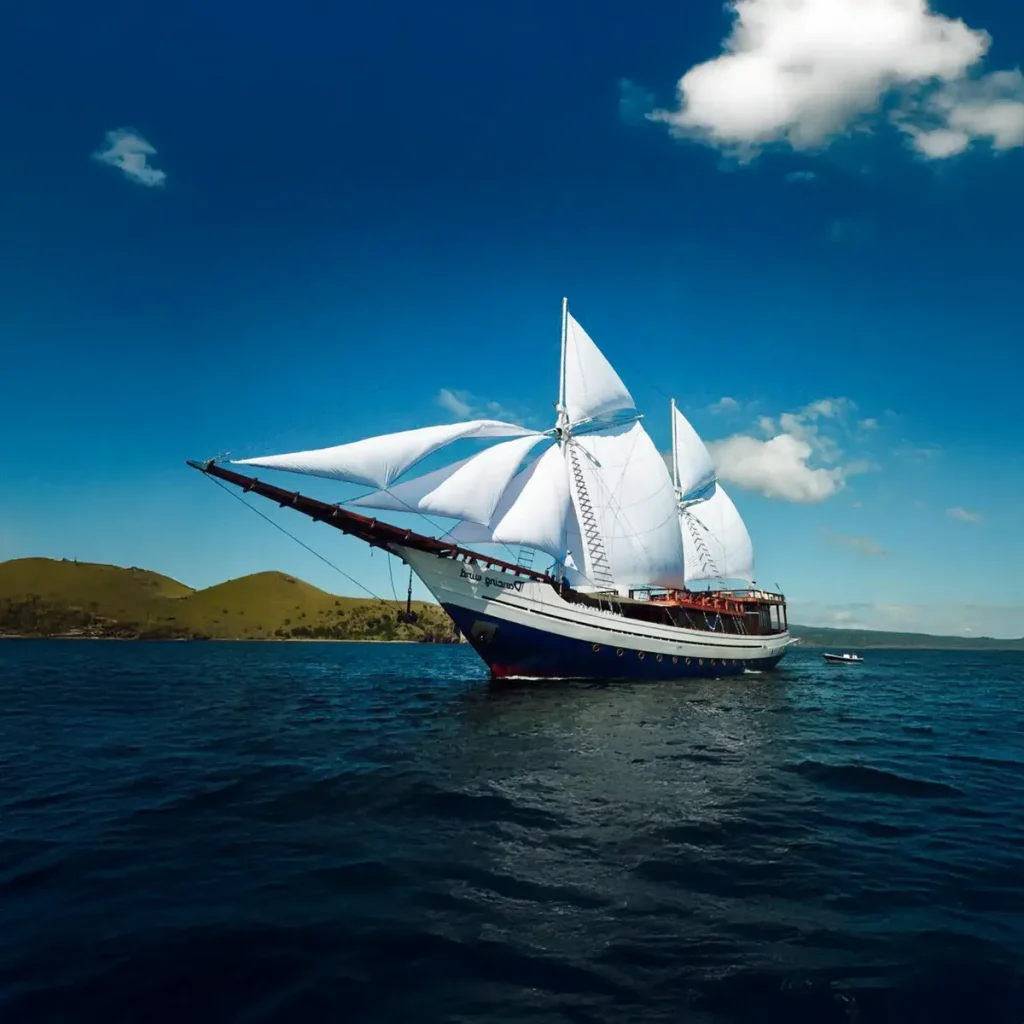
The choice of vessel is more than a logistical decision; it fundamentally shapes the character of your journey and is a primary driver of cost. The most iconic and sought-after vessels plying these waters are the traditional Phinisi schooners. These magnificent two-masted sailing ships are hand-built by the Konjo people of South Sulawesi, a boat-building art so significant it’s recognized as a Masterpiece of the Oral and Intangible Heritage of Humanity by UNESCO. Constructed from ironwood and teak, they move through the water with a silent, stately grace. Their expansive decks and classic aesthetic offer a romantic connection to Indonesia’s maritime past. While they are equipped with modern engines, hoisting the sails in the Dampier Strait is an unforgettable experience. This heritage, craftsmanship, and ambiance command a premium price, placing most Phinisis squarely in the mid-range to luxury category.
Conversely, modern Motor Yachts (MV) offer a different set of advantages. Typically built with steel or aluminum hulls, these vessels are engineered for efficiency and stability. They are generally faster than a Phinisi, which means they can cover greater distances between dive sites, potentially allowing for more varied itineraries. Their design often maximizes interior space, resulting in cabin layouts that feel more contemporary. For travelers who prioritize speed, modern amenities, and stability in potentially choppy seas, a motor yacht can be the superior choice. The price point for MVs spans the entire spectrum, from budget-friendly vessels to high-end luxury craft that rival the finest Phinisis in terms of service and comfort, though perhaps not in historical romance.
Itinerary and Seasonality: How Timing and Route Affect Your Total Cost
Two crucial variables that directly influence the Raja Ampat liveaboard price are the length of your itinerary and the time of year you choose to travel. The most common trip durations are 8, 10, or 11 nights. While a longer voyage naturally has a higher total cost, the per-night rate can sometimes be slightly lower, offering better value for those with the time. An 8-night trip on a mid-range vessel might be priced around $4,800, whereas an 11-night expedition on the same boat could be $6,500. The route also matters. A classic “Best of Central & North” itinerary covering the Dampier Strait and the iconic karsts of Wayag is standard. However, specialized trips to the remote southern region of Misool, known for its staggering soft coral gardens, can sometimes carry a surcharge due to the increased fuel consumption and complex logistics required to operate in such an isolated area.
Seasonality is an even more significant factor. The absolute best time for Raja Ampat liveaboard voyages is during the dry season, from October through April. This period coincides with the northwest monsoon, which brings calmer seas and excellent visibility, making it the peak season. Accordingly, prices are at their highest, and availability is scarce; booking 9-12 months in advance is standard procedure. The shoulder months of May, June, and September can sometimes offer slightly reduced rates as operators transition between seasons. The months of July and August are typically the windiest and represent the low season, with fewer boats operating and the potential for more challenging surface conditions. While deals can be found, the experience may be compromised for some.
Beyond the Dives: Onboard Amenities and Service Levels
The diving in Raja Ampat is consistently top-tier, whether you’re on a $4,000 trip or an $8,000 one. So what accounts for the price delta? The answer lies in the onboard experience and the caliber of service. A key metric I always look at is the crew-to-guest ratio. On a luxury vessel, a 1:1 ratio is the gold standard, ensuring a level of personalized, proactive service that is simply impossible on a boat with a 3:1 or 4:1 ratio. This translates to a dive guide for every three or four divers, someone always ready with a fresh towel and a hot drink post-dive, and an almost telepathic anticipation of your needs.
Cuisine is another major differentiator. While all liveaboards provide meals, luxury operators employ professionally trained chefs who curate multi-course menus, cater to complex dietary restrictions with ease, and provision with high-quality imported ingredients. The experience becomes as much a culinary journey as a diving one. Then there are the facilities. Does the boat have a dedicated, climate-controlled camera room with dozens of charging points? Is there an onboard massage therapist to soothe tired muscles? Are there kayaks and stand-up paddleboards for exploring the lagoons between dives? These amenities elevate the trip. Finally, and perhaps most importantly, is the investment in safety and expertise. Premium vessels often have a marine biologist on the crew, carry extensive medical supplies, and maintain their equipment to the highest standards, which is a critical consideration for any traveler concerned with Raja Ampat liveaboard safety and trust in an area as remote as the Bird’s Head Peninsula of New Guinea, as described by Wikipedia.
Quick FAQ: Your Raja Ampat Liveaboard Price Questions Answered
Is a Raja Ampat liveaboard worth the price?
Without hesitation, yes. The cost reflects the immense logistical challenge of operating in one of the world’s most remote regions. It is an investment for exceptional access to the epicenter of marine biodiversity, an area Indonesia’s official tourism site calls “the last paradise on earth.” The price purchases exclusivity, pristine nature, and an experience that is truly transformative.
How much should I budget for extra costs?
A prudent guideline is to budget an additional 15% to 20% of your base charter fee. This will comfortably cover mandatory marine park and port fees (around $250-$300), crew gratuities (10-15%), potential equipment rentals or Nitrox, and a few celebratory drinks. For a $6,000 trip, this means planning for an extra $900 to $1,200.
Can I find last-minute deals?
It is exceptionally rare for reputable, high-end vessels during the peak October-April season. These trips are often sold out more than a year in advance. Our guide on how to book Raja Ampat liveaboards stresses the importance of planning ahead. Last-minute availability is more likely on budget-tier boats, during the shoulder season, or as a result of a cancellation, but it is not a strategy to rely on.
What is the single biggest factor affecting the price?
The vessel’s quality, age, and service level. A brand-new, 12-guest luxury Phinisi with a 1:1 crew-to-guest ratio, a private chef, and an onboard masseuse will always command a significantly higher price than a 20-guest motor yacht built 15 years ago, even if they are diving the exact same sites. You are paying for the platform and the experience as much as the location.
The price of a Raja Ampat liveaboard is not merely a number; it is a key that unlocks a realm of exceptional natural wonder. It’s an investment in seeing coral gardens that pulse with more life than anywhere else on the globe and in swimming through clouds of fish so dense they momentarily block out the sun. Understanding the cost structure is the first step in planning this ultimate journey. The next is to take it. The currents of the Dampier Strait and the vibrant reefs of Misool await. Explore our curated fleet and begin planning your definitive raja ampat live aboard diving expedition with us today.