In this article
- The Photographer’s Prerequisite: Defining a Camera-Centric Liveaboard
- The Phinisi Pinnacle: Aboard the Amira for Space and Service
- The Modern Marvel: Aqua Blu‘s Expedition-Class Precision
- The Boutique Experience: Arenui‘s Intimate Artistry
- Itinerary as the Canvas: Maximizing Photographic Opportunity
- Quick FAQ for the Expedition Photographer
- Spacious, multi-level camera tables with air guns and charging strips.
- Small guest-to-guide ratios, ensuring uncrowded shots and personalized attention.
- Itineraries designed around optimal lighting conditions and marine life encounters.
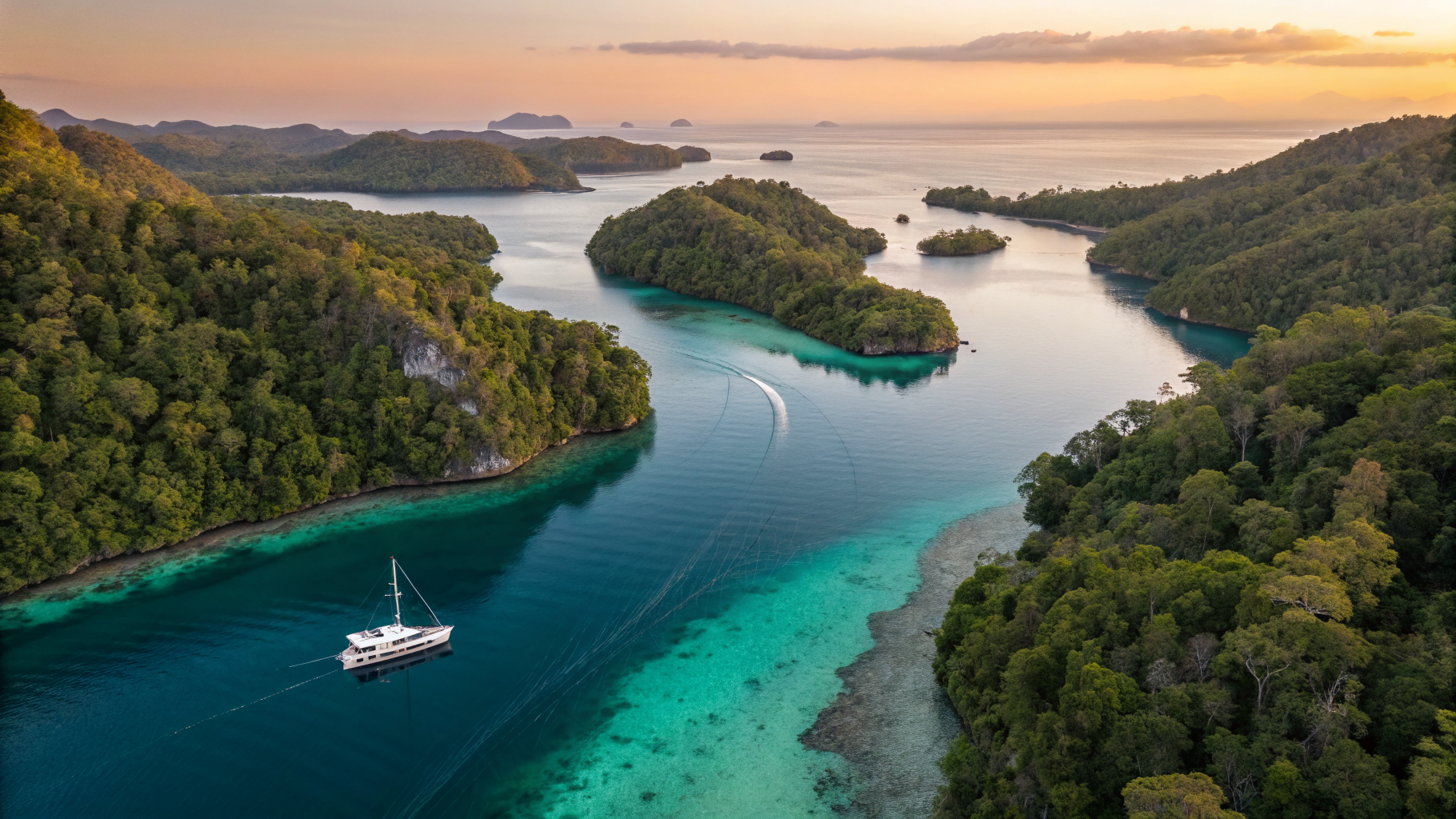
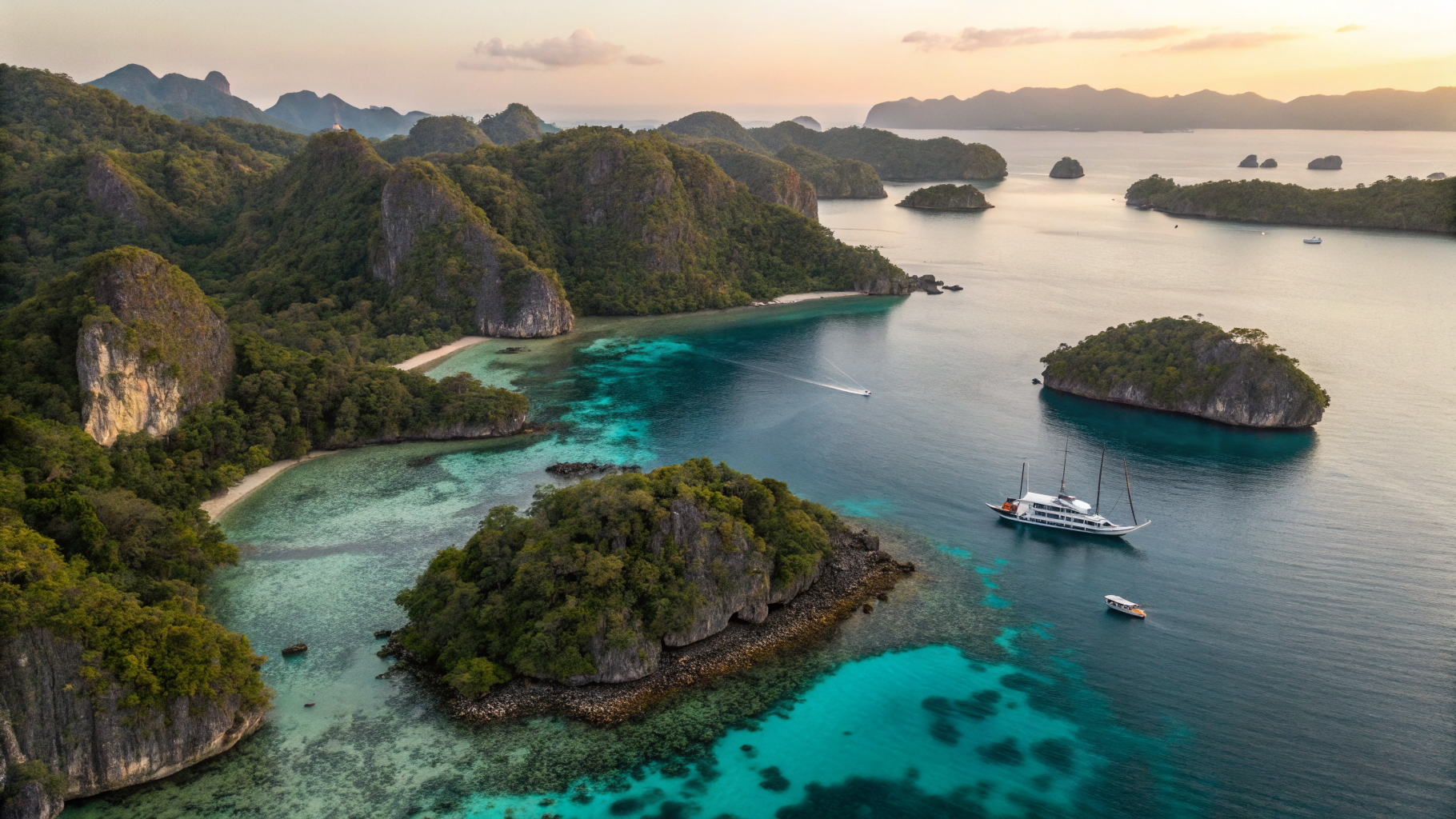
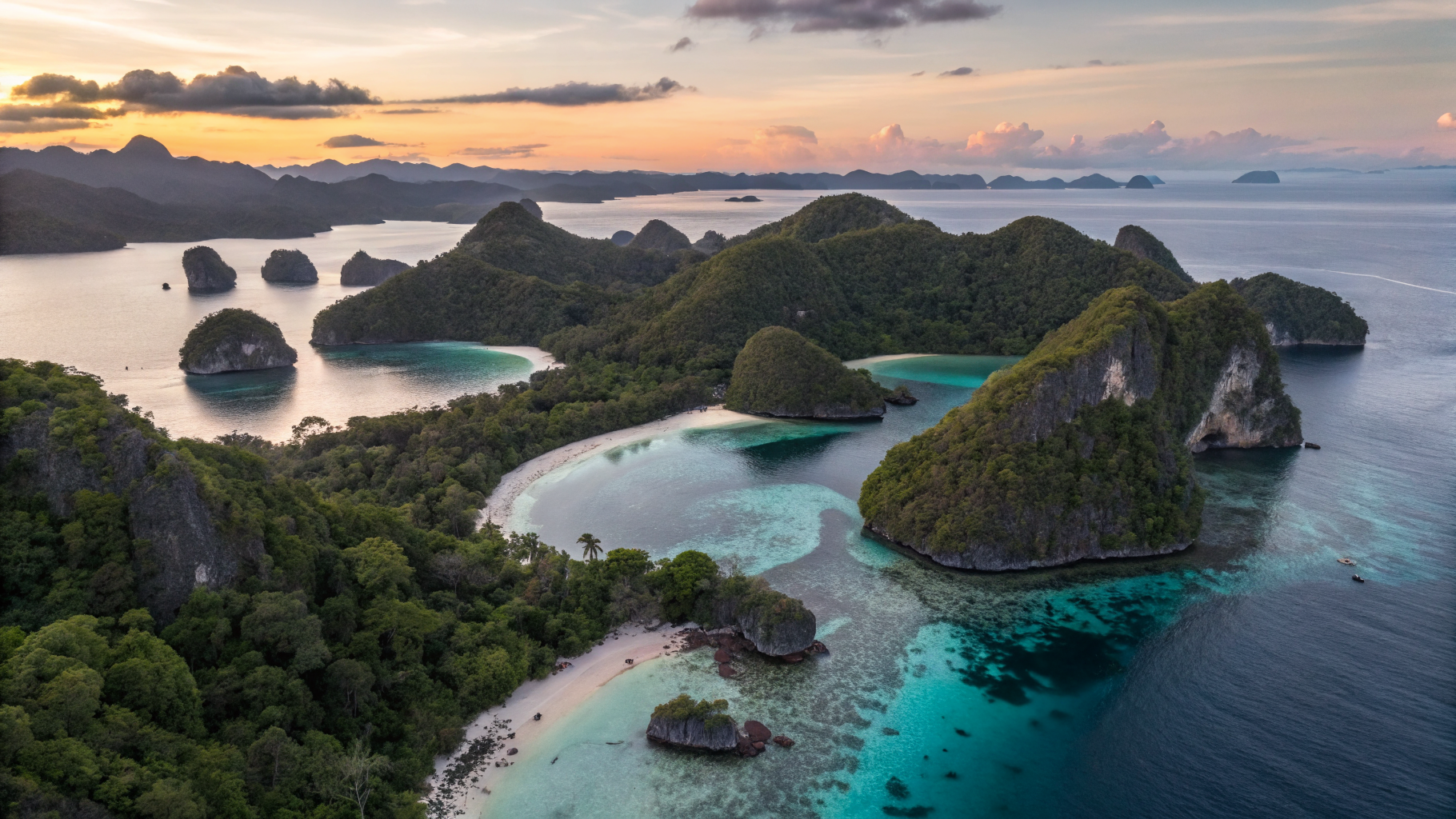
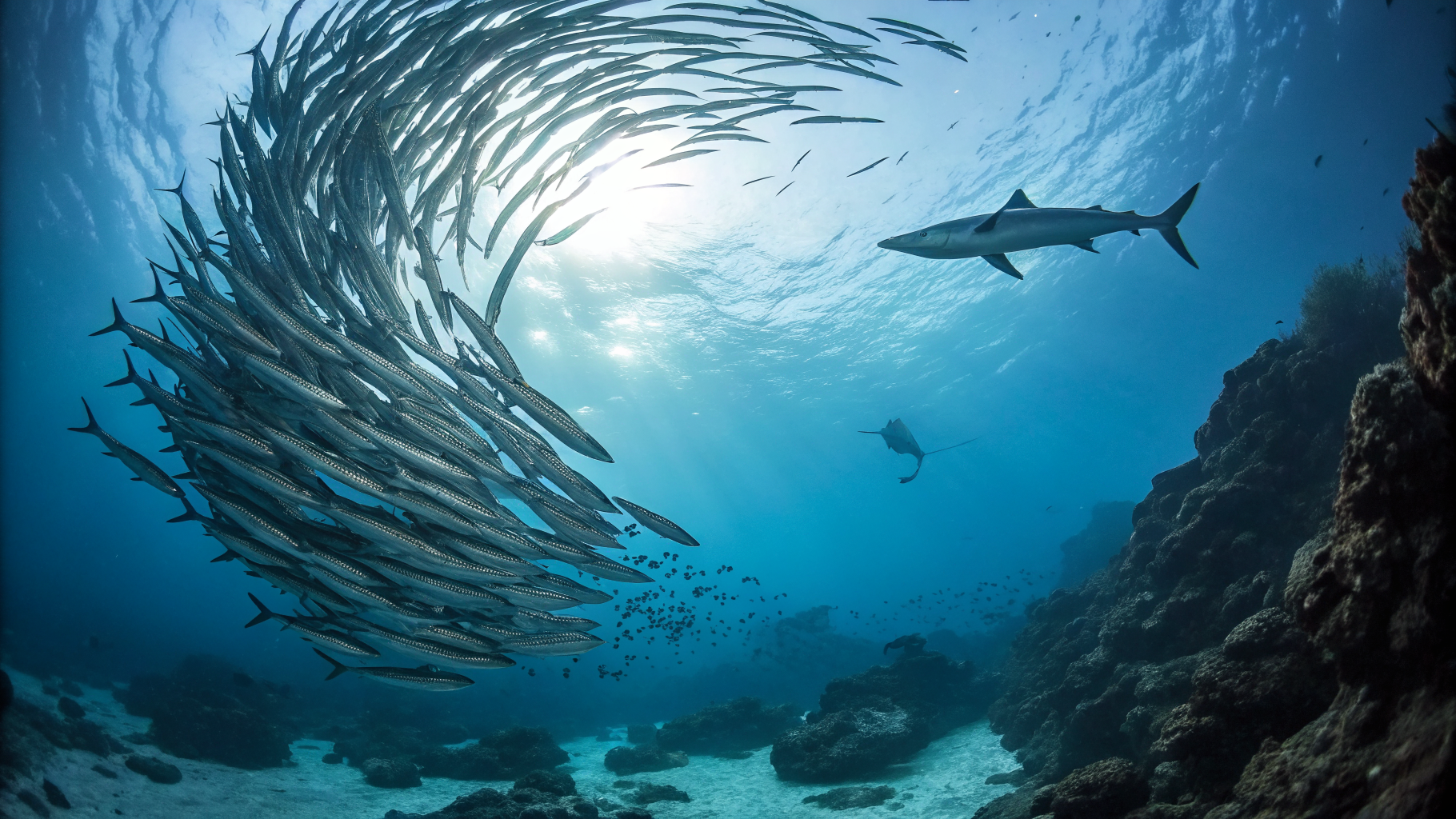
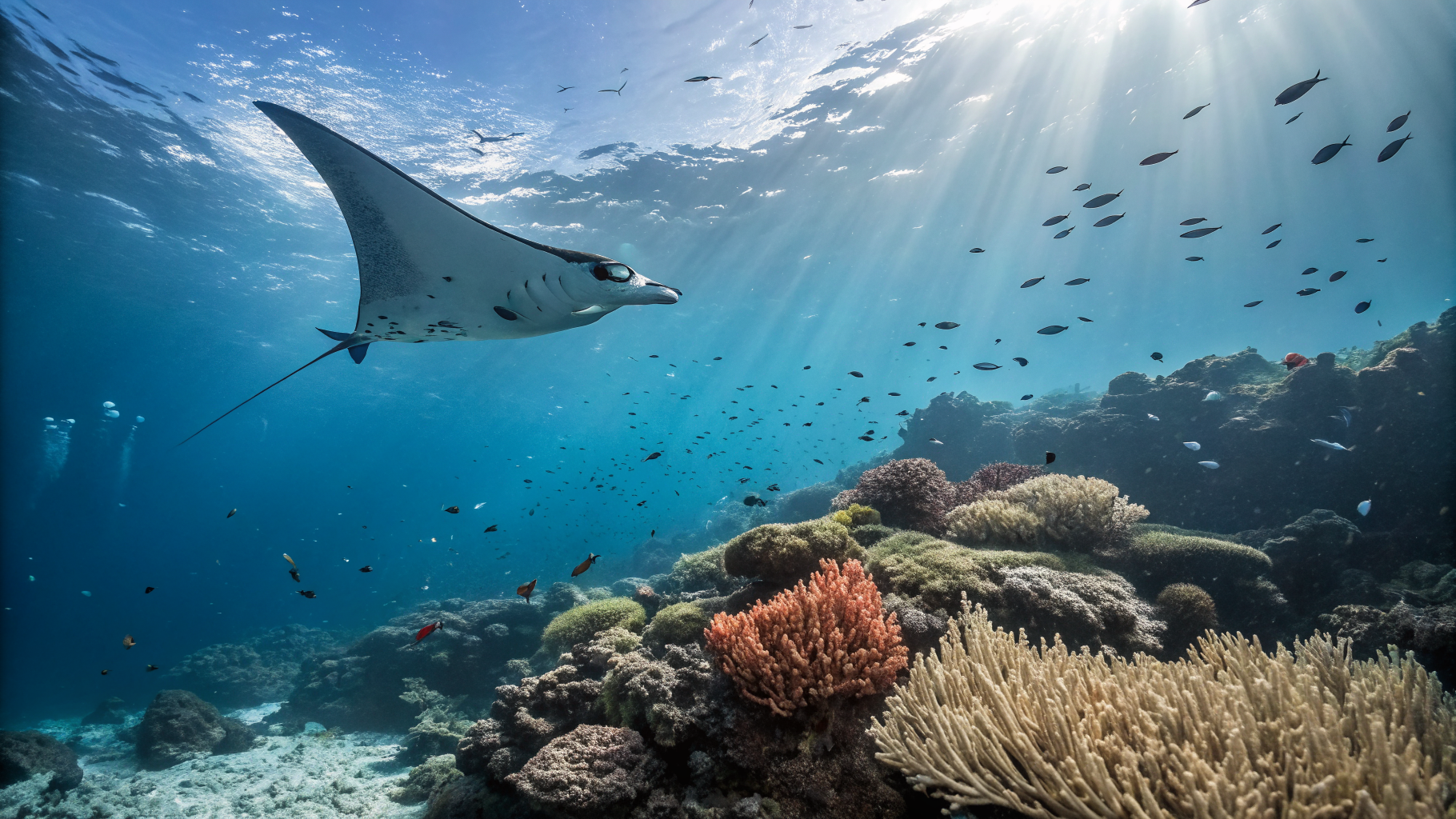
The air is thick with the scent of salt and clove as the phinisi schooner glides across the impossibly placid Dampier Strait. Below, a world of exceptional biodiversity awaits. For the underwater photographer, this is not just a destination; it is the ultimate canvas. The challenge, however, is not merely finding the shot—in Raja Ampat, photographic opportunities are boundless—but having the support system to capture it. The vessel you choose is not just your transport; it is your floating studio, your expedition base, and the single most critical gear decision you will make. After years of assignments in these waters, I’ve learned that the line between a good trip and a portfolio-defining expedition is drawn by the boat itself.
The Photographer’s Prerequisite: Defining a Camera-Centric Liveaboard
Not all liveaboards are created equal, particularly when viewed through a 100mm macro lens. A vessel that serves a recreational diver perfectly may present a series of frustrating obstacles for a serious photographer. The truly exceptional, best raja ampat dive boats are engineered with the image-maker in mind. The non-negotiable starting point is a dedicated, air-conditioned camera room. In a region where humidity hovers around 85%, this is paramount for preventing fogged lenses and protecting sensitive electronics. I recall a trip where a fellow guest, on a less-equipped boat, lost two days of shooting to a fogged port—a completely avoidable issue. Look for boats that offer individual camera stations, not just a communal table. These should feature abundant 110V and 220V charging points, high-pressure air guns for drying housings, and soft, non-slip matting. The second critical feature is the dive deck layout. It must be spacious, with separate, freshwater rinse tanks solely for camera equipment. Mixing a US$20,000 camera rig with salty masks and fins is a recipe for disaster. Finally, inquire about the dive tender (skiff) protocol. The best operators have a system for carefully passing cameras down to divers already in the water and a dry, secure area on the tender for stowing them between sites, protecting them from spray and sun.
The Phinisi Pinnacle: Aboard the Amira for Space and Service
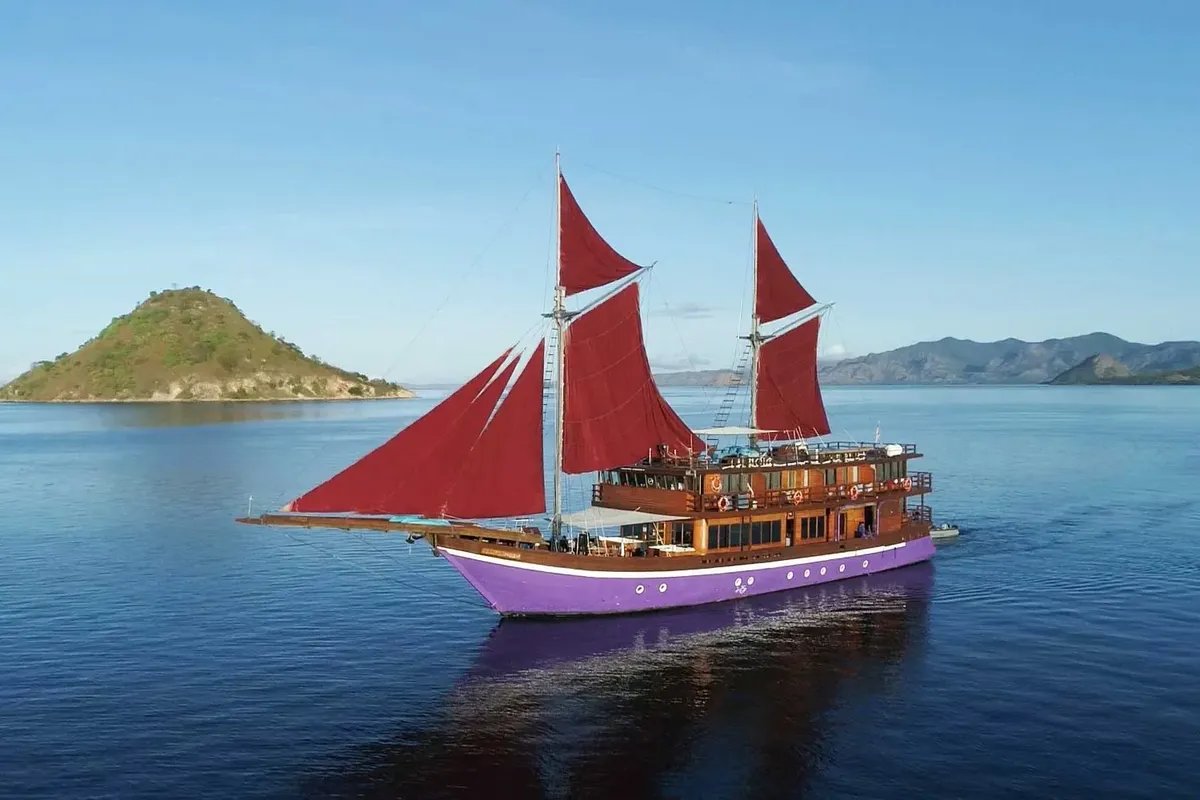
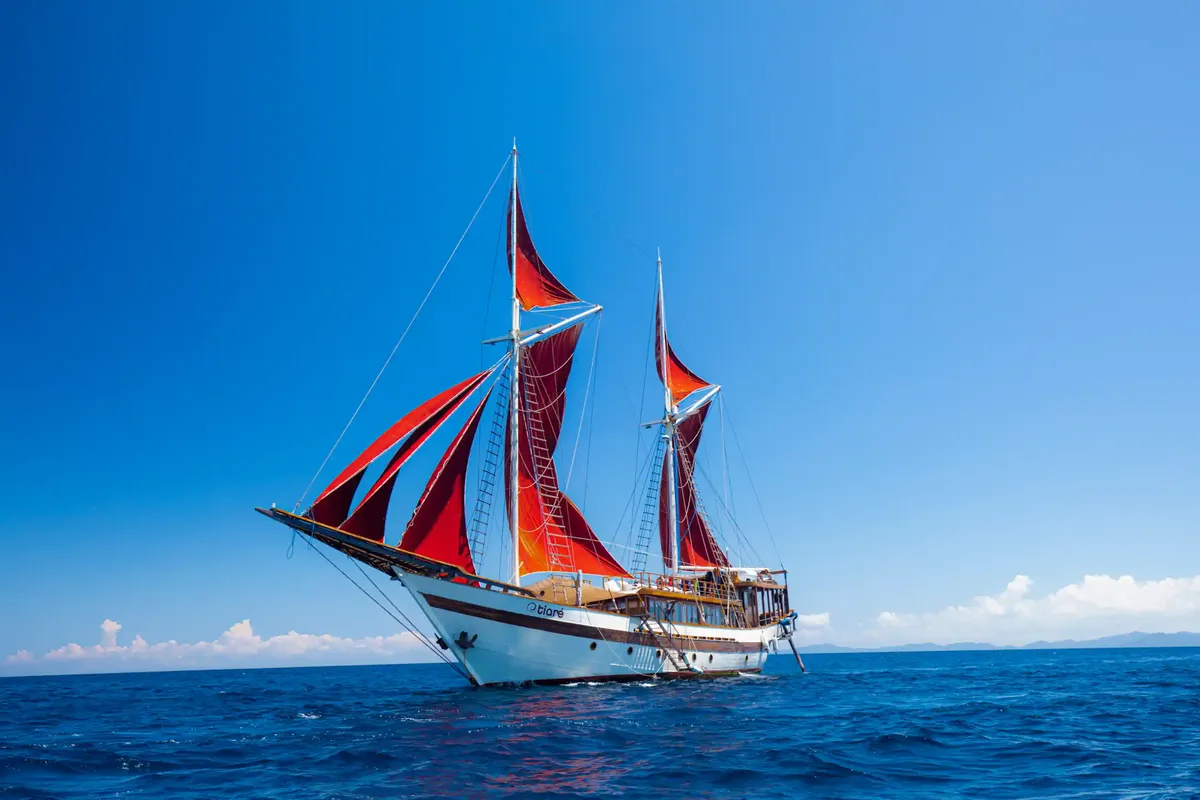
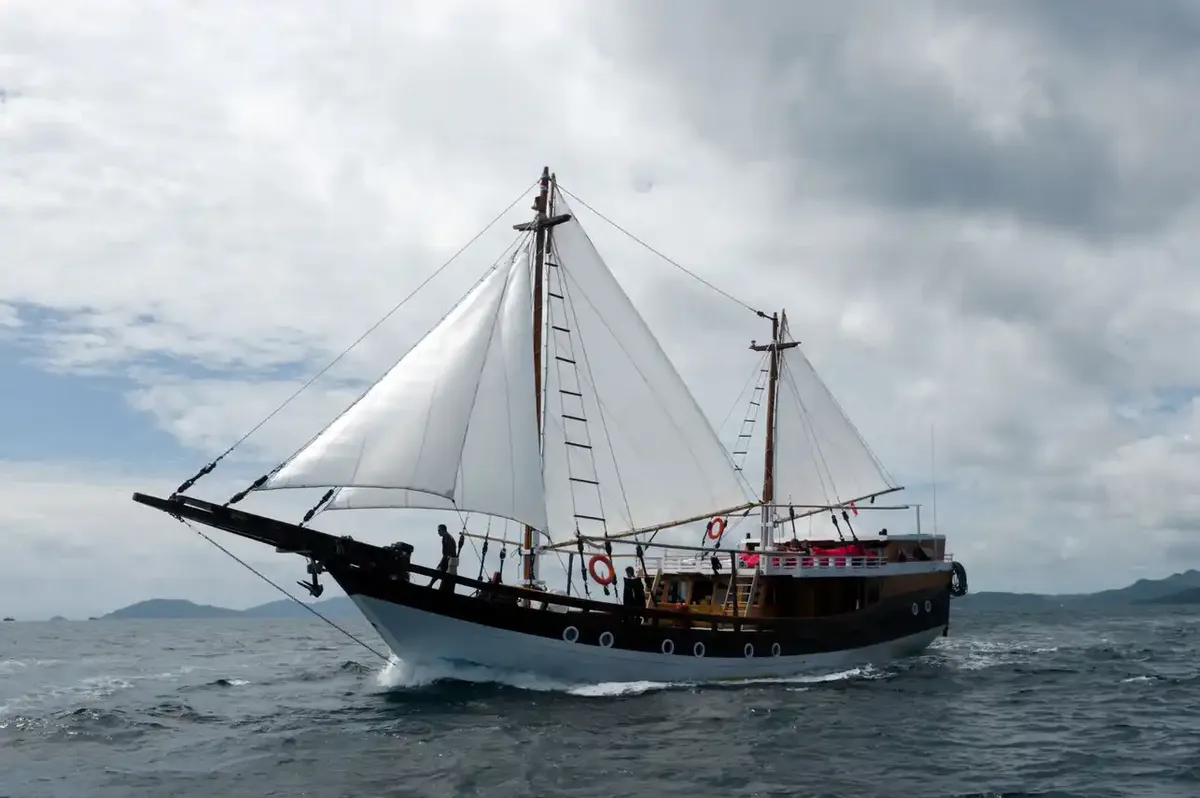
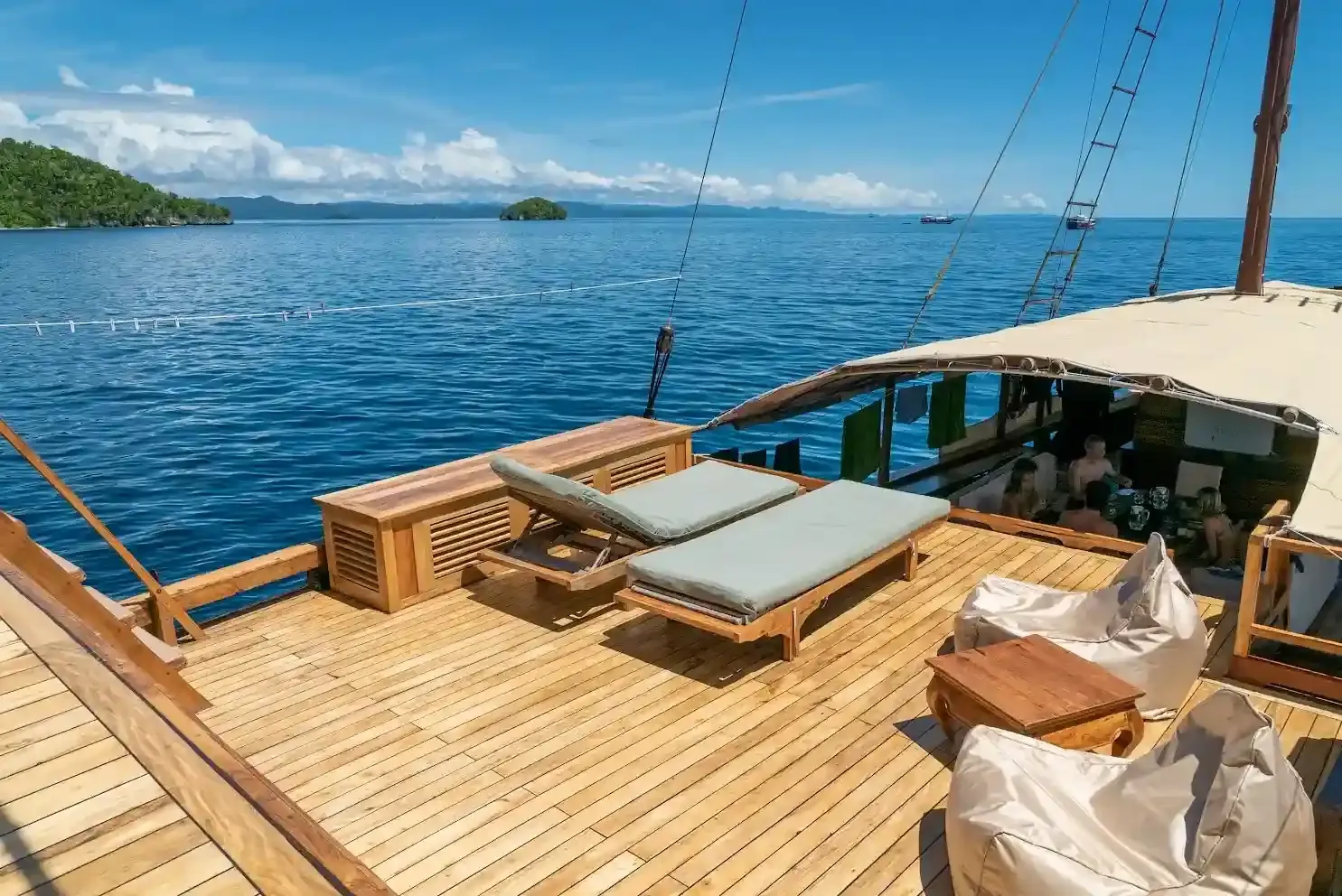
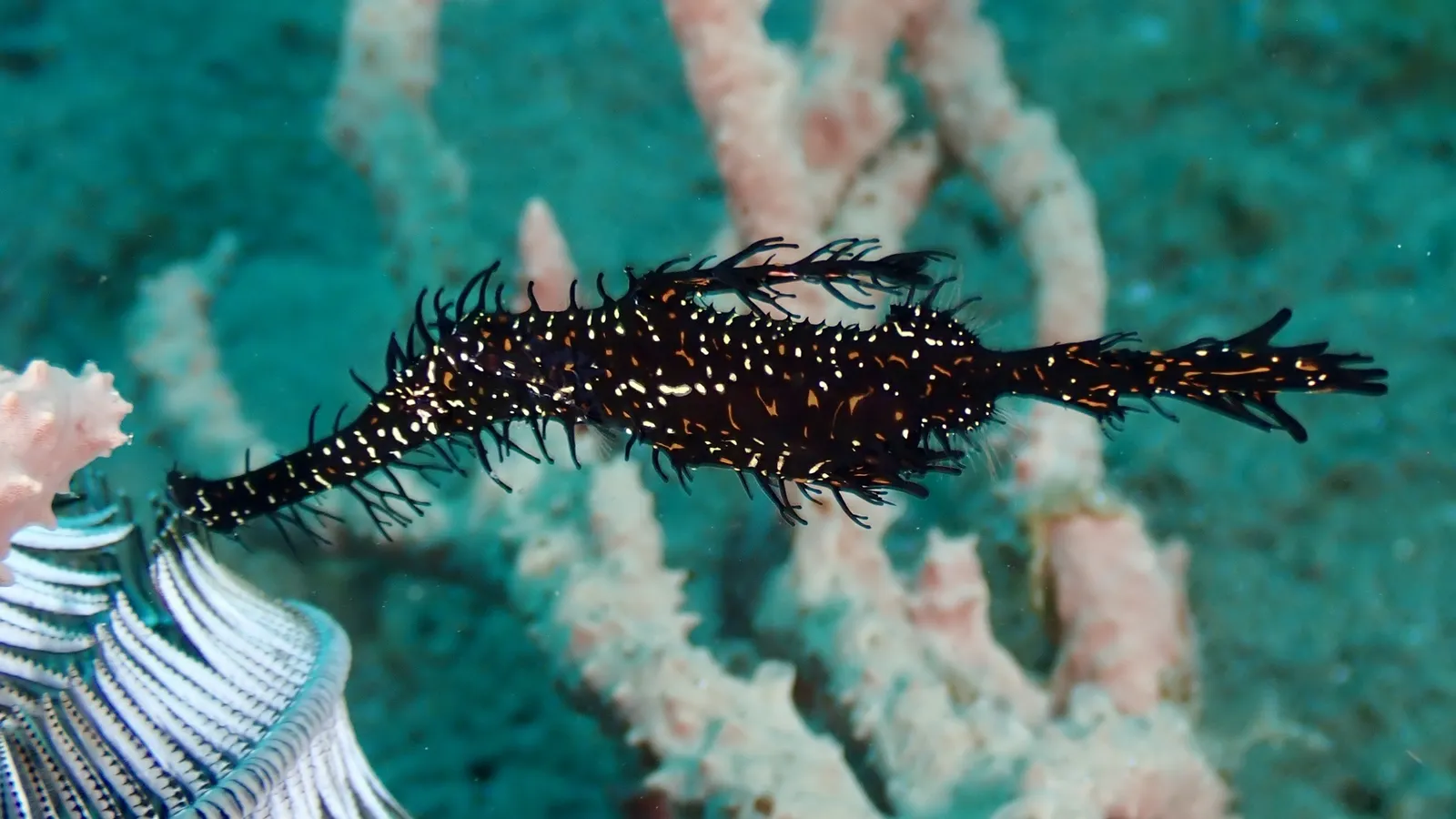
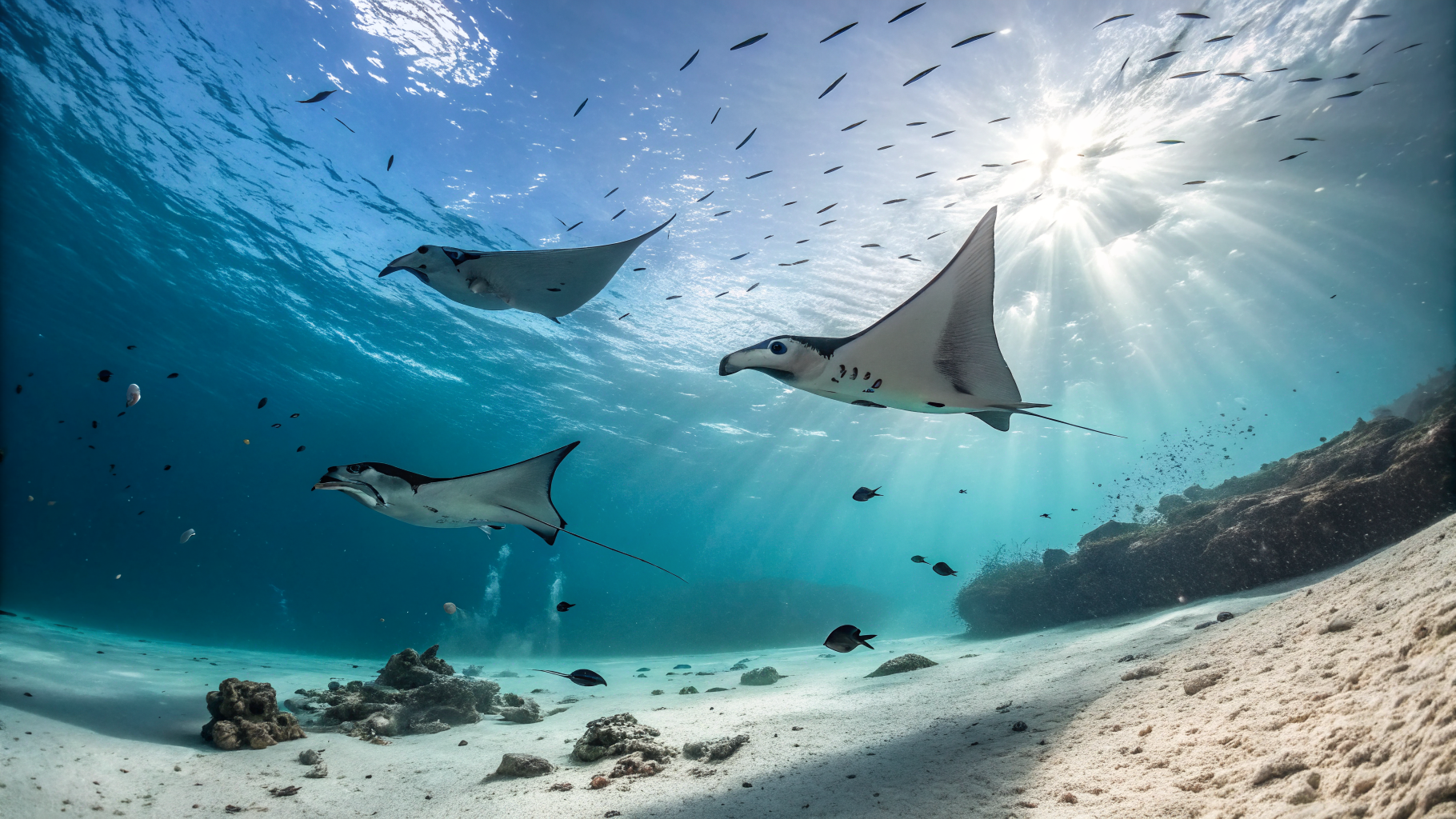
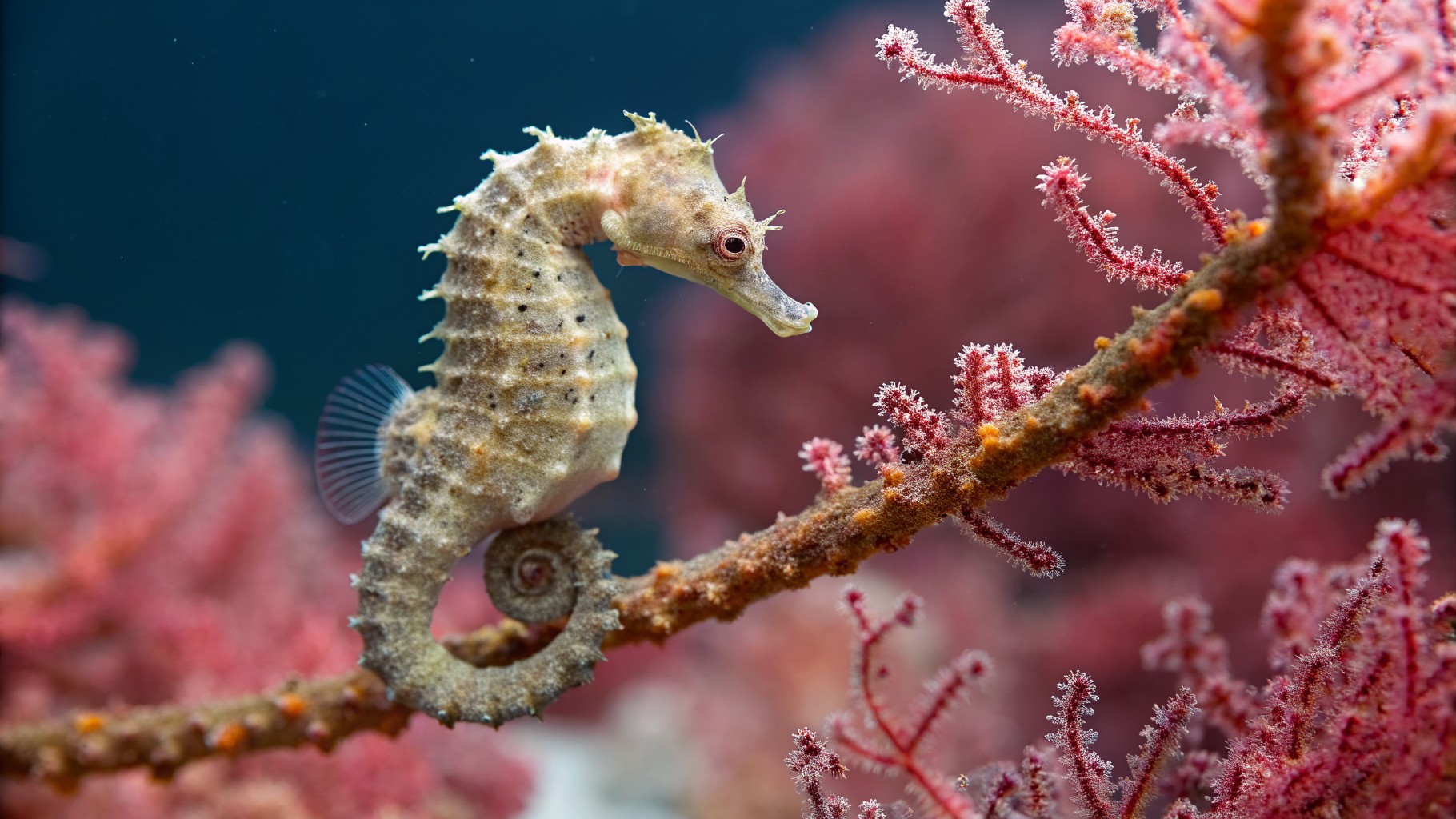
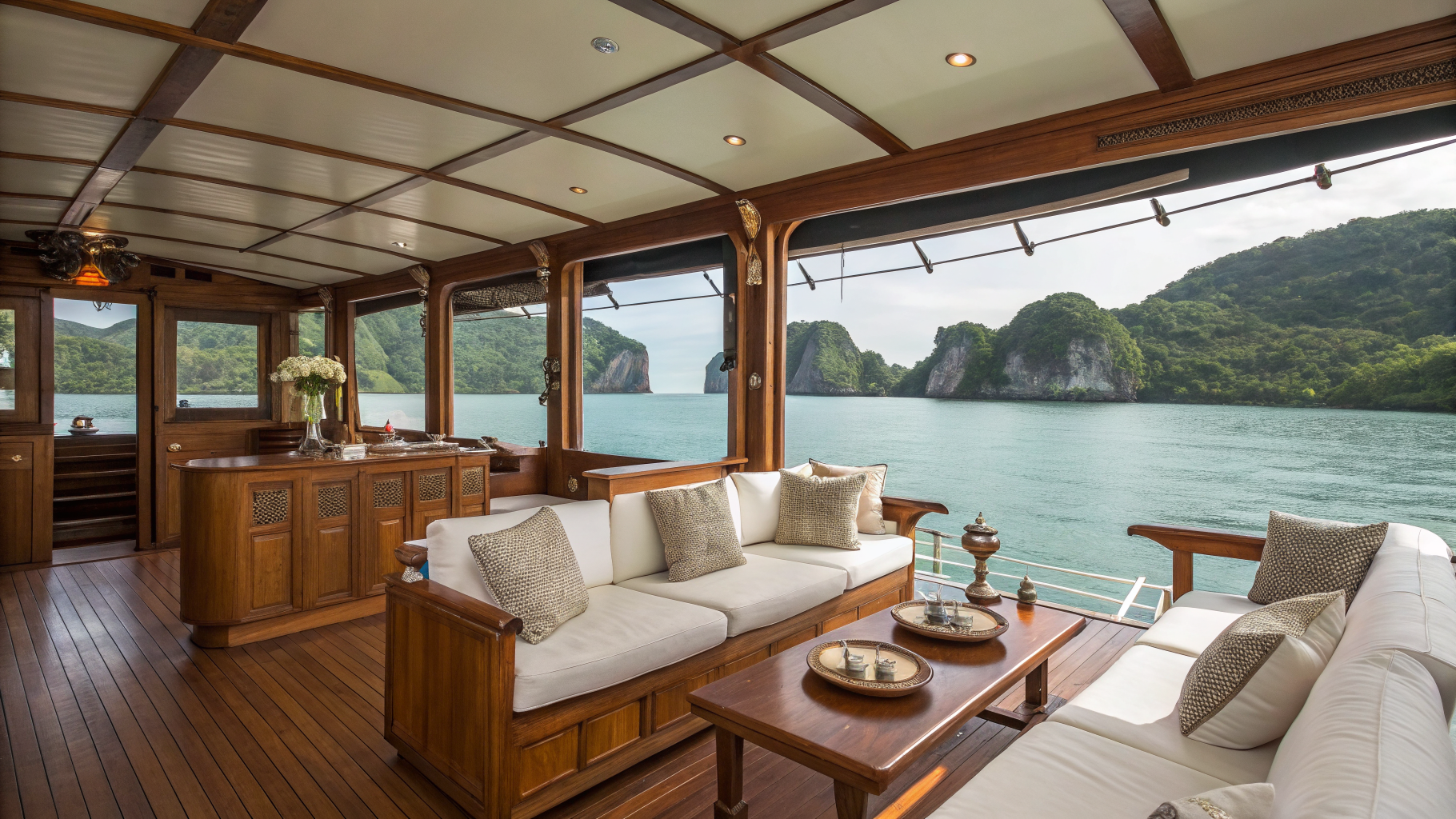
The traditional Indonesian phinisi, with its majestic twin masts, offers a romantic vision of exploring the archipelago. But romance must be paired with function. The 52-meter M/V Amira exemplifies this synthesis. What sets it apart for photographers is its sheer dedication to the craft. The camera room, located on the main deck, is not an afterthought but a core feature, boasting over 15 square meters of climate-controlled space. Each of the ten individual workstations is equipped with multiple charging sockets and task lighting. Divemaster and cruise director, Florian Schmale, a veteran of over 1,000 dives in the region, insists on a dive group ratio of 4:1. This ensures that when you’re trying to frame a shot of a pygmy seahorse on a Muricella gorgonian, you won’t be jostled by another diver’s fins. The crew’s training is another subtle but significant advantage. They understand the weight and delicacy of a professional camera setup and handle it with the care it deserves. The itineraries are also meticulously planned; a 12-night voyage might cover over 300 nautical miles, from the manta cleaning stations of Manta Sandy to the otherworldly soft coral gardens of Misool, a region on the UNESCO World Heritage tentative list.
The Modern Marvel: Aqua Blu‘s Expedition-Class Precision
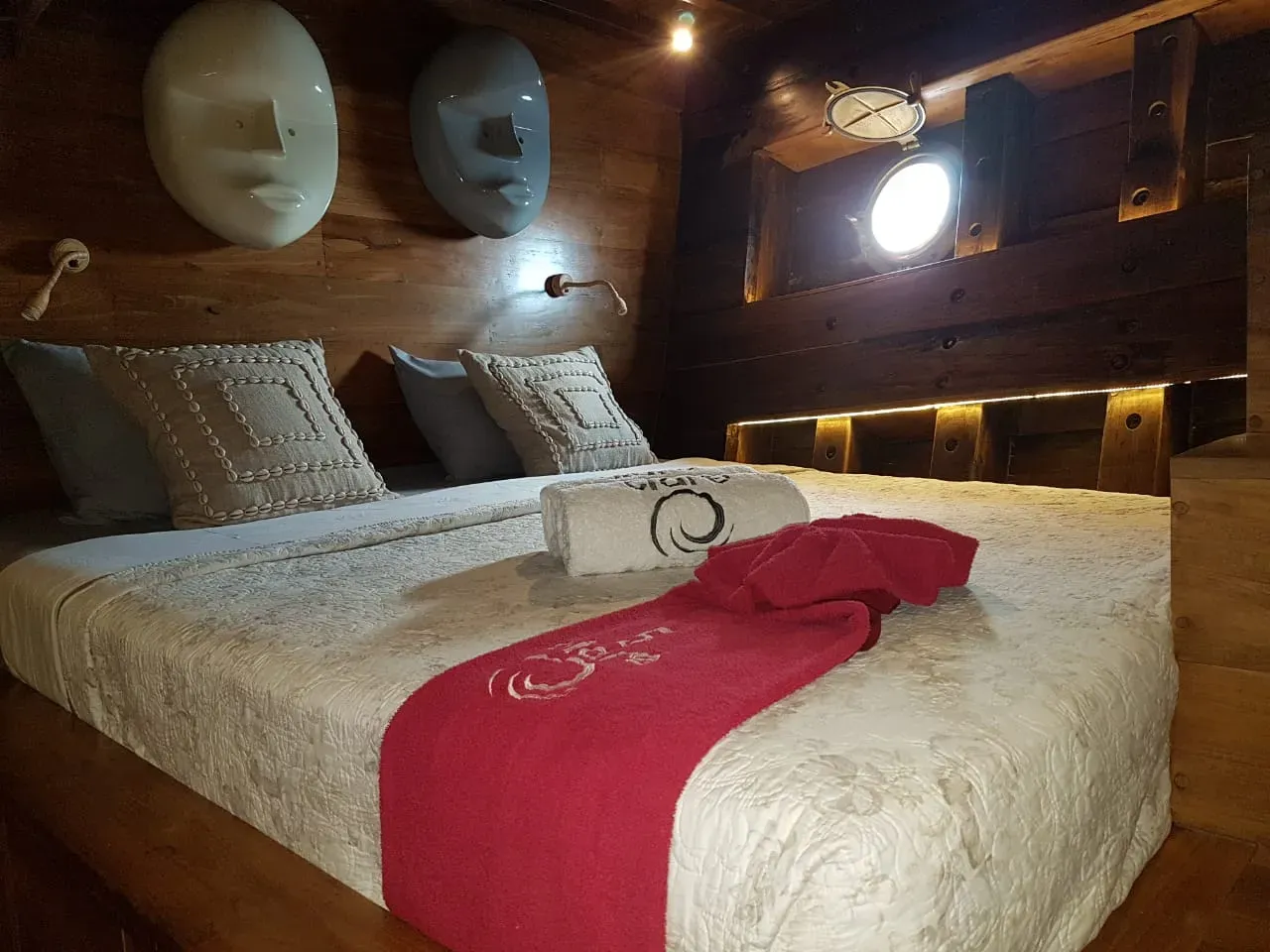
For those who value stability and modern luxury, the Aqua Blu presents a compelling alternative. A refurbished British naval explorer vessel, this 60-meter yacht offers a different class of comfort and capability. Its steel hull and stabilizers provide a remarkably stable platform, a significant benefit when you’re editing images on a laptop during crossings or trying to assemble a housing in your suite. The vessel’s 15 suites are exceptionally spacious, offering ample private room to work on gear. While it features a central camera area, the ability to comfortably manage your equipment in-suite is a luxury few boats can offer. Her cruising speed of 10 knots allows for efficient travel across the vast 4.6 million hectares of the Raja Ampat marine park, maximizing time at premier photo locations. The onboard amenities, including a Jacuzzi and state-of-the-art lounge, provide a refined environment to decompress after a day of intense diving. This level of comfort should not be underestimated; fatigue is the enemy of creativity, and a well-rested photographer is a more effective one. The booking process for such a premium vessel is often done well in advance, sometimes up to 18 months, due to high demand.
The Boutique Experience: Arenui‘s Intimate Artistry
There is an undeniable allure to a more intimate setting. With a maximum of just 16 guests, the Arenui, which bills itself as the “Boutique Liveaboard,” focuses on a level of personalization that is a dream for photographers with specific goals. The entire vessel is a work of art, adorned with reclaimed teakwood and local handicrafts, creating an inspiring atmosphere. For image-makers, the key benefit of a smaller group is flexibility. The cruise director has more latitude to customize the dive plan based on guest interest. If a pod of pilot whales is spotted, or if a particular reef reveals a rare critter, the schedule can pivot. The dive guides, often with a decade of experience in these waters, can dedicate more time to each photographer, helping with spotting, lighting, and subject interaction. I once spent an entire 70-minute dive with a guide on this boat dedicated to finding and photographing the elusive blue-ringed octopus. That one-on-one attention is simply not possible on a boat with 24 or more divers. This bespoke approach makes it one of the very best options for a truly tailored raja ampat live aboard diving experience.
Itinerary as the Canvas: Maximizing Photographic Opportunity
The boat is your studio, but the itinerary is your script. The best operators understand that a successful photographic expedition is about being in the right place at precisely the right time. This means planning a route that considers not just the dive sites themselves, but the position of the sun, tidal movements, and seasonal aggregations. For example, a top-tier itinerary will schedule a dive at Melissa’s Garden in the late morning, when the sun penetrates the water to illuminate the staggering fields of hard coral. A visit to the Blue Water Mangroves in Misool will be timed for high tide, allowing divers to explore the unique coral growth on the mangrove roots. Understanding the best time for Raja Ampat liveaboard voyages is crucial; while diving is excellent year-round, the October-to-April period generally offers the calmest seas. A well-crafted itinerary will balance wide-angle opportunities in the Dampier Strait, known for its large schools of fish and cleaning stations, with the macro wonders of Misool or the northern islands like Wayag. According to the official Indonesia Travel portal, the region’s biodiversity is the highest recorded on Earth, with over 1,600 fish species and 550 species of coral—a fact that makes every dive a potential portfolio-builder.
Quick FAQ for the Expedition Photographer
What is the essential lens combination for Raja Ampat?
You absolutely need both wide-angle and macro capabilities. A fisheye or rectilinear wide-angle lens (e.g., 16-35mm or 8-15mm) is crucial for capturing the sweeping reefs and schooling fish. A dedicated macro lens (e.g., 100mm or 105mm) is essential for the incredible macro life, from pygmy seahorses to nudibranchs. Many photographers bring two separate camera bodies to avoid switching lenses between dives.
How do I protect my expensive camera gear from humidity and salt?
Choose a boat with an air-conditioned camera room, as discussed. Beyond that, be meticulous. Use large reusable desiccant packs inside your camera housing and Pelican case. Always keep your main camera case closed when not in use. A crucial item on any Raja Ampat packing list is a small, powerful travel towel dedicated solely to drying your hands before opening your housing. Finally, trust the crew. On a reputable vessel, their systems for handling gear are tried and tested, a key component of our commitment to safety and trust.
Are there power and voltage considerations on board?
Yes. Most modern liveaboards in Indonesia use 220V with European-style two-pin round plugs. The best boats for photographers will have dedicated camera stations with universal sockets and often provide both 220V and 110V options. However, always travel with a universal adapter and a power strip to ensure you can charge all your batteries, strobes, and lights simultaneously overnight.
Choosing your vessel is the foundational decision that will shape your entire photographic journey in Raja Ampat. It dictates your comfort, your access to the best sites at the best times, and the technical support available to you 24/7. The right boat becomes an invisible partner, clearing away logistical hurdles so that you can focus solely on the art of capturing the world’s most vibrant underwater ecosystem. Your investment in a superior platform will pay dividends in every frame you create.
To explore vessels that meet these exacting standards and to begin crafting your own portfolio-defining journey, we invite you to browse our curated fleet of raja ampat live aboard diving expeditions. Our team is ready to match your photographic ambitions with the perfect floating studio.