In this article
- Decoding the Raja Ampat Archipelago: A Primer for the Discerning Diver
- The Classic Central Route: Dampier Strait & The Heart of Biodiversity
- The Southern Exposure: Misool’s Labyrinth of Soft Corals
- The Northern Frontier: Wayag, Kawe, and the Aljui Bay Passage
- The Grand Tour: Combining North, Central, and South
- Quick FAQ on Raja Ampat Liveaboard Itineraries
- Related reading
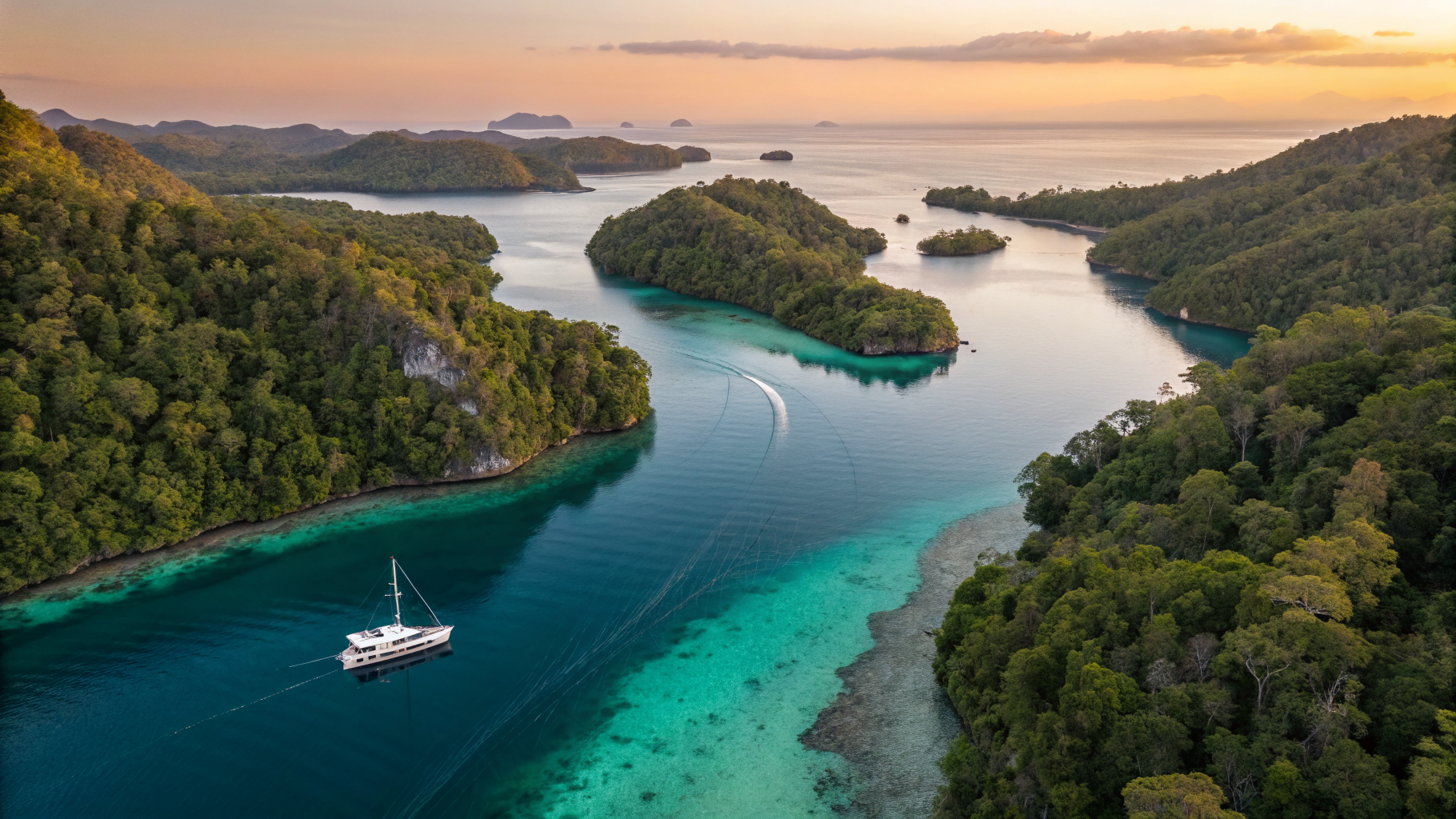
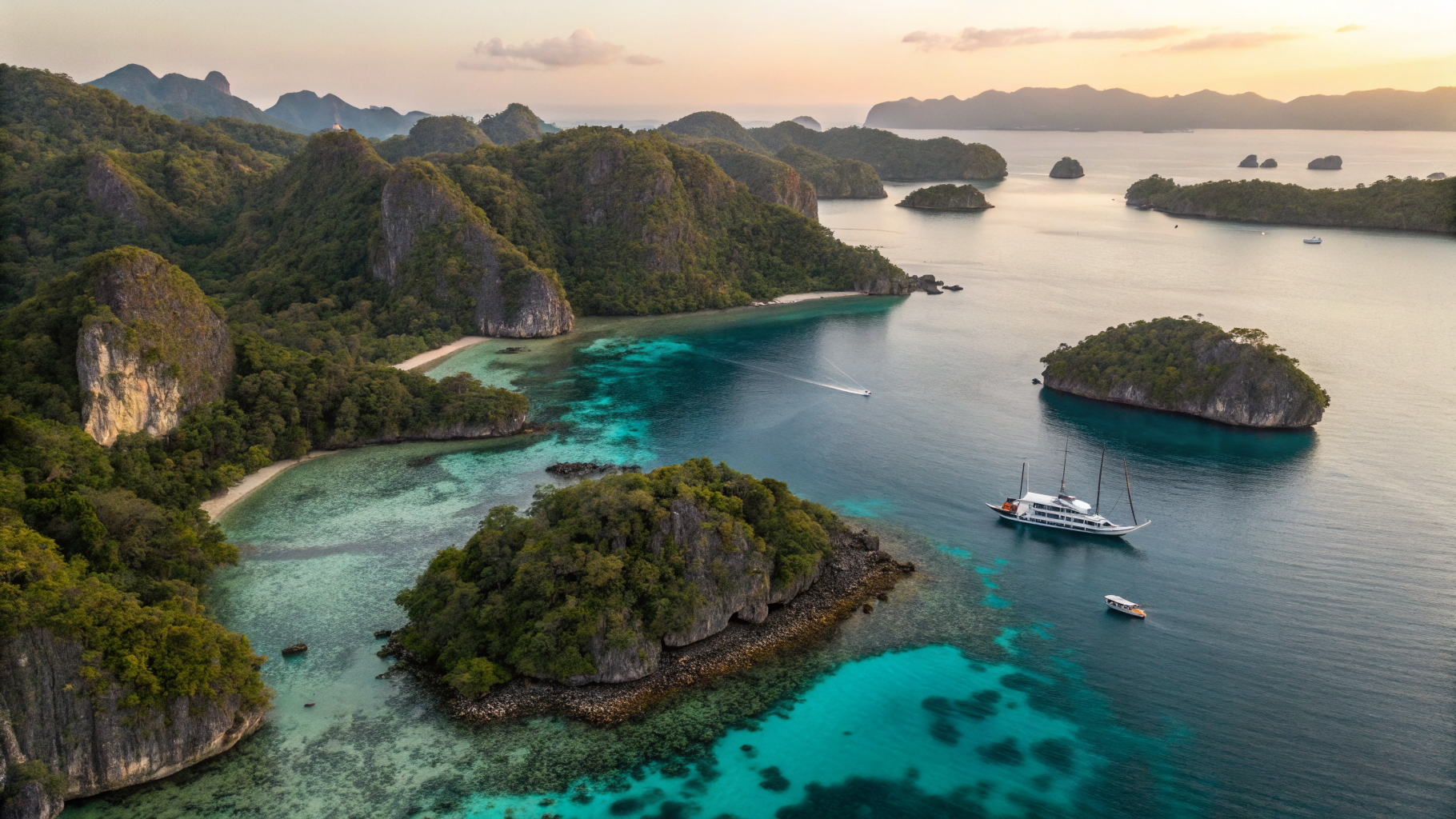
- Central Route: Explores the Dampier Strait, known for high-voltage currents and massive fish schools.
- Southern Route: Focuses on Misool’s soft coral gardens and dramatic karst landscapes.
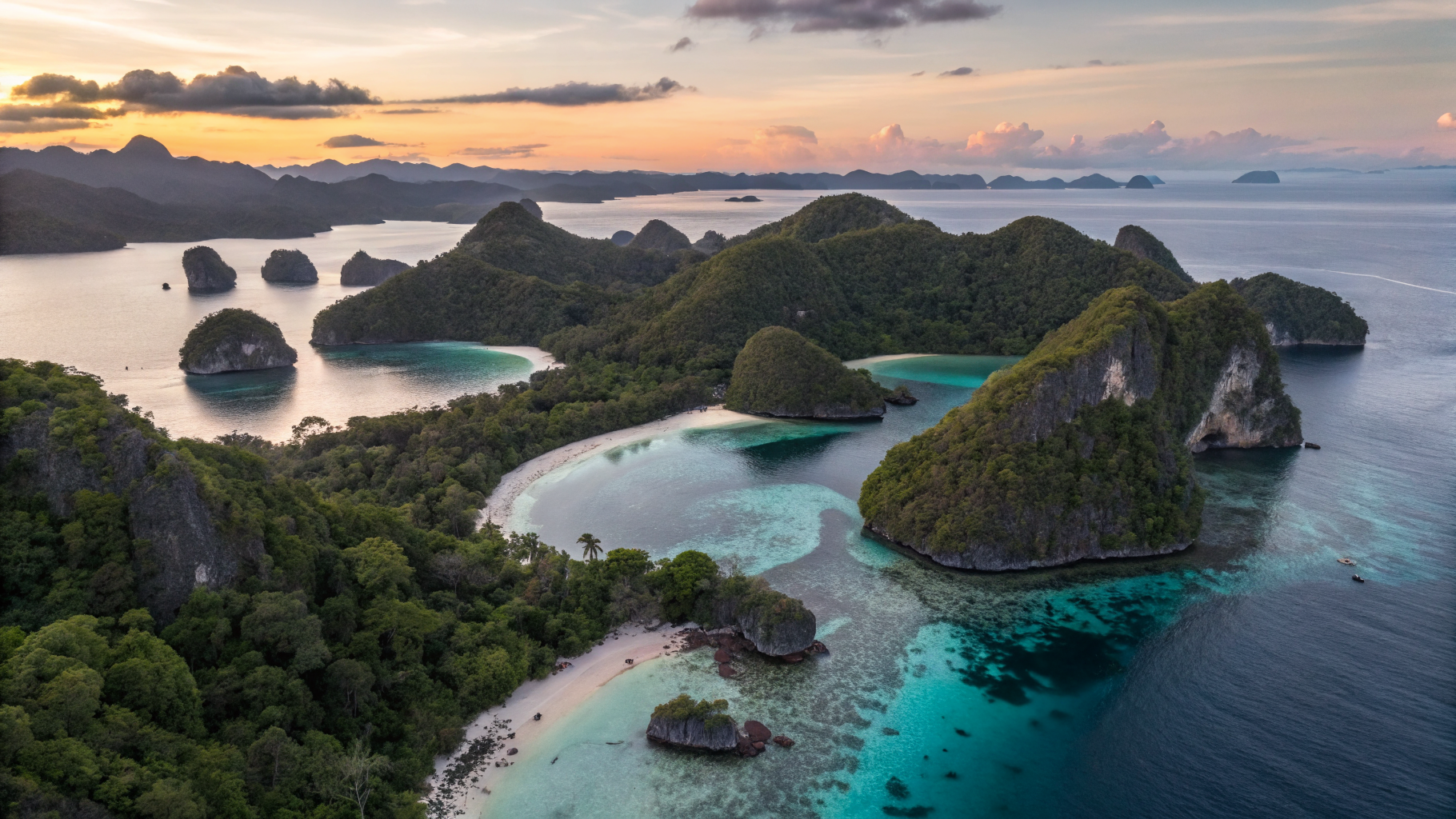
- Northern Route: Features the iconic Wayag lagoons and remote, current-swept pinnacles.
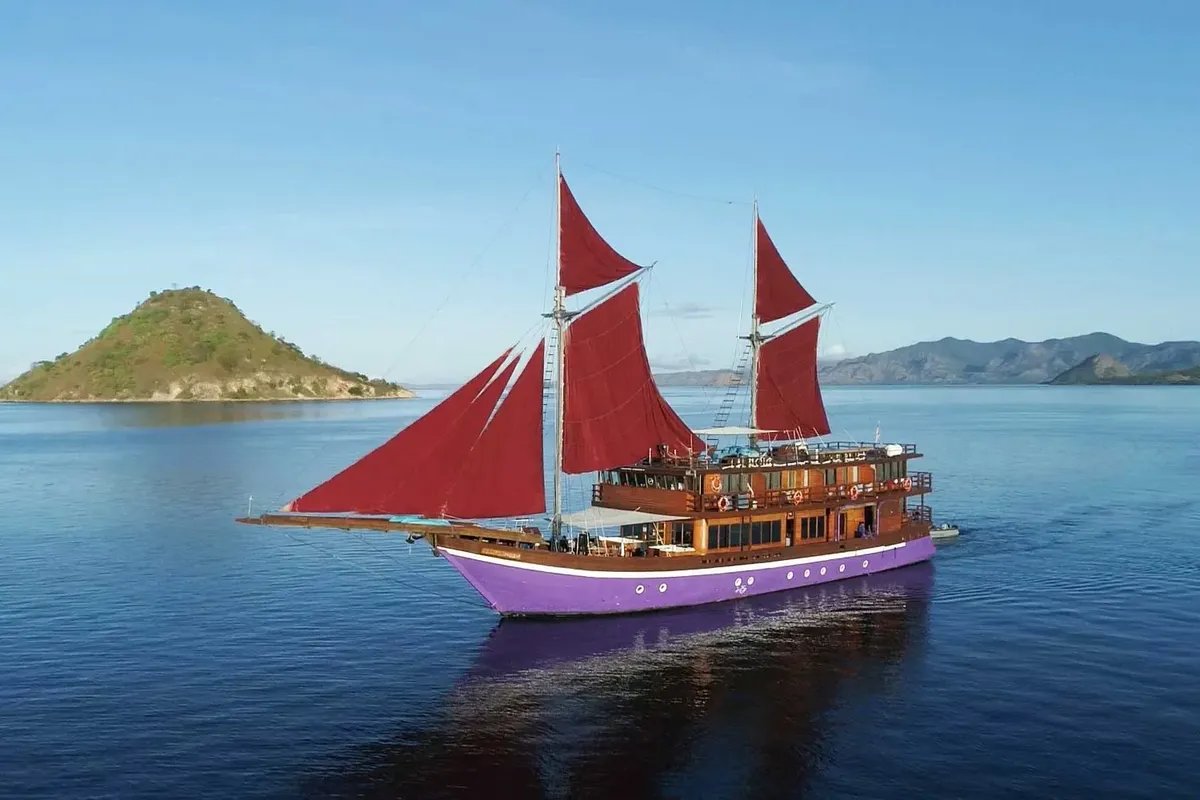
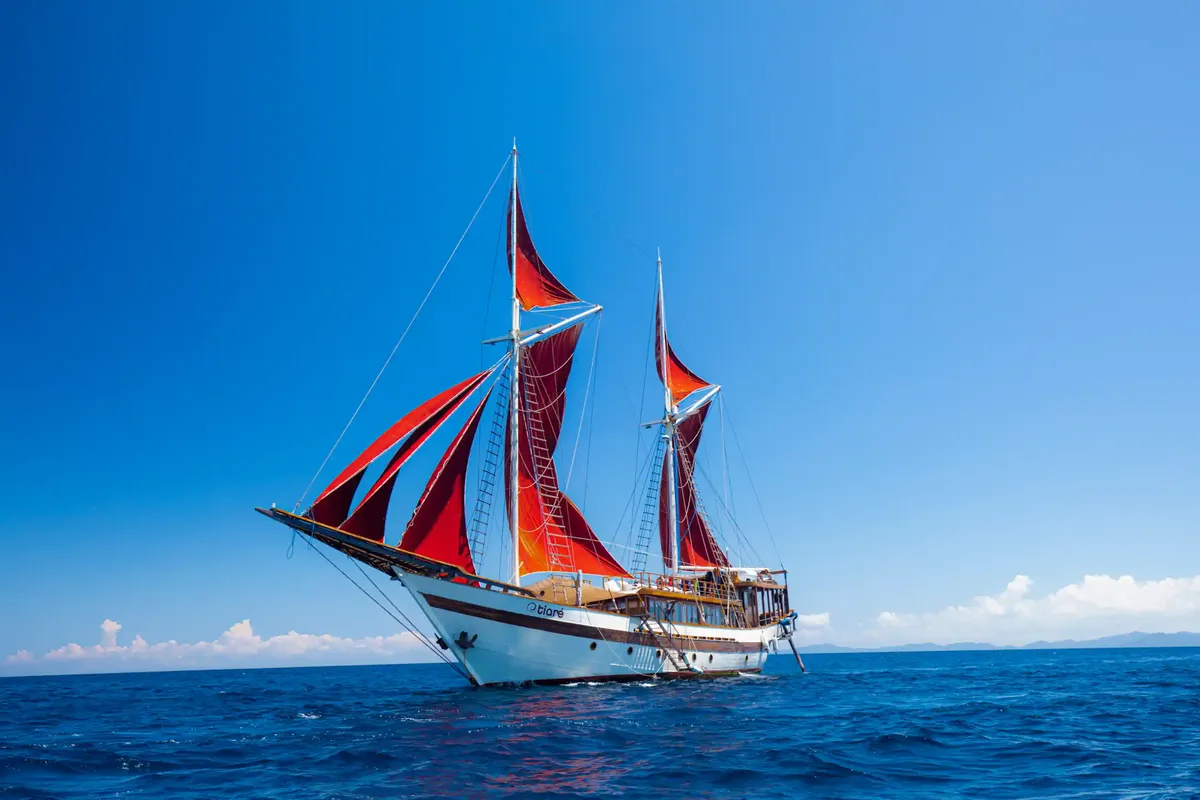
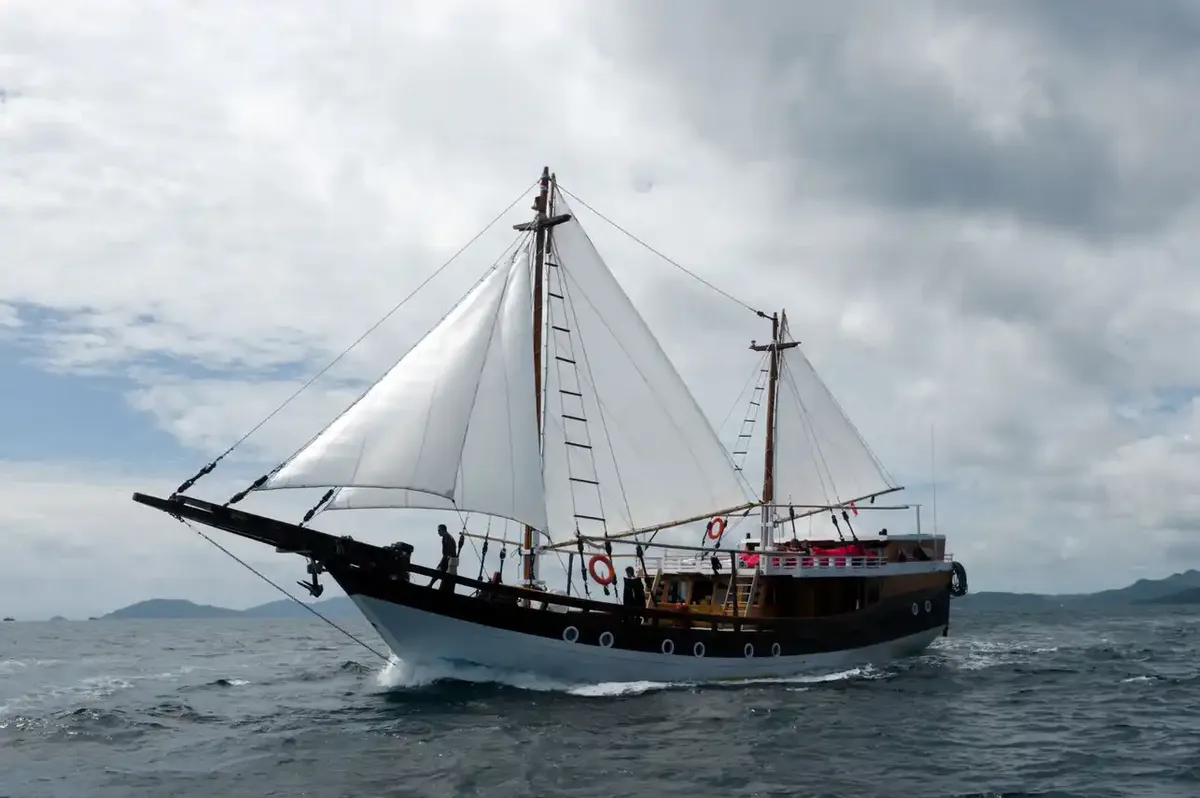
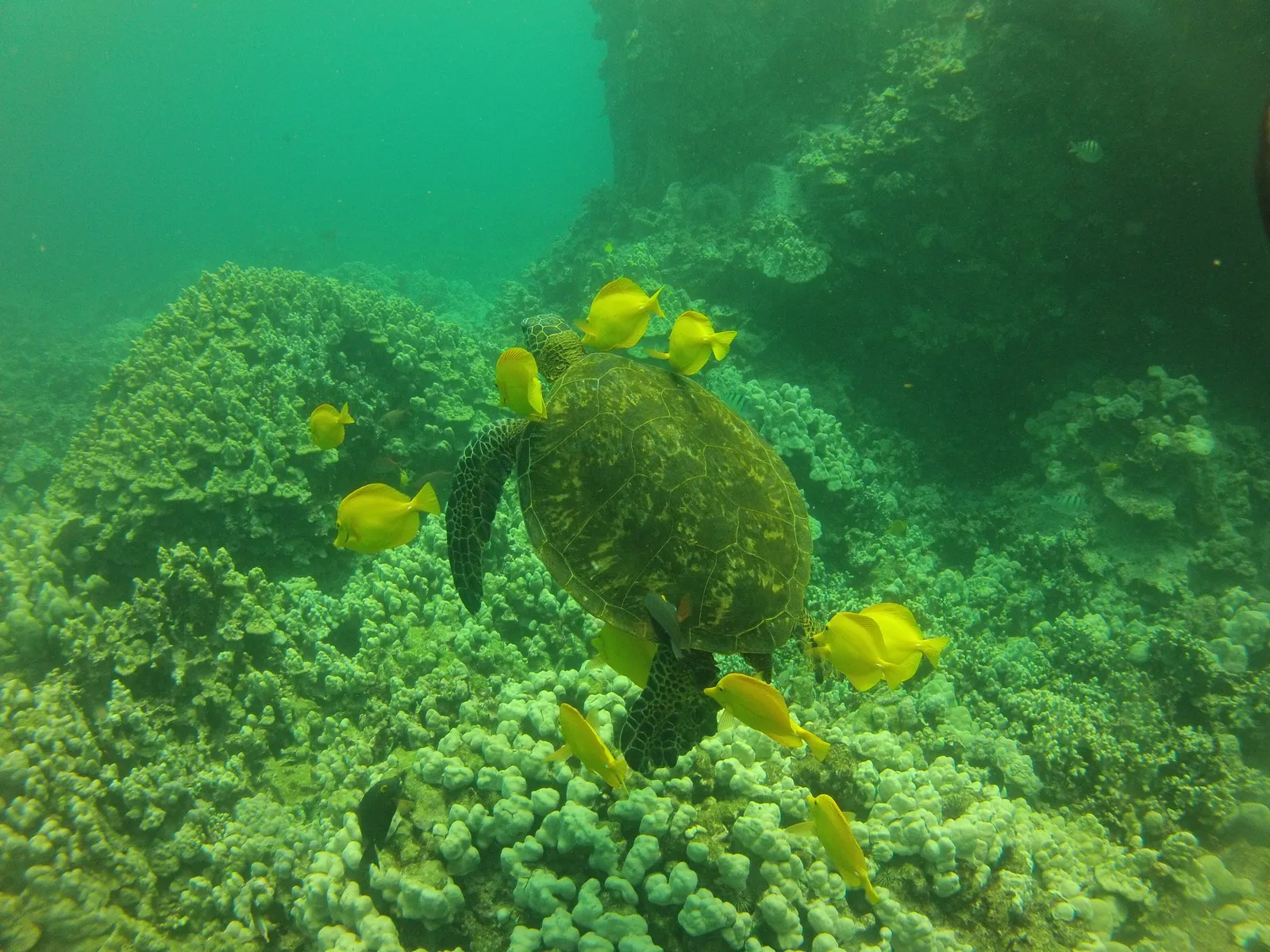
The water is a tranquil 29°C. As you descend, the ambient sound of the phinisi’s generator fades, replaced by the rhythmic crackle of a healthy reef. A school of yellow-masked angelfish, hundreds strong, parts around you. Below, a green sea turtle glides over a field of staghorn coral stretching farther than the eye can see. This is not a highlight reel; it is a typical Tuesday on a raja ampat live aboard diving expedition. Navigating this aquatic frontier, an archipelago of over 1,500 jungle-clad islands, requires more than just a boat; it demands a deep understanding of its currents, seasons, and secrets. The route your vessel charts is the single most important decision you will make, dictating everything from the marine life you encounter to the very character of your voyage.
Decoding the Raja Ampat Archipelago: A Primer for the Discerning Diver
To comprehend the significance of Raja Ampat’s diving routes, one must first appreciate its scale and ecological importance. Located off the northwest tip of Bird’s Head Peninsula in West Papua, this archipelago covers more than 40,000 square kilometers of sea. It is the global epicenter of marine biodiversity, a fact solidified by its position within the Coral Triangle. The statistics are, frankly, staggering: scientists have recorded over 1,628 species of reef fish and more than 600 species of hard coral, which represents nearly 75% of all known coral species on Earth. As our lead expedition guide, who has charted these waters for 22 years, puts it, “This is not an aquarium; the ocean is an aquarium, and Raja Ampat is its source code.” Due to the sheer distances between island clusters and premier dive sites, a land-based stay offers but a keyhole view. A liveaboard is the only effective method for a comprehensive exploration. The choice of route is fundamentally influenced by the time of year. While diving is possible year-round, the primary season from October to April offers the calmest seas and best visibility, typically exceeding 30 meters. We strongly advise consulting our detailed guide on the best time for Raja Ampat liveaboard voyages to align your expectations with the seasonal nuances that govern these remote seas.
The Classic Central Route: Dampier Strait & The Heart of Biodiversity
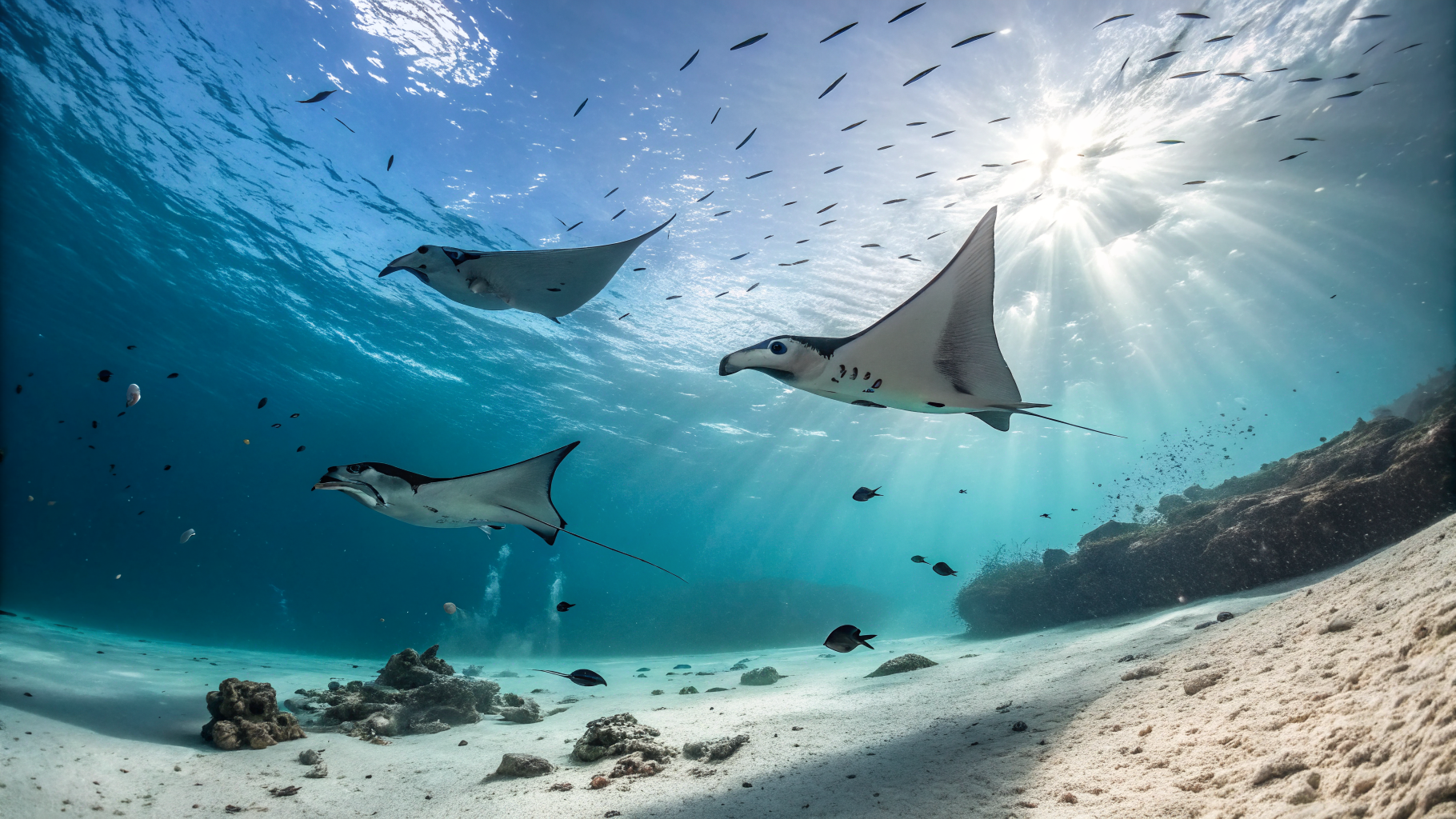
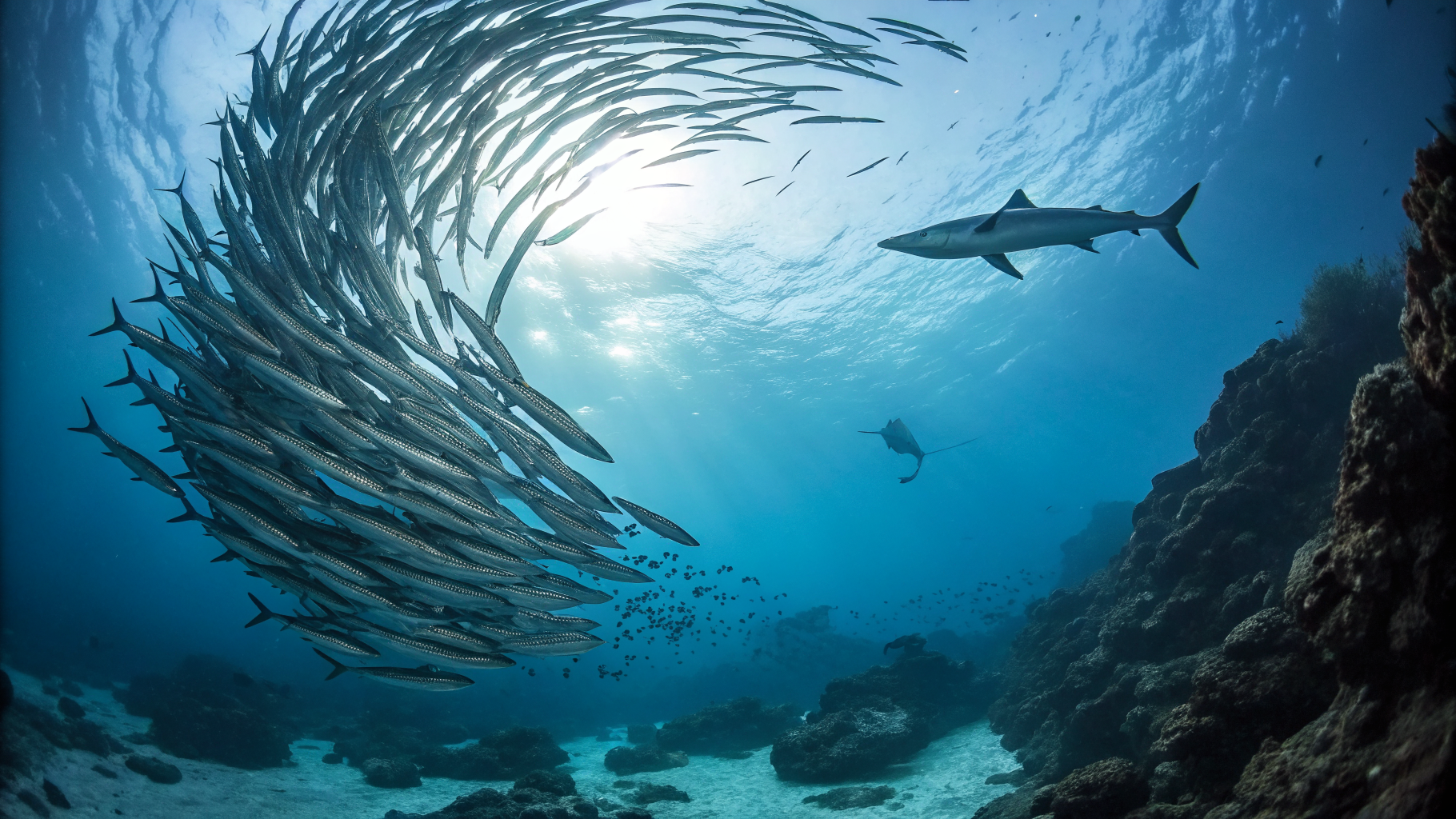
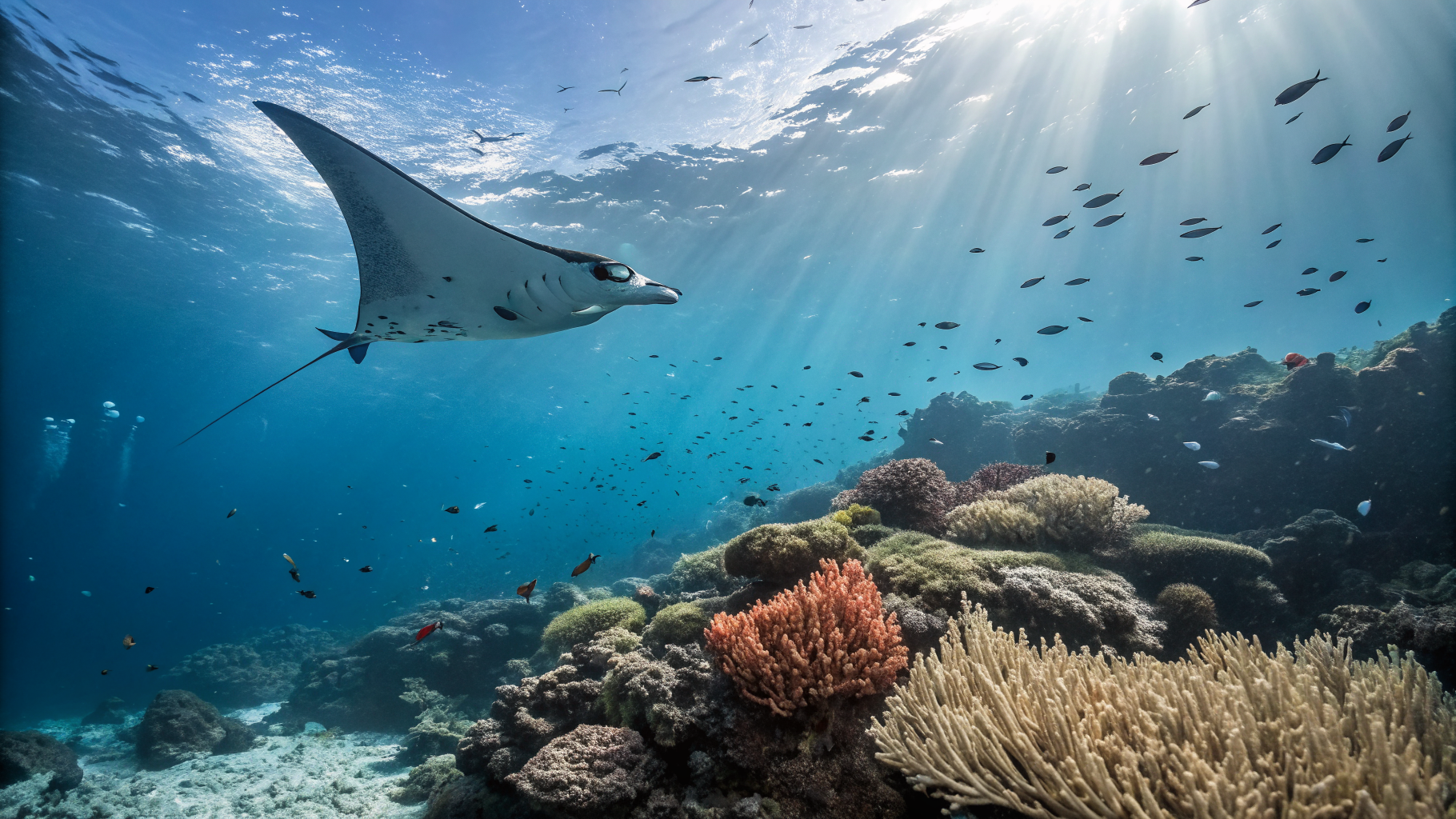
For many, the journey into Raja Ampat begins and ends in the Dampier Strait, the vibrant waterway separating the islands of Waigeo and Batanta. This is the region’s pulsating heart, a conduit for the Indonesian Throughflow, which delivers a constant, nutrient-rich soup that fuels an almost overwhelming proliferation of life. A typical 7-to-9-night itinerary here is a masterclass in high-energy diving. You will descend upon world-renowned sites like Cape Kri, where Dr. Gerald Allen famously identified a record-breaking 374 fish species on a single dive. You will hook into the reef at Blue Magic, a submerged pinnacle where grey reef sharks, Spanish mackerel, and immense schools of barracuda patrol the blue. At Manta Sandy, you will witness the serene ballet of multiple reef mantas (Manta alfredi) as they queue for their turn at a cleaning station. The topography is varied, from sloping reefs and vertical walls to the unique underwater river of The Passage. This route is defined by its currents, which can be formidable. An Advanced Open Water certification with at least 50 logged dives is the baseline we recommend. Our commitment to Raja Ampat liveaboard voyages safety and trust means our divemasters conduct thorough briefings and will always select the entry point best suited to the tidal conditions and the group’s experience level.
The Southern Exposure: Misool’s Labyrinth of Soft Corals
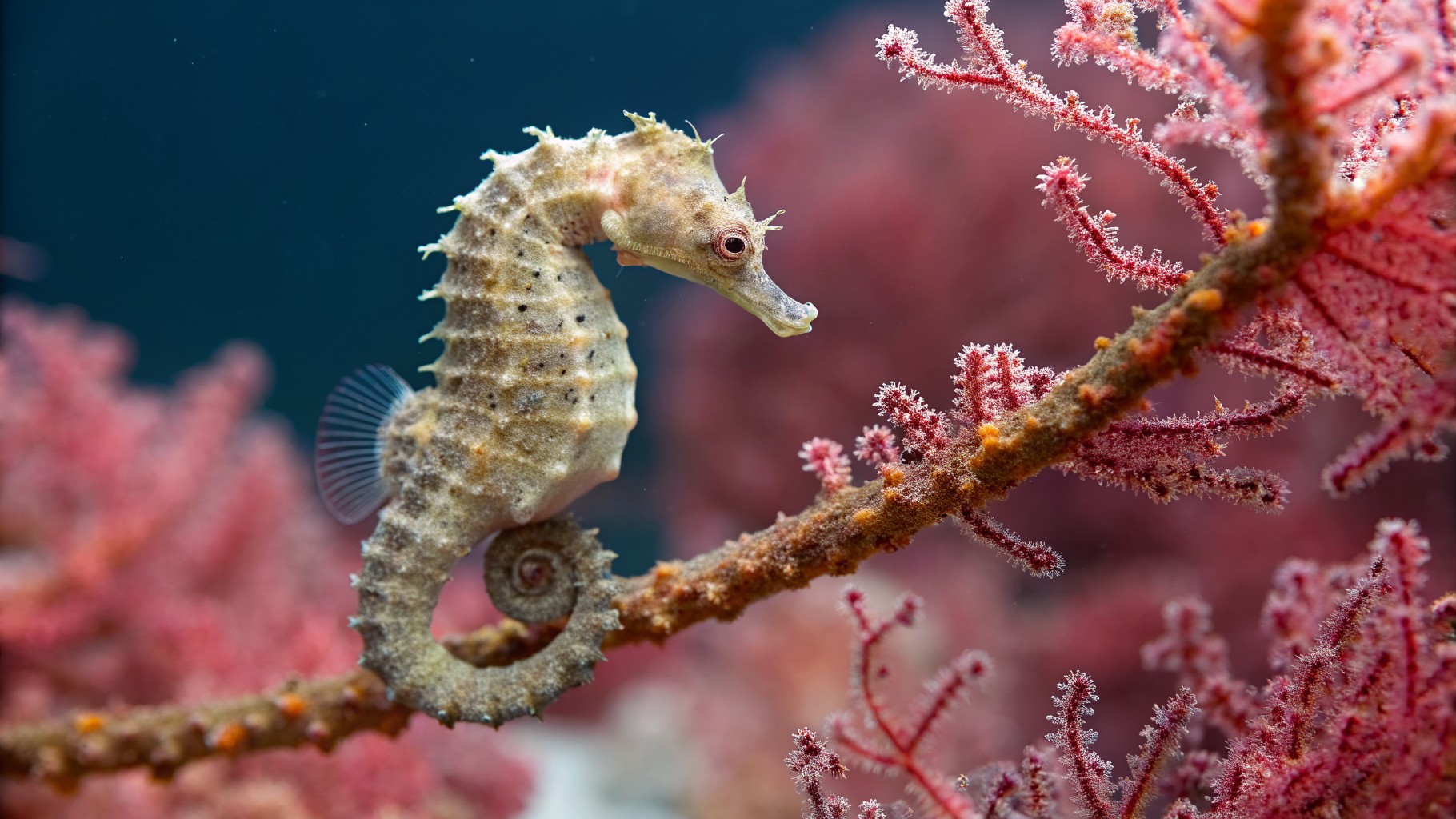
If the Dampier Strait is a symphony of pelagic action, Misool, in the south, is a gallery of fine art. The underwater landscape here, approximately 150 kilometers south of Sorong, is shaped by a dramatic karst topography of limestone pinnacles and islands, creating a maze of sheltered lagoons and channels. This geological canvas is adorned with the most vibrant and dense soft coral gardens on the planet. Dive sites like Boo Windows, with its swim-throughs framing the brilliant blue beyond, and Magic Mountain, a cleaning station for both oceanic and reef mantas, are fixtures on any southern itinerary. The area is a macro photographer’s paradise; the sea fans at Nudi Rock or Whale Rock host countless species of pygmy seahorses and exotic nudibranchs. The conservation success here is palpable. As part of the Raja Ampat Shark and Ray Sanctuary established in 2010, the Misool region is a strictly enforced No-Take Zone. The result is a thriving ecosystem with a biomass that is, on average, 250% greater than in surrounding areas. Voyages to Misool are typically longer, from 9 to 12 nights, to account for the travel time and the sheer number of top-tier sites. The optimal window is from October to early May when the southern seas are at their most placid.
The Northern Frontier: Wayag, Kawe, and the Aljui Bay Passage
The northern route is an expedition to the edge of civilization, culminating in the iconic, cone-shaped karsts of Wayag. This is the image that defines Raja Ampat for many, and the 30-minute climb to the viewpoint reveals a panorama of turquoise lagoons and emerald islets that is genuinely without parallel. The diving in the north is as dramatic as its scenery. At Kawe, which sits directly on the equator, you can physically dive between two hemispheres. The currents here are powerful, attracting large pelagics. Aljui Bay, on the western side of Waigeo, offers a completely different experience, with some of the best muck and critter diving in the archipelago. Here, amidst pearl farms and quiet mangroves, you can find blue-ringed octopus, flamboyant cuttlefish, and a host of rare ghost pipefish. A northern itinerary, often 10-12 nights and frequently combined with a tour of the Dampier Strait, is generally suited for the more seasoned diver. The logistics of reaching these remote sites and the challenging conditions at certain pinnacles demand a higher level of experience and self-sufficiency. For those who make the journey, the reward is a sense of true discovery in waters that see far fewer divers than the central circuit.
The Grand Tour: Combining North, Central, and South
For the ultimate immersion, the “Grand Tour” or “crossroads” itinerary combines all three regions into a single, comprehensive voyage of 12 to 15 nights or longer. This is the pinnacle of raja ampat live aboard diving, a journey that captures the full spectrum of the archipelago’s underwater treasures. These expeditions are meticulously planned around seasonal weather patterns, typically running north-to-south (or vice-versa) to maximize comfort and diving opportunities. You might begin in the north, exploring Wayag’s pristine lagoons, before heading down through the Dampier Strait for its high-octane drift dives, and culminating in the kaleidoscopic soft coral gardens of Misool. This route offers the most complete picture of Raja Ampat’s staggering diversity. Because these are longer, more logistically complex trips, they offer the greatest potential for personalization. We often work with private charter groups to build highly specific itineraries on these grand tours. To understand the possibilities, we invite you to explore how to customize your Raja Ampat liveaboard voyages with our expert planners. These extended trips allow for unhurried exploration, repeat dives at favorite sites, and ample time for shoreside excursions, from trekking to hidden waterfalls to visiting remote villages, as endorsed by Indonesia’s official tourism board.
Quick FAQ on Raja Ampat Liveaboard Itineraries
Which Raja Ampat route is best for seeing manta rays?
Both the Central (Dampier Strait) and Southern (Misool) routes offer top-tier manta encounters. In the Central region, Manta Sandy and Blue Magic are prime locations for reef mantas. In the South, the seamount known as Magic Mountain is a cleaning station for both reef mantas and the larger, pelagic oceanic mantas, making it arguably the single best site for reliable sightings.
How much dive experience do I need for these routes?
We recommend an Advanced Open Water certification as a minimum for all routes. For the Central route, 50+ logged dives are ideal due to the strong currents. For the more remote Northern and Southern routes, and especially for longer combination trips, divers with 100+ dives and experience in drift and deep diving will get the most out of the experience and feel more comfortable.
What is the Raja Ampat Marine Park permit and how do I get it?
All visitors entering the Raja Ampat Marine Park, a designated UNESCO World Heritage Site, must possess a valid permit tag. The fee is IDR 1,000,000 (approximately $65-70 USD) per person and is valid for 12 months. Our team handles the procurement of these permits on your behalf as part of the How to Book Raja Ampat Liveaboard Voyages process, ensuring you are fully compliant upon arrival.
What should I pack for a specific route?
While the core packing list remains consistent, route specifics can influence your gear. For Misool’s macro-rich sites, a good macro lens and a pointer stick are invaluable. For the current-heavy Dampier Strait, a reef hook is essential. For any route, a 3mm wetsuit is standard, though some may prefer a 5mm for repeated diving. For a comprehensive checklist, see our definitive Raja Ampat liveaboard voyages packing guide.
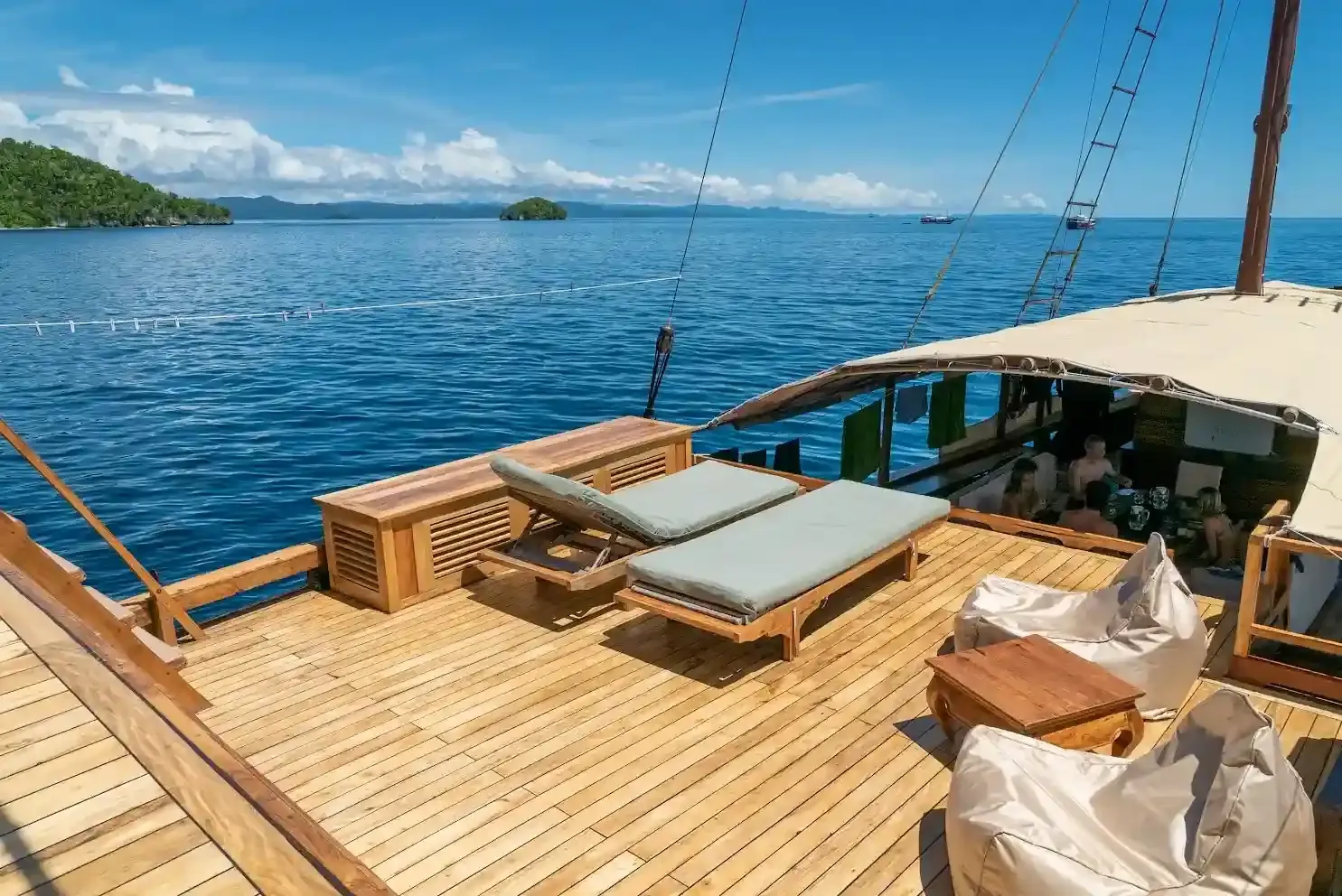
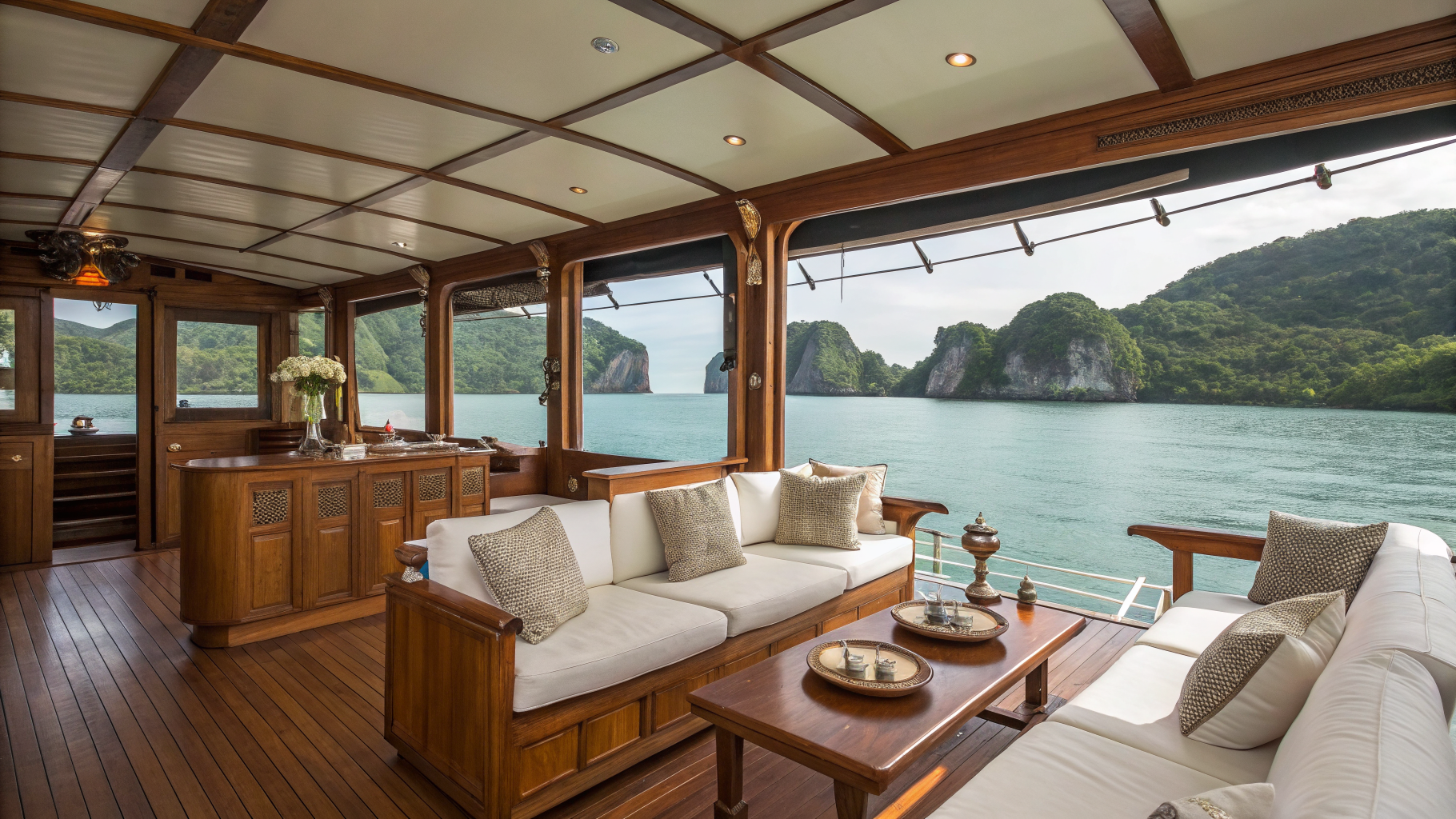
Choosing the right Raja Ampat liveaboard diving route is about aligning your personal diving philosophy with the rhythm of the archipelago. Do you seek the adrenaline of swirling schools of fish in powerful currents, the meditative process of finding pygmy seahorses on a vibrant sea fan, or the profound solitude of a remote, untouched lagoon? Each route is a different story, a unique chapter in the grand narrative of the world’s last aquatic paradise. Our fleet of traditional phinisi schooners and modern motor yachts is equipped to deliver any of these experiences with exceptional service and expertise.