Skip to content
Raja Ampat Liveaboard Diving
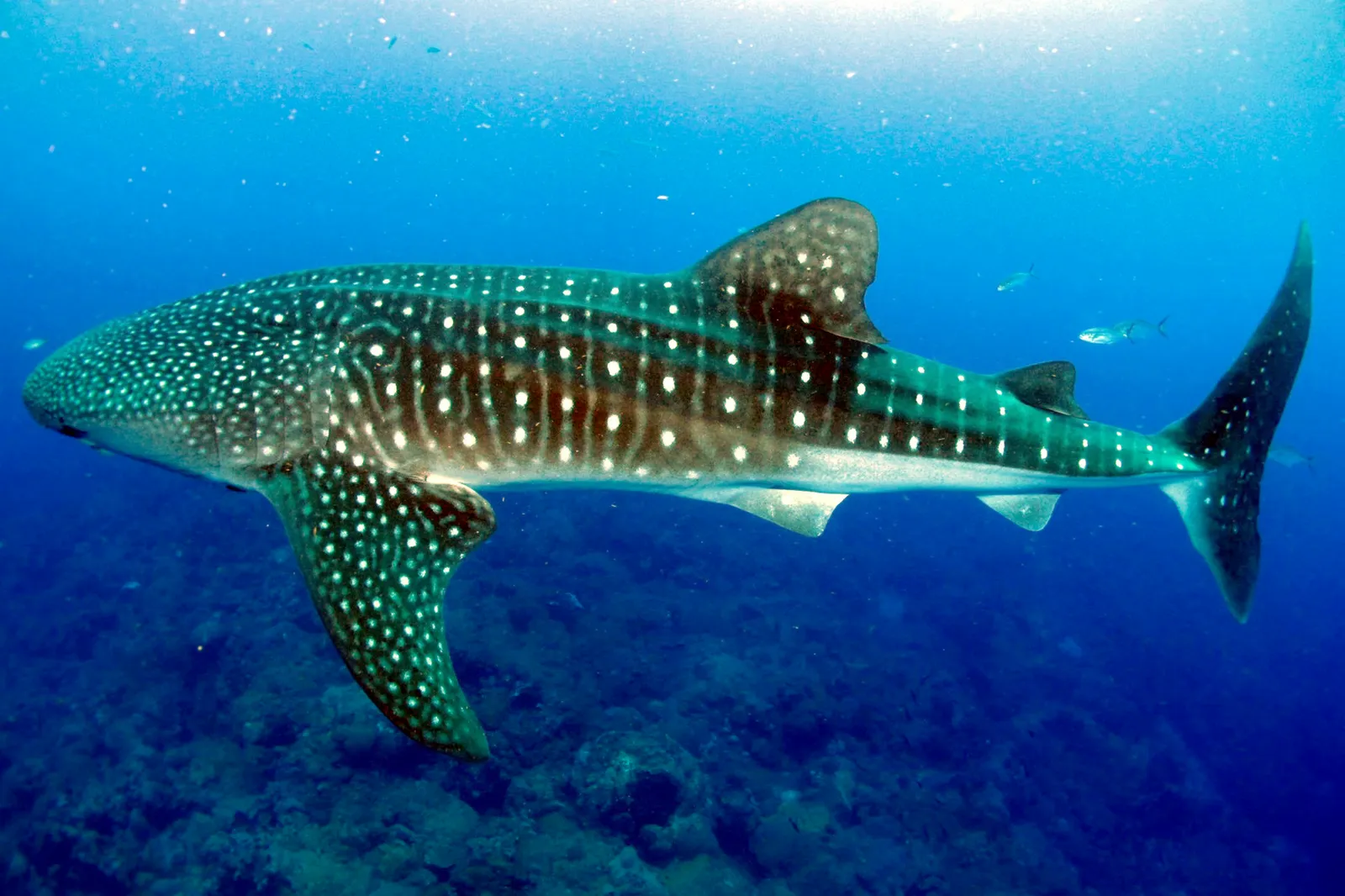
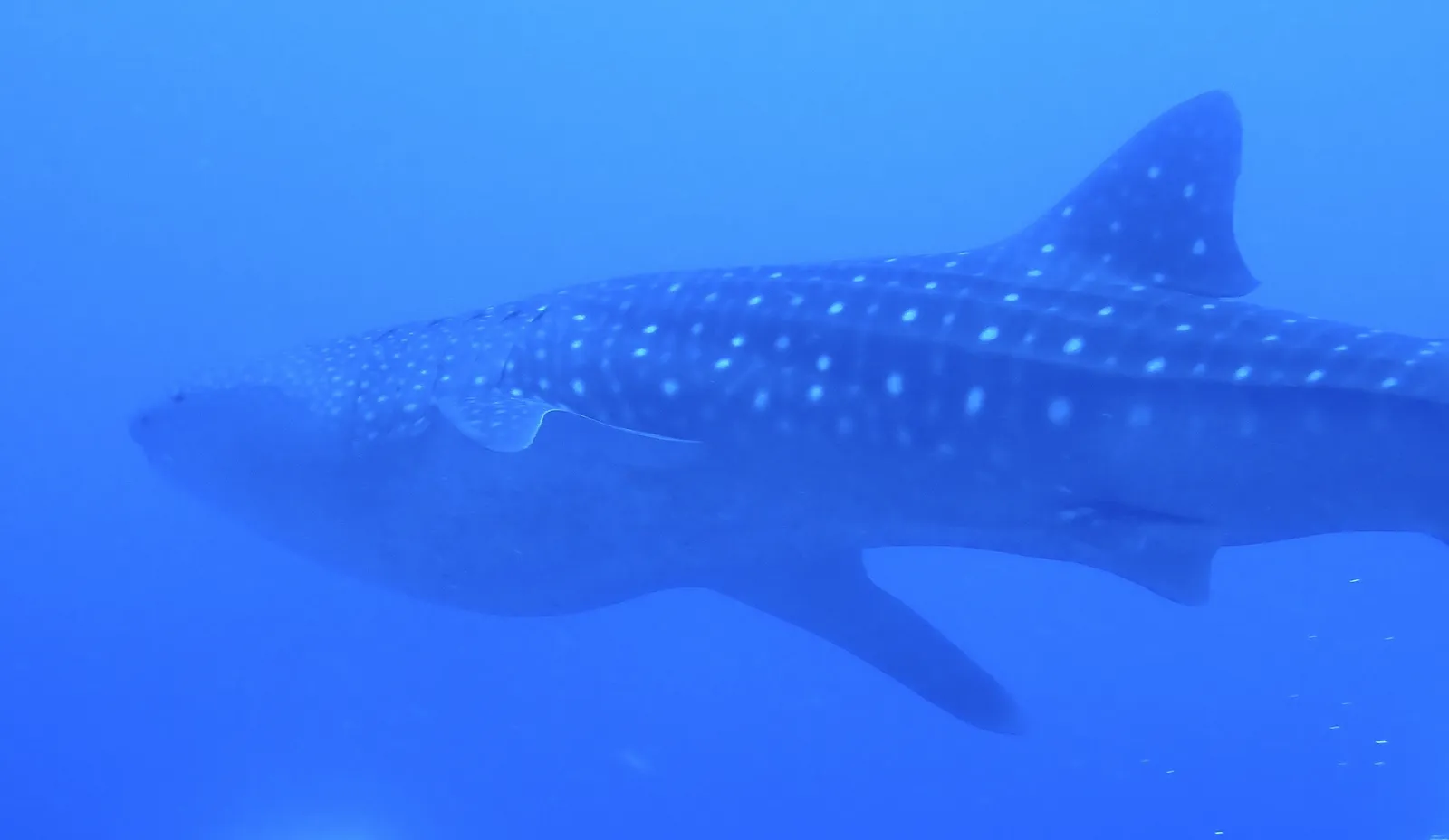
Whale shark — Rhincodon typus

Marine Life

Whale Shark Diving Raja Ampat — Cenderawasih Bay Encounters

A whale shark encounter in the waters near Raja Ampat is a predictable, reliable interaction centered on Cenderawasih Bay.

This large bay, located east of the main archipelago in West Papua, hosts a unique symbiosis between the planet's largest fish, Rhincodon typus, and local fishermen. Divers and snorkelers position themselves near traditional fishing platforms, or bagans, where whale sharks have learned to aggregate, feeding on small baitfish discarded from the nets. Unlike opportunistic sightings elsewhere, the Cenderawasih whale shark aggregations are a near-daily phenomenon. Our private charters incorporate this specific location into extended itineraries, allowing for multiple, structured encounters. A typical interaction involves observing between two and twelve individual sharks in the upper 15 meters of the water column.

01

The Cenderawasih Bay Anomaly: Bagan Platforms and Symbiosis

Cenderawasih Bay presents a globally unique set of conditions for observing whale sharks. The interactions are not based on seasonal plankton blooms or spawning events, but on a learned behavior directly tied to the region's fishing industry. This specific phenomenon is what makes a raja ampat whale shark expedition so consistently successful.

01

Understanding the Bagan Platforms

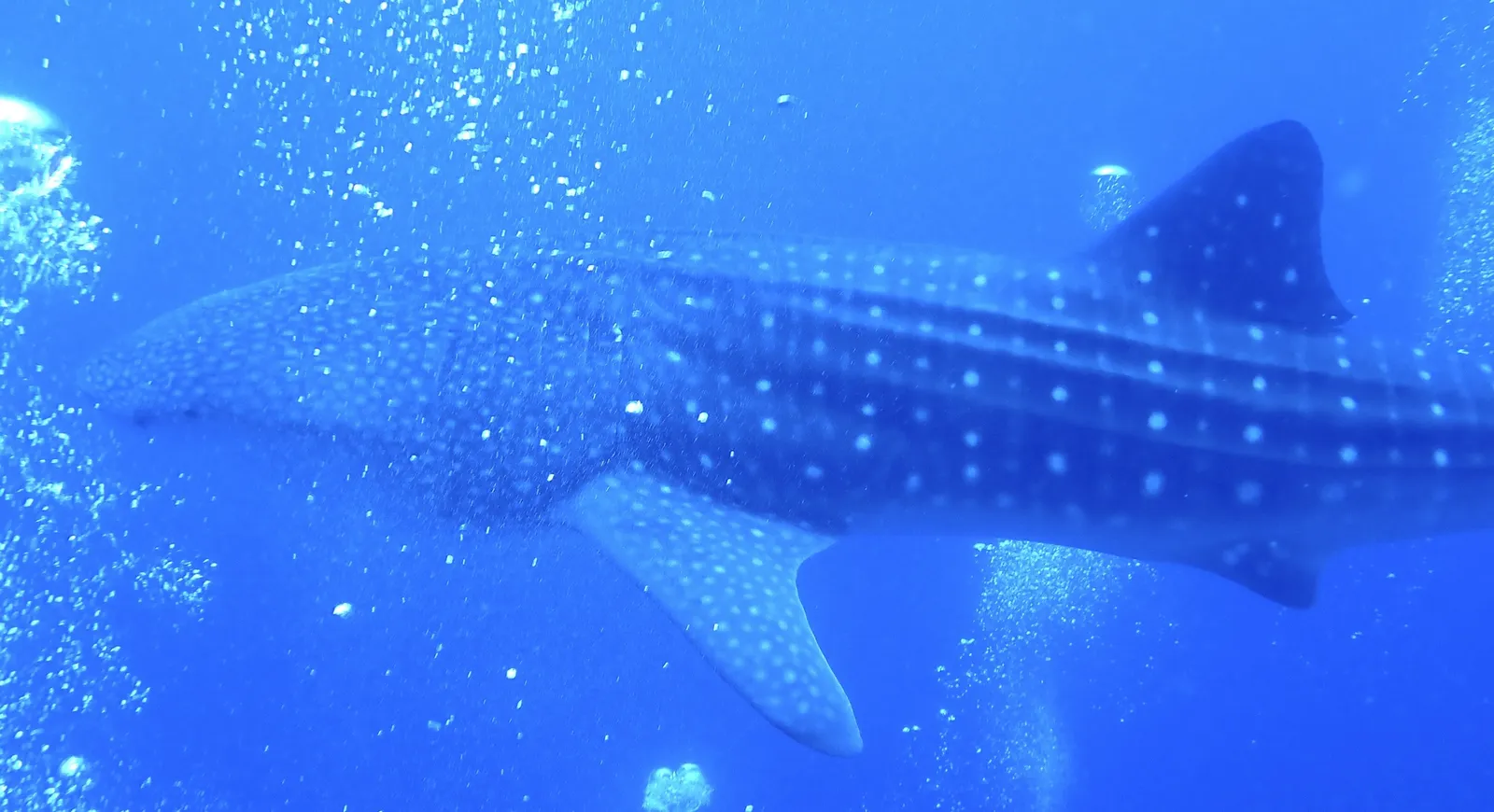
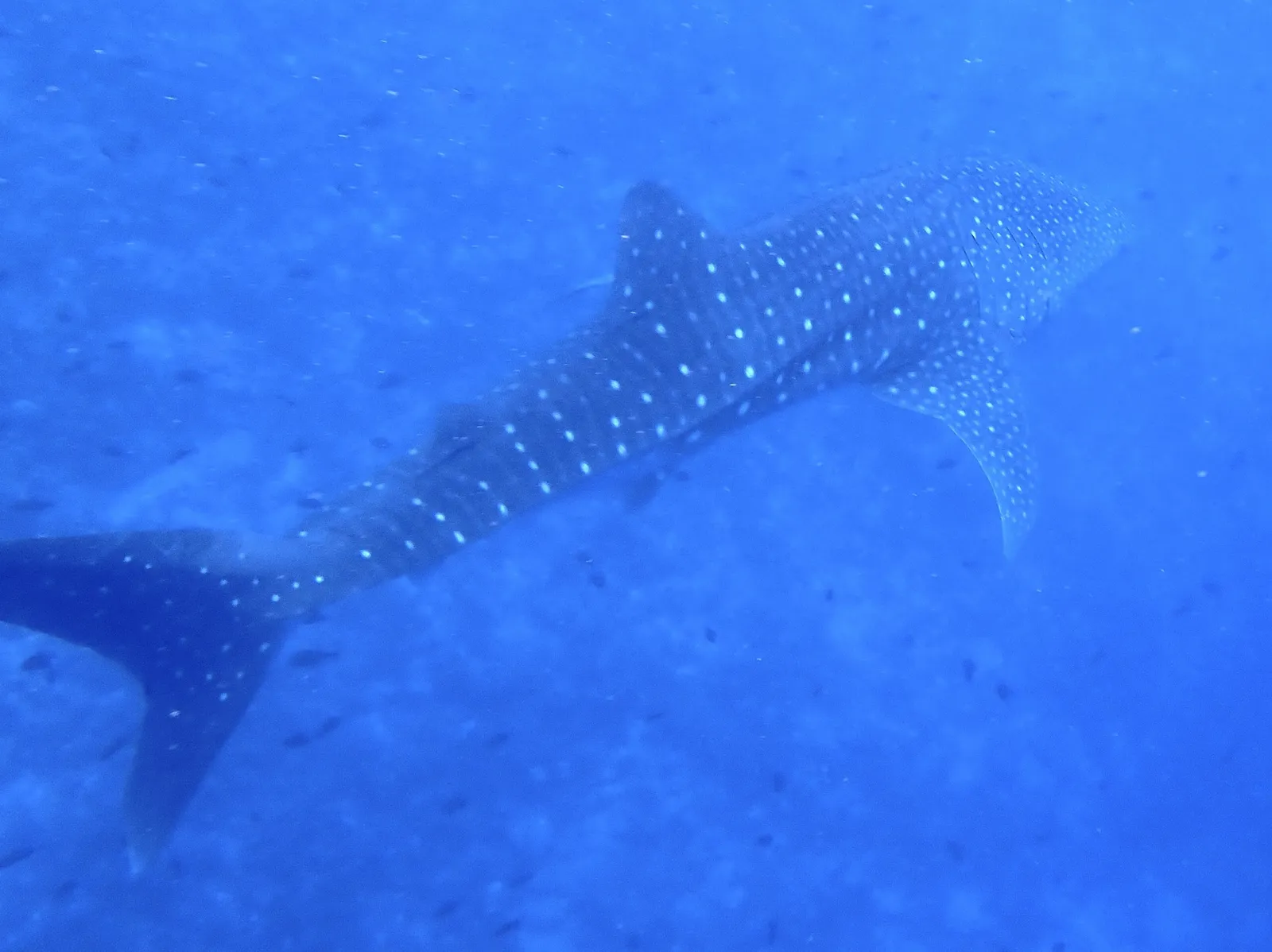
A bagan is a stationary fishing platform, traditionally built from wood and bamboo, anchored in deep water. Fishermen use powerful lights at night to attract massive schools of baitfish, primarily silversides and anchovies (ikan puri). These fish are then captured in large nets lifted at dawn. During this process, a significant quantity of baitfish escapes or is discarded. The local whale shark population has habituated to this reliable food source over decades, actively congregating beneath the platforms. They often feed vertically, suctioning fish directly from the water column or even from small holes in the fishing nets. This creates an exceptional opportunity for prolonged, close-quarter observation.
02

A Learned, Symbiotic Relationship

The relationship is mutually beneficial. The sharks receive a consistent food source, and the fishermen gain a secondary income stream by allowing managed tourism access. Our expedition leaders negotiate directly with the bagan captains, providing a fee for them to release a controlled amount of baitfish, which holds the sharks' attention. This direct economic benefit incentivizes the fishermen to protect the sharks and their environment, forming a cornerstone of local conservation efforts. The behavior is so ingrained that the sound of a tender's outboard engine can be enough to draw the sharks toward an approaching vessel, anticipating a meal. The reliability of this interaction transforms the experience from a matter of chance to a core component of a well-planned private charter itinerary.

02

Dive and Snorkel Protocols with Whale Sharks

Interacting with Rhincodon typus requires strict protocols to ensure the safety of both the animals and the participants. Our dive guides and cruise directors enforce a clear code of conduct based on international best practices. The primary objective is passive observation, allowing the sharks' natural feeding behavior to continue undisturbed. All interactions are conducted from our tenders, not directly from the phinisi mothership.

01

The Engagement Procedure

Upon arrival in the Kwatisore area of Cenderawasih Bay, where the bagans are concentrated, our tenders will approach a selected platform. The process follows a defined sequence:

  1. Negotiation: Your cruise director communicates with the bagan crew and provides a fee (typically between IDR 500,000 and IDR 1,500,000) for their cooperation and baitfish.
  2. Briefing: A comprehensive briefing is conducted on the tender, covering entry procedures, in-water conduct, and safety signals.
  3. Entry: Divers and snorkelers enter the water quietly and calmly, at a significant distance from the sharks, and approach the bagan slowly.
  4. Positioning: Divers descend to a neutral depth, typically between 5 and 10 meters, and remain stationary. Snorkelers remain on the surface, maintaining a respectful distance.
02

Code of Conduct: In-Water Rules

To minimize impact, all guests must adhere to the following rules. Non-compliance will result in immediate termination of the dive or snorkel session.

  • Maintain Distance: A minimum distance of 3 meters from the head and 4 meters from the tail must be maintained at all times.
  • No Touching: Intentional contact with the whale sharks is strictly prohibited. The sharks may approach closely; it is the diver's responsibility to move away.
  • No Flash Photography: Strobes and video lights can startle the animals. Photography is permitted with ambient light only.
  • Passive Observation: Do not block the sharks' path or impede their feeding. Remain still and let the animals dictate the encounter.
  • No Riding: This practice is damaging and strictly forbidden.

These protocols are not just for the animals' welfare; they also provide a better experience. A calm, non-intrusive group will witness more natural behavior for longer durations. For details on our safety standards, see our guide to Raja Ampat liveaboard packages.

03

Seasonal Patterns and Sighting Probabilities

Unlike the main Raja Ampat archipelago, which has a distinct peak season from October to April, Cenderawasih Bay offers reliable whale shark sightings year-round. The bay's enclosed geography protects it from the open ocean swells that affect regions like Misool during the southeast monsoon (May–September). This makes it a viable destination at any time.

01

Year-Round Access vs. Optimal Charter Timing

While the whale shark Cenderawasih encounters are consistent, we schedule our integrated charters during the primary Raja Ampat diving season. This ensures that the other portions of your voyage—exploring the Dampier Strait or the pinnacles of Misool—occur in optimal conditions with calm seas and visibility often exceeding 30 meters. The water temperature in Cenderawasih Bay remains stable at 27–30°C, consistent with the rest of Raja Ampat. Visibility, however, can be lower, typically ranging from 10 to 20 meters. This is due to the nutrient-rich water and plankton that support the vast schools of baitfish, which is precisely why the sharks are there.

02

Sighting Certainty

The probability of encountering whale sharks at the Cenderawasih bagans is exceptionally high, exceeding 95% for any multi-day visit to the area. It is one of the few places on Earth where these encounters can be planned with such a degree of certainty. This reliability allows us to build itineraries that feature the whale sharks as a guaranteed highlight, rather than a lucky bonus. Our liveaboard pricing structures for extended charters reflect the logistics required to reach this unique location.

Whale shark — Rhincodon typus

04

Integrating Whale Shark Encounters into a Raja Ampat Charter

A Cenderawasih Bay expedition is an extension to a standard Raja Ampat itinerary, requiring additional time and specific logistical planning. It is not a day trip but a dedicated multi-day component of a longer voyage, best suited for a private phinisi charter where the schedule can be fully customized.

Logistical Overview and Transit

Cenderawasih Bay lies to the east of the Bird's Head Peninsula, a significant distance from Sorong and the core Raja Ampat Marine Park. The transit is a key consideration:

  • Distance: The primary whale shark area near Kwatisore is over 150 nautical miles from the Dampier Strait.
  • Duration: A dedicated charter that includes Cenderawasih typically requires a minimum of 10 to 14 days to allow for comfortable transit and sufficient time in both regions.
  • Navigation: The voyage involves overnight sailing across the open waters north of the peninsula. Our experienced crews manage these transits to maximize comfort and diving time.

A sample itinerary might begin in Sorong, spend 4-5 days exploring the central Raja Ampat dive sites like Cape Kri and Blue Magic, transit to Cenderawasih for 2-3 days of whale shark encounters, and then return, diving different sites along the way. This structure provides a comprehensive West Papuan marine experience.

05

Beyond Cenderawasih: Opportunistic Sightings in Raja Ampat

While Cenderawasih Bay is the only location for reliable interactions, opportunistic whale shark sightings can occur within the 40,000 km² Raja Ampat Marine Park. These encounters are rare, unpredictable, and entirely dependent on chance. They are most often linked to seasonal plankton blooms that attract the sharks to feed in open water.

Divers have reported sporadic sightings in deep-water channels and at offshore pinnacles where currents concentrate nutrients. Potential locations include:

  • The eastern channels of Misool, particularly around Magic Mountain during periods of high plankton density.
  • Open water crossings in the Dampier Strait.
  • Remote atolls far from the main island groups.

It is critical to manage expectations: chartering a vessel for a standard 7-day Raja Ampat trip offers a very low probability of a whale shark encounter. For those for whom a raja ampat whale shark experience is a primary objective, the Cenderawasih extension is the only logical and effective option. You can review our fleet of phinisi vessels suitable for these longer expeditions.

Whale shark — Rhincodon typus

06

Conservation Status and Responsible Interaction

The whale shark (Rhincodon typus) is listed as Endangered on the IUCN Red List of Threatened Species. Its population faces threats from boat strikes, bycatch, and marine pollution. The tourism model developed in Cenderawasih Bay, when managed responsibly, provides a powerful incentive for local communities to protect these animals.

Our operational philosophy is rooted in conservation. By ensuring that the fees paid for access and baitfish flow directly to the bagan fishermen, we help create a sustainable, non-extractive economy around the sharks. This model has been shown to be more lucrative for the community than fishing alone. Furthermore, our guides are trained to enforce strict interaction protocols, minimizing stress on the animals and educating guests on their biology and conservation status. We operate under the principle that our presence should contribute positively to the long-term survival of the Cenderawasih whale shark population. To begin planning your own expedition, please contact our dive concierge team.

Whale shark — Rhincodon typus fgbnms

07

Plan Your Raja Ampat Voyage

Our team specializes in creating bespoke phinisi charters that align with your specific diving objectives. To integrate a Cenderawasih whale shark encounter into your private Raja Ampat expedition, contact our dive concierge directly.

WhatsApp: +62 811-3823-875
Email: sales@komodoluxury.com

FAQ

Frequently Asked Questions About Raja Ampat Whale Sharks

What is the best time of year to see whale sharks?

In Cenderawasih Bay, whale sharks can be seen reliably throughout the year. However, we recommend integrating this experience into a charter during Raja Ampat's primary dive season, from October through April. This ensures the best possible conditions for the entirety of your voyage, combining calm seas and high visibility in the archipelago with the guaranteed shark encounters in the bay.

Is a whale shark encounter guaranteed?

While no wildlife interaction can be 100% guaranteed, the probability of seeing whale sharks at the Cenderawasih bagan platforms is exceptionally high, typically exceeding 95%. The unique, learned feeding behavior makes these encounters far more predictable than anywhere else in the world. Our itineraries allocate multiple days to the area to maximize opportunities.

Do I need to be a diver to see them?

No. Snorkeling provides excellent, extended views of the whale sharks as they often feed vertically just below the surface. Snorkelers can observe the entire spectacle from above. For certified divers, holding a position at a neutral depth of 5-10 meters offers a different perspective, viewing the animals from below and side-on as they maneuver around the bagan.

How far is Cenderawasih Bay from the main Raja Ampat dive areas?

Cenderawasih Bay is a significant distance from the core dive sites of the Raja Ampat Marine Park. The transit from the Dampier Strait to the Kwatisore region of the bay is approximately 150 nautical miles. This requires overnight sailing and is why we recommend a minimum charter length of 10-14 days to comfortably include this destination.

What is the fee for the whale shark interaction?

A fee is paid directly to the fishermen on the bagan platforms for their cooperation and for the baitfish they use to keep the sharks engaged. This fee, which supports the local community, is managed by your cruise director and typically ranges from IDR 500,000 to IDR 1,500,000 (approximately USD 32-95) per boat visit, not per person.

Whale shark — Rhincodon typus

Plan Your Raja Ampat Voyage

Our dive concierge team is ready to design your private phinisi charter. We manage all logistics — from arrival in Sorong to your departure.