In this article
- Deconstructing the Liveaboard Charter Rate: The Heart of Your Expense
- The Journey to the Four Kings: International and Domestic Airfare
- Beyond the Charter: Park Fees, Onboard Extras, and Gratuities
- The Value of Exclusivity: Private Charters and Custom Itineraries
- Protecting Your Investment: Travel Insurance and Safety Considerations
- Quick FAQ: Your Raja Ampat Cost Questions Answered
- Related reading
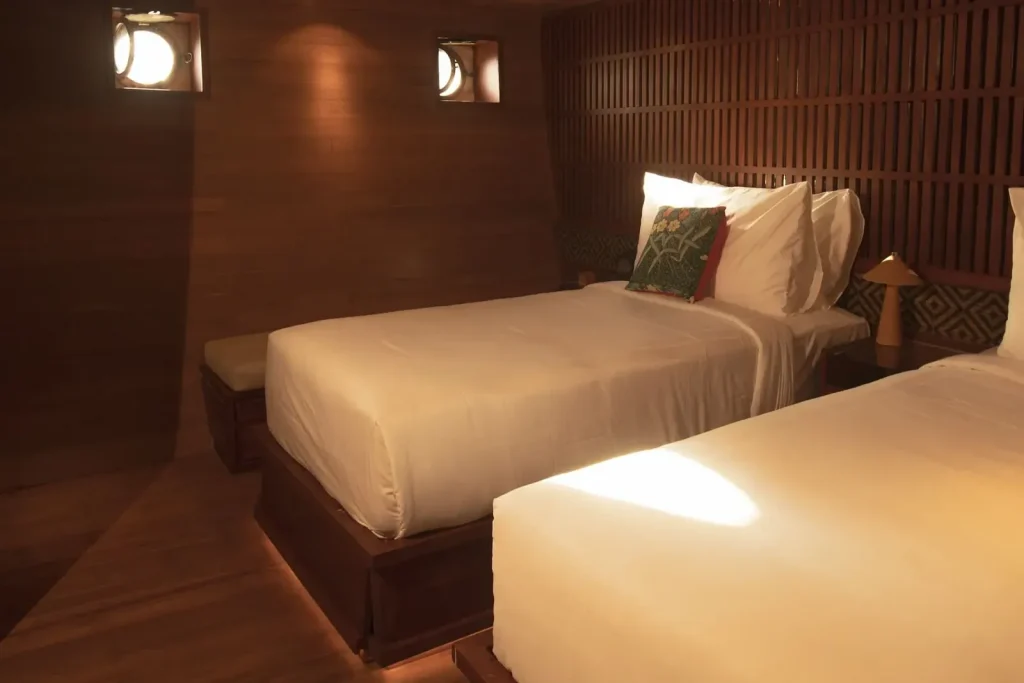
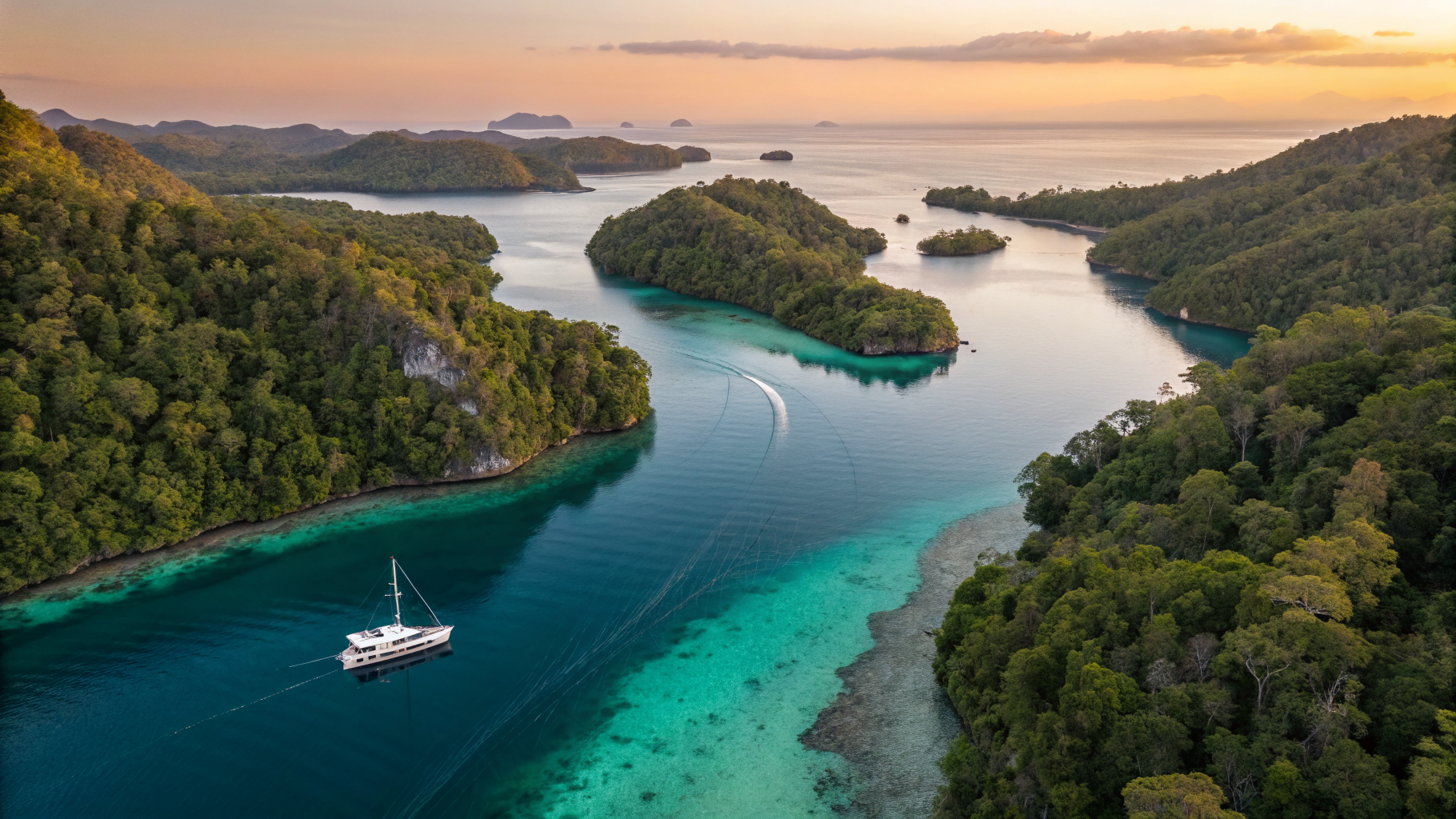
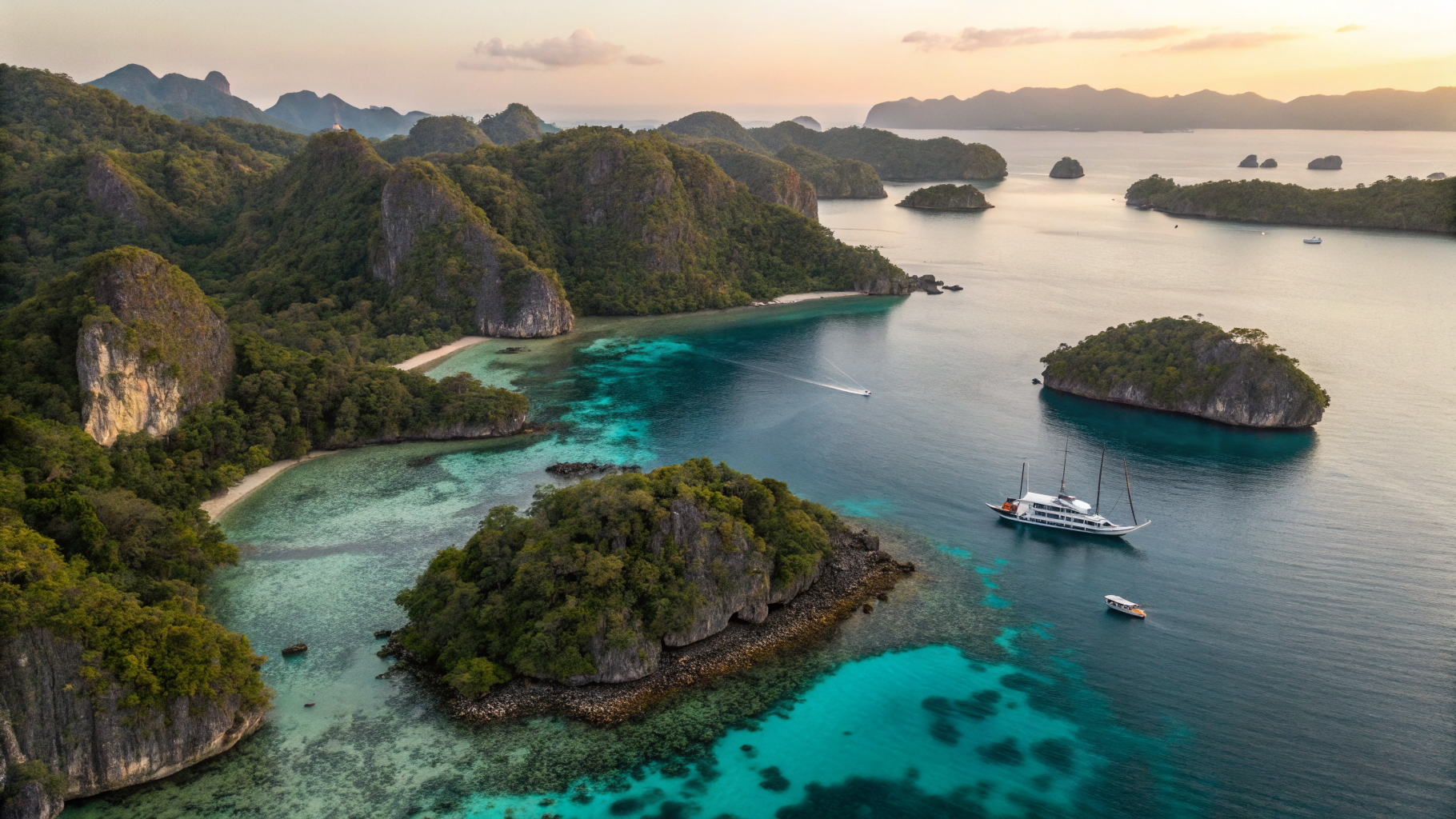
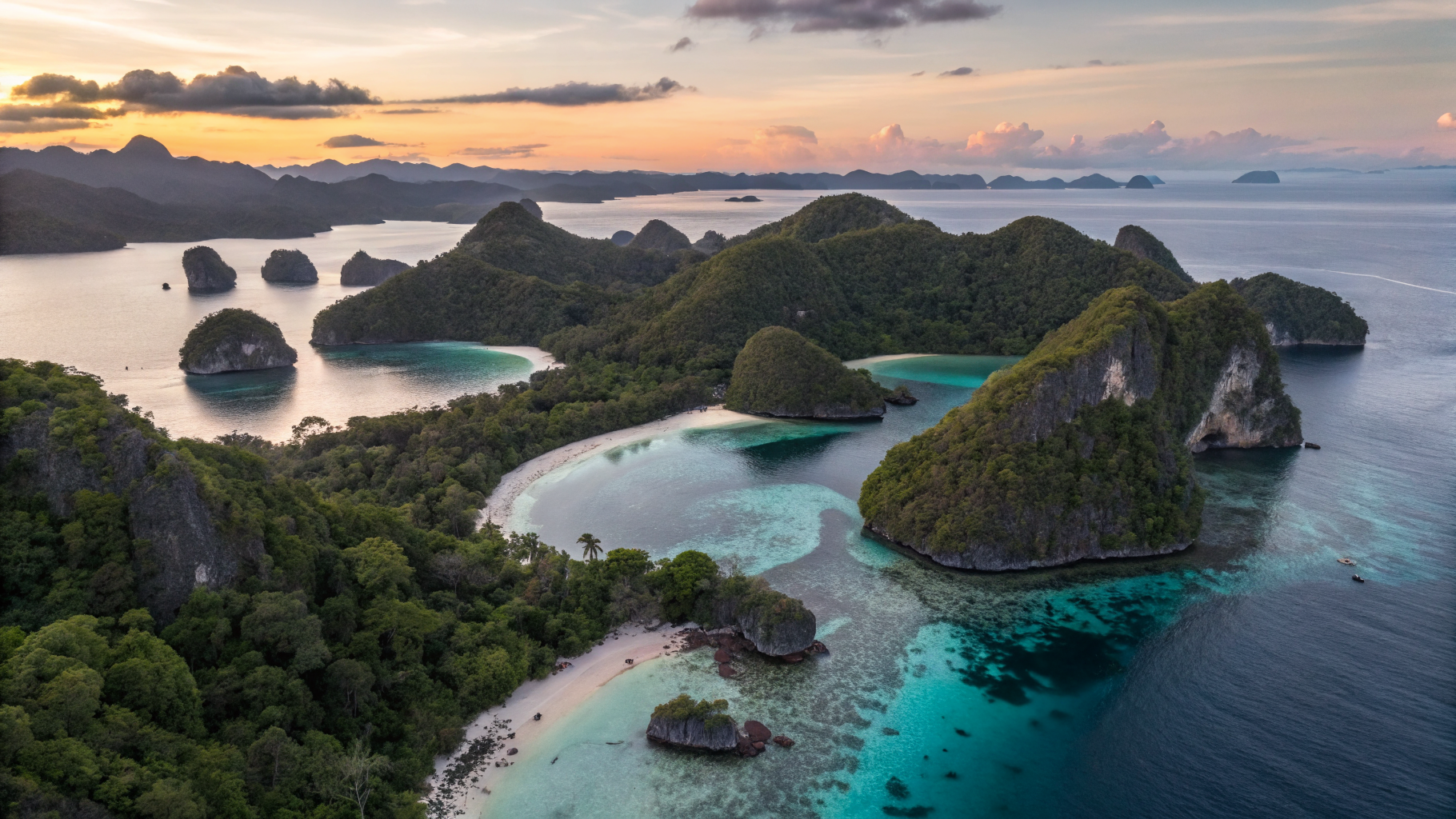
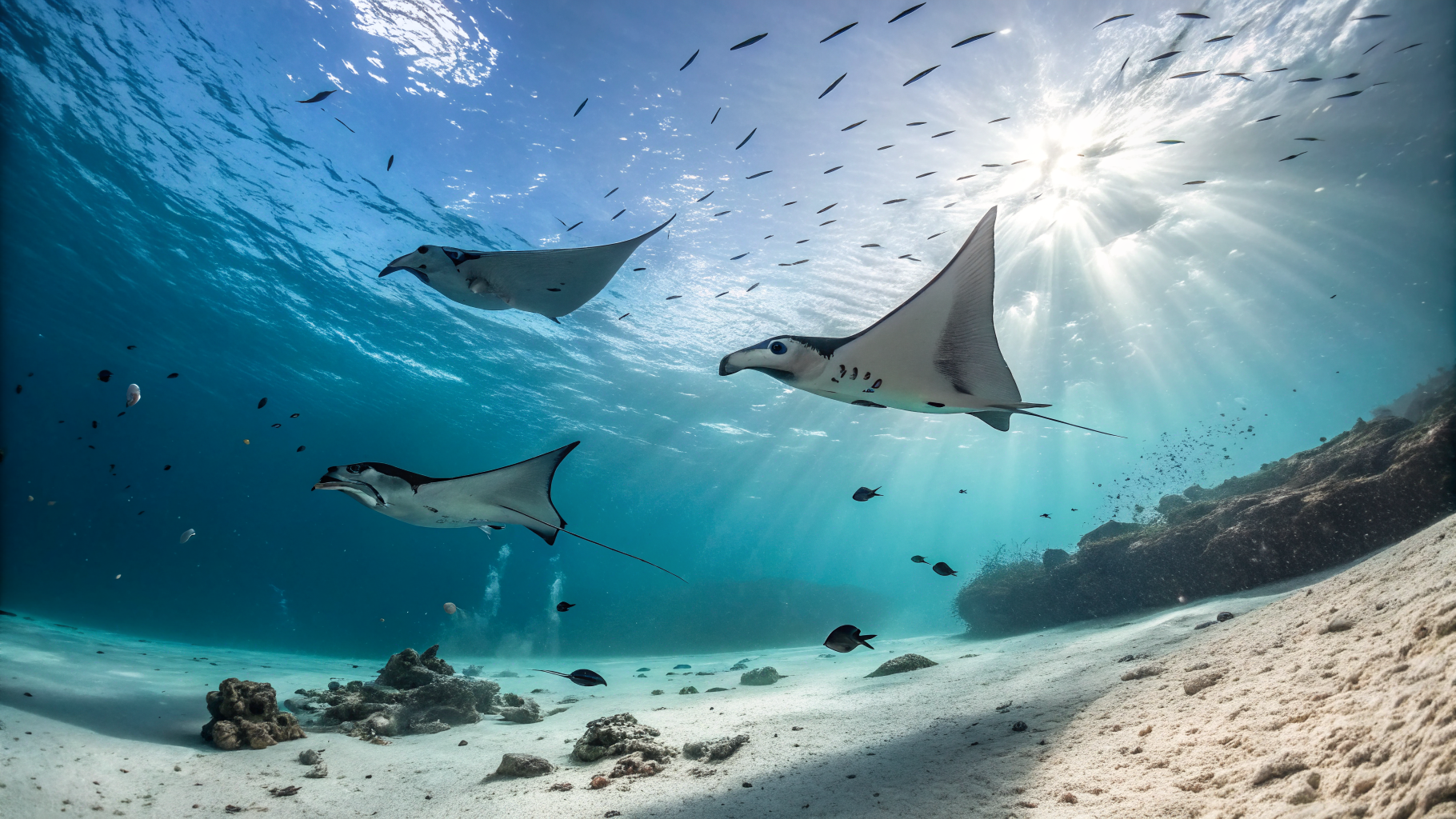
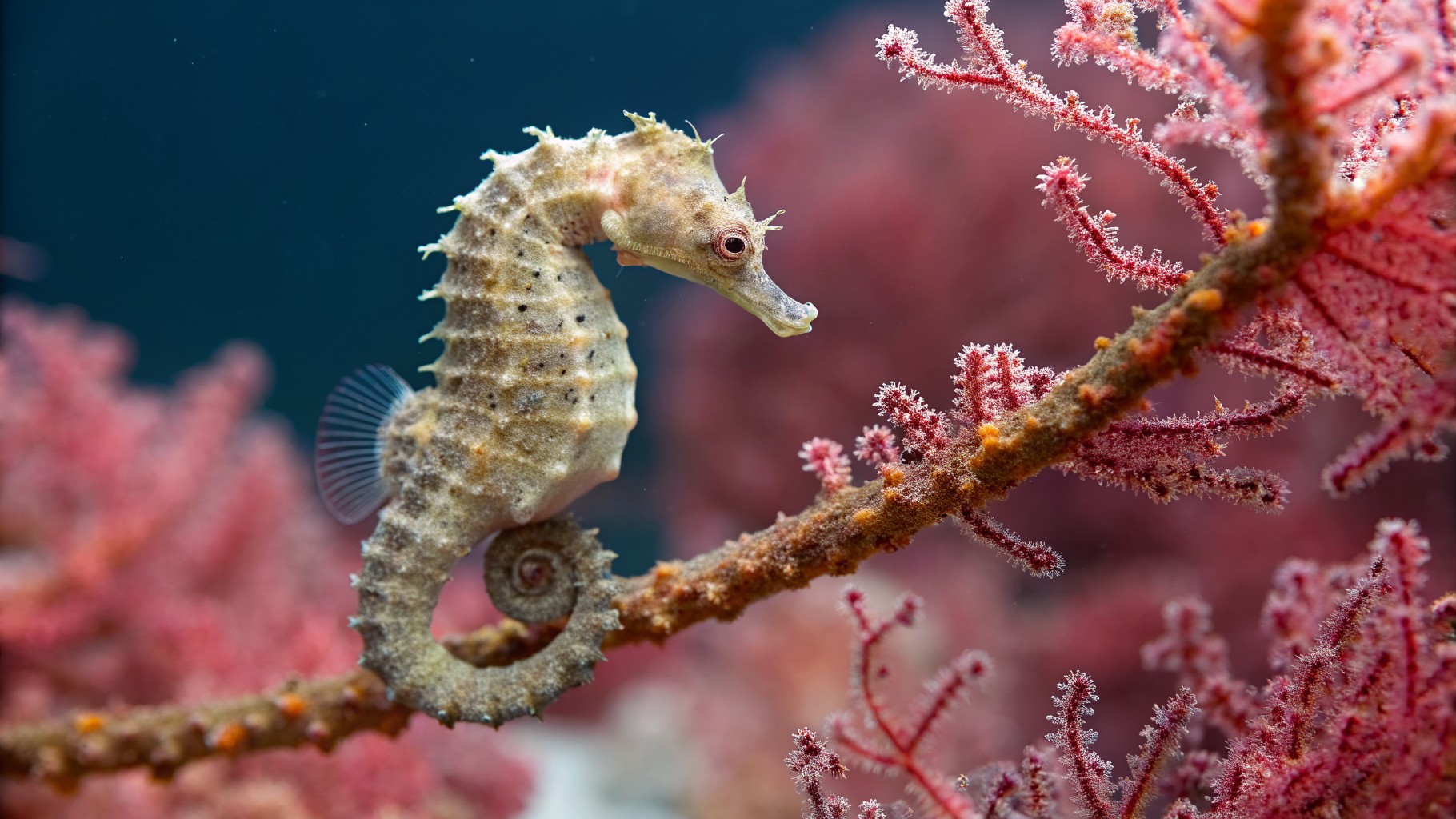

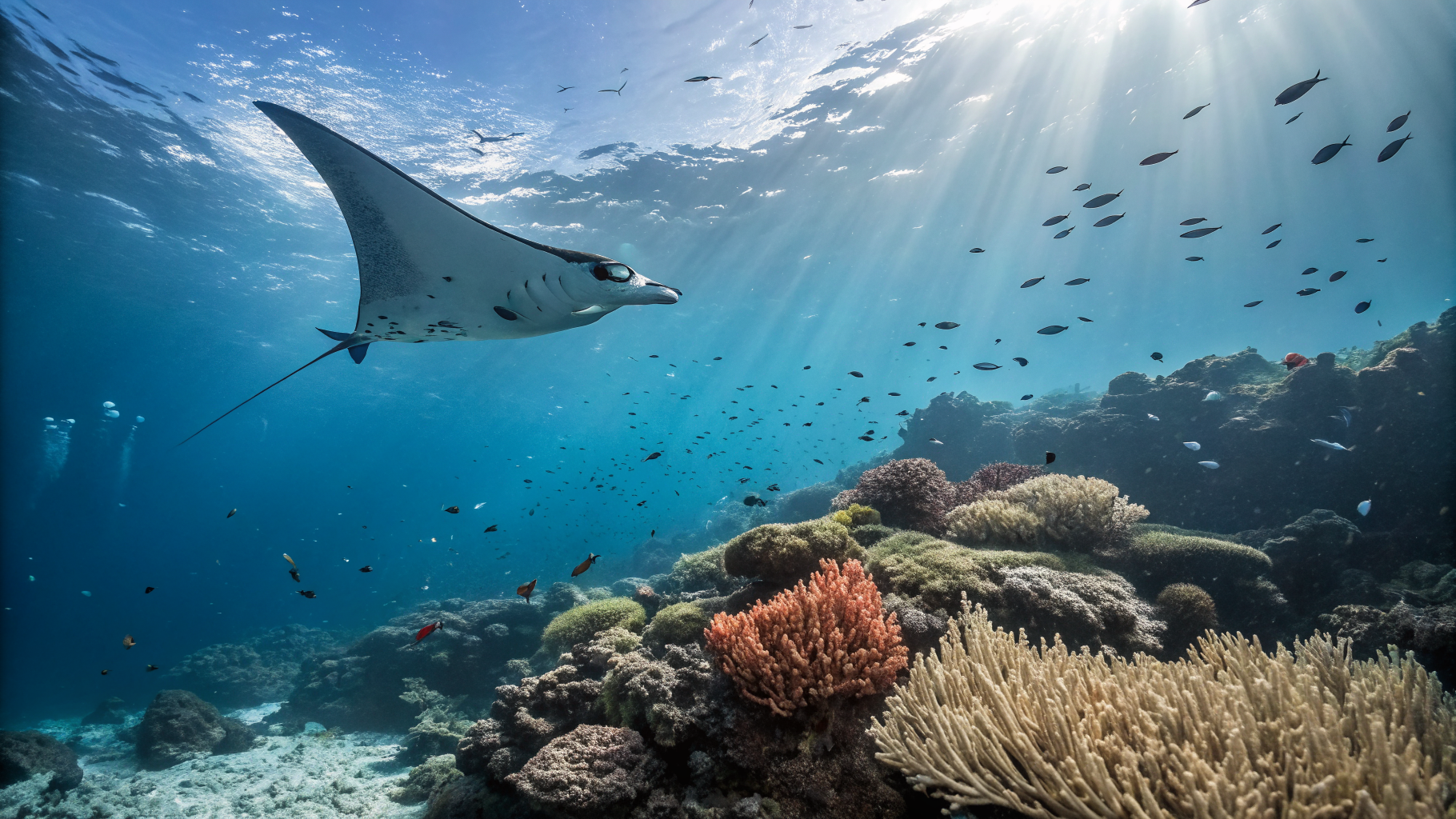
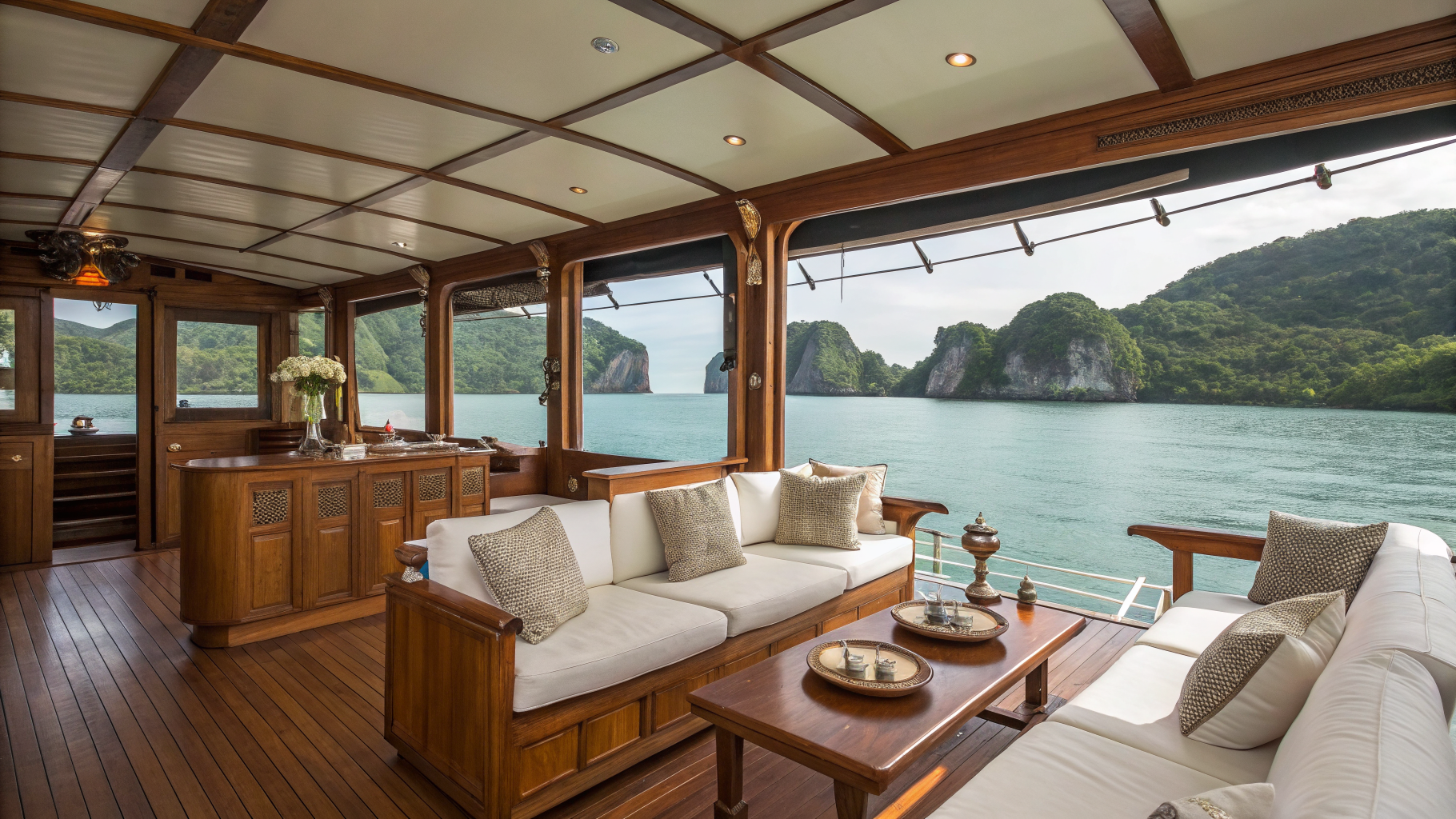
The real cost of a luxury Raja Ampat dive trip ranges from $7,000 to over $20,000 per person for an 8- to 12-night voyage. This comprehensive figure is not just the charter fee but a total calculation based on several key components:
- Liveaboard Charter: The vessel itself accounts for the largest portion, typically costing between $600 and $1,500+ per person, per night.
- Airfare: International and subsequent domestic flights to Sorong (SOQ) can range from $1,500 to $4,000, depending on origin and class.
- Ancillary Costs: Onboard extras, mandatory park fees, and crew gratuities can add another $1,000 to $2,500 to the final tally.
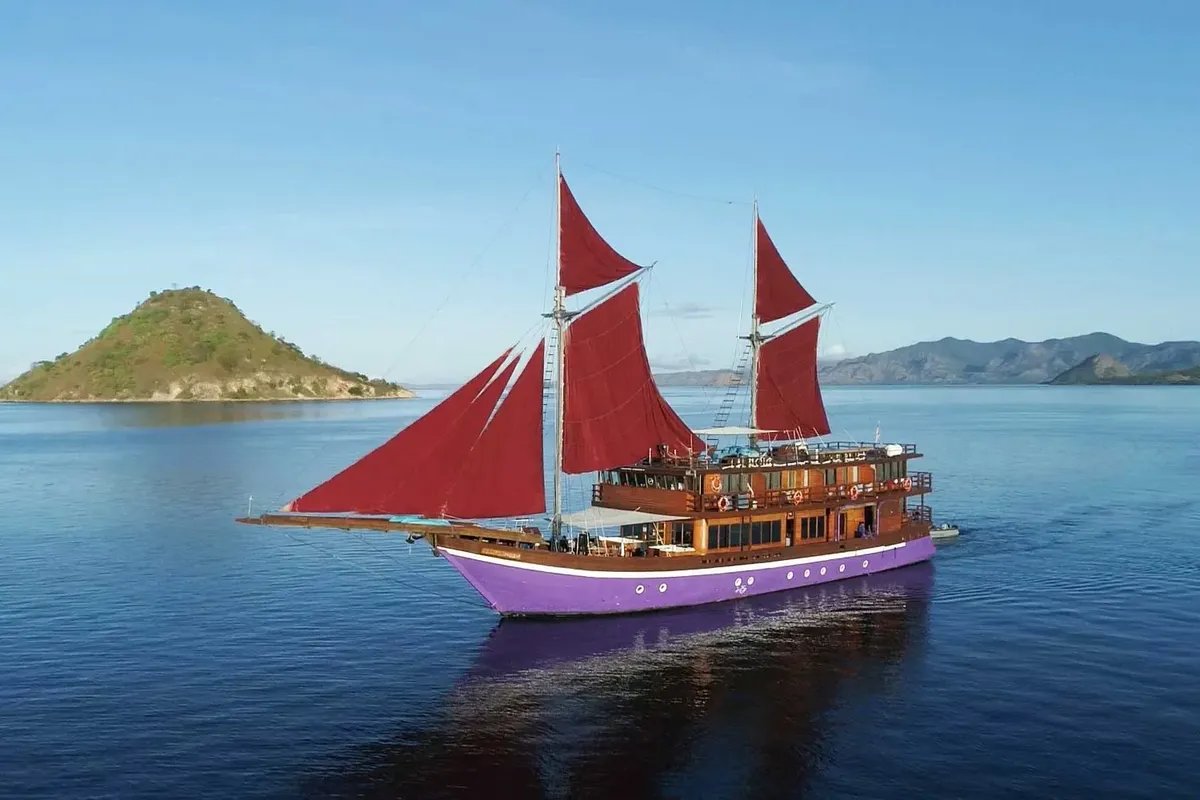
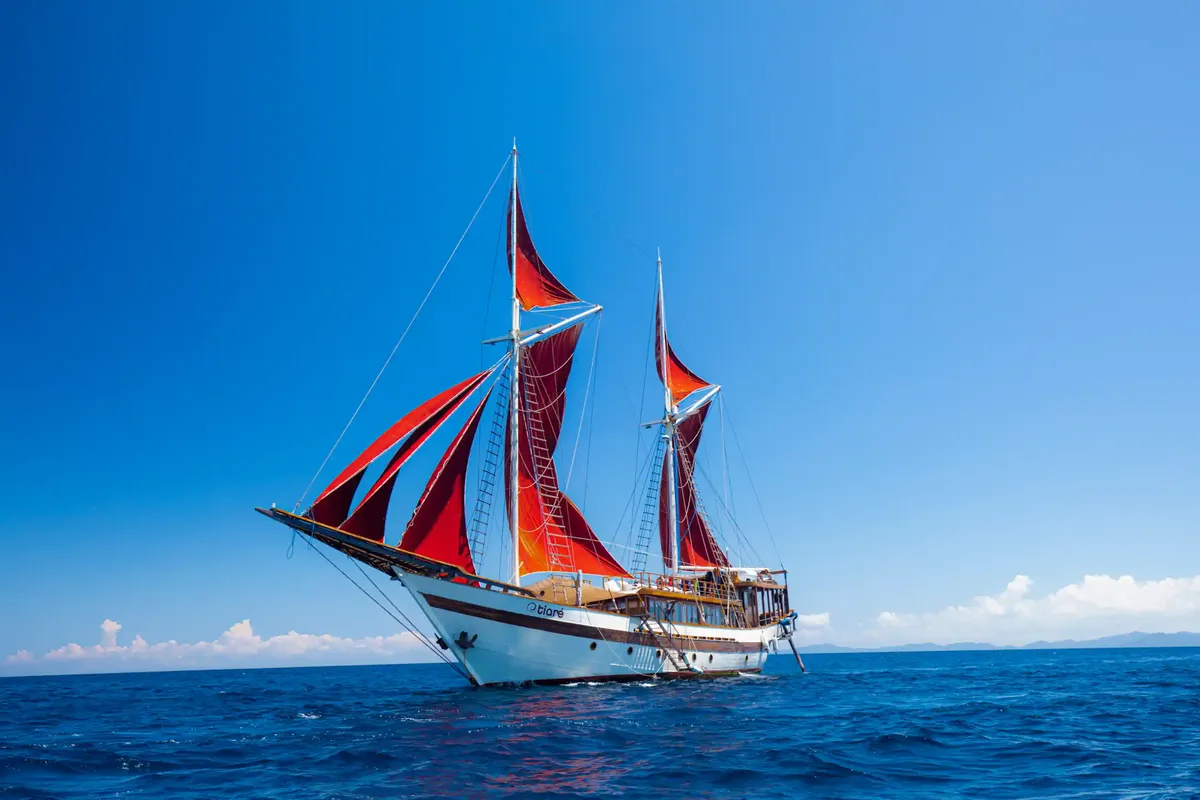
The air in Sorong hangs heavy and sweet with the scent of clove and damp earth. You step from the small terminal into the brilliant equatorial light, and the first part of the journey—the long-haul flights, the layovers—dissolves. A private transfer awaits, and soon you are on a tender, slicing through a channel of turquoise water so clear it feels like flying over the reef below. Then, she appears, anchored in the bay: a magnificent two-masted phinisi, her ironwood hull gleaming against the emerald backdrop of jungle-clad karst islands. This is the moment the investment begins to feel tangible, the transition from a line item on a spreadsheet to an experience that will fundamentally alter your perspective on the natural world. But getting to this point requires a clear understanding of the financial commitment. Let’s dissect the real cost, component by component.
Deconstructing the Liveaboard Charter Rate: The Heart of Your Expense
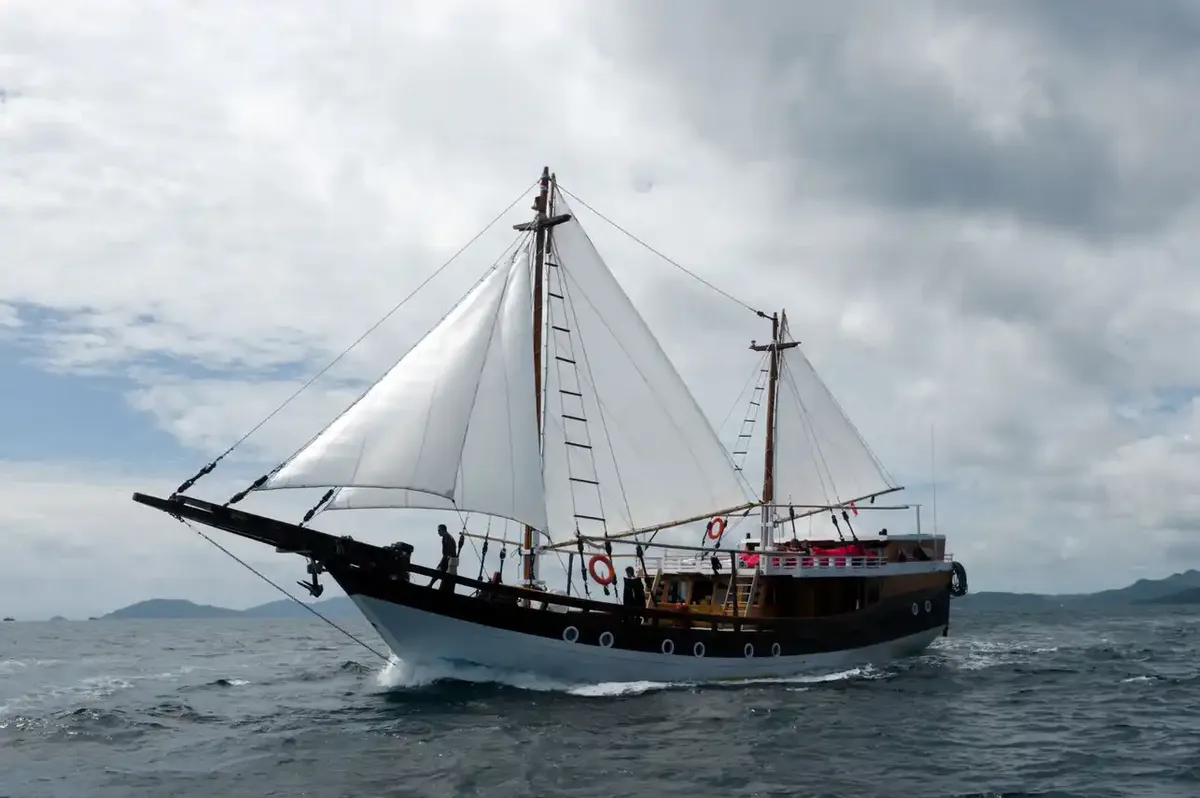
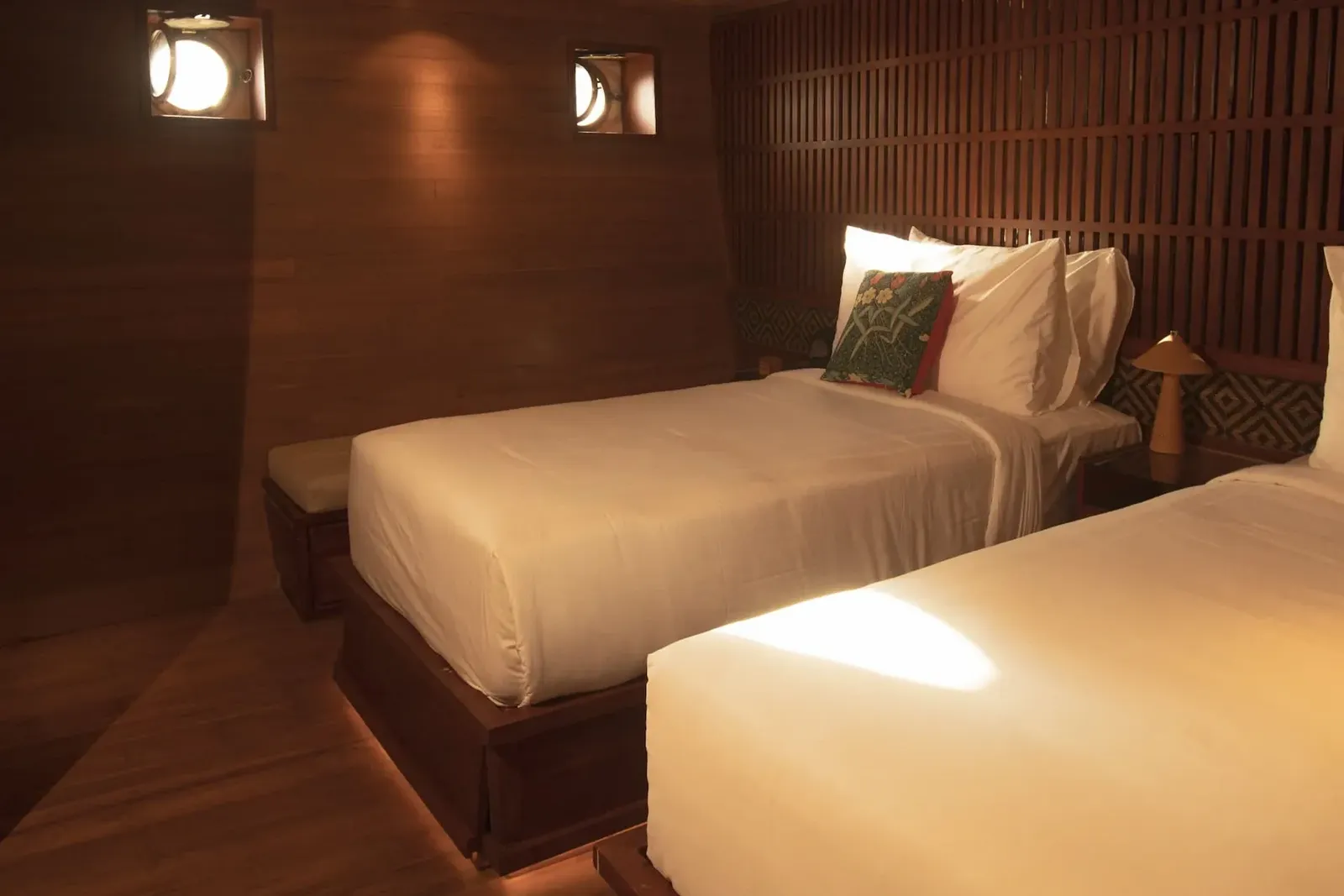
In a region as vast and undeveloped as Raja Ampat, a liveaboard is not merely an option; it is the essential platform for exploration. The charter rate is the foundational cost of your expedition, and its price spectrum reflects a wide variance in comfort, service, and exclusivity. At the more accessible end of the luxury market, you will find beautifully appointed traditional phinisis and modern motor yachts priced between $650 and $900 per person, per night. For a standard 10-night itinerary, this places the base charter cost at $6,500 to $9,000. These vessels typically offer comfortable ensuite cabins, excellent food, and a dive guide-to-guest ratio of around 5:1. This price almost always includes three to four guided dives per day, all meals prepared by a dedicated chef, snacks, and non-alcoholic beverages.
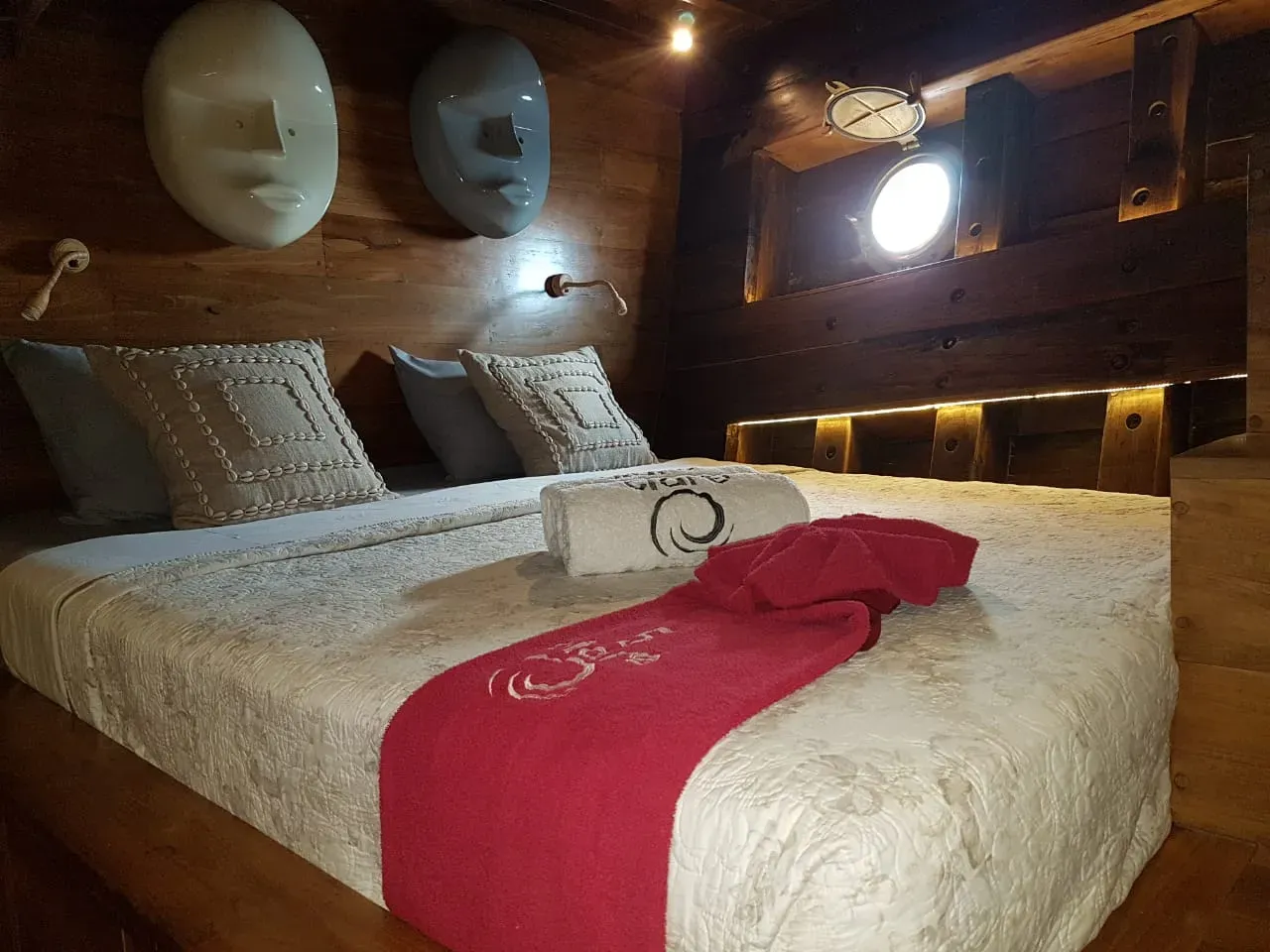
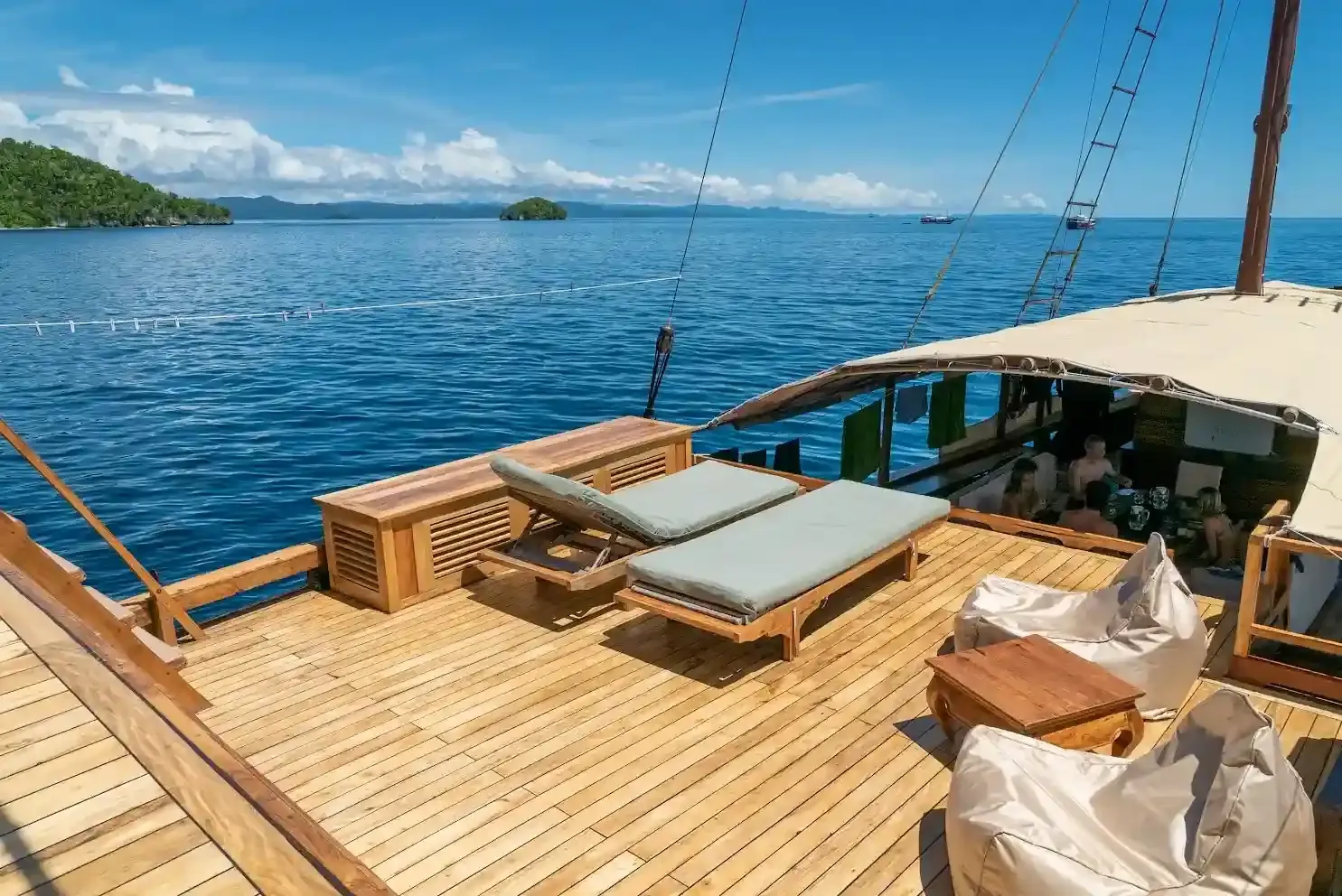
Ascending to the pinnacle of the market, vessels can command rates of $1,200 to over $2,000 per person, per night. What does this premium deliver? It’s a calculus of enhanced privacy, bespoke service, and superior amenities. Think sprawling master suites with private balconies, dedicated spa therapists for post-dive massages, climate-controlled camera rooms with individual workstations, and perhaps a curated wine cellar. The guest-to-guide ratio often drops to 3:1 or even 2:1, providing an exceptional level of personal attention underwater. A 10-night voyage on one of these premier crafts can easily exceed $12,000 to $20,000 per person before a single additional expense is considered. The choice of vessel is the most significant financial decision you will make, directly shaping the character of your raja ampat live aboard diving experience.
The Journey to the Four Kings: International and Domestic Airfare
Raja Ampat’s profound remoteness is central to its pristine condition, but it also presents a logistical and financial hurdle. Reaching the archipelago’s gateway port of Sorong, West Papua (SOQ), is a multi-step process. For travelers originating from North America or Europe, the journey begins with a long-haul flight to a major Southeast Asian hub. Jakarta (CGK) in Indonesia is the most common entry point, though some travelers prefer Singapore (SIN) or Bali (DPS). Expect international economy fares to range from $1,200 to $2,500, while business class can run from $6,000 to over $10,000 depending on the carrier and time of booking. I always advise clients to book premium cabins if their budget allows; arriving well-rested is invaluable for a dive-intensive trip.
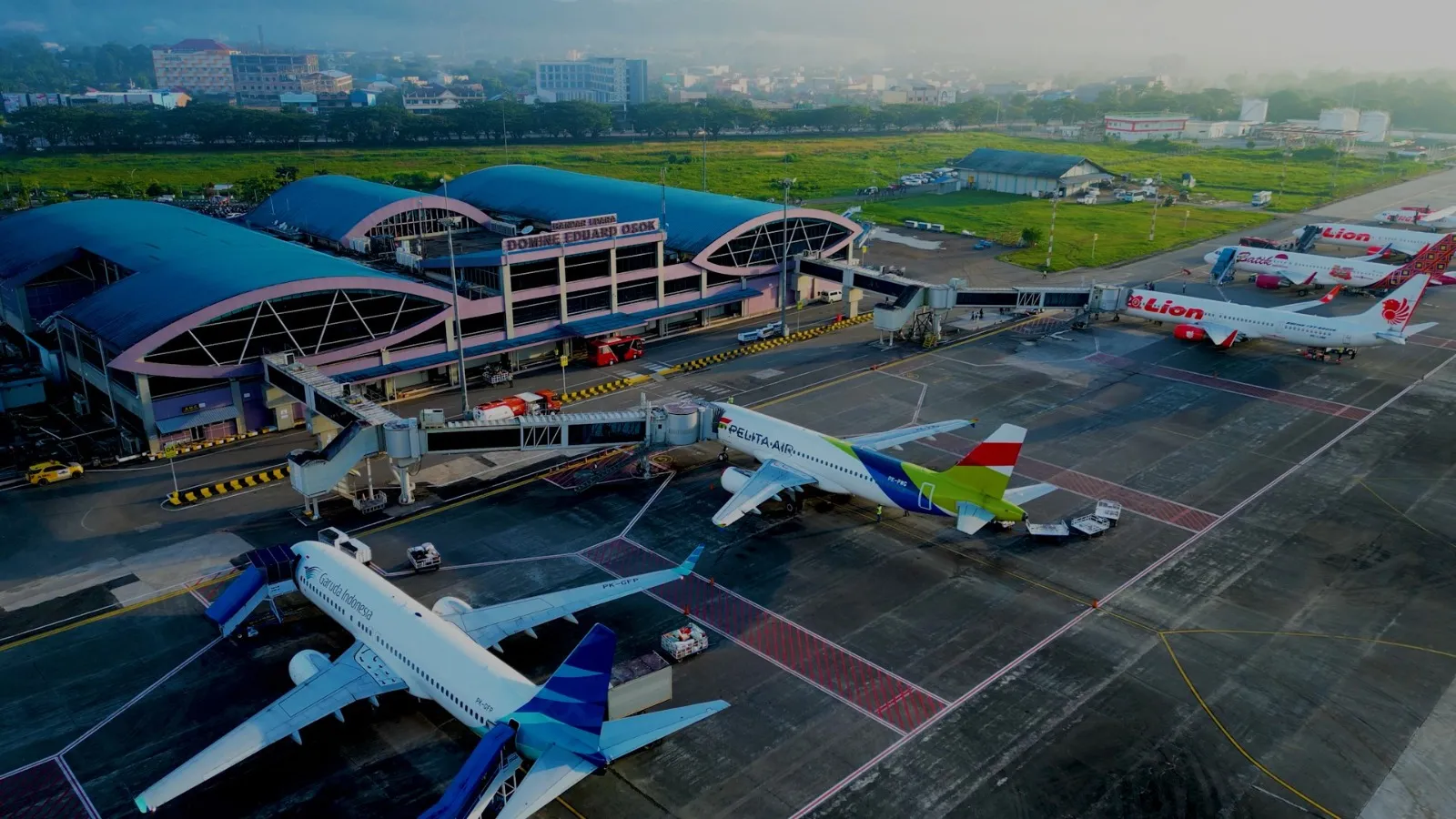
From Jakarta or another Indonesian hub like Makassar (UPG), you will board a domestic flight to Sorong. These are typically overnight flights operated by carriers such as Garuda Indonesia or Batik Air, arriving in the early morning. A round-trip ticket for this leg usually costs between $300 and $600. The total airfare, therefore, realistically falls between $1,500 and $4,000 per person. An essential piece of advice I offer is to build generous layovers into your itinerary—at least 4-5 hours for domestic connections. The Indonesian aviation system can be subject to delays, and a missed connection can jeopardize your entire voyage. Navigating this is a key part of the How to Book Raja Ampat Liveaboard Voyages process, and our team often assists guests in coordinating these complex travel logistics to ensure a seamless arrival.
Beyond the Charter: Park Fees, Onboard Extras, and Gratuities
While the charter fee covers the core of your trip, several ancillary costs are crucial to budget for. These are the variables that differentiate a preliminary estimate from the final, real cost. First and foremost are the mandatory conservation fees. Every visitor must purchase a Raja Ampat Marine Park Entry Permit, which costs IDR 1,000,000 (approximately $65 USD) and is valid for 12 months. This fee directly funds the patrols and community programs that protect this delicate ecosystem, which is recognized by the official Indonesian tourism board as a global center of marine biodiversity. You can learn more at indonesia.travel.
Once onboard, you will typically run a tab for incidental expenses, settled at the end of the voyage. Dive equipment rental, if you are not bringing your own, can cost $40-$60 per day for a full set. For a 10-day trip, this adds $400-$600. Enriched Air Nitrox, which I highly recommend for reducing fatigue on multi-dive days, is another extra, often priced at $150-$250 for the entire trip. Then there are personal indulgences: a cold Bintang beer after the last dive might be $5, while a bottle of Australian wine with dinner could be $50 or more. Satellite internet, if available, is notoriously expensive and slow—plan on a digital detox. The most significant of these costs is the crew gratuity. The industry standard is 10-15% of the charter price, paid in cash (preferably crisp US dollars) at the trip’s conclusion. For a $10,000 charter fee, this means an additional $1,000-$1,500 cash tip is expected and deeply appreciated by the hard-working crew.
The Value of Exclusivity: Private Charters and Custom Itineraries
For those seeking the ultimate in privacy and flexibility, a private charter is the definitive Raja Ampat experience. This transforms the voyage from a shared adventure to your personal floating villa, granting you and your chosen companions complete command over the vessel and its itinerary. The financial model shifts from a per-person rate to a flat fee for the entire boat, which, depending on the vessel’s size and level of luxury, can range from $70,000 to over $200,000 for a 10- to 12-night expedition. While the upfront cost is substantial, for a group of 10 or 12, the per-person price can sometimes be comparable to booking individual cabins on the most elite vessels, but with immeasurable added value.
The true luxury of a private charter lies in its boundless freedom. Do you want to spend three days at a single dive site waiting for the perfect manta ray encounter? Or perhaps venture far south to the limestone labyrinth of Misool, an area some scheduled trips bypass? The schedule is yours to create with the captain and cruise director. This is particularly appealing for professional photographers, multi-generational families, or those celebrating a milestone event. The ability to Customize Your Raja Ampat Liveaboard Voyages is the core appeal here. Given the sheer scale of the archipelago—over 1,500 islands scattered across more than 40,000 square kilometers of sea, as documented by Wikipedia—a private charter is the only way to truly explore its most hidden corners at your own pace. Be advised, these exclusive charters are often booked 18 to 24 months in advance.
Protecting Your Investment: Travel Insurance and Safety Considerations
In my two decades as a travel editor, I’ve seen enough to know that comprehensive travel insurance is the single most important, non-negotiable expense for a trip of this magnitude. The cost of a luxury Raja Ampat voyage is significant, and its remote location introduces unique risks. A robust insurance policy is not a luxury; it is an absolute necessity. Expect to pay between 5% and 10% of your total, non-refundable trip cost for a premium plan. For a $15,000 trip, this equates to a $750 to $1,500 policy—a small price for profound peace of mind.
Your policy must include several specific coverages. Standard trip cancellation and interruption are vital, protecting you from unforeseen events before or during your travel. Critically, it must also include a high limit for emergency medical evacuation—I recommend a minimum of $500,000. The nearest reliable hospital is a flight away in a major Indonesian city, and for serious medical issues, evacuation to Singapore is the standard of care. Furthermore, ensure your policy explicitly covers scuba diving accidents. Organizations like Divers Alert Network (DAN) offer specialized plans. Choosing a vessel with an impeccable safety record is equally important. Our commitment to Raja Ampat Liveaboard Voyages Safety & Trust means our fleet is equipped with emergency oxygen, extensive first-aid kits, and crews trained in emergency protocols, but insurance is your ultimate safety net.
Quick FAQ: Your Raja Ampat Cost Questions Answered
How much cash should I bring?
While major onboard expenses can often be paid by card, cash is king for gratuities and small local purchases. I recommend bringing at least $1,000 to $2,000 USD per person in clean, new bills for the crew tip. It’s also wise to have around 2,000,000 Indonesian Rupiah (about $130 USD) for airport snacks, souvenirs, or small incidentals.
When is the most expensive time to go?
High season, which runs from October through April, commands the highest prices due to peak demand and the most favorable weather conditions. The weeks around Christmas and New Year’s are typically the most expensive of all. This period aligns with the Best Time for Raja Ampat Liveaboard Voyages, offering the calmest seas and best visibility. Shoulder months like May and September may present slightly lower rates.
What about the Raja Ampat Marine Park fee?
The IDR 1,000,000 (approx. $65 USD) fee is a direct contribution to the conservation that preserves the region’s exceptional biodiversity. This is what funds the ranger patrols that combat illegal fishing and protect the coral nurseries. This conservation effort is a key reason the area is on the tentative list as a UNESCO World Heritage Site, and paying the fee is a vital part of being a responsible visitor.
Is it worth bringing my own dive gear to save on rental fees?
This is a personal calculation of cost versus convenience. If you own well-maintained gear you are comfortable with, bringing it is often the best choice for performance and comfort. However, you must factor in excess baggage fees from airlines. Our Raja Ampat Liveaboard Voyages Packing Guide provides a detailed breakdown to help you decide what to bring and what to rent.
Ultimately, the cost of a luxury Raja Ampat dive trip is an investment in an experience that is becoming increasingly rare in our modern world. It is the price of admission to the planet’s most vibrant underwater ecosystem, of disconnecting from the digital world, and of experiencing a level of service and natural wonder that is truly profound. It is a journey to the heart of marine creation, a place that stays with you long after you’ve returned home. Planning your own journey into the world’s last true paradise begins with a conversation. Explore our fleet and see why a raja ampat live aboard diving voyage is an investment that pays dividends for a lifetime.