In this article
- An Atlas of Wonder: The Coral Triangle’s Crown vs. The Dragon’s Domain
- Below the Surface: Reef Structures and Diving Conditions
- The Marine Life Dossier: Biodiversity vs. Big Beasts
- The World Above: Karst Pinnacles and Prehistoric Dragons
- Planning Your Expedition: Seasonality and Accessibility
- Quick FAQ: Your Questions Answered
- Related reading
- For Biodiversity: Choose Raja Ampat for its staggering coral and fish diversity, the heart of the Coral Triangle.
- For Adrenaline: Opt for Komodo’s powerful currents, challenging drift dives, and pelagic action.
- For Topside Scenery: Komodo has its dragons and savannahs; Raja Ampat has its iconic limestone karsts and emerald lagoons.
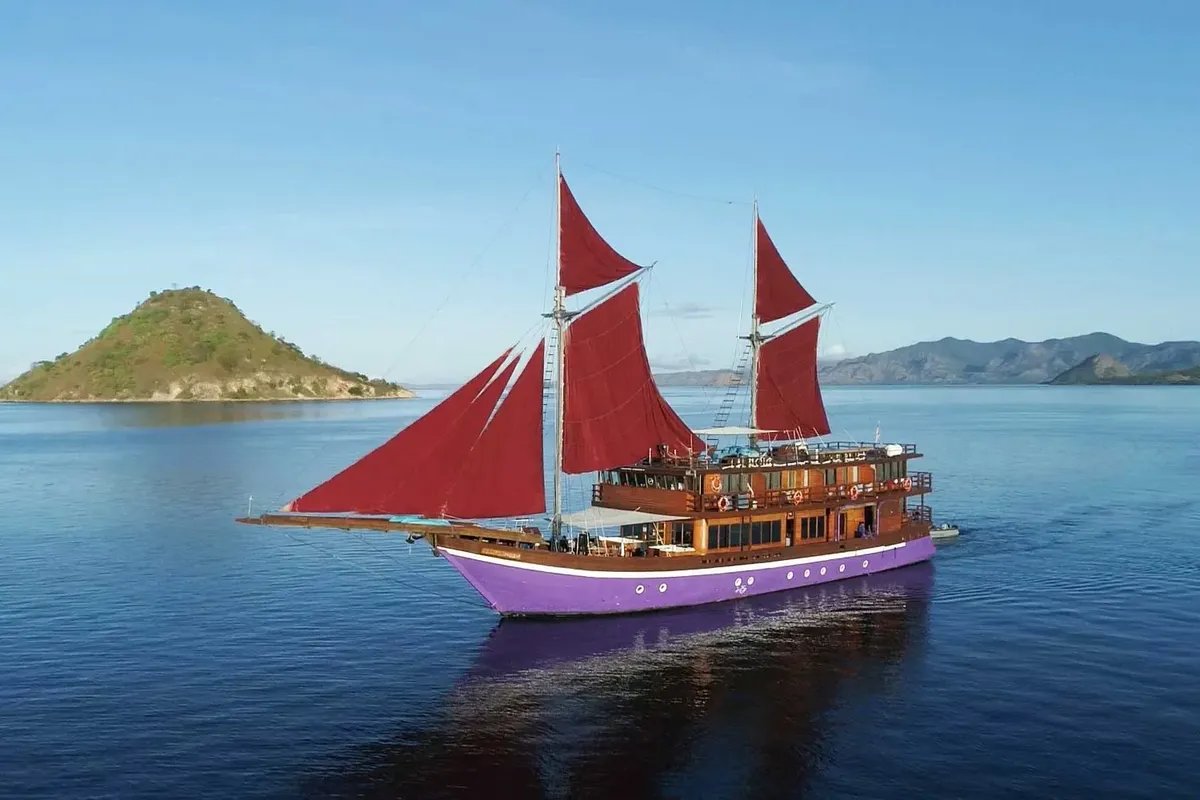
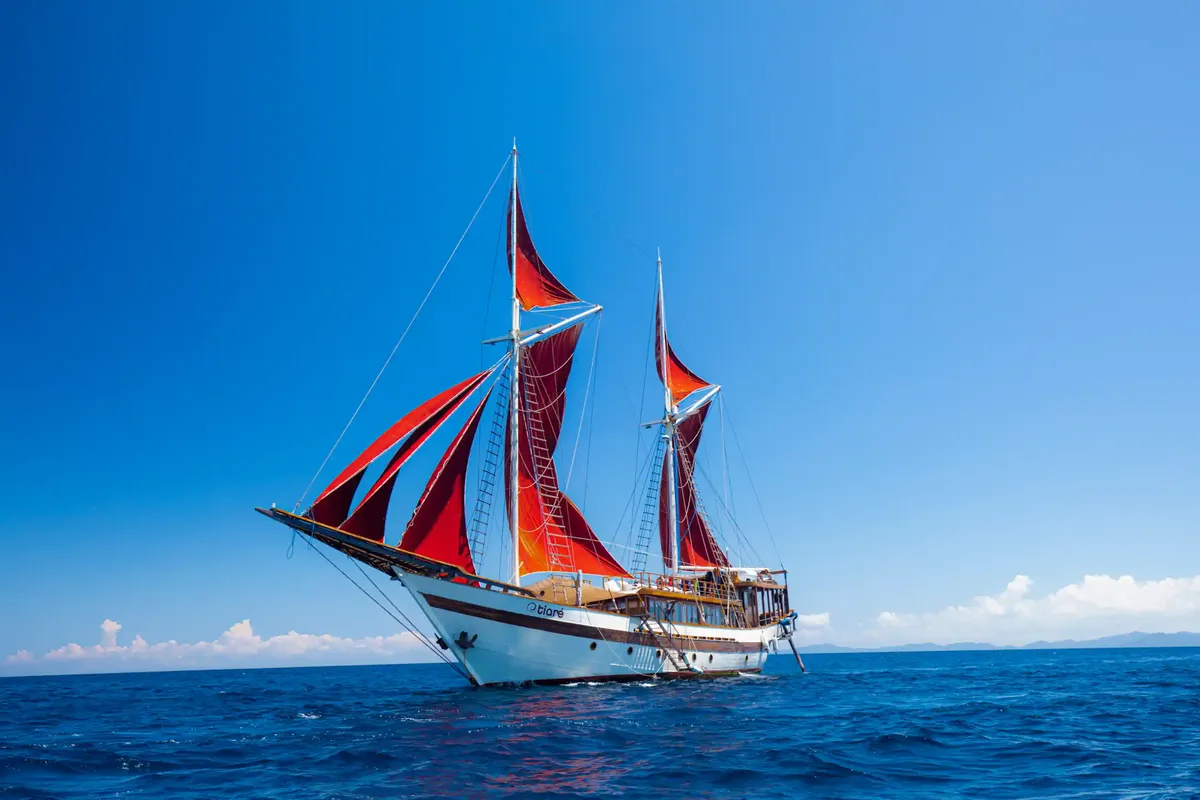
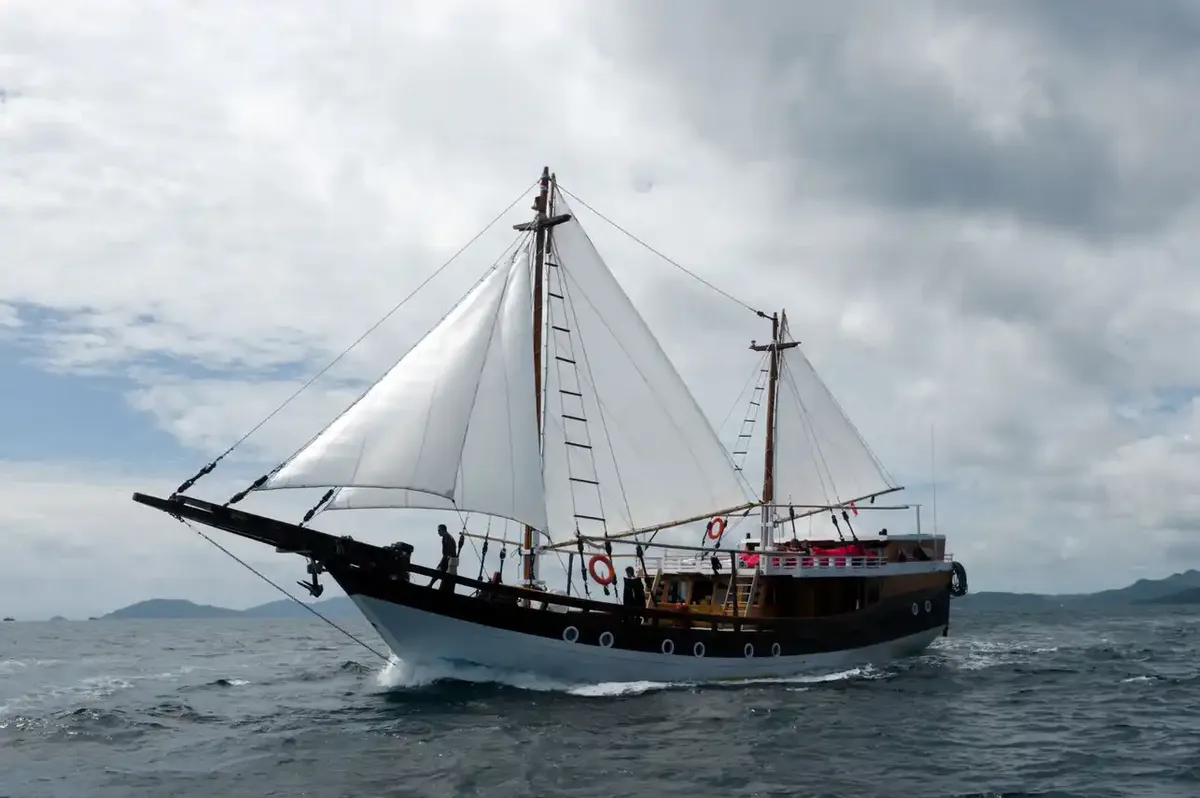
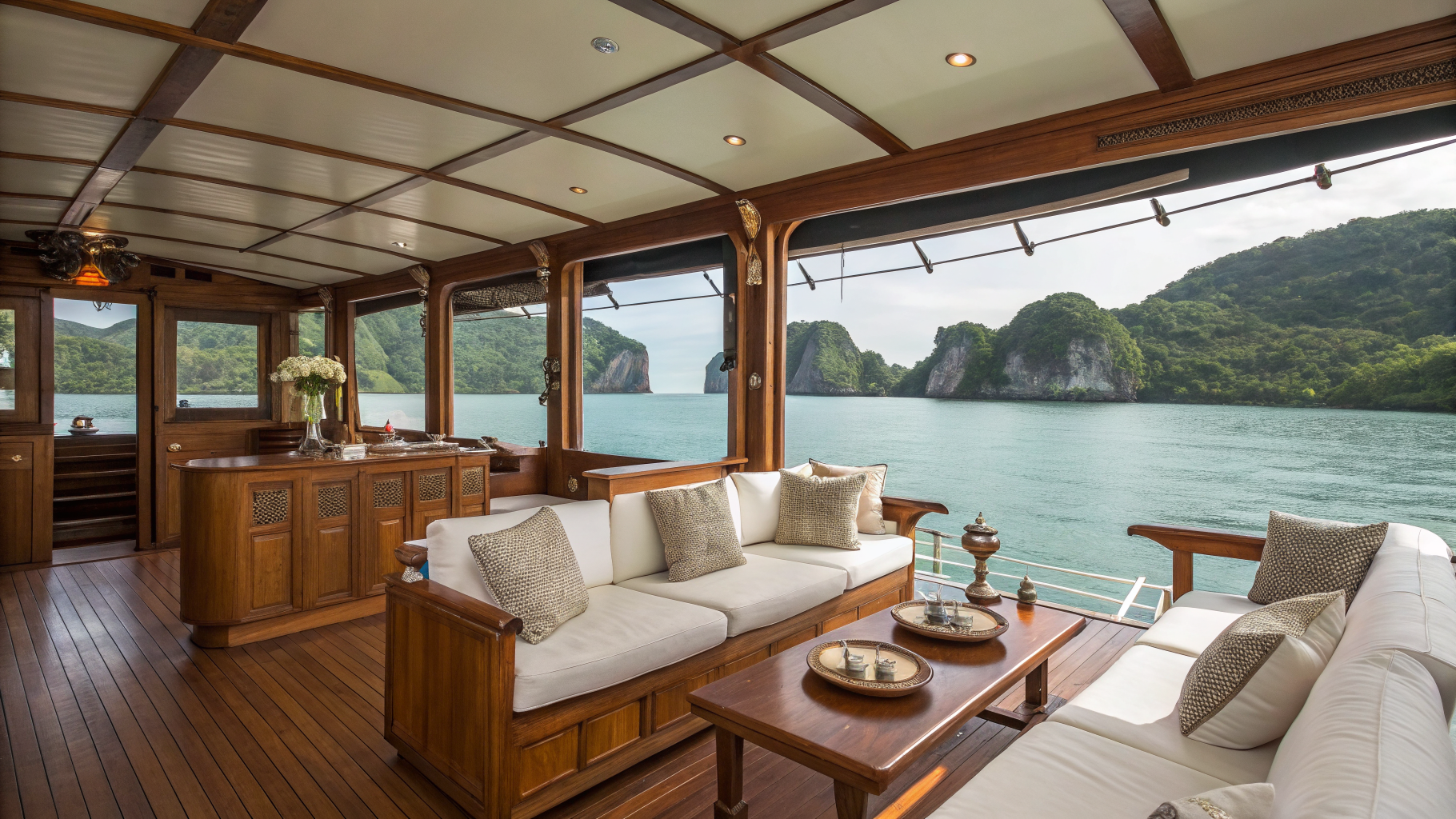
The rhythmic creak of the ironwood hull, the scent of cloves and salt on the humid air, the gentle swell lifting the deck beneath your feet. You are suspended between two worlds, on the deck of a phinisi schooner in the Indonesian archipelago, about to make a choice that many of the world’s most seasoned divers consider a delightful dilemma. The logbook lies open, waiting for entries from either the planet’s most biodiverse reefs or its most thrilling currents. This is the ultimate question for the discerning underwater explorer: Raja Ampat or Komodo? As a travel editor who has spent countless hours below the surface in both, I can tell you the answer isn’t about which is better, but which is distinctly, unequivocally you.
An Atlas of Wonder: The Coral Triangle’s Crown vs. The Dragon’s Domain
To understand the fundamental differences in the diving, one must first appreciate the geography. Raja Ampat, an archipelago of over 1,500 jungle-clad islands off the coast of West Papua, sits squarely in the most vital corner of the Coral Triangle. This is, without hyperbole, the global epicenter of marine life. The sheer scale is immense, covering more than 40,000 square kilometers of sea. It’s a realm of labyrinthine channels, hidden bays, and limestone karsts that erupt from turquoise water, a landscape that feels primordial and largely untouched. The name itself, meaning ‘Four Kings,’ refers to the four main islands of Waigeo, Batanta, Salawati, and Misool, each a kingdom of unique underwater treasures. The statistics here are staggering: scientists have cataloged over 1,628 species of reef fish and more than 600 species of hard coral—that’s nearly 75% of all known coral species on Earth, found in a single region. The remoteness is a key part of its character; reaching this sanctuary requires a dedicated journey, a filter that preserves its pristine nature.
Komodo National Park, by contrast, is a world away in character. Located hundreds of miles to the south in the Lesser Sunda Islands, it is a designated UNESCO World Heritage Site. The islands here are not lush and verdant but volcanic, arid, and dramatic, with sweeping savannahs that bake under the equatorial sun. This stark, powerful landscape is the perfect backdrop for its famous inhabitants. The park, encompassing 1,733 square kilometers, is a confluence zone. It’s where the mighty Pacific and Indian Oceans collide. This constant exchange of water defines everything about the region, from the powerful currents that scour the reefs to the nutrient-rich upwellings that attract marine megafauna. While Raja Ampat feels like a tranquil, sprawling aquatic garden, Komodo feels like a dynamic, untamed coliseum of natural forces, both above and below the water.
Below the Surface: Reef Structures and Diving Conditions
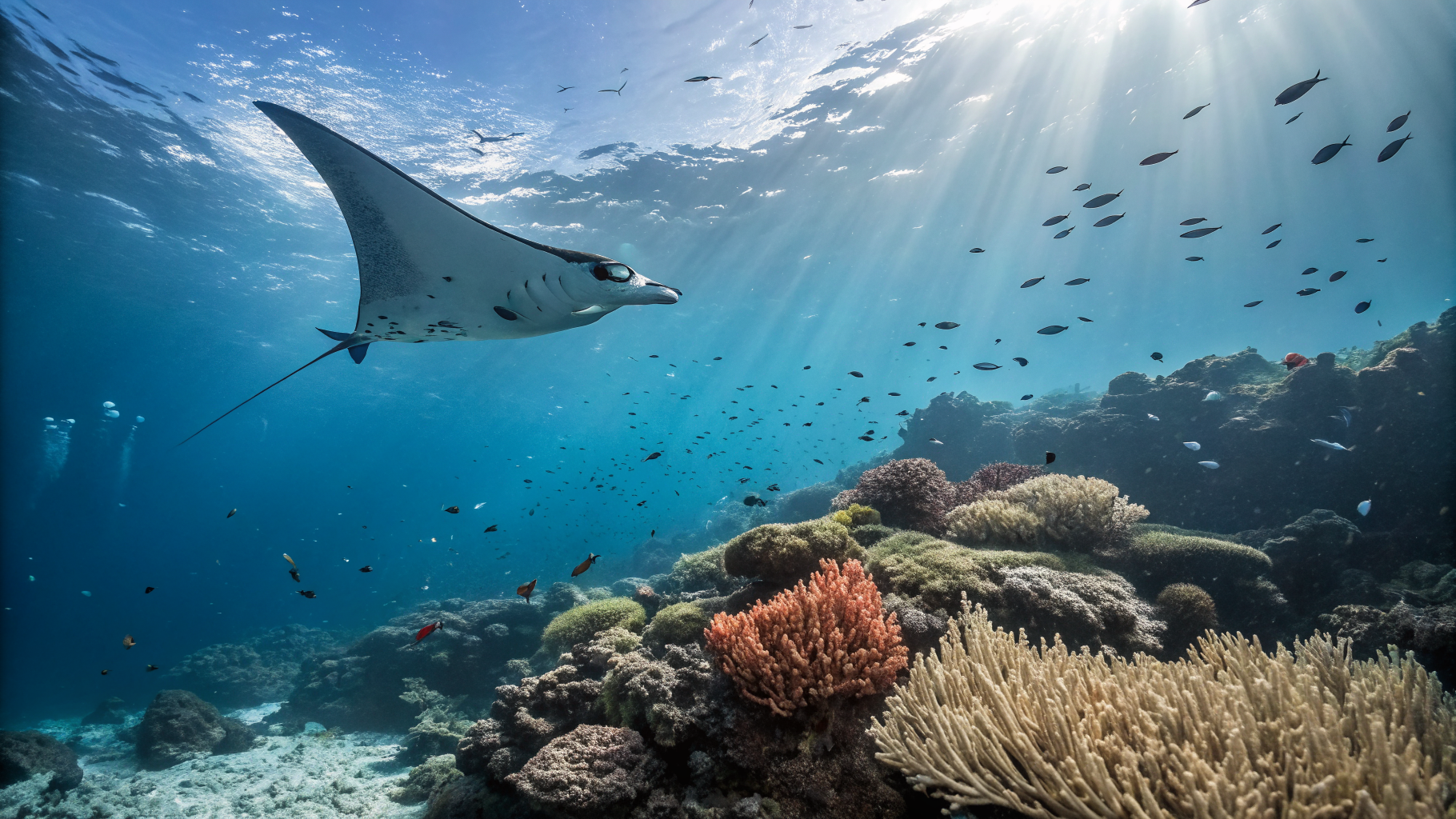
The experience of descending into the water in each location is profoundly different. In Raja Ampat, particularly around the Dampier Strait or the serene lagoons of Misool, the defining feature is the sheer, overwhelming vibrancy. Imagine descending onto a reef so thoroughly covered in life there isn’t a spare inch of rock to be seen. The waters are known for their spectacular soft corals, which bloom in every conceivable color, from deep purples to fiery oranges. Enormous gorgonian sea fans, some several meters across, filter nutrients from the gentle currents. The diving here is often about slowing down, absorbing the density of it all. At sites like Cape Kri, where Dr. Gerald Allen famously identified a world-record 374 fish species on a single 90-minute dive, the goal is to simply hover and watch the spectacle unfold. Water temperatures are a consistently balmy 28-30°C (82-86°F) year-round, and visibility often exceeds 25 meters. While currents exist, especially in the channels, there are countless protected bays and reefs where the diving is calm and exploratory, making it surprisingly accessible despite its remote reputation. It is a place that rewards a patient, observant diver.
Komodo is another beast entirely. The diving here is defined by one word: current. The Indonesian Throughflow, a massive volume of water moving from the Pacific to the Indian, is funneled through the narrow straits between the islands, creating some of the world’s most exhilarating drift dives. A dive at a site like ‘The Cauldron’ or ‘Shotgun’ is an underwater flight, where you hook into the reef with a reef hook and watch the pelagic show pass by. The topography is volcanic and dramatic: pinnacles, walls, and channels scoured clean by the currents. This constant flow of water means two things: incredible nutrient concentration and variable temperatures. It’s not uncommon for water temperatures to swing from 28°C (82°F) in the north of the park to a brisk 20°C (68°F) in the south on the same trip. This nutrient-rich water, while sometimes reducing visibility to 15-20 meters, is precisely what makes the ecosystem so robust. A dive in Komodo requires confidence and skill, and our commitment to uncompromising safety protocols, honed in Raja Ampat, is a philosophy we carry to every dive destination we consider.
The Marine Life Dossier: Biodiversity vs. Big Beasts
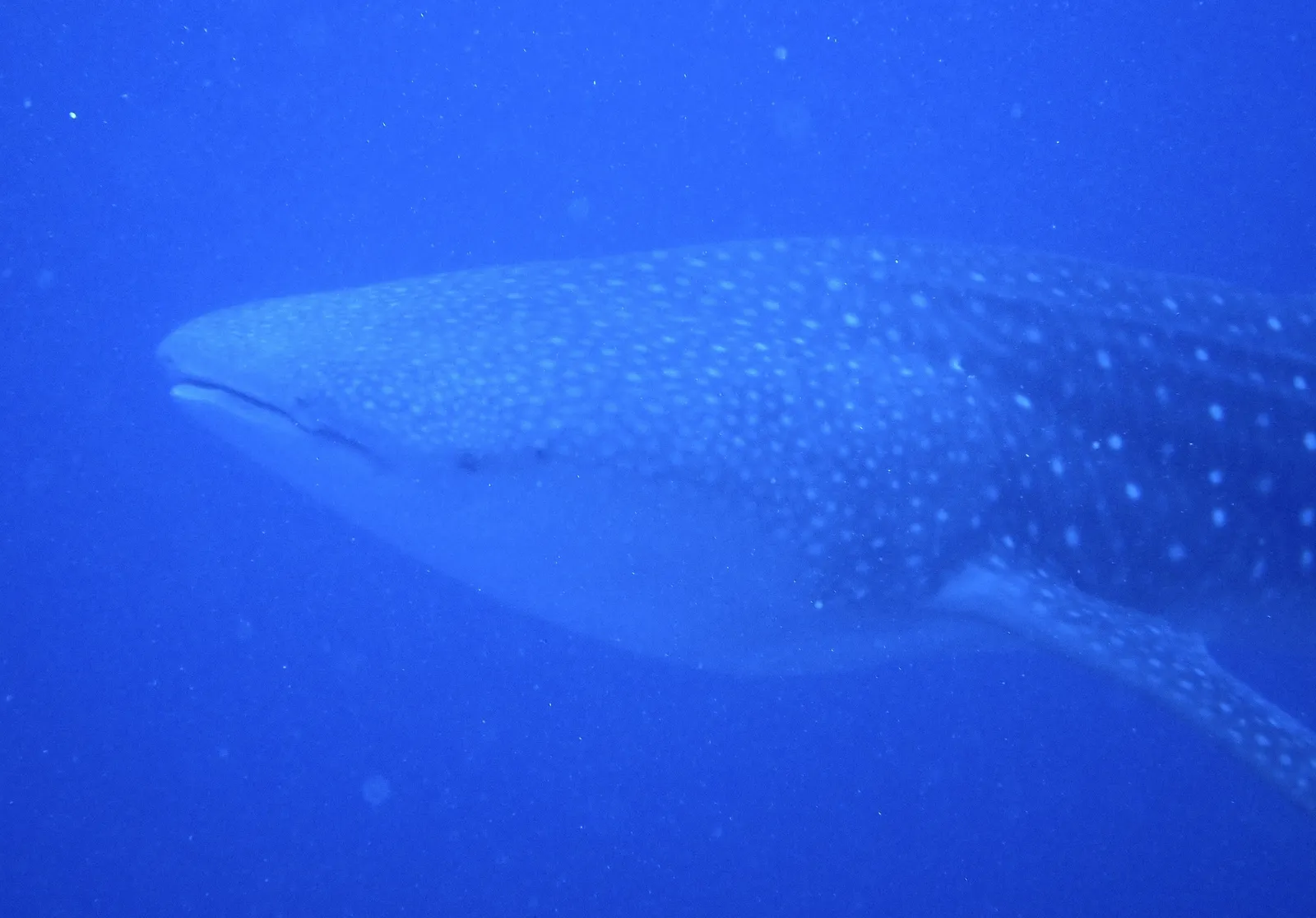
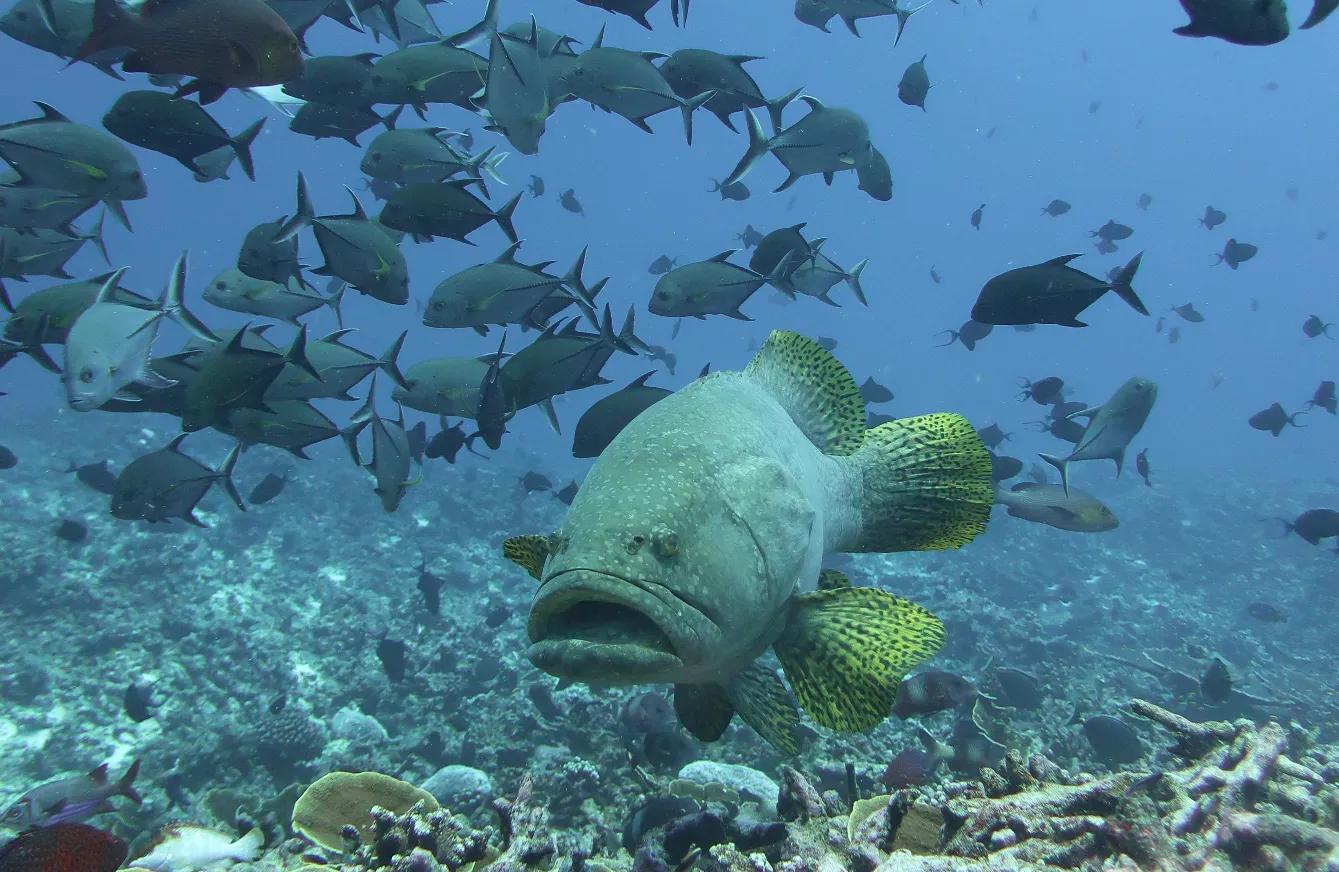
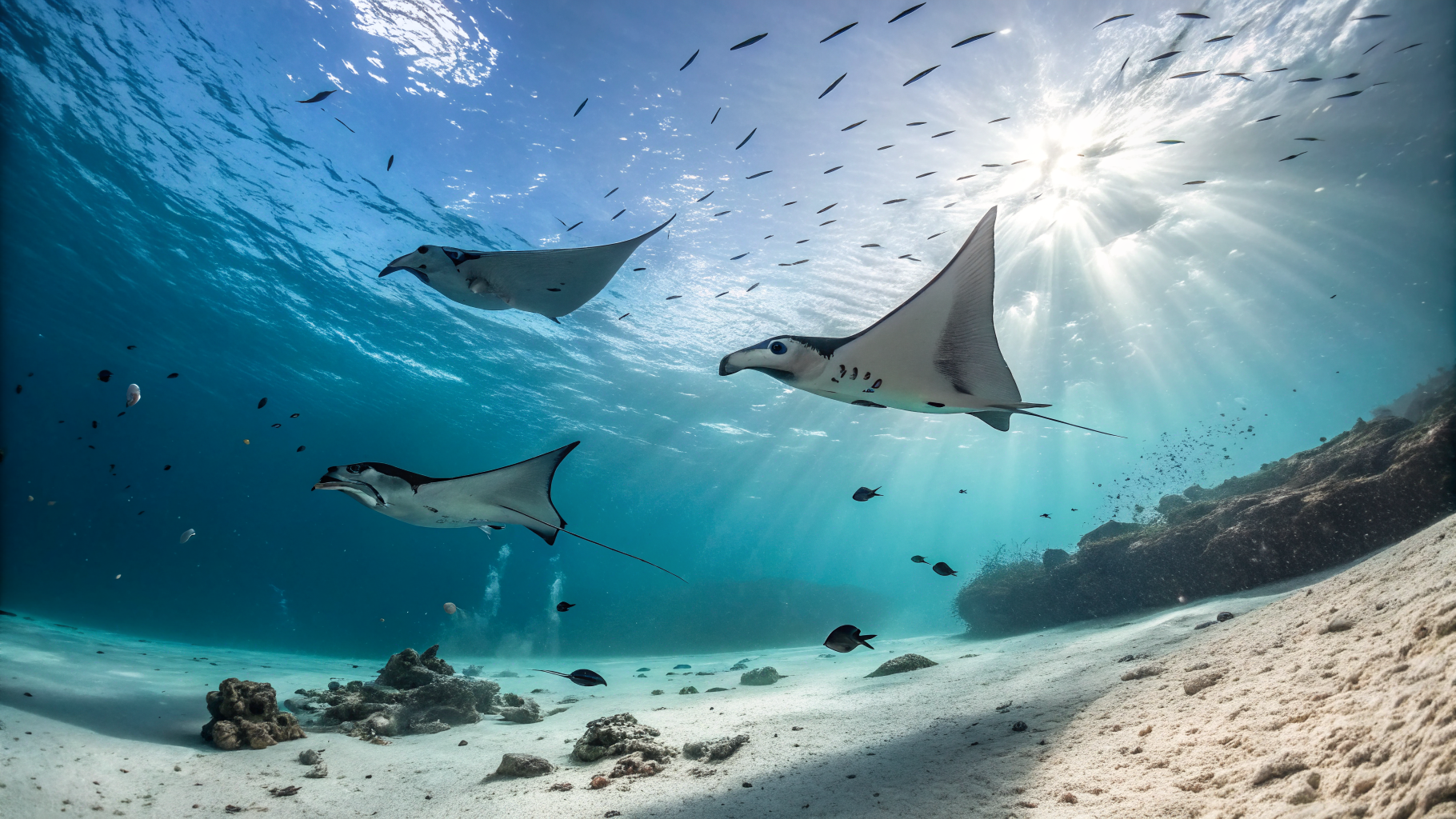
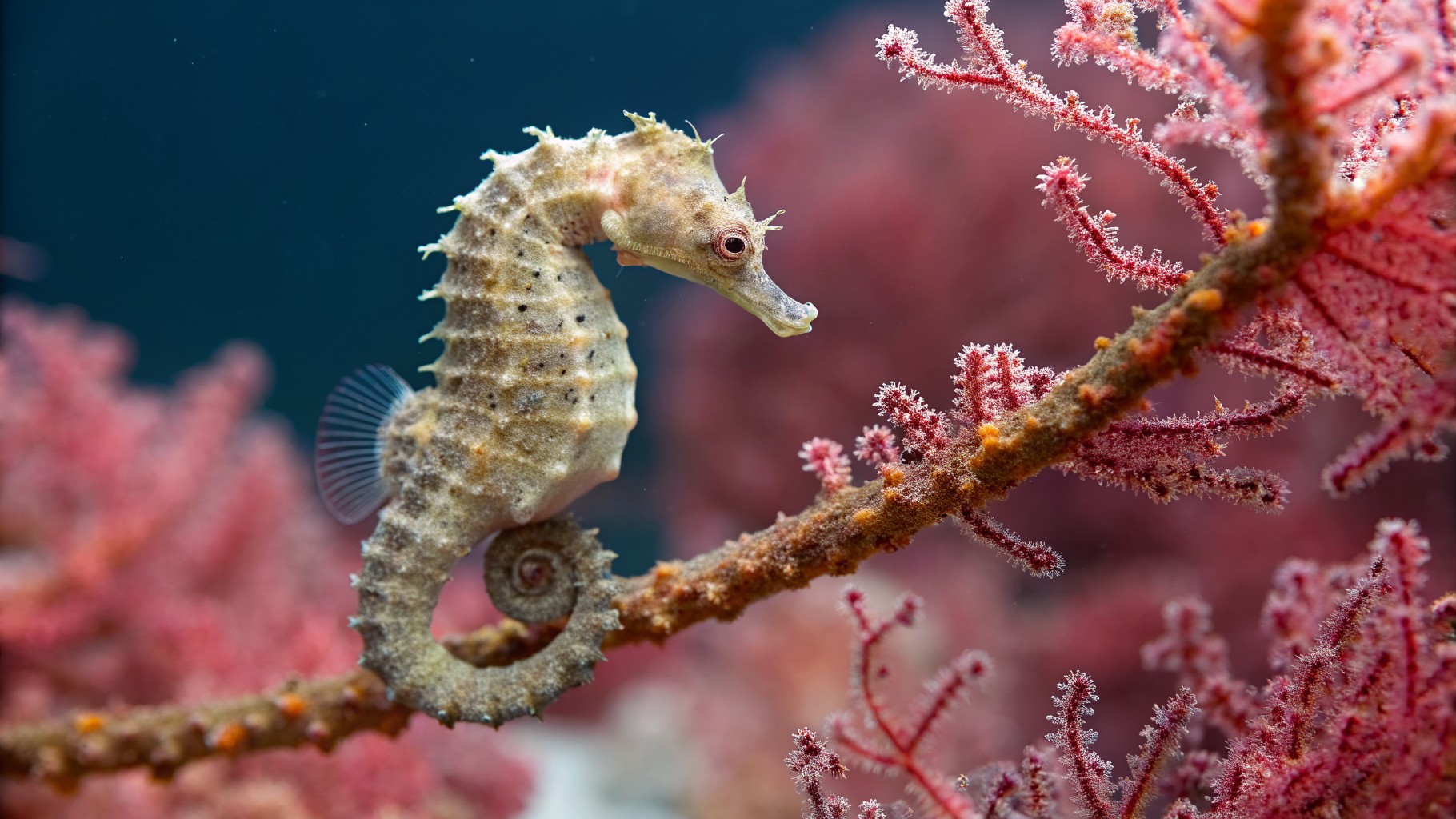
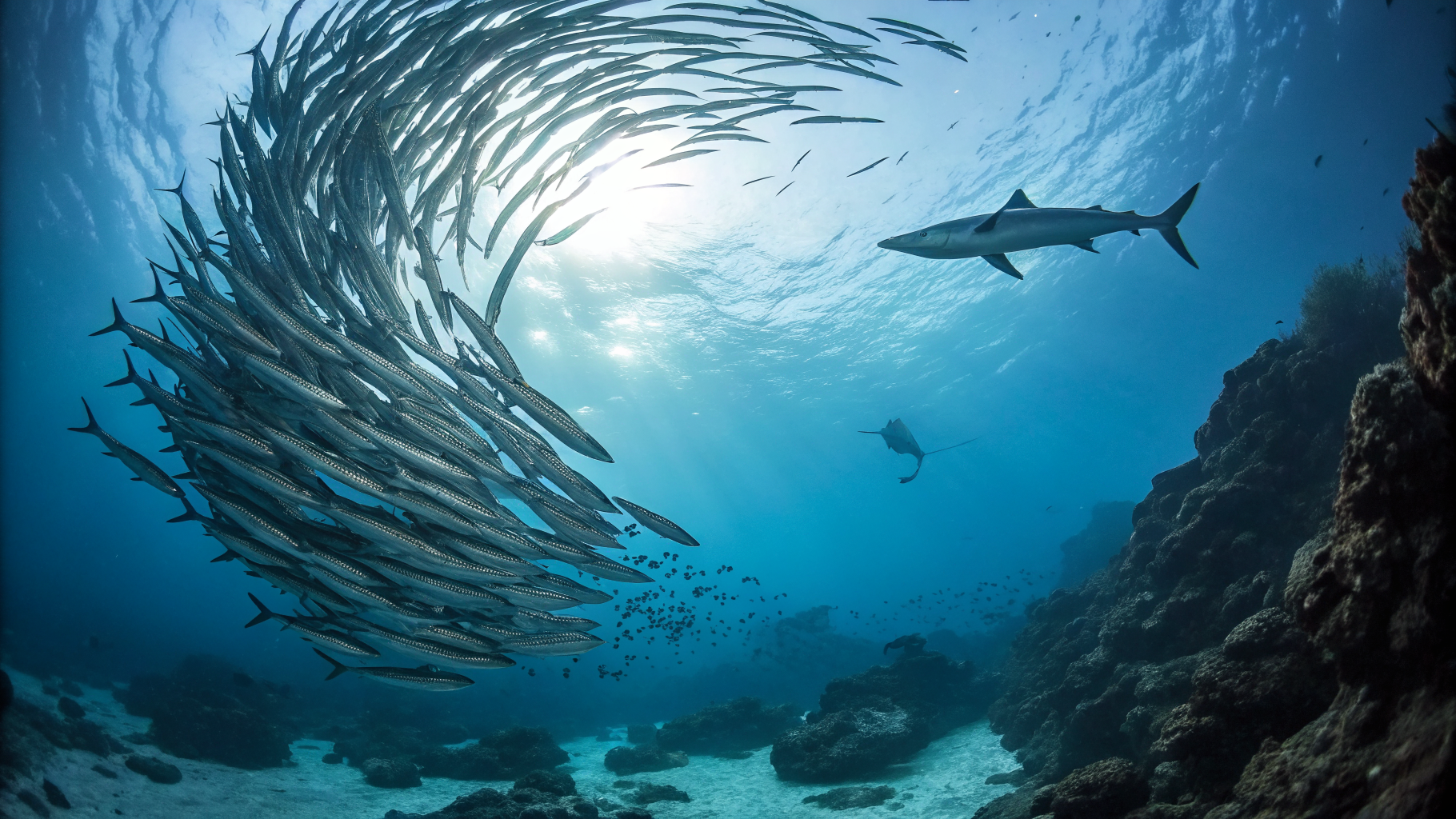
If your logbook is filled with notes on rare critters, Raja Ampat is your pilgrimage site. It is the undisputed macro photography capital of the world. The sheer species count is almost incomprehensible. On any given dive, a keen-eyed guide can point out multiple species of pygmy seahorse clinging to sea fans, flamboyant cuttlefish performing their hypnotic dances, and the elusive blue-ringed octopus hiding in plain sight. It is the home of the endemic epaulette ‘walking’ shark, which uses its fins to crawl across the reef at night. But to label Raja Ampat as only a macro destination would be a grave injustice. It is also a theater of abundance. You will encounter oceanic manta rays at cleaning stations like Manta Sandy, shy wobbegong sharks camouflaged on the reef floor, and schools of fusiliers, barracuda, and trevally so dense they momentarily block out the sun. The life here isn’t just diverse; it’s prolific. It’s a complete, thriving ecosystem operating at maximum capacity, a vision of what the ocean should be.
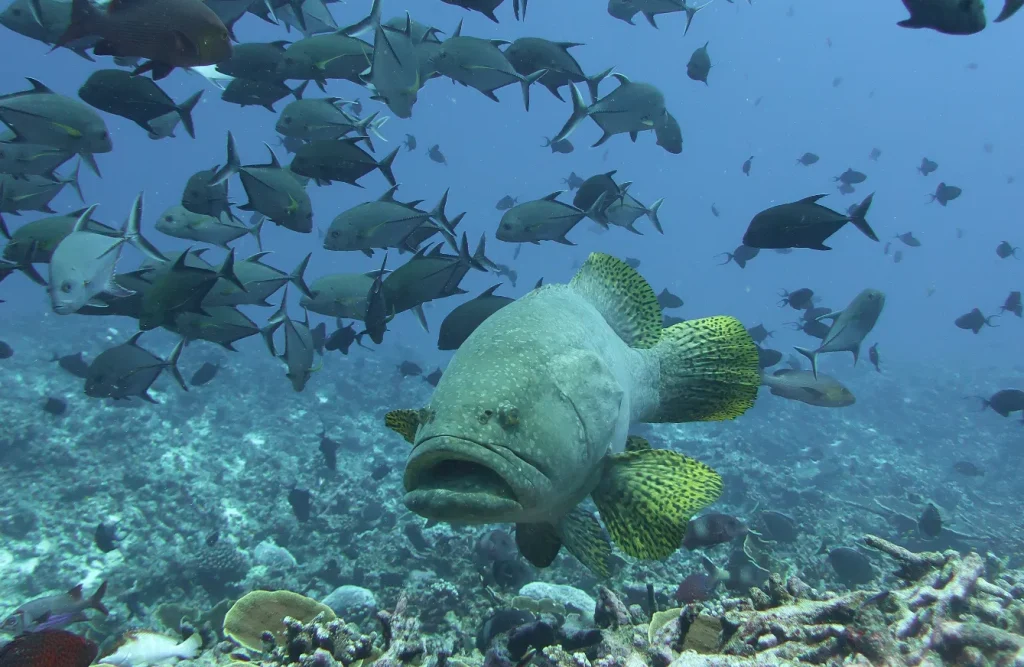
Komodo, fueled by its nutrient-rich currents, is a magnet for megafauna. This is where you go for reliable, heart-pounding encounters with the big stuff. The main draw for many is the manta ray population. At sites like Karang Makassar, often called Manta Point, it’s possible to spend an entire dive watching dozens of these gentle giants gracefully feeding in the current. The channels and pinnacles are patrolled by sharks—grey reef, whitetip, and blacktip sharks are common sightings. The action is consistent and thrilling. You may see eagle rays gliding in formation, pods of dolphins playing in the bow wave of your tender, or even a transient dugong grazing on seagrass. While the coral health is excellent in many places, particularly the vibrant hard coral gardens in the north, the focus is less on the reef itself and more on the large animals that are drawn to this energetic, food-rich environment. It’s a destination of thrilling, high-impact moments rather than the overwhelming biodiversity of Raja Ampat.
The World Above: Karst Pinnacles and Prehistoric Dragons
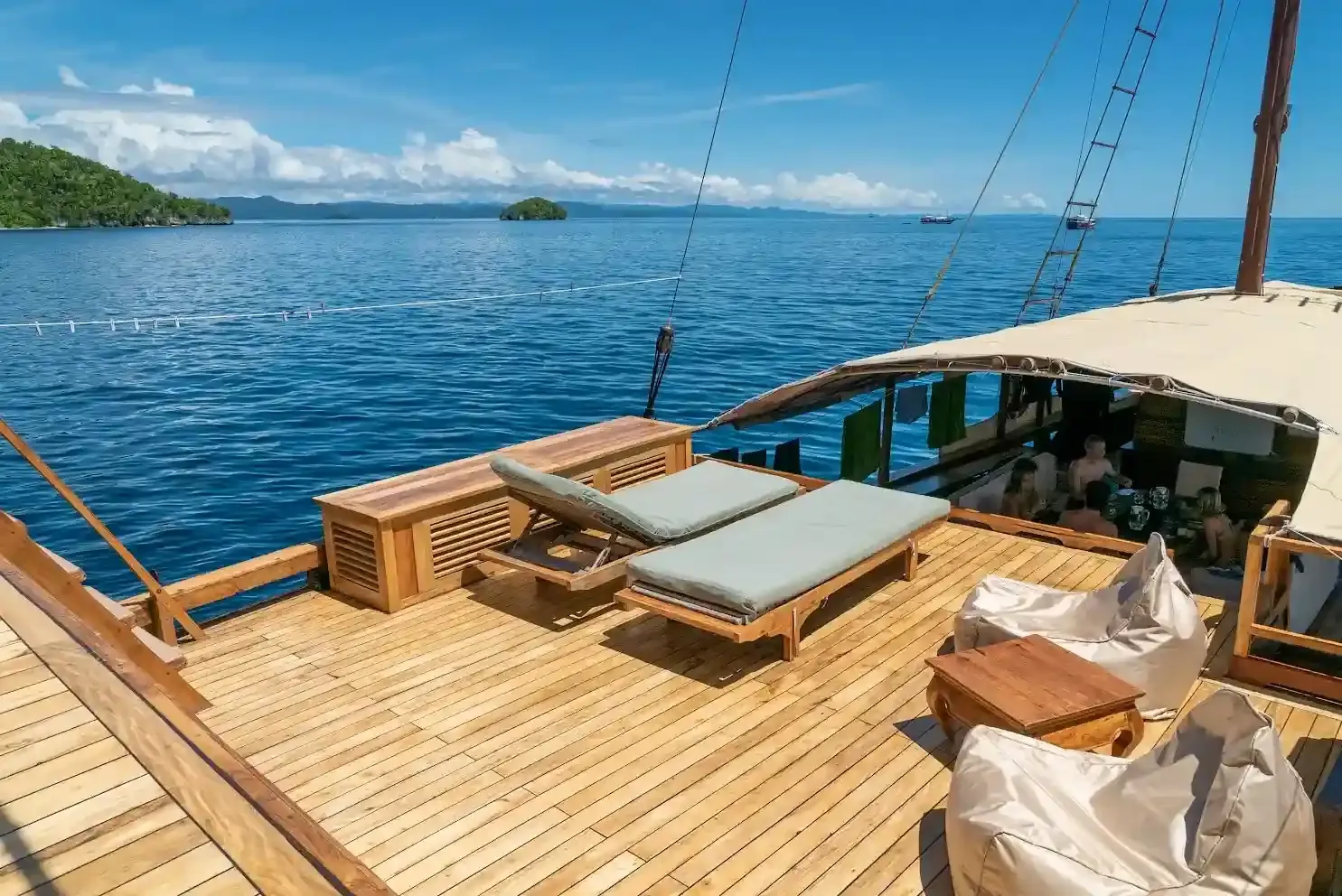
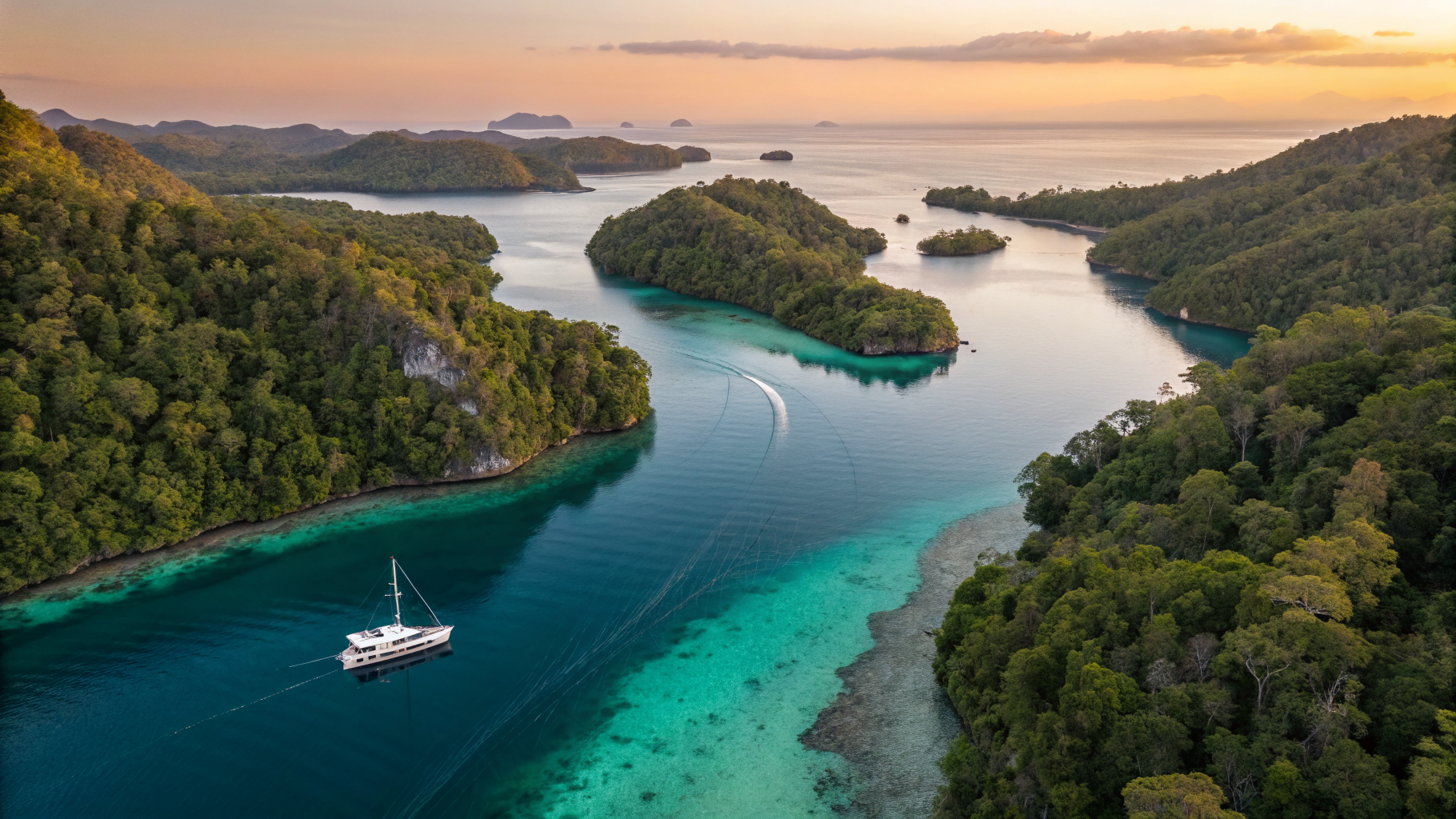
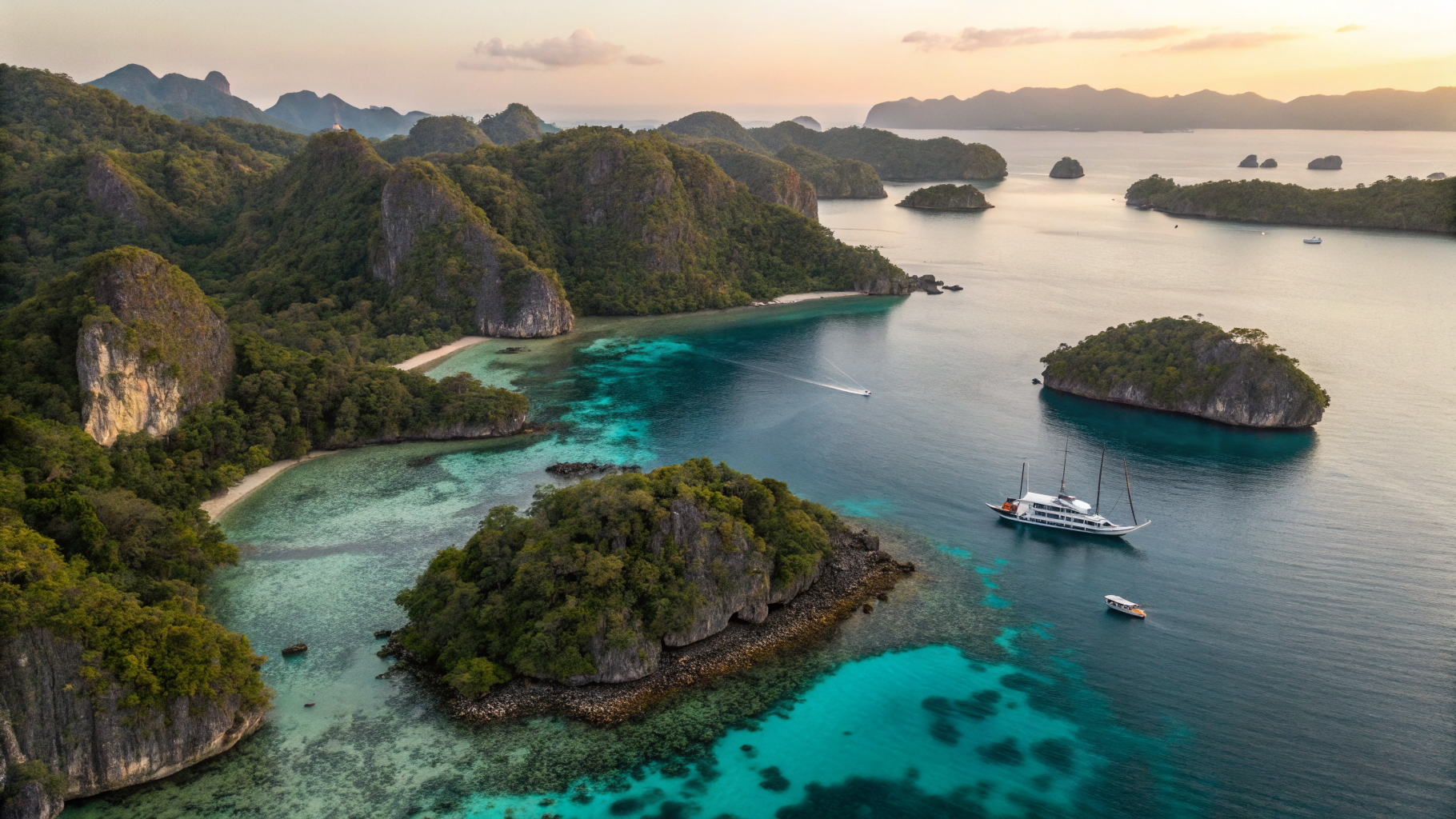
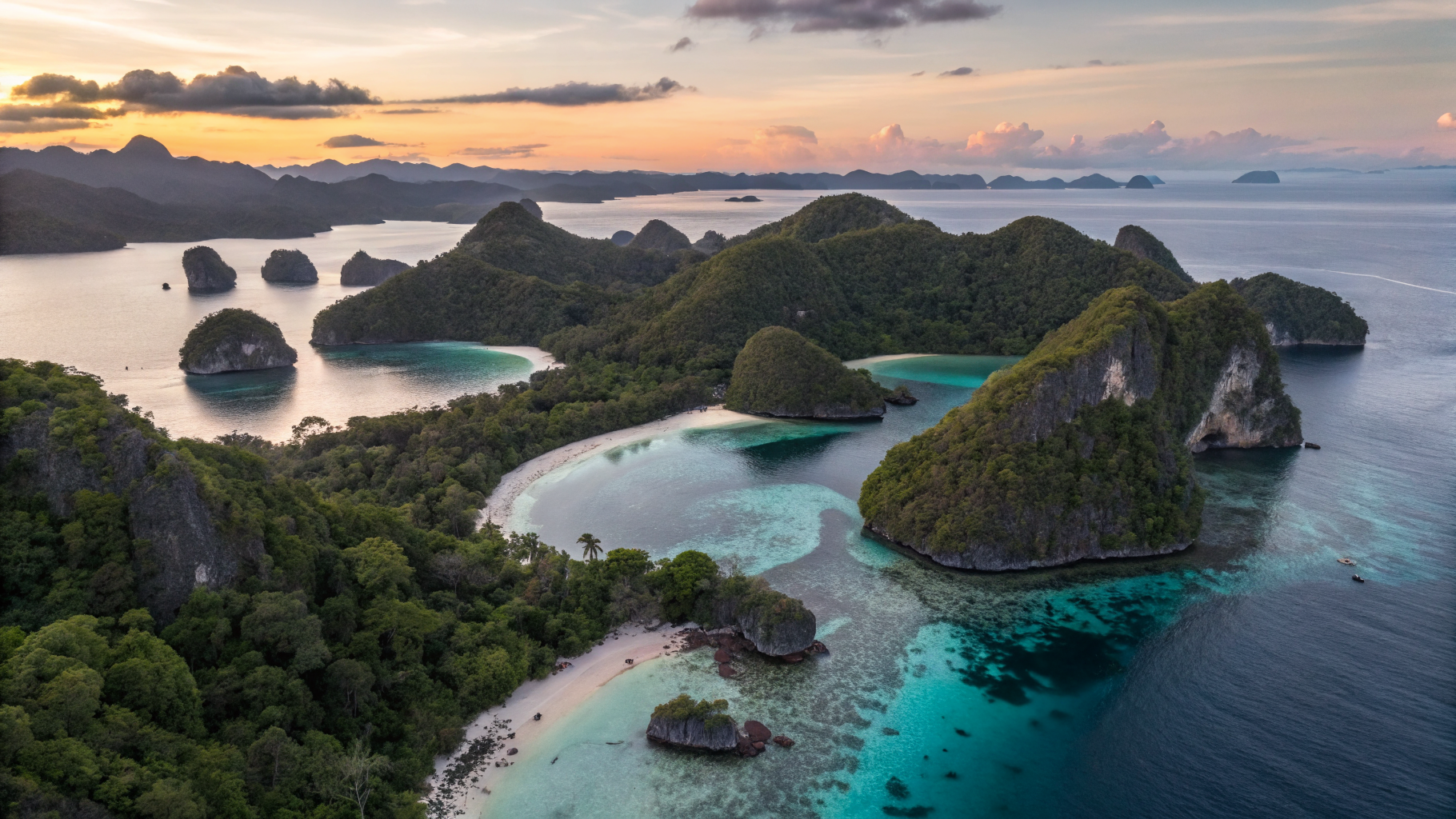
A liveaboard journey is as much about the hours spent on the sun deck as it is about the minutes spent at depth. The topside experiences in each region are as distinct as the diving. In Raja Ampat, the scenery is a masterpiece of natural sculpture. The iconic image of the region is the view from the top of Piaynemo or the more remote Wayag, looking out over a constellation of mushroom-shaped karst islands set in a sea of impossible blue and green gradations. The experience is about immersion in this pristine wilderness. Days are spent kayaking through silent, cathedral-like lagoons, discovering hidden beaches where the only footprints are your own, and visiting remote Papuan villages to witness a way of life deeply connected to the sea. For birders, it’s a chance to trek into the jungle at dawn to spot the magnificent Red Bird-of-Paradise. It is a profoundly peaceful and visually powerful landscape.
Komodo’s topside allure is more primal and dramatic. The undeniable main attraction is the Komodo dragon (Varanus komodoensis), the world’s largest lizard, which can grow up to 3 meters long. A guided trek on the islands of Rinca or Komodo is a standard and essential part of any itinerary, offering a fascinating glimpse into a prehistoric world. The landscape itself is equally compelling. The view from the summit of Padar Island, with its tri-colored beaches and sweeping volcanic ridges, is one of Indonesia’s most iconic vistas. You’ll visit ‘Pink Beach,’ its sands colored by microscopic red coral fragments, and watch thousands of flying foxes depart from their mangrove roost at sunset. As detailed by the official Indonesian tourism board, the park offers a raw, rugged beauty that perfectly complements the wildness of its underwater realm.
Planning Your Expedition: Seasonality and Accessibility
Logistics are a crucial part of the decision-making process. Raja Ampat’s prime diving season runs from October through April. During these months, the seas are at their calmest, and the weather is generally dry and sunny, making for ideal liveaboard conditions. From May to September, monsoon winds can make crossings less comfortable and reduce visibility. Reaching this remote paradise requires more effort; the gateway is the city of Sorong (SOQ) in West Papua, which typically requires at least one connection, often through Jakarta (CGK) or Makassar (UPG). This added travel time is part of what keeps Raja Ampat so exclusive and pristine. Understanding the nuances of the season is key, which is why we’ve prepared a detailed guide on the best time for Raja Ampat liveaboard voyages to help you plan the perfect window for your trip. The journey is part of the adventure, a true departure from the everyday.
Komodo offers a more accessible and longer diving season. The absolute best time to visit is during the dry season, from April to November, when the seas are flat and visibility is at its peak. While it can be dived year-round, the rainy season from December to March can bring rougher surface conditions, particularly in the south. The logistical advantage of Komodo is its proximity to Bali. The gateway port of Labuan Bajo (LBJ) on the island of Flores is just a short, one-hour flight from Denpasar (DPS), making it relatively easy to combine a Komodo liveaboard with a land-based stay in Bali. This accessibility means the region can feel busier than Raja Ampat, but the quality of the diving remains top-tier. Once you’ve decided on a destination, our team can guide you through the seamless booking process to secure your place aboard.
Quick FAQ: Your Questions Answered
Which destination is better for less experienced divers?
While both regions have dive sites suitable for various skill levels, Raja Ampat generally offers more protected, calmer conditions, making it more forgiving for newer divers. The challenging, high-current environment of Komodo is often better suited to those with an Advanced Open Water certification and experience in drift diving.
How does the liveaboard experience differ?
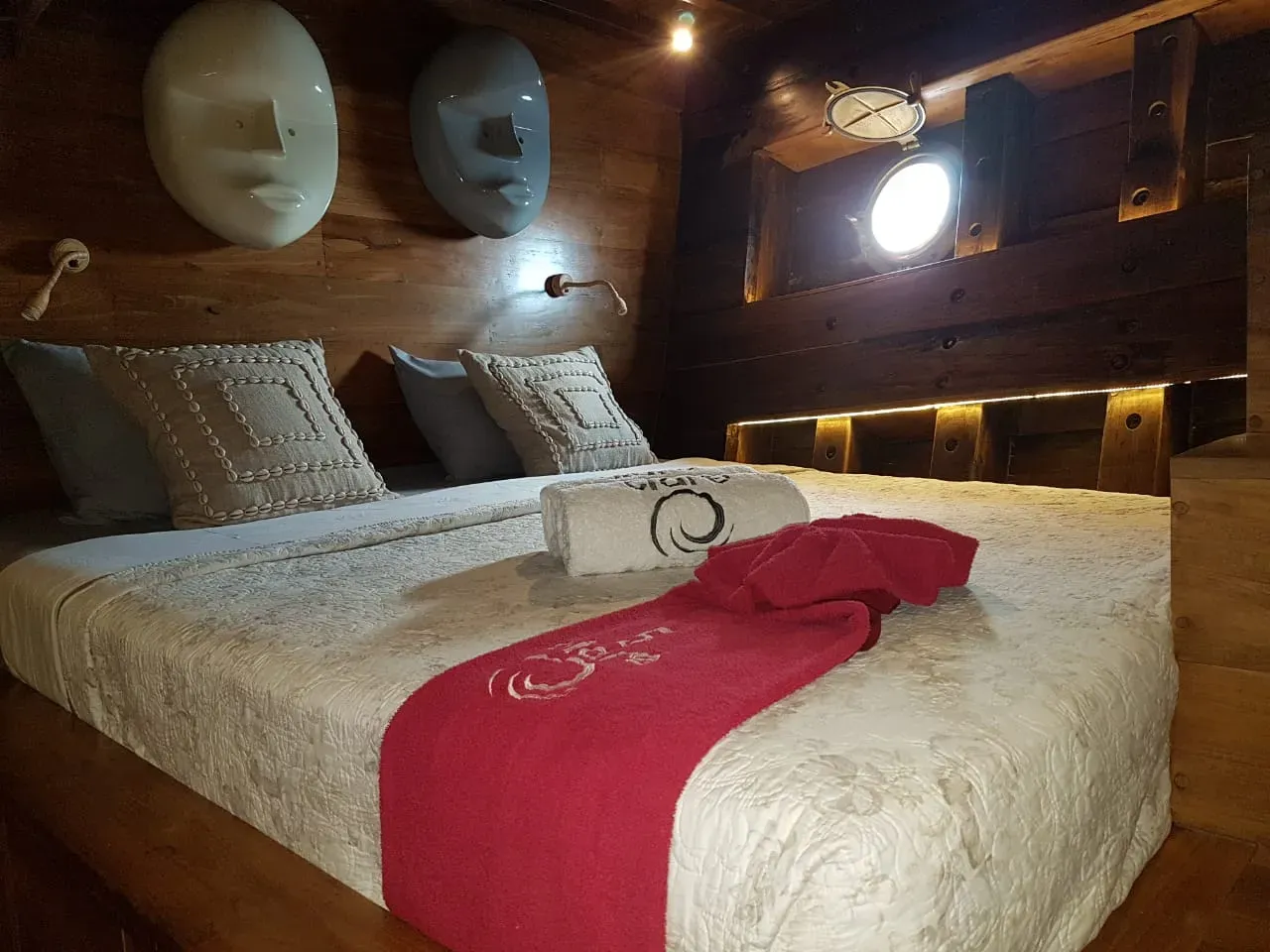
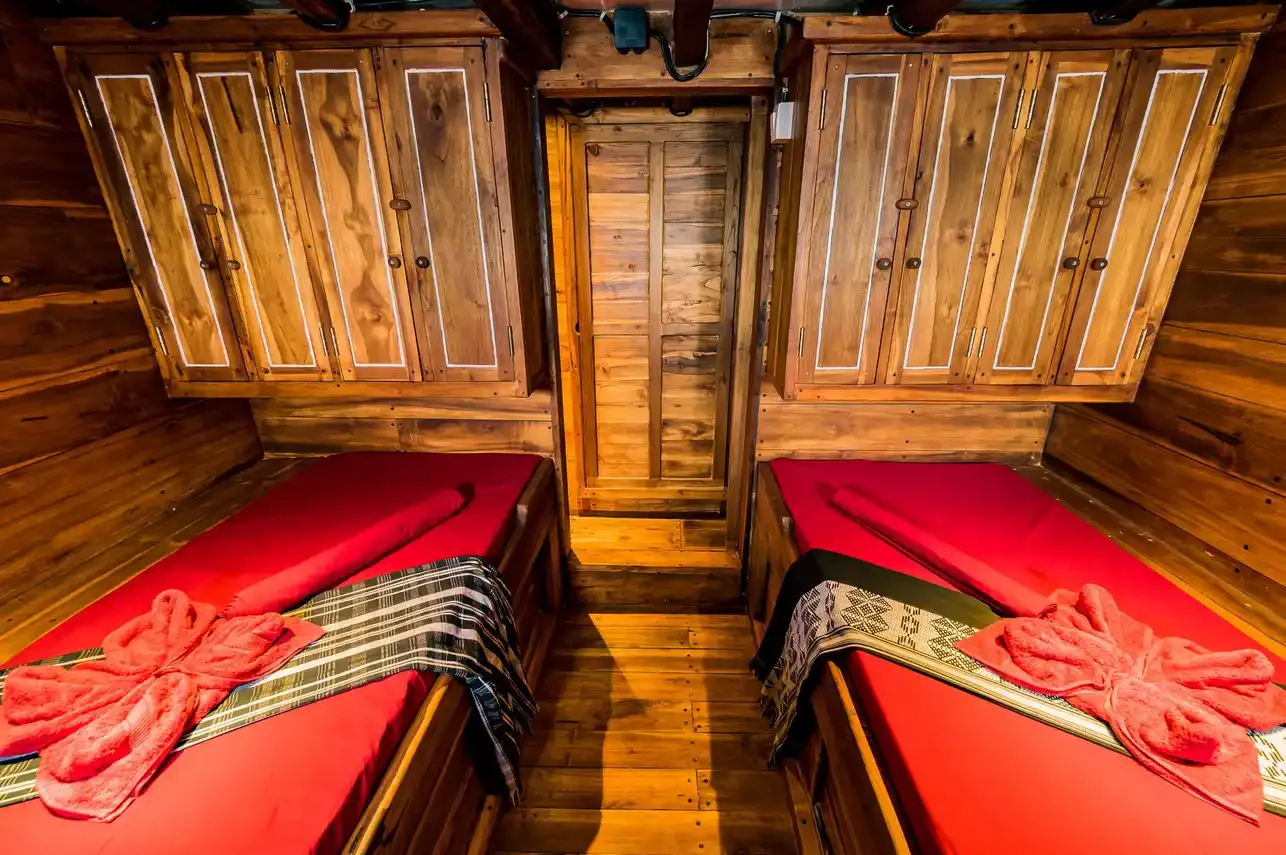
Both destinations boast some of the world’s finest phinisi-style vessels. The primary difference is in the feel of the itinerary. A raja ampat live aboard diving journey, often lasting 10 to 12 nights, feels like a true expedition into a vast, uncharted wilderness. Komodo trips are typically shorter, around 7 to 9 nights, and follow a more established, though no less spectacular, route. We specialize in creating bespoke journeys, and you can learn more about how we can customize your Raja Ampat liveaboard voyage to your exact preferences.
Is there a significant cost difference?
Raja Ampat liveaboards tend to be at a higher price point. This is due to the region’s remoteness, which increases operational and provisioning costs, the typically longer duration of the trips, and the extensive permitting required. Komodo National Park fees are calculated on a daily basis and can add up, whereas the Raja Ampat Marine Park fee is a one-time payment of approximately $100 USD, valid for a full year.
What are the key packing differences?
For Komodo’s variable water temperatures, a 5mm wetsuit is highly recommended. For the consistently warm waters of Raja Ampat, a 3mm wetsuit or even a skin suit is usually sufficient. Topside, you’ll want sturdy footwear for trekking to see the dragons in Komodo. Our comprehensive Raja Ampat packing guide covers everything you’ll need for an expedition to the Four Kings.
Ultimately, the choice between these two titans of the diving world is a luxurious one. Komodo offers a potent, concentrated adventure—a world of dragons, powerful currents, and pelagic encounters that is easily accessible and immensely rewarding. It is a trip you will never forget. But for the diver who seeks not just adventure, but transcendence; for the traveler who yearns to witness the full, unbridled creative power of the ocean in its most vibrant and diverse form; for the soul that craves a true departure into the last pristine wilderness on Earth, the compass points east. The journey to the planet’s richest reefs is the ultimate prize in a lifetime of diving. Explore our voyages and begin planning your definitive raja ampat live aboard diving expedition today.