Skip to content
Raja Ampat Liveaboard Diving
Tropical island seascape — Silhouette of palm trees at tropical sunset on Bali island.

Dive Sites

Magic Mountain, Misool

Magic Mountain is a submerged pinnacle in the Dampier Strait of South Misool, Raja Ampat, distinguished as a primary cleaning station for oceanic manta rays (Mobula birostris).

The site, also known as Karang Bayangan, is an offshore seamount whose peak nears the surface at low tide. Divers with Advanced Open Water certification navigate its currents and depths of 12 to 25 meters to observe the mantas. During the peak aggregation season from December to March, encounters with four to six individual oceanic mantas per dive are consistently recorded. The topography of Magic Mountain Misool concentrates nutrient-rich currents, supporting a complete and densely populated marine ecosystem that functions around this critical pelagic waypoint.

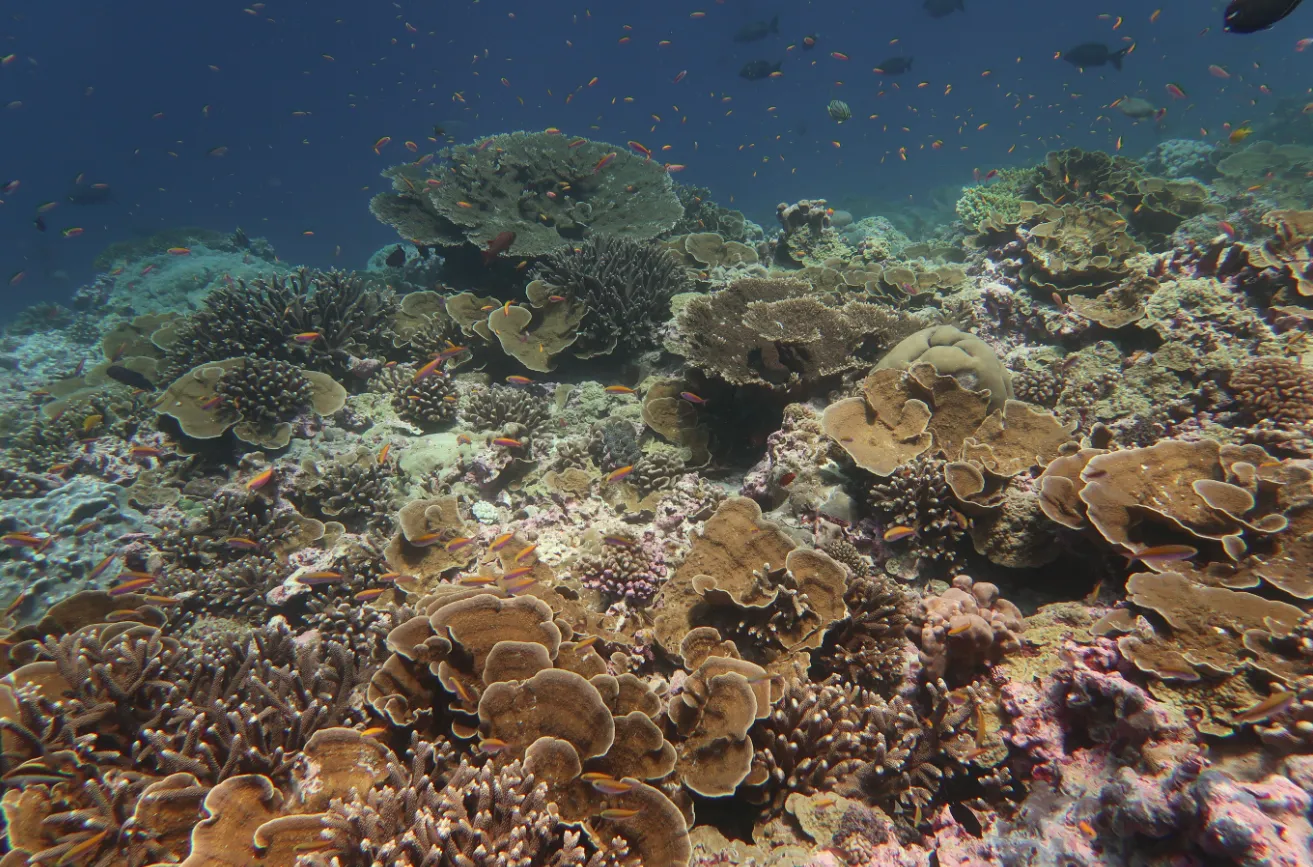
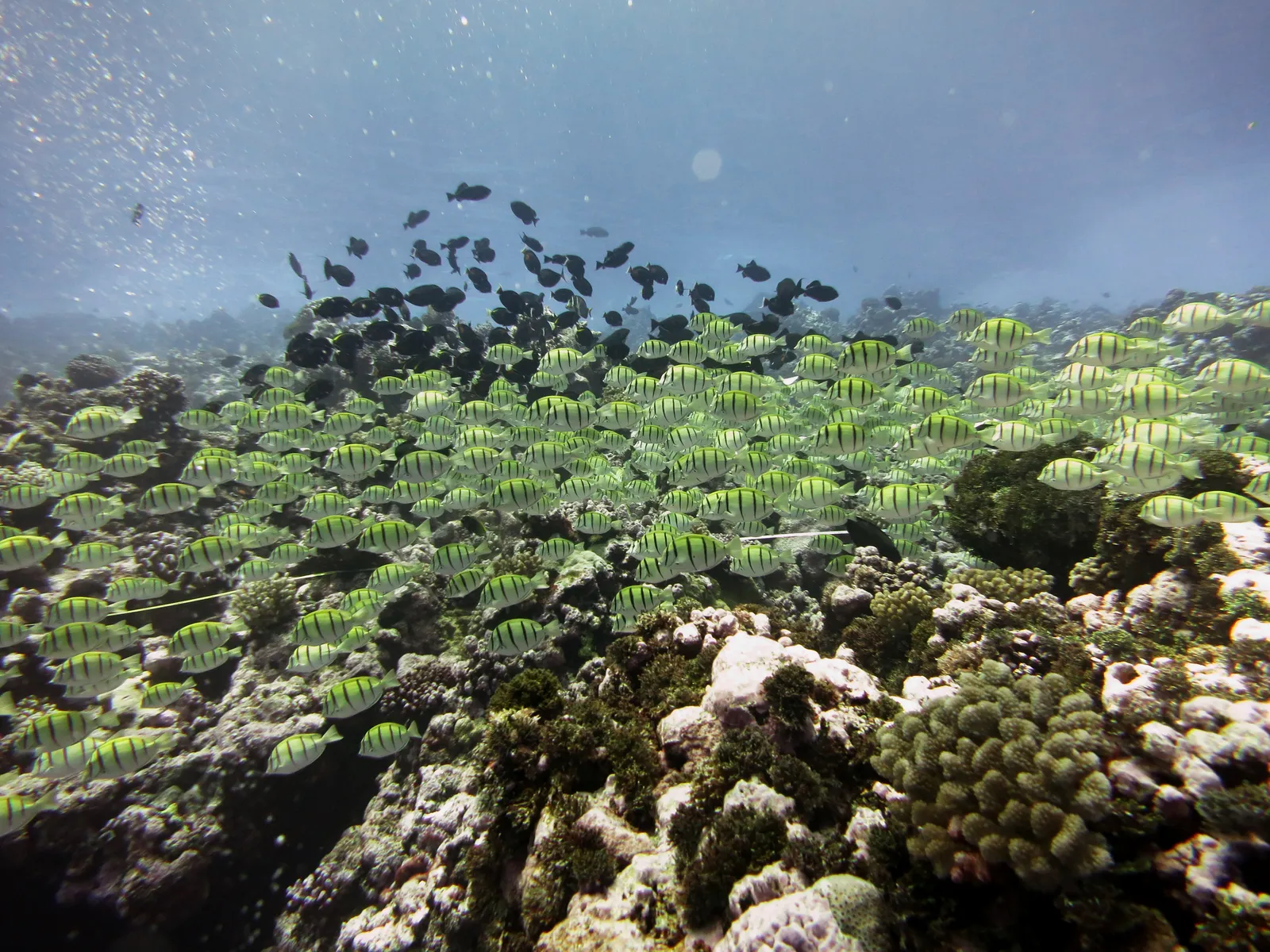
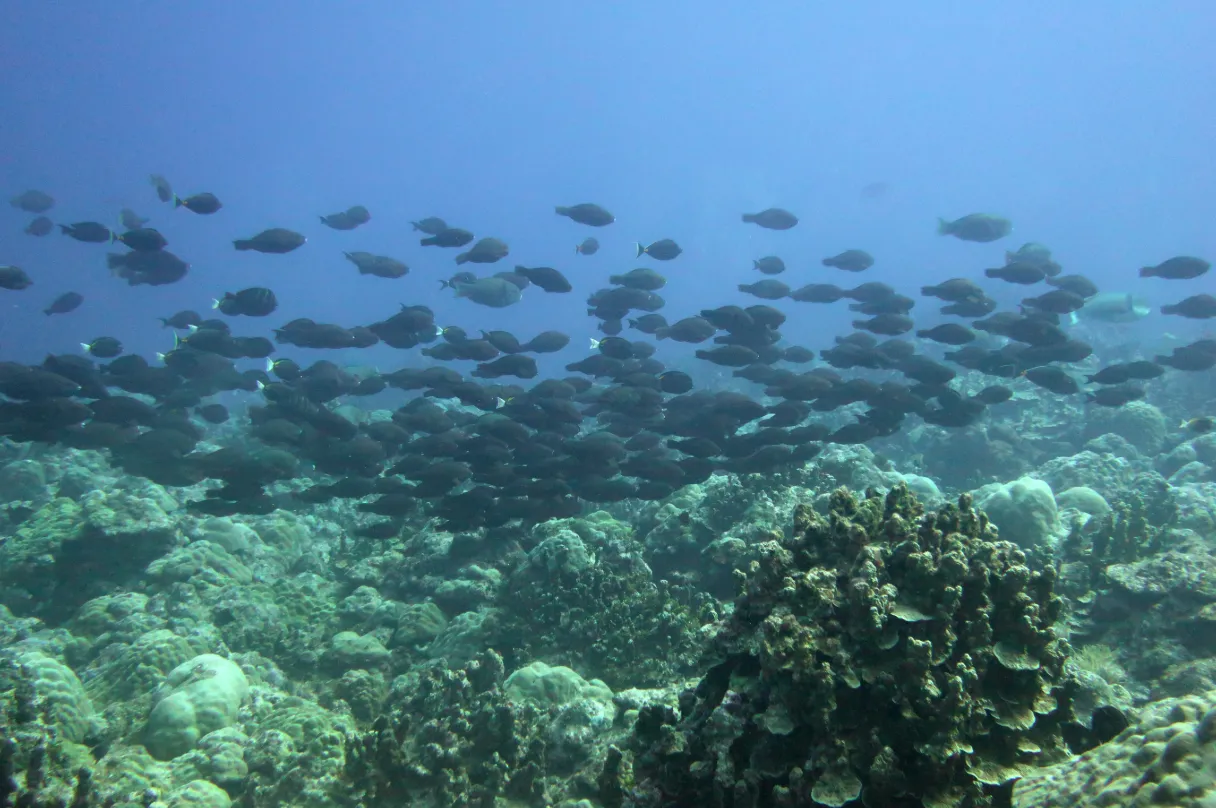
Coral reef and reef fish — Parrotfish school over coral reef Guam 2022

01

The Underwater Topography and Site Profile

Magic Mountain is a classic seamount structure, an isolated underwater mountain rising from the deeper seabed. Its peak sits at approximately five to seven meters below the surface, creating a navigational hazard for surface vessels but an oasis for marine life. The topography is a key factor in its biological significance. The pinnacle acts as an obstruction to the prevailing currents that sweep through the Dampier Strait, forcing nutrient-rich water upwards from the depths. This upwelling feeds the entire food web, from the base layer of plankton to the apex predators that patrol the area.

The dive site is typically explored in a multi-level profile. The upper section of the pinnacle is a vibrant hard coral garden, dense with acropora and table corals, teeming with anthias and damselfish. Descending along the pinnacle’s flank, the reef slopes steeply. On one side, it forms a dramatic wall, while on the other, it broadens into a wide, gently sloping plateau between 18 and 25 meters. This plateau is the primary stage for the manta ray activity. It is here that several coral bommies, covered in anemones and cleaner wrasse, serve as the cleaning stations. The strategic location of the plateau allows the large pelagic rays to approach from the deep blue and hover with minimal effort in the moderate current.

The site's exposure means it is subject to currents ranging from one to three knots. The direction and intensity of the current dictate the dive plan. Our dive guides select a descent point upstream, allowing divers to drift towards the main cleaning station. The pinnacle’s structure provides shelter in certain areas, allowing for varied exploration even when currents are running. The deeper sections, extending beyond 30 meters, are characterized by large gorgonian sea fans and whip corals, offering habitat for macro species and patrol routes for reef sharks.

02

The Oceanic Manta Ray (Mobula birostris) Phenomenon

The principal draw of Magic Mountain is its reliability as a gathering point for the oceanic manta ray, Mobula birostris. These pelagic giants travel vast distances across the open ocean and visit specific seamounts like this one for cleaning and social interaction. The activity here provides a rare and valuable opportunity for divers to observe complex natural behaviors in a predictable setting.

01

Distinguishing Oceanic from Reef Mantas

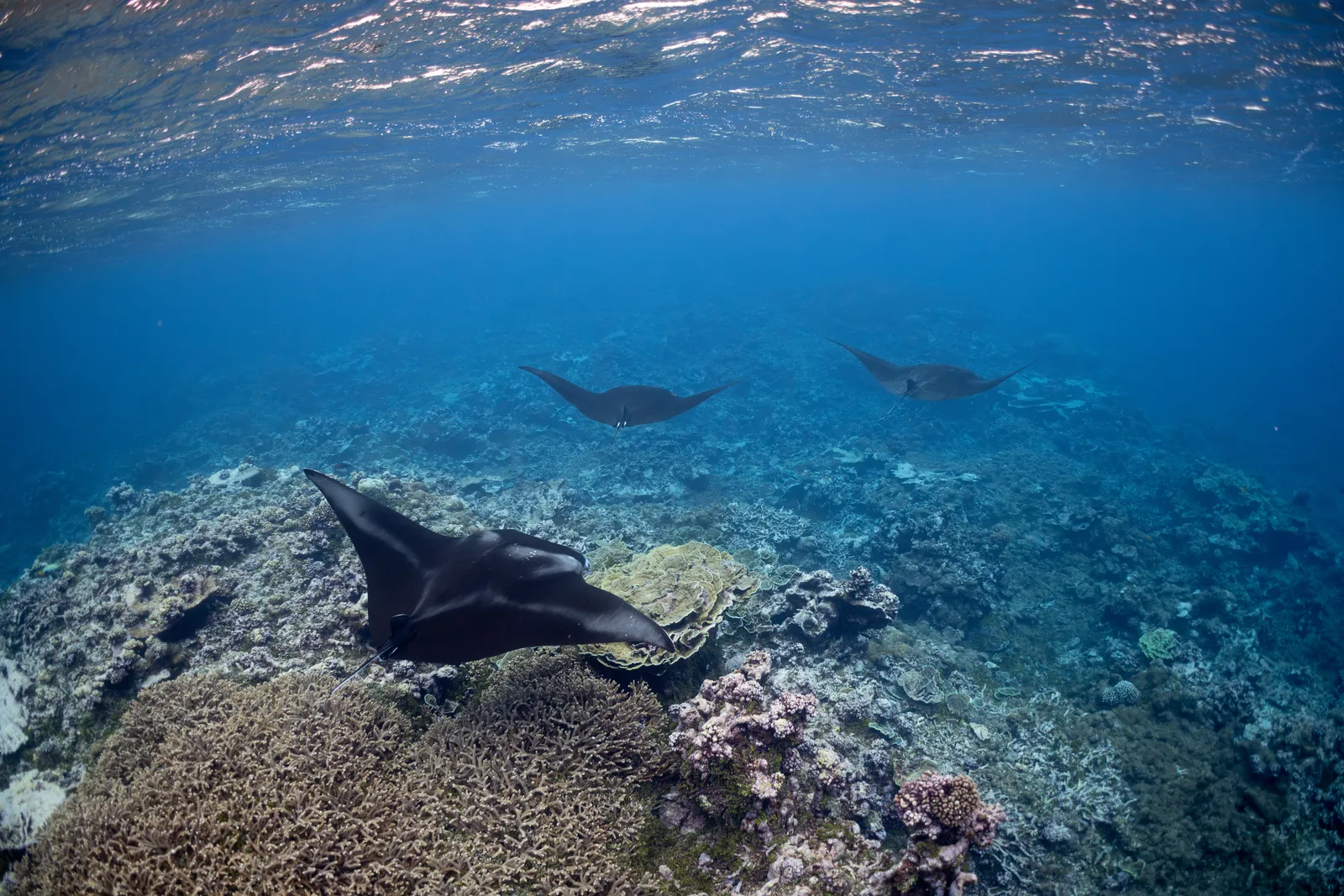
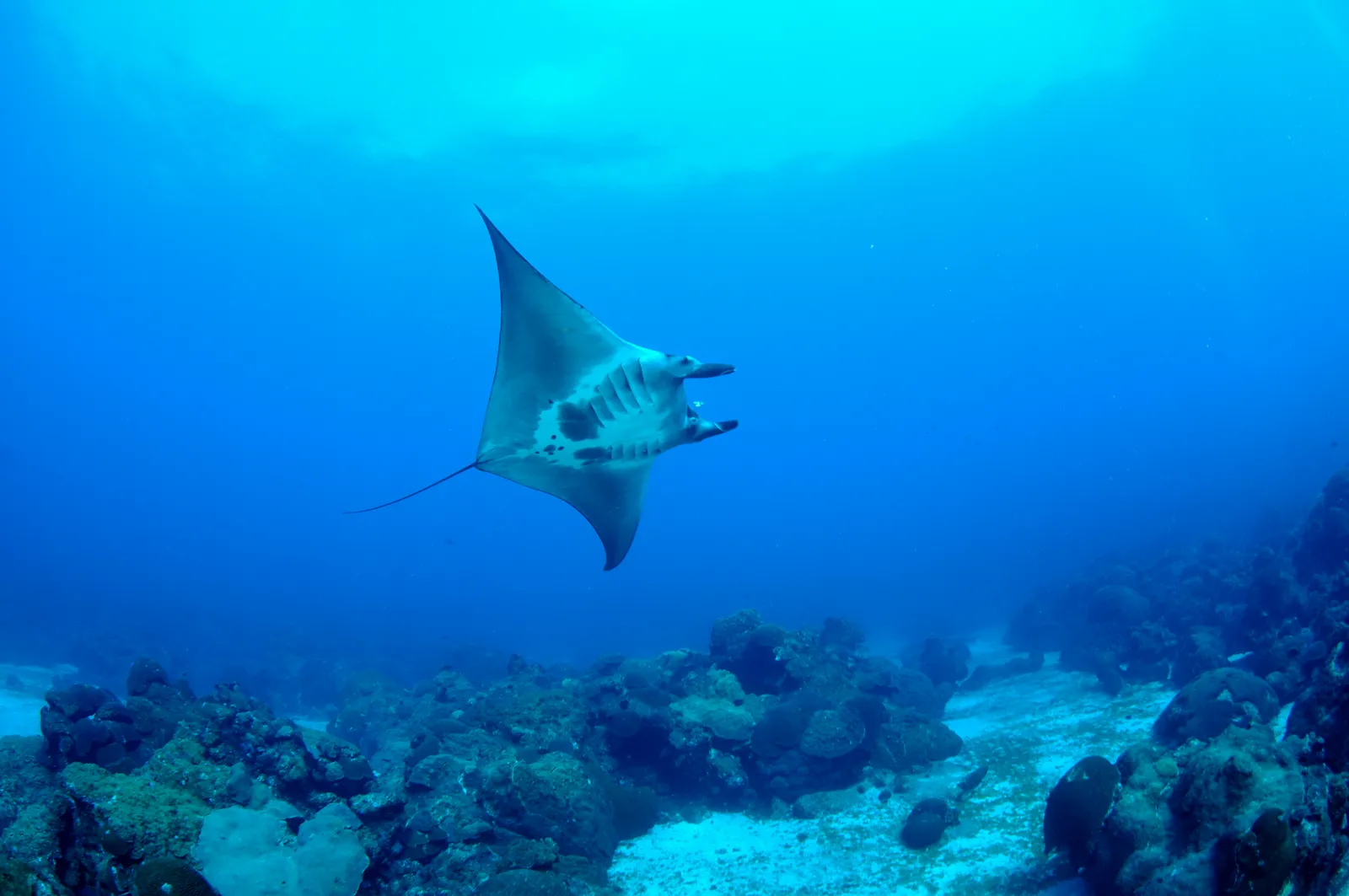
Raja Ampat is host to two distinct manta ray species, and Magic Mountain is the definitive location for observing the larger of the two. The oceanic manta (Mobula birostris) is anatomically and behaviorally different from the reef manta (Mobula alfredi), which is more commonly seen at northern Raja Ampat sites like Manta Sandy. Oceanic mantas can achieve a wingspan of up to seven meters, significantly larger than the reef manta's typical three to four meters. Their coloration provides a clear identifier: oceanics possess a distinct, black, T-shaped marking on their dorsal side, whereas reef mantas display a more scattered, Y-shaped pattern. Furthermore, the underside of an oceanic manta is typically clean white with minimal spotting around the ventral area, while reef mantas have spots between their gill slits. Their behavior is also different; as a pelagic species, M. birostris is more transient and less tied to a specific reef system than its inshore cousin.
02

The Cleaning Station Mechanics

A cleaning station is a specific location on a reef where a symbiotic relationship between large marine animals and smaller cleaner fish or shrimp occurs. At Magic Mountain, several coral bommies on the main plateau serve this function. The primary service providers are species of cleaner wrasse, most notably the Bluestreak cleaner wrasse (Labroides dimidiatus). The oceanic mantas arrive from the open ocean and signal their intent to be cleaned through specific body language, slowing their speed and hovering over the station. They open their cavernous mouths and flare their gills, allowing the small, diligent wrasse to get to work. The wrasse swim over the manta's entire body, removing and consuming ectoparasites, dead tissue, and bacteria from the skin, mouth, and gill cavities. This service is vital for the manta's health, preventing infection and reducing irritation. Divers positioned correctly can observe this intricate process from just a few meters away, witnessing multiple mantas queueing for their turn.

03

Sighting Probability and Seasonal Patterns

The period between December and March marks the peak season for oceanic manta sightings at Magic Mountain. This window aligns with specific oceanographic conditions, including shifts in current patterns and plankton density, that draw the mantas to this seamount. During these months, it is standard for our dive groups to encounter four to six distinct individuals on a single dive. They circle the pinnacle, approach the cleaning stations, and occasionally engage in feeding behavior near the surface. Outside of this peak window, particularly during the main Raja Ampat season from October to April, sightings are still possible but less frequent. Our liveaboard itineraries are scheduled to maximize the probability of these encounters by visiting South Misool during this optimal period.

Manta ray — FGBNMS - manta ray

04

Beyond the Mantas: A Complete Marine Ecosystem

While the oceanic mantas are the headline attraction, Magic Mountain supports a biomass and biodiversity that ranks it among the most dynamic dive sites in Raja Ampat. The constant flow of nutrients sustains every level of the marine food chain, resulting in a visually dense and active environment.

The reef structure itself is a testament to the health of the region, which is home to 75% of all known hard coral species. The upper slopes of the pinnacle are covered in a thick carpet of hard corals, while the deeper sections are decorated with enormous gorgonian sea fans and vibrant soft corals. These structures provide a habitat for a vast array of life. Enormous schools of fish are a permanent feature; thousands of yellowtail fusiliers, surgeonfish, and pyramid butterflyfish flow over the reef. Hunting these bait balls are larger predators like giant trevally, Spanish mackerel, and dogtooth tuna. Multiple species of sharks are common, including grey reef sharks, whitetip reef sharks, and blacktip reef sharks patrolling the edges of the reef.

The site is also rewarding for those with a keen eye for smaller creatures. The gorgonian fans are a prime location to search for the endemic Pontoh's pygmy seahorse (Hippocampus pontohi), a tiny creature barely a centimeter long. Nudibranchs, ornate ghost pipefish, and various crustaceans can be found by looking closely at the reef's complex textures. The sheer density of life ensures that even if the mantas are elsewhere, the dive is an immersive experience in one of the planet's richest marine environments.

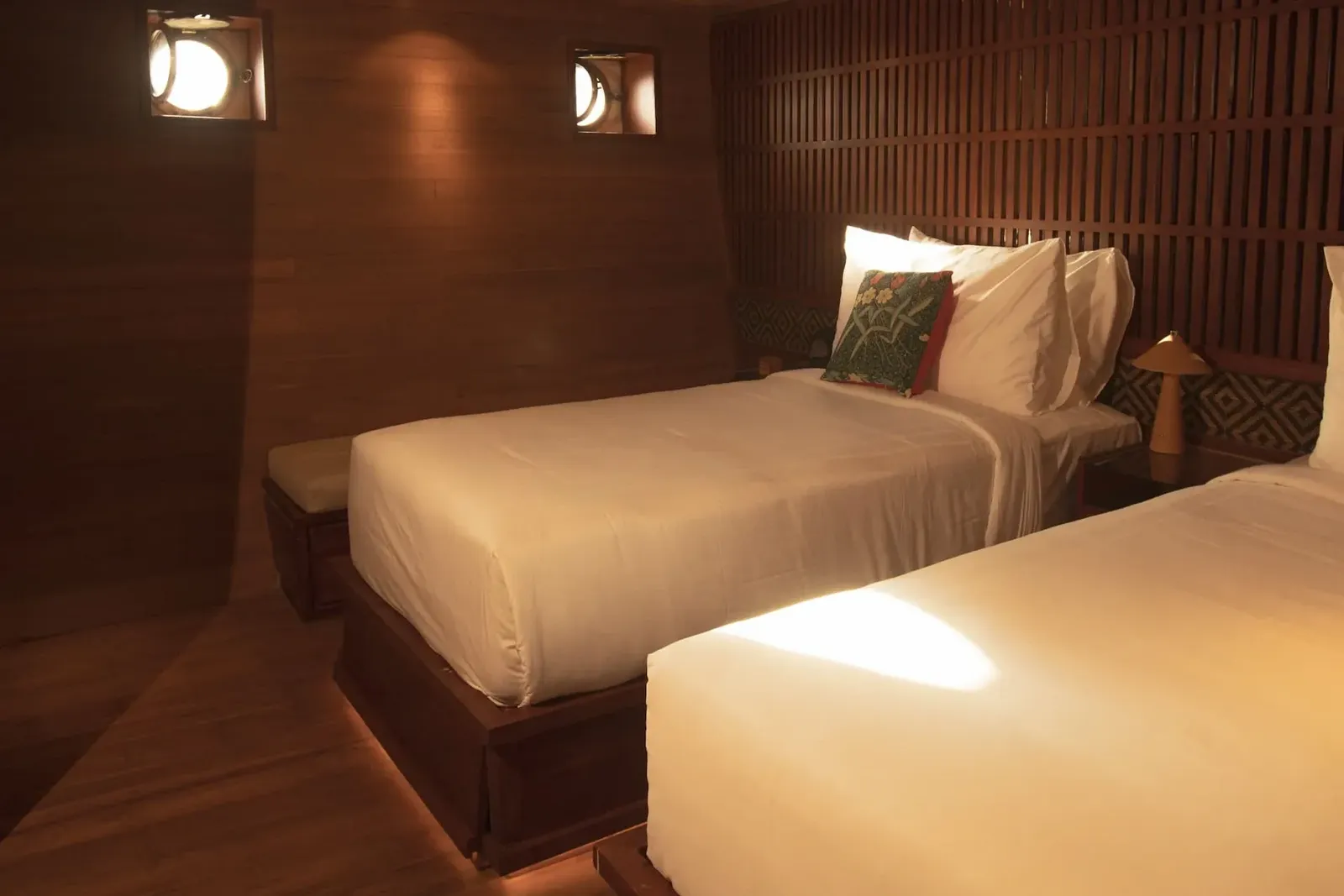
Liveaboard interior — Cabin Lower Deck twin

05

The Raja Ampat Liveaboard Voyages Advantage

Accessing a remote and challenging site like Magic Mountain requires significant logistical capability and operational expertise. As a subsidiary of the Komodo Luxury group, Raja Ampat Liveaboard Voyages draws on over a decade of continuous yacht and liveaboard operations. Our record of 1,240 successfully executed voyages and a dedicated team of 28 marine tourism professionals ensures a seamless and secure expedition.

Our voyages to Misool depart from Sorong (SOQ) aboard traditional Indonesian Phinisi schooners, vessels that combine heritage with modern navigation and safety standards. We manage all logistics, including the mandatory Raja Ampat Marine Park fees (IDR 1,000,000 per diver). Our itineraries are designed by divers, for divers, with schedules that place our guests at premier sites like Magic Mountain at the optimal time of day and year. For those seeking a fully tailored experience, we offer private charter options that allow for a completely customized itinerary focused on specific interests, from pelagic encounters to macro photography.

FAQ

FAQ: Diving Magic Mountain Misool

What is the best time of year to dive Magic Mountain for manta rays?

The most consistent sightings of oceanic manta rays occur during the peak aggregation season, from December to March. This period aligns with favorable currents and high plankton concentrations that attract the mantas to the seamount's cleaning stations. While diving is excellent throughout the October to April season, this specific window offers the highest probability of encountering multiple individuals on each dive.

Why is an Advanced Open Water certification required for this dive site?

An Advanced Open Water (AOW) certification is mandatory due to the site's typical depth profile and conditions. The primary cleaning station is located between 18 and 25 meters. Furthermore, the site is exposed to open-ocean currents that can range from one to three knots. AOW-certified divers have the training in deep diving and drift diving necessary to navigate these conditions safely and comfortably.

What marine life can I see besides oceanic mantas?

Magic Mountain is a complete ecosystem. You can expect to see large schools of fusiliers, jacks, and barracuda, as well as Napoleon wrasse. Grey reef sharks and whitetip reef sharks are common. The reef is also home to macro life, including the endemic Pontoh's pygmy seahorse and various nudibranch species. The coral gardens on the pinnacle's peak are exceptionally vibrant and diverse.

How do you ensure the mantas are not disturbed during the dive?

We adhere to a strict, passive observation protocol. Our dive guides provide a detailed briefing on manta interaction etiquette. This includes no chasing, no touching, and maintaining a safe distance. We utilize reef hooks to remain stationary, preventing accidental contact with the coral and minimizing our physical presence. By positioning divers upstream, we ensure our exhaled bubbles flow away from the cleaning station.

What are the typical water conditions at Magic Mountain?

During the peak diving season from October to April, water temperatures are consistently warm, ranging from 27 to 30 degrees Celsius. Visibility is generally excellent, often between 20 and 40 meters, due to the site's offshore location and oceanic currents. These conditions provide clear, comfortable, and photographic opportunities for observing the marine life and underwater topography.

The precision required to dive Magic Mountain and the profound encounters it offers are the foundation of a South Raja Ampat expedition. Our team utilizes a decade of operational experience to place you at this specific seamount at the right time. To include Magic Mountain in your bespoke Raja Ampat itinerary aboard one of our Phinisi yachts, contact our voyage planning team directly on WhatsApp at +62 811-3823-875 or inquire about our upcoming schedules.

Tropical island seascape — Silhouette of palm trees at tropical sunset on Bali island.

Plan Your Raja Ampat Voyage

Our dive concierge team is ready to design your private phinisi charter. We manage all logistics — from arrival in Sorong to your departure.