In this article
- Decoding Raja Ampat’s Climate: Beyond “Dry” and “Wet” Seasons
- The Prime Season: October to April – A Diver’s Paradise
- The Shoulder Months: An Insider’s Choice for May, June, and September
- The Off-Season Anomaly: Why July and August Are Best Avoided
- A Month-by-Month Guide to Peak Season Diving
- Quick FAQ: Your Raja Ampat Timing Questions Answered
- Related reading



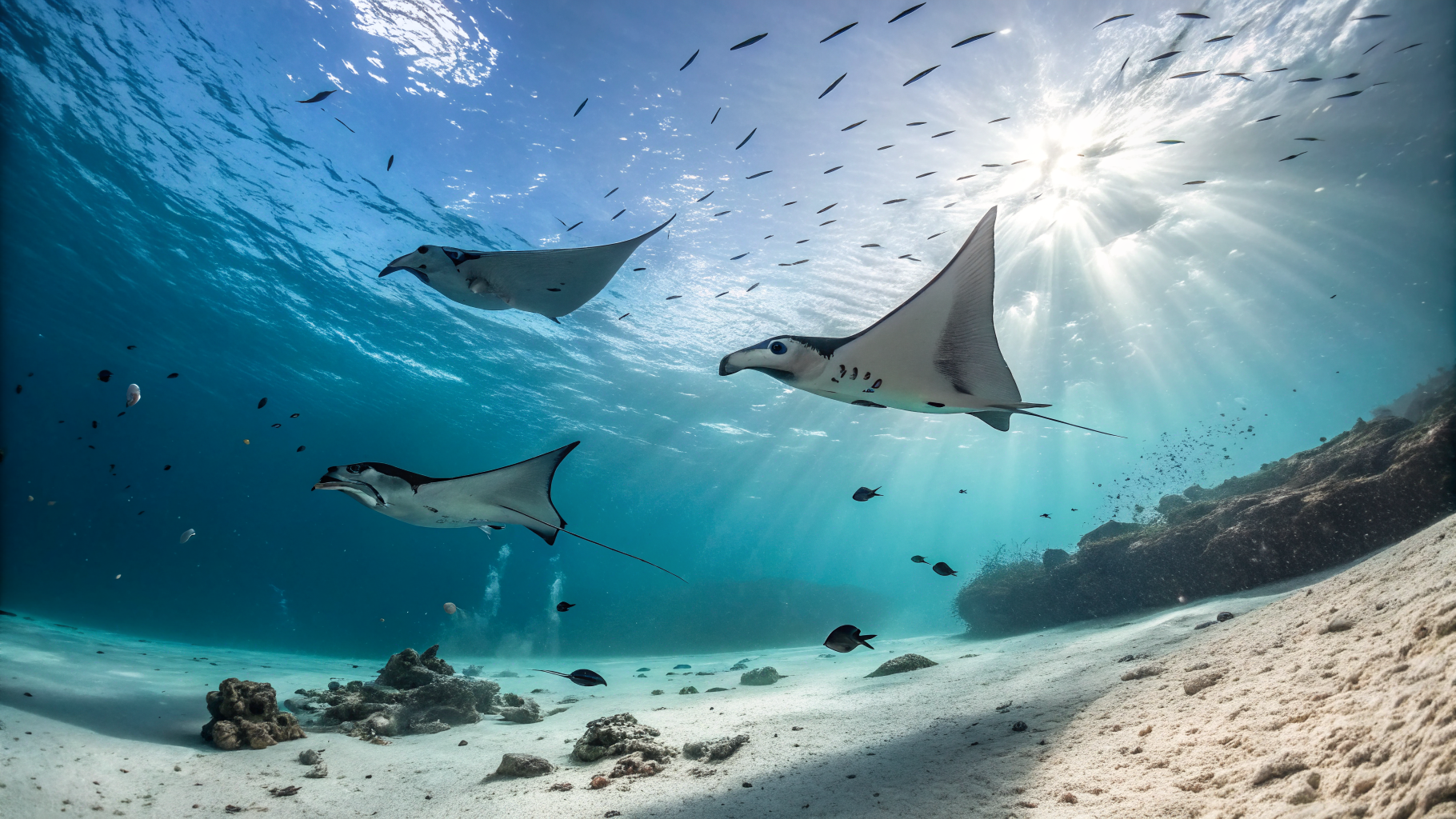

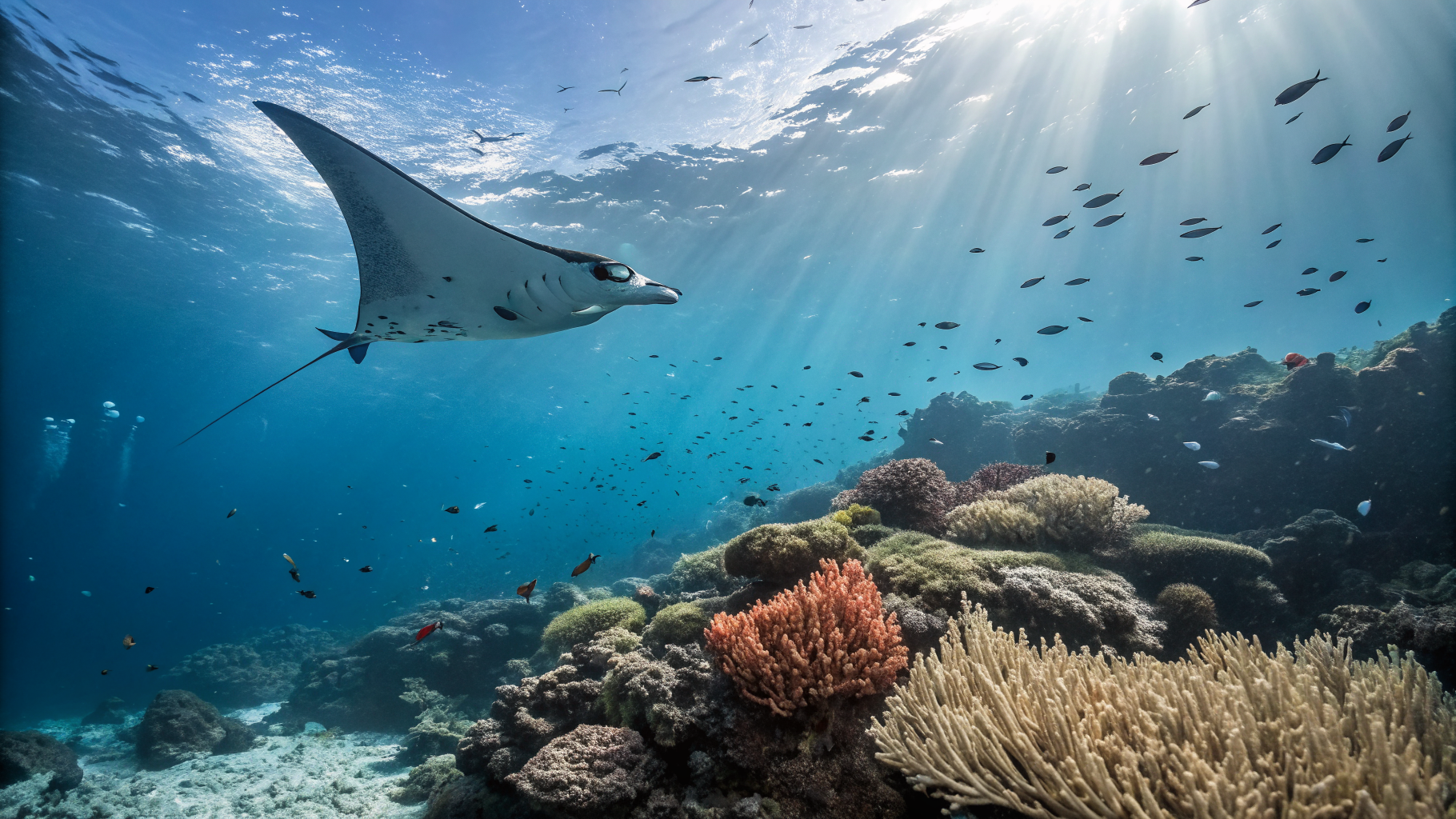
- Optimal Marine Encounters: This window aligns with the peak season for observing large aggregations of both oceanic and reef manta rays at their cleaning stations.
- Ideal Surface Conditions: Glassy seas ensure smooth and comfortable sailing between Raja Ampat’s 1,500-plus islands, maximizing itinerary possibilities and passenger comfort.
- Consistent Water Temperatures: The water remains a welcoming 28-30°C (82-86°F), perfect for extended multi-dive days.
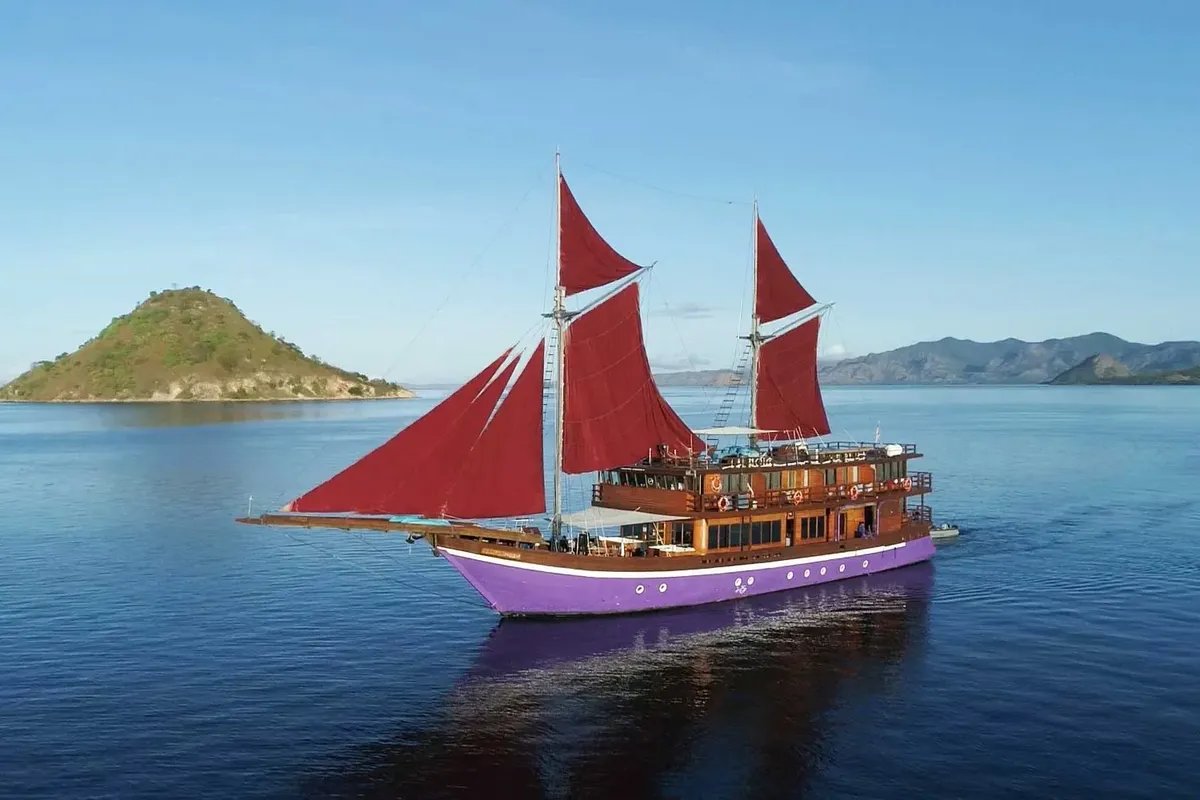
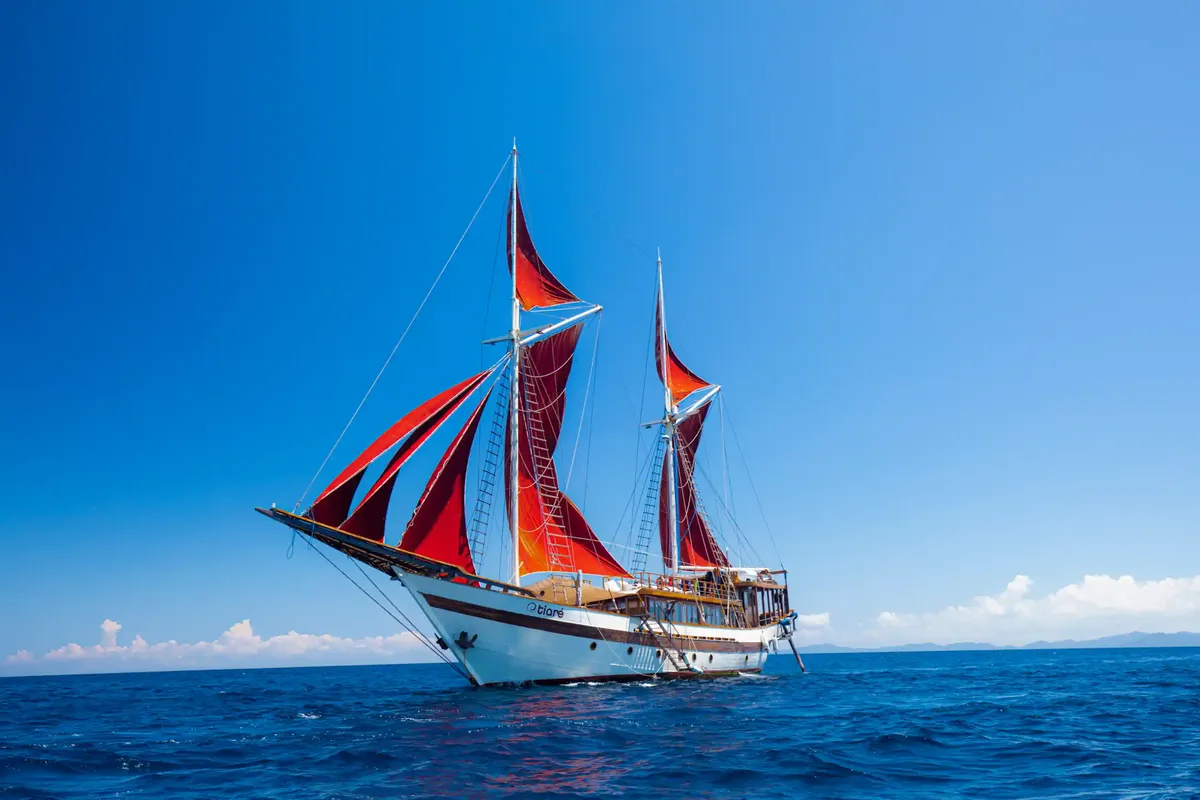
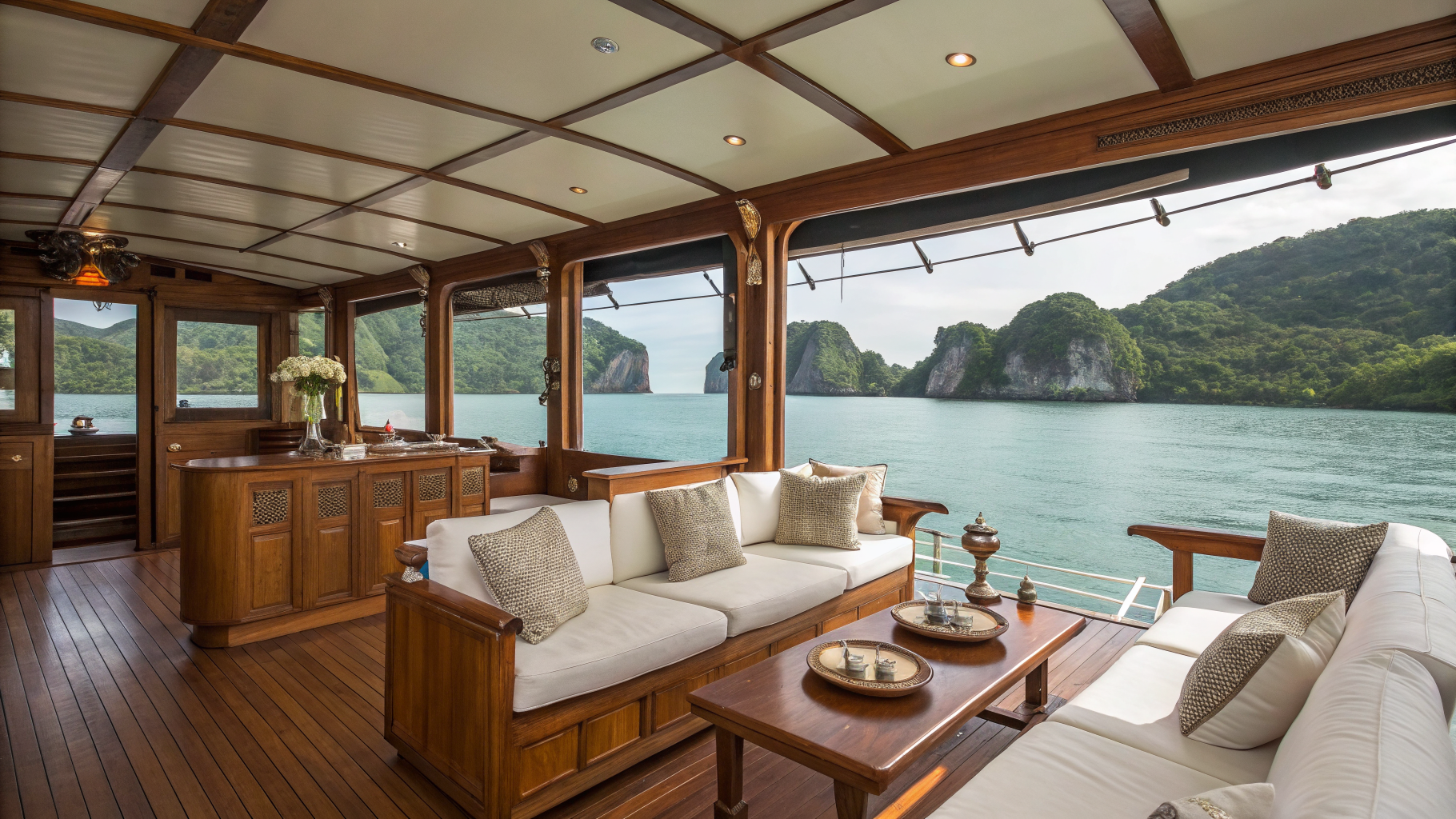
The gentle groan of the ironwood hull is the first thing you notice. You are aboard a custom-built phinisi, gliding through waters the color of liquid sapphire. The air, thick with the scent of salt and distant, volcanic earth, carries the cry of a sea eagle. Below the surface, a city of coral awaits. This is the opening scene of a journey into Raja Ampat, the world’s epicenter of marine biodiversity. But in a realm governed by ancient monsoons and subtle oceanic shifts, timing is not just a detail—it is the very foundation of your expedition. As a travel editor who has spent decades navigating the globe’s most exclusive destinations, I can tell you that aligning your voyage with the archipelago’s rhythm is the difference between a spectacular trip and a truly transcendent one.
Decoding Raja Ampat’s Climate: Beyond “Dry” and “Wet” Seasons
To pinpoint the best time for Raja Ampat diving, one must first dispense with temperate-climate thinking. Straddling the equator, Raja Ampat doesn’t experience four distinct seasons. Instead, its climate is a tropical dance between two monsoons that dictate wind, rain, and, most critically for divers, the state of the sea surface. The entire archipelago spans an immense 4.6 million hectares, an area so vast that conditions in the north, near the iconic karst pinnacles of Wayag, can differ from those in the south, around the soft coral gardens of Misool. However, a general pattern provides the framework for planning a premier voyage.
The primary diving season, often called the “dry season,” is governed by the northwest monsoon, which runs from October through April. This period is characterized by calmer seas, reduced rainfall, and consistently sunny days. The winds are gentler, making for placid crossings between dive sites and comfortable evenings at anchor. Conversely, the southeast monsoon, from late May to September, brings stronger winds and higher precipitation. This is considered the “wet” or “off” season, not because of constant rain—which typically arrives in brief, intense afternoon squalls—but because the winds can churn the seas, particularly in the southern and central regions, making navigation and diving challenging. Water temperatures, thankfully, are a constant gift, rarely straying from a blissful 28-30°C (82-86°F) year-round.
The Prime Season: October to April – A Diver’s Paradise
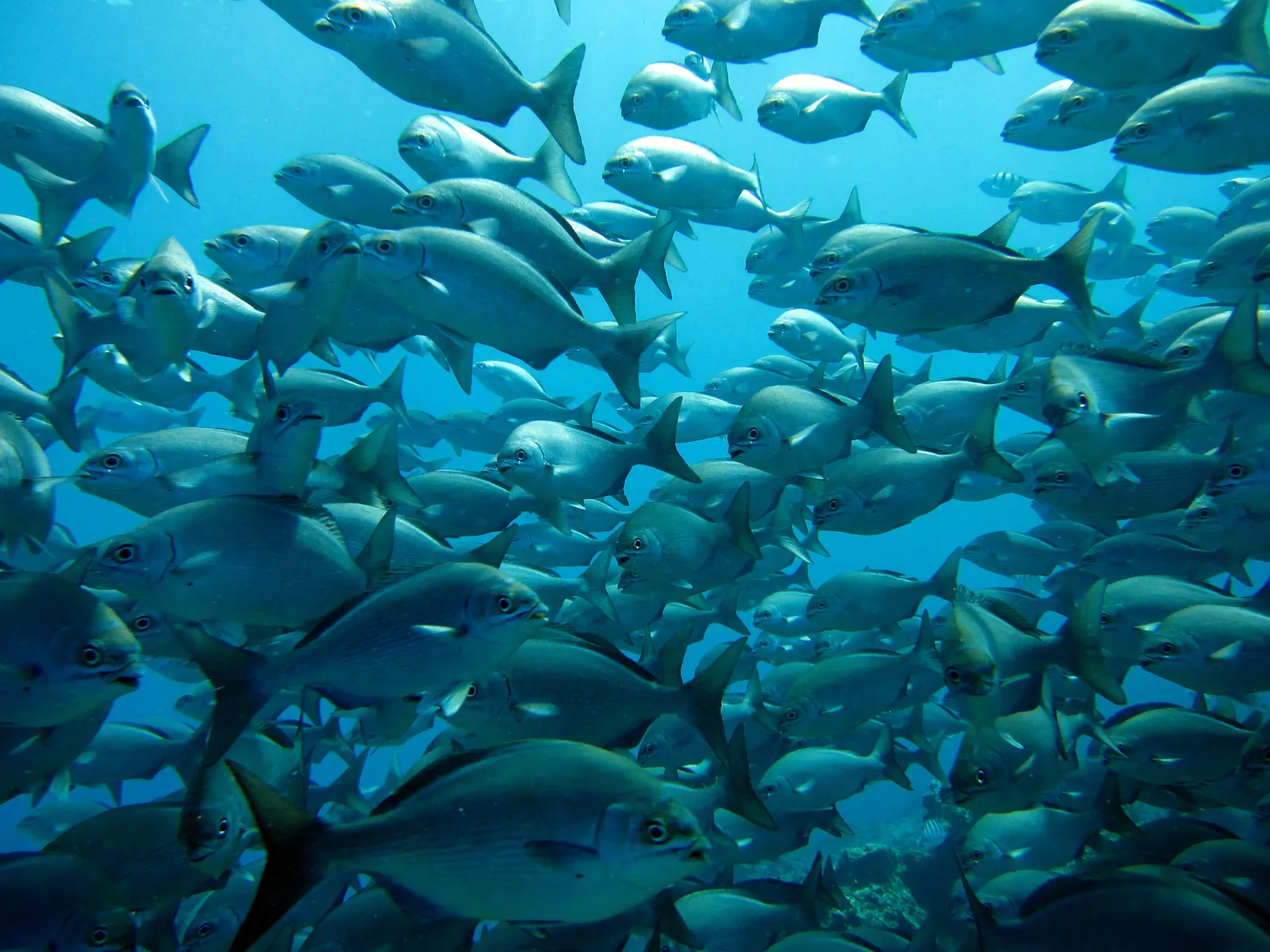
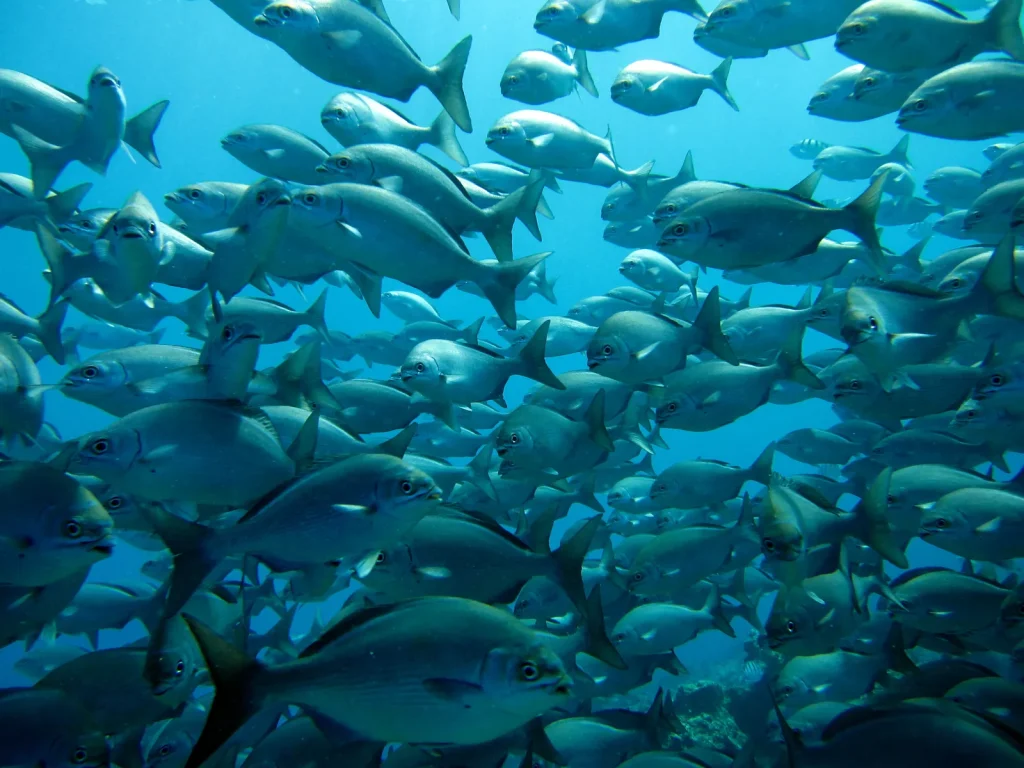
For the quintessential raja ampat live aboard diving experience, the seven-month window from October to April is exceptional. This is when the archipelago truly reveals the full splendor of its reputation. The primary benefit is the sea state. The calm, often glassy, surfaces allow liveaboards to execute their itineraries with precision and comfort, granting access to the most remote and celebrated dive sites. Underwater visibility frequently extends beyond 30 meters (100 feet), transforming dives at locations like Cape Kri into a cinematic experience. It was here, at Cape Kri, that marine biologist Dr. Gerald R. Allen recorded a world-record 374 species of fish on a single 90-minute dive—a testament to the area’s hyper-diversity.
This period is also the high season for megafauna encounters. Manta ray cleaning stations, such as Manta Sandy and Manta Ridge, become bustling hubs of activity. Divers can witness dozens of reef mantas and the more elusive, larger oceanic mantas queuing patiently to be serviced by cleaner wrasse. The stable weather also opens up the possibility for more ambitious itineraries. The placid conditions are ideal for exploring the dramatic landscapes of both the northern and southern regions on a single, extended voyage. This level of flexibility is precisely why many of our guests explore our customization options, designing a trip that perfectly aligns with these optimal conditions. For a broader overview of this magnificent region, the official Indonesia tourism portal offers excellent resources.
The Shoulder Months: An Insider’s Choice for May, June, and September
While the peak season offers predictability, the shoulder months—May, June, and September—hold a certain allure for the seasoned traveler seeking solitude. As the prevailing winds begin to shift, most fleets have yet to arrive or have already begun their repositioning cruises. The result is a quieter Raja Ampat, where you might find yourself as the sole vessel anchored in a pristine bay. This is a different kind of luxury, one measured in silence and exclusivity. Diving conditions can be more variable, with a higher chance of rain and occasional surface chop, but the underwater world remains just as vibrant. These months can be particularly favorable for exploring the southern reaches of the archipelago.
The Misool region, a protected 300,000-acre marine park, is somewhat shielded from the initial brunt of the southeast winds. Its maze of islands can offer calm lee shores and protected dive sites when other areas are more exposed. A voyage during this time is a calculated venture; it requires a vessel with a highly experienced captain and a crew adept at navigating changing conditions. It underscores the importance of our unwavering commitment to safety and operational excellence. For those willing to embrace a bit of unpredictability, the reward is an intimate encounter with Raja Ampat, free from the high-season crowds and full of adventurous spirit.
The Off-Season Anomaly: Why July and August Are Best Avoided
In the spirit of providing candid, authoritative advice, it is essential to be clear: July and August are not the months to plan a diving cruise in Raja Ampat. This is not a suggestion; it is a directive based on maritime reality. During this period, the southeast monsoon is at its peak, generating strong winds locally known as the *angin selatan* (south winds). These winds create significant and persistent ocean swells that can make open-water crossings between island groups not only uncomfortable but hazardous. Dive operations become difficult to manage safely, and many of the premier sites, particularly in the Dampier Strait, become inaccessible.
In fact, the majority of reputable liveaboard operators, including our entire fleet, do not run trips in Raja Ampat during these two months. Vessels are either relocated to other Indonesian destinations with more favorable climates, such as Komodo National Park, or they enter a scheduled dry-dock period for essential maintenance and upgrades. This is a standard and responsible practice within the industry, ensuring the long-term integrity of the vessels and the safety of all future guests. Attempting to visit during this time would lead to a severely compromised experience. Remember, even in the best of seasons, proper preparation is key; our comprehensive Raja Ampat packing guide details everything you need for a comfortable and safe journey, regardless of the month.
A Month-by-Month Guide to Peak Season Diving
To truly refine your travel plans, a more granular, month-by-month analysis of the prime season is invaluable. Each part of this window offers subtle variations and unique opportunities.
October – November: The season awakens. The seas have calmed after the winter winds, and the reefs seem to exhale in relief. Visibility is often exceptional, and the first aggregations of manta rays begin to appear at the cleaning stations. There’s a freshness in the air, a sense of new beginnings, and fewer vessels than you’ll find in the coming months.
December – January: This is the absolute peak season, coinciding with the festive holidays. The weather is typically at its most stable and driest. All itineraries, from the northern Wayag lagoons to the southern Misool seascapes, are fully accessible. Due to immense popularity, securing a charter during this period requires foresight; our guide to the booking process recommends confirming plans 12 to 18 months in advance.
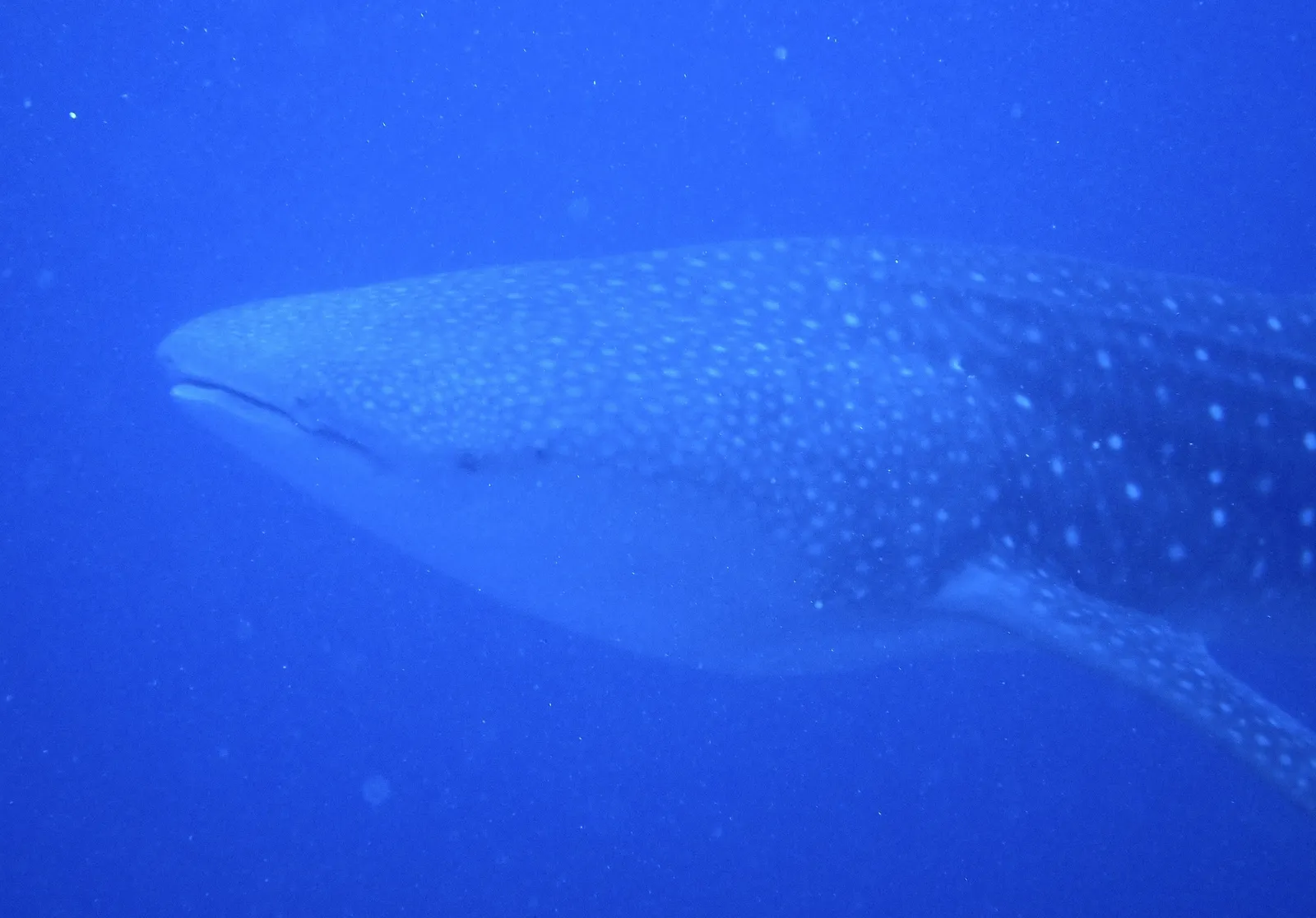
February – March: From my perspective as a travel editor, this is the sweet spot. The holiday crowds have dissipated, but the weather and diving conditions remain perfect. A slight increase in plankton concentration may occur, which can marginally reduce visibility from its gin-clear peak but has the tremendous benefit of attracting larger filter feeders. Encounters with whale sharks, while never guaranteed, are more probable during this time. The biodiversity here is a key reason for its inclusion on the UNESCO World Heritage tentative list.
April: The season’s magnificent finale. Conditions are still excellent, with warm, calm seas. As the month progresses, the weather patterns begin their slow transition, but diving remains superb. This is often a great time to find better availability on top-tier vessels as the season winds down, offering a final opportunity to witness the magic before the monsoonal shift.
Quick FAQ: Your Raja Ampat Timing Questions Answered
Is there a bad time to see manta rays?
While manta rays are resident in Raja Ampat year-round, the best and most reliable time to see large groups at cleaning stations is during the peak season from October to April. During these months, their presence is significantly more predictable and concentrated.
What is the water temperature in Raja Ampat?
The water temperature is remarkably consistent, hovering between 28-30°C (82-86°F) throughout the year. For most divers, a 3mm full-length wetsuit or even a dive skin is perfectly adequate for comfort during multiple dives per day.
Does the “best time” differ for the north (Wayag) vs. the south (Misool)?
Generally, the October to April window is ideal for comprehensive itineraries covering the north, central, and southern regions. However, Misool’s unique geography can sometimes make it more protected during the shoulder months (May/June), offering a viable option when the central Dampier Strait might be choppy. For guaranteed calm crossings to all regions, the core dry season remains the undisputed champion.
How far in advance should I book for a peak season voyage?
For charters between December and March, we strongly advise booking 12 to 18 months in advance. The world’s most sought-after private vessels are often reserved years ahead, and planning this far out ensures you secure your preferred dates and the perfect phinisi for your private expedition.
Choosing the right chronological window is the first critical decision in crafting an unforgettable journey to the world’s last marine frontier. The months from October to April offer a near-guarantee of the idyllic conditions for which Raja Ampat is celebrated. Yet, the ultimate quality of the experience is defined not by the calendar, but by the vessel, the crew, and the expertise behind the expedition. The next step is to select a voyage that matches your ambition. Explore our fleet and discover the pinnacle of raja ampat live aboard diving. Our journey planners are standing by to help you craft your definitive voyage into this aquatic Eden.