In this article
- The November Advantage: Decoding the Climate and Sea Conditions
- Marine Life Spectacles: What to Spot Beneath the Waves
- Navigating Prime Itineraries: From the Dampier Strait to Wayag’s Peaks
- The Onboard Experience: Refined Adventure in the World’s Last Paradise
- Logistics and Preparation: Securing Your November Voyage
- Quick FAQ for a November Raja Ampat Trip
- Related reading
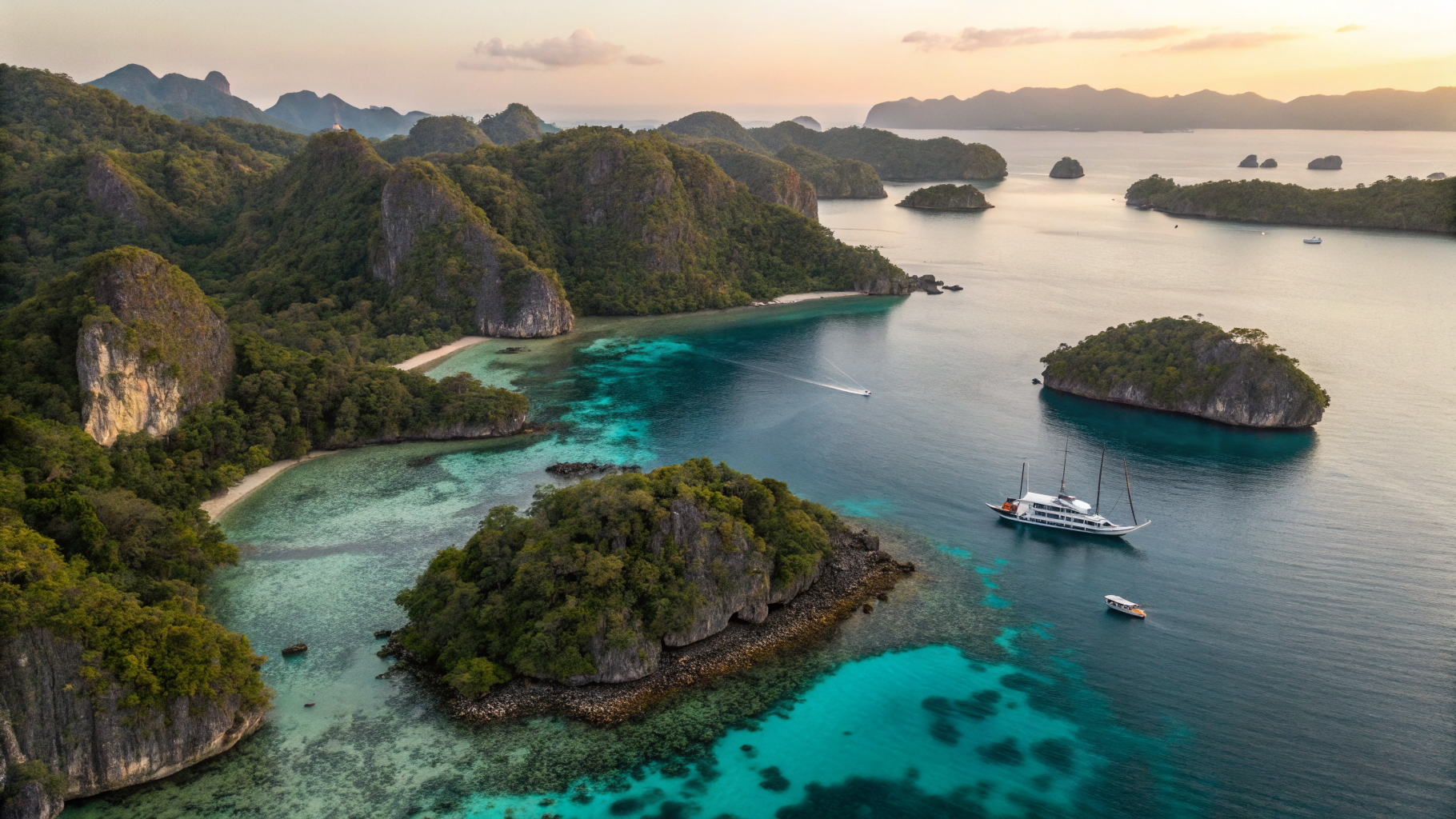
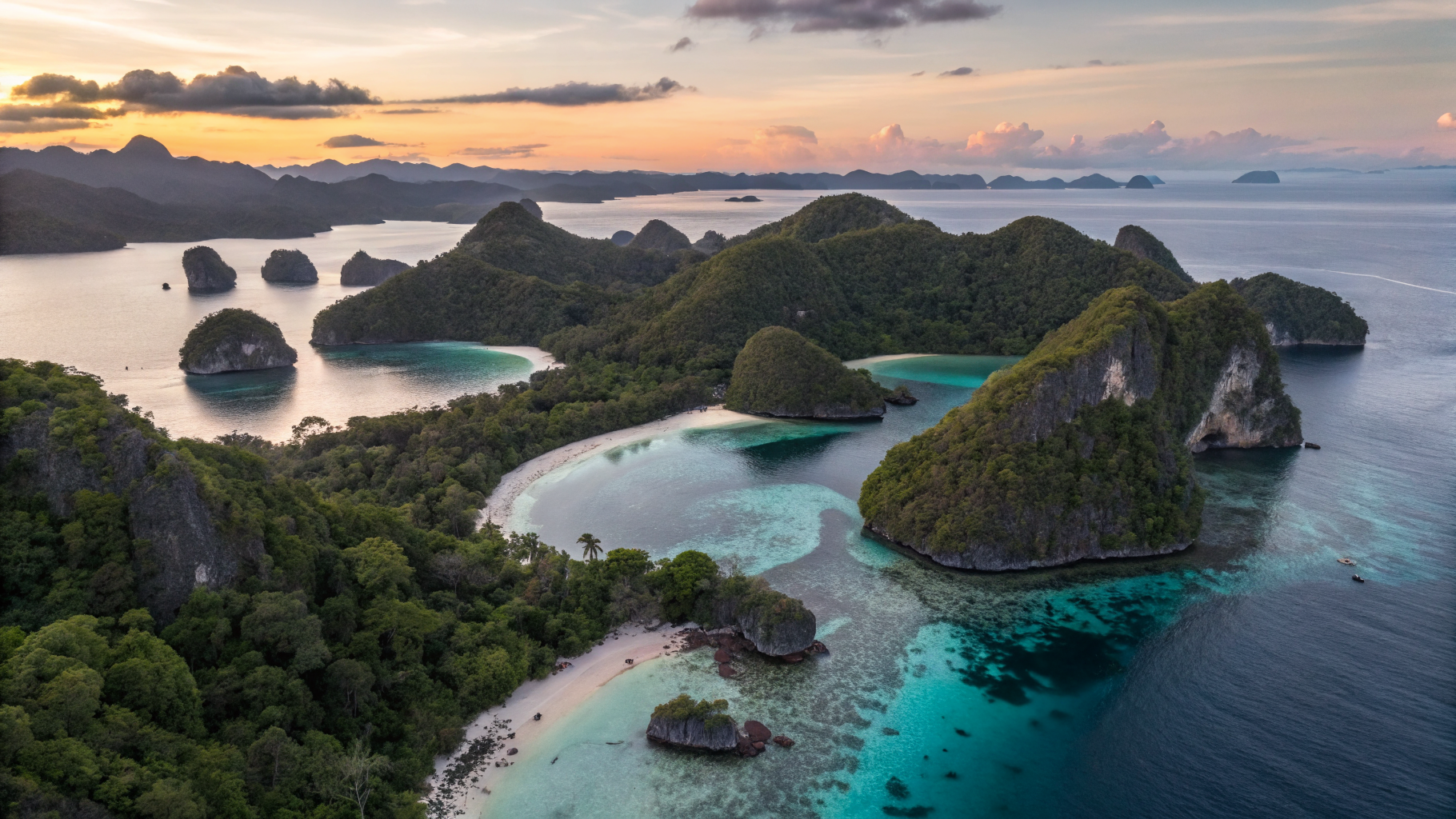
- Optimal Conditions: Experience calm seas and surface weather as the region enters a tranquil inter-monsoon period.
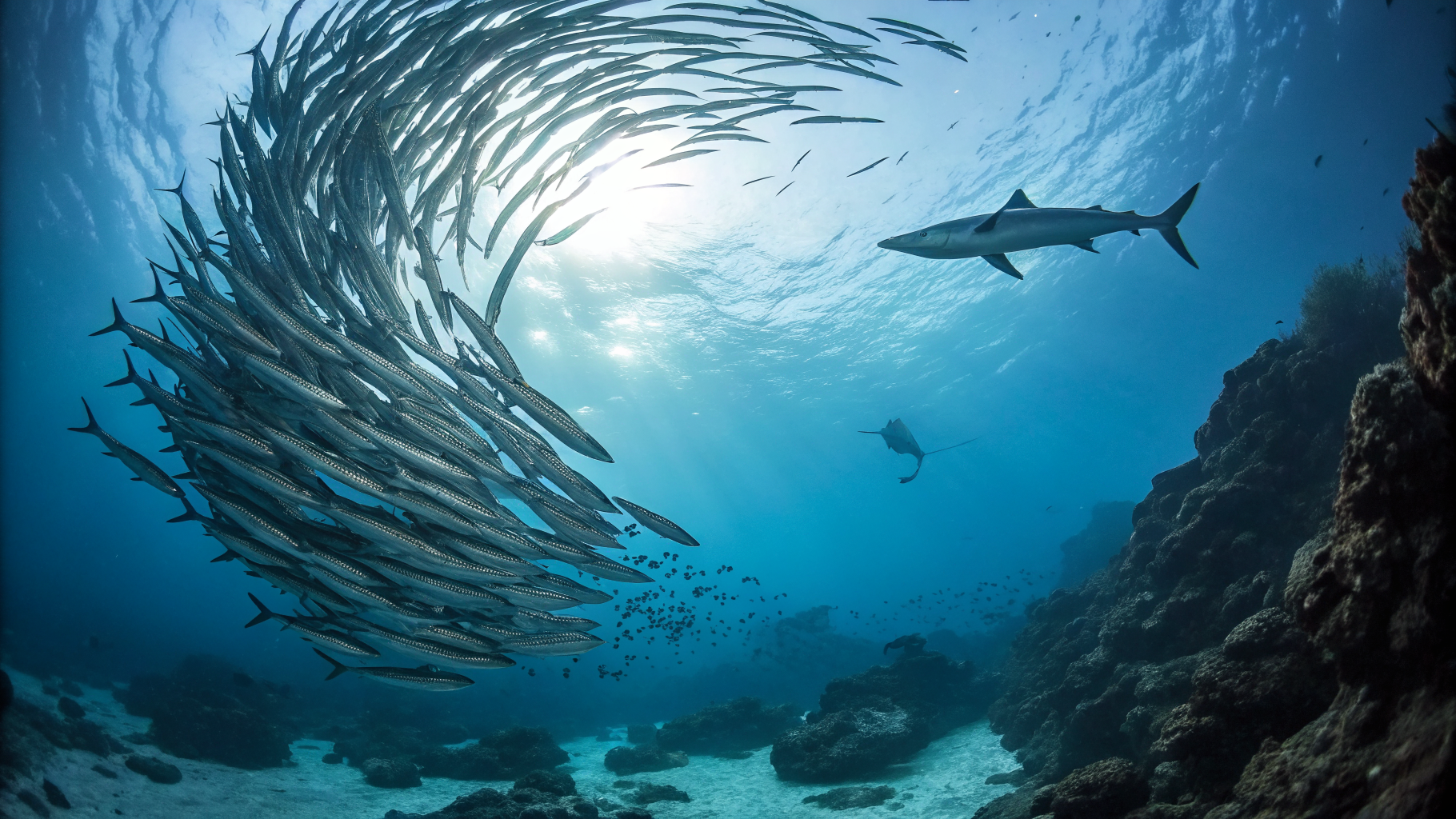
- Peak Visibility: Enjoy underwater visibility frequently exceeding 30 meters, perfect for photography.
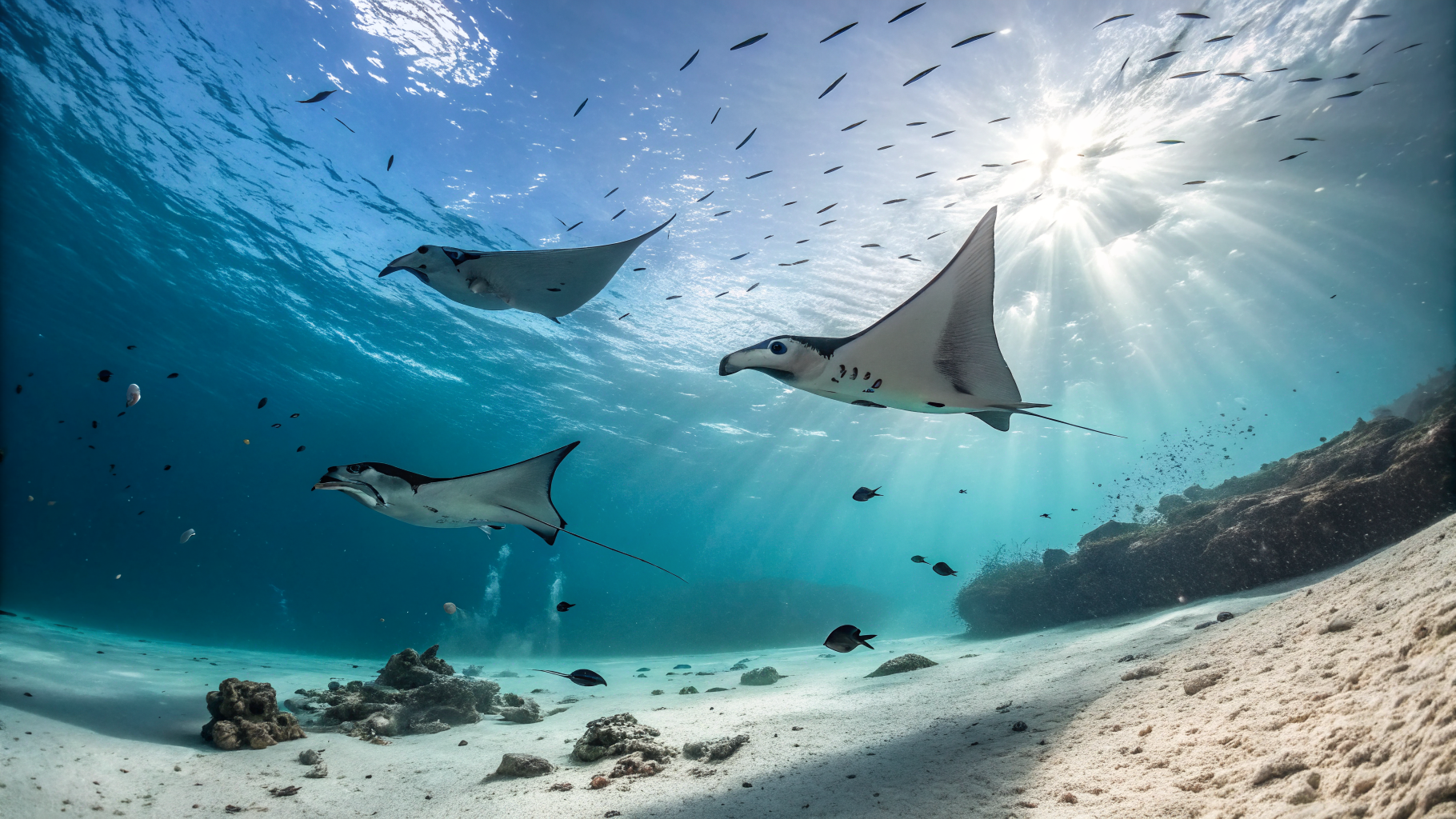
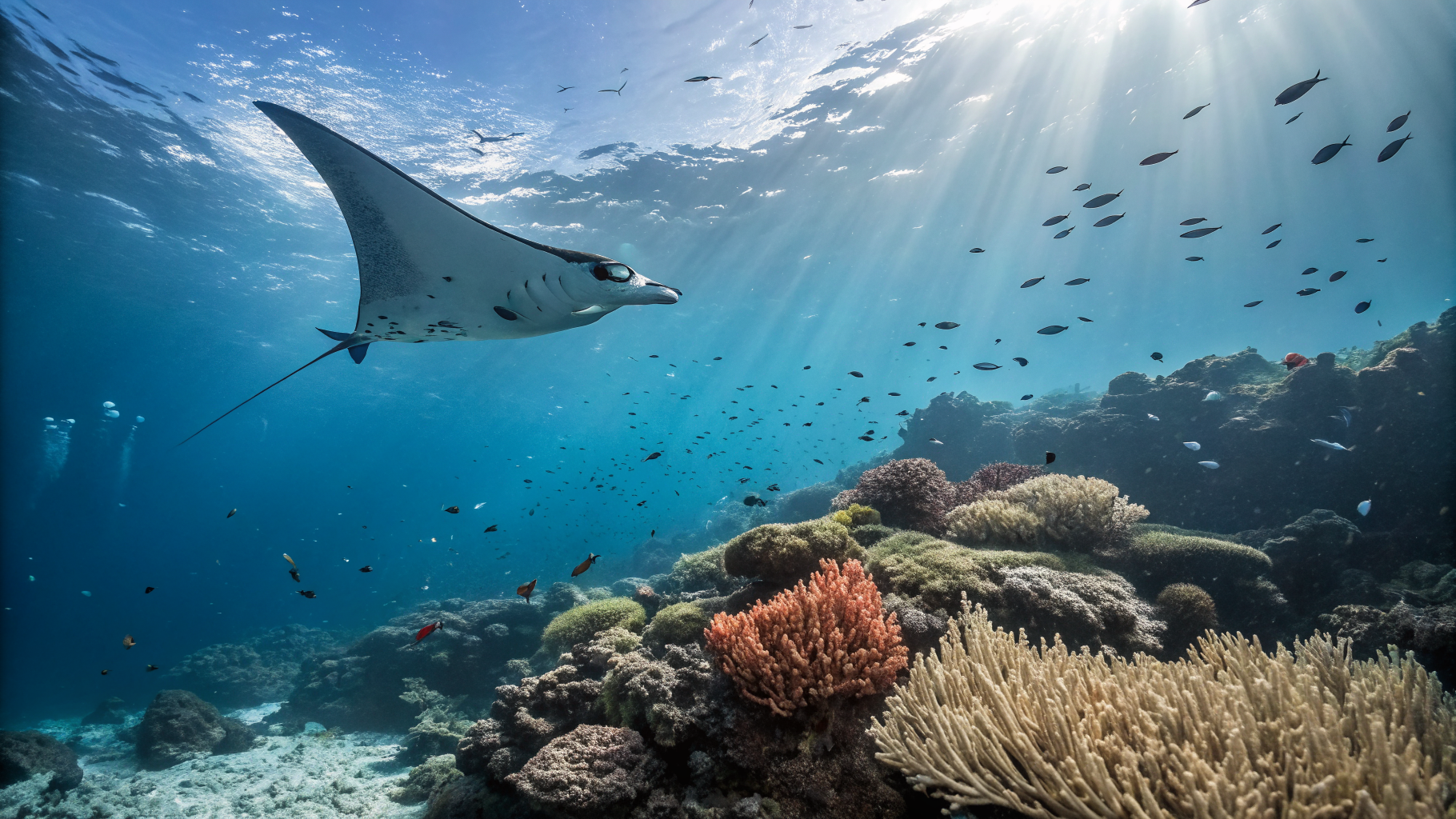
- Manta Ray Season: Witness large aggregations of both reef and oceanic manta rays at key cleaning stations.
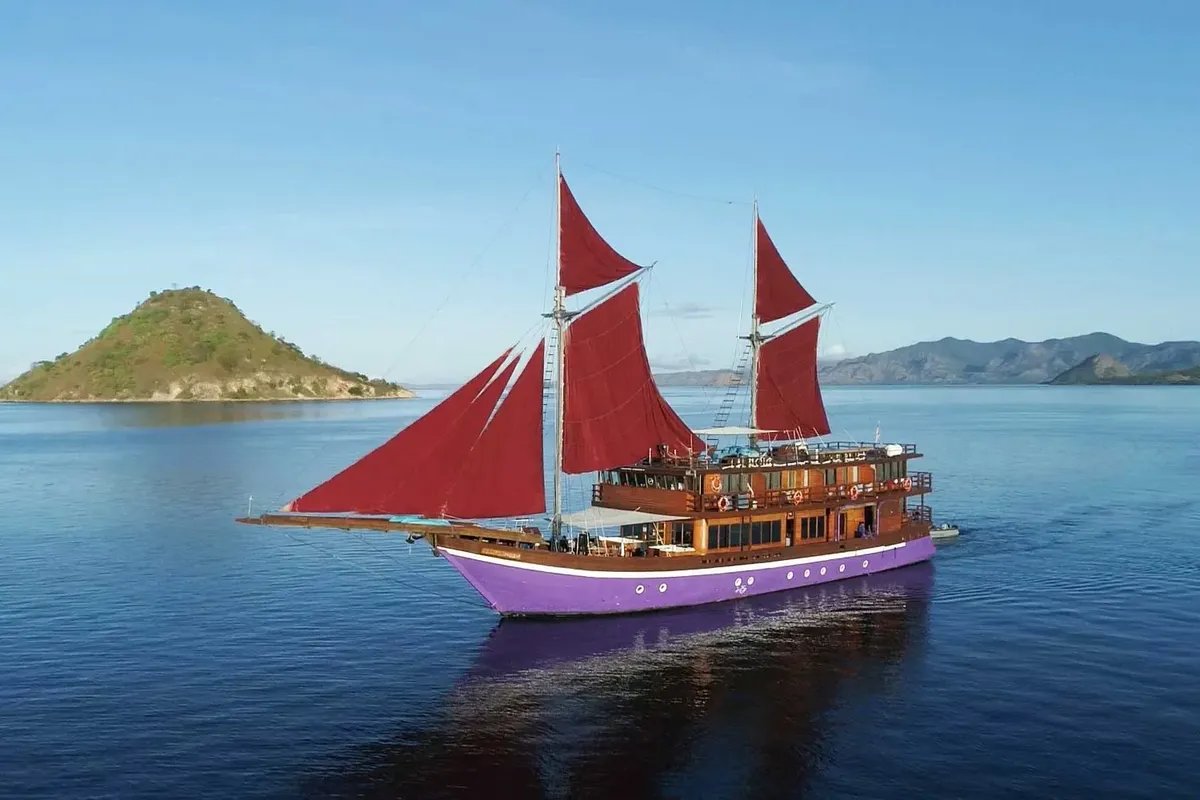
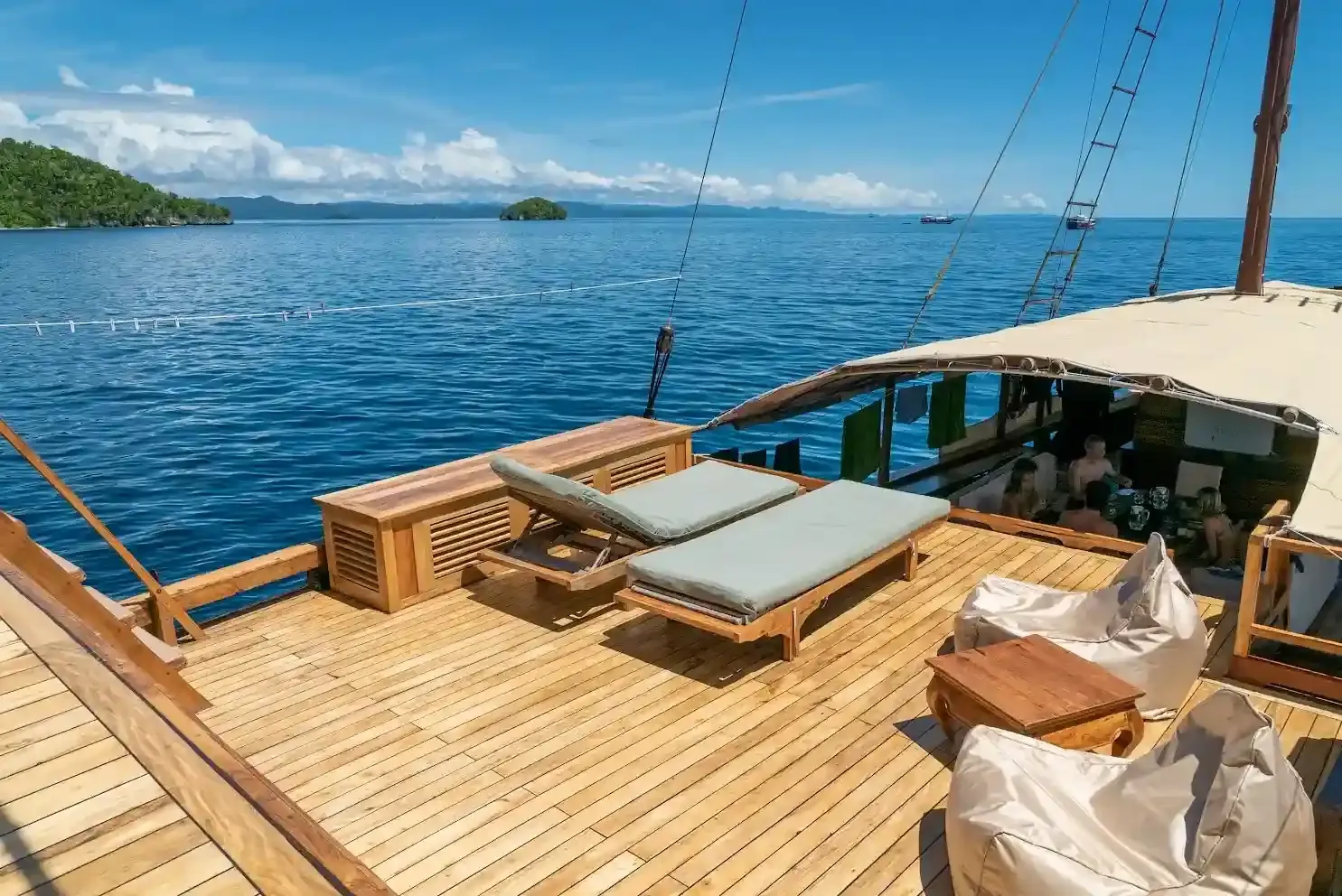
The air is thick with the scent of petrichor and clove as a brief, pre-dawn shower subsides. From the sundeck of the Amandira, our 52-meter phinisi schooner, the first rays of sun ignite the mist clinging to the limestone karsts of Wayag. Below, the sea is a placid, impossible turquoise. This is the essence of November in Raja Ampat—a time when the archipelago seems to exhale, settling into a period of profound calm and clarity. For those of us who have spent decades charting the world’s most remote corners, November here isn’t just a month; it’s a phenomenon, the precise moment the curtain rises on the planet’s most vibrant marine spectacle.
The November Advantage: Decoding the Climate and Sea Conditions
As a travel editor, I’m often asked for the “perfect” time to visit a destination. In Raja Ampat, the answer is nuanced, but November presents a compelling case. This month marks a critical transition between the dry, windy southeast monsoon and the wetter northwest monsoon. The result is an inter-monsoon period characterized by exceptionally calm seas and minimal wind, typically below 10 knots. This placidity is not merely a comfort; it is the key that unlocks the entire archipelago. Itineraries that might be challenging in other months become effortlessly accessible, allowing our vessels to navigate from the Dampier Strait’s current-swept channels to the remote, iconic lagoons of the north without compromise.
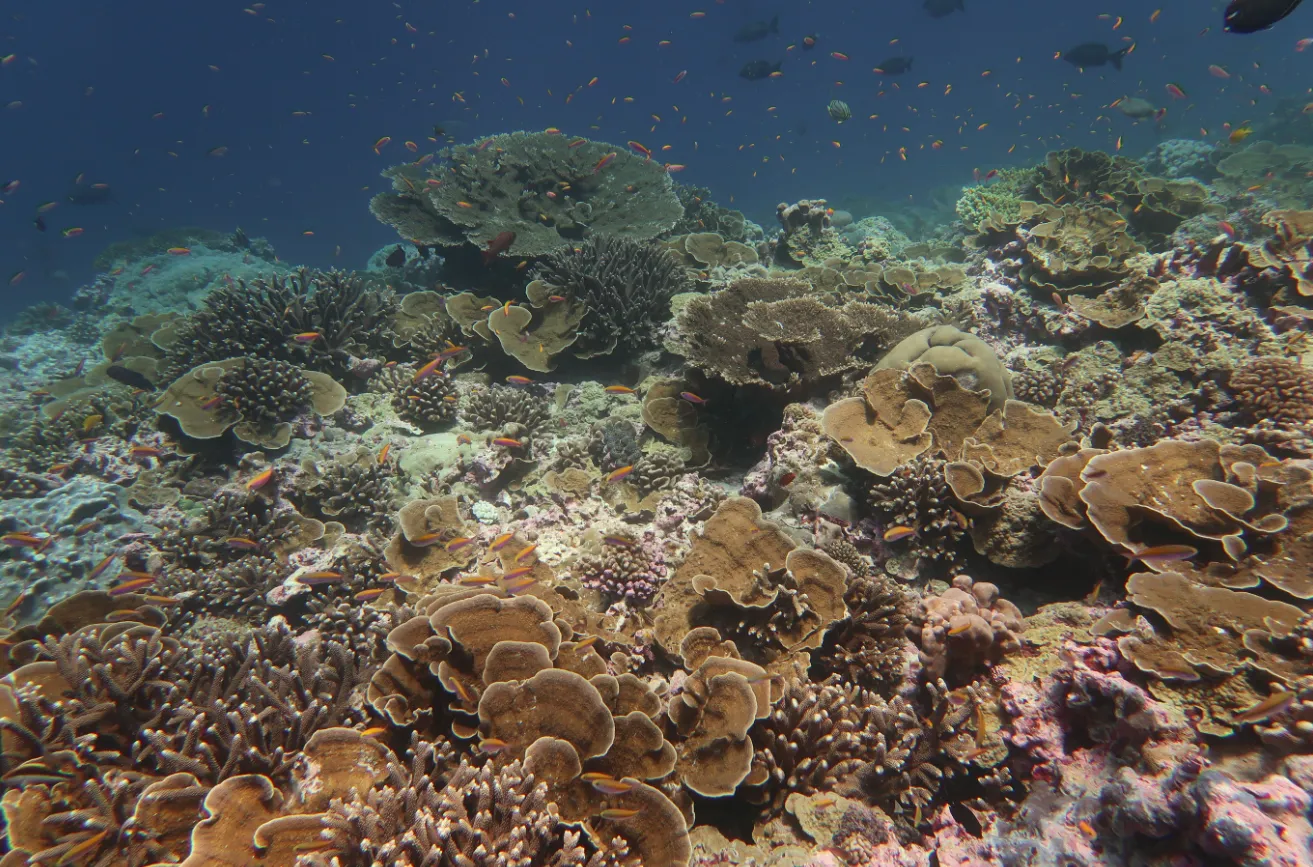
Beneath the surface, the conditions are just as favorable. Water temperatures remain a consistent and comfortable 28-30°C (82-86°F), requiring only a 3mm wetsuit for most divers. More importantly, the settling of the seasons brings a dramatic increase in water clarity. After the plankton blooms of the previous months, the water clears to reveal visibility that often extends beyond 30 meters (100 feet). This gin-clear water transforms dives at sites like Melissa’s Garden or Blue Magic into truly immersive experiences, where the sheer scale and density of marine life are visible in one panoramic sweep. While November is technically the start of the wet season, the precipitation is rarely a deterrent. Showers tend to be short, intense, and often occur overnight, leaving the days bright and the air clean. For a more detailed seasonal breakdown, you can review our guide to the best time for Raja Ampat liveaboard voyages.
Marine Life Spectacles: What to Spot Beneath the Waves
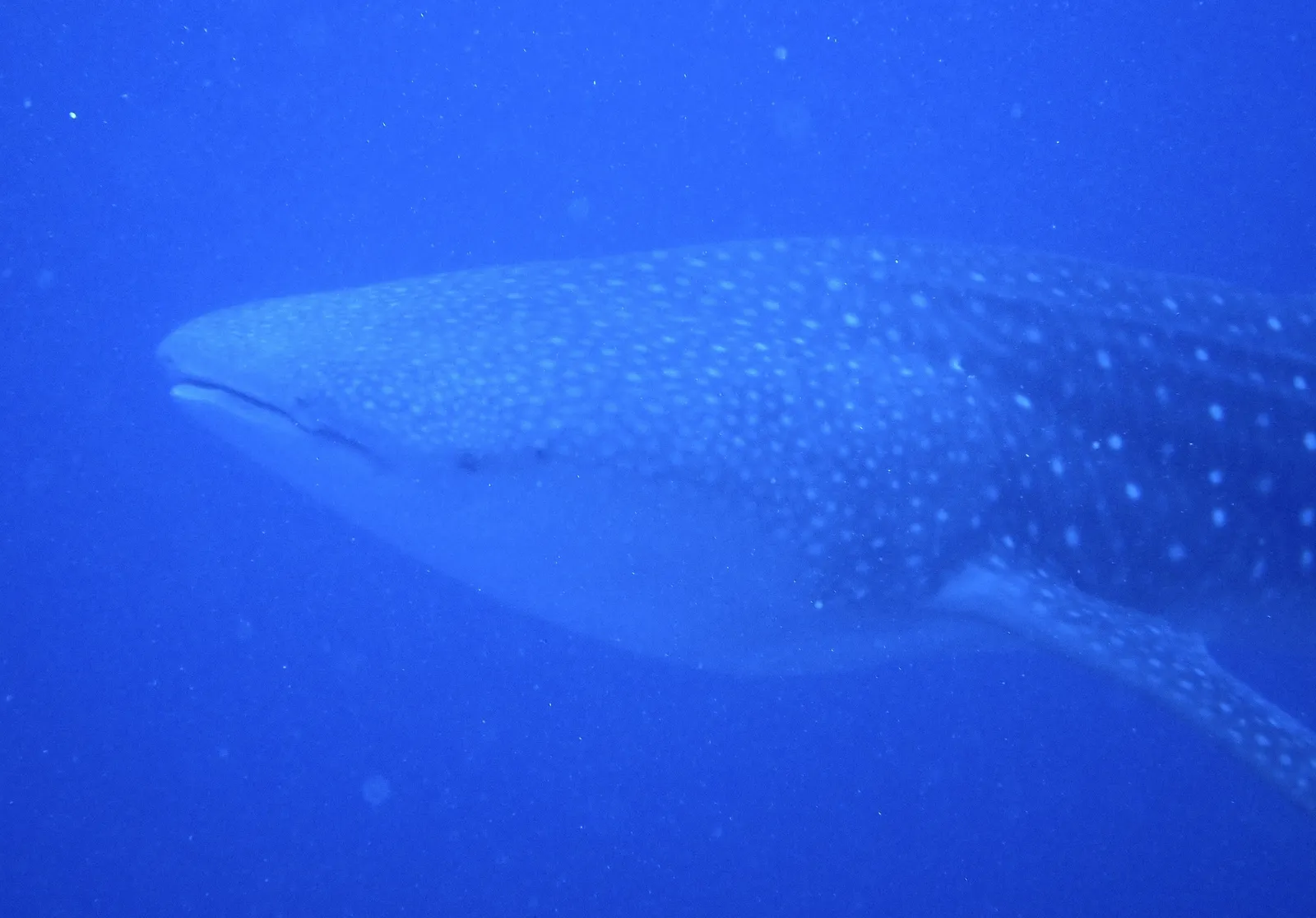
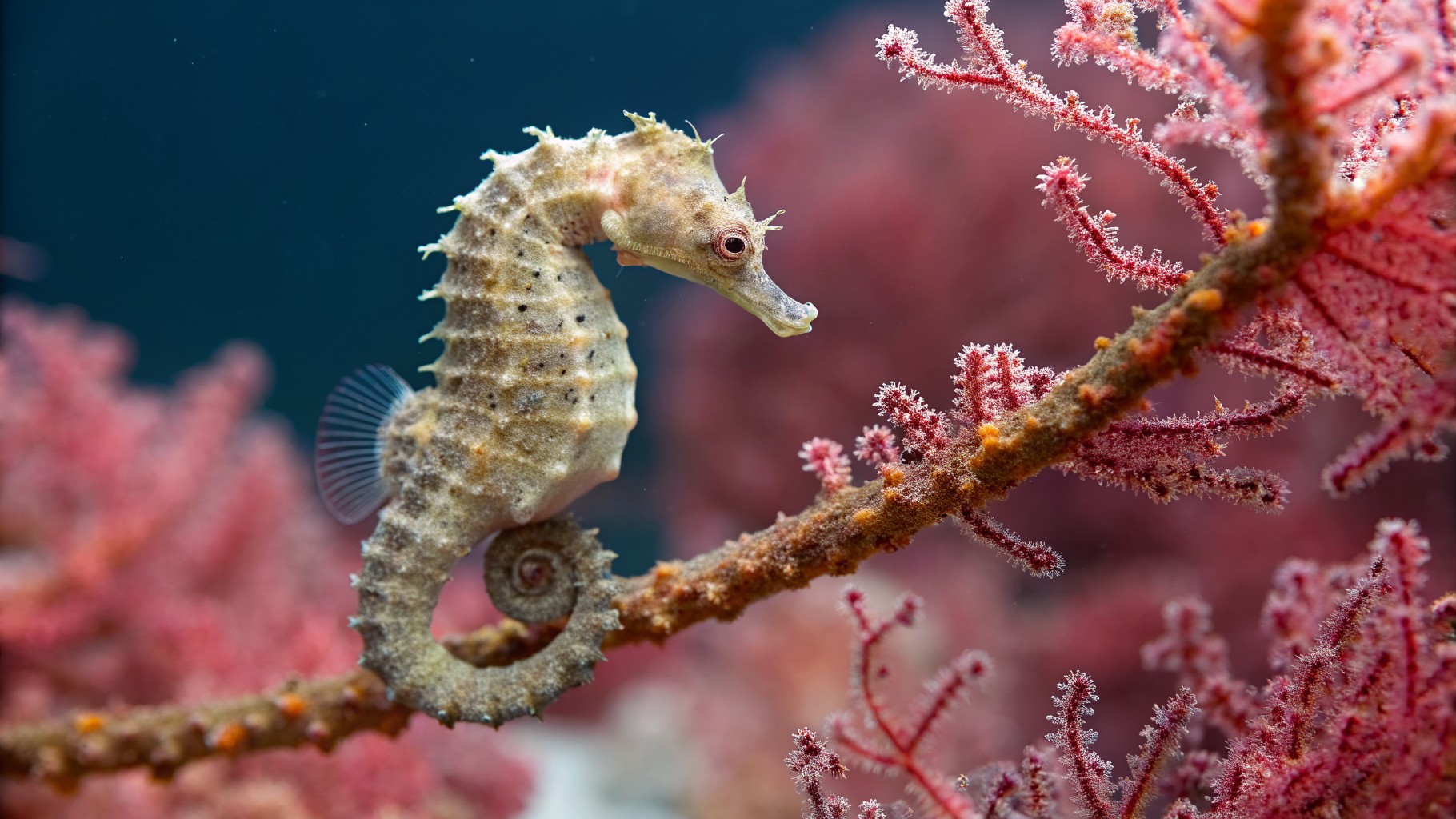
Raja Ampat’s biodiversity is legendary. As the epicenter of the Coral Triangle, its waters, according to Indonesia’s official tourism board, contain over 1,600 species of fish and 75% of the world’s known coral species. In November, this ecosystem is at its most dynamic. The clear, calm conditions signal a time of congregation for some of the region’s most sought-after megafauna. This is, without question, one of the best months for manta ray encounters. Dive sites like Manta Sandy and Manta Ridge become bustling cleaning stations, where dozens of reef mantas (Mobula alfredi) queue for the services of parasitic copepod-eating wrasse. We also see a significant increase in oceanic mantas (Mobula birostris), their impressive 7-meter wingspans casting vast shadows over the reef.
Our lead divemaster, who has logged over 3,000 dives in these waters, told me last season, “November feels like a switch is flipped. The currents in the Dampier Strait become more predictable, and the mantas arrive in force. On one dive at Blue Magic, we had five oceanics circling above a school of a thousand chevron barracuda.” Beyond the mantas, the reefs are electric with activity. At Cape Kri, the site where Dr. Gerald R. Allen famously identified a world-record 374 fish species on a single dive, schools of fusiliers, surgeonfish, and jacks move in shimmering, unified clouds. The patient observer will find cryptic wobbegong sharks camouflaged on the reef, while night dives reveal the rare and endemic epaulette “walking” shark. November offers the entire cast of Raja Ampat’s underwater drama, all performing on a brilliantly lit stage.
Navigating Prime Itineraries: From the Dampier Strait to Wayag’s Peaks
The stable weather of November allows for comprehensive itineraries that showcase the full geographic and ecological diversity of Raja Ampat. A typical 10- or 12-night voyage will focus on the central and northern regions, which are at their absolute peak. The journey begins in the Dampier Strait, the vast channel separating the islands of Waigeo and Batanta. This area is the engine room of Raja Ampat’s biodiversity, where nutrient-rich waters from the Pacific Ocean create explosive marine life. We spend several days exploring its world-renowned sites: the thrilling currents of The Passage, the fish-filled slopes of Sardine Reef, and the seamount of Blue Magic, a magnet for pelagic species.
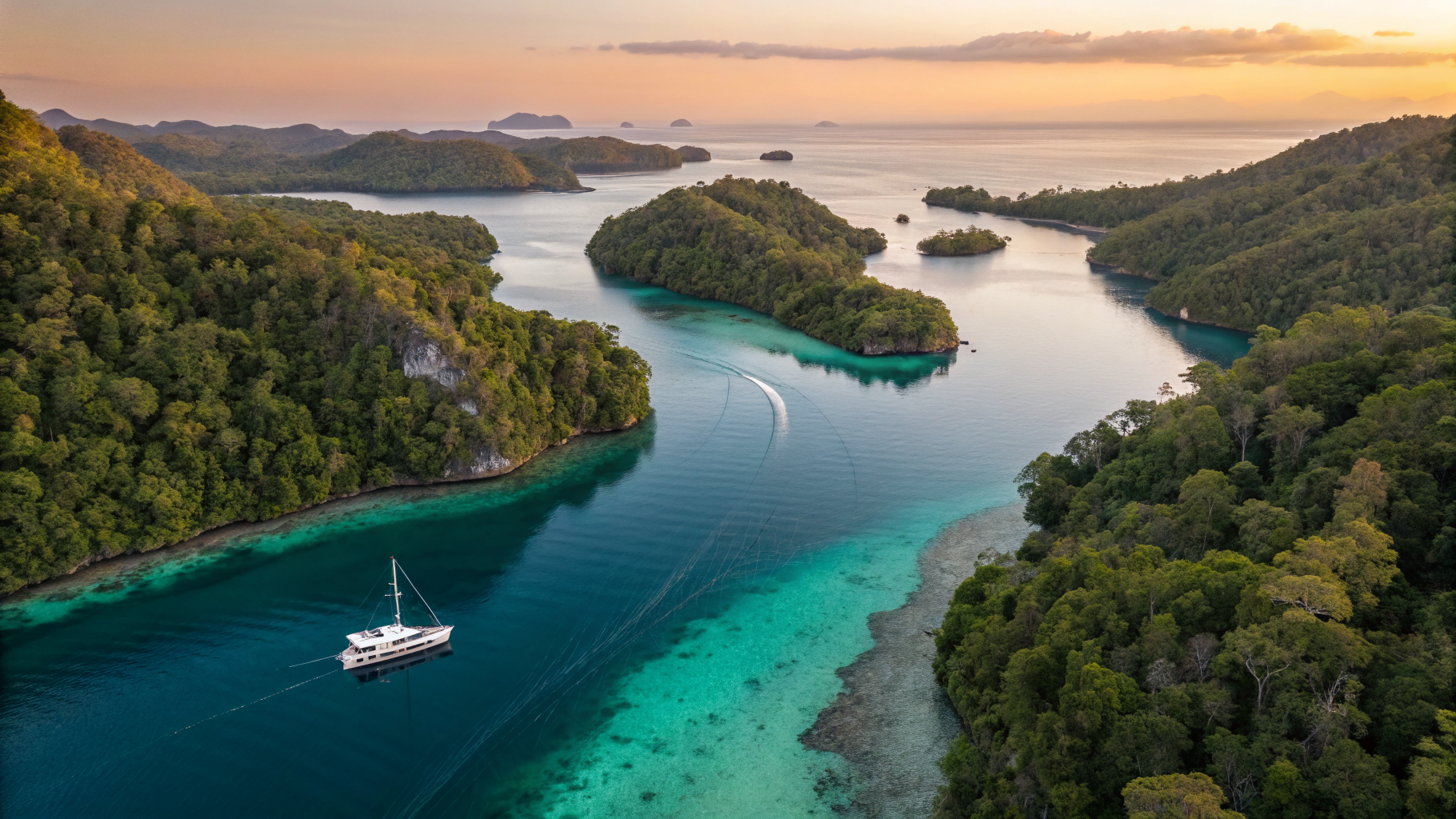
From the central region, we navigate north to the uninhabited, otherworldly landscapes of Wayag. These steep, jungle-clad limestone islands rising vertically from the sea are the postcard image of Raja Ampat. The calm November seas make the journey comfortable and ensure access to the sheltered bays where we anchor. Guests can take a tender to explore the hidden lagoons or make the short, steep 20-minute climb to the iconic viewpoint for a panoramic vista. The diving here is different—less about overwhelming fish biomass and more about pristine hard coral gardens and dramatic topography. Further south, near the island of Kawe, we can dive on the equator itself, a unique experience for any logbook. The ability to seamlessly connect these distinct regions is a hallmark of a November trip, and we often customize your Raja Ampat liveaboard voyages to linger longer where the marine life action is most concentrated.
The Onboard Experience: Refined Adventure in the World’s Last Paradise
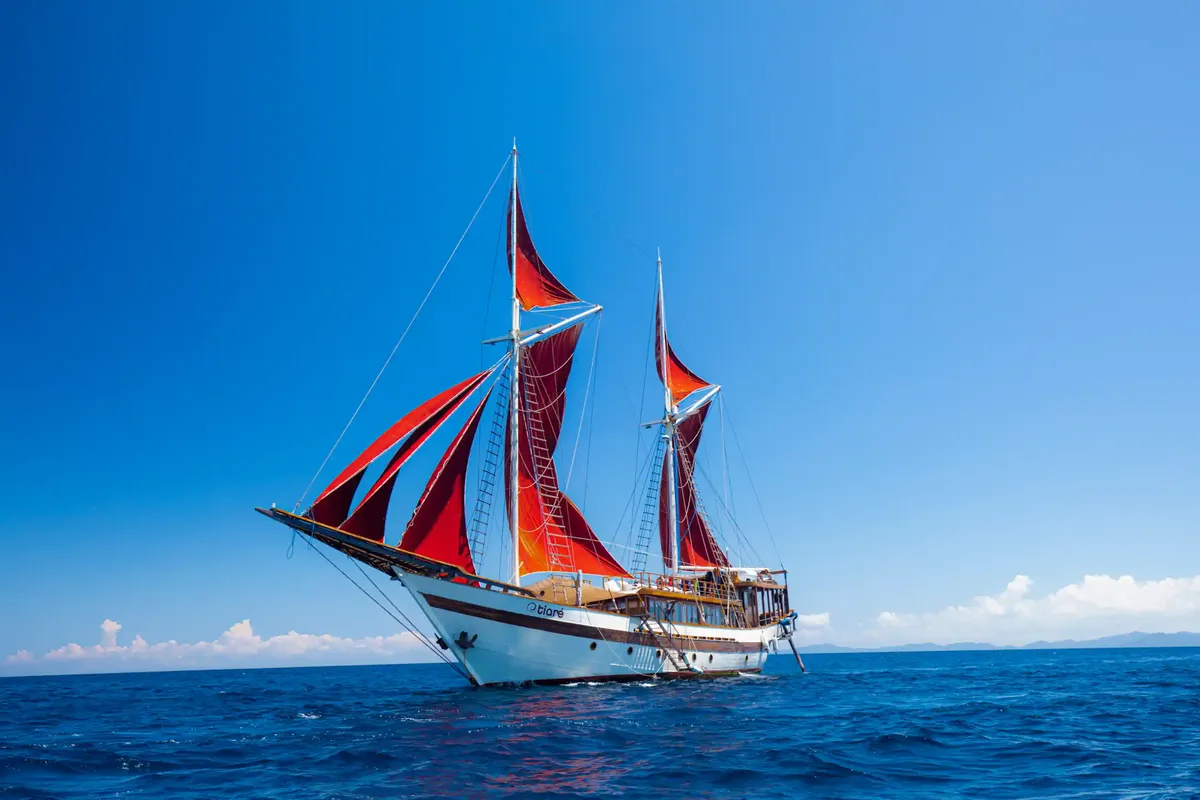
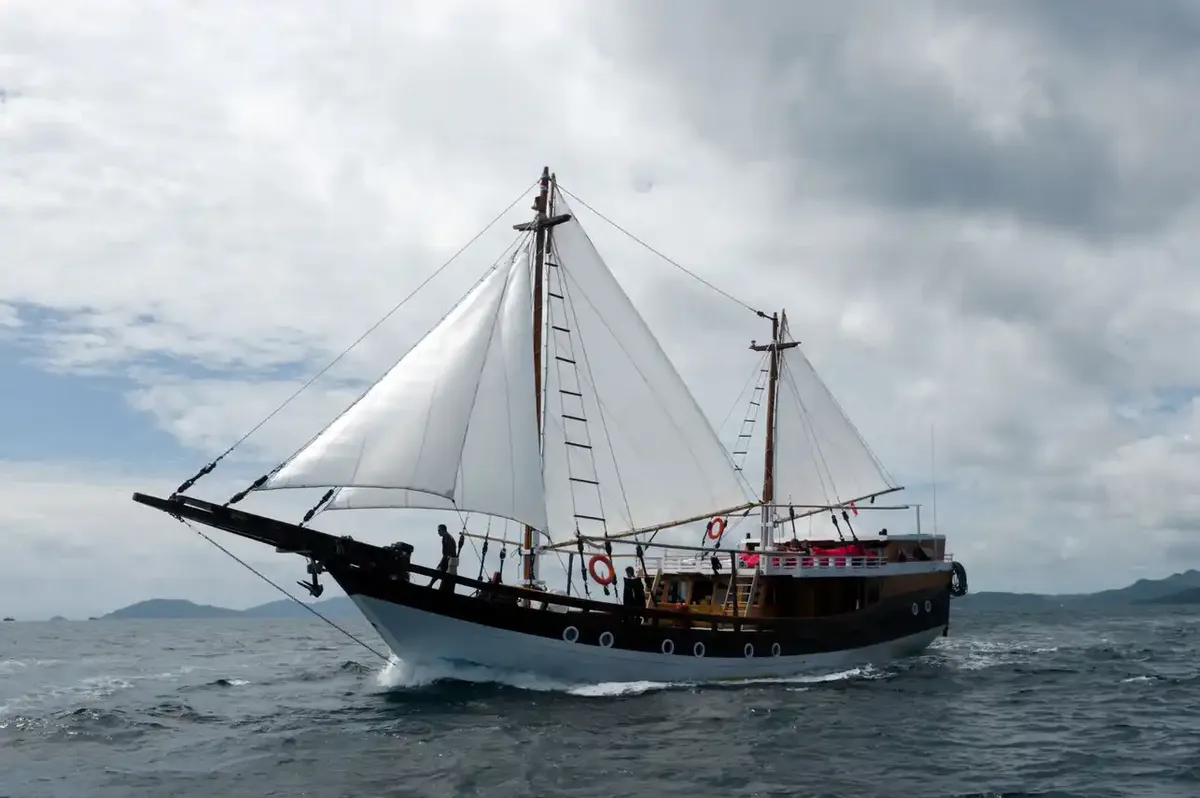
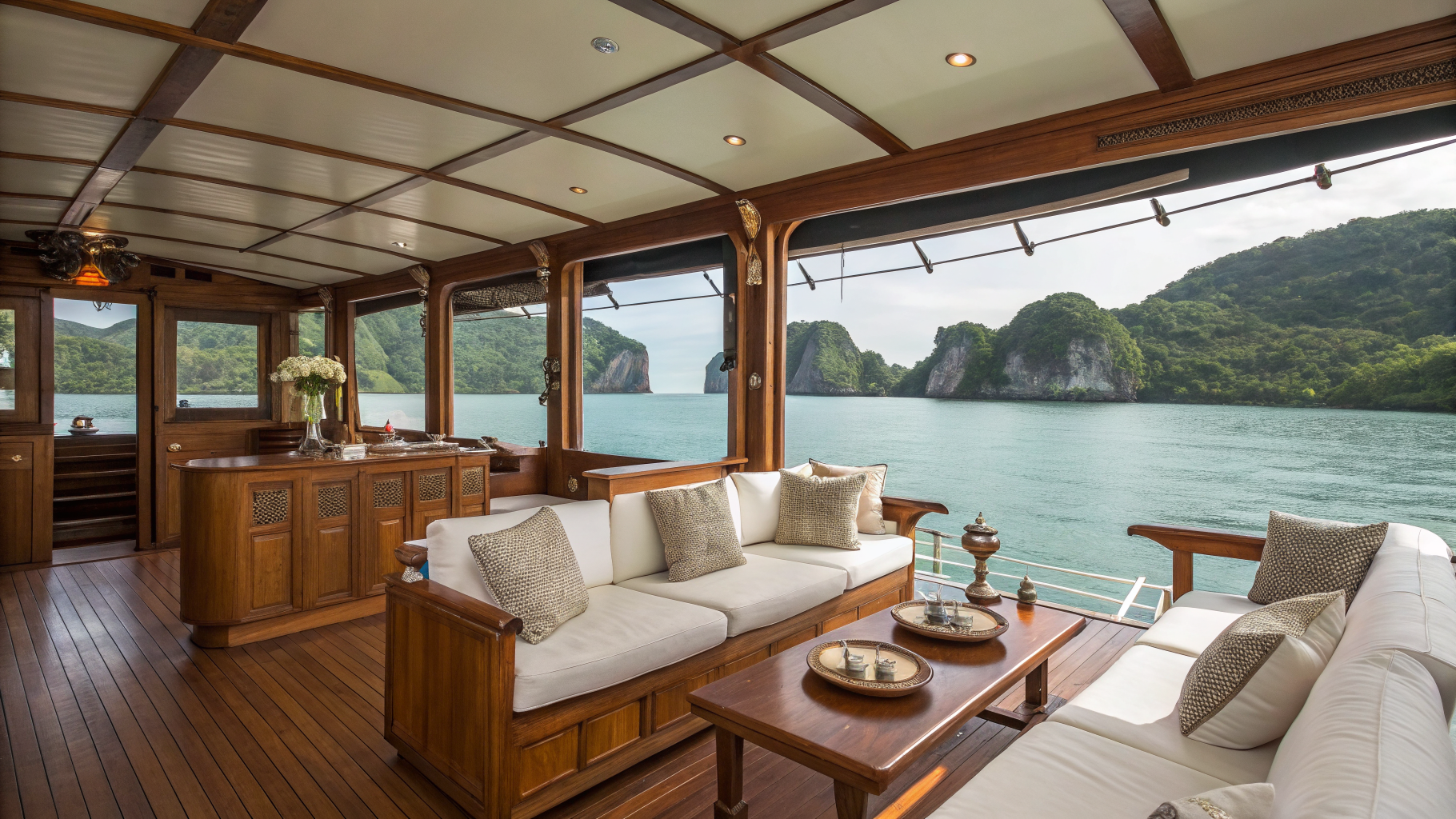
The marvel of a raja ampat live aboard diving experience in November is not just what you see, but how you see it. The journey itself is an exercise in refined luxury and seamless service. Our fleet consists of traditional Indonesian phinisi schooners, handcrafted from ironwood and teak by master builders, yet equipped with every modern amenity. These are not crowded dive boats; they are floating boutique hotels with a guest-to-crew ratio that often approaches one-to-one. With a maximum of 12-14 guests, the experience is intimate and personalized. The day is structured around two to three dives, but the rhythm is relaxed and entirely at your discretion. You might start with sunrise yoga on the top deck, followed by an à la carte breakfast prepared by our executive chef.
Between dives, there are countless opportunities for exploration. We can launch paddleboards or kayaks to explore a hidden cove, take a tender to a deserted white-sand beach for a private picnic, or arrange for an onboard massage therapist to soothe tired muscles. Evenings are for leisurely gourmet dinners under the stars, sharing stories with fellow guests and our expert dive guides, followed by a presentation on marine biology or a nightcap in the air-conditioned salon. Throughout the voyage, safety remains our paramount concern. Our vessels are equipped with state-of-the-art navigation and safety equipment, and our dive operations exceed industry standards. This commitment to security is a core tenet of our philosophy, which you can read more about on our Raja Ampat Liveaboard Voyages Safety & Trust page.
Logistics and Preparation: Securing Your November Voyage
Given that November is the start of the most desirable season, planning well in advance is essential. We see cabins for this period fill up 12 to 18 months ahead of time, particularly for full-yacht charters. The journey to this remote paradise requires some logistical foresight. The gateway to Raja Ampat is the city of Sorong (SOQ) in West Papua. Most international travelers will fly into Jakarta (CGK) or Bali (DPS), then take a domestic flight to Sorong, which typically takes about 4 hours. Upon your arrival, our team meets you at the airport and handles all transfers to the vessel, ensuring a seamless transition from airport to ocean.
Once your voyage is secured, preparation is straightforward. We provide a comprehensive Raja Ampat Liveaboard Voyages Packing Guide that covers everything from dive gear to evening attire. Key items for November include lightweight clothing, a rain jacket for occasional squalls, and, most importantly, reef-safe sunscreen to protect the fragile ecosystem. We can arrange for high-quality rental dive equipment, but many experienced divers prefer to bring their own regulators, computers, and masks. The entire reservation process is managed by our dedicated travel concierges, who can assist with everything from international flight suggestions to pre- and post-voyage extensions. You can learn more about the steps involved by reviewing our guide on how to book Raja Ampat liveaboard voyages.
Quick FAQ for a November Raja Ampat Trip
Is November too crowded in Raja Ampat?
While it is the start of the high season, the archipelago covers a staggering 4.6 million hectares. On a liveaboard, you are far from any crowds. Our experienced captains and cruise directors are masters of logistics, timing our arrivals at popular dive sites to ensure our guests often have the reef to themselves. The feeling is one of privileged solitude, not of a crowded destination.
What wetsuit is recommended for the water temperature?
The water temperature is a very consistent 28-30°C (82-86°F). For most divers, a 3mm wetsuit, either shorty or full-length, is perfectly adequate. If you tend to get cold, especially after multiple dives over several days, a 5mm suit can provide extra comfort, but it is generally not necessary.
What are the key conservation rules I should know?
Protecting this pristine environment is a collective responsibility. All visitors must have a Raja Ampat Marine Park permit, the fee for which contributes directly to conservation and community projects. We arrange for these permits on behalf of our guests. We operate under a strict no-touch, no-take policy and use only reef-safe amenities onboard. This commitment helps preserve the area, which is on the tentative list for UNESCO World Heritage Site status for its exceptional marine biodiversity.
November in Raja Ampat is a convergence of perfect moments. It is the calm before the turn of the year, a period of exceptional clarity both above and below the water. The seas are welcoming, the marine life is performing, and the islands are at their most vibrant. It is, by any measure, an extraordinary time to embark on what is arguably the world’s ultimate diving journey. The currents are shifting, the mantas are gathering, and the last paradise awaits. We invite you to explore our fleet and begin planning your own November expedition. Discover the pinnacle of raja ampat live aboard diving with us.