In this article
- Wayag’s Location and Geomorphology
- The Liveaboard Itinerary: Navigating to Raja Ampat’s Northern Edge
- Diving Operations in the Wayag Archipelago
- Surface Intervals and Non-Diving Activities
- Conservation, Permits, and Planning Your Voyage
- Frequently Asked Questions about a Wayag Liveaboard
- Plan Your Raja Ampat Voyage
- Related reading
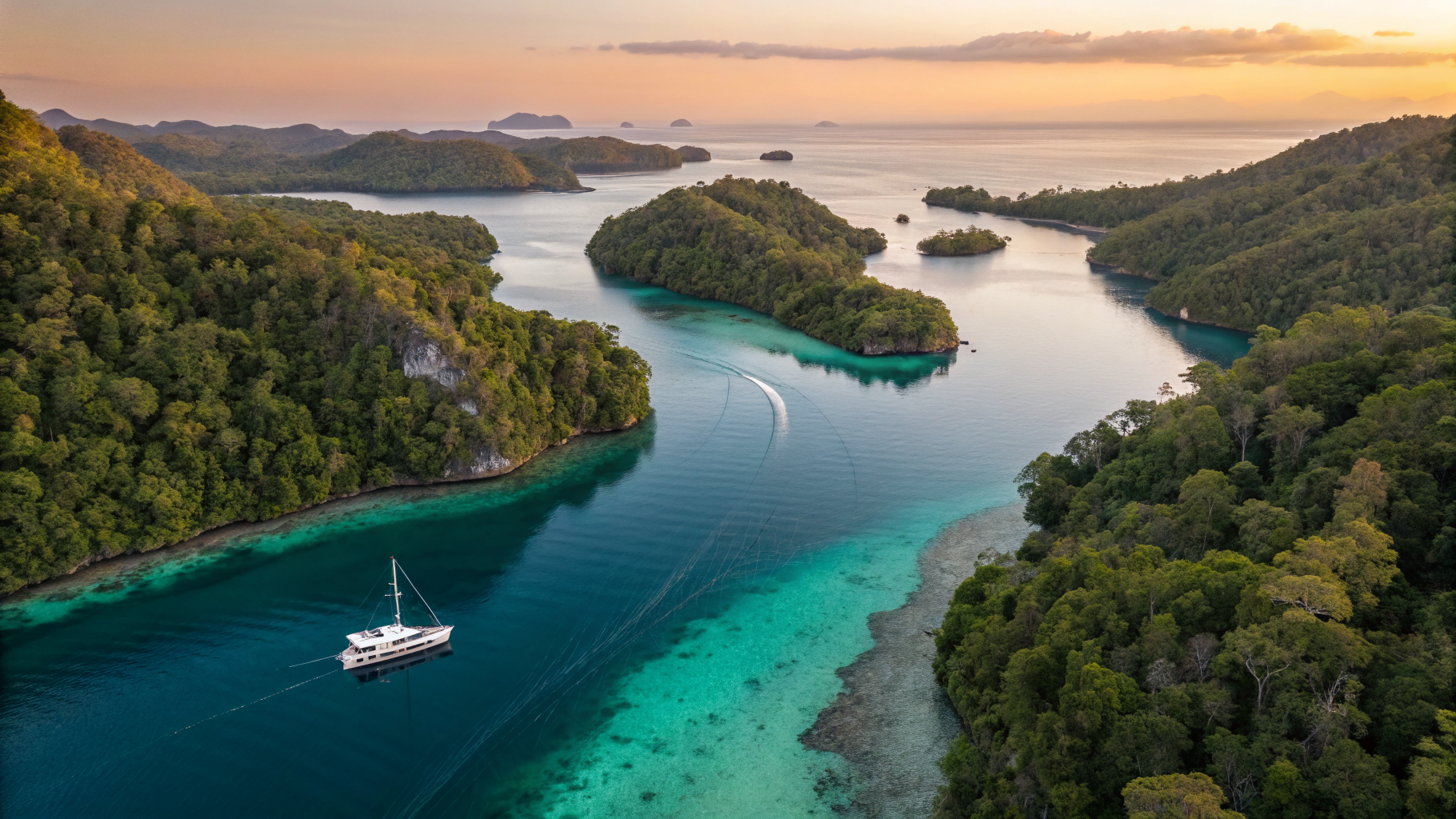
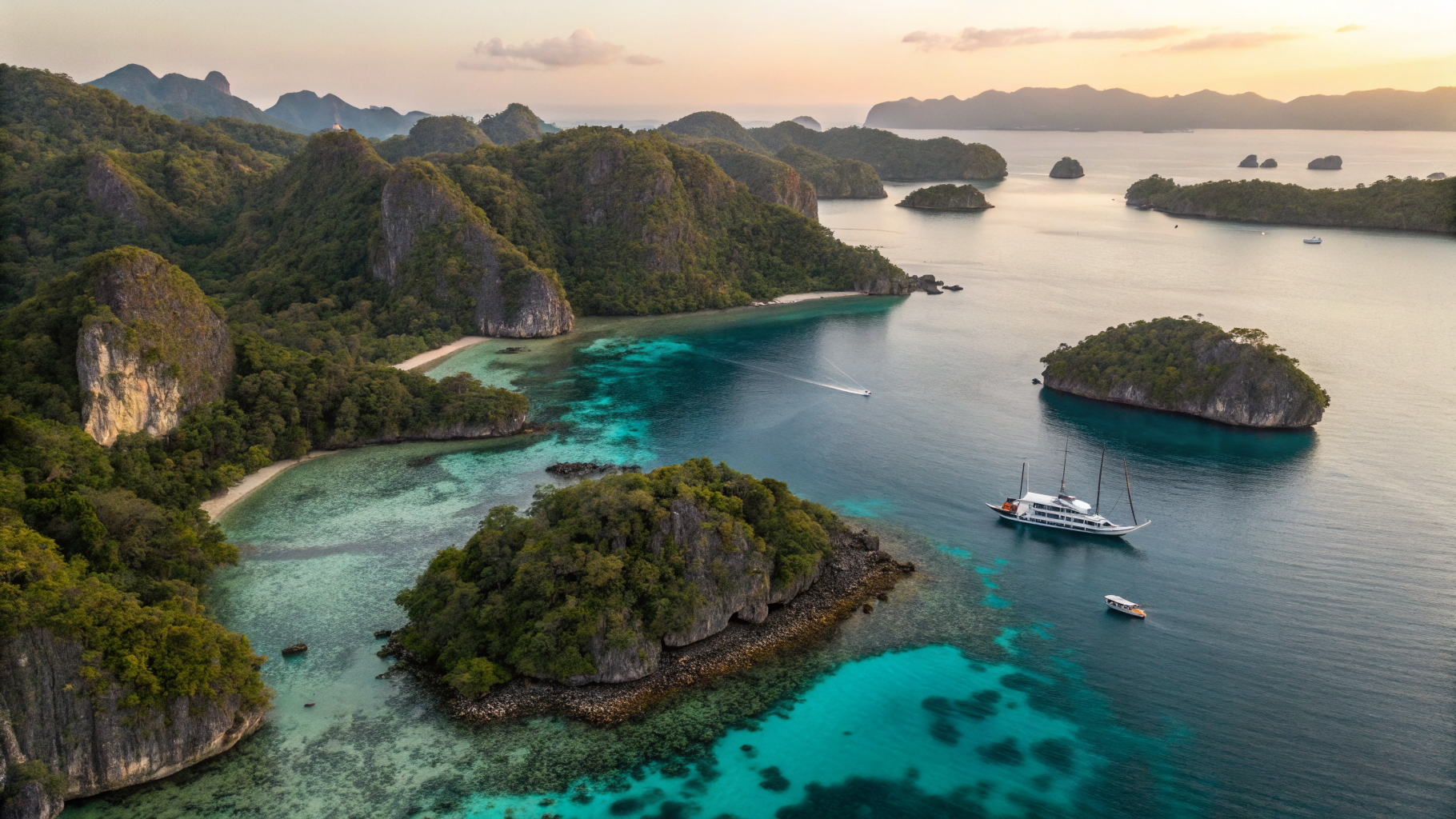
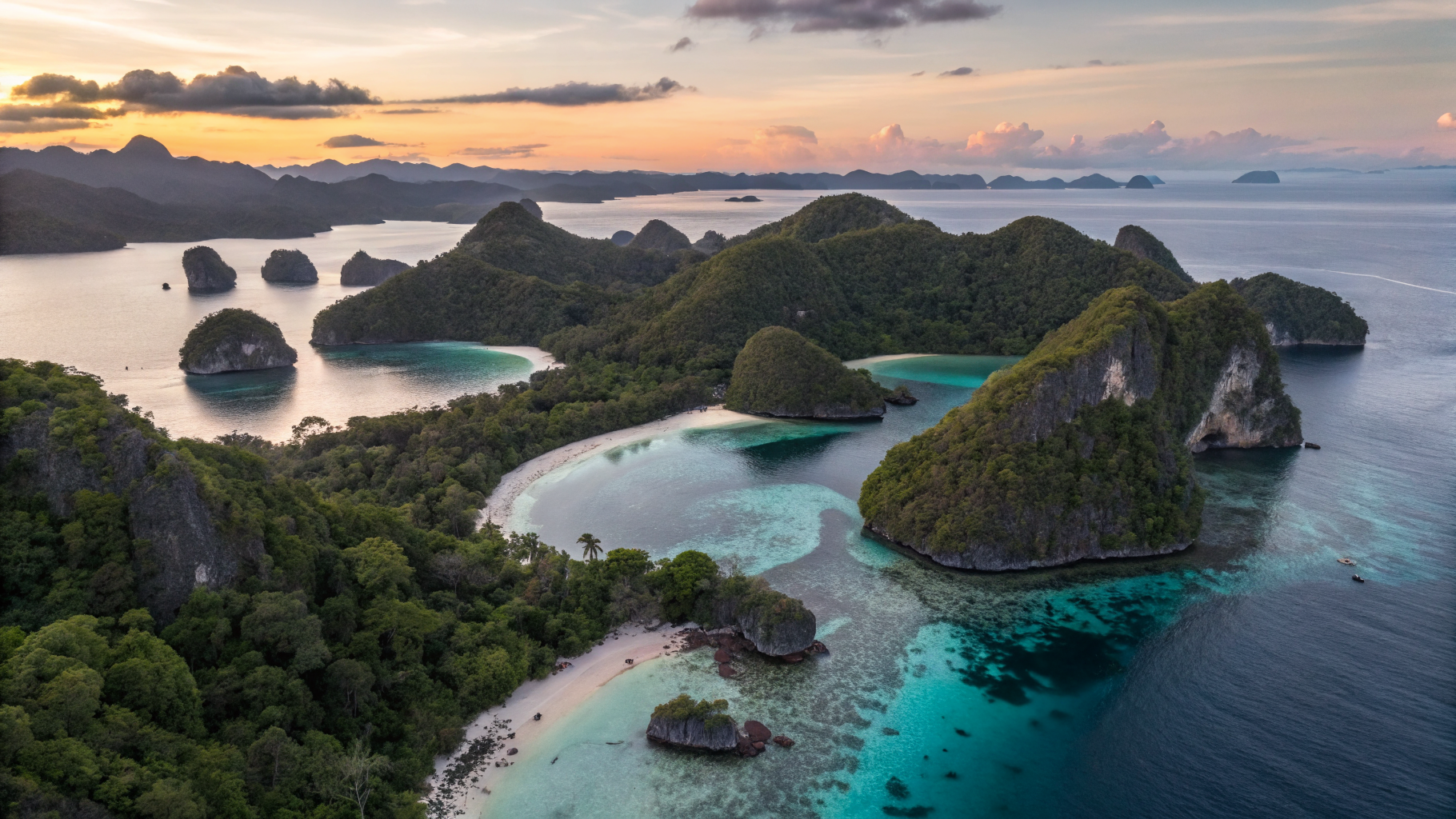

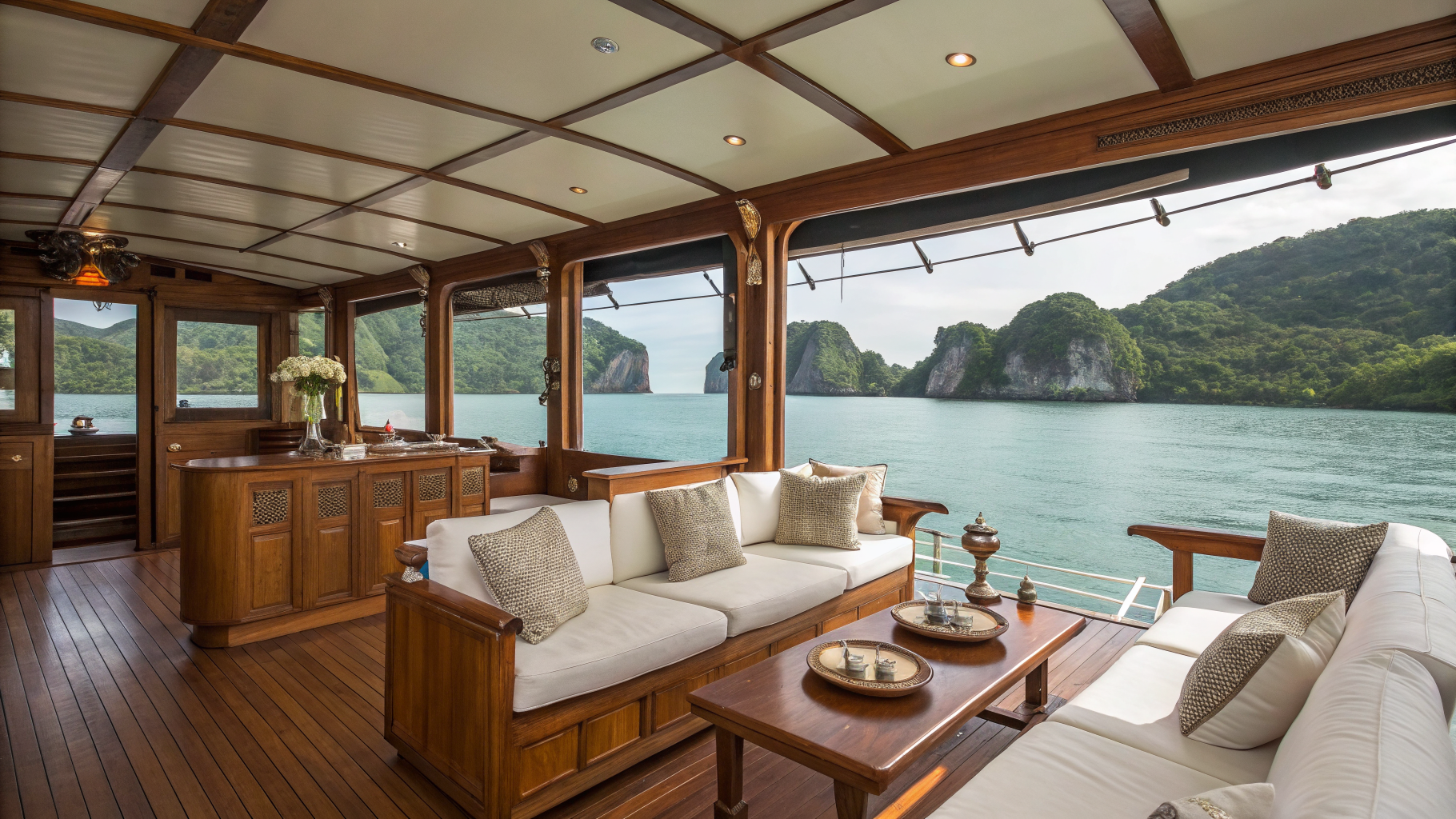
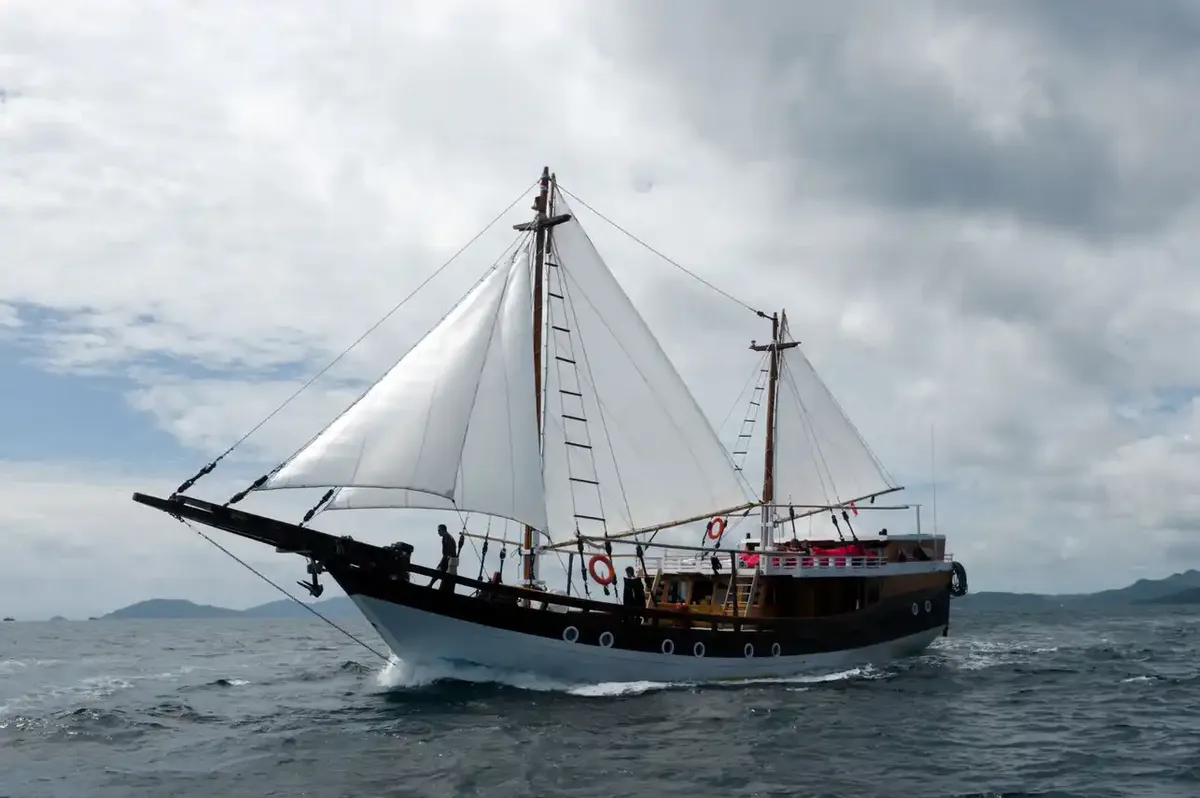
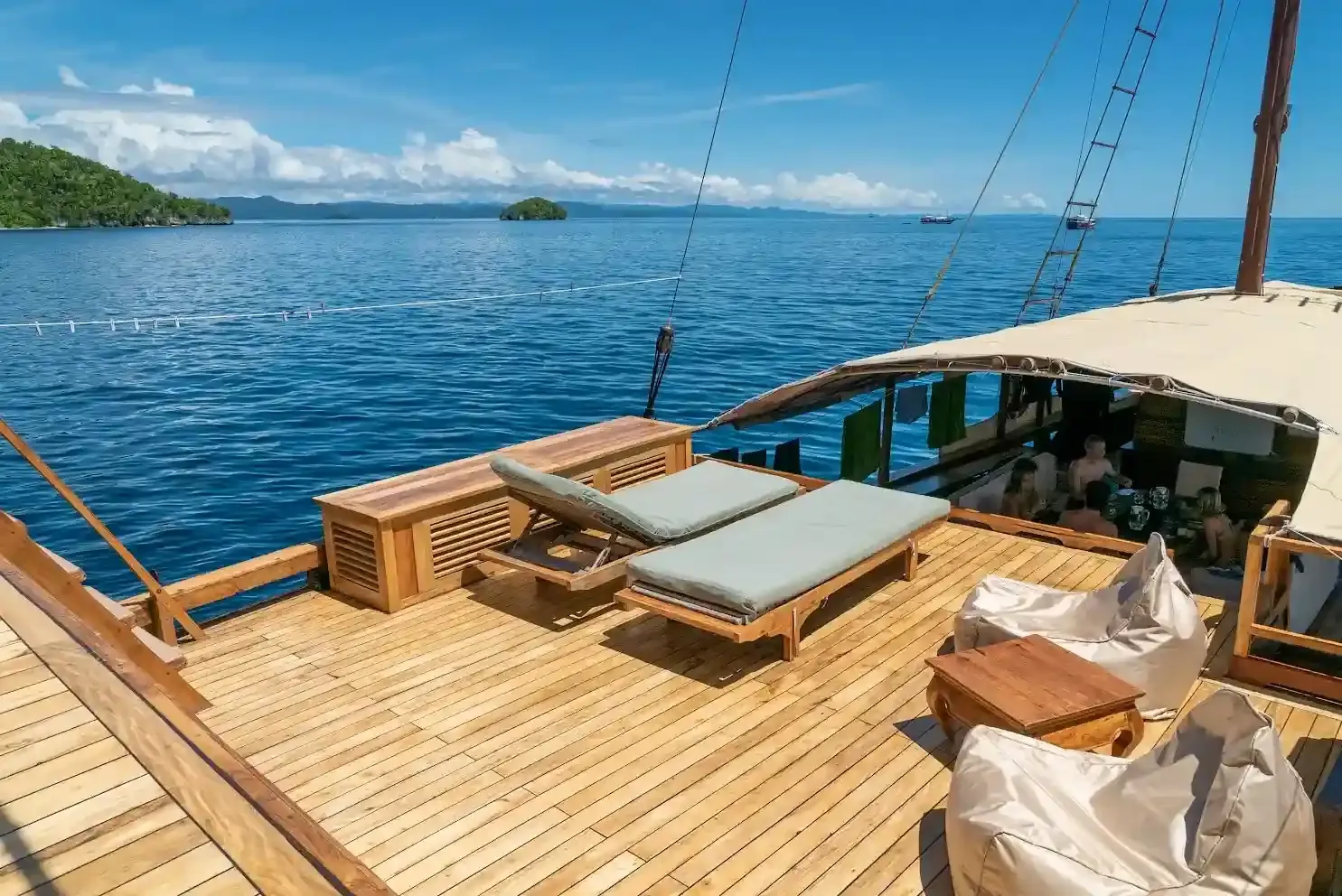
Wayag is an archipelago of uninhabited karst islands located in the northernmost sector of Raja Ampat, Indonesia. This protected zone, situated approximately 80 nautical miles northwest of the port of Sorong, is the geomorphological signature of the region and is accessible almost exclusively by liveaboard. A Wayag Raja Ampat liveaboard voyage requires open-water crossings and is integrated into longer charters, typically 9 to 12 nights. The area’s dive sites are characterized by sheltered lagoons, outer reef walls, and pinnacles. The primary draw for visitors is the 30-minute ascent of Mount Pindito, which provides a 270-degree view of the iconic limestone formations. Access requires a standard Raja Ampat Marine Park tag (IDR 1,000,000 per person) plus specific area anchoring permits, which are arranged by our operations team as part of any private phinisi charter.
Wayag’s Location and Geomorphology
Wayag is a distinct island group within the Raja Ampat archipelago, a chain of over 1,500 islands covering 40,000 km² of West Papua. Its defining feature is the dramatic karst topography—limestone islands chemically eroded by millennia of rainfall and seawater into steep, conical shapes. These formations, some reaching over 100 meters, enclose a network of calm, turquoise lagoons that offer secure anchorages for phinisi schooners. This geological isolation has fostered a unique marine environment. The journey to Wayag from the central Dampier Strait region covers a distance of over 60 nautical miles, a significant open-ocean transit that underscores the necessity of a dedicated Wayag Island liveaboard for safe and practical access. The islands are uninhabited, with the only permanent structure being a small ranger post that monitors conservation compliance and permit validity.
The Liveaboard Itinerary: Navigating to Raja Ampat’s Northern Edge
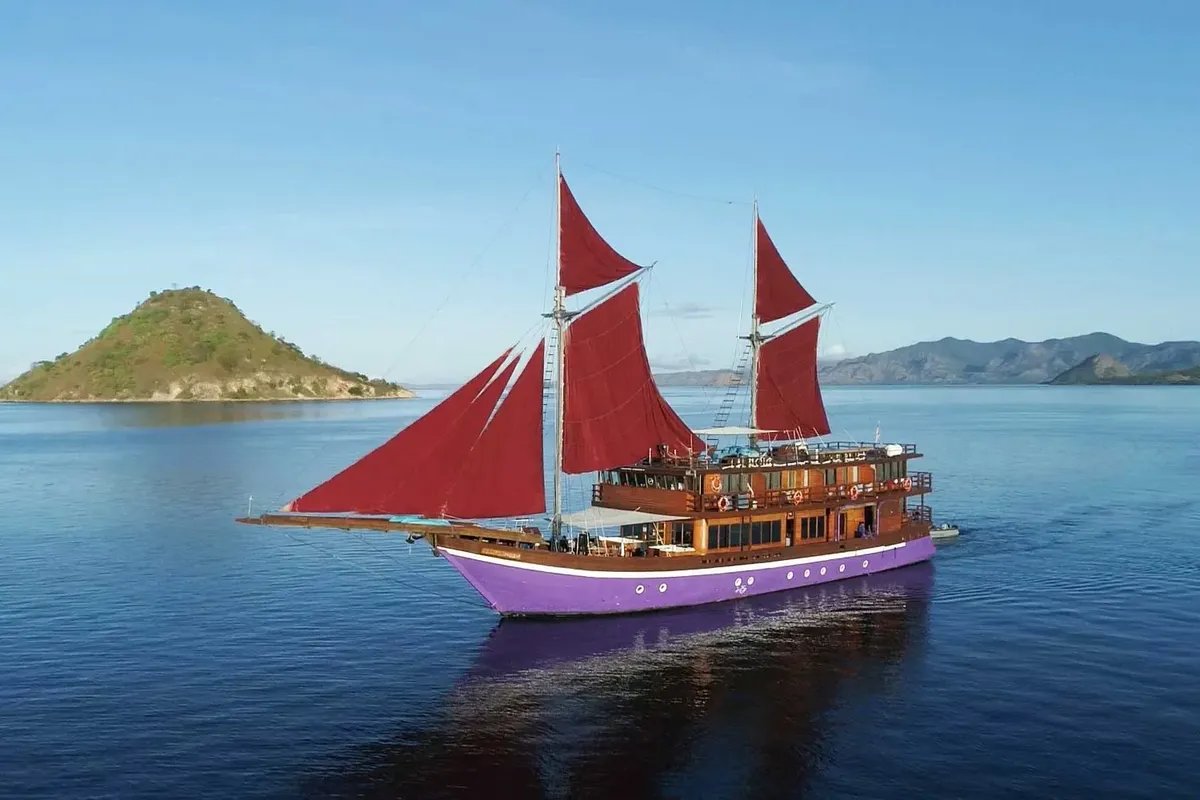
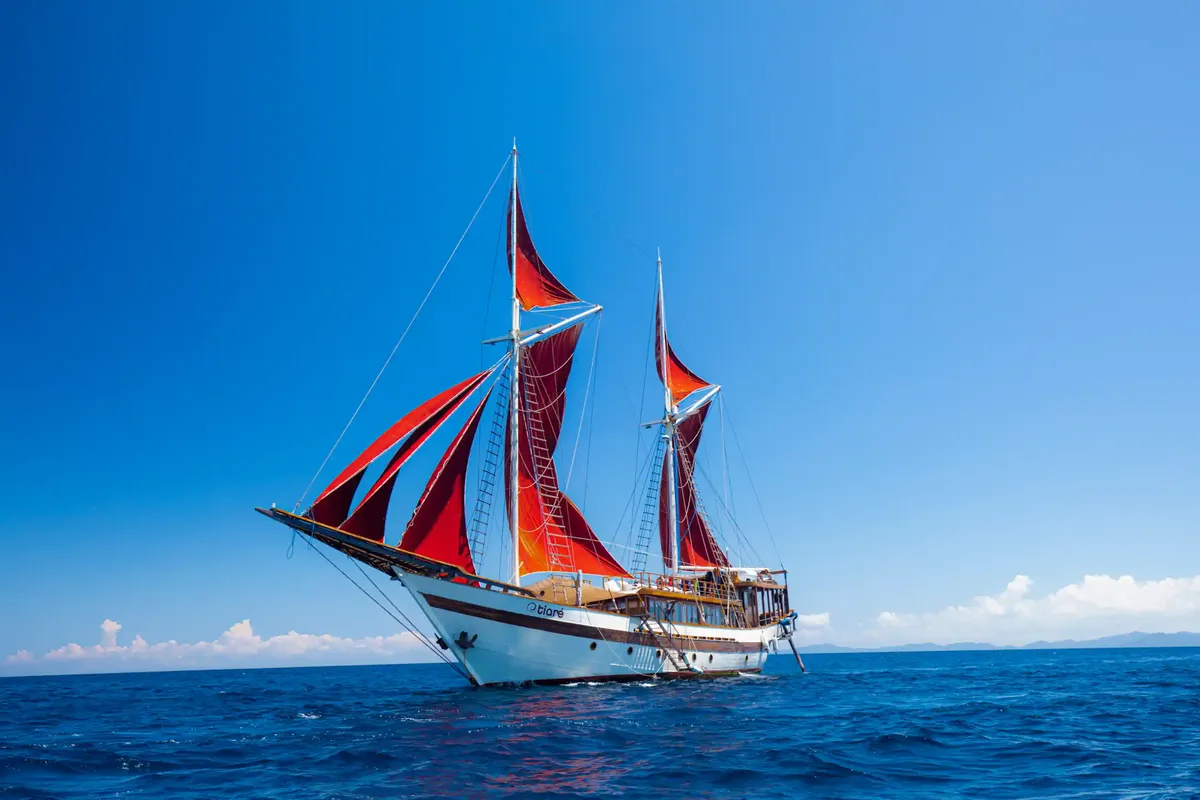
A voyage to Wayag is a logistical commitment centered on a multi-day liveaboard charter. Due to the significant distances involved, it is not a destination for short trips. A standard northern Raja Ampat itinerary that includes Wayag is typically 10 days and 9 nights or longer. The route from Sorong involves several distinct phases:
- Departure and Dampier Strait Crossing: Vessels depart from Sorong (SOQ) and typically navigate west into the Dampier Strait for initial dives at sites like Cape Kri, which holds the documented record for reef fish species diversity (374 species on a single 90-minute dive, Dr. Gerald Allen, 2012).
- The Northern Passage: From the Dampier Strait or Aljui Bay, the phinisi begins an overnight motor-sail north. This leg covers 50-70 nautical miles of open sea. This transit is undertaken during the peak season from October to April, when sea states are calmest and visibility averages 20–40 meters.
- Arrival and Anchorage: The vessel arrives in Wayag’s main sheltered lagoon at dawn. The calm interior waters provide a secure base from which all dive and surface operations are conducted via tenders. This protected anchorage is a key reason why the Wayag Island liveaboard experience is so effective, allowing for direct access to both dive sites and hiking trails.
The return journey is similarly planned, often including stops in the Kawe archipelago, which straddles the equator, before proceeding south back towards Sorong. Total fuel consumption and engine hours for this northern loop are substantial, which is factored into our private charter pricing structures.
Diving Operations in the Wayag Archipelago
Diving in Wayag offers a different profile from the high-current sites of the Dampier Strait. While some outer reefs can experience current, many sites are located within the protected lagoon system, presenting calmer conditions suitable for detailed macro photography and relaxed reef exploration. The water temperature is consistent at 27–30°C year-round.
Figure Eight Rock & The Cathedral
This site is a submerged pinnacle connected to a small islet, creating a series of swim-throughs and canyons. The dive profile typically starts at 5 meters and slopes down to a sandy bottom at 25-30 meters. The walls are covered in soft corals and large gorgonian fans. Divers can expect to see large schools of yellowtail fusiliers, blackfin barracuda, and several species of surgeonfish. The “Cathedral” is a large cavern-like swim-through at 20 meters, often housing resting whitetip reef sharks.
Wayag’s Ranger Station Jetty
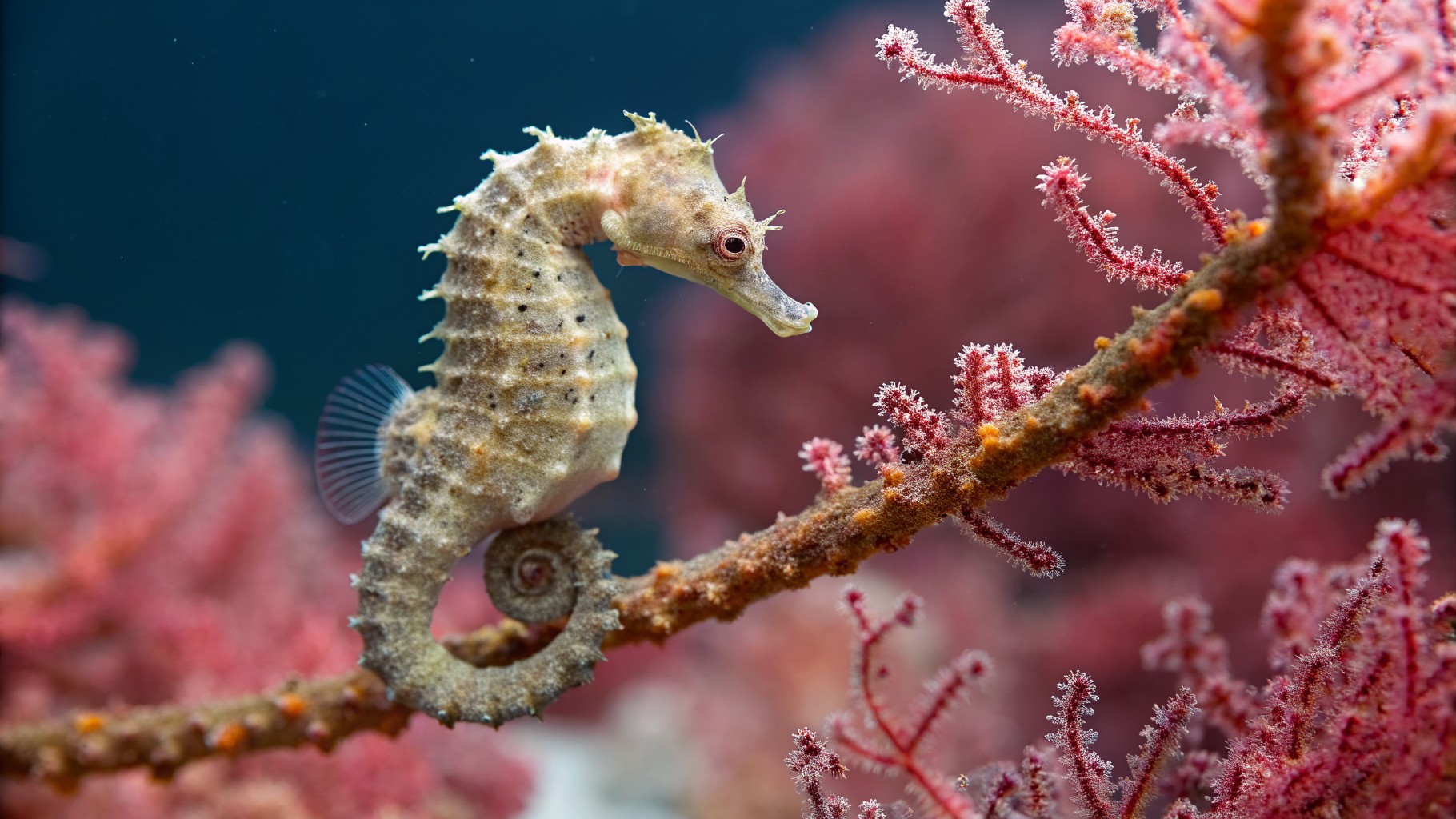
A shallow muck dive directly under the ranger station jetty provides a high probability of encountering specific endemic species. In the rubble and sand at depths of only 3 to 10 meters, divers frequently locate the tasseled wobbegong shark (Eucrossorhinus dasypogon) and the Raja Ampat walking shark (Hemiscyllium freycineti). This is also a habitat for ornate ghost pipefish, various nudibranch species, and juvenile blacktip reef sharks that patrol the shallows. The site offers excellent, controlled conditions for photographers.
The Outer Reefs: Pelagic Action
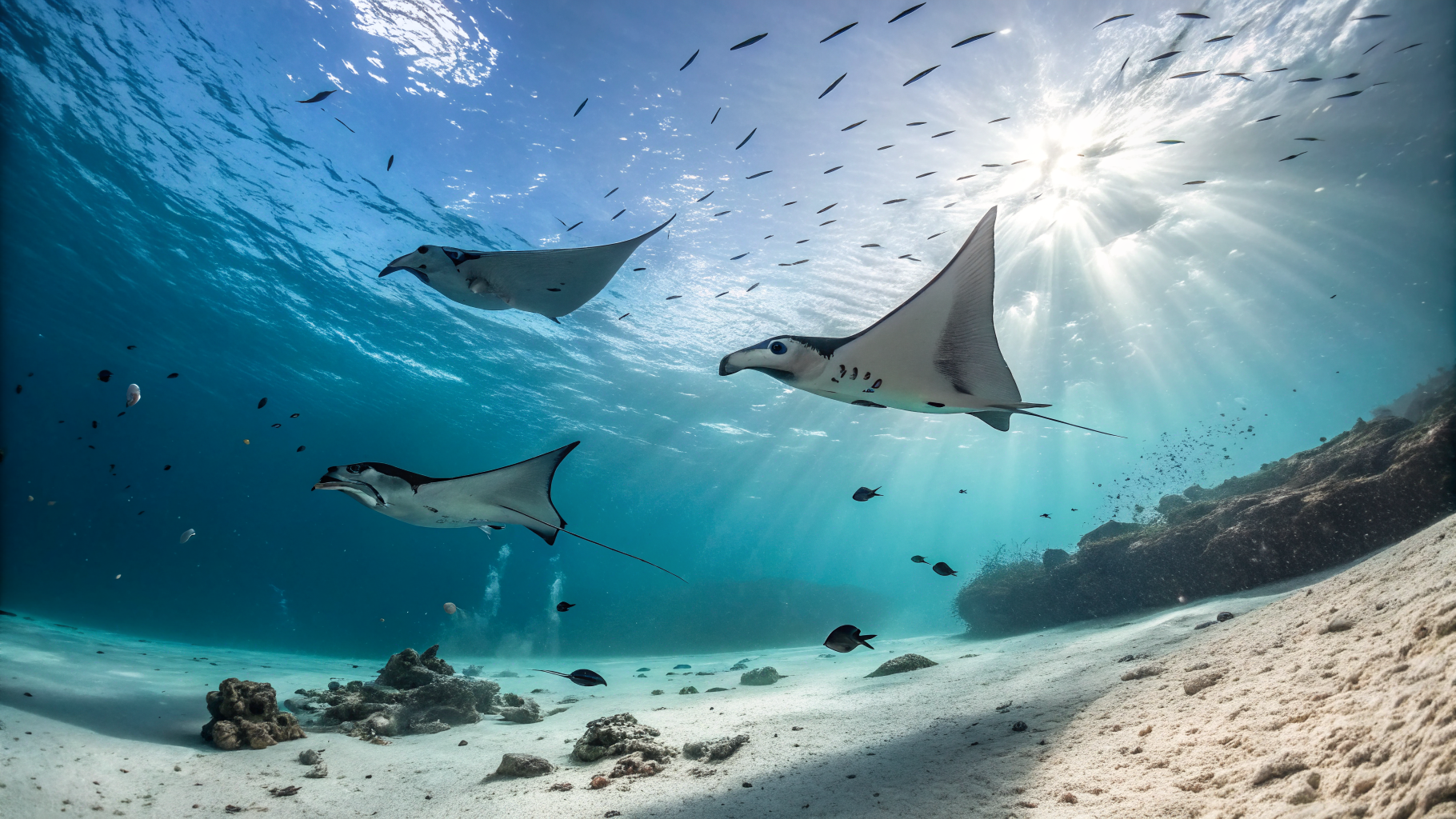
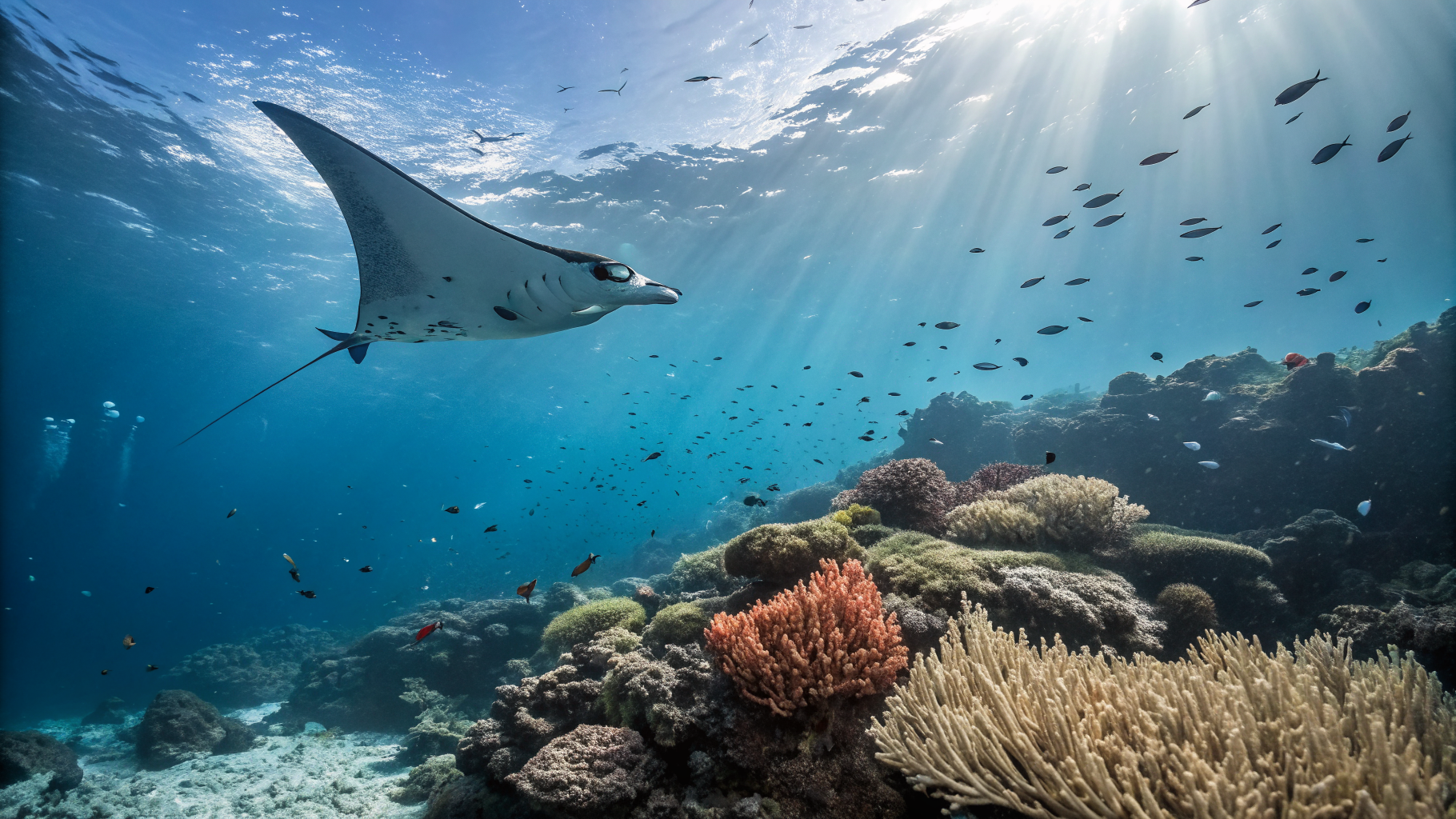
The western-facing reefs of Wayag are exposed to the open sea and provide opportunities for pelagic encounters. Dive sites like Eagle Rock are known cleaning stations where reef mantas (Mobula alfredi) are periodically observed. These dives require a negative entry and careful management of a drift profile, as currents can range from 1 to 3 knots. Large schools of bumphead parrotfish and Napoleon wrasse are common residents on these pristine outer reef walls, which feature some of the 75% of known hard coral species found in Raja Ampat.
Surface Intervals and Non-Diving Activities
The Wayag experience is defined as much by its surface activities as it is by its diving. The dramatic landscape offers unique exploration opportunities during the mandatory off-gassing periods.
The Mount Pindito Ascent
The signature activity is the hike to the summit of Mount Pindito. This is not a maintained trail but a steep, 25-minute climb over sharp limestone karst. Sturdy, closed-toe footwear is mandatory. The ascent is physically demanding but rewards with the definitive panoramic photograph of Wayag’s interlocking lagoons and conical islands. Our guides lead these treks in the early morning or late afternoon to avoid the equatorial sun’s peak intensity.
Lagoon Exploration
The calm, protected waters of the main lagoon are ideal for exploration by kayak or stand-up paddleboard. Guests can navigate the maze of small karst islets, observing the unique flora and fauna at the water’s edge. Tender boats are also deployed to explore further into the lagoon system, accessing secluded beaches and shallow snorkeling sites unavailable to the mother ship. This activity is a core part of our 10-day Wayag liveaboard itinerary, providing a complete immersion in the environment.
Conservation, Permits, and Planning Your Voyage
Wayag’s status as a strictly regulated conservation zone is central to its integrity. As a charter operator, we manage all necessary permits to ensure compliance. Every guest must possess a valid Raja Ampat Marine Park Entry Permit, a tag costing IDR 1,000,000 (~USD 65), which is valid for 12 months. In addition, anchoring and activity within Wayag require specific clearance from the local authorities and ranger post, a process handled by our shoreside team prior to your voyage. Our commitment to the area’s preservation includes strict adherence to a zero-discharge policy within the lagoons and a “no-touch” protocol on all dives. For a detailed breakdown of all fees, please review our charter pricing information.
Frequently Asked Questions about a Wayag Liveaboard
Is a Wayag liveaboard suitable for all divers?
Due to the remote location, open-ocean crossings, and demanding multi-day itinerary, a Wayag charter is best suited for experienced divers. While some lagoon sites are calm, the overall expedition requires a high degree of self-sufficiency and comfort with liveaboard procedures. We recommend a minimum of 50 logged dives and an Advanced Open Water certification.
What is the best time of year for a Wayag liveaboard?
The optimal season is from October through April. During these months, the seas are at their calmest, which is critical for the long northern passage. This period also corresponds with the dry season, offering the best conditions for the Mount Pindito hike. Water temperatures remain a consistent 27–30°C throughout the year.
Can I visit Wayag on a trip shorter than 9 nights?
It is not practical. The round-trip distance from Sorong to Wayag and back is over 160 nautical miles. A shorter itinerary would be almost entirely dedicated to transit, leaving insufficient time for diving and exploration. A 9-night or, preferably, a 12-night private charter is the standard for a comfortable and comprehensive northern Raja Ampat voyage that includes Wayag.
What makes Wayag different from diving in Misool?
Wayag’s signature is its iconic karst topography and the panoramic hike, with diving characterized by a mix of lagoons and outer reefs. Misool, in southern Raja Ampat, is known for its vast fields of soft coral, a higher concentration of oceanic manta rays (Mobula birostris) at sites like Magic Mountain, and a greater number of submerged reefs and sea mounts. Each offers a top-tier but distinct diving environment.
What permits are required to enter Wayag?
All visitors must have the standard Raja Ampat Marine Park tag (IDR 1,000,000). Our charter service secures the additional, specific area access permits required for a vessel to anchor within Wayag’s protected lagoons. This is a regulated process handled entirely by our operational team before your arrival in Sorong.
Plan Your Raja Ampat Voyage
Our concierge team is ready to design your private phinisi charter to Wayag and the greater Raja Ampat archipelago. Contact us to discuss vessel availability and create a bespoke itinerary.
WhatsApp: +62 811-3823-875
Email: [email protected]