In this article
- Understanding Raja Ampat’s Fees and Regulations
- Raja Ampat Park Fee and Conservation Efforts
- Raja Ampat Marine Park Permit
- Diving Permit and Costs
- Raja Ampat Entrance Fee for 2026
- Raja Ampat Liveaboard Park Fees Included
- Raja Ampat Dive Rules and Regulations
- Raja Ampat Tourism Tax
- Frequently Asked Questions
- How to Obtain Your Marine Park Permit
- Respecting Local Customs and Regulations
- Raja Ampat Dive Site Fees and Guidelines
- Transportation and Logistics in Raja Ampat
- Related reading


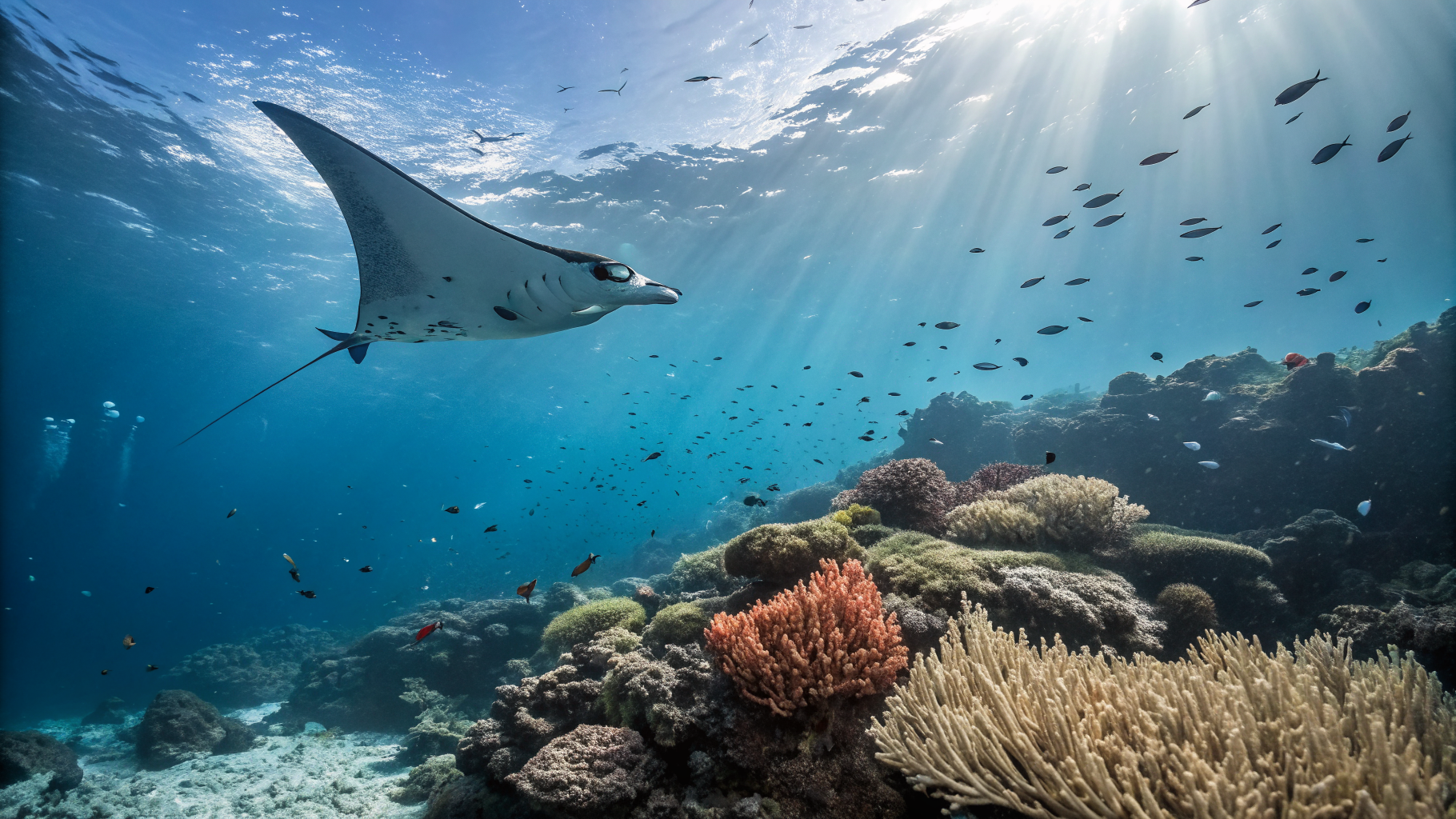

Understanding Raja Ampat’s Fees and Regulations
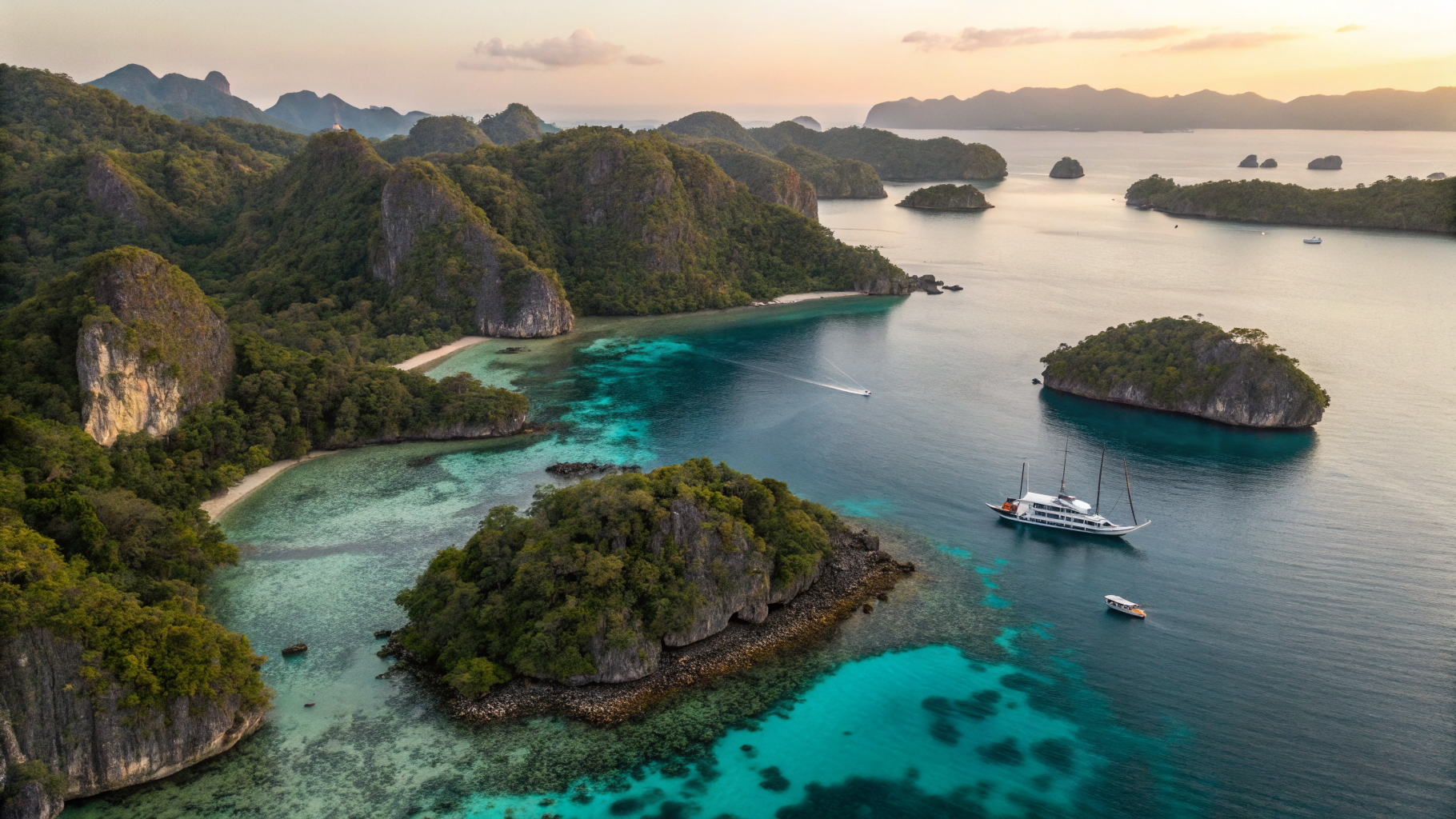
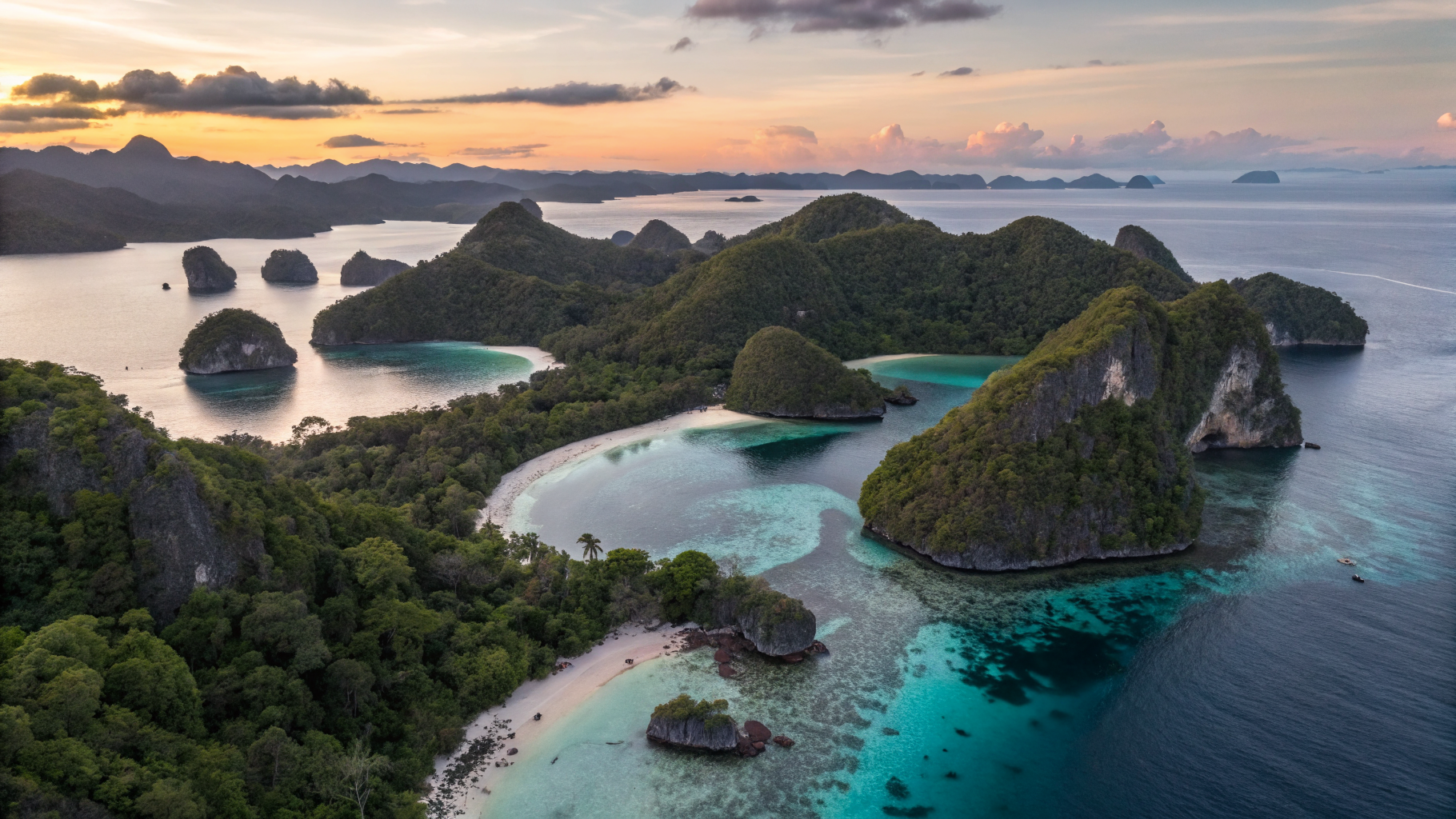
Raja Ampat, known for its stunning marine biodiversity and idyllic landscapes, is a premier destination for divers and nature lovers. To preserve this unique environment, the region has established various permits, fees, and regulations. Understanding these requirements is essential for a smooth visit and responsible tourism.
Raja Ampat Park Fee and Conservation Efforts
The Raja Ampat park fee is an integral part of the region’s conservation strategy. As of 2026, the park fee is set at 1,000,000 IDR (approximately $67 USD) for adults and 500,000 IDR ($33 USD) for children under 12. This fee contributes directly to the protection and maintenance of the islands and marine ecosystems, ensuring that future generations can enjoy their beauty.
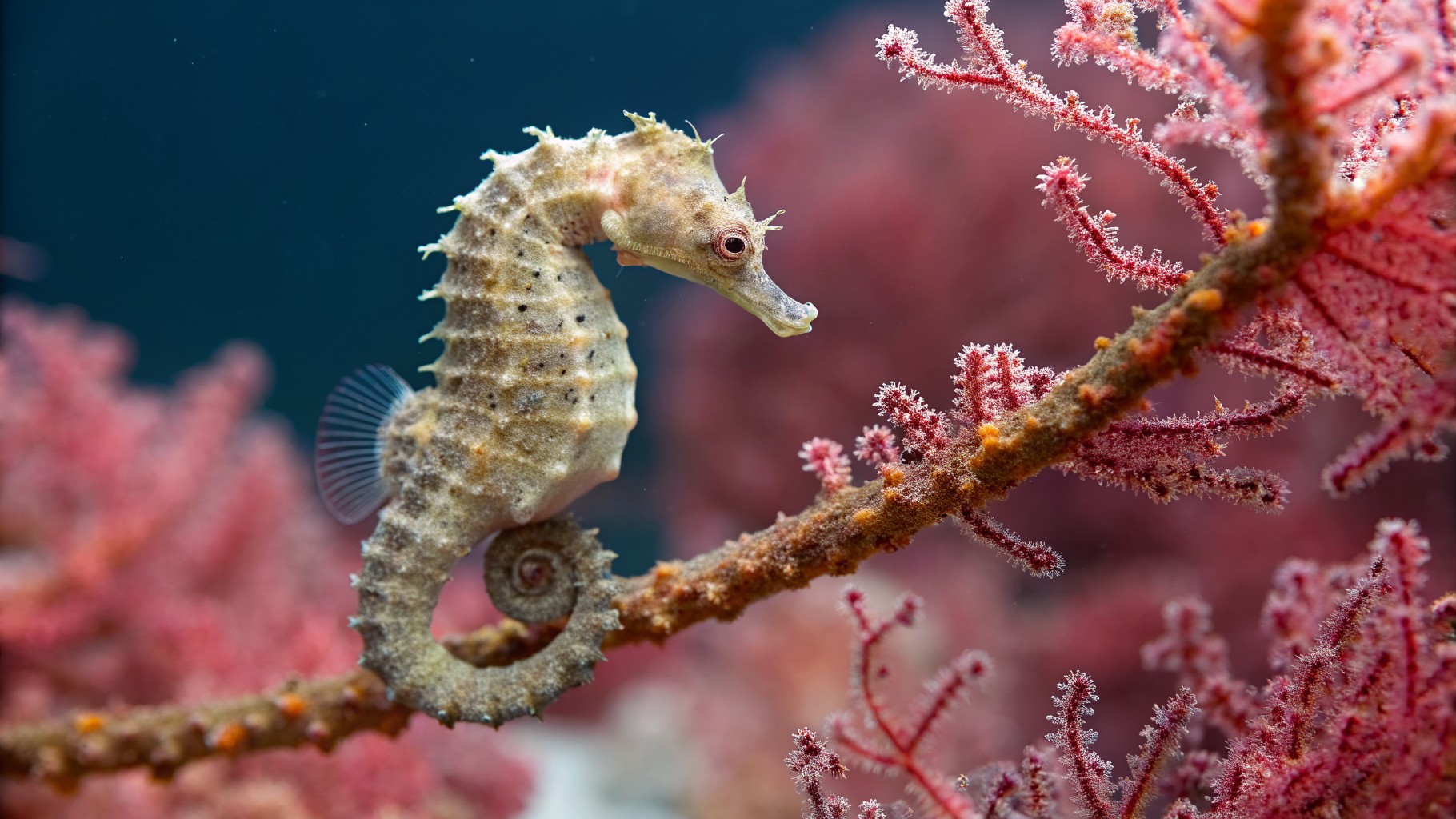
The funds collected from these fees are used for a variety of conservation initiatives, including maritime patrols and educational programs. Visitors can expect to see the benefits of these efforts during their stay, as the waters of Raja Ampat boast some of the highest levels of marine biodiversity in the world, with over 1,500 species of fish and 600 types of coral.
Raja Ampat Marine Park Permit
To explore the pristine waters of Raja Ampat, a marine park permit is required. The permit allows access to designated dive sites and snorkeling spots while promoting responsible wildlife interaction. The cost of the Raja Ampat marine park permit is typically included in liveaboard packages, but it’s advisable to confirm this when booking your trip.
For independent travelers, marine park permits can be obtained at various locations, including the Raja Ampat Tourism Office in Waisai. Ensure you have your permit ready before heading out, as checks are common at popular dive sites.
Diving Permit and Costs
If you plan to dive while exploring Raja Ampat, a separate dive permit is generally required, particularly if you are diving with a local operator. Most reputable dive centers will include the Raja Ampat diving permit in their package prices.
As of 2026, expect to pay around 300,000 IDR ($20 USD) for the diving permit. This fee supports local dive operations and marine conservation efforts. Make sure to dive with environmentally conscious operators who adhere to best practices in marine conservation.
Raja Ampat Entrance Fee for 2026
The Raja Ampat entrance fee is combined with the park fees and permits, but there might be additional costs associated with specific locations within the park. As of 2026, the entrance fee and park fee structure have been designed to streamline payments and enhance visitor management.
Visitors should be aware that fees may vary slightly based on the specific islands or sites you wish to visit. It’s advisable to budget for approximately 1,500,000 IDR ($100 USD) for entrance and activity fees if you plan to explore multiple sites extensively.
Raja Ampat Liveaboard Park Fees Included
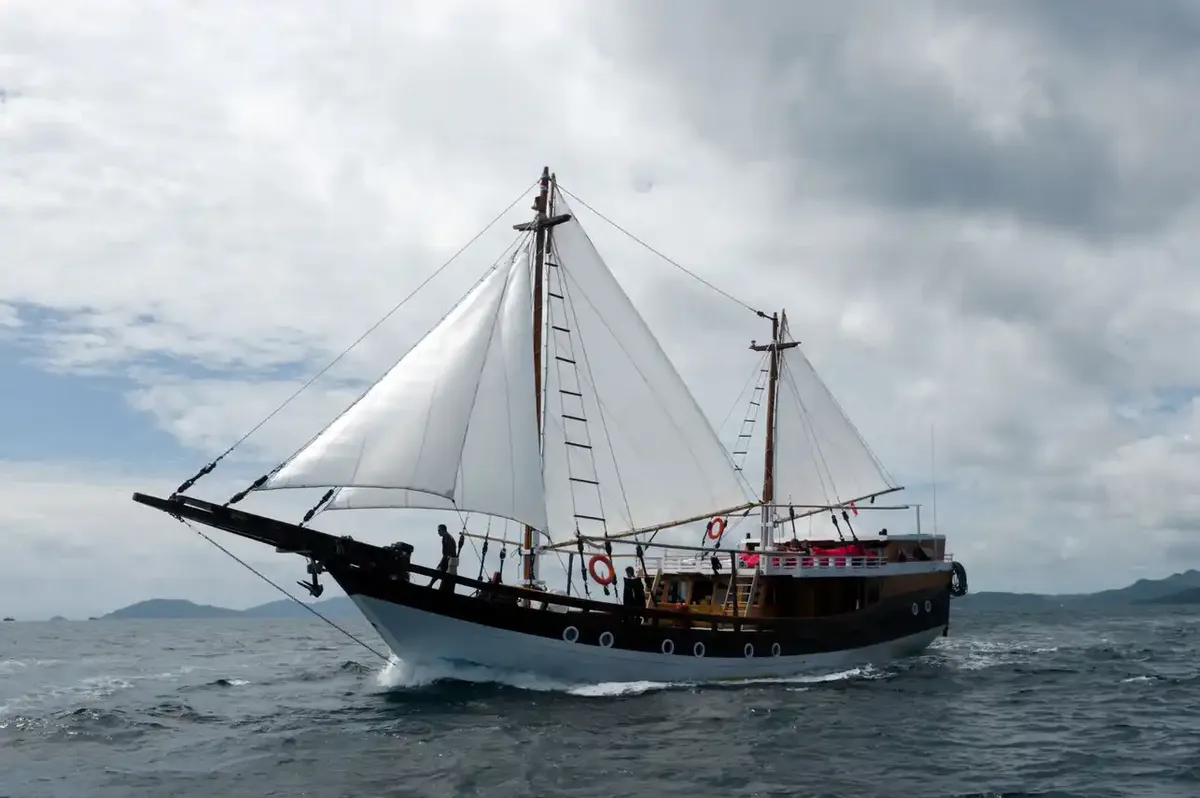
For those opting for a liveaboard experience, most packages will include park fees and permits within the overall cost. A typical liveaboard trip lasts between 4 to 10 days, with prices ranging from $800 to $2,500 USD per person, depending on the level of luxury and inclusivity of the trip.
On a liveaboard, you can expect to enjoy multiple dives a day, meals, and the convenience of being taken directly to the best dive sites without the hassle of daily travel. Ensure to clarify with your operator whether all fees are included in the final price to avoid unexpected expenses.
Raja Ampat Dive Rules and Regulations
When diving in Raja Ampat, adhering to dive rules is crucial for your safety and the health of the marine environment. Here are some key regulations to keep in mind:
- No Touching or Collecting: Touching marine life or collecting shells and corals is strictly prohibited.
- Respect the Environment: Divers must avoid damaging coral or disturbing marine life.
- Stay with Your Group: Always dive with a buddy and stay within the designated dive area.
- Maintain Good Buoyancy: Be conscious of your buoyancy to avoid accidental contact with the reef.
- Follow Local Guidelines: Always respect the instructions given by your dive guide.
These rules are designed to protect the unique ecosystem, making your diving experience enjoyable while contributing to conservation efforts.
Raja Ampat Tourism Tax
In addition to park fees and permits, visitors to Raja Ampat are subject to a tourism tax, which is generally around 100,000 IDR ($7 USD) per person. This tax is used to support local infrastructure and community development projects, aimed at improving the quality of life for residents while promoting sustainable tourism.
Be prepared to pay this tax during your visit, often collected directly by your accommodation or tour operator. It’s a small price to pay for the privilege of experiencing one of the most beautiful marine environments in the world.
Frequently Asked Questions
- Where can I pay for the Raja Ampat permits?
Permits can be paid for at the Raja Ampat Tourism Office in Waisai or through your liveaboard operator. - Are the Raja Ampat park fees and permits the same?
Yes, the park fees generally encompass the necessary permits for diving and accessing the marine park. - Do I need to book in advance for dive permits?
It’s not required, but booking in advance is highly recommended, especially during peak diving months from October to April.
Raja Ampat is a paradise for divers and nature enthusiasts alike. By understanding and adhering to the necessary fees and regulations, you can enjoy your experience while contributing to the conservation of this extraordinary region. Plan your trip smartly, dive responsibly, and immerse yourself in the stunning underwater world of Raja Ampat.
Ready to explore Raja Ampat’s underwater treasures? Start planning your liveaboard adventure today!
How to Obtain Your Marine Park Permit
Acquiring your marine park permit is a straightforward process but does require a few steps. Visitors can obtain their permits upon arrival at Sorong, the nearest city to Raja Ampat, or at designated locations in the islands themselves. As of 2026, the price for a marine park permit is included in the park fee, which simplifies the process. Ensure you bring cash, as many locations may not accept credit cards.
For those arriving by liveaboard or dive operators, the permit is often taken care of by the tour company. Always confirm this beforehand to avoid any last-minute surprises. Additionally, it’s advisable to keep a copy of your permit on hand at all times; park rangers conduct patrols and may request to see your documentation during your stay.
Respecting Local Customs and Regulations
Raja Ampat is home to various indigenous communities, and respecting their customs is paramount. When visiting local villages, it is advised to dress modestly, especially when entering sacred areas or homes. Conversations with locals are often welcomed, but be mindful of cultural sensitivities.
In addition to cultural respect, there are strict regulations users must follow while engaging in activities like diving, snorkeling, and fishing. For instance:
- Protected Areas: Some areas are designated as no-take zones, meaning fishing and harvesting marine life are strictly prohibited. Always check local guidelines or consult with your dive operator for specifics.
- Waste Management: It’s essential to carry out what you bring in. Dispose of waste responsibly and avoid using single-use plastics.
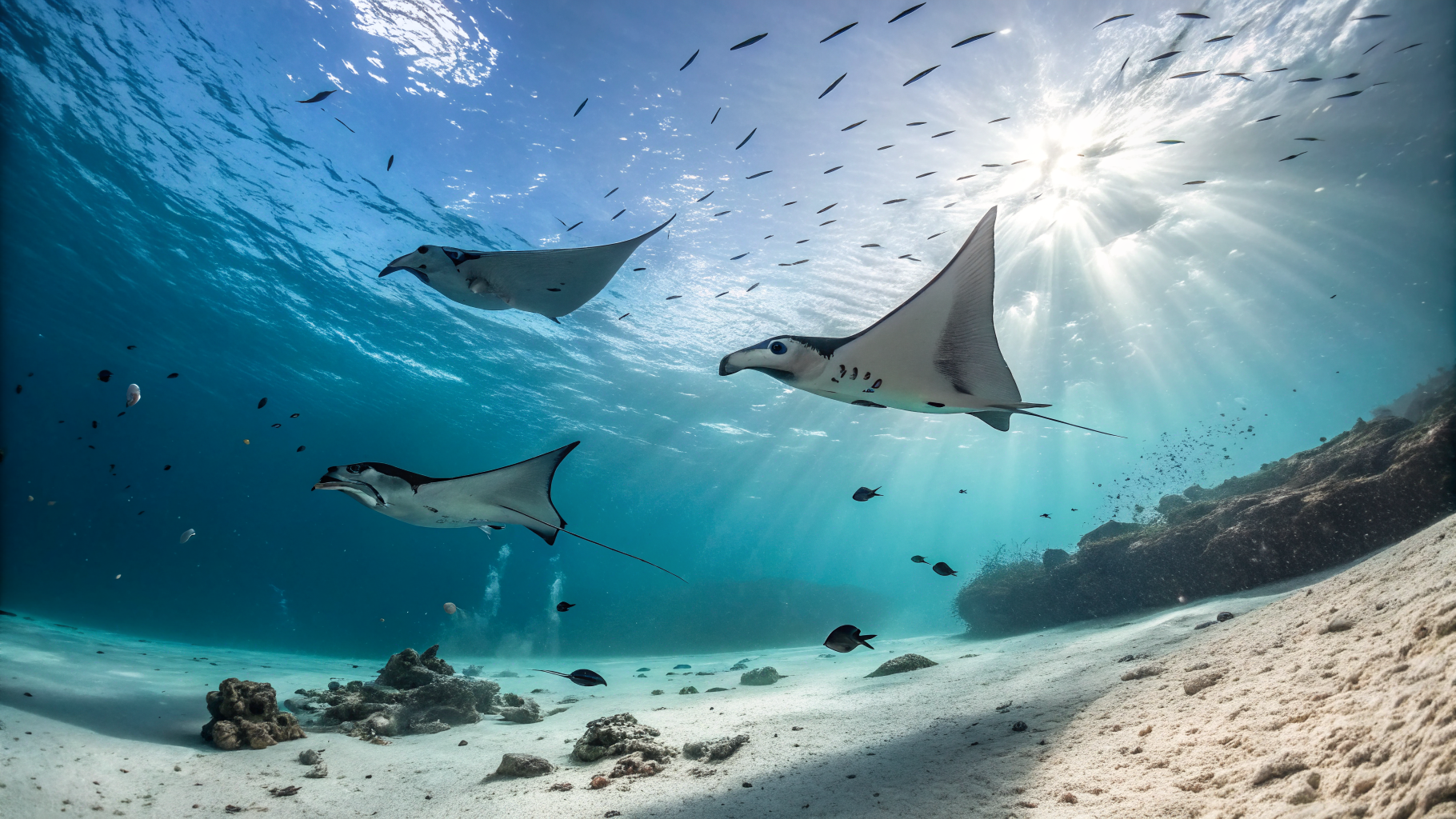
- Marine Life Interaction: While swimming with manta rays or other marine animals can be enticing, touching or feeding them is usually discouraged to protect their natural behaviors.
Raja Ampat Dive Site Fees and Guidelines
Diving enthusiasts will find that many dive sites in Raja Ampat have additional site fees, usually ranging from 100,000 IDR to 500,000 IDR ($7 to $33 USD) per dive, depending on the location. Popular dive sites such as Cape Kri and Blue Magic often attract higher fees due to their popularity and biodiversity. Your dive operator can provide a comprehensive list of fees associated with each site.
Before diving, ensure your gear is in good condition and that you have the appropriate certifications. Some sites may require advanced certifications due to strong currents or depth. Additionally, always dive with a local guide familiar with the area; they can offer invaluable insights into both safety and marine life.
Transportation and Logistics in Raja Ampat
Getting around Raja Ampat requires some planning, as transport options can be limited. Most travelers use longboats (speedboats) to move between islands, with prices starting around 1,500,000 IDR ($100 USD) for a private boat for half a day. Sharing with others can significantly reduce costs.
For those planning to explore multiple islands, consider staying on a liveaboard, which eliminates the hassle of daily transfers and allows for immersive diving experiences. Liveaboard packages typically range from $1,200 to $2,500 USD for a week, depending on the luxury level and itinerary.
It’s also worth noting that the best time to visit is during the dry season, from October to April, when conditions are optimal for diving and weather is generally calm.