In this article
- Understanding the Raja Ampat Archipelago: Geography and Biodiversity
- The Liveaboard Vessel: Life Aboard a Private Phinisi
- Dive Profiles and Conditions: What to Anticipate Underwater
- A Sample 10-Day Itinerary: From Sorong to the Four Kings
- Preparation for a Raja Ampat Liveaboard Beginner
- Frequently Asked Questions for a First Liveaboard in Raja Ampat
- Plan Your Raja Ampat Voyage
- Related reading
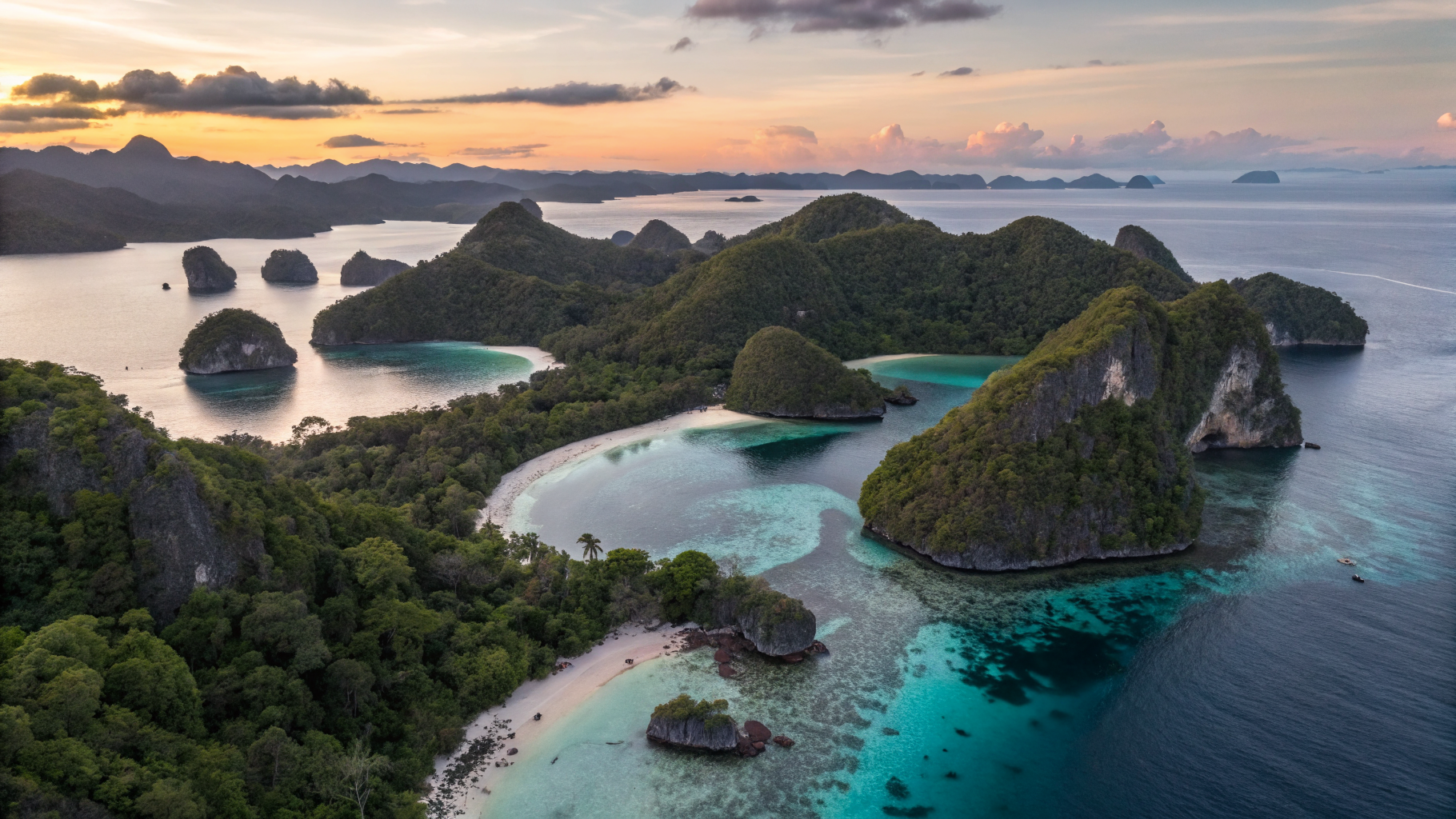
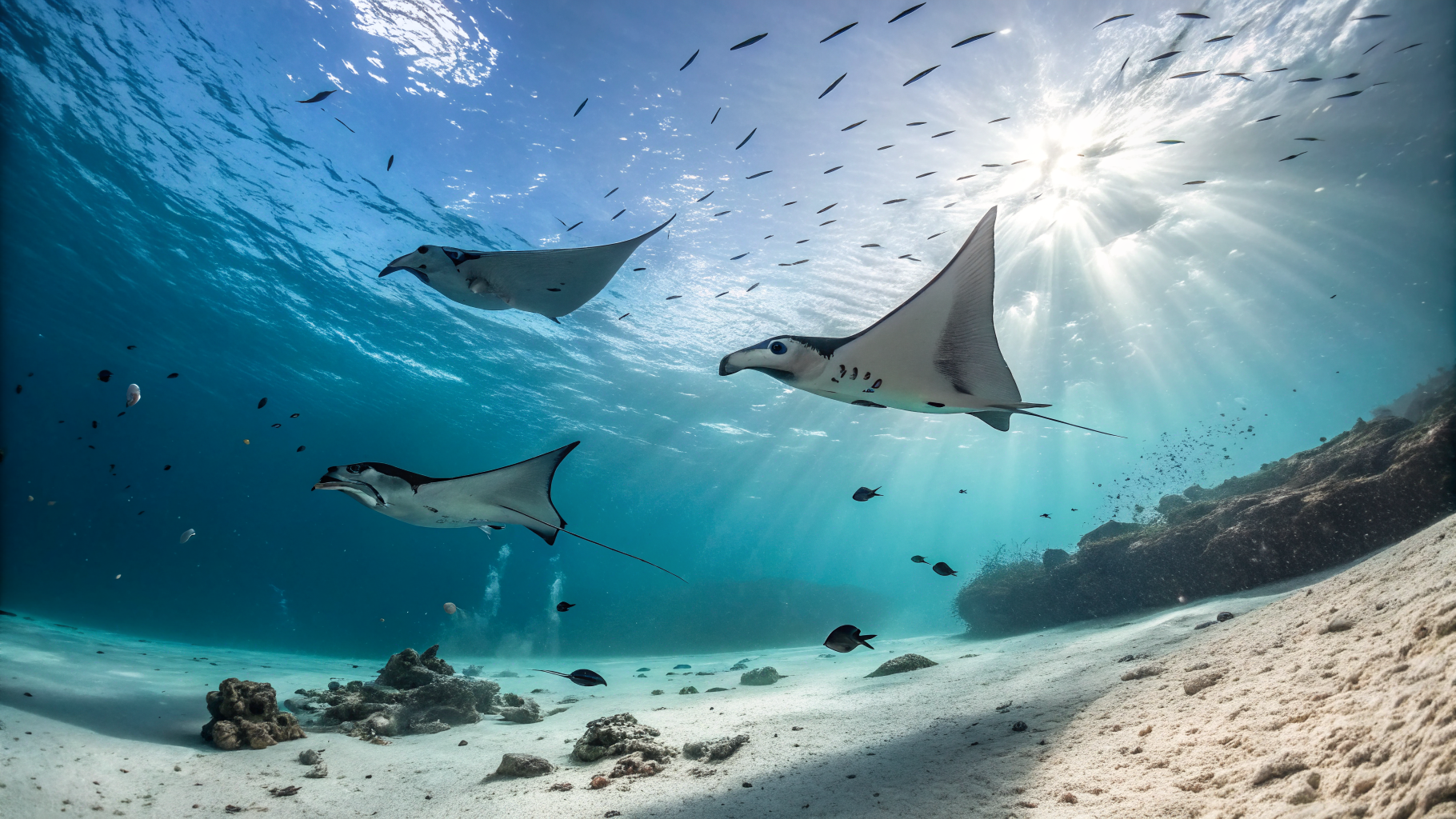
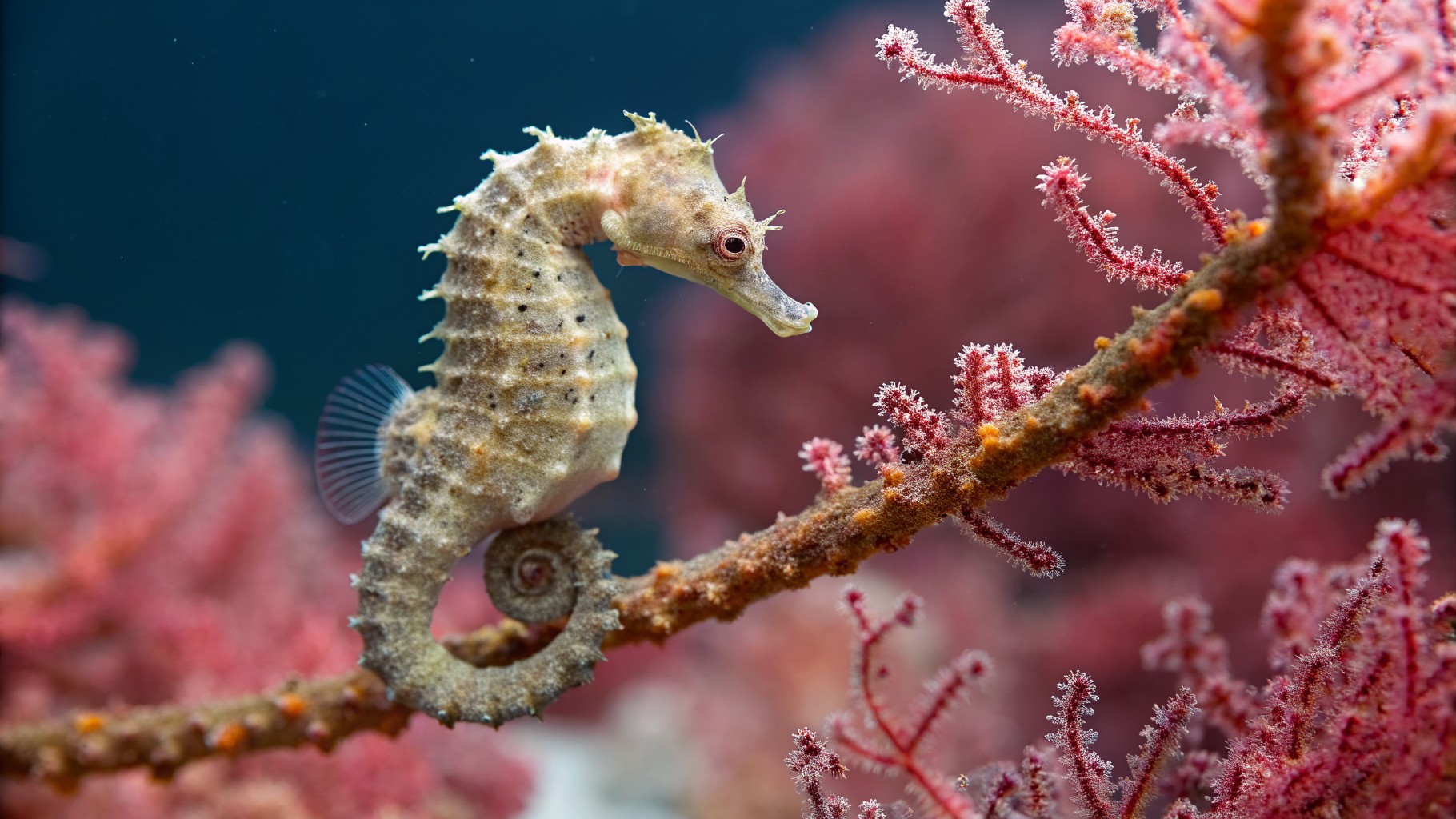
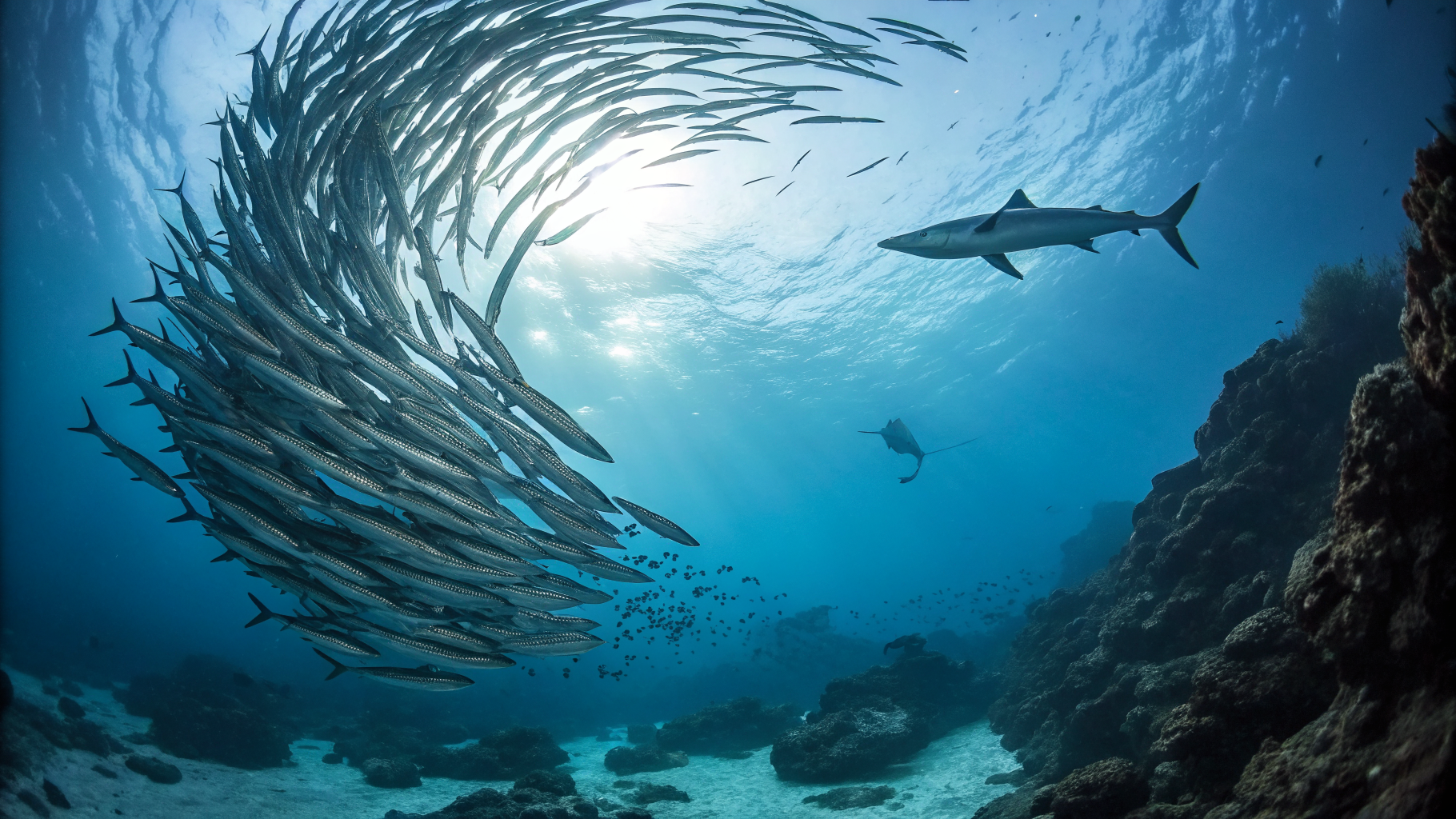
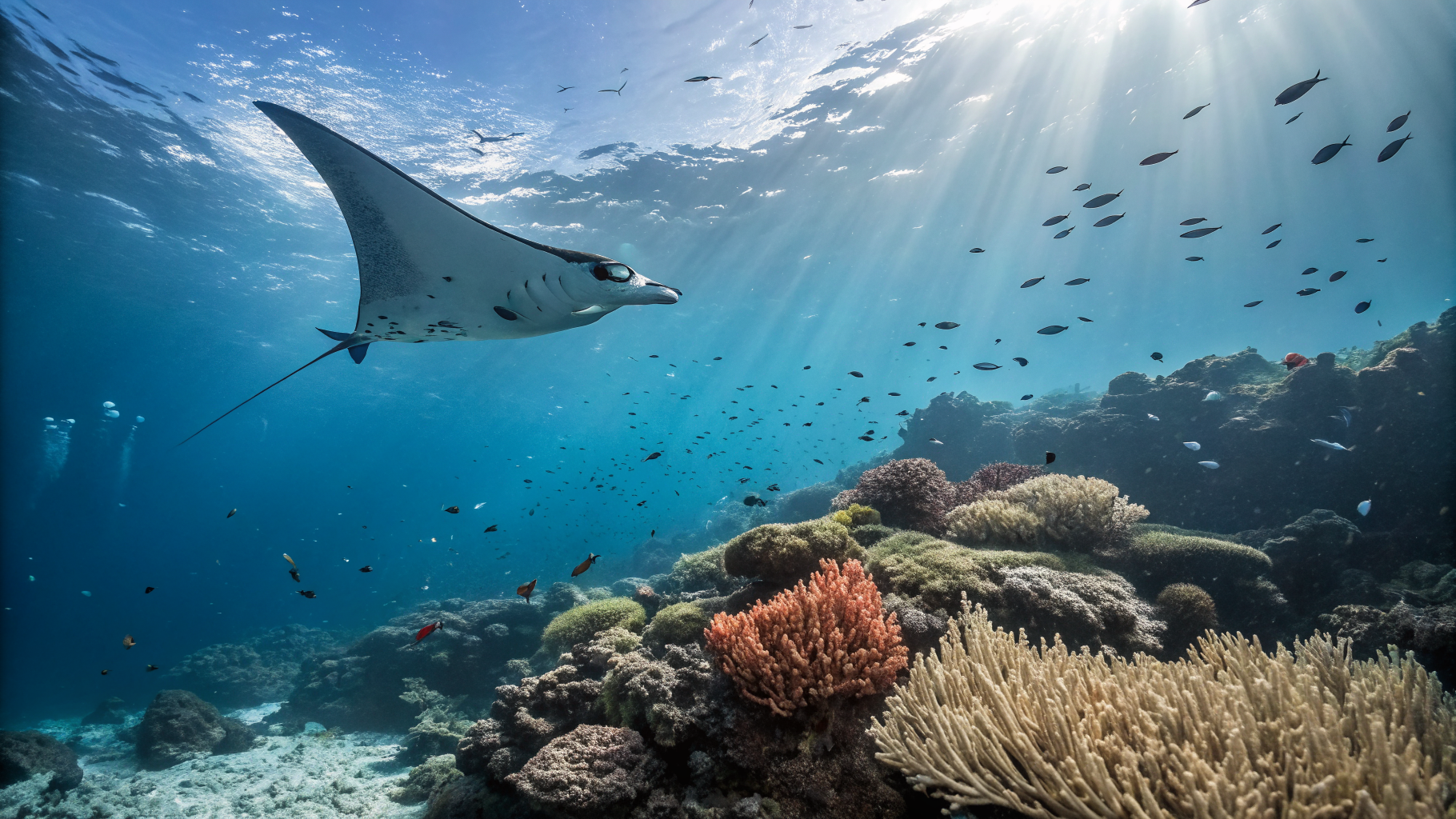
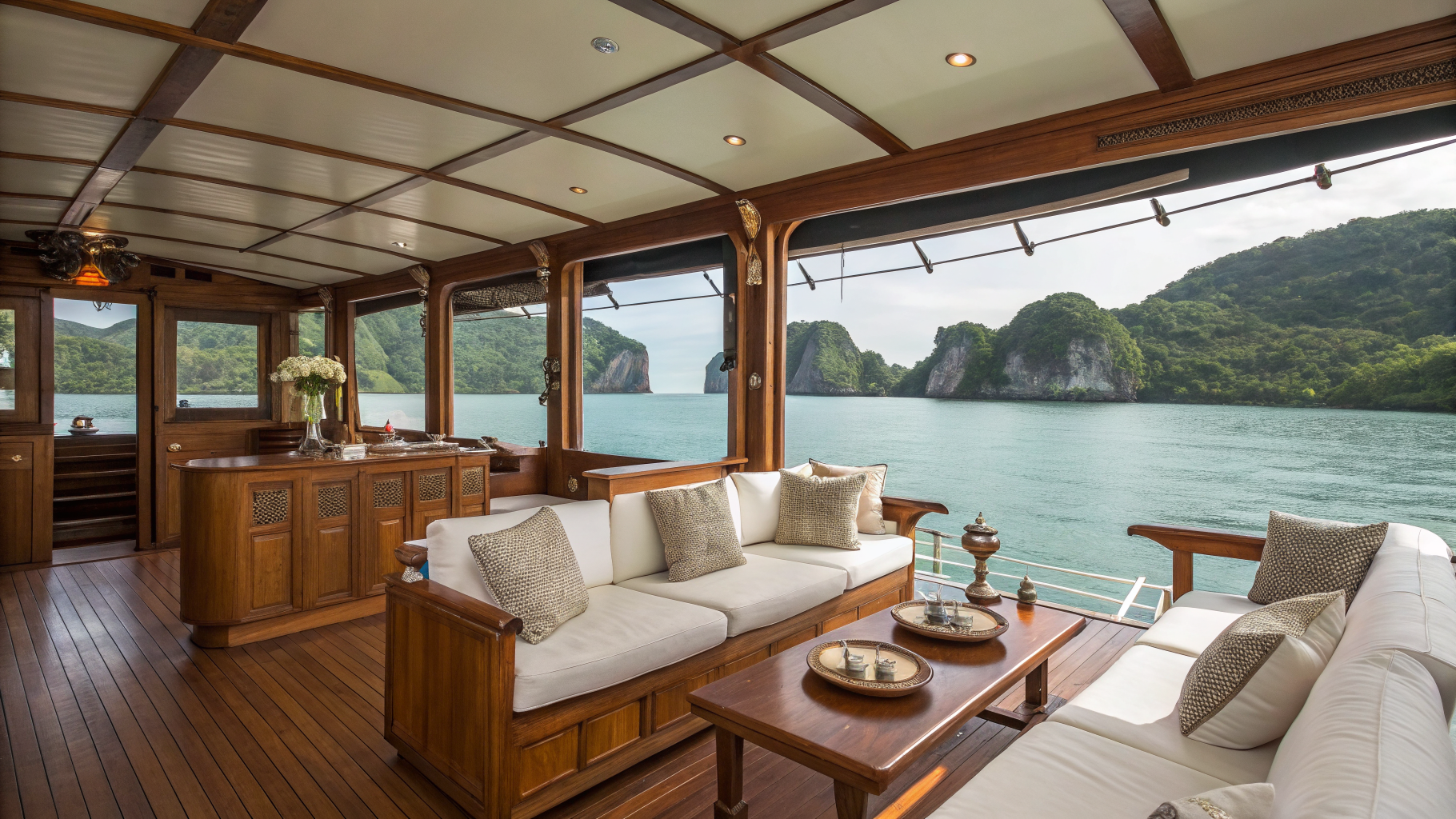
A Raja Ampat liveaboard is a multi-day, vessel-based dive expedition through Indonesia’s West Papua province, an archipelago of over 1,500 islands spread across 40,000 square kilometers. This guide is designed for the certified diver planning their first liveaboard in Raja Ampat, focusing on the operational tempo, environmental conditions, and logistical requirements of such a voyage. Your first liveaboard in Raja Ampat will place you directly within the Coral Triangle, an epicenter of marine biodiversity with 75% of all known hard coral species. The itinerary is dictated by currents and weather, not a fixed schedule, allowing for multiple daily dives on sites separated by significant nautical distances. This is an equipment-intensive, remote expedition requiring a specific level of preparedness.
Understanding the Raja Ampat Archipelago: Geography and Biodiversity
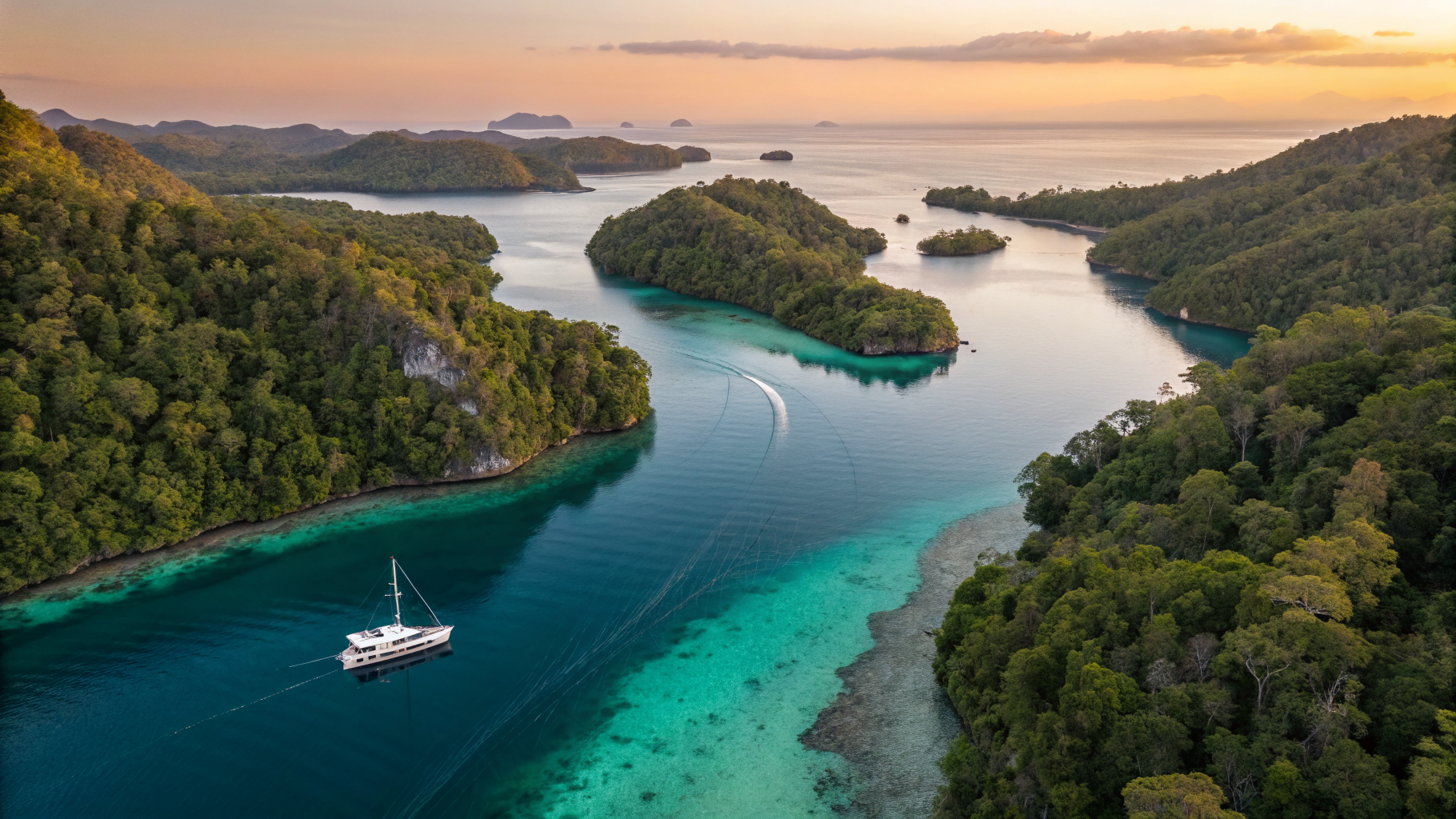
Raja Ampat, meaning “The Four Kings,” is an administrative regency in Indonesia’s West Papua province. The four “king” islands are Misool, Salawati, Batanta, and Waigeo. Our Raja Ampat liveaboard voyages navigate the waters surrounding these islands and the hundreds of smaller, uninhabited cays and pinnacles. The region’s location at the confluence of the Indian and Pacific Oceans creates a nutrient-rich environment responsible for its extreme biodiversity. Scientific surveys, like the one conducted by Dr. Gerald Allen in 2012, have documented this density. His team recorded 374 distinct reef fish species on a single 90-minute dive at Cape Kri, a world record that stands today. This biological richness is protected by a system of marine parks, access to which requires a mandatory permit.
The archipelago is broadly divided into two primary diving regions navigated by our charters: the northern/central area including the Dampier Strait and Wayag, and the southern area dominated by the island of Misool. Each region presents distinct underwater topography and marine life encounters. A typical 10-day voyage will focus on one of these areas to minimize transit time and maximize immersion; longer 12- or 14-day charters can combine key areas from both. The choice of itinerary depends entirely on your group’s objectives, whether targeting manta aggregations in the south or the sheer species volume of the Dampier Strait.
The Liveaboard Vessel: Life Aboard a Private Phinisi
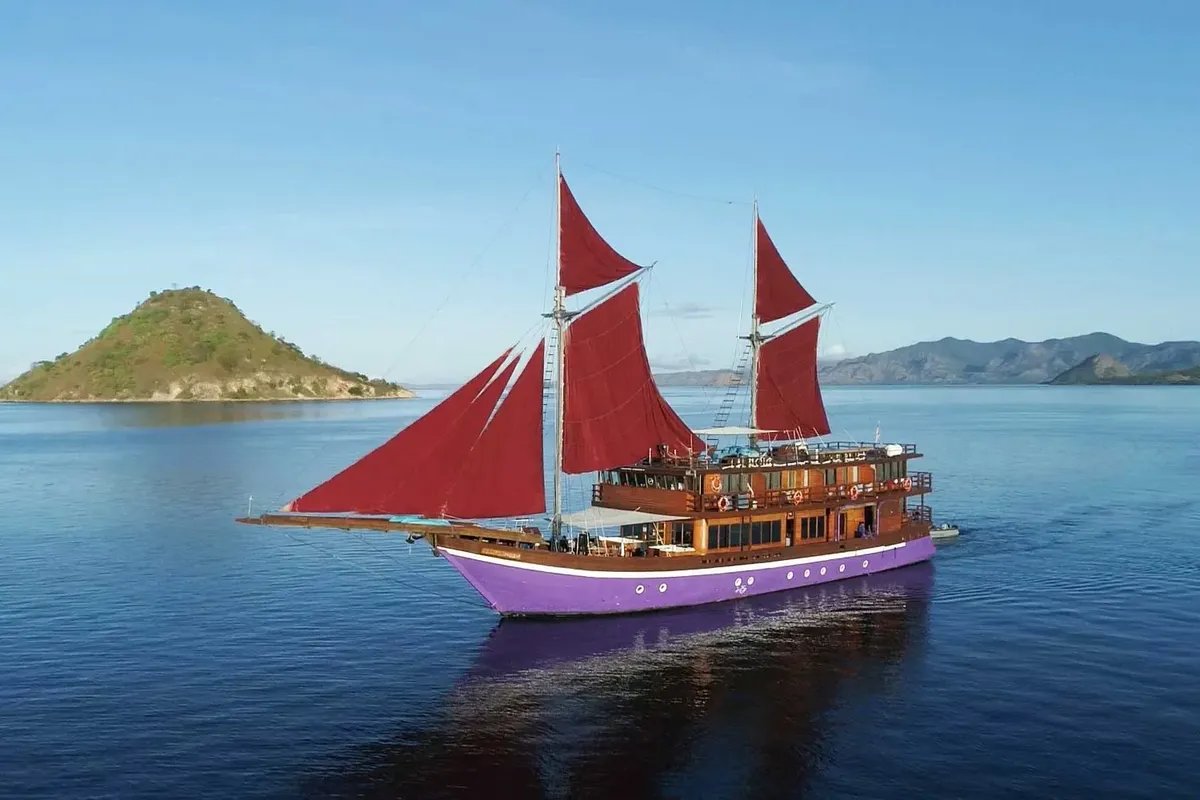
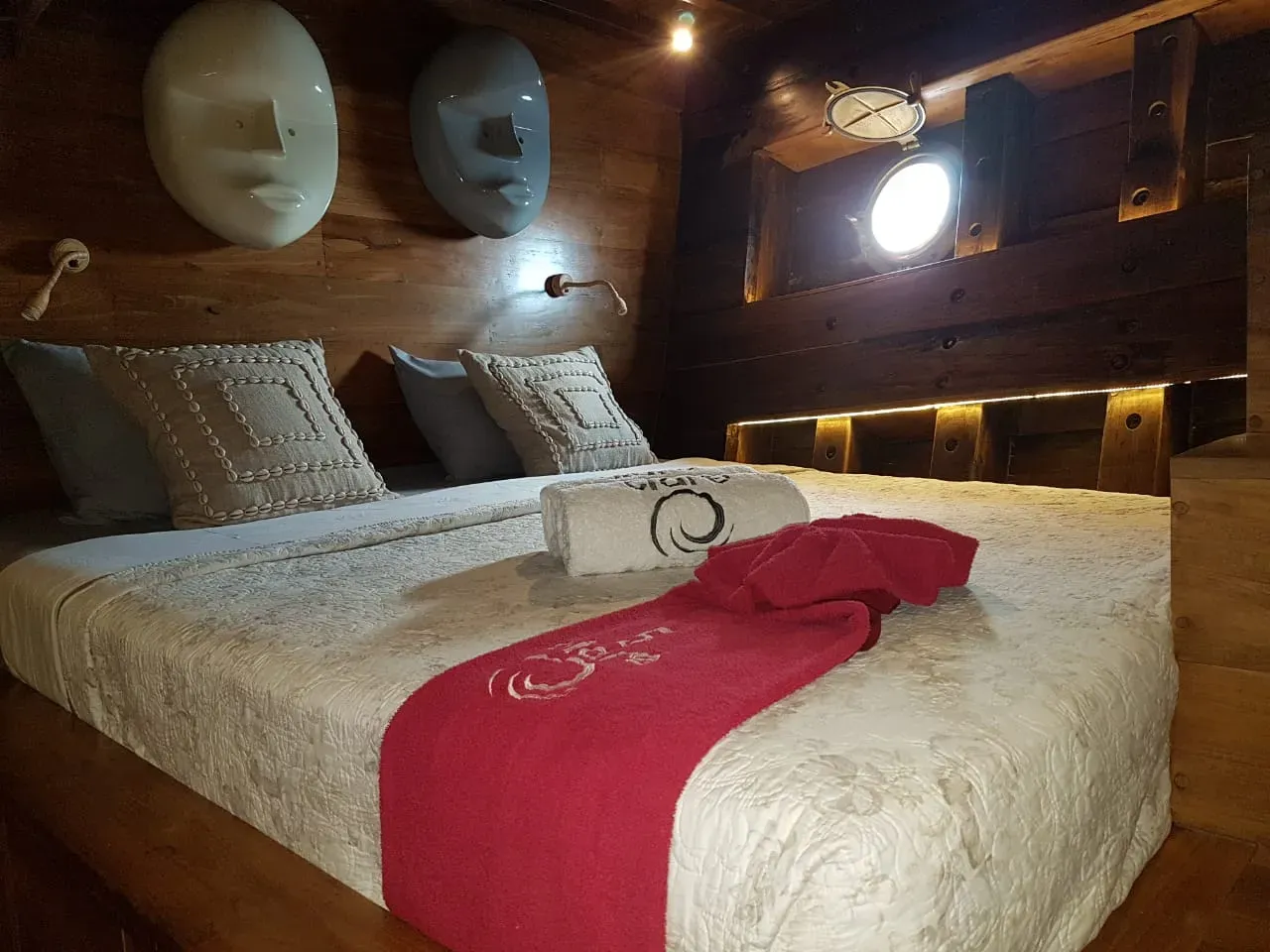
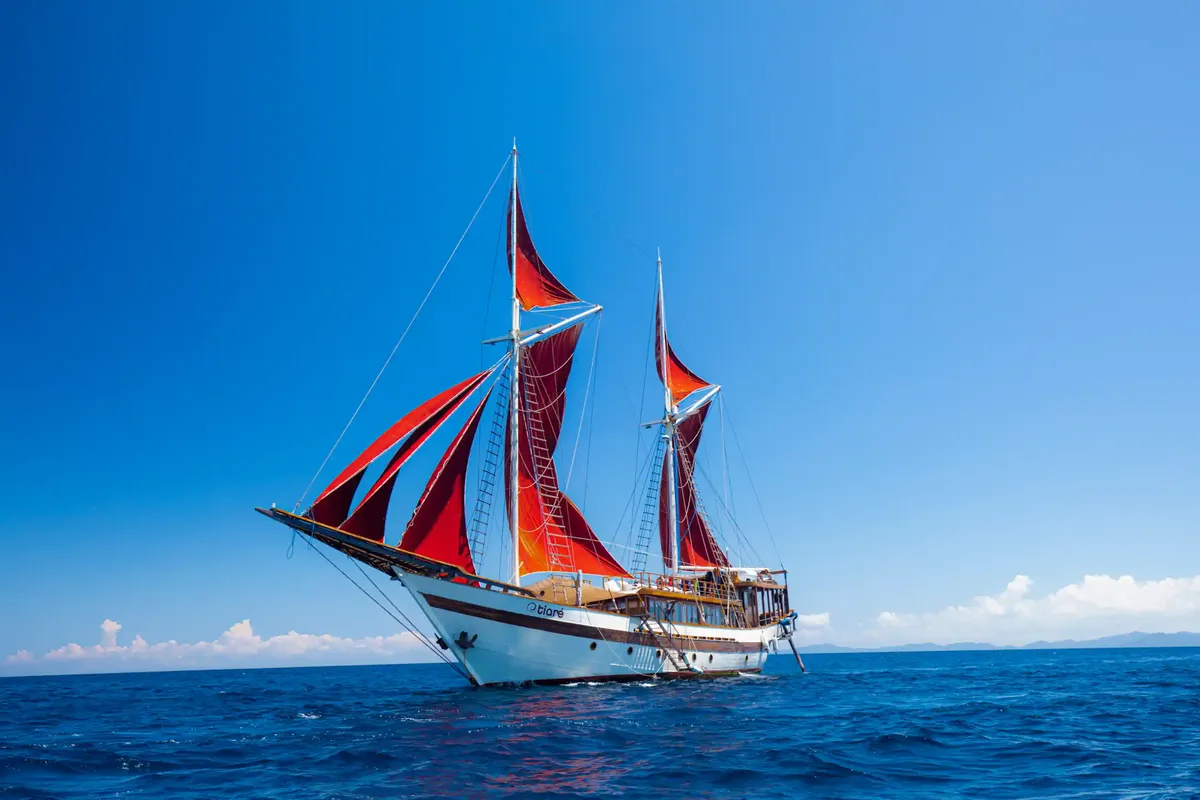
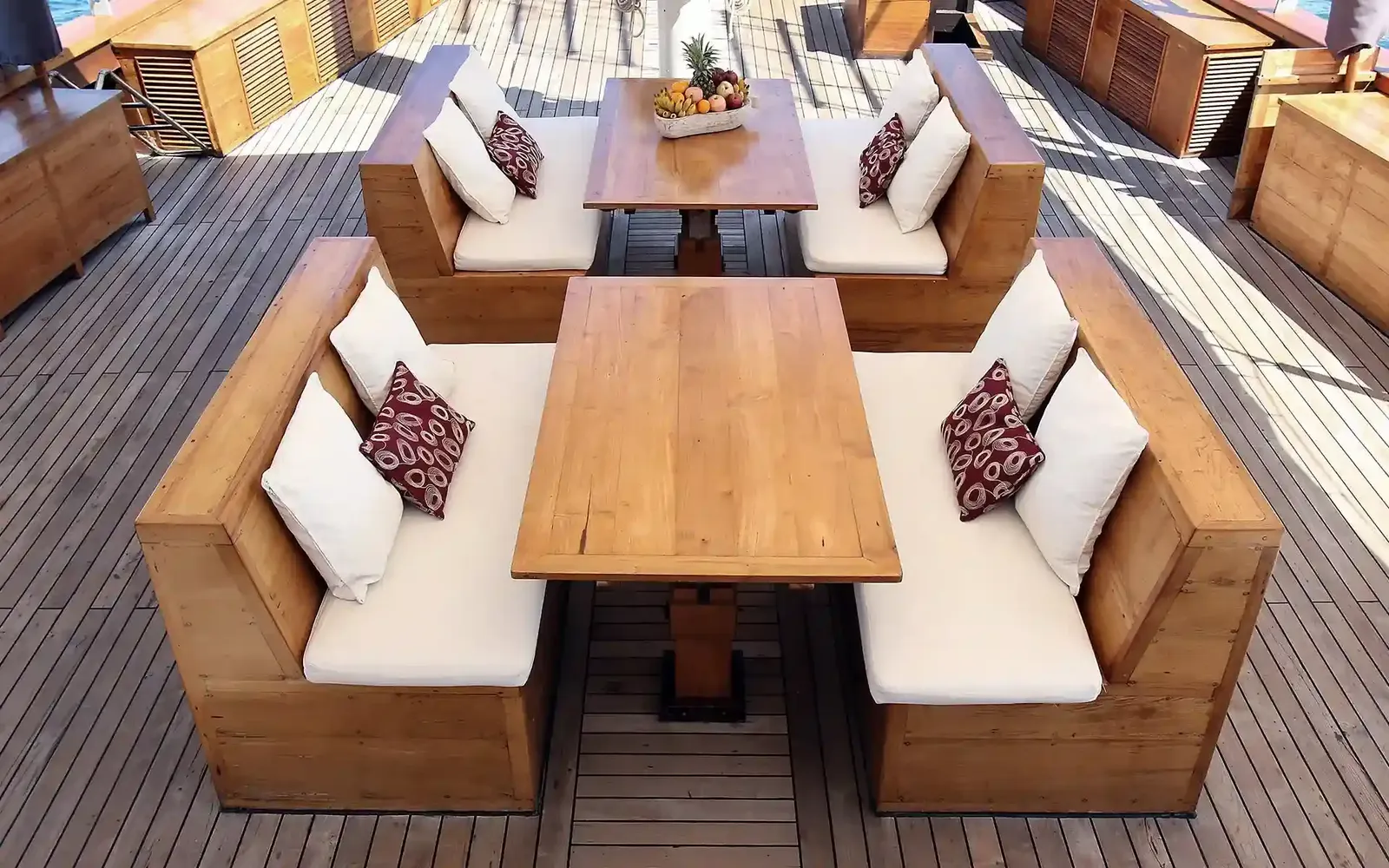
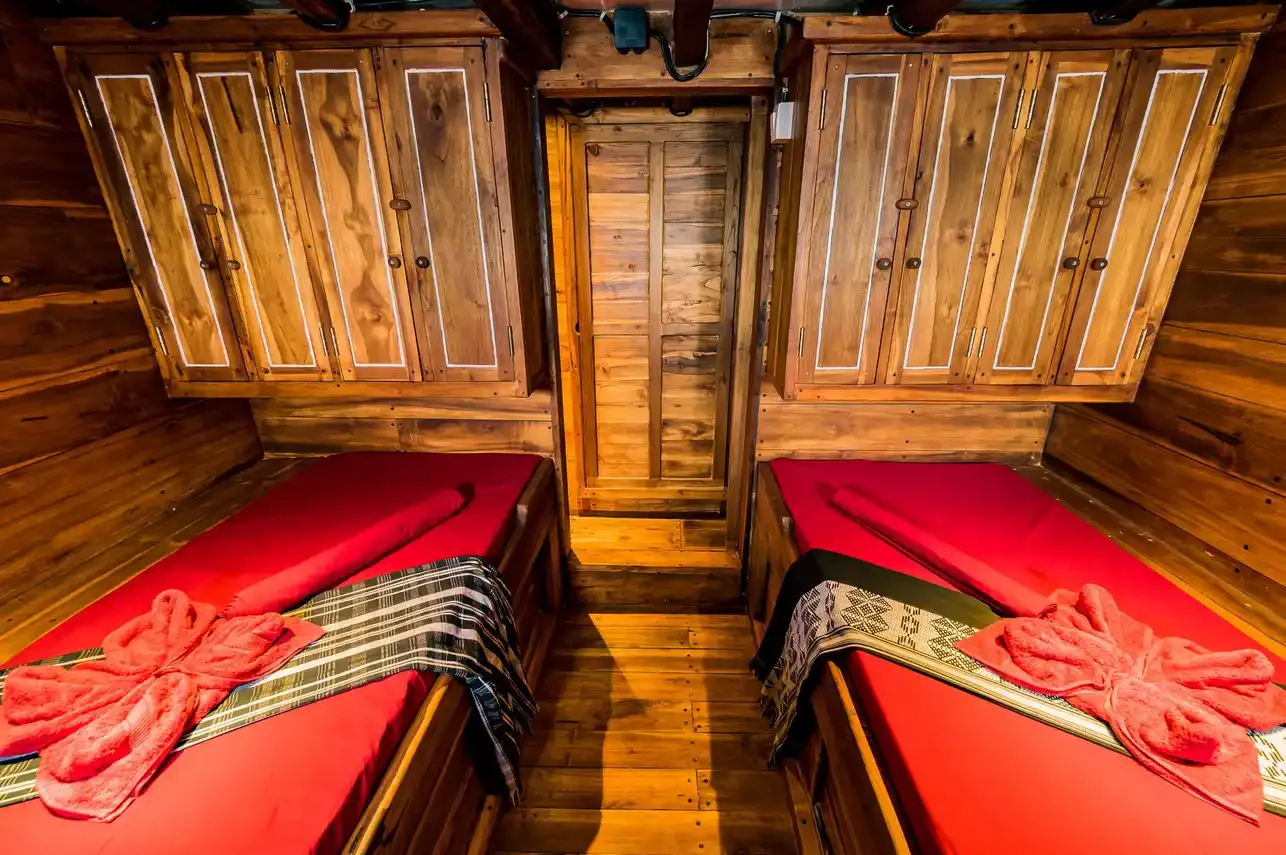
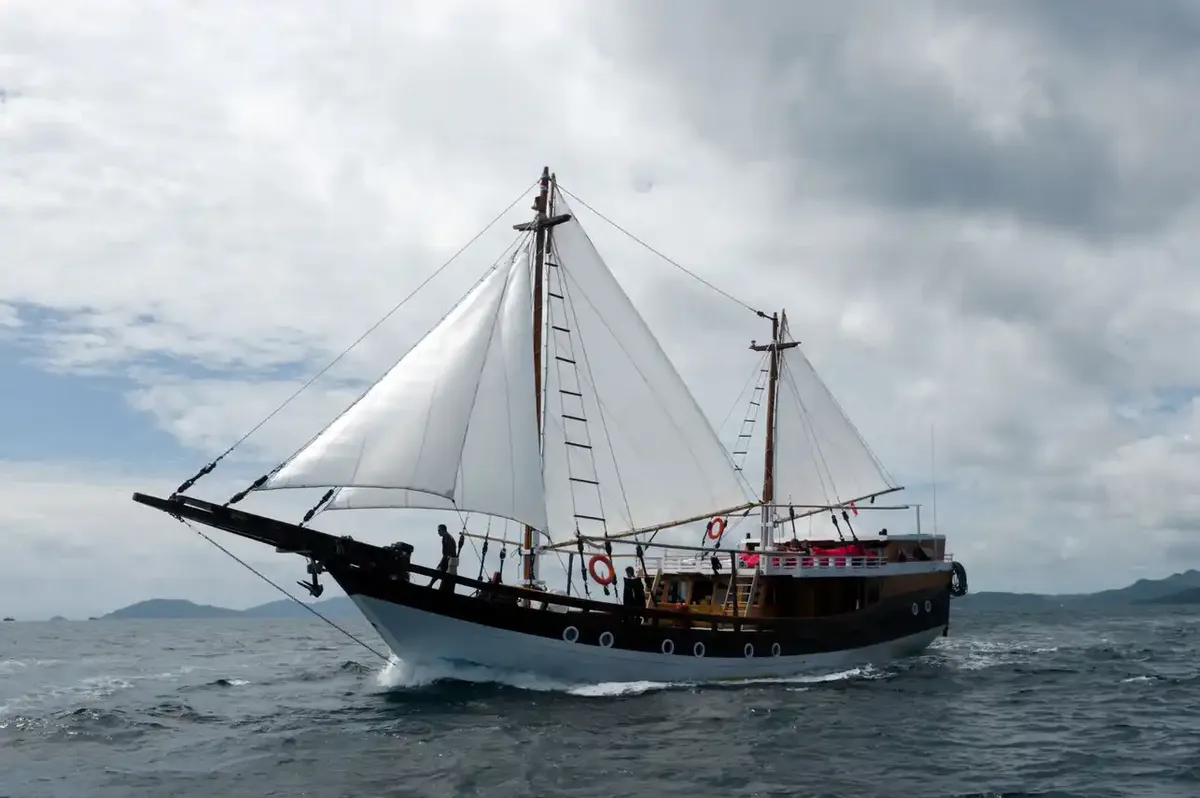
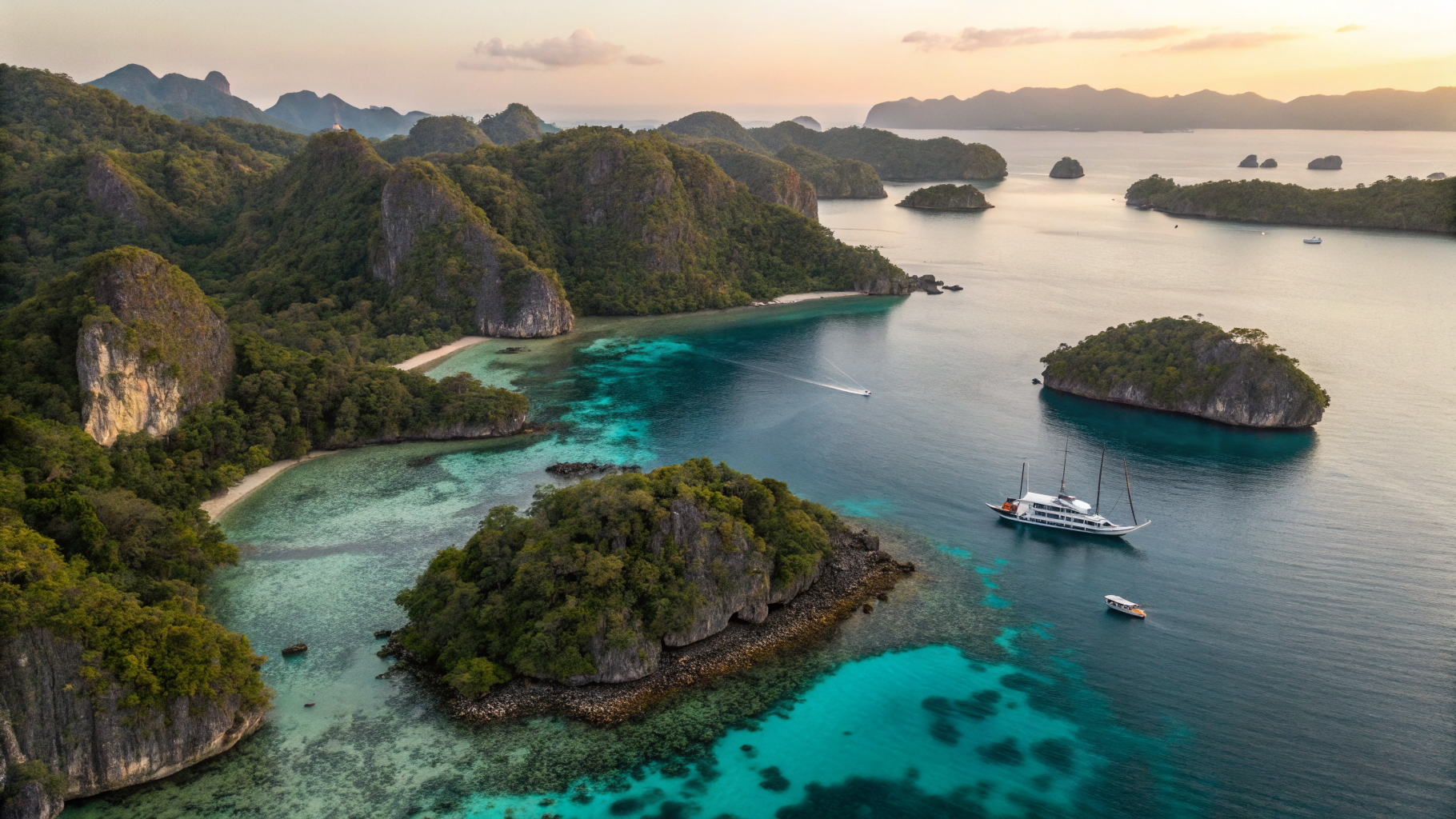
A phinisi is a traditional Indonesian two-masted wooden schooner, hand-built by the Konjo people of South Sulawesi without blueprints, a practice recognized as a UNESCO Intangible Cultural Heritage. Our fleet consists of modern phinisis, combining this heritage with contemporary marine engineering, navigation systems, and guest amenities. A private charter provides exclusive access to the vessel, its 12- to 18-person crew, and a completely customizable itinerary. The crew includes a Western cruise director, local dive guides, a chef, engineers, and deckhands, ensuring a low guest-to-staff ratio.
The daily rhythm on board is structured around diving. A typical day for a diver on their first liveaboard in Raja Ampat includes:
- 06:30: Light breakfast and coffee.
- 07:00: Dive briefing 1, detailing the site’s topography, expected currents, and marine life targets.
- 07:30: Dive 1.
- 09:00: Full cooked breakfast.
- 10:30: Dive briefing 2.
- 11:00: Dive 2.
- 12:30: Lunch.
- 14:30: Dive briefing 3.
- 15:00: Dive 3.
- 16:30: Afternoon snacks.
- 18:30: Dive briefing 4 (for a sunset or night dive).
- 19:00: Dive 4.
- 20:30: Dinner.
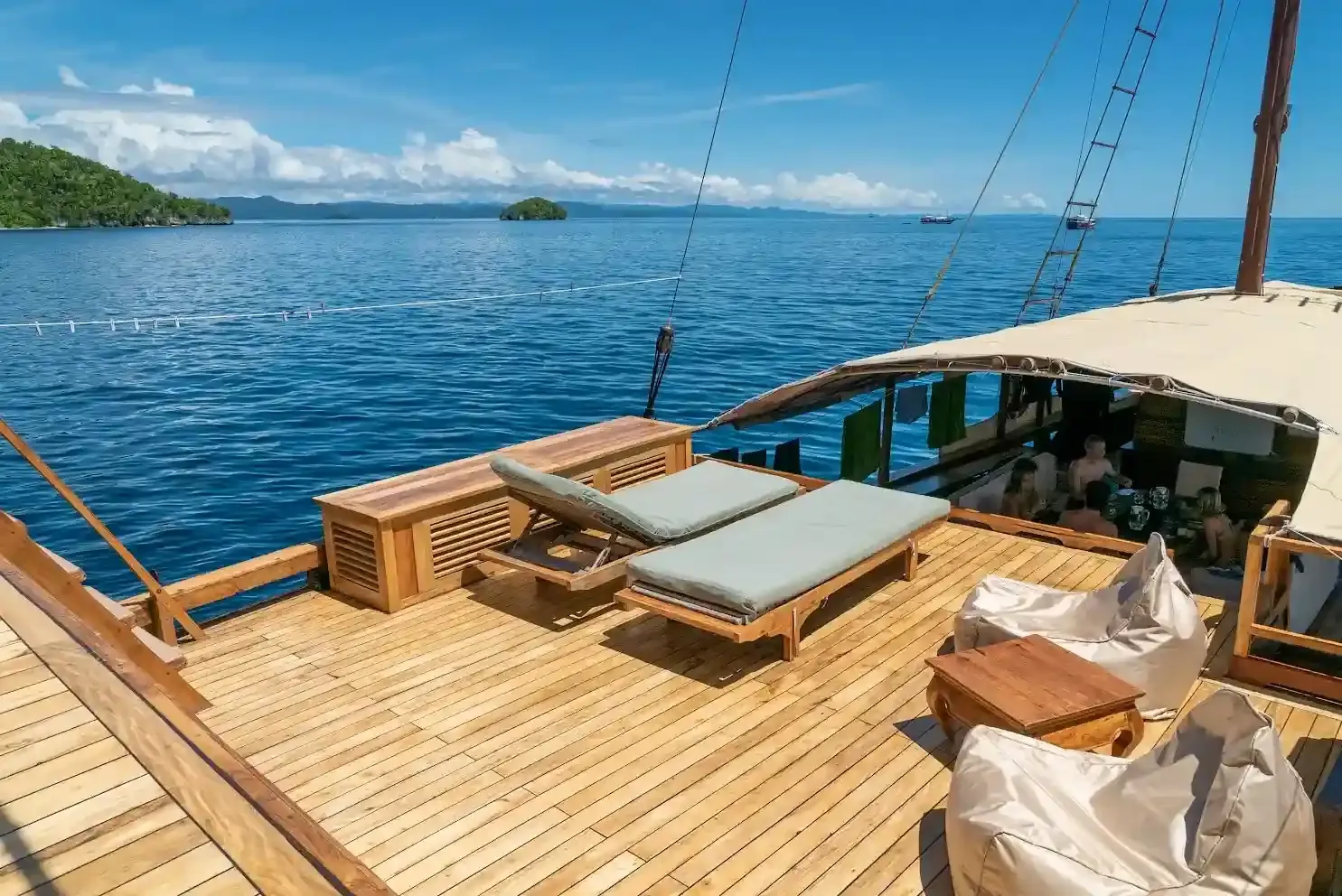
Between dives, the vessel repositions to the next site. Surface intervals are for gear maintenance, photo editing, meals, or relaxing on the sun deck. All tanks are filled by the crew, and gear is managed and prepared for you on the dive tenders.
Dive Profiles and Conditions: What to Anticipate Underwater
Raja Ampat’s underwater environment is dynamic and demanding. Divers must be comfortable with negative entries, drift diving, and deploying a surface marker buoy (SMB). An Advanced Open Water (AOW) certification with a minimum of 50 logged dives is a prerequisite for all our charters. The region’s powerful currents, often ranging from 1 to 4 knots, are the engine of its biodiversity, concentrating nutrients and attracting large pelagic species.
Currents and Topography
Key areas like the Dampier Strait, the channel between Waigeo and Batanta, act as a funnel for tidal exchange. Dive sites such as Blue Magic, Sardine Reef, and Manta Sandy are exposed to these currents. Dives are planned according to tide charts to leverage the moving water. You will use a reef hook to secure yourself to a non-living substrate at lookout points, allowing you to observe the action without exertion. The topography is varied, from sloping reefs and vertical walls to submerged pinnacles (seamounts) and protected bays perfect for night dives where you might spot the endemic Raja Ampat walking shark, Hemiscyllium freycineti.
Water Temperature and Visibility
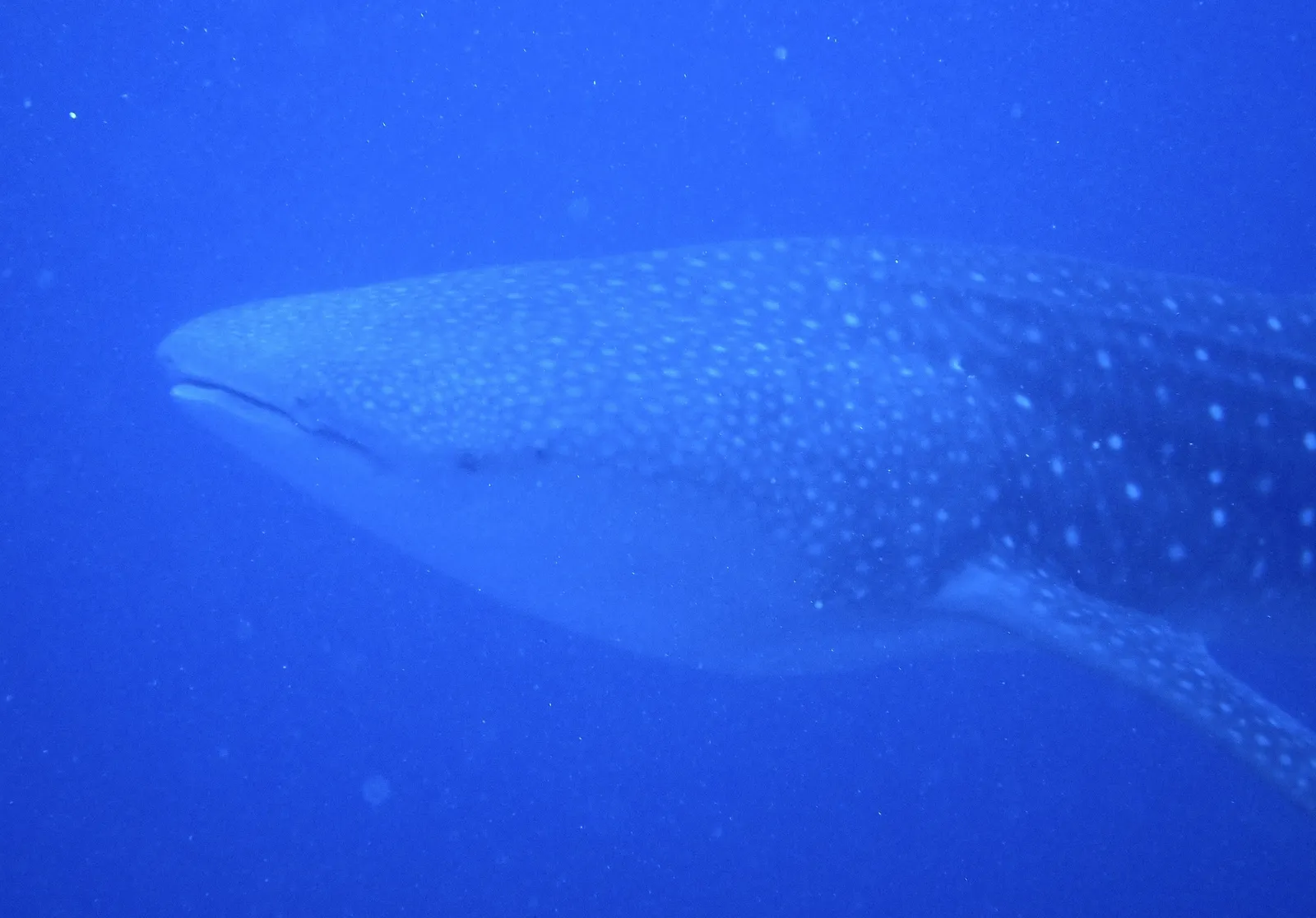
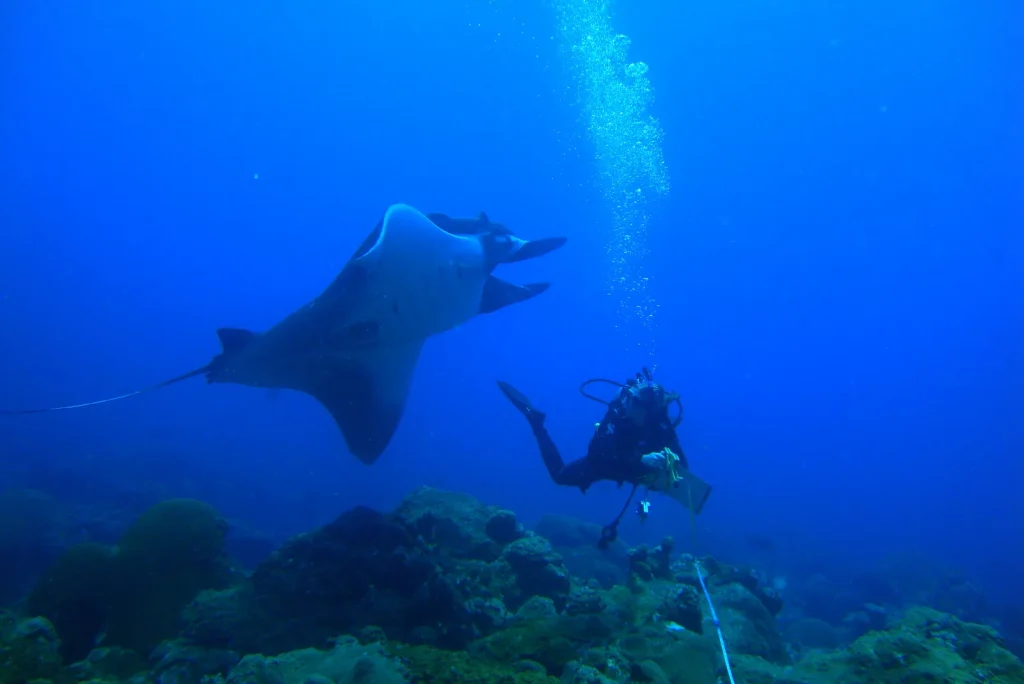
Water temperature remains stable year-round, averaging 27–30°C (81–86°F). A 3mm full-length wetsuit is standard for thermal protection and exposure defense. Visibility is influenced by tidal flow and plankton density. During the peak season from October to April, it typically ranges from 20 to 40 meters. This period, particularly from December to March, corresponds with plankton blooms that attract large aggregations of reef mantas (Mobula alfredi) to cleaning stations.
A Sample 10-Day Itinerary: From Sorong to the Four Kings
While every liveaboard package is tailored, a typical 10-day northern itinerary provides a comprehensive overview of the region’s most recognized dive sites. The voyage covers approximately 200-250 nautical miles, beginning and ending at the port of Sorong (SOQ).
- Day 1: Arrival in Sorong, embarkation. Check-out dive at a calm site like Mioskon Island to verify weighting and equipment.
- Day 2-4: Dampier Strait. Focus on high-current, high-action sites. Dives at Cape Kri to witness its species density, Sardine Reef for schooling fusiliers and jacks, and Blue Magic for grey reef sharks and potential oceanic mantas (Mobula birostris).
- Day 5-6: Penemu & Fam Islands. Explore the dramatic karst landscape. Dive Melissa’s Garden, a sprawling hard coral plateau. A shore excursion involves a 300-step climb to the iconic Pianemo viewpoint.
- Day 7-8: Kawe and Wayag. Crossing the equator to dive Black Rock and Eagle Rock. Wayag is the northernmost point, known for its lagoon formations. Dives here are often exploratory.
- Day 9: Aljui Bay. Shift focus to macro life. A muck dive under the Cendana Pearl Farm jetty can reveal ghost pipefish, frogfish, and the endemic Raja Ampat pygmy seahorse, Hippocampus pontohi.
- Day 10: Final dive near Kri, then a 6-hour cruise back to Sorong for disembarkation the following morning.
For those interested in a different profile, our comparison of Misool and Dampier Strait itineraries details the southern route, renowned for its soft corals and dramatic topography at sites like Boo Windows and Magic Mountain.
Preparation for a Raja Ampat Liveaboard Beginner
Proper preparation is critical for a remote expedition. Your focus should be on dive proficiency, appropriate gear, and logistical arrangements. This is not a destination for a newly certified diver; it is for the confident diver new to the liveaboard format.
Dive Equipment and Certifications
Beyond your standard dive kit, the following items are mandatory:
- Dive computer
- Surface Marker Buoy (SMB) with a 30m spool
- Reef hook and line
- Audible signaling device (whistle or horn)
We strongly recommend bringing your own mask, fins, and computer for comfort and familiarity. All other equipment can be rented with advance notice. Ensure your logbook and certification cards (AOW minimum, Nitrox recommended) are packed. Reviewing our comprehensive packing guide for Indonesian diving can help finalize your kit.
Logistics and Fees
Your journey begins with a flight to Sorong’s Domine Eduard Osok Airport (SOQ). Major Indonesian carriers like Garuda Indonesia and Batik Air operate routes from Jakarta (CGK) and Makassar (UPG). Upon arrival, you will be met by our staff. Before the voyage, you must purchase a Raja Ampat Marine Park entrance tag. The fee is IDR 1,000,000 per person (approximately USD 65) and is valid for one year. This fee directly funds conservation and patrol efforts within the park. Our team can facilitate this purchase on your behalf. All-inclusive private charter pricing covers accommodations, all meals, and up to four dives per day; the park fee is a separate, mandatory charge.
Frequently Asked Questions for a First Liveaboard in Raja Ampat
What is the best time of year for a first trip?
The primary dive season runs from October through April. This period offers the driest weather, calmest sea conditions, and consistently high visibility (20-40m). The manta ray aggregation season peaks between December and March, making this an ideal window for divers focused on megafauna encounters. The shoulder months of October and April often provide a balance of good conditions and fewer vessels in the area.
Do I need special dive certifications?
Yes. An Advanced Open Water (AOW) certification is mandatory due to the depth profiles and currents at many premier Raja Ampat dive sites. An Enriched Air Nitrox (EANx) certification is highly recommended. Using Nitrox allows for extended bottom times and can reduce fatigue over a schedule of 3-4 dives per day for 10 or more consecutive days.
What is the Marine Park fee and how do I pay it?
The Raja Ampat Marine Park entrance permit fee is IDR 1,000,000 per person, valid for 12 months. This fee is essential for funding conservation patrols and community programs. Our team will arrange the purchase of these permits for you and your group prior to embarkation in Sorong to ensure a seamless start to your charter. The cost will be added to your final invoice.
Are there non-diving activities available?
While diving is the core activity, our itineraries include several land-based excursions. These typically involve trekking to panoramic viewpoints like Pianemo in the Fam Islands or the iconic karst formations of Wayag. We also arrange visits to local villages, sea kayaking through mangrove forests, and exploring hidden lagoons with the vessel’s tenders. These activities provide a comprehensive experience of the region’s culture and topography.
What is the typical diver-to-guide ratio?
We maintain a strict maximum diver-to-guide ratio of 4:1. This ensures personalized attention underwater, enhances safety, and allows our guides to locate rare and cryptic marine life for each small group. On a private charter, guide assignments can be tailored to match diver experience levels and specific interests, such as macro photography or pelagic observation.
Plan Your Raja Ampat Voyage
Our concierge team is available to design a custom itinerary for your private phinisi charter. Contact us to discuss your group’s objectives, preferred dates, and specific requirements for your first liveaboard experience in Raja Ampat.
WhatsApp: +62 811-3823-875
Email: [email protected]