In this article
- The Record-Setting Dive: Analyzing Dr. Allen’s 2012 Survey
- Topography and Currents: The Mechanics of Cape Kri’s Biodiversity
- The Dive Profile: Navigating the Cape Kri Dive Site
- Key Species Encounters at Cape Kri
- Planning Your Expedition to Cape Kri
- Frequently Asked Questions About Cape Kri
- Plan Your Raja Ampat Voyage
- Related reading
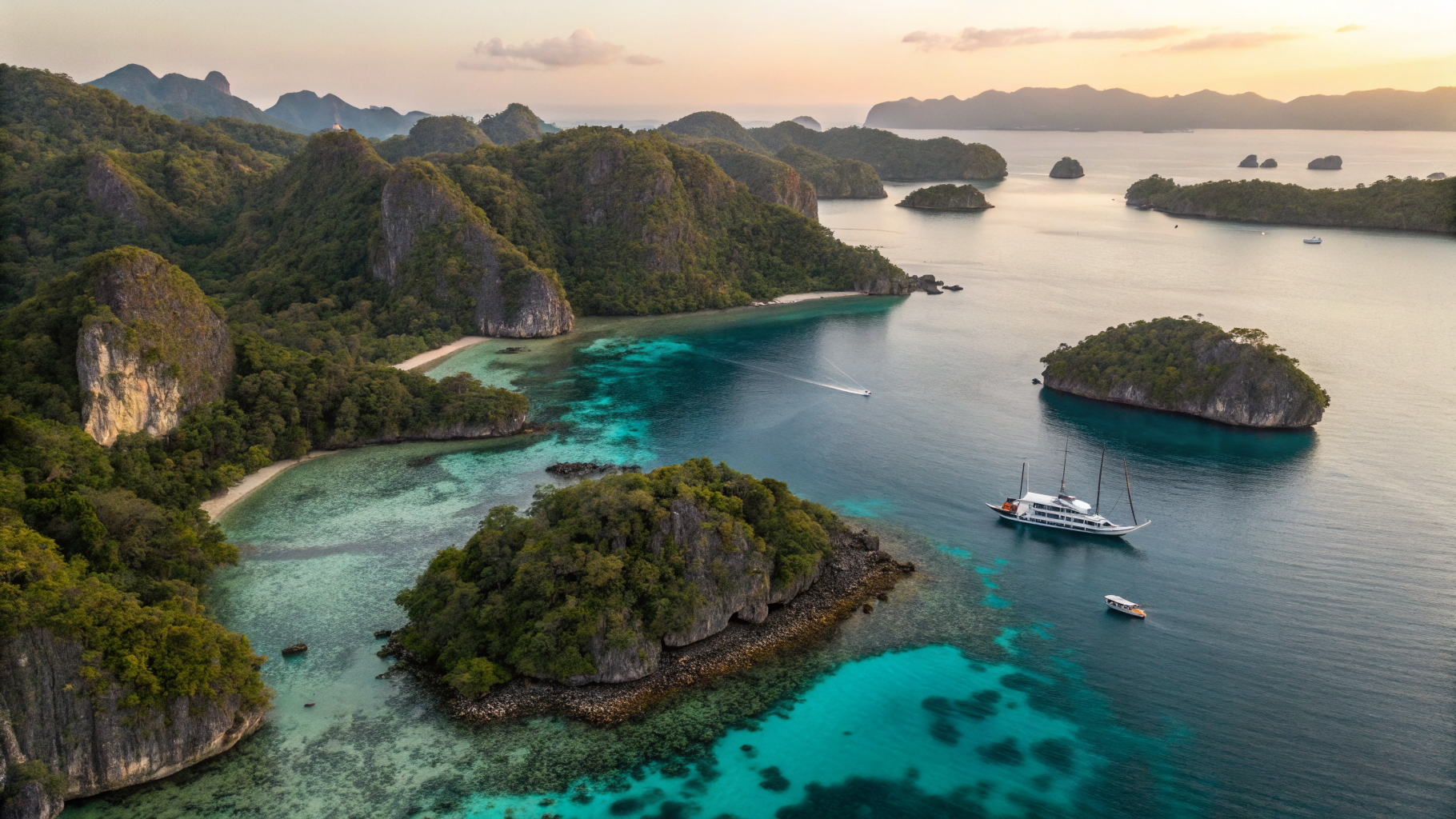
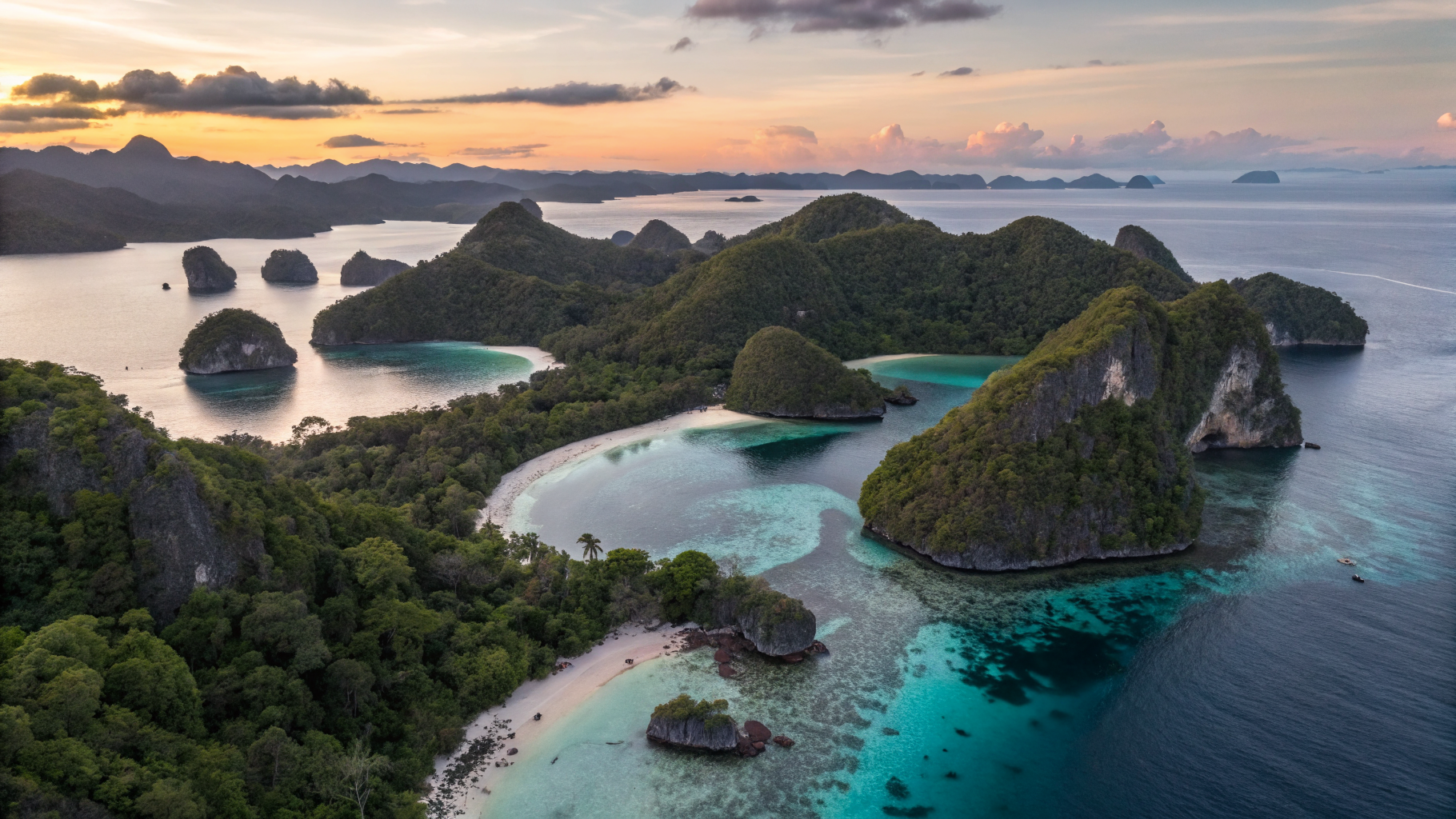
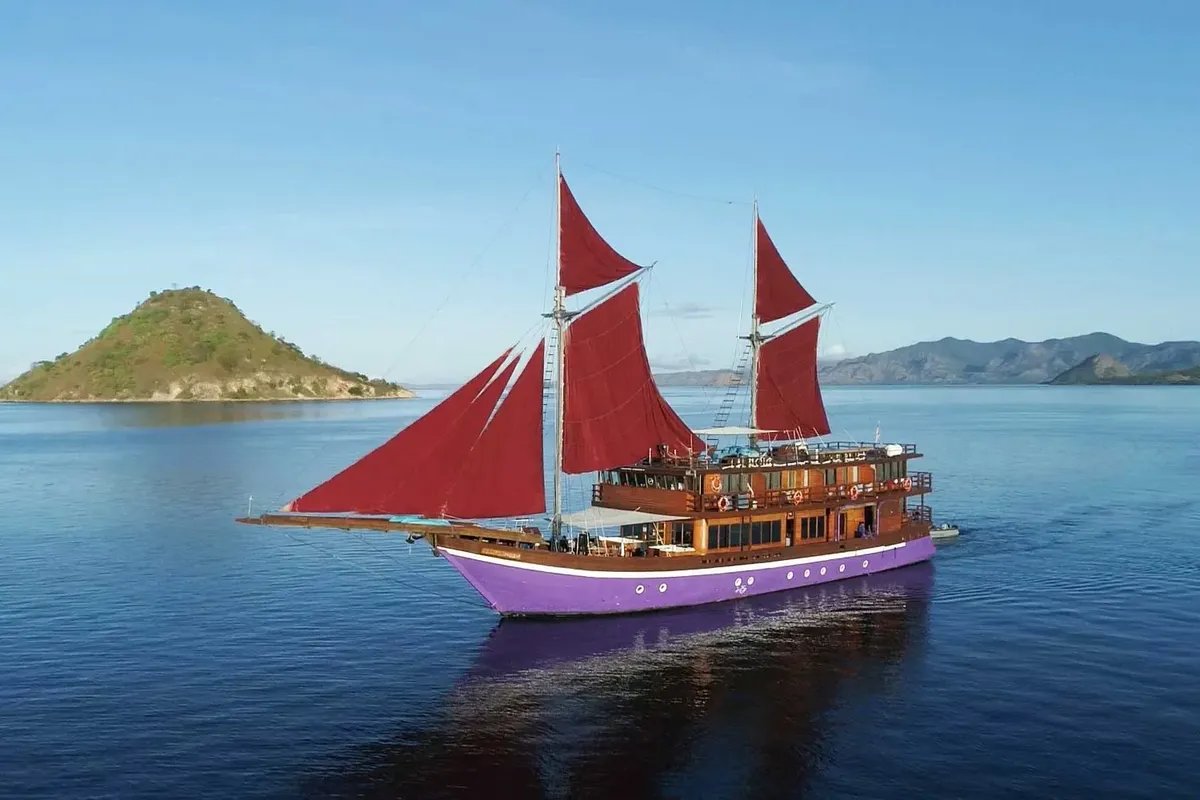
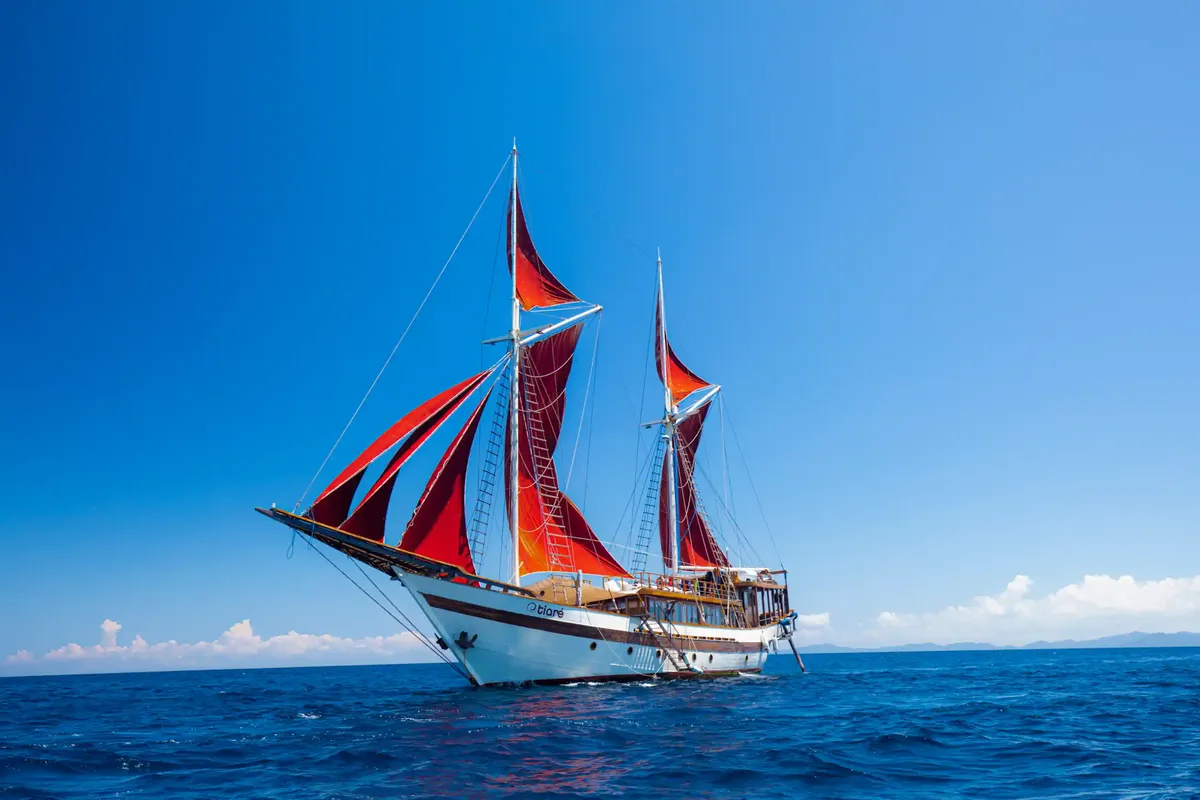
Cape Kri is a submerged reef at the easternmost point of Pulau Kri in Raja Ampat’s Dampier Strait. It holds the documented world record for the highest number of reef fish species observed on a single dive. On April 27, 2012, marine biologist Dr. Gerald R. Allen identified 374 distinct species in a single 90-minute survey, a figure that quantifies the extreme density of marine life here. This pinnacle of Raja Ampat biodiversity is not an anomaly but a direct result of converging ocean currents, nutrient-rich upwellings, and complex coral topography. Navigating the Cape Kri dive site requires proficiency in drift diving, as currents frequently exceed 2 knots, sweeping divers along a vibrant hard coral slope that drops from 5 meters to a sandy bottom at 38 meters. It is a defining site for any serious diver chartering a private phinisi in the region.
The Record-Setting Dive: Analyzing Dr. Allen’s 2012 Survey
The world record at Cape Kri is not a casual observation; it is a scientific benchmark established by one of the world’s foremost ichthyologists, Dr. Gerald Allen. His 2012 survey for Conservation International was a systematic effort to quantify the region’s fish diversity. The count of 374 species on one tank of air underscores the site’s unique ecological function. To put this number in perspective, the entire Caribbean Sea is home to approximately 500 reef fish species. Dr. Allen documented more than 70% of that total in a single dive.
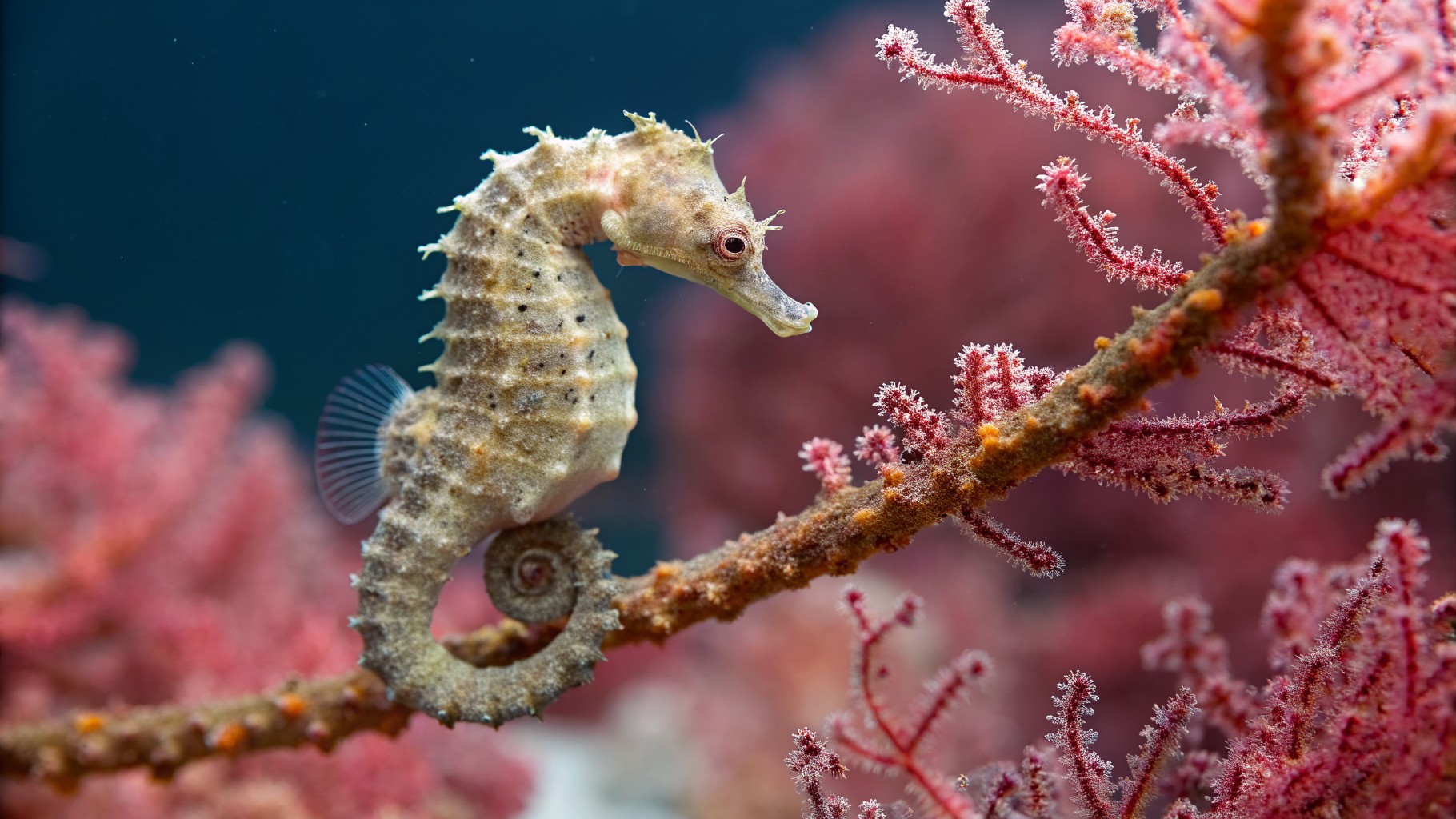
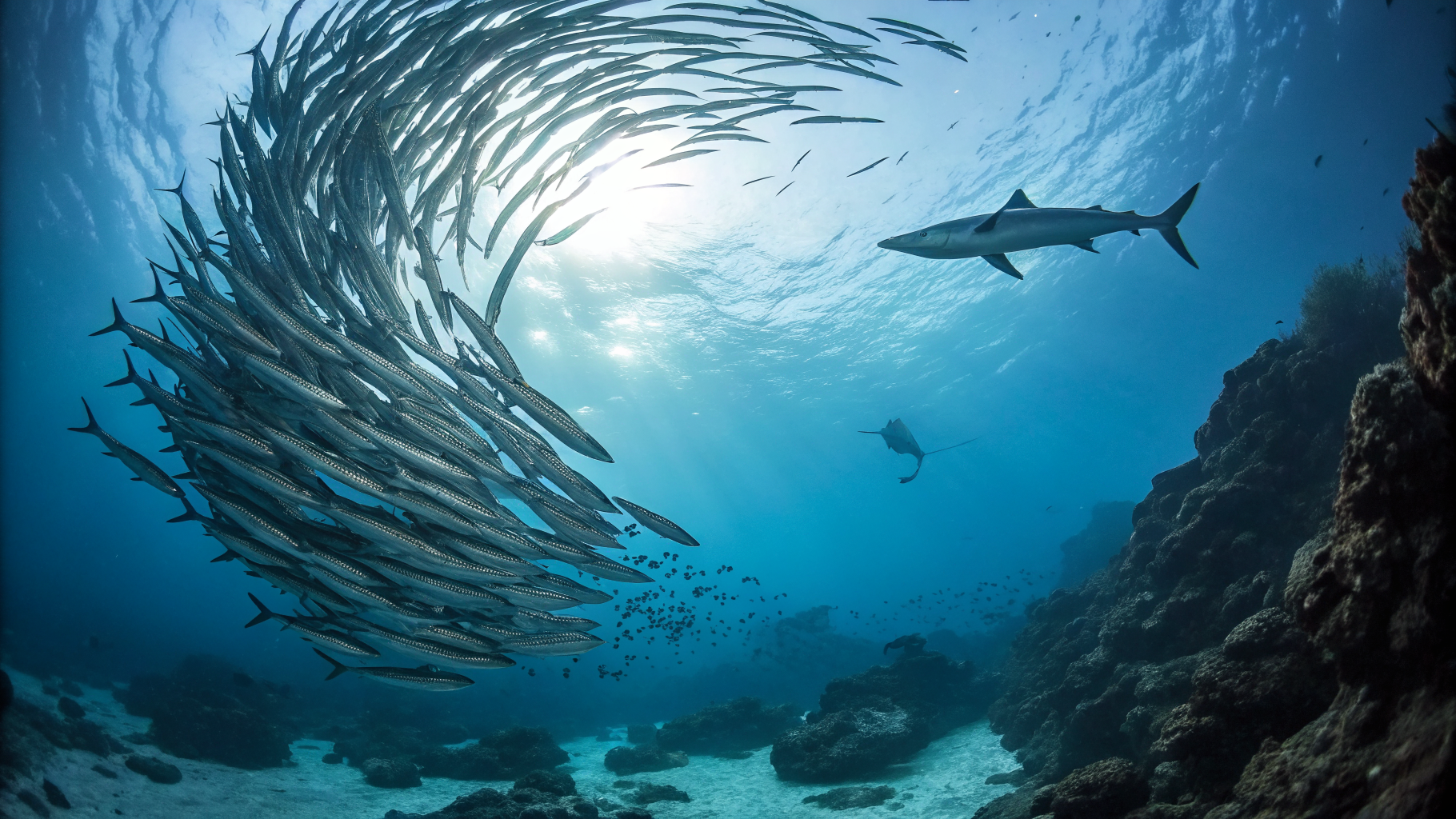
This concentration is a visual spectacle. Imagine descending onto a reef where every available surface is occupied. Schools of fusiliers and surgeonfish, thousands strong, flow over the reef crest. Dozens of species of damselfish and anthias create a constant, shimmering layer just above the coral heads. Predatory giant trevallies and Spanish mackerel patrol the blue, while cryptic species like the pygmy seahorse (Hippocampus pontohi) and the endemic Raja Ampat walking shark (Hemiscyllium freycineti) conceal themselves within the structure. The survey confirmed what divers have known for years: the Cape Kri dive site is a hyper-concentrated exhibition of the Coral Triangle’s genetic wealth, a direct result of its strategic location within the Indonesian Throughflow.
Topography and Currents: The Mechanics of Cape Kri’s Biodiversity
Cape Kri’s exceptional species count is a function of its physical structure and hydrodynamic environment. The dive site is a long, slender reef extending from the northeastern tip of Kri Island, directly exposing it to the powerful currents of the Dampier Strait. This channel funnels immense volumes of water between the Pacific and Indian Oceans, acting as a conveyor belt for nutrients and plankton. This constant food supply supports the entire food web, from the filter-feeding corals to the apex predators.
The Split Current
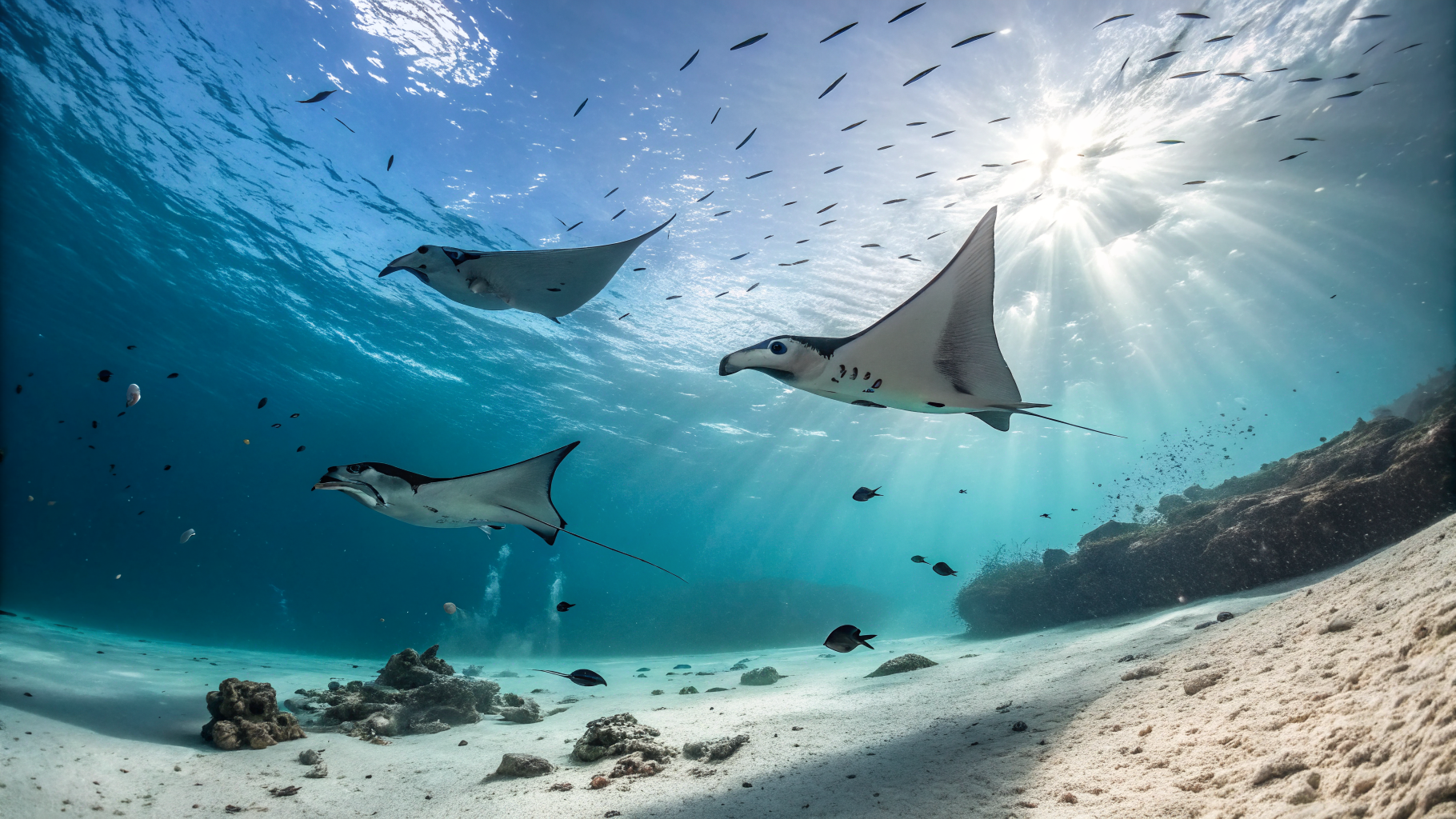
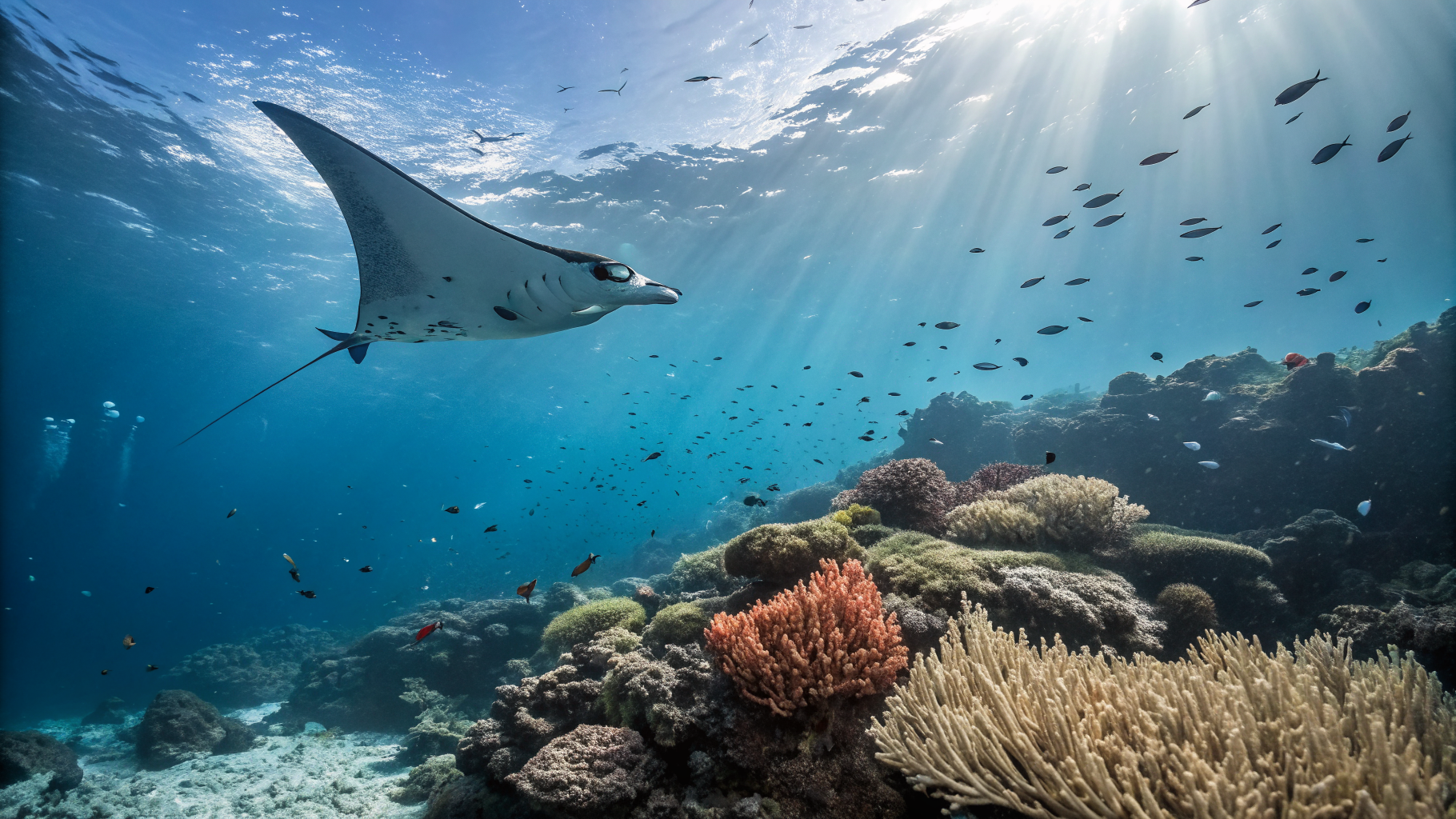
The reef’s elongated shape creates a distinct “split” in the current. On a falling tide, the current typically flows east, hitting the point of the cape and dividing north and south. Divers enter on the upstream side and drift along the reef face. The most dynamic point is the tip, known as “The Corner,” where the current accelerates. This is where large schools of fish aggregate to feed. Pelagics such as grey reef sharks, blacktip reef sharks (Carcharhinus melanopterus), and occasional oceanic mantas (Mobula birostris) are frequently sighted here. Managing buoyancy and position in these conditions, which can run from 1 to 4 knots, is critical and requires experience beyond a basic open water certification.
Reef Structure
The topography itself contributes significantly to the Raja Ampat biodiversity found here. The site is characterized by:
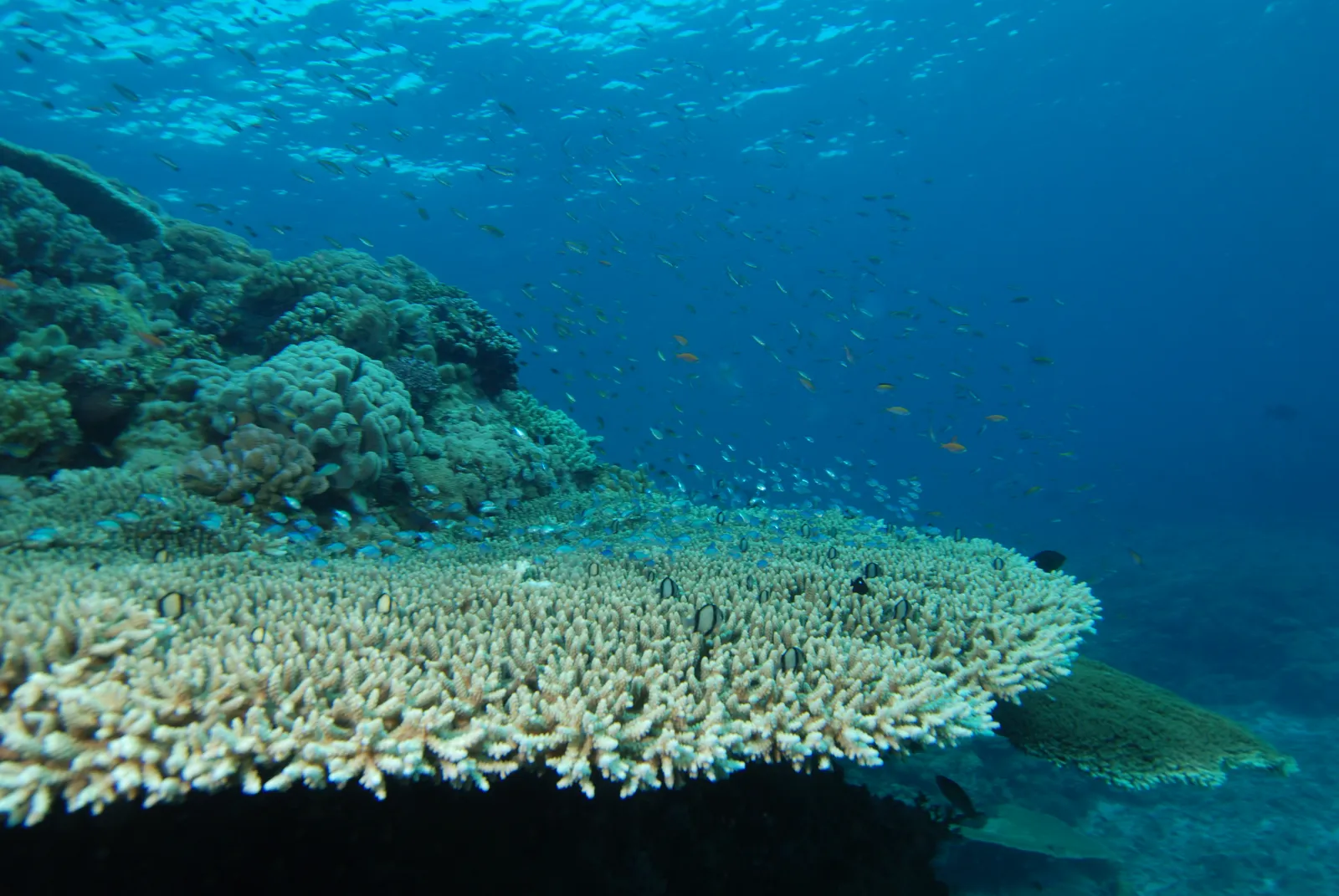
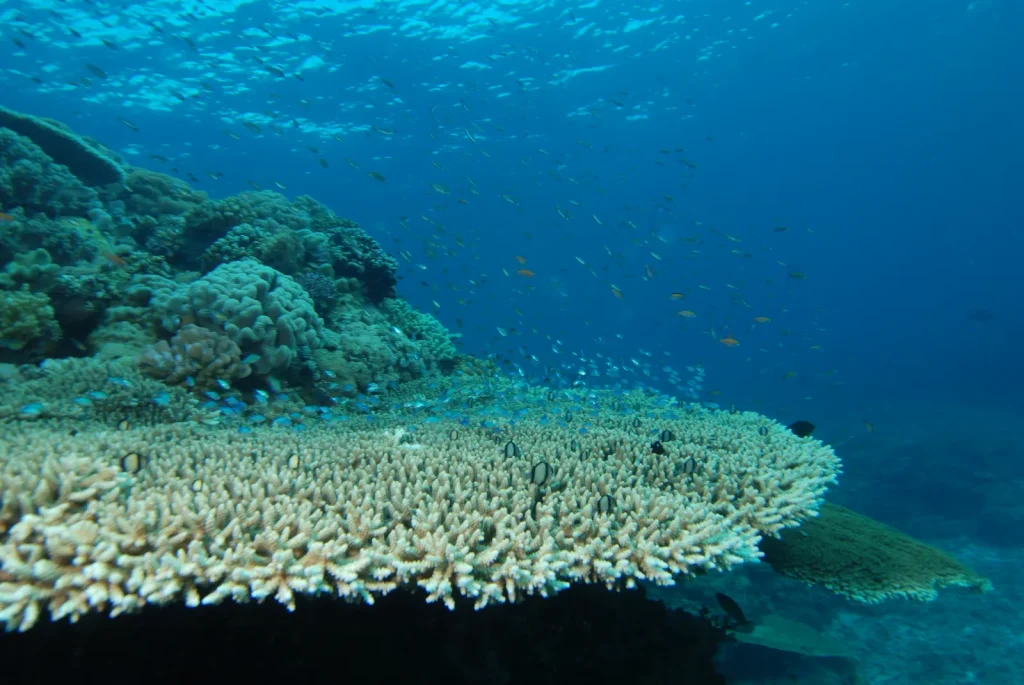
- A shallow reef top: At 3-5 meters, this area is a dense garden of hard corals, including massive table corals (Acropora species) and boulder corals. It serves as a nursery for juvenile fish.
- A steep slope: Dropping from 5 meters down to approximately 38 meters, the slope is covered in sea fans, soft corals, and barrel sponges. This is where you find schools of sweetlips, batfish, and barracuda.
- A sandy bottom: Beyond 38 meters, the slope transitions to sand. While most of the dive is conducted shallower, this is the habitat for garden eels, gobies, and the occasional resting wobbegong shark (Eucrossorhinus dasypogon).
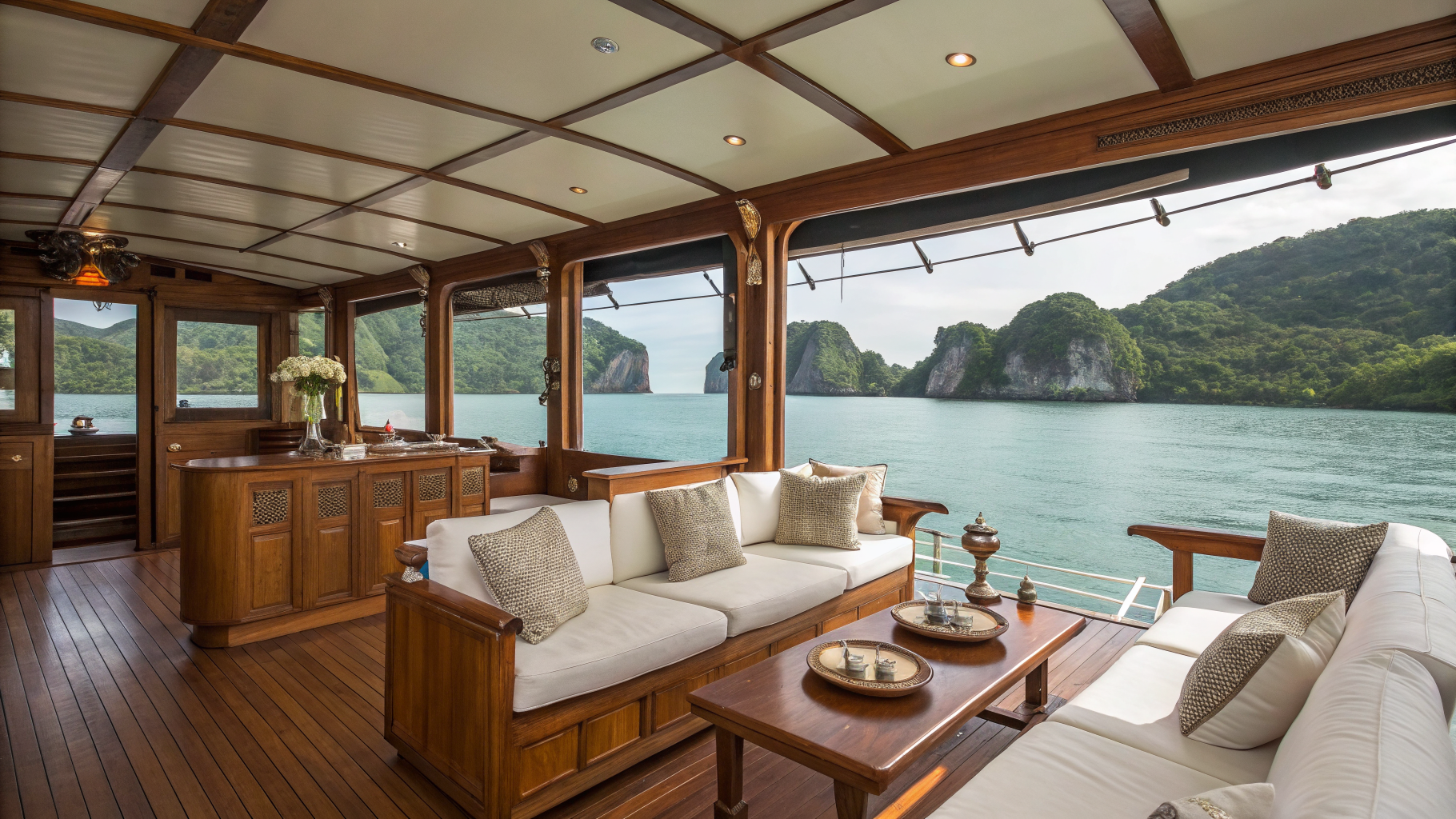
This structural complexity provides a multitude of niches, allowing hundreds of species to coexist in a relatively small area. Planning a dive here is a core component of our private charter phinisi vessels, as it showcases the very best of the region.
The Dive Profile: Navigating the Cape Kri Dive Site
A dive at Cape Kri is an exercise in controlled drift diving. The plan is dictated entirely by the direction and strength of the current on the day. Your dive guide will conduct a current check before entry to determine the optimal drop point. A typical profile on an east-flowing current begins with a negative entry on the south side of the reef, allowing for an immediate descent to 15-20 meters to get below any surface chop and into the main current line.
The first phase of the dive involves drifting along the vibrant coral slope. The key is to maintain a neutral trim and stay close to the reef, using its contours for protection from the strongest flow. This section is where you will encounter immense schools of yellowtail fusiliers, red-toothed triggerfish, and multiple species of butterflyfish. After approximately 20-25 minutes, you will approach the “split point.” This is the most intense part of the dive. Divers often use a reef hook to secure themselves to a dead piece of rock or coral rubble, allowing them to remain stationary in the current and observe the pelagic action without effort. This is where you will see giant trevally hunting, packs of bumphead parrotfish, and sharks patrolling the blue water.
Once unhooked, the current carries you around the point and into the lee side of the reef, where the flow slackens considerably. This is the perfect area for the final phase of the dive and the safety stop. The shallow reef flat at 5-7 meters is a photographer’s focus area, with mandarinfish, juvenile batfish, and countless anemones hosting resident clownfish. The total dive time is typically 50-60 minutes, with maximum depths rarely exceeding 30 meters. This site is a cornerstone of our 7-day Dampier Strait liveaboard itineraries.
Key Species Encounters at Cape Kri
While the sheer number of species is the headline, the quality of encounters at the Cape Kri dive site is what divers remember. The site reliably delivers interactions with a broad spectrum of marine life, from macro subjects to large pelagics.
Pelagics and Predators
The current-swept point is a natural aggregation point for predators. It is not uncommon to see multiple species of shark on a single dive.
- Blacktip and Whitetip Reef Sharks: Constantly patrol the reef slope and drop-off.
- Grey Reef Sharks (Carcharhinus amblyrhynchos): Often seen in deeper water off the point, sometimes in small groups.
- Wobbegong Sharks (Eucrossorhinus dasypogon): This endemic, camouflaged carpet shark is frequently found resting under table corals or in crevices.
- Giant Trevally and Spanish Mackerel: These powerful hunters are a constant presence, often seen actively pursuing baitfish schools.
- Great Barracuda: Large, solitary individuals hang motionless in the current, along with schooling chevron barracuda.
Macro Subjects and Endemics
Closer inspection of the reef reveals a world of smaller, unique creatures that contribute to the immense Raja Ampat biodiversity. The complex coral structures provide ideal habitats for cryptic animals.
- Pygmy Seahorses (Hippocampus bargibanti and H. denise): Found on specific gorgonian sea fans, typically below 20 meters. A skilled guide is essential to locate them.
- Raja Ampat Walking Shark (Hemiscyllium freycineti): This small, bottom-dwelling shark is endemic to the region and can be found on night dives, “walking” across the reef on its pectoral fins.
- Nudibranchs and Flatworms: Dozens of colorful species can be found, rewarding divers with a slower, more deliberate pace.
- Orangutan Crabs and Porcelain Crabs: Found within the tentacles of anemones and bubble corals.
Reef Fish and Coral Gardens
The foundation of the ecosystem is the staggering density of reef fish. The water is thick with color and movement. Expect to see massive, unified schools of Caesionidae (fusiliers), sergeant majors, and anthias. Large Napoleon wrasse (Cheilinus undulatus) are resident to the reef, and it’s common to encounter large groups of bumphead parrotfish (Bolbometopon muricatum) chomping on the hard coral. The coral itself is exceptionally healthy, with over 75% of the world’s known hard coral species recorded in Raja Ampat. This diversity of habitat is the fundamental reason the fish count is so high. To see how this site compares to others, review our complete list of Raja Ampat dive sites.
Planning Your Expedition to Cape Kri
Access to Cape Kri is exclusively by liveaboard. Its location in the Dampier Strait makes it a standard, high-priority site on any northern Raja Ampat itinerary. Our voyages depart from the port of Sorong (SOQ), which is serviced by daily flights from Jakarta (CGK) and other major Indonesian hubs. The optimal season for diving Raja Ampat runs from October through April, when the seas are calmest and visibility typically ranges from 20 to 40 meters.
All divers entering the region are required to purchase a Marine Park permit. The fee is IDR 1,000,000 per person (approximately USD 65) and is valid for one year. This fee directly funds conservation patrols and community programs within the Raja Ampat Marine Protected Area network. Our team handles the permit acquisition on your behalf prior to embarkation.
Given the strong currents and advanced nature of the dive, we require all divers to hold an Advanced Open Water certification or equivalent, with a minimum of 50 logged dives. Experience in drift diving is strongly recommended. The water temperature remains a consistent 27–30°C year-round, making a 3mm wetsuit suitable for most divers. For those seeking the ultimate platform to explore this site, the flexibility and privacy of a full vessel booking is unmatched. You can explore options and detailed specifications in our Raja Ampat private charter pricing information.
Frequently Asked Questions About Cape Kri
What is the fish species record at Cape Kri?
The official record for the most fish species counted on a single recreational dive is 374. This was documented by ichthyologist Dr. Gerald R. Allen on April 27, 2012. This survey highlights the extraordinary density of marine life at this specific site and serves as a global benchmark for coral reef biodiversity.
What dive certification is required for Cape Kri?
An Advanced Open Water (AOW) certification or equivalent is required. Due to potential currents of 1-4 knots and the need for precise buoyancy and drift control, we also recommend a minimum of 50 logged dives. Divers should be comfortable with negative entries and the potential use of a reef hook.
When is the best time to dive Cape Kri?
The prime diving season for Cape Kri and the wider Dampier Strait is from October to April. During these months, the seas are generally calm, and underwater visibility is at its peak, often exceeding 30 meters. This period also coincides with higher chances of manta ray aggregations in the region.
How strong are the currents at Cape Kri?
Currents at Cape Kri are tide-dependent and can be very strong, ranging from mild (1 knot) to extremely fast (4+ knots). The dive is always planned as a drift dive. The strongest currents are found at the very tip of the reef, which is where the most significant pelagic action occurs.
Is Cape Kri included in all Raja Ampat liveaboards?
Cape Kri is a signature site of the Dampier Strait and is included in virtually all northern Raja Ampat itineraries. However, the final decision to dive any site is made by the cruise director and captain based on current weather, sea conditions, and tides to ensure diver safety. This flexibility is a key advantage when you book your charter with an experienced operator.
Plan Your Raja Ampat Voyage
Our specialists design bespoke liveaboard charters for discerning divers. We manage all logistics, from vessel selection to dive planning and permit acquisition. Contact our team to begin crafting your private expedition to the heart of the Coral Triangle.
WhatsApp: +62 811-3823-875
Email: [email protected]