In this article
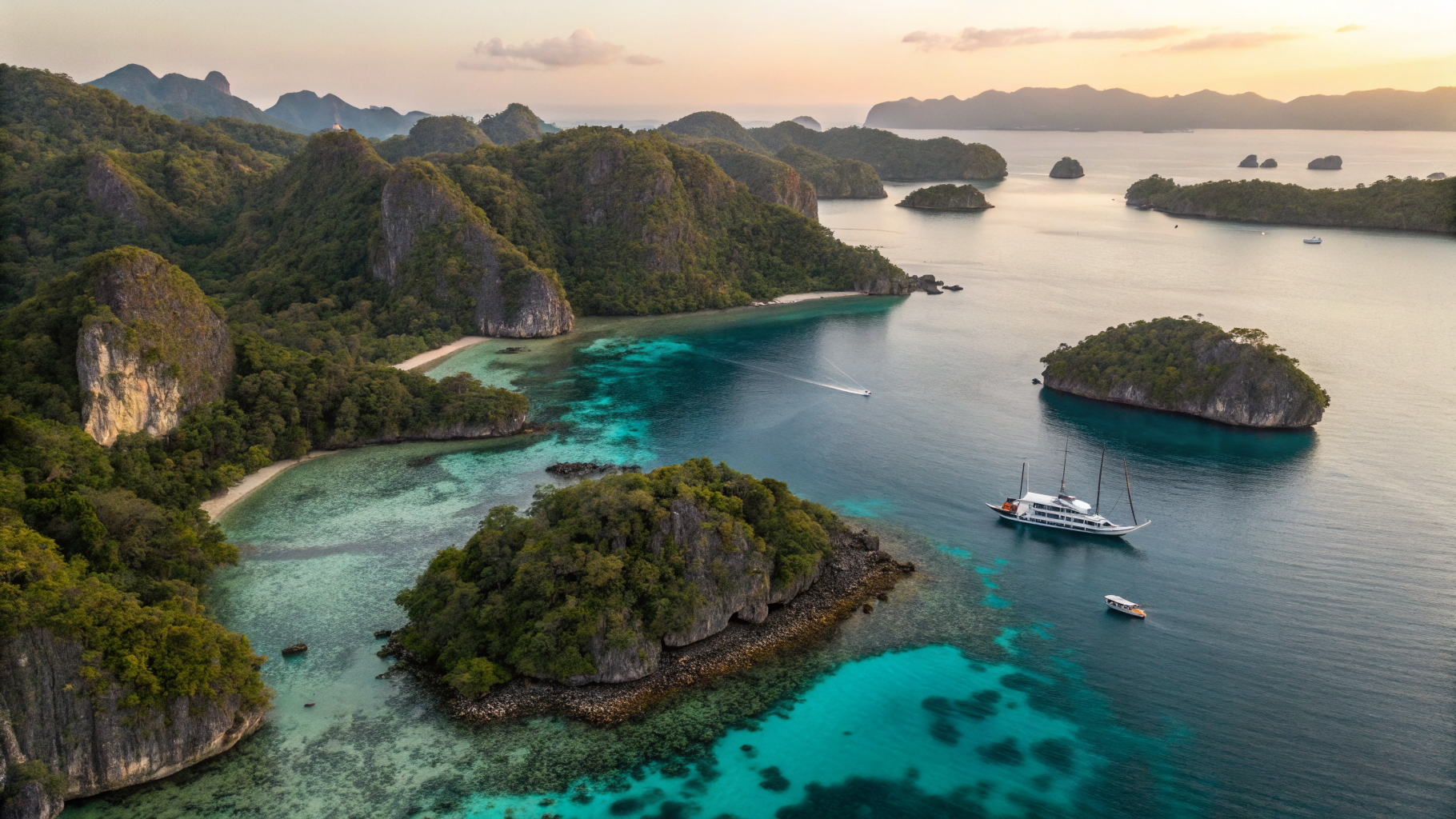
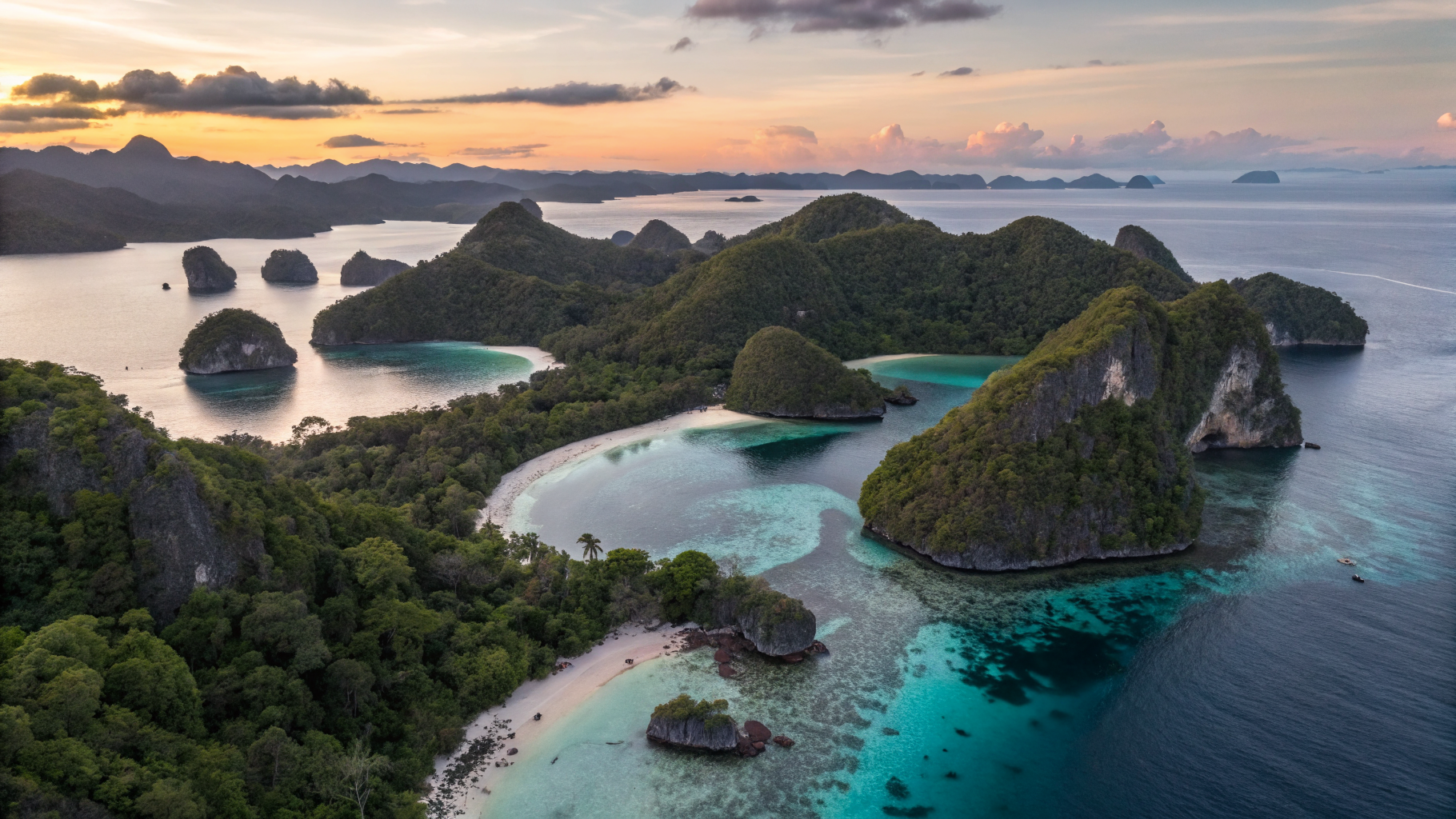
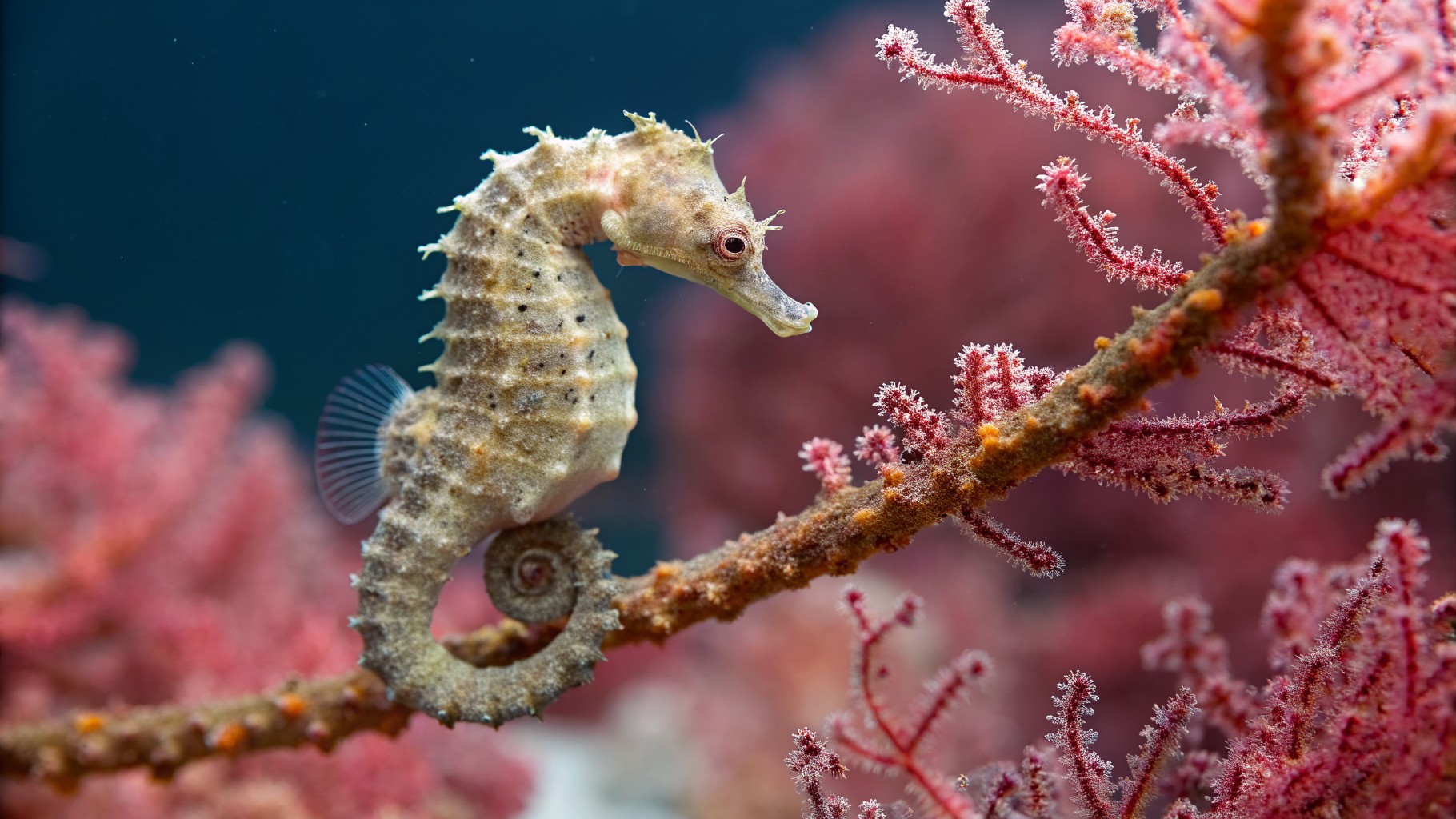
Underwater photography in Raja Ampat is an exercise in managing overwhelming biodiversity. Across this 40,000 km² archipelago of over 1,500 islands, a photographer must decide between documenting the vast and the minute. The region contains 75% of all known hard coral species, creating a complex canvas for both wide-angle reefscapes and detailed macro subjects. A single dive at Cape Kri can present 374 documented reef fish species, while a careful search on a sheltered wall in Misool might reveal the 1cm-long Raja Ampat pygmy seahorse, Hippocampus pontohi. Successful underwater photography in Raja Ampat requires a deliberate strategy, a flexible equipment setup, and a platform that provides access to its most remote and prolific sites.
The Raja Ampat Photographic Canvas: From Macro to Megafauna
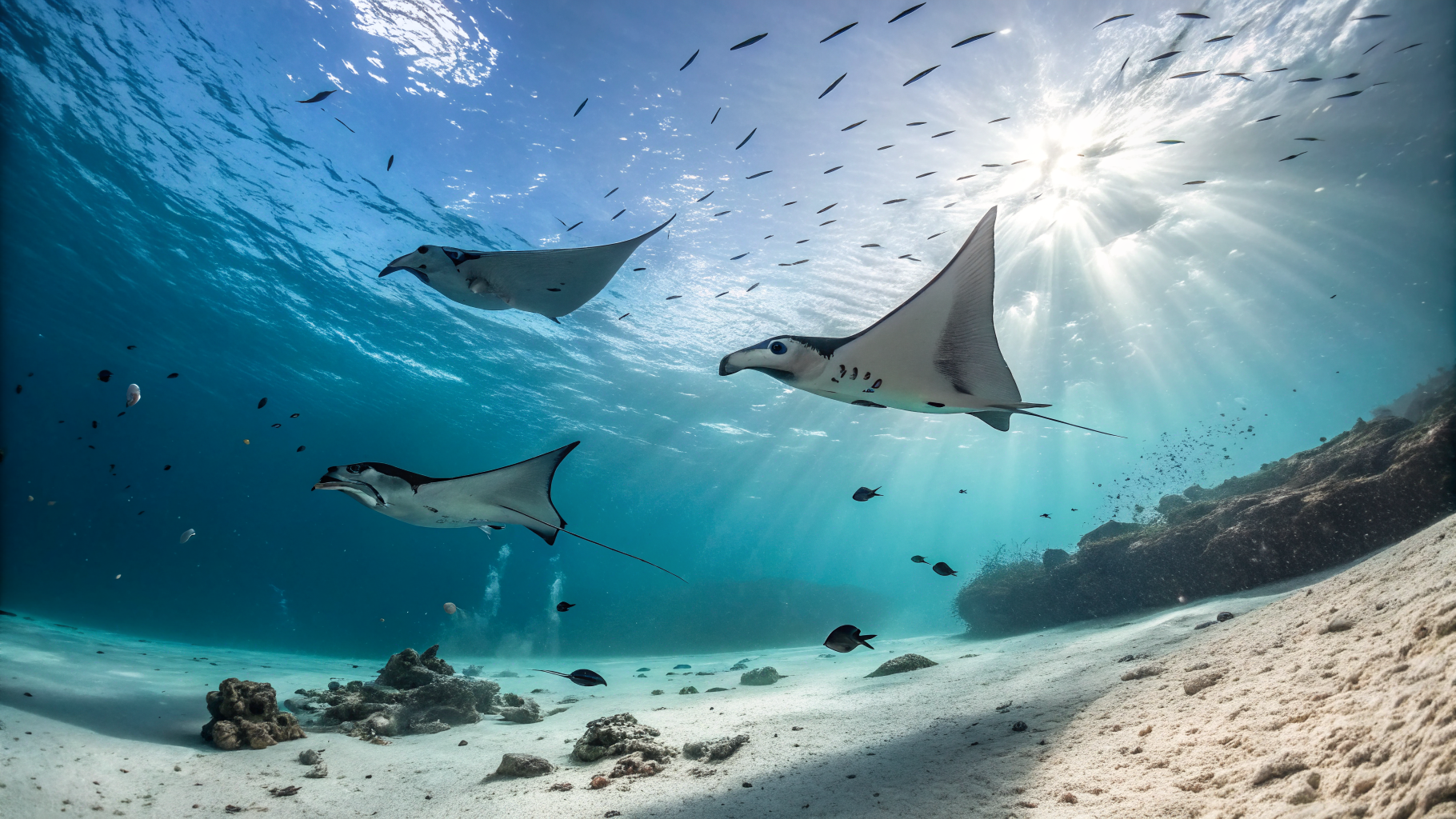
Raja Ampat presents a dual photographic reality. The same region that demands a fisheye lens to capture a squadron of oceanic manta rays, Mobula birostris, at Magic Mountain also requires a 105mm macro lens to isolate a skeleton shrimp on a strand of hydroid. Our private phinisi charters are designed around this dichotomy, positioning you at the correct sites during optimal conditions. The peak dive season, running from October to April, offers the best combination of calm surface conditions and high visibility, frequently ranging from 20 to 40 meters. During these months, our itineraries focus on key areas like the Dampier Strait for pelagic action and the southern islands of Misool for exceptional soft coral density and macro life. Understanding the specific photographic potential of each region is critical for preparing your gear and your dive plan. Reviewing our comprehensive list of Raja Ampat dive sites provides the foundational knowledge for building a productive shooting itinerary.
Wide-Angle Strategy: Documenting Scale and Action
A wide-angle lens is essential for conveying the sheer scale of Raja Ampat’s underwater ecosystems. From massive schools of fish that obscure the reef to the intricate karst topography, the environment is defined by its grandeur. Success with wide-angle photography here depends on understanding light, water movement, and animal behavior, particularly in the region’s high-current channels where the most dramatic action unfolds.
Manta Ray Encounters: Manta Sandy & Magic Mountain
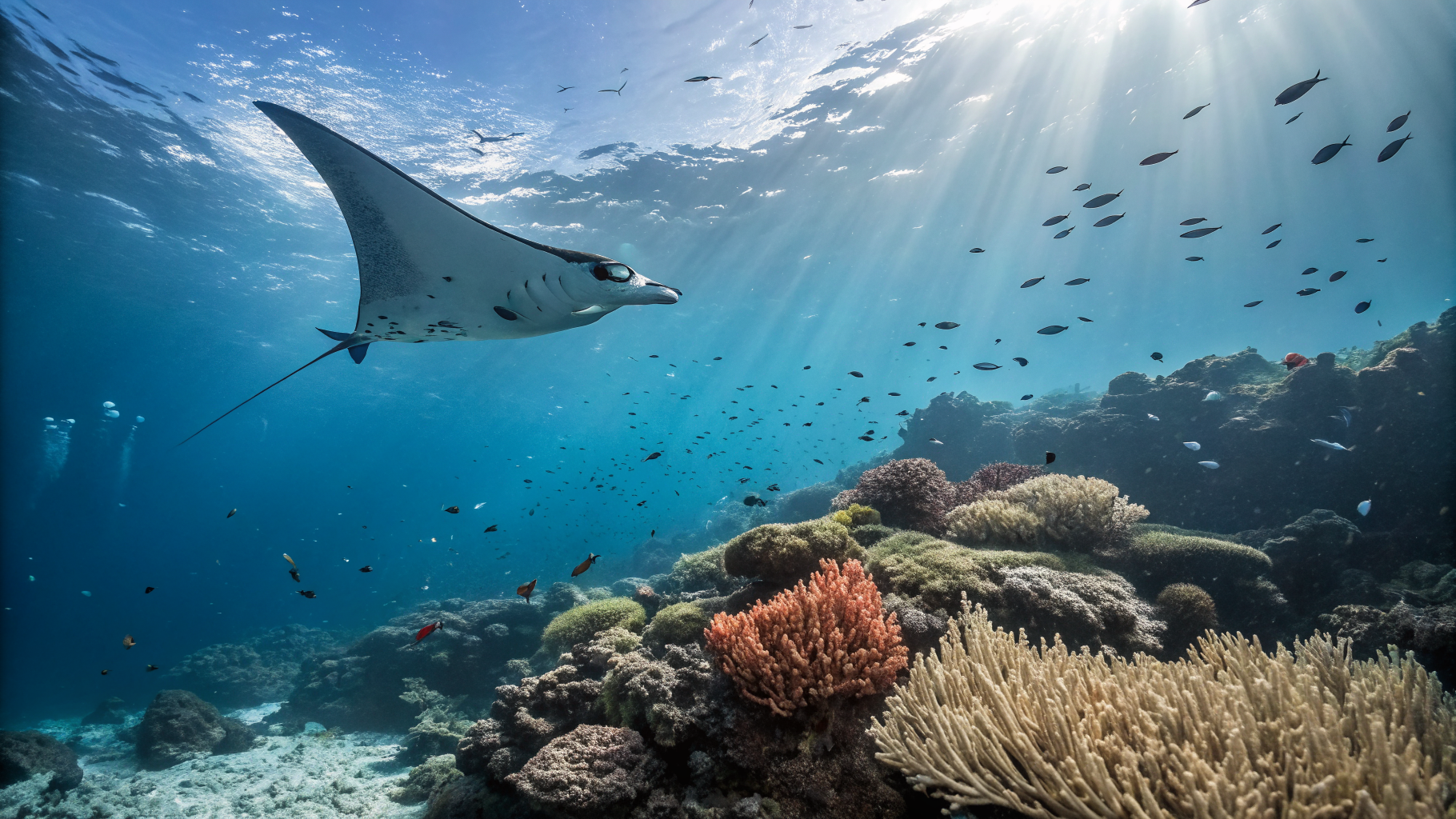
Raja Ampat hosts two primary, reliable sites for manta ray congregations. Manta Sandy, a submerged reef in the Dampier Strait, functions as a cleaning station for reef mantas (Mobula alfredi). Here, divers position themselves on a sandy bottom at 15–20 meters and wait for the mantas to arrive for servicing by wrasses. The second key site is Magic Mountain, a seamount in the Misool region. Its exposed position attracts nutrient-rich currents, drawing in both reef mantas and the larger, seasonal oceanic mantas (Mobula birostris), particularly from December to March. For both locations, proper technique involves negative entry, quick descent to a fixed observation point down-current, and precise strobe positioning to illuminate the manta’s white underbelly without causing significant backscatter.
Schooling Fish and Reefscapes: The Dampier Strait
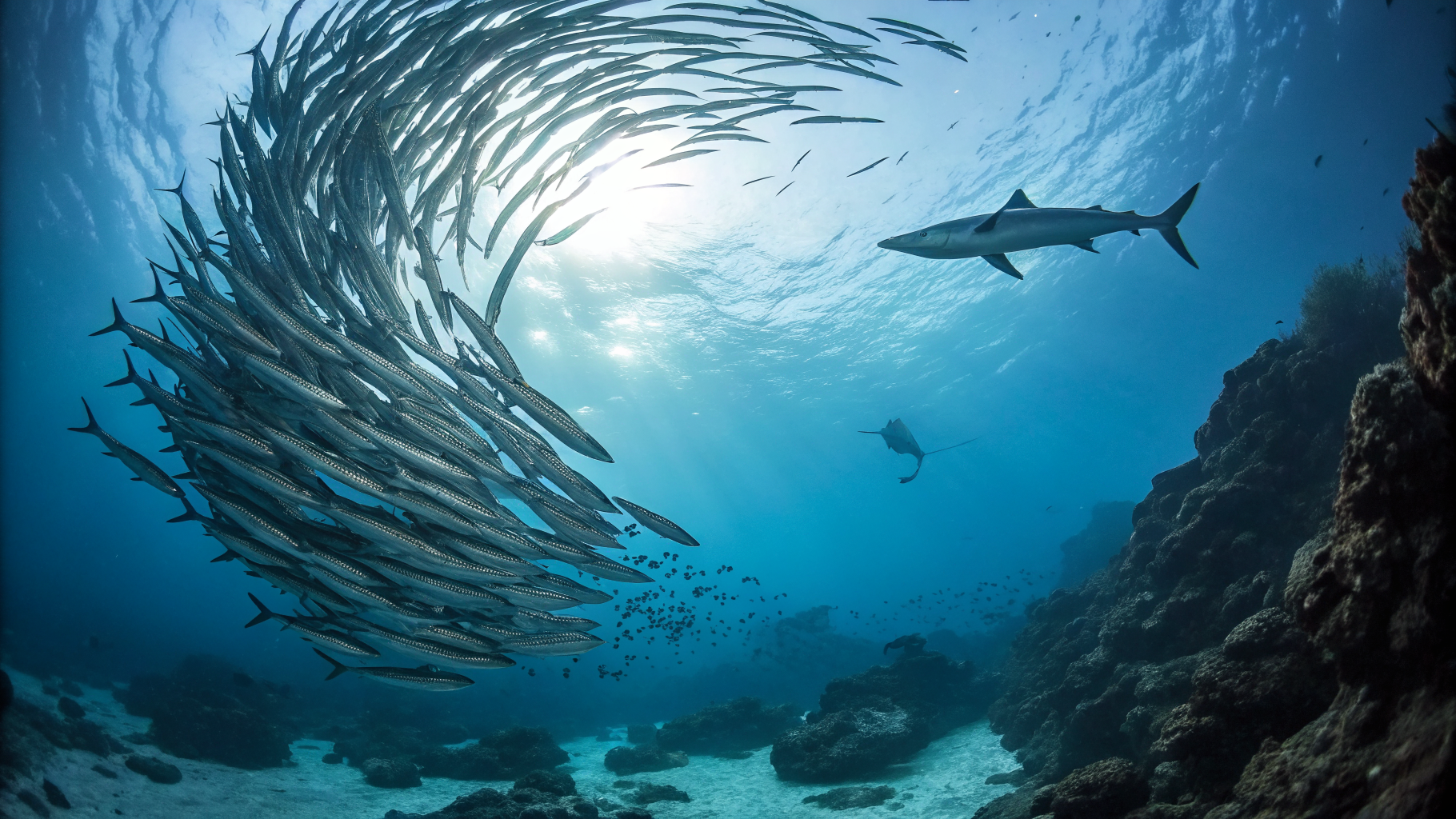
The Dampier Strait is the epicenter of pelagic biomass in northern Raja Ampat. Dive sites like Sardine Reef, Blue Magic, and Cape Kri are washed by currents that can run from 1 to 4 knots, requiring an Advanced Open Water certification and proficiency with a reef hook. These currents are the engine of the ecosystem, concentrating immense schools of chevron barracuda, yellowtail fusiliers, and bigeye trevally. It was at Cape Kri where Dr. Gerald Allen set a world record in 2012, identifying 374 distinct fish species on a single 90-minute dive. The photographic challenge is to compose a coherent image within this beautiful chaos—isolating a school against the blue, using the current to your advantage, and capturing the energy of the reef. Our Dampier Strait dive guide details the specific entry points and current patterns for these demanding sites.
Karst Topography and Over-Unders
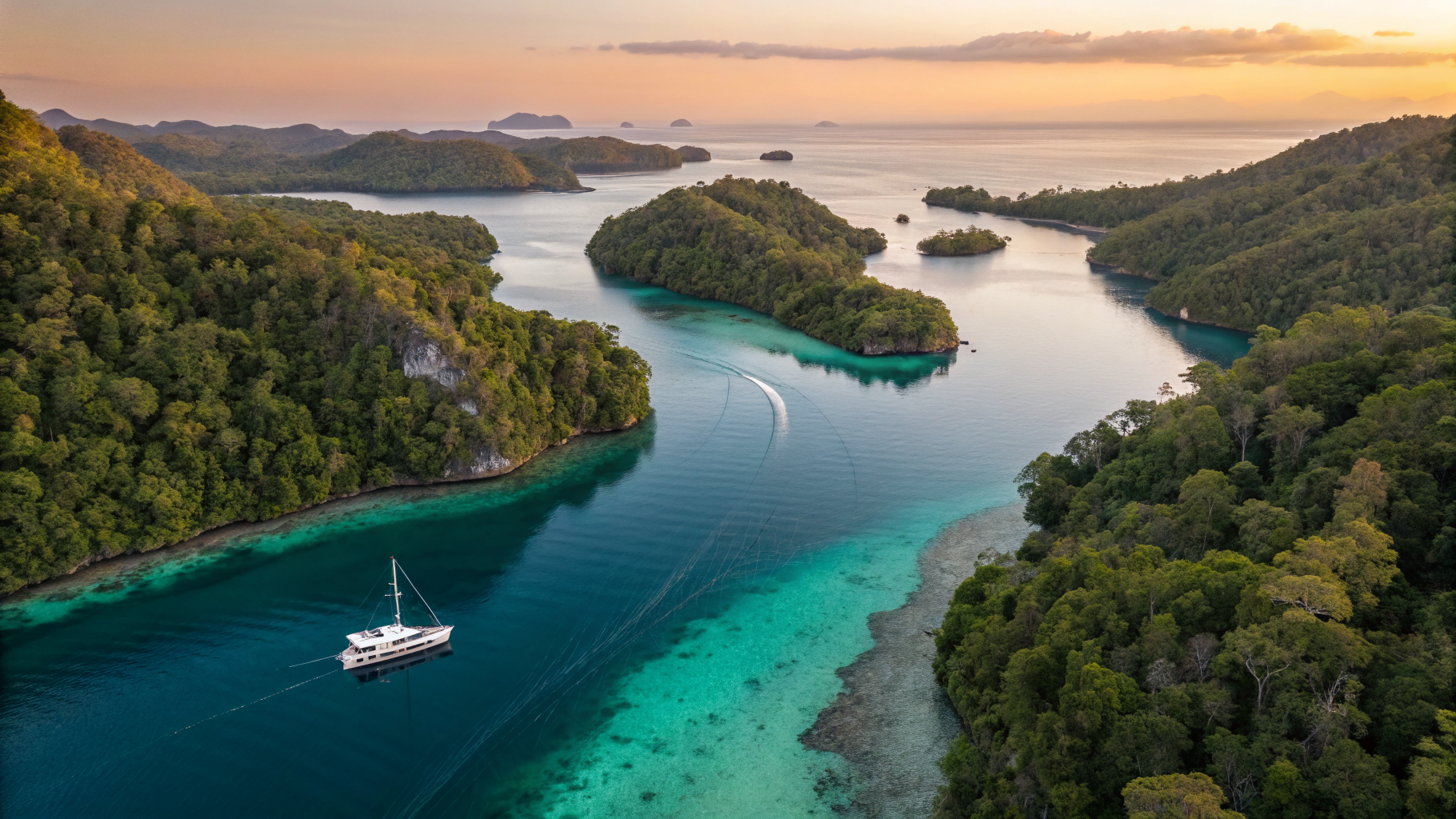
The region’s signature visual is the limestone karst islands, particularly in the Wayag and Misool island groups. These jungle-covered pinnacles rise vertically from the sea, creating dramatic backdrops for over-under or split-shot photography. Achieving a clean split-shot requires a large dome port (8 inches or more), calm surface conditions, and careful attention to dual focal points above and below the waterline. The sheltered lagoons and channels explored on a private phinisi charter provide the ideal, protected environment for executing these complex shots, often at dawn or dusk when the light is softest.
Mastering Raja Ampat Macro Photography
While the wide-angle scenes are immense, the world of Raja Ampat macro photography is equally rich. The region’s biodiversity extends to the smallest inhabitants, many of which are endemic and highly camouflaged. Success in this discipline shifts from managing large-scale action to a patient, observant search. A skilled dive guide, a powerful focus light, and a stable dive profile are the primary tools for unlocking this miniature universe. Our guides are specifically trained to locate these subjects, understanding their host corals and typical depth ranges.
The Endemic Subject List
Raja Ampat is a hotspot for rare and endemic macro life. Photographers travel here specifically to build a portfolio of subjects that cannot be found elsewhere. A typical shot list for a dedicated macro trip includes:
- Raja Ampat Pygmy Seahorse (Hippocampus pontohi): Measuring under 1.5 cm, this seahorse lives almost exclusively on Halimeda algae at depths of 10-20 meters.
- Tasselled Wobbegong Shark (Eucrossorhinus dasypogon): Found camouflaged on the reef, often under table corals. While not a true macro subject, its unique texture and pattern reward a detailed photographic approach.
- Epaulette “Walking” Shark (Hemiscyllium freycineti): This endemic species uses its pectoral fins to “walk” across the substrate. It is primarily nocturnal and a key target on night dives.
- Blue-Ringed Octopus (Hapalochlaena lunulata): A highly venomous but sought-after subject, found in rubble fields and crevices.
- Ornate Ghost Pipefish (Solenostomus paradoxus): A master of camouflage, typically found near crinoids or soft corals, mimicking their form.
Sites such as Nudi Rock in Misool and the jetties of Aljui Bay in Waigeo are renowned for their density of these and other macro subjects, including dozens of nudibranch species, frogfish, and rare crustaceans.
Technical Approach and Equipment for Macro
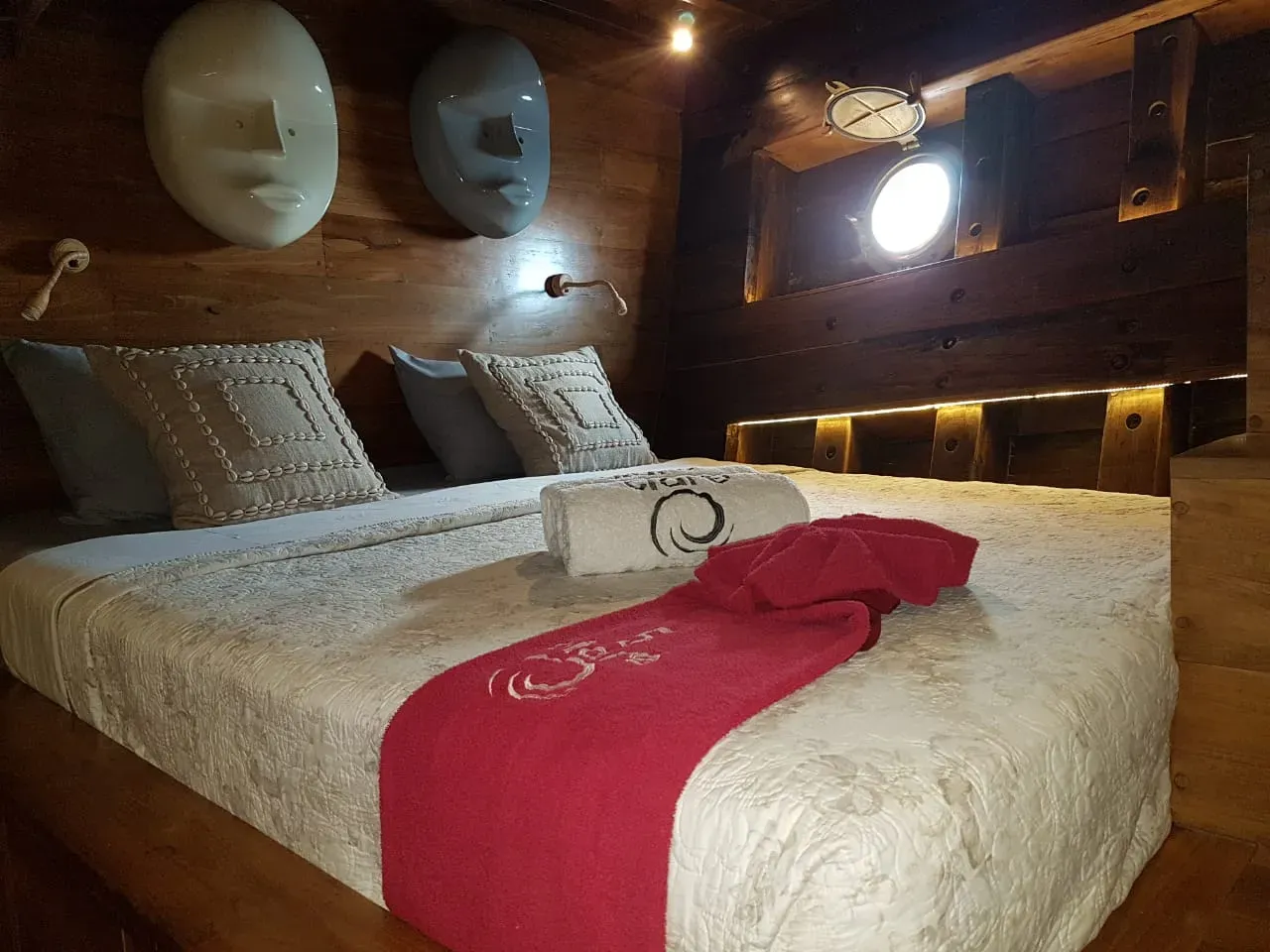
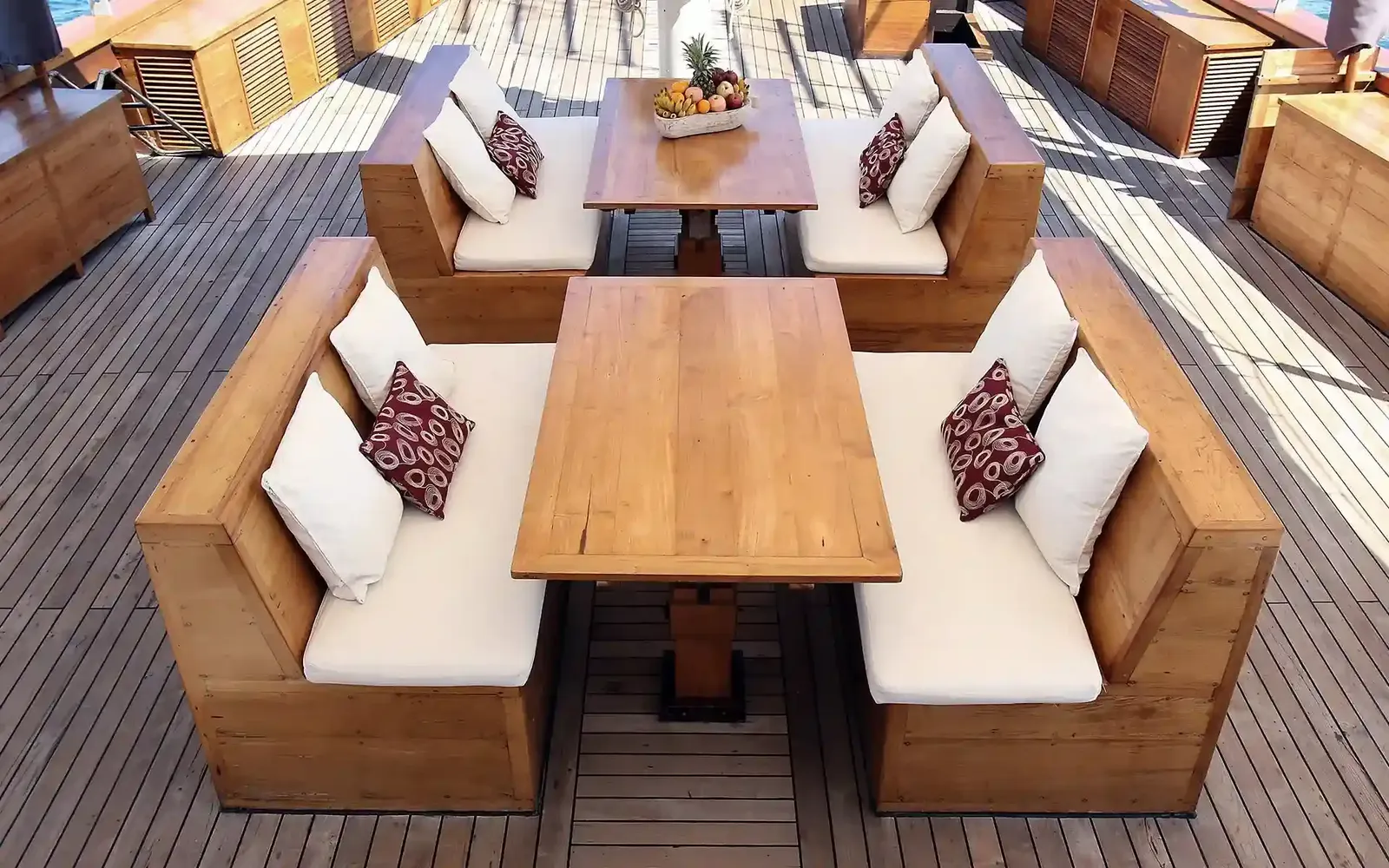
Effective macro photography in Raja Ampat requires specific equipment and techniques. A 100mm or 105mm lens is standard for isolating shy subjects like pygmy seahorses, providing sufficient working distance to avoid disturbing them. For larger macro subjects or fish portraits, a 60mm lens offers more flexibility. Lighting is paramount. Dual strobes allow for precise control to eliminate shadows and reveal texture. Advanced photographers often employ snoots to create a black background, isolating the subject, or use remote triggers for creative backlighting. The dedicated camera room and spacious dive deck on our Raja Ampat liveaboards provide the necessary infrastructure for managing this complex equipment, including individual rinse tanks, charging stations, and air guns.
The Liveaboard Advantage for Photographers
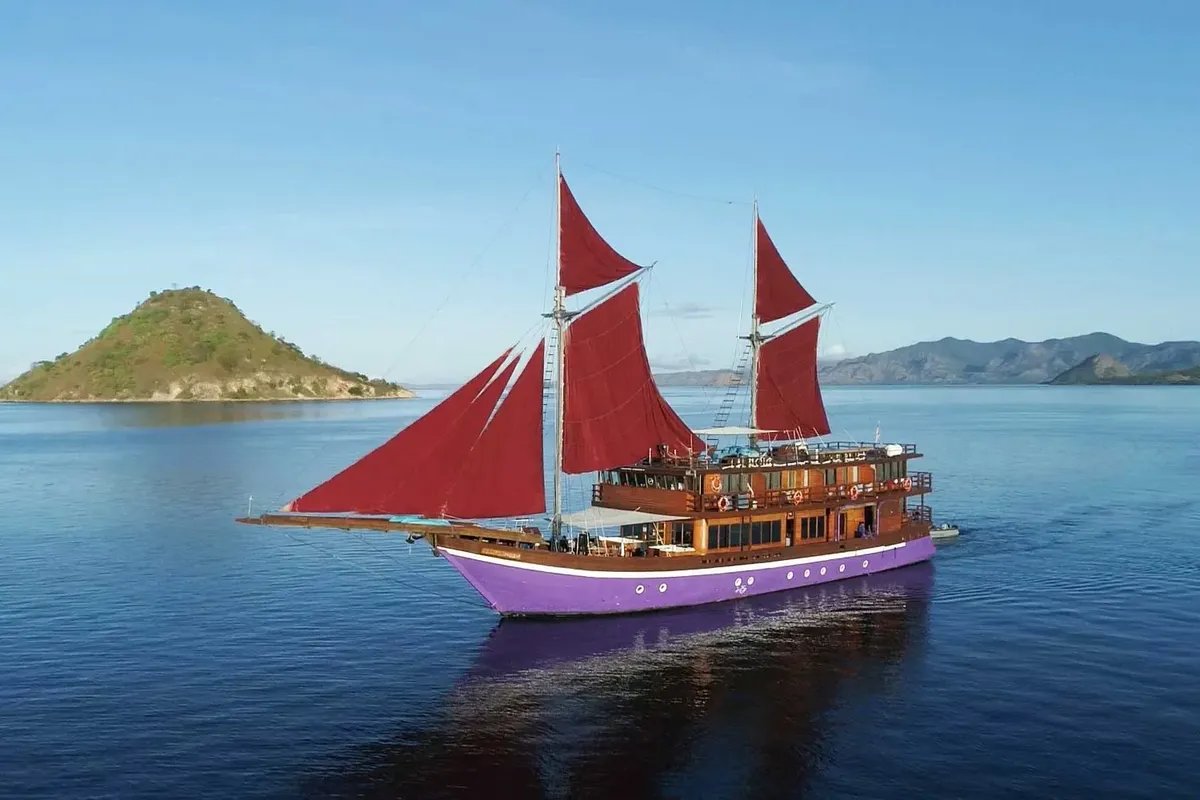
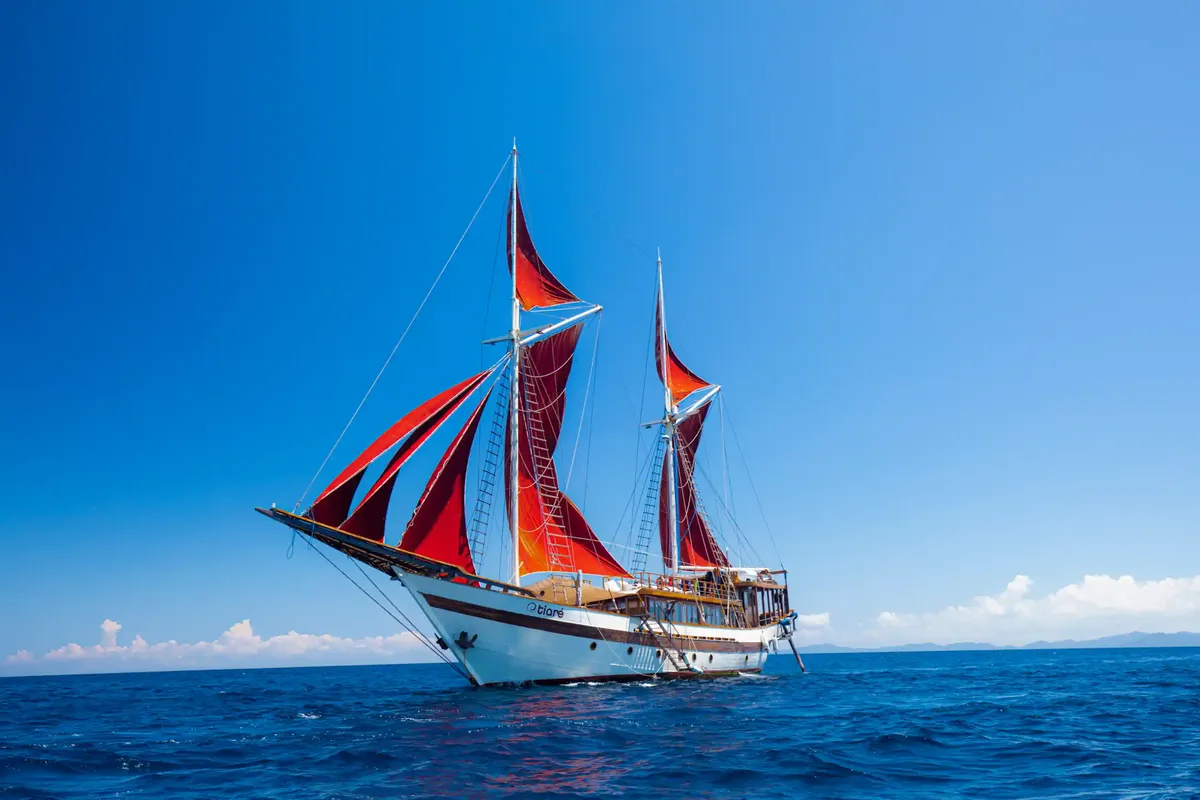
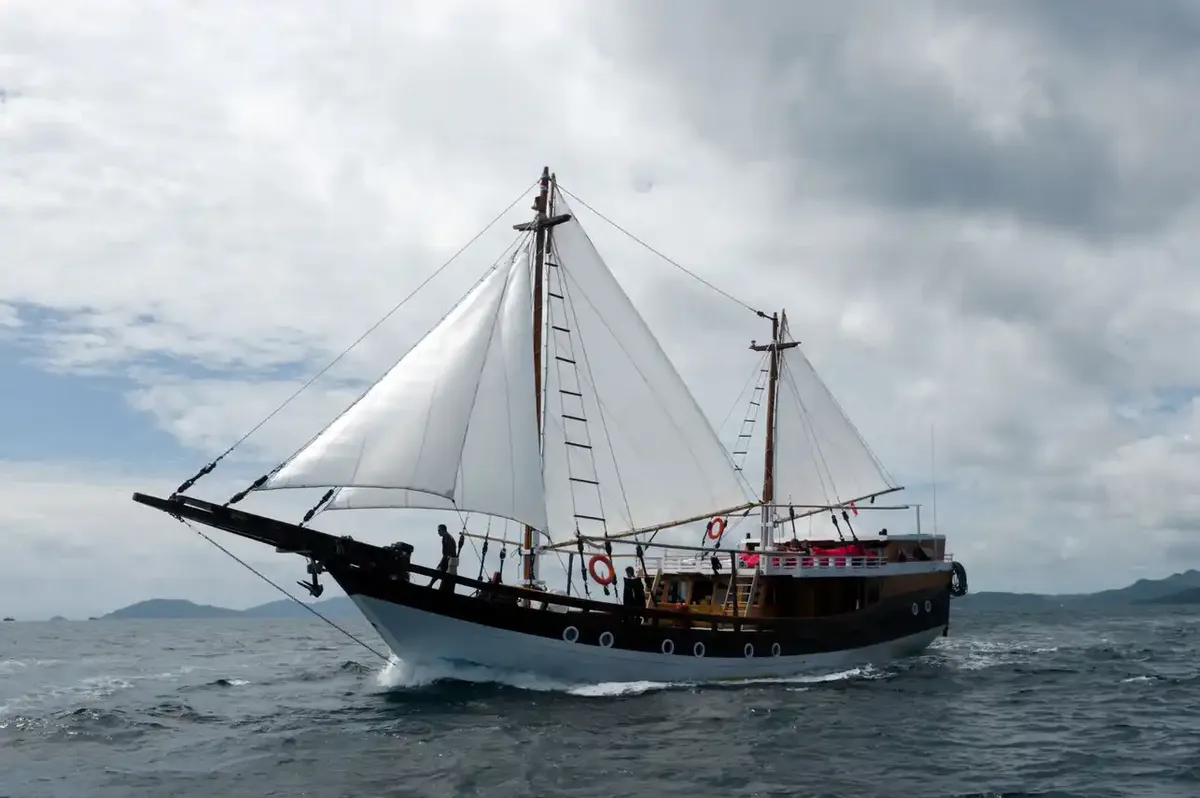
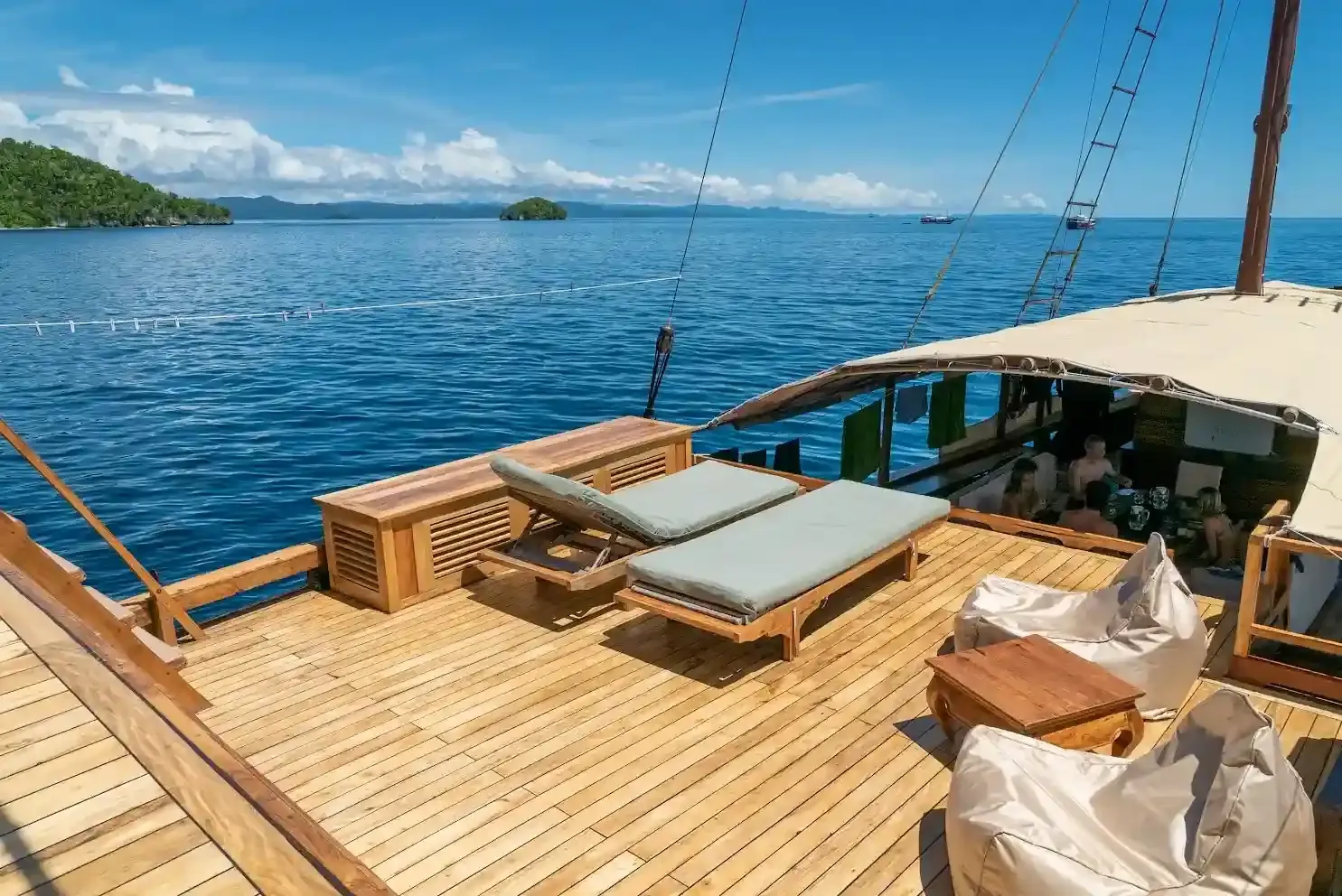
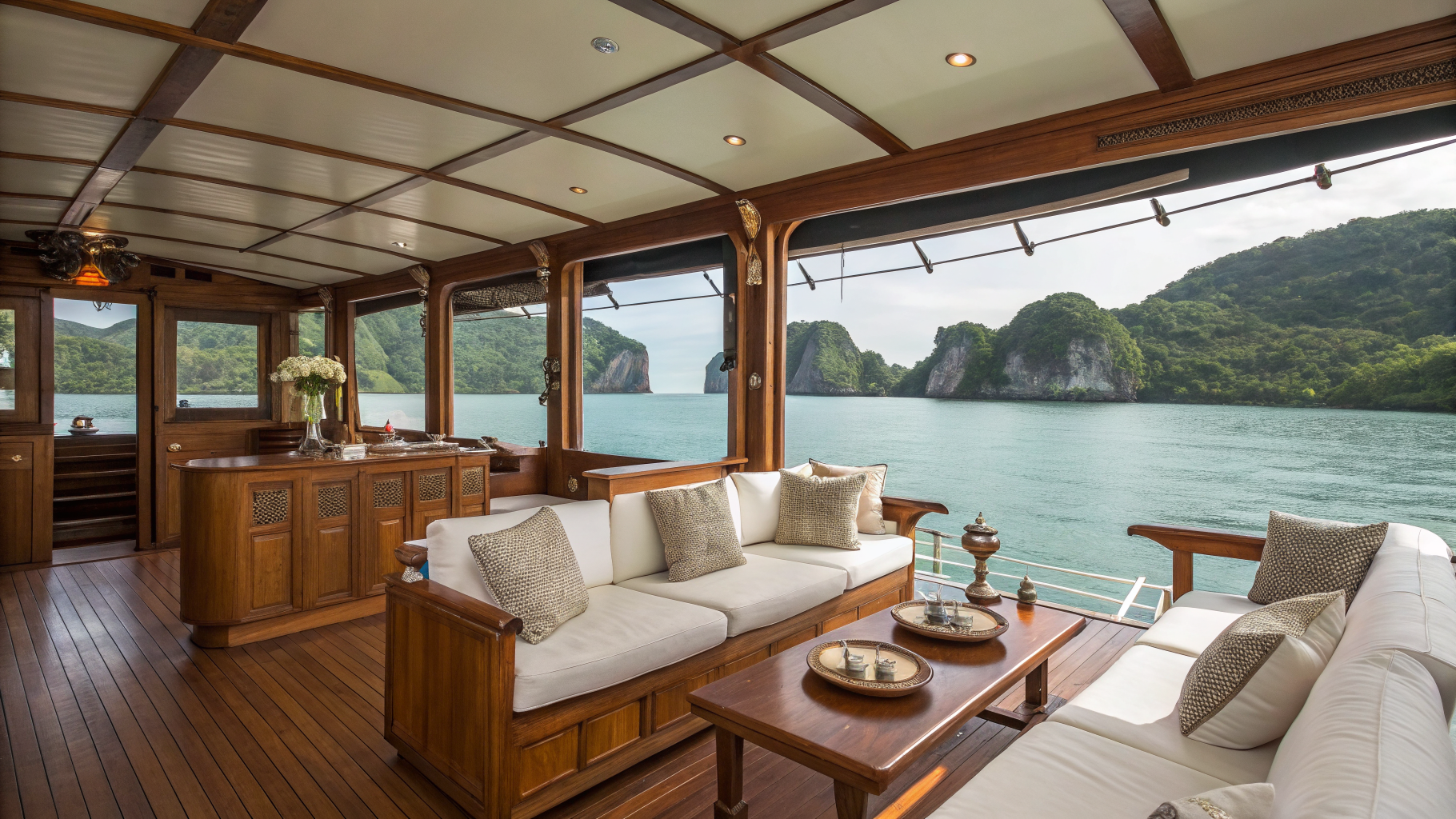
A land-based operation cannot match the efficiency and access of a liveaboard for a serious photographic expedition. Raja Ampat’s premier dive sites are spread across a vast area, with transit times between regions like the Dampier Strait and Misool measuring in days. A liveaboard, specifically a traditional Indonesian phinisi, is the only platform that can logically connect these distant, top-tier zones into a single, seamless itinerary. Our vessels are hand-built by the Konjo people in South Sulawesi, designed for stability and long-range cruising.
The liveaboard model maximizes underwater time, typically offering 3-4 dives per day. This allows for repeated dives on premier sites, enabling photographers to refine their techniques and adapt to changing conditions. The entire daily schedule is built around diving and photography, from early morning briefings to post-dinner image reviews. This focused environment, shared with other serious divers, is critical for producing a high-quality portfolio. Explore our liveaboard packages to see how our itineraries are structured for maximum photographic output.
Planning Your Photographic Expedition
A successful trip is rooted in meticulous planning. This involves selecting an itinerary that matches your photographic goals, preparing the correct equipment, and understanding the regional logistics. We work directly with charter clients to customize every aspect of the voyage, ensuring the dive plan aligns perfectly with their subject wish list.
Choosing the Right Itinerary
Your primary photographic interest should dictate your choice of itinerary.
- Northern Route (Dampier Strait & Wayag): Best for wide-angle. This route prioritizes pelagic action, schooling fish, manta rays, and the iconic karst island landscapes of Wayag. Currents are a dominant feature.
- Southern Route (Misool): A balanced mix of wide-angle and macro. Misool is famed for its vibrant soft coral gardens, immense biodiversity, and reliable macro sites like Magic Mountain and Nudi Rock.
- Ultimate Raja Ampat (North & South): Requires a longer charter of 10 days or more. This comprehensive voyage connects both regions, offering the complete range of photographic subjects. A detailed breakdown of options is available on our private charter pricing page.
Essential Gear and Logistics
Packing for a remote photographic expedition requires redundancy and a comprehensive checklist. Beyond your personal dive gear (a 3mm wetsuit is standard for the 27–30°C water), your camera kit should be complete.
- Primary Camera System: DSLR or mirrorless body, robust housing, and vacuum seal system.
- Lenses & Ports: A wide-angle option (fisheye or rectilinear zoom) with a corresponding large dome port, and a macro lens (60mm or 100/105mm) with a flat port.
- Lighting: A minimum of two powerful strobes with reliable sync cords or optical triggers, plus a dedicated focus/video light.
- Spares: Bring backup o-rings for every seal, spare batteries and chargers for all electronics, and more memory cards than you expect to use.
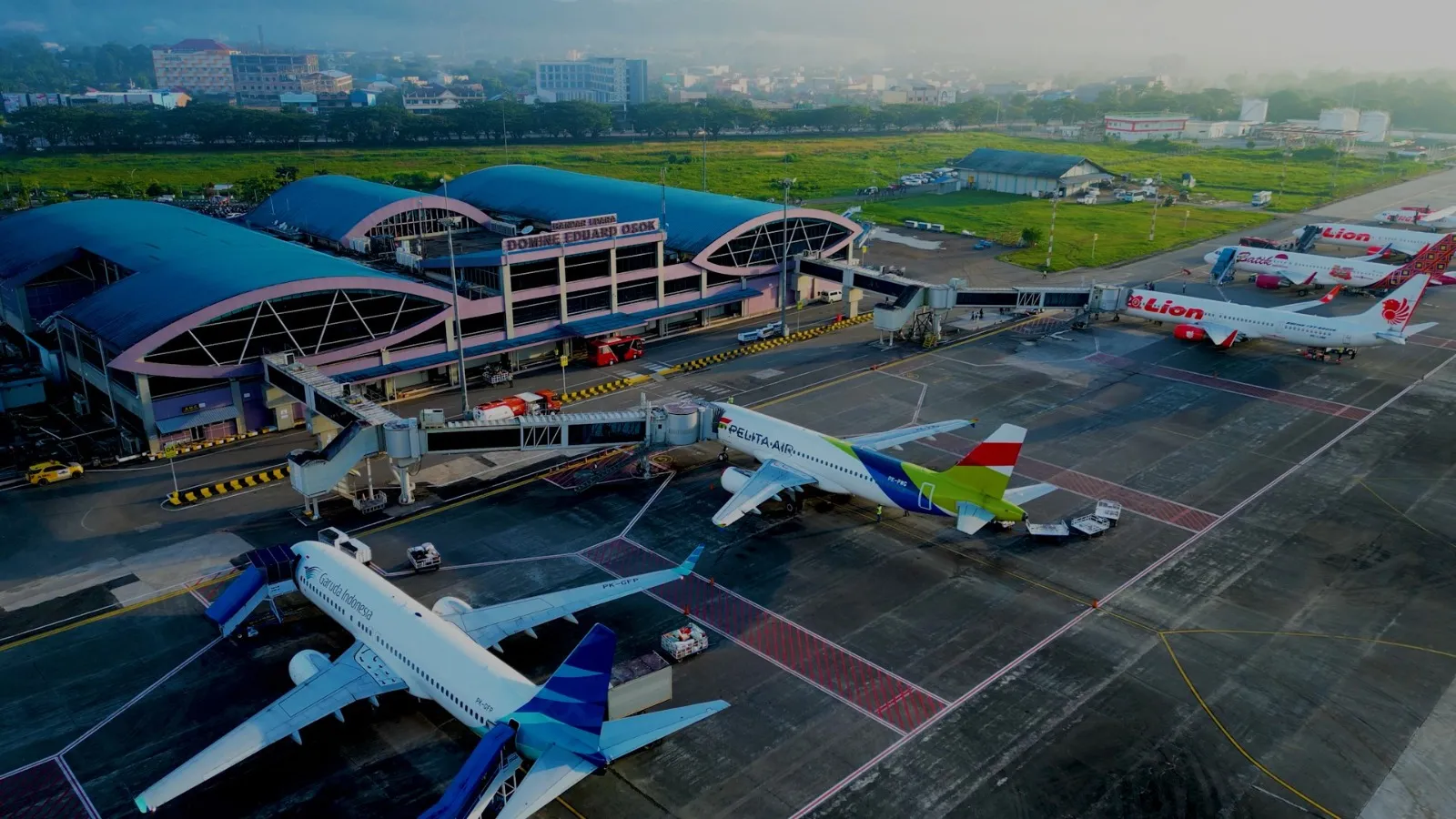
- Logistics: All voyages depart from Sorong (SOQ). We recommend flying Garuda Indonesia or Batik Air from Jakarta (CGK). Upon arrival, you will need to pay the mandatory Marine Park entrance fee of IDR 1,000,000 per person (approx. USD 65), valid for one year.
Our team assists with all transfer logistics, ensuring a seamless transition from the airport to your private phinisi. You can begin planning by reviewing our guide on the best time to visit Raja Ampat for a photographic trip.
Frequently Asked Questions
What is the best lens for underwater photography in Raja Ampat?
There is no single best lens. A complete kit requires two: a fisheye (e.g., 8-15mm) or wide-angle rectilinear zoom (e.g., 16-35mm) for reefscapes and large animals, and a dedicated macro lens (e.g., 100mm or 105mm) for small subjects like pygmy seahorses and nudibranchs. If forced to choose only one, a wide-angle lens will capture the defining scale of the region.
Is a strobe necessary for Raja Ampat?
Yes, artificial light is non-negotiable for serious underwater photography. Strobes are required to restore the colors that are absorbed by the water, even at shallow depths. They create contrast, reduce backscatter when positioned correctly, and freeze motion. Natural light photography is possible for silhouettes but is extremely limiting for capturing the region’s vibrant biodiversity.
Can I rent underwater photography gear on the liveaboard?
We do not offer a full range of rental camera equipment on board our charters. We expect photographers to be fully proficient with their own systems. We can, however, facilitate rentals of specific items through our partners in Sorong with advance notice. Please specify any equipment needs during the booking process when you finalize your private charter.
What are the biggest challenges for photographers in Raja Ampat?
The primary challenges are managing the strong currents in areas like the Dampier Strait and achieving proper buoyancy control for delicate macro work. The sheer density of life can also be a compositional challenge, making it difficult to isolate a subject. Lastly, equipment failure in a remote location can end a photographic trip, emphasizing the need for a comprehensive kit of spares and tools.
How do you handle strong currents when taking photos?
In high-current environments, a reef hook is an essential tool. It allows a diver to secure themselves to a non-living part of the reef, providing a stable platform for shooting without expending energy or damaging coral. Negative entries and rapid descents are also standard procedures to get below the strongest surface currents and into position quickly at sites like Blue Magic or Sardine Reef.
Plan Your Raja Ampat Voyage
A private phinisi charter is the definitive platform for an underwater photography expedition in Raja Ampat. Our team works with you to design a bespoke itinerary tailored to your specific photographic objectives, from macro life in Misool to the pelagic action of the Dampier Strait. Contact our dive concierge to begin planning your voyage.
WhatsApp: +62 811-3823-875
Email: [email protected]