In this article
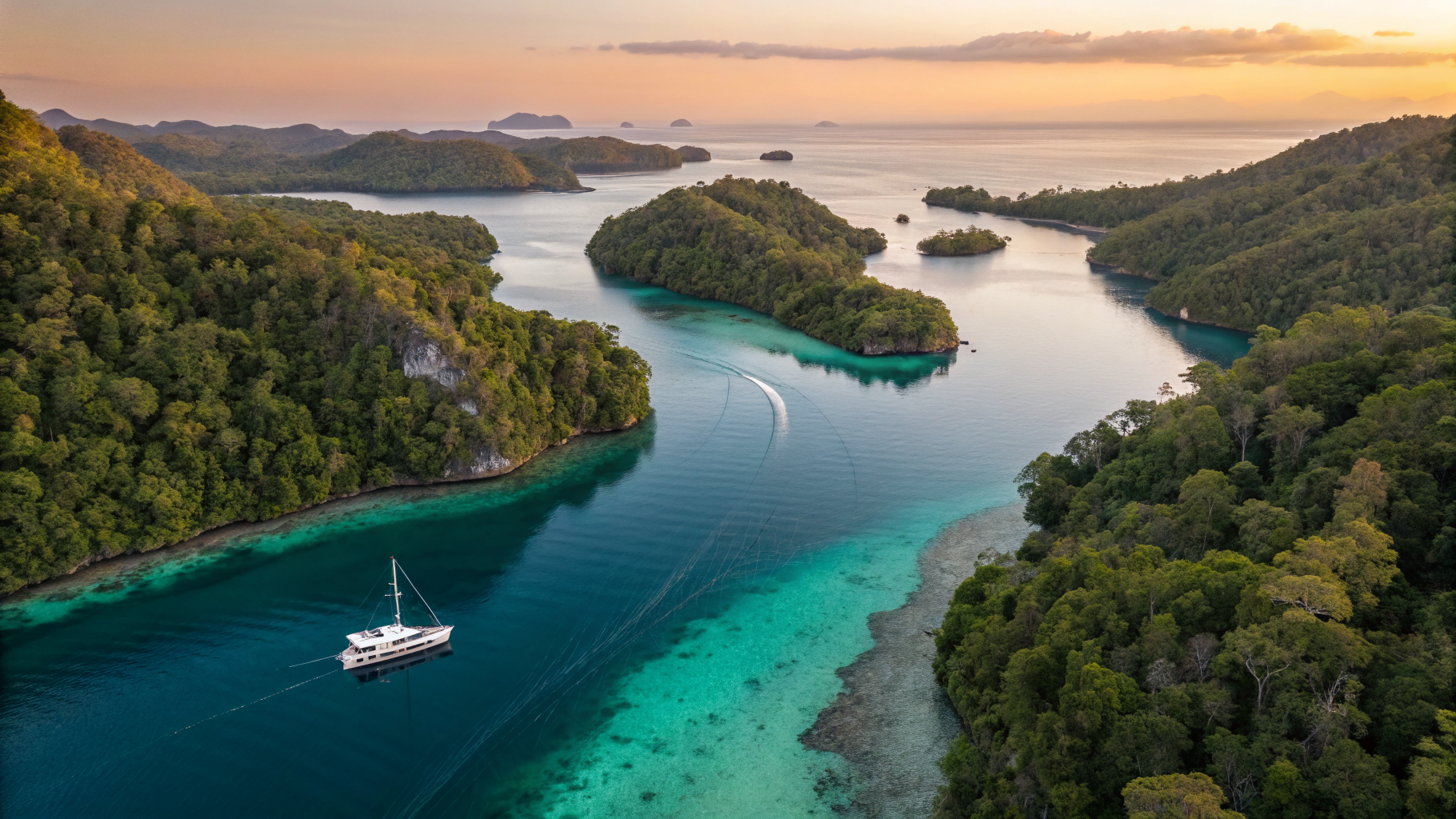
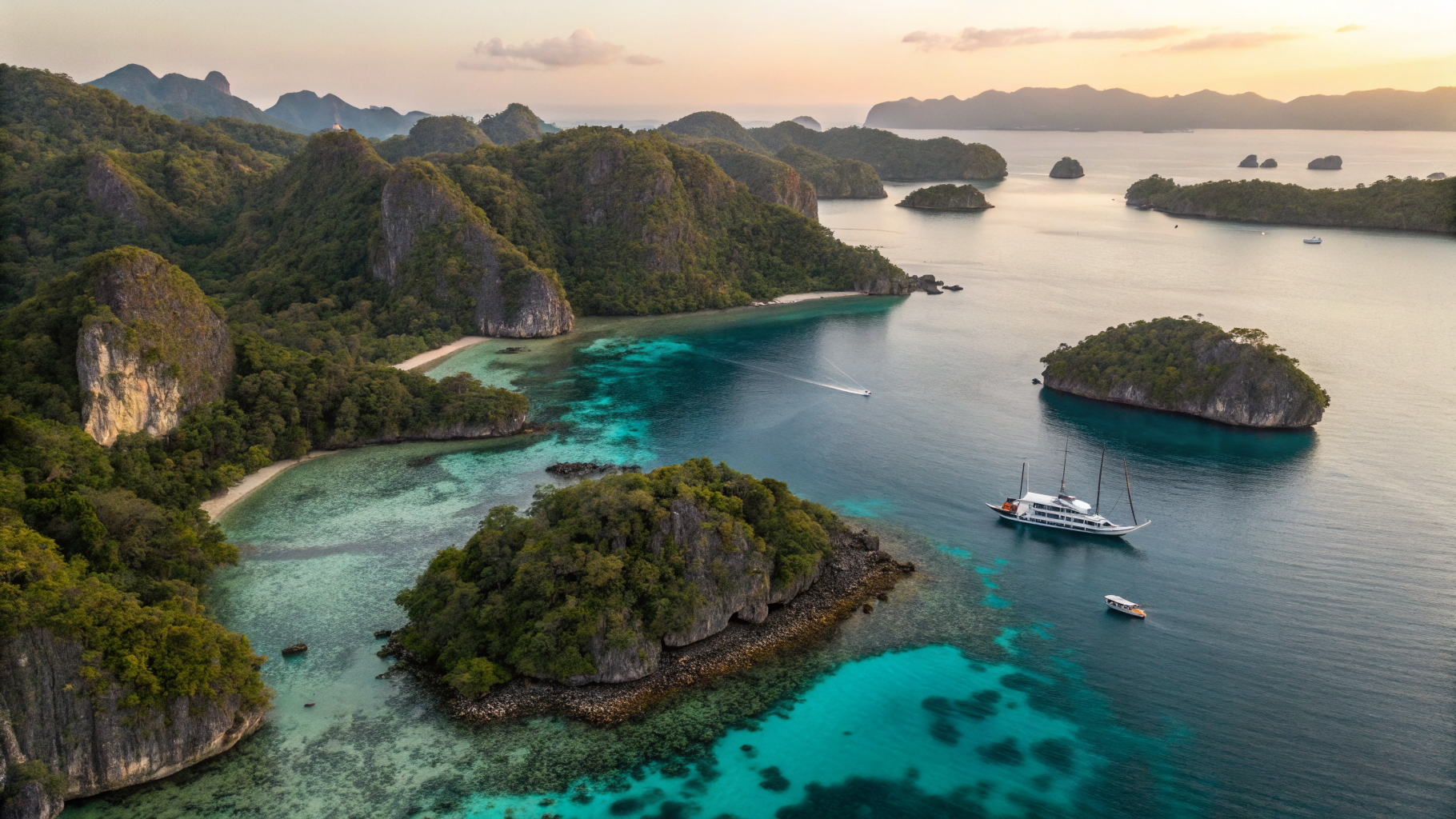
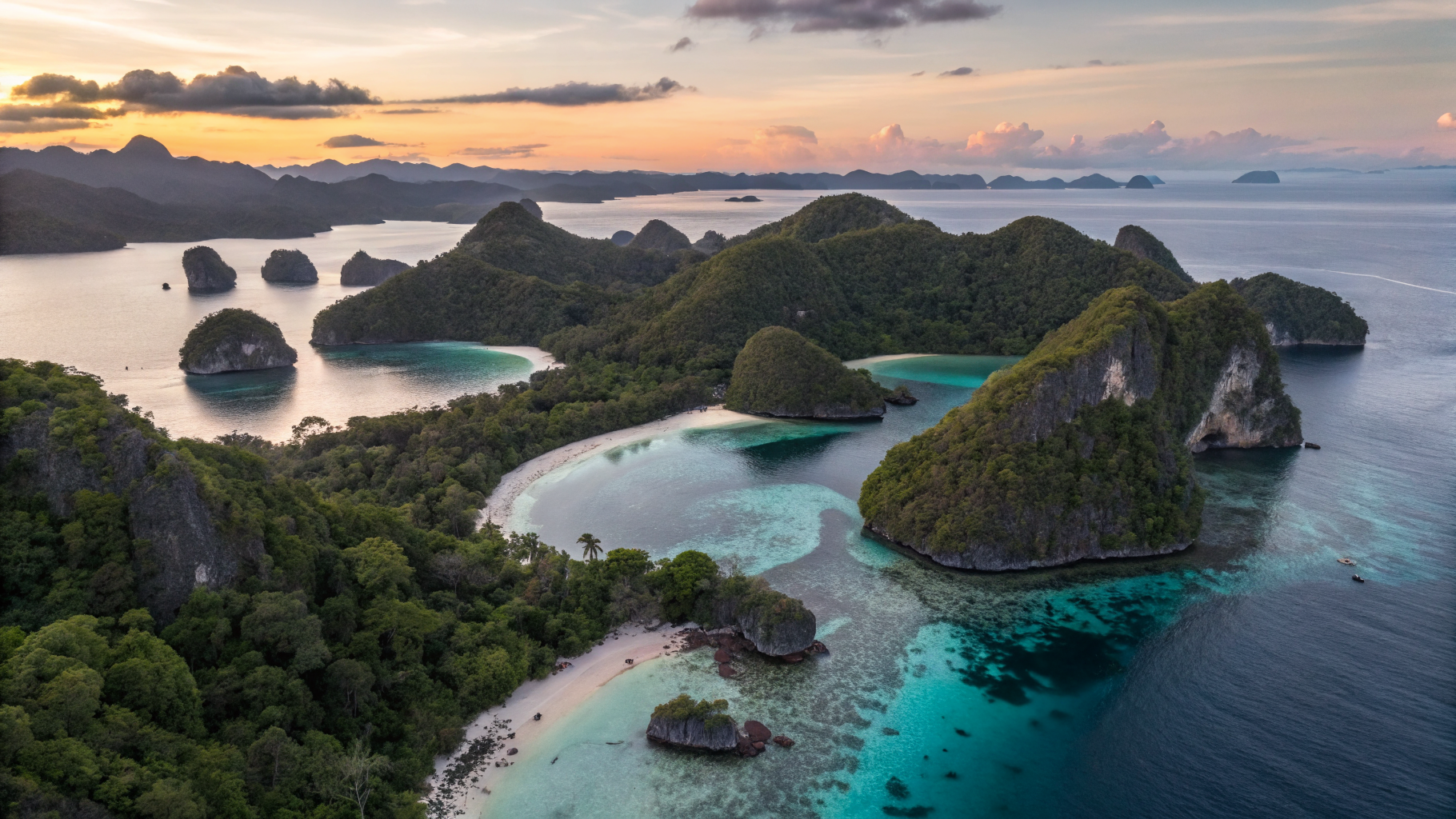
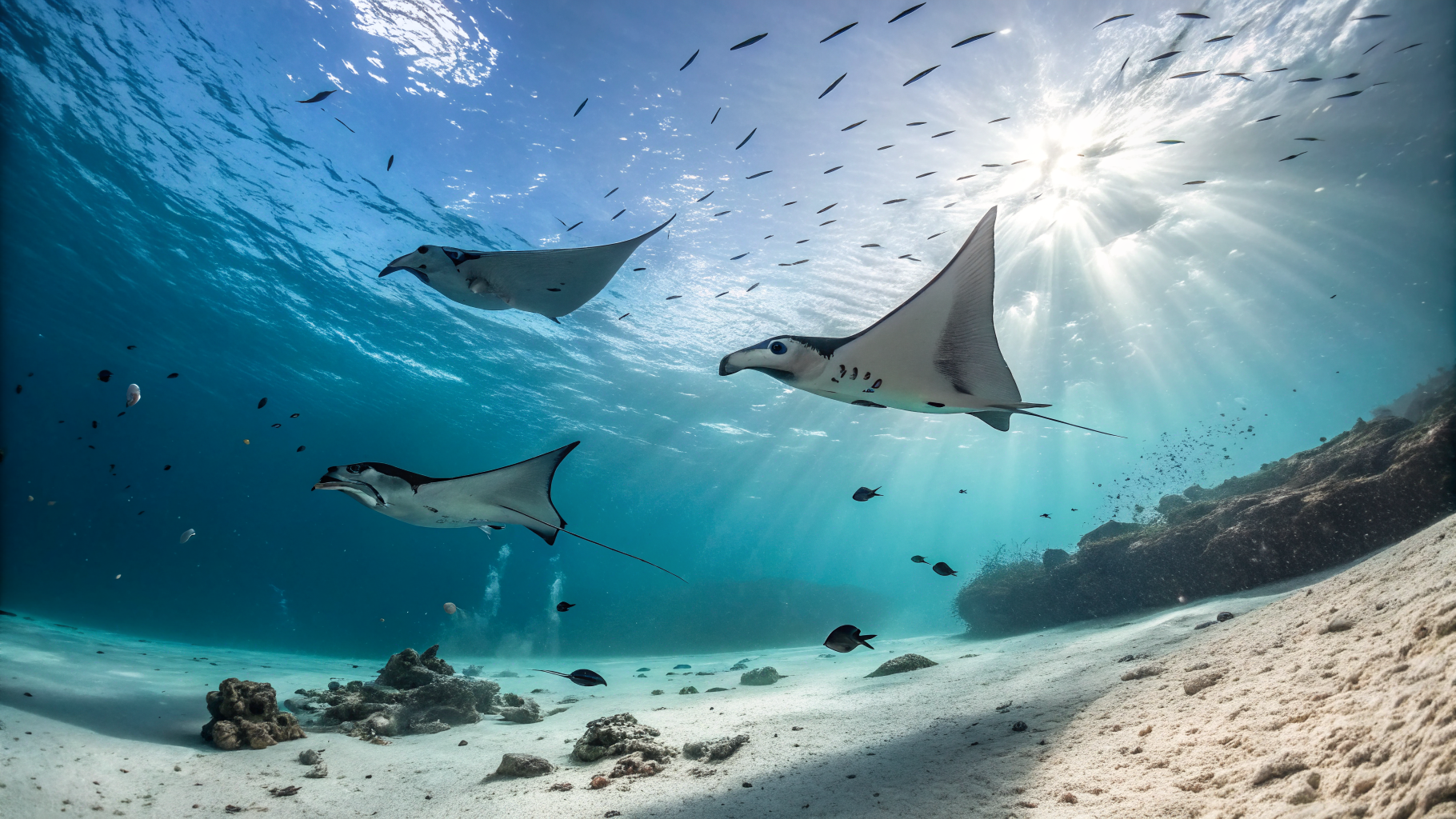
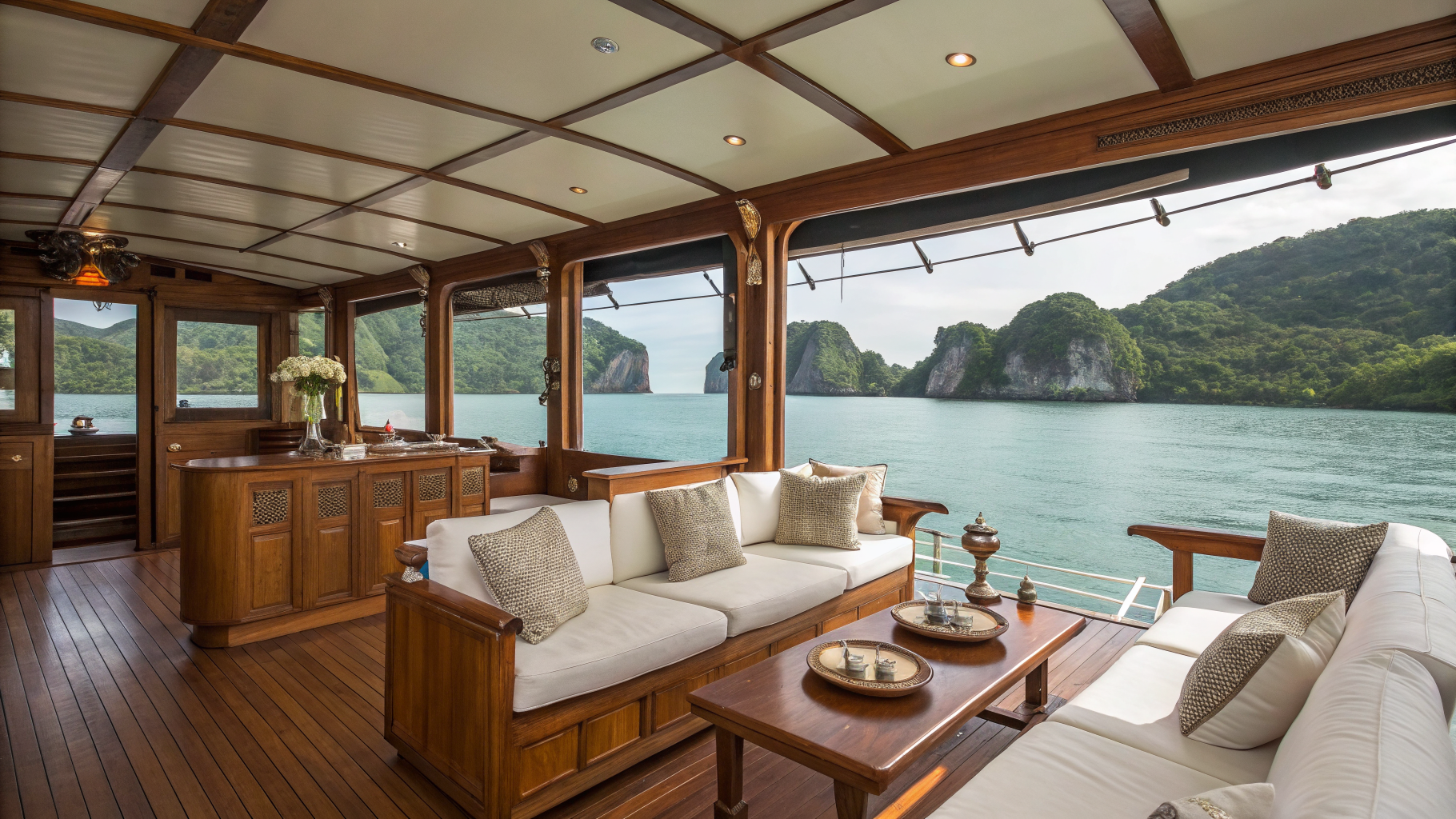
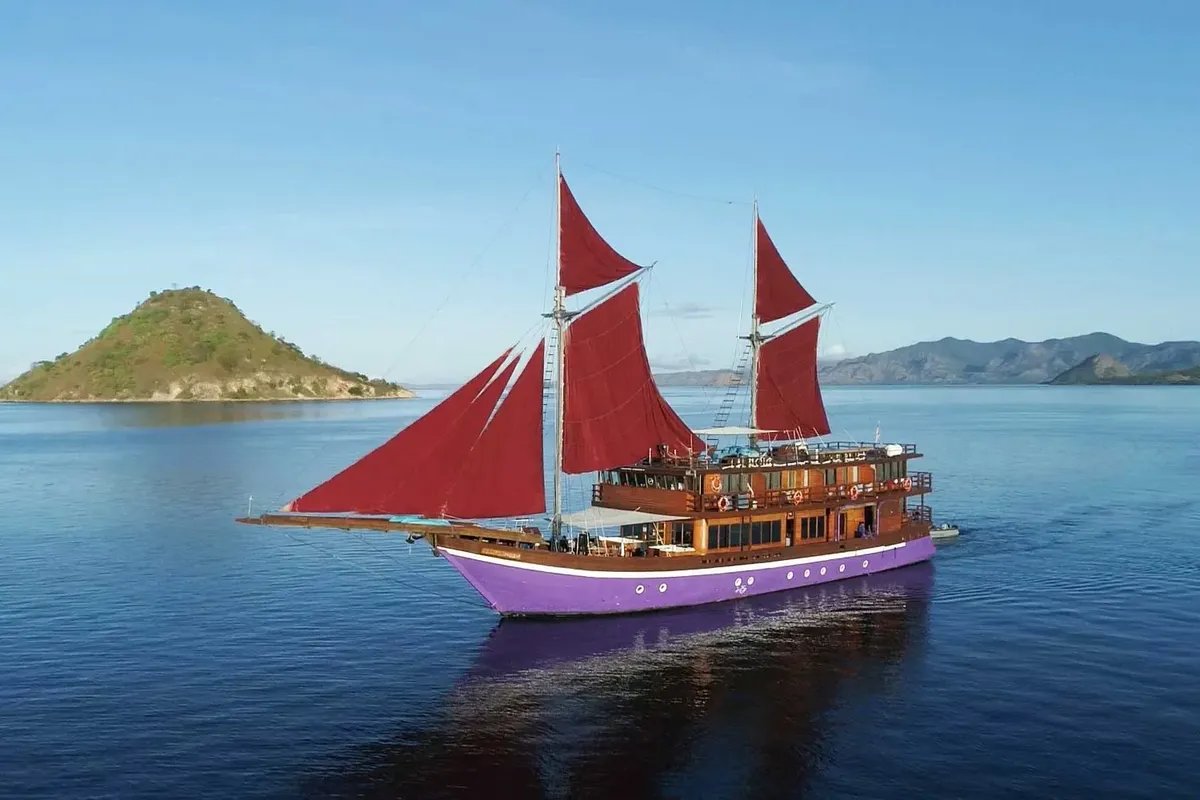
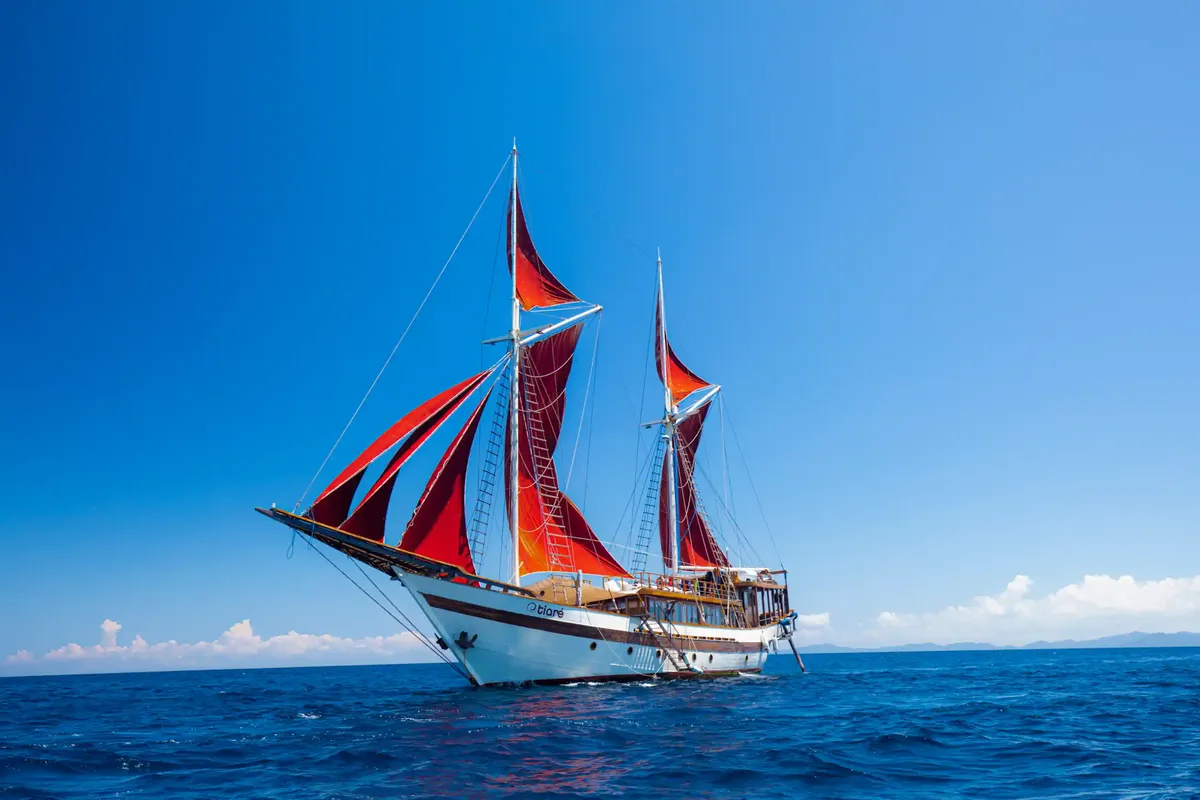
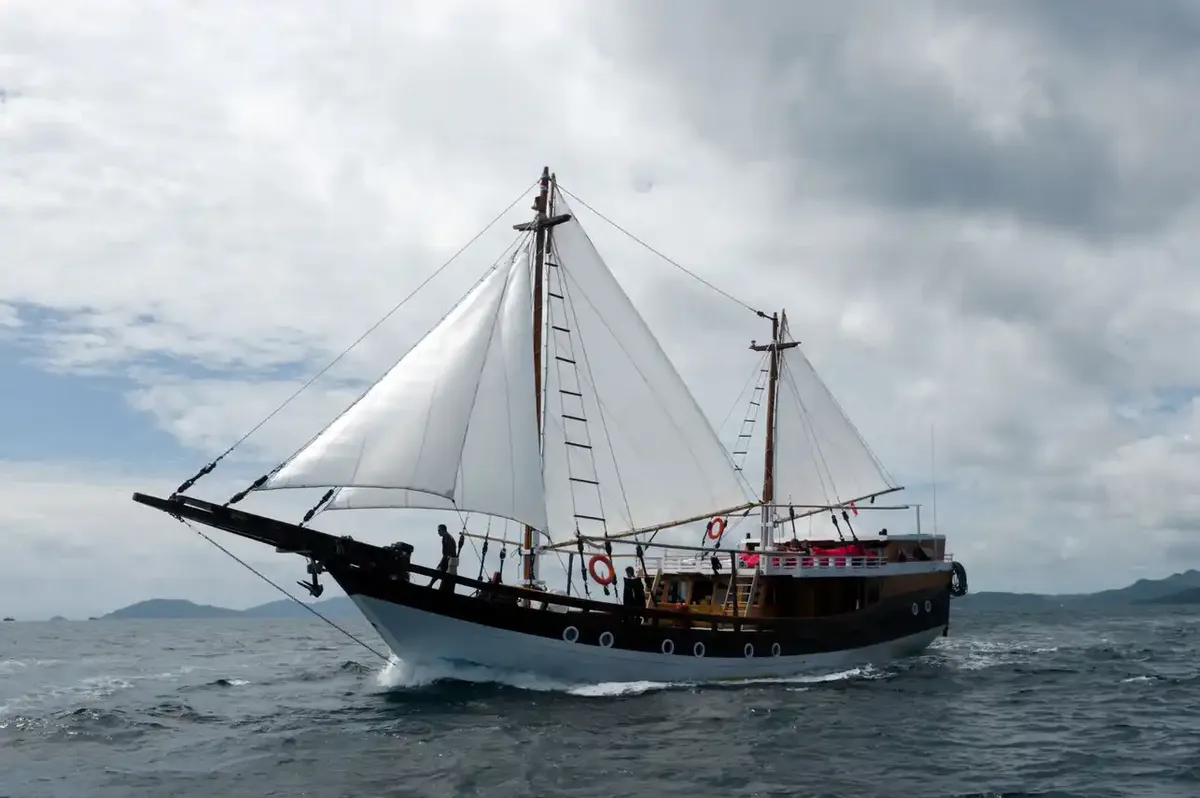
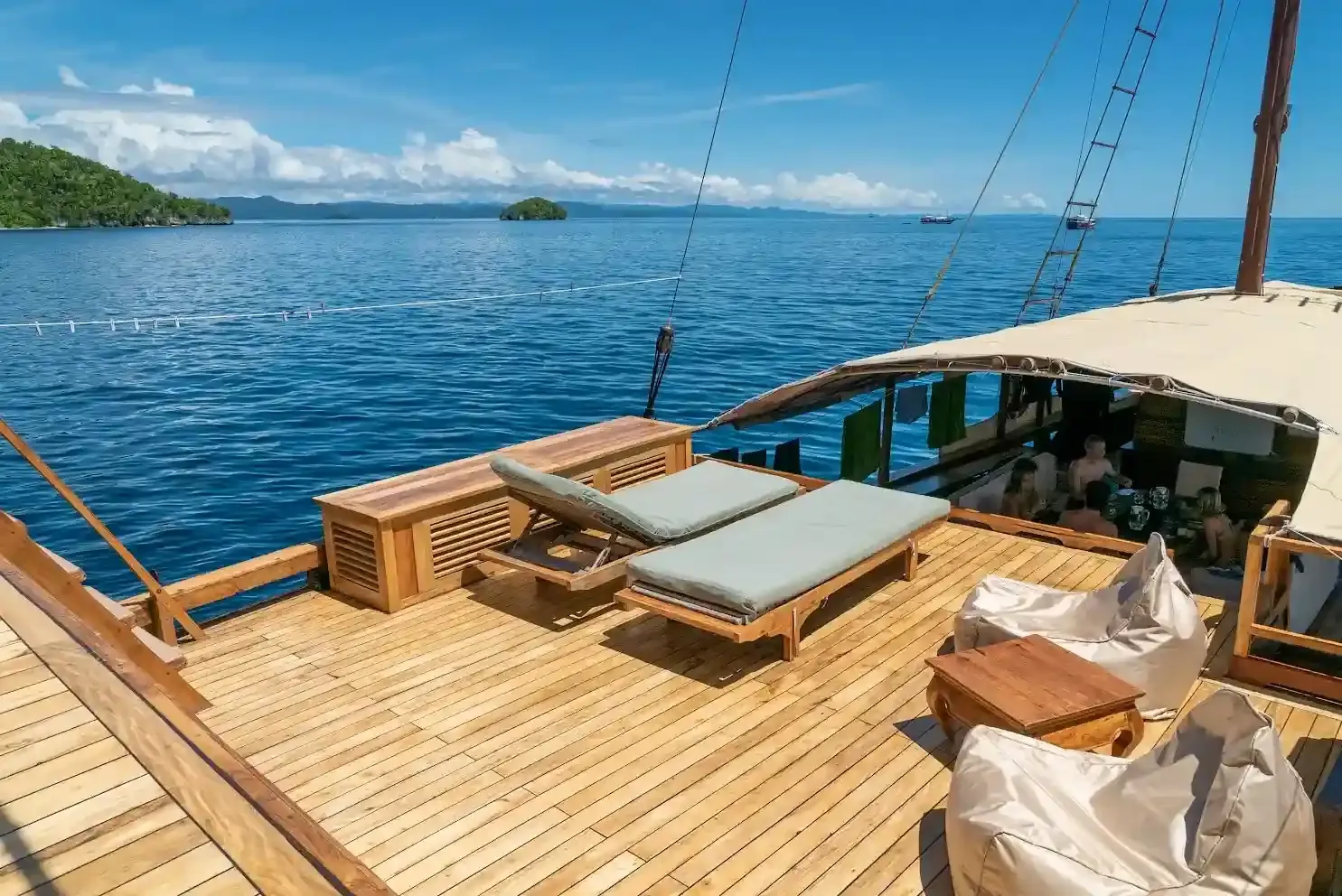
Misool is the southern archipelago of Raja Ampat, a remote constellation of karst limestone islands situated directly on the equator. For experienced divers, a misool liveaboard diving expedition represents the pinnacle of pelagic encounters and soft coral density, covering a section of the 40,000 km² Raja Ampat marine park. Unlike the northern Dampier Strait, the seascape here is defined by submerged pinnacles and deep-water upwellings that attract oceanic mantas (Mobula birostris) and vast schools of fish. Our private phinisi charters access this frontier, departing from Sorong for itineraries of 7 to 12 nights. The region of south Raja Ampat Misool is protected by a 1,220 km² Marine Protected Area and No-Take Zone established in 2005, a conservation effort that has visibly tripled the biomass of reef predators in under a decade.
The Misool Marine Reserve: A Model for Conservation-Based Diving
The Misool Marine Reserve is a network of protected marine areas within the southern reaches of Raja Ampat, established through a partnership between the local community and the Misool Foundation. This initiative has created one of the most effective conservation zones in the Coral Triangle. It encompasses two No-Take Zones—areas where all forms of fishing, anchoring, and extraction are prohibited—covering 465 square miles. The direct result for divers is a marine ecosystem returned to a state of profound abundance. On-site ranger patrols, funded in part by tourism, enforce these regulations, ensuring the ecological integrity of the dive sites you will explore. The annual Marine Park entrance fee of IDR 1,000,000 per diver contributes directly to these conservation patrols and community programs.
The ecological data validates the reserve’s success. Independent surveys conducted since its inception show a 250% average increase in fish biomass inside the protected zones compared to adjacent areas. This translates to visibly denser schools of fusiliers, surgeonfish, and batfish on every dive. Predator populations, including grey reef sharks (Carcharhinus amblyrhynchos) and Napoleon wrasse (Cheilinus undulatus), are more numerous and exhibit less skittish behavior. Exploring this reserve on one of our Raja Ampat liveaboard packages is not just a dive trip; it is a direct observation of successful marine conservation in action.
Navigating the Underwater Topography of South Raja Ampat
Misool’s underwater architecture is a direct extension of its dramatic topside geology. The region’s foundation is karst limestone, a porous rock that has been sculpted by millennia of oceanic erosion and tectonic activity. This process creates the iconic mushroom-shaped islets, severe undercuts, and a labyrinth of submerged caves, swim-throughs, and canyons. For the diver, this translates into multi-layered environments that demand precise buoyancy control and spatial awareness. A typical dive profile might involve descending a sheer wall covered in gorgonian sea fans, navigating a wide cavern illuminated by shafts of light, and ascending over a reef flat teeming with juvenile fish.
Signature Dive Sites: A Technical Overview
While a private phinisi charter allows for a completely bespoke itinerary, several key dive sites consistently deliver the defining experiences of south Raja Ampat Misool. These are not sites for novice divers; they often feature strong, unpredictable currents and require a confident approach to negative entries and drift profiles.
Magic Mountain (Karang Bayangan)
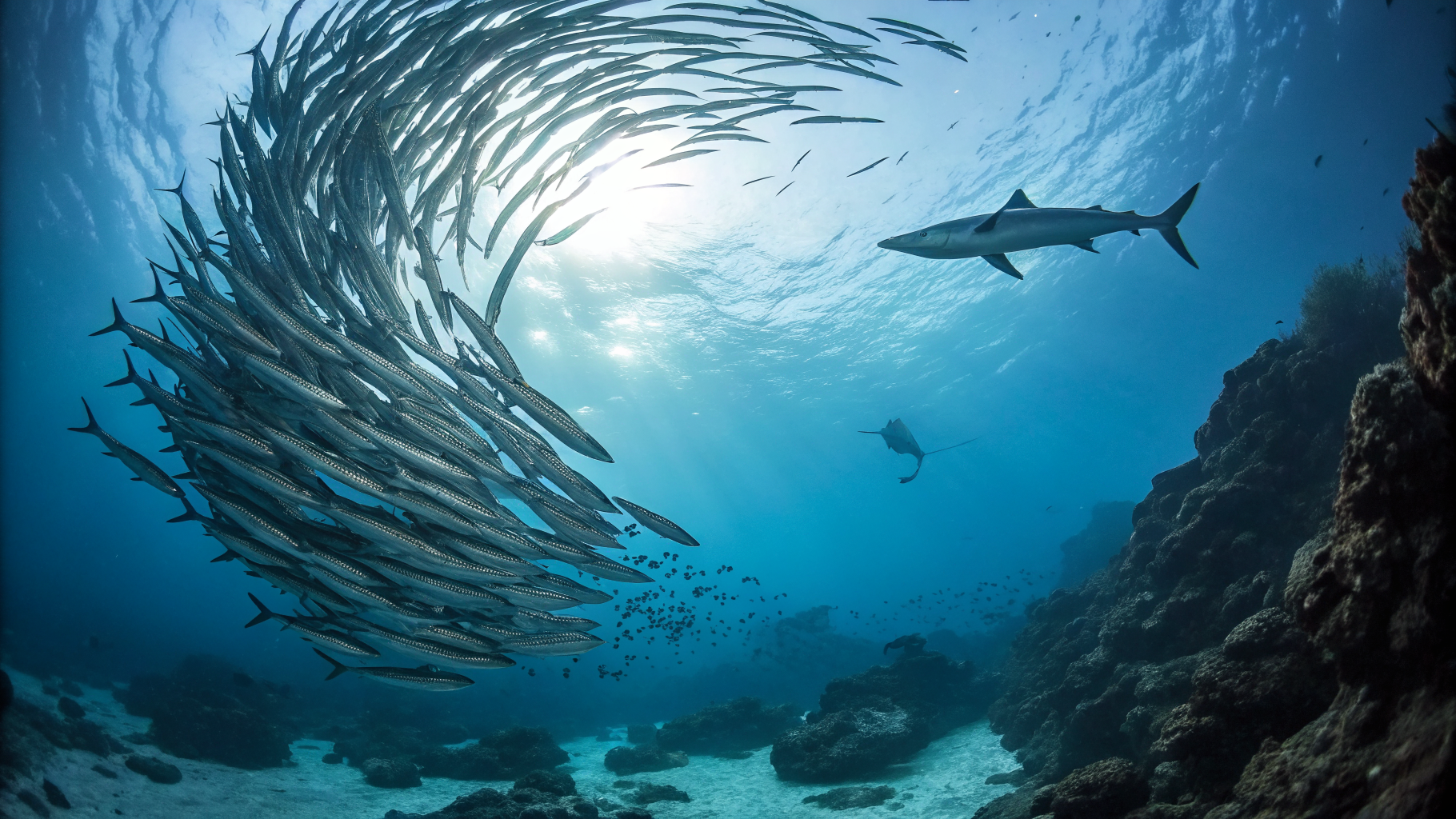
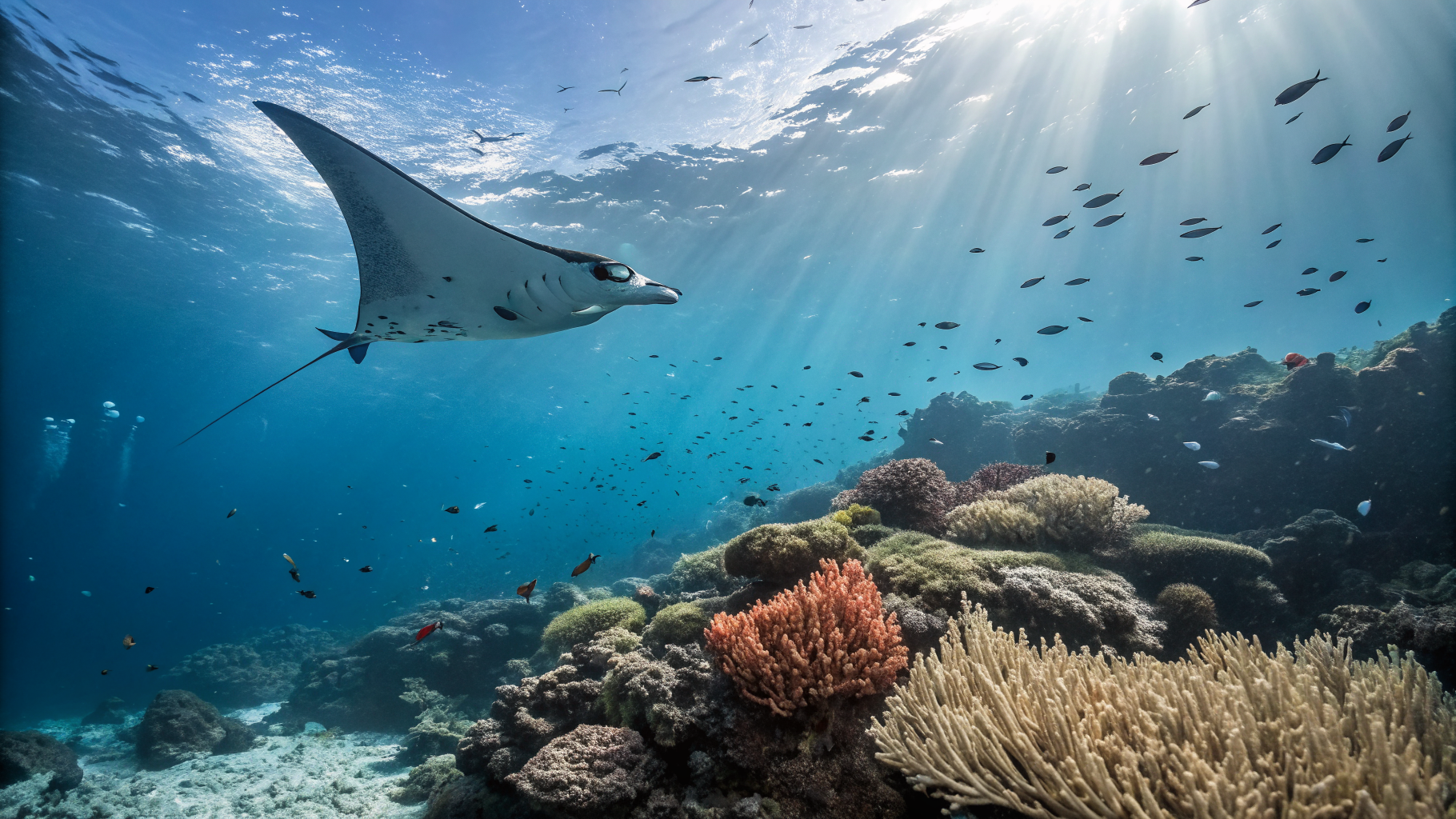
This offshore seamount is perhaps Misool’s most famous site, and for good reason. It is a vast, submerged pinnacle that rises from over 60 meters to within 5 meters of the surface. Its exposed location makes it a magnet for pelagic life and a critical cleaning station. The primary draw is the reliable presence of two manta ray species: the resident reef manta (Mobula alfredi) and, from December to March, the larger oceanic manta (Mobula birostris). Divers typically descend to a shoulder of the pinnacle at 25-30 meters to observe the mantas at their cleaning stations before working their way up the pinnacle. Strong currents of 1-3 knots are common, requiring divers to use reef hooks or shelter behind bommies. The reef top is a spectacle of its own, with dense schools of barracuda, jacks, and the occasional grey reef shark patrol.
Boo Windows / Boo Rock
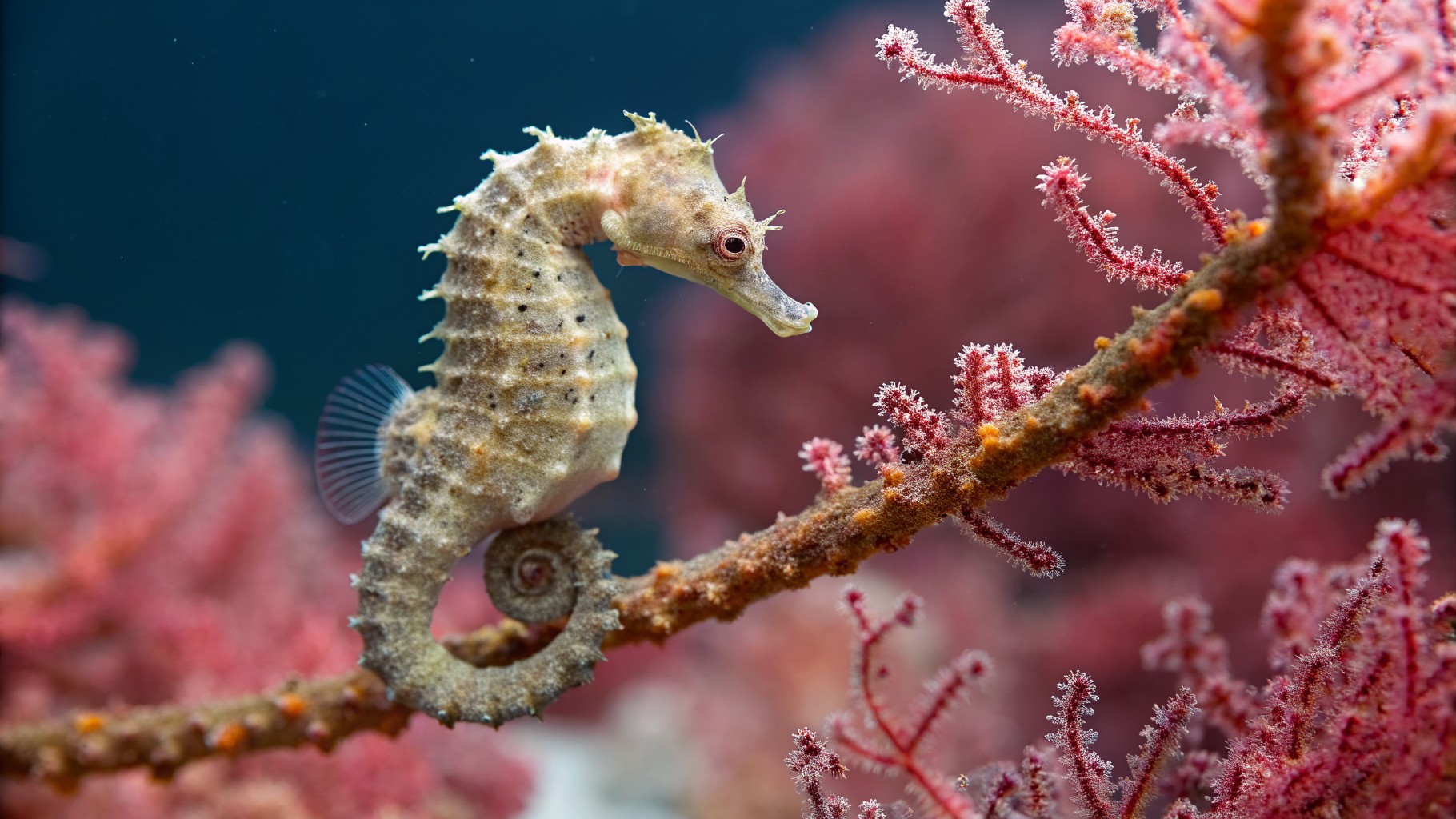
Boo Rock is an islet defined by two large, submerged “windows” or swim-throughs that completely pierce the rock at a depth of 3-5 meters. The site is named for the Indonesian word for ghost, “bu,” referring to the spooky shapes divers make when framed in the openings. The walls surrounding the windows are blanketed in a kaleidoscope of soft corals—pinks, oranges, and purples—that thrive in the nutrient-rich currents. The dive plan usually involves exploring the walls, which drop to 35 meters, looking for macro subjects like the Raja Ampat pygmy seahorse (Hippocampus pontohi) before ascending to pass through the windows as a safety stop. The constant water flow attracts massive schools of yellow-tail fusiliers and silversides.
Fiabacet Ridge and Nudi Rock
The Fiabacet chain of small islands includes standout sites like Nudi Rock, Whale Rock, and the ridge that connects them. This area is a masterclass in soft coral biodiversity. Nudi Rock, named for its resemblance to a nudibranch from a certain angle, is a small pinnacle where divers can spiral from 30 meters to the surface. The walls are festooned with enormous sea fans, which house pygmy seahorses and allied cowries. The main ridge is a long, undulating structure where currents often pick up, bringing in schools of bumphead parrotfish (Bolbometopon muricatum) and chevron barracuda. This is a top-tier environment for wide-angle photography, capturing the sheer scale and color of a Raja Ampat reef system at its peak.
Yillet and the Far South
For longer itineraries of 10 nights or more, our vessels venture to the remote islands of Yillet and Wayilbatan. These sites are even less frequented and offer a sense of true exploration. Here, divers can explore complex cavern systems, some of which require cavern or cave certification and specialized equipment. The “Sacred Cave” at Yillet is a vast chamber where divers can surface inside the island, surrounded by stalactites. The dive sites in this southern extremity are characterized by immense hard coral gardens and an even greater prevalence of sharks, including the endemic wobbegong shark (Eucrossorhinus dasypogon), often found camouflaged on the reef floor.
The Endemic and Pelagic Life of Misool
Misool’s isolation and unique oceanographic conditions have fostered a remarkable concentration of marine life, including species found nowhere else on Earth. The region’s position at the confluence of the Indian and Pacific Oceans creates a nutrient soup that supports the entire food web, from tiny invertebrates to apex predators. This is a primary reason why misool liveaboard diving is so highly regarded among seasoned underwater photographers and marine biologists.
Raja Ampat’s Endemic Species
Beyond the grand spectacle of mantas and sharks, Misool offers a unique opportunity to observe several endemic species. Careful observation is key to locating these masters of camouflage.
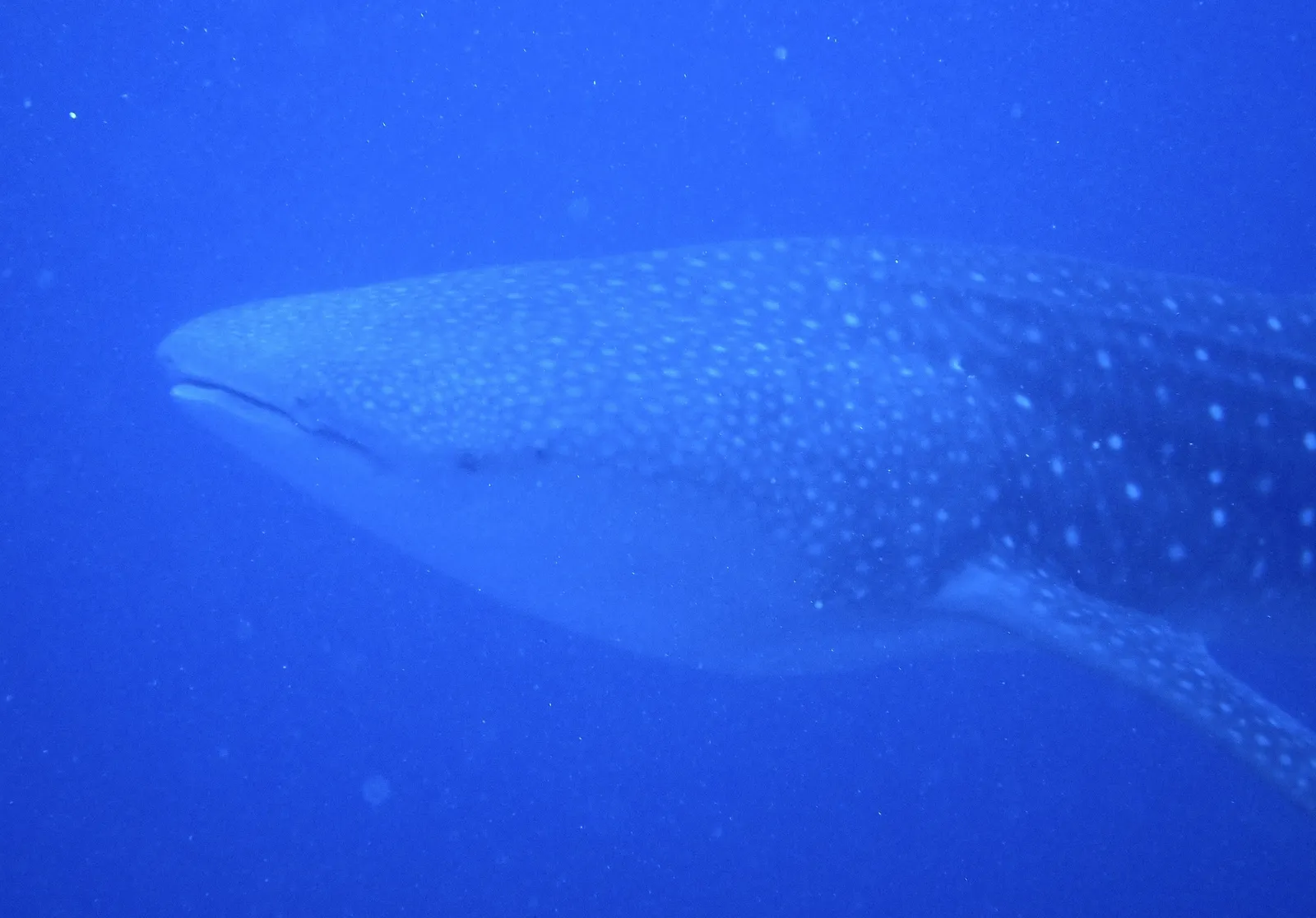
- Wobbegong Shark (Eucrossorhinus dasypogon): This tasselled carpet shark is a bottom-dweller, perfectly camouflaged to resemble a patch of coral-covered rock. They are ambush predators, often found resting under table corals or on sandy patches at depths of 10 to 25 meters.
- Raja Ampat Epaulette “Walking” Shark (Hemiscyllium freycineti): This small, nocturnal shark uses its pectoral fins to “walk” across the reef in search of crustaceans. The best opportunity to see them is during a dusk or night dive on shallow reef flats, often in less than 3 meters of water.
- Raja Ampat Pygmy Seahorse (Hippocampus pontohi): Measuring only 1.5 cm, this pygmy seahorse is typically found on Halimeda algae or hydroids on steep walls. Locating one requires a sharp eye and is a rewarding challenge for macro enthusiasts.
The Manta Ray Phenomenon
The manta ray encounters in Misool are a cornerstone of the liveaboard experience. The cleaning stations at sites like Magic Mountain are crucial social hubs for these animals. Here, small cleaner wrasse and other fish remove parasites from the mantas’ gills and skin. Observing this symbiotic behavior requires divers to remain neutrally buoyant and stationary, often down-current from the cleaning station, to avoid disrupting the natural process. The sheer biomass observed on a single dive at a site like Cape Kri, which holds the world record for fish species diversity (374 species recorded by Dr. Gerald Allen in 2012), demonstrates the exceptional health of this ecosystem.
Logistics of a Misool Private Charter
A liveaboard is the only effective means of accessing the remote dive sites of south Raja Ampat Misool. The journey requires careful planning and an understanding of the regional logistics and seasonal patterns.
From Sorong to the Southern Archipelago
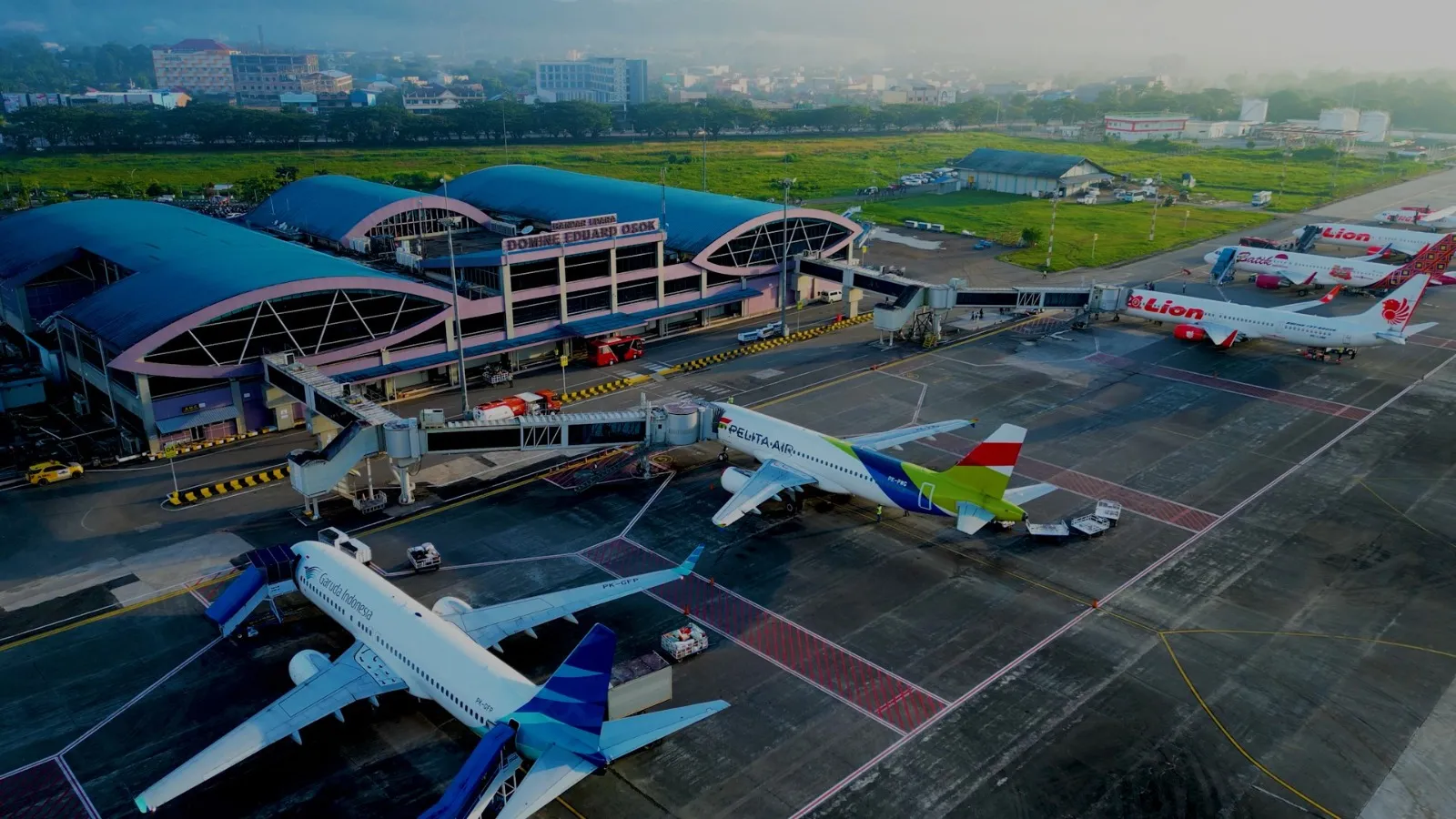
All of our Raja Ampat liveaboard voyages begin and end at the port of Sorong, West Papua. The city is served by Sorong Airport (SOQ), with daily flights from major Indonesian hubs like Jakarta (CGK) and Makassar (UPG) on carriers such as Garuda Indonesia and Batik Air. Upon your arrival, our team will greet you and handle all transfers to the phinisi. The crossing from Sorong to the northernmost dive sites of the Misool region covers approximately 80-100 nautical miles and is typically done overnight on the first day, ensuring you are ready to dive the following morning.
Seasonal Considerations and Diving Conditions
The optimal season for a Misool liveaboard is from October through April. During these months, the seas are generally calm, and underwater visibility can range from 20 to 40 meters. This period coincides with the highest concentration of manta rays, particularly from December to March. Water temperatures are consistent year-round, averaging 27-30°C, making a 3mm wetsuit or rash guard sufficient for most divers. Currents are the most significant variable; sites in the Fiabacet and Boo areas can experience flows exceeding 3 knots. All divers joining a Misool itinerary must be certified Advanced Open Water (or equivalent) with a minimum of 50 logged dives, and be proficient in deploying a surface marker buoy (SMB). Review our private charter pricing for detailed inclusions and vessel specifications.
Frequently Asked Questions about South Raja Ampat Misool
What is the best time of year to dive Misool?
The primary diving season for Misool runs from October to April. This period offers the calmest sea conditions and best overall visibility, typically 20-40 meters. It also aligns with the peak season for encountering both oceanic and reef manta rays at key cleaning stations. The shoulder months of September and May can also offer excellent diving with fewer vessels in the area.
What is the minimum dive certification required for a Misool liveaboard?
Due to the strong currents and deep dive profiles at many signature sites, we require all guests to hold an Advanced Open Water (AOW) certification or equivalent. A minimum of 50 logged dives is also mandatory. Experience with drift diving, negative entries, and deploying a surface marker buoy is essential for both safety and enjoyment in these demanding conditions.
How is Misool different from the Dampier Strait in North Raja Ampat?
Misool is characterized by its dramatic limestone pinnacles, swim-throughs, and exceptional soft coral density. It is renowned for pelagic encounters, particularly with manta rays. The Dampier Strait in the north is known for its strong currents, high-speed drift dives like “The Passage,” and record-breaking fish biodiversity on sites like Cape Kri. Our longer charters can sometimes include a selection of dive sites from both regions.
Is there phone signal or internet in Misool?
There is virtually no cellular reception or public internet access throughout the Misool archipelago. Our phinisi vessels are equipped with satellite phones for emergency communication and may offer limited, slow satellite internet packages for an additional fee. We advise guests to inform their contacts that they will be offline for the duration of the voyage and to download any necessary materials beforehand.
What currency is used for park fees and onboard expenses?
The Raja Ampat Marine Park fee (IDR 1,000,000) must be paid in Indonesian Rupiah (IDR) upon arrival. We can facilitate this payment. Onboard expenses such as satellite internet, gear rental, or crew gratuities can typically be settled in IDR, USD, or EUR at the end of the trip. We recommend confirming payment options when you book your private charter.
Plan Your Raja Ampat Voyage
Our concierge is ready to design your private phinisi charter to Misool. Contact us to discuss vessel availability, custom itineraries, and current conditions.
WhatsApp: +62 811-3823-875
Email: [email protected]