In this article
- Understanding Sustainability in Raja Ampat Diving
- The Importance of Responsible Diving in Raja Ampat
- Eco-Friendly Phinisi Charters: A Sustainable Choice
- Reef Safe Practices: Protecting Underwater Ecosystems
- Low Impact Diving Practices in Raja Ampat
- Responsible Snorkeling in Raja Ampat
- Marine Conservation Efforts in Raja Ampat
- The Role of Sustainable Tourism in Raja Ampat
- Planning Your Sustainable Liveaboard Experience
- FAQs about Sustainability and Responsible Diving in Raja Ampat
- Related reading
Understanding Sustainability in Raja Ampat Diving
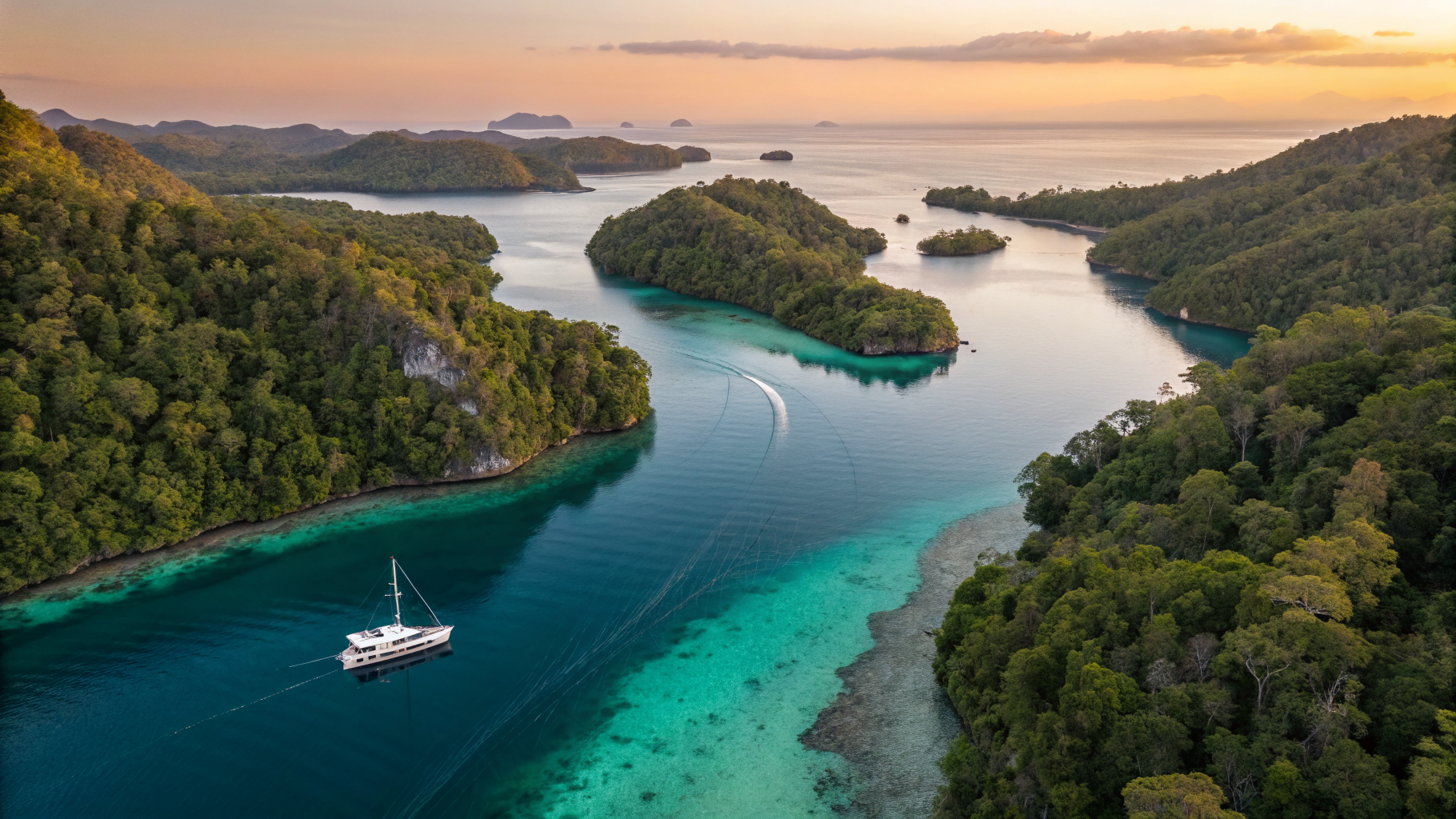
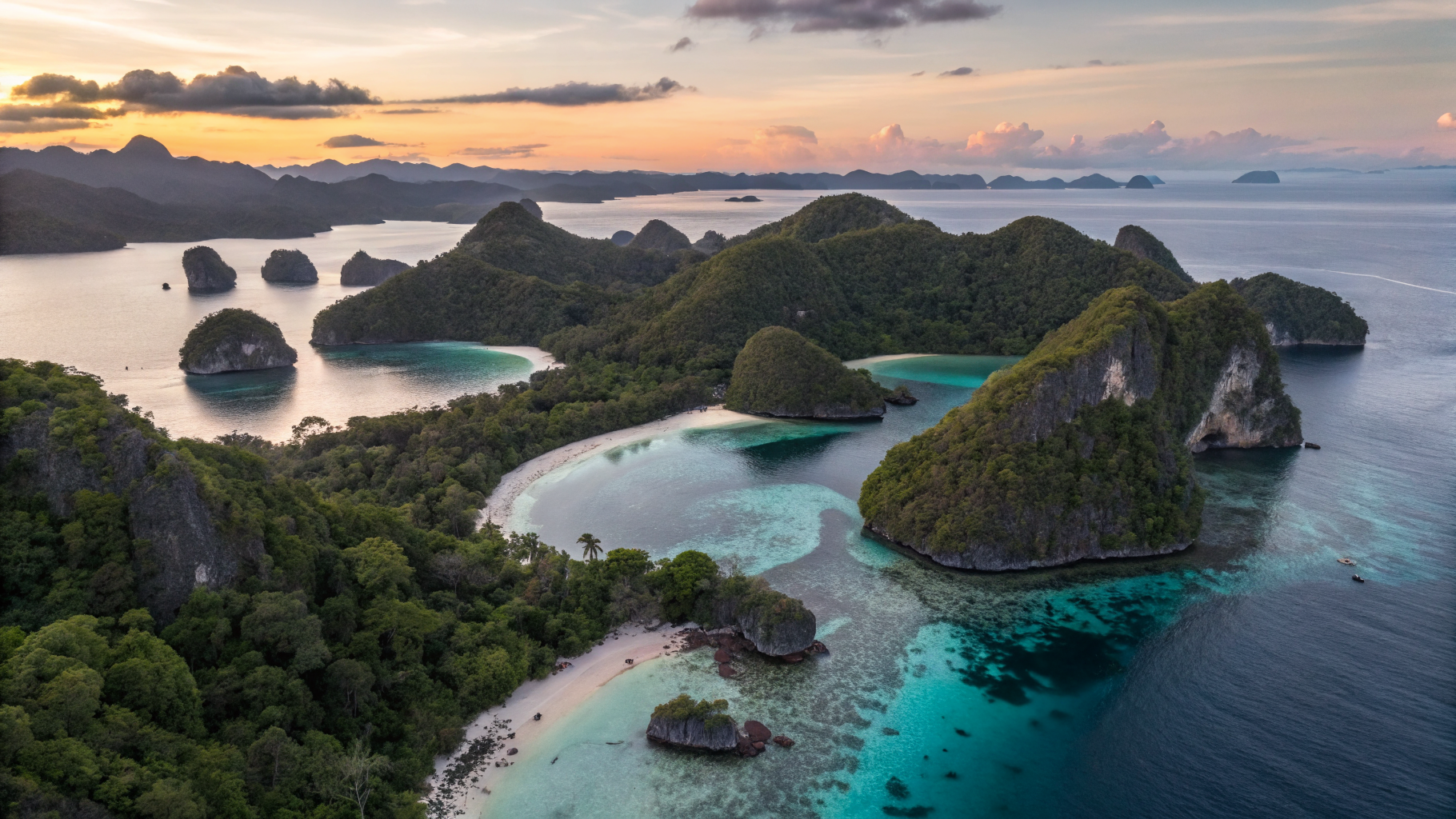
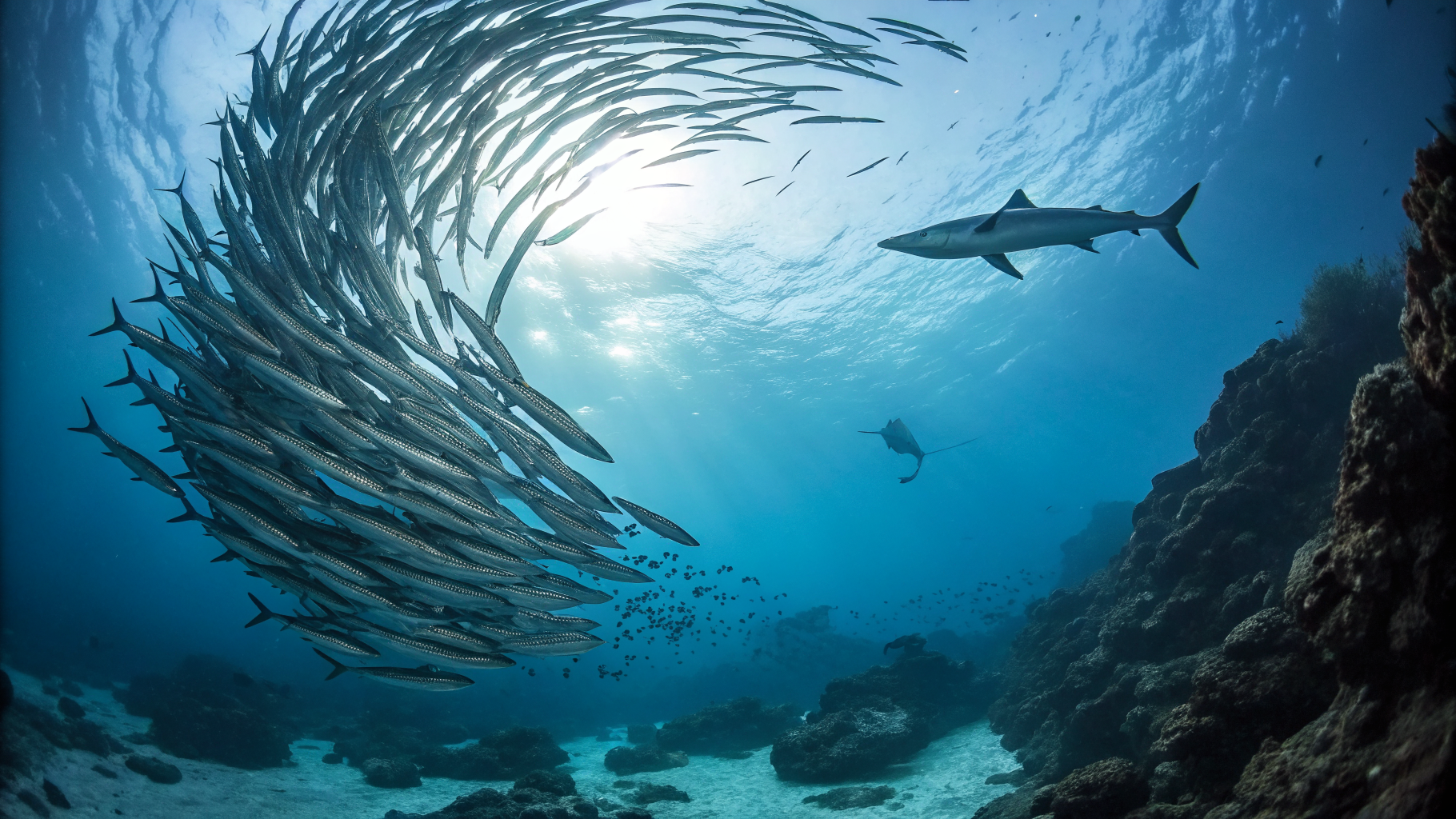
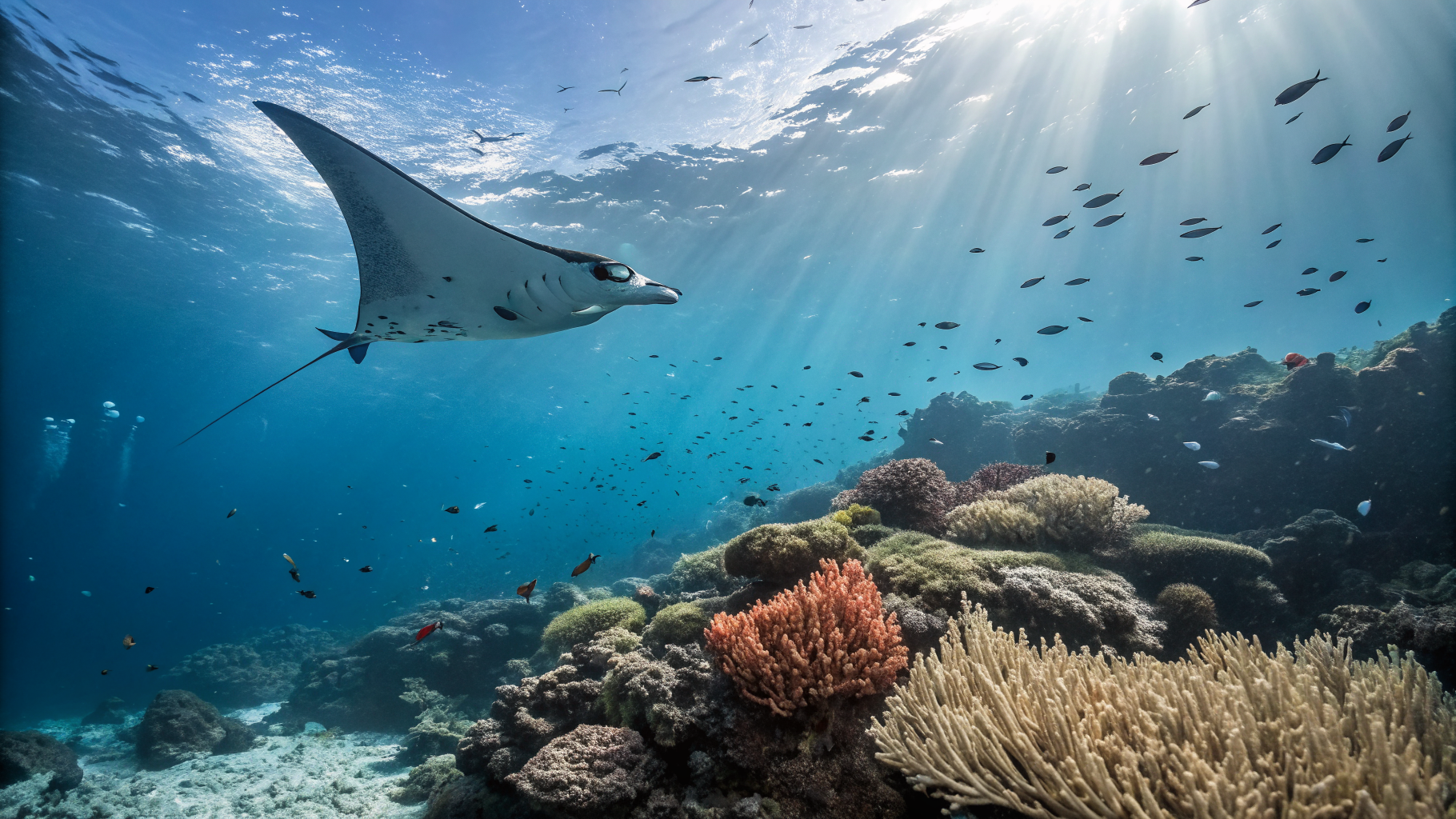
Sustainability in diving refers to practices that ensure the preservation of underwater ecosystems while allowing divers to enjoy the beauty of marine life. In Raja Ampat, this involves eco-friendly practices, low-impact diving, and a focus on marine conservation to safeguard one of the richest coral reef systems in the world.
The Importance of Responsible Diving in Raja Ampat
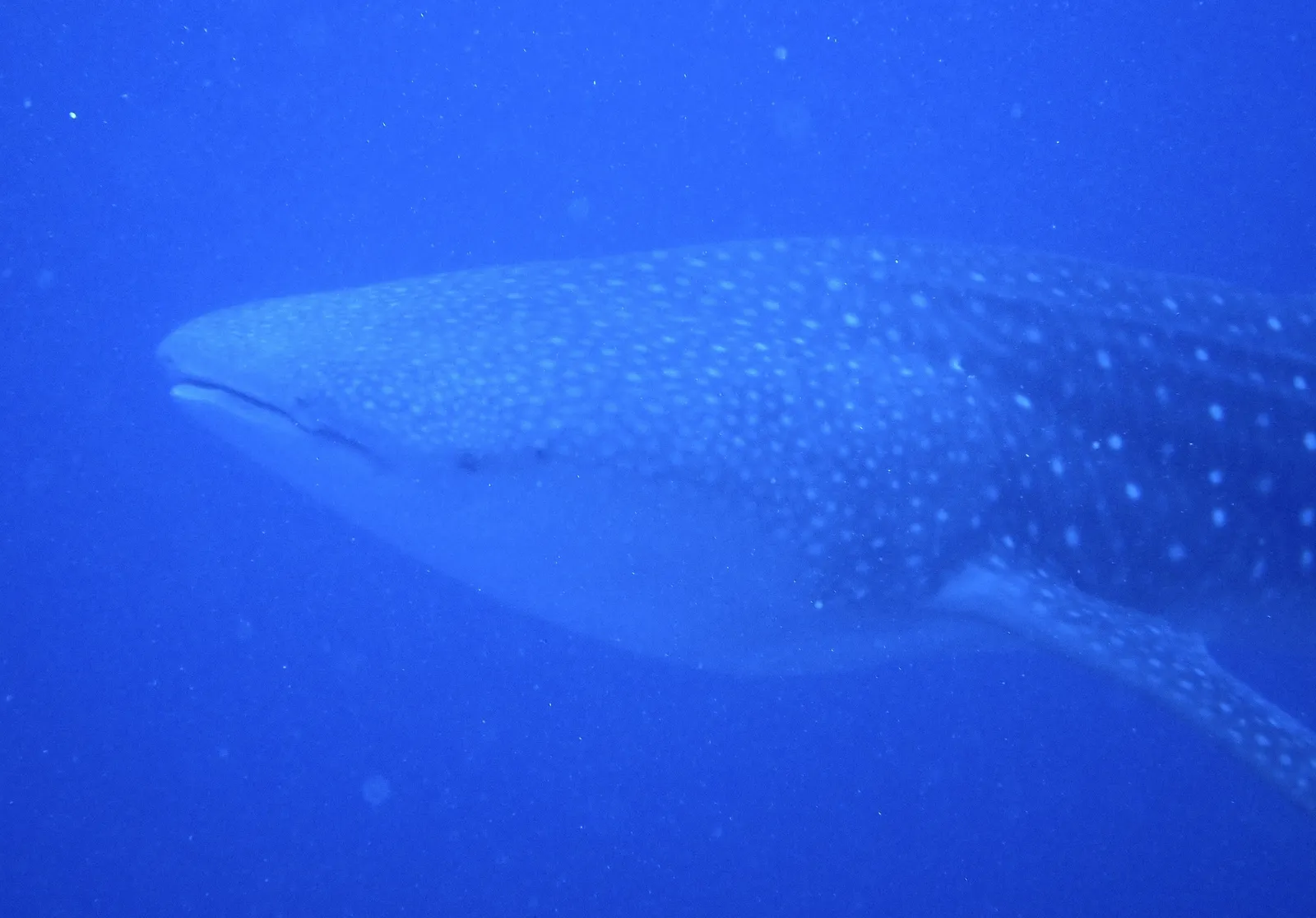
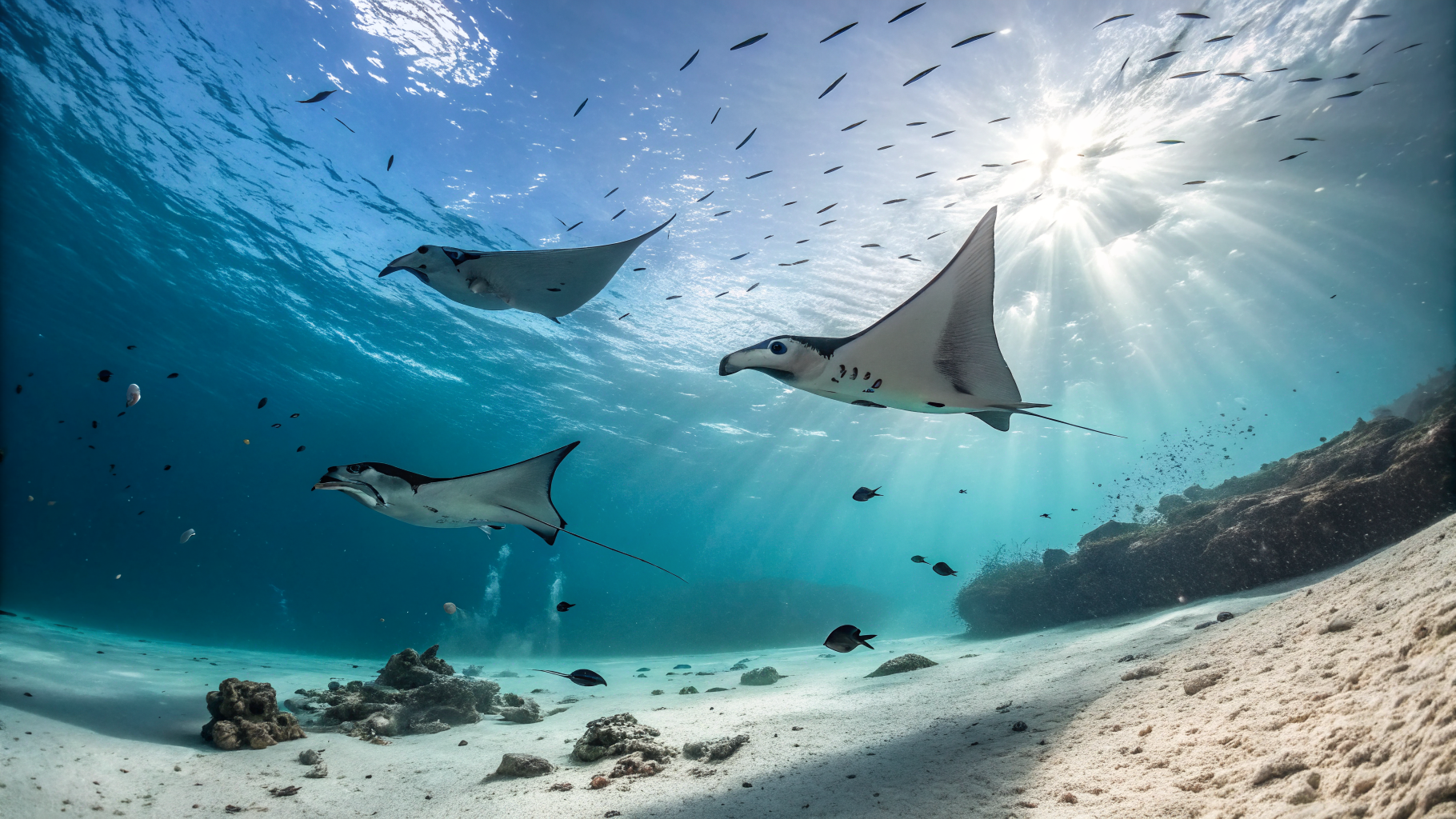
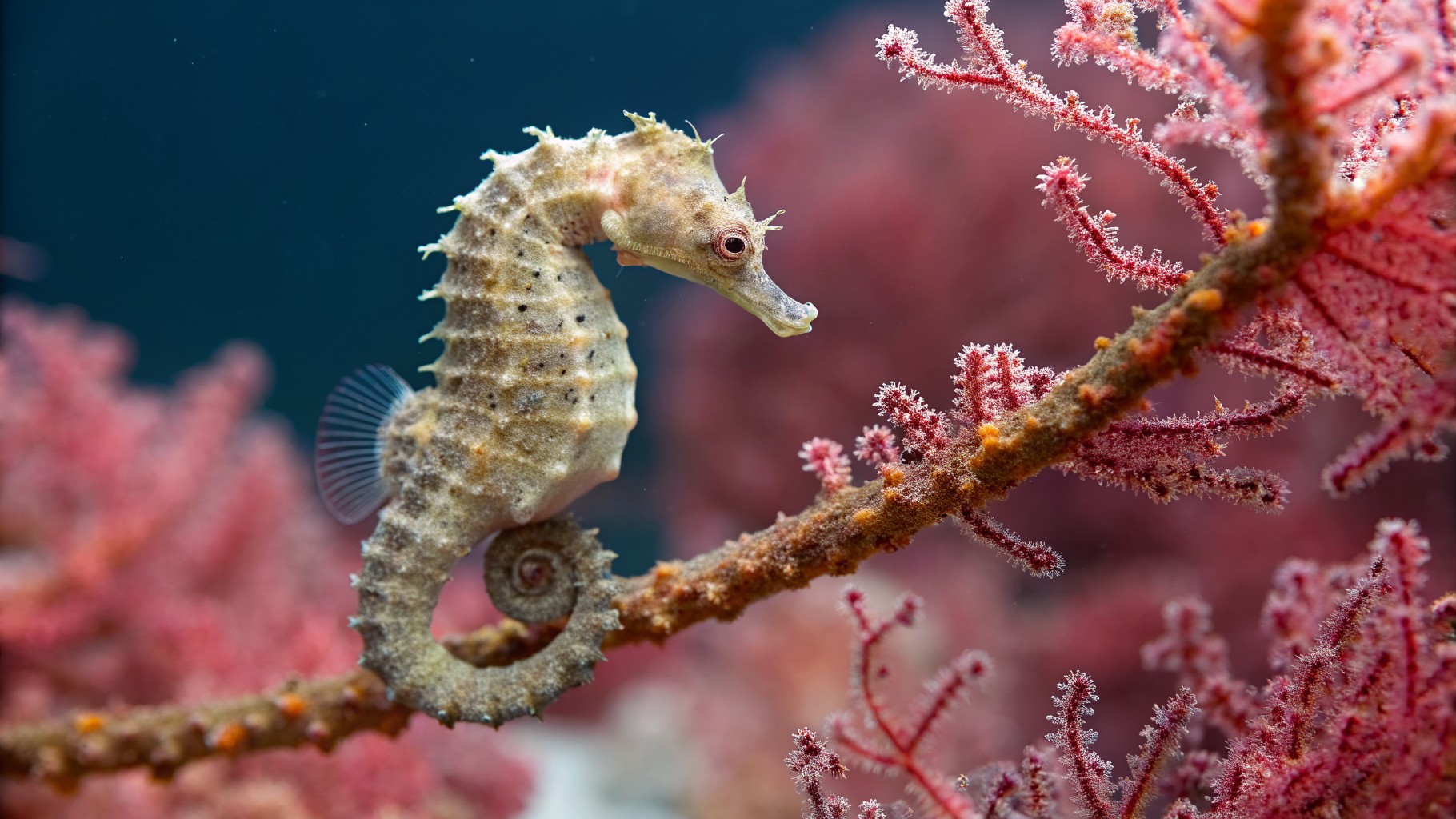
Raja Ampat is often hailed as a diving paradise, boasting over 1,500 species of fish and 600 coral species. However, this unique biodiversity is increasingly threatened by human activities, ranging from overfishing to plastic pollution. Responsible diving practices are crucial in minimizing our ecological footprint. This includes avoiding contact with coral reefs, controlling buoyancy, and using reef-safe sunscreens. By adopting such practices, divers contribute to the health of this fragile environment while enjoying its wonders.
Eco-Friendly Phinisi Charters: A Sustainable Choice
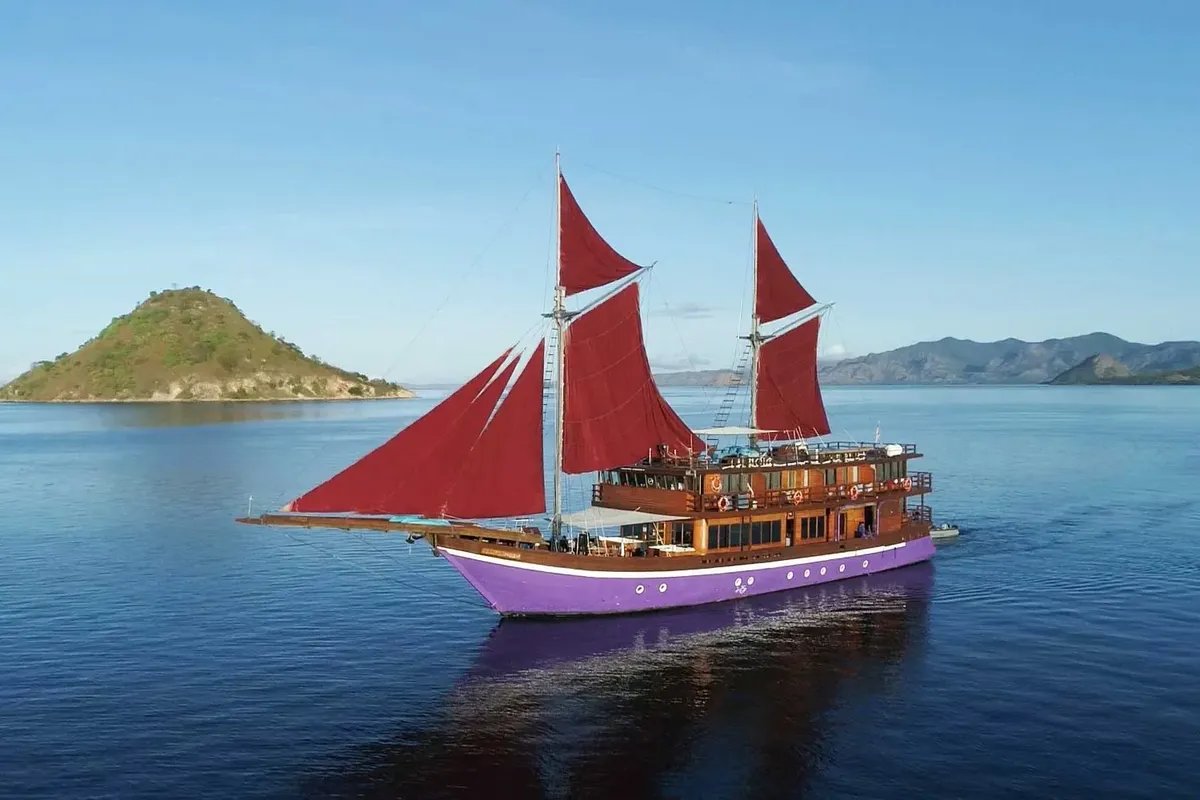
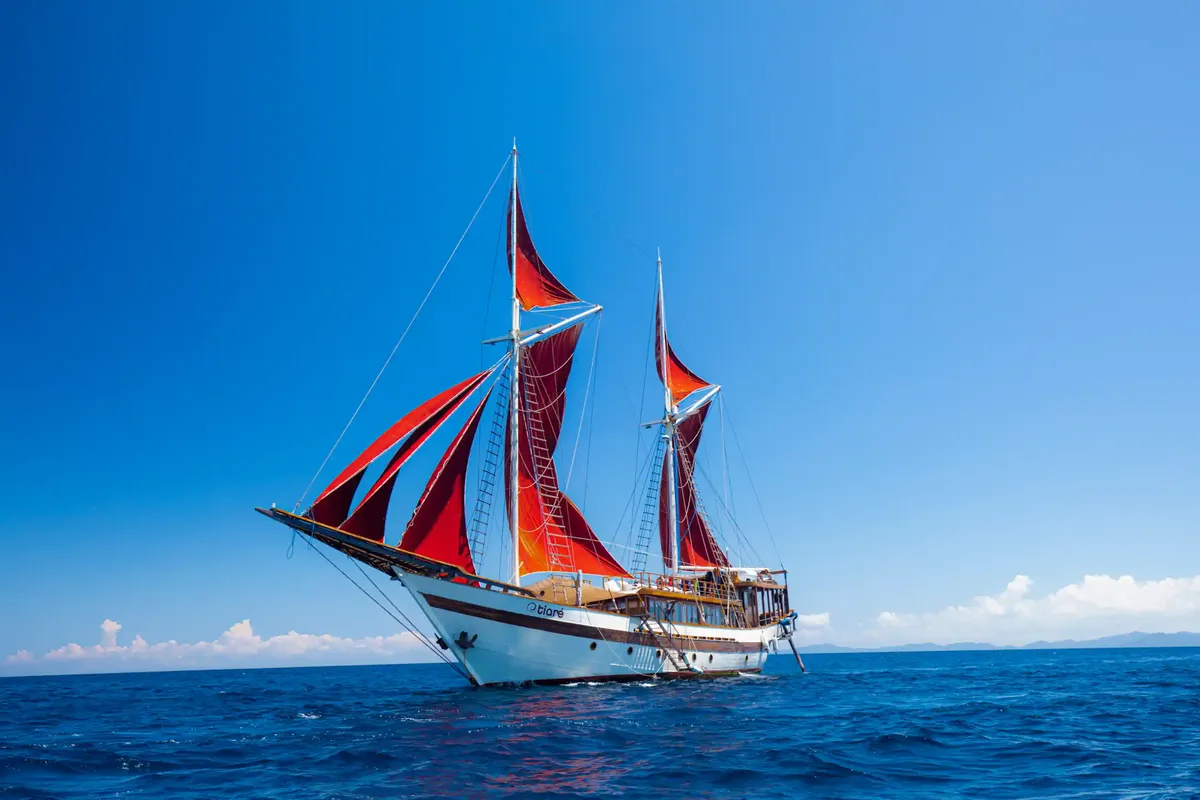
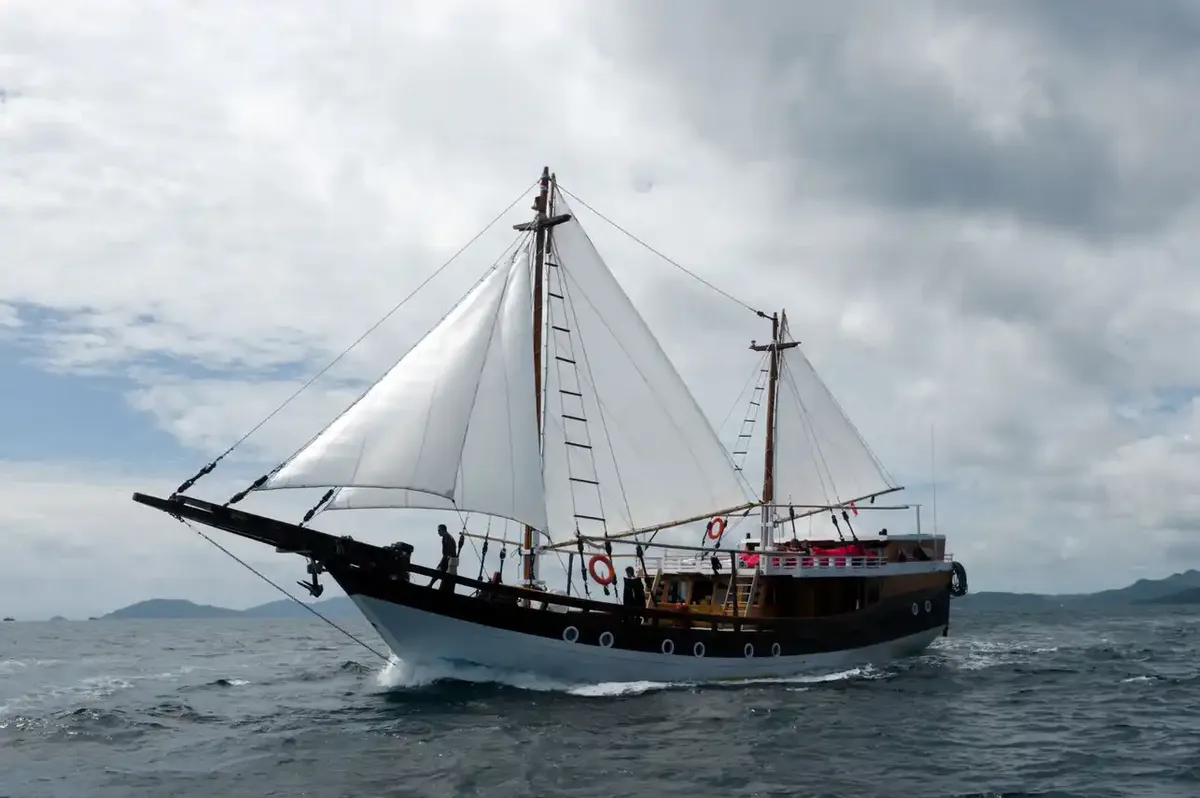
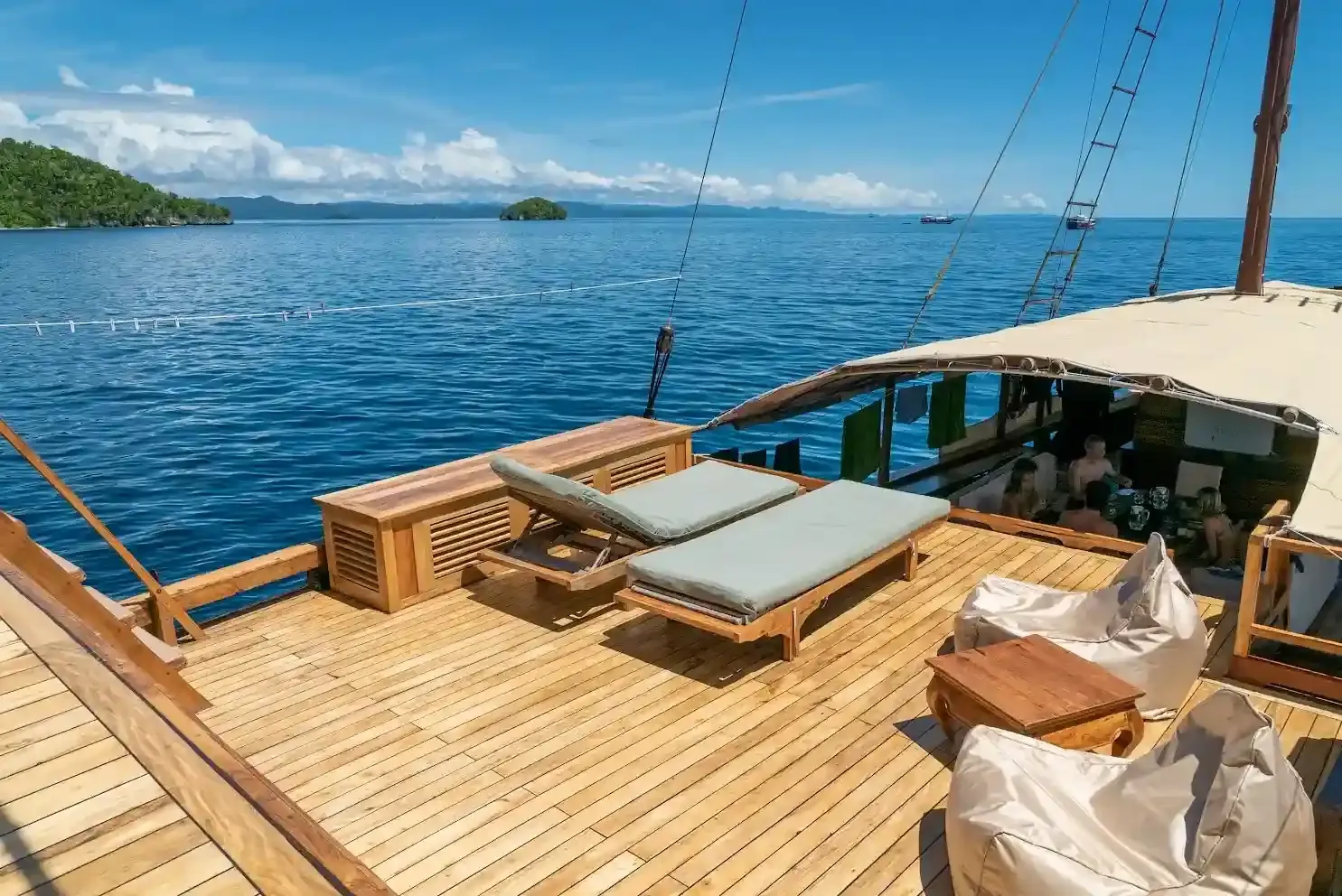
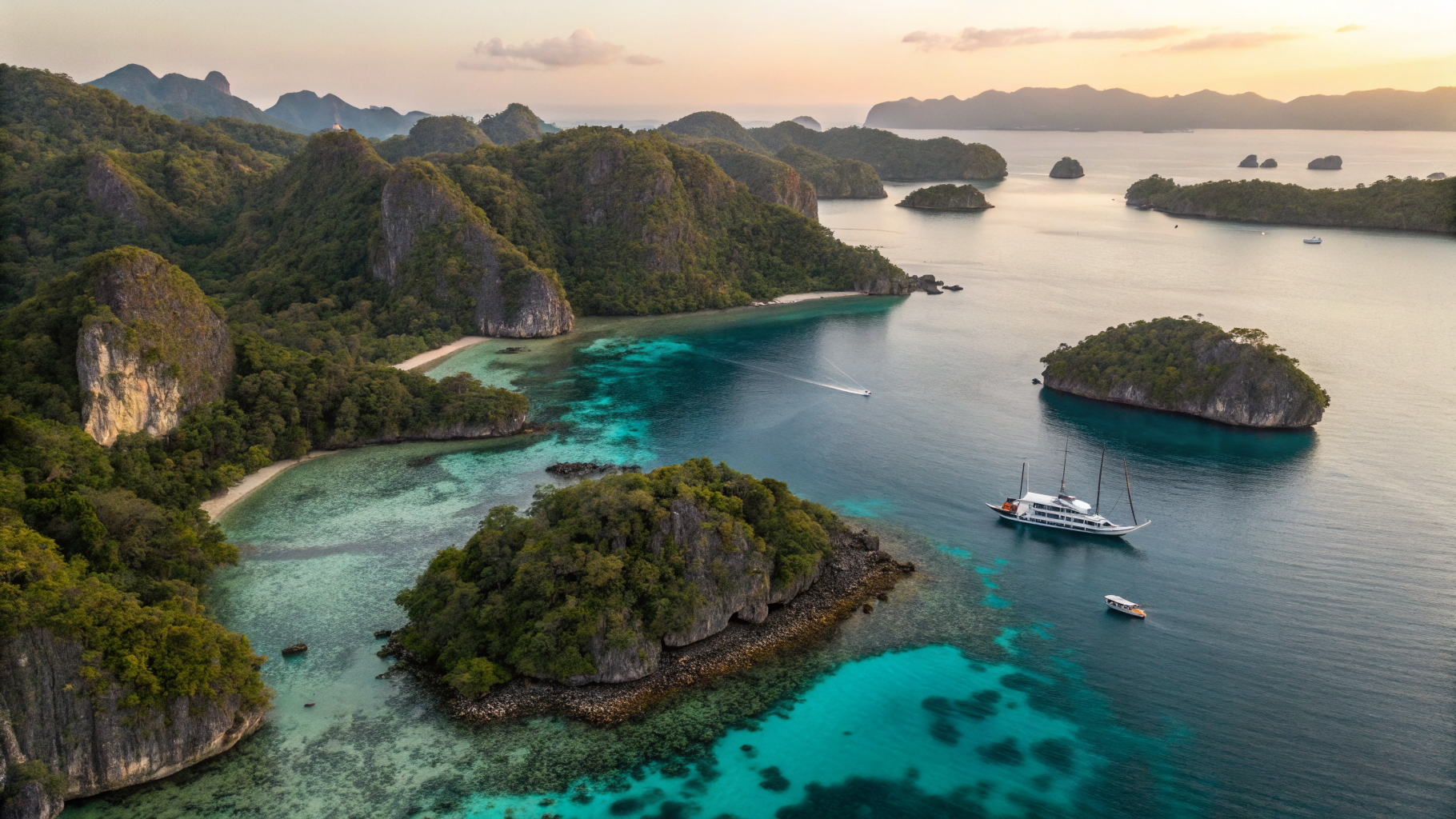
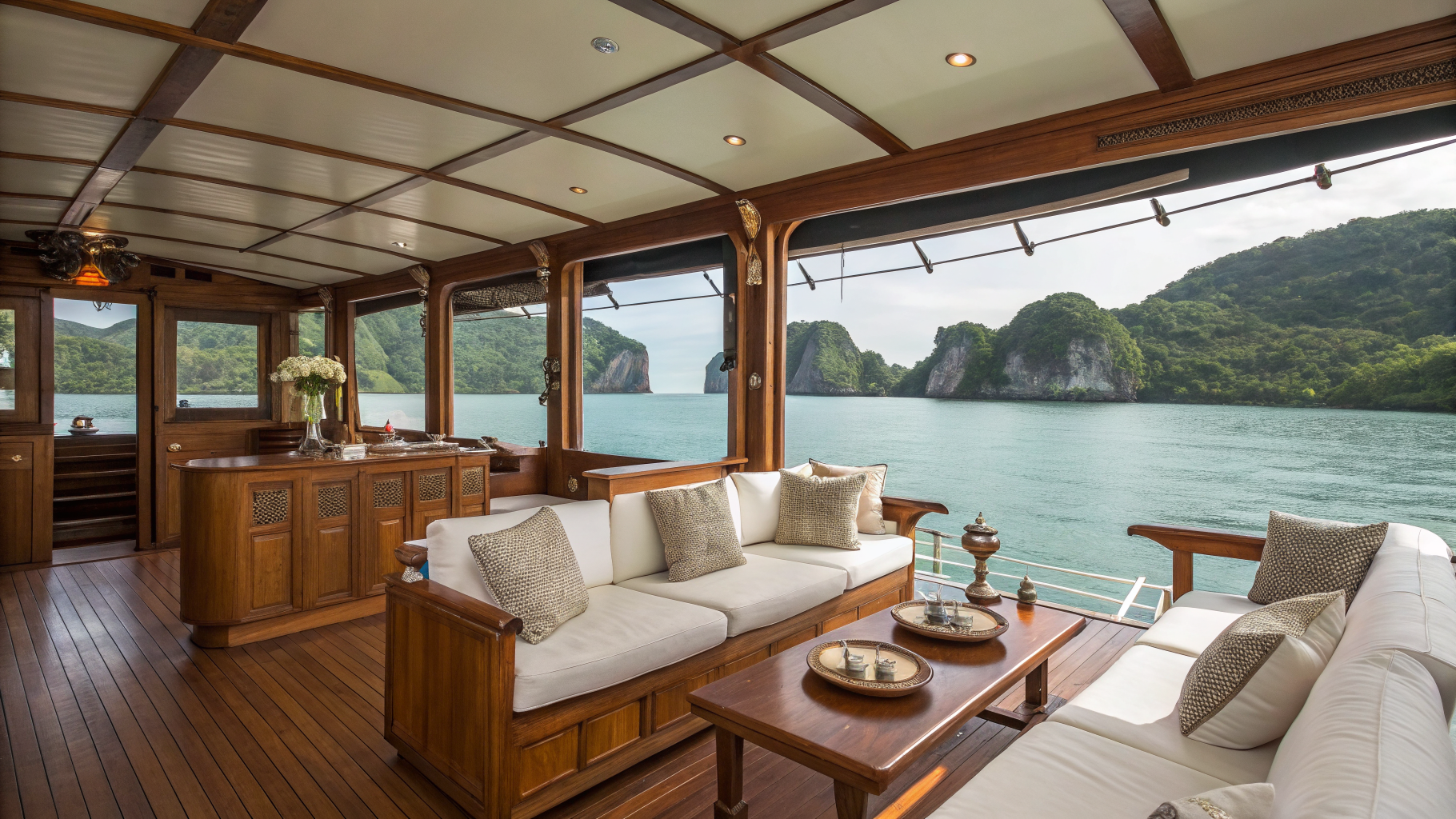
Opting for a sustainable Raja Ampat liveaboard can dramatically reduce your environmental impact. One popular option is the eco-friendly Phinisi boats, which are traditional Indonesian wooden vessels designed for sustainable tourism. These boats often utilize solar panels, composting toilets, and biodegradable products, promoting a low-impact lifestyle on the water. For example, the Phinisi “Aqua Blu,” noted for its luxurious amenities and commitment to sustainability, offers week-long diving trips for around $3,200 USD (approximately 48,000,000 IDR) in peak months like May and October.
Reef Safe Practices: Protecting Underwater Ecosystems
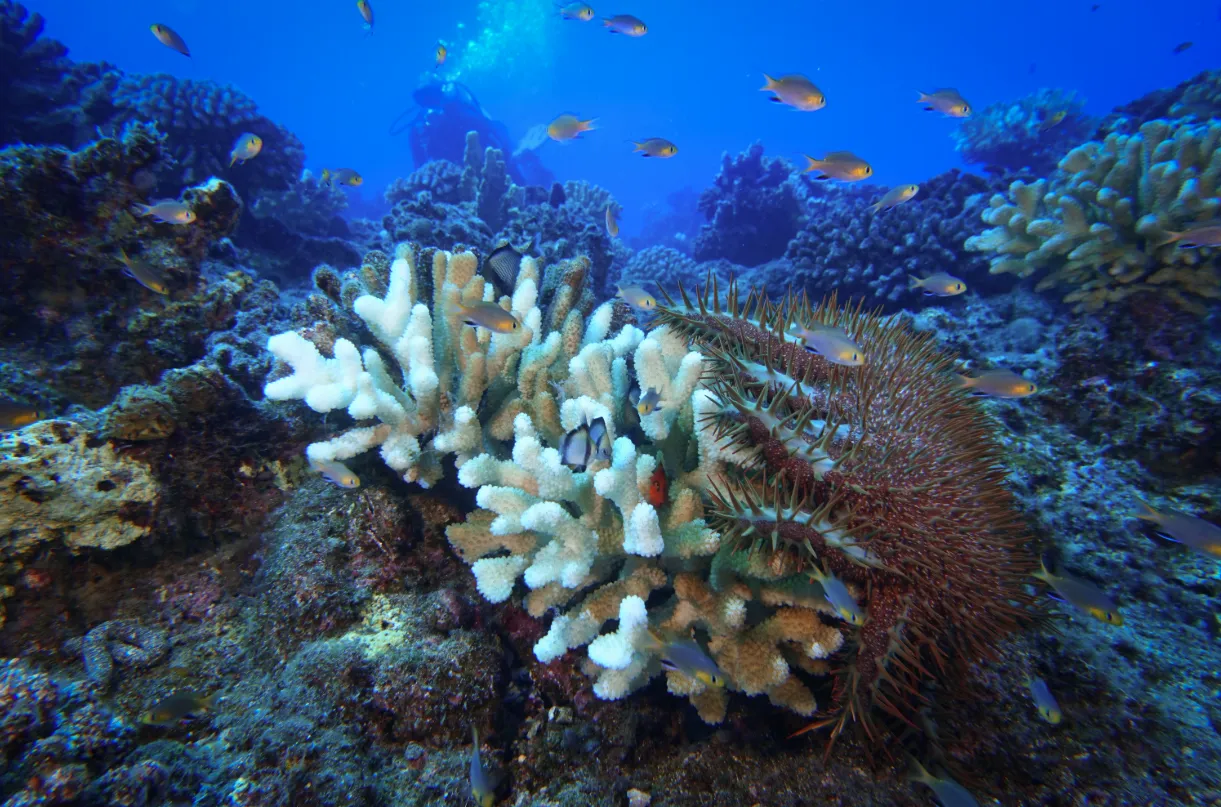
One of the most significant threats to coral reefs is the use of harmful sunscreens containing oxybenzone and octinoxate. These chemicals can cause coral bleaching and reproductive issues in marine life. In Raja Ampat, it’s essential to choose reef-safe sunscreen, which is free of harmful chemicals. Many liveaboards and dive operators promote these products and educate guests about their importance. When visiting Raja Ampat, pack eco-friendly products, including shampoos and soaps free from microplastics. Look for liveaboards that follow a no-plastic policy, using reusable containers and providing alternatives to single-use plastics.
Low Impact Diving Practices in Raja Ampat
Low impact diving is a core principle for divers who want to enjoy the underwater beauty without causing harm. In Raja Ampat, divers are encouraged to follow these guidelines:
- Maintain neutral buoyancy to avoid accidental damage to corals.
- Avoid touching marine life; even gentle contact can be damaging.
- Follow the dive guide’s instructions carefully, particularly regarding currents and sensitive areas.
- Limit the number of divers in the water at one time, which decreases stress on marine life.
The average dive depth in Raja Ampat ranges from 10 to 30 meters, with many dive sites featuring stunning reefs and unique marine species. By adhering to low-impact practices, divers can explore these depths while ensuring the long-term health of the ecosystem.
Responsible Snorkeling in Raja Ampat
Snorkeling in Raja Ampat can be just as striking as diving, with shallow reefs teeming with life. However, it is essential to practice responsible snorkeling to protect the reefs. Here are some essential tips:
- Use a flotation device if you’re not a confident swimmer, rather than standing on reefs.
- Keep your hands to yourself; touching marine life can harm both the snorkeler and the creatures.
- Snorkel over sandy areas when possible to avoid damaging fragile coral habitats.
Many liveaboards in Raja Ampat also offer guided snorkeling tours, ensuring that guests are educated about the marine environment and its conservation. As of 2026, snorkeling excursions typically last 2-3 hours and cost around $75 USD (approximately 1,100,000 IDR) per person.
Marine Conservation Efforts in Raja Ampat
Raja Ampat has become a focal point for marine conservation in Southeast Asia, primarily due to its rich biodiversity and the threats it faces. Various organizations and local governments have been working together to promote sustainable tourism and protect marine habitats. Some initiatives include:
- Establishment of marine protected areas (MPAs) that restrict fishing and other harmful activities.
- Community-based conservation programs that involve local populations in protecting their marine resources.
- Collaboration with liveaboard operators to ensure eco-friendly practices are adhered to during diving trips.
Participating in a Raja Ampat conservation liveaboard not only allows visitors to enjoy the beauty of the underwater world but also contributes to vital conservation efforts. Many liveaboards partner with local NGOs to fund projects and raise awareness about marine protection.
The Role of Sustainable Tourism in Raja Ampat
Sustainable tourism is vital for the economic growth of local communities in Raja Ampat. It promotes responsible travel and encourages visitors to respect local cultures and environments. Sustainable tourism initiatives often focus on:
- Engaging local communities in tourism ventures, which fosters economic development.
- Offering educational programs for tourists regarding the ecological significance of Raja Ampat.
- Promoting longer stays rather than quick visits, which helps distribute tourism benefits more evenly throughout the region.
In 2026, sustainable tourism practices have seen a noticeable increase, with many visitors opting for eco-friendly accommodations and liveaboards, positively impacting local economies and ecosystems. By choosing eco-friendly options, travelers can help ensure that Raja Ampat remains a pristine destination for generations to come.
Planning Your Sustainable Liveaboard Experience
When planning your trip to Raja Ampat, consider these essential factors for a sustainable liveaboard experience:
- Research options thoroughly. Look for reviews that highlight sustainability practices, such as those focusing on a no-plastic policy and renewable energy usage.
- Inquire about the liveaboard’s marine conservation efforts. Many operators actively participate in local conservation projects, allowing guests to contribute.
- Check the itinerary and dive plans. Ensure that the liveaboard visits designated marine protected areas and prioritizes sites that promote reef recovery.
With liveaboard trips typically lasting 5 to 10 days, a sustainable approach not only enhances your experience but also leaves a lasting, positive impact on the striking environment you are exploring.
FAQs about Sustainability and Responsible Diving in Raja Ampat
1. What is a sustainable Raja Ampat liveaboard?
A sustainable Raja Ampat liveaboard is an eco-friendly boat that emphasizes conservation, uses renewable energy sources, and practices responsible tourism to minimize its environmental footprint.
2. How can I ensure my diving practices are responsible in Raja Ampat?
To ensure responsible diving, maintain neutral buoyancy, avoid touching marine life, use reef-safe products, and follow your dive guide’s instructions carefully.
3. What are the costs associated with a conservation-focused liveaboard in Raja Ampat?
Prices for conservation-focused liveaboard trips generally range from $2,500 to $4,500 USD (approximately 37,500,000 to 67,500,000 IDR) depending on the duration, season, and amenities offered.
By choosing sustainable practices and supporting responsible diving initiatives, we can enjoy the incredible beauty of Raja Ampat while ensuring its preservation for future generations. Ready to dive into this paradise? Book your eco-friendly liveaboard adventure today!