In this article
- The Architecture of Protection: A Multi-Stakeholder Framework
- Funding Conservation: The Marine Park Fee Explained
- On the Front Lines: Patrols, Enforcement, and Community Engagement
- Scientific Endeavors and Ecological Restoration
- The Diver’s Role: Conscious Exploration and Direct Contribution
- Frequently Asked Questions


Inside the Raja Ampat Marine Protected Area: Conservation in Action
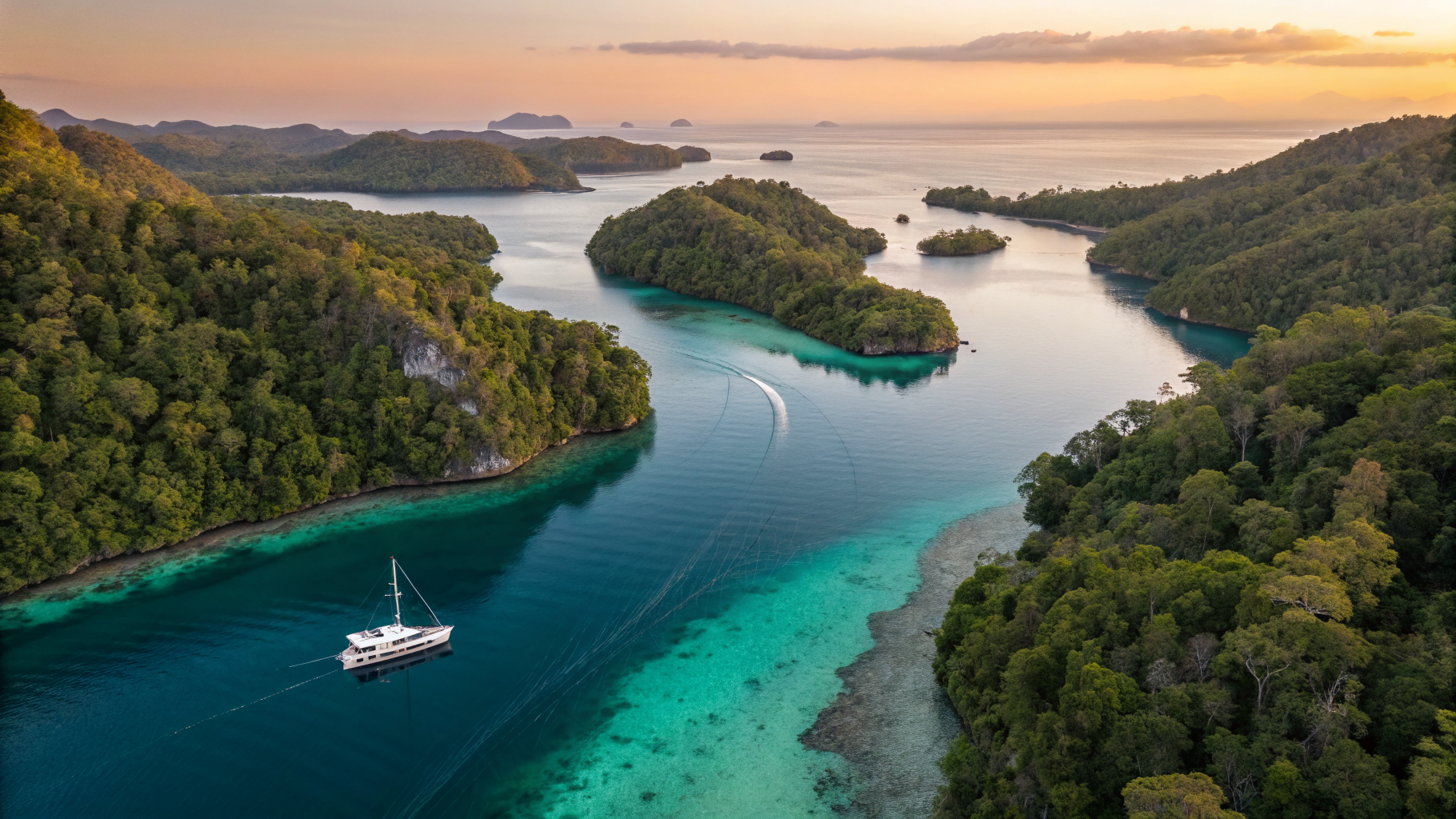
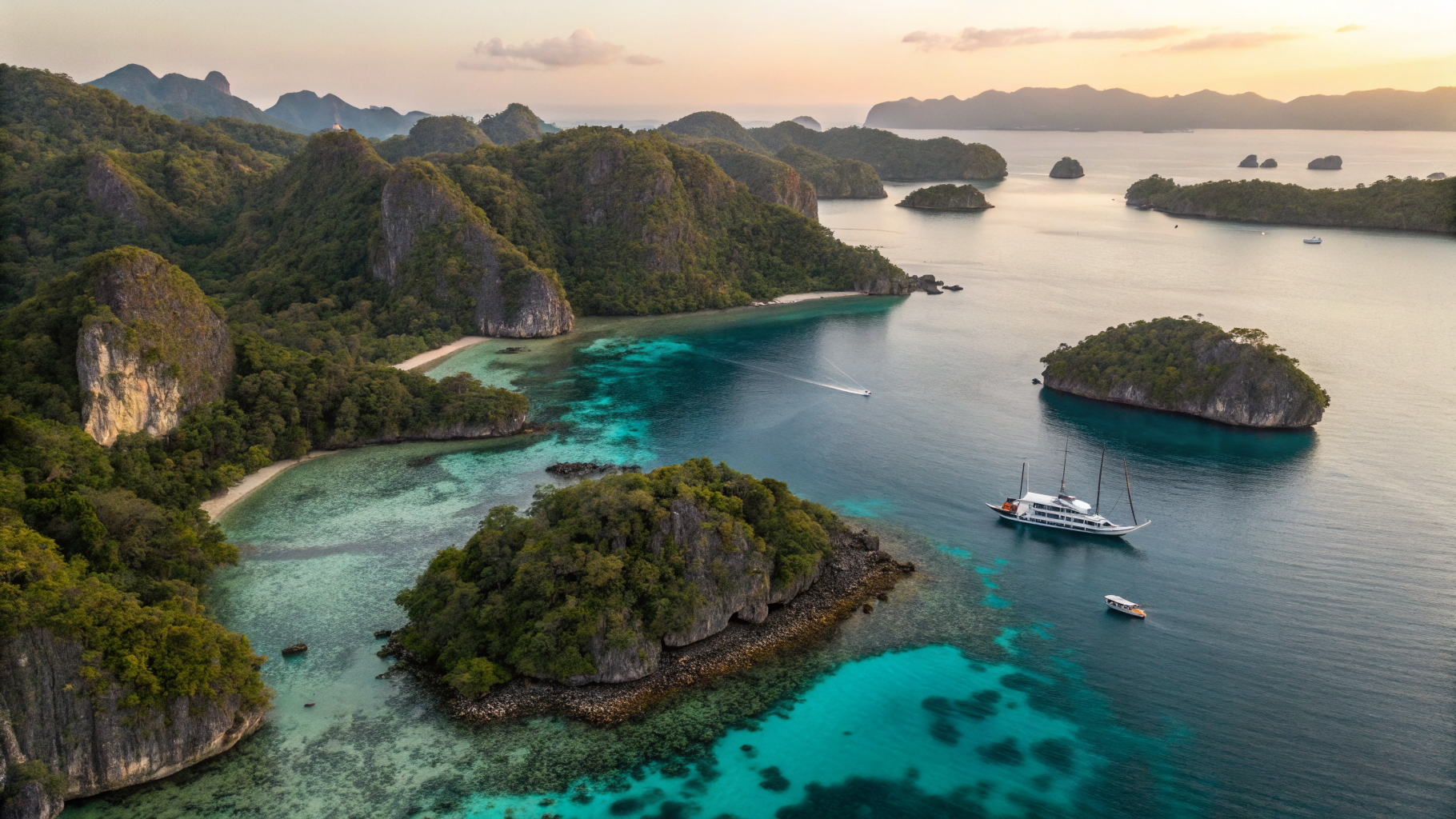
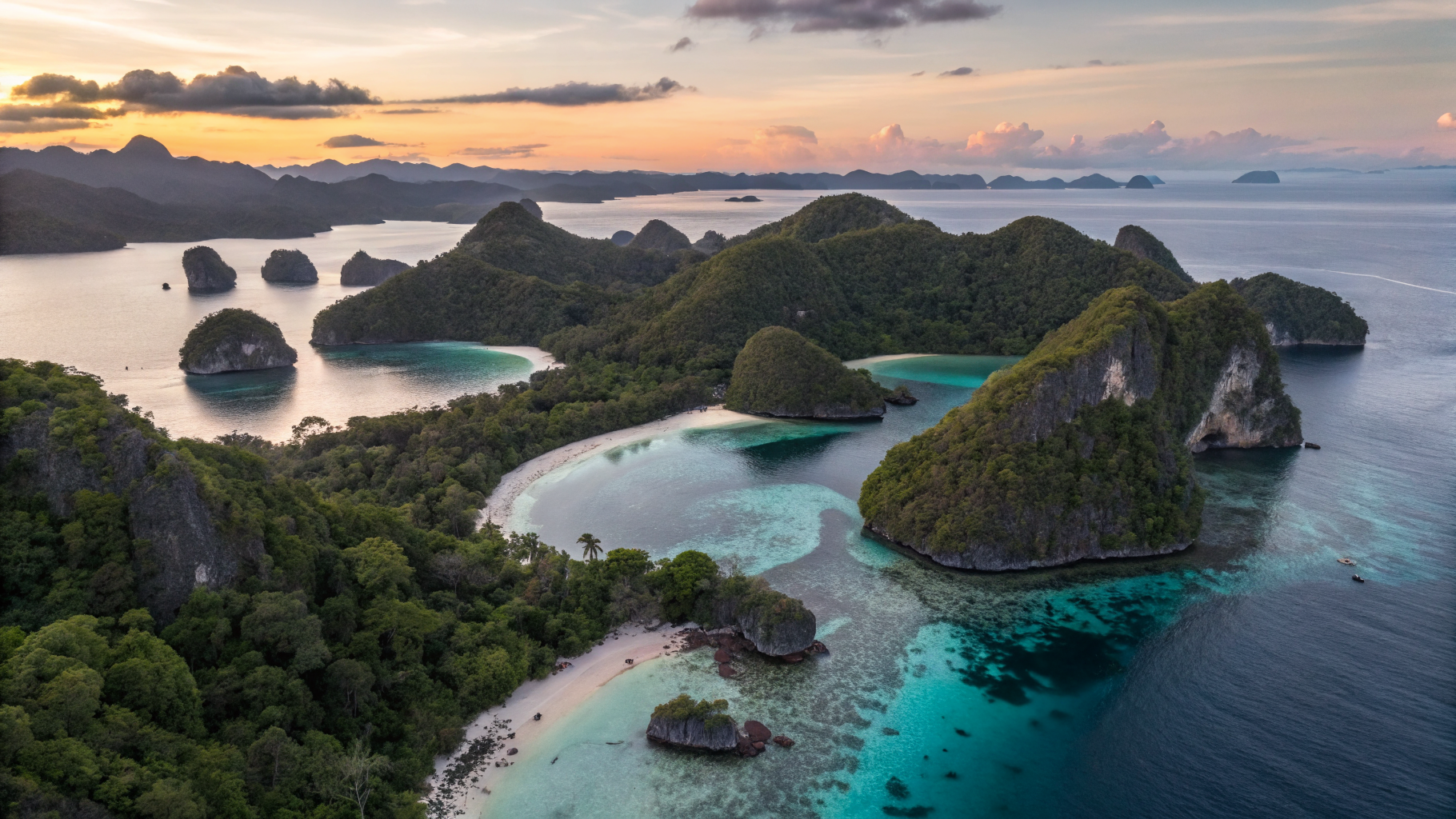
The Raja Ampat Marine Protected Area is not a singular entity but a network of seven distinct MPAs covering over two million hectares of ocean and island territory. This archipelago, an administrative regency of West Papua, contains more than 1,500 islands across a 40,000 square kilometer expanse. Its ecological authority stems from its location at the epicenter of marine biodiversity, holding 75% of all known hard coral species. The governance of the Raja Ampat Marine Protected Area requires a complex, multi-layered strategy, funded directly by the divers who visit. This system demonstrates a functional, sustainable model where tourism directly finances the preservation of the asset it depends upon, ensuring the region’s biological integrity for future scientific study and exploration.
The Architecture of Protection: A Multi-Stakeholder Framework
The conservation of Raja Ampat rests on a collaborative framework that integrates national government oversight, scientific input from non-governmental organizations, and the essential participation of local Papuan communities. This structure is designed to manage one of the most biologically significant marine environments on the planet. Its success is a continuous exercise in coordination, enforcement, and adaptation across a vast and remote seascape.
At the core of this system is a network of seven Marine Protected Areas, collectively managed to protect the critical habitats that support the region’s exceptional species count—a density exemplified by Dr. Gerald Allen’s 2012 record of 374 fish species identified on a single dive at Cape Kri. This network approach allows for tailored management strategies, addressing the specific ecological needs and community structures of different zones within the archipelago, from the mangrove nurseries of the northern islands to the current-swept pinnacles of the south.
BKKPN Kupang: The Custodians of the Archipelago
The primary governmental body responsible for the management of this network is the Balai Konservasi Kawasan Perairan Nasional (BKKPN) Kupang, a Technical Implementation Unit of the Ministry of Marine Affairs and Fisheries. BKKPN Kupang oversees the core 9,000 square kilometer Marine Protected Area, which forms the heart of the conservation zone. Its mandate is comprehensive, covering policy implementation, enforcement, scientific monitoring, and community relations. BKKPN operates patrol boats, staffs ranger posts in key locations, and coordinates with the Indonesian Navy and local police to enforce park regulations. Their work involves intercepting illegal fishing operations, preventing destructive practices like blast fishing, and ensuring all tourism operators adhere to strict environmental codes of conduct. This on-the-ground presence is fundamental to translating conservation policy into tangible protection.
A Cornerstone of the Coral Triangle Initiative
Raja Ampat’s global significance is cemented by its position within the Coral Triangle, a six-million-square-kilometer marine area that spans parts of Indonesia, Malaysia, the Philippines, Papua New Guinea, Timor Leste, and the Solomon Islands. The Coral Triangle Initiative on Coral Reefs, Fisheries, and Food Security (CTI-CFF) is a multilateral partnership formed to sustain these critical marine and coastal resources. Raja Ampat serves as a functional blueprint for the CTI-CFF’s goals. The MPA network here provides a living laboratory for effective marine resource management, demonstrating how to balance ecological preservation with the economic needs of local populations. The scientific data and management strategies developed in Raja Ampat inform conservation efforts across the entire Coral Triangle, making its protection a matter of international importance.
Funding Conservation: The Marine Park Fee Explained
Every diver and non-diver visiting the Raja Ampat archipelago contributes directly to its preservation through a mandatory Marine Park Entry Permit, locally known as the PIN. The fee, set at IDR 1,000,000 (approximately USD 70) per person, is valid for one year. This mechanism transforms each visitor from a passive observer into an active stakeholder in the region’s conservation. The revenue generated is not a general tourism tax but a dedicated fund earmarked specifically for the management and protection of the MPA network.
The allocation of these funds is transparent and strategic. Seventy percent of the revenue is channeled directly to the Raja Ampat MPA Management Authority. This majority share funds the operational costs of conservation: fuel for patrol boats, salaries for park rangers, maintenance of monitoring equipment, scientific research projects, and coral restoration initiatives. The remaining thirty percent is distributed to the 13 local community-run cooperatives within the MPA. This direct financial return provides a powerful incentive for villages to abandon historically destructive fishing practices and actively participate in protecting their marine resources. It creates a closed-loop economy where the health of the reef is directly tied to the prosperity of the community.
On the Front Lines: Patrols, Enforcement, and Community Engagement
Policing an area as expansive and intricate as the Raja Ampat archipelago presents significant logistical challenges. The effectiveness of the MPA hinges on a constant and visible presence to deter illegal activities. This is achieved through a system of joint patrols that combine the authority of the state with the invaluable local knowledge of the Papuan people.
These patrols are the sharp end of conservation policy. Teams from BKKPN, often accompanied by the Indonesian Navy or marine police, conduct regular surveillance missions throughout the park. They inspect fishing vessels for proper permits, check for banned equipment, and ensure tourism operators, including every Raja Ampat liveaboard, are compliant with park regulations. The patrols are a critical deterrent against shark finning, dynamite fishing, and the use of cyanide, practices that have been drastically reduced since the MPA’s establishment.
Combating Illegal and Destructive Fishing
Before the MPA was established, destructive fishing methods were prevalent, causing extensive damage to the reef structures that are the foundation of the entire ecosystem. The joint patrols actively seek out and intercept these operations. The presence of patrol vessels and the network of ranger posts have created a high-risk environment for illegal fishers. Furthermore, the management authority works to provide alternative livelihoods, such as aquaculture and tourism-related employment, to reduce the economic pressure that drives these destructive practices. This dual approach of enforcement and economic empowerment has proven effective in shifting local economies toward sustainability.
The Sasi Tradition: Indigenous Conservation
The formal MPA management structure is powerfully augmented by *sasi*, a traditional Papuan system of resource management. *Sasi* is a customary law that imposes temporary closures on specific areas to allow fish stocks and marine resources to recover. For generations, local communities have used *sasi* to regulate harvests of sea cucumbers, trochus shells, and reef fish. The MPA management authority recognizes and integrates these traditional practices into its formal conservation strategy. This collaboration honors indigenous wisdom and fosters a deep sense of community ownership over the conservation process. When a community declares a *sasi* zone, it is often more effectively enforced by local vigilance than a government regulation alone could ever be.
Scientific Endeavors and Ecological Restoration
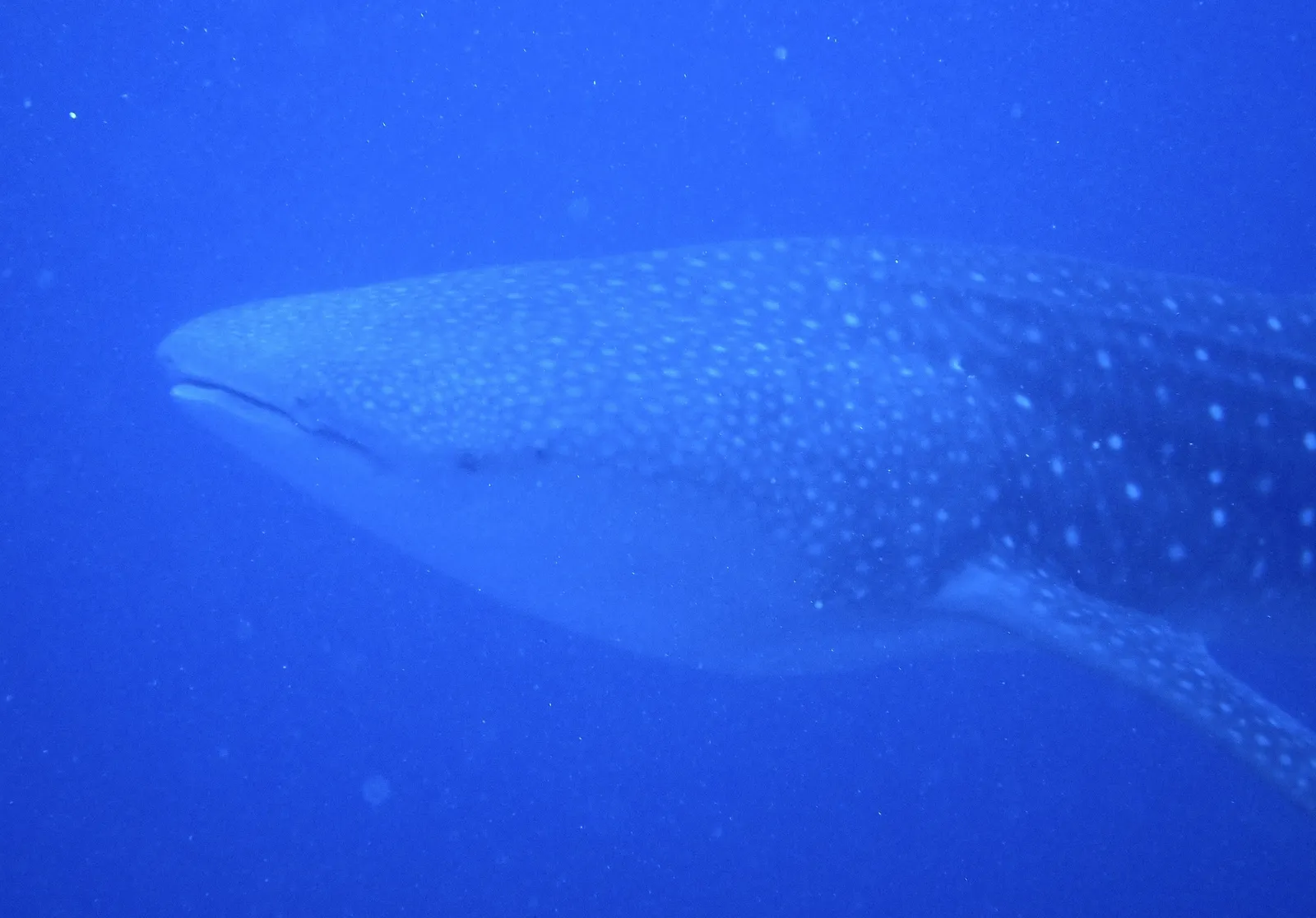
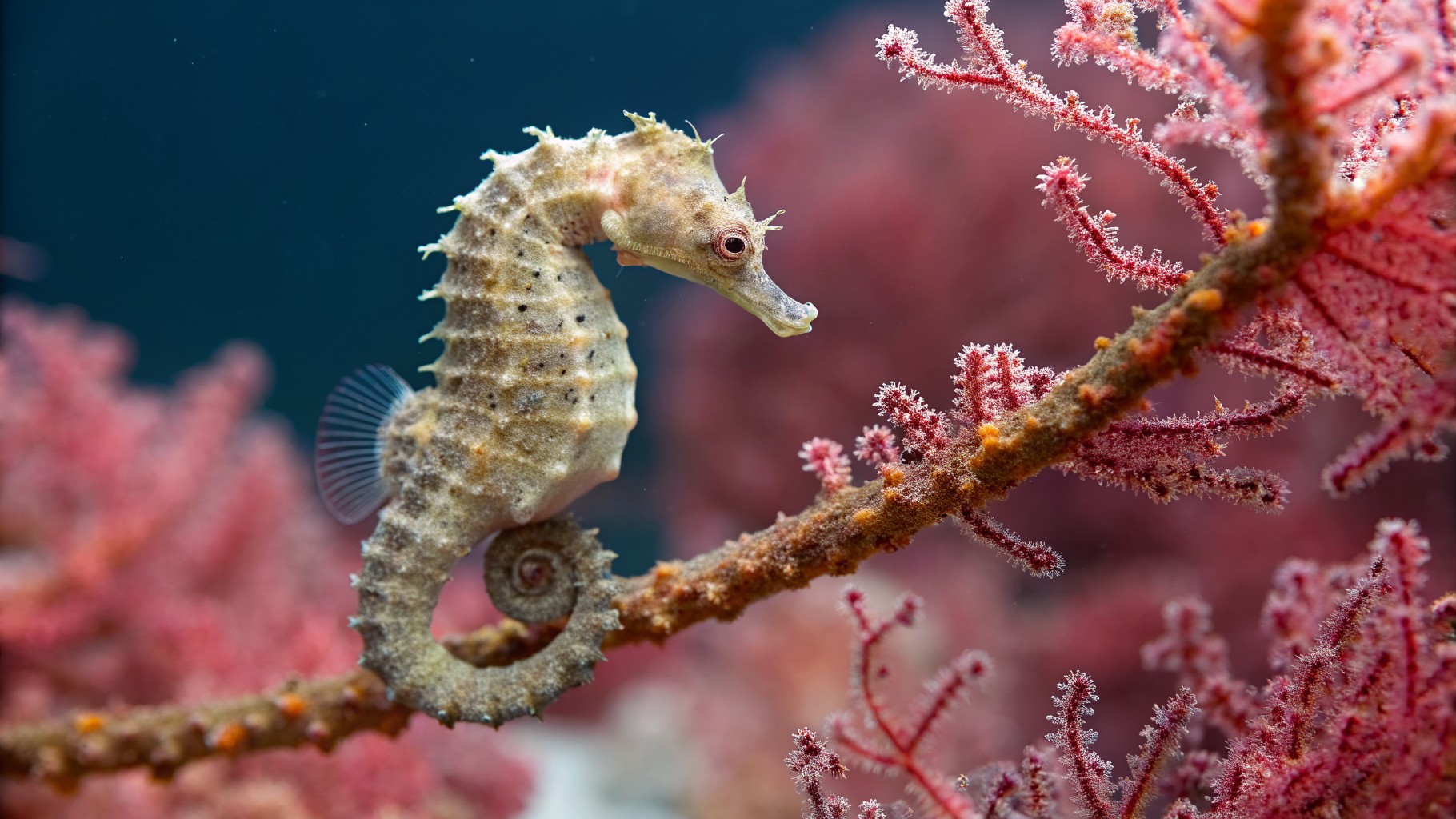
The revenue from park fees underwrites a continuous program of scientific research and ecological monitoring. This work provides the data necessary for adaptive management, allowing the park authorities to respond to environmental changes and assess the effectiveness of their conservation strategies. The archipelago is a natural laboratory, and ongoing research is critical to understanding its complex ecosystems and protecting its unique inhabitants, from the endemic walking shark (*Hemiscyllium freycineti*) to the tiny pygmy seahorse (*Hippocampus pontohi*).
Our voyages, whether a scheduled exploration of key dive sites or a fully bespoke private charter, operate with a deep respect for this scientific mission. The data we observe and the standards we uphold contribute to the broader understanding of the region’s health.
Monitoring Manta Ray and Shark Populations
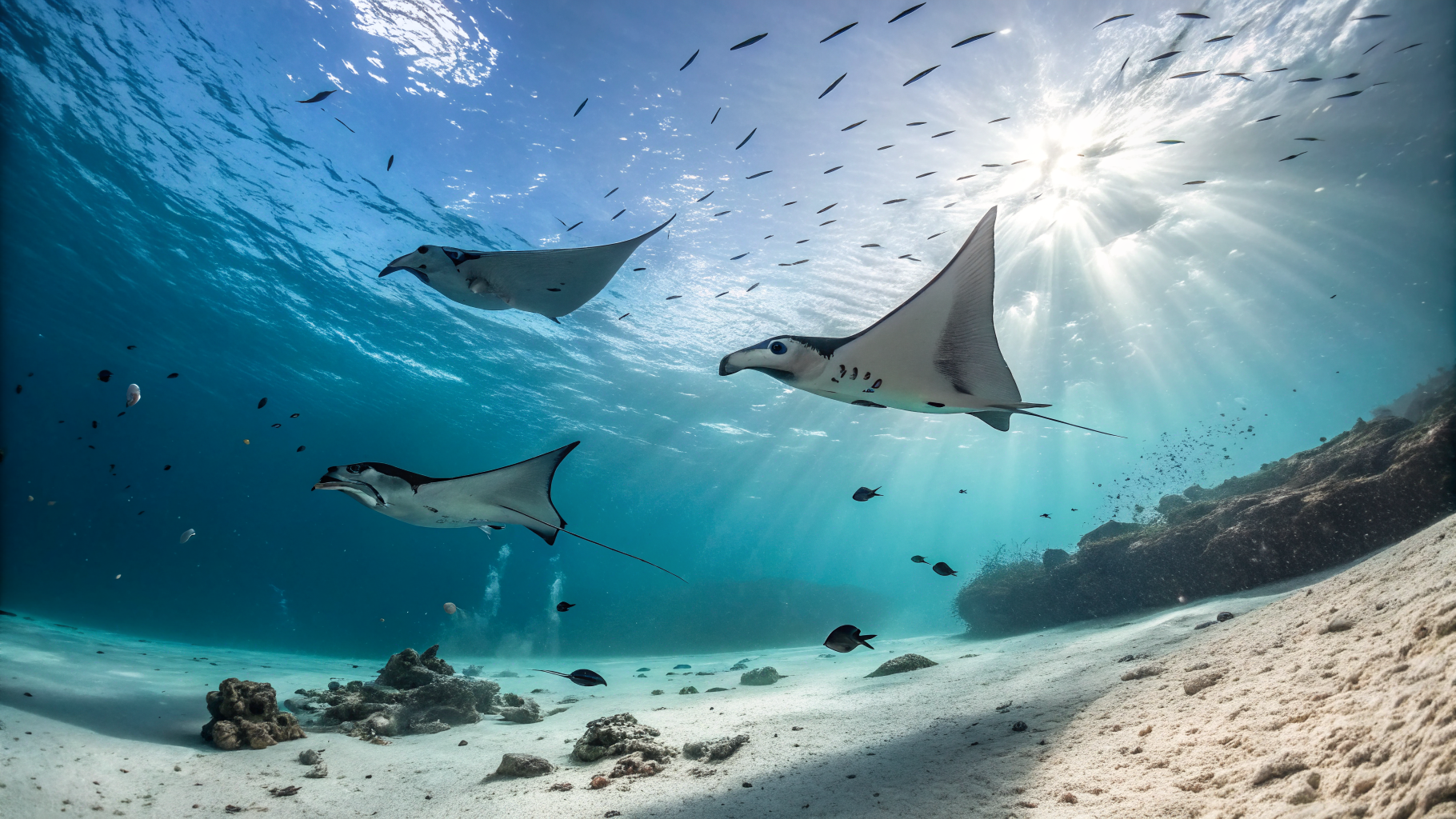
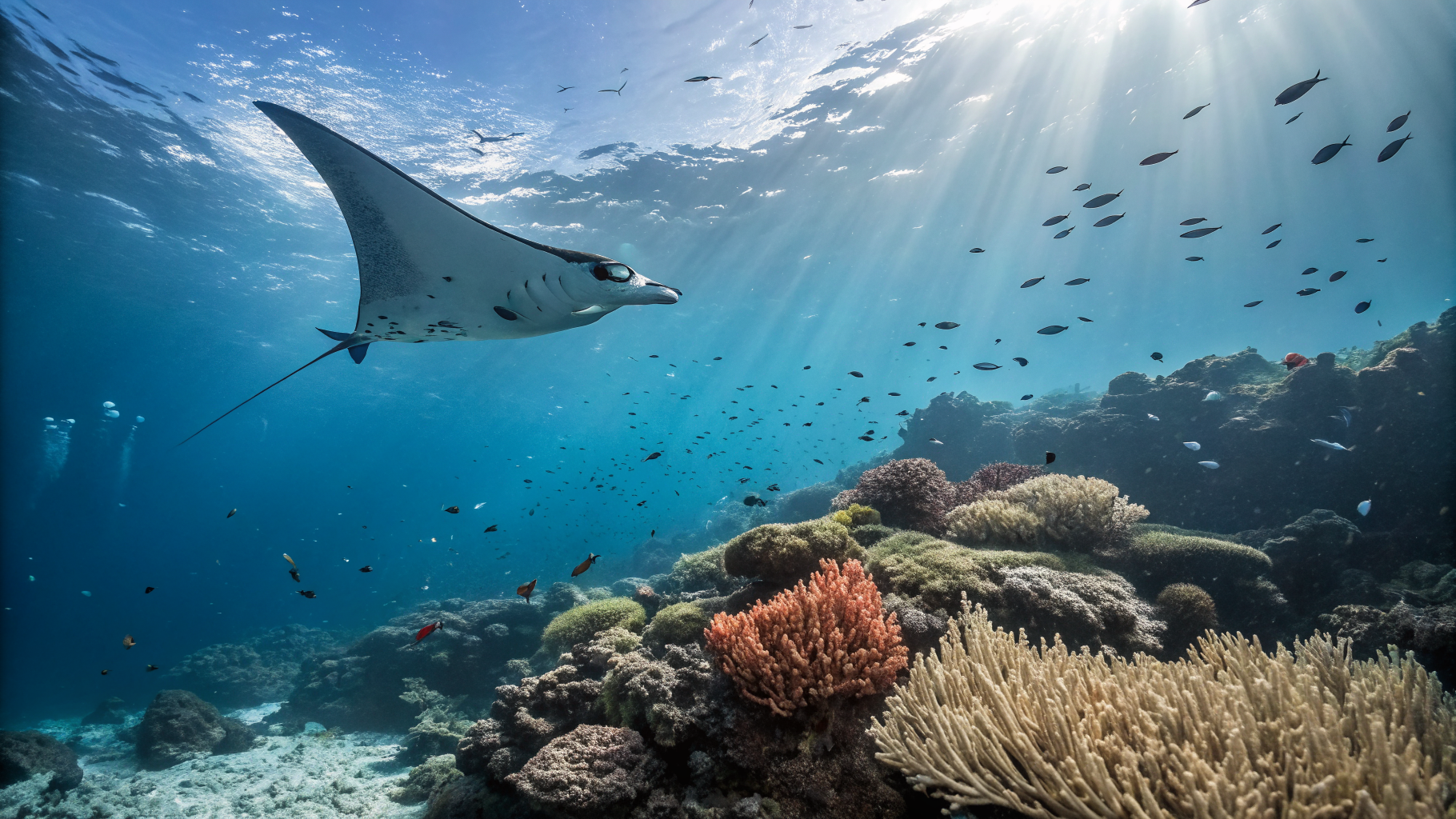
Raja Ampat is a critical habitat for two species of manta ray: the reef manta (*Mobula alfredi*), commonly seen at cleaning stations like Manta Sandy, and the giant oceanic manta (*Mobula birostris*), which frequents deep-water pinnacles such as Magic Mountain in Misool. In 2014, Indonesia declared its entire exclusive economic zone a sanctuary for manta rays, a landmark decision heavily influenced by the economic value of manta tourism demonstrated in Raja Ampat. Researchers use photo identification to track individual mantas, building a comprehensive database of their populations, movements, and life cycles. This non-invasive monitoring provides vital information for protecting their aggregation sites and migratory corridors. Similar tracking studies are conducted for the region’s diverse shark populations, which are a key indicator of marine ecosystem health.
Rebuilding Reefs: The Coral Restoration Initiative
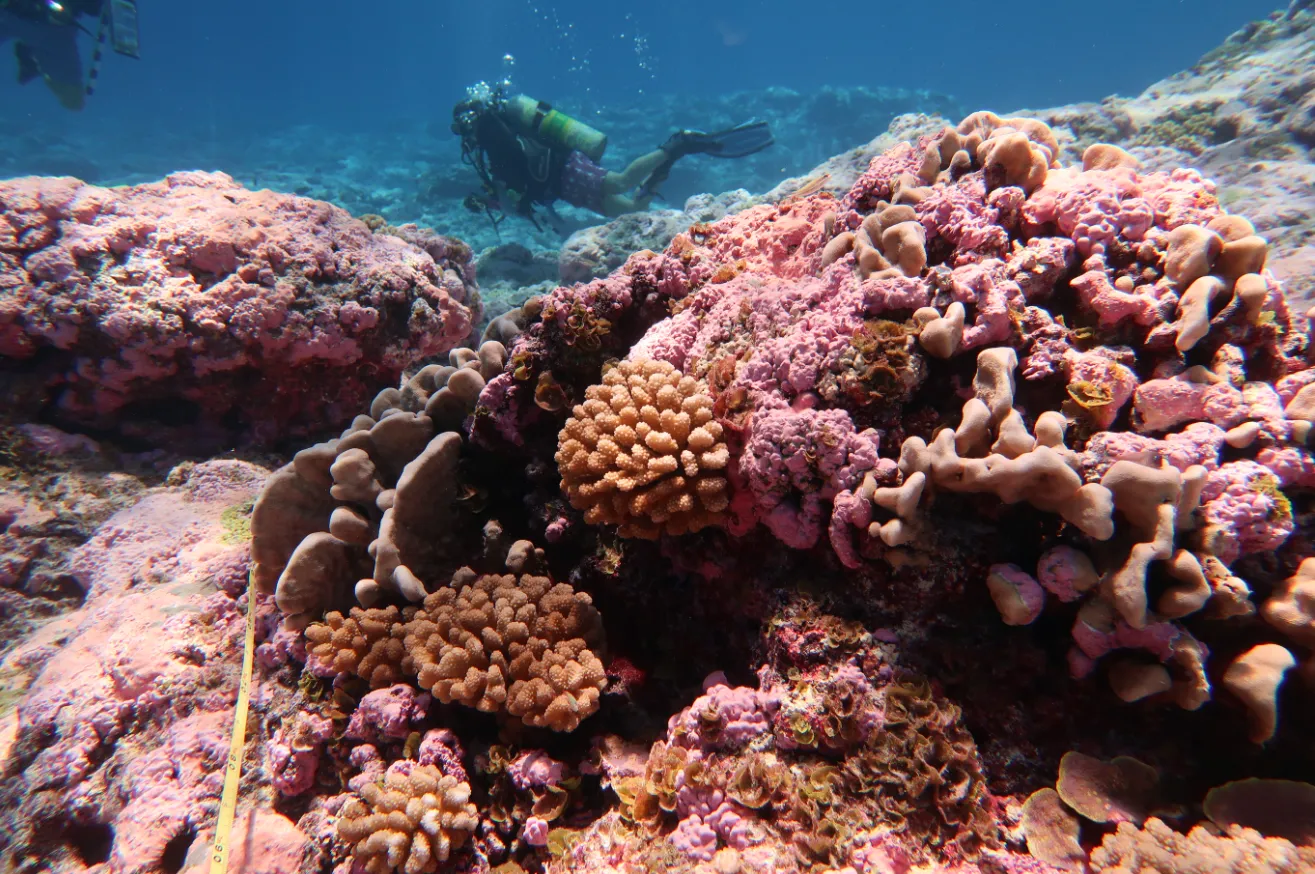
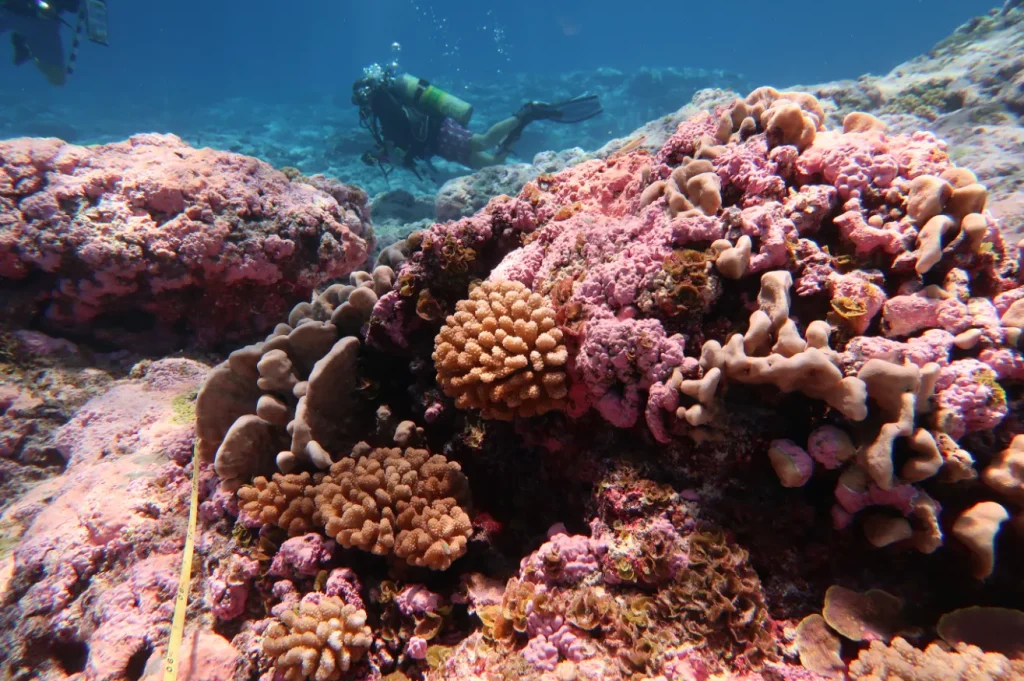
While prevention is the primary goal, the MPA also engages in active restoration of reefs damaged by past blast fishing, vessel groundings, or coral bleaching events. Coral restoration projects, often run in partnership with NGOs and local communities, utilize various techniques to accelerate reef recovery. This can involve stabilizing loose rubble, creating artificial reef structures, or establishing underwater nurseries where coral fragments are grown before being transplanted back onto the reef. These initiatives are labor-intensive and require long-term commitment, but they are essential for repairing localized damage and enhancing the overall resilience of Raja Ampat’s coral ecosystems.
The Diver’s Role: Conscious Exploration and Direct Contribution
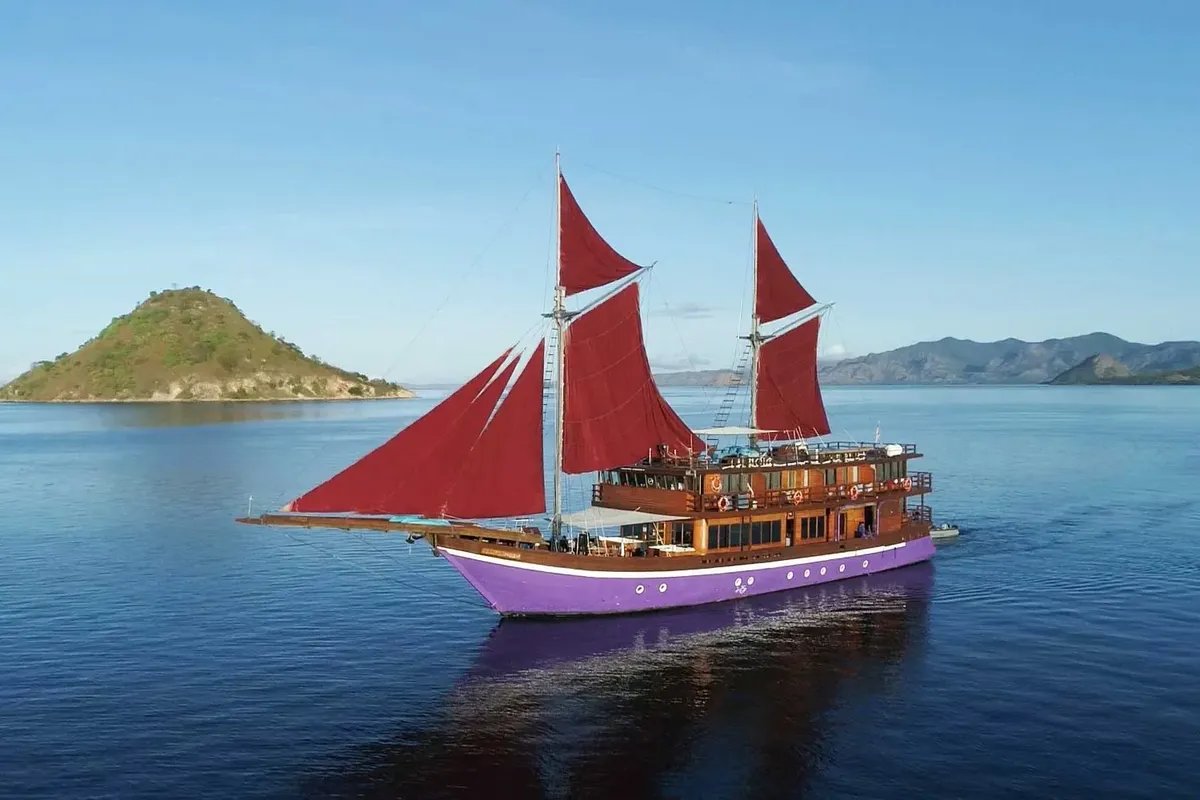
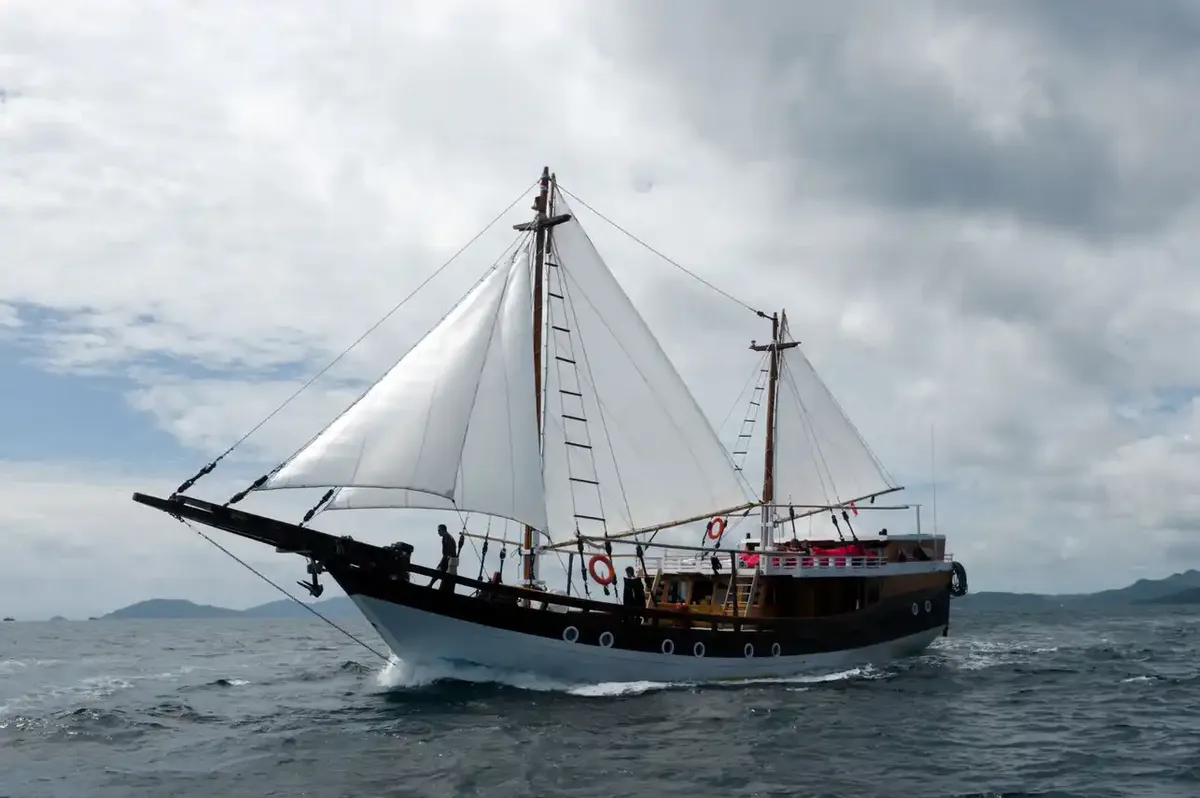
Every diver who boards a phinisi, a traditional Indonesian wooden schooner, in Sorong’s harbor becomes a participant in this conservation narrative. The journey is more than an observation of marine life; it is an active engagement with a system designed to protect it. As an operator with over a decade of experience and 1,240 voyages completed, Komodo Luxury and its Raja Ampat Liveaboard Voyages division hold this principle as a core operational tenet.
The most significant contribution a diver makes is financial, through the park fee. However, their conduct underwater is equally important. Adherence to a strict code of conduct is non-negotiable. This includes maintaining neutral buoyancy to avoid contact with the reef, refraining from touching or chasing marine life, and securing all equipment to prevent damage to delicate corals and sponges. Responsible dive practices, taught and enforced by professional guides, are a form of active conservation. By choosing an operator with a proven commitment to these standards, divers ensure their presence has a minimal ecological footprint. Furthermore, the economic activity generated by responsible liveaboard tourism provides a clear, sustainable alternative to extractive industries, demonstrating to local communities and the government that a living reef is more valuable than a degraded one.
Frequently Asked Questions
What exactly does the Raja Ampat Marine Park fee cover?
The IDR 1,000,000 fee directly funds the MPA’s operations. Seventy percent is allocated to the management authority for patrols, scientific monitoring, ranger salaries, and restoration projects. The remaining thirty percent is distributed among local community cooperatives, providing a direct economic benefit from conservation and incentivizing sustainable practices over extractive ones. The permit is valid for one year from the date of entry.
How is the vastness of the MPA effectively patrolled?
Enforcement across Raja Ampat’s 1,500 islands relies on a multi-pronged strategy. Joint patrols consisting of the official park authority (BKKPN), the Indonesian Navy, and marine police use a fleet of speedboats to maintain a visible presence. This is augmented by a network of ranger posts in remote areas and, crucially, intelligence and cooperation from local communities who report illegal activities in their territorial waters.
Can I participate in any conservation activities during my trip?
Direct participation in scientific research or restoration is typically reserved for trained professionals and volunteers on dedicated missions. However, divers contribute significantly by practicing impeccable, no-impact diving. Additionally, many operators participate in citizen science programs, such as submitting manta ray identification photos or reporting sightings of specific species. Your most powerful action is choosing a responsible operator and adhering strictly to park regulations.
Why is there a cap on tourism operators in Raja Ampat?
The local government and park authority implement a cap on the number of liveaboards and resorts permitted to operate. This measure is a core part of the sustainable tourism model, designed to manage ecological pressure on the reefs and prevent overcrowding at popular dive sites. It ensures a high-quality visitor experience and protects the marine environment from the negative impacts of mass tourism, preserving the very asset that attracts visitors.
What makes Raja Ampat’s conservation model successful?
The model’s success lies in its collaborative, multi-stakeholder approach. It is not a top-down government decree but a partnership between the national government (BKKPN), international NGOs providing technical expertise, a dedicated funding stream from tourism (the park fee), and the active, incentivized participation of local communities who benefit directly from a healthy marine ecosystem. This integrated framework creates a resilient and adaptive management system.
To witness this conservation model in action is to understand the future of marine protection. A voyage through Raja Ampat is an investment in one of the planet’s most vital marine ecosystems. To begin planning your expedition aboard one of our phinisi yachts, contact our concierge directly to discuss itineraries and availability. We manage all park permits and logistics on your behalf. Connect with us on WhatsApp at +62 811-3823-875 to start the conversation.