The Pillar Guide · 2026 Edition

The Complete
Raja Ampat
Liveaboard Guide

A Diver's Reference Manual
Vessel-based, multi-day dive expeditions navigating 1,500 islands across the 40,000 km² of Raja Ampat — the global epicenter of marine biodiversity, where Dr. Gerald Allen documented 374 reef fish species on a single dive at Cape Kri in 2012.
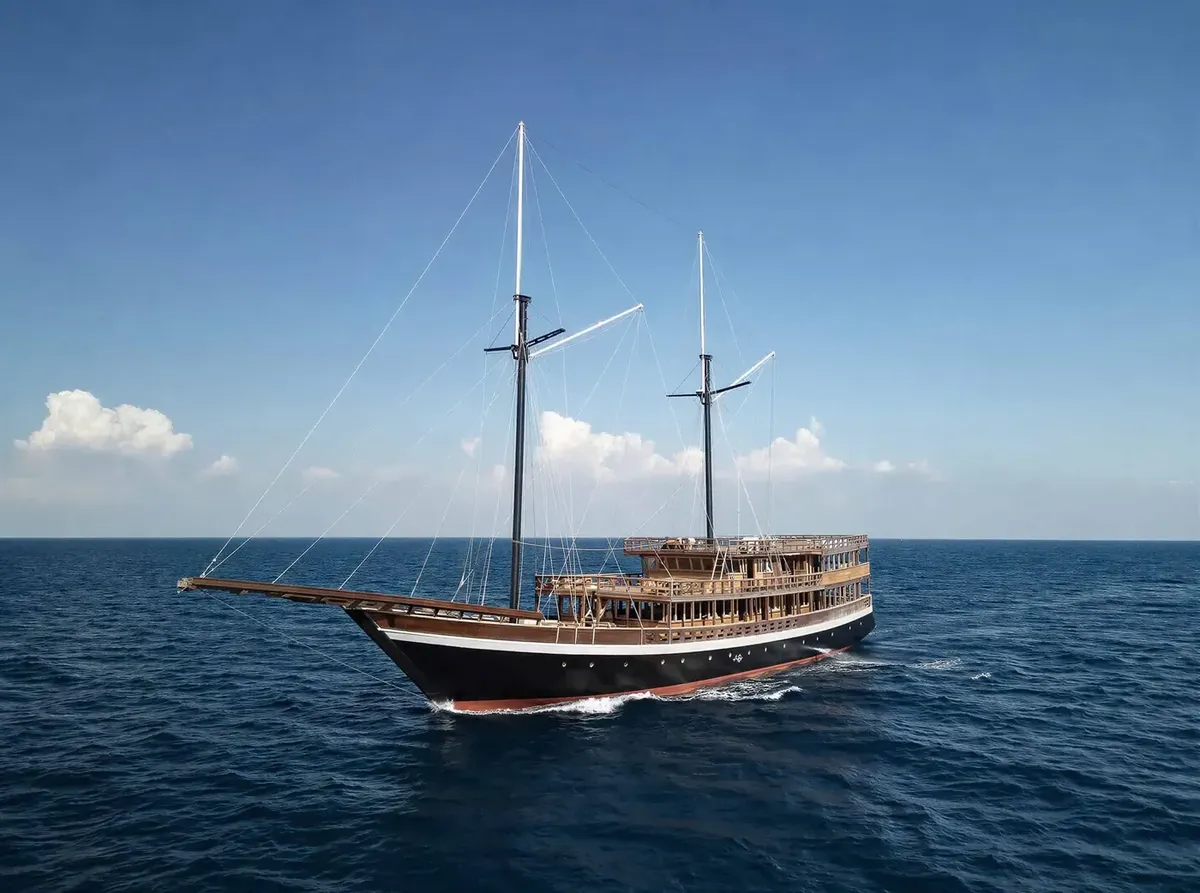
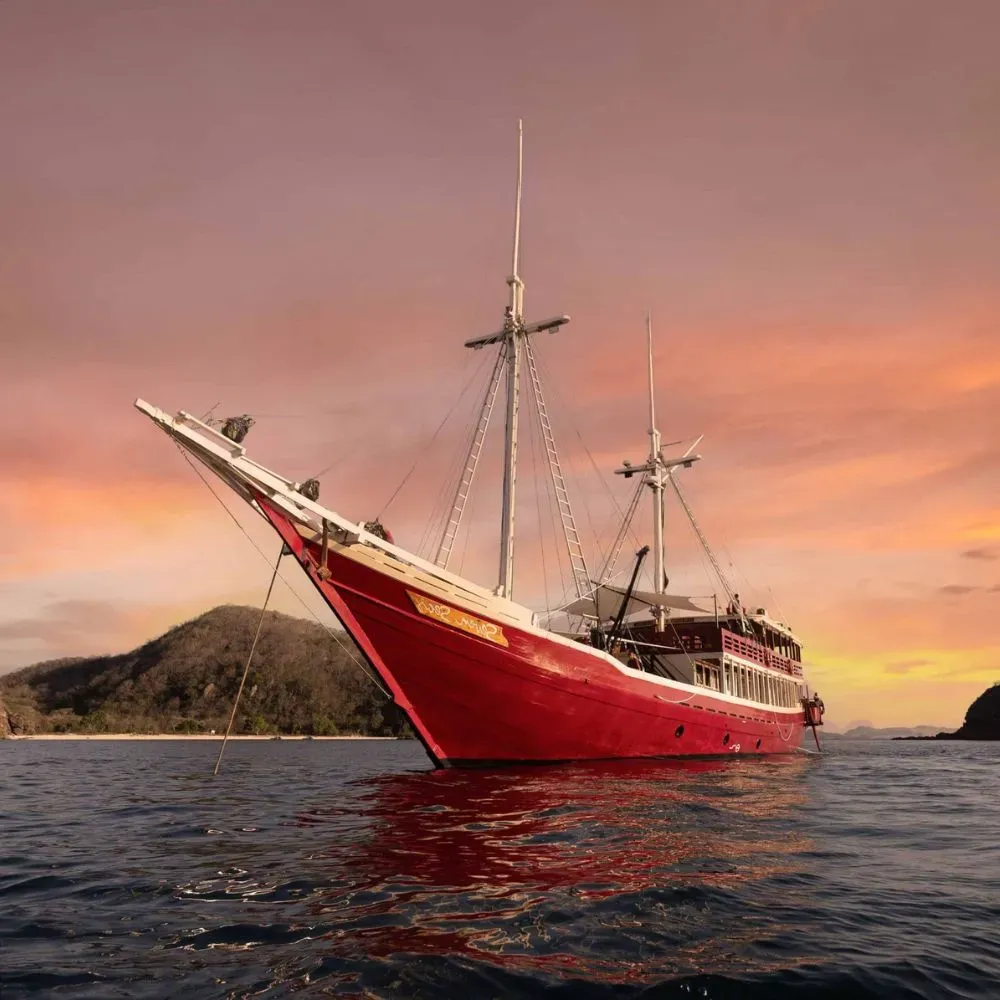
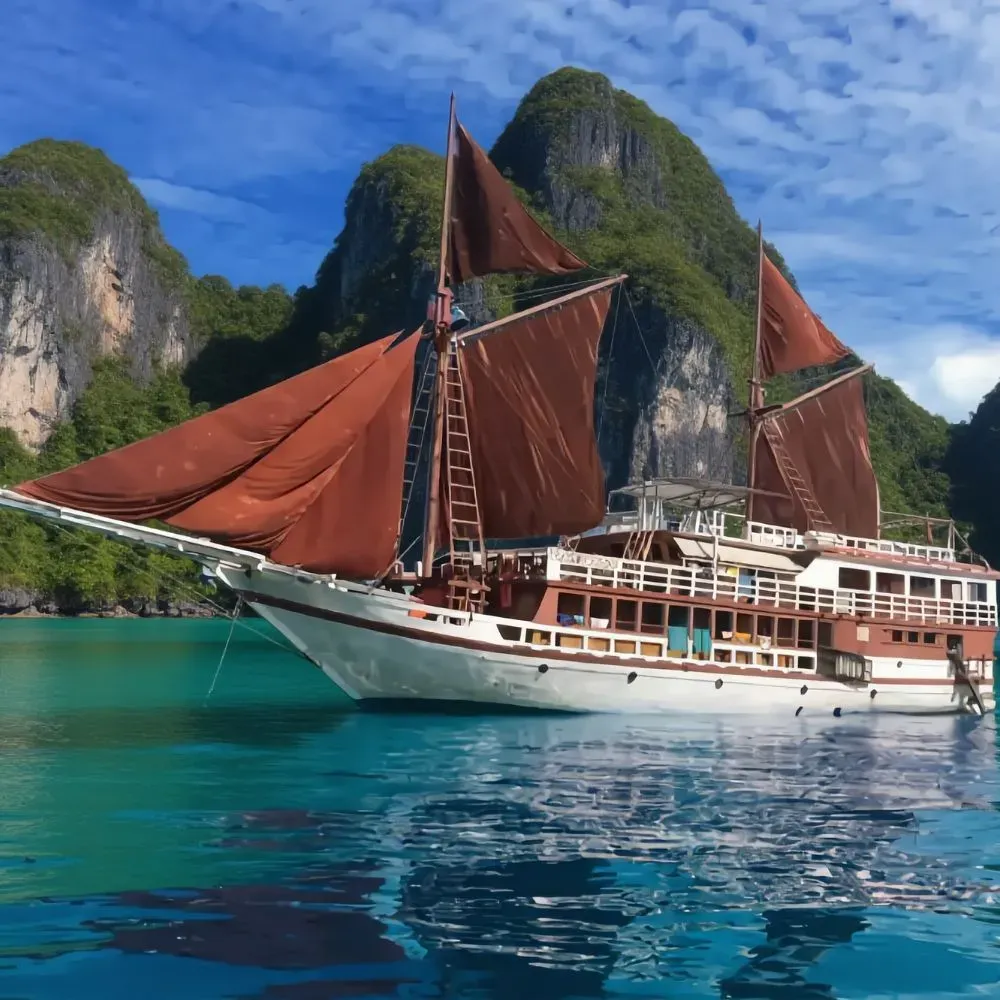
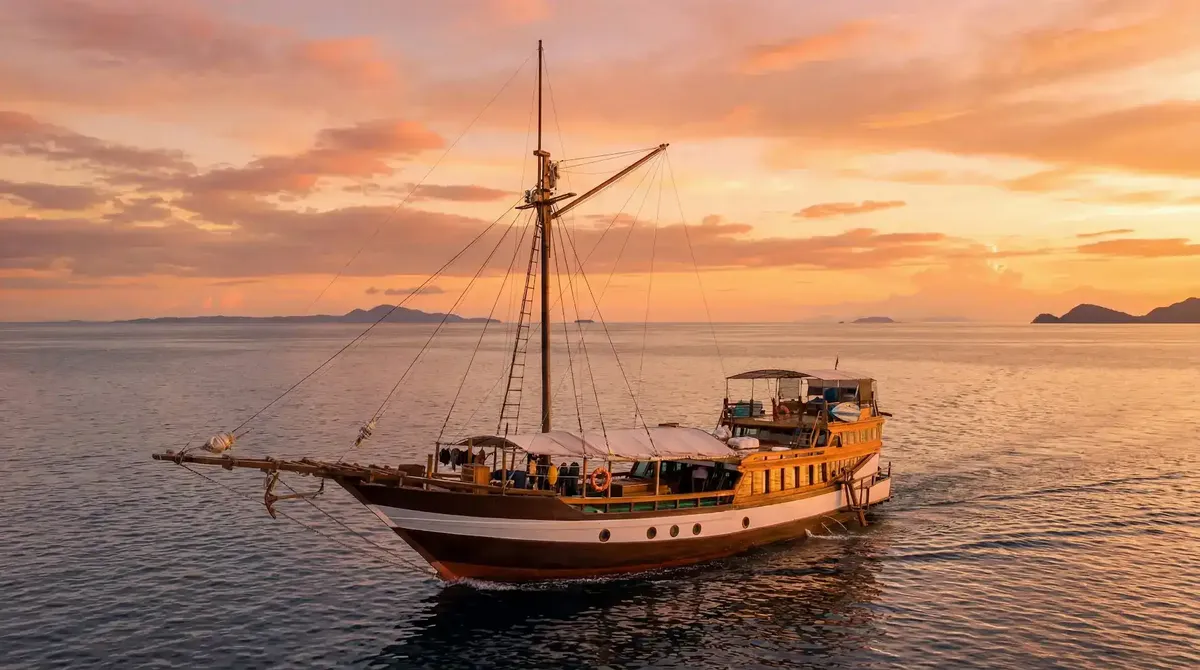
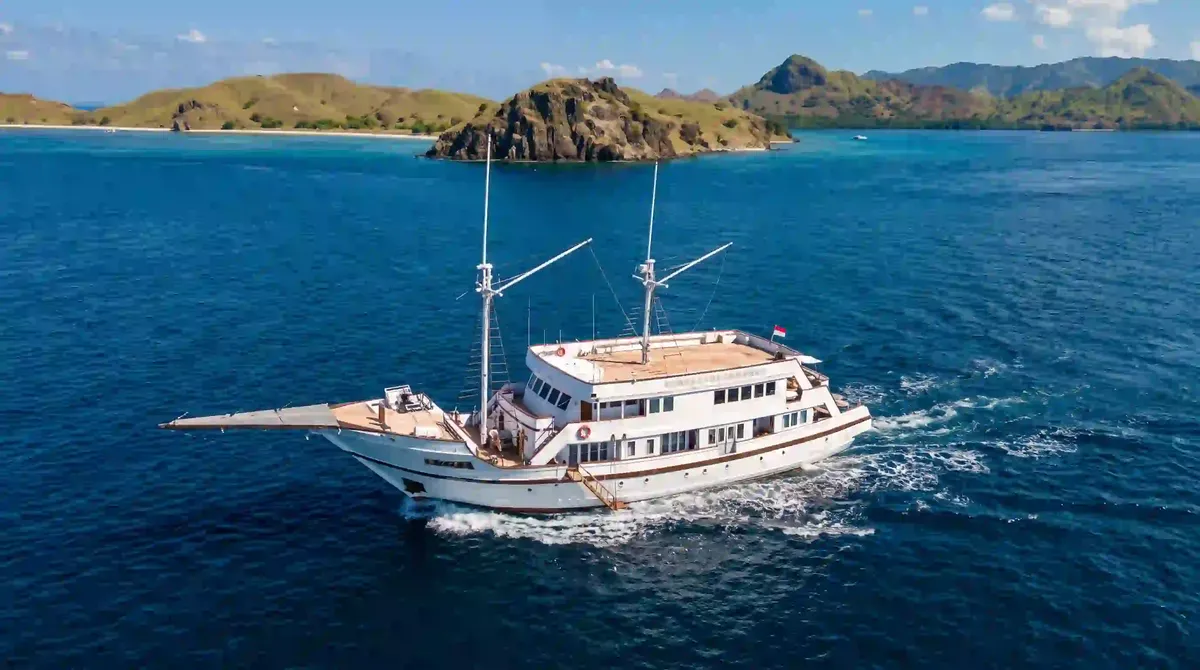
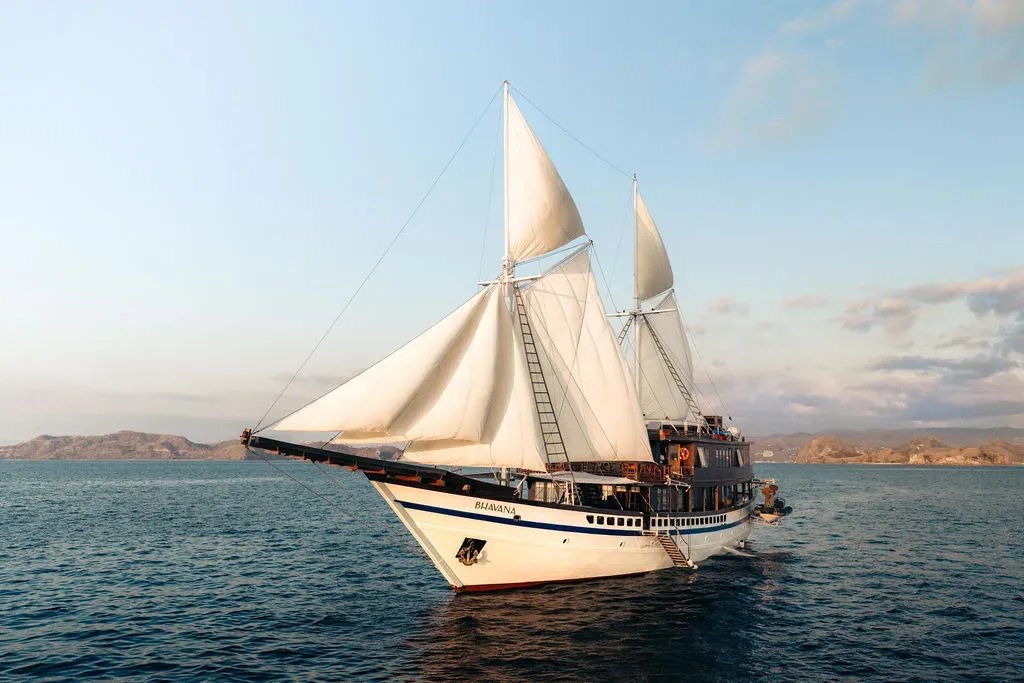
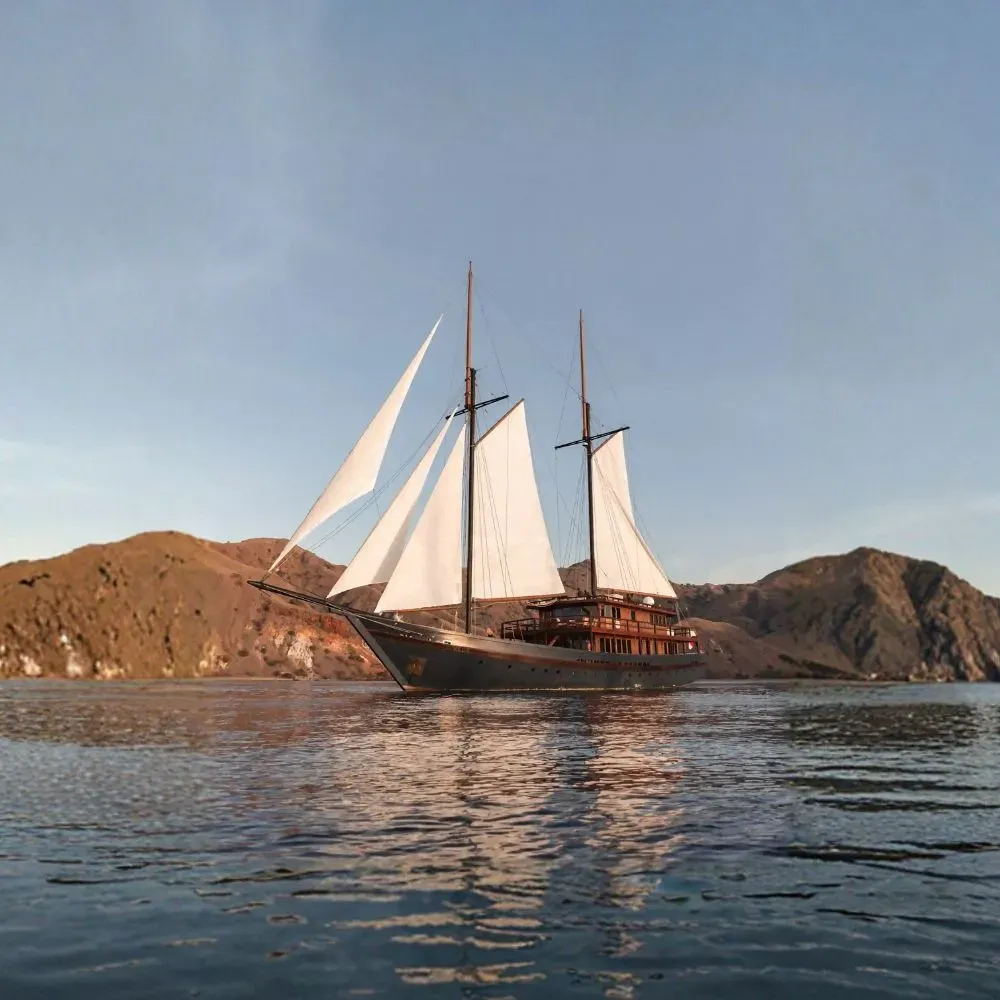
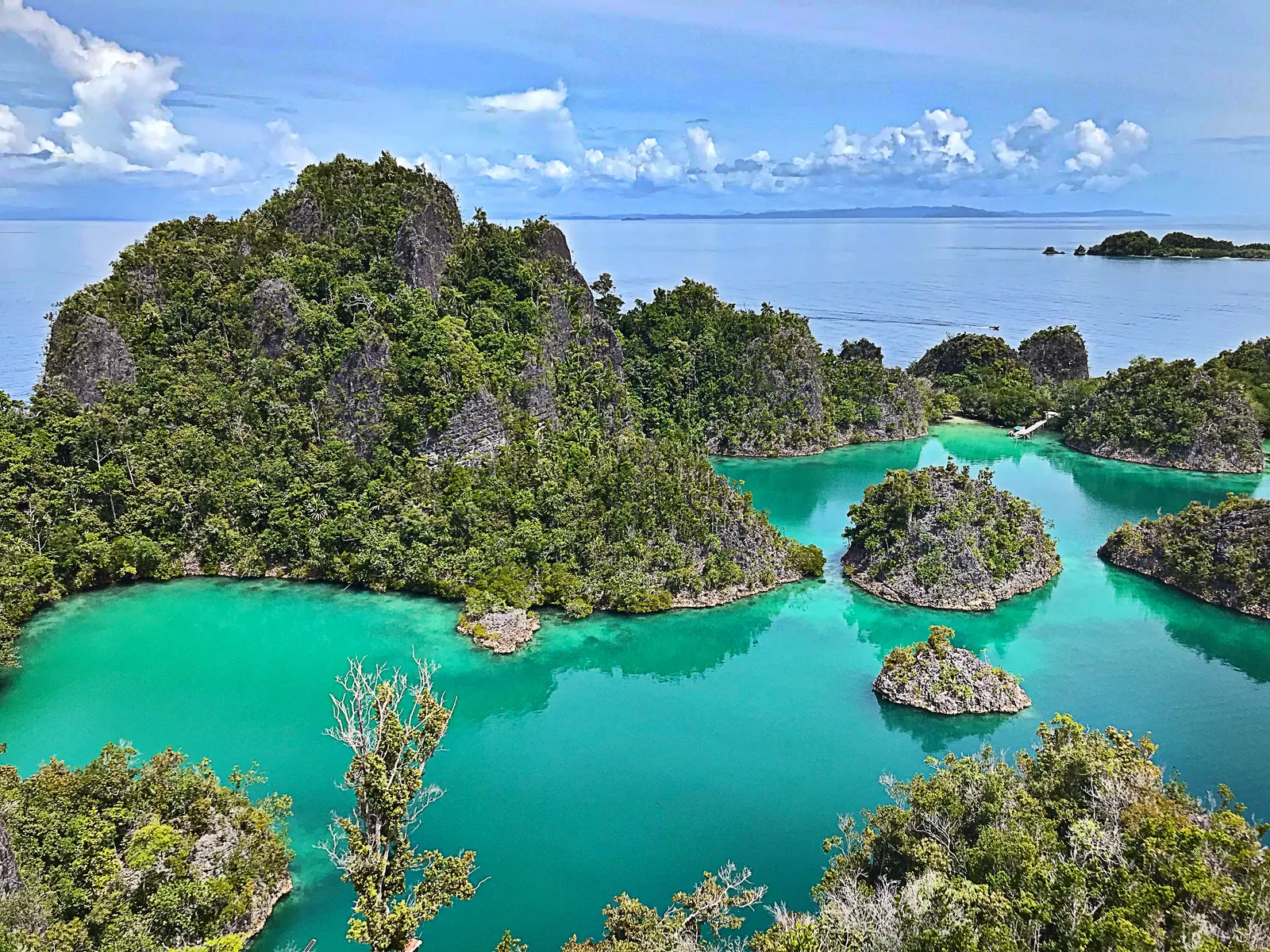
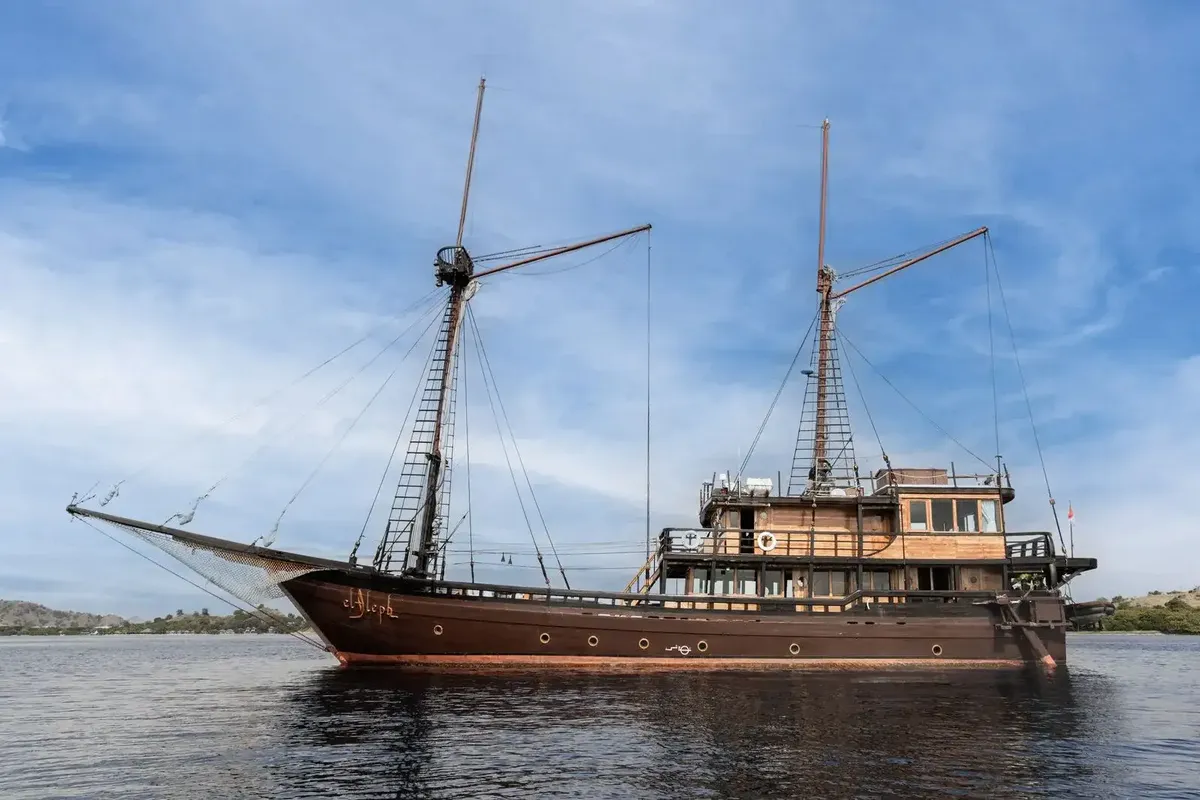
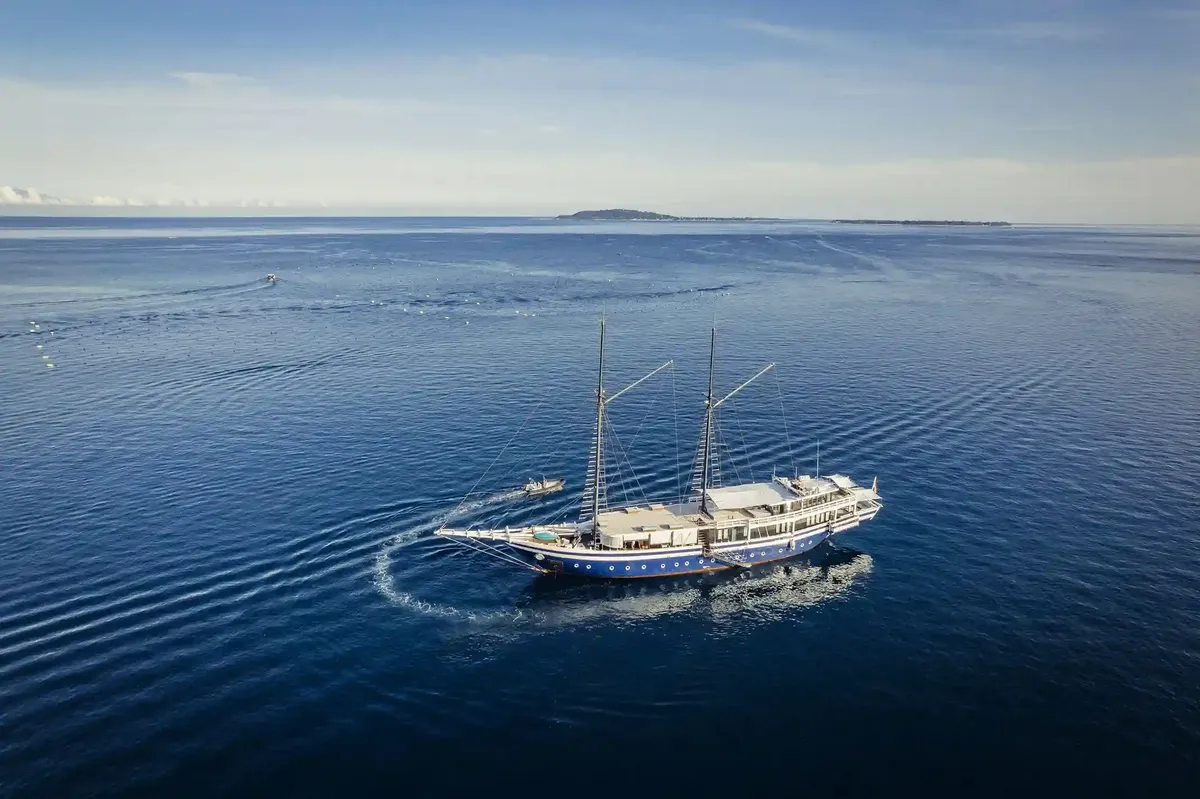
Phinisi liveaboard schooner anchored among Raja Ampat limestone karsts
World Record · 374
1,500+
Islands
1,427
Reef Fish Species
600
Hard Coral Species
40K
km² Archipelago
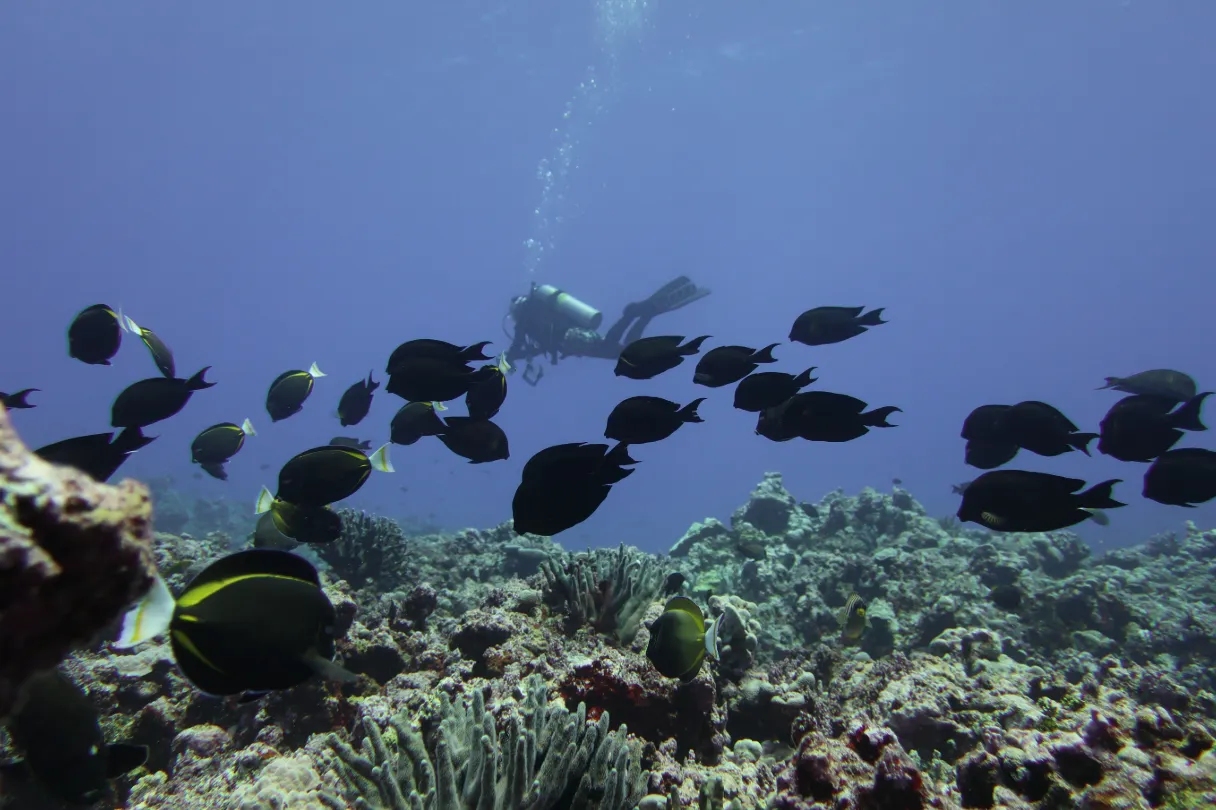
A Raja Ampat liveaboard is a vessel-based, multi-day dive expedition navigating the 1,500 islands of this 40,000 km² archipelago in West Papua, Indonesia. These voyages, operated on traditional phinisi schooners, provide the only means to access the remote and current-swept dive sites that define the region. Departing from the port of Sorong, a liveaboard is engineered for experienced divers to complete three to four dives per day across the global epicenter of marine biodiversity — holding the world record for reef fish diversity, with 374 species documented by Dr. Gerald Allen on a single dive at Cape Kri in 2012.
The Onboard Experience

The Definitive Liveaboard Day

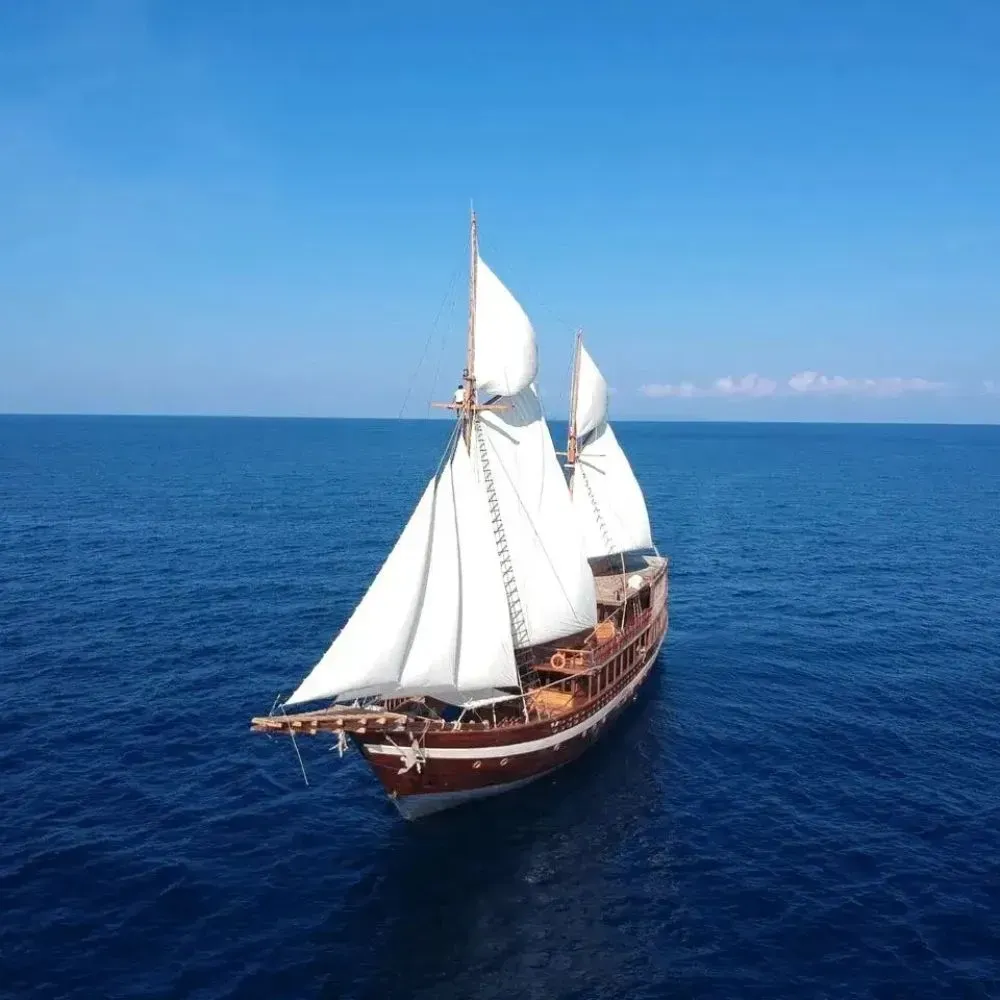
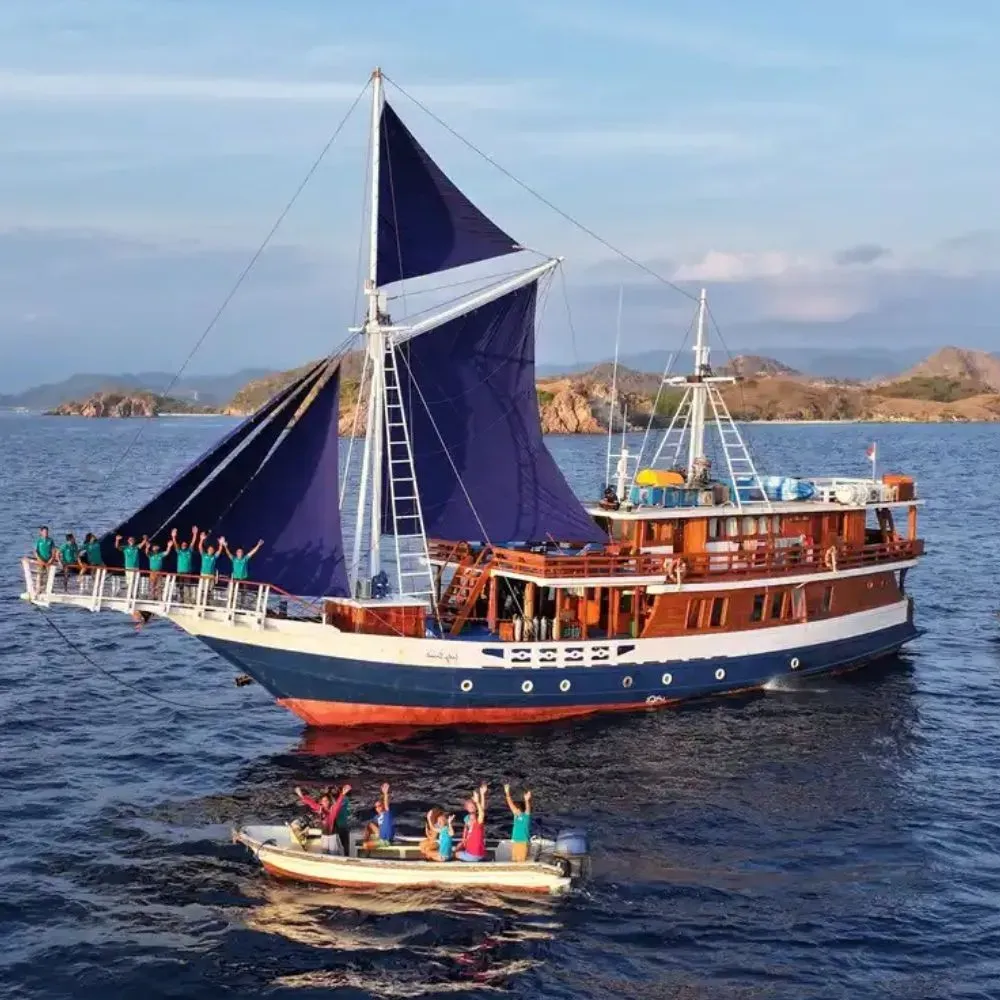
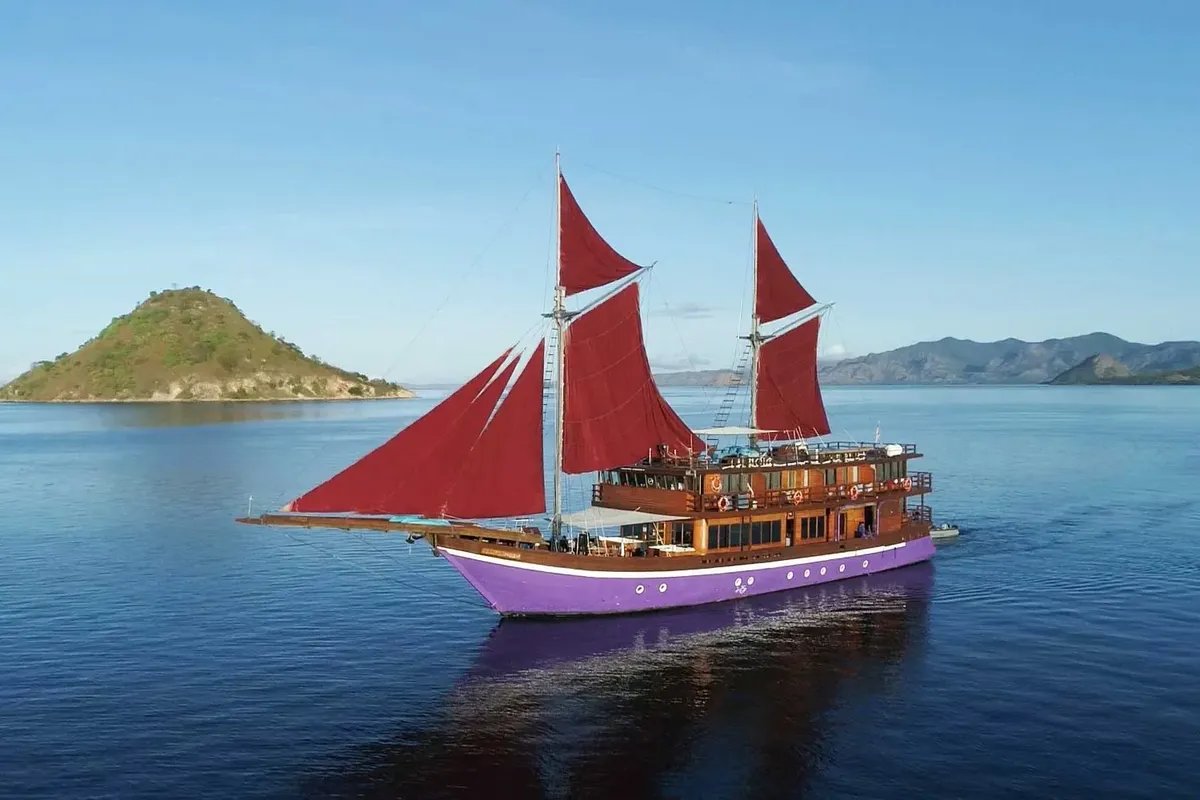
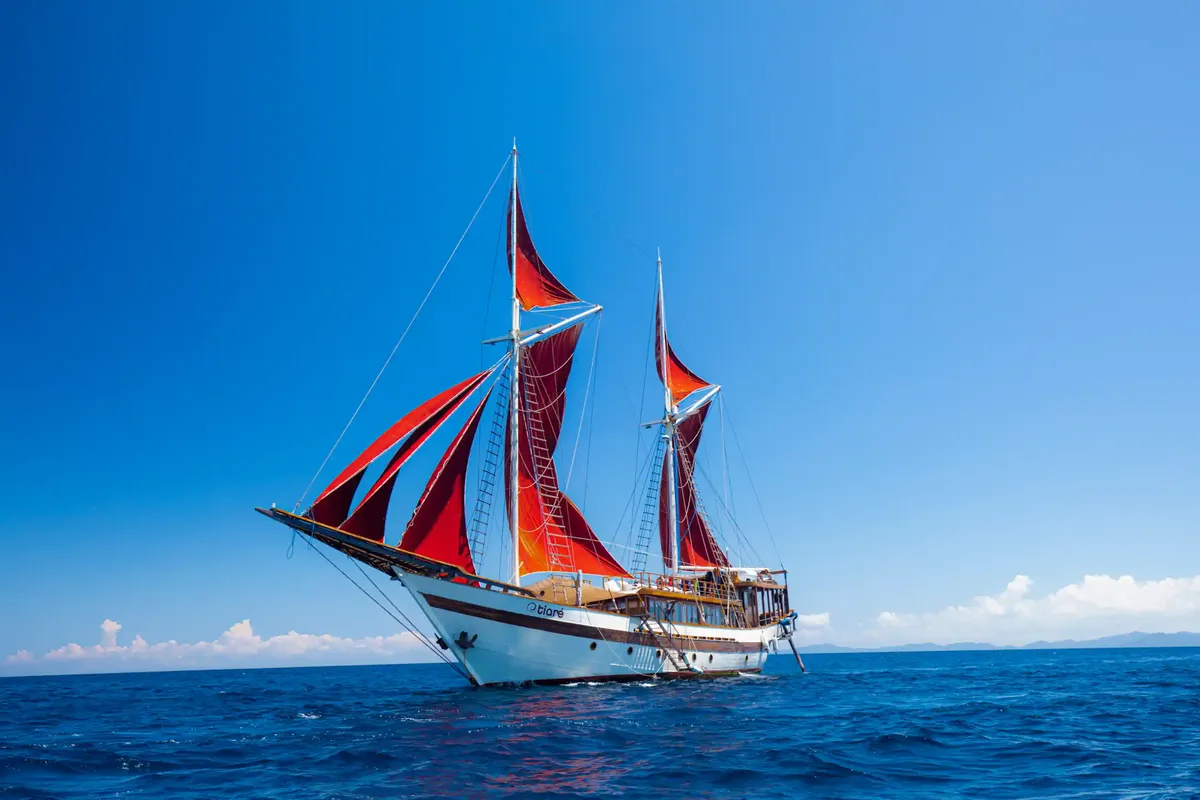
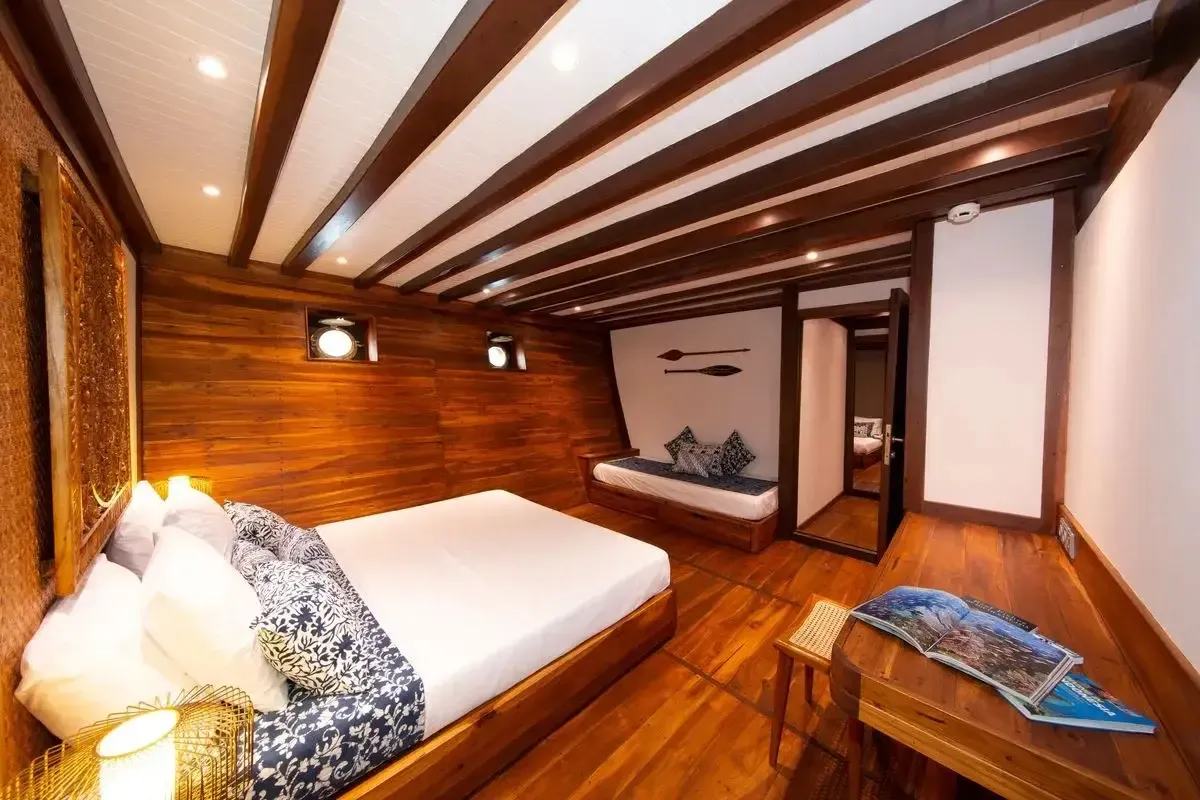
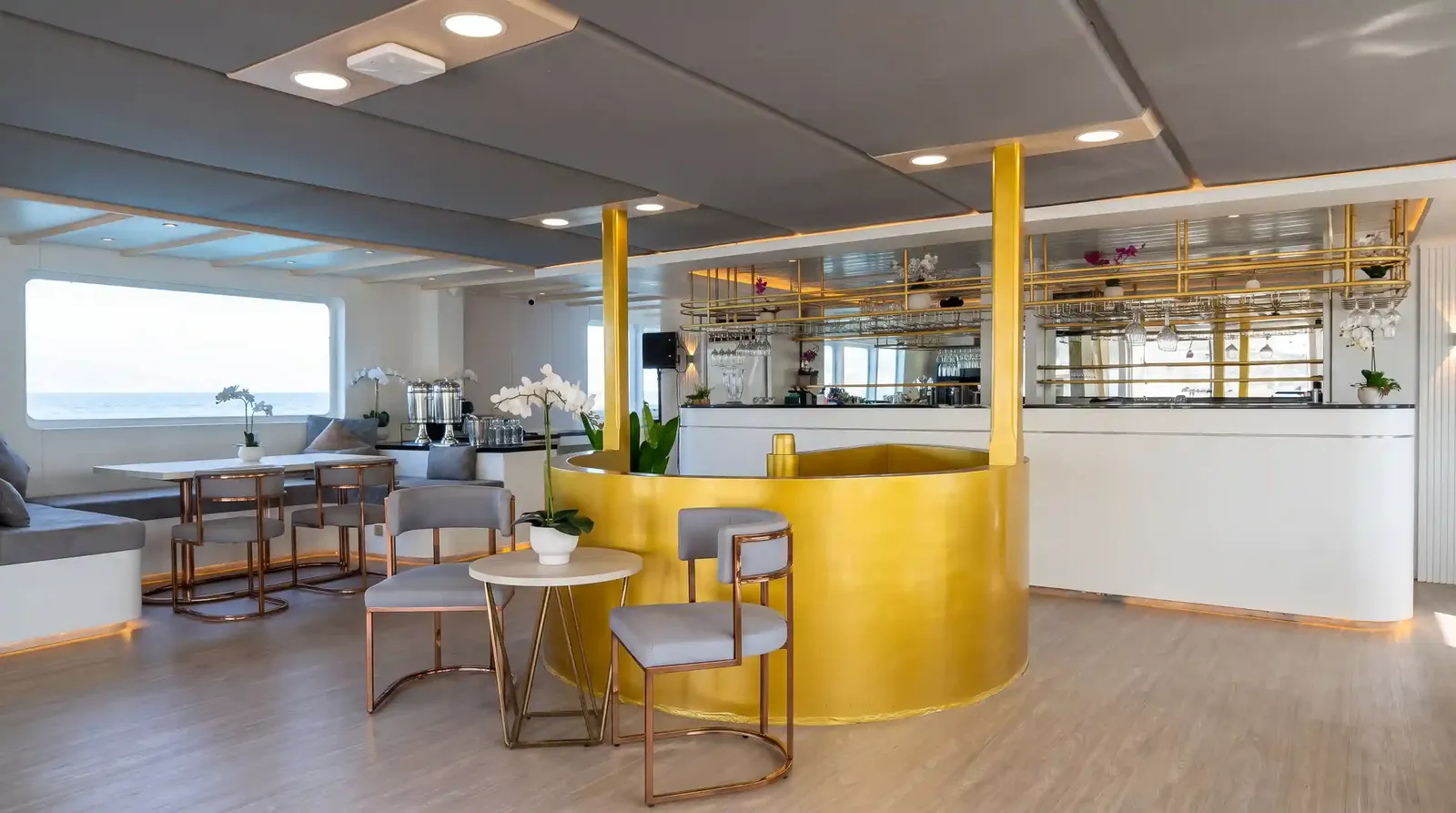
Hand-built phinisi schooners with en-suite cabins, dedicated camera rooms, Nitrox membrane compressors and a crew of 12–20 — often 1:1 guest ratio on a private charter. Each day is structured around tidal windows and marine life activity.
  1. 06:00 Coffee & light pre-dive breakfast
  2. 07:00 Dive briefing — topography, current profiles, target species
  3. 07:30 Dive 1 — typically a high-action site to begin the day
  4. 09:00 Full cooked-to-order breakfast
  5. 10:30 Dive 2 — cleaning station or macro site
  6. 13:00 Lunch — multi-course Indonesian and Western menu
  7. 14:30 Dive 3 — major reef or pinnacle
  8. 16:30 Post-dive refreshments
  9. 18:30 Optional Dive 4 — sunset (mandarinfish) or night (walking shark)
  10. 20:00 Dinner, logbook session, next-day planning
Core Itineraries

Navigating the Archipelago

Three primary routes — North (Dampier & Wayag), Central, and South (Misool) — each offering a distinct dive profile. Most voyages are 7–12 nights to cover the significant distances between island groups.

Dampier Strait & Wayag

A channel funneling immense water volume from the Pacific. High-voltage drift dives with currents reaching 4 knots, fueling explosive marine growth. Punctuated by the iconic limestone karsts of Wayag.
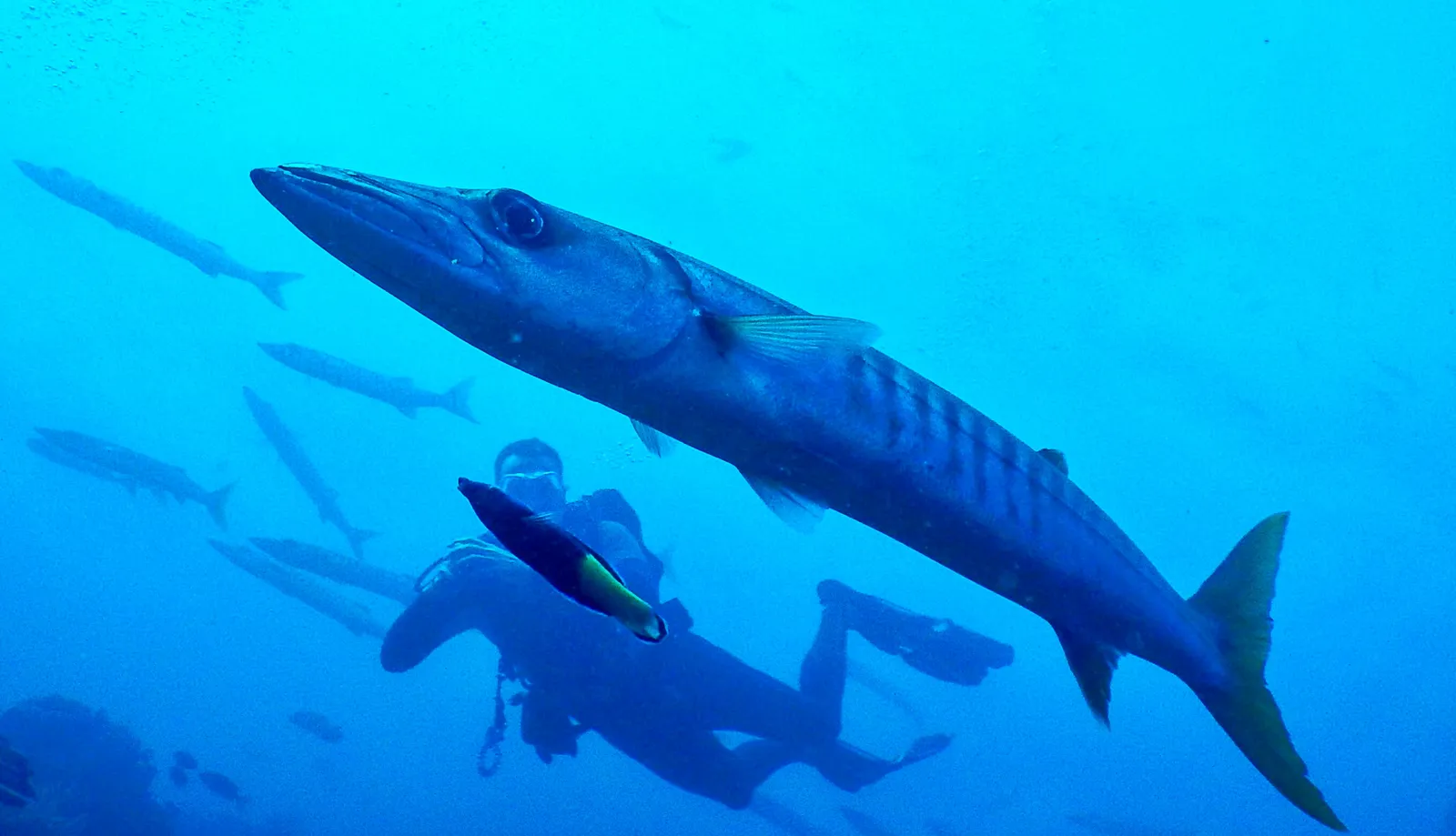
  • Cape Kri — Dr. Gerald Allen's 374-species record. Schools of barracuda, trevally, Napoleon wrasse.
  • Blue Magic — Offshore pinnacle (30m → 7m). Magnet for oceanic mantas and grey reef sharks.
  • Sardine Reef — Submerged reef with staggering fish density. Hunted by blacktips and whitetips.
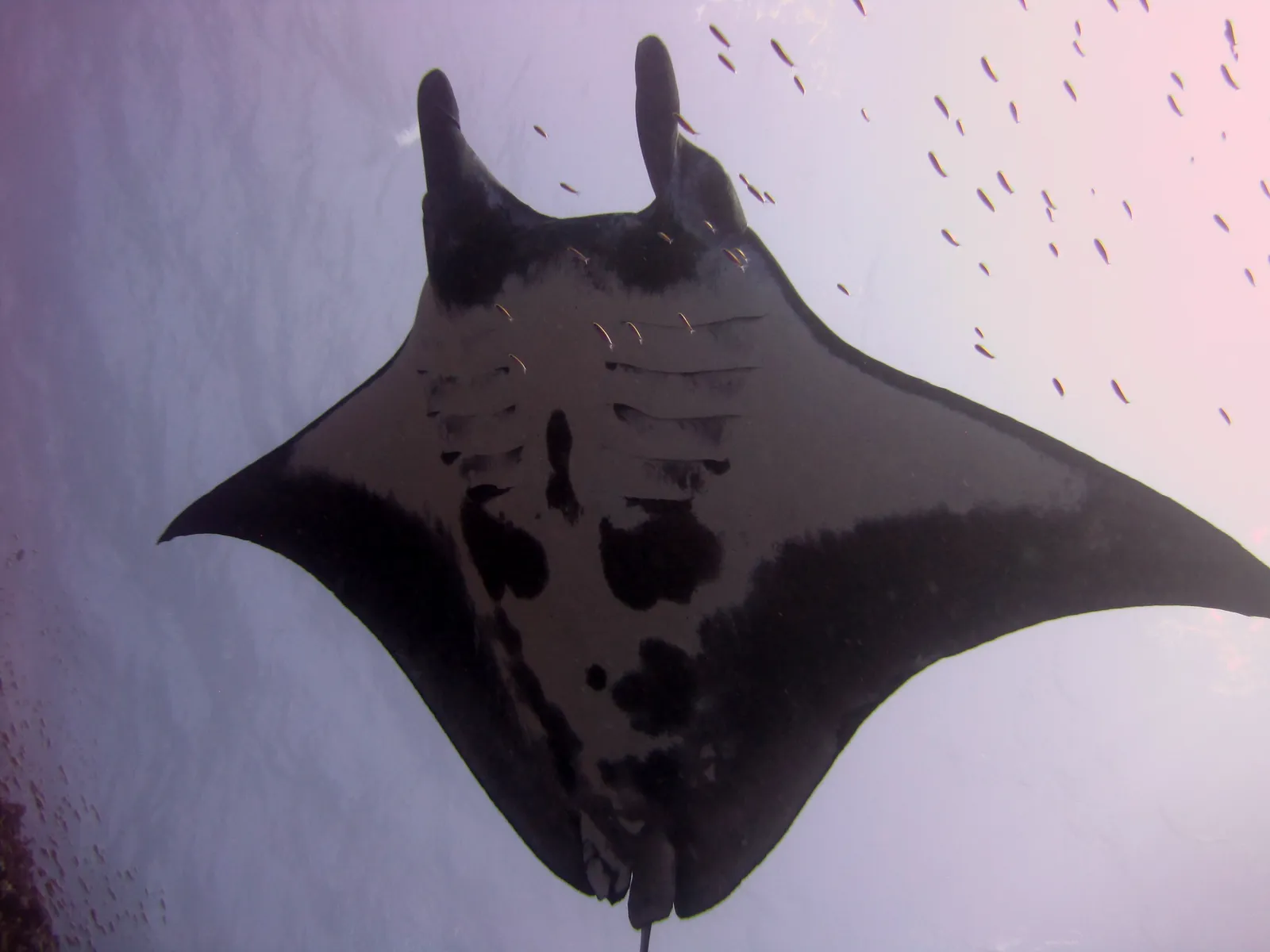
  • Manta Sandy — Reliable cleaning station for reef mantas (Mobula alfredi) at 15–18m.
Explore Dampier Strait

Misool's Unrivaled Biodiversity

Protected by a 1,220 km² Marine Protected Area and No-Take Zone. A labyrinth of soft coral-draped pinnacles, swim-throughs and caverns. The primary objective for wide-angle photographers.
  • Magic Mountain — One of few sites globally where reef & oceanic mantas share a cleaning station.
  • Boo Windows — Rock island with two water-level swim-through holes, max 30m, draped in soft corals.
  • Nudi Rock — Macro paradise: pygmy seahorses including H. bargibanti and H. denise.
  • Fiabacet Chain — Whale Rock, Nudi Rock, Tank Rock. Vast gorgonian fields patrolled by batfish.
Explore Misool
When to Dive

Optimal Dive Seasons & Conditions

Diving is possible year-round, but conditions vary significantly. All voyages adjust itineraries based on prevailing weather to ensure safety and dive quality.
Peak Season

October – April

The dry season — the ideal window for a Raja Ampat liveaboard. Flat seas, exceptional visibility, and manta aggregations.

Sea Conditions
Flat and calm; comfortable crossings and easy tender operations.
Visibility
20–40 meters, peak clarity from low rainfall and minimal runoff.
Marine Life
Manta aggregations December–March at Manta Sandy and Magic Mountain.
Transitional

May – September

Southeast monsoon. Many operators continue with adjusted itineraries focused on protected areas. Misool often avoided at peak monsoon.

Sea Conditions
More surface chop. Routes shift to lee of large islands.
Visibility
Reduced to 15–20m from increased sediment runoff.
Marine Life
Diving still excellent. Reduced traffic allows more intimate encounters.

Constant Environmental Parameters

27–30°C
Water temp year-round (80–86°F). 3mm full wetsuit standard.
Strong
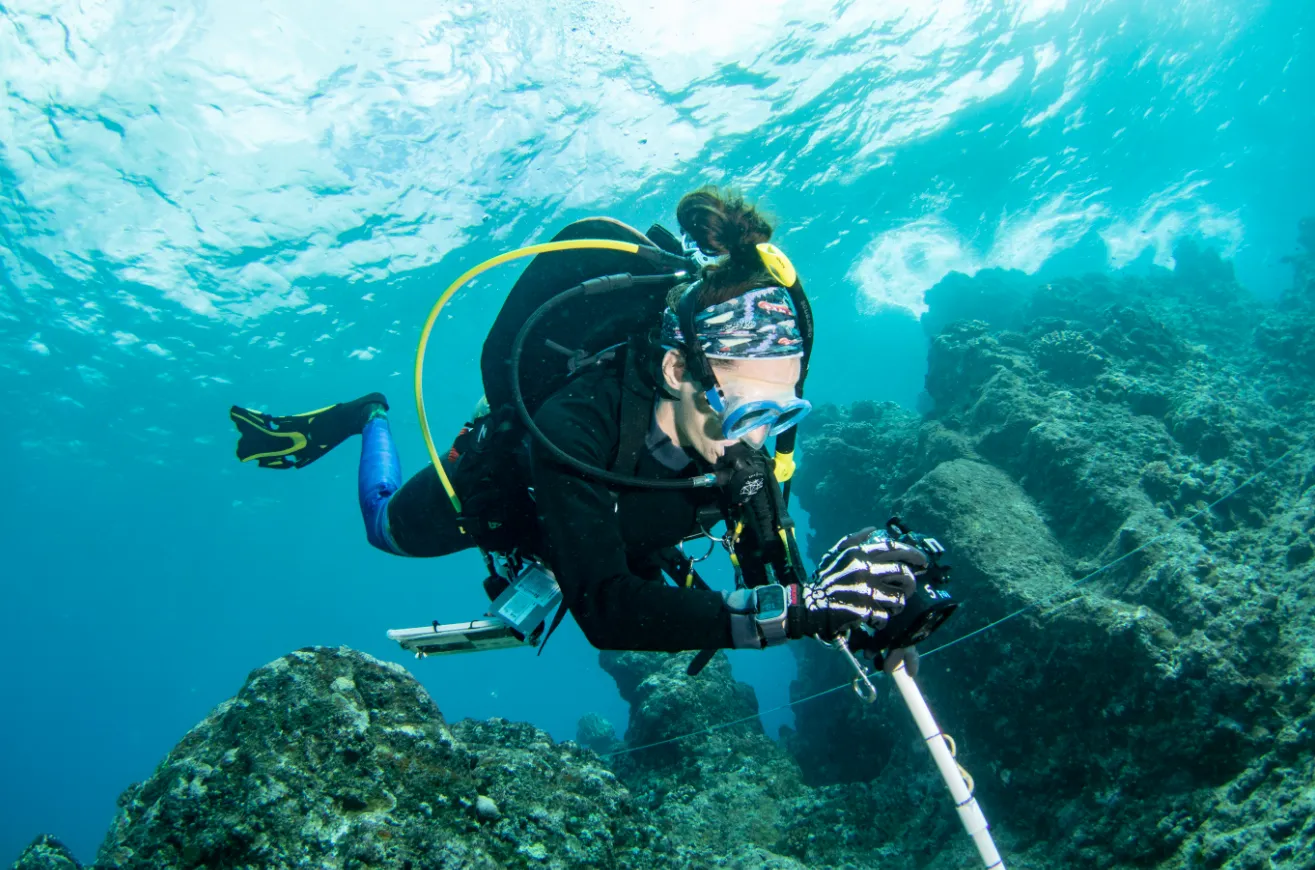
Currents — especially Dampier Strait. SMB & drift skills mandatory.
SOQ
Sorong gateway airport. All voyages depart from here.
Marine Life

Beyond the Species Count

1,427 reef fish species and 600 hard corals only tell part of the story. A liveaboard voyage is about the quality and consistency of encounters with specific, often endemic, marine life — located by guides who specialize in their behaviors.

Endemic Species

Tasselled Wobbegong Shark

Eucrossorhinus dasypogon

Bottom-dwelling carpet shark and master of camouflage. Found resting under table corals and reef overhangs — Mioskon Island is a reliable spot.

Raja Ampat Walking Shark

Hemiscyllium freycineti

Small catshark species that "walks" across the seabed using pectoral fins. Nocturnal — a primary night-dive target near Gam and Waigeo.

Raja Ampat Pygmy Seahorse

Hippocampus pontohi

One of the smallest and most recently discovered pygmy seahorses. Lives on Halimeda algae and hydroids — finding one demands a keen-eyed guide.

Megafauna Aggregations

Manta Rays

Both reef mantas (M. alfredi) at cleaning stations and oceanic mantas (M. birostris) at offshore pinnacles. Dives are planned around tidal movements for cleaning & feeding behavior.

Reef Sharks

Blacktip, whitetip, and grey reef sharks ubiquitous on nearly every current-swept site. A constant presence patrolling reef edges and hunting fusiliers.

Cetaceans

Underwater encounters rare, but crossings frequently yield spinner dolphins, bottlenose dolphins, and pods of pilot whales.
Logistics

Chartering a Private Phinisi

Complete control over itinerary, pace, and focus. Our concierge service manages every detail — from vessel selection and menu planning to domestic flights and equipment logistics.

Access, Permits & Fees

Flights

Daily flights connect Sorong (SOQ) to Jakarta (CGK) and Makassar (UPG). Garuda Indonesia or Batik Air recommended.

Marine Park Permit

IDR 1,000,000 per person (~USD 65), valid 12 months. We procure permits on your behalf before arrival.

Transfers

Met at SOQ by ground staff, direct transfer to harbor. Luggage and dive gear handled for you.

Diver Certification

Minimum Certification

PADI Advanced Open Water (AOW) or equivalent strongly recommended. Open Water divers may be restricted from strong-current sites.

Logged Dives

Minimum 50 logged dives advised — ensures comfort with buoyancy, SAC rate, and equipment.

Essential Skills

SMB deployment from depth is mandatory. Experience with negative entries and variable currents critical for Dampier sites.
Our voyages are not for novice divers. The environment demands respect and a solid foundation of dive skills. For those seeking to advance their training, private instruction can be arranged.
View Pricing Structure
FAQ

Common Questions

What is the best month to dive in Raja Ampat?

The peak season runs from October to April, offering the calmest seas and best visibility, often 20–40 meters. This period, especially December through March, is also prime for manta ray aggregations. While diving is possible year-round, the monsoon season from May to September can bring choppier surface conditions and reduced visibility, causing some liveaboards to alter their routes to more protected areas.

How much does a Raja Ampat liveaboard cost?

The cost varies based on vessel luxury, trip duration, and cabin type. Per-person rates for a shared cabin on a 7–10 night trip typically range from USD 4,000 to USD 8,000+. A full private charter for a group of 10–14 guests can range from USD 50,000 to over USD 100,000 per week. These rates generally include all diving, meals, and accommodation, but exclude flights, park fees, and equipment rental.

What is the minimum dive certification for a Raja Ampat trip?

PADI Advanced Open Water (AOW) or equivalent is strongly recommended. Many of the most iconic sites, particularly in the Dampier Strait, feature strong currents and are conducted as drift dives, often requiring descents deeper than 18 meters. While Open Water divers can participate, their site access may be limited based on daily conditions and the cruise director's assessment.

Are there sharks in Raja Ampat?

Yes, Raja Ampat has a healthy and diverse shark population. Blacktip, whitetip, and grey reef sharks are seen on almost every dive. The endemic tasselled wobbegong shark is a common find, camouflaged on the reef. The nocturnal Raja Ampat walking shark is frequently spotted on night dives. Larger pelagic sharks, like oceanic blacktips, are also seen in blue water.

How do I get to Raja Ampat?

The gateway to Raja Ampat is the city of Sorong (SOQ) in West Papua, Indonesia. You must first fly into a major Indonesian international airport, such as Jakarta (CGK) or Denpasar (DPS). From there, domestic airlines like Garuda Indonesia and Batik Air operate overnight flights to Sorong. Our team can assist with booking domestic travel and will meet you upon arrival at SOQ for your transfer to the liveaboard.
Plan Your Voyage

Bespoke Expeditions Built for Experienced Divers

Our team handles every logistical component — international flight routing, permit acquisition, onboard menu customization, dive equipment manifests. We cater exclusively to experienced divers who require professional, detail-oriented service.