
Plan Your Trip
Raja Ampat Liveaboard FAQ — 30 Essential Questions Answered
This Raja Ampat liveaboard FAQ provides answers for experienced divers planning a private charter expedition.
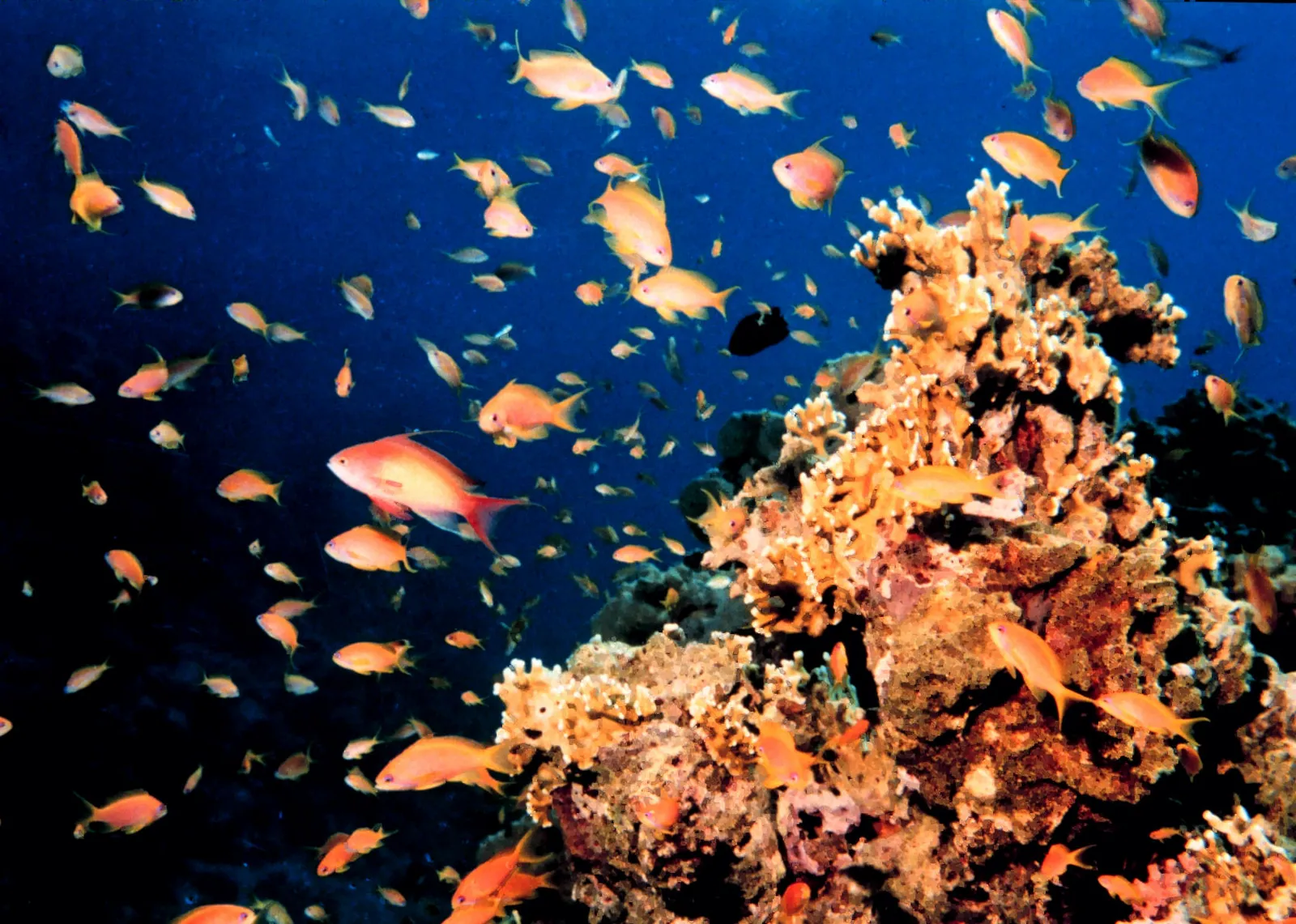
Raja Ampat is an archipelago of over 1,500 islands across 40,000 km² of West Papua, Indonesia, at the epicenter of the Coral Triangle. Our voyages focus on direct access to dive sites like Cape Kri, which holds the world record for reef fish species diversity (374 species recorded on a single dive). This page addresses specific Raja Ampat liveaboard requirements for certification, logistics, and vessel operations, ensuring your group is fully prepared for the region's dynamic conditions.
01
Plan Your Raja Ampat Voyage
Our specialists are ready to design your private phinisi charter. Contact us to discuss your requirements and begin crafting your expedition to Raja Ampat's exceptional dive sites.
WhatsApp: +62 811-3823-875
Email: sales@komodoluxury.com
FAQ
Frequently Asked Questions
How do I travel to Raja Ampat?
Your point of entry is Sorong's Domine Eduard Osok Airport (SOQ) in West Papua. Direct flights operate daily from Jakarta (CGK) and Makassar (UPG) on Garuda Indonesia and Batik Air. Upon arrival in Sorong, our team will greet you at the airport and provide a private transfer to the harbor, where your phinisi vessel awaits. We manage all ground logistics from arrival to departure. For more information, review our liveaboard package details.
What is the best season for a Raja Ampat liveaboard?
The optimal diving season runs from October through April. During these months, the seas are calmest, and underwater visibility frequently ranges from 20 to 40 meters. This period also coincides with peak manta ray aggregations, particularly from December to March at sites like Manta Sandy. The shoulder months of May and September can also offer excellent conditions with fewer vessels in the area.
What are the visa requirements for Indonesia?
Most nationalities receive a 30-day Visa on Arrival (VOA) upon entering Indonesia, which is sufficient for the duration of our standard voyages. Your passport must be valid for at least six months beyond your departure date and contain at least one blank page. We advise verifying the specific visa regulations for your nationality with the nearest Indonesian embassy or consulate prior to travel.
How do I book a private phinisi charter?
Booking a private charter begins with a direct consultation to understand your group's objectives, dive experience, and preferred dates. We then match you with a suitable phinisi from our curated fleet and craft a bespoke itinerary, whether for a 7-day Misool expedition or a 12-day comprehensive archipelago crossing. A deposit secures your vessel and dates, with the balance due 90 days before departure.
What is included in the liveaboard price?
Our all-inclusive pricing covers accommodation in private, air-conditioned cabins, all meals and non-alcoholic beverages, up to four guided dives per day, tanks, weights, and weight belts. Also included are airport transfers in Sorong, services of the full crew including a cruise director and dive guides, and use of onboard equipment like kayaks and paddleboards. View our detailed pricing structure for specifics.
What additional costs should I anticipate?
Costs not included are international and domestic flights, dive equipment rental (other than tanks and weights), Nitrox fills, alcoholic beverages, and crew gratuities. The mandatory Raja Ampat Marine Park entrance fee of IDR 1,000,000 (~USD 65) per person is also a separate charge, payable on arrival. We can arrange equipment rental and Nitrox packages in advance.
What are the minimum Raja Ampat liveaboard certification requirements?
The minimum Raja Ampat liveaboard certification requirement is an Advanced Open Water (AOW) certification from a recognized agency (PADI, SSI, etc.). This is due to the depth profiles of many dive sites and the presence of strong currents (1–4 knots) in areas like the Dampier Strait. Divers must be comfortable with drift diving and managing their buoyancy in variable conditions.
Is there a minimum number of logged dives required?
We require a minimum of 50 logged dives to ensure diver comfort and safety in Raja Ampat's challenging environments. Divers with fewer than 50 dives may be restricted from certain advanced sites like Blue Magic or Sardine Reef unless they complete their AOW certification onboard or hire a private dive guide, subject to availability and prior arrangement.
Is Nitrox certification necessary?
While not mandatory, Enriched Air Nitrox (EANx) certification is highly recommended. The typical dive schedule involves multiple dives per day over consecutive days. Using Nitrox extends no-decompression limits, reduces nitrogen loading, and can decrease surface interval times, allowing you to maximize your exploration of the region’s diverse Raja Ampat dive sites.
Are non-divers and snorkelers welcome on a private charter?
Yes, private charters are ideal for groups with non-divers. The shallow reef systems and protected lagoons of Raja Ampat offer excellent snorkeling opportunities. We can tailor itineraries to include scenic kayaking, paddleboarding, beach excursions, and village visits. The crew is adept at providing a comprehensive experience for all guests, regardless of their diving certification level.
Do I need dive insurance?
Comprehensive dive insurance is mandatory for all guests. Your policy must cover medical evacuation, hyperbaric chamber treatment, and trip cancellation. We require proof of coverage prior to embarkation. This is a non-negotiable safety protocol to ensure access to emergency medical services, as the nearest recompression facility is in Manado, a significant distance from Raja Ampat.
What is a phinisi vessel?
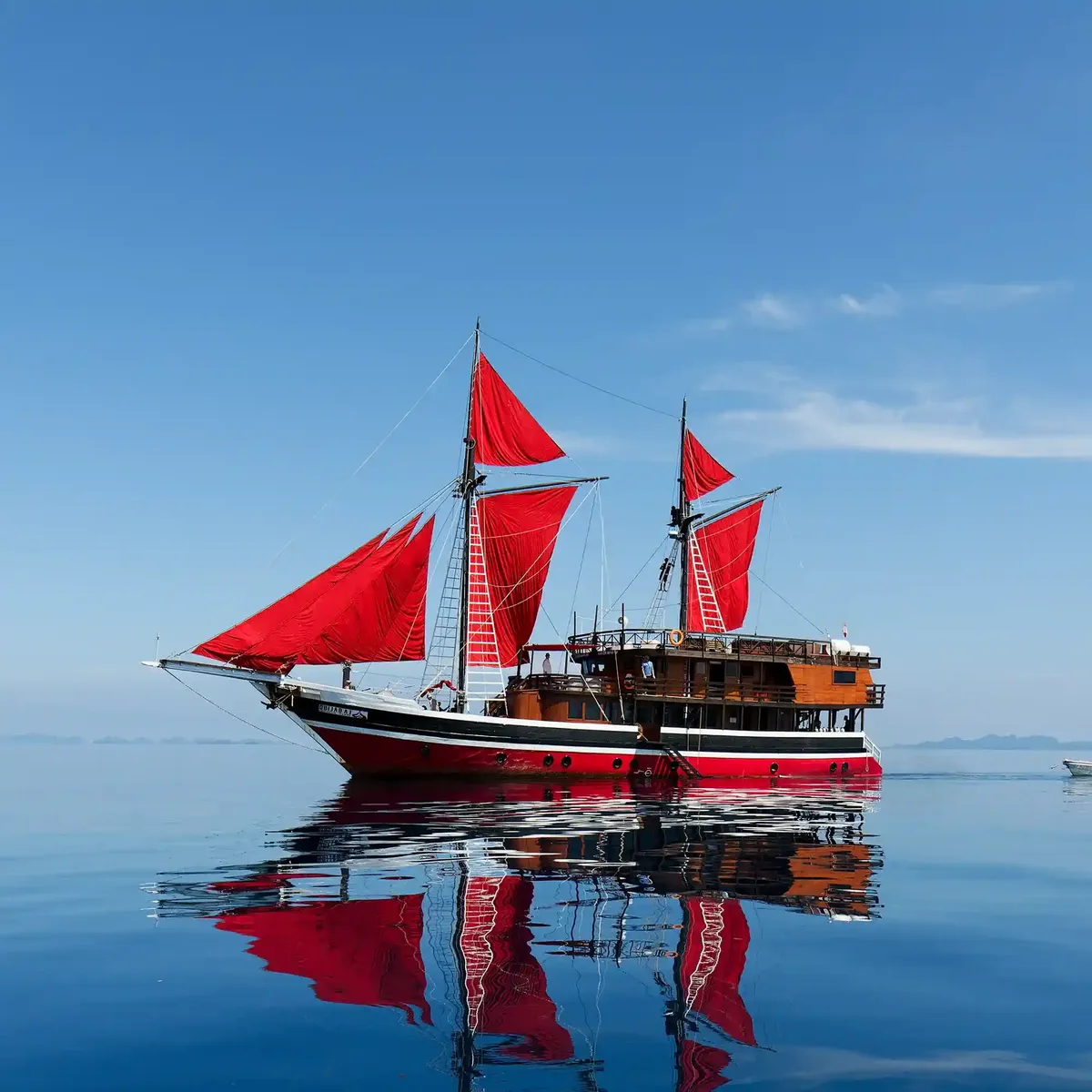
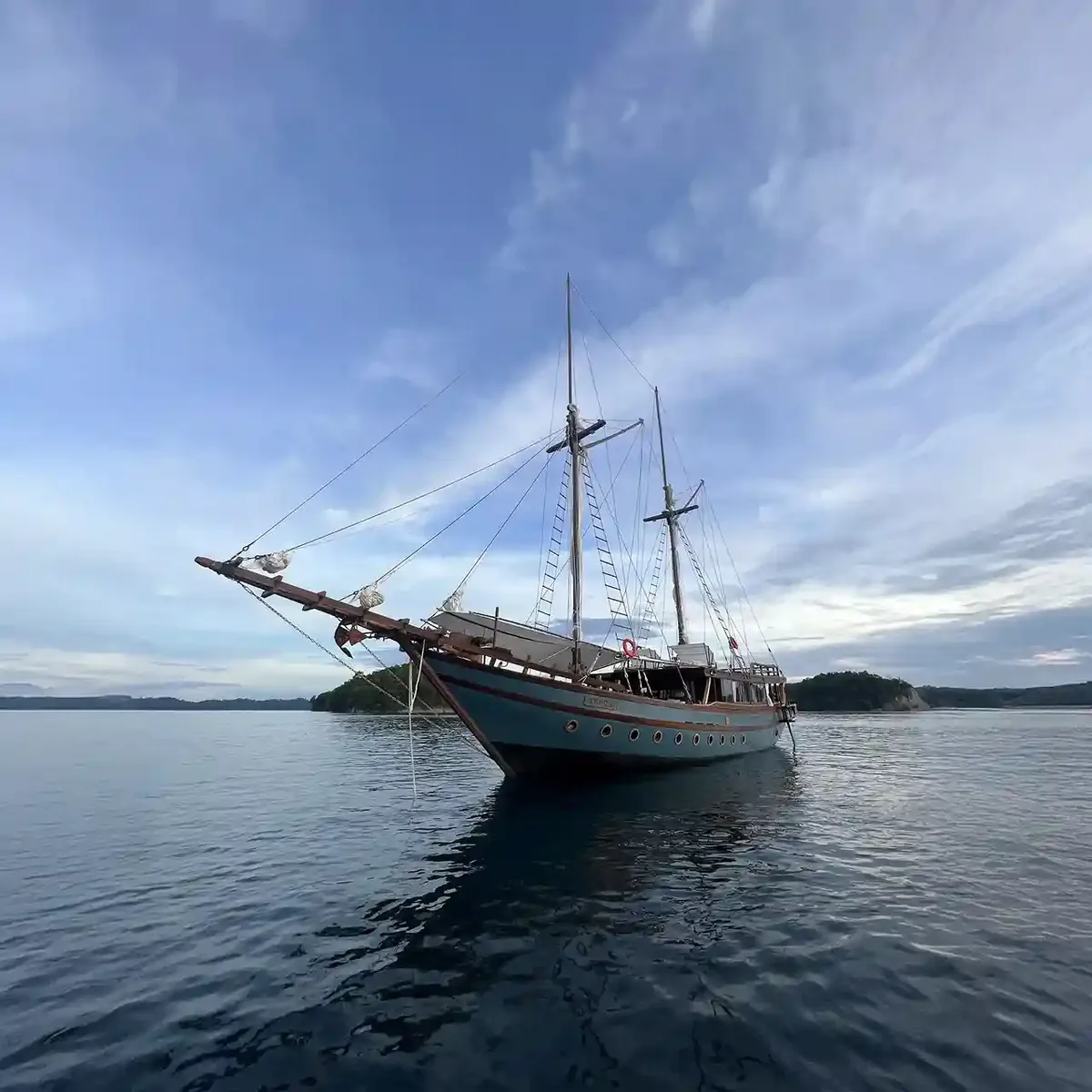
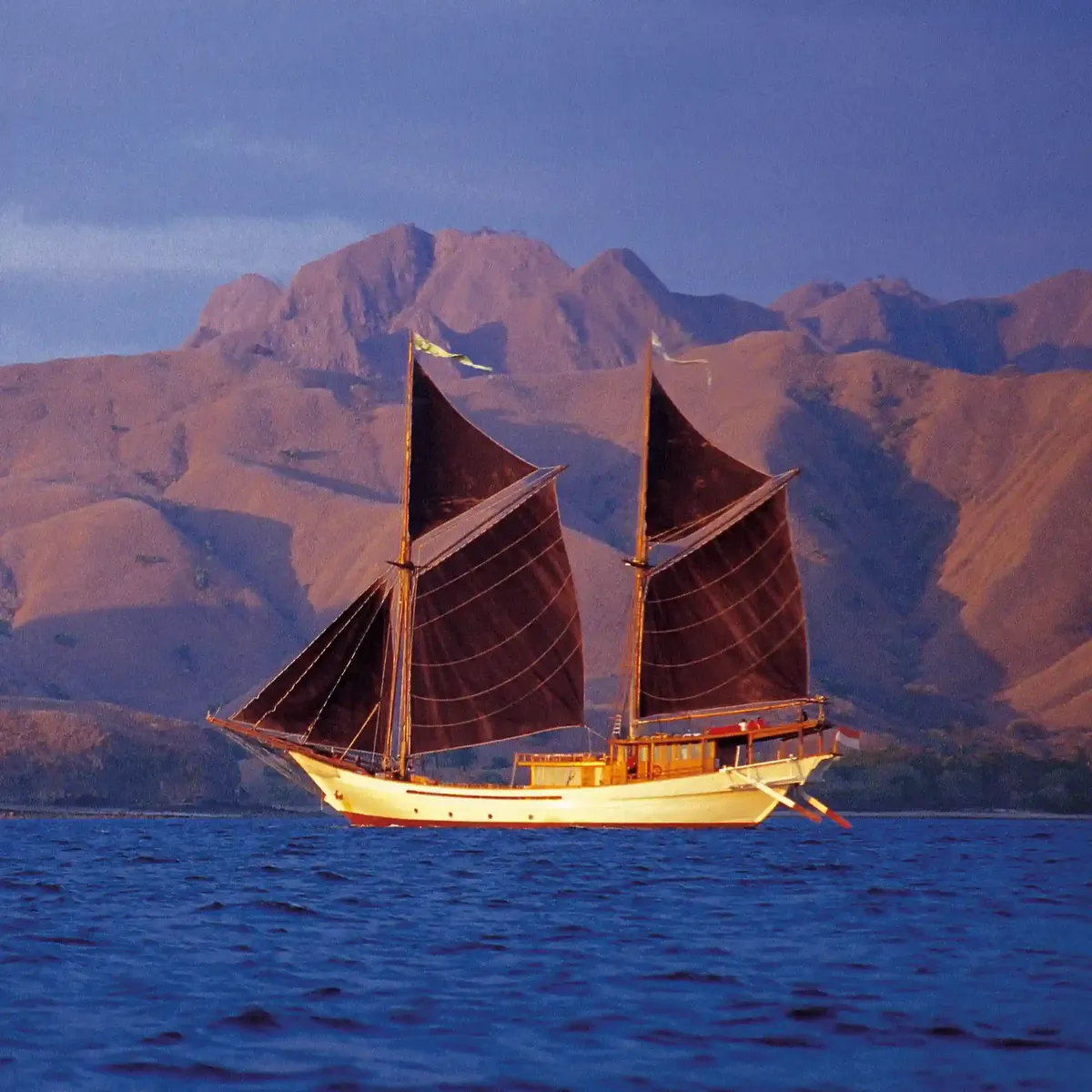
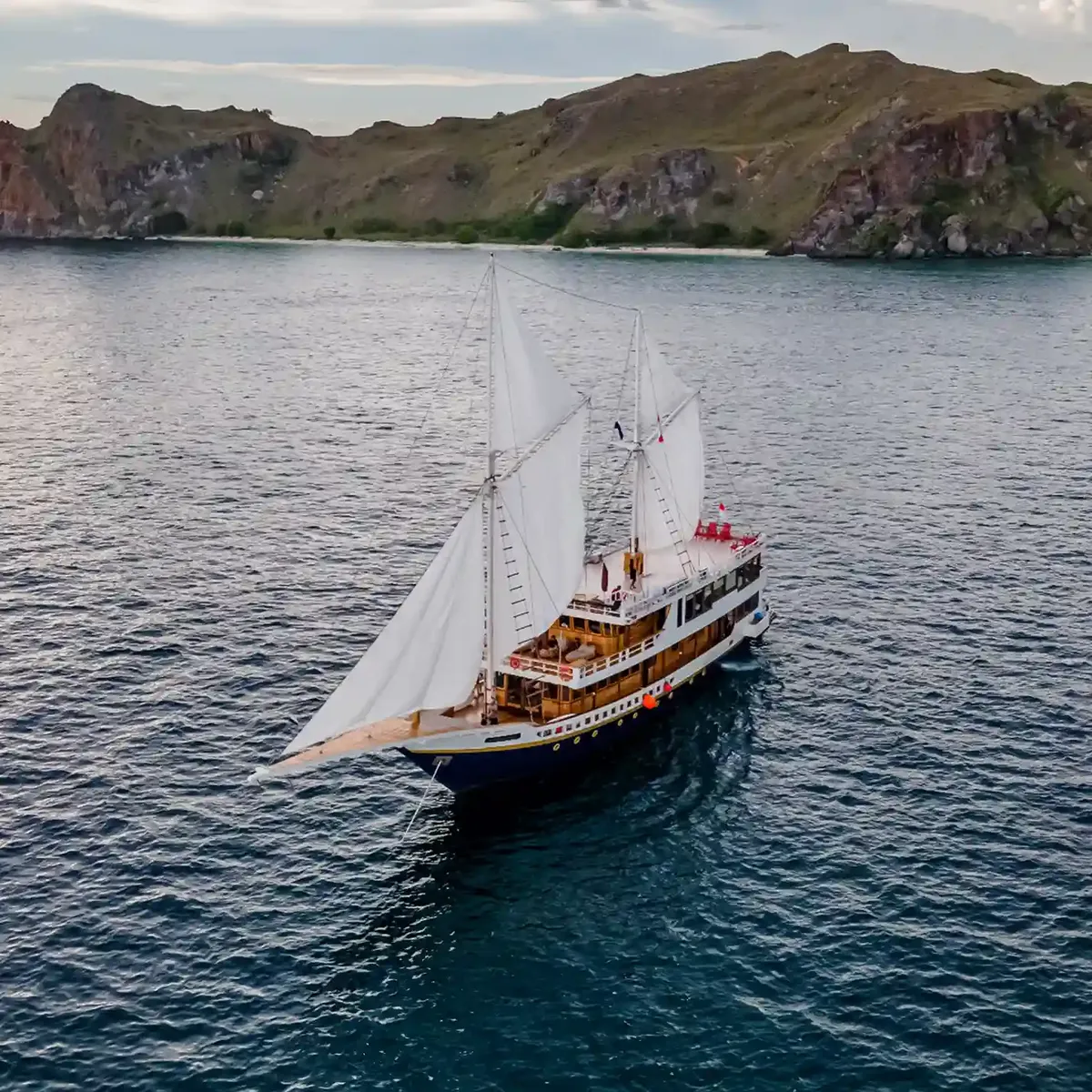
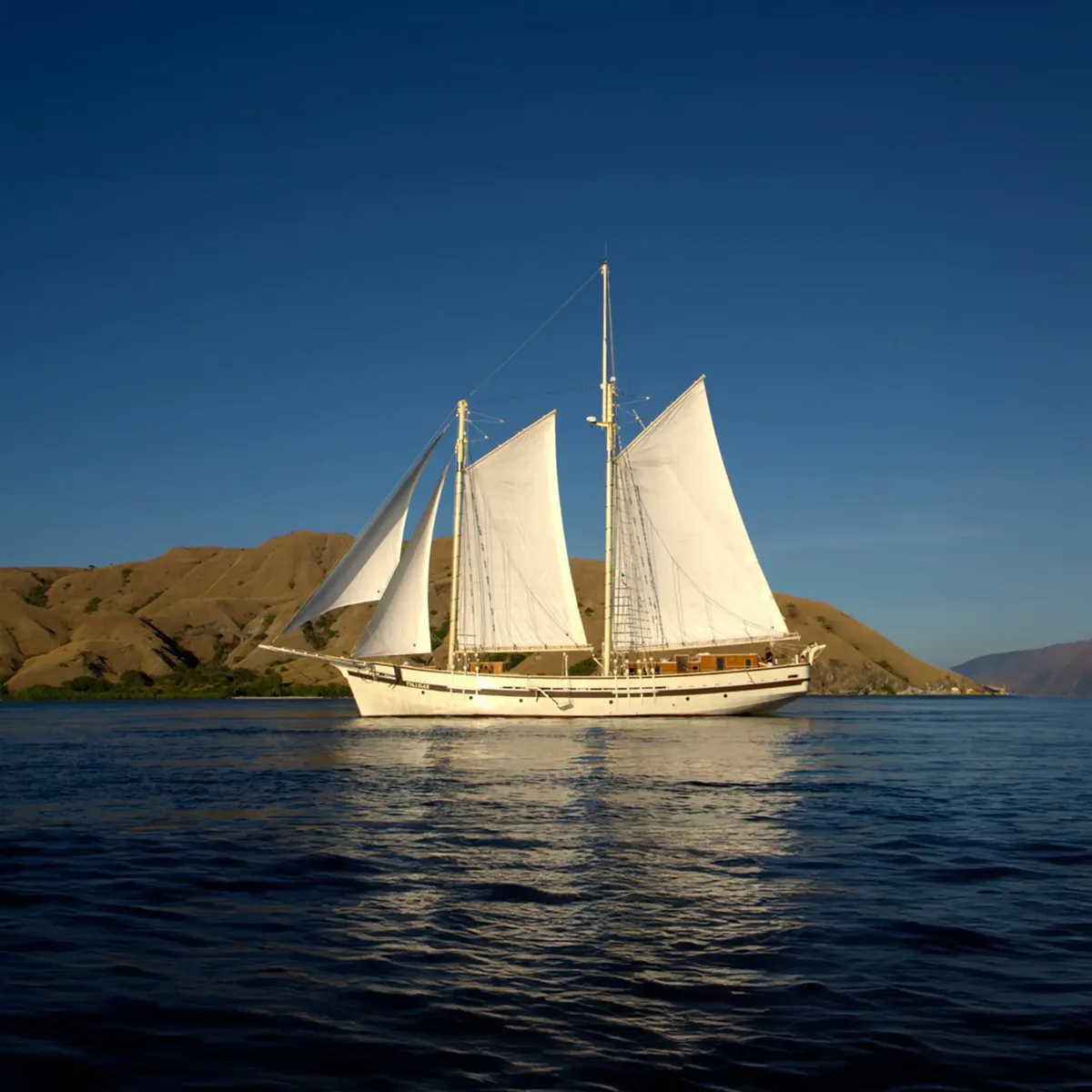
A phinisi is a traditional two-masted Indonesian sailing schooner. These vessels are hand-built by the Konjo boat builders of South Sulawesi using traditional techniques passed down through generations. Our fleet modernizes this heritage with powerful marine engines, advanced navigation systems, and luxury amenities, offering a stable and spacious platform for a Raja Ampat liveaboard voyage.
What is the guest-to-crew ratio on your charters?
Our phinisis operate with a high crew-to-guest ratio, typically 1:1 or greater. A vessel accommodating 12 guests will have a crew of 12-16 members, including the captain, cruise director, engineers, chefs, stewards, and multiple dive guides. This ensures a dive guide-to-diver ratio of no more than 4:1 and provides an exceptional level of personalized service throughout the charter.
Can you accommodate specific dietary requirements?
Yes, our chefs can accommodate a wide range of dietary needs, including vegetarian, vegan, gluten-free, and specific allergies. We require that you inform us of any dietary restrictions or preferences at least 30 days prior to your charter departure. This allows our team to provision the vessel accordingly, as sourcing specialty items in Sorong can be challenging.
Is there internet or satellite communication available?
Internet connectivity in Raja Ampat is extremely limited and unreliable. While some vessels are equipped with a satellite phone for emergency communications (at an additional cost per minute), you should not expect consistent Wi-Fi or cellular service. This disconnection is part of the remote expedition experience. We provide a full pre-trip briefing on communication protocols.
What type of power outlets are on board?
The standard power outlets on our vessels are the European two-pin, round-socket type (Type C/F), providing 220V at 50Hz. We recommend bringing a universal travel adapter to charge your cameras, dive computers, and other electronic devices. Most cabins and common areas are equipped with multiple outlets for guest convenience.
What are the typical water temperature and visibility?
Water temperatures remain consistent year-round, ranging from 27°C to 30°C (81°F to 86°F). A 3mm full-length wetsuit is standard for thermal protection. Visibility is generally excellent during the peak season (October-April), often exceeding 30 meters. It can be reduced in certain nutrient-rich channels or after heavy rainfall, but rarely drops below 15 meters.
How strong are the currents in Raja Ampat?
Currents are a defining feature of Raja Ampat diving, delivering the nutrients that sustain its incredible biodiversity. They can range from mild to very strong (1–4 knots), particularly at open-ocean sites and in channels like the Dampier Strait. All dives are planned around the tides. Proficiency with reef hooks, negative entries, and drift diving procedures is essential for safety and enjoyment.
How many dives are scheduled per day?
A typical day on our liveaboards includes three to four dives. This usually consists of three day dives and, conditions permitting, a dusk or night dive. The schedule is flexible on a private charter and is determined in consultation with your group and the cruise director, based on the itinerary, travel time between sites, and diver preference.
What endemic species can I expect to see?
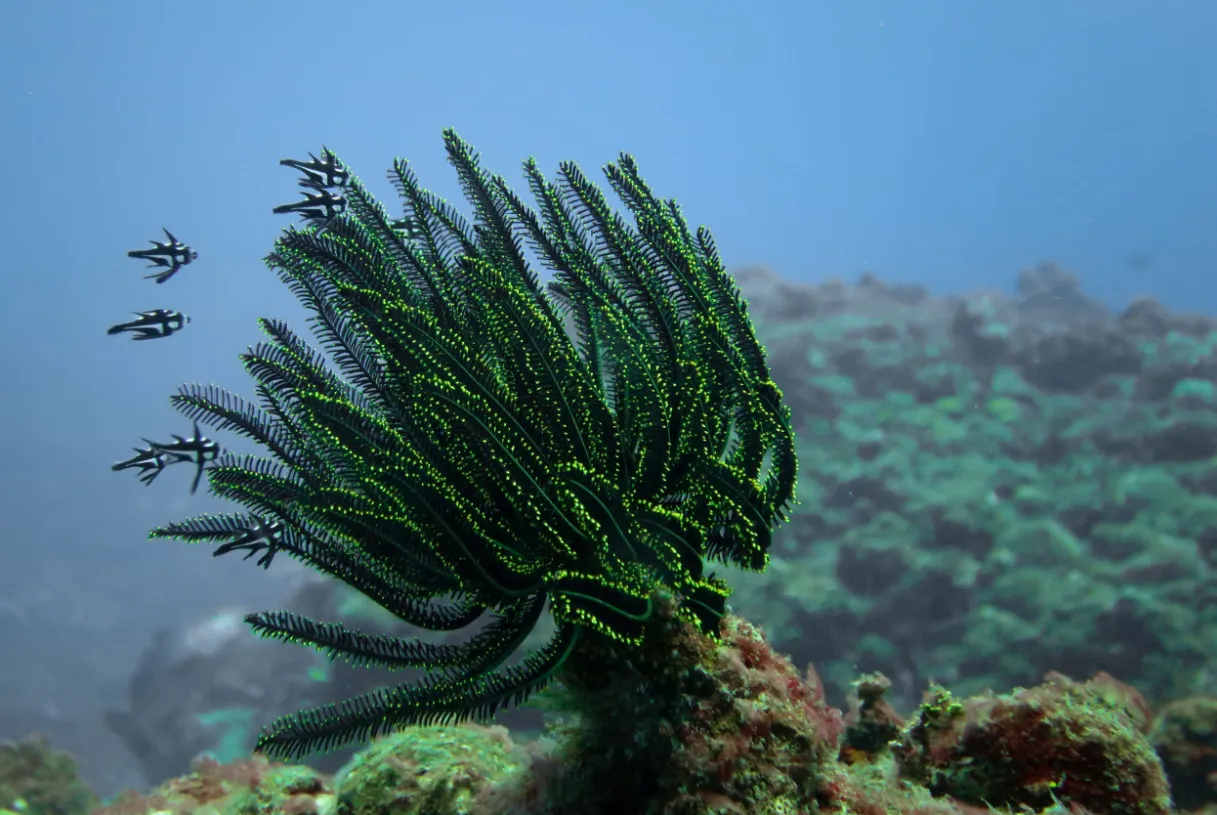
Raja Ampat is a hotspot for endemic species found nowhere else. Divers frequently encounter the tasselled wobbegong shark (Eucrossorhinus dasypogon) camouflaged on reefs, the Raja Ampat walking shark (Hemiscyllium freycineti) on night dives, and the diminutive Raja Ampat pygmy seahorse (Hippocampus pontohi) on gorgonian fans. Our guides are experts at locating these unique species.
Where are the primary manta ray aggregation sites?
Raja Ampat has several key manta ray cleaning stations. Manta Sandy is a reliable site for observing reef mantas (Mobula alfredi) as they hover over cleaning wrasse. For oceanic mantas (Mobula birostris), the seamount known as Magic Mountain in the Misool region offers seasonal sightings, often alongside sharks and large schools of pelagic fish. Our 7-day Misool liveaboard itinerary focuses on these encounters.
What are the onboard safety and emergency procedures?
Every vessel in our fleet is equipped with modern safety equipment, including life rafts, EPIRBs, satellite phones, first aid kits, and emergency oxygen. All charters begin with a comprehensive safety briefing covering vessel procedures, muster stations, and dive emergency protocols. Our crew is trained in first aid, CPR, and emergency oxygen administration.
Where is the nearest hyperbaric chamber?
The closest operational hyperbaric chamber accessible from Raja Ampat is located in Manado, North Sulawesi. A second chamber is available in Waisai, but its operational status can be inconsistent. Due to the remote location, mandatory dive insurance with medical evacuation coverage is critical to ensure timely transport to a suitable facility in the event of a decompression-related incident.
Do I need specific vaccinations for travel to West Papua?
We are not medical professionals and advise you to consult your doctor or a travel medicine clinic at least two months before your trip. They can provide a personalized recommendation for vaccinations and malaria prophylaxis based on your health history. Routine vaccinations such as Tetanus and Hepatitis A/B are generally recommended for travel to Indonesia.
What is the Raja Ampat Marine Park fee?
All visitors entering the Raja Ampat Marine Park must purchase an entrance tag, known as the PIN. The fee is IDR 1,000,000 (~USD 65) per person and is valid for one year. We facilitate the purchase of these tags for our guests to ensure compliance with park regulations. The revenue directly funds conservation and community development projects within the park.
What are the environmental regulations for divers in the park?
Raja Ampat is a Marine Protected Area with strict regulations. Divers are prohibited from touching, chasing, or harassing marine life. The use of gloves and pointers (except for dive professionals) is forbidden. Anchoring is restricted to designated areas. We adhere to a strict "no-take" policy and conduct all dives with a focus on passive observation and environmental preservation.
Can I rent dive equipment?
Yes, we offer a complete range of high-quality rental dive equipment, including BCDs, regulators, wetsuits, fins, masks, and dive computers. To ensure availability and proper sizing, you must reserve your equipment at the time of booking. All gear is serviced regularly by certified technicians. Tanks (80cf / 12L aluminum with INT/Yoke valves), weights, and weight belts are included for all divers.
What is the standard tipping policy for the crew?
Crew gratuities are not included in the charter price and are discretionary. If you are pleased with the service, a gratuity of 5-10% of the charter price is a standard guideline. The tip is typically collected by the cruise director at the end of the voyage and distributed equally among all crew members who contributed to your experience.
What is your payment and cancellation policy?
A non-refundable deposit of 30% is required to confirm your booking. The final balance is due 90 days prior to the departure date. Cancellations made more than 90 days before departure forfeit the deposit. Cancellations within 90 days of departure are subject to a 100% cancellation fee. We strongly recommend comprehensive travel insurance to protect against unforeseen circumstances. See our booking page for full terms.
Are solo travelers able to book?
While our primary focus is on private charter pricing for full vessel bookings, we occasionally offer scheduled cabin-based trips for individuals and small groups. These are subject to availability and are typically announced 6-9 months in advance. Please contact our voyage specialists to inquire about upcoming opportunities for solo travelers or to be added to our waitlist.
Plan Your Trip
More in Plan Your Trip
Plan Your Raja Ampat Voyage
Our dive concierge team is ready to design your private phinisi charter. We manage all logistics — from arrival in Sorong to your departure.