Skip to content
Raja Ampat Liveaboard Diving
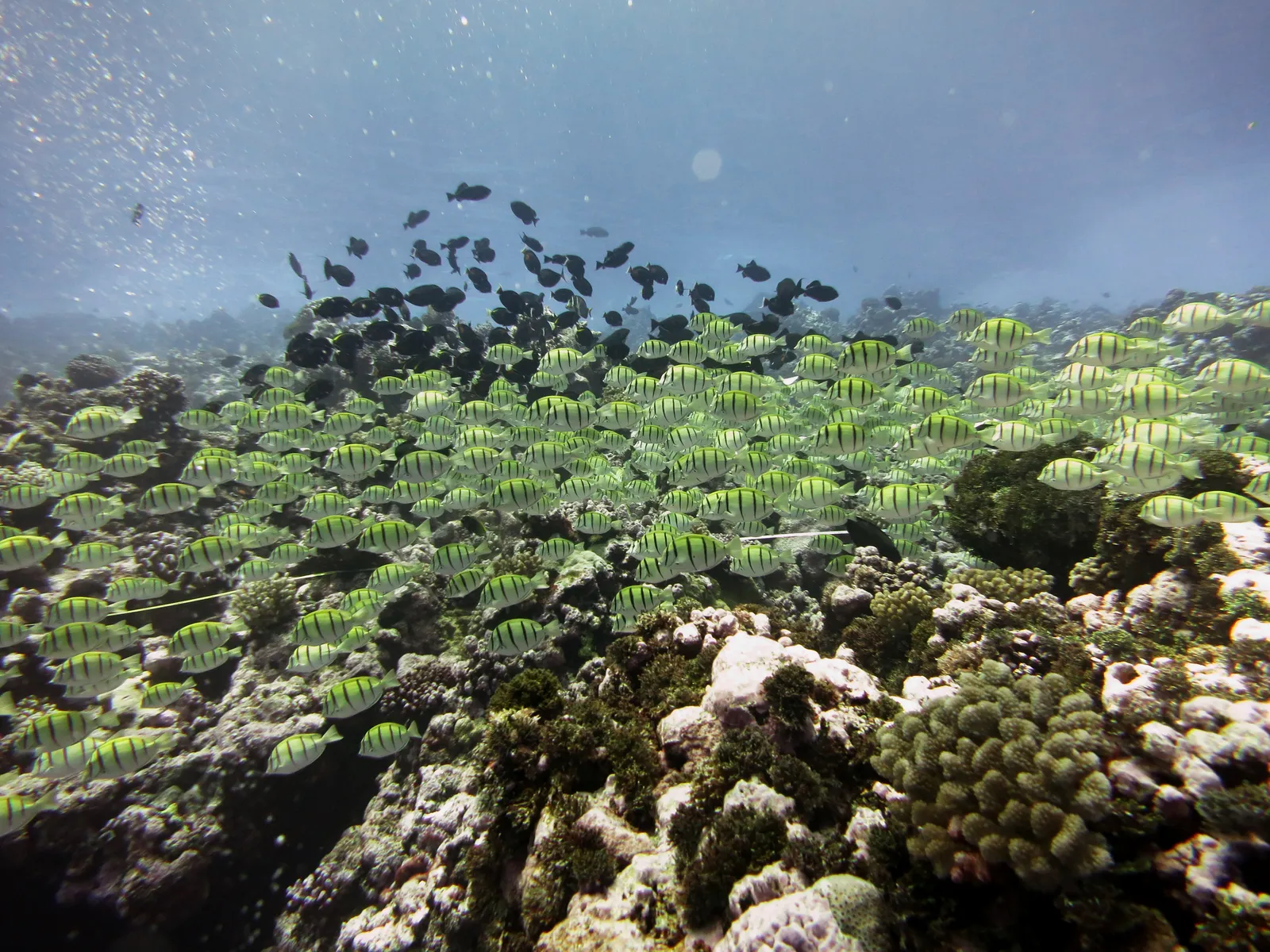
Coral reef and reef fish — NMSAS - Fish At Rose Atoll

Dive Sites

Blue Magic Seamount: A Central Raja Ampat Pelagic Encounter

Blue Magic is a submerged seamount in the Dampier Strait of Central Raja Ampat.

Its oval-shaped pinnacle rises from the seafloor to within seven meters of the surface, intercepting the powerful, nutrient-rich currents that flow between the islands of Waigeo and Batanta. This topography makes the site a convergence point for a significant volume of pelagic marine life. The currents, often reaching four knots, dictate every aspect of the dive, demanding advanced certification and verified drift diving experience. The dive profile at Blue Magic seamount is a controlled, mid-water exposure to schooling fish, sharks, and oceanic mantas. It is not a site for inexperienced divers; it is a calculated encounter with the primary forces that define Raja Ampat’s marine ecosystem.

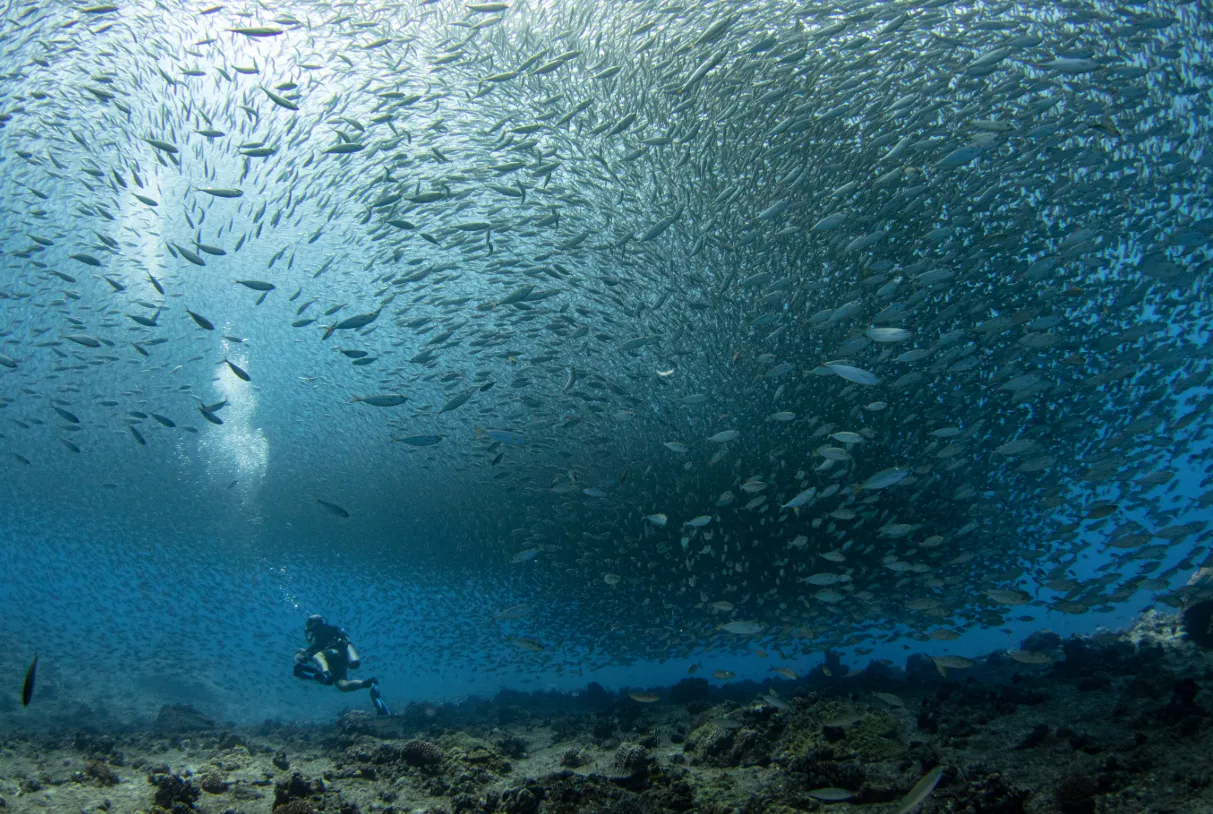
Coral reef and reef fish — NOAA diver bigeye scad school Saipan 2022

01

The Topography of a Pelagic Magnet

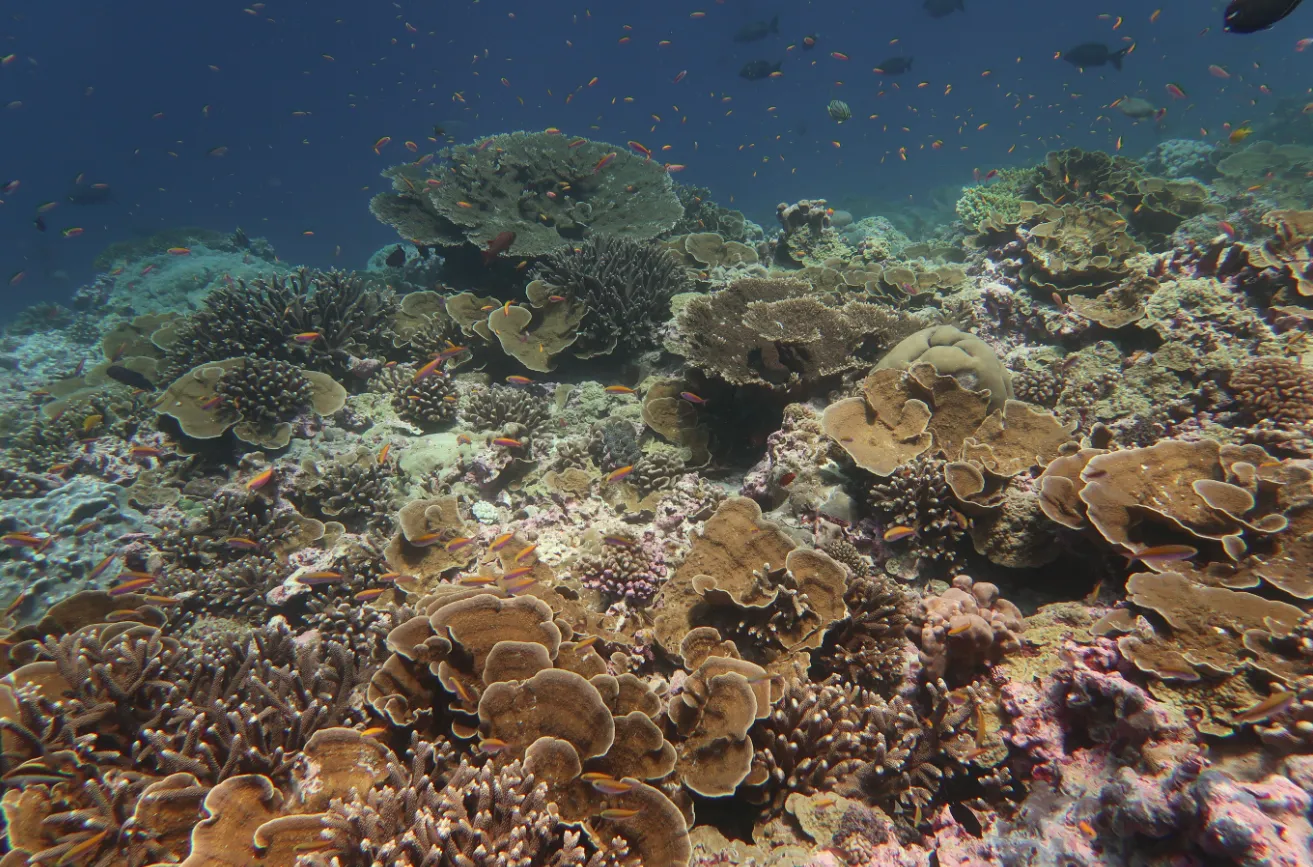
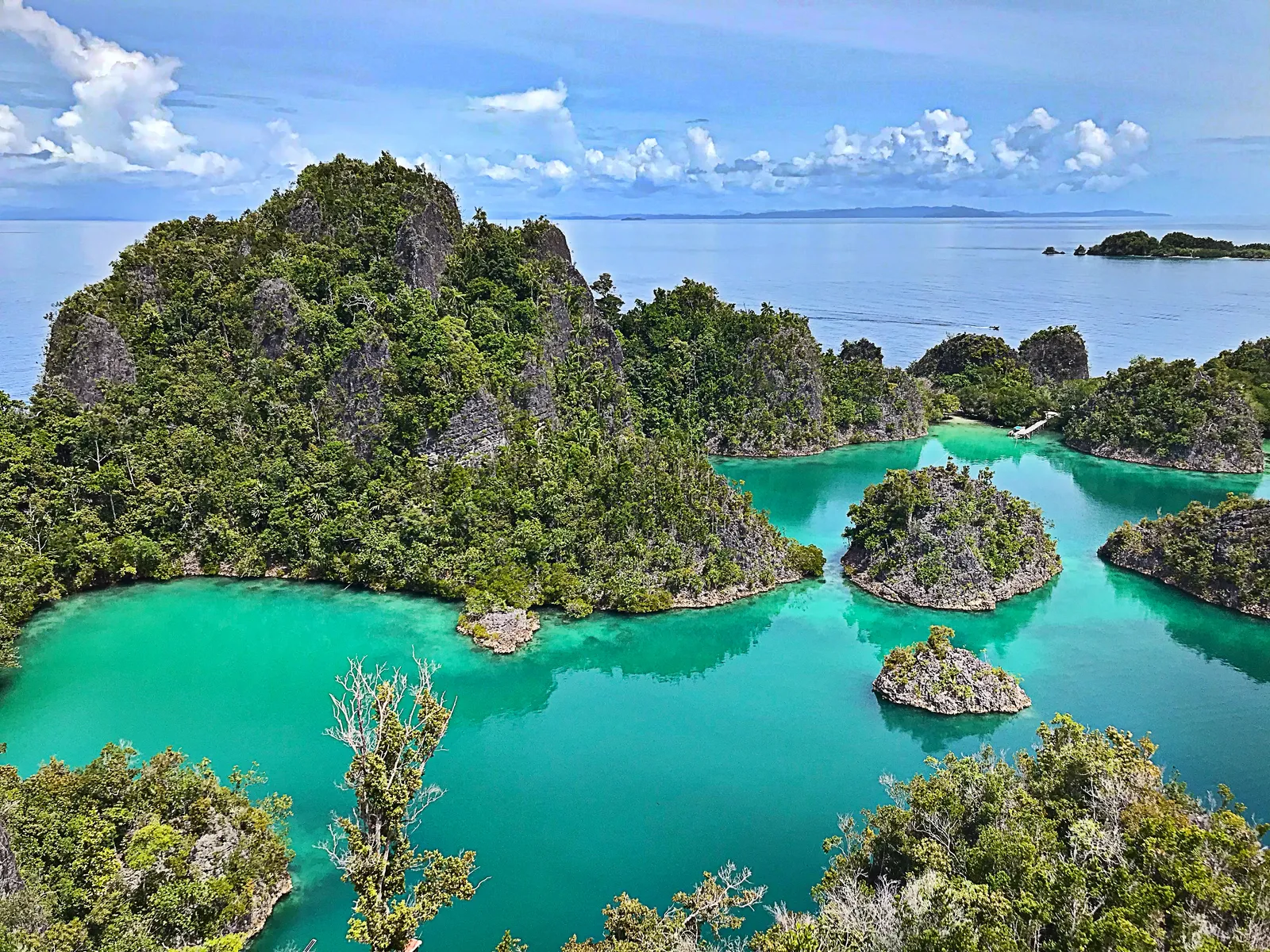
The structure of Blue Magic is fundamental to its function as a marine life aggregator. The seamount is an isolated pinnacle, a solitary obstruction in the path of the Dampier Strait’s immense water exchange between the Pacific and Indian Oceans. The top of the pinnacle forms a wide, flattened plateau at a depth of approximately seven to ten meters. This plateau is covered in a dense carpet of hard corals, including significant stands of acropora and table corals, interspersed with vibrant soft corals and large gorgonian sea fans. This living superstructure provides a habitat for a diverse population of reef fish and invertebrates, echoing the biodiversity for which Raja Ampat is known—an archipelago that contains 75% of all known hard coral species.

From the edges of this plateau, the seamount’s flanks slope steeply away to depths of 30 to 40 meters before dropping into the abyss. This gradient is crucial. As the powerful current collides with the seamount’s underwater mass, it is forced upward, creating a consistent upwelling. This process carries plankton and other nutrients from the deep into the light-filled upper water column. This constant food source is the foundation of the entire food web at Blue Magic, attracting clouds of fusiliers and baitfish, which in turn draw in the larger predators that make the site a premier pelagic destination. A dive here is a direct observation of this dynamic, a lesson in oceanography where the cause—the seamount's physical form—and the effect—the dense aggregation of life—are displayed in a single frame.

03

The Assemblage of Large Marine Vertebrates

The reason divers travel from Sorong to this specific point in the ocean is the sheer density and variety of its marine life. The currents act as a conveyor belt of food, and Blue Magic is the dining hall. The result is a consistent and observable hierarchy of marine predators.

01

H3: Schooling Pelagics: Trevallies and Barracuda

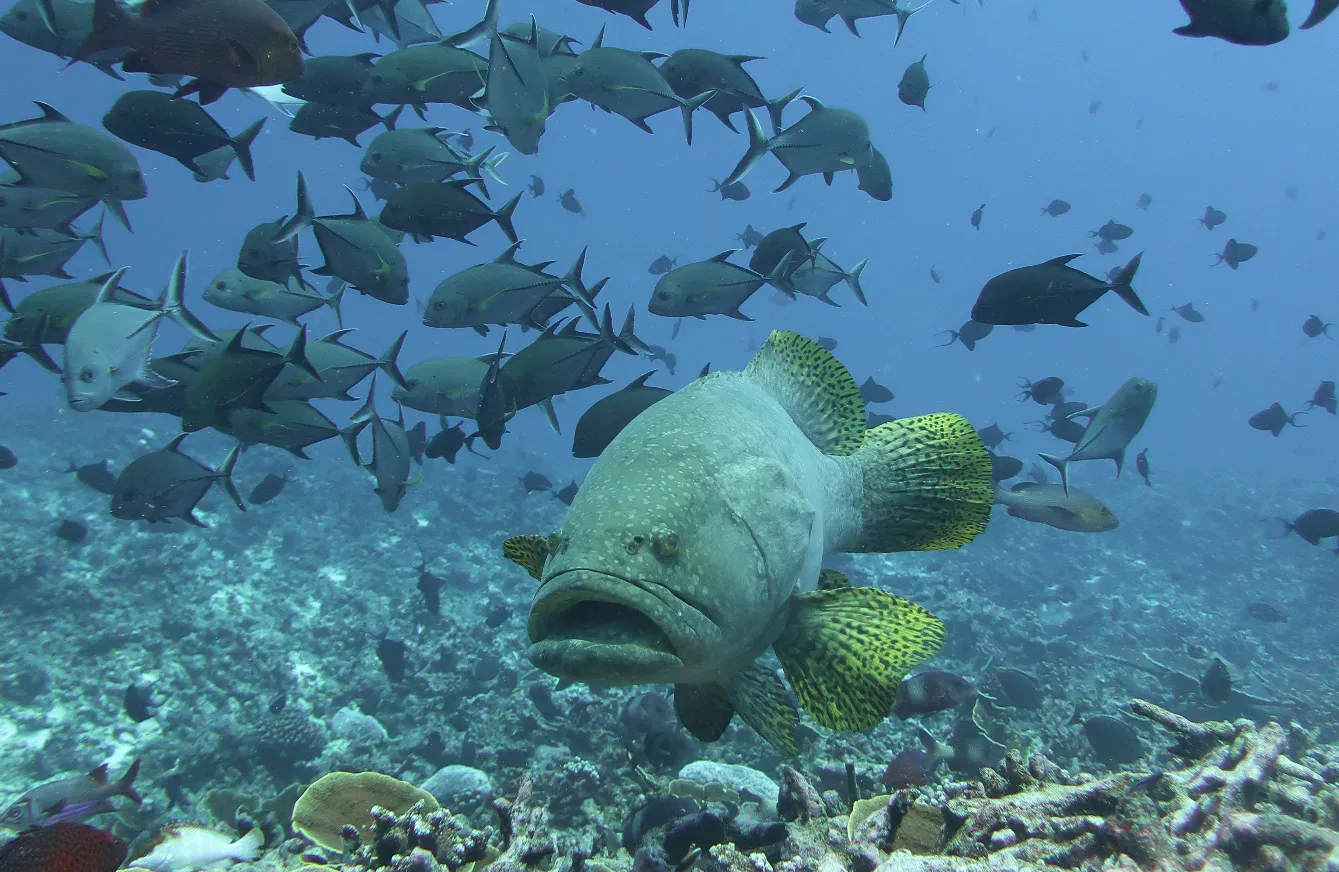
The most immediate and overwhelming sight is often the resident school of bigeye trevallies (jacks). Numbering in the thousands, they form a vast, swirling vortex that can obscure the seamount itself. Divers positioned on the current point often find this tornado of fish parting around them, a fluid wall of synchronized movement. Within and around this school, larger Giant Trevallies (GTs) execute high-speed hunting raids on the clouds of fusiliers. A second, equally impressive aggregation is the school of chevron barracuda. They typically hold a more stationary, linear formation, facing into the current. Their polished silver bodies create a dense, shimmering curtain in the water, a formidable presence that defines the site’s visual landscape.

02

H3: Oceanic Manta Rays and Resident Sharks

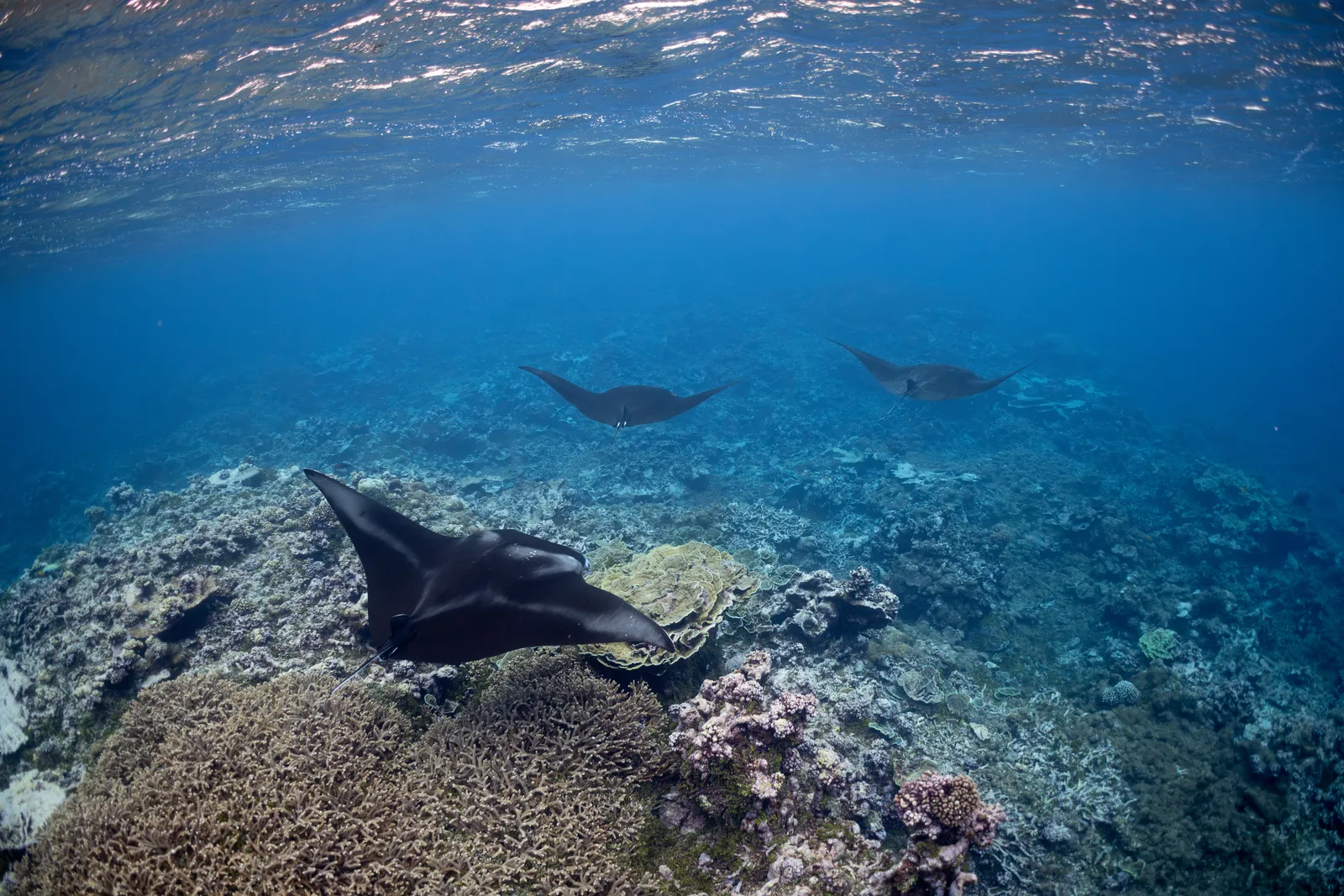
Blue Magic is a known cleaning station for large oceanic manta rays (*Mobula birostris*). These giants, with wingspans reaching up to five meters, arrive from the deep blue to have parasites removed by the pinnacle’s resident cleaner wrasse. They glide into the current, hovering with minimal effort over specific coral bommies, often allowing for extended, close-up observation. While reef mantas (*Mobula alfredi*) are more common at other Raja Ampat dive sites like Manta Sandy, Blue Magic is a reliable location for their larger, more solitary oceanic cousins.

The site also supports a healthy shark population. Grey reef sharks are the most common, patrolling the edges of the reef and the drop-offs in small groups. Whitetip and blacktip reef sharks are also consistently sighted, often resting on the sandy patches near the pinnacle’s base. For the patient observer looking out into the deeper water, faint silhouettes may resolve into a school of scalloped hammerheads, a rare but documented possibility. On the reef itself, camouflaged against the coral, are ornate wobbegong sharks, a species of carpet shark endemic to this region.

Macro reef life — Rikr0064 - Flickr - NOAA Photo Library

04

Macro Life Amidst the Grandeur

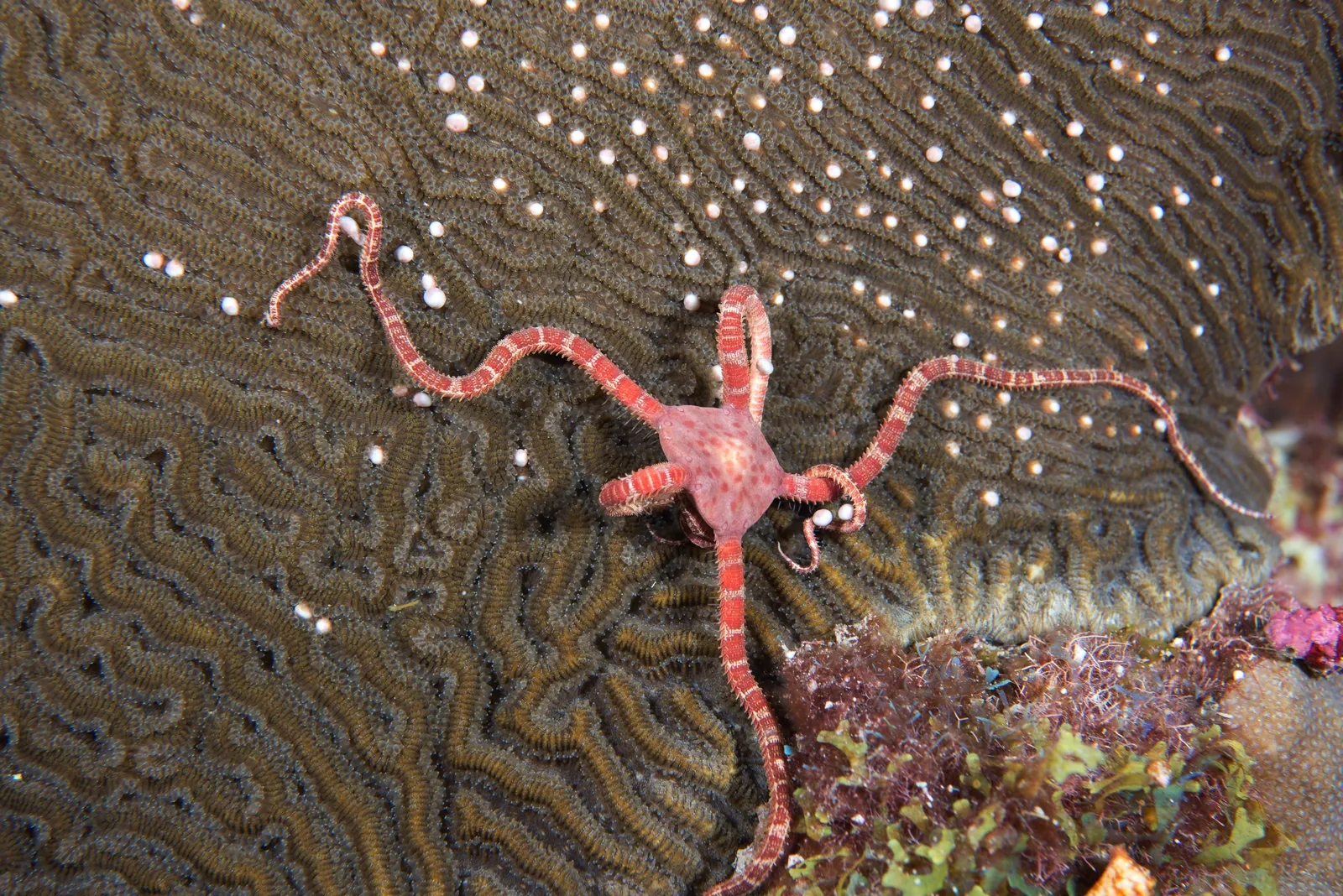
While the pelagic encounters command the most attention, the pinnacle of Blue Magic is a thriving ecosystem in its own right. The same currents that attract the giants also nourish a rich tapestry of smaller life. The large gorgonian sea fans that adorn the seamount's flanks are home to the diminutive Pontoh's pygmy seahorse (*Hippocampus pontohi*), a master of camouflage that is smaller than a fingernail. Finding one requires a keen eye and a knowledgeable guide.

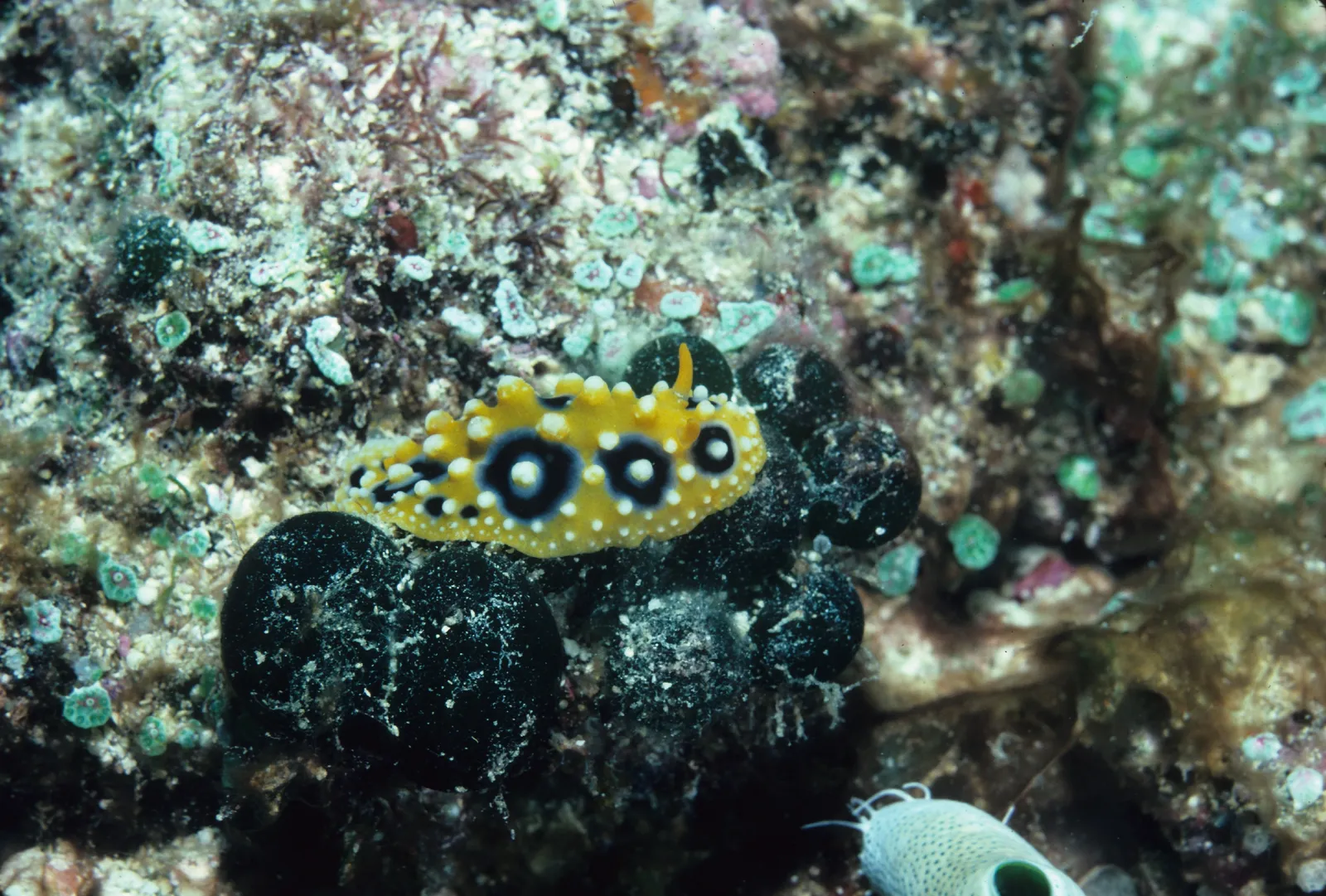
The reef top is a mosaic of color, populated by a wide array of nudibranchs, flatworms, and crustaceans. Soft coral crabs and orangutan crabs can be found hiding in their host corals, while moray eels peer out from rocky crevices. For divers who take a moment to look closely at the reef structure between waves of pelagic action, Blue Magic offers a complete marine life experience, from the immense to the microscopic. This duality is a hallmark of the diving accessible from our Phinisi fleet.

Hard coral — FGBNMS - Coral Spawning

05

Plan Your Central Raja Ampat Expedition

Blue Magic seamount represents a pinnacle of advanced diving in Raja Ampat. It is an immersion in the raw, current-driven energy of the Coral Triangle. Accessing this site requires the logistical support and deep local expertise that only a dedicated liveaboard can provide. As a subsidiary of the Komodo Luxury group, with over a decade of yacht operations and 1,240 voyages completed, we provide the stable, professional platform from which to engage with such powerful environments. Our concierge team can structure a voyage that features Blue Magic as a centerpiece, or design a private charter focused entirely on the pelagic sites of the Dampier Strait. To discuss your expedition, contact our specialists directly.

Contact our dive concierge on WhatsApp to begin planning: +62 811-3823-875 or email us.

FAQ

FAQ: Diving Blue Magic

H3: What is the minimum certification level required for Blue Magic?

We require all divers to hold an Advanced Open Water (AOW) certification, or equivalent, with a minimum of 50 logged dives. Crucially, divers must provide proof of recent experience in strong currents and drift diving environments. This is a non-negotiable safety requirement to ensure all guests have the necessary skills for buoyancy control and situational awareness demanded by the site. Please review our booking information for full diver requirements.

H3: Are shark and manta sightings guaranteed at Blue Magic?

While Blue Magic is one of the most reliable sites in Raja Ampat for pelagic encounters, we cannot guarantee sightings of specific species. Marine life is wild and unpredictable. However, the site’s unique topography and its position in the Dampier Strait create a high probability of encountering large schools of fish, multiple shark species, and oceanic manta rays, particularly during the peak season from October to April.

H3: How strong are the currents, and how are they managed?

The currents at Blue Magic typically range from a moderate two knots to a very strong four knots or more. At four knots, the current is faster than a person can swim. We manage this by diving only at specific tides, using reef hooks to maintain a stationary position without fatigue, and planning the dive as a controlled drift. Our experienced dive guides make the final determination on-site whether conditions are suitable for a safe dive.

H3: What is the contingency plan if the current is too strong to dive?

Safety is the primary consideration. If the Dive Director determines that the current at Blue Magic is too hazardous for the group, the dive will be moved to an alternative site. Central Raja Ampat offers numerous other high-caliber dive sites nearby, such as Cape Kri, which holds a world record for species diversity (374 species on a single dive), Sardine Reef, or Mioskon. The decision is always made to maximize safety while still providing an exceptional dive experience.

Coral reef and reef fish — NMSAS - Fish At Rose Atoll

Plan Your Raja Ampat Voyage

Our dive concierge team is ready to design your private phinisi charter. We manage all logistics — from arrival in Sorong to your departure.