Central Raja Ampat: Dampier Strait & Beyond
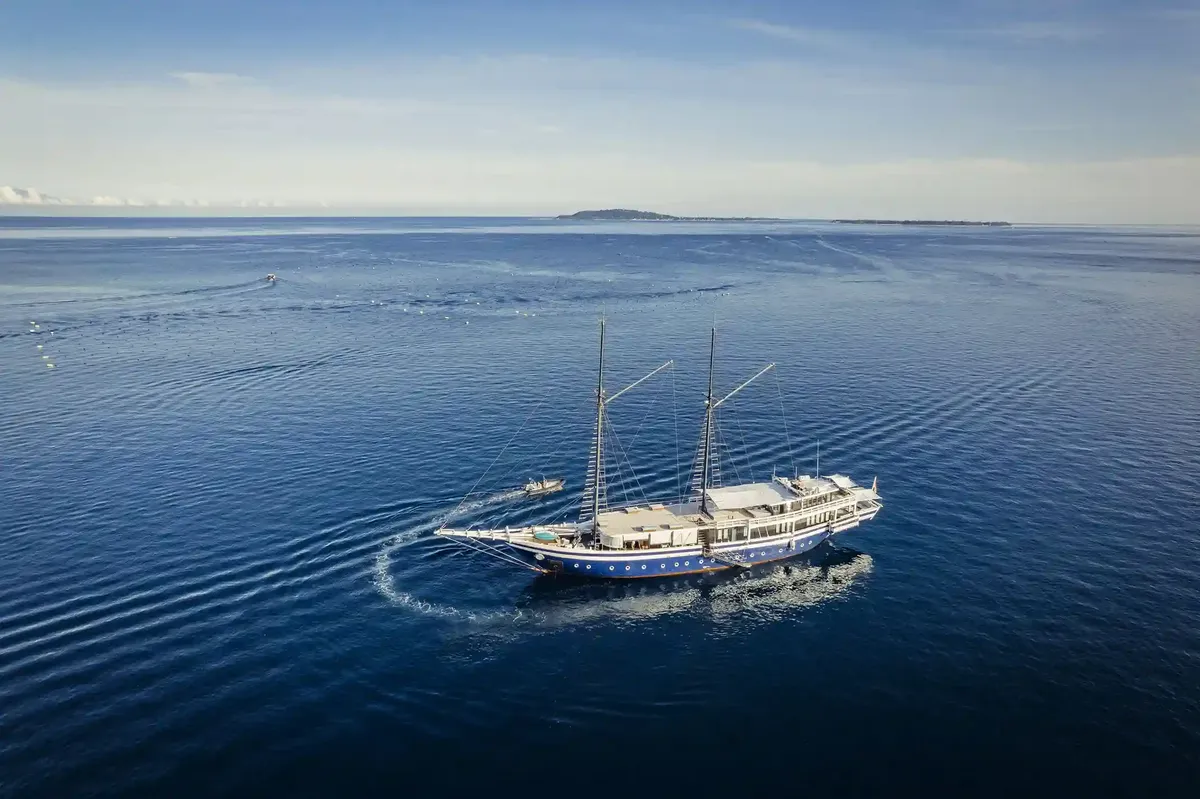
This classic seven-day itinerary concentrates on the nutrient-rich channel separating the islands of Waigeo and Batanta. The Dampier Strait is defined by its powerful currents, which can run between 1 and 4 knots, attracting dense schools of fish and large pelagics. The route is a sequence of globally recognized sites.
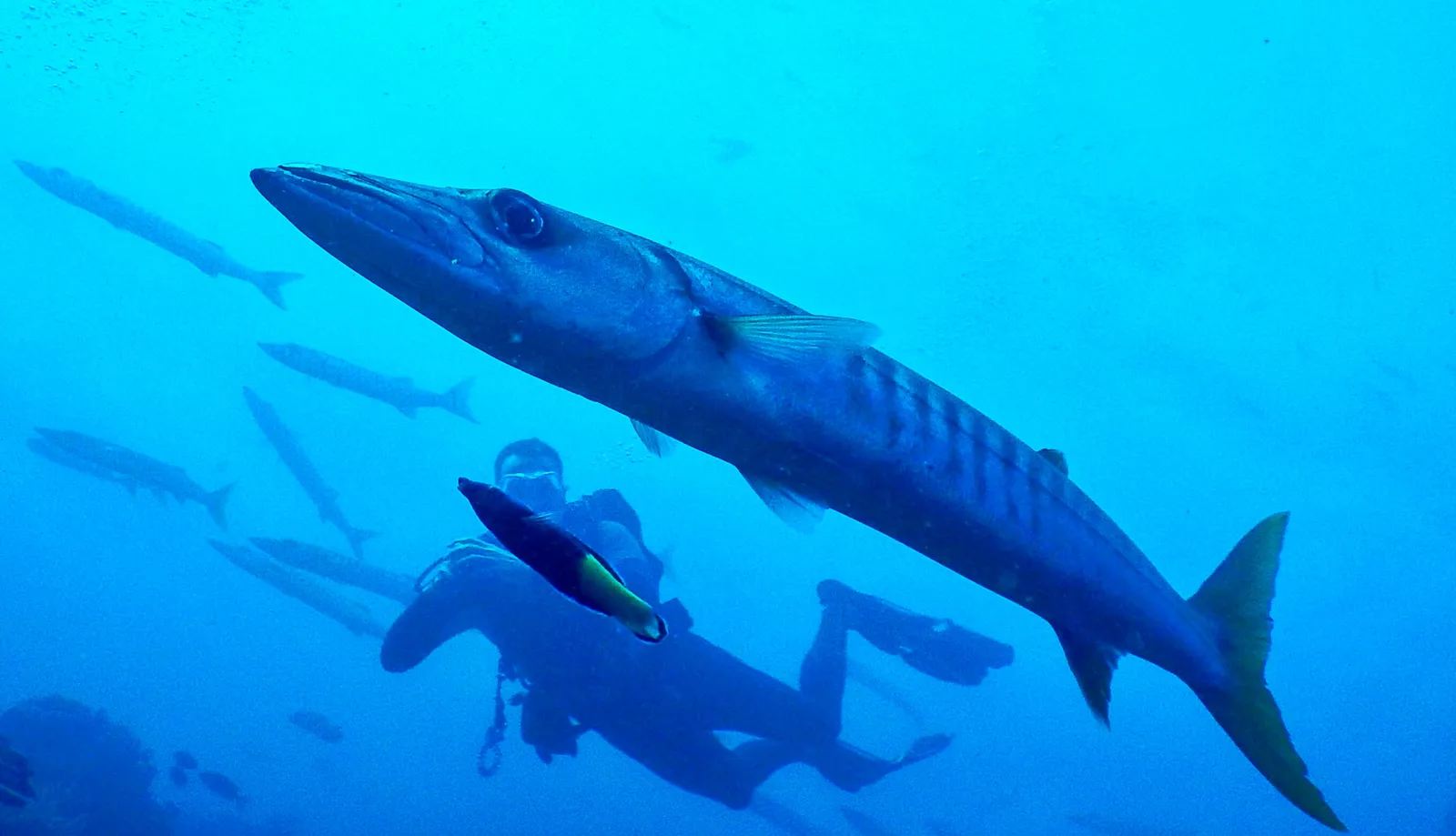
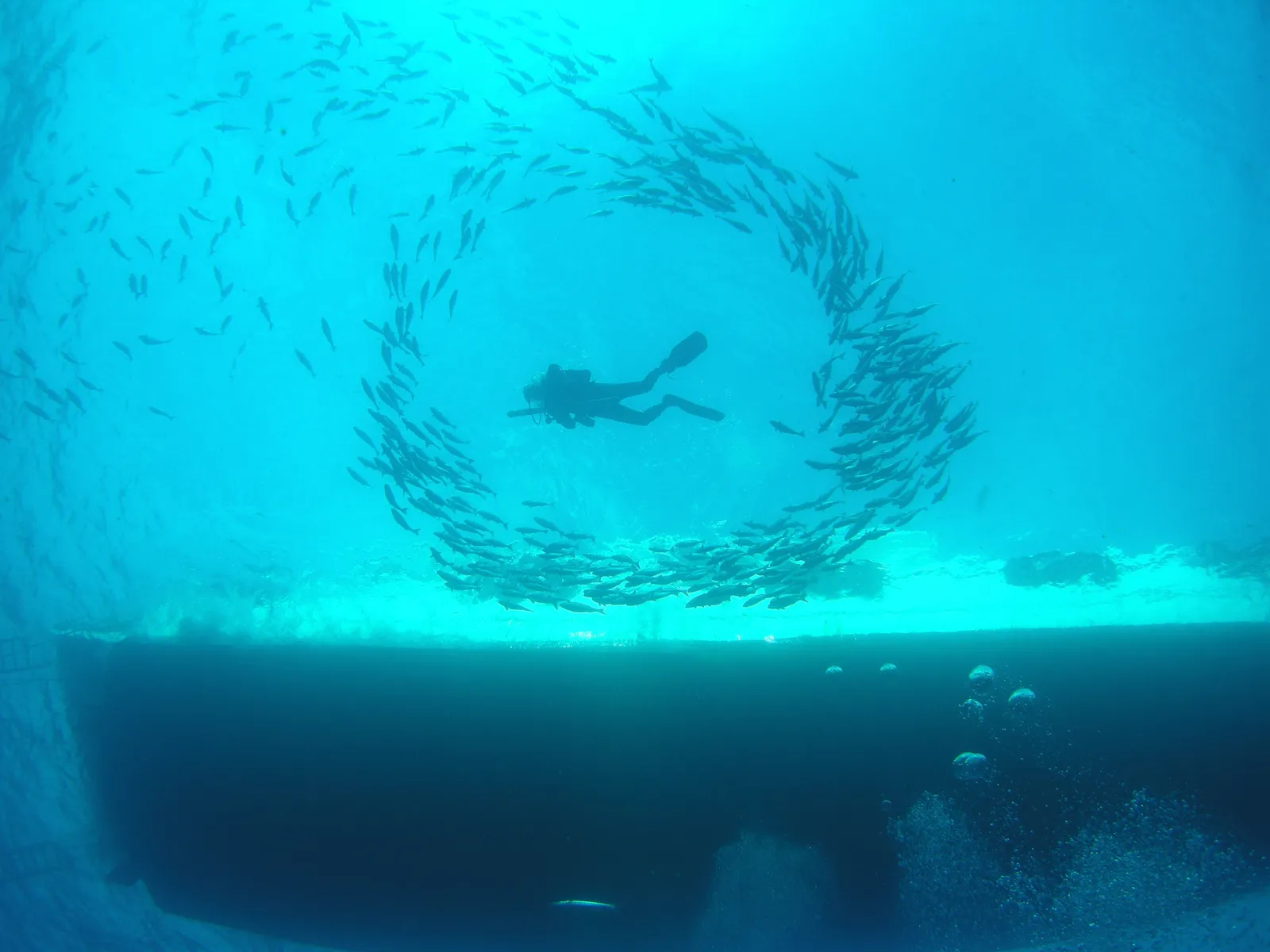
- Cape Kri: This site holds the world record for the most fish species identified on a single dive. In 2012, Dr. Gerald Allen documented 374 distinct species here. Divers can expect to see massive schools of trevally, barracuda, and sweetlips. The reef top sits at 5 meters, dropping to a slope that exceeds 40 meters.
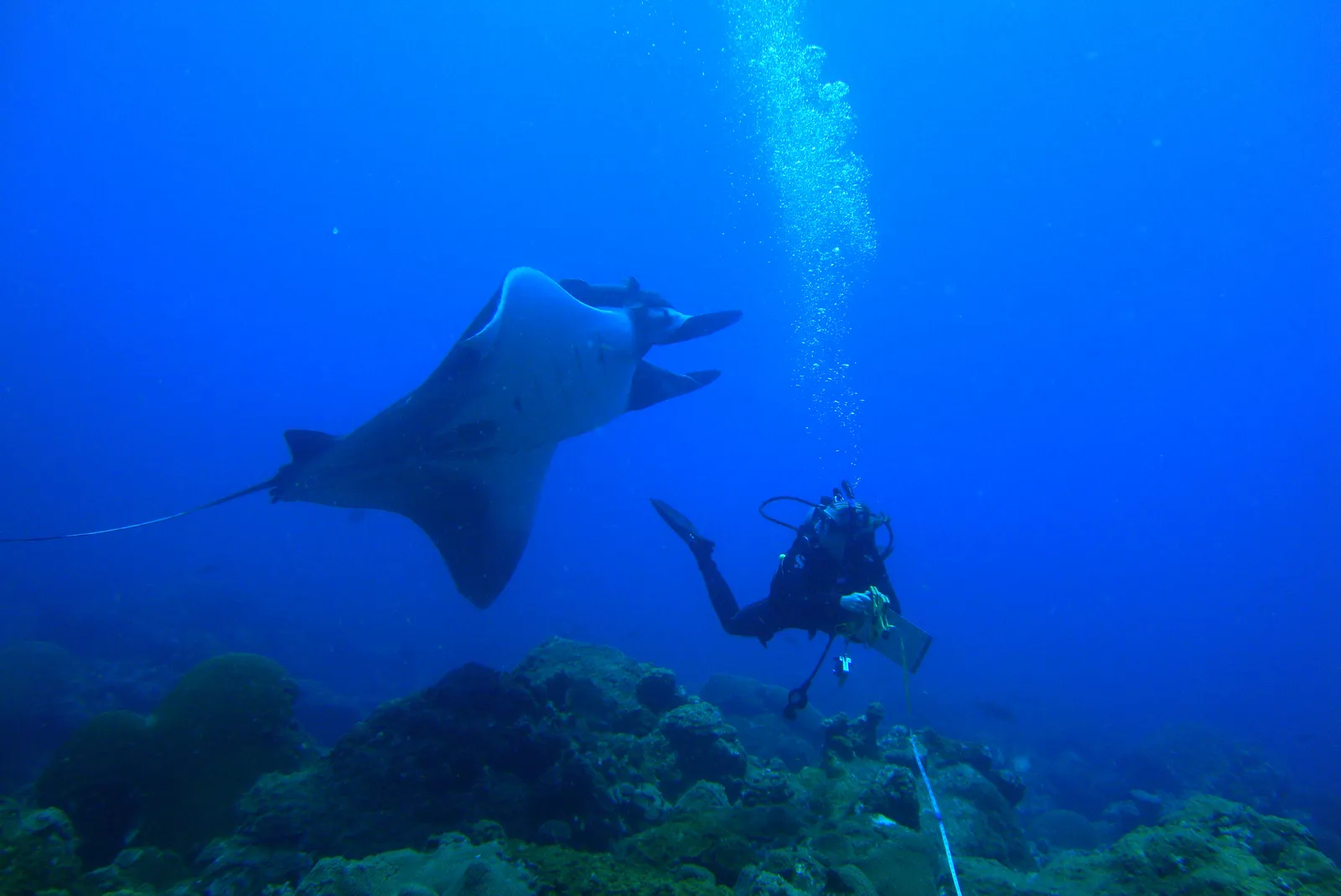
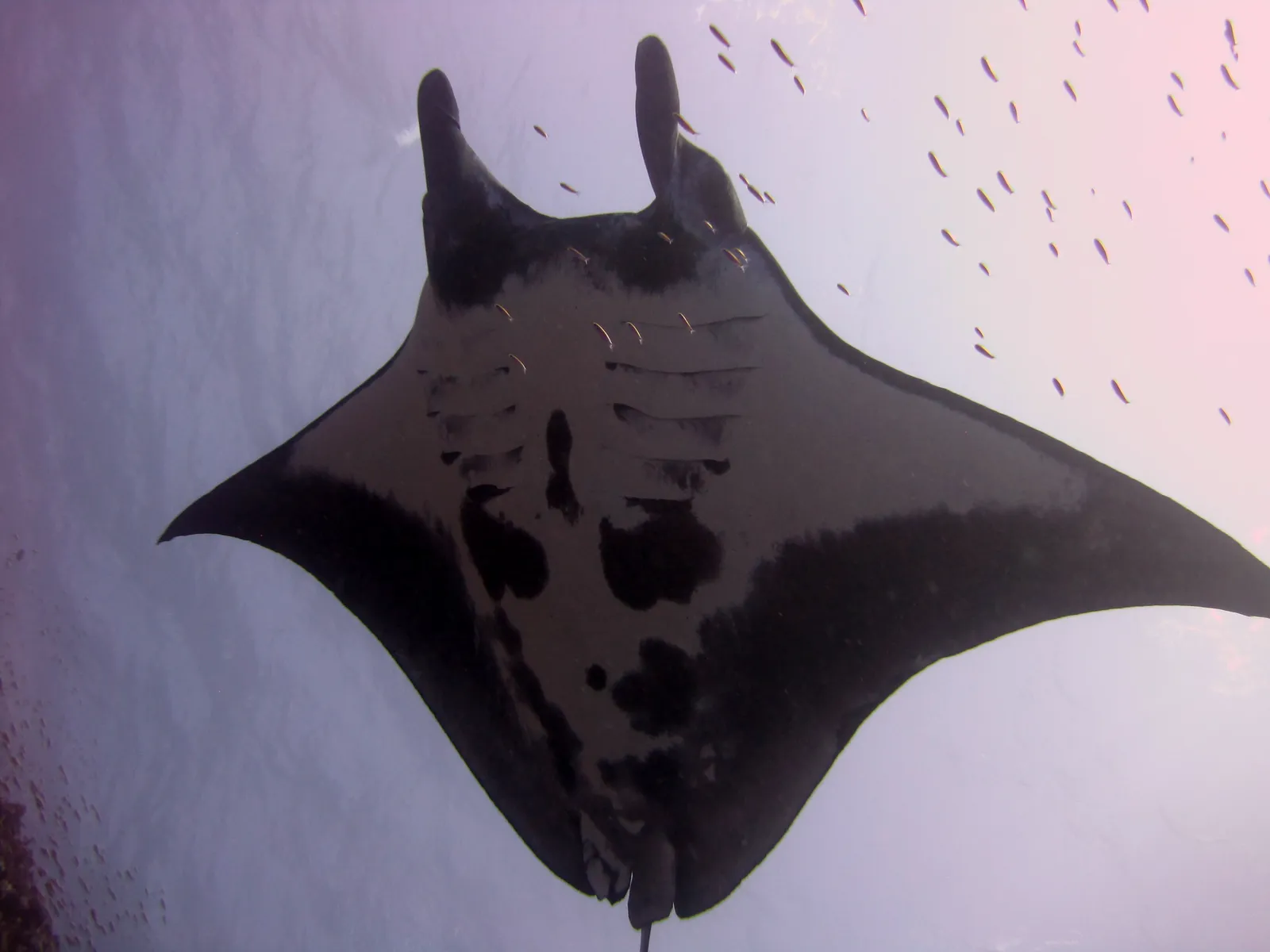
- Blue Magic: An offshore pinnacle that rises to 7 meters from a 30-meter seafloor, this site is a magnet for oceanic manta rays (Mobula birostris) and grey reef sharks. Its exposed location means dives are planned precisely according to tidal charts to manage the strong downcurrents.
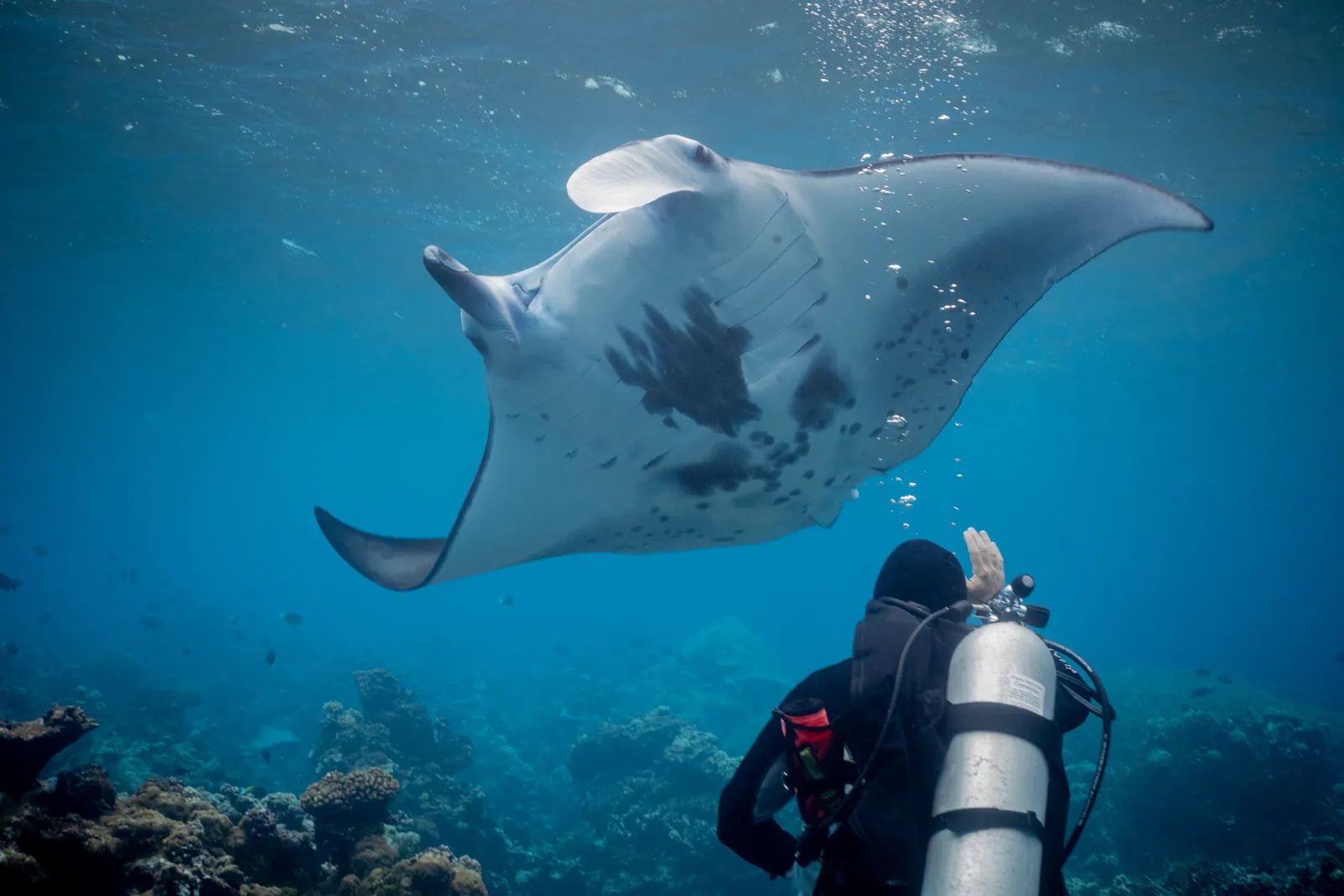
- Manta Sandy: A dedicated cleaning station for reef manta rays (Mobula alfredi) at a depth of 15-18 meters. During the peak season from December to March, divers can observe dozens of mantas queuing for service from wrasses. Strict observation protocols are in place to protect the animals.
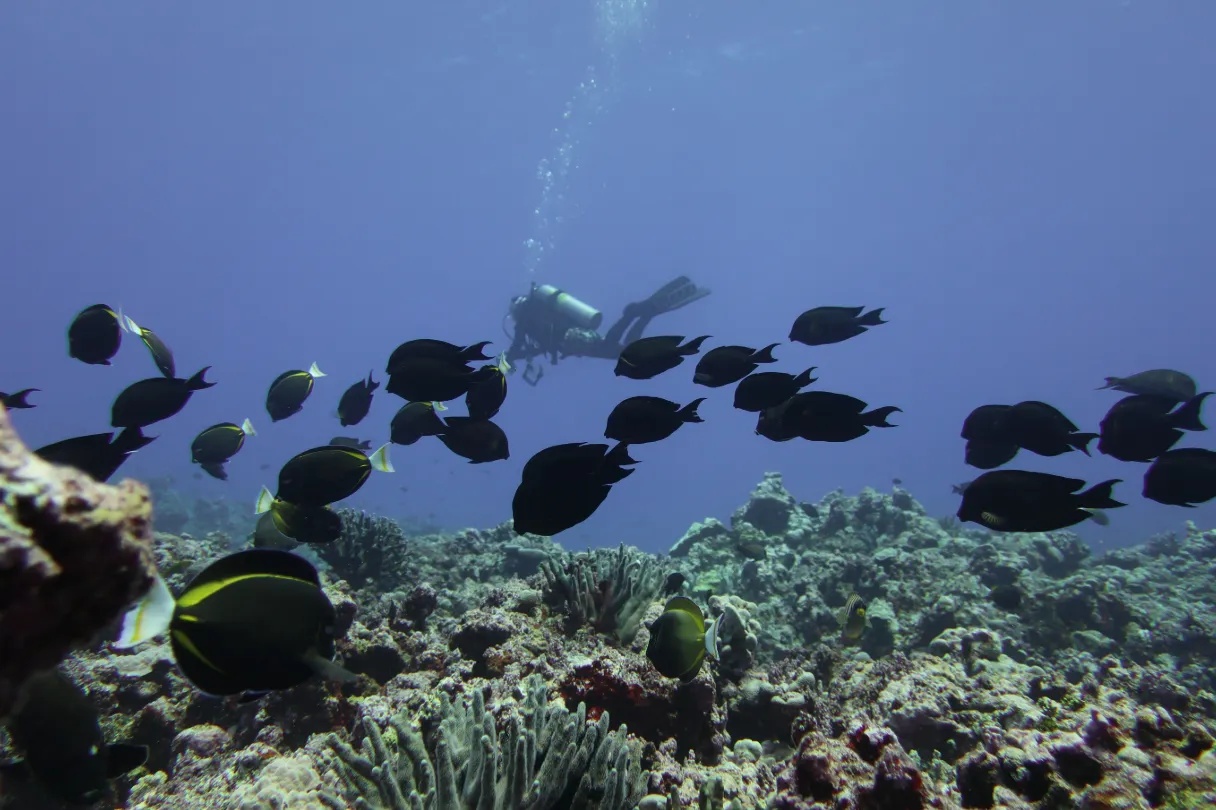
- Sardine Reef: Contrary to its name, this reef is known not for sardines but for its overwhelming biomass of fusiliers, surgeonfish, and bannerfish. The current sweeps divers along a vibrant, sloping reef at depths of 10 to 25 meters. For more detail, read our guide to diving the Dampier Strait.