Skip to content
Raja Ampat Liveaboard Diving
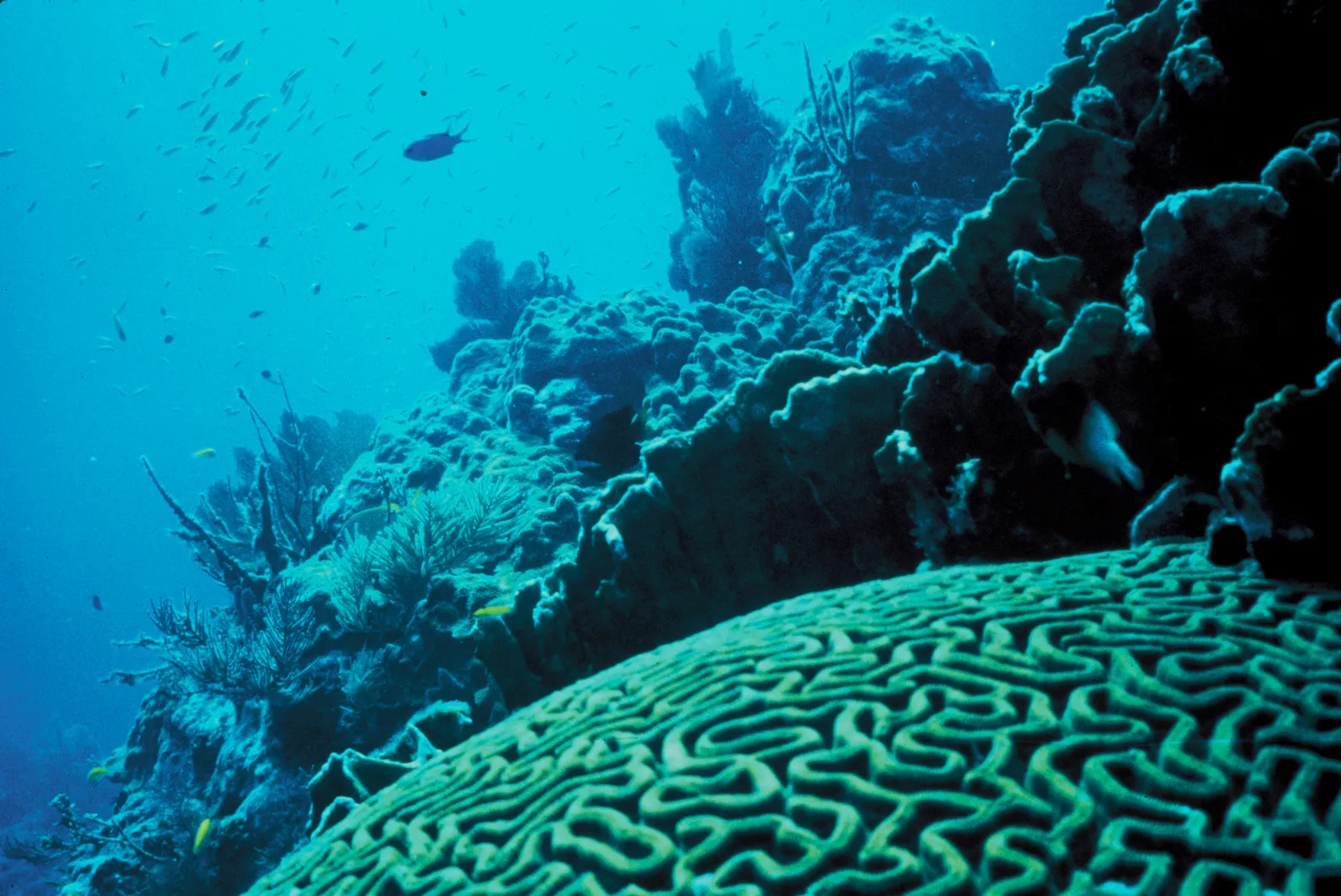
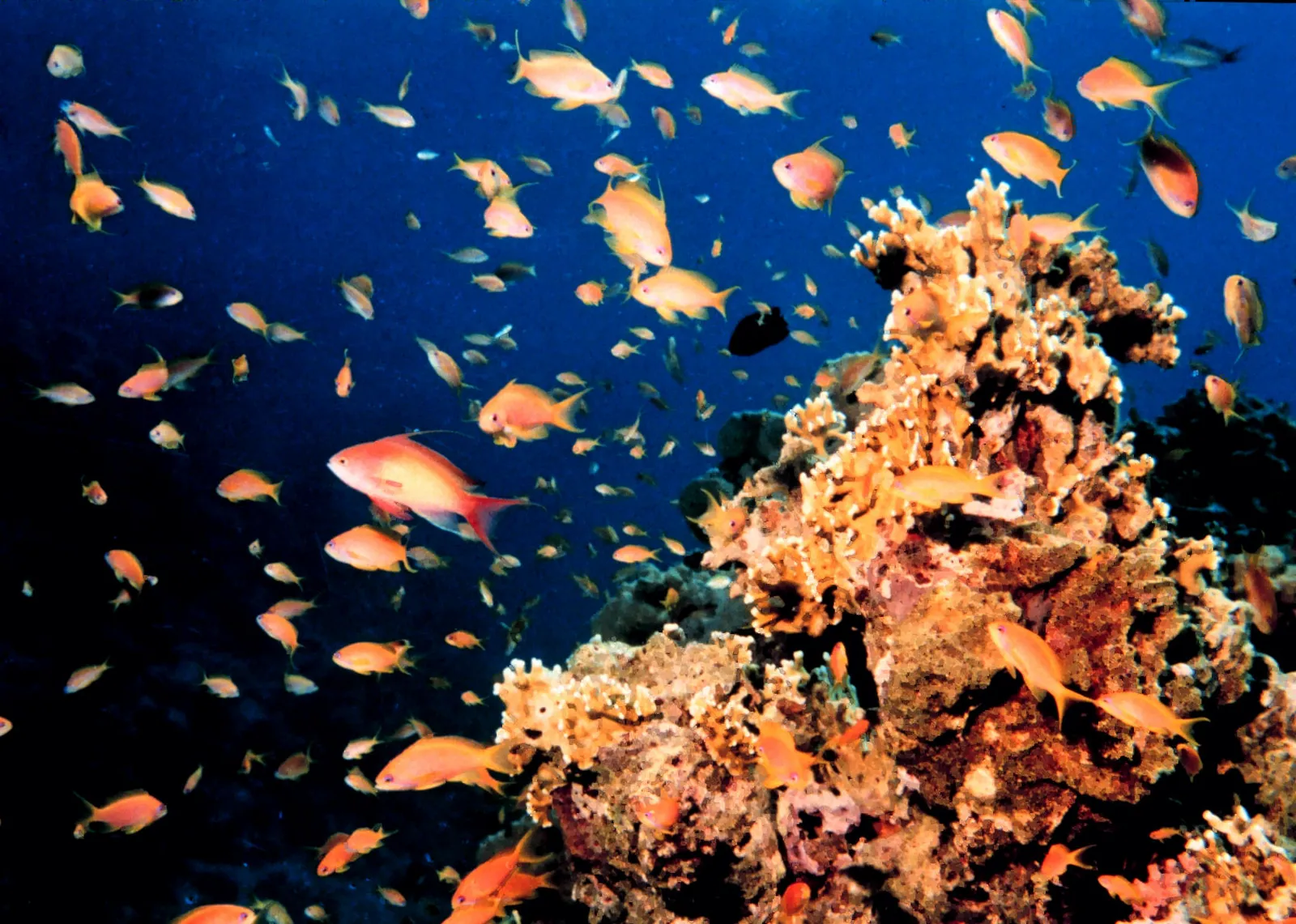
Coral reef and reef fish — Reef2050

Plan Your Trip

Best Time for Raja Ampat Liveaboard — Season Guide (Oct–Apr)

The best time for a Raja Ampat liveaboard is the archipelago's primary dive season, running from October through April.

This period delivers the most consistent and favorable surface conditions across the region's 40,000 km² expanse. Operators can reliably access both the northern islands of Wayag and the southern maze of Misool. During these months, divers find visibility frequently exceeding 30 meters and water temperatures stable at 27–30°C. This is the optimal window for a Raja Ampat liveaboard voyage, aligning with calm seas and peak marine life activity, including the mass aggregation of Mobula alfredi at key cleaning stations from December to March. Determining the best time for your Raja Ampat liveaboard depends on specific objectives, whether targeting pelagic aggregations or maximizing calm water crossings.

01

Raja Ampat's Two Distinct Diving Seasons

Raja Ampat's dive calendar is governed by the northwest and southeast monsoons, which create two distinct seasons. Understanding their effects on sea state, visibility, and regional accessibility is critical for planning a successful private charter.

01

The Primary Dive Season: October–April

The primary dive season, often called the dry season, is defined by the northwest monsoon. Despite the name, this period brings light, intermittent rain, but more importantly, it calms the seas across the archipelago. This stability allows liveaboards to execute itineraries covering the full breadth of Raja Ampat, from the Dampier Strait to the remote lagoons of Misool, a journey that can span over 150 nautical miles. During these seven months, divers can expect:

  • Water Temperatures: A consistent 27–30°C (81–86°F). A 3mm full wetsuit is standard for thermal protection over multiple daily dives.
  • Visibility: Generally ranges from 20–40 meters. Plankton blooms, which attract large filter feeders like manta rays, can occasionally reduce visibility but signal high marine productivity.
  • Sea State: Predominantly calm to slight seas. This ensures comfortable crossings between islands and stable conditions for dive operations from the phinisi tenders.
  • Marine Life: This is the peak period for pelagic encounters. Manta ray aggregations are common, and schooling fish like barracuda and trevally are prolific at sites like Cape Kri, where Dr. Gerald Allen documented a record 374 fish species on a single 2012 dive.
02

The Shoulder & South Wind Season: May–September

The shoulder season is dictated by the southeast monsoon, which brings stronger winds and rougher surface conditions, particularly in the southern region of Misool. Many liveaboards relocate or undergo annual maintenance during this time. However, diving is still possible, especially in the more sheltered northern areas. A private phinisi charter offers the flexibility to build a custom itinerary focused on the protected dive sites around the Dampier Strait and Waigeo. Conditions from May to September typically involve:

  • Water Temperatures: Remain high at 27–29°C.
  • Visibility: Can be reduced to 10–20 meters, especially in the south, due to increased swell and runoff. Northern sites often retain better clarity.
  • Sea State: Moderate to rough seas are common, making long-distance crossings to Misool impractical and uncomfortable.
  • Diver Traffic: This period sees significantly fewer vessels, offering a more isolated experience for charters that do operate. The required Marine Park entrance fee of IDR 1,000,000 per diver remains valid for one year, regardless of season.

02

A Month-by-Month Analysis of the Peak Season

While the entire October-to-April window offers excellent diving, specific months present unique advantages. Aligning your charter dates with your diving priorities—whether macro photography, pelagic encounters, or coral reef surveys—maximizes the return on your voyage. All our liveaboard packages can be tailored to these monthly variations.

01

October–November: The Season Opening

October marks the transition out of the southeast winds. As the seas calm, liveaboards begin their first full-range itineraries. This is an excellent time for divers seeking vibrant reefs and fewer vessels. The water is nutrient-rich after the monsoon, and fish life is abundant. Visibility begins to improve, typically settling around 20–25 meters. Dive sites like Sardine Reef in the Dampier Strait, known for its powerful currents that can reach 3 knots, are teeming with fusiliers, surgeons, and jacks. This is a prime time to see the endemic wobbegong shark (Eucrossorhinus dasypogon) before the peak season traffic arrives.

02

December–March: Peak Manta Aggregations

This four-month block represents the absolute peak of the Raja Ampat liveaboard season. Conditions are optimal: clear skies, flat seas, and visibility often exceeding 30 meters. Most critically, this is the height of manta ray season. A plankton bloom draws large numbers of reef mantas (Mobula alfredi) to cleaning stations. The most famous of these is Manta Sandy, where at depths of 15–20 meters, multiple mantas can be observed queuing for service from cleaner wrasse. In the south, at Misool's Magic Mountain, divers have the rare opportunity to see both reef mantas and the larger, migratory oceanic manta (Mobula birostris) at the same cleaning station. Booking a Raja Ampat liveaboard in October or later in this window is essential as charters fill up 12–18 months in advance.

03

April: The Season's Calm Conclusion

April is a transitional month, offering some of the calmest water and clearest visibility of the year as the monsoon winds shift. It is an ideal time for wide-angle photography across the region's diverse reefscapes, which host 75% of the world's known hard coral species. Manta sightings are still frequent, though the large aggregations begin to disperse. This month provides an excellent balance of superb conditions and slightly less traffic than the December-to-March peak. It is a final opportunity to complete a comprehensive Central and South itinerary before the southern winds make Misool less accessible.

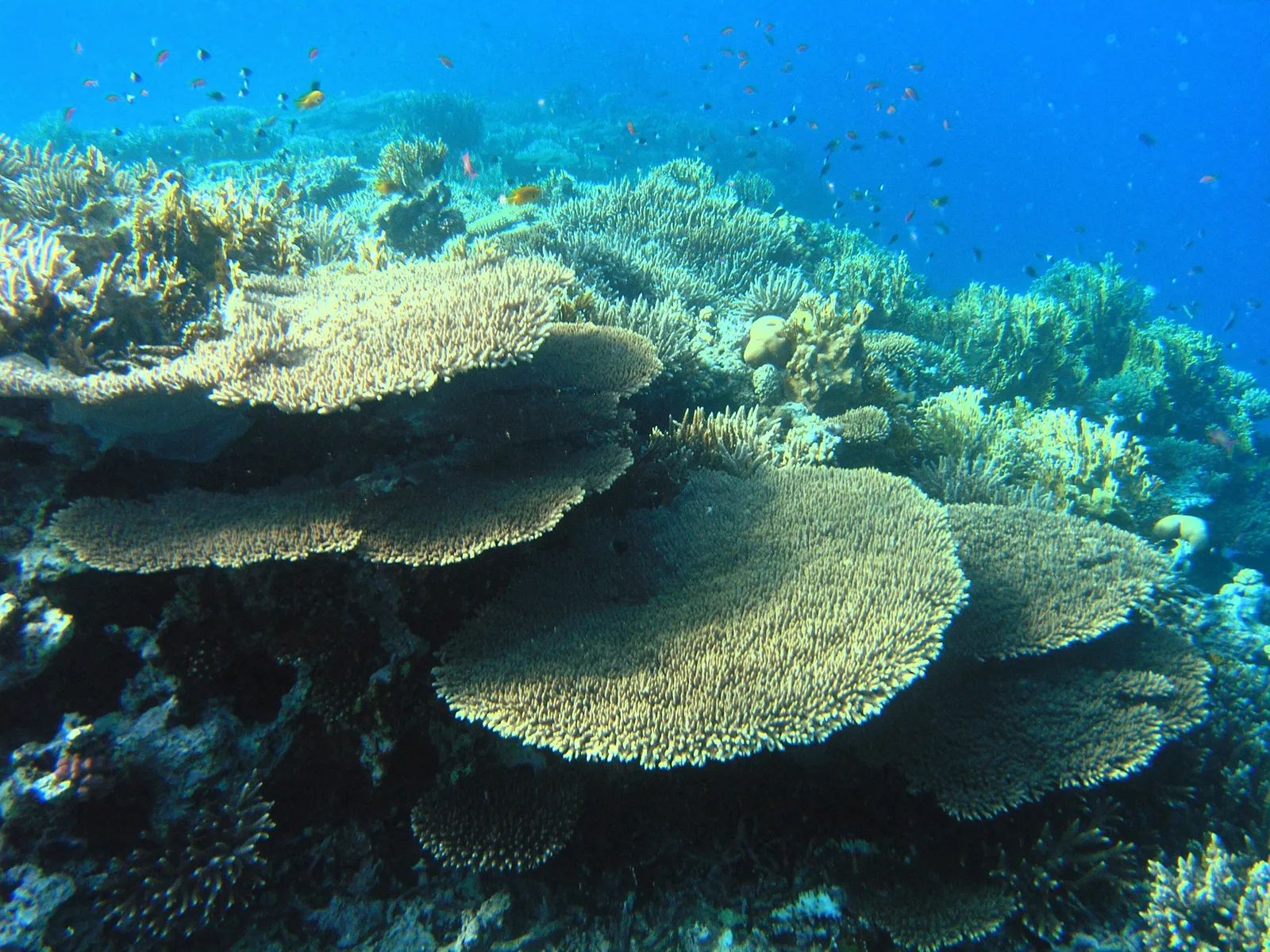
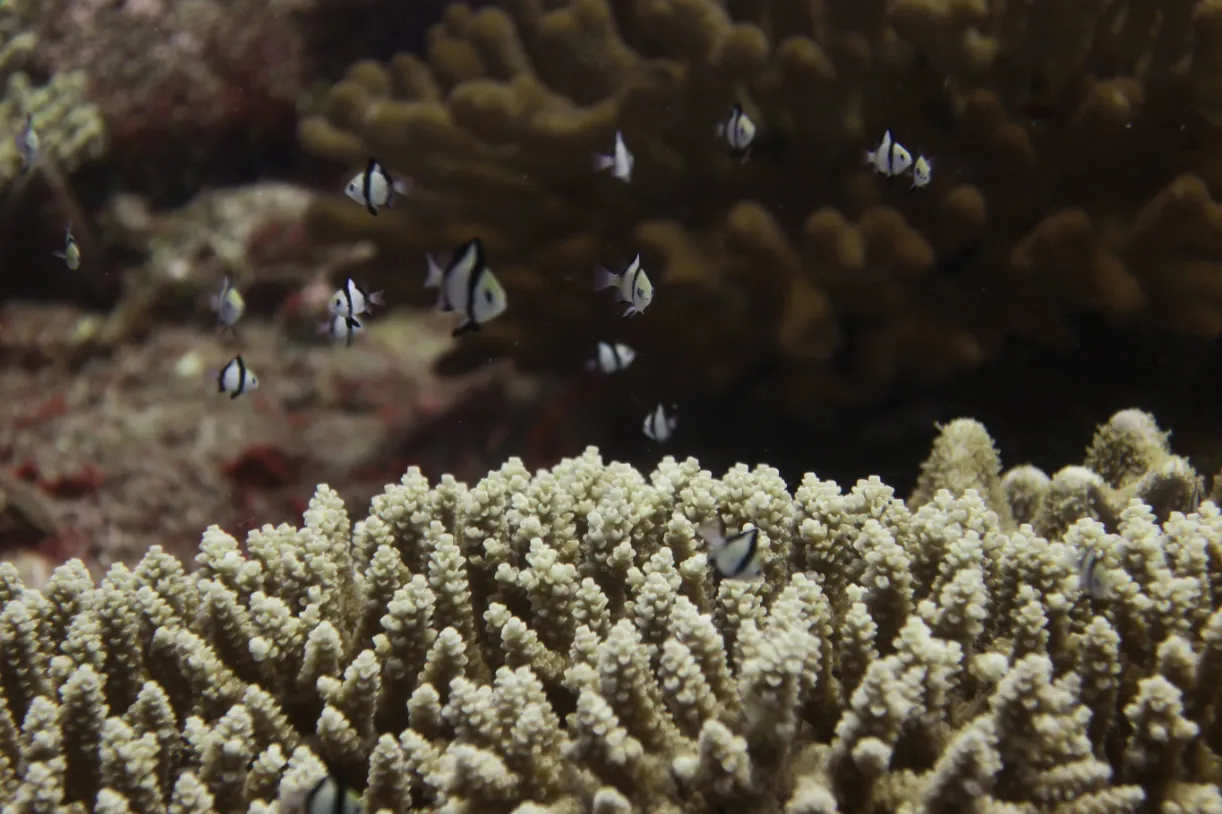
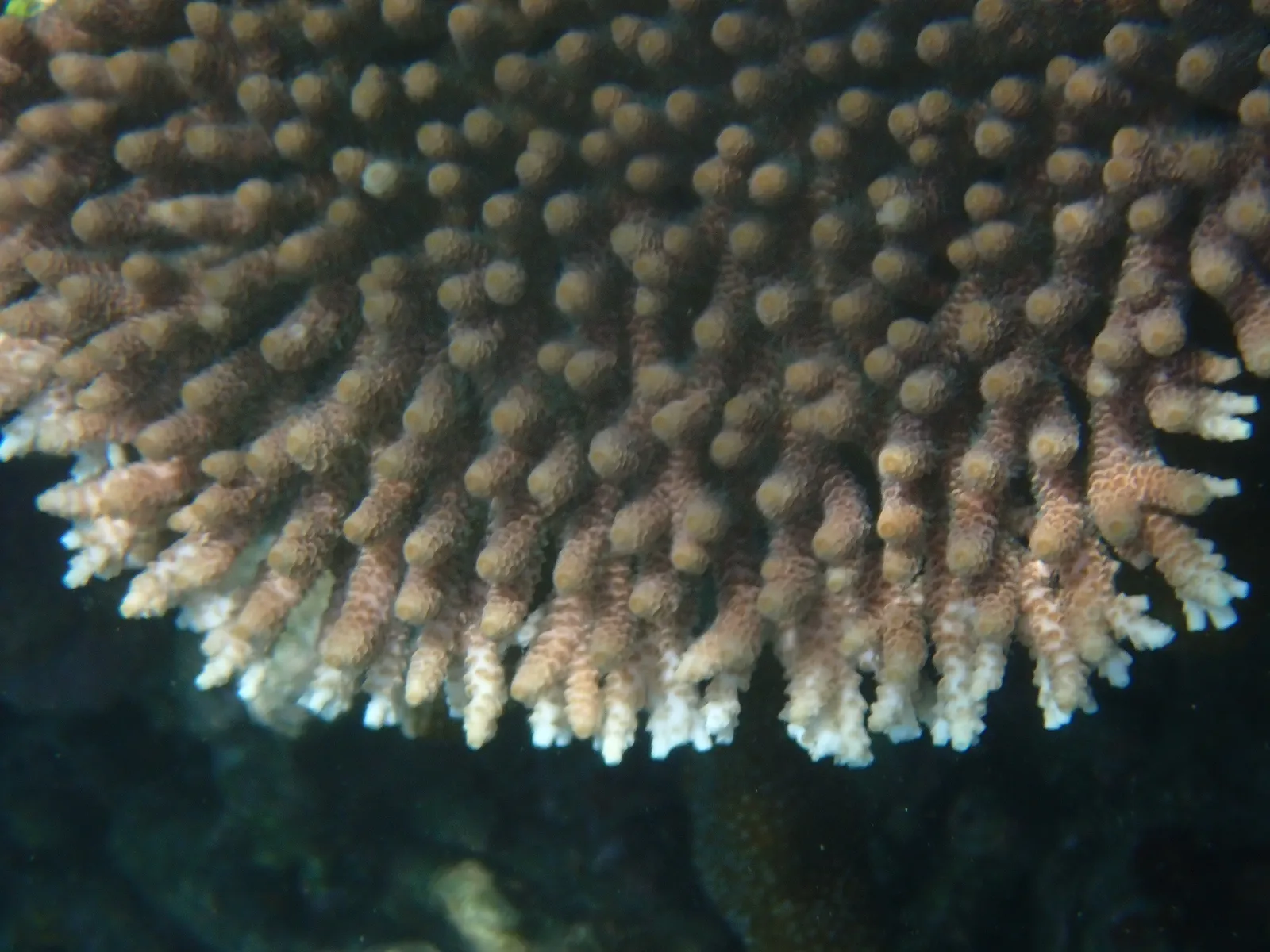
Hard coral — Acropora millepora

03

Currents, Conditions, and Visibility: A Technical Overview

Raja Ampat's legendary biodiversity is fueled by its powerful currents. The Indonesian Throughflow funnels massive volumes of water from the Pacific to the Indian Ocean, concentrating nutrients in channels like the Dampier Strait. For the experienced diver, these currents are the main event.

Currents at renowned sites like Blue Magic, Mike's Point, and The Passage can range from 1 to 4 knots. Dive planning on our charters is meticulously scheduled around tidal charts to ensure descents at the optimal time, often at the start of a splitting current. AOW certification with a minimum of 50 logged dives is a prerequisite for most itineraries, and proficiency with a reef hook and SMB deployment is mandatory. Negative entries are standard procedure at high-velocity sites. Visibility is directly influenced by these currents; while generally excellent (20-40m), it can be locally reduced during strong tidal exchanges that stir up sediment or during intense plankton blooms, which are a positive indicator of pelagic activity. The structure of Raja Ampat's signature dive sites means we plan dive profiles to use the current, not fight it.

04

Planning Your Voyage: Logistics and Fees

Executing a seamless liveaboard expedition requires precise logistical planning. The sole entry point for all Raja Ampat charters is Sorong (SOQ) in West Papua. Direct flights are available from major Indonesian hubs, including Jakarta (CGK) and Makassar (UPG), on carriers such as Garuda Indonesia and Batik Air.

Upon arrival, two key fees are required:

  1. Raja Ampat Marine Park Entrance Permit (PIN): This costs IDR 1,000,000 per person (approximately USD 65) and is valid for 12 months. Our team arranges this permit on your behalf before embarkation.
  2. Port Clearance and Harbor Fees: These are typically included in your charter package and cover vessel clearances and local tariffs.

Our concierge service handles all transfers from Sorong airport to the phinisi, ensuring a frictionless transition from air travel to your private vessel. For a complete breakdown of what is included in our voyages, please review our detailed liveaboard pricing page or contact us to begin crafting your itinerary and secure your charter dates.

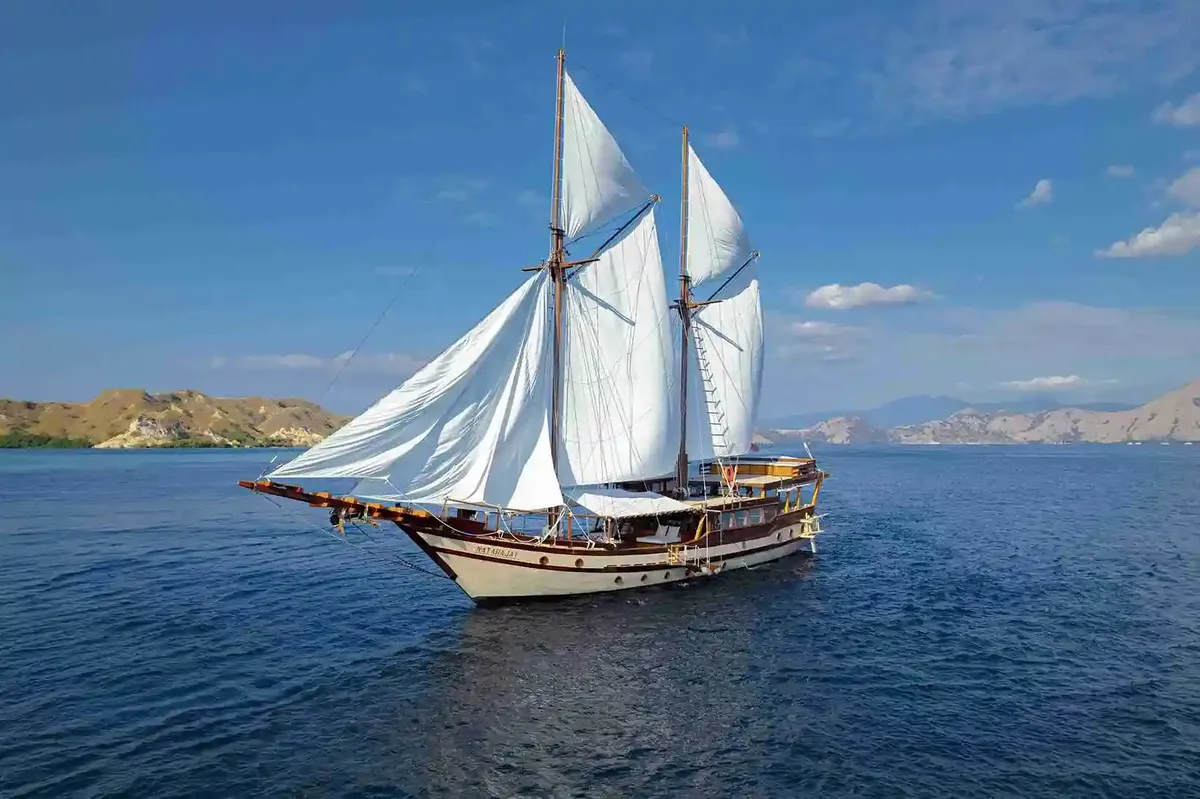
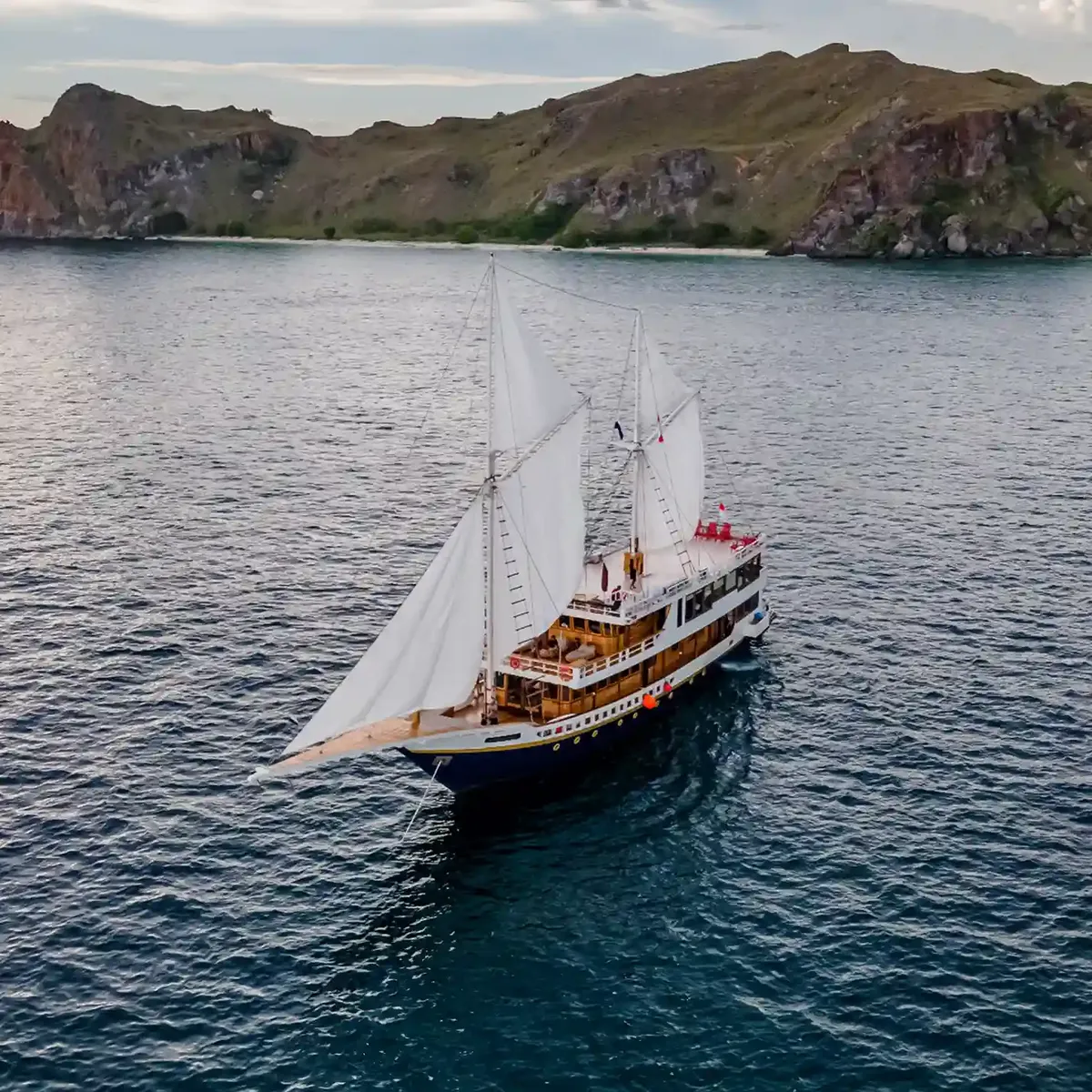
Nataraja liveaboard sailing Raja Ampat

05

Plan Your Raja Ampat Voyage

Our specialists are ready to design your private phinisi charter. Contact us to discuss your ideal itinerary, vessel selection, and seasonal timing.

Contact us on WhatsApp Email Our Team

Or call us at +62 811-3823-875

FAQ

Frequently Asked Questions

What is the absolute best month for a Raja Ampat liveaboard?

For the optimal combination of calm seas, high visibility, and peak marine life activity, February and March are considered the best months. This period sits in the middle of the dry season and is the height of the manta ray aggregation at sites like Manta Sandy and Magic Mountain. Weather is typically stable, ensuring comfortable crossings across the entire archipelago.

Is diving in Raja Ampat suitable for beginners?

No, Raja Ampat is not recommended for inexperienced divers. The region's signature dive sites are characterized by strong, unpredictable currents (1-4 knots) that require advanced skills, including drift diving proficiency and excellent buoyancy control. We require an Advanced Open Water certification and a minimum of 50 logged dives for all guests on our charters.

How warm is the water in Raja Ampat?

The water temperature in Raja Ampat is remarkably consistent year-round, ranging from 27°C to 30°C (81°F to 86°F). Most divers find a 3mm full-length wetsuit to be sufficient for thermal protection during multiple dives per day. Some guests who are sensitive to cold may prefer a 5mm suit for added comfort on longer dives.

When can I see oceanic manta rays in Raja Ampat?

Oceanic manta rays (Mobula birostris) are most reliably sighted from December through March. They are primarily seen at deep offshore cleaning stations, with the most famous site being Magic Mountain in the Misool region. This seamount attracts both oceanic and reef mantas, offering a unique opportunity to observe both species on a single dive.

What are the surface conditions like from October to April?

During the primary dive season from October to April, surface conditions are generally calm with light winds. The seas are typically flat, especially from December to March, which makes for smooth, comfortable crossings between the northern and southern island groups. This period provides the ideal weather for exploring the full 1,500-island archipelago.

Coral reef and reef fish — Reef2050

Plan Your Raja Ampat Voyage

Our dive concierge team is ready to design your private phinisi charter. We manage all logistics — from arrival in Sorong to your departure.