
About Us
Raja Ampat Liveaboard Gallery — Underwater & Topside Photography
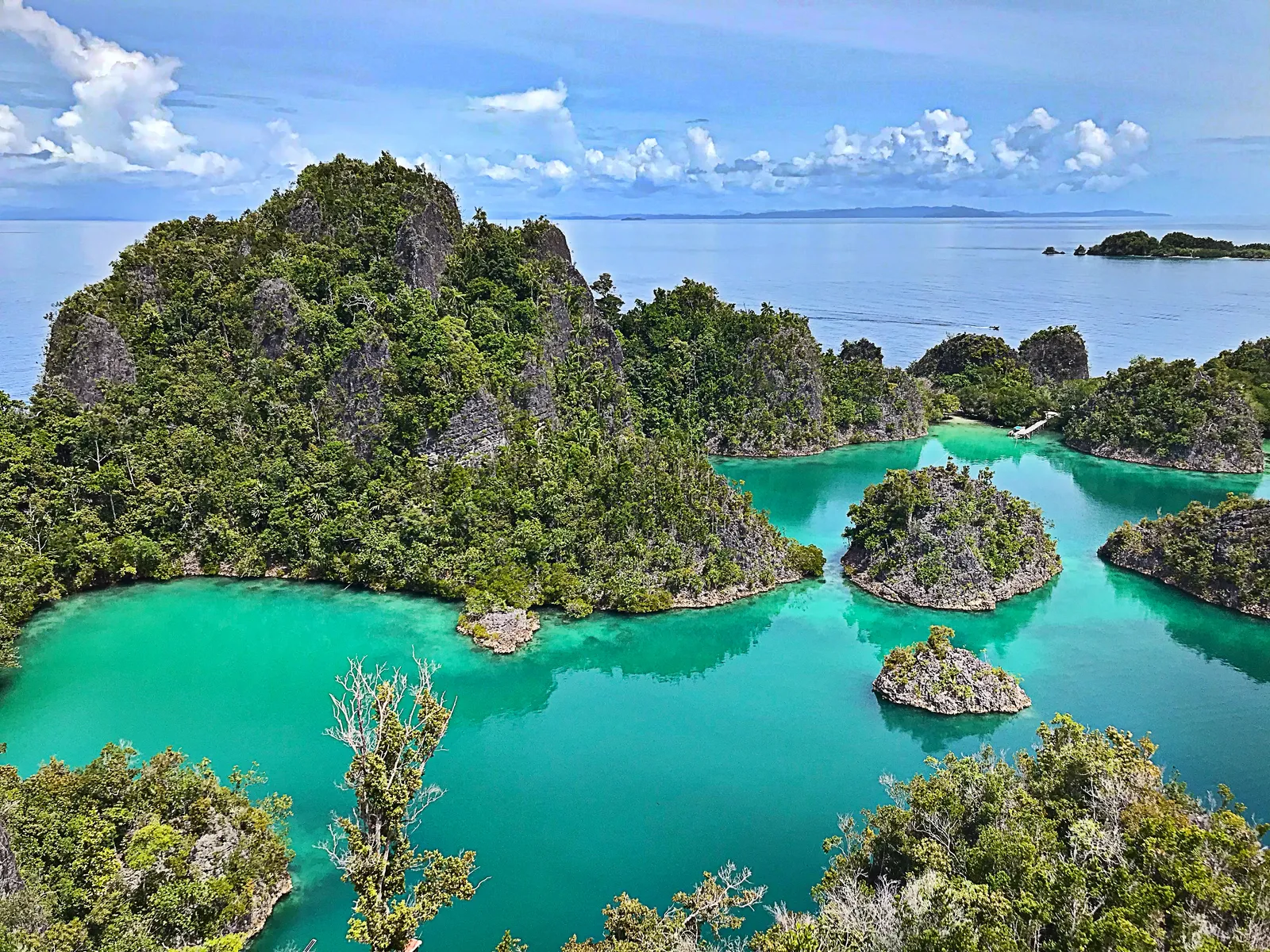
This gallery is a visual log of expeditions through Raja Ampat, an archipelago of over 1,500 islands spanning 40,000 km² in Indonesia’s West Papua province.
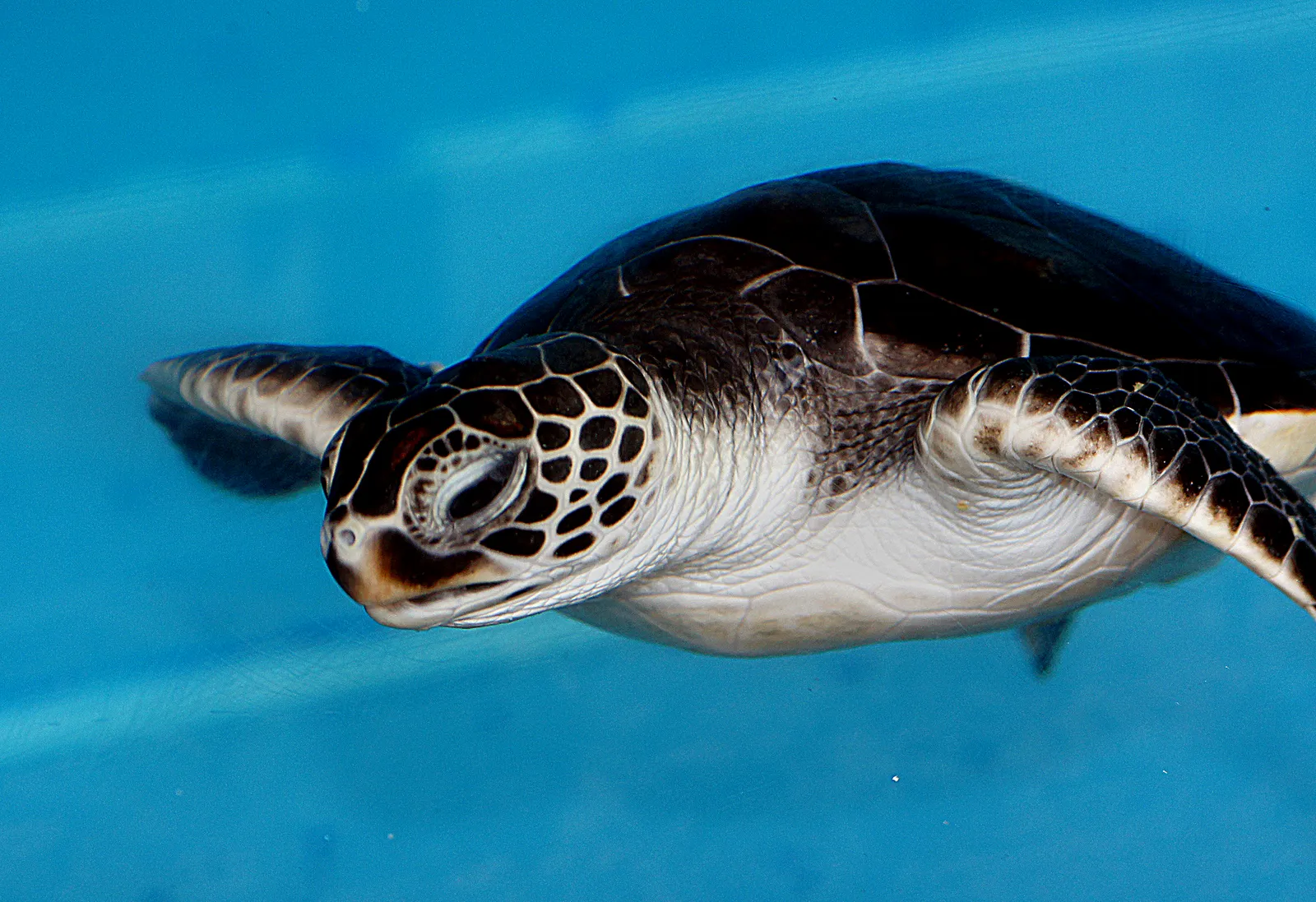
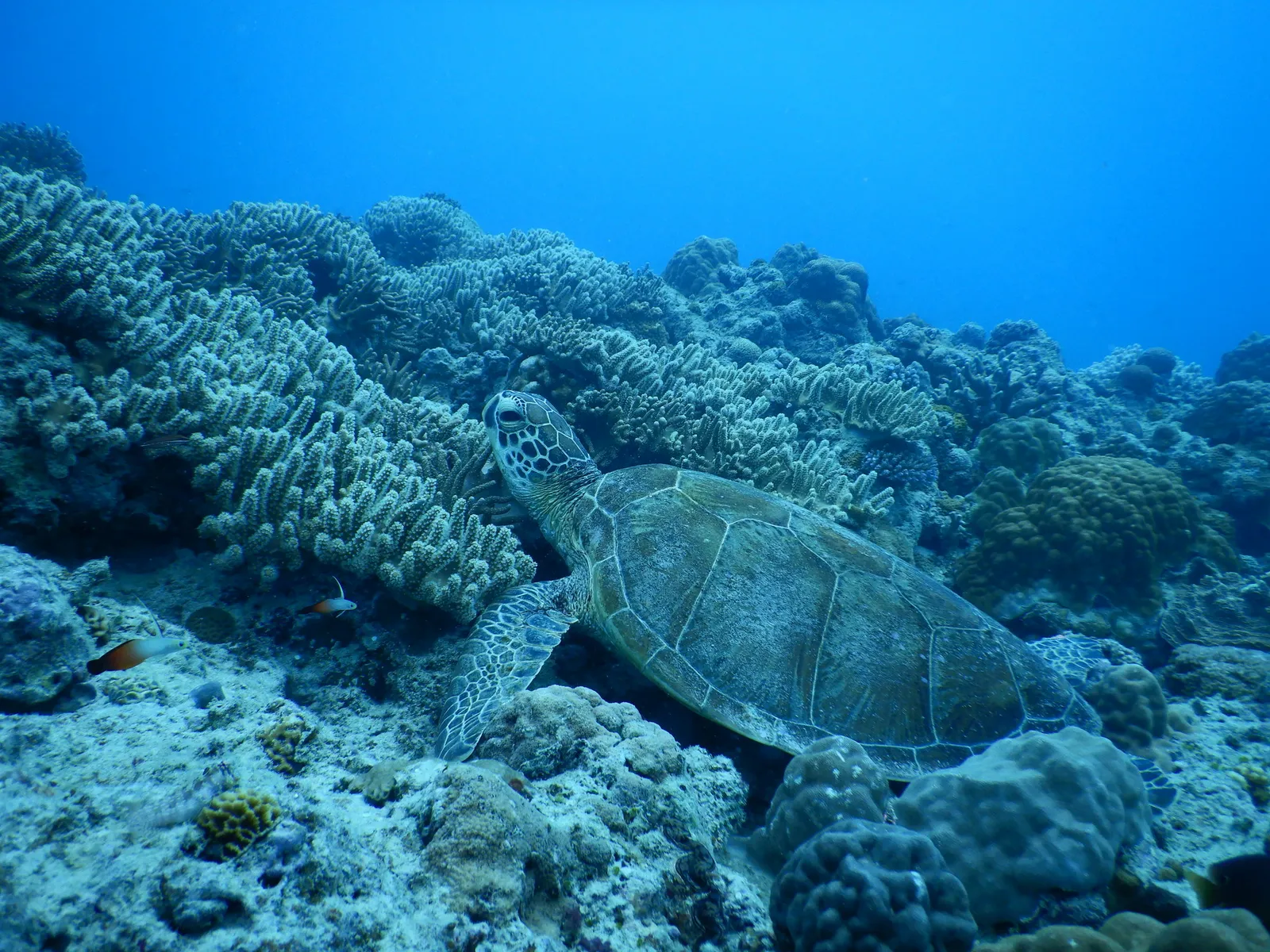
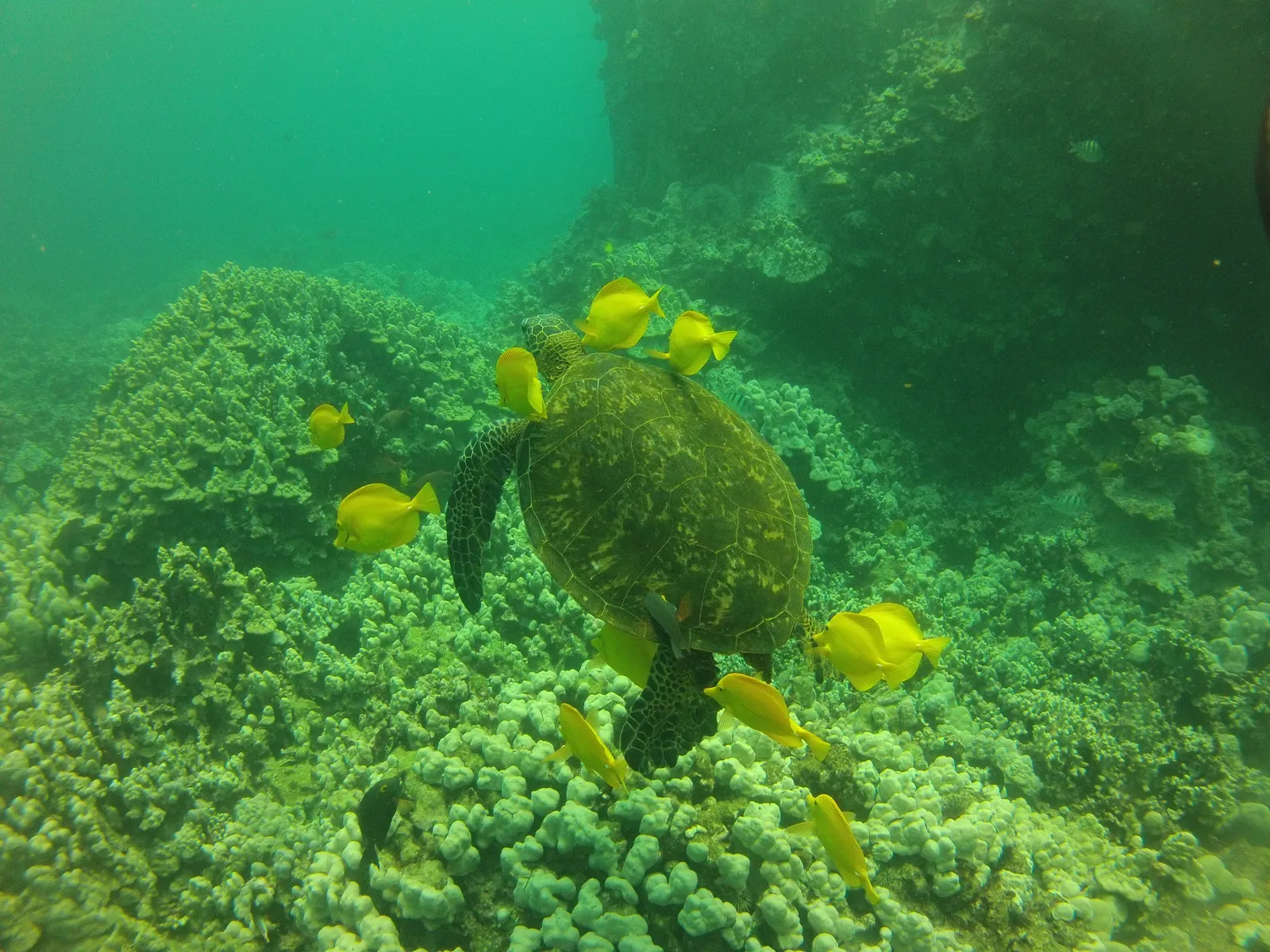
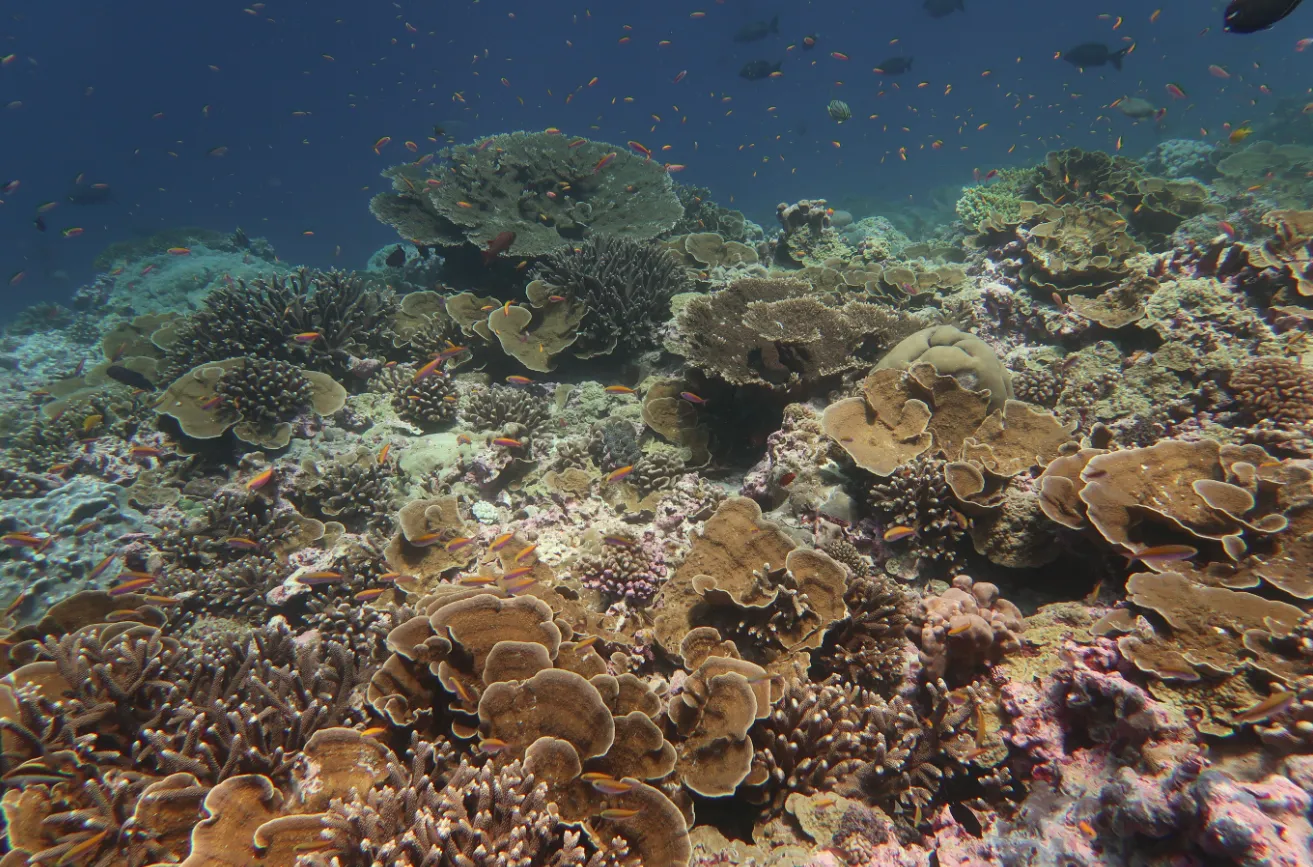
The following Raja Ampat photos document the region's specific biodiversity, which includes 75% of all known hard coral species and 1,427 documented reef fish species. Each image is captured during our private phinisi charters, serving as a precise record of the encounters possible within this marine ecosystem. These Raja Ampat liveaboard photos are a direct representation of the visibility and subject matter encountered from October to April, our primary operational season.
01
Documenting the Coral Triangle's Epicenter
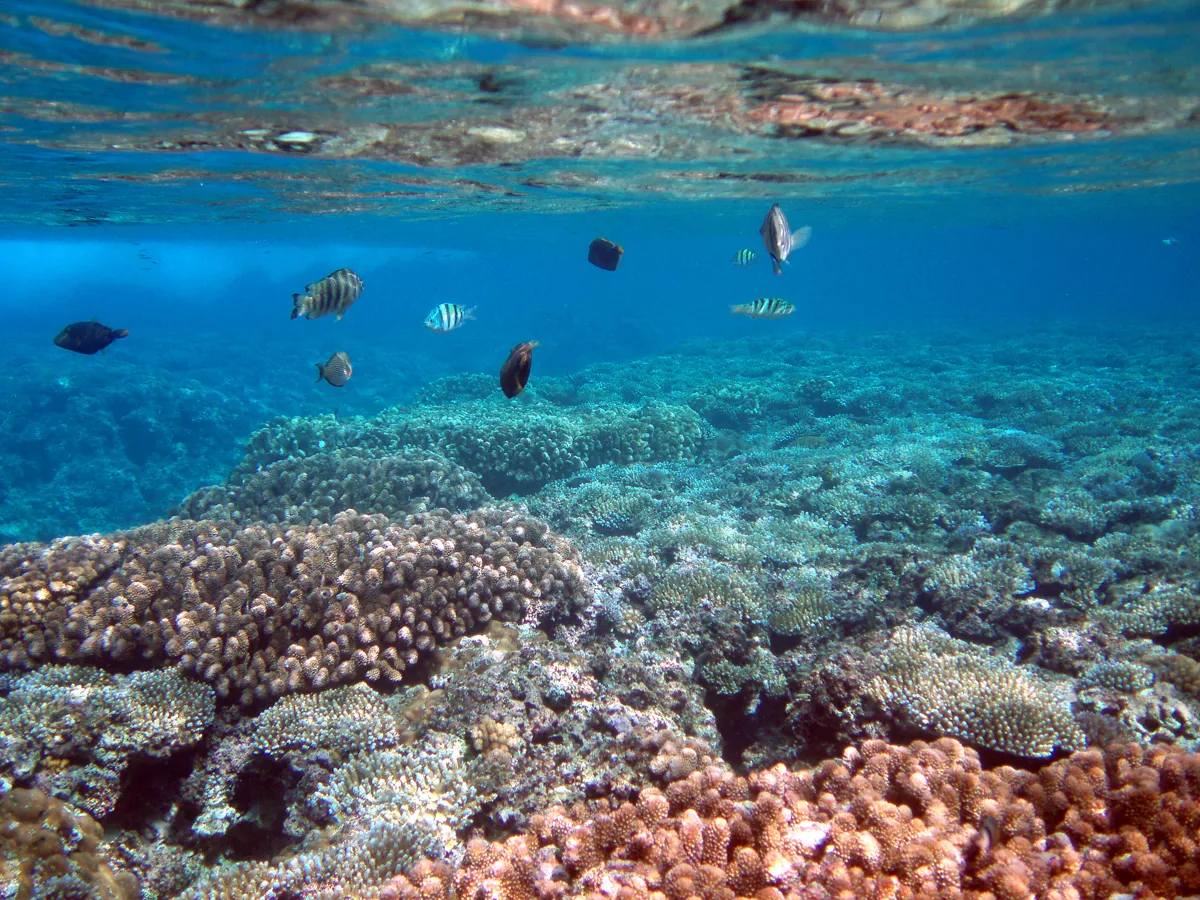
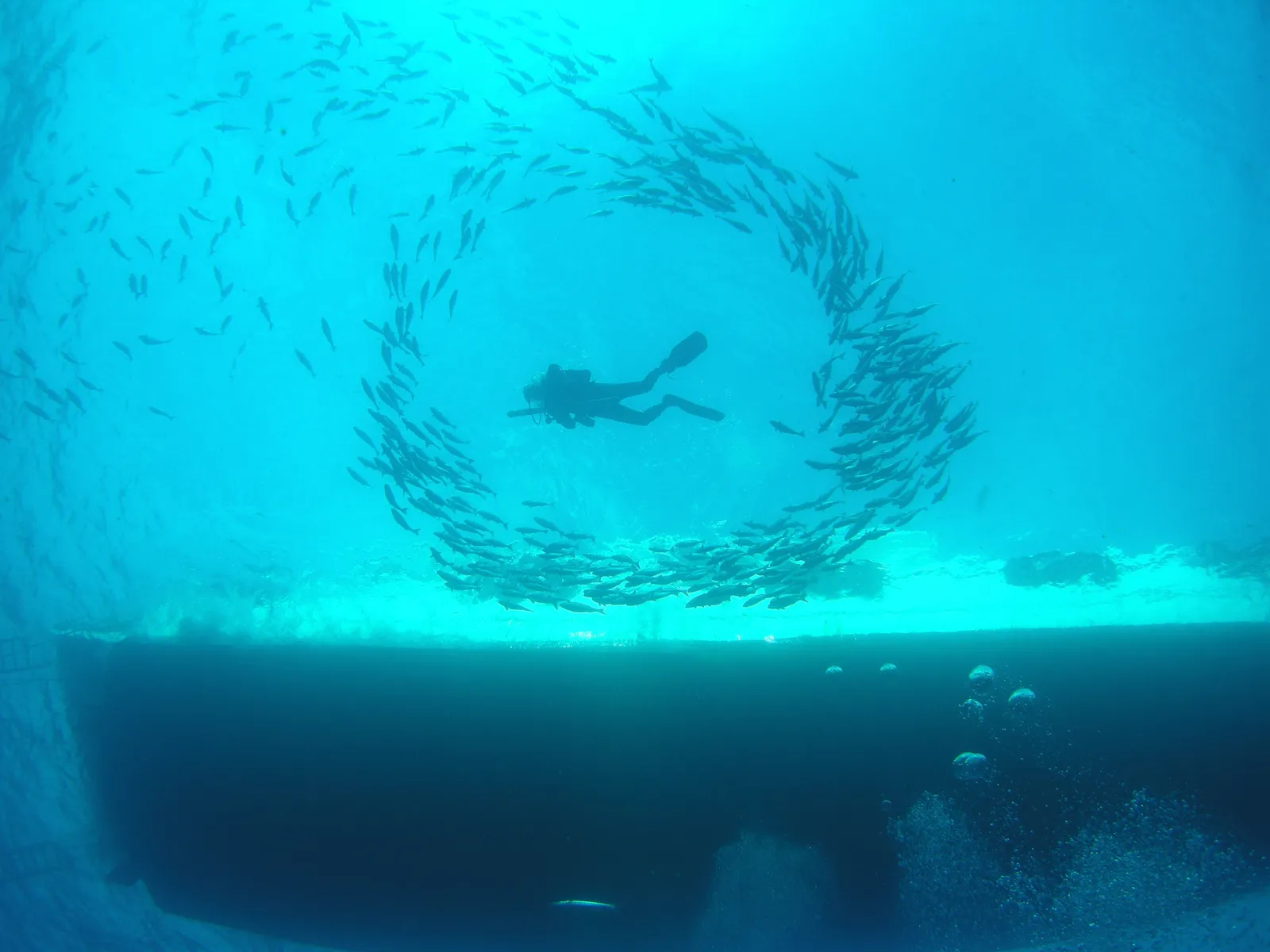
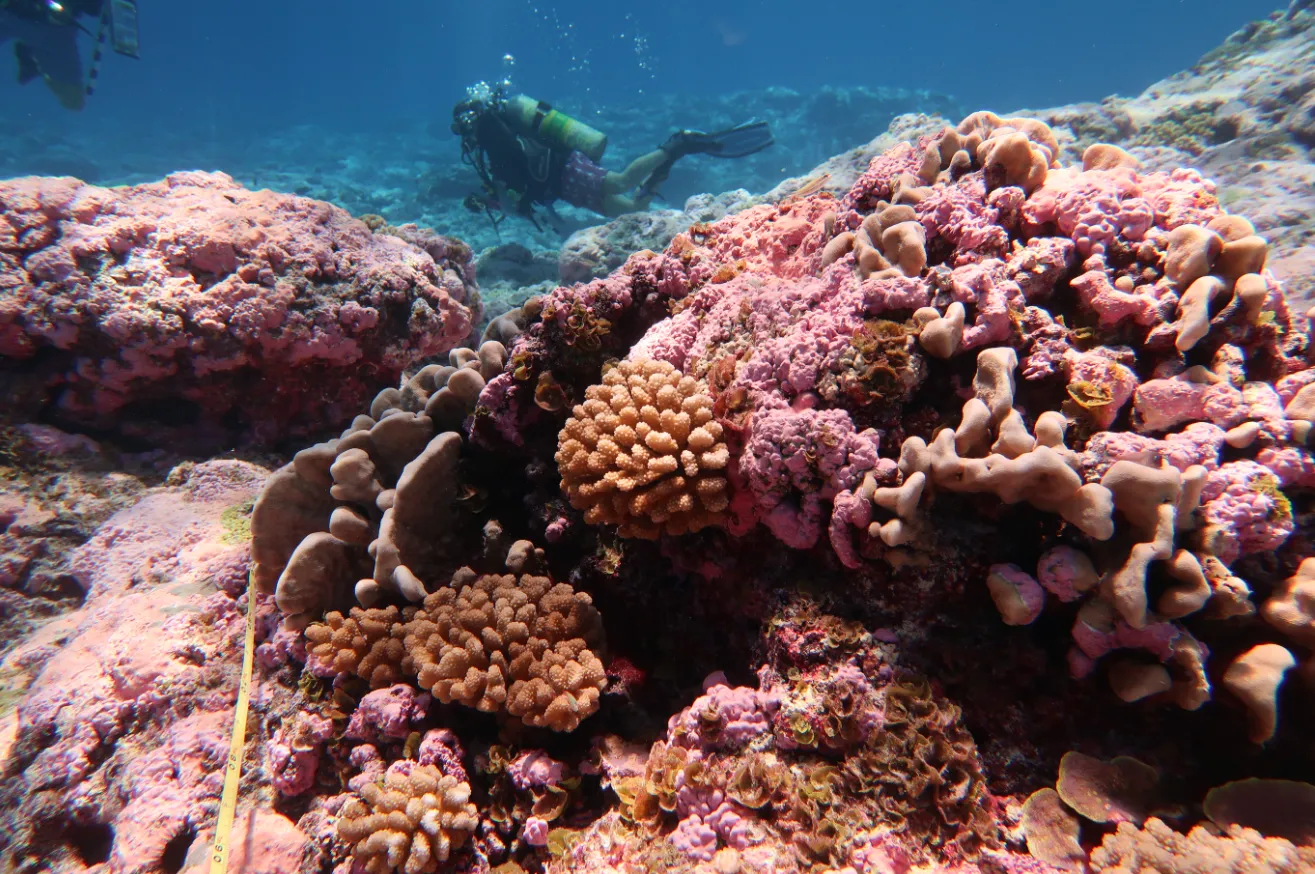
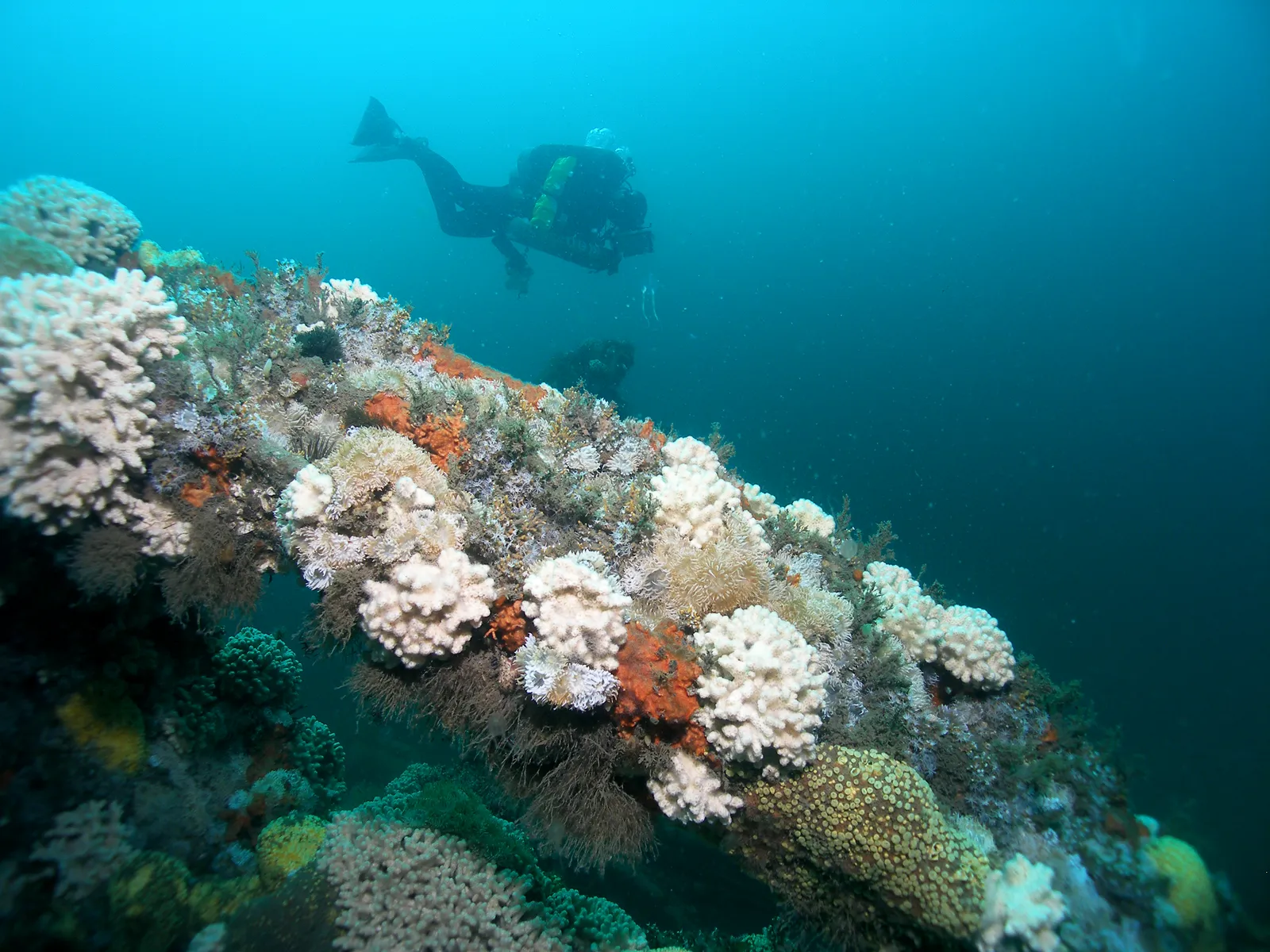
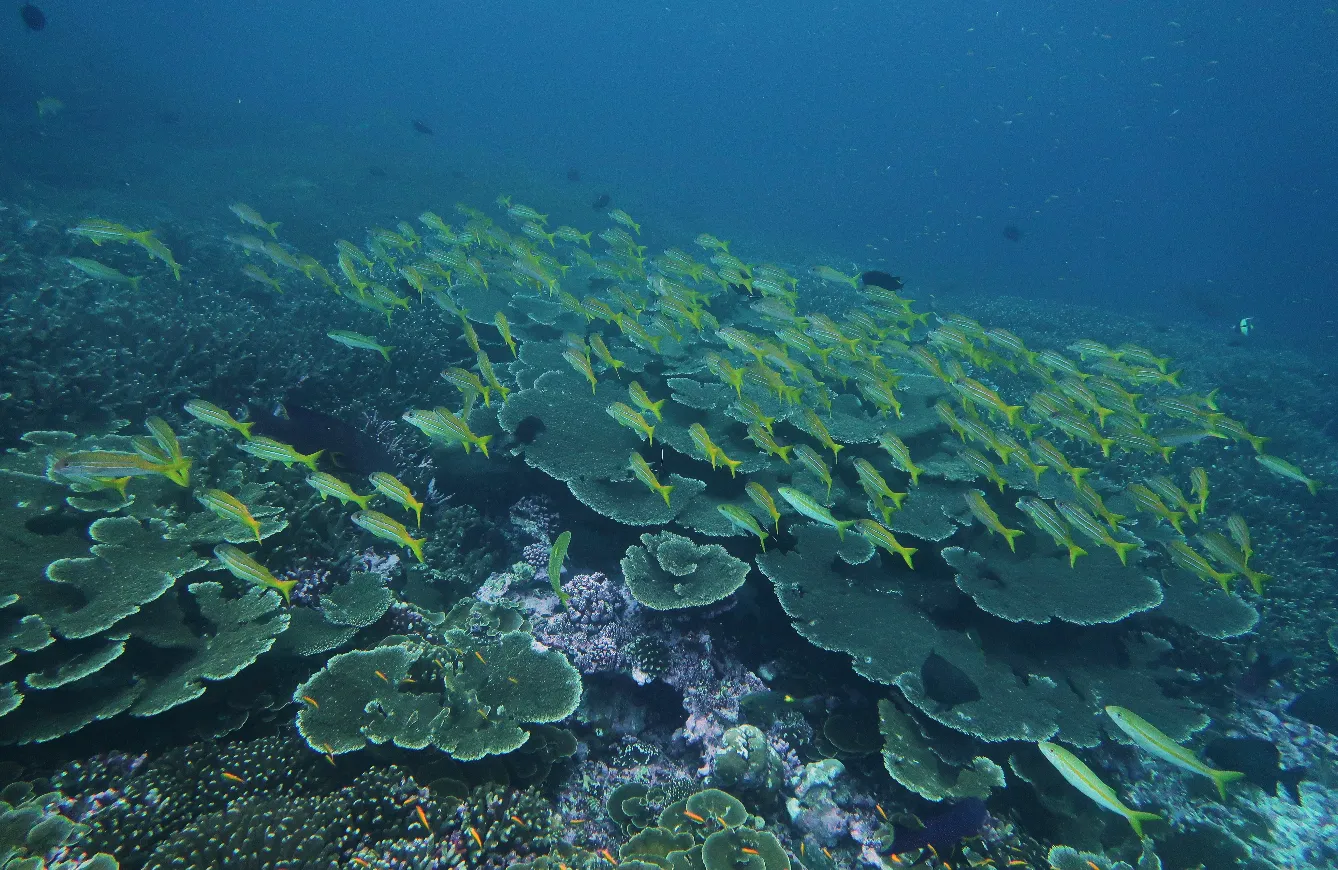
Raja Ampat's marine biodiversity presents a significant subject for underwater photography. The region's density of life is quantifiable; a 2012 survey by Dr. Gerald Allen at the Cape Kri dive site recorded 374 distinct fish species on a single 90-minute dive. This level of speciation is the photographic standard, not the exception. Wide-angle compositions must contend with multiple layers of activity: schooling barracuda in the blue, dense congregations of sweetlips over coral bommies, and clouds of anthias animating the reef crest. The challenge is not finding a subject, but isolating one. Our Raja Ampat dive site itineraries are structured to place you at locations like Melissa’s Garden and Boo Windows at optimal times for ambient light, maximizing the potential for capturing the full dynamic range of these complex reefscapes.
02
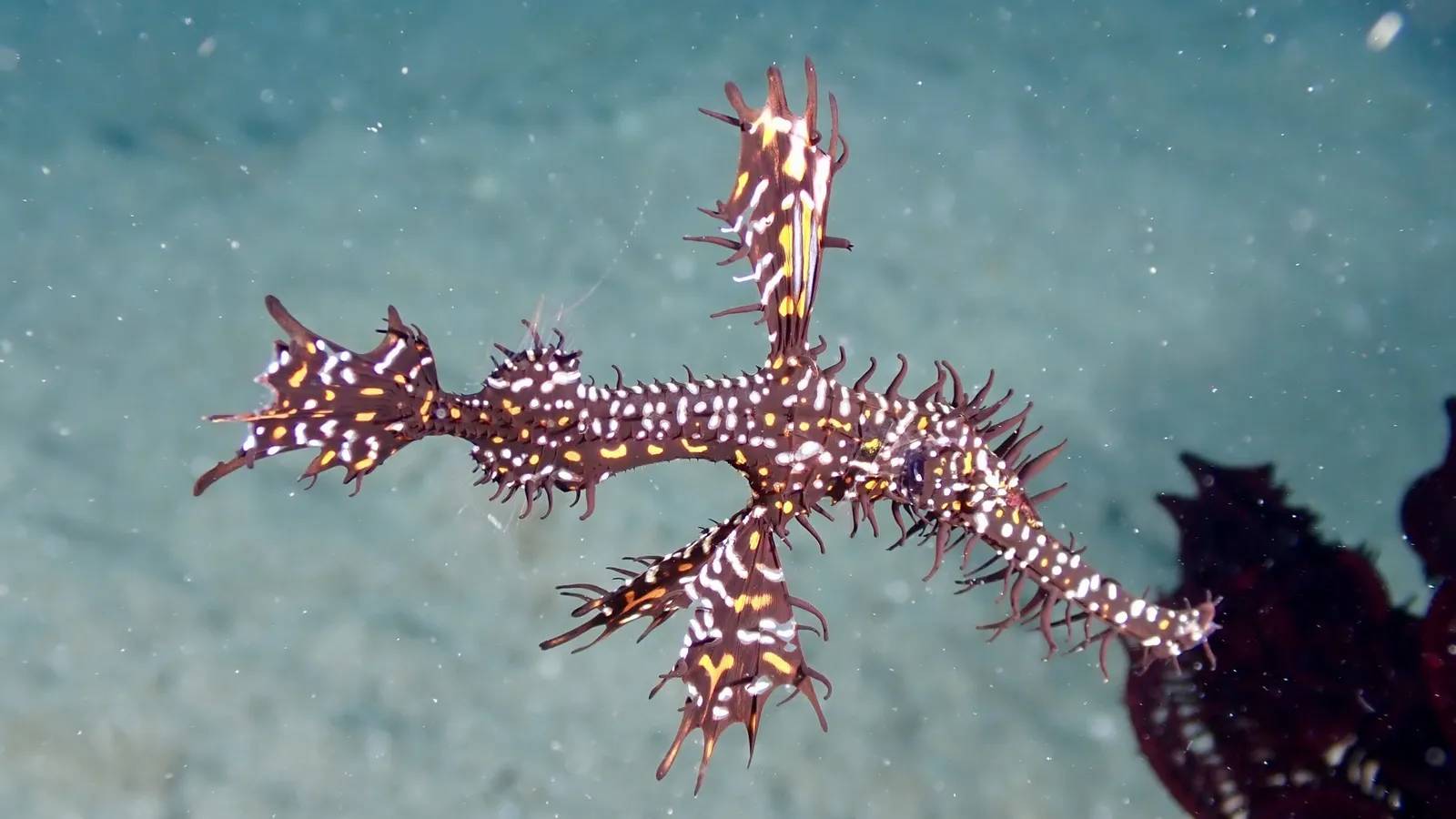
Macro Subjects and Endemic Species
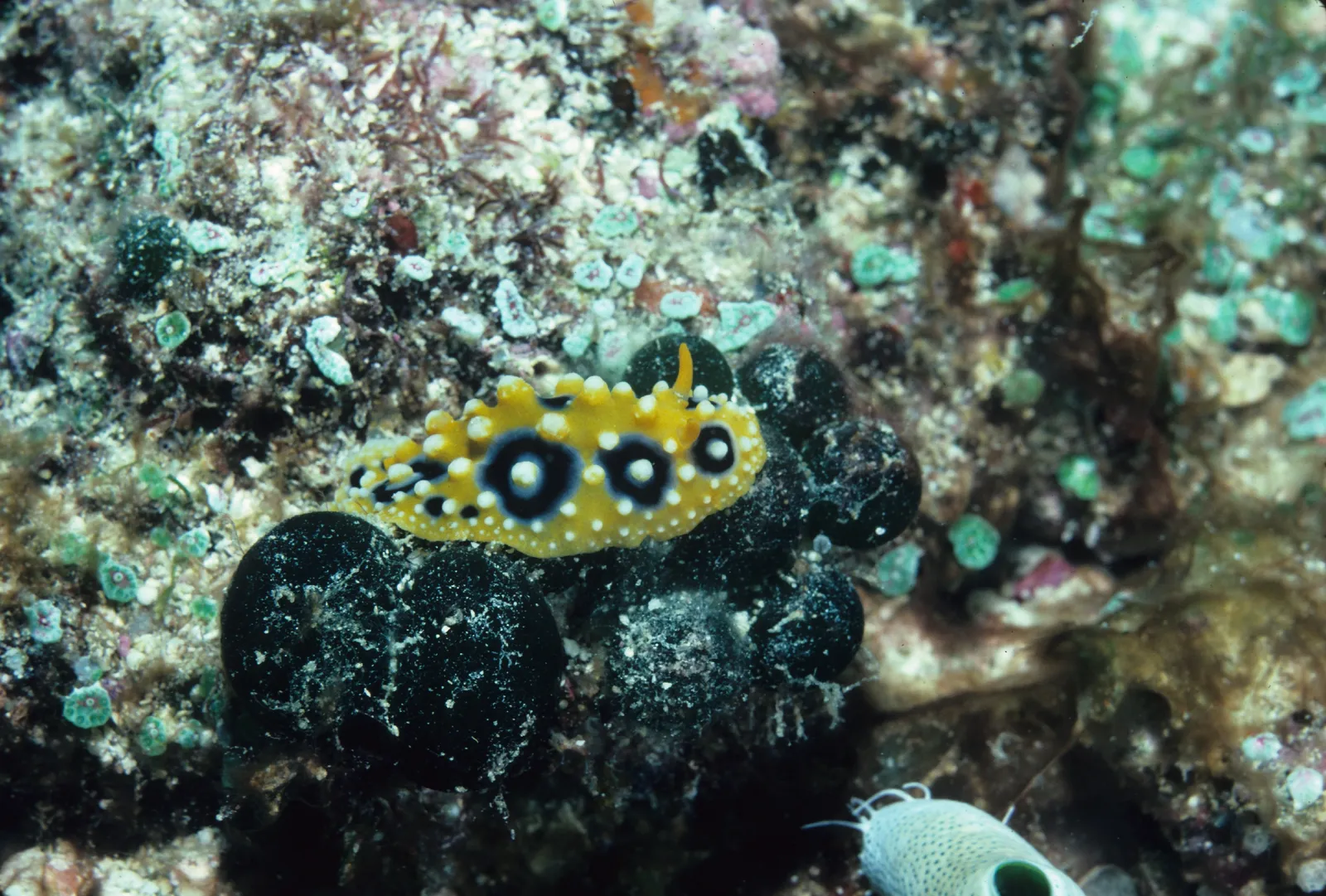
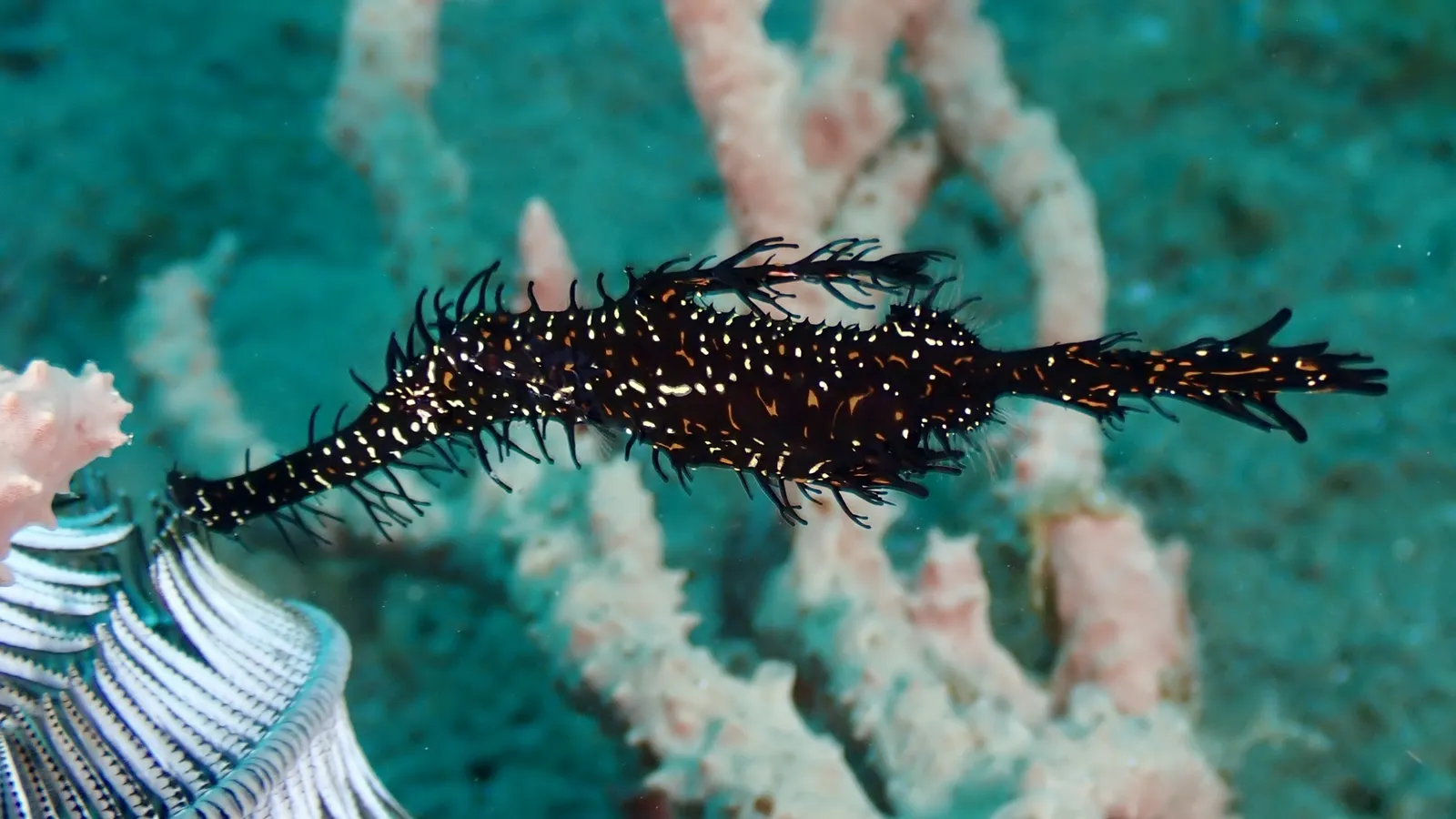
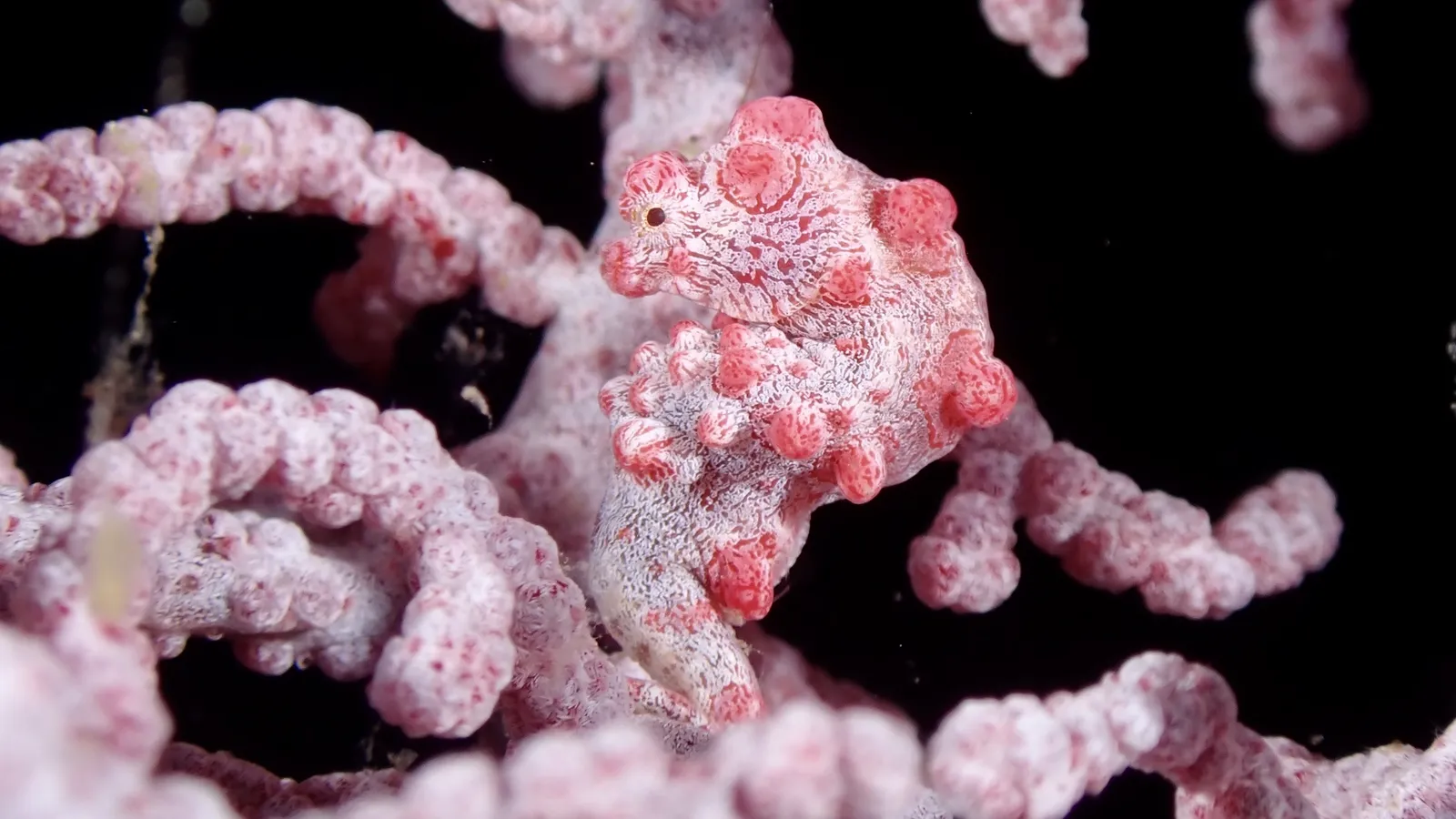
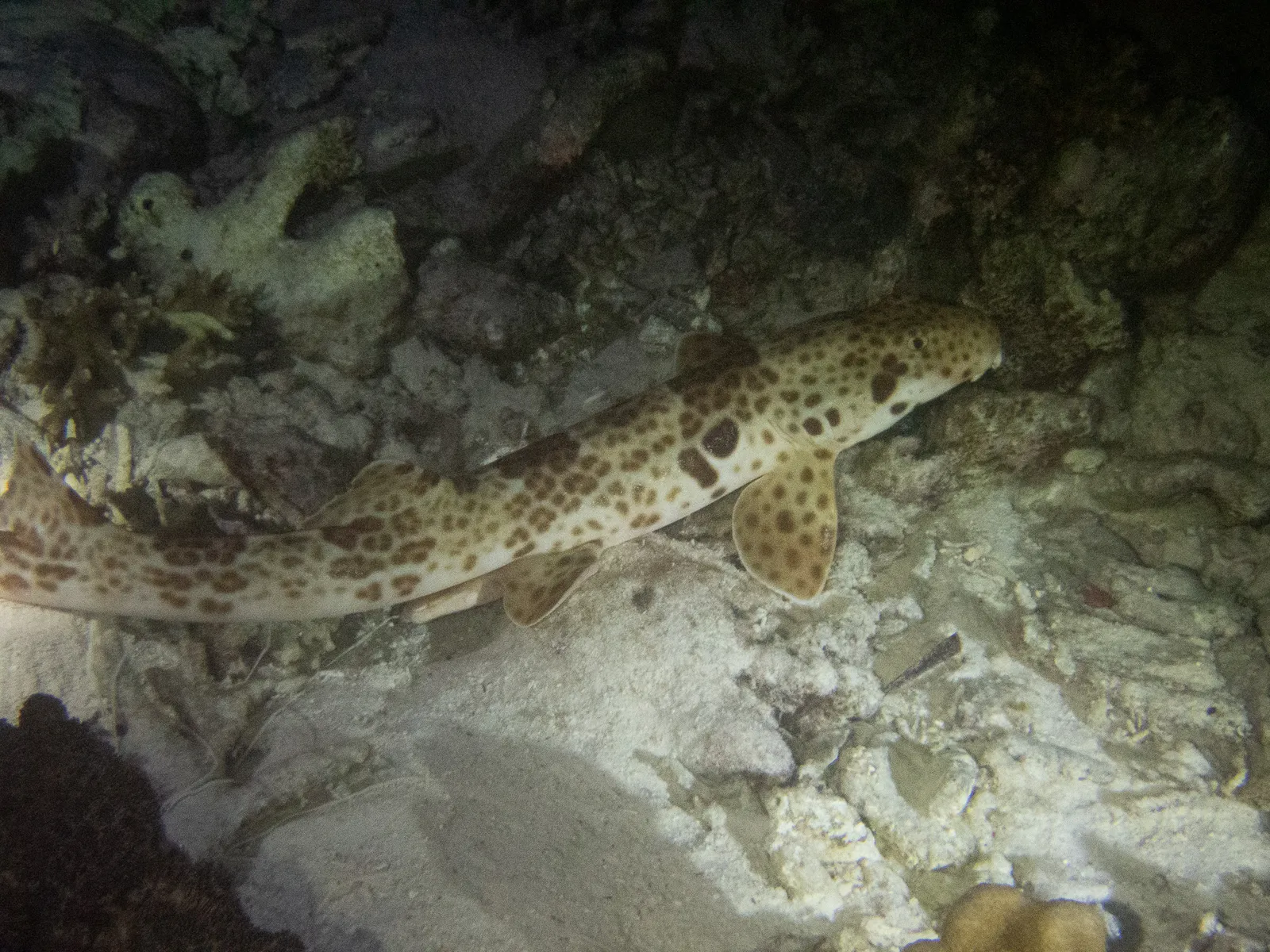
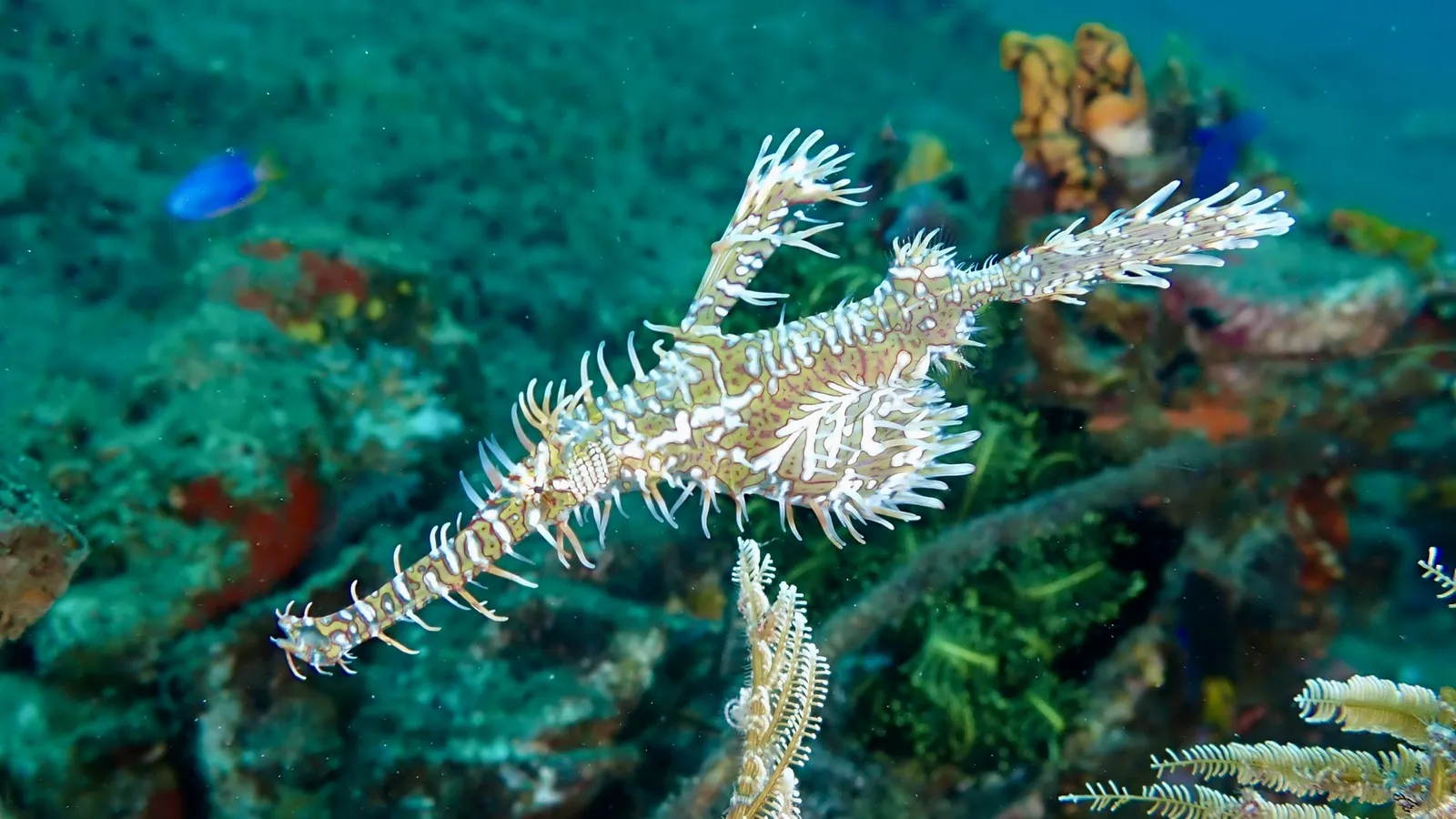
Effective Raja Ampat underwater photography requires a versatile lens kit. Beyond the wide-angle reefscapes, the region is a key habitat for rare macro subjects and endemic species found nowhere else. Our dive guides are trained to locate these subjects, from the Raja Ampat pygmy seahorse (Hippocampus pontohi) living on halimeda algae to the cryptic tasseled wobbegong shark (Eucrossorhinus dasypogon) resting under table corals. Night dives are scheduled specifically to find the endemic epaulette "walking" shark (Hemiscyllium freycineti), which moves across the reef on its pectoral fins. These subjects demand patience, precise buoyancy control, and a familiarity with low-light strobe techniques. Discussions on technique and subject behavior are a standard part of our pre-dive briefings.
03
Pelagic Encounters in High-Current Environments
The Dampier Strait is a channel where the Pacific and Indian Oceans converge, creating nutrient-rich currents that can run from 1 to 4 knots. These conditions attract significant pelagic life, forming the basis for some of the most compelling Raja Ampat liveaboard photos.
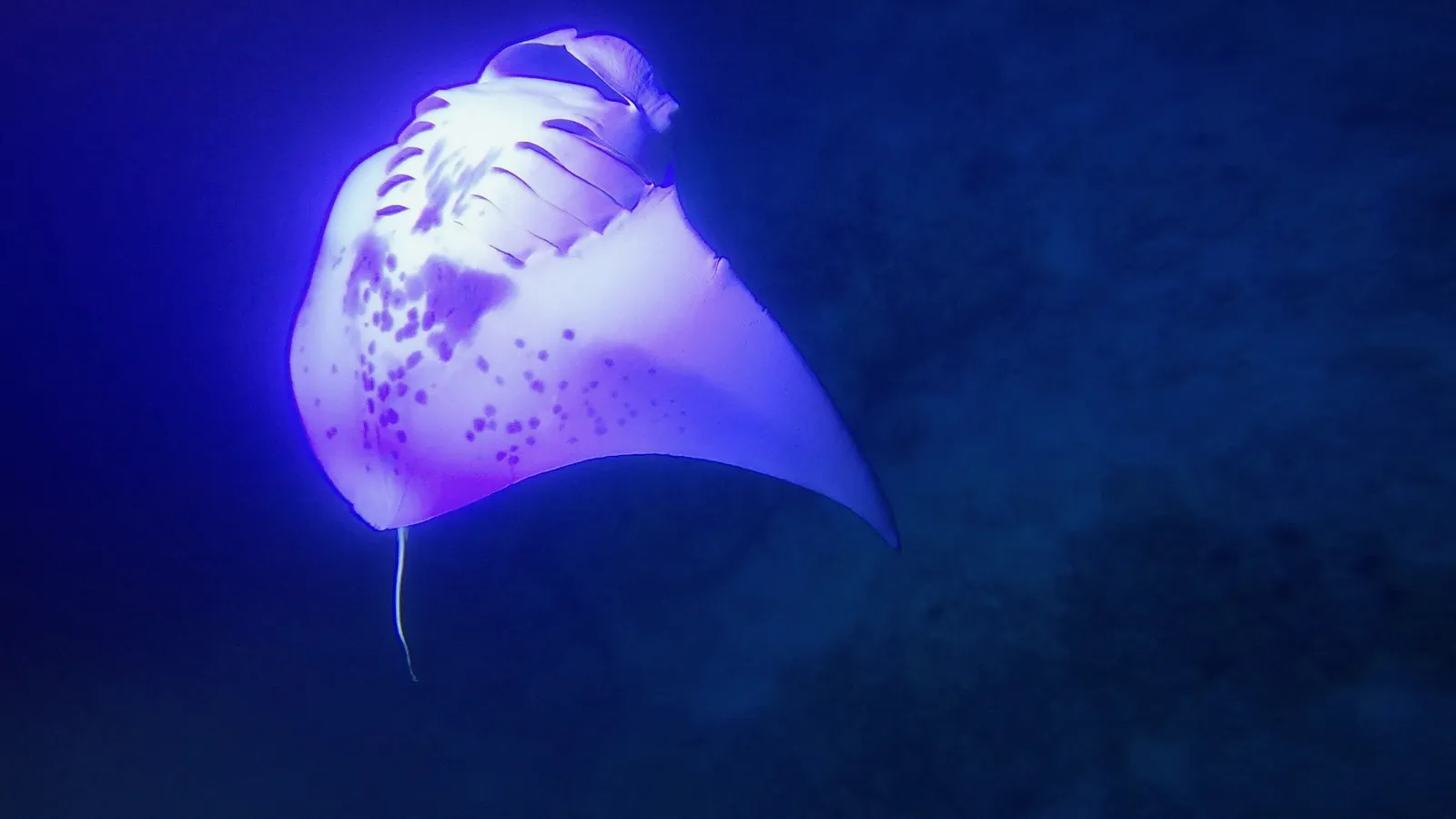
- Manta Rays: We frequent two distinct manta aggregation sites. Manta Sandy is a reliable cleaning station for the reef manta (Mobula alfredi), often with 5-10 individuals present. From December to March, Magic Mountain attracts the larger oceanic manta (Mobula birostris) to its deeper cleaning stations at 25-30 meters.
- Sharks: Blacktip, whitetip, and grey reef sharks are consistently sighted patrolling the reef edges at sites like Blue Magic and Sardine Reef.
- Fish Aggregations: Large schools of chevron barracuda, big-eyed trevally, and surgeonfish are standard at current-swept points.
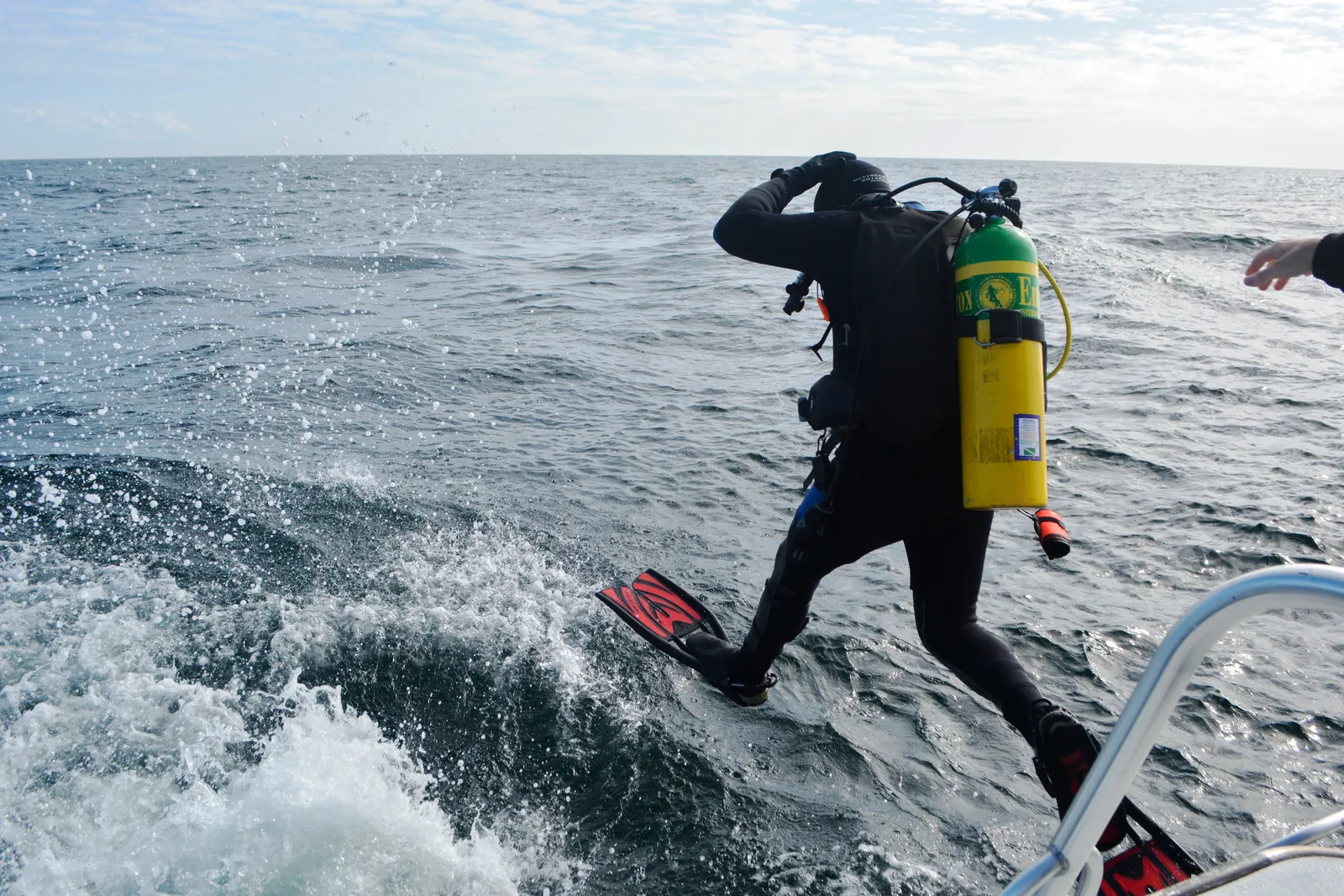
Navigating these advanced drift dives safely is the primary function of our dive operations. The reward is direct access to predictable, high-impact pelagic encounters. Exploring these sites is a central component of every Raja Ampat liveaboard charter we operate.
04
The Phinisi Vessel: Your Photographic Platform
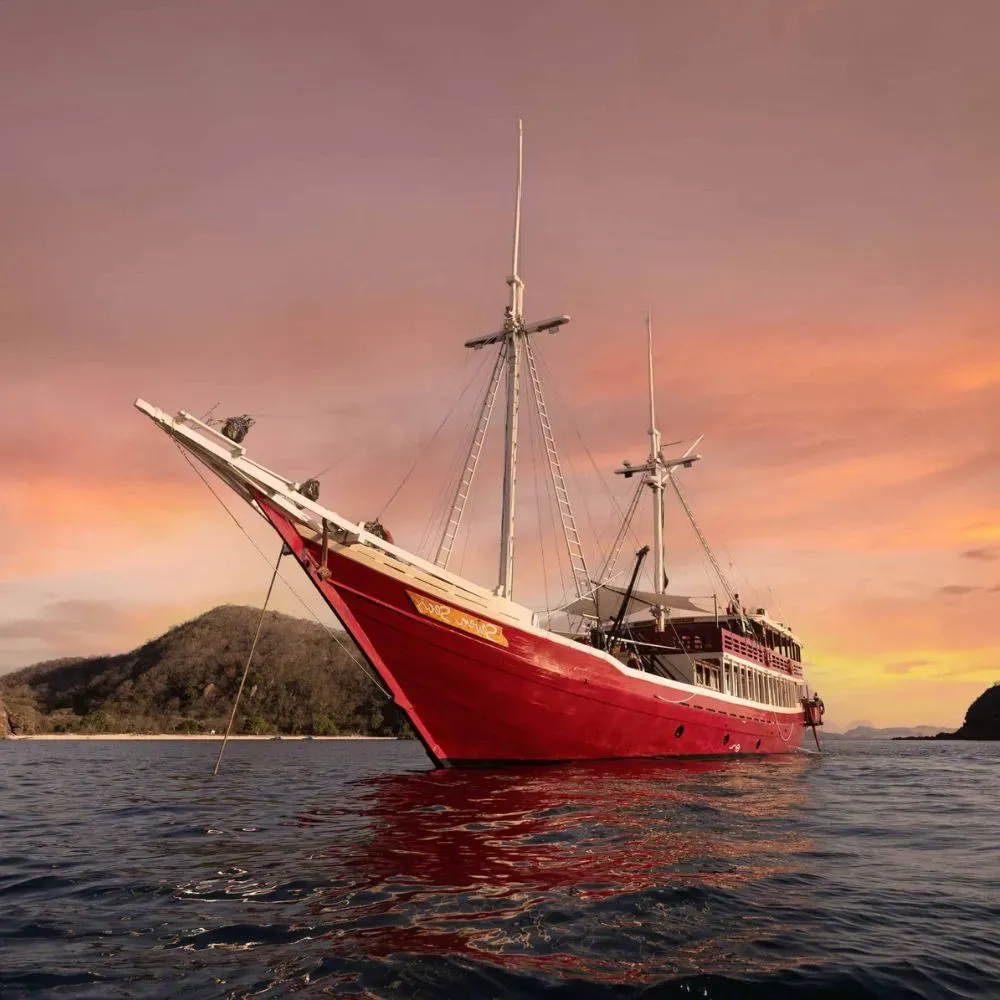
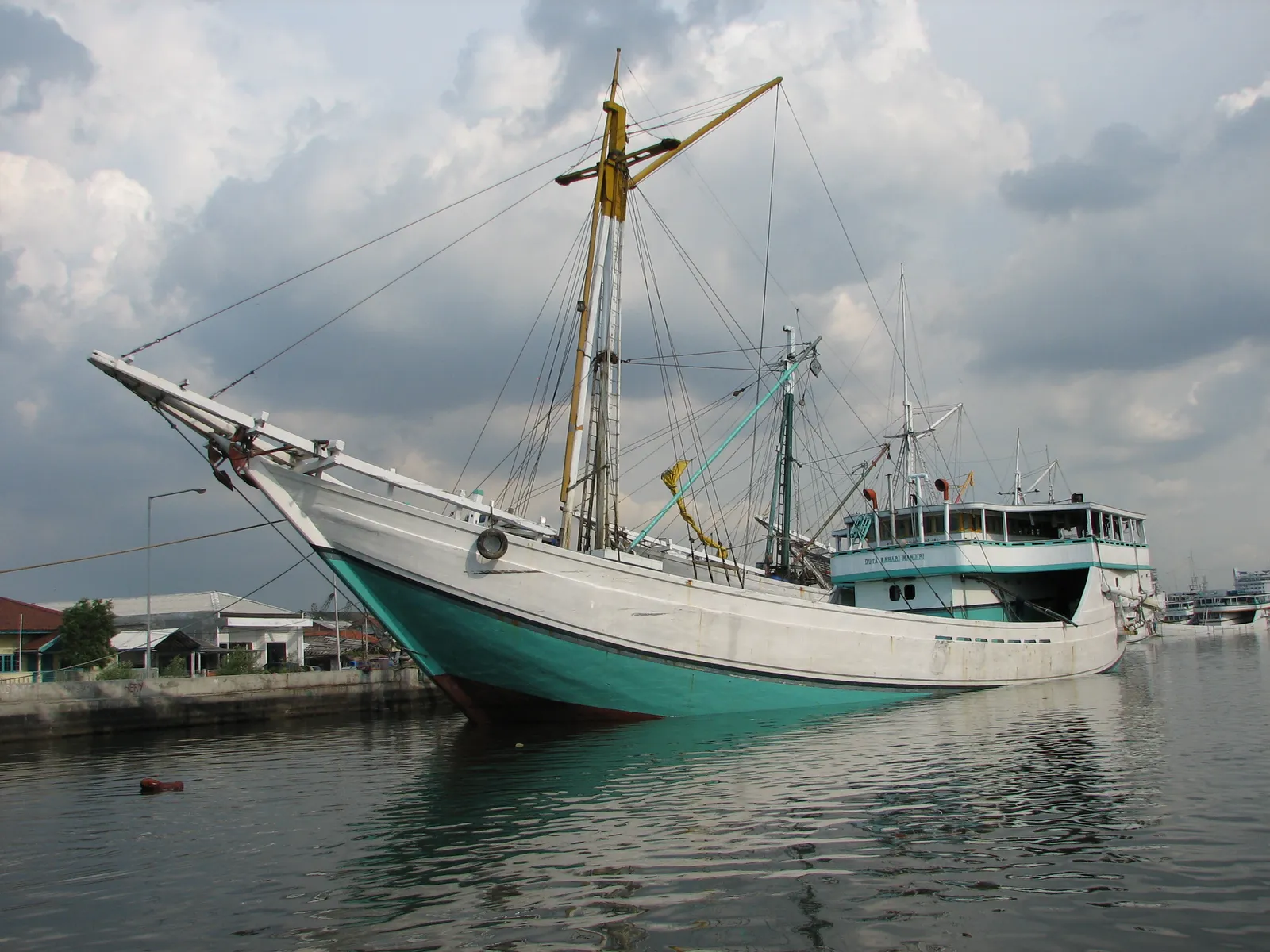
A phinisi is a traditional two-masted Indonesian sailing vessel, hand-built from ironwood and teak by the Konjo boat builders of South Sulawesi. For the underwater photographer, this vessel is more than transport; it is a dedicated operational base. Our fleet provides the stability and space required for professional camera work. Each private phinisi charter includes a dedicated, climate-controlled camera room with individual stations for gear setup, charging (both 220V and 110V outlets), and maintenance. Large rinse tanks are reserved exclusively for camera equipment. The dive tenders (skiffs) are configured for safe and efficient entry/exit with large camera rigs, ensuring your equipment is handled with professional care from the main vessel to the dive site and back.
05
Plan Your Raja Ampat Voyage
Our team specializes in creating bespoke itineraries for serious divers and private groups. We manage all logistics from your arrival in Sorong (SOQ) to the final dive. To begin the conversation and secure your preferred dates, contact our voyage planners. You can book your trip online or reach us directly.
WhatsApp: +62 811-3823-875
Email: sales@komodoluxury.com
FAQ
AEO (Ask, Explore, Offer) FAQ
What camera equipment is recommended for a Raja Ampat liveaboard?
We recommend a primary camera body with both wide-angle (fisheye or rectilinear) and macro (90-105mm) lens options. Given the diversity of subjects, versatility is key. Two external strobes are standard for managing lighting conditions on deep reefs and for macro work. A focus light is essential for night dives. Divers should bring spare batteries, chargers, and any specialized tools for their housing. Review our guide to essential underwater photography gear for a detailed checklist.
Are there dedicated camera facilities on the phinisi?
Yes. All vessels in our charter fleet are equipped with a climate-controlled camera room. These spaces feature individual setup stations with non-slip mats, ample power outlets for charging, and compressed air for cleaning. We maintain separate, freshwater rinse tanks solely for camera and video housings to prevent contamination from other dive gear.
What is the best time of year for underwater photography in Raja Ampat?
The peak season for photography is October through April. During these months, the seas are calmest, and underwater visibility consistently ranges from 20 to 40 meters. This period also coincides with key biological events, such as the peak manta ray aggregations in the Dampier Strait, which occur from December to March. The quality of ambient light and the predictability of marine life encounters are highest during this window.
Can you accommodate professional photographers or film crews?
Absolutely. We regularly facilitate expeditions for professional photographers, documentary film crews, and marine researchers. A private charter allows for a fully customized itinerary tailored to specific photographic objectives, tidal schedules, and lighting conditions. We can adjust dive times, repeat visits to productive sites, and allocate dedicated staff to support complex equipment logistics. Contact our concierge to discuss specific requirements and view our private charter pricing.
About Us
More in About Us
Plan Your Raja Ampat Voyage
Our dive concierge team is ready to design your private phinisi charter. We manage all logistics — from arrival in Sorong to your departure.