Skip to content
Raja Ampat Liveaboard Diving
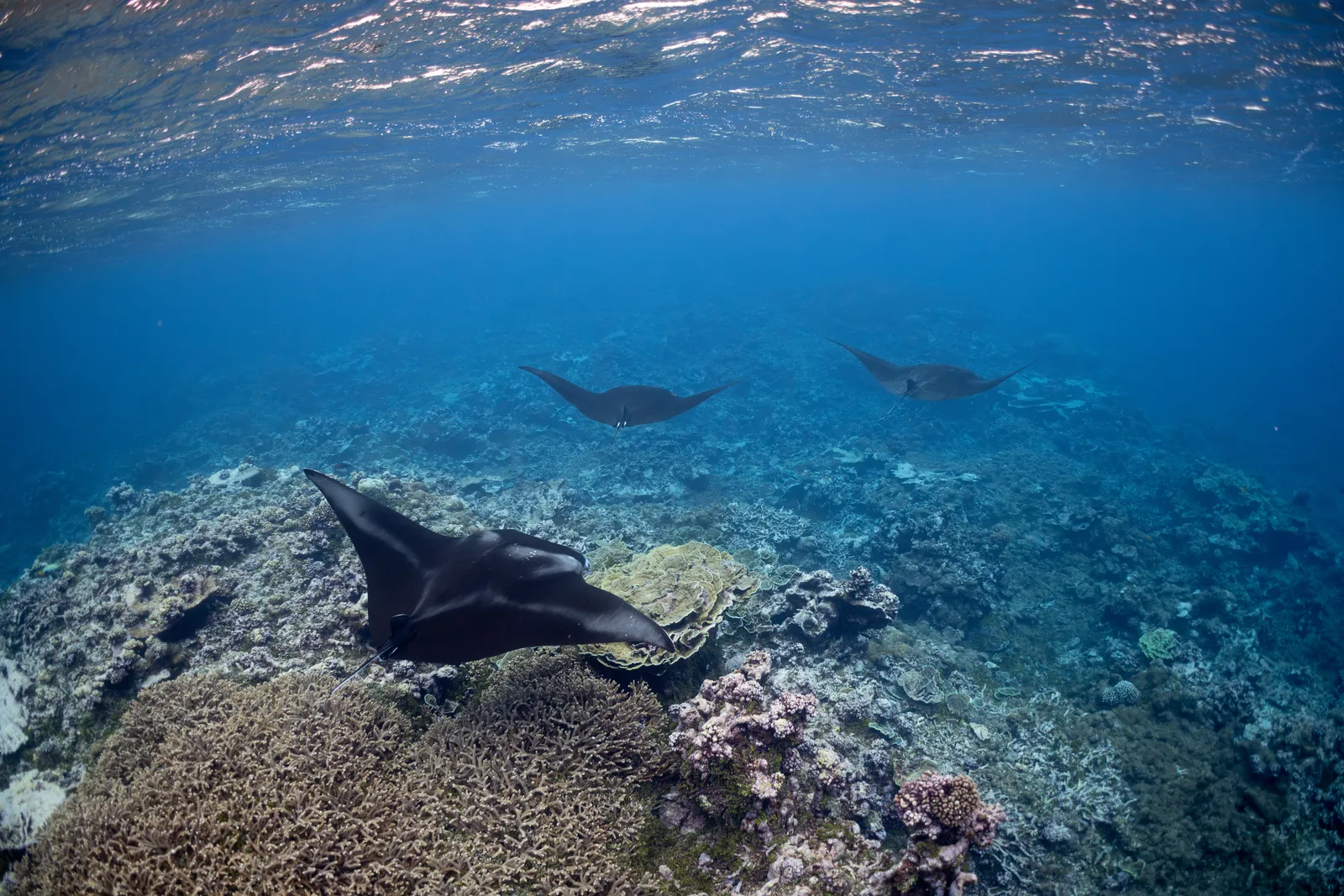
Manta ray — Manta ray at Palmyra Atoll

Dive Sites

Dampier Strait Dive Sites — Cape Kri, Blue Magic, Manta Sandy

The Dampier Strait is a 160-kilometer-long channel that separates the islands of Waigeo and Batanta, functioning as the primary conduit for the Indonesian Throughflow in northern Raja Ampat.

This constant exchange of water between the Pacific and Indian Oceans creates a nutrient-rich environment, fueling the hyper-biodiversity that defines the region. For any serious diver, a Dampier Strait diving liveaboard is not an option but a necessity to access its marquee sites. Currents here regularly range from 1 to 4 knots, demanding precise dive planning and execution. Sites like the world-record-holding Cape Kri dive site are located here, within the 40,000 km² Raja Ampat Marine Park, which protects 75% of all known hard coral species.

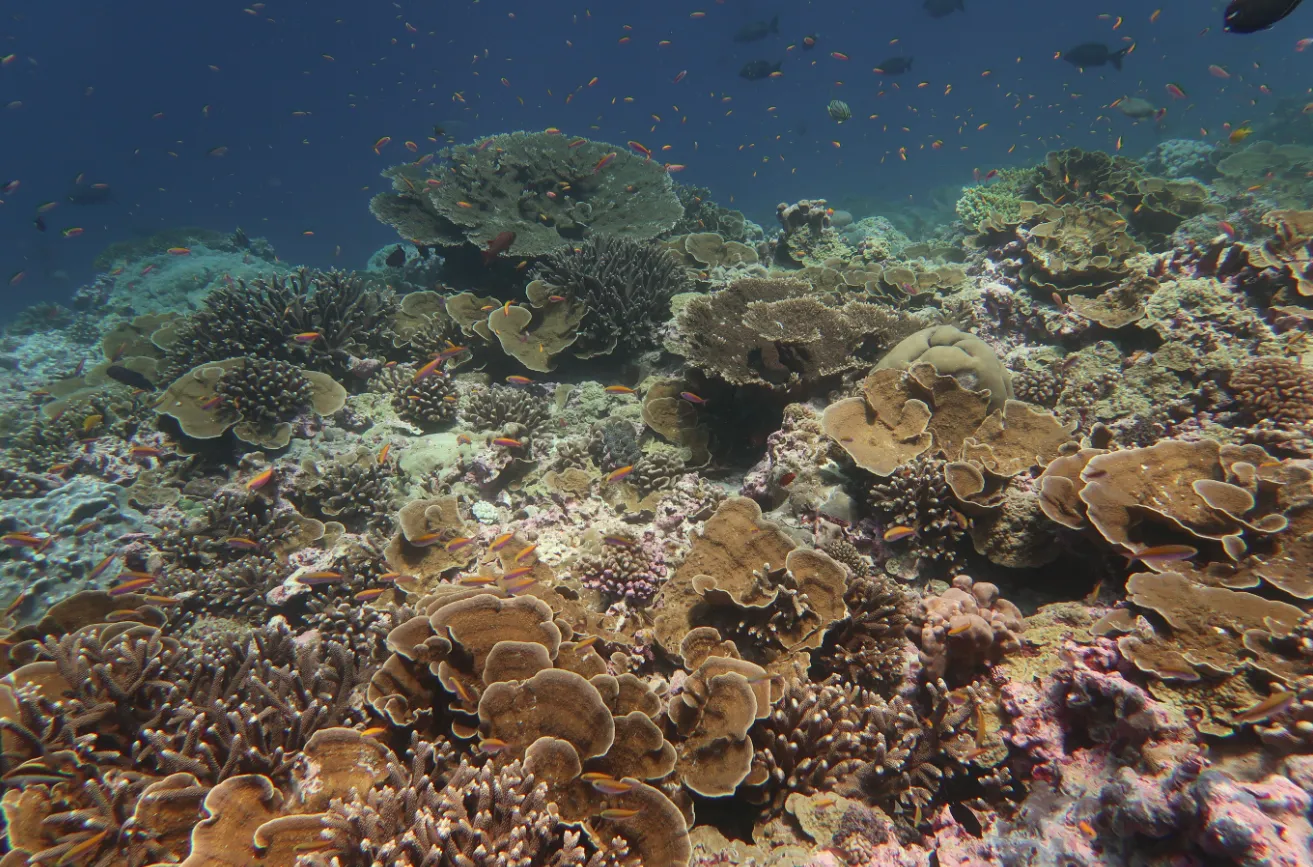
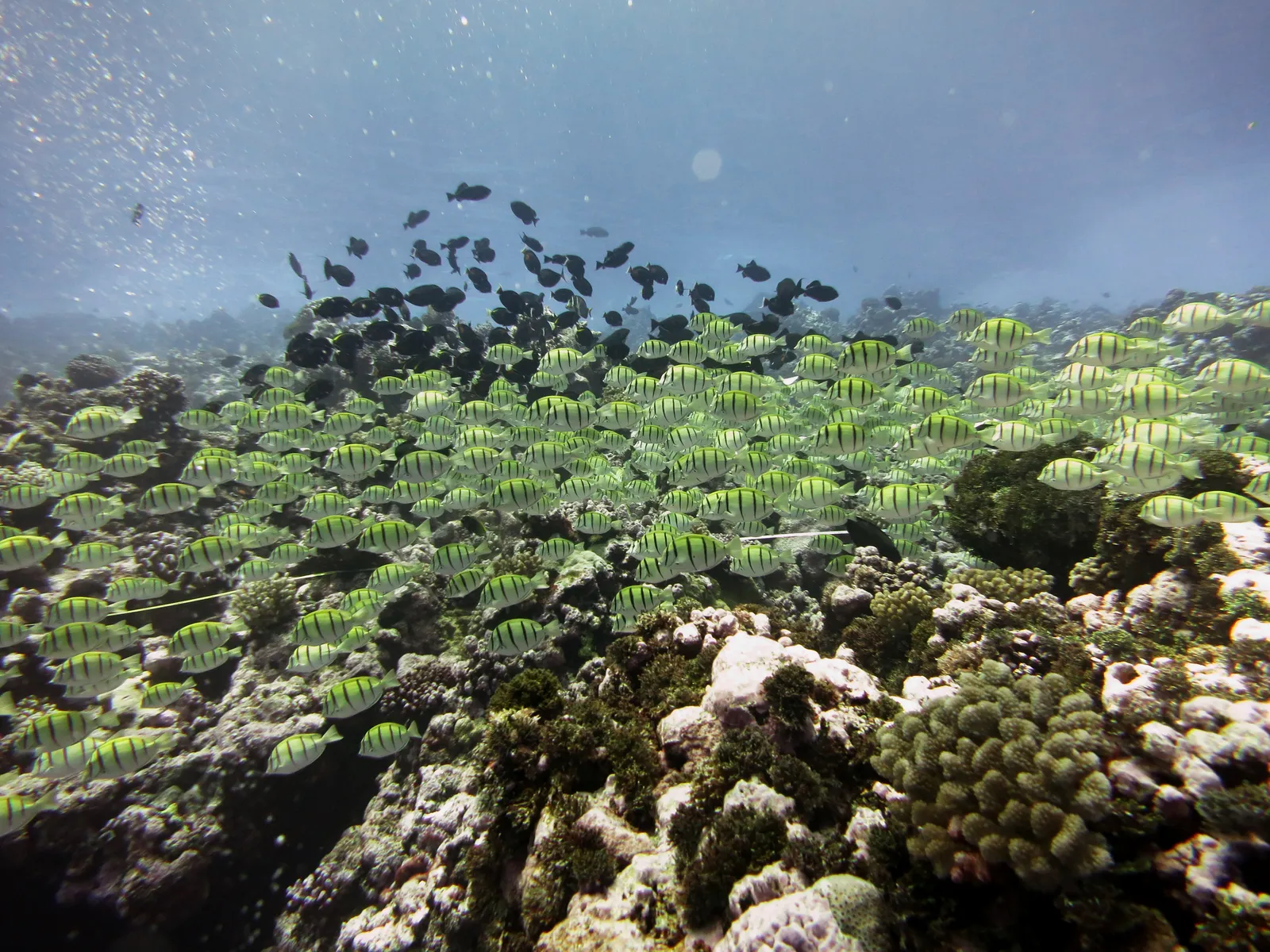
Coral reef and reef fish — Corl0056

01

The Hydrodynamics of a Nutrient Superhighway

The Dampier Strait's underwater topography is a system of submerged ridges, pinnacles, and channels that constrict and accelerate vast volumes of water. This phenomenon, driven by the Indonesian Throughflow, creates consistent upwellings that carry deep, nutrient-dense water to the sunlit shallows. The result is a perpetual plankton bloom that sustains the entire food web, from filter-feeding manta rays to the immense schools of fusiliers and jacks that attract pelagic predators. Water temperatures remain stable between 27–30°C year-round, making a 3mm wetsuit the standard exposure protection. During the peak season from October to April, visibility typically ranges from 20 to 40 meters, offering optimal conditions for observing this biomass in its entirety. Our Raja Ampat liveaboard itineraries are meticulously scheduled around the lunar cycle to place divers at key sites during the most favorable tidal windows.

02

Cape Kri Dive Site: The Epicenter of Marine Biodiversity

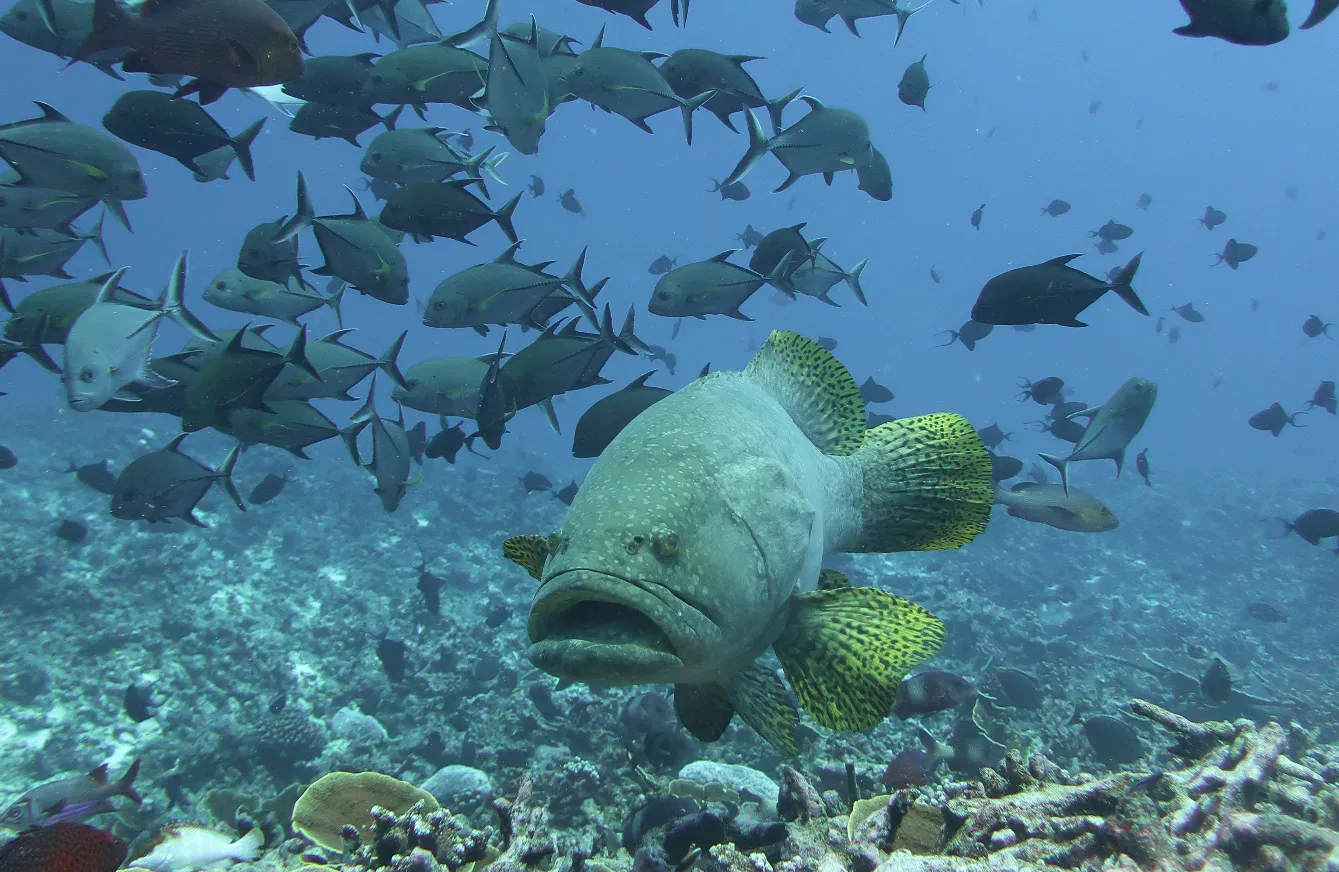
The Cape Kri dive site is the sloping reef extending from the easternmost point of Kri Island. It holds the scientifically verified world record for the highest number of fish species counted on a single dive. In 2012, Dr. Gerald Allen documented an astonishing 374 distinct species here, a testament to the strait's productivity. The dive profile begins on a reef flat at 5 meters, descending sharply to over 40 meters. The defining feature is a point where the current splits, creating an area where marine life congregates in overwhelming numbers.

Divers position themselves at the "current split" to observe the spectacle. Expect to encounter:

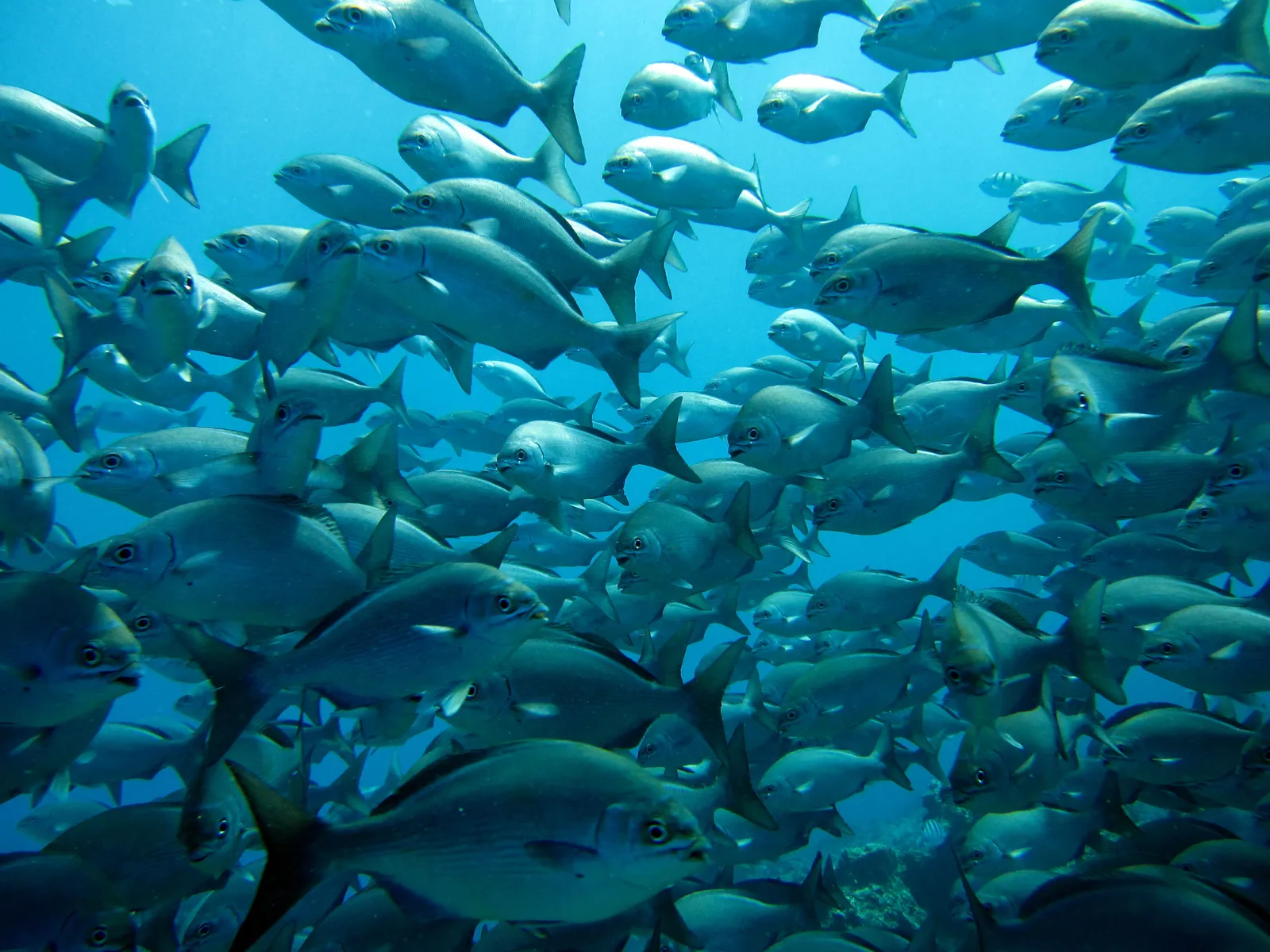
  • Vast schools of chevron barracuda, bigeye trevally, and multiple species of sweetlips.
  • Large aggregations of bumphead parrotfish grazing on the hard corals.
  • Resident populations of grey reef sharks and whitetip reef sharks patrolling the reef edge.
  • Endemic species such as the wobbegong shark (Eucrossorhinus dasypogon) camouflaged on the reef.

Executing a dive at Cape Kri requires experience in managing strong currents and maintaining neutral buoyancy close to the reef. A reef hook is essential equipment. Due to its complexity and potential for high-velocity drift, this site is reserved for advanced divers comfortable with such conditions.

03

Premier Dive Sites Across the Strait

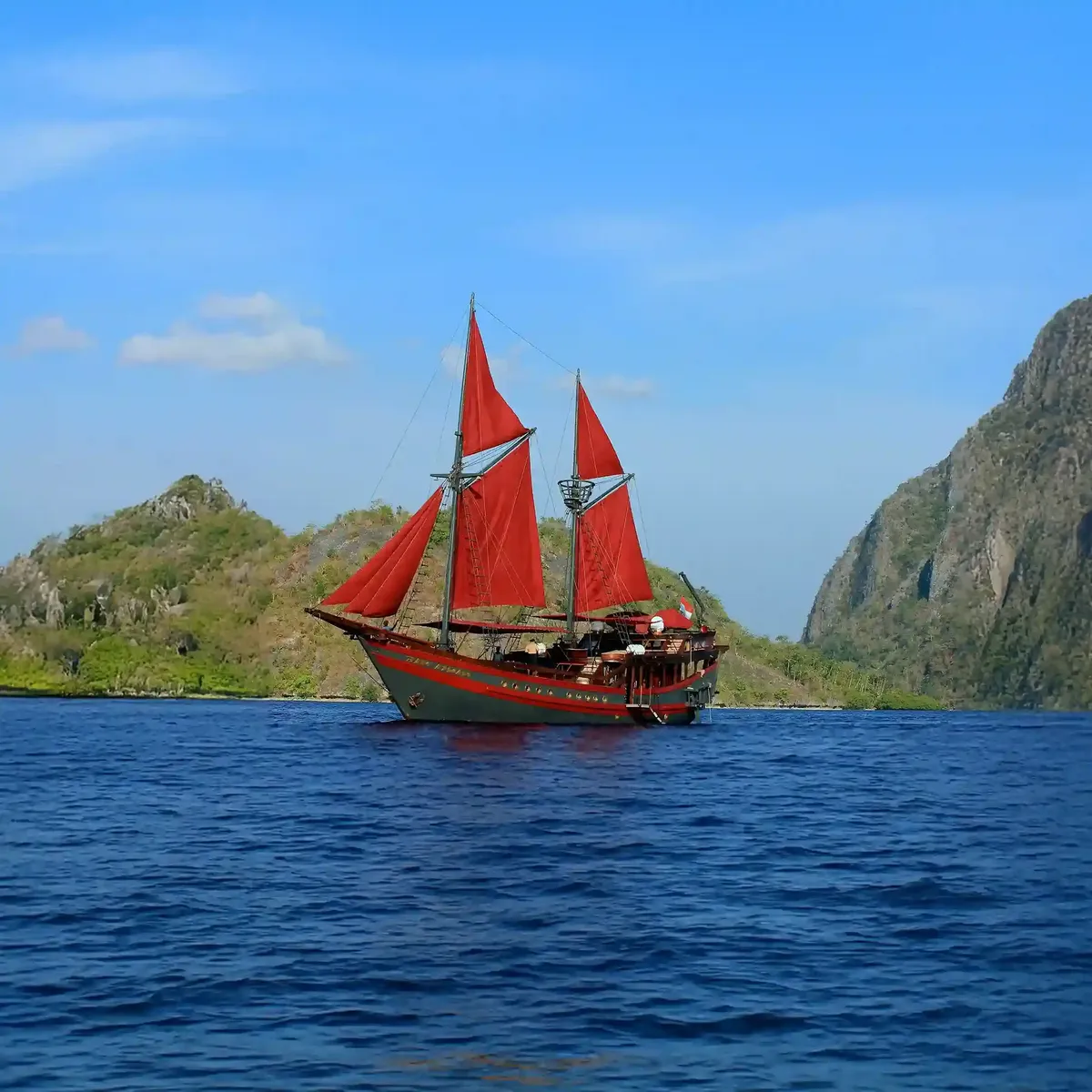
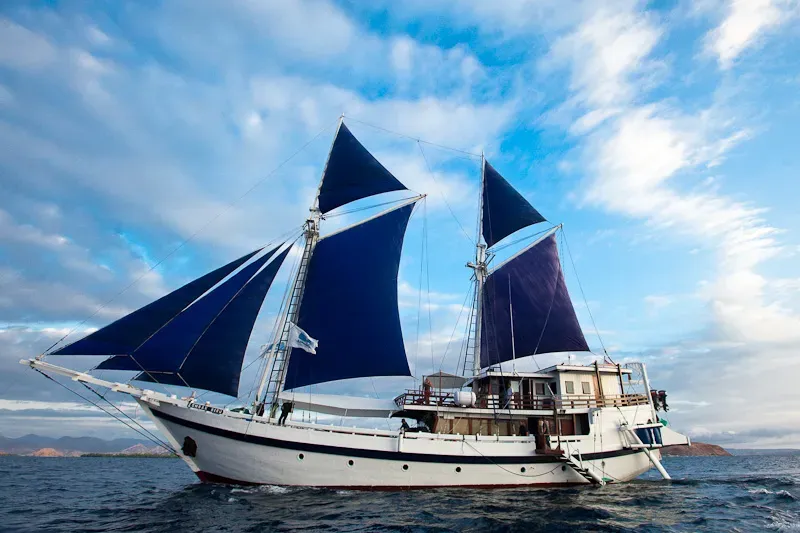
While Cape Kri is the most famous, the Dampier Strait is a dense cluster of top-tier dive locations, each with a distinct character. A Dampier Strait diving liveaboard is the only platform that allows for the logistical flexibility to dive these sites under optimal tidal conditions, as moving between them can cover 5 to 20 nautical miles. The ability to be on-site for a 7:00 AM entry at Blue Magic or a sunset dive at Mioskon is a primary advantage of our private phinisi charter voyages.

01

Blue Magic

Blue Magic is a submerged seamount located east of Mioskon Island, with its reef top beginning at 7 meters and dropping off to well over 30 meters. The site is completely exposed to open-ocean currents, attracting a significant pelagic population. It is not uncommon to encounter oceanic manta rays (Mobula birostris) here, especially between December and March. The pinnacle is a known cleaning station, drawing in grey reef sharks, Napoleon wrasse, and Spanish mackerel. Due to its depth and potential for powerful down-currents, this site is strictly for experienced divers with Advanced Open Water certification or equivalent.
02

Sardine Reef

Sardine Reef is an offshore pinnacle whose top sits at 5 meters below the surface, making a negative entry from the tender a standard procedure. The site is named not for sardines, but for the overwhelming density of fish that resembles a packed tin. The oval-shaped reef is covered in vibrant soft corals and sea fans, providing habitat for an immense biomass. Schools of fusiliers, surgeonfish, and bannerfish move across the reef in such numbers they can obscure the light. Predators are always in attendance, including packs of giant trevally and Spanish mackerel. Look under the large coral bommies for the tasseled wobbegong shark.

03

Manta Sandy

Manta Sandy is a dedicated cleaning station for the reef manta ray (Mobula alfredi). Located in a protected channel, the site is a relatively shallow sandy bottom at a depth of 15-18 meters. Several coral bommies serve as the "cleaning" locations where wrasse and other small fish remove parasites from the mantas. The dive protocol is strict: divers must remain behind a designated line of rocks on the seafloor to avoid disturbing the animals' natural behavior. During peak aggregation season (December–March), it is common to observe five to ten mantas circling and hovering over the cleaning stations for the entire duration of the dive. This is one of the most reliable locations in Raja Ampat to observe this specific behavior.

04

The Passage

The Passage is a unique dive site that resembles a river flowing between the islands of Gam and Waigeo. The topography is unlike any other in the region, with mangrove roots descending directly into the water to meet coral-encrusted walls. The dive is a shallow drift, typically no deeper than 20 meters, through a narrow channel. The nutrient-rich water supports a spectacular growth of sea fans, sponges, and soft corals that cling to the overhanging jungle canopy. The site is a macro-photographer's focus, with opportunities to spot archerfish, gobies, and the rare Raja Ampat pygmy seahorse (Hippocampus pontohi). The lighting conditions, with shafts of sunlight filtering through the jungle canopy, are extraordinary.

05

Planning Your Dampier Strait Expedition

A successful trip requires careful planning, adherence to park regulations, and an honest assessment of diver experience. We manage all logistics from your arrival in Sorong to your departure, ensuring every detail is addressed.

01

Certification and Experience Requirements

The diving conditions in the Dampier Strait are demanding. We require all guests to hold a minimum of an Advanced Open Water (AOW) certification and have logged at least 50 dives. Demonstrable experience in strong currents, proficiency with deploying a surface marker buoy (SMB) from depth, and comfort with negative entries are mandatory. A reef hook is a required piece of equipment for many sites and will be used under the strict supervision of our dive guides to prevent any contact with or damage to the reef. For divers seeking to expand their skills, we offer advanced courses on our private charter voyages.

02

Logistics and Park Fees

All voyages depart from the port of Sorong in West Papua. The city is served by Sorong Airport (SOQ), with multiple daily flights from Jakarta (CGK) on carriers including Garuda Indonesia and Batik Air. Upon arrival, our team will greet you and handle all transfers. A mandatory Marine Park entrance fee of IDR 1,000,000 (approximately USD 65) per person is required. This fee is valid for one year and directly funds conservation and community programs within the park. We facilitate the purchase of these permits for all our guests. For a complete list of what is covered, please review our liveaboard pricing and inclusions.

Ombak Biru liveaboard sailing Raja Ampat

06

Plan Your Raja Ampat Voyage

Our team specializes in crafting bespoke phinisi charters for discerning divers and private groups. We manage all logistics, from international flight connections to the precise tidal planning required for the Dampier Strait. To begin a conversation about your private liveaboard expedition, please contact our voyage specialists.

WhatsApp: +62 811-3823-875
Email: sales@komodoluxury.com

Initiate your booking inquiry here.

FAQ

Frequently Asked Questions About Diving the Dampier Strait

What is the minimum certification for Dampier Strait diving?

The minimum certification required is Advanced Open Water (AOW) or an equivalent rating from a recognized training agency. We also require a logbook showing at least 50 dives, with some experience in deep diving and currents. This is a safety standard to ensure all divers can manage the challenging conditions present at sites like Blue Magic and The Cauldron.

What are the currents like in the Dampier Strait?

Currents are the defining feature of the Dampier Strait, ranging from a gentle 1 knot to over 4 knots. They are strongest during the new and full moon phases. Our cruise directors are experts in tidal planning, ensuring dives are conducted during slack or on a manageable drift. A reef hook is non-negotiable equipment for certain sites to hold position without damaging coral.

Is the Cape Kri dive site suitable for all divers?

No, the Cape Kri dive site is not suitable for inexperienced divers. While the reef top is shallow, the most prolific marine life is found at the current split point, where conditions can be very challenging. Divers must be comfortable in strong, sometimes unpredictable currents and possess excellent buoyancy control to safely enjoy this world-record-holding location.

When is the best time to see manta rays in the Dampier Strait?

Manta rays are present year-round, but the peak aggregation season for both reef mantas (Mobula alfredi) at Manta Sandy and oceanic mantas (Mobula birostris) at Blue Magic is from December through March. This period coincides with high plankton concentrations, attracting large numbers of these filter feeders to cleaning stations and feeding areas within the strait.

How much is the Raja Ampat Marine Park fee?

The official Raja Ampat Marine Park entrance fee (known as the PIN) is IDR 1,000,000 per person for international visitors. This is equivalent to approximately USD 65, depending on the exchange rate. The permit is valid for 12 months from the date of activation. We handle the acquisition of these permits on behalf of our guests before the voyage begins.

Manta ray — Manta ray at Palmyra Atoll

Plan Your Raja Ampat Voyage

Our dive concierge team is ready to design your private phinisi charter. We manage all logistics — from arrival in Sorong to your departure.