In this article
- Understanding Raja Ampat Dive Sites
- Raja Ampat’s Best Dive Sites
- Raja Ampat Manta Ray Dive Sites
- Raja Ampat Coral Reef Dive Sites
- Raja Ampat Macro Dive Sites
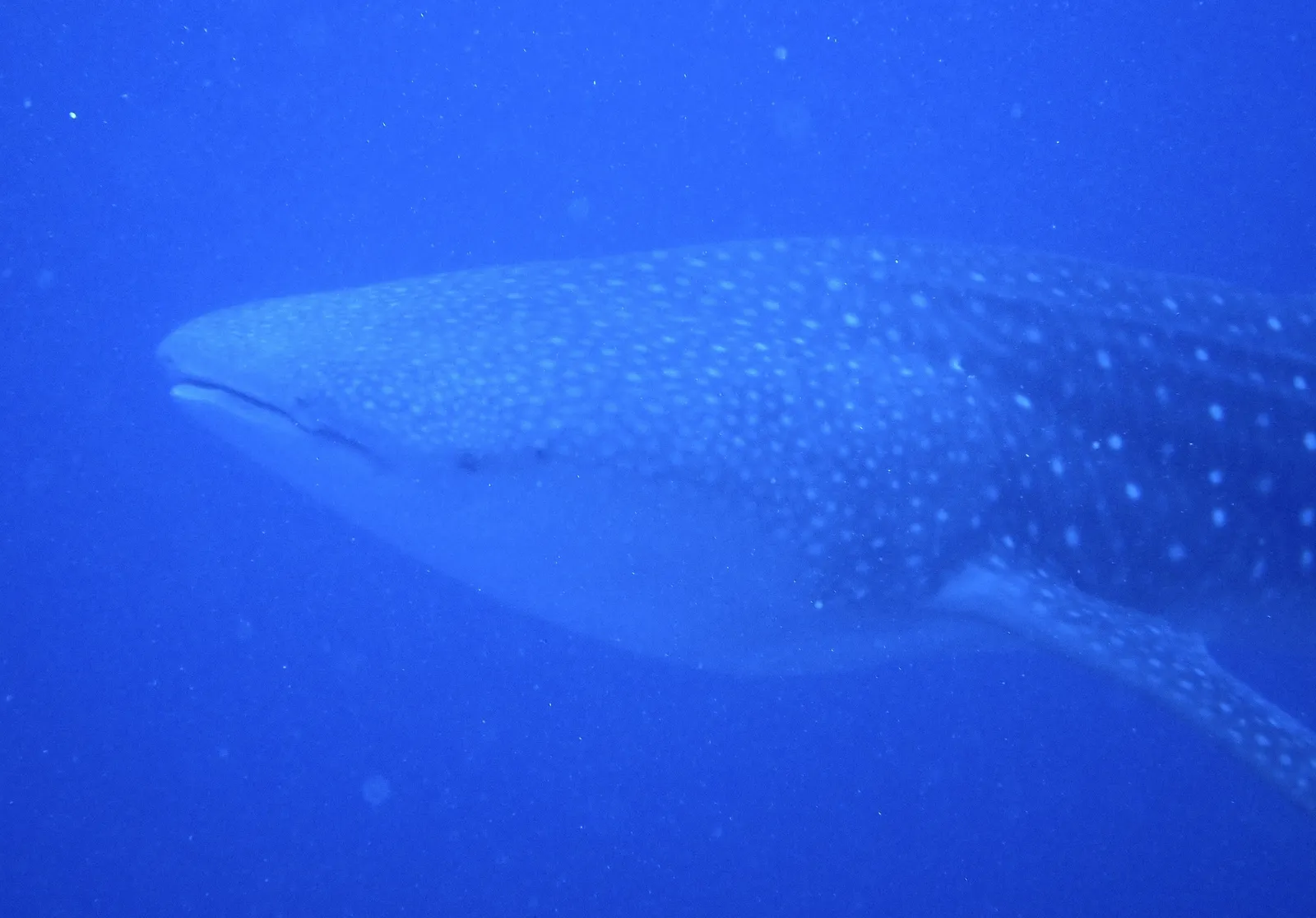
- Raja Ampat Reef Sharks
- Raja Ampat Current Dives
- Raja Ampat Underwater Photography Sites
- Raja Ampat Liveaboard Dive Highlights
- Raja Ampat Must-Dive Sites
- Conclusion
- Related reading
Understanding Raja Ampat Dive Sites
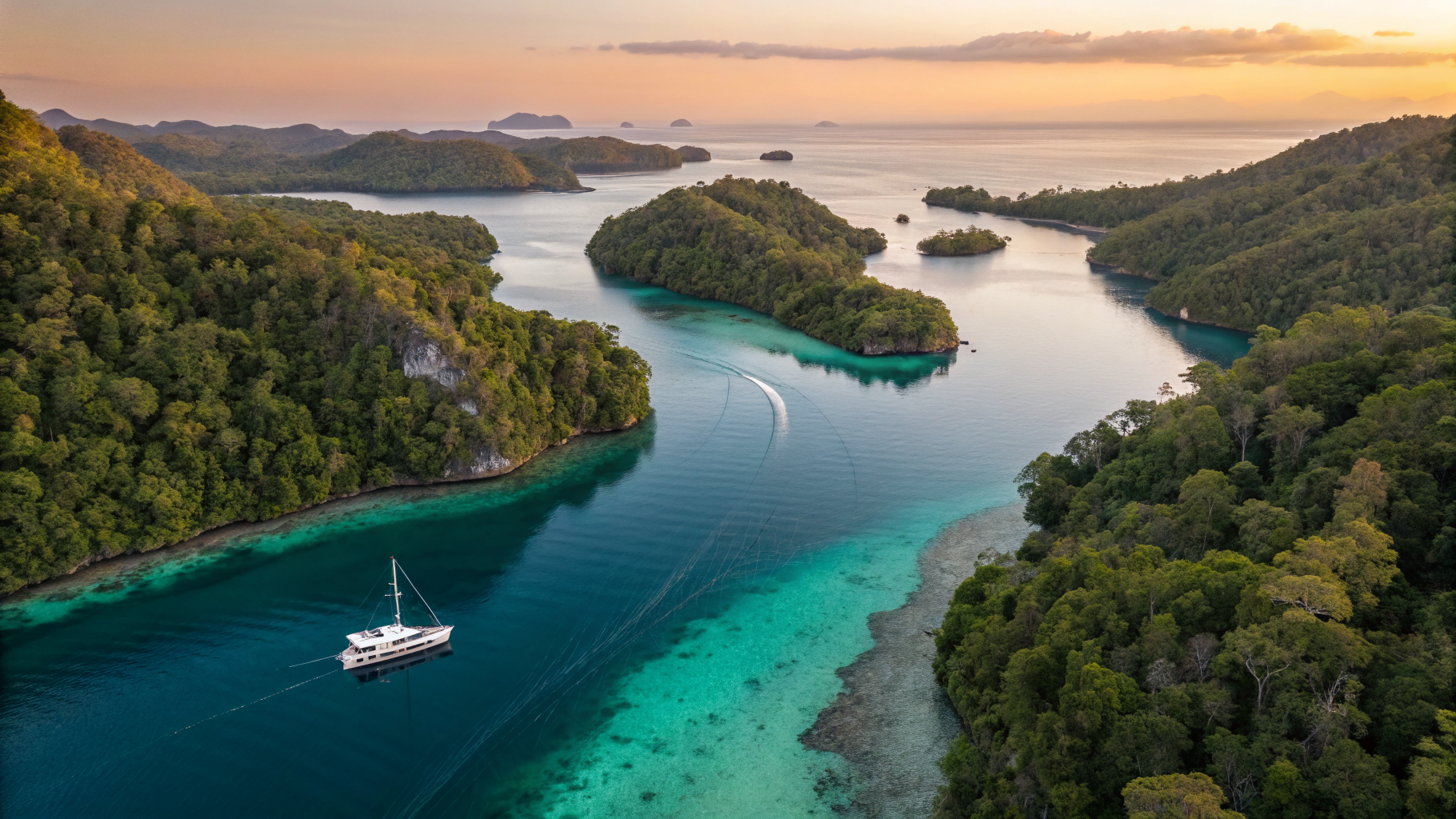
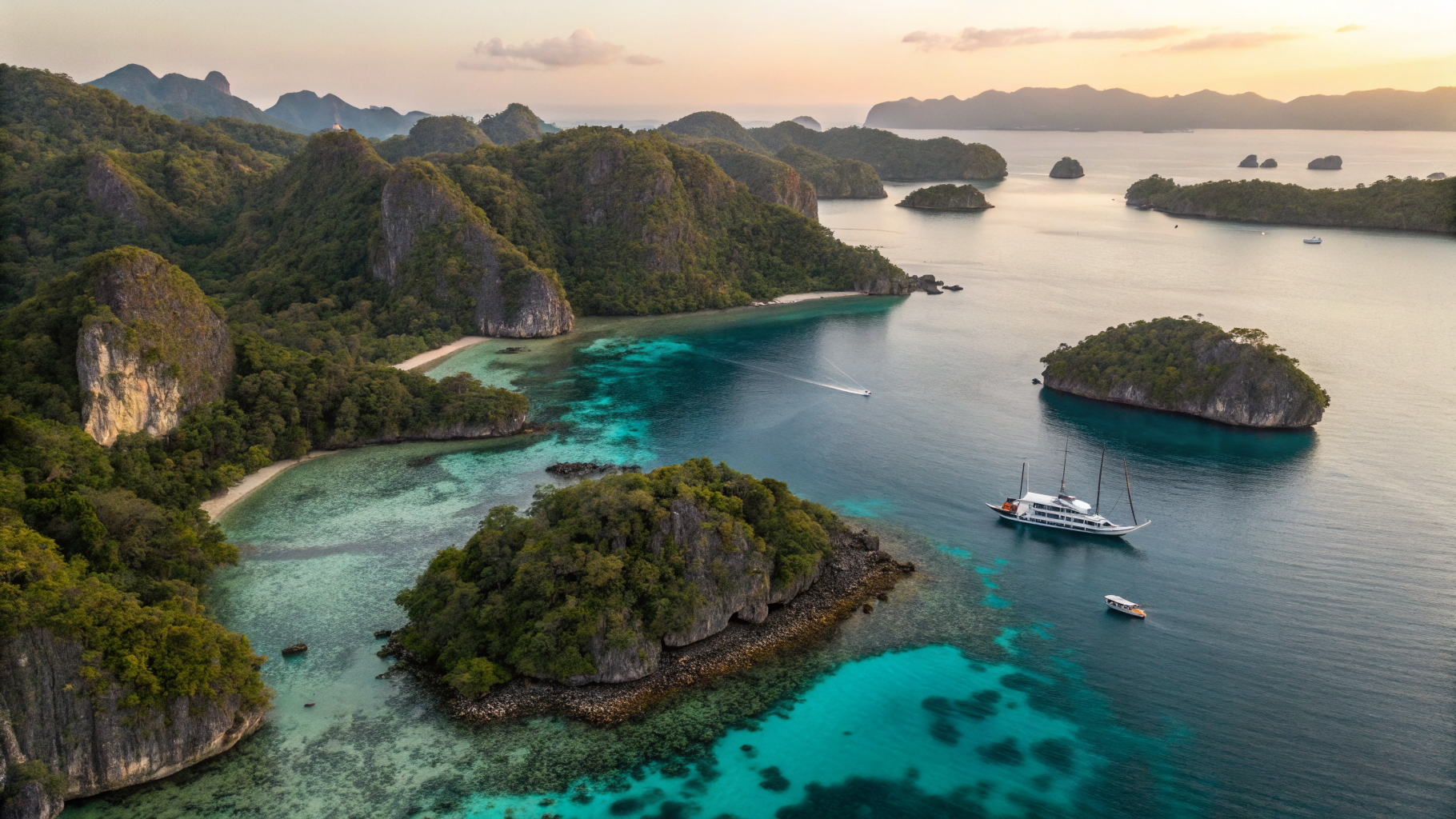
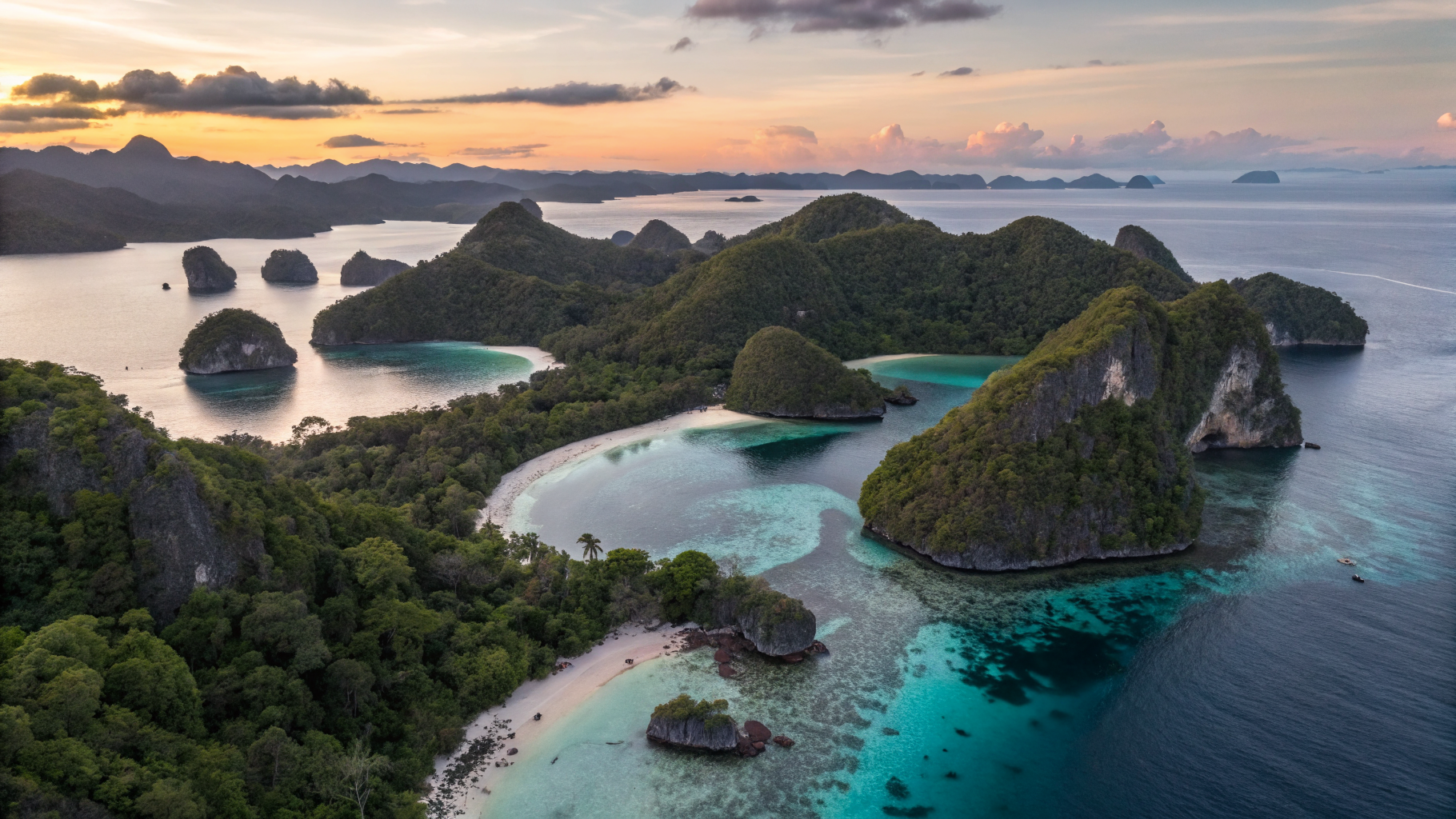
Raja Ampat is a diver’s paradise, renowned for its stunning marine biodiversity and striking underwater landscapes. With over 1,500 species of fish and 600 types of coral, it offers some of the best dive sites in the world. Each site has its own unique features, making Raja Ampat an essential destination for both novice and experienced divers.
Raja Ampat’s Best Dive Sites
The term “best dive sites” often comes up when discussing Raja Ampat, and for good reason. Notable locations include:
- Pinnacle 2: Known for its dramatic underwater topography, featuring steep walls and vibrant coral gardens. Depths can reach up to 30 meters (98 feet).
- Blue Magic: Famous for its schooling fish and occasional sightings of reef sharks. This site is best dived between October and April, with currents ranging from moderate to strong.
- Cape Kri: Often touted as one of the top dive sites in the world, Cape Kri boasts over 374 species of fish. It’s suitable for divers at all levels, with depths between 10 to 30 meters (33 to 98 feet).
Raja Ampat Manta Ray Dive Sites
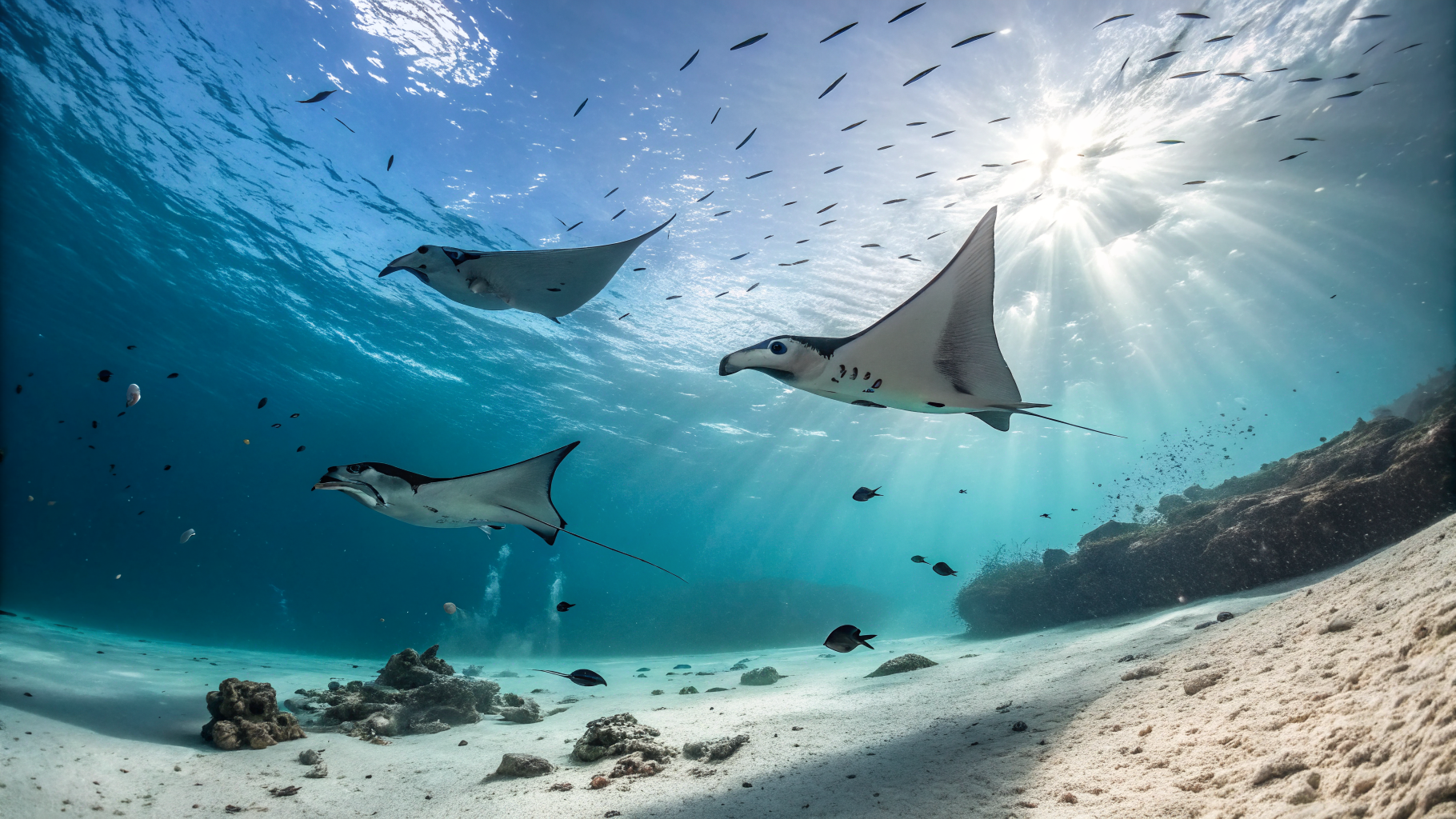
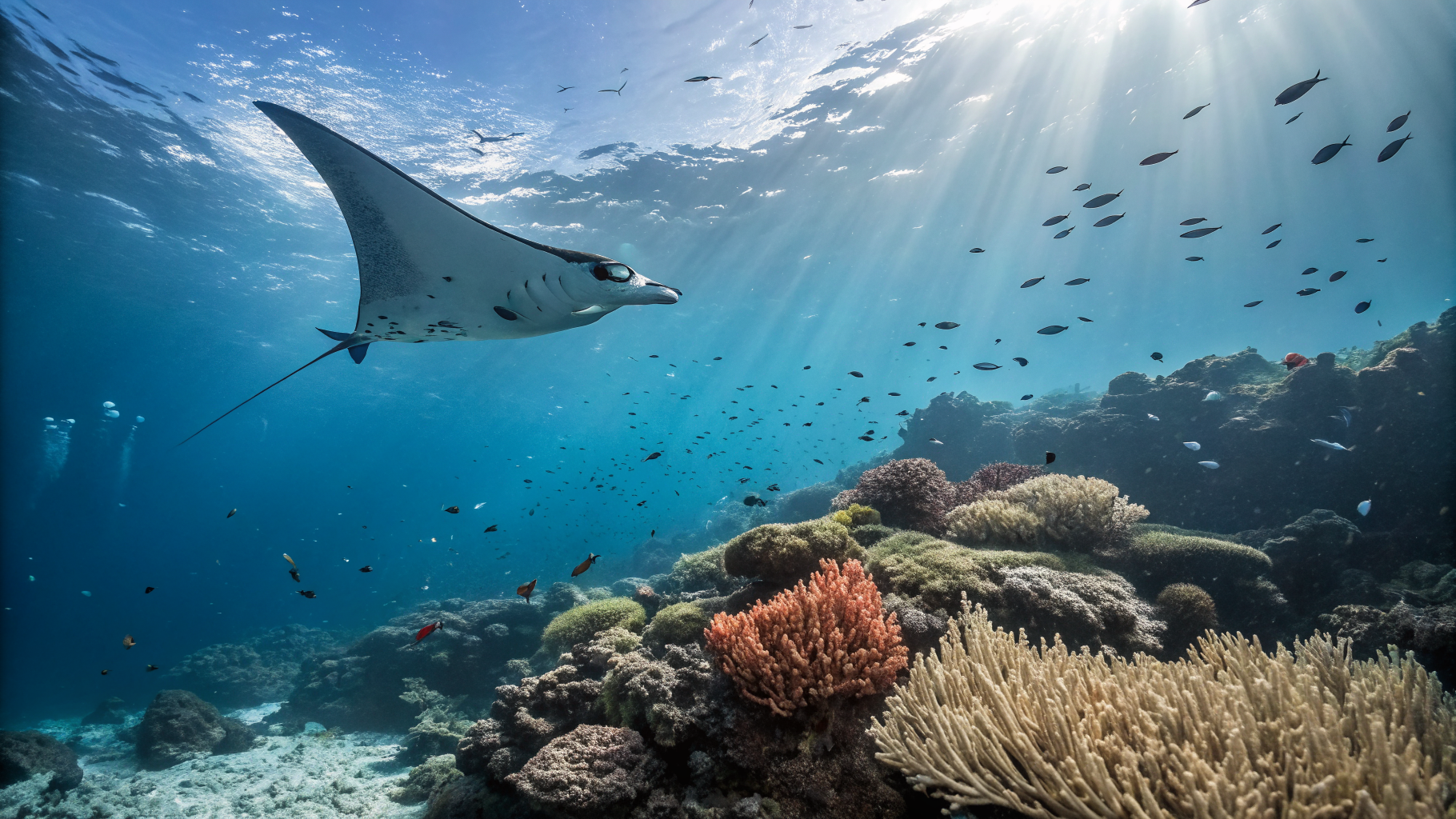
Manta rays are a highlight for many divers, and Raja Ampat is home to several prime locations to encounter these graceful creatures. The following sites are particularly famous:
- Manta Sandy: Located near Misool, this site is known for frequent manta ray sightings. The ideal months for diving here are between November and April. Expect to dive at a depth of around 15 to 20 meters (49 to 66 feet).
- Manta Point: Another hotspot for manta rays, this site features cleaning stations where mantas come to get rid of parasites. Best visited during the dry season, divers should prepare for potential current challenges.
Raja Ampat Coral Reef Dive Sites
The coral reefs in Raja Ampat are stunning and play a significant role in the overall health of the marine ecosystem. Divers can expect to see expansive coral gardens and vibrant marine life. Noteworthy coral reef dive sites include:
- Arborek Jetty: Known for its beautiful coral formations and diverse marine life, Arborek Jetty is suitable for all levels of divers. Dive depth ranges from 5 to 25 meters (16 to 82 feet).
- Yenbuba: This site features a rich variety of soft coral and is an excellent site for underwater photography, especially during the early morning when visibility is optimal.
Raja Ampat Macro Dive Sites
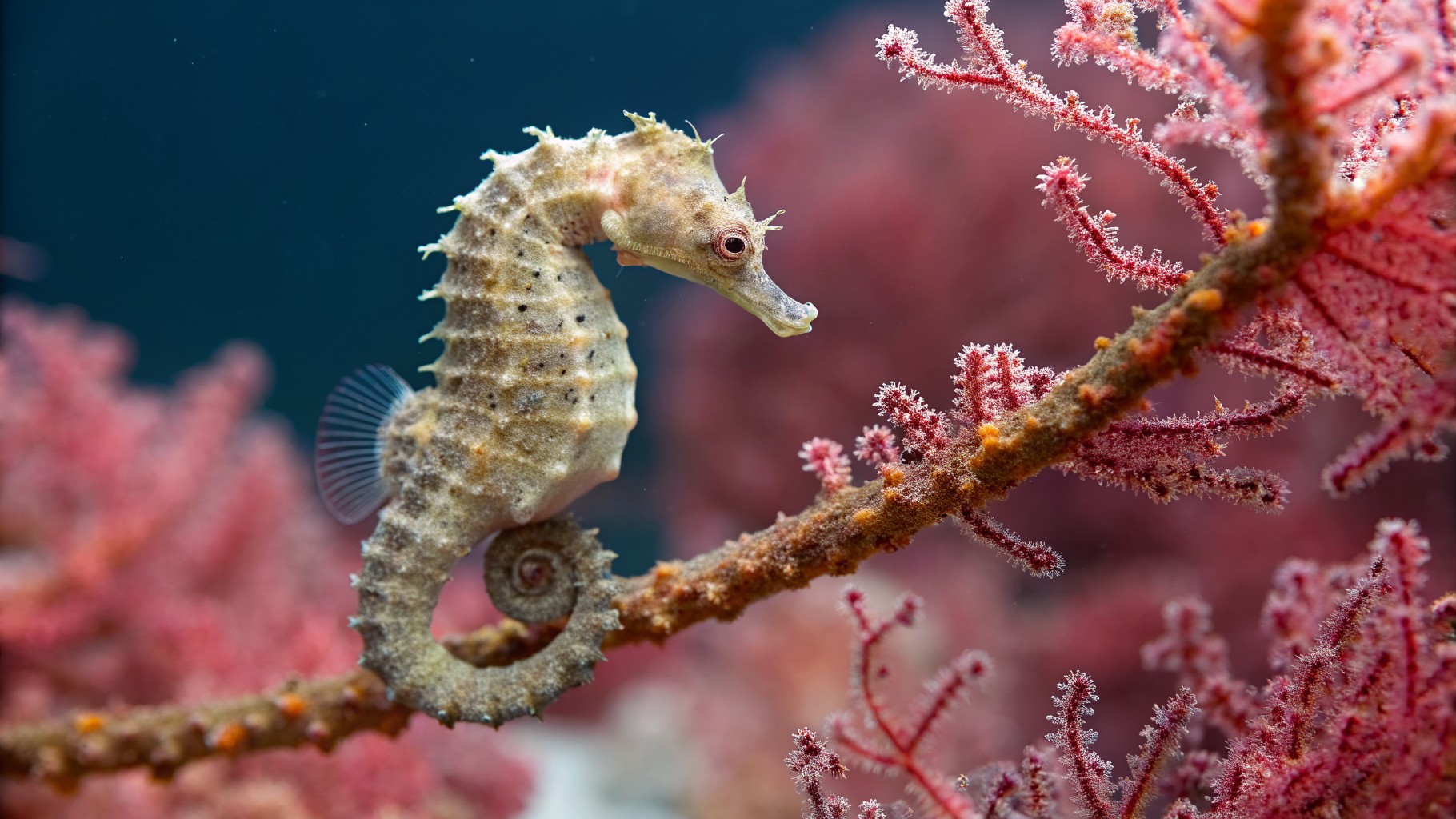
If you’re into macro photography and small critters, Raja Ampat doesn’t disappoint. Here are some must-visit macro dive sites:
- Saltwater Lake: A unique site with rich biodiversity, perfect for spotting nudibranchs and other small marine creatures. Depths reach up to 15 meters (49 feet), making it ideal for both beginners and macro enthusiasts.
- Hidden Bay: Less frequented by divers, this site is a lesser-known spot for macro life. Expect to see an array of critters, including frogfish and seahorses.
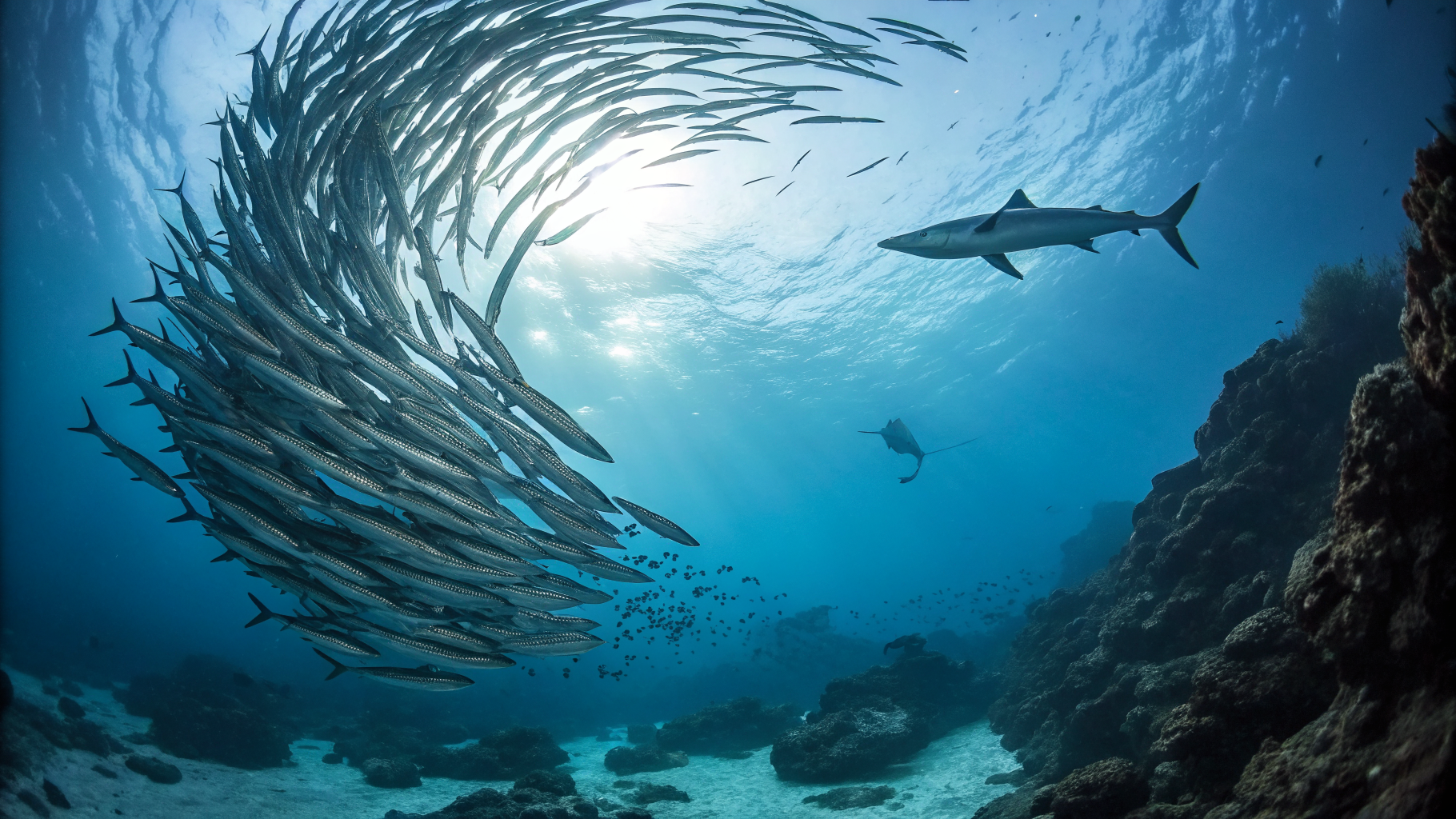
Raja Ampat Reef Sharks
Diving with sharks is an exhilarating experience, and Raja Ampat offers plenty of opportunities to encounter various species:
- Shark Point: Located near Kri Island, this site is known for sightings of grey reef sharks and whitetip reef sharks. Dive depths can reach 30 meters (98 feet) with moderate currents.
- Fiabacet: This is another reliable location for spotting sharks amidst stunning coral formations. The dive depth is around 15 to 25 meters (49 to 82 feet).
Raja Ampat Current Dives
For those seeking an adrenaline rush, current dives in Raja Ampat are a thrilling option. Strong currents attract larger pelagic species and create dynamic dive conditions:
- Cross Wreck: A dive site known for its strong currents, ideal for experienced divers looking for an exciting underwater adventure. Expect to see tuna and barracuda as well as beautiful coral gardens.
- Grouper Net: This site offers a robust current and a chance to see larger fish species. Best dived during the incoming tide.
Raja Ampat Underwater Photography Sites
With its vibrant corals and rich marine life, Raja Ampat is a photographer’s dream. Some top underwater photography sites include:
- Misool: Known for its stunning coral formations and variety of marine species, it’s ideal for capturing vibrant reef scenes.
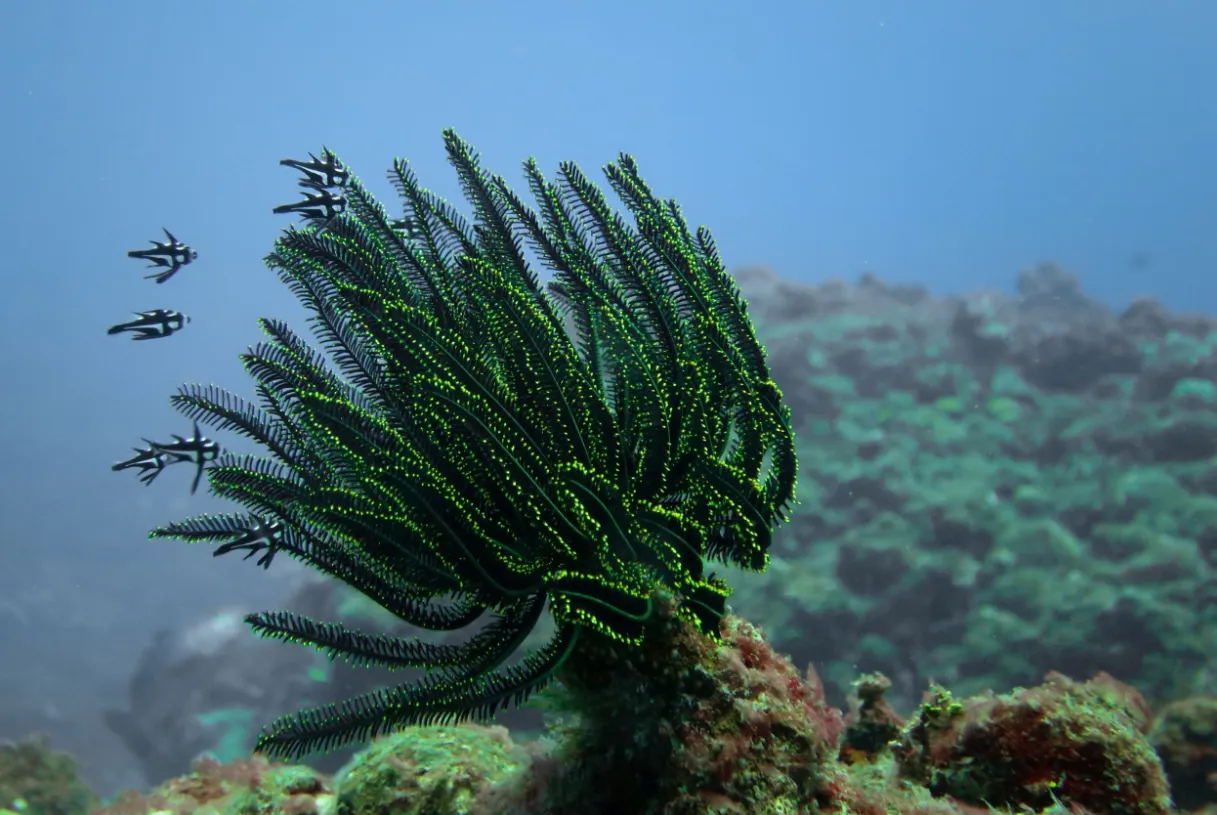
- Batanta Island: A must-visit for macro photographers, with plenty of opportunities to snap shots of smaller marine creatures against a backdrop of colorful coral.
Raja Ampat Liveaboard Dive Highlights
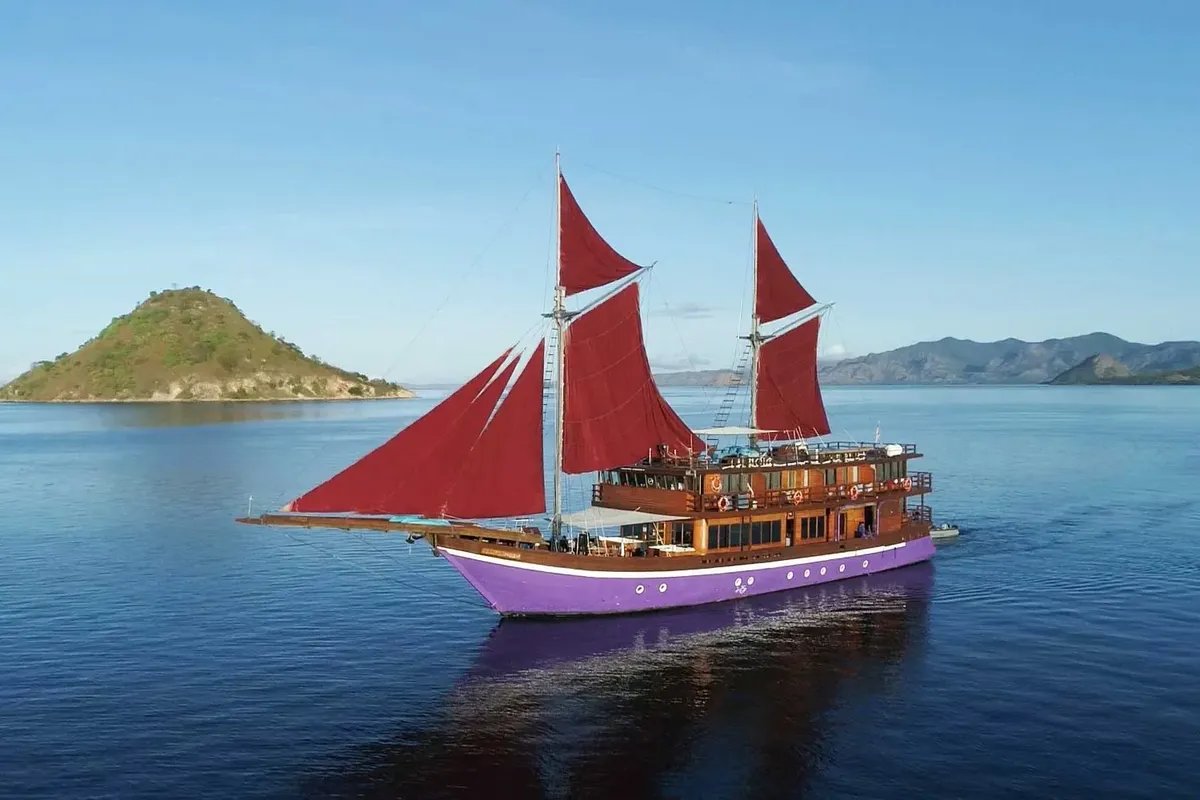
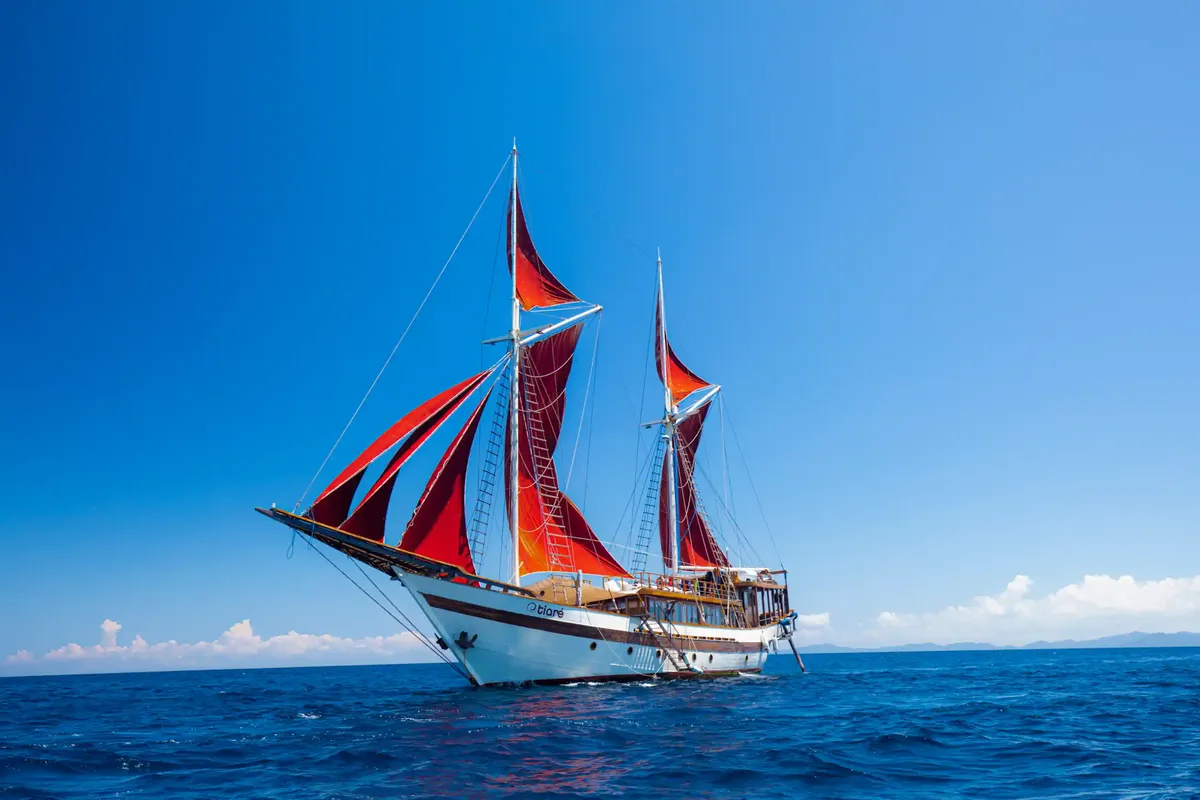
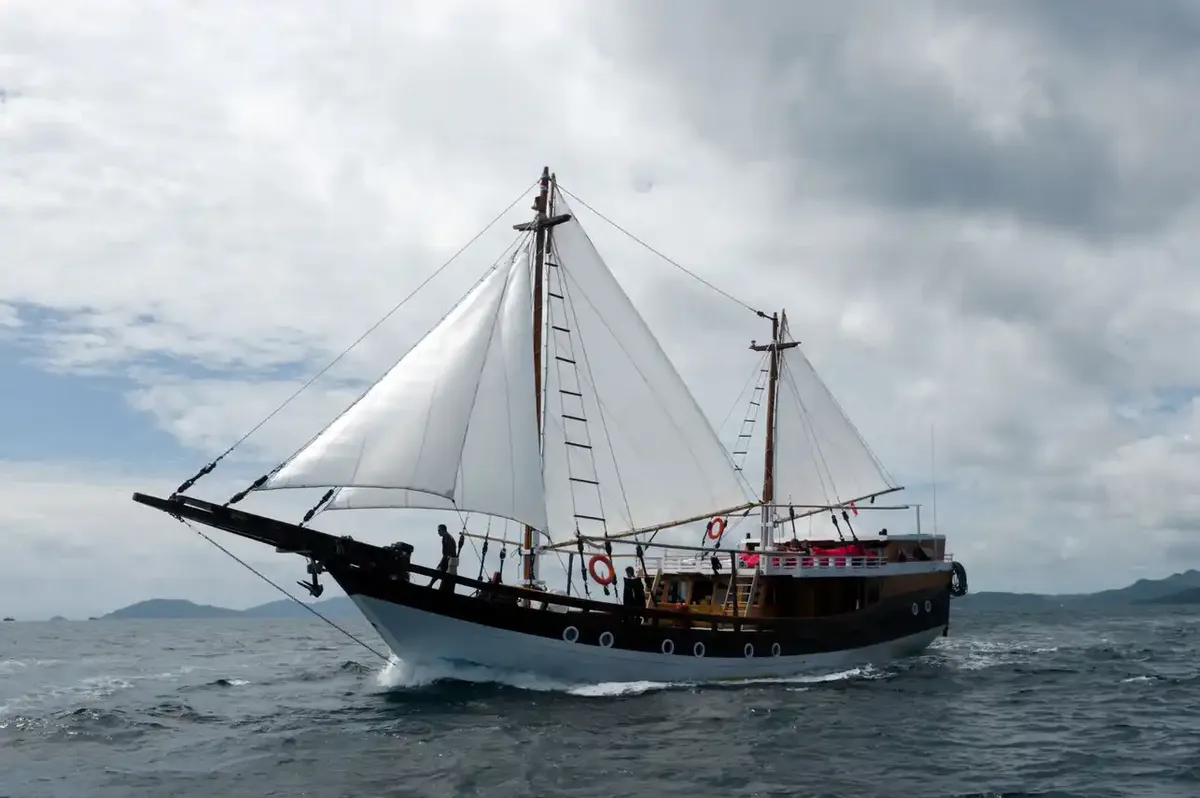
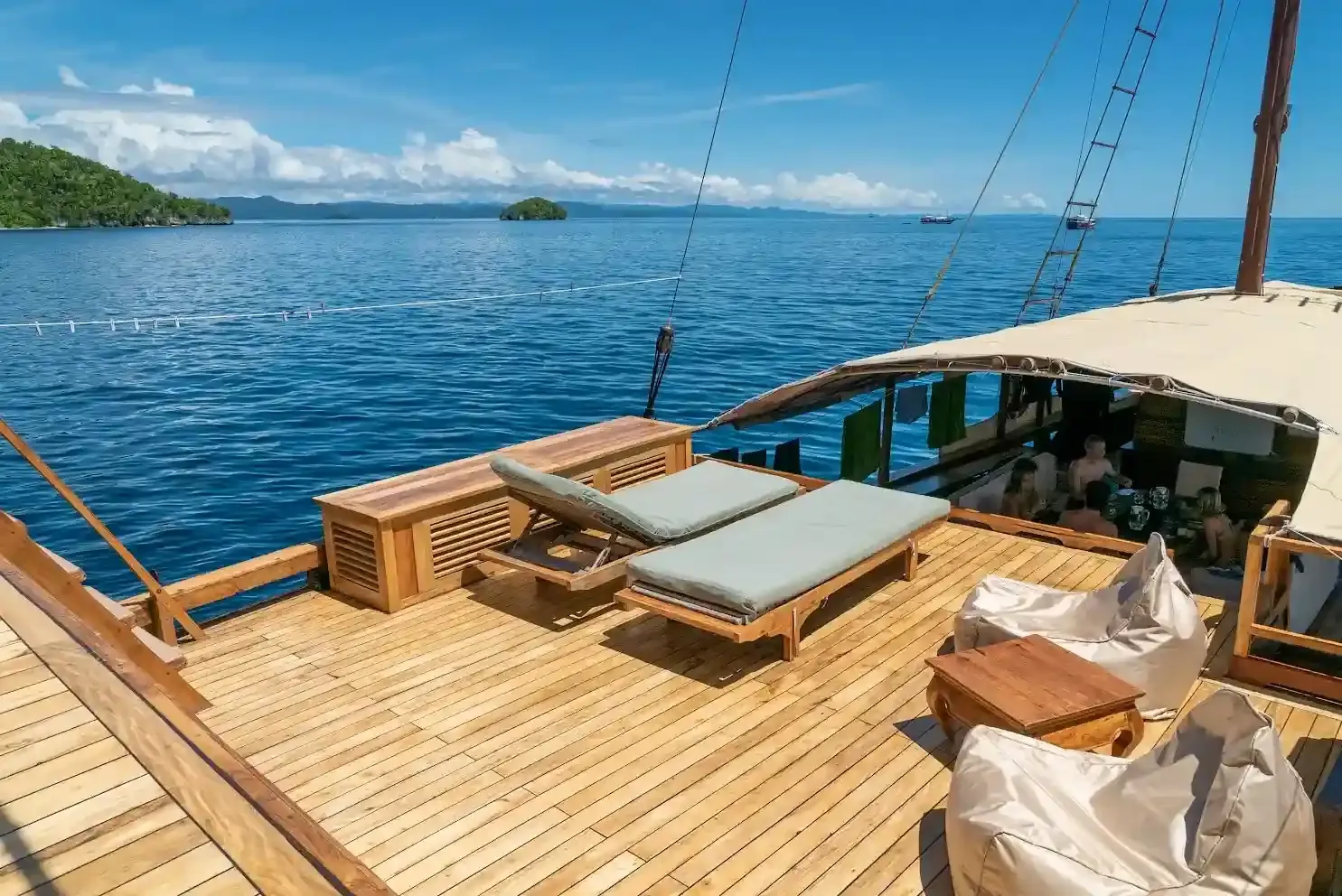
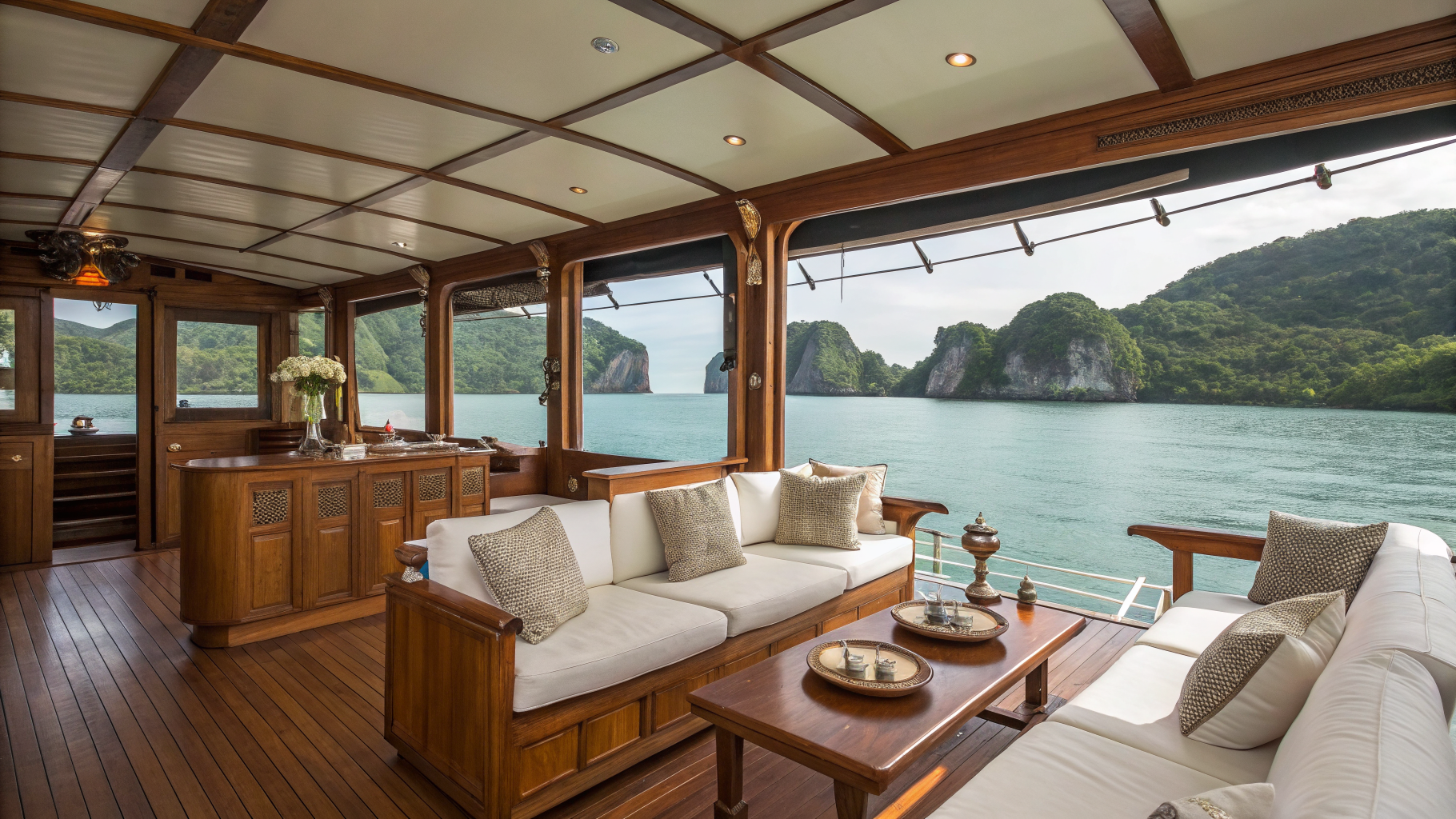
For an unforgettable diving experience, consider a liveaboard trip. Liveaboards provide access to some of the best dive sites not easily reached from land. Typical itineraries can range from 5 to 10 days, and prices vary depending on the amenities offered:
| Duration | Price (USD) | Inclusions |
|---|---|---|
| 5 Days | $1,200 – $1,800 | Meals, Nitrox, Diving Equipment |
| 7 Days | $1,800 – $2,600 | Meals, Nitrox, Diving Equipment, Land Excursions |
| 10 Days | $2,500 – $4,000 | Meals, Nitrox, Diving Equipment, Land Excursions, Photo Workshops |
Various dive operators offer liveaboard charters in Raja Ampat, with the best months for diving being from October to April.
Raja Ampat Must-Dive Sites
Some sites you simply cannot miss when diving in Raja Ampat include:
- The Passage: A narrow channel filled with vibrant marine life, this site is ideal for both snorkeling and diving.
- Animal Crackers: Known for its diverse fish population and stunning coral walls, it’s a photographer’s delight.
Conclusion
Raja Ampat is more than just a diving destination; it’s a vibrant underwater ecosystem brimming with life and beauty. Whether you’re drawn to the thrilling currents, the graceful manta rays, or the intricate macro life, Raja Ampat’s dive sites cater to all types of divers. Planning your next diving adventure here is a step towards an unforgettable experience.
FAQ
- What is the best time to dive in Raja Ampat? The optimal diving season is from October to April when visibility is best and currents are manageable.
- Do I need a diving certification to dive in Raja Ampat? While many dive sites cater to all experience levels, advanced dives may require certification.
- How can I prepare for a liveaboard diving trip? Ensure you have your diving gear, a valid certification, and any necessary travel documents. It’s also wise to pack a good underwater camera!
Ready to dive into the wonders of Raja Ampat? Embark on a journey of a lifetime!