In this article
- Understanding Raja Ampat Snorkeling and Non-Diver Options
- Why Choose Raja Ampat for Snorkeling?
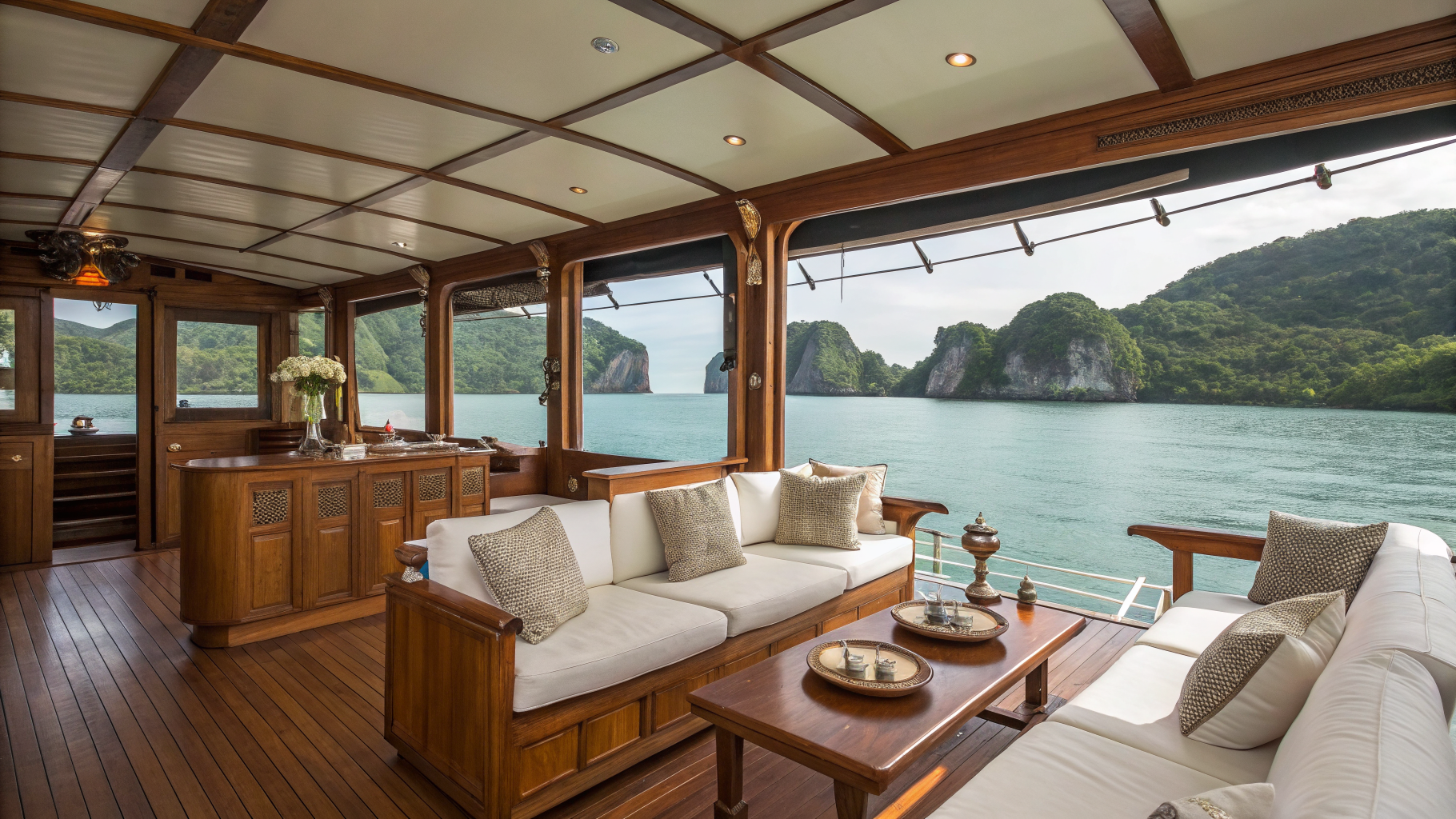
- Raja Ampat Snorkeling Liveaboard Adventures
- Best Snorkeling Spots in Raja Ampat
- Can Non-Divers Join Raja Ampat Liveaboards?
- Raja Ampat for Families
- Raja Ampat Shallow Reef Snorkeling
- Raja Ampat Lagoon Snorkeling
- Raja Ampat Marine Life Snorkeling Experiences
- FAQ
- Related reading
Understanding Raja Ampat Snorkeling and Non-Diver Options
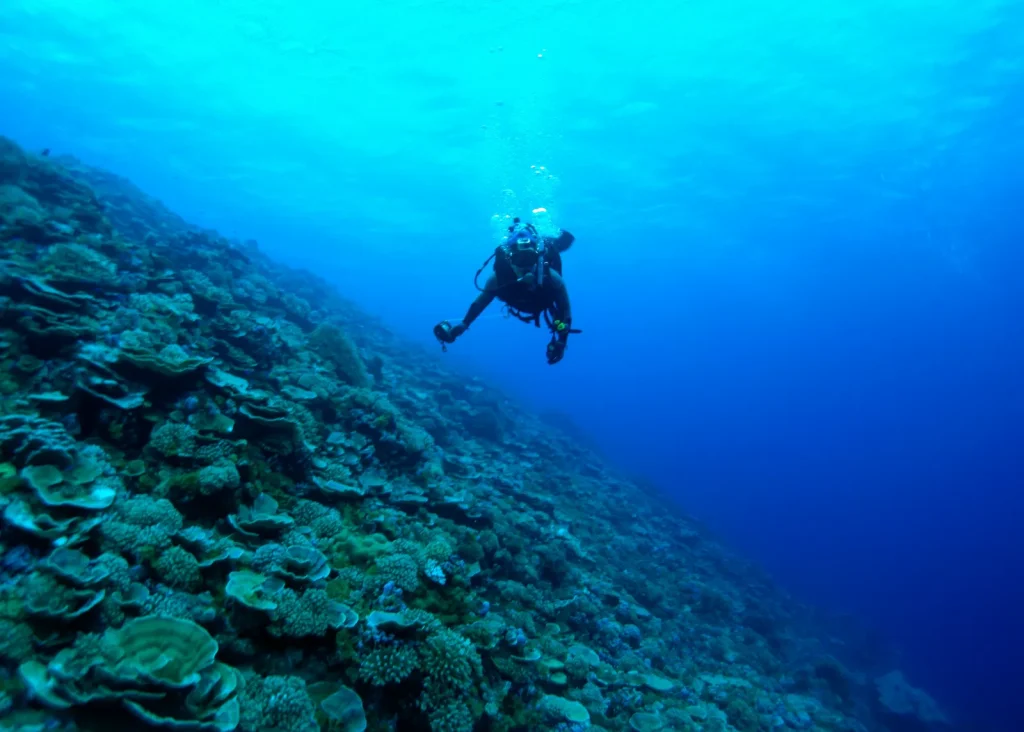
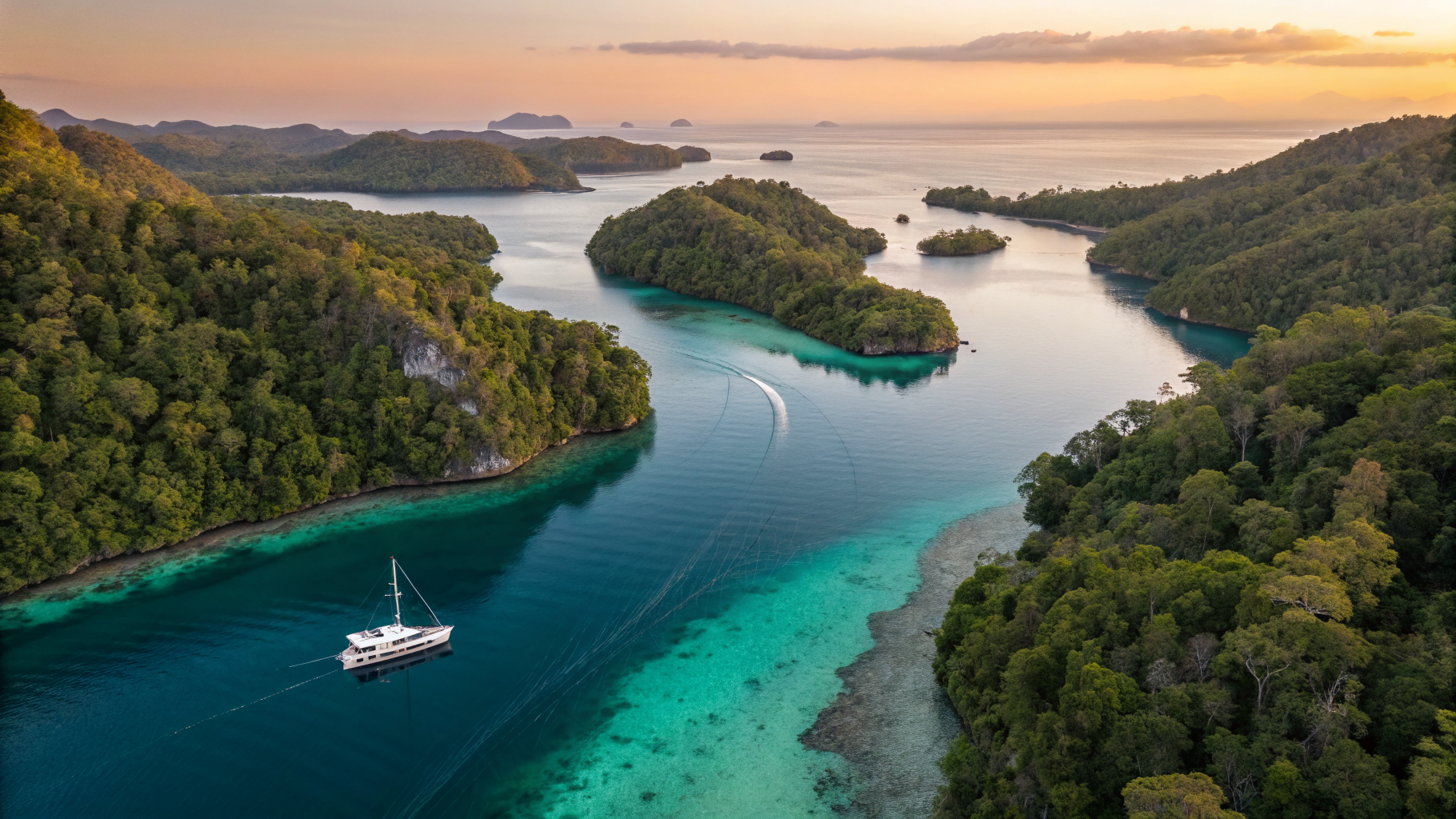
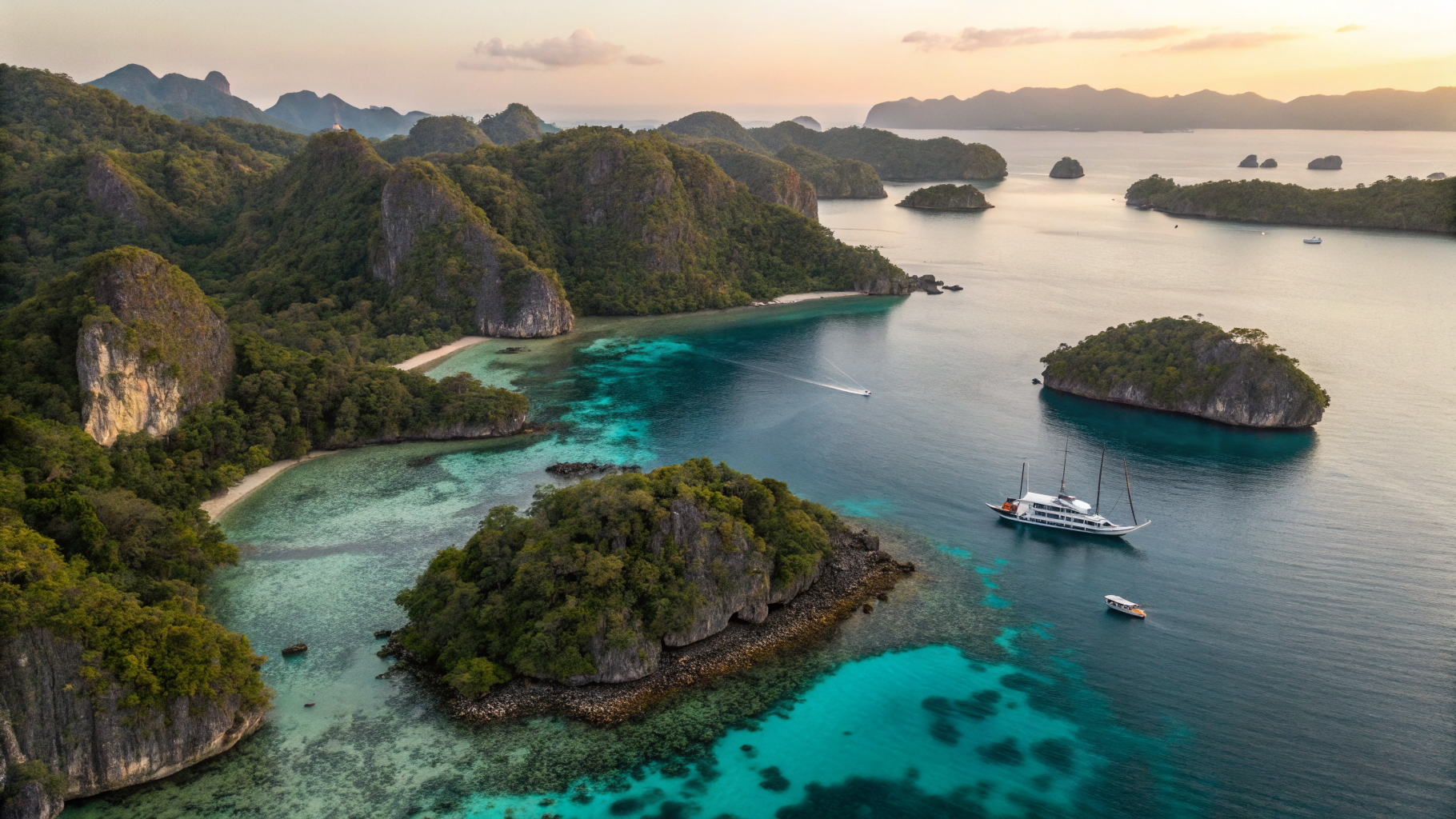
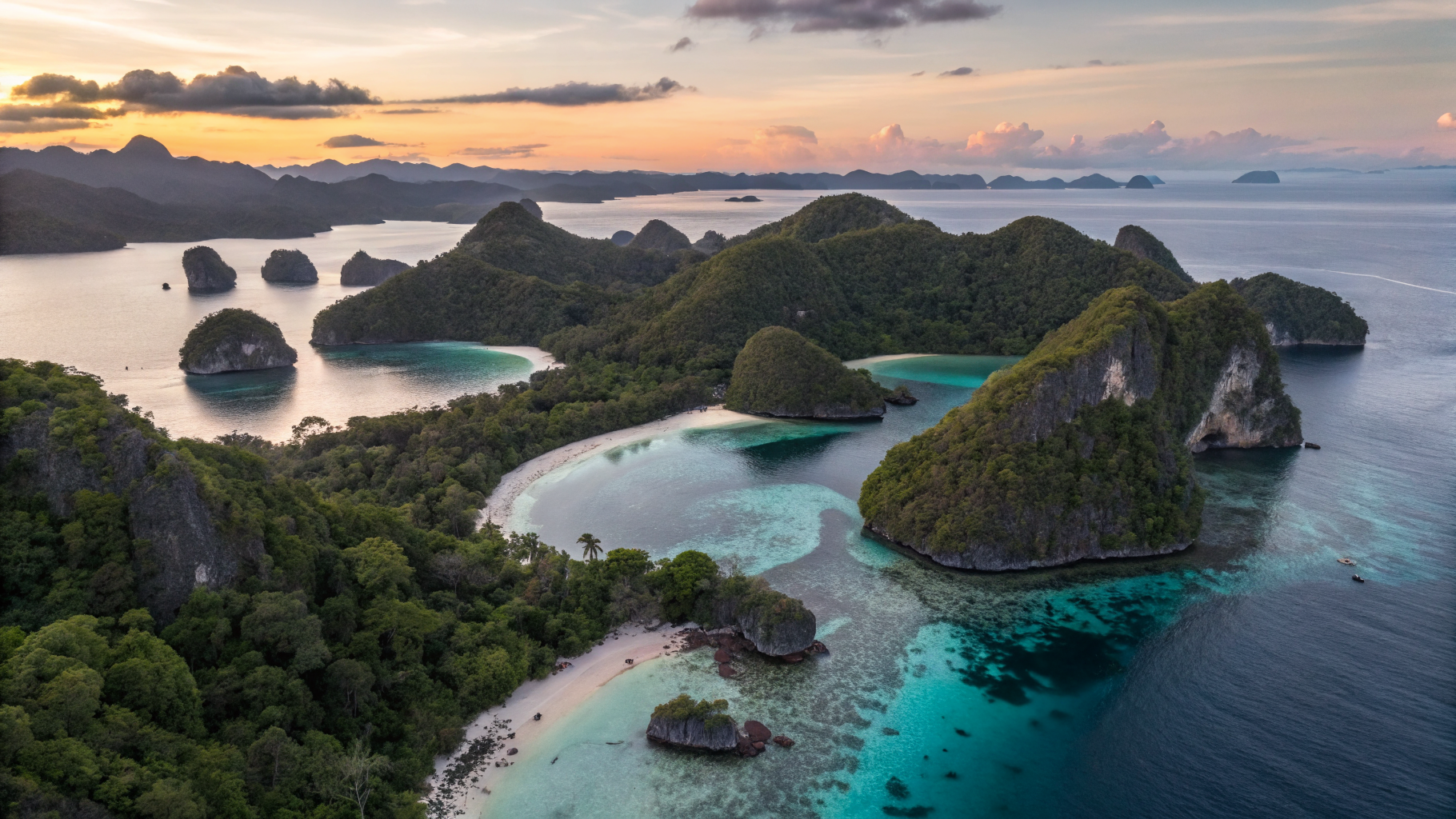
Raja Ampat, an archipelago in Indonesia, is a paradise for snorkeling enthusiasts and an excellent destination for non-divers. Boasting vibrant coral reefs and diverse marine life, it offers a unique experience for families and solo travelers alike. Liveaboard trips allow access to the best snorkeling spots Raja Ampat has to offer while accommodating those who wish not to dive.
Why Choose Raja Ampat for Snorkeling?
Raja Ampat is often hailed as one of the best snorkeling destinations in the world. With its pristine waters and incredible biodiversity, it’s a haven for both snorkelers and divers. The region is home to over 1,500 species of fish and 600 types of coral, making it a vibrant underwater ecosystem. The ideal time to visit is from October to April when the seas are calm, and visibility can reach up to 30 meters (approximately 98 feet).
- Exceptional Biodiversity: The area has the highest marine diversity in the world.
- Clear Water: Visibility ranges from 20-30 meters, especially during the dry season.
- Accessible Reefs: Many snorkeling spots are just a short swim from the beach.
Raja Ampat Snorkeling Liveaboard Adventures
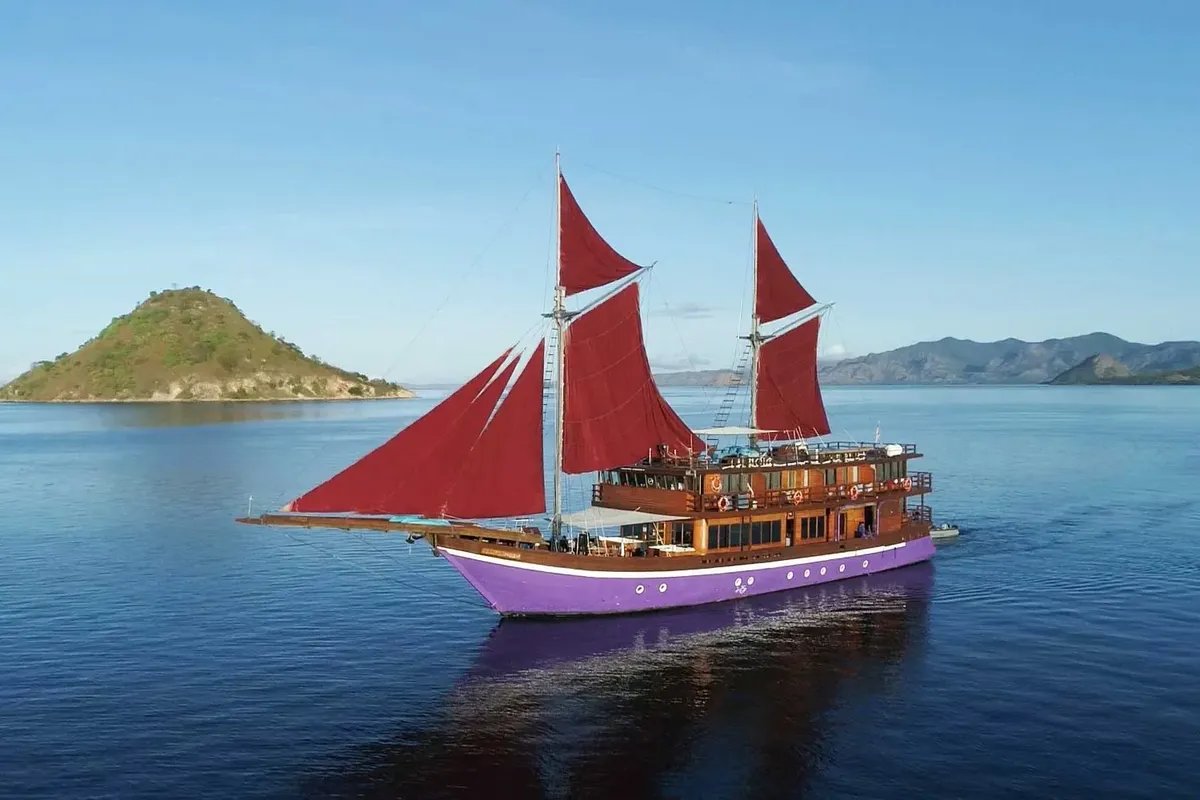
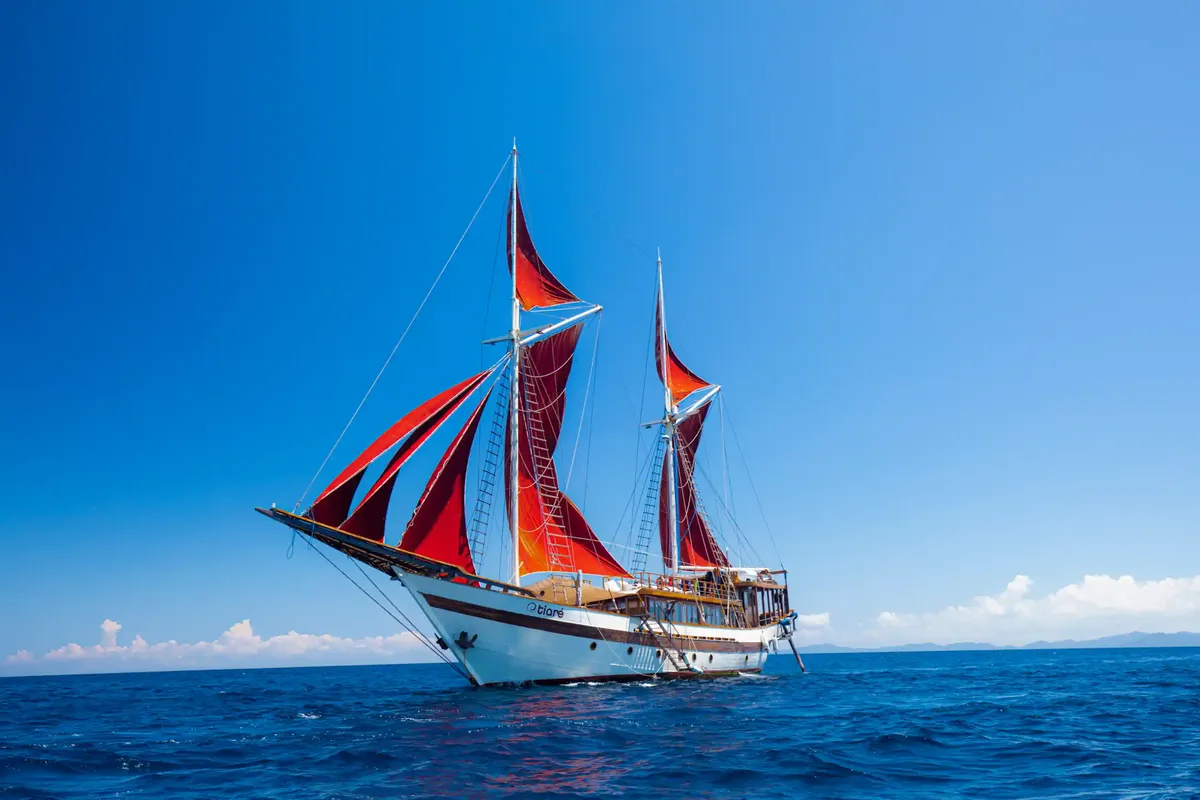
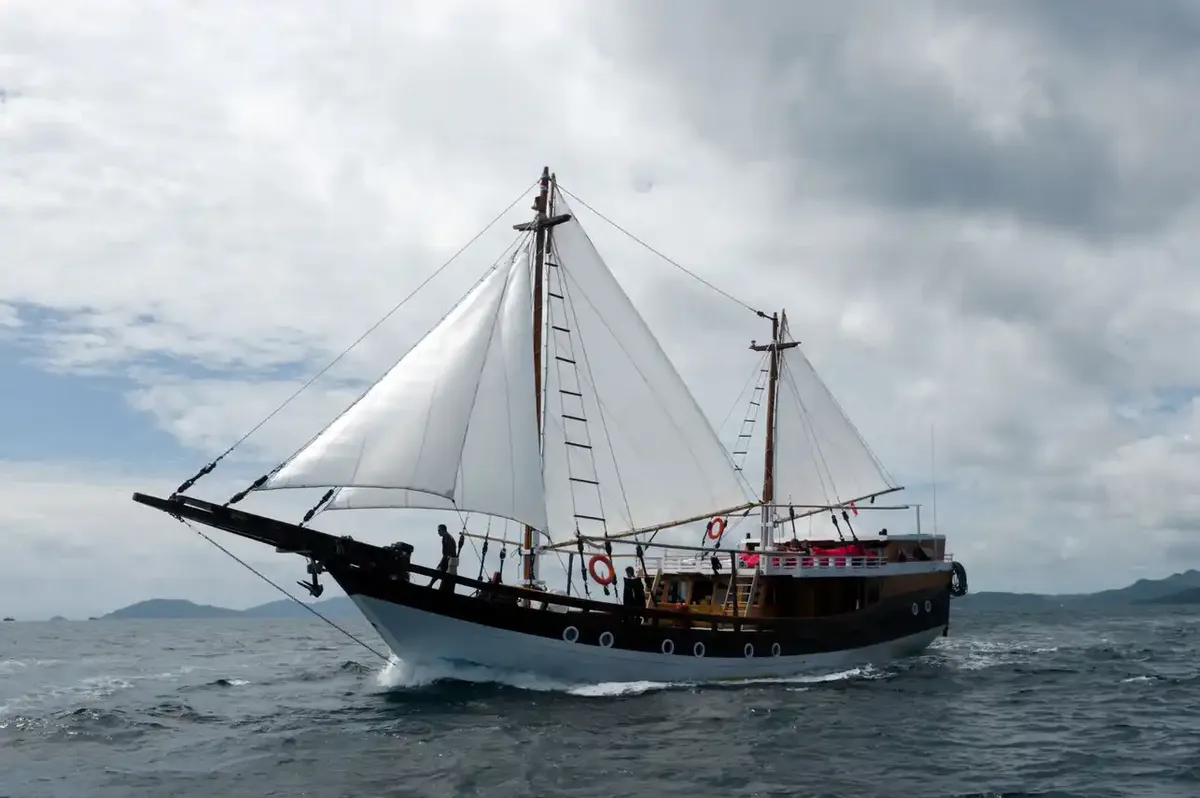
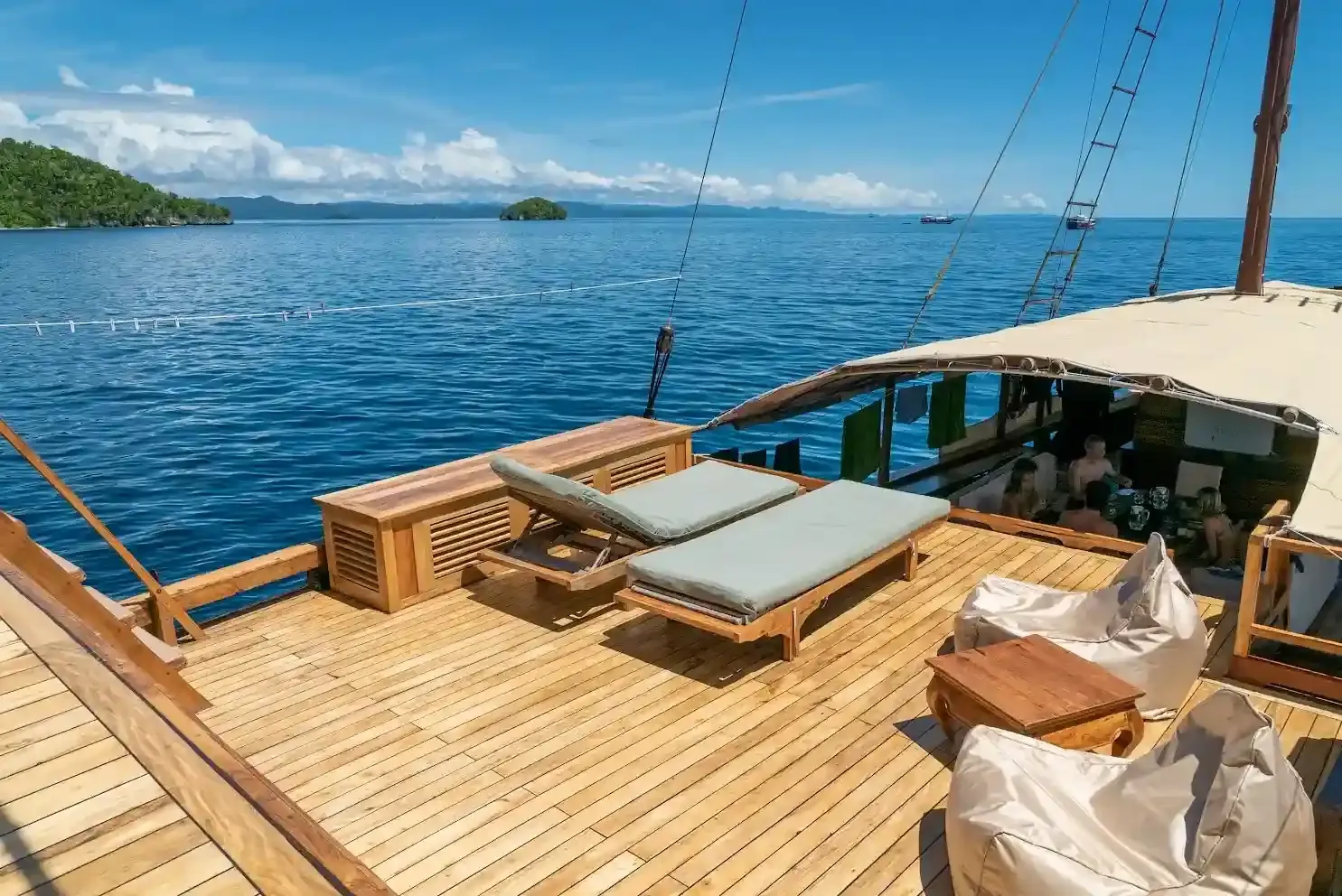
For those looking to experience Raja Ampat’s underwater beauty without the commitment of diving, a snorkeling liveaboard is an excellent choice. Liveaboards typically range from $1,200 to $2,500 per week for a cabin, depending on the boat’s amenities and itinerary. Most liveaboards cater to both divers and snorkelers, ensuring everyone can enjoy the striking scenery.
Popular liveaboard operators like Raja Ampat Liveaboard provide a variety of itineraries lasting from 5 to 10 days. These trips often include visits to multiple snorkeling spots, with daily excursions tailored for both divers and snorkelers. Cabins can accommodate families, couples, or solo travelers, making it a versatile choice for various groups.
Best Snorkeling Spots in Raja Ampat
With over 1,500 small islands, Raja Ampat is a rich source of exceptional snorkeling spots. Here are some of the best snorkeling spots Raja Ampat offers:
- Blue Magic: Renowned for its nutrient-rich waters, this spot is abundant in marine life such as manta rays, sharks, and various fish species. Depths range from 15 to 35 meters.
- Cape Kri: A must-visit for its vibrant coral gardens and diverse marine life. This site is well-suited for beginners with shallow areas sitting around 10 to 15 meters deep.
- Misool Lagoon: Perfect for families and non-divers, the lagoon’s calm and shallow waters allow for safe exploration. Expect to see colorful corals and schools of fish in depths of just 2 to 8 meters.
- Wofoh Island: This site features stunning underwater topography and is ideal for snorkeling due to its shallow reefs. Depths vary from 3 to 12 meters, making it a safe option for all levels.
Can Non-Divers Join Raja Ampat Liveaboards?
Absolutely! Many liveaboard operators warmly welcome non-divers. Typically, these trips are designed with activities for both snorkelers and divers, ensuring everyone enjoys their time. Non-divers often have the chance to join guided snorkeling trips, explore beautiful islands, and relax aboard the vessel while divers are in the water.
Non-divers can participate in excursions designed specifically for them, such as guided snorkeling tours that often highlight the safest and most picturesque spots. Prices for non-divers usually remain the same as for divers, so budget around $1,200 to $2,500 per week for an all-inclusive experience.
Raja Ampat for Families
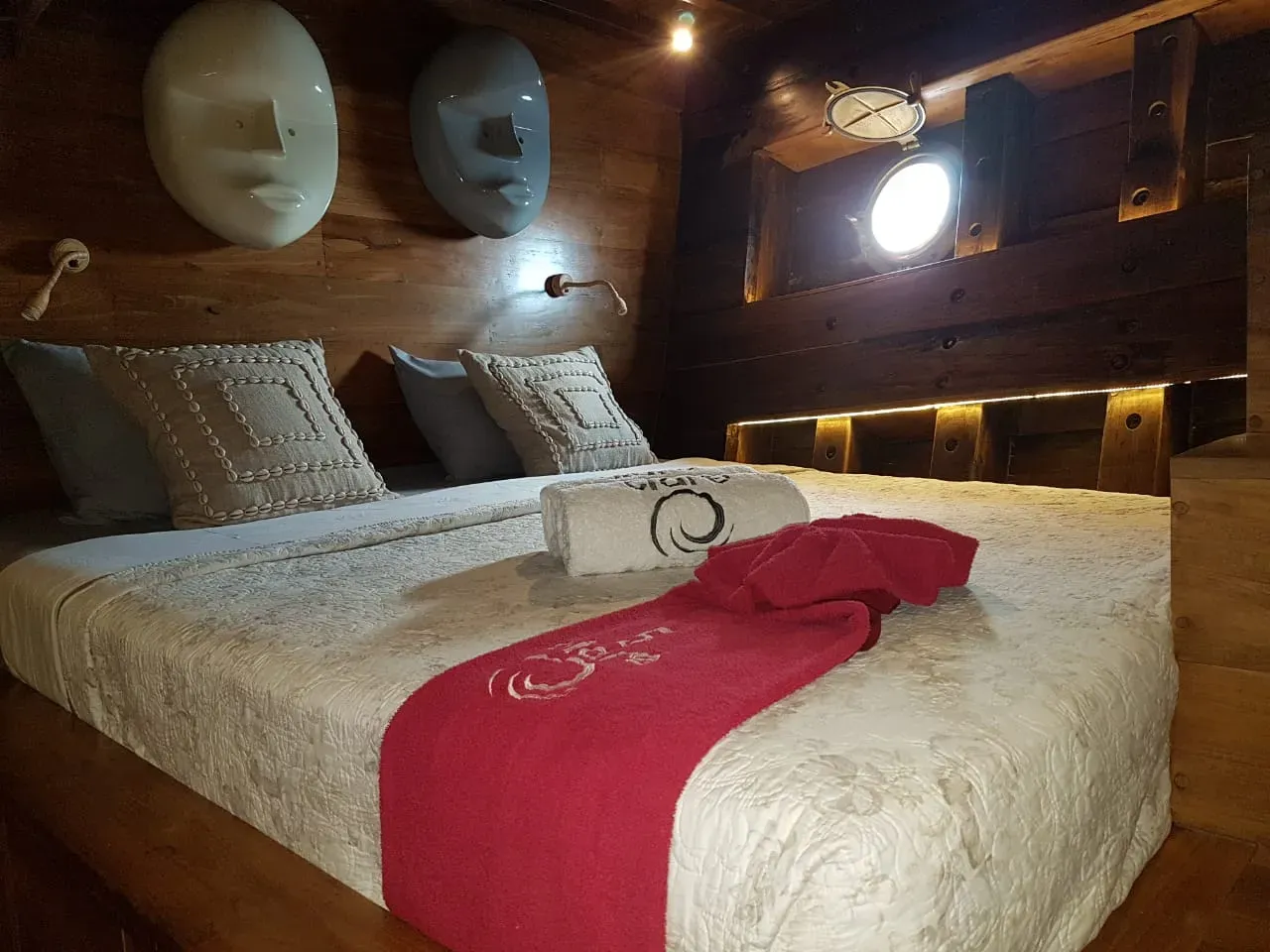
Raja Ampat is an ideal destination for family snorkeling trips. Many liveaboards are family-friendly, offering spacious cabins and activities suited for children. The calm, shallow waters at spots like Misool Lagoon allow younger snorkelers to explore safely. Family-friendly itineraries generally include shorter daily excursions, allowing ample time for relaxation and bonding.
Costs for family trips may vary, but expect to invest around $3,000 to $4,000 for a week-long family liveaboard trip, depending on group size and the chosen operator. Some boats even provide kid-friendly meals and onboard entertainment to keep the younger ones engaged.
Raja Ampat Shallow Reef Snorkeling
If you’re not a strong swimmer or prefer shallower waters, Raja Ampat has plenty of areas where snorkeling is easy and enjoyable. Shallow reefs are teeming with life and provide perfect opportunities for close encounters with marine species.
Popular shallow reef spots include:
- Yenbuba Village: This area features stunning coral gardens in depths of 5 to 10 meters, ideal for beginners.
- Sawandarek Village: Known for its welcoming local community and vibrant reefs, this site offers shallow waters perfect for leisurely snorkeling.
- Gam Island: The waters here typically range from 0 to 5 meters, perfect for families and less experienced snorkelers.
Raja Ampat Lagoon Snorkeling
Raja Ampat’s lagoons are some of the most picturesque snorkeling areas. The calm waters, surrounded by limestone cliffs and lush greenery, provide an enchanting setting. These lagoons are often home to various marine life, including colorful corals, rays, and occasional turtles.
Some popular lagoon snorkeling spots include:
- Frogfish Lagoon: Known for its stunning coral formations and diverse marine species, this lagoon is a favorite among snorkelers.
- Misool Lagoon: As previously mentioned, it boasts shallow depths and vibrant marine life, making it perfect for families.
- Payung Island: This hidden fers clear waters and a unique underwater landscape, perfect for snorkeling adventures.
Raja Ampat Marine Life Snorkeling Experiences
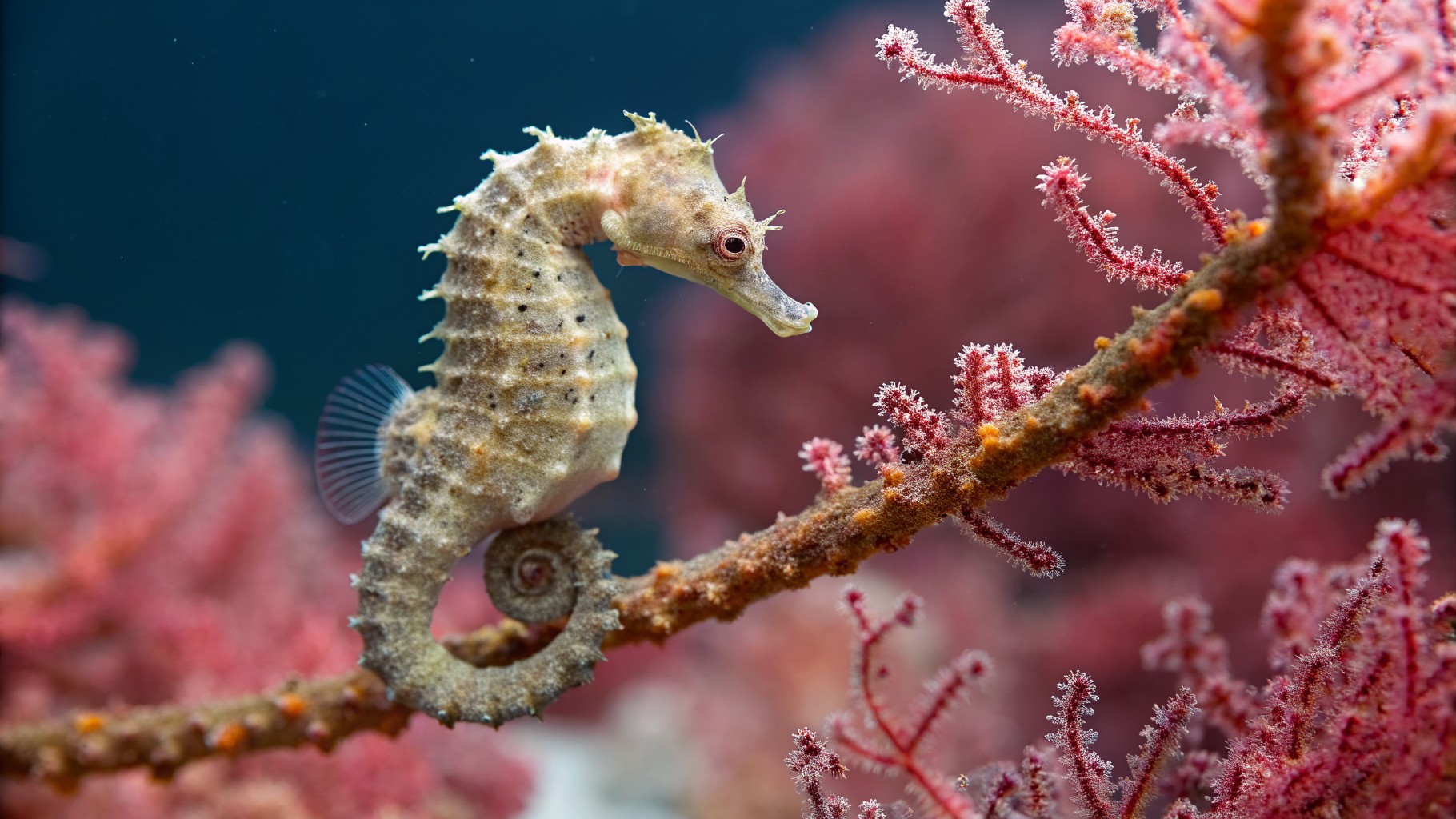
The marine life in Raja Ampat is nothing short of spectacular. Snorkelers can expect to see a diverse array of species, including:
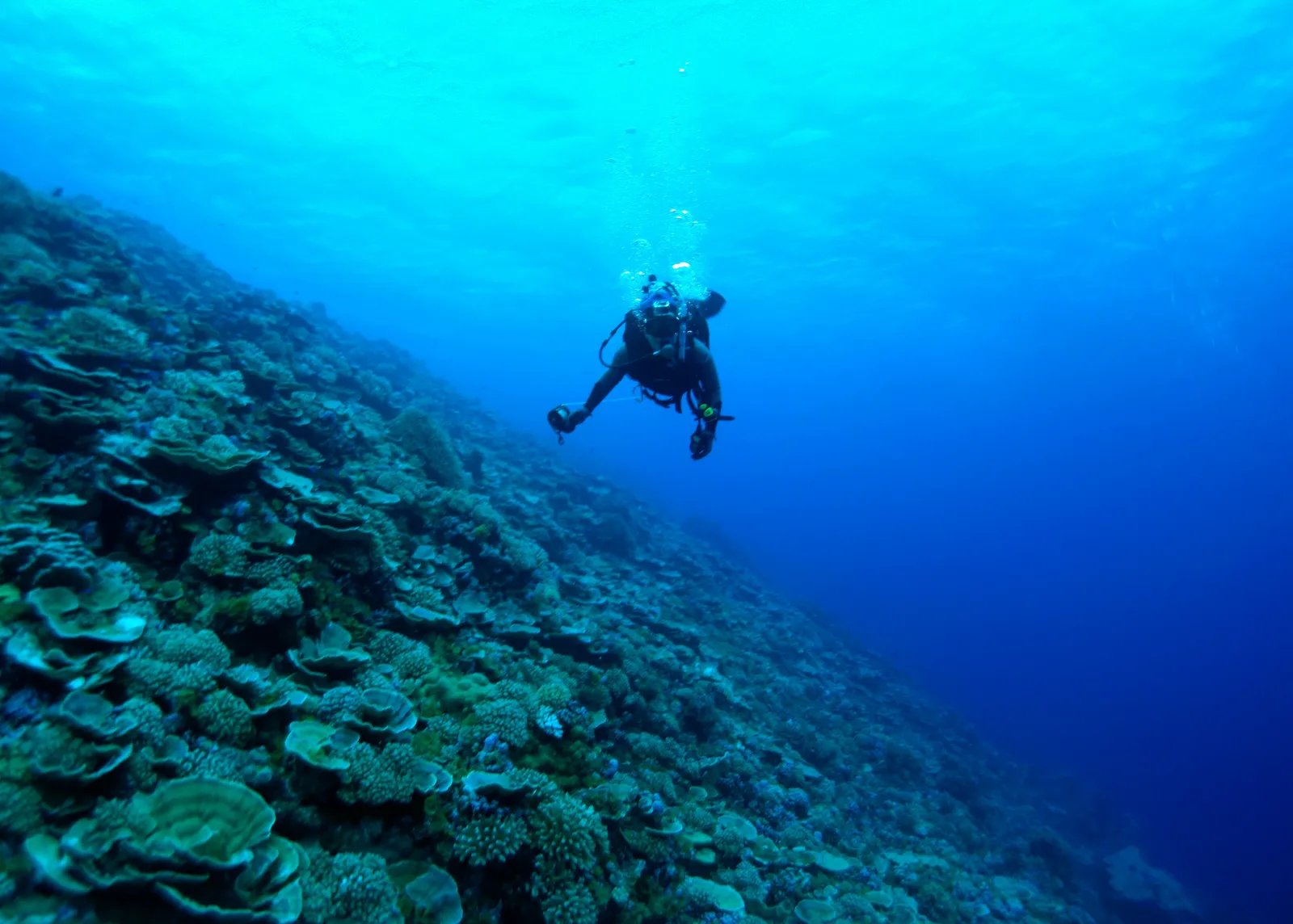
- Corals: Over 600 coral species can be found here, making it one of the most biodiverse marine environments in the world.
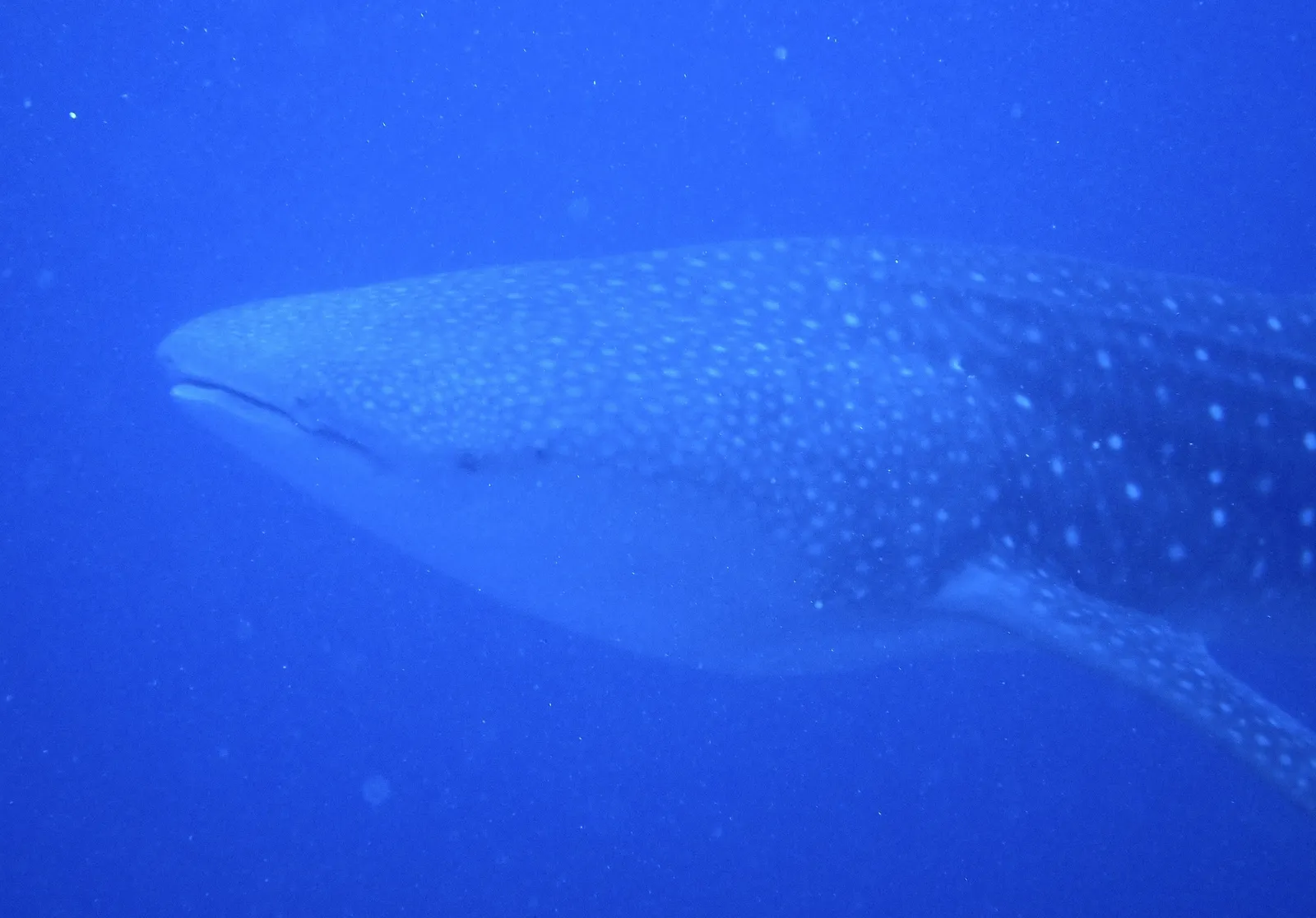
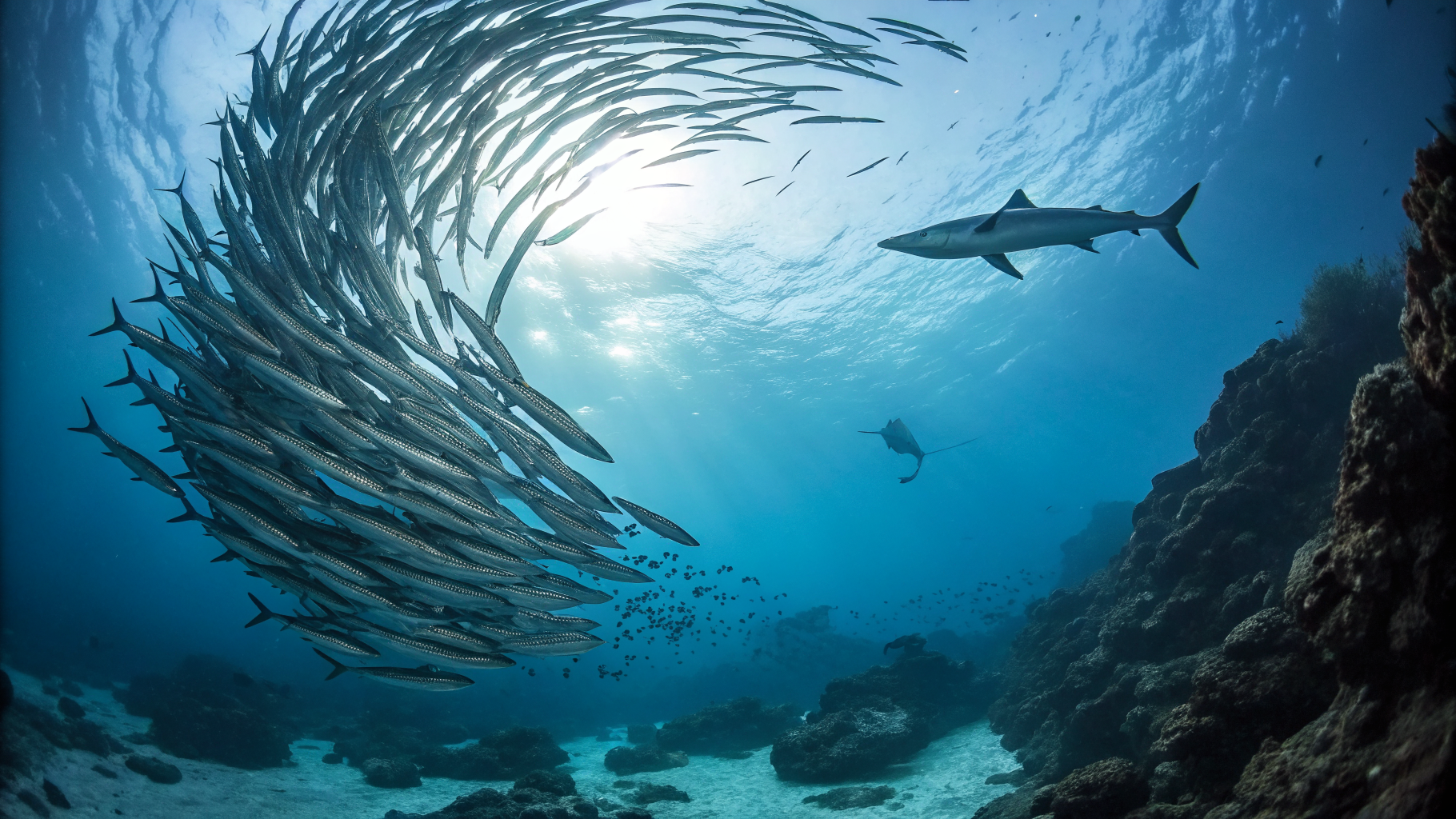
- Fish: Schools of clownfish, parrotfish, and even larger pelagic species like barracuda and tuna are common sights.
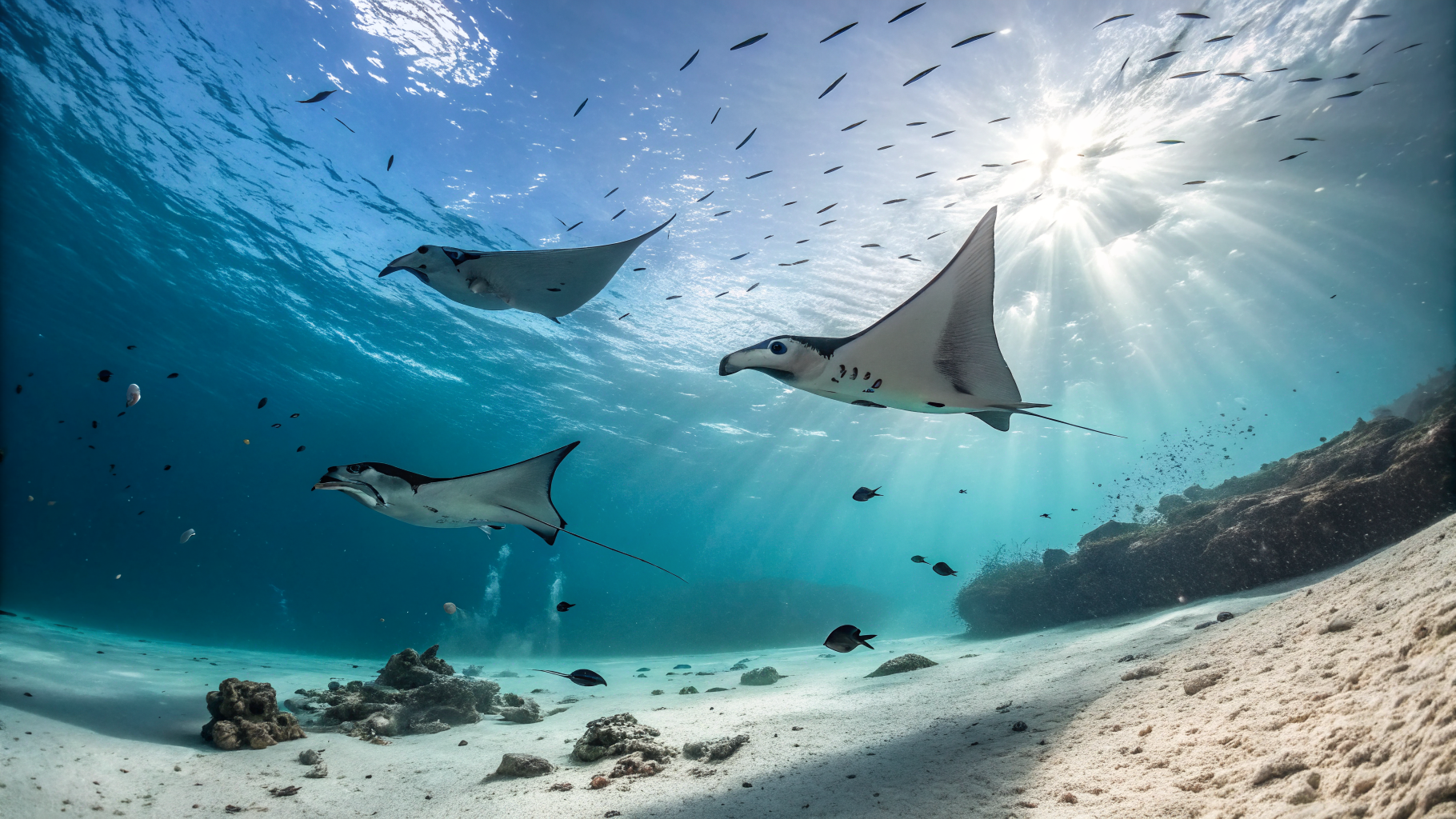
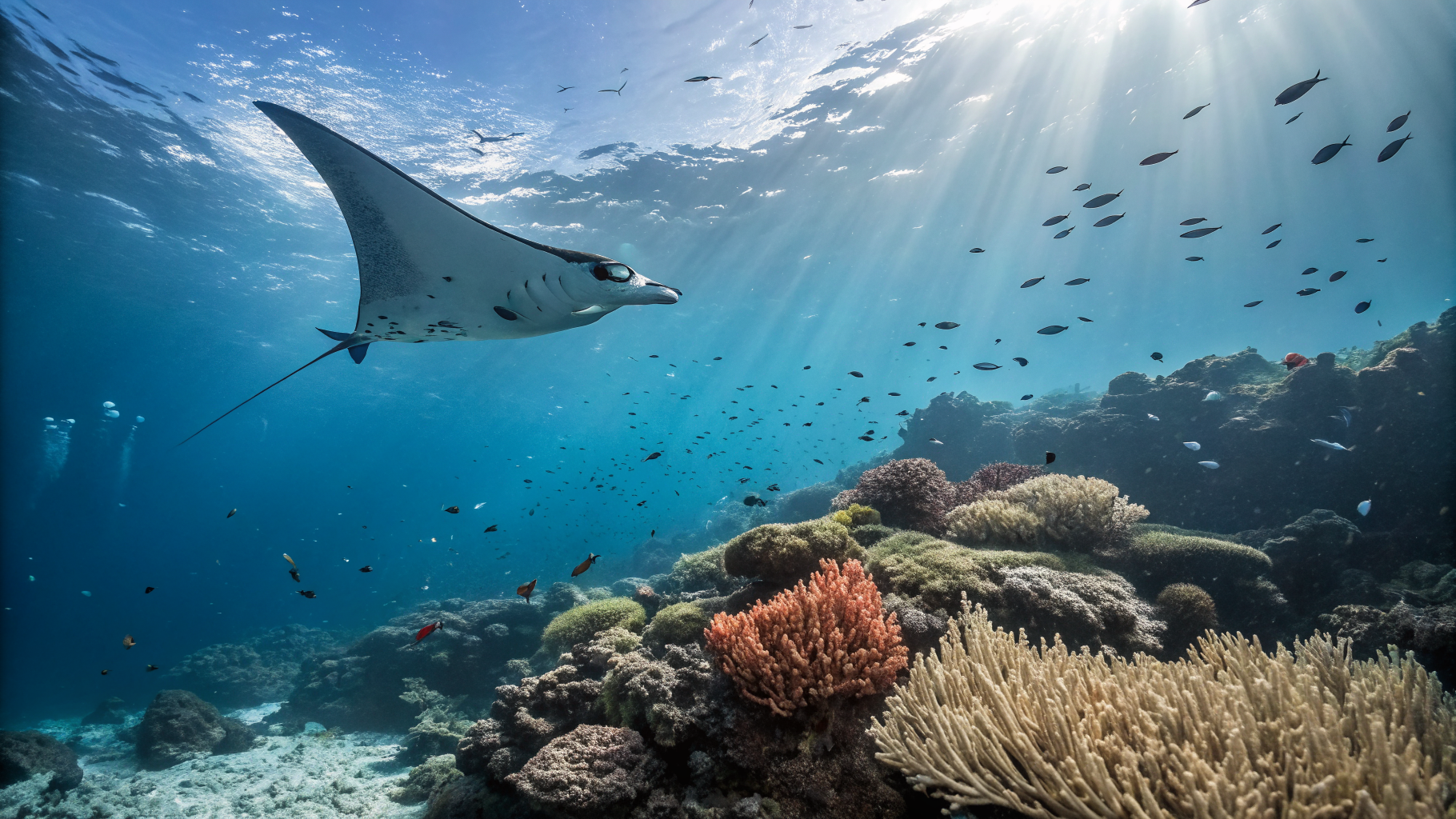
- Manta Rays: The area is known for seasonal manta ray sightings, particularly at sites like Blue Magic and Manta Sandy.
Expect to encounter various unique species that thrive in Raja Ampat’s rich ecosystems, which are well-preserved due to the region’s commitment to conservation.
FAQ
- What is the best time to visit Raja Ampat for snorkeling? The best time to visit is between October and April, when the weather is dry and visibility is the best.
- Can I snorkel from the beach? Yes, many beaches in Raja Ampat allow for excellent snorkeling directly from the shore.
- Are there liveaboards specifically designed for beginners? Yes, many liveaboards cater to beginners, providing guidance and equipment for snorkeling.
Raja Ampat offers exceptional opportunities for snorkeling and exploration. Whether you are a seasoned snorkeler or a family seeking a safe underwater adventure, the beauty of Raja Ampat is waiting for you to discover.