
The Raja Ampat dive sites only reachable by liveaboard sit well outside the range of any single-day trip out of Sorong or Waisai — Wayag’s hidden lagoons in the far north, the current-carved Boo Window off Misool, and the outer pinnacles past Dampier Strait’s better-known reefs. A day boat can reach Cape Kri or Blue Magic and be back at the dock before dark, but it cannot cross open channels, chase a narrow slack-tide window, or reposition overnight the way these remote sites require. That access gap is the entire argument for a liveaboard: it is not a more comfortable way to dive Raja Ampat, it is the only way to dive the sites that matter most.
What Are the Raja Ampat Dive Sites Only Reachable by Liveaboard?
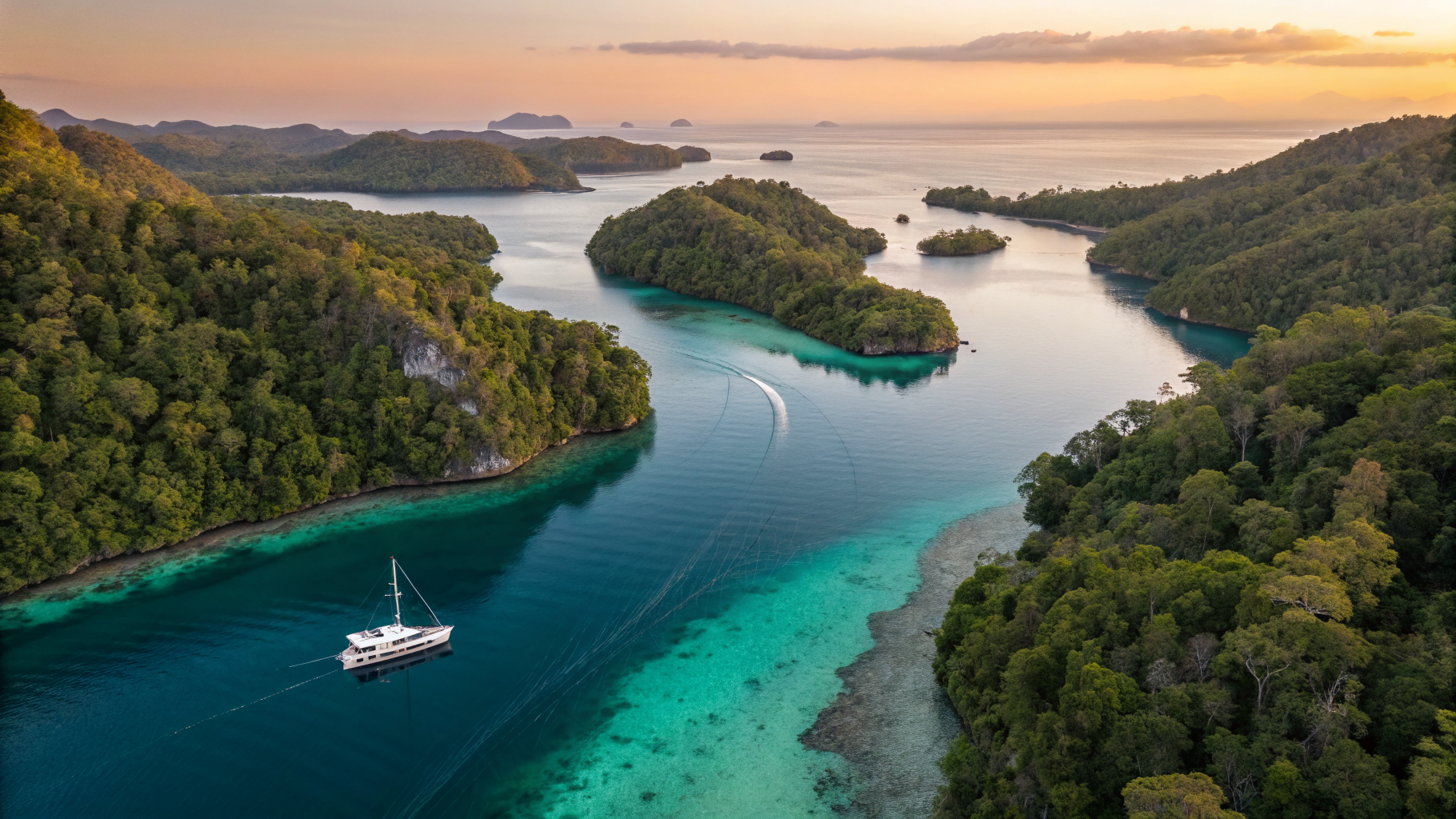
Raja Ampat’s diving is spread across four distinct regions — Dampier Strait, Misool in the south, and the far northern reaches around Wayag and Kawe — separated by open-water crossings that can take anywhere from three hours to the better part of a day. Day-trip operators based in Waisai realistically cover only the inner Dampier Strait reefs close to shore. Everything beyond that ring belongs to boats that can stay out overnight, and that single fact is why the archipelago’s most talked-about sites are also its least visited by day guests.
Wayag’s Hidden Lagoons
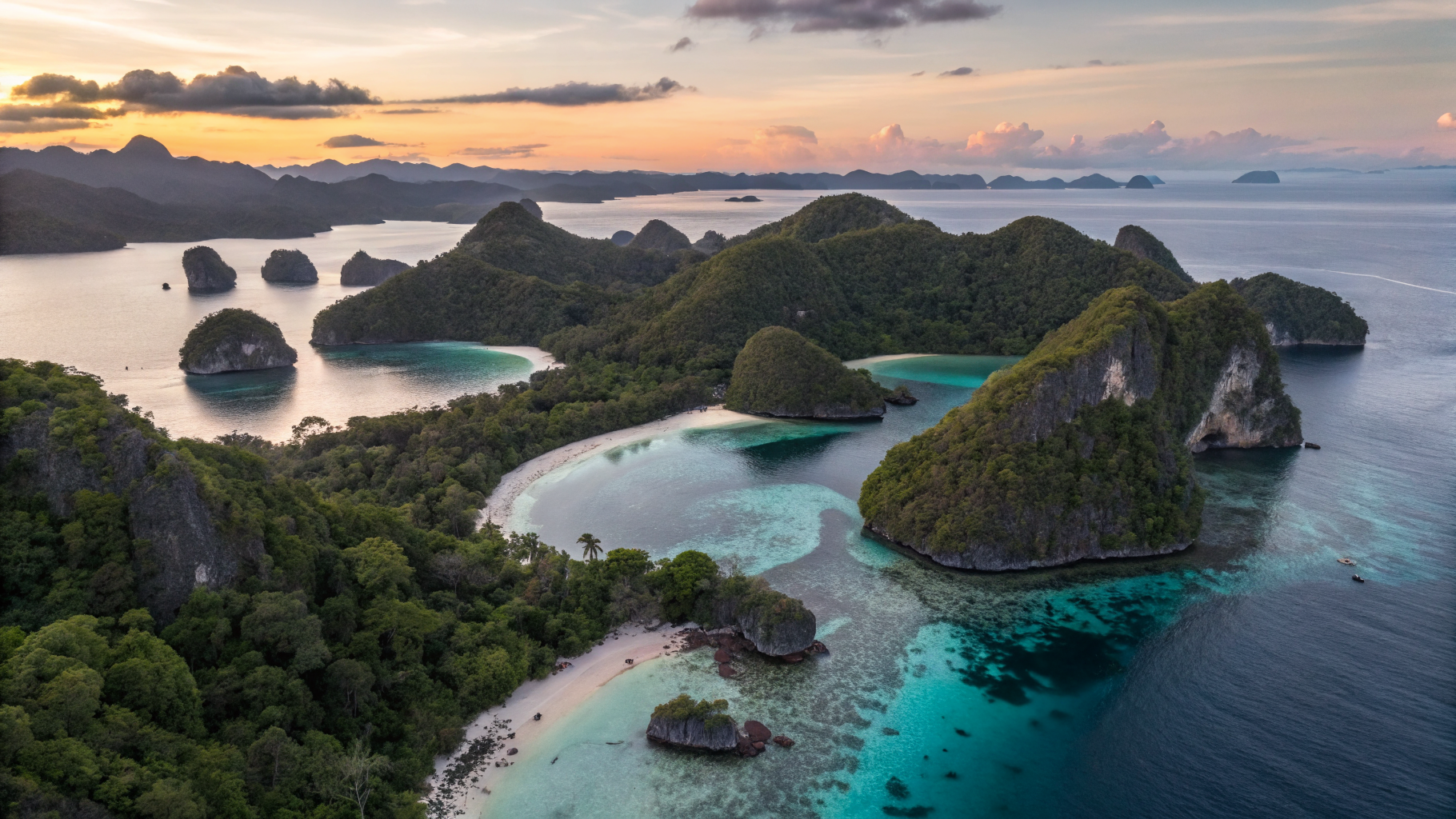
Wayag sits at the northern tip of Raja Ampat, its limestone karst islands enclosing turquoise lagoons that no day boat from Waisai can reach and return from within a single day. Diving and snorkeling the lagoons properly means being anchored nearby overnight, ready to move at first light before the wind picks up. Only a liveaboard running a northern-route itinerary makes that possible — see the Wayag dive site page for what a typical stop there looks like.
Boo Window and the Soft Coral of Misool
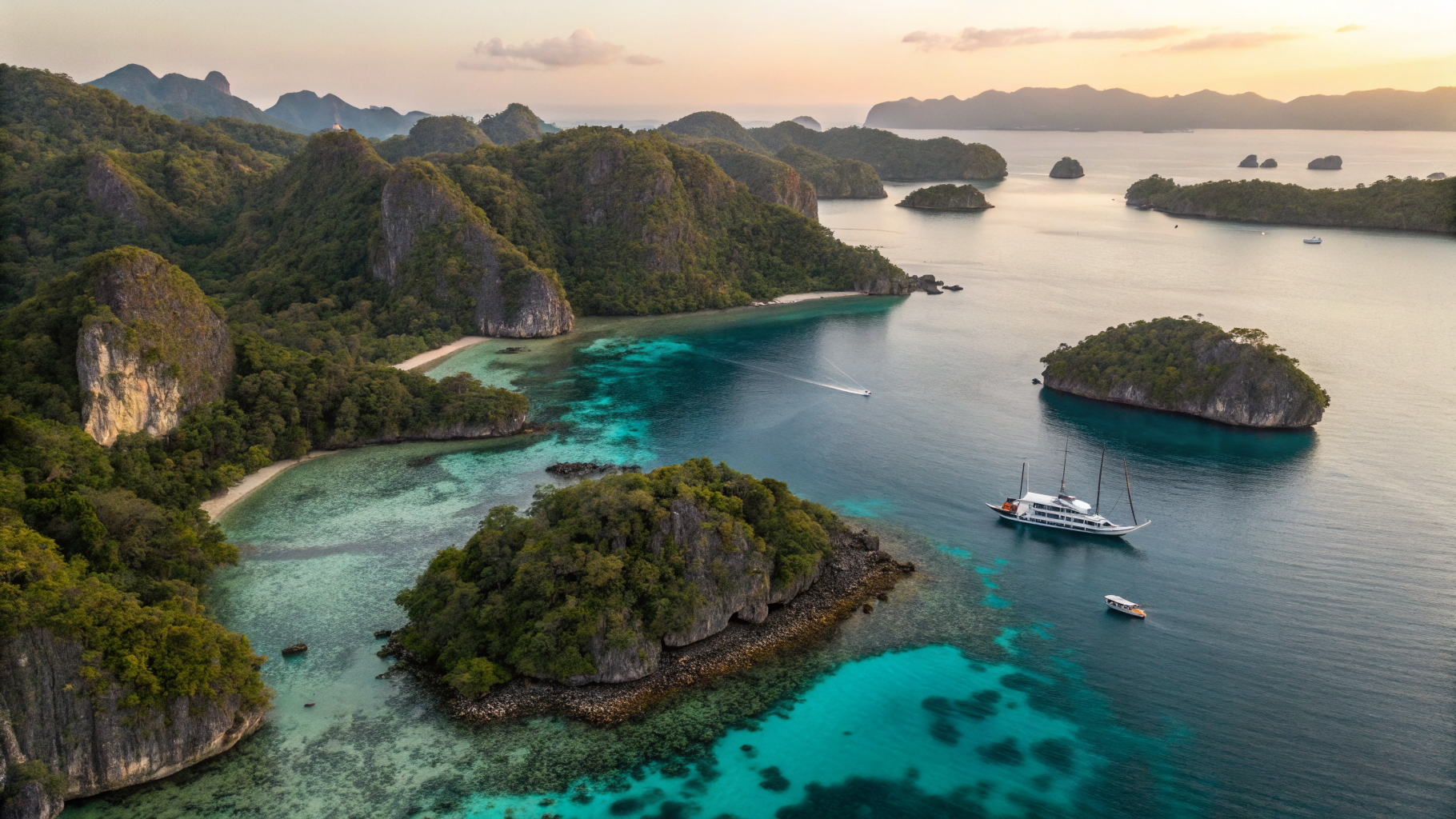
In southern Misool, Boo Window is a natural rock archway that divers swim through only when the current cooperates — a timing call that a fixed-schedule day trip simply cannot make. Misool itself sits roughly six to ten hours by boat from Sorong, which puts it firmly in liveaboard-only territory, and its sheltered reefs are where Raja Ampat’s soft coral growth is at its densest and most colorful. Details on the swim-through and the surrounding reef are on the Boo Window dive site page.
The Outer Pinnacles Beyond Cape Kri and Blue Magic
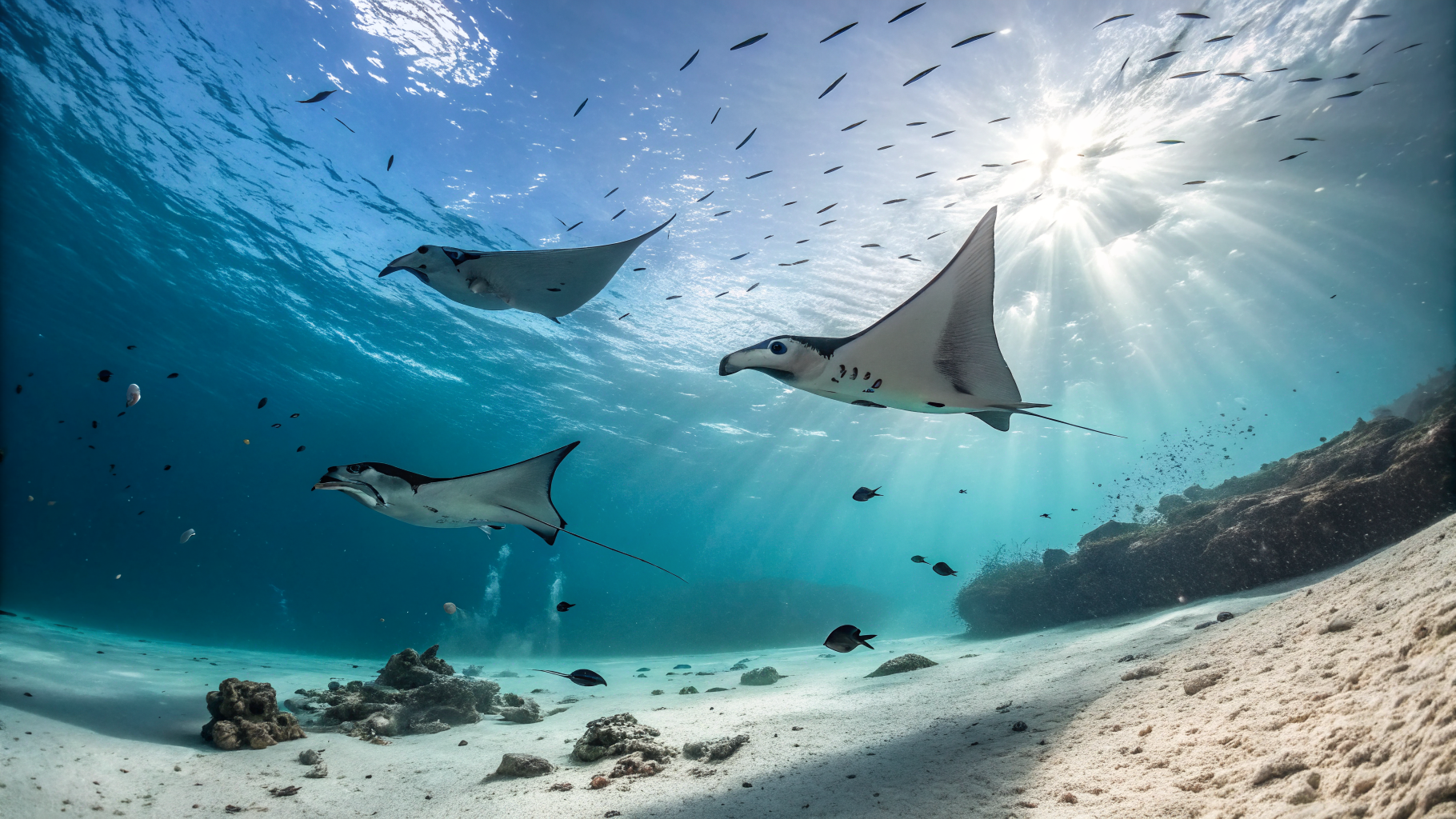
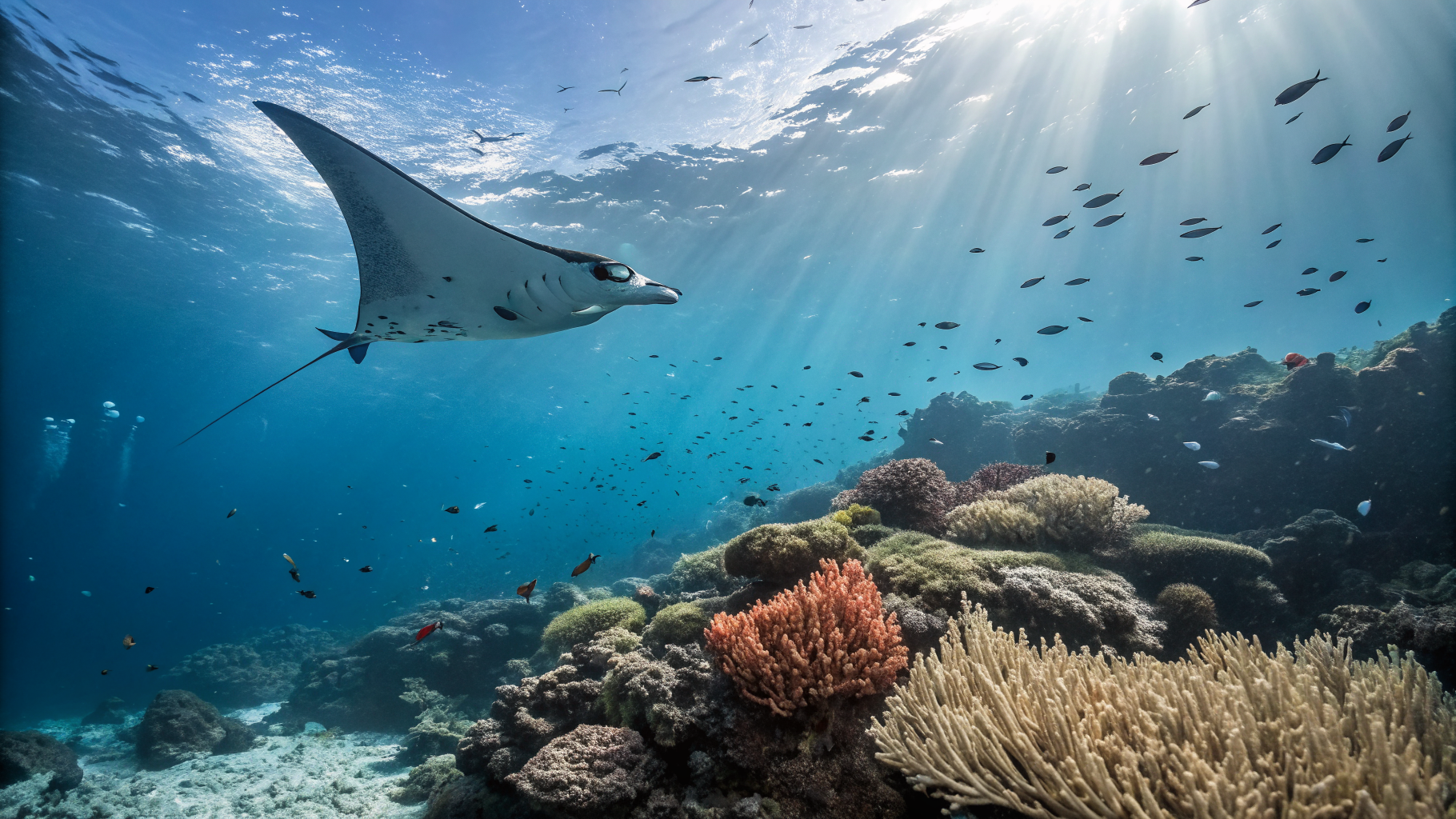
Cape Kri and Blue Magic are the two Dampier Strait sites every visitor to Raja Ampat has heard of. Cape Kri is still cited for a single-dive fish count in the low 300s recorded by visiting marine biologists — one of the highest ever logged on one reef — and its dive site page covers what to expect on a typical dive there. Blue Magic is known for its cleaning station, where oceanic manta rays circle the pinnacle in strong current; the Blue Magic dive site page has the current and depth notes. Both sit close enough to Waisai for day boats to reach them, which is exactly why they get crowded during peak months. The outer pinnacles further out in the strait, away from the main channel, see stronger and less predictable current and are worked into liveaboard itineraries only, where the boat can wait out slack tide or reposition without a fixed return time.
How Does a Liveaboard Reach Sites a Day Boat Cannot?
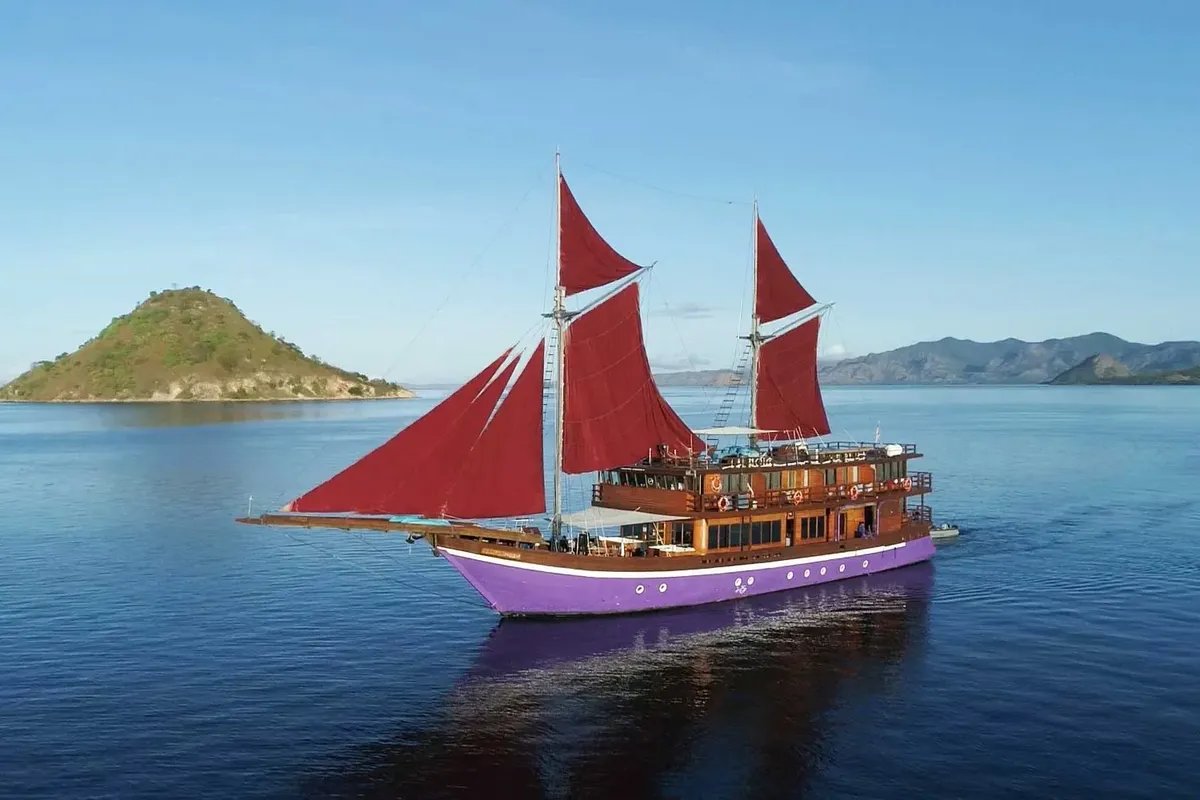
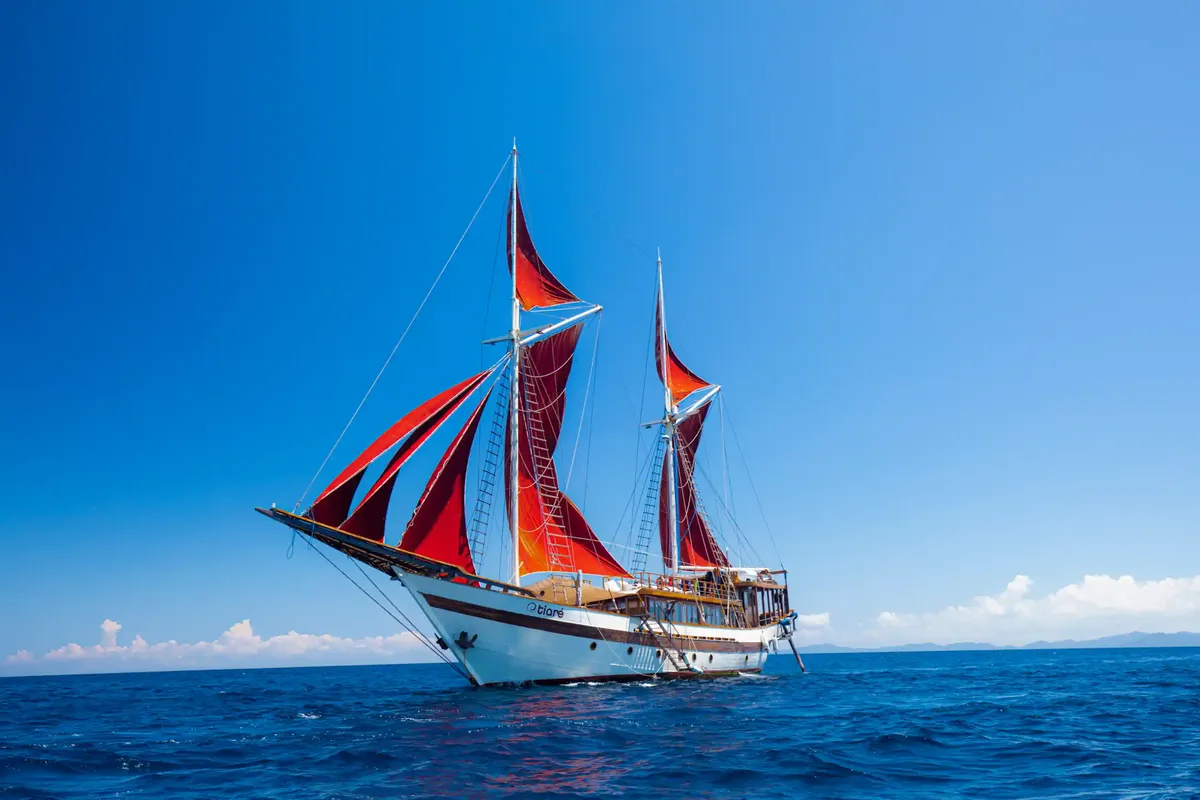
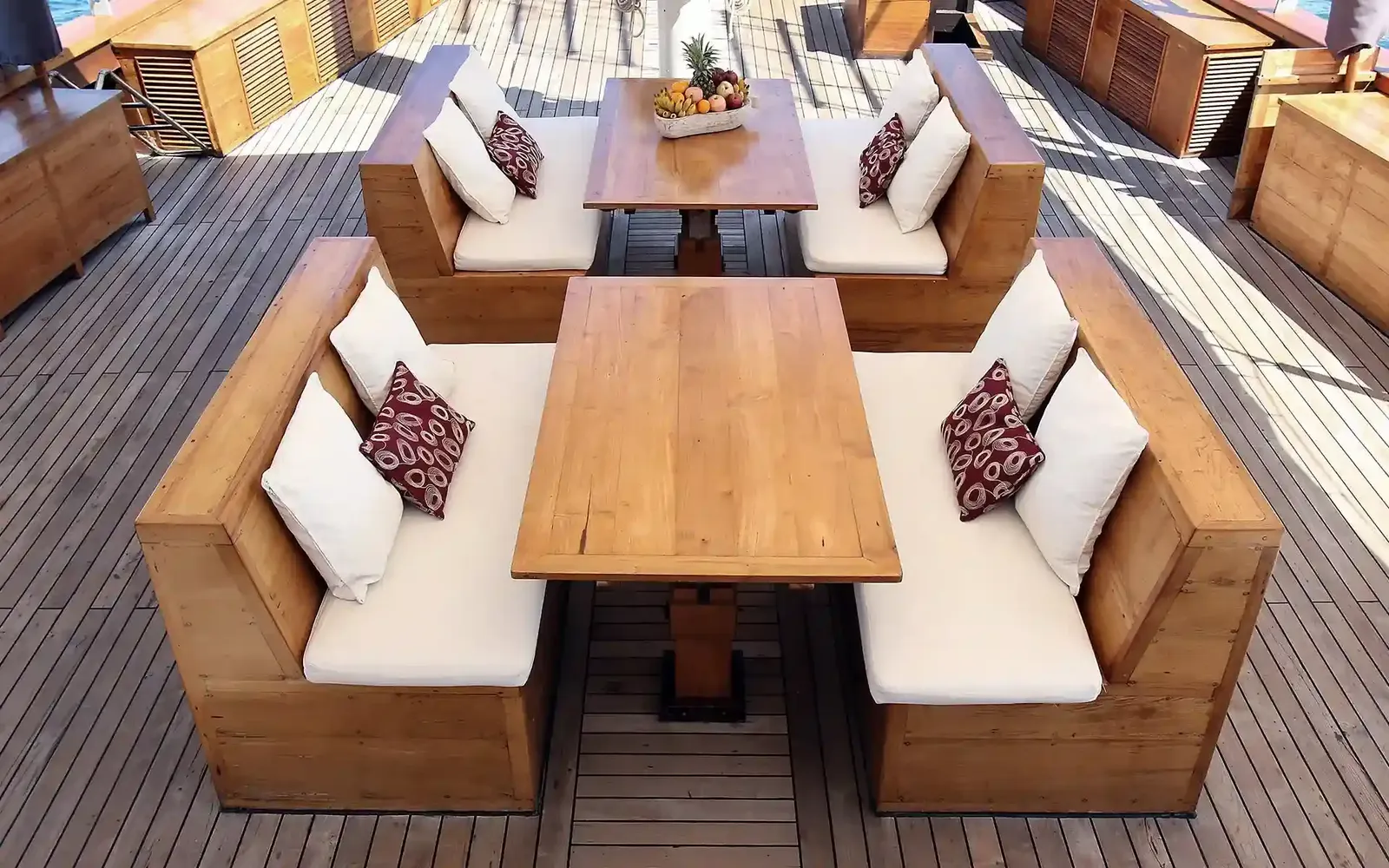
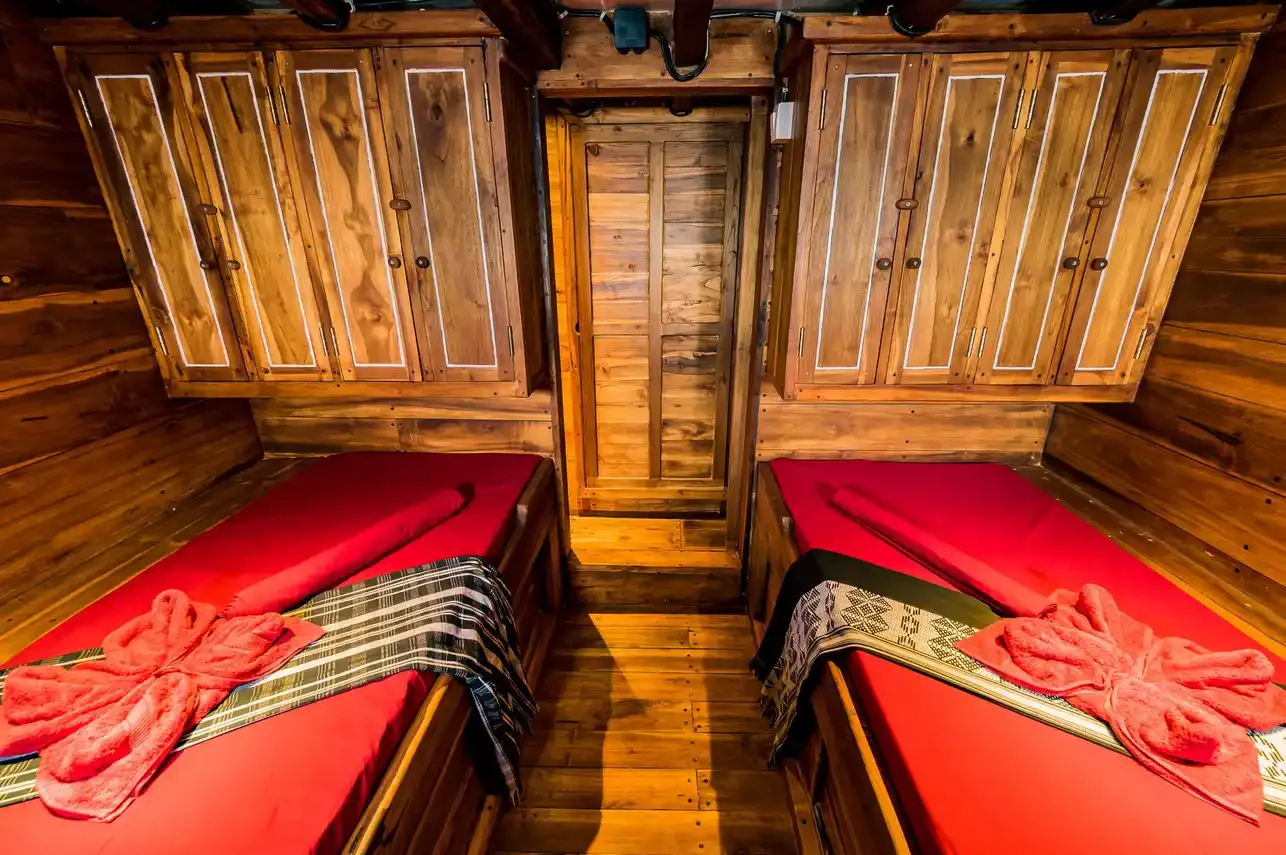
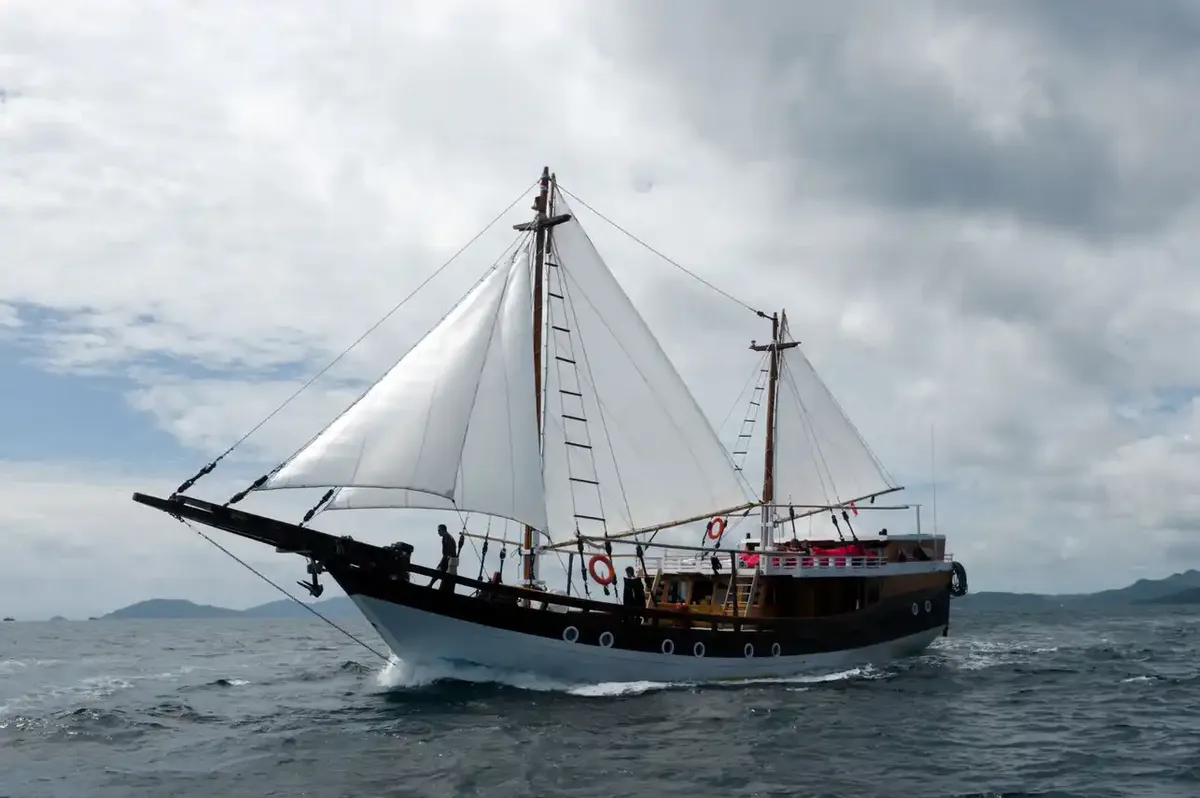
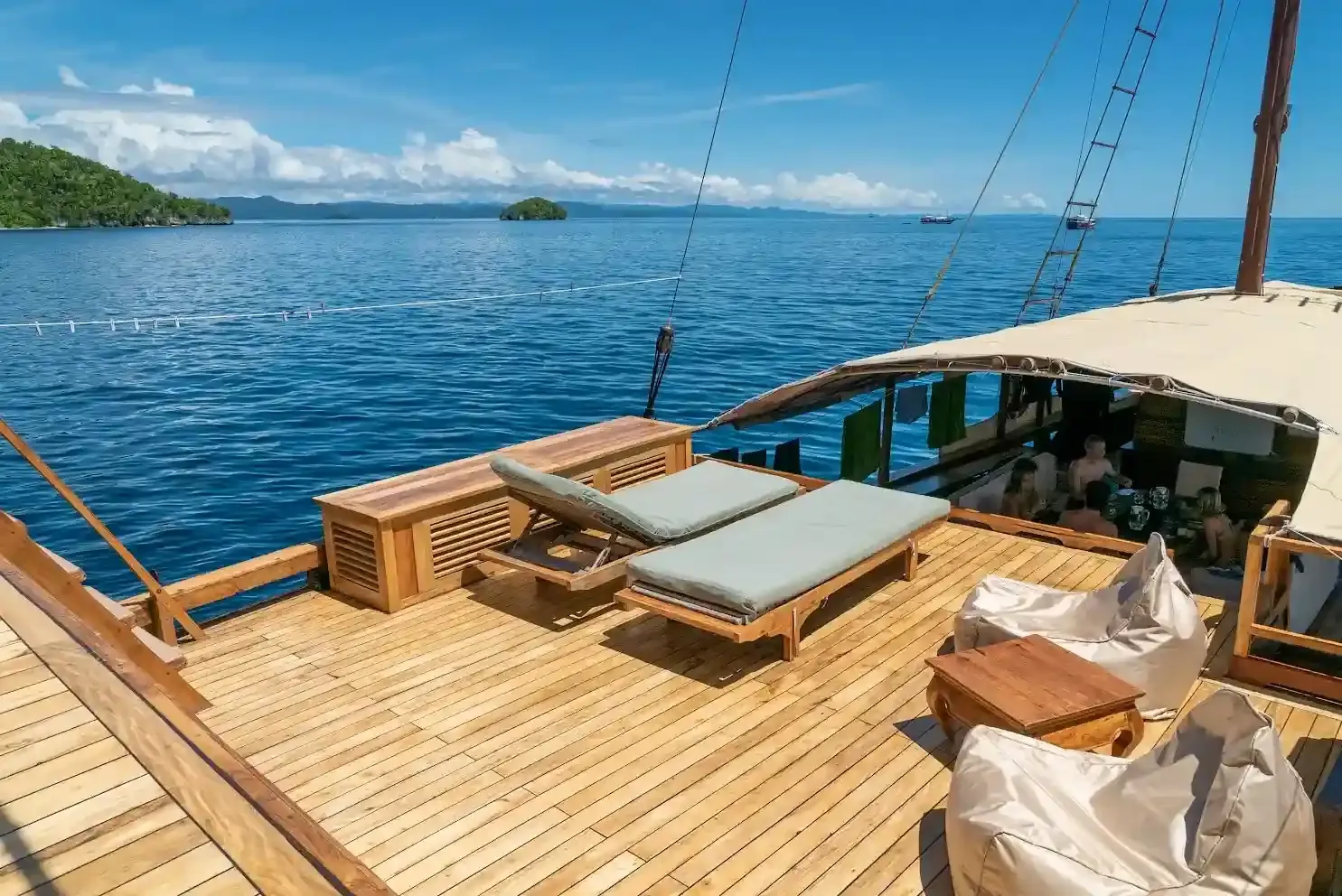
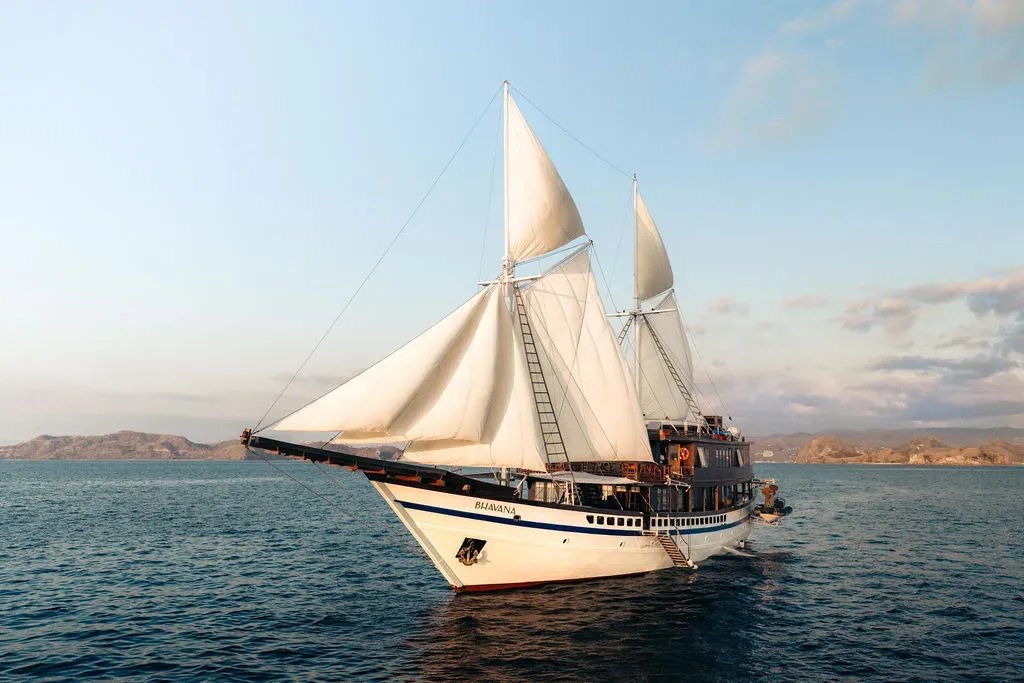
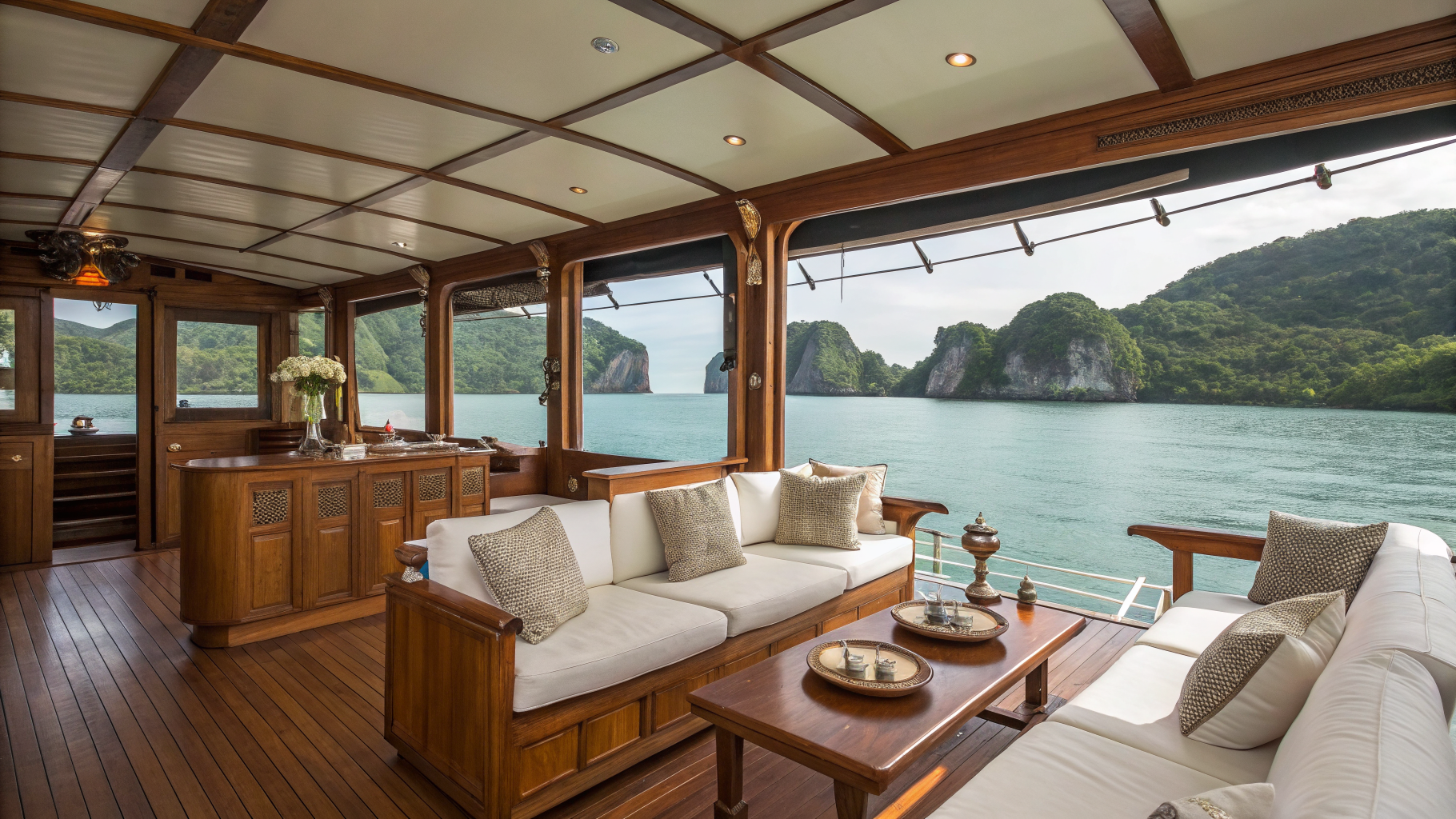
The mechanics behind reaching the Raja Ampat dive sites only reachable by liveaboard are straightforward. A liveaboard carries its own fuel, water, and dive compressor for the length of the trip, moves between regions overnight while guests sleep, and times each dive around the tide rather than a return schedule. Most Raja Ampat liveaboard itineraries run six to eleven nights out of Sorong, which is roughly what it takes to link Dampier Strait, Misool, and a northern run to Wayag or Kawe into one route instead of three separate day trips that could never actually happen. As of 2026, every diver on board also needs a Raja Ampat marine park entry permit (the PIN card) — a liveaboard operator arranges this as part of the booking rather than leaving guests to sort it out at a jetty counter.
| Region | Signature site | Access |
|---|---|---|
| Dampier Strait (inner reefs) | Cape Kri, Blue Magic | Day boat or liveaboard |
| Dampier Strait (outer pinnacles) | Current-swept pinnacles | Liveaboard only |
| Misool | Boo Window, soft coral gardens | Liveaboard or Misool-based resort |
| Wayag / Kawe | Karst lagoons | Liveaboard only |
When Is the Best Time to Dive These Remote Sites?
October through April is generally regarded as the calmer season across Raja Ampat, with better visibility and more settled crossings between regions — useful when a route depends on reaching Wayag in the north and Misool in the south on the same trip. Currents throughout the archipelago run moderate to strong even in this window, particularly at the pinnacles and cleaning stations, so most itineraries expect divers to be comfortable with drift and current diving rather than treating it as optional.
Why the Case for a Liveaboard Holds Up
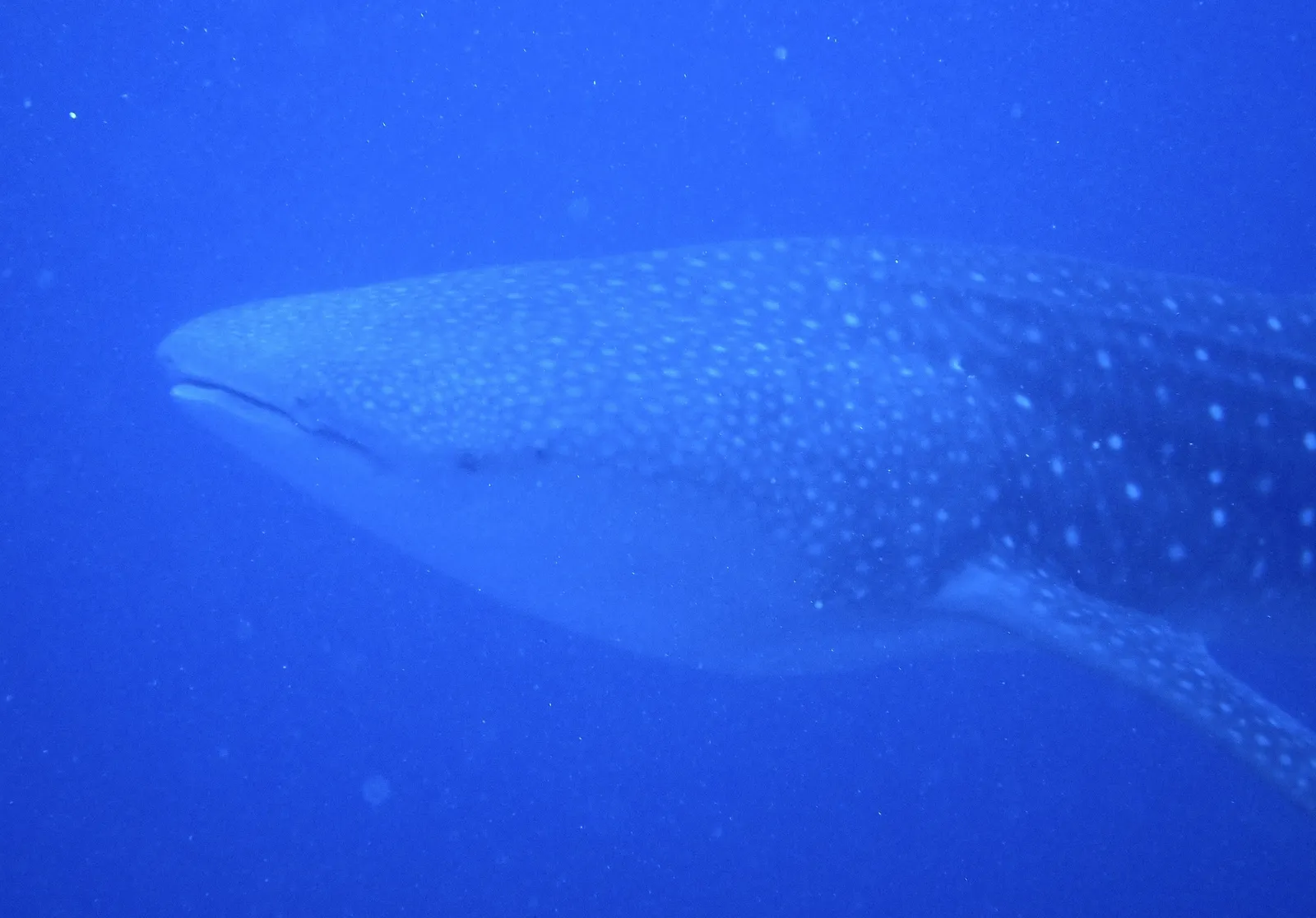
The list of Raja Ampat dive sites only reachable by liveaboard keeps overlapping with the archipelago’s richest reefs. The wider marine park supports more than 1,500 recorded fish species, and the sites that concentrate the best of that diversity — the outer pinnacles, the far lagoons, the current-formed swim-throughs — are also the ones a day operator’s schedule cannot accommodate. Booking a day trip means accepting the subset of Raja Ampat that happens to be close to shore. Booking a liveaboard package means the itinerary is built around the sites, not the other way around, and a private charter goes further by letting the route, pace, and dive schedule be set entirely around which of these remote sites matter most to the group on board. Either way, the full spread of Raja Ampat’s dive sites only comes into reach once the boat itself becomes the accommodation.
This is really the core of the argument for the Raja Ampat dive sites only reachable by liveaboard: the reefs closest to Waisai are diveable by anyone with a day boat, but Wayag, Boo Window, and the outer Dampier pinnacles are only ever dived by people who stayed out on the water long enough to reach them. If that access is the point of the trip, the itinerary needs to be planned around it from the start rather than added on as an afterthought once a shorter trip is already booked.
Part of Juara Holding Group — operating from Bali across Indonesia since 2015, our team puts together end-to-end Raja Ampat liveaboard trips built around exactly this kind of route, from permit arrangements to boat selection. Pricing varies by season, route length, and boat category, so treat any figure discussed as an indicative starting point rather than a fixed quote until an itinerary is confirmed. For a route that actually reaches Wayag, Misool, and the outer Dampier pinnacles in one trip, message us on WhatsApp at +62 811-3823-875 or write to [email protected] and we’ll work out what fits.